Escambia County was created on July 21, 1821, by an ordinance of Andrew Jackson. It was one of the two counties Florida started with, and its county seat is Pensacola. Navy fliers began flying from Pensacola's shore in 1914, and it came to be called the Cradle of Naval Aviation. Its history as a place of European settlement goes back to 1559, when Tristán de Luna y Arellano tried to start a Spanish colony at Pensacola.
This page tells the story in order, from Luna's colony of 1559 to the finding of Luna's town, a ballpark by the bay and a championship, then lists places in the county where you can still see it. The sources for each part are named at the end of that part, and all of them are listed at the bottom of the page.
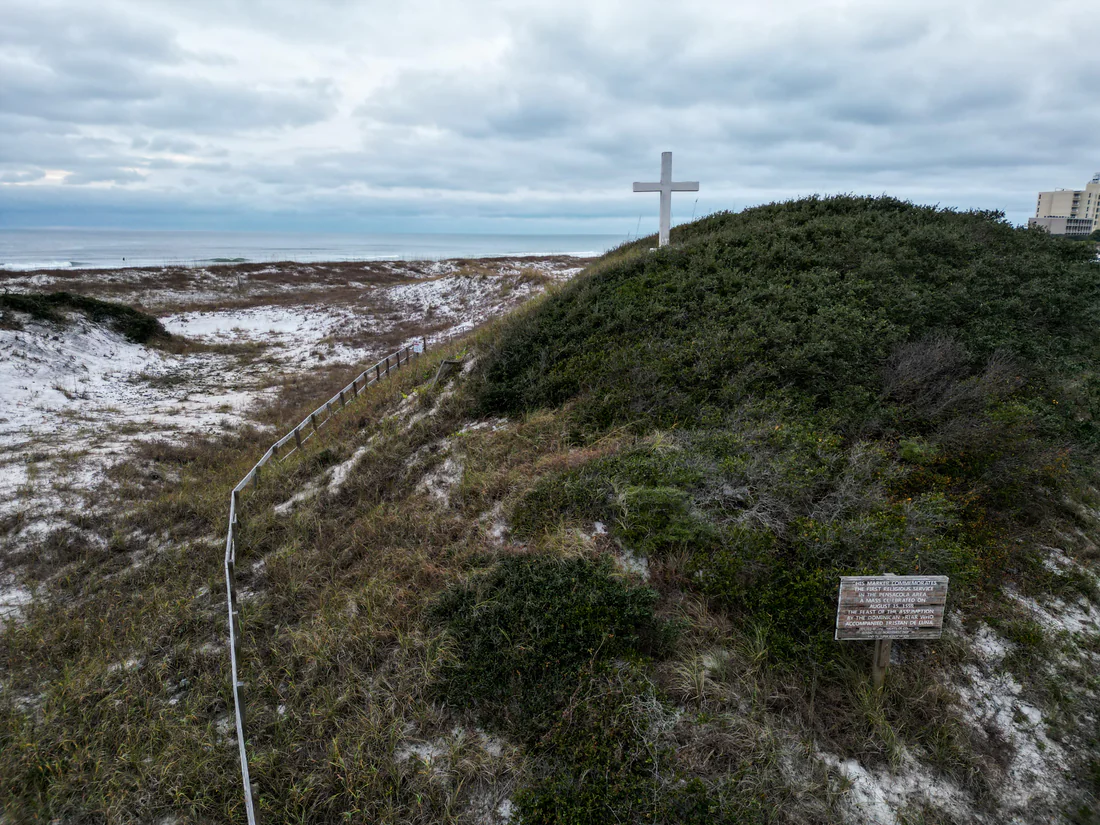
Luna's colony on Pensacola Bay, 1559 to 1561
Native people lived around Pensacola Bay in the 1500s. In 1559 Tristán de Luna y Arellano tried to start a Spanish colony at Pensacola. His 11 ships carried 1,500 people, among them soldiers, colonists, enslaved people and Aztec Indians. The fleet sailed into the bay and dropped anchor on August 14, 1559.
On September 19 a hurricane hit the ships at anchor, and only three were still afloat the next day. The storm also ruined most of the colony's food and supplies. For the next two years the colonists struggled to survive. Spain had pulled the last of them out by August 1561.
Sources: University of West Florida (John E. Worth): Rediscovering Pensacola's Lost Spanish Missions; University of West Florida: Archaeologists Gather to Discuss Luna Settlement, Wrecks; University of West Florida: Luna Settlement; University of West Florida (John E. Worth): The Tristán de Luna Expedition, 1559-1561
Next: Chapter 2, Spain's presidio and the mission Indians, 1698 to 1763 →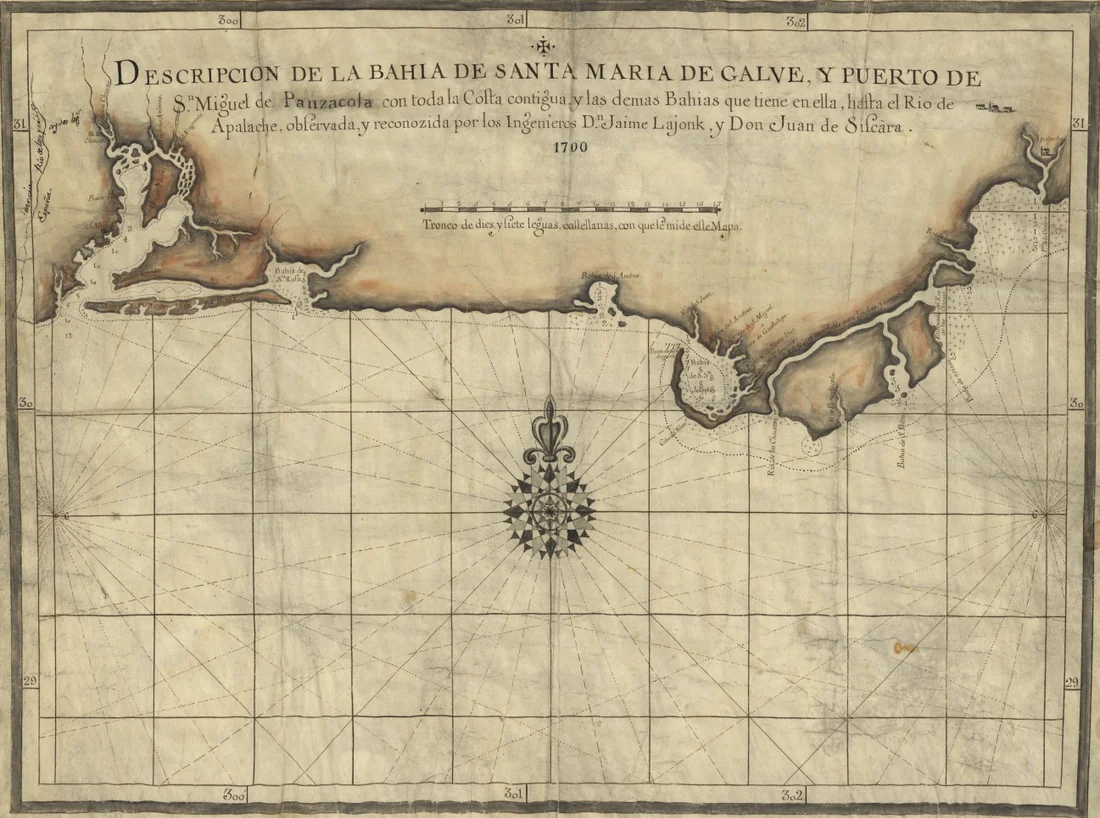
Spain's presidio and the mission Indians, 1698 to 1763
Spain founded the presidio of Santa María de Galve in 1698. It was a small frontier town with a fort, a village and a church, on land that is now part of Naval Air Station Pensacola. By then, historian John Worth writes, the bay's Native peoples of the 1500s had been gone for more than a hundred years. Later arrivals from the 1600s, the Pansacola Indians, were also in steep decline.
In 1704 Creek and English Carolina forces destroyed the Apalachee homeland. About 800 Christian Apalachee and Chacato people fled west to Spanish Pensacola. The French took over the presidio in 1719 and held it for three years. Spain got it back by treaty in 1722, but the French burned it when they left.
Spain's next presidio stood on Santa Rosa Island, close to the pass. An Apalachee mission, San Joseph de Escambe, stood upriver on the Escambia, about 12 leagues by water. In 1761 Creek raiders burned it to the ground, along with a Yamasee mission called San Antonio de Punta Rasa. When the Spanish left in 1763, 108 Apalachee and Yamasee people went with them to start new lives in Veracruz.
Sources: Florida Department of State, Division of Historical Resources: First Pensacola (historical marker); University of West Florida: Presidio Santa María de Galve; University of West Florida (John E. Worth): Rediscovering Pensacola's Lost Spanish Missions
Next: Chapter 3, British Pensacola and the Battle of 1781 →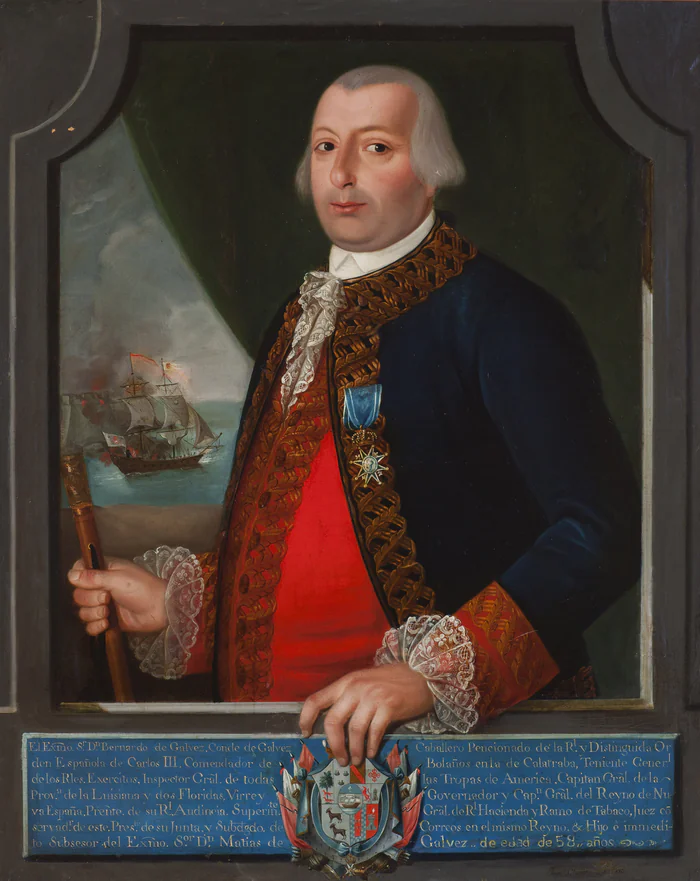
British Pensacola and the Battle of 1781
Pensacola passed to the British in 1763. The British built a stockade, and the cleared ground outside its east wall became Seville Square. They likely built Fort George in 1778. The city's park history says it was the largest of the three British forts.
Spanish troops under General Bernardo de Gálvez took the fort in 1781, after the Battle of Pensacola. The Spanish never moved into Fort George, and it was left to decay. In 1784, the city's port history says, a private commercial dock was built and began trading with England.
Pensacola's Five Flags Park displays a flag for each of the five nations that have ruled the city. They are the flags of Spain, France, Britain, the Confederate States and the United States.
Sources: City of Pensacola: Port Facts; City of Pensacola: History of Pensacola Parks
Next: Chapter 4, 1821: Florida turns American, and Escambia County begins →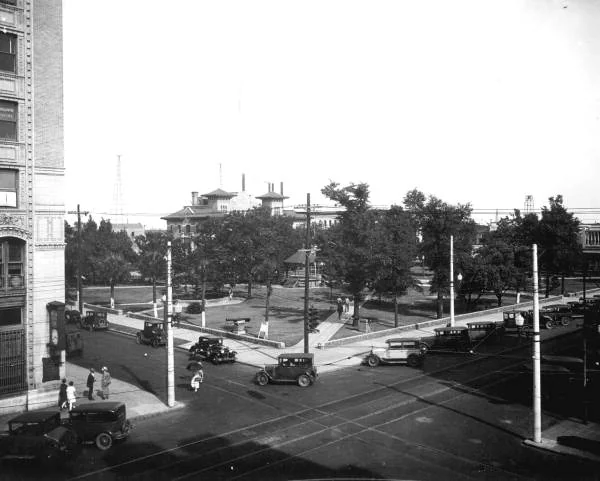
1821: Florida turns American, and Escambia County begins
On July 17, 1821, Andrew Jackson watched as the Spanish flag came down and the American flag went up. Spain handed Florida over to the United States in Pensacola's Plaza Ferdinand VII. Jackson later took the oath there as the first Territorial Governor, the city says. The city also says the Star Spangled Banner was heard for the first time on Florida soil in that plaza.
Four days later, on July 21, 1821, an ordinance by Jackson created Escambia County. Florida started out with two counties, and this was one of them. At first it ran east all the way to the Suwannee River, with Alabama to the north and the Gulf of Mexico to the south. Jackson County, formed in 1822, was the first new county cut from it.
The county seat is Pensacola. The University of South Florida says the origin of the name Escambia is unknown but is thought to be an Indian word. A county history kept by the State Archives of Florida says the name probably came from the Escambia River. Historian John Worth writes that the river took its name from the Escambe mission.
Sources: National Park Service: Andrew Jackson in Pensacola, Florida; City of Pensacola: History of Pensacola Parks; Florida Memory, State Archives of Florida: Escambia County Florida (WPA Historical Records Survey); University of South Florida, Florida Center for Instructional Technology: Escambia County; University of West Florida (John E. Worth): Rediscovering Pensacola's Lost Spanish Missions
Next: Chapter 5, The Navy Yard, the forts and the lighthouse →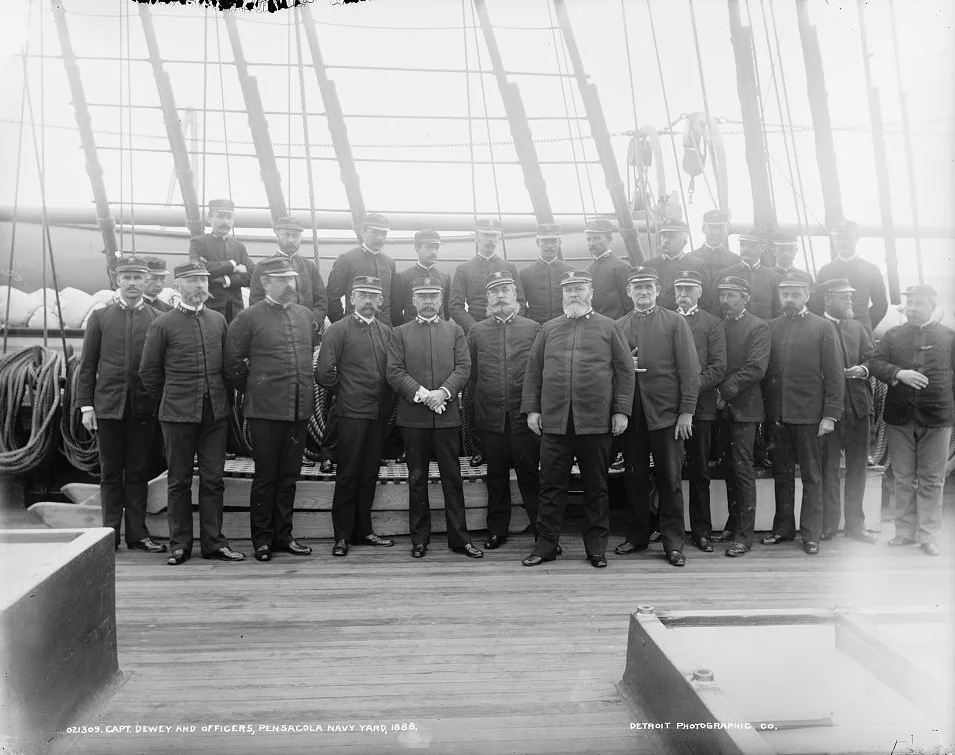
The Navy Yard, the forts and the lighthouse
In 1825 President John Quincy Adams and Navy Secretary Samuel Southard made plans for a Navy yard at Pensacola. Construction started in April 1826.
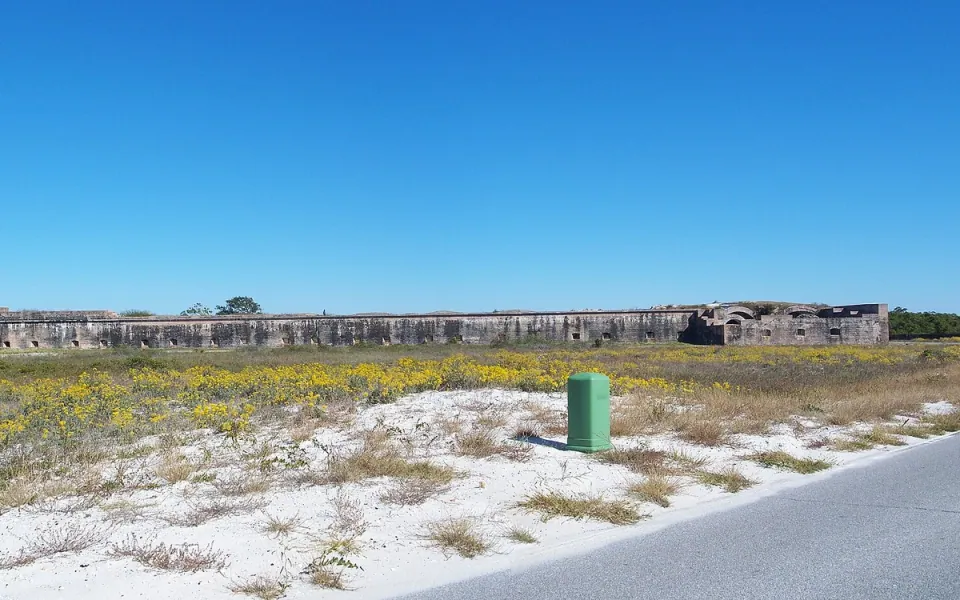
The Army Corps of Engineers put Captain William Henry Chase in charge of building forts on the coast. Workers broke ground for Fort Pickens in May 1829. Chase and his enslaved laborers finished the fort in October 1834. Its name honors Brigadier General Andrew Pickens. The Park Service calls it the biggest of four forts put up to protect Pensacola.
Work on the American Fort Barrancas began in 1840. It was partly finished by 1846 and held 37 guns. The Advanced Redoubt, built between 1845 and 1870, was meant to stop an attack by land. Building of the present Pensacola Lighthouse began in 1856, and its light was first shown on January 1, 1859.
Sources: Commander, Navy Region Southeast: NAS Pensacola History; National Park Service: People, Gulf Islands National Seashore; National Park Service: Fort Pickens, Gulf Islands National Seashore; National Park Service: Florida and Mississippi: Gulf Islands National Seashore
Next: Chapter 6, The Civil War at Pensacola Bay →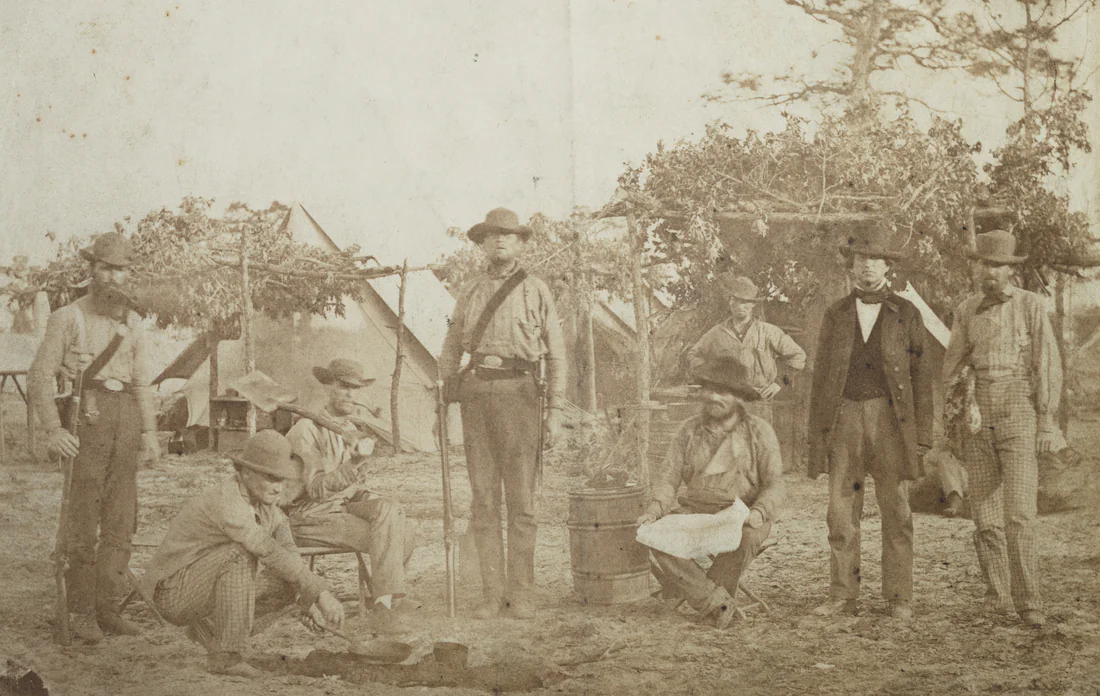
The Civil War at Pensacola Bay
Florida left the Union on January 10, 1861. That same day Lieutenant Adam Slemmer moved all of his soldiers into Fort Pickens. Troops for the South then took the Navy Yard without bloodshed. In the summer of 1861 the Union still held the fort firmly.
Before dawn on October 9, 1861, over 1,000 Confederate soldiers came ashore four miles east of the fort. After the fighting they pulled back toward the place where they had landed. A bombardment that lasted all day began on the morning of November 22, 1861.
In May 1862 the Union Army gained control of the harbor. Confederate troops leaving the Navy Yard reduced most of it to rubble. Afterward every fort guarding the harbor flew the United States flag again.
Sources: National Park Service: Fort Pickens and the Outbreak of the Civil War (Teaching with Historic Places); Commander, Navy Region Southeast: NAS Pensacola History
Next: Chapter 7, Lumber, the railroad and Geronimo →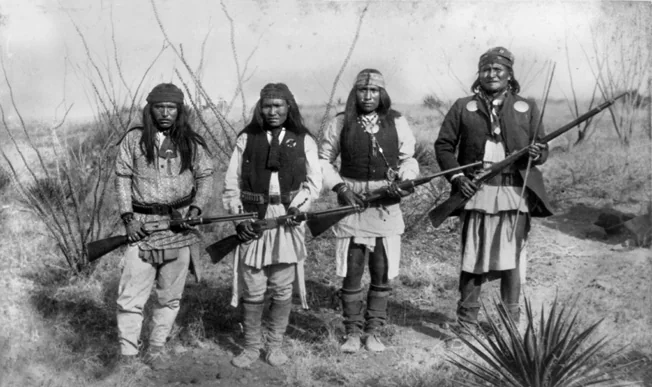
Lumber, the railroad and Geronimo
The city's port history says the first lumber shipped to another country left Pensacola in 1851. From 1875 to 1895, about 4.2 billion feet of lumber passed through the port, worth about $50 million. In 1882 the Pensacola & Atlantic Railroad, later part of the L&N, linked the city to Jacksonville.
In 1886 the Army sent more than 400 Apaches from the Southwest into exile in Florida. Some Pensacola citizens asked the government to hold Geronimo, along with 15 more Apache men, at Fort Pickens. Their families joined them there in 1887. A year later a yellow fever scare sent all the Apache prisoners on to Mobile.
In 1906 a powerful hurricane and storm surge wrecked many of the Navy Yard's rebuilt buildings. By 1911 the Navy Yard had been officially closed.
Sources: City of Pensacola: Port Facts; National Park Service: Apache Prisoners; Commander, Navy Region Southeast: NAS Pensacola History; Naval History and Heritage Command: Naval Aviation Arrives in Pensacola
Next: Chapter 8, 1914: Navy fliers come to Pensacola →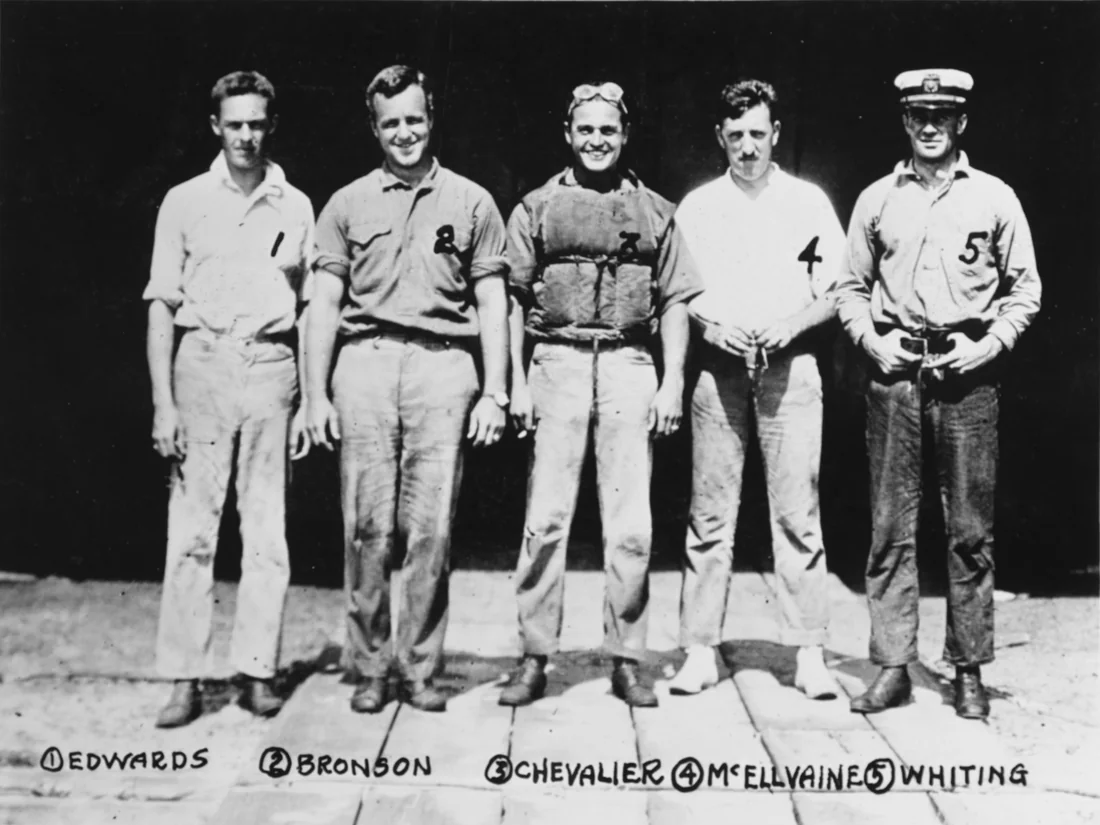
1914: Navy fliers come to Pensacola
On the morning of January 20, 1914, the battleship Mississippi and the collier Orion steamed into Pensacola. Lieutenant John Towers, who was the third aviator in the Navy, was in charge of the fliers. The Mississippi's commanding officer, Lieutenant Commander Henry Mustin, wrote that the yard was a wreck. On February 2, 1914, Towers and Ensign Godfrey Chevalier flew from that beach.
Hundreds of thousands of flights would follow from that shore, which came to be called the Cradle of Naval Aviation. The Navy's museum says the country's first naval air station was here.
By the armistice in November 1918, 1,000 naval aviators had finished training at the station. When the station grew again, it was training 1,100 cadets each month, 11 times its yearly total in the 1920s. People came to call it the Annapolis of the Air.
Sources: Naval History and Heritage Command: Naval Aviation Arrives in Pensacola; Naval History and Heritage Command: About the Museum (National Naval Aviation Museum); Commander, Navy Region Southeast: NAS Pensacola History
Next: Chapter 9, Black history: Chappie James, Rosamond Johnson and the 1955 Jaycees →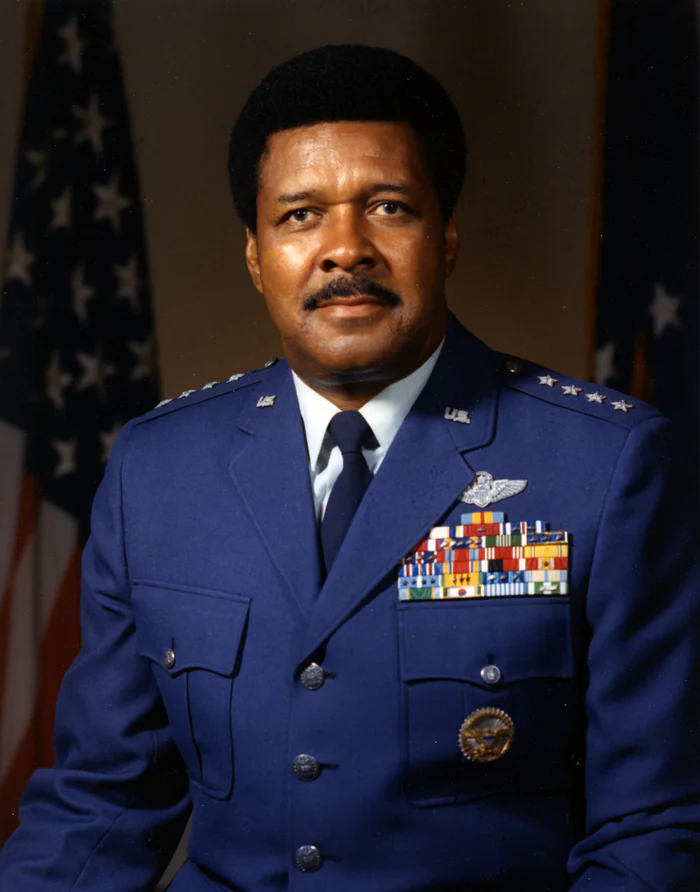
Black history: Chappie James, Rosamond Johnson and the 1955 Jaycees
Daniel "Chappie" James Jr. was born in Pensacola in 1920, near the Naval Air Station. In July 1943 he became one of the Tuskegee Airmen. On September 1, 1975, he was promoted to four-star general. The Air Force museum says no African American had reached four-star rank in the Air Force before him.
Under Jim Crow laws, places like Pensacola Beach were set aside for whites only. Black residents found a place to enjoy the beach at the east end of Perdido Key. On July 26, 1950, in the Korean War, Private Rosamond Johnson got two wounded soldiers to safety. The Park Service says no soldier from Escambia County lost his life in the Korean War before he did. The beach area there was named for him, and when it became part of Gulf Islands National Seashore, the swim beach kept the name Rosamond Johnson Beach.
WKRG reports that no all-Black Little League team had played an all-white team in the segregation era before the 1955 Pensacola Jaycees. Five all-white teams in their district refused to play them and forfeited. At the state tournament in Orlando, a Kiwanis team beat them 5-0, in what WKRG calls the first integrated Little League game in a southern state.
Sources: City of Pensacola: Gen. Daniel "Chappie" James Jr.; National Museum of the United States Air Force: Gen. Daniel "Chappie" James Jr.; National Park Service: Rosamond Johnson, Gulf Islands National Seashore; WKRG News 5: 1955 Pensacola Jaycees Little League Baseball Team honored with historical marker at Community Maritime Park
Next: Chapter 10, 1955 to 1990: the Blue Angels, the sit-ins and a museum →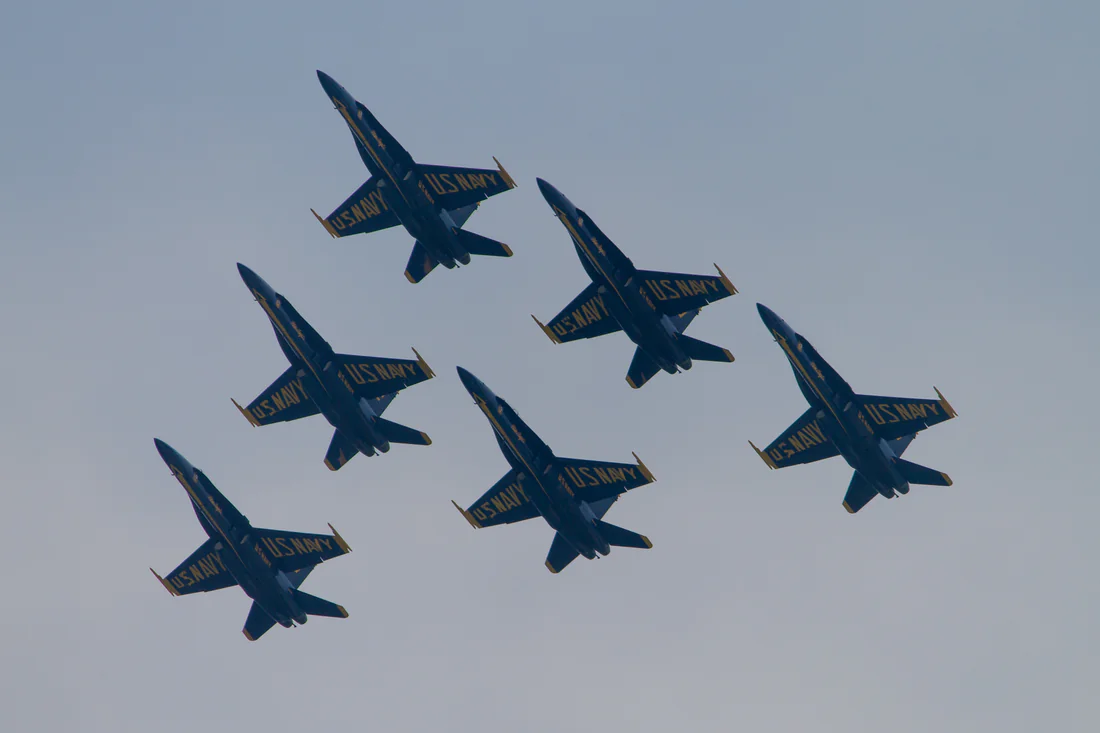
1955 to 1990: the Blue Angels, the sit-ins and a museum
In June 1955 the Blue Angels moved their home base from Corpus Christi to Naval Air Station Pensacola. In 1960, WUWF reports, the first sit-in in Pensacola took place at the Woolworth's store, where the state's Pensacola Lunch Counter Sit-ins marker now stands. Young members of the city's NAACP Youth Council, some only 12 years old, peacefully took seats at lunch counters there and elsewhere in Pensacola. The Reverend William Dobbins and the Pensacola Council of Ministers led them, and the young people learned the nonviolent methods of Martin Luther King Jr.
It took 707 days of protest to integrate Pensacola's lunch counters. A boycott cost downtown stores 80 percent of their business. The city's lunch counters were integrated on March 12, 1962.
The Naval Aviation Museum opened on June 8, 1963, in a wooden building from World War II. A new museum building was dedicated on April 13, 1975, and it was fully paid for. In 1990 the museum's wings were linked by a new 75-foot-high hall called the Blue Angel Atrium. The National Naval Aviation Museum says no naval aviation museum in the world is larger. Veterans Memorial Park holds Wall South, which the city says was the earliest permanent copy of the National Vietnam War Memorial.
Sources: U.S. Navy Blue Angels: History and Events; WUWF Public Media: 55 Years Later Protesters For Integration Recognized; Florida Department of State, Division of Historical Resources: Pensacola Lunch Counter Sit-ins (historical marker); Naval History and Heritage Command: History of the Museum (National Naval Aviation Museum); Naval History and Heritage Command: About the Museum (National Naval Aviation Museum); City of Pensacola: History of Pensacola Parks
Next: Chapter 11, Since 1992: Luna's town found, a ballpark by the bay and a title →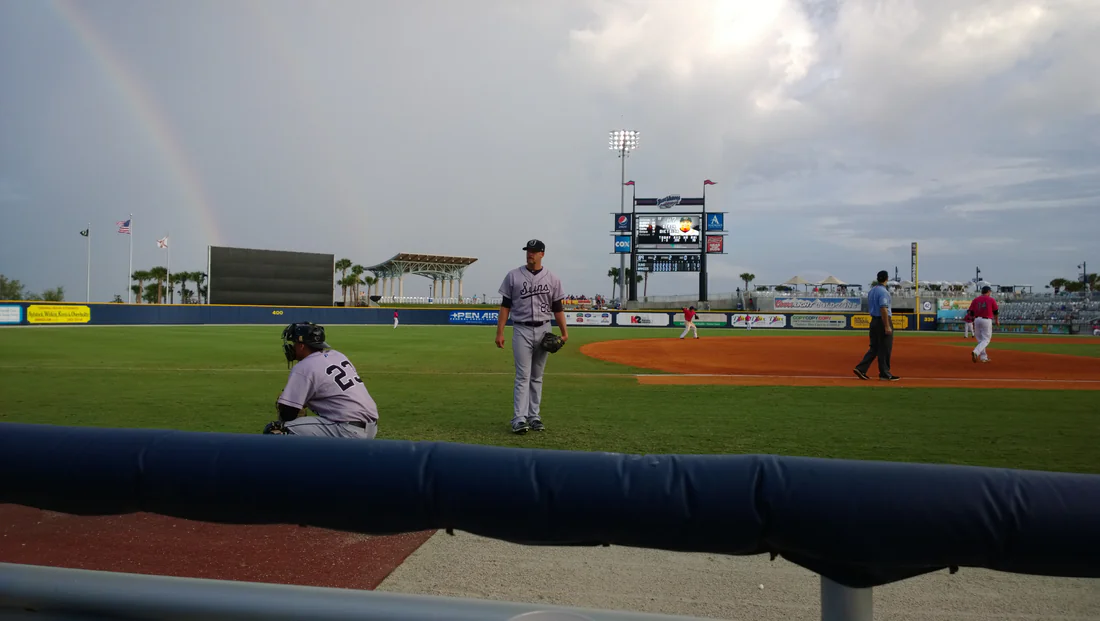
Since 1992: Luna's town found, a ballpark by the bay and a title
In 1992 archaeologists found the wreck of one of Luna's ships, now called Emanuel Point I. University of West Florida archaeologists found a second wreck in 2006. In December 2015 the university's archaeology program found the place where Luna's colonists had lived on land. The site is in a Pensacola neighborhood, and the university says it is the earliest European colony lasting more than one year that archaeologists have found in the United States. A third wreck was found in June 2016.
Blue Wahoos Stadium opened in 2012. It stands on the waterfront of Community Maritime Park, with views of Pensacola Bay. In September 2022 the Pensacola Blue Wahoos won the Southern League crown by beating the Tennessee Smokies 11-4. A few days later the team took the trophy on a tour of downtown Pensacola, starting at City Hall.
On June 7, 2018, Pensacola opened the General Chappie James Museum and Flight Academy. In 2021 the Blue Angels began flying the Boeing F/A-18 Super Hornet. In May 2024 the City of Pensacola dedicated a historical marker to the 1955 Jaycees at Community Maritime Park, and former players and their families came.
Sources: University of West Florida: Archaeologists Gather to Discuss Luna Settlement, Wrecks; University of West Florida: Luna Settlement; Minor League Baseball: Blue Wahoos Stadium; MiLB.com: Pensacola Blue Wahoos win Southern League championship; MiLB.com: Celebration Continues As Blue Wahoos Take Championship Trophy On Downtown Tour; City of Pensacola: Gen. Daniel "Chappie" James Jr.; U.S. Navy Blue Angels: History and Events; WKRG News 5: 1955 Pensacola Jaycees Little League Baseball Team honored with historical marker at Community Maritime Park
Next: the whole story, in dates →The whole story, in dates
Luna's fleet sails into Pensacola Bay.
A hurricane leaves only three of Luna's ships afloat.
Spain has pulled the last of Luna's colonists out.
Spain founds the presidio of Santa María de Galve.
About 800 Apalachee and Chacato refugees reach Pensacola.
The French take over the presidio.
Creek raiders burn the Escambe mission.
Pensacola passes to the British.
108 Apalachee and Yamasee people leave with the Spanish for Veracruz.
The British likely build Fort George.
Spanish troops under Gálvez take Fort George.
Spain hands Florida to the United States in Plaza Ferdinand VII.
An ordinance by Andrew Jackson creates Escambia County.
Work starts on the Navy Yard.
Fort Pickens is finished.
The Pensacola Lighthouse is first lit.
Florida leaves the Union, and Union troops move into Fort Pickens.
The Union Army gains control of the harbor.
A railroad links Pensacola to Jacksonville.
The Army sends more than 400 Apaches into exile in Florida.
A hurricane wrecks many Navy Yard buildings.
Navy fliers arrive aboard the Mississippi and the Orion.
Towers and Chevalier fly from the beach.
Daniel "Chappie" James Jr. is born in Pensacola.
Rosamond Johnson gets two wounded soldiers to safety in the Korean War.
The Blue Angels move to Naval Air Station Pensacola.
The first sit-in in Pensacola takes place at Woolworth's.
Pensacola's lunch counters are integrated.
The Naval Aviation Museum opens.
Chappie James is promoted to four-star general.
Archaeologists find the wreck now called Emanuel Point I.
Blue Wahoos Stadium opens.
Archaeologists find where Luna's colonists lived.
The General Chappie James Museum and Flight Academy opens.
The Blue Wahoos win the Southern League crown.
A marker for the 1955 Pensacola Jaycees is dedicated.
Where you can still see it
 01
01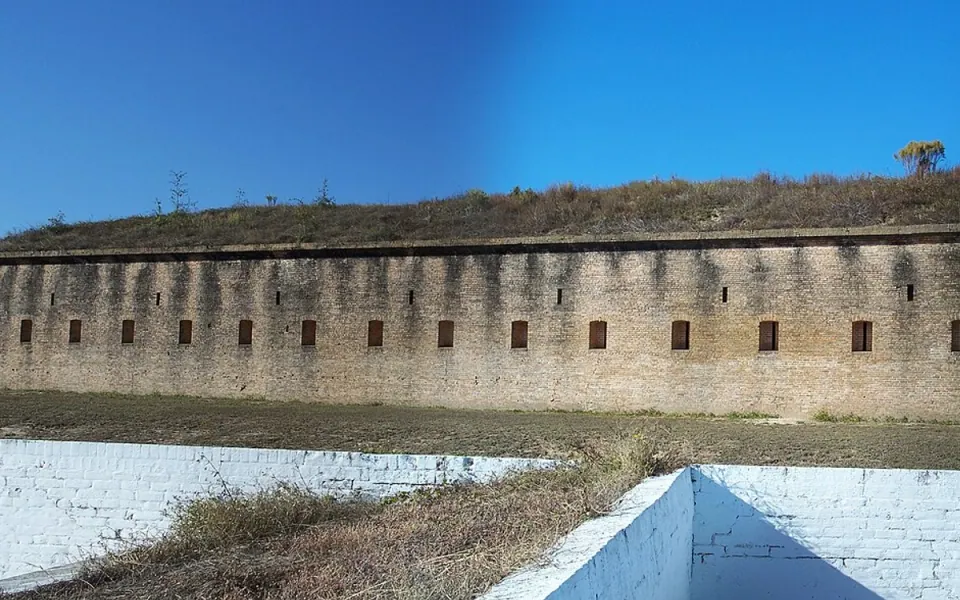 02
02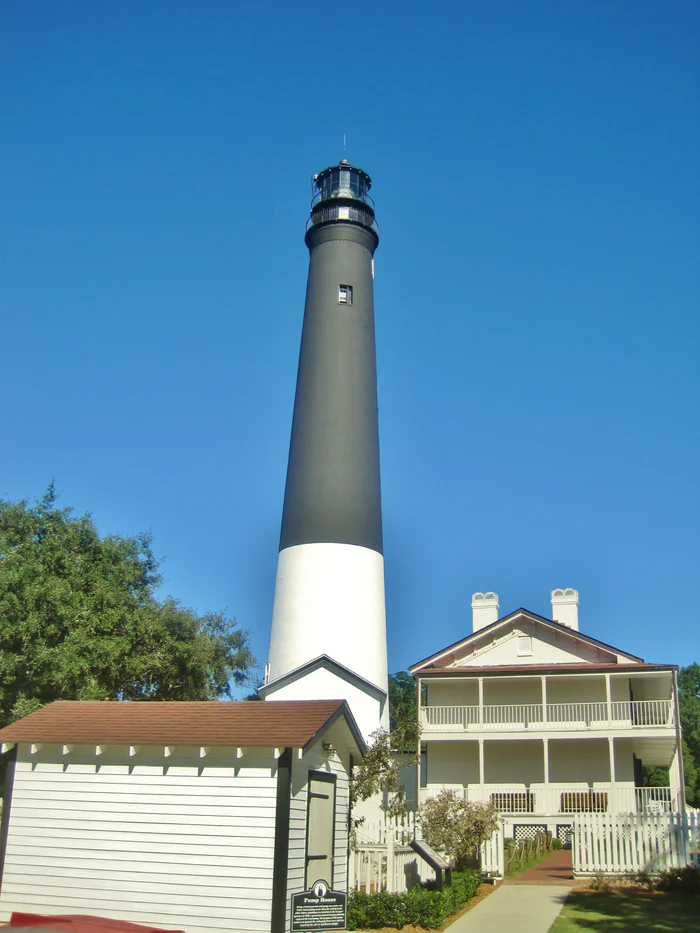 03
03Pensacola Lighthouse & Maritime Museum
Goes with: The Navy Yard, the forts and the lighthouse
Open the place page →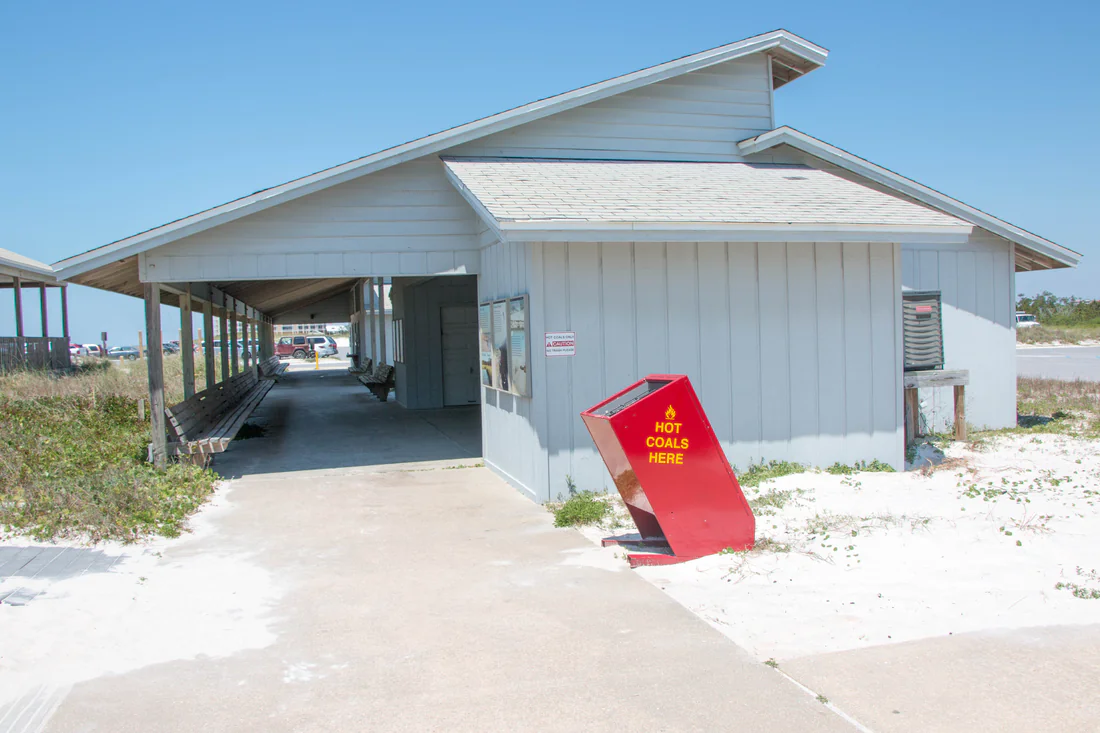 04
04Johnson Beach
Goes with: Black history: Chappie James, Rosamond Johnson and the 1955 Jaycees
Open the place page →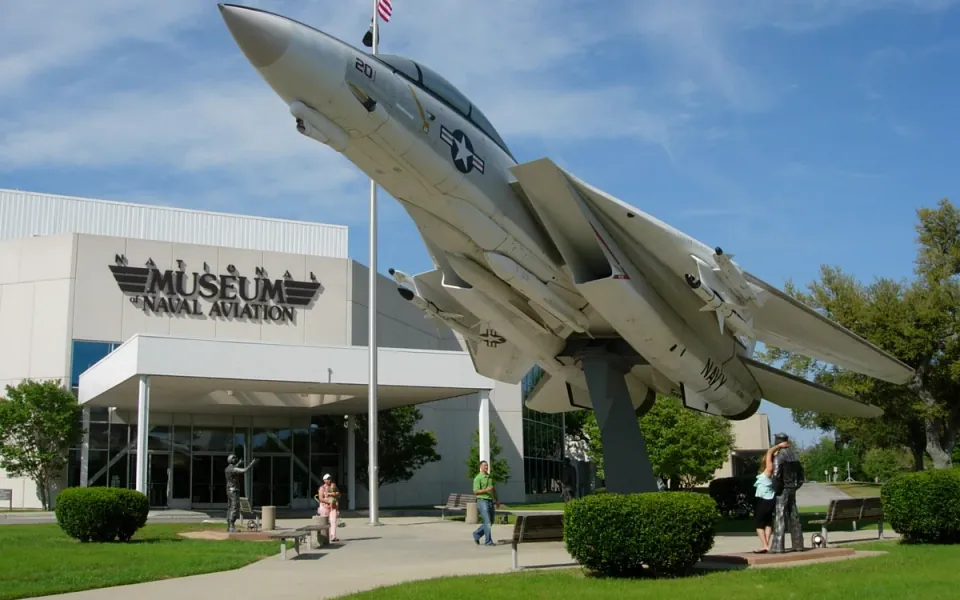 05
05National Naval Aviation Museum
Goes with: 1955 to 1990: the Blue Angels, the sit-ins and a museum
Open the place page →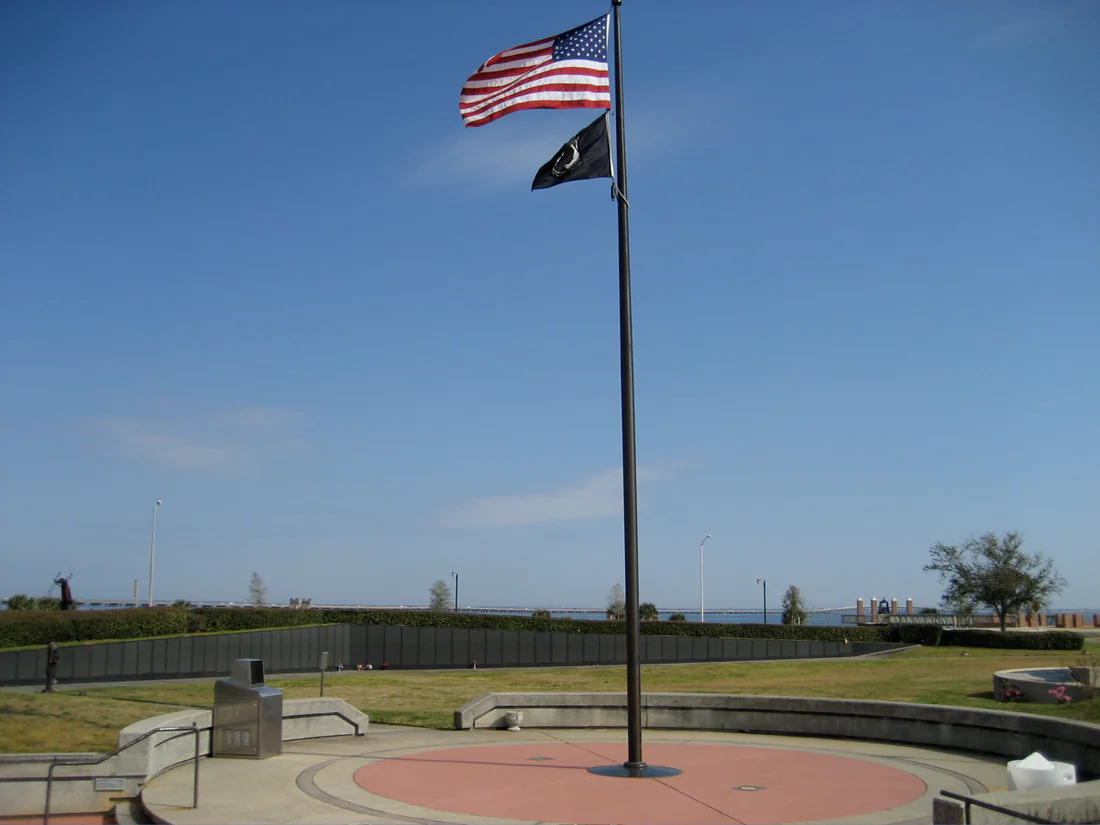 06
06Veterans Memorial Park Pensacola
Goes with: 1955 to 1990: the Blue Angels, the sit-ins and a museum
Open the place page →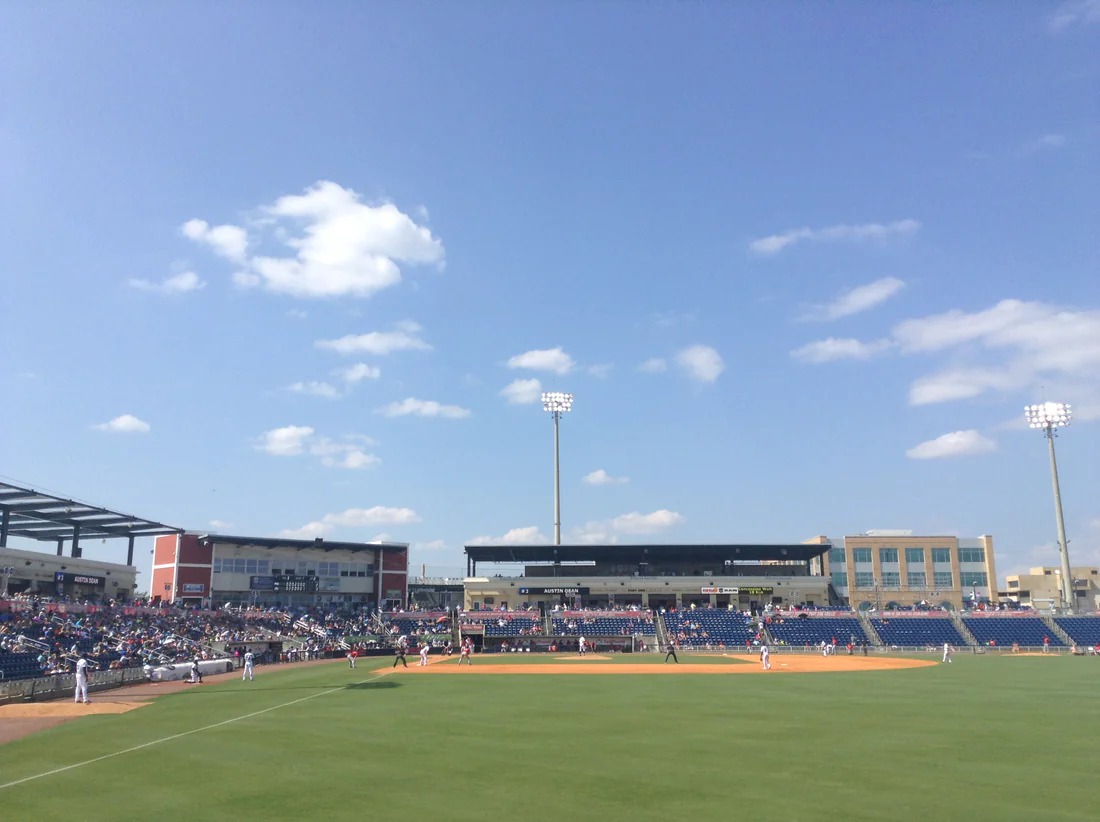 07
07Blue Wahoos Stadium
Goes with: Since 1992: Luna's town found, a ballpark by the bay and a title
Open the place page →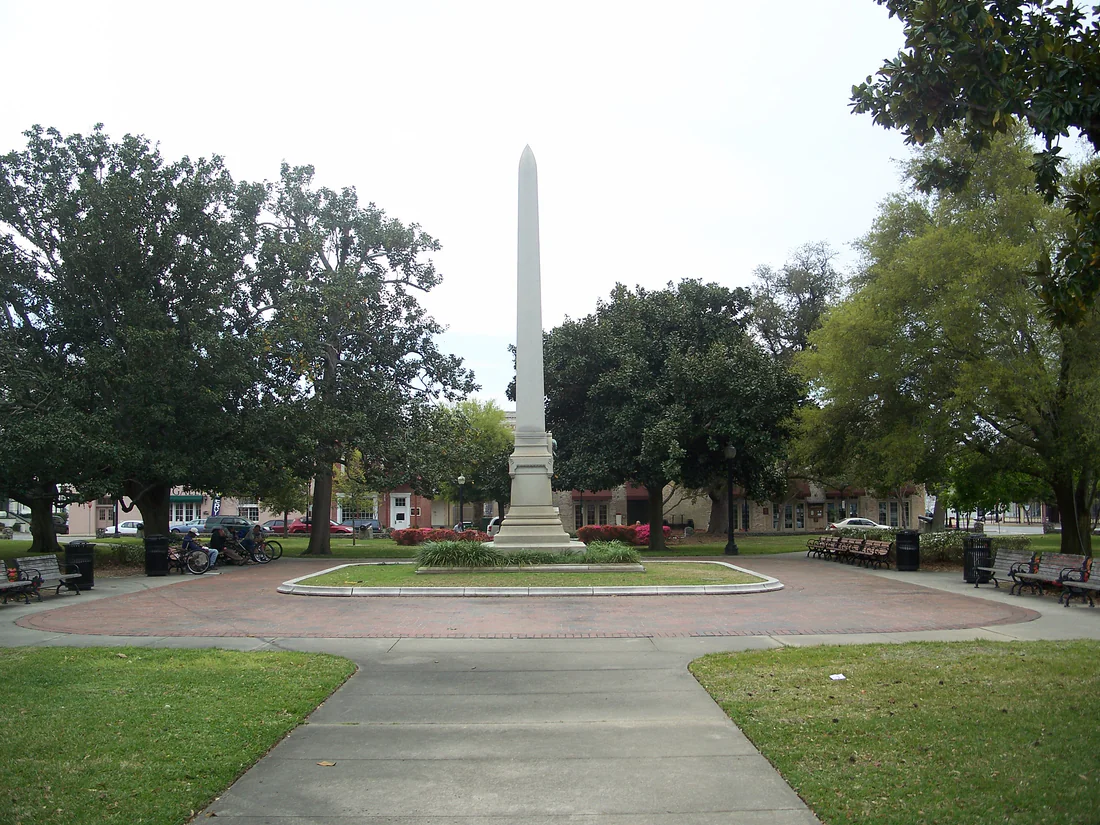 08
08Plaza Ferdinand VII
Goes with: 1821: Florida turns American, and Escambia County begins
Plaza Ferdinand VII (City of Pensacola park history) →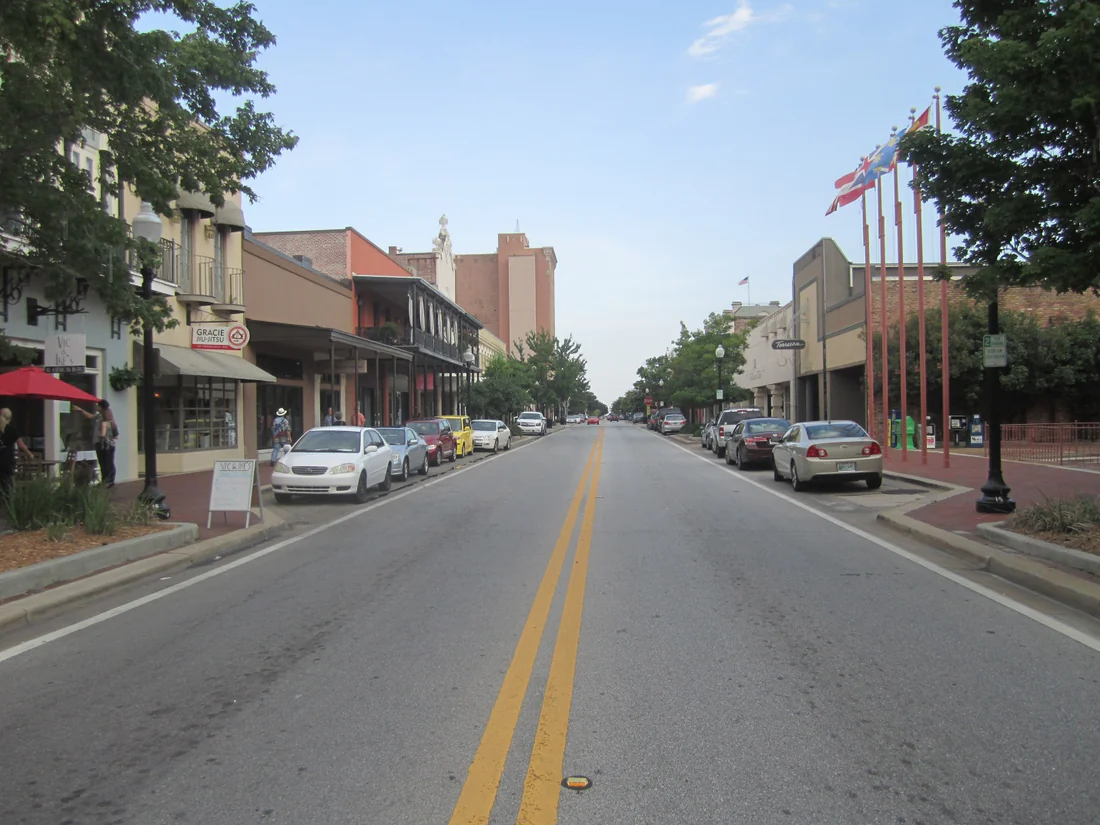 09
09Pensacola Lunch Counter Sit-ins marker
Goes with: 1955 to 1990: the Blue Angels, the sit-ins and a museum
Pensacola Lunch Counter Sit-ins historical marker →Questions people ask
When was Escambia County created?
Escambia County was created on July 21, 1821, by an ordinance of Andrew Jackson.
Chapter 4 →What is Escambia County named for?
No one is sure, and the University of South Florida says the origin of the name is unknown but is thought to be an Indian word.
Chapter 4 →When did naval aviation come to Pensacola?
Navy fliers led by Lieutenant John Towers arrived on January 20, 1914, and flew from the beach on February 2, 1914.
Chapter 8 →When were Pensacola's lunch counters integrated?
The city's lunch counters were integrated on March 12, 1962, after 707 days of protest.
Chapter 10 →Where this comes from.
Last updated October 17, 2026.
- University of West Florida: Archaeologists Gather to Discuss Luna Settlement, Wrecks ↗ Read October 16, 2026
- University of West Florida (John E. Worth): The Tristán de Luna Expedition, 1559-1561 ↗ Read October 16, 2026
- University of West Florida: Luna Settlement ↗ Read October 16, 2026
- University of West Florida (John E. Worth): Rediscovering Pensacola's Lost Spanish Missions ↗ Read October 16, 2026
- University of West Florida: Presidio Santa María de Galve ↗ Read October 16, 2026
- Florida Department of State, Division of Historical Resources: First Pensacola (historical marker) ↗ Read October 16, 2026
- City of Pensacola: Port Facts ↗ Read October 16, 2026
- City of Pensacola: History of Pensacola Parks ↗ Read October 16, 2026
- National Park Service: Andrew Jackson in Pensacola, Florida ↗ Read October 16, 2026
- Florida Memory, State Archives of Florida: Escambia County Florida (WPA Historical Records Survey) ↗ Read October 16, 2026
- University of South Florida, Florida Center for Instructional Technology: Escambia County ↗ Read October 16, 2026
- Commander, Navy Region Southeast: NAS Pensacola History ↗ Read October 16, 2026
- National Park Service: People, Gulf Islands National Seashore ↗ Read October 16, 2026
- National Park Service: Fort Pickens, Gulf Islands National Seashore ↗ Read October 16, 2026
- National Park Service: Florida and Mississippi: Gulf Islands National Seashore ↗ Read October 16, 2026
- National Park Service: Fort Pickens and the Outbreak of the Civil War (Teaching with Historic Places) ↗ Read October 16, 2026
- National Park Service: Apache Prisoners ↗ Read October 16, 2026
- Naval History and Heritage Command: Naval Aviation Arrives in Pensacola ↗ Read October 16, 2026
- Naval History and Heritage Command: About the Museum (National Naval Aviation Museum) ↗ Read October 16, 2026
- Naval History and Heritage Command: History of the Museum (National Naval Aviation Museum) ↗ Read October 16, 2026
- U.S. Navy Blue Angels: History and Events ↗ Read October 16, 2026
- City of Pensacola: Gen. Daniel "Chappie" James Jr. ↗ Read October 16, 2026
- National Museum of the United States Air Force: Gen. Daniel "Chappie" James Jr. ↗ Read October 16, 2026
- National Park Service: Rosamond Johnson, Gulf Islands National Seashore ↗ Read October 16, 2026
- WKRG News 5: 1955 Pensacola Jaycees Little League Baseball Team honored with historical marker at Community Maritime Park ↗ Read October 16, 2026
- WUWF Public Media: 55 Years Later Protesters For Integration Recognized ↗ Read October 16, 2026
- Florida Department of State, Division of Historical Resources: Pensacola Lunch Counter Sit-ins (historical marker) ↗ Read October 16, 2026
- Minor League Baseball: Blue Wahoos Stadium ↗ Read October 16, 2026
- MiLB.com: Pensacola Blue Wahoos win Southern League championship ↗ Read October 16, 2026
- MiLB.com: Celebration Continues As Blue Wahoos Take Championship Trophy On Downtown Tour ↗ Read October 16, 2026