Santa Rosa County was created on February 18, 1842, as Florida's 21st county, and Milton is its county seat. It is named for Santa Rosa Island, whose own name honors Saint Rosa de Viterbo. Whiting Field held its commissioning ceremonies on July 16, 1943, and it trains pilots for the Coast Guard, Marine Corps and Navy. Its recorded story goes back to the 1700s, when Creek people lived on these lands and hunted along the Blackwater River.
This page tells the story in order, from the Creek hunting grounds along the Blackwater River to the last flight of a TH-57 Sea Ranger in 2025, then lists places in the county where you can still see it. The sources for each part are named at the end of that part, and all of them are listed at the bottom of the page.
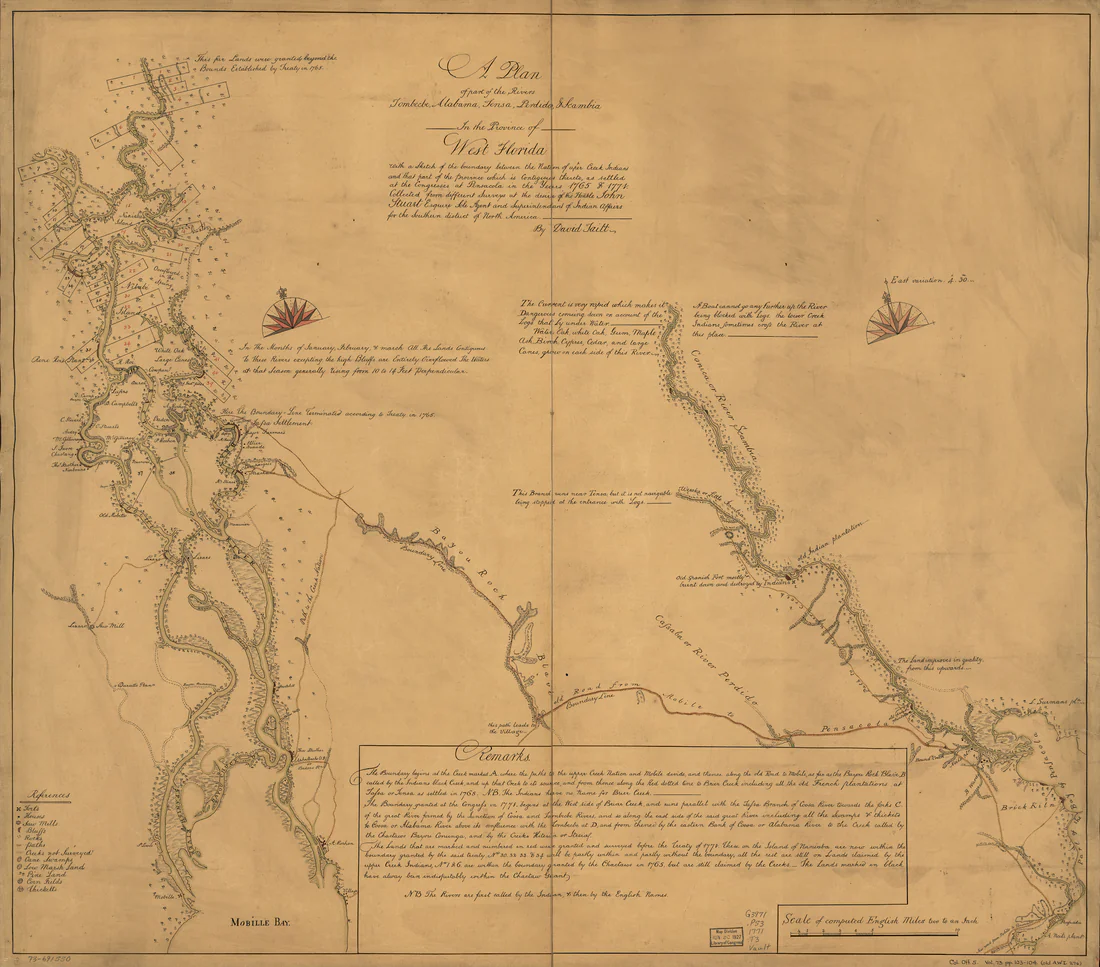
Creek Hunting Grounds and a Spanish Land Grant
In the 1700s, Creek people lived on the lands between Pensacola and Apalachicola. The Blackwater River served as a boundary for Upper Creek hunting grounds. An important trail for supplies and trade ran beside the river and connected tribes from Georgia and Apalachicola.
During the American Revolution, two brothers from Wales, Jonas and Evan Jones, mended British warships near present-day Bagdad. Smugglers are said to have used the river landing at Milton in the Second Spanish period, when people called it Scratch Ankle or Hard Scrabble. In 1817, Juan de la Rua, a leading Pensacola businessman, received the land where Arcadia Mill would later stand. The grant came from Spain and covered about 680 acres. The National Register report on the Milton Historic District calls 1817 the year of the first recorded settlement near Milton.
Sources: Florida State Parks: Blackwater River State Park History; Florida Department of State: Bagdad Mill Site Historical Marker; National Park Service: Milton Historic District, National Register Nomination; University of West Florida: Arcadia Mill Complex; Florida Department of State: Arcadia Mill Historical Marker
Next: Chapter 2, Live Oaks for the Navy's Ships →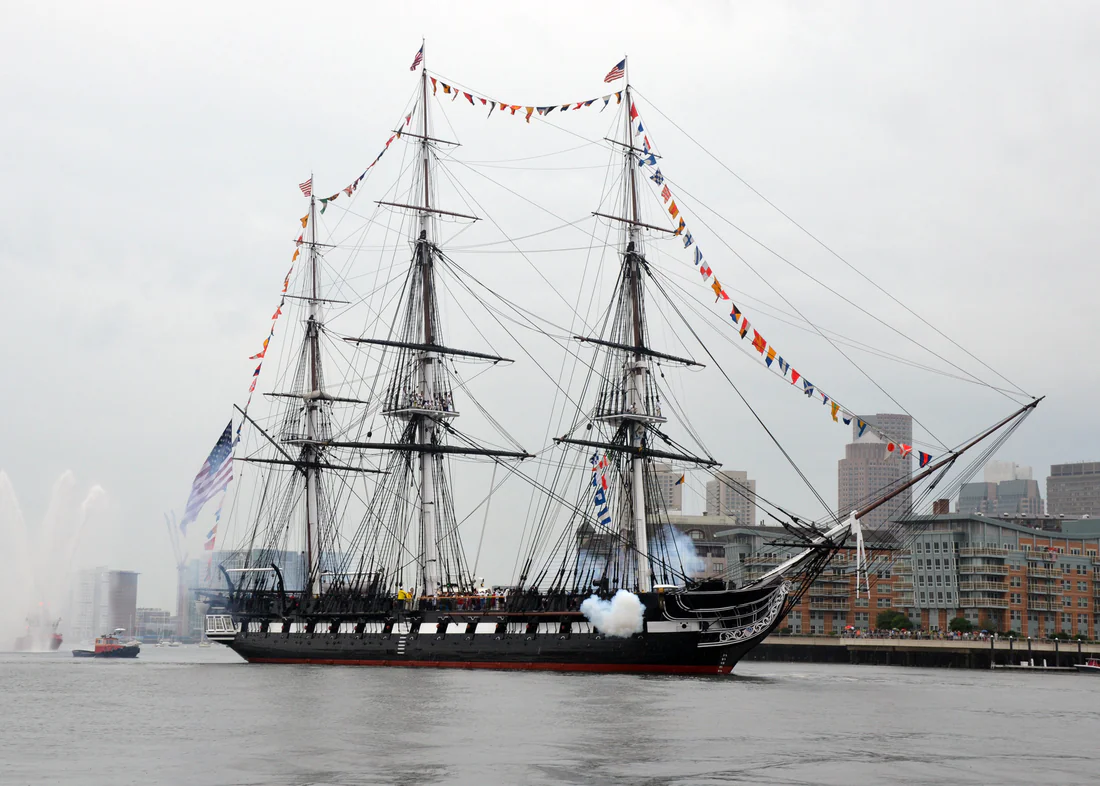
Live Oaks for the Navy's Ships
Live oak wood is dense and resists rot, and its big curving branches suited the building of ships. Two warships launched in 1797, the USS Constellation and the USS Constitution, used about 160 and 460 live oak trees. Theft of the timber led Congress to pass laws in 1817 and 1822. In 1826 a report to the Navy secretary claimed that two million cubic feet had been taken from the South Atlantic coast.
In 1828 President John Quincy Adams set this land aside as what the National Park Service calls the first federal tree farm. He put Henry Marie Brackenridge, a West Florida district judge, in charge. Brackenridge studied the history of the live oak and began growing the trees on the land. Andrew Jackson, who followed Adams as president, shut the reservation down over a political quarrel.
Today about 1,300 acres of the old reservation are protected within Gulf Islands National Seashore. In Gulf Breeze the land is known as Naval Live Oaks, which the Park Service calls a symbol of the nation's naval shipbuilding past.
Sources: Historical Marker Database: First Federal Tree Farm (National Park Service panel); Historical Marker Database: Live Oaks and Naval Ship Timbers (Florida state marker F-642); National Park Service: The Live Oak Tree, A Naval Icon
Next: Chapter 3, Arcadia Mill and the Bagdad Mill →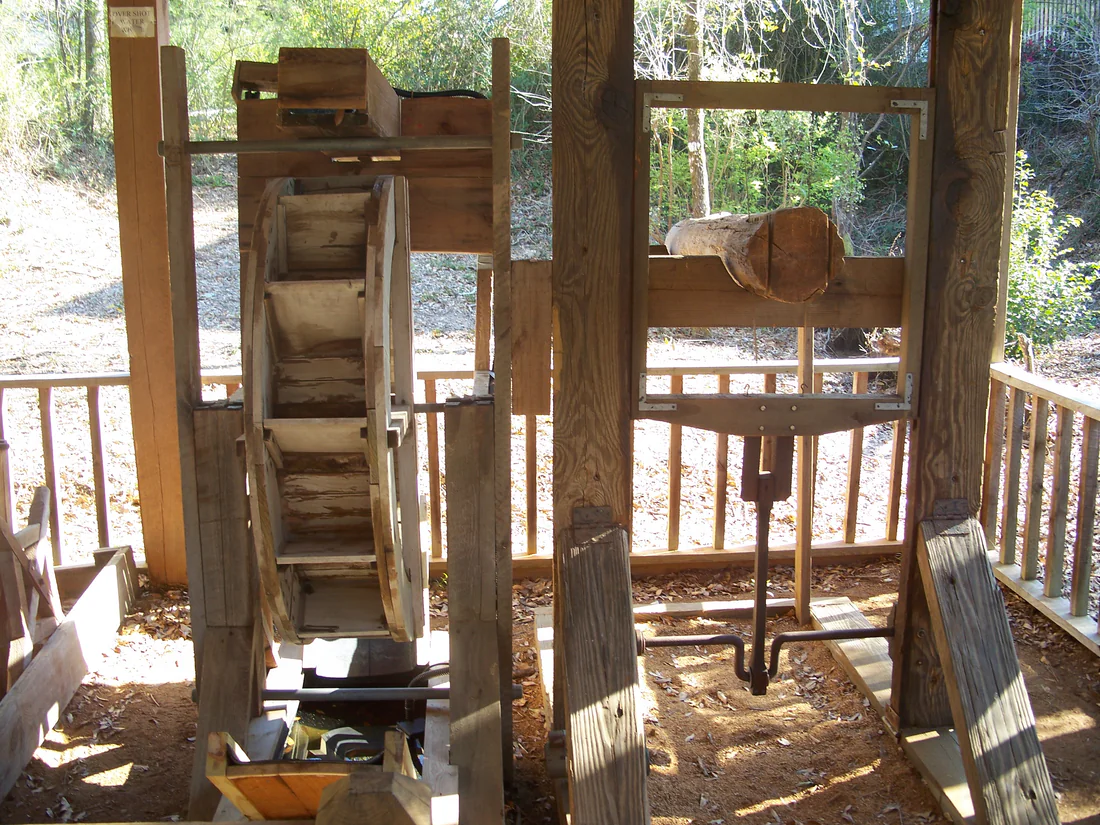
Arcadia Mill and the Bagdad Mill
In 1828 Joseph Forsyth paid $400 for the land. Forsyth and Ezekiel Simpson, his partner, were turning out 250,000 feet of lumber a year by the early 1830s. The state marker calls Arcadia the earliest and biggest water-powered factory site in antebellum Florida.
In time the complex had a railroad, two sawmills turned by water, a shingle mill and a bucket factory. It also had a textile mill and a trial silk cocoonery. The railroad's carts were pulled by mules over wooden rails topped with iron, hauling boards from Arcadia down to the Bagdad mill. The Bagdad marker dates the railroad's charter to 1835, and the University of West Florida dates the Arcadia Railroad Company's charter to 1838.
The people of Arcadia included Anglo-American workers, enslaved Black laborers and an upper class of managers. In 1845 a local paper wrote that the owners had traveled to Virginia to buy forty enslaved women. The University of West Florida says 25 to 40 young enslaved women ran the textile mill. Joseph Forsyth died in 1855 at age 53, and Arcadia's working years ended with him. Many of Arcadia's enslaved people were sent to work at the owners' Bagdad lumber mill.
Sources: University of West Florida: Arcadia Mill Complex; Florida Department of State: Bagdad Mill Site Historical Marker; Florida Department of State: Arcadia Mill Historical Marker; WUWF Public Media: Recent Research on the Enslaved at Arcadia Highlighted for Black History Month
Next: Chapter 4, Santa Rosa County and the Town of Milton →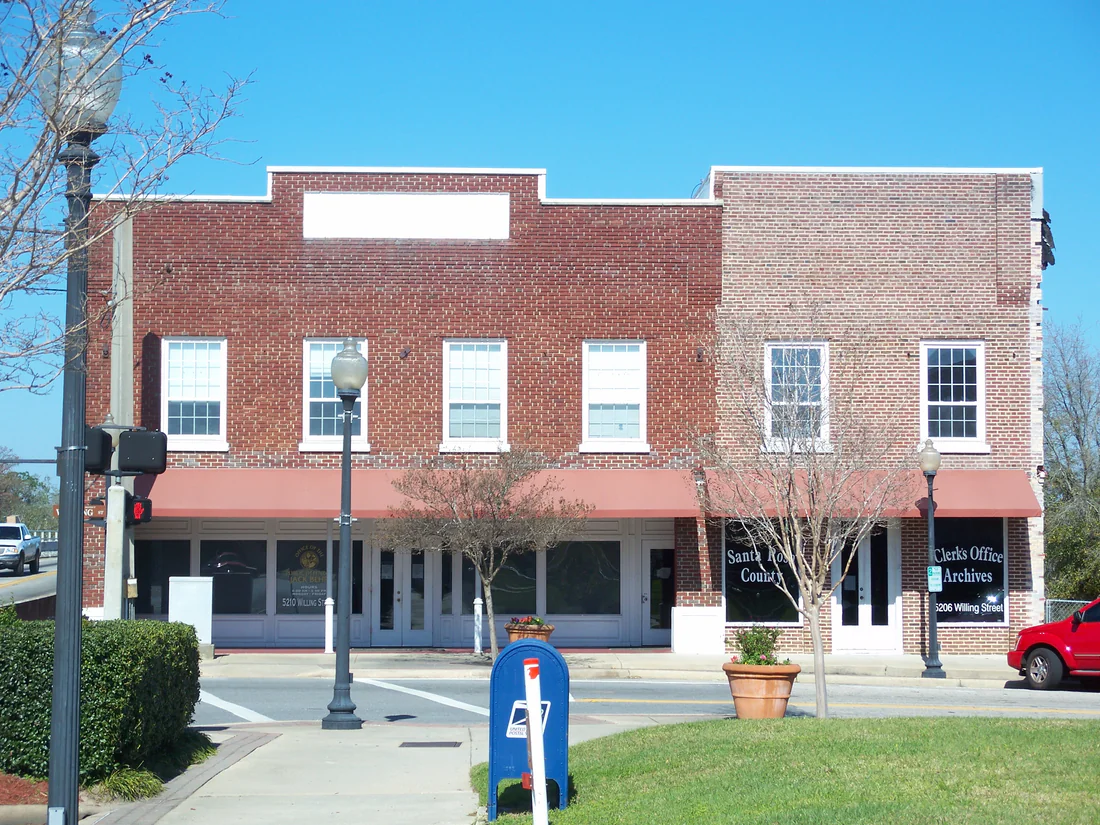
Santa Rosa County and the Town of Milton
Santa Rosa County was created on February 18, 1842, when it was split off from Escambia County. The National Register report on the Milton Historic District says the territorial legislature made it from parts of both Escambia and Walton counties. Its name comes from Santa Rosa Island, which honors the Catholic saint Rosa de Viterbo.
A year later, voters picked Milton to be the county seat and the place where the courts would sit. Milton became an incorporated town under an act the legislature approved on February 23, 1844. The report says nobody knows for sure where the name Milton came from.
In its early years Milton was a port of entry, where large ships with three masts took on loads of lumber and cotton. Captain John Gardner opened a shipyard near Bagdad in 1833. Around 1847, Benjamin Woodson Thompson, one of the partners in the sawmill firm of Forsyth and Simpson, built a house at Bagdad. In 1858, William Ollinger and Martin Bruce opened a repair yard with a marine railway at Shipyard Point in Bagdad. In 1860, 53 percent of Florida's yellow pine lumber came from Santa Rosa County, according to Florida State Parks.
Sources: University of South Florida, Exploring Florida: Santa Rosa County; National Park Service: Milton Historic District, National Register Nomination; Florida Department of State: Bagdad Mill Site Historical Marker; Florida Department of State: Thompson House, Skirmish, Blackwater Historical Marker; Florida State Parks: Blackwater River State Park History
Next: Chapter 5, The Civil War Comes to the Blackwater →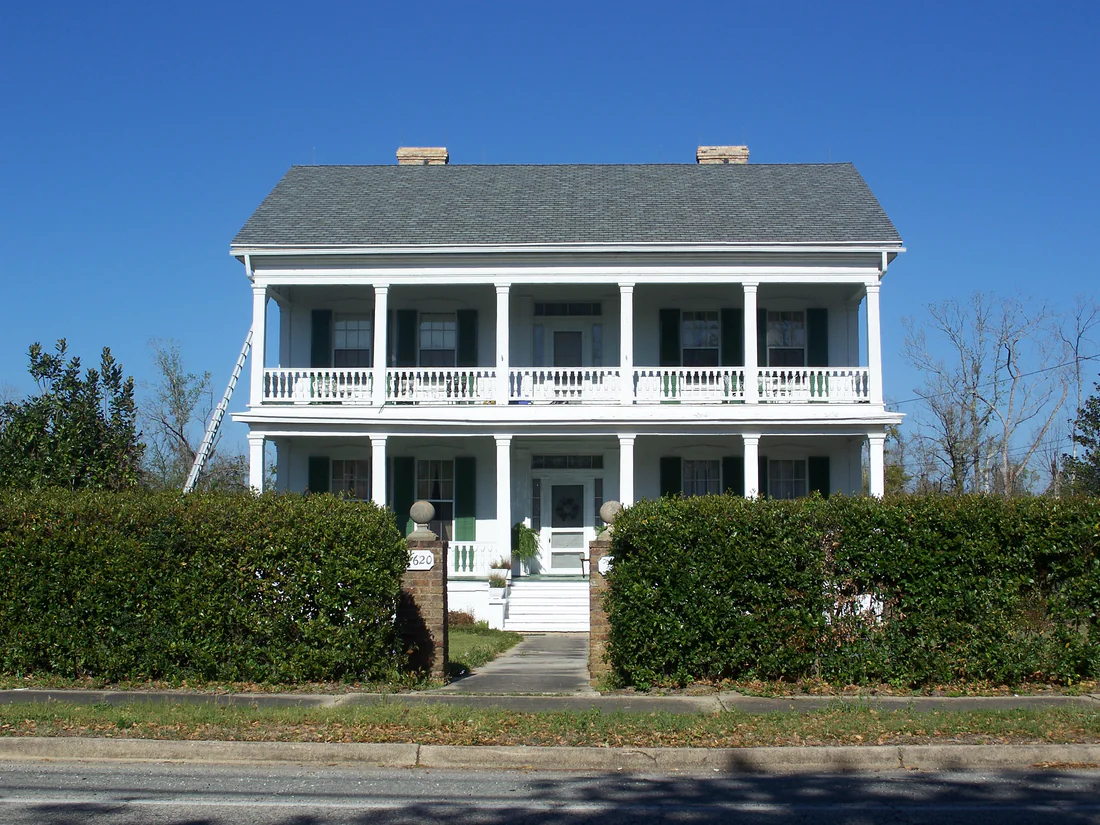
The Civil War Comes to the Blackwater
Jefferson Davis, the Confederate president, hired Ollinger and Bruce in 1861 to build a gunboat 110 feet long. As they pulled out of Pensacola in early 1862, Confederate forces burned the lumber mills at Bagdad. The Bagdad marker gives the date as March 11, 1862, when the Confederates hurried to wreck anything Union troops could use. The fires destroyed the shipyard, the finished gunboat and the Bagdad lumber mills.
The shipwrights kept their big floating dry dock, built of pine and weighing 500 tons, by sending it to the river bottom. After the war it was raised and put to use again for decades.
Union raiders at Bagdad and Milton included the 82nd, 86th and 25th regiments of the United States Colored Troops. The soldiers camped in and around the Thompson House and left drawings and signatures on its plaster walls. Lt. Colonel A. B. Spurling led a Union raid on October 18, 1864, with roughly 200 soldiers from the 19th Iowa Infantry. Some 300 Confederates fought them for two hours and then withdrew. A week later Spurling raided Bagdad and Milton again and chased the Confederates through town.
Sources: Florida Department of State: Bagdad Mill Site Historical Marker; Florida Department of State: Thompson House, Skirmish, Blackwater Historical Marker
Next: Chapter 6, Freedom and the Mt. Pilgrim Church →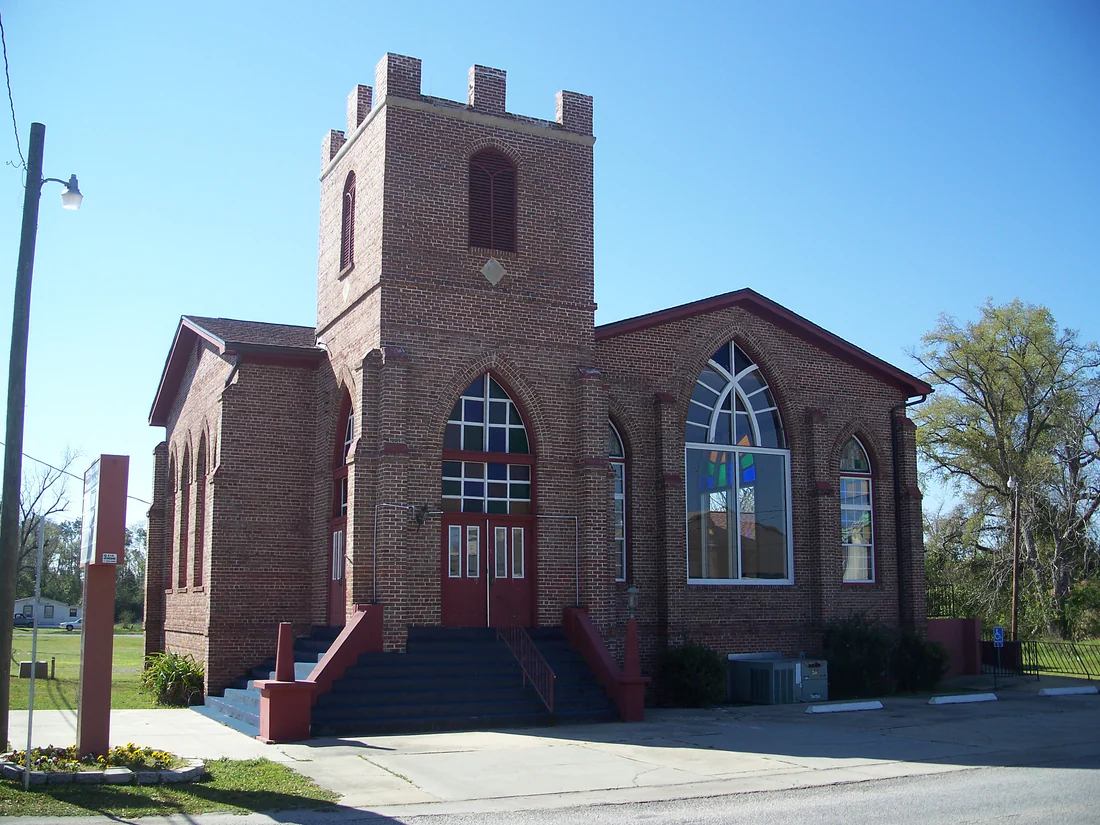
Freedom and the Mt. Pilgrim Church
Milton's First Baptist Church was founded in 1845, and by 1849 it had 83 white and 33 Black members. Some of those Black members were likely enslaved workers of Jackson Morton, who had a plantation near Milton and was among the biggest slaveholders in Florida. In 1866 the Black members left First Baptist and formed Mt. Pilgrim. The Rev. Nay led the first services under a scuppernong arbor.
The congregation put up a wood frame church on land it bought on Canal Street in 1880. In 1888 church and community leaders formed a Benevolent Colored Cemetery Association, which bought the land for Keyser Street Cemetery. In the late 1890s, Mt. Pilgrim gave the first money toward buying land for a school that began in Marianna and was the start of Florida Memorial College.
On March 31, 1916, fire destroyed the 1880 church. W. A. Rayfield and Company, a well-known Black architecture firm from Alabama, designed the new brick church in the Gothic Revival style. The congregation moved into it in October 1916. The National Register report says this is the only building in Florida known to be the work of Wallace A. Rayfield. In 1992 it joined the National Register of Historic Places.
Sources: Florida Department of State: Historic Mt. Pilgrim African Missionary Baptist Church Historical Marker; National Park Service: Mt. Pilgrim African Baptist Church, National Register Nomination
Next: Chapter 7, The Railroad and a Brick Downtown →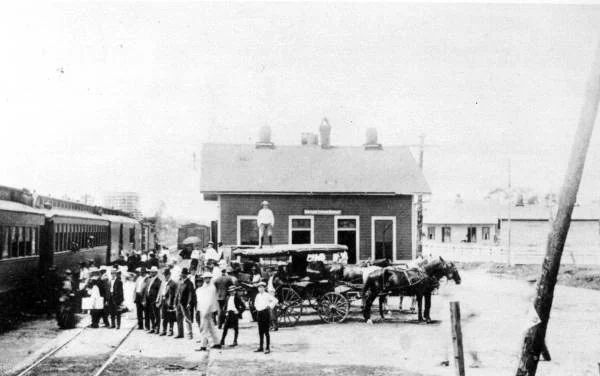
The Railroad and a Brick Downtown
The P&A railroad built its first depot at Milton in 1882. The National Register report says the line's completion in 1883 gave the area's economy another lift. After the first depot burned in 1907, the L&N built a combined freight and passenger depot, finished in 1909. The depot had separate waiting rooms for Black and white passengers.
The Florida and Alabama Railroad was a logging line that tied Bagdad and Milton to Red Rock, Munson and on into Alabama. Stearns and Culver Lumber built part of the 44-mile route, and the Bagdad company finished it around 1914. Today the Blackwater Heritage State Trail runs along the route of the old Florida and Alabama line.
After fires in 1909 and 1911, Milton builders showed new interest in brick. The Imogene Theater went up in 1913 and could seat 800 people. In 1913, when the Bagdad mill grew, the Thompson House was moved straight back from its first spot facing the Blackwater River. The Santa Rosa County Courthouse, designed by Chandler C. Yonge, was built in 1926.
Sources: West Florida Railroad Museum: Museum History; National Park Service: Milton Historic District, National Register Nomination; Historical Marker Database: Blackwater Heritage Trail History; Florida Department of State: Thompson House, Skirmish, Blackwater Historical Marker
Next: Chapter 8, The Last Big Pines and Blackwater River State Park →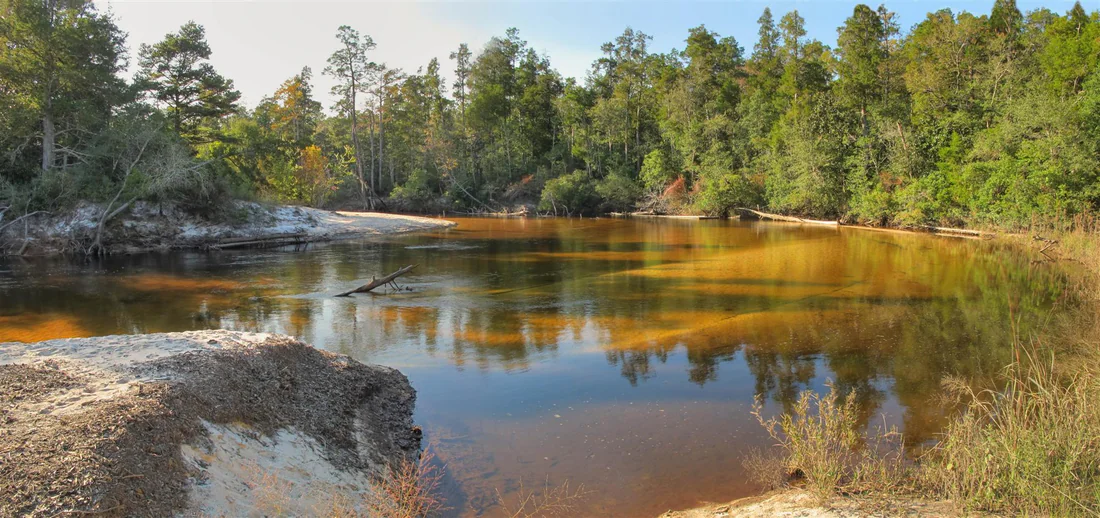
The Last Big Pines and Blackwater River State Park
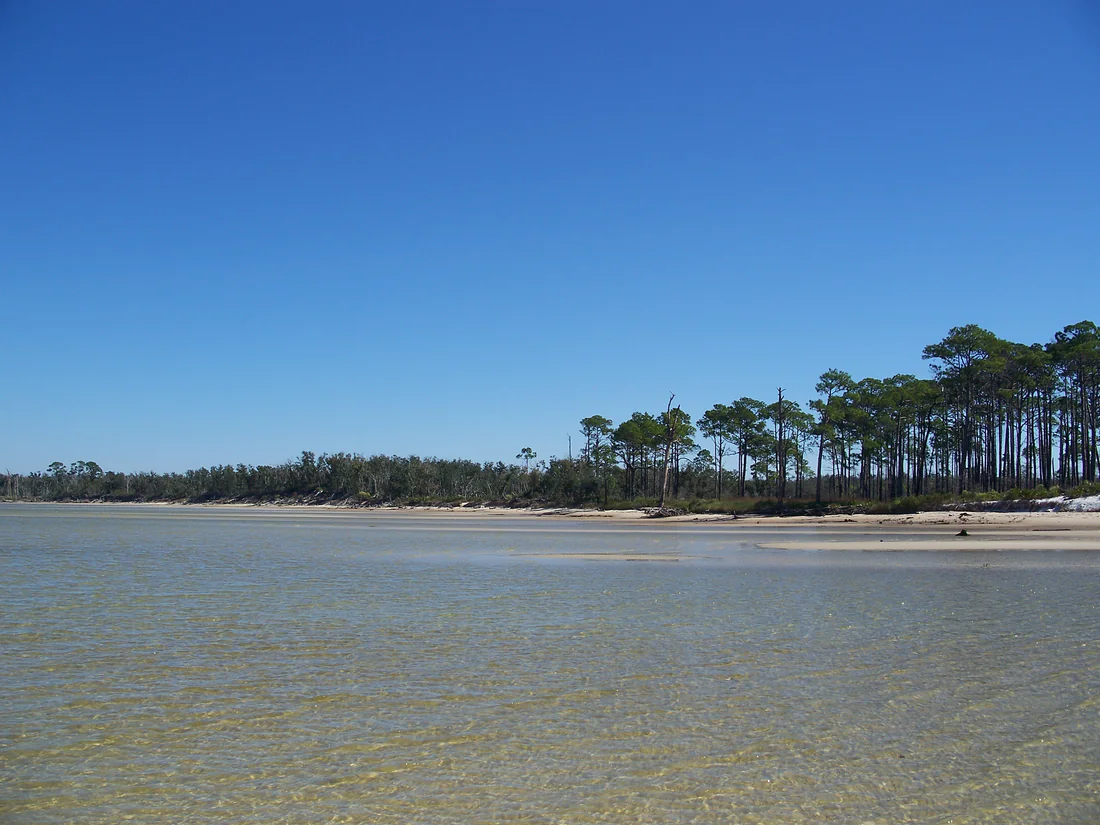
In time, ships carried Bagdad lumber past the Gulf of Mexico and the Caribbean to Atlantic ports and to Western Europe. When the mill shut down in 1939, trade journals said it had been home to one of the Western Hemisphere's most successful lumber companies. By 1939 the last of the virgin pine on land that is now Blackwater River State Forest had been cut at Bagdad. The federal government then bought the tract. The Florida and Alabama Railroad was abandoned after the mill closed.
Florida ran the forest under a license agreement and received the deed in 1955. Blackwater River State Park welcomed its first visitors in 1968, on 360 acres. In 1981 the Division of Forestry handed over 290 more acres to the park.
The river's name comes from the Muscogee words Oka-lusa, meaning water black. Over its white sandbars the water usually shows a clear golden brown.
Sources: Florida Department of State: Bagdad Mill Site Historical Marker; Florida State Parks: Blackwater River State Park History; Historical Marker Database: Blackwater Heritage Trail History; Florida State Parks: Blackwater River State Park
Next: Chapter 9, Whiting Field and World War II →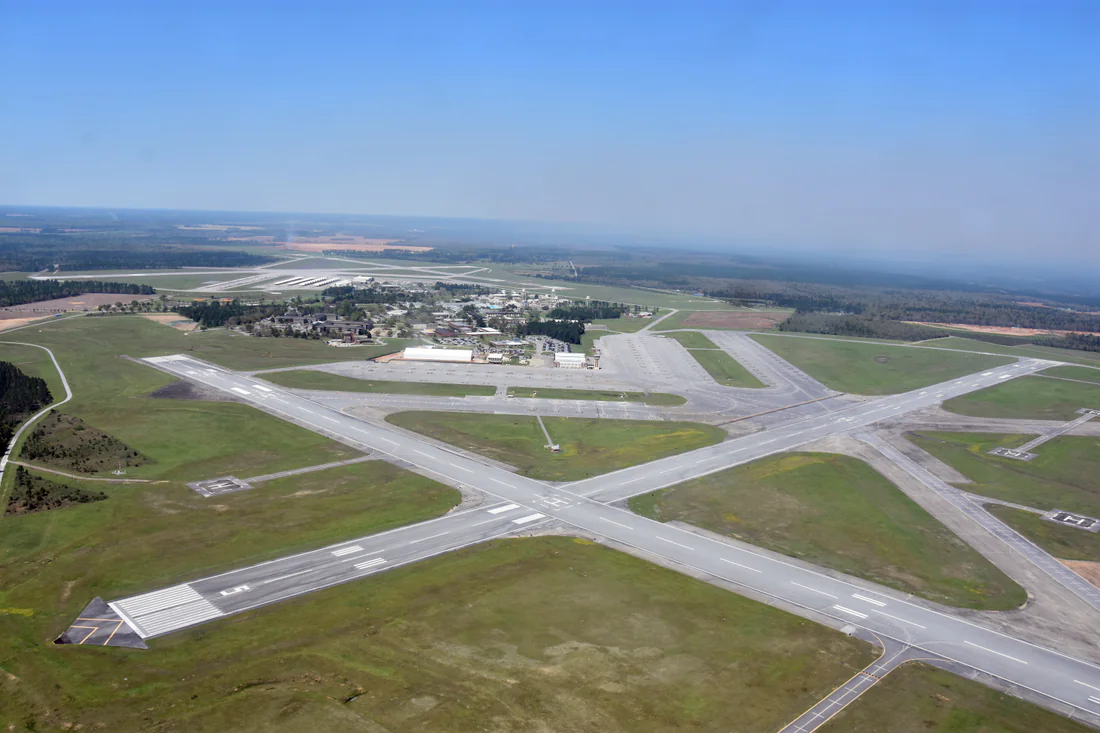
Whiting Field and World War II
The Navy built Whiting Field on 2,920 acres of farmland. Commissioning ceremonies took place on July 16, 1943, and at first it was an auxiliary field for NAS Pensacola. Its namesake, Captain Kenneth Whiting, took flying lessons from Orville Wright in 1914. Whiting had died just three months before the dedication.
In the early 1940s workers rebuilt the old Florida and Alabama tracks so trains could haul aviation fuel to the base. Women in the WAVES ran Link Trainers that copied flying conditions on the ground. In July 1945, German prisoners of war came to Whiting from the Army's Camp Rucker in Alabama. Up to 225 of them were held there until their release in March 1946. The National Register report on Milton says the base, set up in 1942 and 1943, brought a wave of newcomers to the town.
A Navy history says Whiting got the Navy's earliest jet training unit in 1949. The Blue Angels moved to Whiting that same year and stayed until they left for NAS Pensacola in 1954. Advanced helicopter training began at South Field in 1973.
Sources: Museum of Florida History: NAAS Whiting Field; Commander, Navy Region Southeast: NAS Whiting Field History; WUWF Public Media: Happy Birthday, Whiting Field; Historical Marker Database: Blackwater Heritage Trail History; National Park Service: Milton Historic District, National Register Nomination; U.S. Navy: NAS Whiting Field, 75 Years of Military Excellence
Next: Chapter 10, Missiles, Oil and Saving the Past →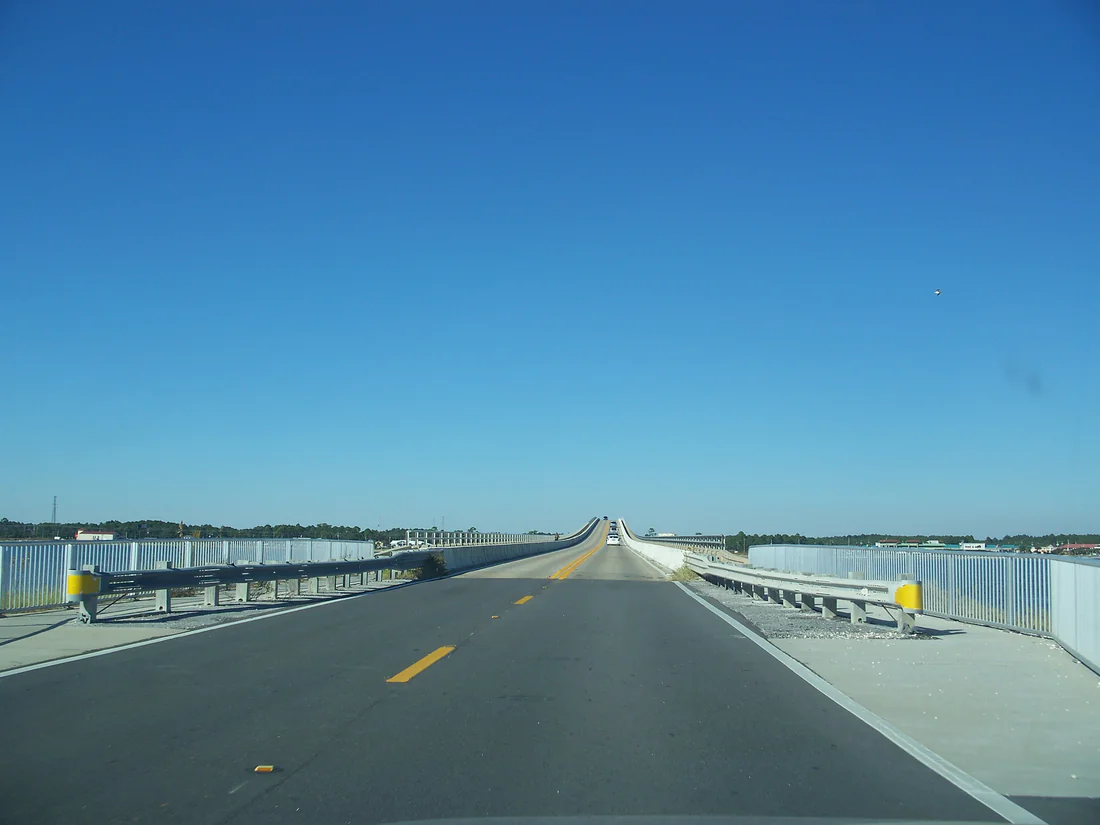
Missiles, Oil and Saving the Past
A 1960 photograph in the State Archives of Florida shows a bridge near Navarre Beach that led to Santa Rosa Island and its missile launching sites. In June 1970, drillers near Jay, 35 miles north of Pensacola, struck what a 1976 study calls Florida's first Jurassic oil. Through 1990, the Jay field gave up 369 million barrels of oil, the Oil & Gas Journal reported.
Milton's L&N depot closed in 1973, and the Santa Rosa Historical Society bought it. A 1976 Bicentennial grant paid for part of its restoration. The West Florida Railroad Museum moved into the depot in 1989 and finished restoring it.
In the late 1980s, the Santa Rosa Historical Society and the University of West Florida worked to save part of the old Arcadia Mill grounds from development. In 1988 the University of West Florida tested, cleared and mapped the site.
Sources: Florida Memory: Bridge near Navarre Beach; AAPG Datapages: Jay Field, Florida, a Jurassic Stratigraphic Trap; Oil & Gas Journal: Florida's Jay Field Idle in Cost-Price Squeeze; West Florida Railroad Museum: Museum History; Florida Department of State: Arcadia Mill Historical Marker; University of West Florida: Arcadia Mill Complex
Next: Chapter 11, Since 1990: Arcadia Mill Digs, Navarre Beach Marine Park and the Last Sea Ranger Flight →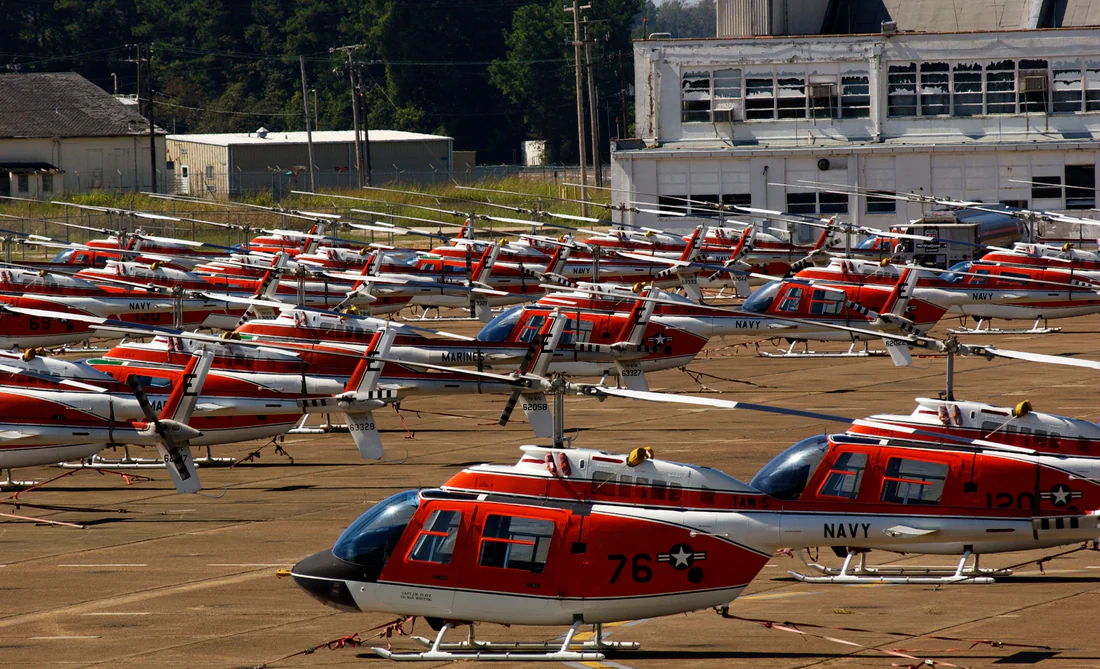
Since 1990: Arcadia Mill Digs, Navarre Beach Marine Park and the Last Sea Ranger Flight
Archaeologists dug at Arcadia in 1990 and 1991 with a state grant from Florida's Division of Historical Resources. On March 14, 2015, the UWF Historic Trust held a grand reopening for the Arcadia Mill Archaeological Site. Its grounds had been shut to visitors since September 2014. In 2018, students at the UWF summer field school uncovered the double chimney of a cabin where enslaved people had lived.
In April 2019 a ribbon cutting marked new boardwalks on the sound side of Navarre Beach Marine Park. The work added boardwalks that people with disabilities can use and a launch for kayaks. Money from the Deepwater Horizon restoration program helped pay for new work on the park's Gulf side.
The last Sea Ranger helicopter in the Navy's Training Air Wing Five made its final flight on September 19, 2025, and the National Naval Aviation Museum in Pensacola received it. Navy helicopter pilots at Whiting Field now train in the TH-73A Thrasher instead. In January 2026 the Navy announced that the TH-57 had been retired after 57 years of training its aviators.
Sources: University of West Florida: Arcadia Mill Complex; University of West Florida News: UWF Historic Trust Hosts Arcadia Mill Grand Re-opening; WUWF Public Media: Recent Research on the Enslaved at Arcadia Highlighted for Black History Month; WEAR-TV: Ribbon-cutting Ceremony Held for Navarre Beach Improvements; Florida Department of Environmental Protection: Navarre Beach Gulfside Improvements Ribbon Cutting; Seapower Magazine: Navy Concludes Helicopter Aviator Training in TH-57 SeaRanger; AVweb: TH-57 Retires to National Naval Aviation Museum
Next: the whole story, in dates →The whole story, in dates
Creek people live on the lands between Pensacola and Apalachicola.
The live oak warships USS Constellation and USS Constitution are launched.
Juan de la Rua receives the Spanish land grant where Arcadia Mill will stand.
President John Quincy Adams sets aside the live oak reservation.
Joseph Forsyth buys the Arcadia land for $400.
Santa Rosa County is created.
Milton becomes an incorporated town.
Arcadia's owners travel to Virginia to buy forty enslaved women.
Santa Rosa County turns out 53 percent of Florida's yellow pine lumber.
Confederate forces burn the Bagdad mills, shipyard and gunboat.
Lt. Colonel A. B. Spurling leads a Union raid with about 200 soldiers.
Black members leave First Baptist and form Mt. Pilgrim.
The P&A railroad builds its first depot at Milton.
Church and community leaders form a Benevolent Colored Cemetery Association.
The L&N finishes Milton's new freight and passenger depot.
The Imogene Theater goes up in Milton.
Fire destroys the 1880 Mt. Pilgrim church.
The Santa Rosa County Courthouse is built.
The Bagdad mill shuts down.
Whiting Field holds its commissioning ceremonies.
German prisoners of war arrive at Whiting.
The Blue Angels move to Whiting Field.
A photograph shows the bridge near Navarre Beach to Santa Rosa Island.
Blackwater River State Park opens on 360 acres.
Oil is found near Jay.
Advanced helicopter training begins at South Field.
The West Florida Railroad Museum moves into the Milton depot.
Archaeologists dig at Arcadia.
Mt. Pilgrim joins the National Register of Historic Places.
The Arcadia Mill Archaeological Site holds its grand reopening.
Students uncover the double chimney of a slave cabin at Arcadia.
A ribbon cutting marks new boardwalks at Navarre Beach Marine Park.
The last Sea Ranger in Training Air Wing Five makes its final flight.
The Navy announces that the TH-57 has been retired.
Where you can still see it
 01
01 02
02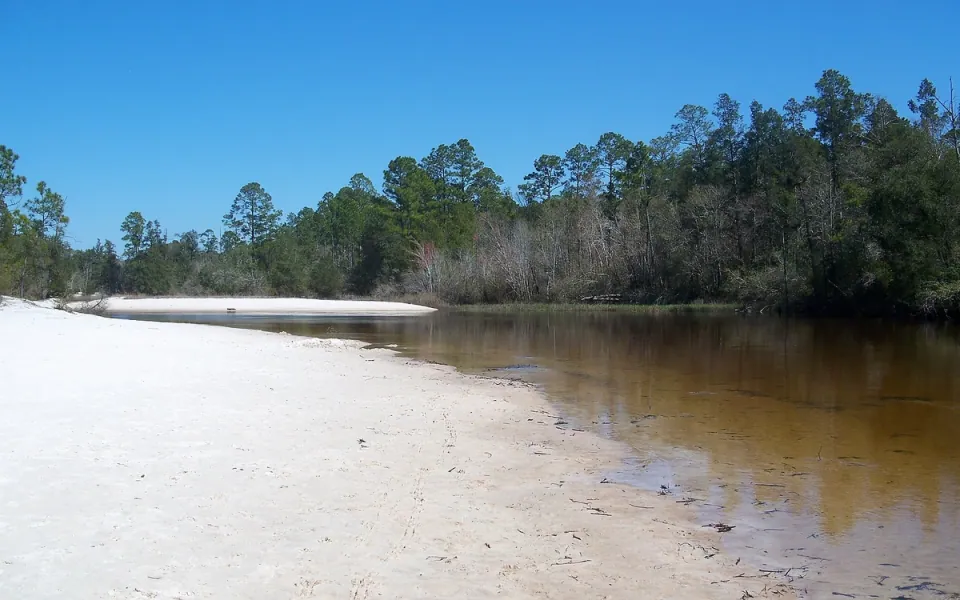 03
03Blackwater River State Park
Goes with: The Last Big Pines and Blackwater River State Park
Open the place page →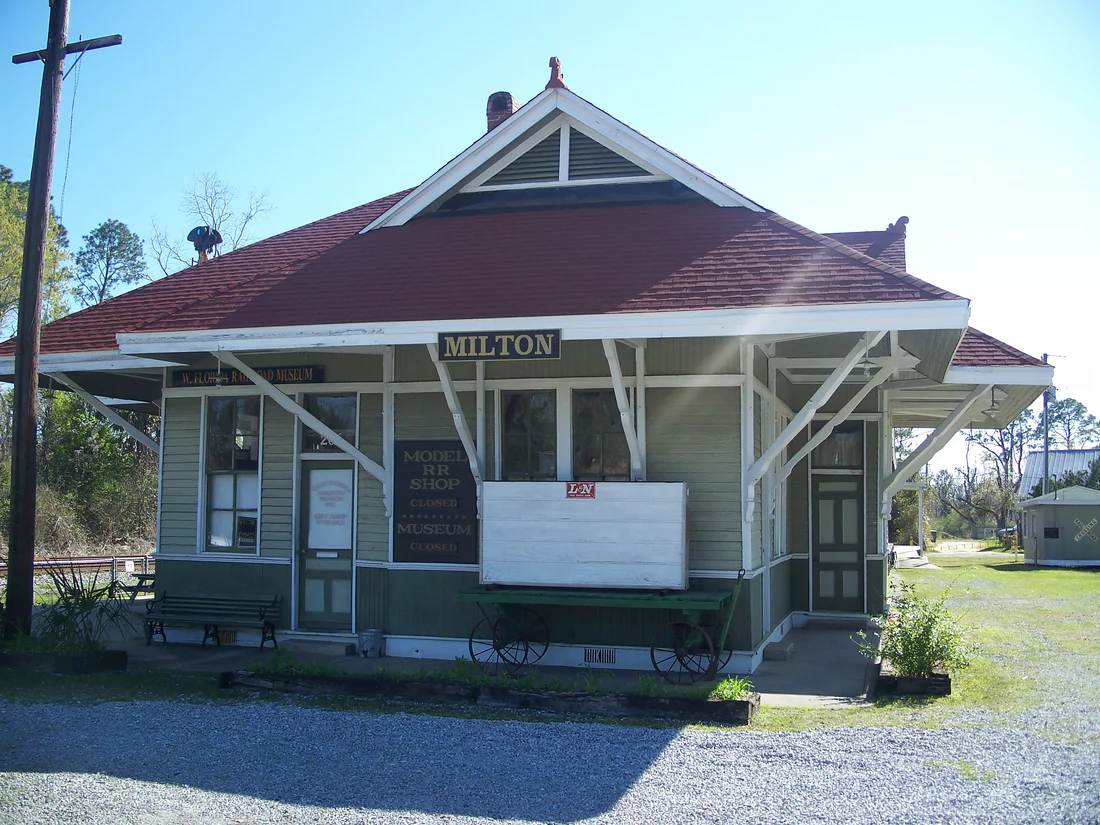 04
04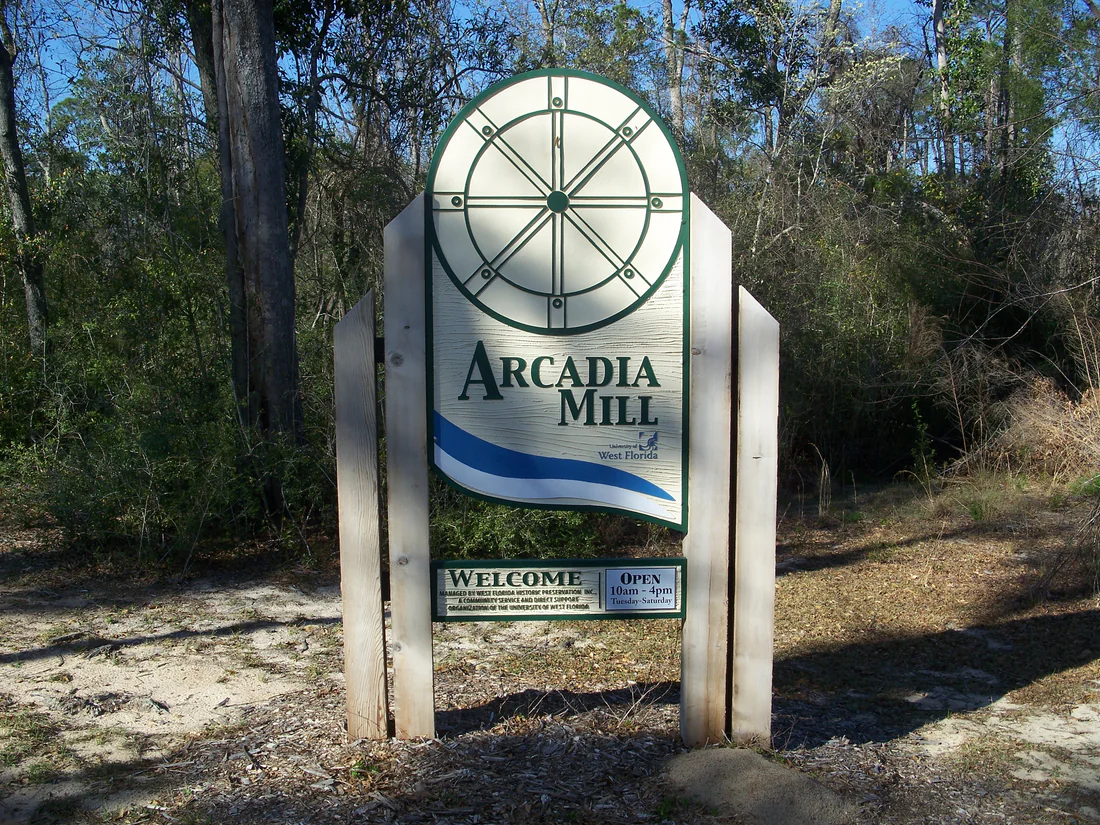 05
05Arcadia Mill Archaeological Site
Goes with: Since 1990: Arcadia Mill Digs, Navarre Beach Marine Park and the Last Sea Ranger Flight
Open the place page →Questions people ask
When was Santa Rosa County created?
Santa Rosa County was created on February 18, 1842, when it was split off from Escambia County.
Chapter 4 →Who was Santa Rosa County named for?
Its name comes from Santa Rosa Island, which honors the Catholic saint Rosa de Viterbo.
Chapter 4 →What is the county seat of Santa Rosa County?
A year after the county was created, voters picked Milton to be the county seat.
Chapter 4 →When did Whiting Field open?
Commissioning ceremonies for Whiting Field took place on July 16, 1943.
Chapter 9 →What was Arcadia Mill?
The state marker calls Arcadia the earliest and biggest water-powered factory site in antebellum Florida.
Chapter 3 →Where this comes from.
Last updated October 17, 2026.
- University of South Florida, Exploring Florida: Santa Rosa County ↗ Read October 16, 2026
- Florida State Parks: Blackwater River State Park History ↗ Read October 16, 2026
- Florida State Parks: Blackwater River State Park ↗ Read October 16, 2026
- National Park Service: Milton Historic District, National Register Nomination ↗ Read October 16, 2026
- University of West Florida: Arcadia Mill Complex ↗ Read October 16, 2026
- Florida Department of State: Arcadia Mill Historical Marker ↗ Read October 16, 2026
- Florida Department of State: Bagdad Mill Site Historical Marker ↗ Read October 16, 2026
- Florida Department of State: Thompson House, Skirmish, Blackwater Historical Marker ↗ Read October 16, 2026
- Florida Department of State: Historic Mt. Pilgrim African Missionary Baptist Church Historical Marker ↗ Read October 16, 2026
- National Park Service: Mt. Pilgrim African Baptist Church, National Register Nomination ↗ Read October 16, 2026
- Historical Marker Database: Live Oaks and Naval Ship Timbers (Florida state marker F-642) ↗ Read October 16, 2026
- Historical Marker Database: First Federal Tree Farm (National Park Service panel) ↗ Read October 16, 2026
- National Park Service: The Live Oak Tree, A Naval Icon ↗ Read October 16, 2026
- WUWF Public Media: Recent Research on the Enslaved at Arcadia Highlighted for Black History Month ↗ Read October 16, 2026
- University of West Florida News: UWF Historic Trust Hosts Arcadia Mill Grand Re-opening ↗ Read October 16, 2026
- Commander, Navy Region Southeast: NAS Whiting Field History ↗ Read October 16, 2026
- WUWF Public Media: Happy Birthday, Whiting Field ↗ Read October 16, 2026
- Museum of Florida History: NAAS Whiting Field ↗ Read October 16, 2026
- U.S. Navy: NAS Whiting Field, 75 Years of Military Excellence ↗ Read October 16, 2026
- Historical Marker Database: Blackwater Heritage Trail History ↗ Read October 16, 2026
- West Florida Railroad Museum: Museum History ↗ Read October 16, 2026
- Florida Memory: Bridge near Navarre Beach ↗ Read October 16, 2026
- AAPG Datapages: Jay Field, Florida, a Jurassic Stratigraphic Trap ↗ Read October 16, 2026
- Oil & Gas Journal: Florida's Jay Field Idle in Cost-Price Squeeze ↗ Read October 16, 2026
- WEAR-TV: Ribbon-cutting Ceremony Held for Navarre Beach Improvements ↗ Read October 16, 2026
- Florida Department of Environmental Protection: Navarre Beach Gulfside Improvements Ribbon Cutting ↗ Read October 16, 2026
- Seapower Magazine: Navy Concludes Helicopter Aviator Training in TH-57 SeaRanger ↗ Read October 16, 2026
- AVweb: TH-57 Retires to National Naval Aviation Museum ↗ Read October 16, 2026