Polk County was formed in 1861. The history of the area goes back much further, to the last ice age, about 11,000 years ago. By the 1880s, the growth of industries such as farming, citrus, cattle and phosphate, along with the coming of the railroad, had set off a boom in land prices. Bok Tower Gardens was dedicated in 1929. Cypress Gardens was founded in 1936, and the county calls it Florida's first theme park.
This page tells the story in order, from the first peoples to the Detroit Tigers' 90th spring training in Lakeland in 2026, then lists places in the county where you can still see it. The sources for each part are named at the end of that part, and all of them are listed at the bottom of the page.
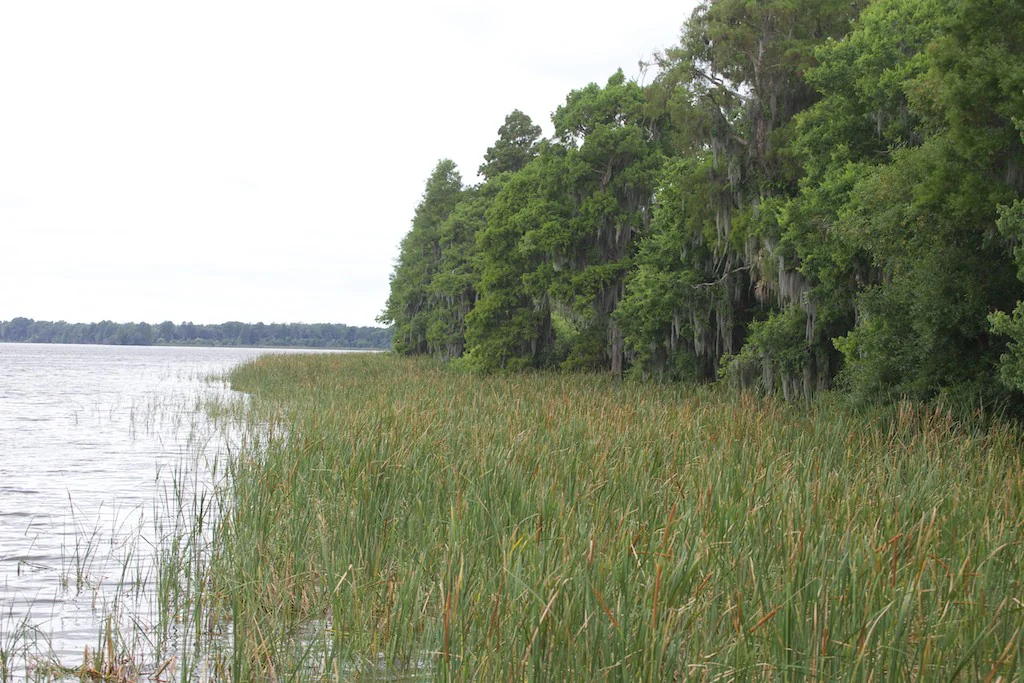
The First Peoples and the Spanish
The history of the land that is now Polk County goes back to the last ice age, about 11,000 years ago. Sea level then was about 350 feet below where it is today. The first people in the area were Paleoindians. They had arrived in northern Florida by about 10,000 B.C. In the period from 9,000 to 8,500 B.C., they began to live in permanent settlements.
Many scholars link the county's Native people to the Tocobaga of Tampa Bay and to the Mocosos, a closely related group. Native Americans once lived along the Peace River near Bartow, as archaeological evidence shows. A canoe found in Lake Hancock was made by hand by Native Americans. The state archaeologist puts its age at about 1,000 years. It was made from cypress and probably carried seven people. It is about 21 feet long.
European explorers came to Florida in the 1500s. The Peace River is marked as the Rio de la Paz on a Spanish map from as early as 1527. Men from the Spanish expeditions of Panfilo de Narvaez in 1528 and Hernando de Soto in 1539 may have reached the area. In 1657, a Spanish official noted that sickness and disease were shrinking the native population. In 2021, the curator of the Lake Wales History Museum said two native tribes once lived in the area. The curator said both tribes had been in the area for several thousand years before the Spanish arrived, and that disease then killed them off.
Sources: Polk County Government: Polk County Then and Now; Florida Department of State: Historic Kissengen Spring historical marker; Spectrum Bay News 9: 1,000-year-old Native American handmade canoe found in a Polk County lake; Polk County Historical Association: History of Polk County
Next: Chapter 2, Seminoles, Forts and Settlers →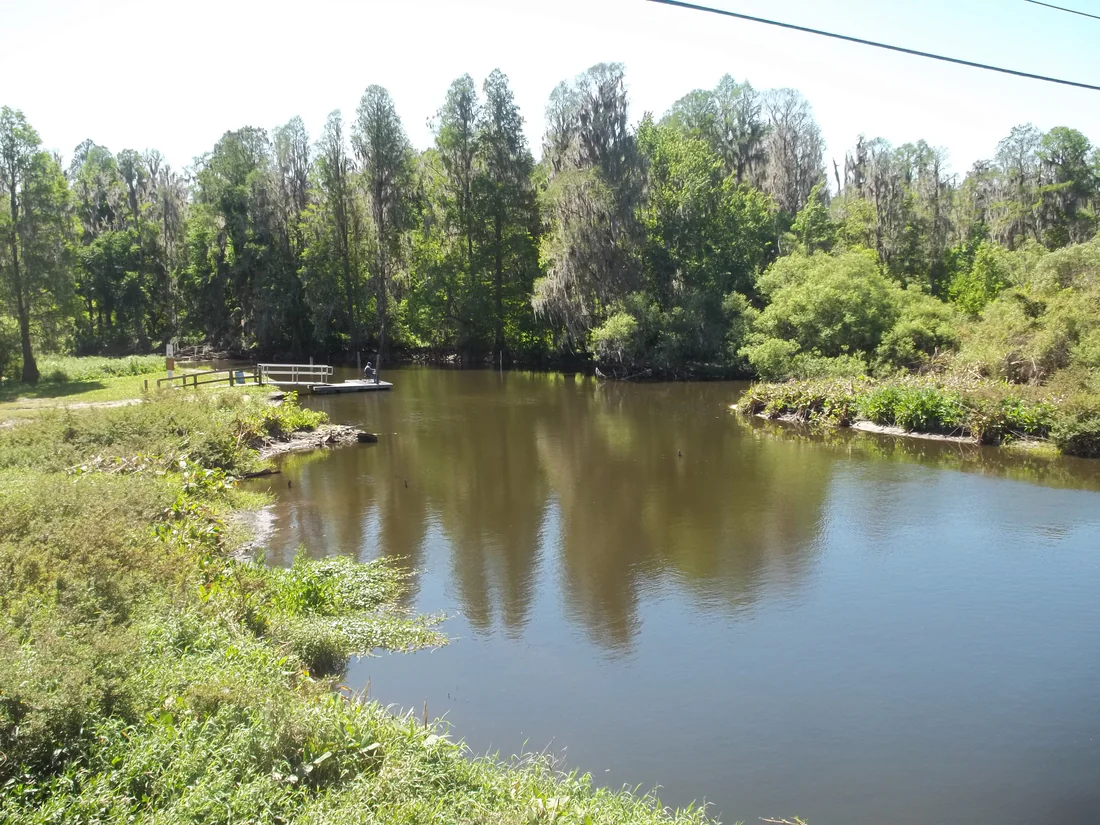
Seminoles, Forts and Settlers
The Seminole people descended from the Creek Indians of Georgia. The county says they settled in and around Polk in the 1700s. As it pursued the Seminole, the U.S. military built forts and cut roads that crossed the Florida peninsula.
The Armed Occupation Act of 1842 encouraged pioneers to settle farther south in Florida. But the act barred settlers from the land near the Peace River, which was seen as the home of the Seminole people. A hurricane hit Hillsborough County in 1848, and the Polk County Historical Association lists it as one of the reasons settlers moved inland. The Brown and Raulerson families were living near Lake Hancock by 1849, and more settlers soon came to join them. The growing number of settlers led to small farms and orange groves, along with churches and one-room schools.
Fort Meade was set up in 1849 on a new military road between Tampa and Fort Pierce. The county says Fort Meade is Polk's oldest city. The first bridge there was built at the same time as the original fort. It was built to serve people along the Peace River, both soldiers and civilians.
Sources: Polk County Government: Polk County Then and Now; Polk County Historical Association: History of Polk County; Spectrum Bay News 9: 1,000-year-old Native American handmade canoe found in a Polk County lake; Polk County Government: Elected Officials and Cities; Florida Department of State: John Singletary Bridge historical marker
Next: Chapter 3, Polk County Is Created →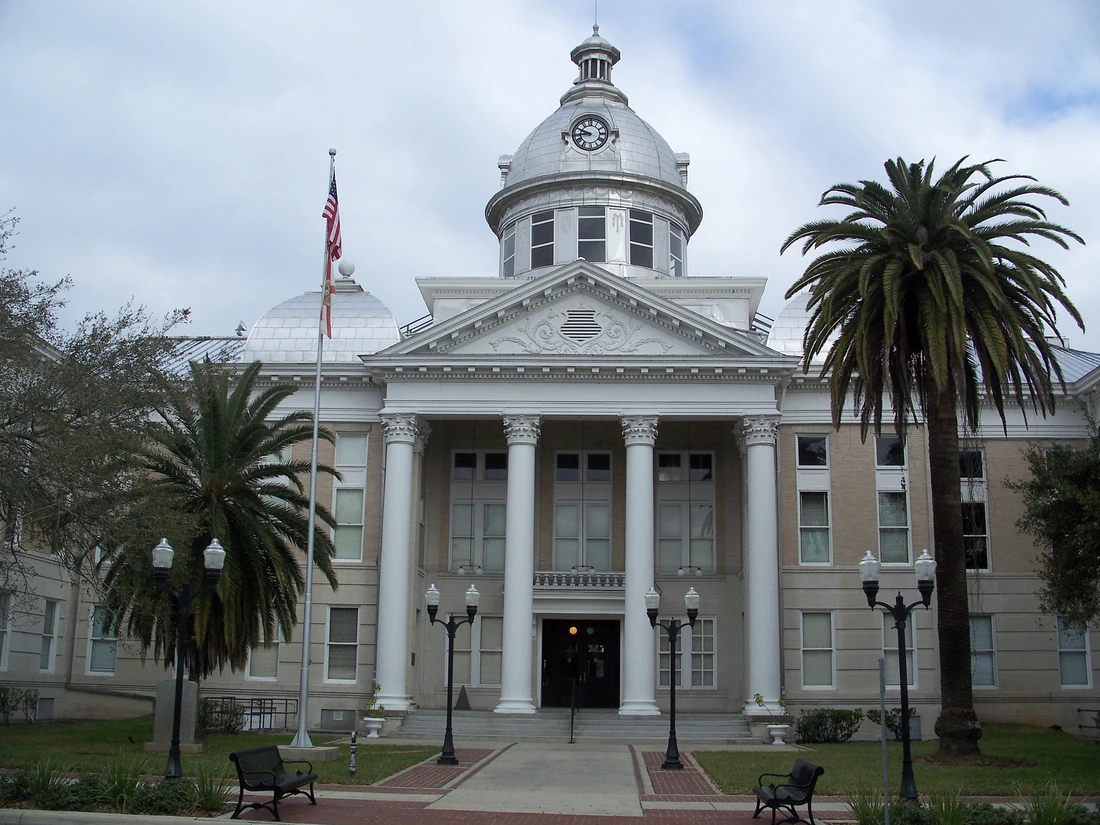
Polk County Is Created
Polk County was made from parts of two other counties: the eastern part of Hillsborough and the western part of Brevard. Florida had already seceded from the Union when Governor Perry signed the law creating the county on February 8, 1861. The county takes its name from James Knox Polk, the 11th U.S. president. The idea for the name is thought to have come from a pioneer named Readding Blount.
The first county seat was at Mud Lake. Before long it moved to Jefferson, a town site that had been surveyed inside what is now Bartow. Bartow got its name in 1862 from Francis Bartow, a Confederate colonel who was killed in the Battle of Bull Run. Cattleman Jacob Summerlin gave 120 acres at Bartow in 1867 to be the site of the town and the county seat. The first two courthouses on that land were built in 1867 and 1884. Sources disagree on when the third one was built: the state marker says 1909, and the county says 1908.
Sources: Florida Department of State: Old Polk County Courthouse historical marker; Polk County Historical Association: History of Polk County; Polk County Government: Polk County Then and Now
Next: Chapter 4, Cattle Country →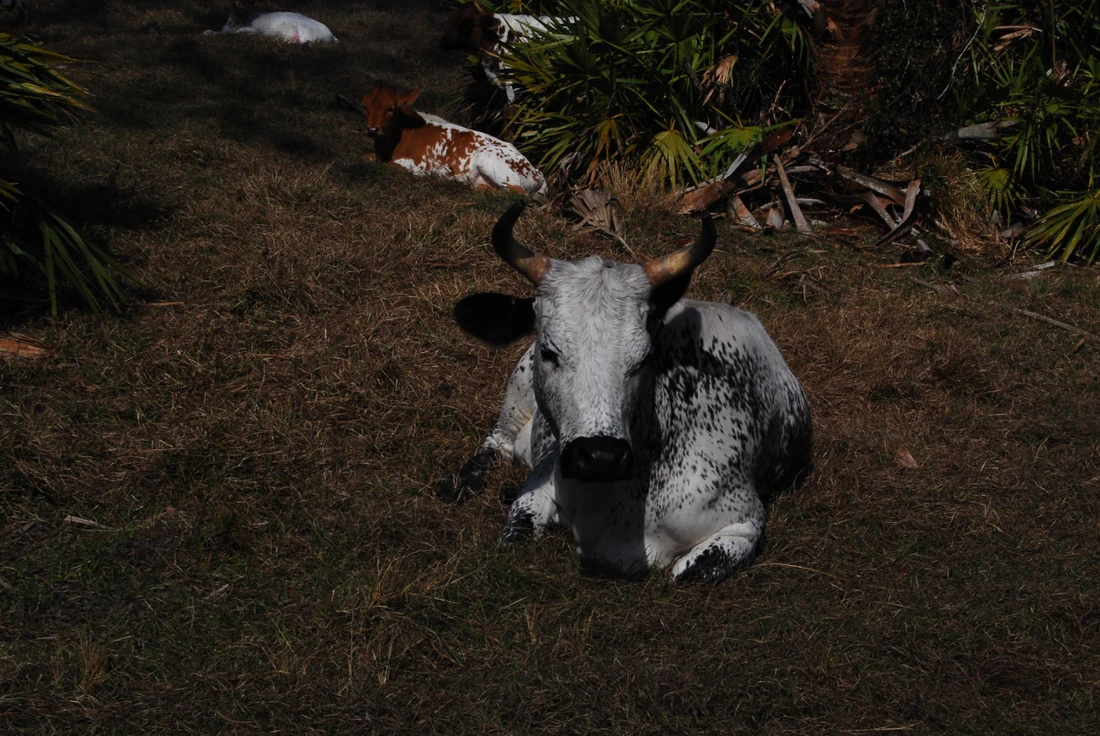
Cattle Country
The first Spanish conquistadors came to Florida early in the 1500s. They brought a small number of Andalusian cows and horses. Over time, cattlemen moved their herds east, away from the Tampa Bay area.
Jacob Summerlin was known as "The Cracker King of Florida." He grew rich hunting cattle near the Kissimmee and Peace rivers. In the Civil War he smuggled beef to Confederate forces. Florida cowmen provided beef to both armies. After the war he bought a wharf and used it to ship his cattle to Cuba for sale. Between 1868 and 1878, more than 1.6 million cattle went from Florida to Cuba, and ranchers were paid millions of dollars for them in gold doubloons.
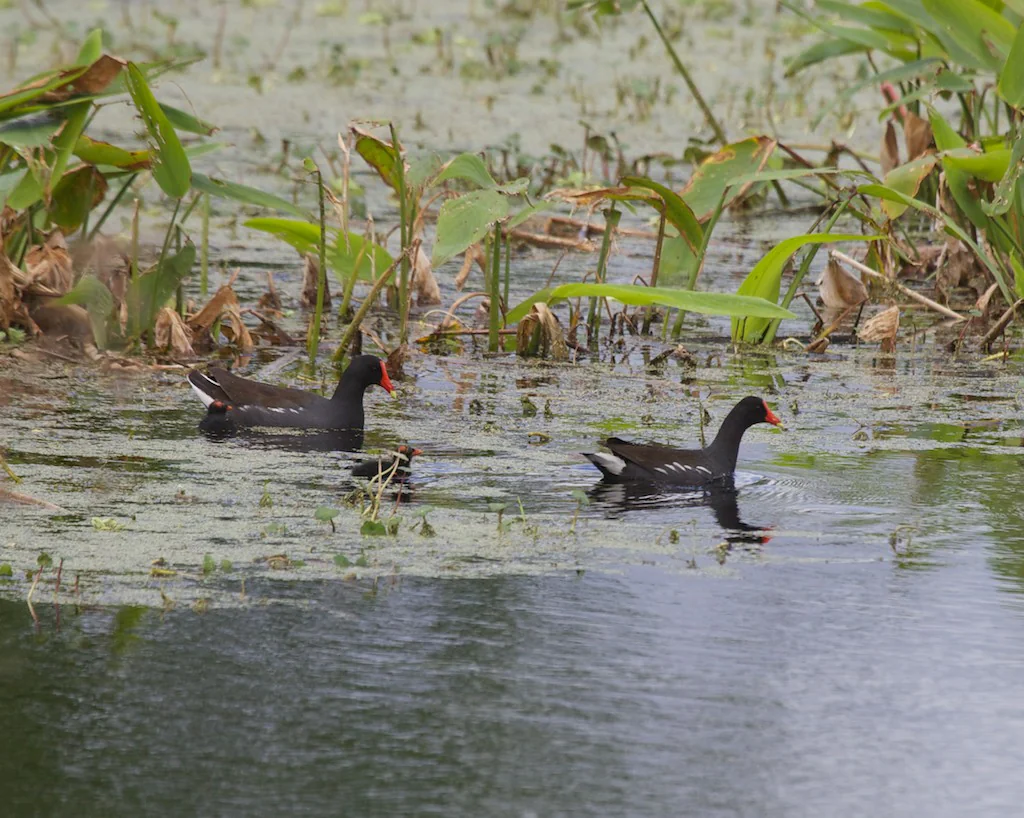
Working with his partner, "Doc" Lightsey, W. Henry Lewis was one of the leading cattlemen in Polk County. His cattle business was centered on Fort Meade. He built his house in Fort Meade in 1901. Circle B Bar Reserve, near Lake Hancock, takes its name from a cattle ranch that used to be on the land. In December 2000, Polk County and the Southwest Florida Water Management District bought the land together.
Sources: Florida State Parks: Lake Kissimmee's Historical Cow Camp; Polk County Historical Association: History of Polk County; Florida Memory, State Archives of Florida: Ranching photo exhibit; Florida Department of State: The W. Henry Lewis House historical marker; Southwest Florida Water Management District: Circle B Bar Reserve; Polk Nature, Polk County Parks and Natural Resources: Circle B Bar Reserve
Next: Chapter 5, Railroads and New Towns →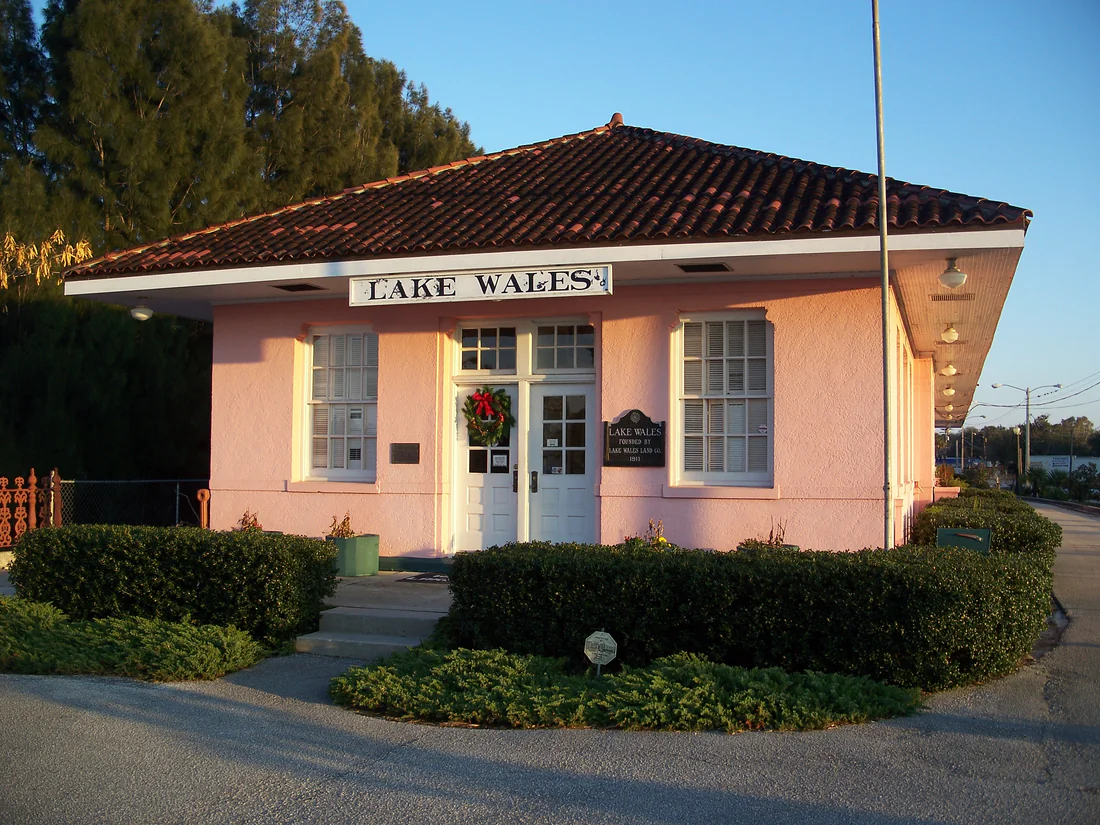
Railroads and New Towns
Henry B. Plant extended the South Florida Railroad across Polk County from Sanford. In 1884 the line reached Tampa. After that, goods made in the county could go by rail to markets across the country and abroad. Lakeland, Winter Haven and other new towns were built along the tracks.
Abraham Munn, who lived in Louisville, Kentucky, founded Lakeland. In 1882 he bought 80 acres of land that is now downtown Lakeland. On January 1, 1885, Lakeland was incorporated. Residents thought about calling the town Munnville, Rome City or Red Bug, but rejected those names. By the mid-1890s, Lakeland was a stop for about 25 trains each day. During the Spanish-American War, in the summer of 1898, Lakeland housed about 9,000 soldiers who were waiting to sail for Cuba.
The Lake Wales Land Company founded Lake Wales in 1911. Its members, a group of businessmen, had bought 5,000 acres of hill country around Lake Wailes. In June 1911, the Atlantic Coast Line Railroad extended its tracks to Lake Wales from Haines City. The Atlantic Coast Line depot in Lake Wales was built in 1928. In 1976 it became the Lake Wales Museum and Cultural Center. Also in 1928, a new bridge over the Peace River at Fort Meade opened. Only four concrete bridges were built in Polk County from 1926 to 1938, and this was one of them. In 1931 it was dedicated to John Singletary, who had been elected to the Polk County Commission not long before.
Sources: Polk County Historical Association: History of Polk County; Polk County Government: Polk County Then and Now; City of Lakeland: Brief History of Lakeland; Polk County Government: Elected Officials and Cities; University of Central Florida, RICHES: Lake Wales Atlantic Coast Line Railroad Depot; Florida Department of State: John Singletary Bridge historical marker
Next: Chapter 6, Phosphate →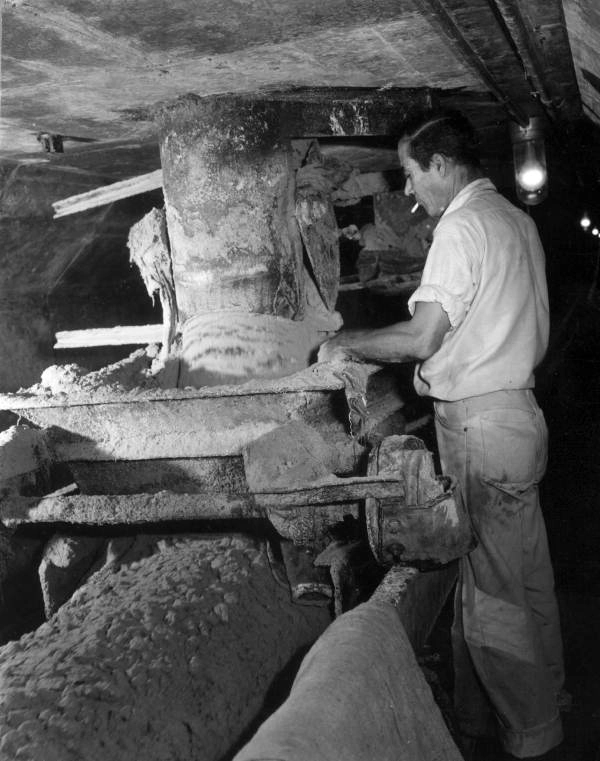
Phosphate
Captain J. Francis LeBaron, a U.S. Army Corps of Engineers officer, found phosphate in 1881 while surveying south of Fort Meade along the Peace River. Captain W.R. McKee and John C. Jones found more deposits in 1886. Within ten years, central Florida had more than 200 companies mining phosphate. In 1888, phosphate rock was first shipped out of the area as a commercial product, for use as fertilizer.
So many fossils were found in the deposits that people called the region Bone Valley. Mining phosphate soon grew into one of the biggest industries in Polk County. The city of Mulberry started out as a boom town built around phosphate mining.
Sources: Southwest Florida Water Management District: The Discovery of Phosphate; Polk County Historical Association: History of Polk County; Polk County Government: Polk County Then and Now; Polk County Government: Elected Officials and Cities
Next: Chapter 7, Black Churches, Schools and Neighborhoods →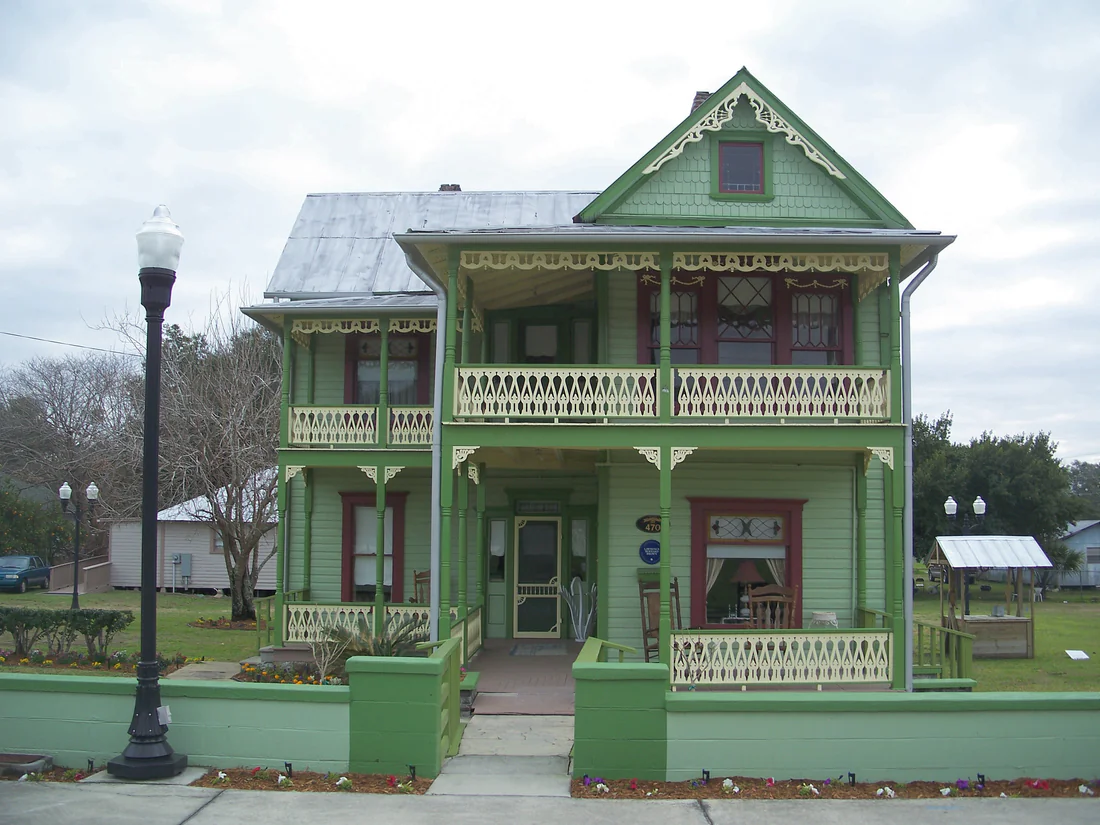
Black Churches, Schools and Neighborhoods
Winter Haven's First African Missionary Baptist Church was organized in 1881 by the Rev. W. B. Mills. Its first service was held under an oak tree, with five families taking part. W. M. Adams, who was born into slavery in 1843, was the church's first deacon. Lawrence Bernard Brown was also born into slavery. In the 1880s he came to Bartow, where he built many houses. He built his own house in Bartow in 1892. He and his wife, AnnieBelle, raised seven children there. According to a state marker, Pughsville was one of the first neighborhoods in Winter Haven. Most of its residents were African American. It was named for the Rev. Charles Pugh, who was one of the first Black pioneers.
Dr. Mary B. Jewett, a white physician from the area, saw that the Black students of Florence Villa needed a permanent school campus, and in March 1924 she brought building plans to the Board of Public Instruction. She also offered to give the land. Work on the Florence Villa Training School for Negroes started in August 1924. It took the place of an earlier school for African American students. It opened on December 1, 1924, on a campus of five acres. Money for the school came from four sources: $2,000 from Black donors, $11,000 from white donors, $5,000 from property taxes and $1,500 from the Julius Rosenwald School Fund. During the night of January 17, 1925, fire destroyed the school along with its furnishings. A $500 reward was offered by the Florence Villa Town Council for information that would help catch those responsible. The reward did not lead to an arrest.
From 1912 to 1954, Dundee's train station was segregated. In Haines City, the Oakland School opened in 1928. Money to run it came from the Julius Rosenwald Foundation and the county school board. Until 1930, Black high school students from Haines City had to travel to Bartow or Lakeland for school. That year, Oakland became an accredited senior high school. It was one of the county's five Black high schools. In 1968, after the Civil Rights Act of 1964 and the integration of public schools, Oakland High closed.
Sources: Florida Department of State: First Missionary Baptist Church of Winter Haven historical marker; Florida Department of State: The Historic L. B. Brown House historical marker; Florida Department of State: Historic Pughsville Neighborhood historical marker; Florida Department of State: Florence Villa Training School historical marker; Florida Department of State: The Railroad in Dundee History historical marker; Florida Department of State: Historic Oakland High School historical marker
Next: Chapter 8, The 1920s Boom →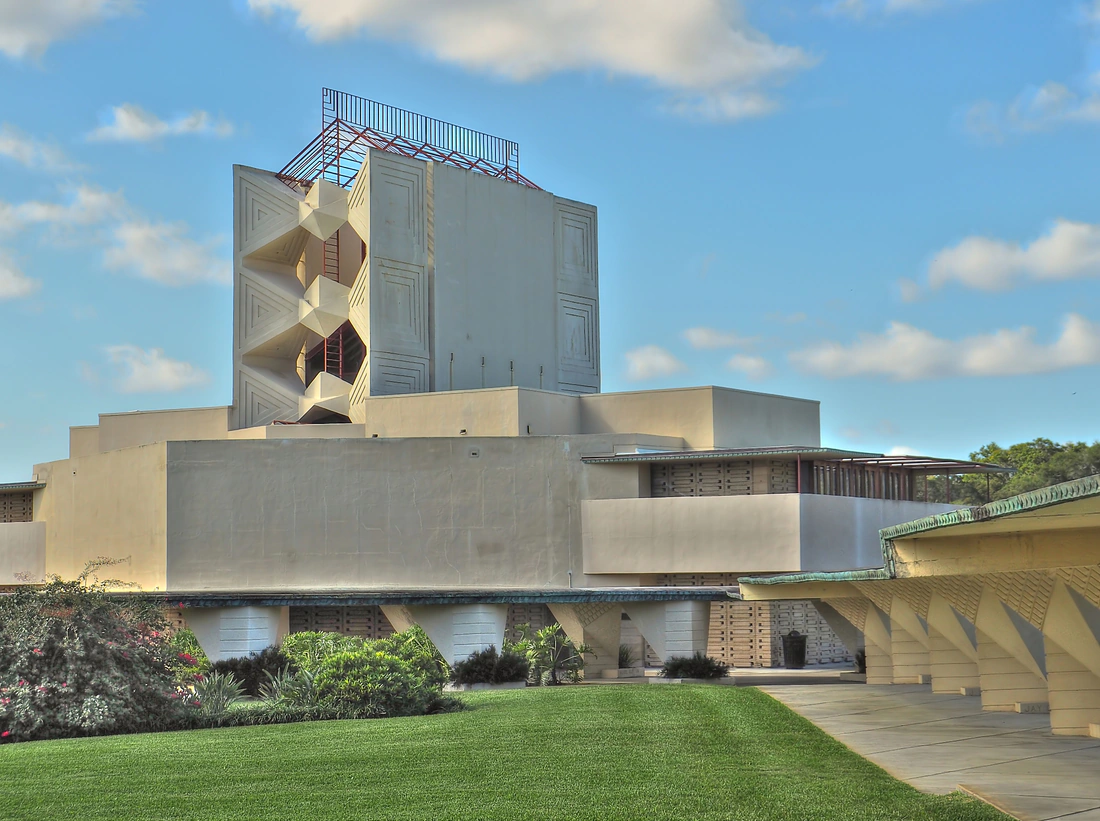
The 1920s Boom
Florida Southern College moved from Sutherland to Lakeland in 1922. By the 1920s, Florida was drawing large numbers of tourists, and land prices rose sharply. During this land boom, many important buildings went up in Lakeland. In 1926, the Polk Hotel, 10 stories tall, opened in Haines City.
The idea for Lake Mirror Park came in 1923 from the president of the Lakeland Chamber of Commerce, a man named Appleyard. In 1924, the architect Charles Wellford Leavitt drew up the park's master plan. Work on the promenade and the loggia ran from 1926 to 1928. In 1983 the park was added to the National Register of Historic Places.
Edward Bok created Bok Tower Gardens in Lake Wales. From 1889 to 1919 he was the editor of the Ladies' Home Journal. Frederick Law Olmsted Jr., a landscape architect, made the first design for the grounds. The tower sits at the top of Iron Mountain, 298 feet above sea level. The City of Lake Wales says no point in peninsular Florida is higher. The gardens were dedicated on February 1, 1929, and President Calvin Coolidge took part in the ceremony.
Sources: City of Lakeland: Brief History of Lakeland; Polk County Government: Polk County Then and Now; American Planning Association: Lake Mirror Park: Lakeland, Florida; City of Lake Wales: Bok Tower
Next: Chapter 9, The Depression Years →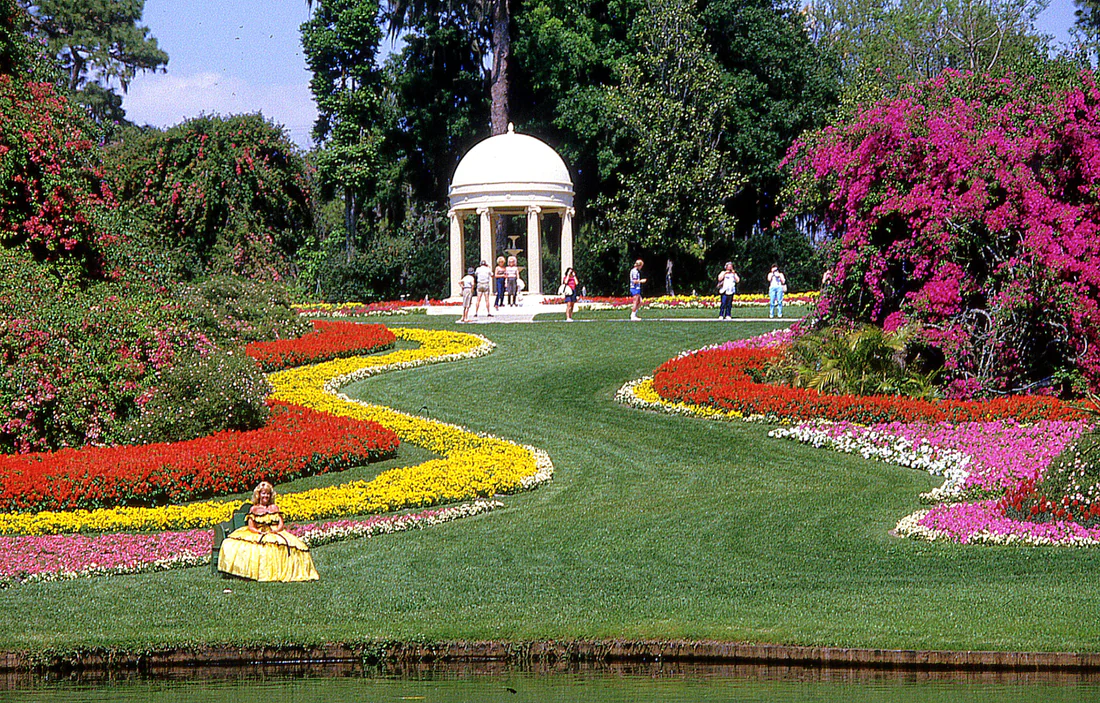
The Depression Years
When the Great Depression began, the Florida boom came to an end. Lakeland took years to recover. On September 6, 1930, George W. Jenkins opened his first Publix, in Winter Haven. The City of Lakeland says the Detroit Tigers helped it recover when they came for spring training in 1934. In 1936, Dick and Julie Pope started Cypress Gardens in Winter Haven. Both the county and the State Archives of Florida describe it as Florida's first theme park.
In 1938, Frank Lloyd Wright came to Lakeland because Ludd Spivey, president of Florida Southern College, asked him to. His first building on the campus was the Annie Pfeiffer Chapel, which was started in 1938. His work on the campus lasted 20 years. The Polk Science Building was finished in 1959. The City of Lakeland says no other single place in the world has as many structures designed by Frank Lloyd Wright.
Sources: Polk County Government: Polk County Then and Now; City of Lakeland: Brief History of Lakeland; FOX 13 Tampa Bay: 'Where shopping is a pleasure': Publix celebrates 92 years; Florida Memory, State Archives of Florida: Governor Claude Kirk, left, and Dick Pope with animals at the Cypress Gardens theme park in Winter Haven; Florida Department of State: The Frank Lloyd Wright Campus of Florida Southern College historical marker
Next: Chapter 10, World War II and After →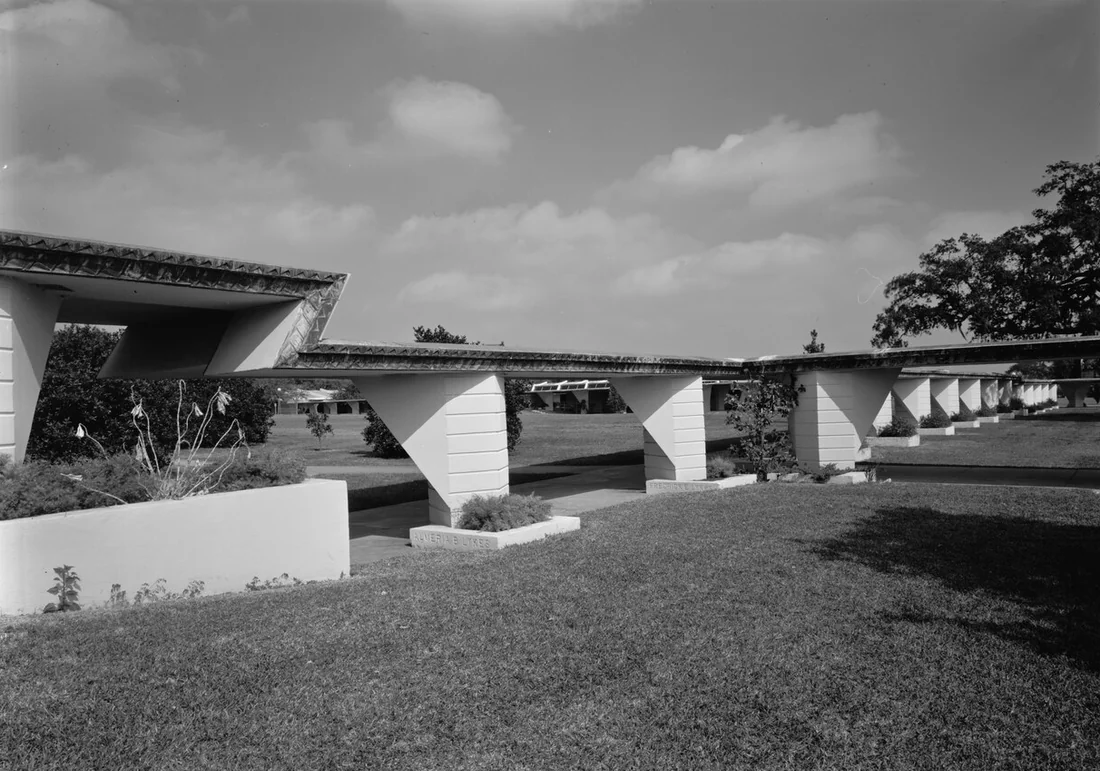
World War II and After
Polk County's early airfields served the country in World War II. The Lodwick School of Aeronautics opened in 1940. Several thousand men learned to fly there as U.S. Army Air Corps pilots. Crews for B-24 bombers trained at Drane Field, on the southwest side of Lakeland. In the 1930s, big political rallies were held at Kissengen Spring near Bartow. During the war, service members stationed near Bartow used the spring as a resort for rest and recovery. The spring's flow into the Peace River was once as high as 20 million gallons a day. After its groundwater was taken for other uses, the spring was no longer a tourist destination.
Spook Hill in Lake Wales is a gravity hill, a kind of optical illusion. Beginning around 1950, it became an important tourist attraction in the area. In 1975, the Florida Southern College Architectural District was added to the National Register of Historic Places. In March 2012, the U.S. Department of the Interior made the Florida Southern College campus a National Historic Landmark.
Sources: Polk County Government: Polk County Then and Now; City of Lakeland: Brief History of Lakeland; Florida Department of State: Historic Kissengen Spring historical marker; National Park Service: Spook Hill; Florida Department of State: The Frank Lloyd Wright Campus of Florida Southern College historical marker; WUSF Public Media: Lakeland's Child of the Sun campus named National Historic Landmark
Next: Chapter 11, Since 1993: LEGOLAND, 50 years of Sun 'n Fun and the Tigers' 90th spring →
Since 1993: LEGOLAND, 50 years of Sun 'n Fun and the Tigers' 90th spring
The Lake Wales Ridge National Wildlife Refuge, which is made up of four tracts of land in Polk and Highlands counties, was set up in 1993. The U.S. Fish and Wildlife Service says it was the first refuge meant to help endangered and threatened plants recover. In 2004, the eyes of three hurricanes passed over the southern part of Polk County. On May 31, 2006, the Overstreet family's cattle ranch was bought to become Colt Creek State Park.
LEGOLAND Florida opened in Winter Haven on October 15, 2011, on the land where Cypress Gardens had been. It started with more than 50 rides for children, four of them roller coasters. Florida Polytechnic University in Lakeland, created by state law in 2012, took its first class of students when fall classes began on August 25, 2014. On June 2, 2017, officials opened a new home for NOAA's Aircraft Operations Center, the base for its hurricane hunter planes, at Lakeland Linder Regional Airport.
In April 2024, the Sun 'n Fun Aerospace Expo in Lakeland marked 50 years. Spectrum News says it grew from a fly-in for airplane fans into one of the world's biggest aviation gatherings. On February 3, 2026, county leaders celebrated the 165th anniversary of Polk County. Later that month, the Detroit Tigers began spring training in Lakeland for the 90th time. On July 1, riders led a small herd of cattle at Circle B Bar Reserve in a ceremony that rededicated the cow camp there, which was built in 2011.
Sources: U.S. Fish and Wildlife Service: Lake Wales Ridge National Wildlife Refuge, About Us; Orlando Sentinel, reprinted by Government Technology: When 3 Hurricane Paths Crossed One Spot in Central Florida; Florida State Parks: Colt Creek State Park History; FOX 13 News: Legoland turns 10: The history of Legoland Florida; Florida Polytechnic University: History of Florida Polytechnic University; NOAA: Officials cut ribbon on new NOAA Aircraft Operations Center; Spectrum News Bay News 9: Lakeland Sun 'n Fun Aerospace Expo celebrating 50 years in business; Polk County Government: Polk County celebrates its 165th anniversary; MLB.com: Tigers 2026 Spring Training FAQ; LkldNow: Detroit Tigers Begin 61st Preseason at Publix Field at Joker Marchant Stadium; LkldNow: Cattle County: Polk Honors Ranching Heritage at Circle B
Next: the whole story, in dates →The whole story, in dates
The history of the area begins in the last ice age.
The Peace River appears on a Spanish map as the Rio de la Paz.
A Spanish official records that sickness and disease are shrinking the native population.
The Seminole settle in the Polk area.
The Armed Occupation Act encourages pioneers to move south, but not near the Peace River.
A Hillsborough County hurricane is one reason settlers head inland.
The Brown and Raulerson families are living near Lake Hancock.
Fort Meade is set up on the new military road between Tampa and Fort Pierce.
Governor Perry signs the law creating Polk County.
The town is named Bartow, after a Confederate colonel, Francis Bartow.
Jacob Summerlin gives 120 acres at Bartow, and the first courthouse is built.
Florida ranchers sell more than 1.6 million cattle to Cuba.
Phosphate is found south of Fort Meade, along the Peace River.
Winter Haven's First African Missionary Baptist Church is organized.
Abraham Munn buys 80 acres that later become downtown Lakeland.
The South Florida Railroad crosses Polk County and reaches Tampa.
Lakeland is incorporated.
Phosphate rock is shipped out for sale for the first time.
L. B. Brown builds his house in Bartow.
About 9,000 soldiers stay in Lakeland while they wait to sail for Cuba.
Lake Wales is founded, and the railroad reaches it in June.
The Florence Villa Training School opens.
The Oakland School opens in Haines City.
Bok Tower Gardens is dedicated, and President Calvin Coolidge takes part.
George W. Jenkins opens his first Publix in Winter Haven.
Dick and Julie Pope start Cypress Gardens.
Frank Lloyd Wright comes to Florida Southern College in Lakeland.
The Lodwick School of Aeronautics opens.
Oakland High closes after public schools are integrated.
The Lake Wales Ridge National Wildlife Refuge is set up to help endangered and threatened plants.
The Overstreet family's cattle ranch is bought to become Colt Creek State Park.
LEGOLAND Florida opens in Winter Haven, where Cypress Gardens had been.
The Florida Southern College campus becomes a National Historic Landmark.
Florida Polytechnic University takes its first students in Lakeland.
NOAA's Aircraft Operations Center opens its new home at Lakeland Linder Regional Airport.
The Sun 'n Fun Aerospace Expo in Lakeland marks 50 years.
The Detroit Tigers begin their 90th spring training in Lakeland.
The cow camp at Circle B Bar Reserve is rededicated.
Where you can still see it
 01
01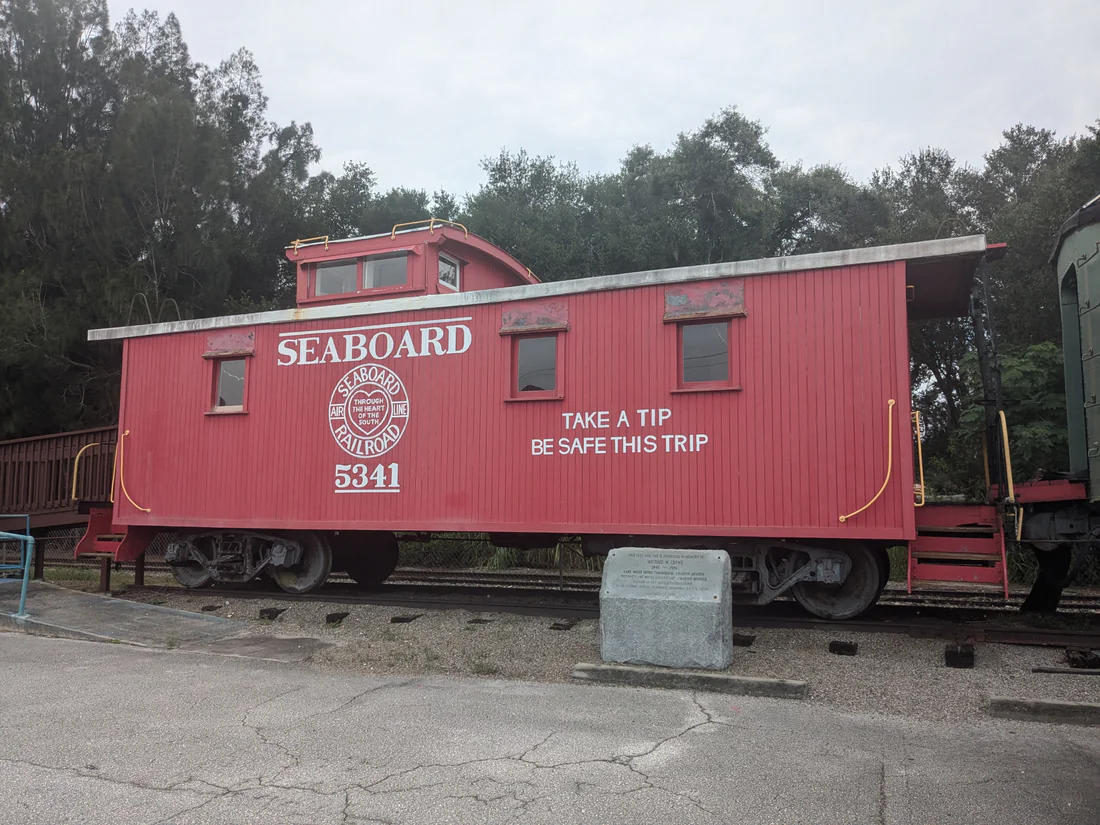 02
02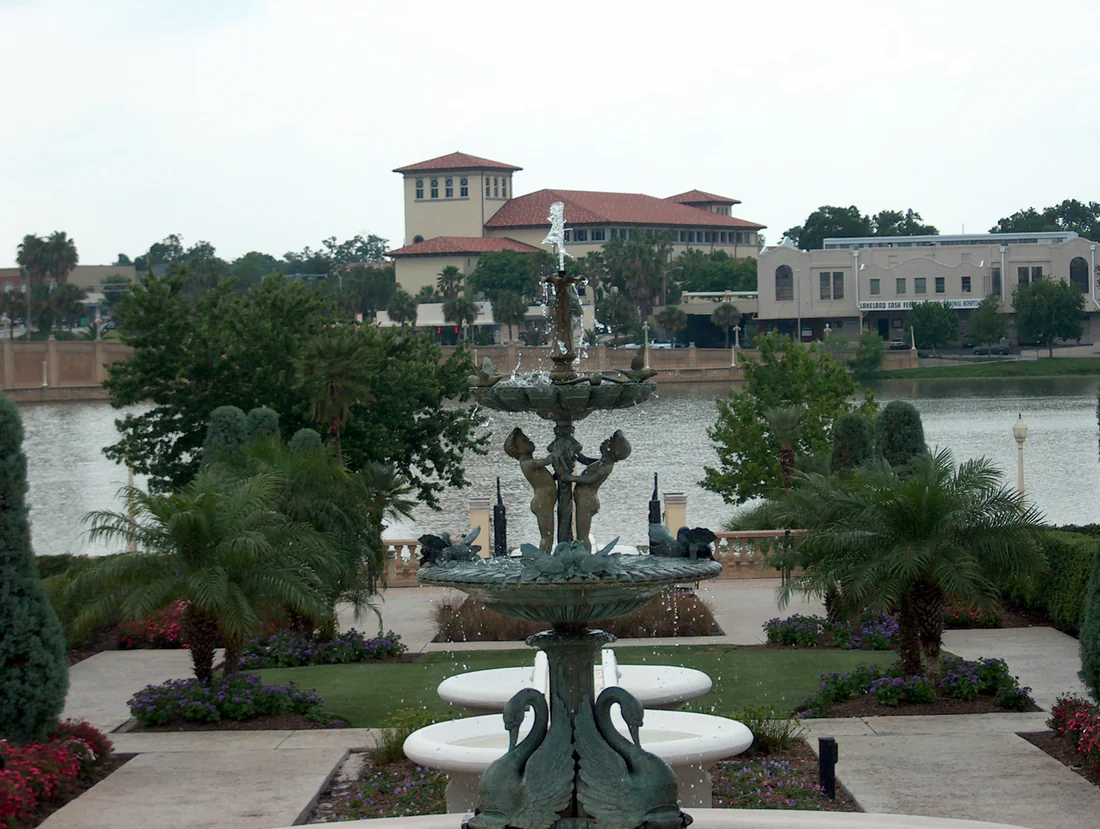 03
03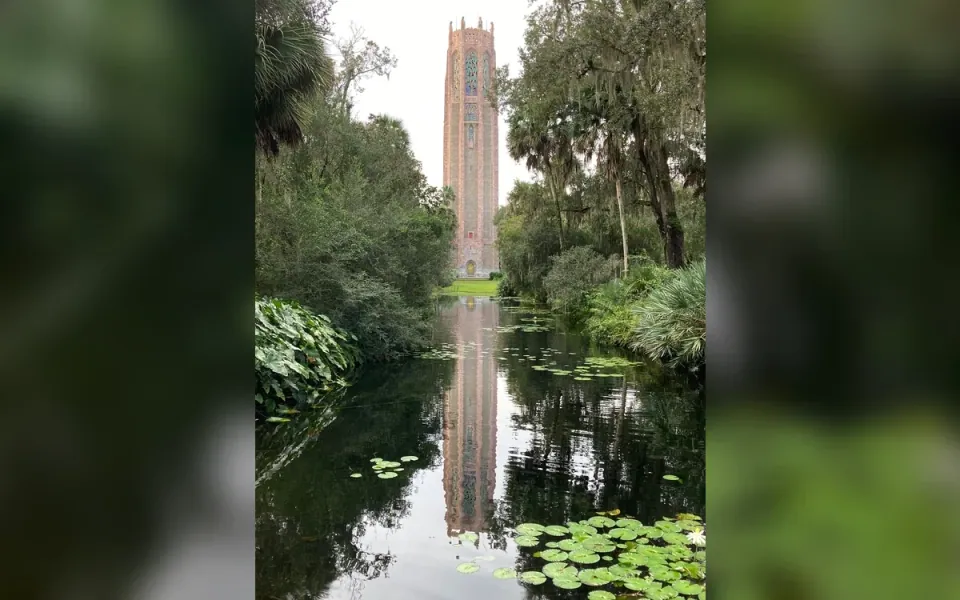 04
04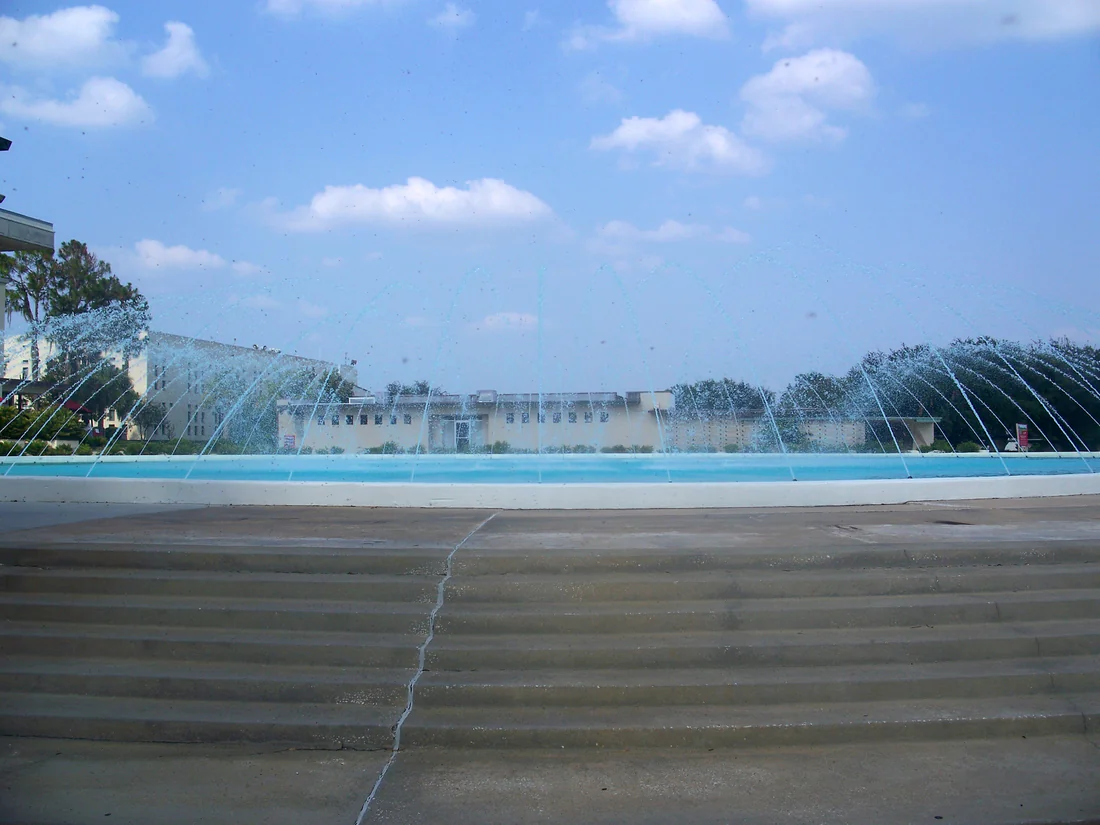 05
05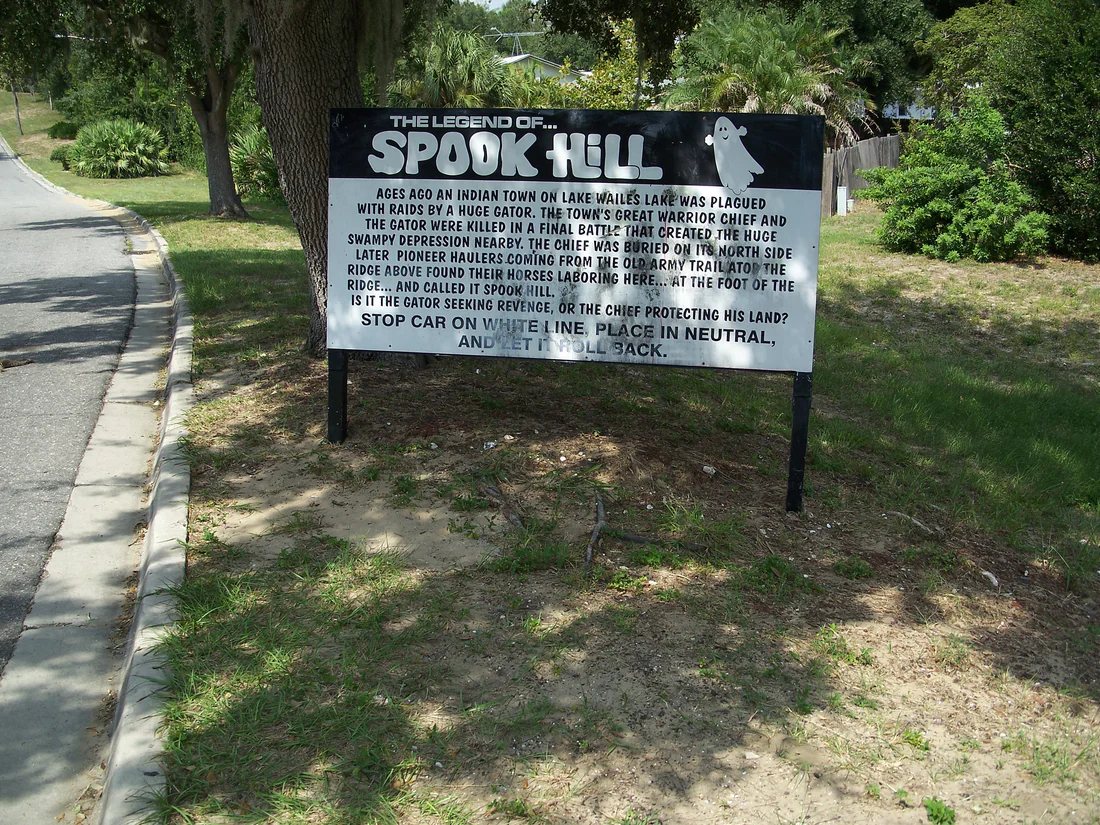 06
06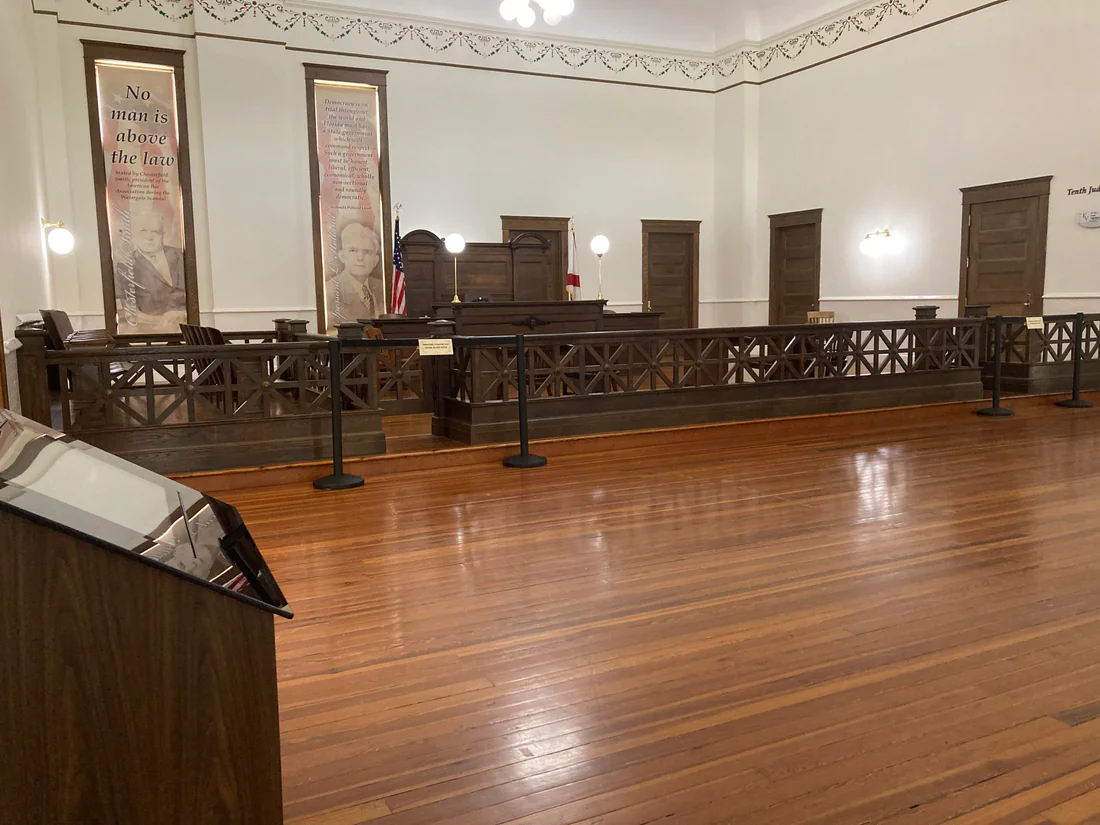 07
07Polk County History Center
Goes with: Polk County Is Created
Polk County History Center in the old courthouse →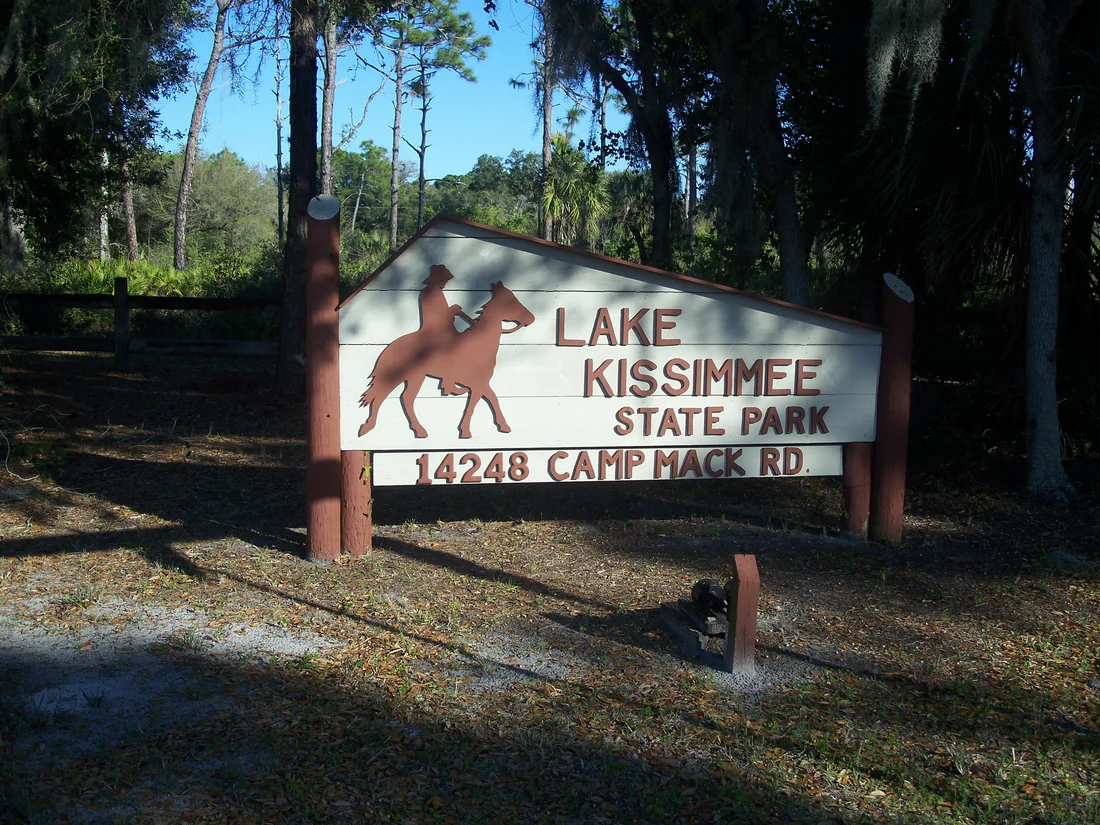 08
08Where this comes from.
- Polk County Government: Polk County Then and Now ↗ Read October 15, 2026
- Polk County Government: Elected Officials and Cities ↗ Read October 15, 2026
- Polk County Historical Association: History of Polk County ↗ Read October 15, 2026
- Florida Department of State: Old Polk County Courthouse historical marker ↗ Read October 15, 2026
- Florida Department of State: The Frank Lloyd Wright Campus of Florida Southern College historical marker ↗ Read October 15, 2026
- Florida Department of State: The Historic L. B. Brown House historical marker ↗ Read October 15, 2026
- Florida Department of State: Historic Pughsville Neighborhood historical marker ↗ Read October 15, 2026
- Florida Department of State: Florence Villa Training School historical marker ↗ Read October 15, 2026
- Florida Department of State: Historic Kissengen Spring historical marker ↗ Read October 15, 2026
- Florida Department of State: The W. Henry Lewis House historical marker ↗ Read October 15, 2026
- Florida Department of State: Historic Oakland High School historical marker ↗ Read October 15, 2026
- Florida Department of State: First Missionary Baptist Church of Winter Haven historical marker ↗ Read October 15, 2026
- Florida Department of State: John Singletary Bridge historical marker ↗ Read October 15, 2026
- Florida Department of State: The Railroad in Dundee History historical marker ↗ Read October 15, 2026
- City of Lakeland: Brief History of Lakeland ↗ Read October 15, 2026
- City of Lake Wales: Bok Tower ↗ Read October 15, 2026
- Florida Memory, State Archives of Florida: Ranching photo exhibit ↗ Read October 15, 2026
- Florida Memory, State Archives of Florida: Governor Claude Kirk, left, and Dick Pope with animals at the Cypress Gardens theme park in Winter Haven ↗ Read October 15, 2026
- Florida State Parks: Lake Kissimmee's Historical Cow Camp ↗ Read October 15, 2026
- Southwest Florida Water Management District: The Discovery of Phosphate ↗ Read October 15, 2026
- Southwest Florida Water Management District: Circle B Bar Reserve ↗ Read October 15, 2026
- Polk Nature, Polk County Parks and Natural Resources: Circle B Bar Reserve ↗ Read October 15, 2026
- Spectrum Bay News 9: 1,000-year-old Native American handmade canoe found in a Polk County lake ↗ Read October 15, 2026
- FOX 13 Tampa Bay: 'Where shopping is a pleasure': Publix celebrates 92 years ↗ Read October 15, 2026
- University of Central Florida, RICHES: Lake Wales Atlantic Coast Line Railroad Depot ↗ Read October 15, 2026
- American Planning Association: Lake Mirror Park: Lakeland, Florida ↗ Read October 15, 2026
- National Park Service: Spook Hill ↗ Read October 15, 2026
- WUSF Public Media: Lakeland's Child of the Sun campus named National Historic Landmark ↗ Read October 15, 2026
- U.S. Fish and Wildlife Service: Lake Wales Ridge National Wildlife Refuge, About Us ↗ Read October 16, 2026
- Orlando Sentinel, reprinted by Government Technology: When 3 Hurricane Paths Crossed One Spot in Central Florida ↗ Read October 16, 2026
- Florida State Parks: Colt Creek State Park History ↗ Read October 16, 2026
- FOX 13 News: Legoland turns 10: The history of Legoland Florida ↗ Read October 16, 2026
- Florida Polytechnic University: History of Florida Polytechnic University ↗ Read October 16, 2026
- NOAA: Officials cut ribbon on new NOAA Aircraft Operations Center ↗ Read October 16, 2026
- Spectrum News Bay News 9: Lakeland Sun 'n Fun Aerospace Expo celebrating 50 years in business ↗ Read October 16, 2026
- Polk County Government: Polk County celebrates its 165th anniversary ↗ Read October 16, 2026
- MLB.com: Tigers 2026 Spring Training FAQ ↗ Read October 16, 2026
- LkldNow: Detroit Tigers Begin 61st Preseason at Publix Field at Joker Marchant Stadium ↗ Read October 16, 2026
- LkldNow: Cattle County: Polk Honors Ranching Heritage at Circle B ↗ Read October 16, 2026