Okaloosa County was formed in 1915 out of land from Santa Rosa and Walton counties. W.H. Mapoles, a state legislator, named it for a steamboat called the Okaloosa, and Crestview has been its county seat since 1917. The county is home to Eglin Air Force Base, which began in 1935 as the Valparaiso Bombing and Gunnery Base, and Destin calls itself the World's Luckiest Fishing Village. Its story goes back to American Indians who lived in the Destin area by the seventh century A.D.
This page tells the story in order, from the people who built the Fort Walton temple mound to Henderson Beach State Park and the reopened Indian Temple Mound Museum, then lists places in the county where you can still see it. The sources for each part are named at the end of that part, and all of them are listed at the bottom of the page.
The First Peoples and the Temple Mound
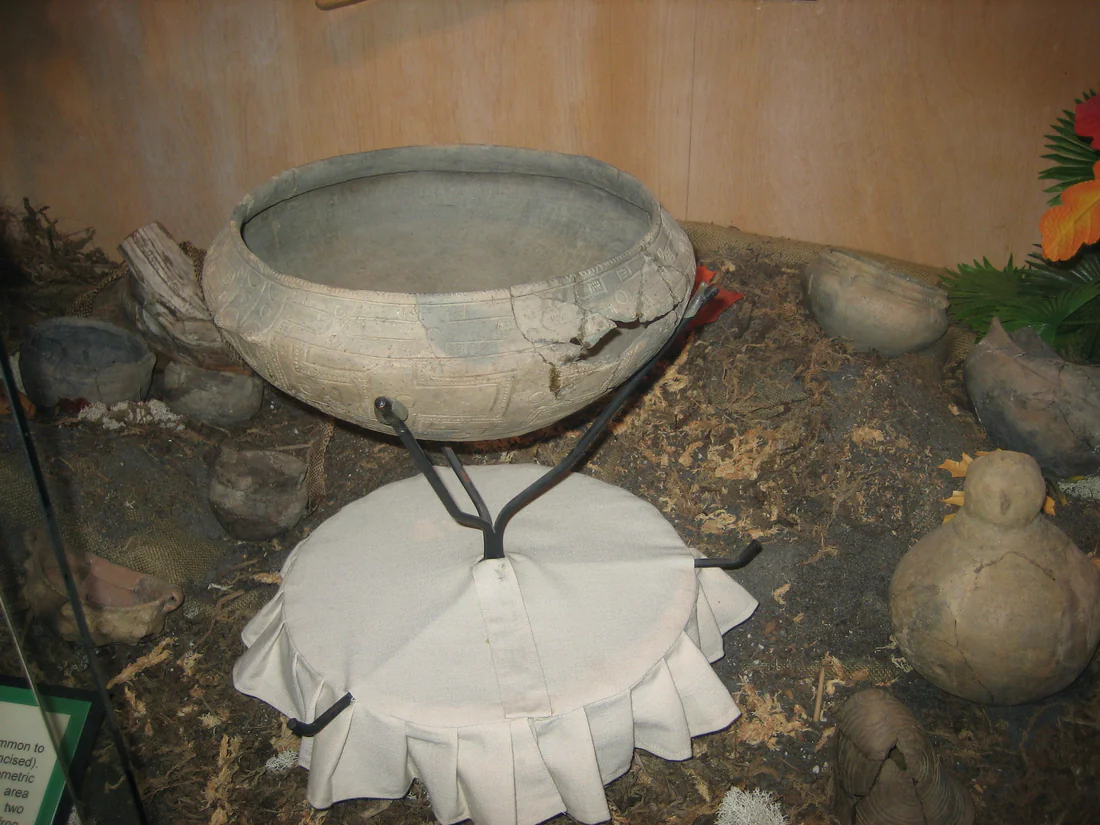
The City of Destin says American Indians lived in its area by the seventh century A.D. The Indian Temple Mound Museum in Fort Walton Beach tells about thousands of years of people living in the area. The city's Heritage Park and Cultural Center covers the years from 12,000 B.C. up to the 1950s.
Between 800 and 1400 CE, people of the Pensacola Culture built a large platform mound in what is now Fort Walton Beach. The Pensacola Culture was a local branch of the Mississippian Period Culture. The mound most likely served for ceremonies, politics and religion. A temple and the chief's home stood on top of it, at the center of a village and its farm fields.
People of the Fort Walton Culture left the mound during the mid to late 1500s, and it then sat unused. After centuries of erosion, the mound is still 12 feet tall, and its base is 223 feet across.
Sources: City of Destin: History of Destin; City of Fort Walton Beach: Indian Temple Mound Museum Grand Reopening; Florida Memory: Indian Temple Mound Museum - Fort Walton Beach, Florida; City of Fort Walton Beach: Museum - Heritage Park & Cultural Center; Trail of Florida's Indian Heritage: Indian Temple Mound Museum
Next: Chapter 2, Spanish Maps, British Plans and the First Settlers →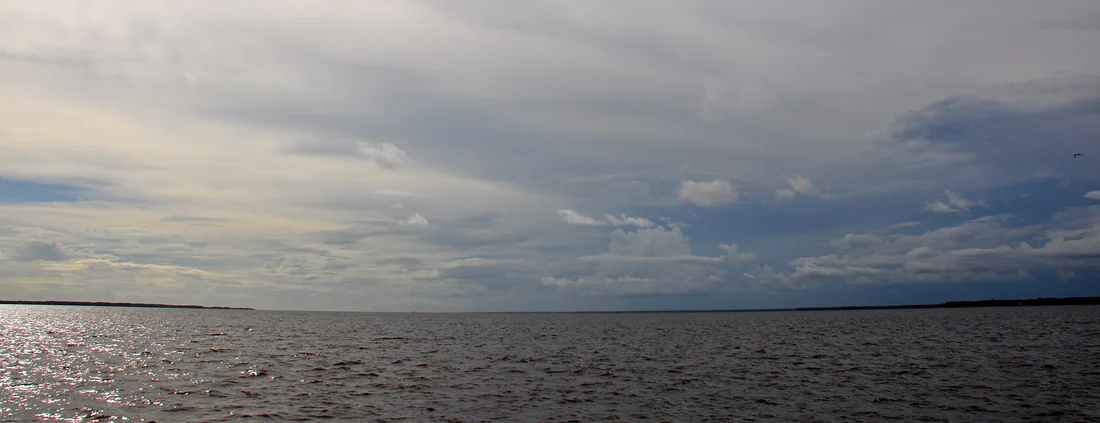
Spanish Maps, British Plans and the First Settlers
The City of Destin says Spanish explorers made surveys of Florida in 1538. It credits Don Francisco Tapia, who was surveying the Florida coast, with the earliest known map of East Pass, which he drew in 1693. The Spanish trail between Pensacola and St. Augustine ran through the area. It crossed the Yellow River at a point a few miles upstream from where the Shoal River joins it.
During British rule, from 1763 to 1783, Bernard Romans thought the swamps beside the Yellow River could make good rice land. The river had several names then, including Chester River, Yellow Water and the Indian name Weelanee. The British left Florida before anyone could try to develop the swamps.
A Scottish settlement stood on the Yellow River by 1824. Almirante and Yellow Water each had a post office by 1828. By 1837, the farm community there ground its own corn and sold cotton and leftover food crops.
Sources: City of Destin: History of Destin; Florida Memory: Historical Sketch of Okaloosa County
Next: Chapter 3, Captain Destin, the Homesteaders and the Railroads →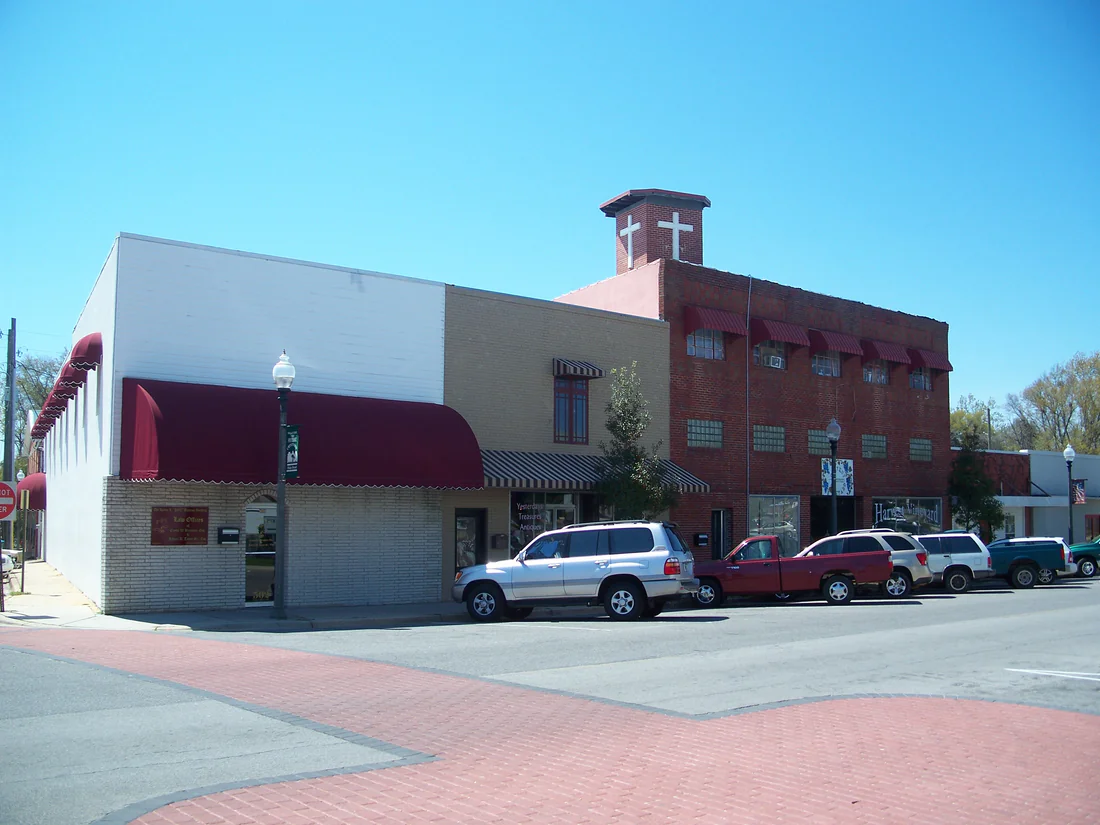
Captain Destin, the Homesteaders and the Railroads
Captain Leonard Destin, a fisherman from New London, Connecticut, started sailing and fishing in the Gulf around 1835. After a series of mishaps, he settled in Destin for good in about 1850 to 1852, the city says. The county's history gives a different date, saying he founded the community in 1845. The city credits him with starting the area's fishing industry.
After the Civil War, a small number of homesteaders came to Northwest Florida. They traveled south on foot and by ox cart, boat and mule wagon to start small farms that fed their families. They got by on fishing, hunting and trading.
Workers built the Pensacola and Atlantic Railroad from Chattahoochee to Pensacola between 1881 and 1883. Crestview began in the 1880s as a settlement along this railroad. The town was named for its high ground, which gives a "crest view" over the land around it. The Yellow River Railroad Company was formed in 1887, and its 26-mile line joined Crestview to Florala, Alabama. A county history on Florida Memory says Laurel Hill became the first incorporated town in what is now Okaloosa County.
Sources: City of Destin: History of Destin; Okaloosa County: Online Gallery; Okaloosa County: History; Florida Memory: Historical Sketch of Okaloosa County; Florida Department of State: Secretary Byrd Designates Main Street Crestview Association as Florida Main Street Program of the Month; WUWF: Celebrating Okaloosa County's Centennial: The Early Years; Florida Department of State: Secretary Detzner Designates Main Street Crestview as Florida Main Street Program of the Month
Next: Chapter 4, Okaloosa County Is Created →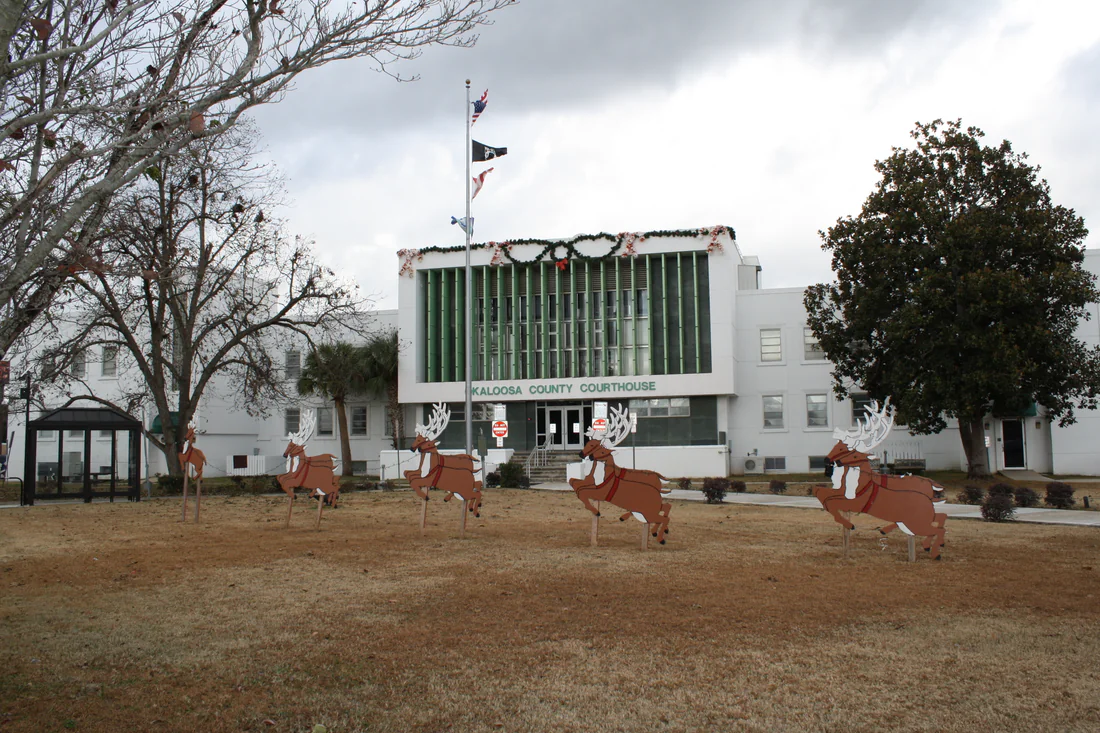
Okaloosa County Is Created
William Henry Mapoles, whom WUWF calls the "Father of Okaloosa County," first tried to create the county in 1913, but that effort failed. In 1915, Mapoles, then a state legislator from Walton County, put a bill before the Florida House. The new county, Florida's 52nd, took land from both Santa Rosa County and Walton County. On September 7, 1915, voters approved it by a wide margin.
Mapoles named it after a river steamboat, the Okaloosa, that ran from Milton to Pensacola. The boat's name came from a Choctaw word for black water, but the state marker says the Indian words have been read in more than one way. The sawmill town of Milligan, in the middle of the county near the Yellow River, served as the temporary county seat. Crestview, Baker, Laurel Hill and Milligan all competed hard to be the permanent seat.
In the end, Crestview and Baker faced each other in a runoff, and Crestview won. A county history on Florida Memory says an election on March 6, 1917, made Crestview the permanent county seat. WUWF says the seat moved to Crestview for good in April 1917, leaving flood-prone Milligan. Crestview had become an incorporated city in 1916.
Sources: WUWF: Celebrating Okaloosa County's Centennial: The Early Years; Okaloosa County: Online Gallery; Okaloosa County: History; Florida Department of State: Okaloosa County Historical Marker; Florida Memory: Historical Sketch of Okaloosa County; Florida Department of State: Secretary Detzner Designates Main Street Crestview as Florida Main Street Program of the Month
Next: Chapter 5, Timber, Turpentine, Farms and Roads →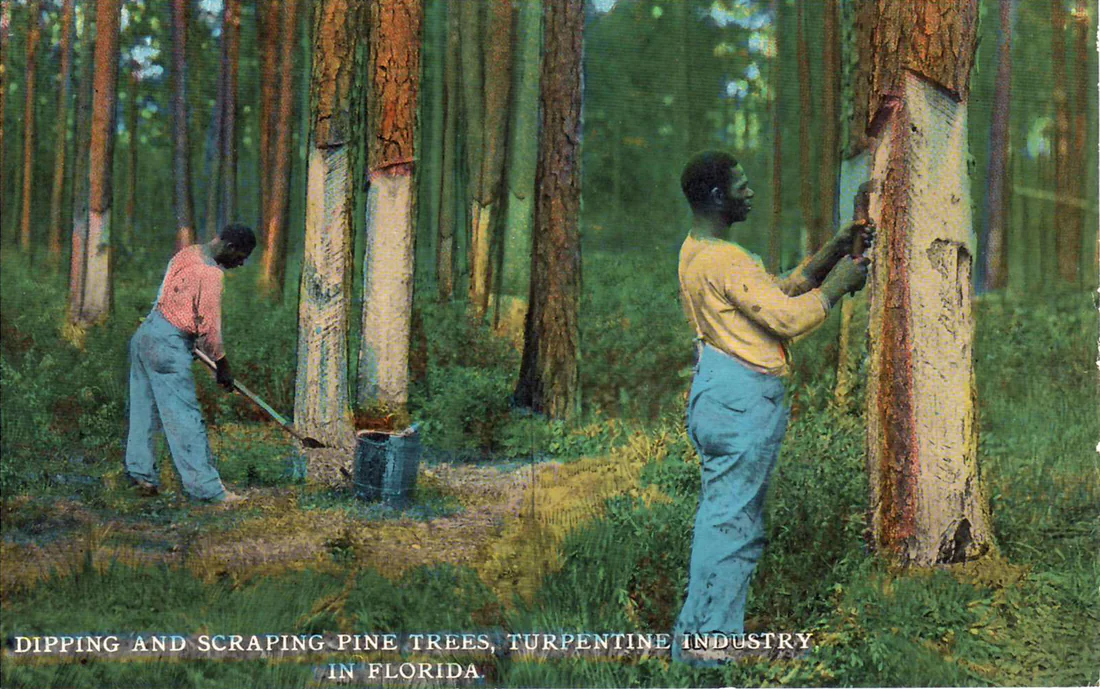
Timber, Turpentine, Farms and Roads
Lumber, turpentine and fishing drove the economy in those early years. The Duggan Lumber Company ran 14 sawmills around Laurel Hill. In 1936, the county had 16 sawmills and six turpentine stills. Catches of fish went east on the Pensacola and Atlantic, or north out of Crestview on the Yellow River Railroad.
Cotton was the main crop near Baker well into the 1920s. Other farmers raised blueberries, peanuts, pecans, grapes and livestock. For a while, the county was billed as America's tung oil capital. In the 1920s, a pound of mullet sometimes sold for just one cent.
When the county was formed, it had no paved roads at all, not even one mile. Crestview and Camp Walton each formed a Good Roads Club to push for better roads. Crestview lies on the Old Spanish Trail, a route between St. Augustine and San Diego that opened in 1929.
Sources: Okaloosa County: History; Okaloosa County: Online Gallery; Florida Memory: Historical Sketch of Okaloosa County; WUWF: Celebrating Okaloosa County's Centennial: The Early Years; Florida Department of State: Secretary Detzner Designates Main Street Crestview as Florida Main Street Program of the Month
Next: Chapter 6, Valparaiso and the Start of Eglin Field →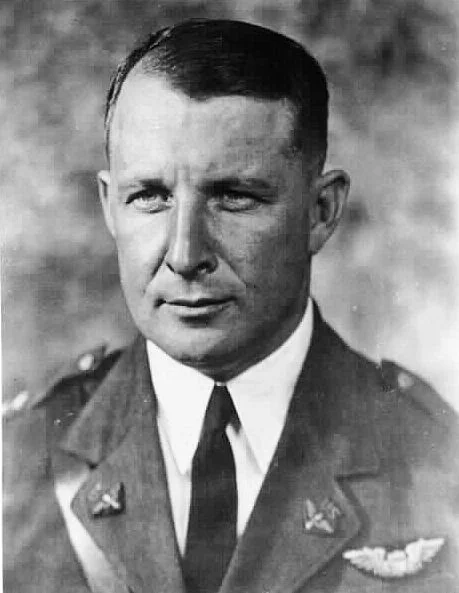
Valparaiso and the Start of Eglin Field
Valparaiso was founded in 1919 by a promoter from Chicago named Perrine, the county says. In 1922, James Plew bought the assets of Perrine's development company. In 1931, Army Air Corps Tactical School staff from Maxwell Field, Alabama, were looking for a place to put a bombing and gunnery range. They saw promise in the thinly settled forests around Valparaiso.
Plew was a local businessman who loved airplanes, and he saw the benefits of bringing the military to a county struggling in the Depression. He leased 137 acres to the City of Valparaiso, and an airport was set up there in 1933. In 1934, he offered to give 1,460 acres to the federal government for the range.
The Valparaiso Bombing and Gunnery Base was activated on June 14, 1935, under Captain Arnold H. Rich. On August 4, 1937, it was renamed Eglin Field for Lieutenant Colonel Frederick I. Eglin, who had died in a plane crash on January 1, 1937. The field became a separate post in 1940, and in 1941 the Air Corps made it its proving ground. On June 27, 1940, the Choctawhatchee National Forest, some 384,000 acres, was handed over to the War Department by the U.S. Forestry Service.
Sources: Okaloosa County: Online Gallery; Eglin Air Force Base: Eglin Air Force Base History; Okaloosa County: History
Next: Chapter 7, Eglin in World War II →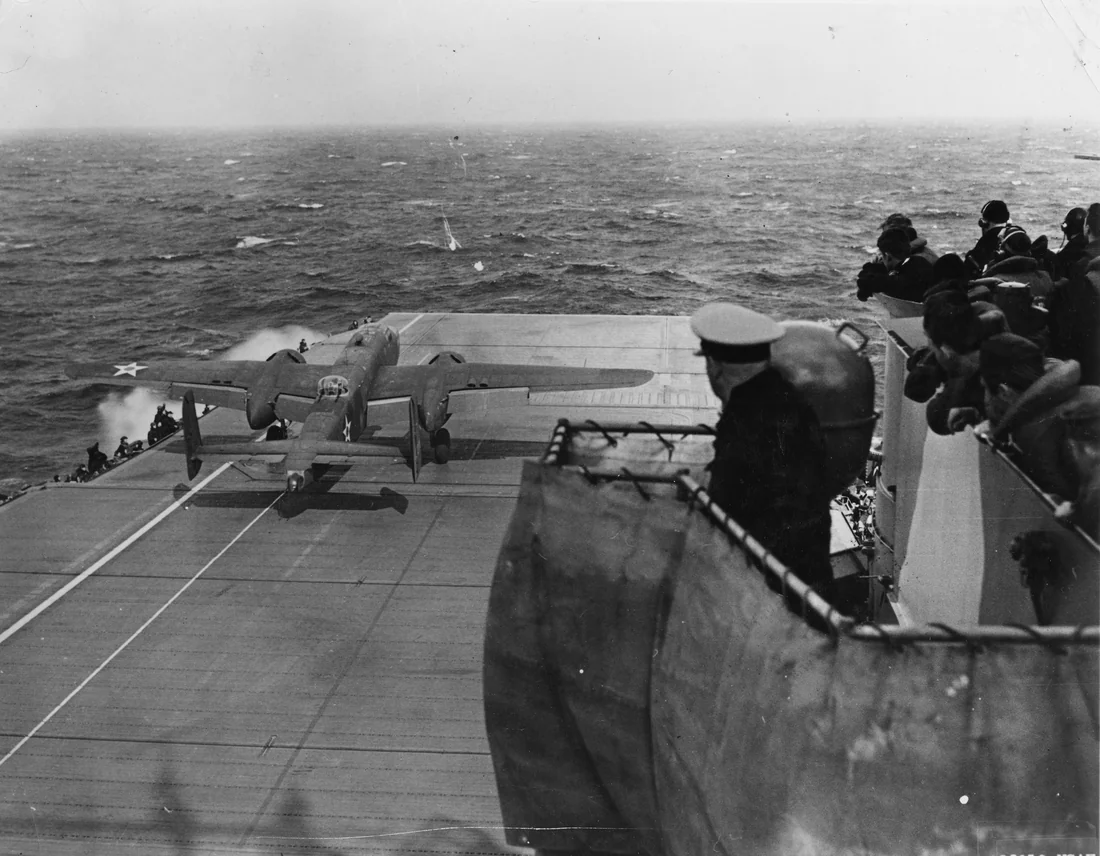
Eglin in World War II
In March 1942, Lieutenant Colonel Jimmy Doolittle used Eglin as one of the places to train the crews of his B-25 bombers for the raid on Tokyo. The county's history says the raid, which struck Tokyo and other cities in Japan, raised American morale. Pieces of test bombs from Doolittle's squadron are believed to lie in what is now Fred Gannon Rocky Bayou State Park.
The Proving Ground Command was set up at Eglin in April 1942. Field Nine took the name of 1st Lt. Donald W. Hurlburt, killed in a plane crash on October 1, 1943. Field Three, better known as Duke Field, honors 1st Lt. Robert L. Duke, killed in a crash on December 29, 1943. In 1944, people at Eglin worked out ways to destroy the missile sites Germany was building for launching V-1 buzz bombs at England.
In the 1940s, the military and tourism finally brought paved roads, telephones and electricity to the county. After the Air Force was set up, Eglin Field became Eglin Air Force Base. Eglin was also a location for the movie 12 O'Clock High, which starred Gregory Peck.
Sources: Eglin Air Force Base: Eglin Air Force Base History; Okaloosa County: Online Gallery; Florida State Parks: Fred Gannon Rocky Bayou State Park History; Okaloosa County: History
Next: Chapter 8, Charter Boats, Okaloosa Island and the Gulfarium →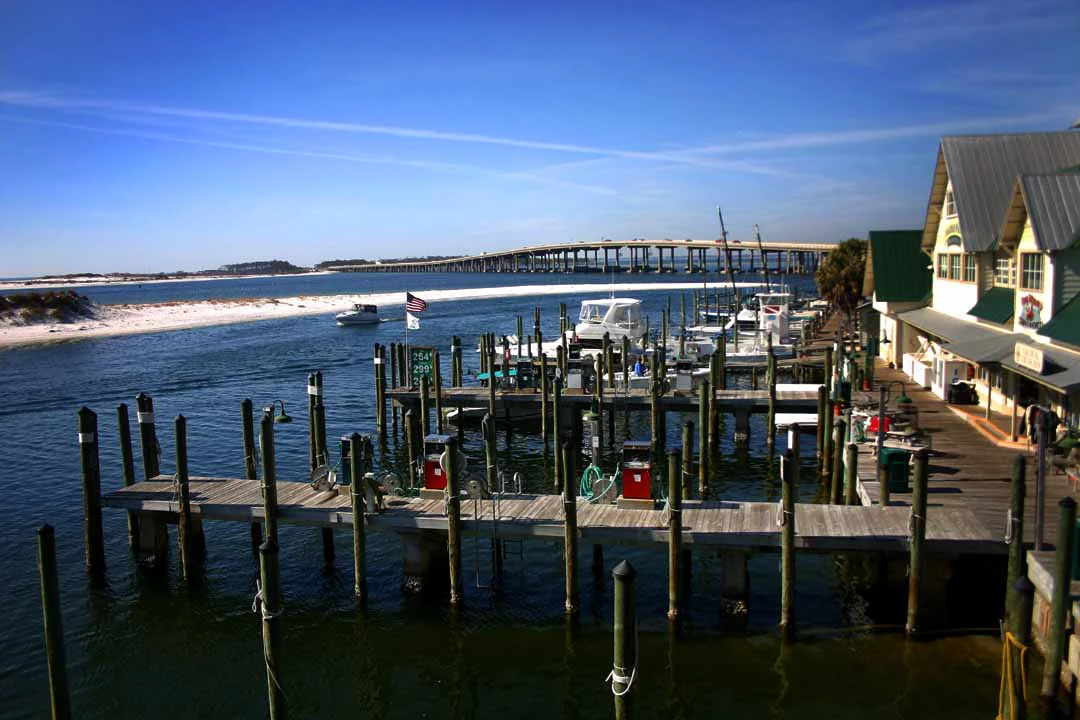
Charter Boats, Okaloosa Island and the Gulfarium
Tourism grew because of the good times after World War II and the steady growth of Eglin, the county says. It also says charter boats have led the fishing business since World War II. The first Destin Fishing Rodeo, held in 1949, sped up that shift. In 1950, Okaloosa County took over three miles of Santa Rosa Island, the stretch known as Okaloosa Island. Congressman Robert F. Sikes had introduced the bill that allowed the transfer.
In early 1954, 15 scientists from the University of Miami and 50 local people incorporated the Gulfarium. J.B. "Brandy" Siebenaler founded the park, which WUWF describes as among the oldest marine parks in the country that still stand. It opened on Okaloosa Island in August 1955 and is known today as Gulfarium Marine Adventure Park.
The Destin Log tells of a day when Salty Brunson had a new boat, the Miss Kathy, and Governor LeRoy Collins got a strike on the way back in. Told it was hard to believe he had landed a 19-pound king mackerel in just 15 minutes, Collins smiled and called Destin the world's luckiest fishing village. Brunson's journal records October 15, 1956, as the day the nickname became official.
Sources: Okaloosa County: Online Gallery; Gulfarium Marine Adventure Park: About Us; WUWF: New Gulfarium History Book; The Destin Log: Who came up with 'The World's Luckiest Fishing Village?'
Next: Chapter 9, Schools for Black Students and Beasley Park →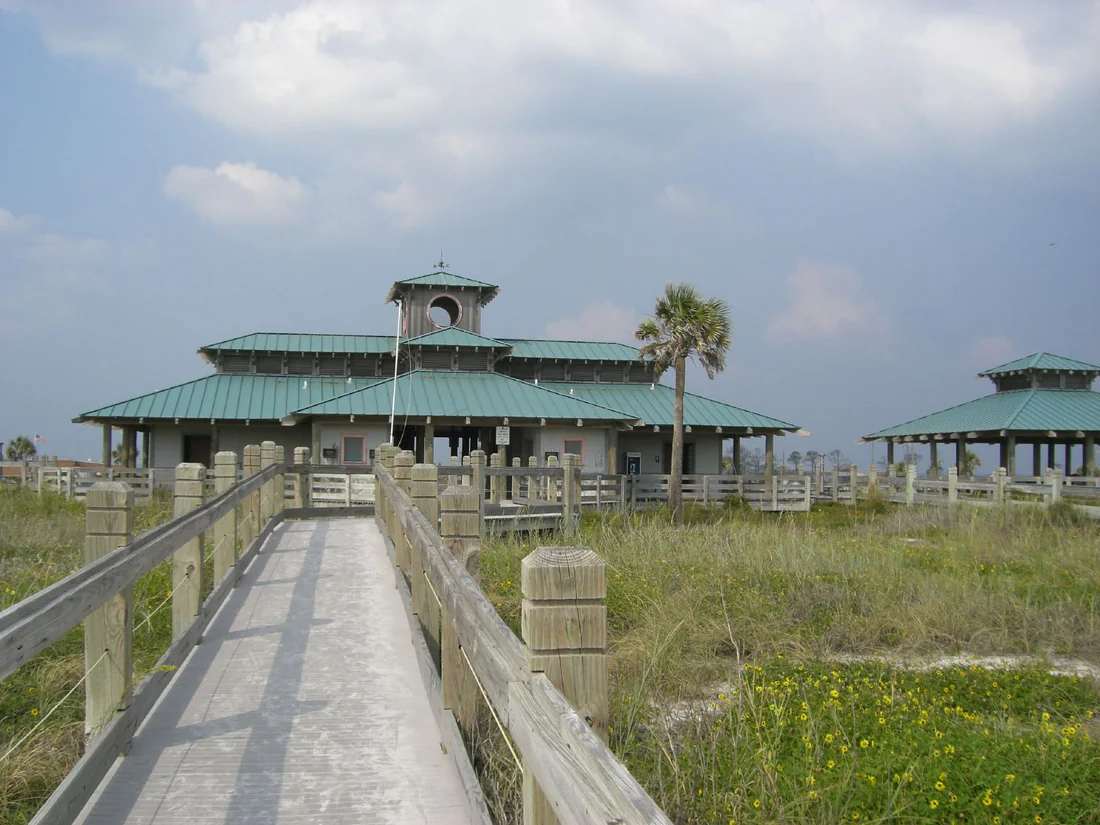
Schools for Black Students and Beasley Park
Crestview's first school for Black children was known simply as Crestview School. It was built in 1926, at a cost of just over $1,500, on half an acre the county school board had bought from the Conyers family in 1917. Within a few years a three-room building with restrooms went up, and the school was named for Dr. George Washington Carver. Its name later became Carver-Hill, for Ed Hill, a local champion of schools for African Americans.
In 1938, Beulah Baptist Church members started a school for Black students, the only one in Fort Walton Beach, the state marker says. In 1952, Mayor Tom Brooks gave land next to the church, and the school board built a two-room schoolhouse named Brooks School for him. By 1954, its older students, from junior high up, were sent to Crestview to attend the new Carver-Hill High School. They rode a bus more than 60 miles each day until 1962, when W. E. Combs High School was founded in Fort Walton Beach.
John Beasley Park, named for John C. "Red" Beasley, who served in many civic groups, was dedicated on March 19, 1960. It was the only beach in Okaloosa County for Black residents. Florida Memory says the park was desegregated in 1964, and WUWF gives 1964 to 1965. Carver-Hill High School closed in 1966 because of desegregation, and Brooks Elementary School shut in 1968, once the county had fully integrated its public schools.
Sources: WUWF: Carver-Hill High School and Early Education of Afro-Americans in Crestview; Florida Department of State: Brooks School Historical Marker; Okaloosa County: John Beasley Park; Florida Memory: Carver-Hill high school student in the water at the John C. Beasley State Park in Fort Walton Beach; WUWF: Park Ranger Andrew Hill Commemorated at Beasley Park
Next: Chapter 10, A State Park, Two Museums, Raiders and Refugees →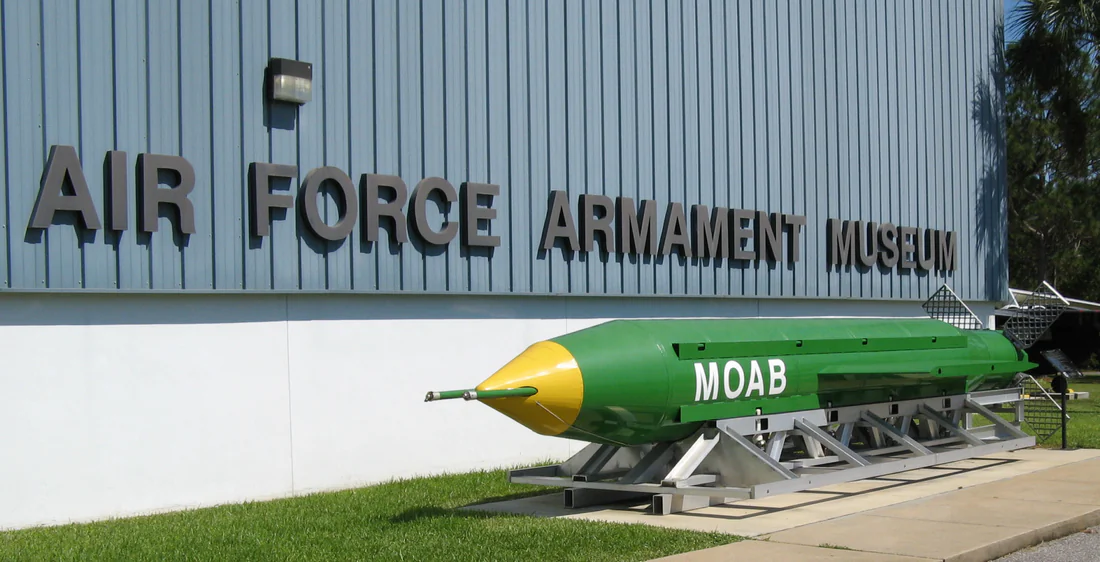
A State Park, Two Museums, Raiders and Refugees
Colonel Fred Gannon, who ran civil engineering at Eglin, proposed in the late 1950s that an old bombing range at Rocky Bayou become a public area. The state bought the land in 1966, and it became Fred Gannon Rocky Bayou State Park.
The Indian Temple Mound Museum first opened its doors in 1962. Florida Memory says it was the first museum in Florida to be owned and run by a city. On July 19, 1964, the Fort Walton Mound became a National Historic Landmark. The Air Force Armament Museum opened in the spring of 1976 in an old Enlisted Club building at Eglin. After that building was condemned in 1981, a 28,000-square-foot museum building opened in November 1985.
In 1970, the Son Tay Raiders trained at Eglin for their attempt to free American prisoners of war from a prison camp in North Vietnam. In 1975, Eglin was one of the four main centers in the U.S. for processing Vietnamese refugees. In 1980 it processed more than 10,000 Cubans who had fled to the U.S. that April and May. In 1984, Destin was chartered as a city under Florida law.
Sources: Florida State Parks: Fred Gannon Rocky Bayou State Park History; Florida Memory: Indian Temple Mound Museum - Fort Walton Beach, Florida; Air Force Armament Museum: About; Eglin Air Force Base: Eglin Air Force Base History; City of Destin: History of Destin
Next: Chapter 11, Since 1990: Henderson Beach State Park, a Fishing Hall of Fame and a Reopened Temple Mound Museum →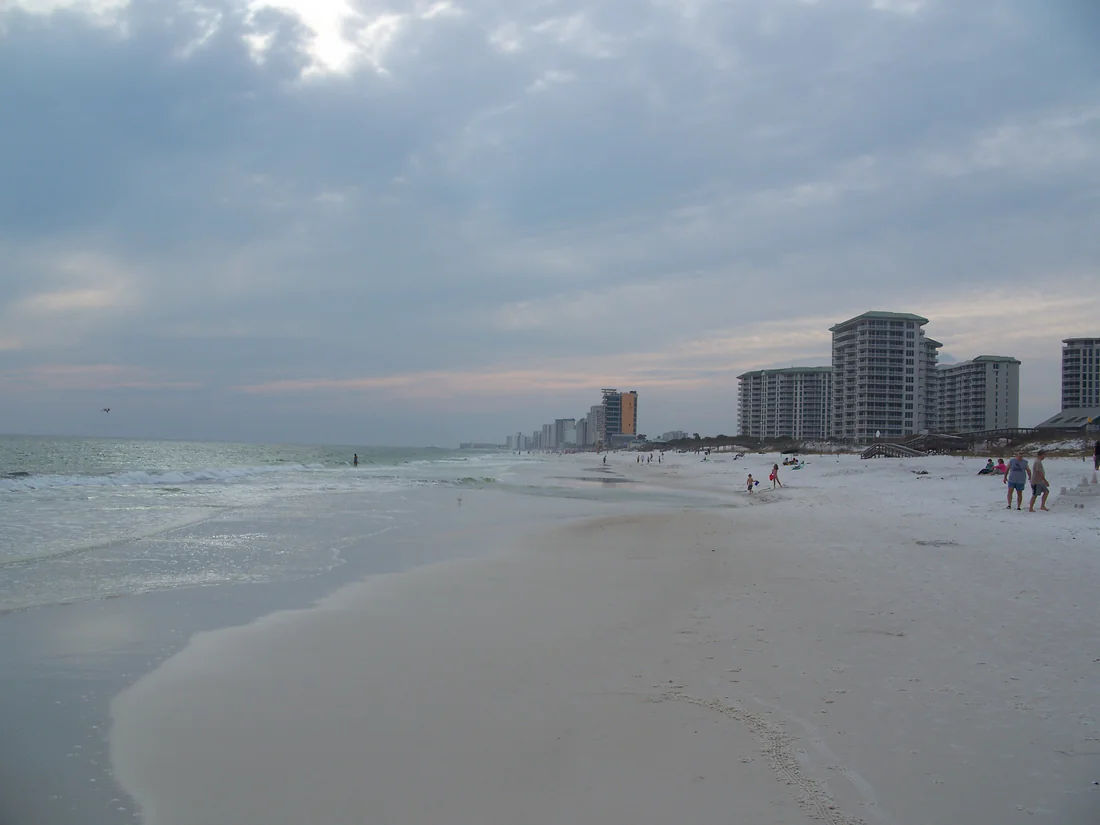
Since 1990: Henderson Beach State Park, a Fishing Hall of Fame and a Reopened Temple Mound Museum
The state bought the Henderson family's land in 1983, and Henderson Beach State Park first welcomed visitors in March 1991. It was the first land bought under Governor Bob Graham's Save Our Coast program, the park's history says. Campsites, a bathhouse and a playground were added in March 2000.
In 1997, the Carver-Hill museum in Crestview moved out of the school's old lunchroom into a new building made just for it. The Destin History & Fishing Museum was founded in 2005. As part of the county's 100th anniversary in 2015, a plaque honoring Andrew Hill, who became Beasley Park's ranger in 1960, was unveiled at the park's entrance. In 2024, a Florida historical marker telling the story of Brooks School went up in Fort Walton Beach. That same year, Okaloosa County Sheriff Eric Aden started a Destin Fishing Hall of Fame, which the Destin History & Fishing Museum lists among its exhibits.
At the Indian Temple Mound Museum, a 4,800-square-foot addition with a classroom, offices and a larger museum store opened in November 2025. On January 15, 2026, the Florida Department of State named the Main Street Crestview Association its Florida Main Street Program of the Month. The city held a grand reopening for the renovated Indian Temple Mound Museum, with a ribbon cutting, on Saturday, February 28, 2026. The museum is part of the city's Heritage Park and Cultural Center, along with the Camp Walton Schoolhouse Museum, the Garnier Post Office Museum, a Civil War exhibit building and the temple mound.
Sources: Florida State Parks: Henderson Beach State Park History; WUWF: Carver-Hill High School and Early Education of Afro-Americans in Crestview; Destin History & Fishing Museum: About; WUWF: Park Ranger Andrew Hill Commemorated at Beasley Park; WUWF: Celebrating Okaloosa County's Centennial: The Early Years; Florida Department of State: Brooks School Historical Marker; Destin History & Fishing Museum: Exhibits; City of Fort Walton Beach: Indian Temple Mound Museum Grand Reopening; Florida Department of State: Secretary Byrd Designates Main Street Crestview Association as Florida Main Street Program of the Month; City of Fort Walton Beach: Indian Temple Mound Museum reopens Saturday; City of Fort Walton Beach: Museum - Heritage Park & Cultural Center
Next: the whole story, in dates →The whole story, in dates
American Indians are living in the Destin area.
People of the Pensacola Culture build the platform mound at Fort Walton Beach.
Spanish explorers survey Florida, the City of Destin says.
The Fort Walton Culture leaves the mound.
Don Francisco Tapia draws the earliest known map of East Pass.
Under British rule, Bernard Romans sees rice land in the Yellow River swamps.
A Scottish settlement stands on the Yellow River.
Leonard Destin begins sailing and fishing in the Gulf.
Leonard Destin settles in Destin for good.
The Pensacola and Atlantic Railroad is built from Chattahoochee to Pensacola.
Voters approve the new county.
An election makes Crestview the permanent county seat.
Valparaiso is founded.
Crestview School, the town's first school for Black children, is built.
The Old Spanish Trail opens.
James Plew offers 1,460 acres for a bombing and gunnery range.
The Valparaiso Bombing and Gunnery Base is activated.
The base is renamed Eglin Field.
Beulah Baptist Church members start a school for Black students in Fort Walton Beach.
The Choctawhatchee National Forest is handed to the War Department.
Jimmy Doolittle's B-25 crews train at Eglin for the raid on Tokyo.
1st Lt. Donald W. Hurlburt, for whom Field Nine is named, dies in a plane crash.
The first Destin Fishing Rodeo is held.
Okaloosa County takes over three miles of Santa Rosa Island.
The Gulfarium opens on Okaloosa Island.
Destin's nickname as the world's luckiest fishing village becomes official.
John Beasley Park, the county's only beach for Black residents, is dedicated.
The Fort Walton Mound becomes a National Historic Landmark.
The state buys the land for Fred Gannon Rocky Bayou State Park.
The Son Tay Raiders train at Eglin.
Eglin is one of four main centers for processing Vietnamese refugees.
The Air Force Armament Museum opens.
Destin is chartered as a city.
Henderson Beach State Park opens.
The Destin History & Fishing Museum is founded.
A Florida historical marker for Brooks School goes up in Fort Walton Beach.
The Indian Temple Mound Museum's new addition opens.
The Indian Temple Mound Museum holds its grand reopening.
Where you can still see it
 01
01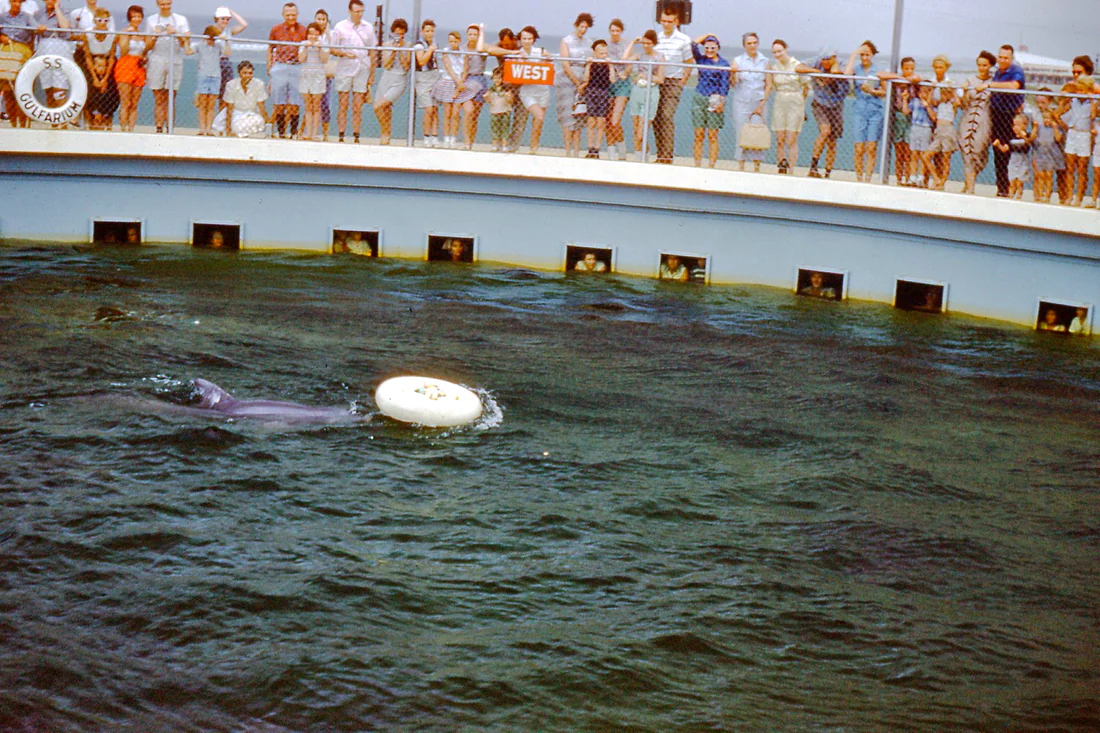 02
02Gulfarium Marine Adventure Park
Goes with: Charter Boats, Okaloosa Island and the Gulfarium
Open the place page →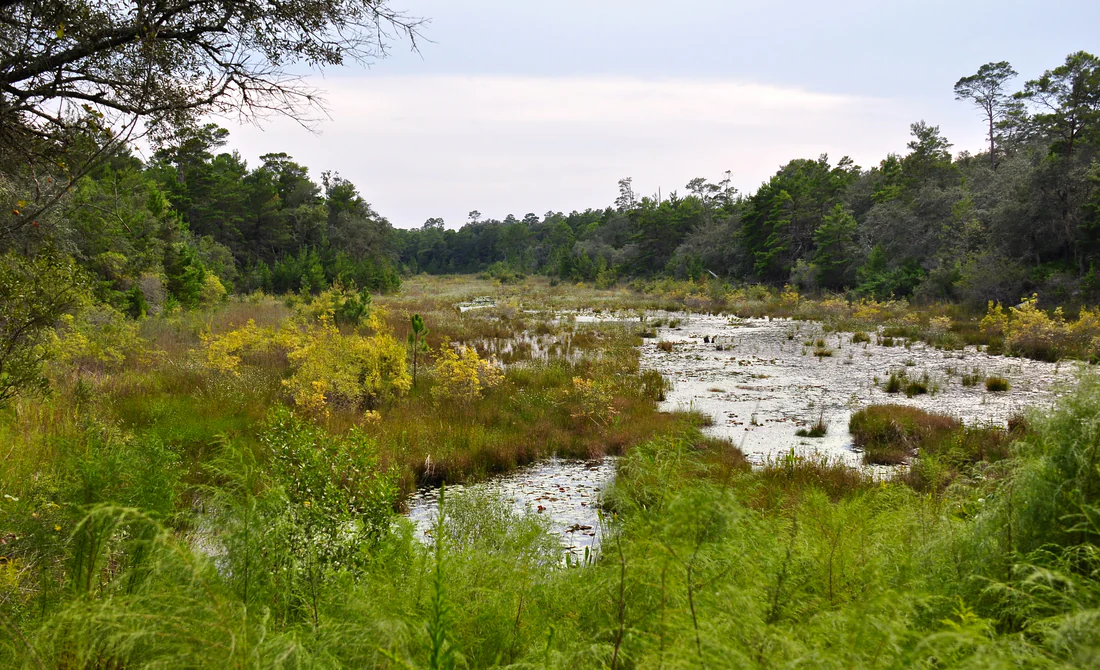 03
03Fred Gannon Rocky Bayou State Park
Goes with: A State Park, Two Museums, Raiders and Refugees
Open the place page →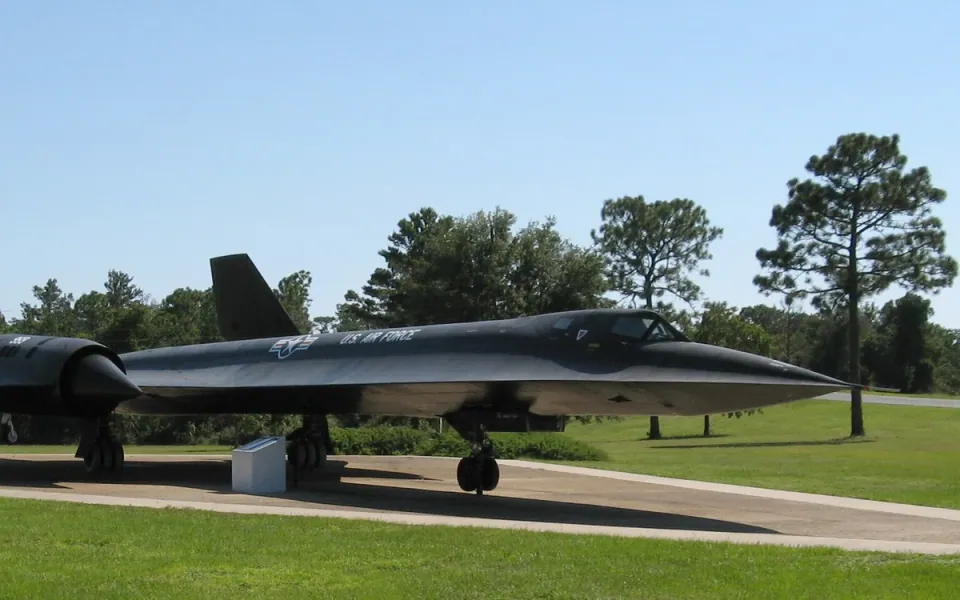 04
04Air Force Armament Museum
Goes with: A State Park, Two Museums, Raiders and Refugees
Open the place page →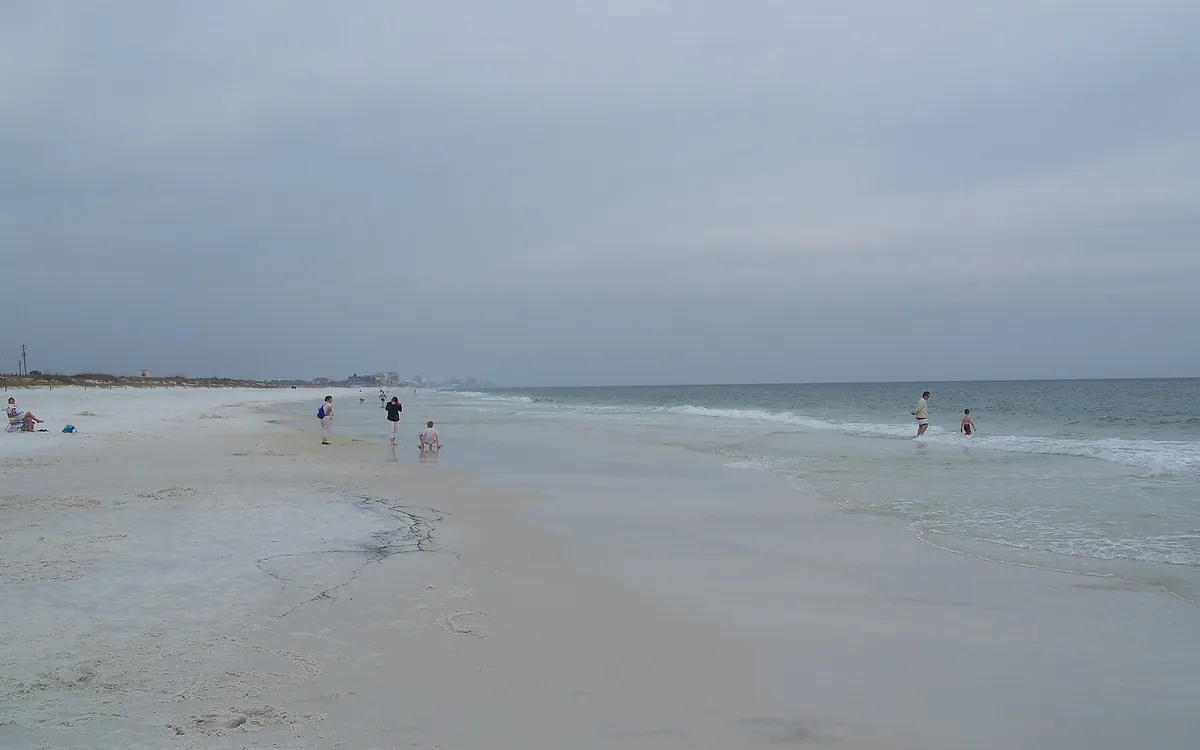 05
05Henderson Beach State Park
Goes with: Since 1990: Henderson Beach State Park, a Fishing Hall of Fame and a Reopened Temple Mound Museum
Open the place page →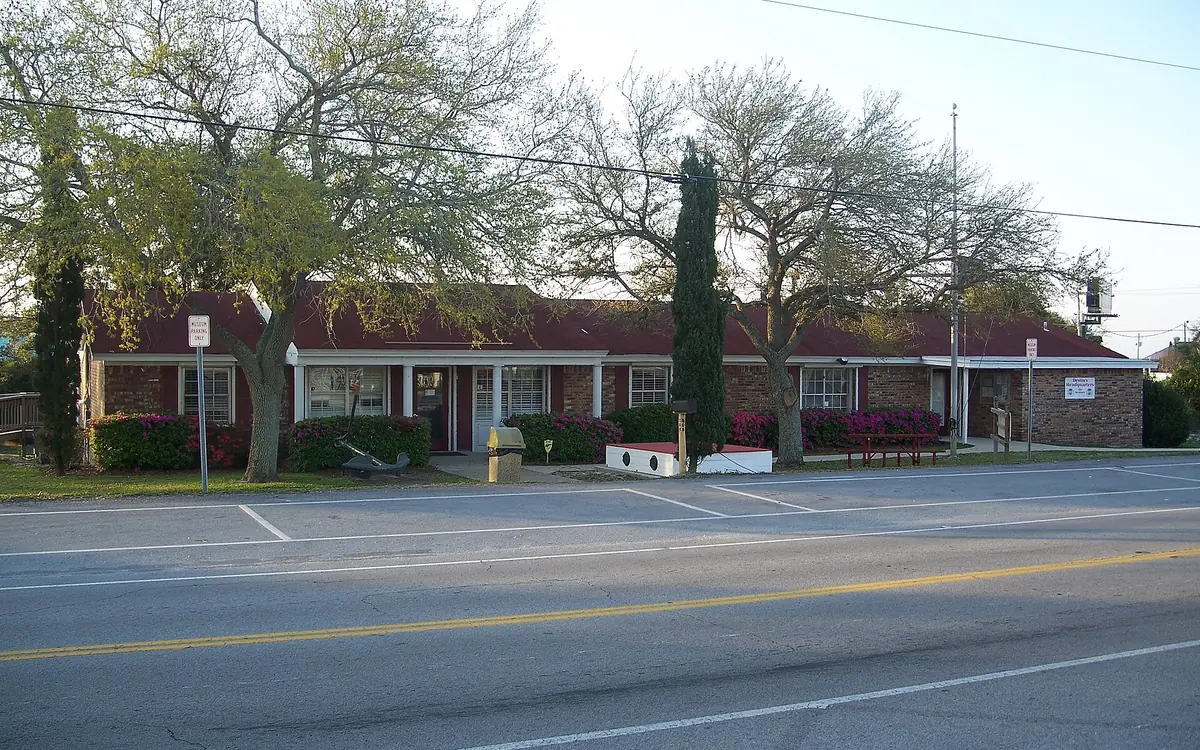 06
06Destin History & Fishing Museum
Goes with: Since 1990: Henderson Beach State Park, a Fishing Hall of Fame and a Reopened Temple Mound Museum
Open the place page →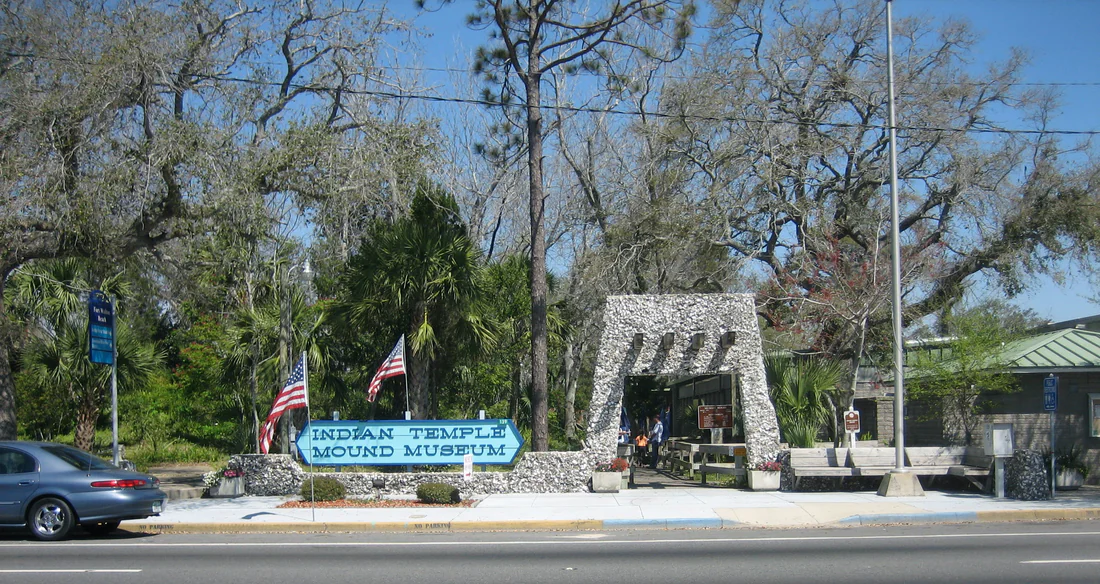 07
07Indian Temple Mound Museum
Goes with: Since 1990: Henderson Beach State Park, a Fishing Hall of Fame and a Reopened Temple Mound Museum
Indian Temple Mound Museum and the Heritage Park and Cultural Center →Questions people ask
When was Okaloosa County created?
Voters approved the new county on September 7, 1915, and it took land from both Santa Rosa County and Walton County.
Chapter 4 →What was Okaloosa County named for?
William Henry Mapoles named it after a river steamboat, the Okaloosa, whose name came from a Choctaw word for black water.
Chapter 4 →What is the county seat of Okaloosa County?
Crestview, which an election on March 6, 1917, made the permanent county seat.
Chapter 4 →How did Eglin Air Force Base begin?
It began as the Valparaiso Bombing and Gunnery Base, activated on June 14, 1935, and was renamed Eglin Field on August 4, 1937.
Chapter 6 →What was the first incorporated town in Okaloosa County?
A county history on Florida Memory says Laurel Hill became the first incorporated town in what is now Okaloosa County.
Chapter 3 →Where this comes from.
Last updated October 17, 2026.
- Trail of Florida's Indian Heritage: Indian Temple Mound Museum ↗ Read October 16, 2026
- Florida Memory: Indian Temple Mound Museum - Fort Walton Beach, Florida ↗ Read October 16, 2026
- City of Destin: History of Destin ↗ Read October 16, 2026
- City of Fort Walton Beach: Museum - Heritage Park & Cultural Center ↗ Read October 16, 2026
- City of Fort Walton Beach: Indian Temple Mound Museum Grand Reopening ↗ Read October 16, 2026
- City of Fort Walton Beach: Indian Temple Mound Museum reopens Saturday ↗ Read October 16, 2026
- Florida Memory: Historical Sketch of Okaloosa County ↗ Read October 16, 2026
- Okaloosa County: History ↗ Read October 16, 2026
- Okaloosa County: Online Gallery ↗ Read October 16, 2026
- Okaloosa County: John Beasley Park ↗ Read October 16, 2026
- Florida Department of State: Okaloosa County Historical Marker ↗ Read October 16, 2026
- Florida Department of State: Brooks School Historical Marker ↗ Read October 16, 2026
- WUWF: Celebrating Okaloosa County's Centennial: The Early Years ↗ Read October 16, 2026
- WUWF: Carver-Hill High School and Early Education of Afro-Americans in Crestview ↗ Read October 16, 2026
- WUWF: Park Ranger Andrew Hill Commemorated at Beasley Park ↗ Read October 16, 2026
- Florida Memory: Carver-Hill high school student in the water at the John C. Beasley State Park in Fort Walton Beach ↗ Read October 16, 2026
- Florida Department of State: Secretary Detzner Designates Main Street Crestview as Florida Main Street Program of the Month ↗ Read October 16, 2026
- Florida Department of State: Secretary Byrd Designates Main Street Crestview Association as Florida Main Street Program of the Month ↗ Read October 16, 2026
- Eglin Air Force Base: Eglin Air Force Base History ↗ Read October 16, 2026
- Florida State Parks: Fred Gannon Rocky Bayou State Park History ↗ Read October 16, 2026
- Florida State Parks: Henderson Beach State Park History ↗ Read October 16, 2026
- The Destin Log: Who came up with 'The World's Luckiest Fishing Village?' ↗ Read October 16, 2026
- Gulfarium Marine Adventure Park: About Us ↗ Read October 16, 2026
- WUWF: New Gulfarium History Book ↗ Read October 16, 2026
- Air Force Armament Museum: About ↗ Read October 16, 2026
- Destin History & Fishing Museum: About ↗ Read October 16, 2026
- Destin History & Fishing Museum: Exhibits ↗ Read October 16, 2026