Lake County was created on May 27, 1887, from parts of Sumter and Orange counties. It was named for its lakes, about 1,400 of them, and its county seat is Tavares. The Citrus Tower in Clermont opened in 1956 so tourists could look out over the vast citrus groves. Its history goes back to the Timucua people, who lived here before Europeans came.
This page tells the story in order, from the Timucua and the Spanish to the reopened Citrus Tower, America's Seaplane City and Montverde Academy's 2024 national basketball title, then lists places in the county where you can still see it. The sources for each part are named at the end of that part, and all of them are listed at the bottom of the page.
The Timucua and the Spanish
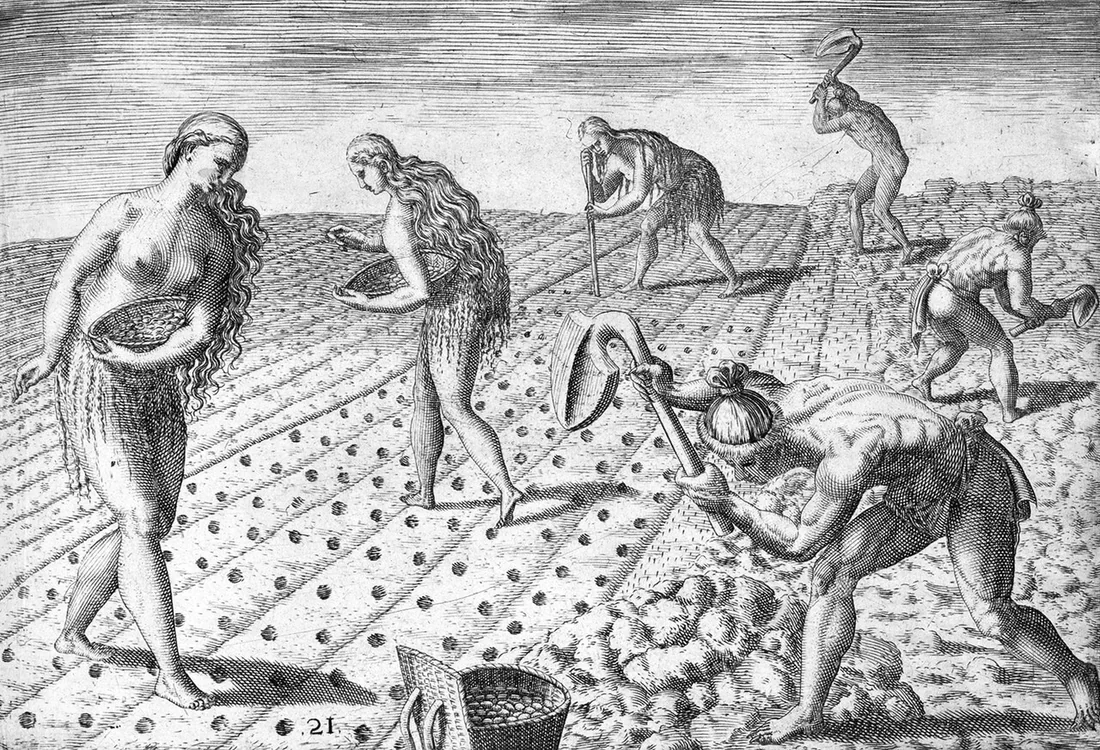
Before Europeans arrived, the Timucua people lived in the area that is now Lake County. The National Park Service says the Timucua lived across the northeast and north central parts of what is now Florida. There were probably 200,000 to 300,000 of them, living in chiefdoms that shared a common language. They grew tobacco and hunted deer, alligator, bear and turkey. The City of Tavares says the land around the town was once fishing and hunting grounds for Native Americans.
In the first half of the 1500s, Spanish expeditions crossed central Florida, mainly in search of gold and other resources. In 1539, Hernando de Soto marched more than 500 men through central and north Florida. His army fought the Timucua in two battles and killed hundreds of them. By 1595, Europeans and their diseases had devastated most of the Timucua. By 1700, only 1,000 were left.
Sources: University of Central Florida RICHES: Lake County Collection; National Park Service: Timucua - Castillo de San Marcos National Monument; City of Tavares: History Museum
Next: Chapter 2, A British Trading Post, the Seminoles and the Forts →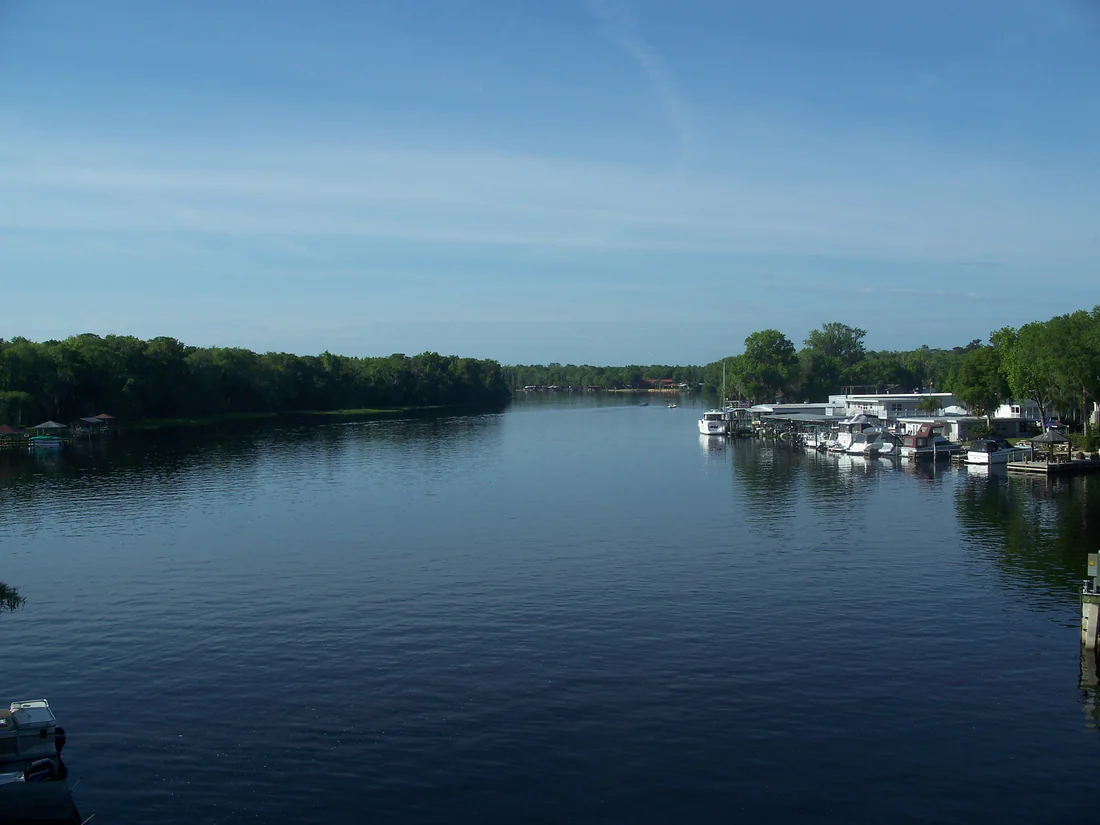
A British Trading Post, the Seminoles and the Forts
Britain took control of Florida in 1763. That same year, James Spalding set up a trading post at Astor.
The Treaty of Moultrie Creek was signed on September 18, 1823. It made the land around Lake Louisa part of a Seminole reservation. The state park service says the Seminole never actually used that land as a reservation.
In March 1836, during the Second Seminole War, soldiers led by Brig. Gen. Abraham Eustis camped in the area while a bridge went up over the Ocklawaha River. Their stockade stood east of Smith Lake and was called Fort Mason, most likely for the expedition's leader, Lt. Col. Pierce Mason Butler. Fort Butler was built in 1838 beside the St. Johns River near Astor. When the fighting was over, Fort Mason served as a supply base that encouraged settlers to come. After the war ended and the Armed Occupation Act was passed, settlers arrived quickly.
Sources: National Park Service: Timucua - Castillo de San Marcos National Monument; University of Central Florida RICHES: Lake County Collection; Florida Memory: Treaty of Moultrie Creek, 1823; Florida State Parks: Lake Louisa State Park History; Florida Department of State: Florida Historical Marker, Fort Mason; Florida Department of State: Florida Historical Marker, Fort Butler
Next: Chapter 3, Pioneers and the First Towns →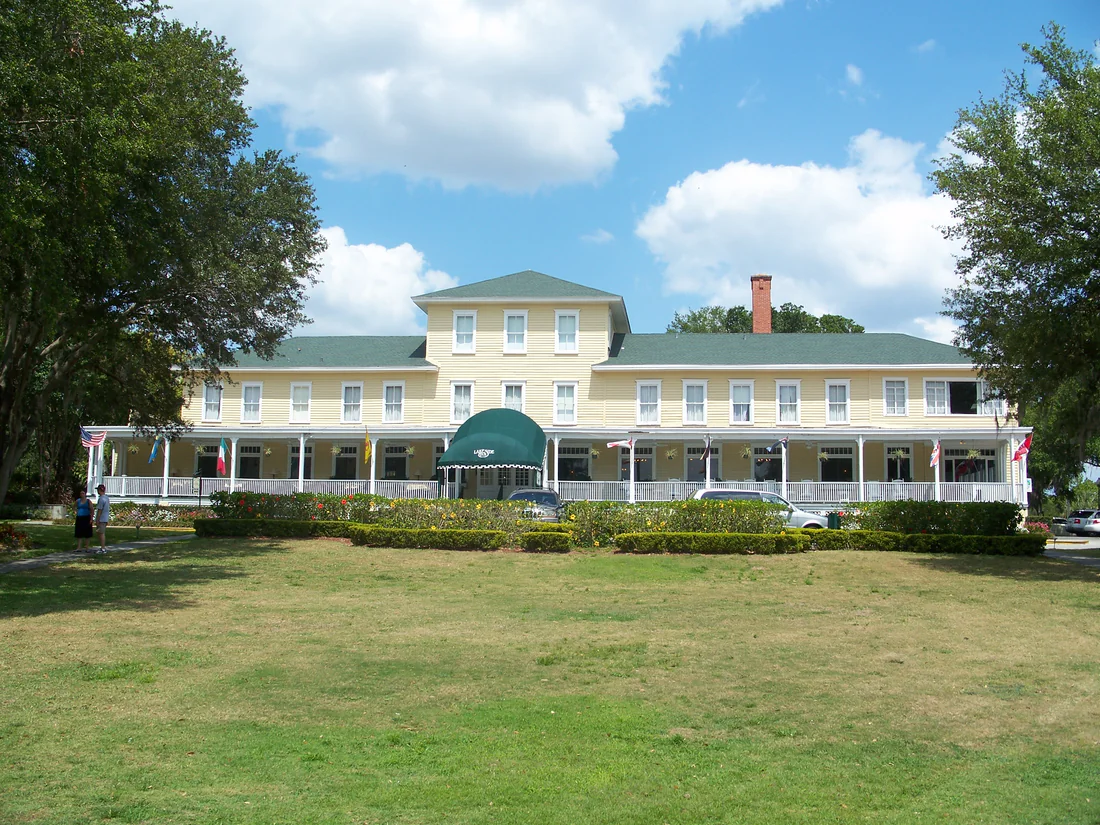
Pioneers and the First Towns
Thomas Robertson and his son, John, came to the place that became Leesburg in 1843, or probably a year earlier. In 1857, Evander Lee arrived with his wife, Susan, and their eight children. The city counts him as the first permanent settler and treats 1857 as its birth year. His brother Calvin is given credit for naming the town. He reportedly told sellers in New York City to send the bill for his goods to Leesburg.
On November 10, 1867, a boat called the Ocklawaha tied up at Leesburg, the first boat to do so. Leesburg became an incorporated city on July 12, 1875, about 12 years before Lake County was created. The city calls itself Lake County's oldest city, and it says Leesburg was once the county seat while it belonged to Sumter County.
John P. Donnelly arrived in Mount Dora in 1879. Alexander St. Clair-Abrams, a New Orleans newspaper and railroad man, founded Tavares in 1880 and named it for a Portuguese ancestor. Tavares got a post office in 1883, and by the next year it had eight cottages, three stores, a hotel and a sawmill. The Lakeside Inn began in 1883 as the Lake House, a two-story wooden building that was one of Mount Dora's earliest hotels. Mount Dora's Congregational Church was built in 1886.
Sources: City of Leesburg: History; Florida Memory: Historical Sketch of Lake County (WPA Historical Records Survey, 1937); Florida Department of State: Florida Historical Marker, John P. Donnelly House; City of Tavares: About Tavares; National Park Service: National Register of Historic Places Inventory, Nomination Form, Lakeside Inn (1987); News 6 WKMG (ClickOrlando): How the people of Mount Dora have helped preserve the town's history
Next: Chapter 4, Steamboats, the Dora Canal and the Railroads →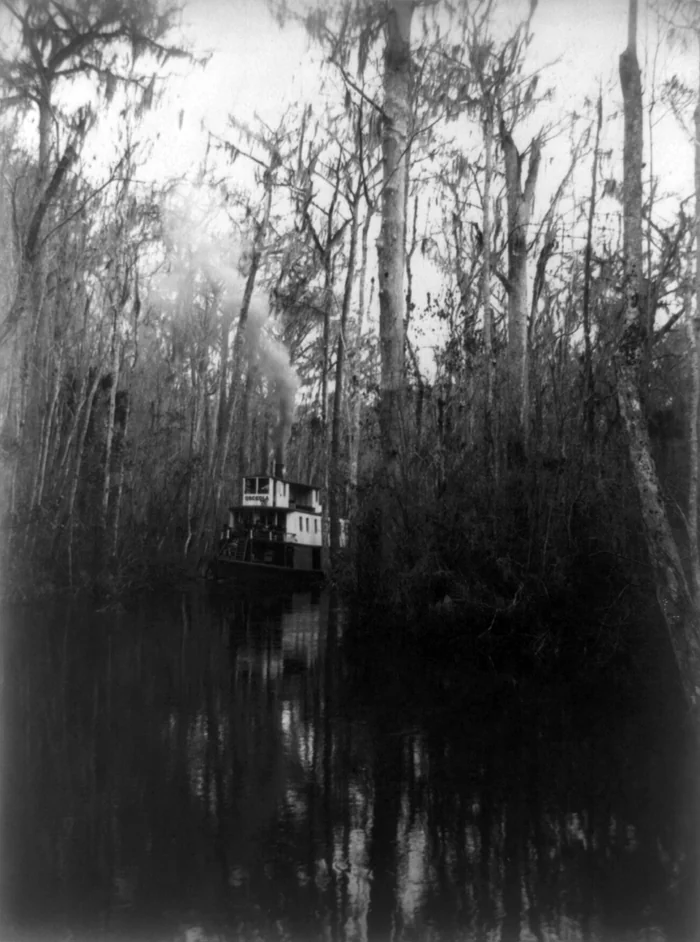
Steamboats, the Dora Canal and the Railroads
Before the railroads, the area reached markets in the North by steamboat. The boats' route began at Lake Monroe on the St. Johns River and ran up the Ocklawaha River to Lake Eustis. Tavares lies between Lake Dora, Lake Eustis and Lake Harris, which are joined by the Dora Canal and the Dead River. Grantland Rice, a famous sportswriter of the 1930s, praised the Dora Canal as the loveliest mile of water anywhere.
By 1880, the St. Johns and Lake Eustis Railroad was carrying freight and passengers to Eustis. St. Clair-Abrams is reported to have helped pay for 25 miles of track that tied Tavares to the growing rail system of Central Florida. By 1890, a larger network of railroads across Central Florida was complete. When the railroad came in the 1880s, a new town along the northern shore of Lake Eustis took the old fort's name, Fort Mason. The Tavares History Museum is in a copy of the original train station built there in the 1800s.
Sources: National Park Service: National Register of Historic Places Registration Form, Lake County Courthouse; Lake County Water Atlas, University of South Florida (Orlando Sentinel): Lake, cities to pitch in $15,000 for Dora Canal cleanup; Florida Department of State: Florida Historical Marker, Fort Mason; Spectrum News 13: Tavares History Museum
Next: Chapter 5, Lake County Is Created →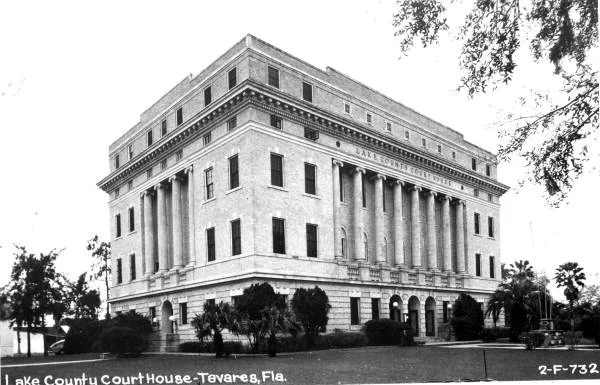
Lake County Is Created
On May 12, 1887, a Leesburg man, Senator George M. Lee, put a bill before the Legislature to create Lake County. Governor Edward A. Perry approved the bill on May 27, 1887. The new county was made from parts of Sumter and Orange counties, and the Fifth Judicial Circuit counts it as Florida's 43rd county. It was named for its lakes, which number about 1,400.
The town of Bloomfield, at Yalaha, was named the temporary county seat. On September 6, 1887, the former home of J. W. Hanner Jr. was in use as a temporary courthouse. It took three elections to settle on Tavares as the permanent county seat. Part of the Tavares offer was a promise from St. Clair-Abrams to build a courthouse, and that may have helped it win. On January 1, 1890, the Pioneer Building began serving as the courthouse.
Sources: Florida Memory: Historical Sketch of Lake County (WPA Historical Records Survey, 1937); Fifth Judicial Circuit of Florida: Lake County; National Park Service: National Register of Historic Places Registration Form, Lake County Courthouse
Next: Chapter 6, Citrus and the Big Freeze →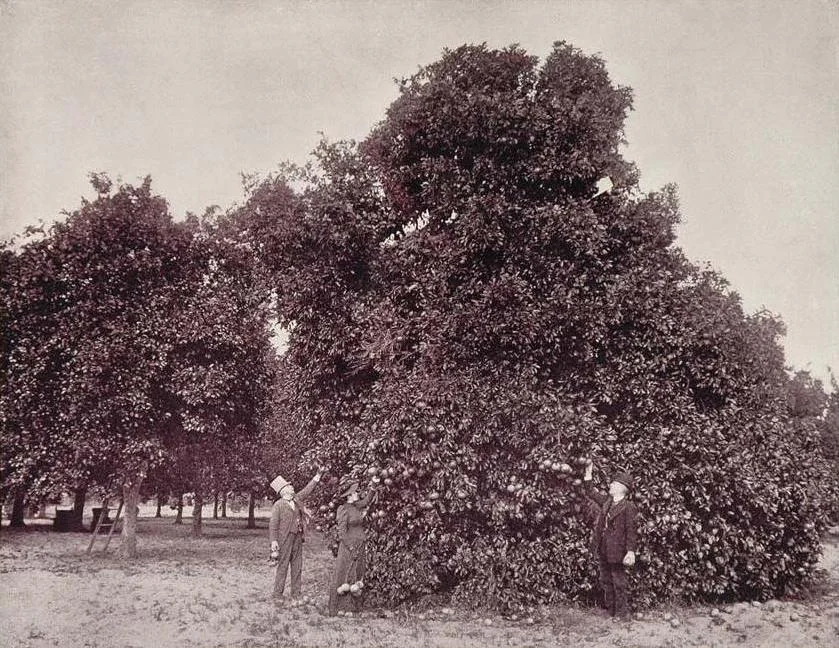
Citrus and the Big Freeze
George Thomas King, the founder of Villa City, built a showplace estate there in 1885. By 1895, Villa City had 35 homes, along with a hotel, a church, a school, a post office and a photo studio. Its people made their living from citrus. Then came the Big Freeze of the winter of 1894-95.
A hard freeze on December 29 was followed by warm weather that filled the trees with sap. Snow fell on the evening of February 7, 1895. When the sun warmed the frozen trees again, they burst, and the settlers gave up and left. The last of the town's original houses, the Gano House, was torn down in 1968. Across the county, the freezes of 1894-95 and 1899 slowed growth, and discouraged citrus growers and settlers left the state.
The county's citrus crop in the 1895-96 season was just 147,000 boxes. After the freezes, the county's citrus industry came back strongly. John and Louise Driggers Hammond made their home on most of the land around Lake Louisa in 1910. The family had a sawmill, and it shipped goods across the lake by steamboat and barge. In 1943, the Bronson family bought part of the land, planted orange groves and started a cattle ranch.
Sources: Florida Department of State: Florida Historical Marker, Villa City; National Park Service: National Register of Historic Places Registration Form, Lake County Courthouse; Florida State Parks: Lake Louisa State Park History
Next: Chapter 7, Black Lodges and Schools →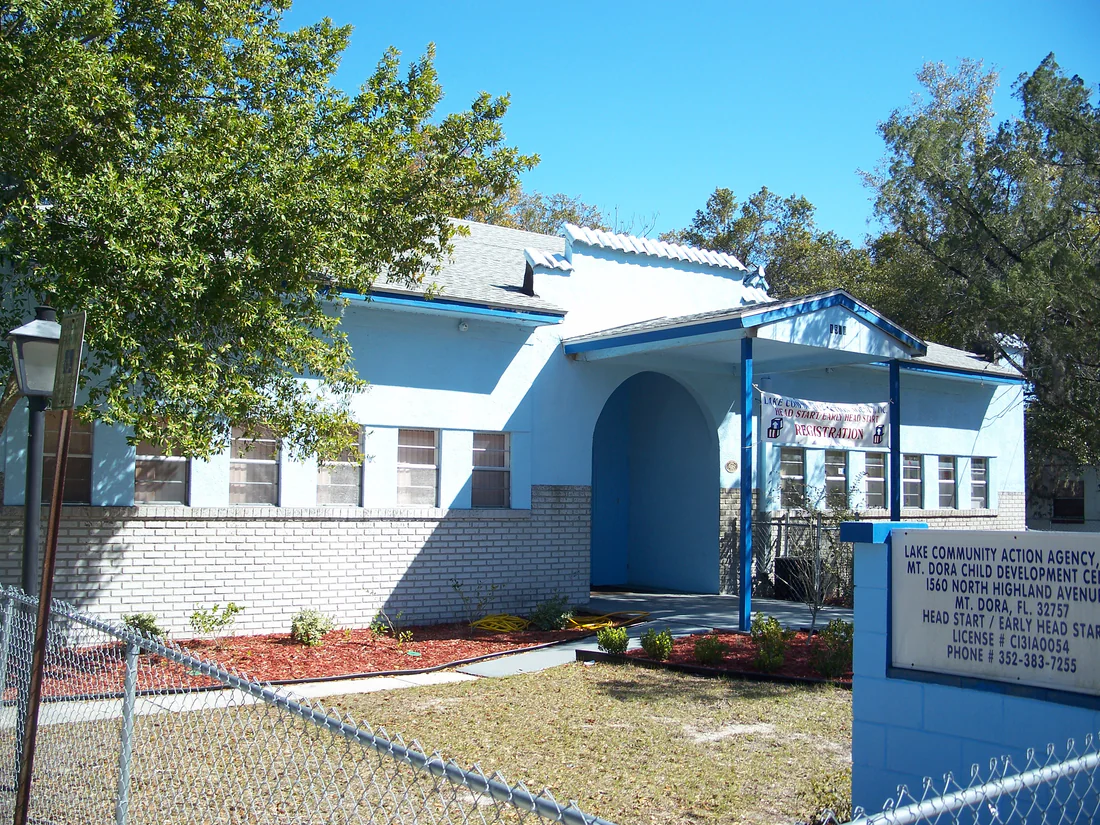
Black Lodges and Schools
Mount Dora's one-room school for Black children, Public School No. 66, was founded in 1886. The Witherspoon Lodge of Free and Accepted Masons, No. 111, was founded in Mount Dora in 1898. The state marker calls it one of the oldest working African American lodges in Florida. The lodge bought its frame building in 1903, and the marker says it has met there since then. After fire destroyed the Black school in 1922, the lodge building served as the schoolhouse until the Milner-Rosenwald Academy was built in 1925.
Mamie Lee Gilbert and Lula Butler led the parents and local leaders who raised money for a new school. The Rosenwald Foundation, which Julius Rosenwald set up to build schools for Black children in the South, gave the first money. The Rev. Duncan C. Milner of Mount Dora matched it. Milner-Rosenwald Academy taught Black children from 1926 to 1962. Many people still remember its marching band, its glee club and its girls' basketball team that won a state championship.
In 1929, a two-room Rosenwald school was built in Okahumpka to replace a one-room schoolhouse. Virgil Hawkins, a civil rights pioneer, went to the earlier school on that site. In 1949, Hawkins sued the University of Florida after its law school turned him down because of his race. The court cases that followed opened the law school to Black students in 1958, but Hawkins himself never attended. In 1970, after schools were integrated, Mount Dora's Milner-Rosenwald Academy became Mount Dora Middle School.
Sources: Florida Department of State: Florida Historical Marker, Witherspoon Lodge of Free and Accepted Masons, No. 111; Florida Department of State: Florida Historical Marker, Milner-Rosenwald Academy; Florida Department of State: Secretary Byrd Announces the Designation of the Okahumpka Rosenwald School in the National Register of Historic Places
Next: Chapter 8, A New Courthouse and a President's Visit →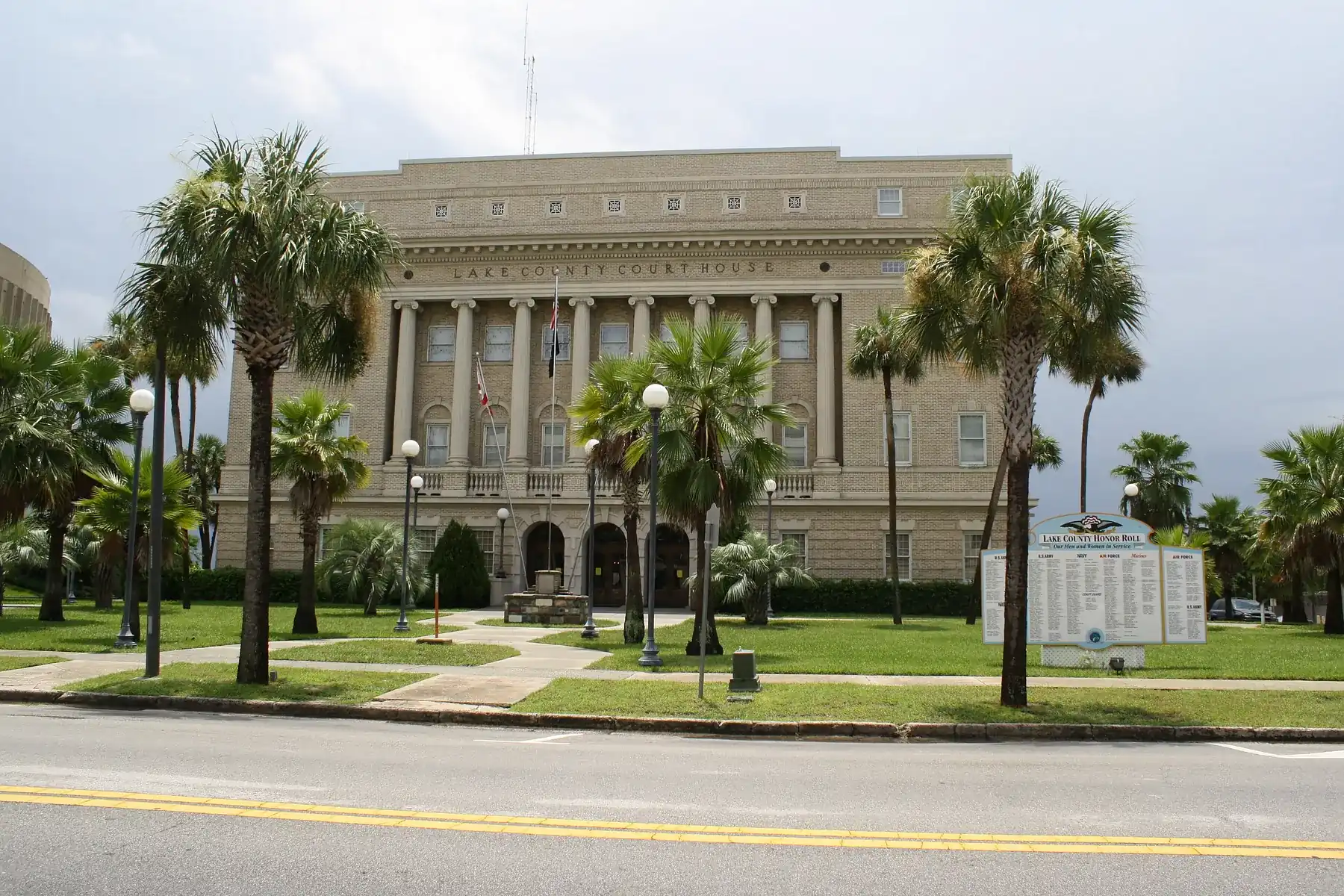
A New Courthouse and a President's Visit
In 1910, John P. Donnelly became Mount Dora's first mayor. In 1912, Hermon Palestine Carpenter founded the Montverde Industrial School for students without much money. The first classes met on September 23, 1912, and the school building had two rooms. To help pay their tuition, students tended the school farm or worked in its broom factory or cannery. It was renamed Montverde Academy in 1962.
Tavares was incorporated in 1919. On August 3, 1922, the County Commission decided to build a new courthouse in Tavares. A ceremony for its cornerstone was held on May 24, 1923. On November 13, 1924, the courthouse was dedicated, with Alan J. Macdonough as its architect. That same year, Donnelly sold land for a park that honors his wife, Annie, who died in 1908.
Like the rest of Florida, the county had a real estate boom in the 1920s. On January 15, 1930, Calvin Coolidge, the 30th president, officially opened the new Terrace annex at the Lakeside Inn in Mount Dora. He and his wife then spent a month at the inn. Leesburg held its first Watermelon Festival in 1930. In 1938, work began on Leesburg's Venetian Gardens as a Works Progress Administration project.
Sources: Florida Department of State: Florida Historical Marker, John P. Donnelly House; Florida Department of State: Florida Historical Marker, Montverde Academy; City of Tavares: About Tavares; National Park Service: National Register of Historic Places Registration Form, Lake County Courthouse; National Park Service: National Register of Historic Places Inventory, Nomination Form, Lakeside Inn (1987); News 6 WKMG (ClickOrlando): How the people of Mount Dora have helped preserve the town's history; City of Leesburg: History
Next: Chapter 9, The Groveland Four →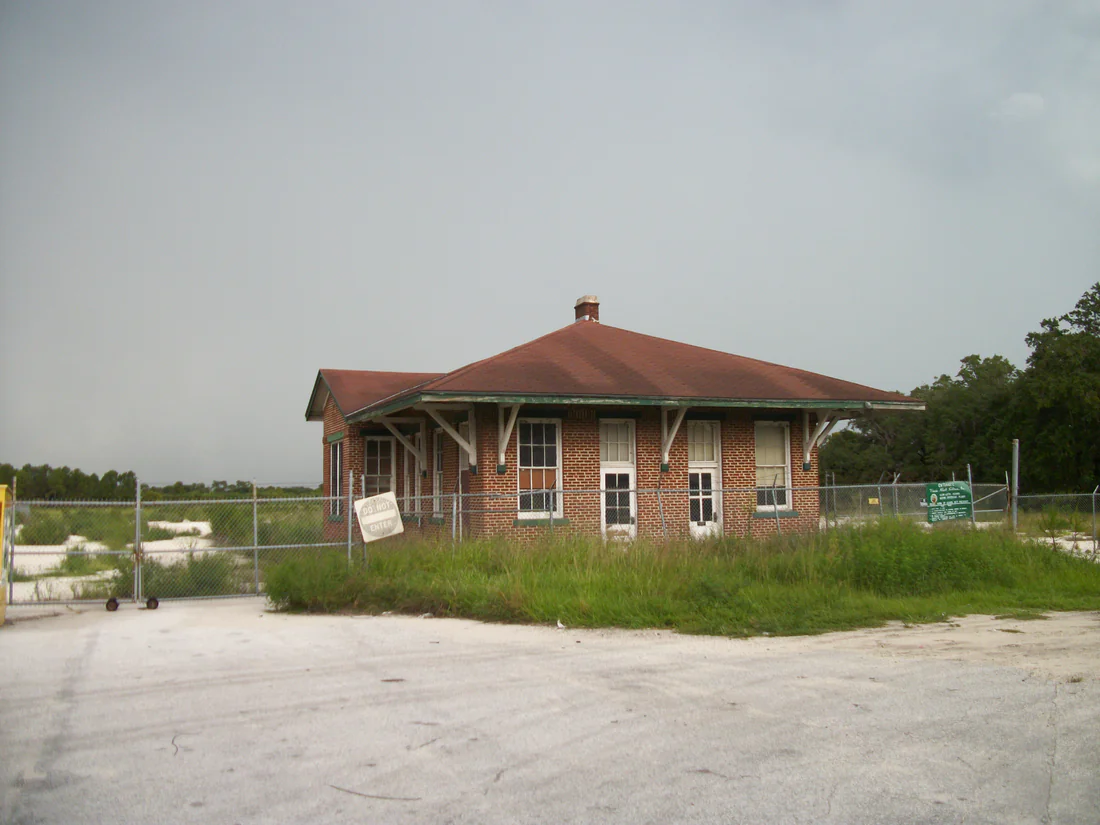
The Groveland Four
In 1949, four young Black men from Lake County were falsely accused of the rape of a white woman in Groveland. They became known as the Groveland Four: Ernest Thomas, Samuel Shepherd, Walter Irvin and Charles Greenlee. They were between 16 and 26 years old. A posse shot and killed Thomas soon after the accusation.
The other three were convicted, and two of them were sentenced to death. Shepherd's and Irvin's first convictions were overturned by the U.S. Supreme Court. In 1951, Sheriff Willis McCall shot both men while driving them to a second trial, killing Shepherd and wounding Irvin. In 1954, Irvin came close to being executed, and Gov. LeRoy Collins changed his sentence to life with the chance of parole. Irvin died in 1969, and Greenlee, who was paroled in 1962, died in 2012.
In 2017, the Florida Legislature formally apologized to the families of the four men. In January 2019, the Florida Clemency Board pardoned the men after their deaths. On February 21, 2020, a granite monument to the Groveland Four was unveiled outside the Lake County Historic Courthouse in Tavares. On November 22, 2021, at the local prosecutor's request, Judge Heidi Davis cleared all four men. She dismissed the charges against Thomas and Shepherd and set aside the convictions of Greenlee and Irvin.
Sources: Court TV (Associated Press): Florida clears Groveland Four of 1949 rape of white woman; FOX 35 Orlando: Groveland Four memorial unveiled on Friday; Central Florida Public Media: Lake County To Unveil Groveland Four Monument; Lake County Government: News release, Groveland Four monument, February 7, 2020; Florida Phoenix: Groveland Four officially exonerated after more than 70 years
Next: Chapter 10, The Citrus Tower and the Florida Trail →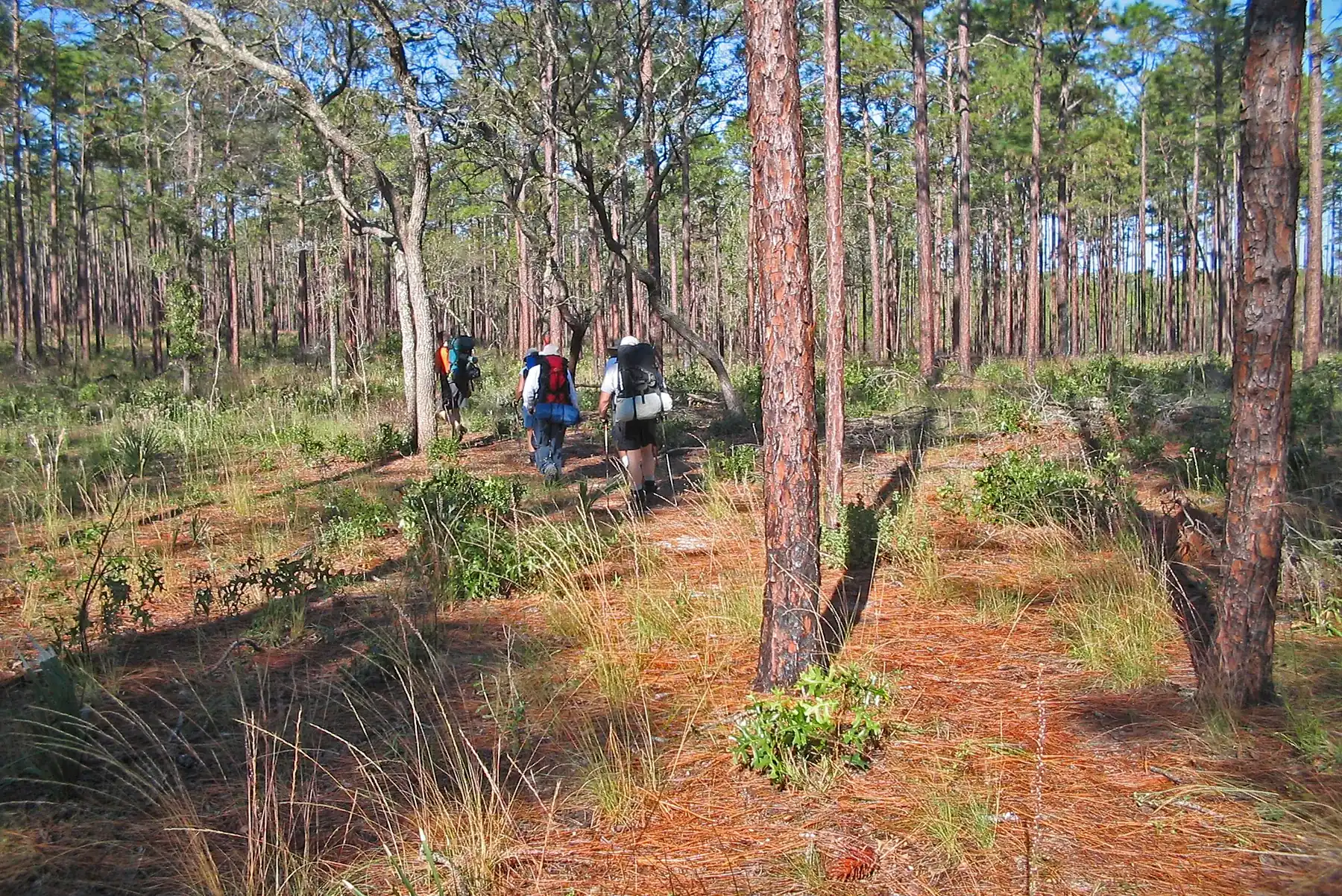
The Citrus Tower and the Florida Trail
The idea for the Citrus Tower came from Ralph Harper, a car dealer who was mayor of Clermont. Construction began in July 1955, and the tower opened on July 14, 1956, on U.S. Highway 27 in Clermont. It stands 226 feet tall and was built so visitors could look out over the citrus groves. The Orange County Regional History Center says about 17 million citrus trees could once be seen from the top. By the 1980s, freezes and disease had destroyed most of the groves, and new subdivisions were built where they had stood.
Jim Kern and a group of hikers started building the Florida Trail on October 29, 1966, at Clearwater Lake Recreation Area in the Ocala National Forest. Kern had founded the Florida Trail Association. Its first 26-mile section, finished in 1969, ran northwest through the forest to State Road 40. In 1983, it became the Florida National Scenic Trail.
Recreation.gov says that of all the national forests east of the Mississippi River, the Ocala National Forest is the oldest and the farthest south. Alexander Springs, in the same forest, is one of only 27 first-magnitude springs in Florida. The state bought the Lake Louisa land in 1973. It was named a state park in 1974, and visitors were allowed in from 1977. On April 4, 1975, the Donnelly House in Mount Dora joined the National Register of Historic Places.
Sources: Orange County Regional History Center: An Orange-Colored History of One of Florida's Oldest and Tallest Attractions; Florida Memory: Florida Citrus Tower- Clermont, Florida; Florida Department of State: Florida Historical Marker, Birth of the Florida Trail; Florida Trail Association: About; Recreation.gov: Alexander Springs Recreation Area; USDA Forest Service, National Forests in Florida: Alexander Springs Recreation Area; Florida State Parks: Lake Louisa State Park History; Florida Department of State: Florida Historical Marker, John P. Donnelly House
Next: Chapter 11, Since 1990: The Citrus Tower Reopens, America's Seaplane City and a National Basketball Title →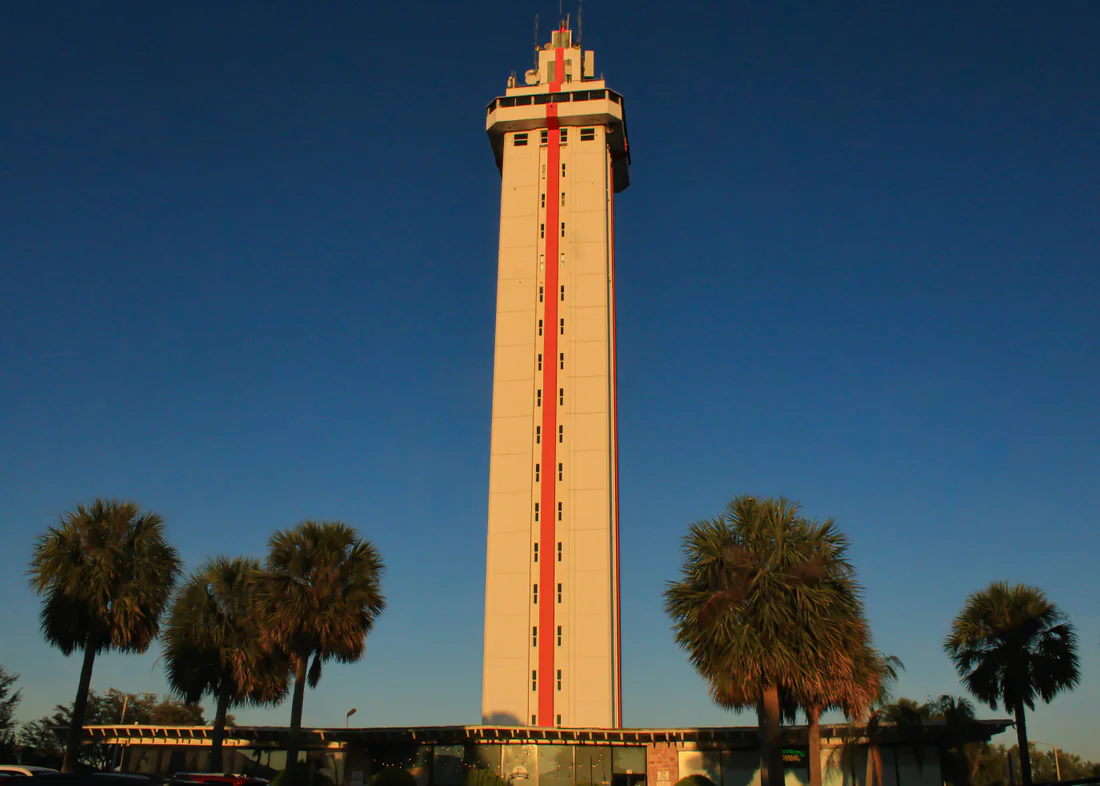
Since 1990: The Citrus Tower Reopens, America's Seaplane City and a National Basketball Title
Greg Homan, the tower's new owner, replaced its orange stripe with two turquoise stripes in 1995. The orange and white look came back in 2015. After a renovation, visitors could go up the tower again starting in May 2023.
In 2010, the state licensed the Tavares Seaplane Base as a public airport. By then, the FAA had approved a 3,000-foot virtual runway on Lake Dora. The city is known today by the name America's Seaplane City. By the Florida Trail's 50th anniversary in 2016, volunteers had finished more than 1,000 miles of continuous trail.
In 2021, the Florida Trust for Historic Preservation named the Okahumpka Rosenwald School one of its 11 to Save, a list of Florida's most endangered historic places. On February 21, 2023, Florida's secretary of state announced that the school was now on the National Register of Historic Places. The state says it is one of only 25 Rosenwald schools still standing in Florida. On April 6, 2024, Montverde Academy beat Paul VI 79-63 to win the Chipotle Nationals, a national championship for high school basketball. Cooper Flagg, rated the No. 1 recruit in the high school class of 2024, led the team, which finished the season undefeated at 33-0.
Sources: Orange County Regional History Center: An Orange-Colored History of One of Florida's Oldest and Tallest Attractions; WPTV: Florida's historic Citrus Tower offers panoramic views from 226 feet high; City of Tavares: About Tavares; Florida Department of State: Florida Historical Marker, Birth of the Florida Trail; Florida Department of State: Secretary Byrd Announces the Designation of the Okahumpka Rosenwald School in the National Register of Historic Places; Boston.com: Maine native and No. 1 recruit Cooper Flagg caps off high school basketball career with national title
Next: the whole story, in dates →The whole story, in dates
Hernando de Soto leads more than 500 men through central and north Florida.
James Spalding sets up a trading post at Astor.
The Treaty of Moultrie Creek is signed.
Soldiers led by Brig. Gen. Abraham Eustis camp in the area during the Second Seminole War.
Evander Lee and his family arrive at the future Leesburg.
The boat Ocklawaha ties up at Leesburg, the first boat to do so.
Leesburg is incorporated.
The St. Johns and Lake Eustis Railroad is carrying freight and passengers to Eustis.
Alexander St. Clair-Abrams founds Tavares.
The Lake House, the start of the Lakeside Inn, is built in Mount Dora.
George Thomas King builds his estate at Villa City.
Governor Edward A. Perry approves the bill creating Lake County.
The Pioneer Building begins serving as the courthouse.
Snow falls during the Big Freeze.
The Witherspoon Lodge is founded in Mount Dora.
John P. Donnelly becomes Mount Dora's first mayor.
The Montverde Industrial School holds its first classes.
The new courthouse in Tavares is dedicated.
The Okahumpka Rosenwald School is built.
Calvin Coolidge opens the Lakeside Inn's new Terrace annex in Mount Dora.
Work begins on Venetian Gardens in Leesburg.
Four young Black men, later called the Groveland Four, are falsely accused.
Sheriff Willis McCall shoots Samuel Shepherd and Walter Irvin, killing Shepherd.
The Citrus Tower opens in Clermont.
Work begins on the Florida Trail at Clearwater Lake Recreation Area.
Lake Louisa State Park lets in visitors.
The Florida Trail becomes the Florida National Scenic Trail.
The Citrus Tower's orange stripe is replaced with two turquoise stripes.
The state licenses the Tavares Seaplane Base as a public airport.
The Citrus Tower's orange and white look comes back.
The Florida Trail reaches 50 years with more than 1,000 miles finished.
The Florida Clemency Board pardons the Groveland Four.
A monument to the Groveland Four is unveiled in Tavares.
The Okahumpka Rosenwald School is named one of the 11 to Save.
A judge clears the Groveland Four.
The state announces that the Okahumpka Rosenwald School is on the National Register of Historic Places.
The Citrus Tower opens to visitors again after a renovation.
Montverde Academy wins the Chipotle Nationals high school basketball championship.
Where you can still see it
 01
01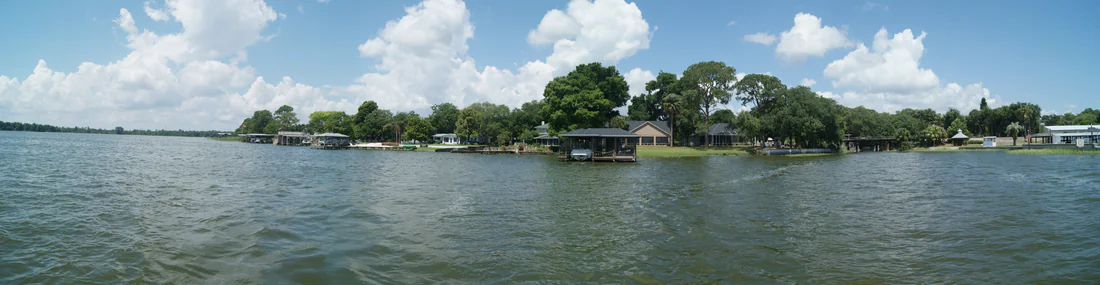 02
02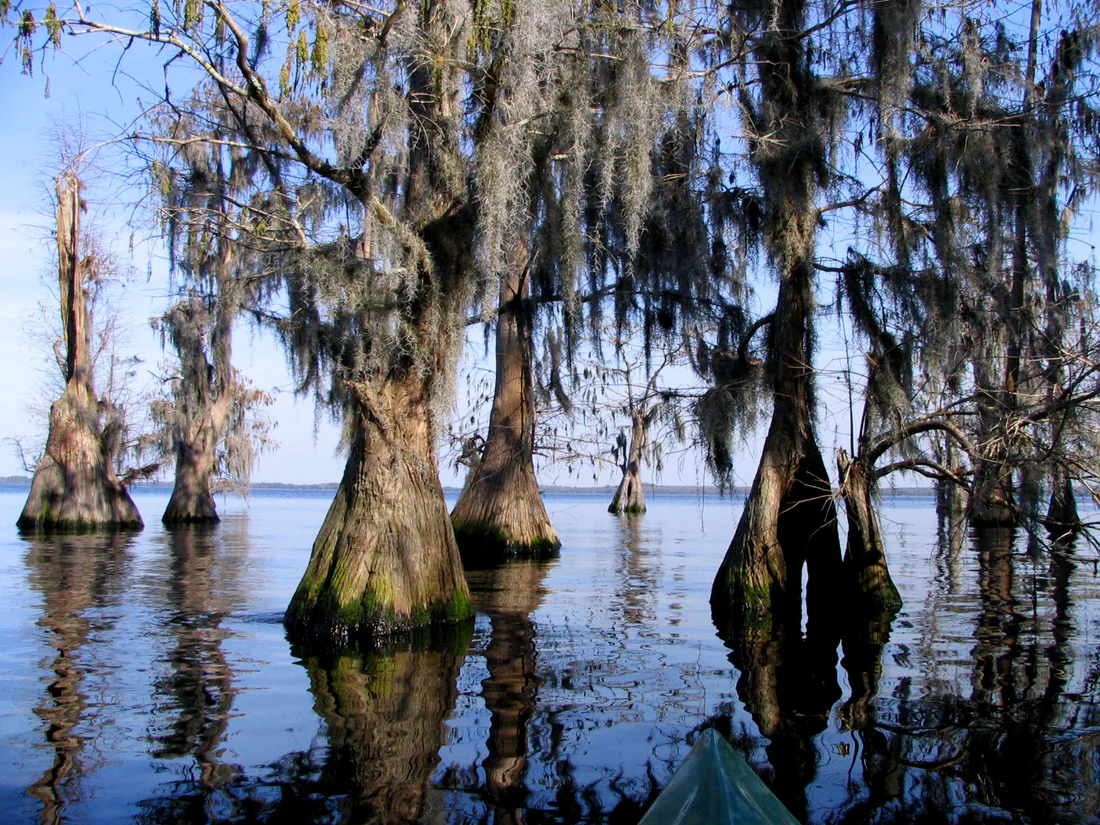 03
03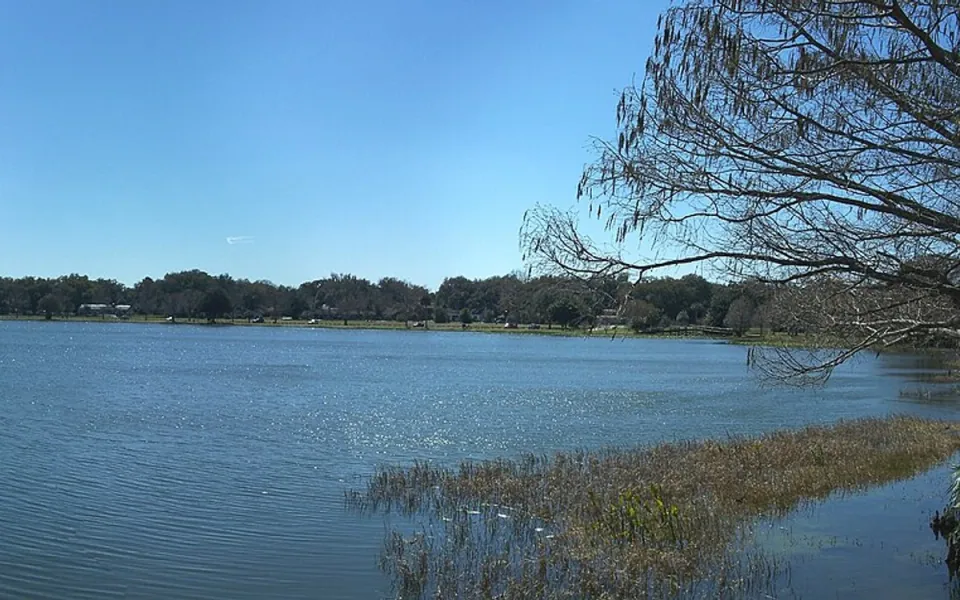 04
04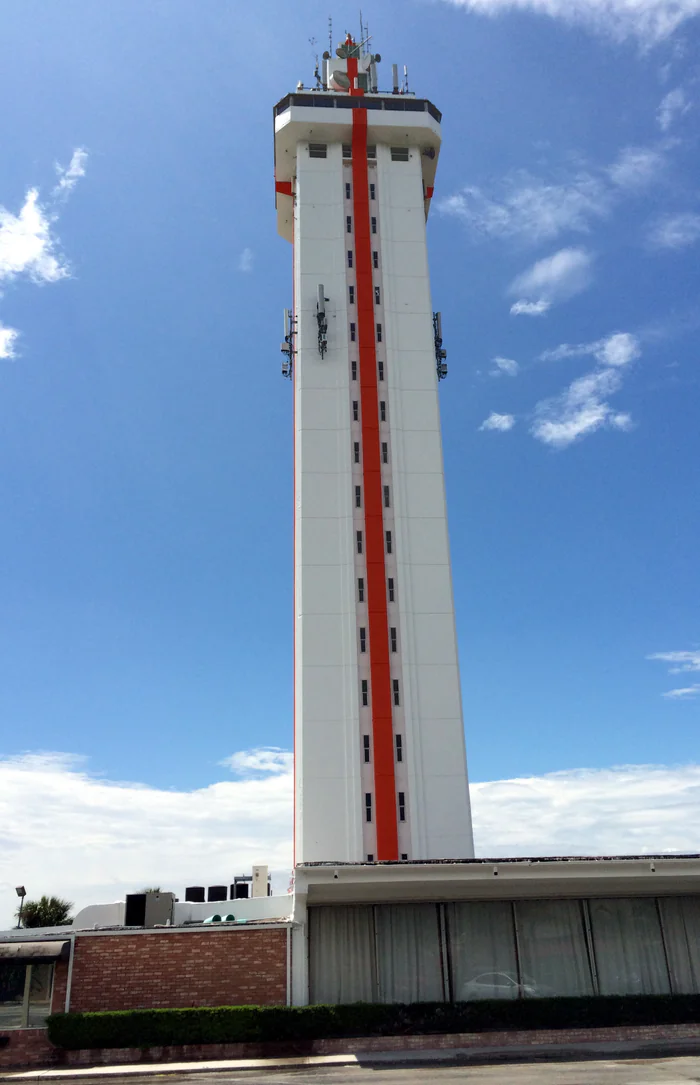 05
05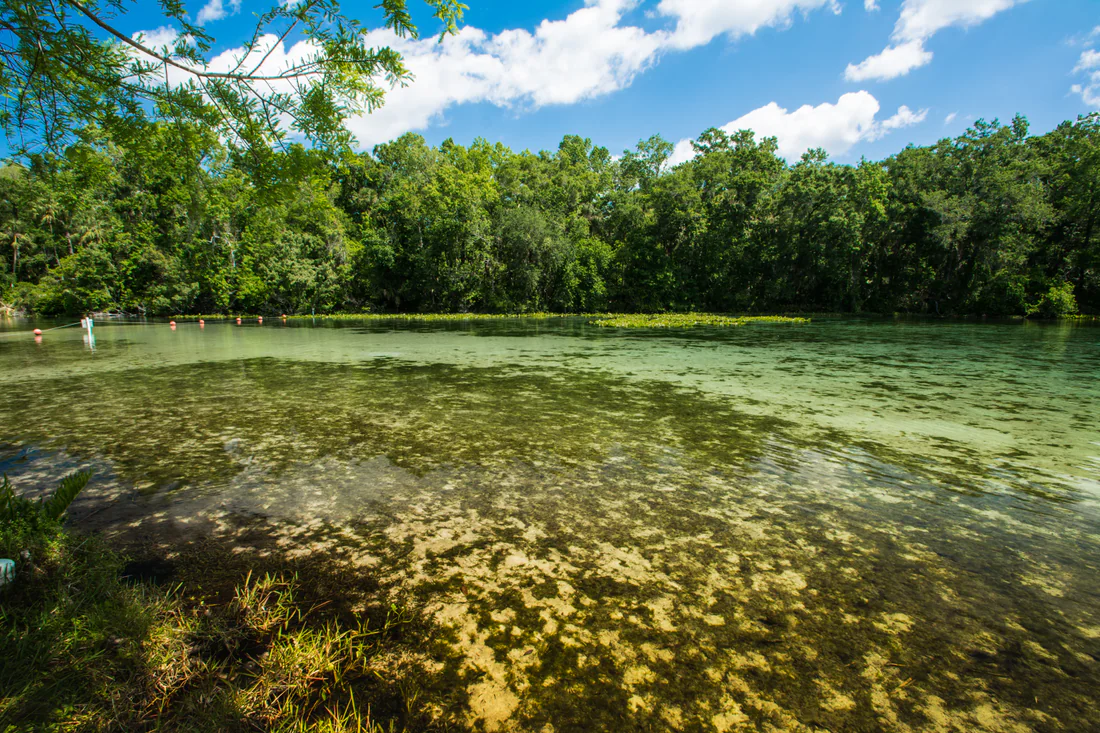 06
06Alexander Springs Recreation Area
Goes with: The Citrus Tower and the Florida Trail
Open the place page →Questions people ask
When was Lake County created?
Governor Edward A. Perry approved the bill creating Lake County on May 27, 1887, from parts of Sumter and Orange counties.
Chapter 5 →What is the county seat of Lake County?
Tavares is the county seat, and it took three elections to settle on it.
Chapter 5 →What is the oldest city in Lake County?
The City of Leesburg calls itself Lake County's oldest city, and it was incorporated on July 12, 1875.
Chapter 3 →Who were the Groveland Four?
They were Ernest Thomas, Samuel Shepherd, Walter Irvin and Charles Greenlee, four young Black men falsely accused in 1949 and cleared by a judge on November 22, 2021.
Chapter 9 →Where this comes from.
- University of Central Florida RICHES: Lake County Collection ↗ Read October 16, 2026
- National Park Service: Timucua - Castillo de San Marcos National Monument ↗ Read October 16, 2026
- City of Tavares: History Museum ↗ Read October 16, 2026
- City of Tavares: About Tavares ↗ Read October 16, 2026
- Florida Memory: Treaty of Moultrie Creek, 1823 ↗ Read October 16, 2026
- Florida State Parks: Lake Louisa State Park History ↗ Read October 16, 2026
- Florida Department of State: Florida Historical Marker, Fort Mason ↗ Read October 16, 2026
- Florida Department of State: Florida Historical Marker, Fort Butler ↗ Read October 16, 2026
- City of Leesburg: History ↗ Read October 16, 2026
- Florida Memory: Historical Sketch of Lake County (WPA Historical Records Survey, 1937) ↗ Read October 16, 2026
- Florida Department of State: Florida Historical Marker, John P. Donnelly House ↗ Read October 16, 2026
- News 6 WKMG (ClickOrlando): How the people of Mount Dora have helped preserve the town's history ↗ Read October 16, 2026
- National Park Service: National Register of Historic Places Registration Form, Lake County Courthouse ↗ Read October 16, 2026
- Lake County Water Atlas, University of South Florida (Orlando Sentinel): Lake, cities to pitch in $15,000 for Dora Canal cleanup ↗ Read October 16, 2026
- Spectrum News 13: Tavares History Museum ↗ Read October 16, 2026
- Fifth Judicial Circuit of Florida: Lake County ↗ Read October 16, 2026
- Florida Department of State: Florida Historical Marker, Villa City ↗ Read October 16, 2026
- Florida Department of State: Florida Historical Marker, Witherspoon Lodge of Free and Accepted Masons, No. 111 ↗ Read October 16, 2026
- Florida Department of State: Florida Historical Marker, Milner-Rosenwald Academy ↗ Read October 16, 2026
- Florida Department of State: Secretary Byrd Announces the Designation of the Okahumpka Rosenwald School in the National Register of Historic Places ↗ Read October 16, 2026
- Florida Department of State: Florida Historical Marker, Montverde Academy ↗ Read October 16, 2026
- Court TV (Associated Press): Florida clears Groveland Four of 1949 rape of white woman ↗ Read October 16, 2026
- Central Florida Public Media: Lake County To Unveil Groveland Four Monument ↗ Read October 16, 2026
- FOX 35 Orlando: Groveland Four memorial unveiled on Friday ↗ Read October 16, 2026
- Lake County Government: News release, Groveland Four monument, February 7, 2020 ↗ Read October 16, 2026
- Florida Phoenix: Groveland Four officially exonerated after more than 70 years ↗ Read October 16, 2026
- Orange County Regional History Center: An Orange-Colored History of One of Florida's Oldest and Tallest Attractions ↗ Read October 16, 2026
- Florida Memory: Florida Citrus Tower- Clermont, Florida ↗ Read October 16, 2026
- WPTV: Florida's historic Citrus Tower offers panoramic views from 226 feet high ↗ Read October 16, 2026
- Florida Department of State: Florida Historical Marker, Birth of the Florida Trail ↗ Read October 16, 2026
- Florida Trail Association: About ↗ Read October 16, 2026
- Recreation.gov: Alexander Springs Recreation Area ↗ Read October 16, 2026
- USDA Forest Service, National Forests in Florida: Alexander Springs Recreation Area ↗ Read October 16, 2026
- National Park Service: National Register of Historic Places Inventory, Nomination Form, Lakeside Inn (1987) ↗ Read October 16, 2026
- Boston.com: Maine native and No. 1 recruit Cooper Flagg caps off high school basketball career with national title ↗ Read October 16, 2026