Miami-Dade County is home to Miami, which came to be called the "Magic City." People may have lived here as far back as 10,000 years ago. The county was formed in 1836 and named after Major Francis Langhorne Dade.
This page tells the story in order, from the first people to Art Basel, the Heat's titles and the Miami Grand Prix, then lists places in the county where you can still see it. The sources for each part are named at the end of that part, and all of them are listed at the bottom of the page.
The first people
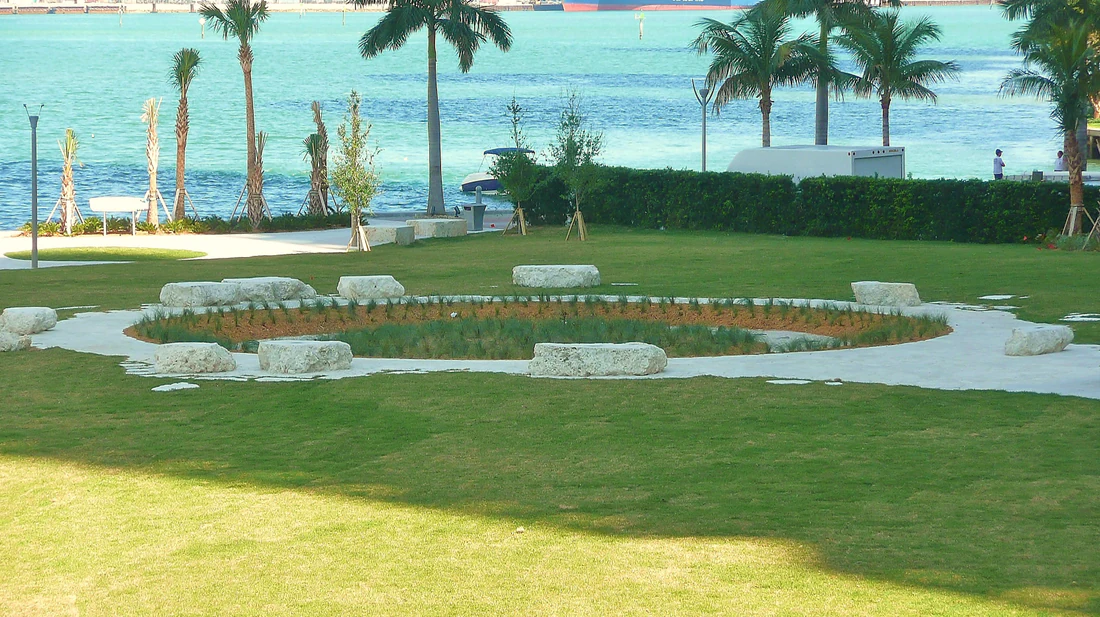
The area's earliest people were nomads who moved with herds of big game, perhaps as far back as 10,000 years ago. Archaeologists found the "Miami Circle" in 1998. It is a 38-foot circle made of holes that were cut into the limestone. Radiocarbon tests on objects found there suggest it is roughly 2,000 years old. The Tequesta, a Native American people, were already living here when the first European ships came to the coast of South Florida.
Miami is from the word Mayaimi, meaning "very large lake." The county says the lake was most likely Lake Okeechobee. A canoe route began at the Miami River and ran through the Everglades to that lake.
Sources: Miami-Dade County: About Miami-Dade County
Next: Chapter 2, Spain arrives →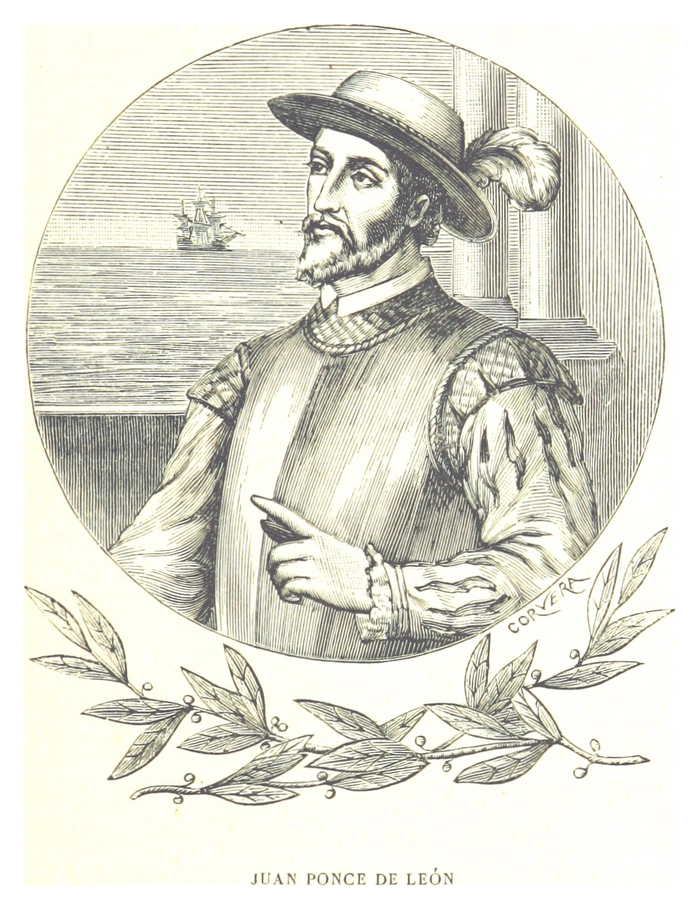
Spain arrives
In 1513, Juan Ponce de León came to the area. In 1567, the Spanish set up a mission on the north bank of the Miami River. Before long, mosquitoes and hostile Indians drove the missionaries away. Spanish rule over Florida lasted another 250 years. Over time, diseases and modern weapons brought by the Spanish caused the Tequesta to disappear.
A few families from the Bahamas accepted an offer of land from Spain in the early 1800s. They settled along the river and began to farm. In 1821, the United States bought Florida from Spain for $5 million.
Sources: Miami-Dade County: About Miami-Dade County
Next: Chapter 3, A lighthouse, a plantation and war →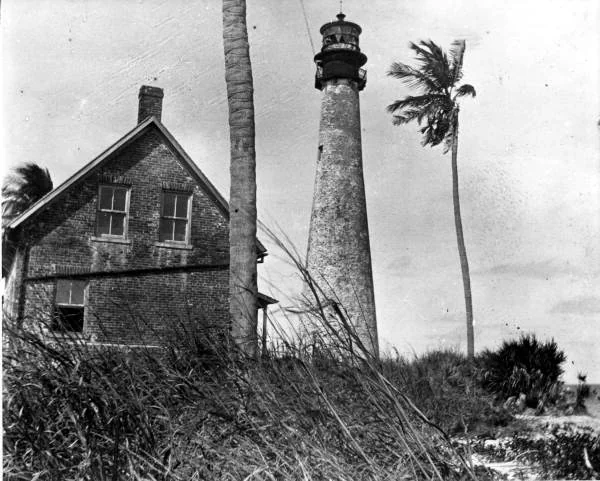
A lighthouse, a plantation and war
The Cape Florida Lighthouse was first lit on December 17, 1825. On July 23, 1836, the assistant keeper was John W. B. Thompson. That day, Seminoles attacked the lighthouse. An African American man who was with Thompson was wounded and did not survive. The lighthouse stands in what is now Bill Baggs Cape Florida State Park, on Key Biscayne.
The Bahamian lands on the Miami River were bought, and by 1830 they had become a slave plantation. In 1836, the U.S. military set up Fort Dallas on Richard Fitzpatrick's plantation. The fort was built on the river's north bank by Army soldiers and Navy sailors in the Second Seminole War. Its name honored Commodore Alexander J. Dallas of the Navy.
Sources: WLRN: Cape Florida Lighthouse's 200th anniversary will tell amazing history with high-tech touch; U.S. Coast Guard History: Cape Florida Lighthouse; Florida Memory: Historic Cape Florida Lighthouse at the Bill Baggs Cape Florida State Park in Key Biscayne, Florida; Miami-Dade County: About Miami-Dade County; University of Florida Libraries: Ingraham Expedition: Fort Dallas
Next: Chapter 4, Dade County is created →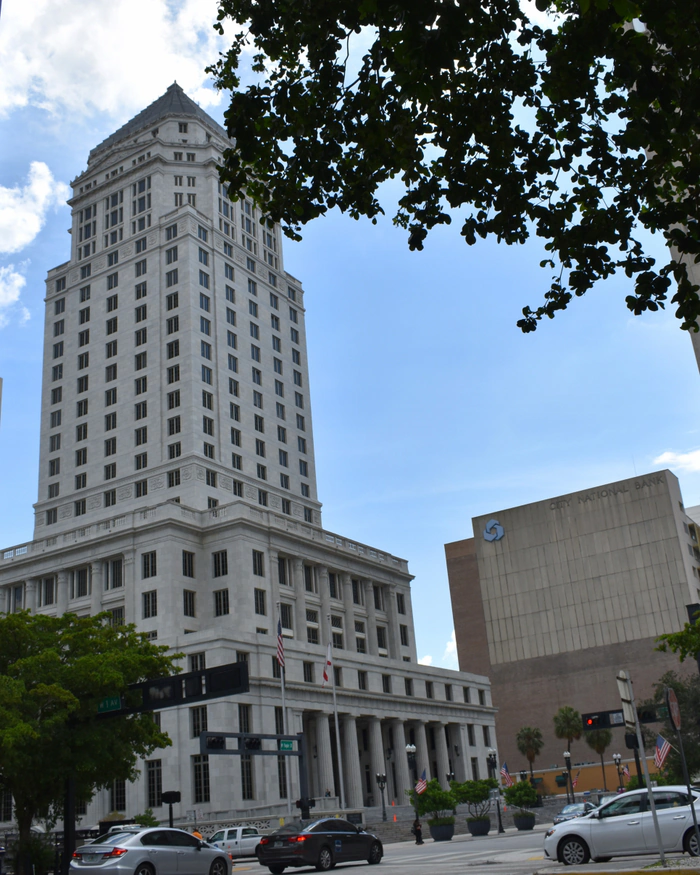
Dade County is created
Dade County dates from 1836, but sources disagree on the exact day. A county history posted on Florida Memory gives February 4, 1836, and says the Legislative Council of the Territory of Florida created the county by an act. A separate Florida Memory article gives January 28, 1836. A county finance report gives January 18, 1836. The county's name honors Major Francis Langhorne Dade, who was killed on December 28, 1835, in north central Florida, as the Second Seminole War began.
Courts in Key West had too much work and were too far away from the eastern keys, so local people wanted a new county. The new county was carved out of Monroe County. At first, Indian Key was at one end of the county and Jupiter Inlet at the other. The northern part of Dade County became Palm Beach County in 1909. In 1915, land from Palm Beach County and Dade County was used to create Broward County.
Indian Key, an island lying between Upper Matecumbe Key and Lower Matecumbe Key, was the first county seat. On August 7, 1840, Seminoles attacked Indian Key, killed several of the people living there and burned its buildings. The legislature voted on March 9, 1844, to make Miami the county seat. Later, Juno became the county seat in place of Miami. In a vote held on May 10, 1899, Miami won the county seat from West Palm Beach, 690 votes to 468.
Sources: Miami-Dade County: About Miami-Dade County; Florida Memory: Historical Sketch of Dade County; Florida Memory: A County Governed by an Island; Miami-Dade County: General Information Relative to Miami-Dade County, Florida; Florida Memory: Establishment of Dade County Government
Next: Chapter 5, Julia Tuttle, the railroad and a new city →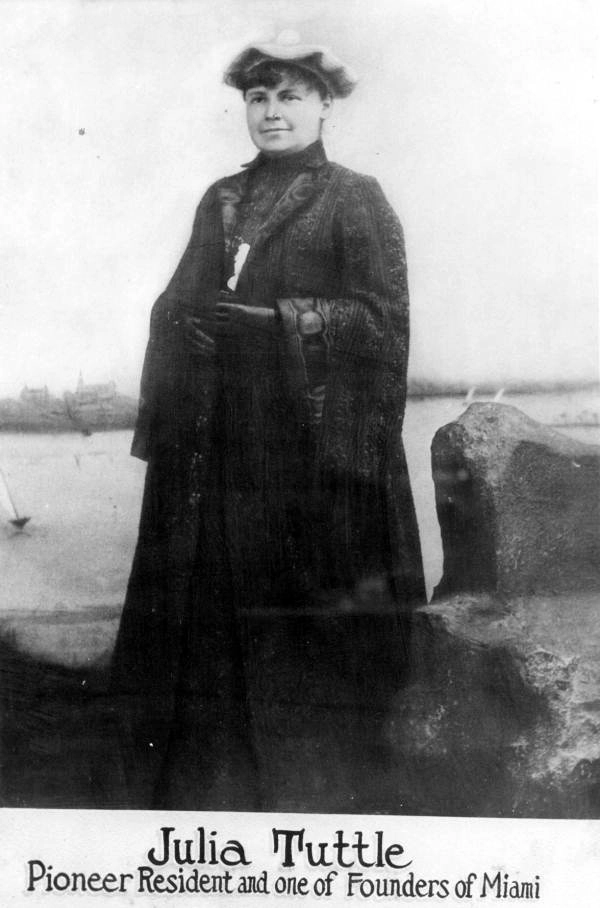
Julia Tuttle, the railroad and a new city
Mariah Brown was born on Eleuthera, in the Bahamas, in 1851. In 1880, she moved to the United States. She came to Coconut Grove to work at the Peacock Inn. The inn's owner, Charles Peacock, was one of the founders of Coconut Grove. Her house dates from 1890 and was the first one on Evangelist Street. Many working-class people living near Charles Avenue in Coconut Grove had come from the Bahamas. By 1885, the area was home to Captain Ralph Munroe, who designed sailboats and came from Staten Island, New York.
Julia Tuttle, a widow from Cleveland, Ohio, arrived in 1891 and bought 644 acres. Her purchase included the old Fort Dallas property. Orchards farther north froze in the "Big Freezes" on December 24 and December 28, 1894, and again on February 6, 1895. She sent oranges and orange blossoms to Henry Flagler, an executive of the Florida East Coast Railway. She gave him 100 acres of land to build a railroad terminal and a hotel.
On April 13, 1896, a train reached Miami for the first time. On July 28, 1896, Miami was incorporated as a city. Sources disagree on how many people voted that day. WLRN reported that 162 of the voters were Black residents. Late in the 1800s, Flagler's Royal Palm Hotel went up at the Fort Dallas site.
Sources: Florida Department of State historical marker: Mariah Brown House; Florida Department of State historical marker: Coconut Grove; Florida Department of State historical marker: Julia Tuttle, Mother of Miami; University of Florida Libraries: Ingraham Expedition: Fort Dallas; Miami-Dade County: About Miami-Dade County; WLRN: Miami's 125th birthday and remembering the city's history
Next: Chapter 6, Boom years and the 1926 hurricane →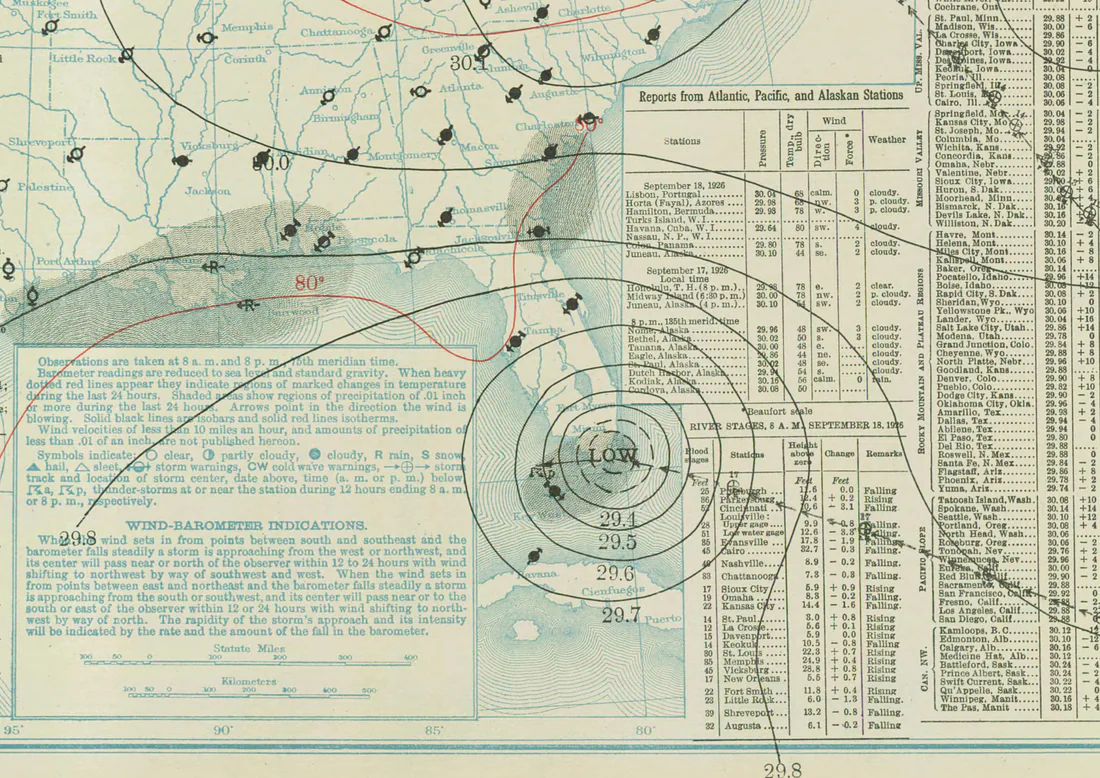
Boom years and the 1926 hurricane
Southwest 8th Street started out as the Orange Glade Road, which linked local fruit growers to railroad and shipping lines. In 1903, grove owners, grove workers and other private citizens paid for and built most of its paving. After 1900, drainage canals began to cross the area in many directions. In 1915, work began on a road to connect Tampa and Miami, the Tamiami Trail. The road was finished 13 years later, and it helped Miami grow as a place for tourists and trade.
Each winter season, visitors commented on how fast Miami had changed since the last one. Industrialist James Deering had Vizcaya built from 1914 to 1922. On December 25, 1916, he arrived to spend his first winter in the main house. The Venetian Pool in Coral Gables first opened in 1924, when it was called the Venetian Casino. It was made from the quarry pit that supplied limestone for the city's buildings. In Coral Gables, Bahamian laborers built churches, homes, hotels and businesses.
The Great Miami Hurricane crossed South Florida on September 18, 1926. A storm surge of up to 10 feet flooded Miami Beach and reached several blocks inland. Many people died because they believed, wrongly, that the storm had ended. Over 370 people were killed, and over 25,000 lost their homes. A major hurricane interrupted the 1920s real estate boom, and then the crash of the stock market and the Great Depression brought it to an end.
Sources: Florida Department of State historical marker: Southwest 8th Street and the Tamiami Trail; Miami-Dade County: About Miami-Dade County; Vizcaya Museum and Gardens: About Main House; City of Coral Gables: Venetian Pool History; WLRN: Making the City Beautiful: How Bahamians built the iconic Venetian Pool, and Coral Gables; Florida Department of State historical marker: Great Miami Hurricane of 1926
Next: Chapter 7, Black Miami and civil rights →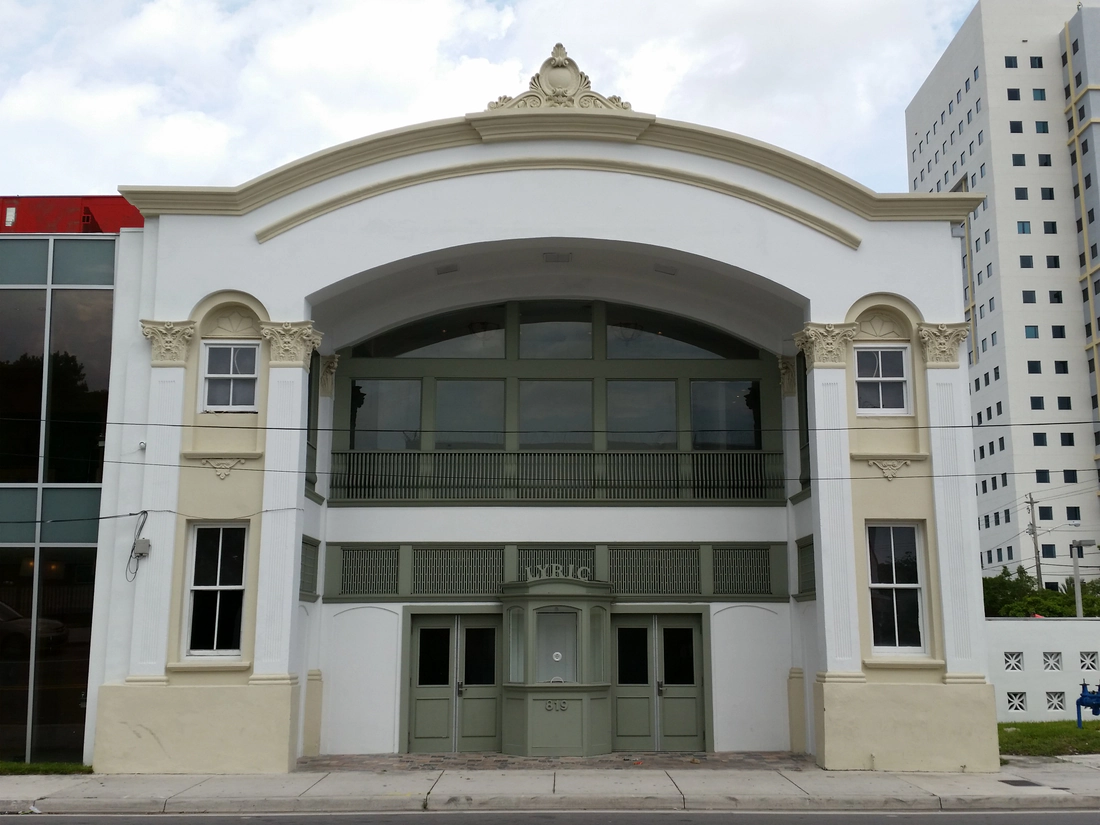
Black Miami and civil rights
Overtown, which was first known as "Colored Town," is among Miami's oldest Black neighborhoods, a state historical marker says. In 1913, Geder Walker built the Lyric Theater there. The City of Miami's first Black police officers, five of them, were hired in 1944. In 1950, a precinct building was built for them.
During segregation, Black residents used a beach on Virginia Key, known as "Bears Cut," as an unofficial recreation area. Lawson E. Thomas, a lawyer, led a protest with others to demand an official beach. On August 1, 1945, Virginia Key Beach opened, and only Black residents could use it. Another protest ended segregation at the beach by the early 1960s.
Later, the I-95 and I-395 highways were joined and expanded through Overtown, and hundreds of its homes and businesses were torn down. On December 17, 1979, a group of white police officers from Metro-Dade beat Arthur Lee McDuffie until he was in a coma. He was a Black man, 33 years old, who had served in the Marines. He died in the hospital four days later. On May 17, 1980, an all-white jury found the officers not guilty. Black residents of Miami protested in the streets. The violence that followed killed eight white people and ten Black people.
Sources: Florida Department of State historical marker: Overtown Lyric Theater; Florida Department of State historical marker: Historic Negro Police Precinct and Courthouse Museum, The First Five; Florida Department of State historical marker: Virginia Key Beach State Park; Florida Department of State historical marker: Arthur Lee McDuffie
Next: Chapter 8, World War II, a new charter and two national parks →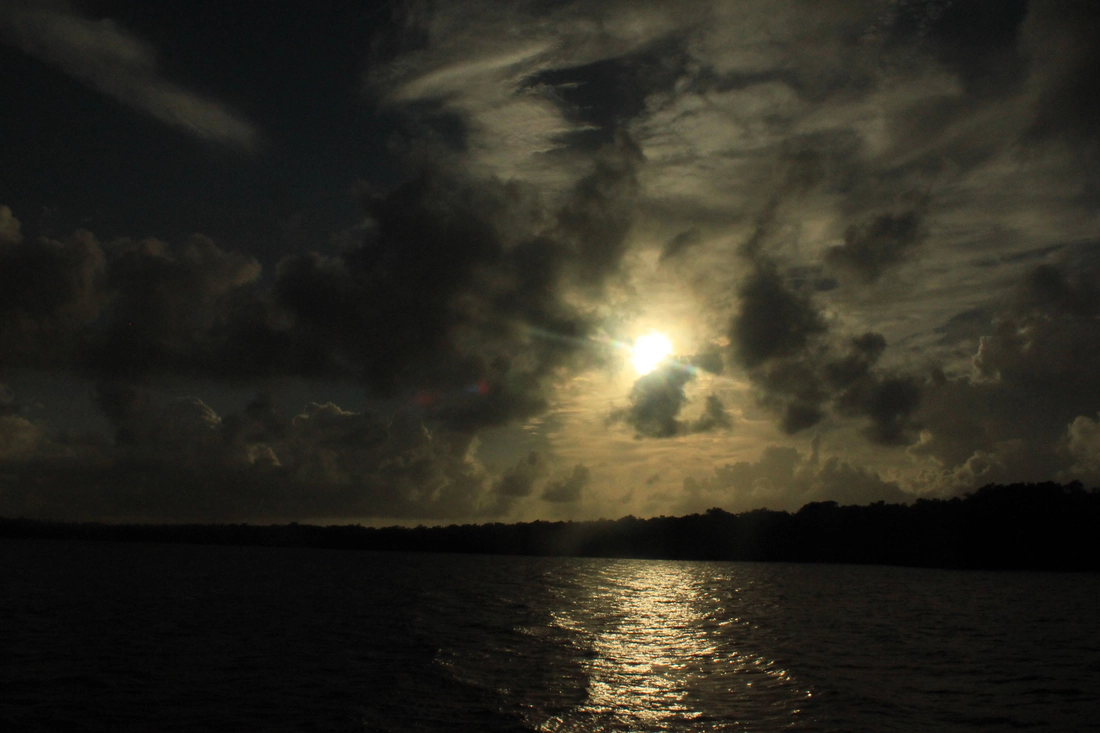
World War II, a new charter and two national parks
In World War II, the armed forces sent thousands of troops here to train. After the war, many came back with their families and settled here permanently. In November 1956, Florida voters statewide approved an amendment to the state constitution meant to give the county a new kind of government. The county's new charter took effect on July 20, 1957.
After Ernest Coe moved to Miami in 1925, he devoted his life to the Everglades park project. A law approved on May 30, 1934, allowed for a park covering 2,164,480 acres. On December 6, 1947, Everglades National Park was formally dedicated by President Harry S Truman.
Thirteen local landowners voted in 1961 to form a city called Islandia. In 1962, a plan was announced for Seadade, a large industrial seaport. The plan called for dredging a channel 40 feet deep across the shallow, clear water of Biscayne Bay. Biscayne National Monument was created by a law that President Lyndon B. Johnson signed on October 18, 1968. Congress later enlarged it and made it Biscayne National Park, effective June 28, 1980.
Sources: Miami-Dade County: About Miami-Dade County; Miami-Dade County: General Information Relative to Miami-Dade County, Florida; National Park Service: Park Establishment (Everglades National Park); National Park Service: The Birth of Biscayne National Park; GovInfo: Biscayne National Park
Next: Chapter 9, Refugees from Cuba and Haiti →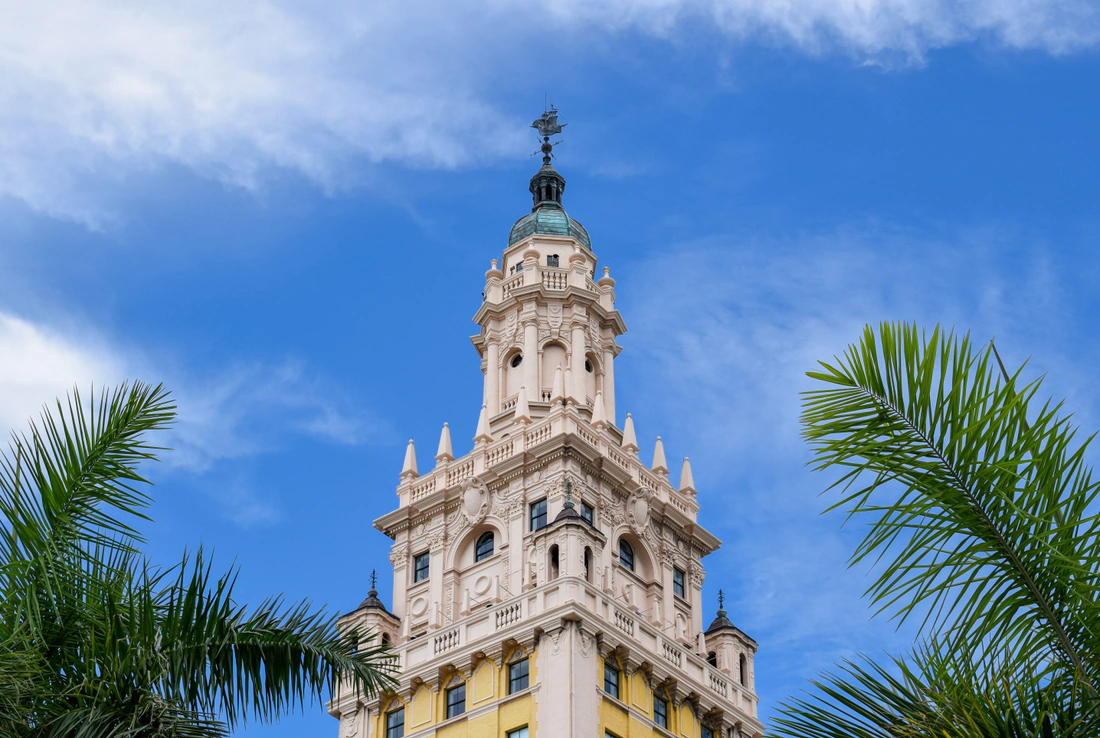
Refugees from Cuba and Haiti
Thousands of Cuban refugees began arriving here in the 1960s. Operation Pedro Pan brought more than 14,000 children to South Florida from December 1960 to October 1962. Parents asked for the program because they did not want their children to receive Communist indoctrination. The program was the work of James Baker and of Monsignor Bryan O. Walsh, who served the Archdiocese of Miami. From 1961 to 1966, thousands of these children were sheltered at the Florida City Shelter of the Catholic Welfare Bureau's Cuban Children's Program.
From 1962 to 1974, the Freedom Tower in Miami was the Cuban Refugee Center, also called El Refugio. There, refugees were given ID cards, medical care, money and food aid, and job leads. The Cuban Refugee Program registered almost 495,000 people from 1961 to 1981.
Starting in April 1980, 125,000 Cubans left the Port of Mariel and came to South Florida. The University of Miami Libraries say their arrival had long-term effects on society, race relations, the economy and culture in Miami and beyond. Haitians fleeing their country came here in the 1990s, hoping to find a better life.
Sources: Miami-Dade County: About Miami-Dade County; Florida Department of State historical marker: Operation Pedro Pan; Florida Department of State historical marker: Freedom Tower; University of Miami Libraries: El efecto Mariel: Before, During, and After
Next: Chapter 10, Art Deco, Hurricane Andrew and a new name →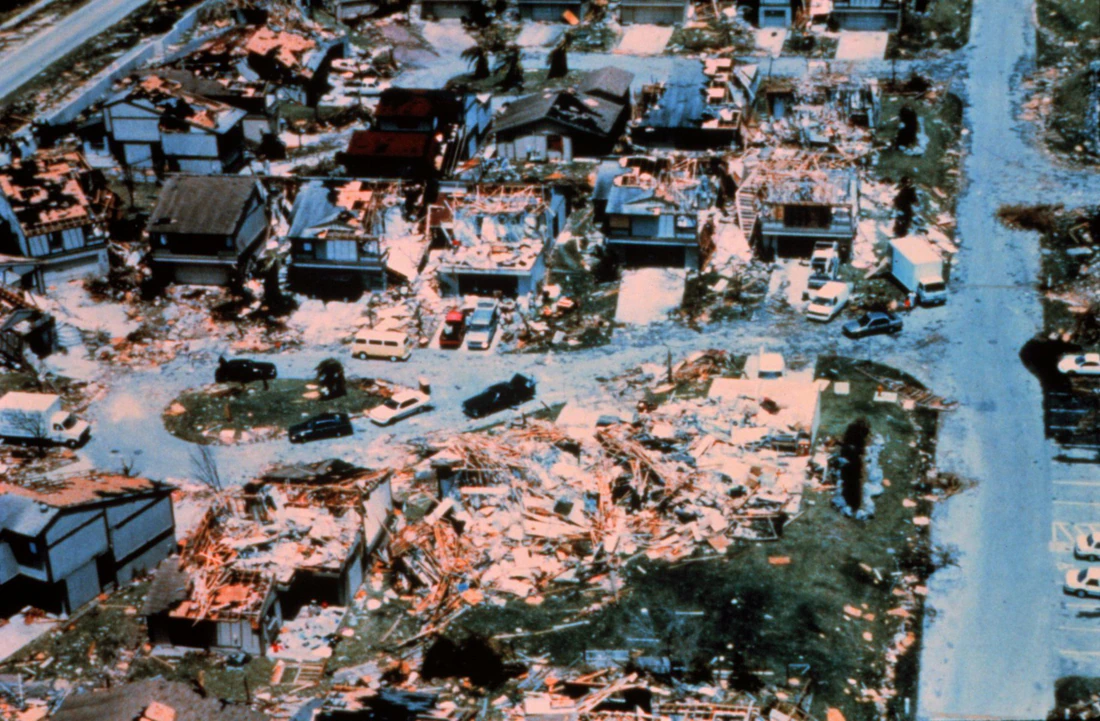
Art Deco, Hurricane Andrew and a new name
Barbara Baer Capitman founded the Miami Design Preservation League in 1976. The Miami Beach Architectural District, also called the Art Deco District, was listed on the National Register of Historic Places on May 14, 1979, with Capitman leading the effort. A state historical marker says no other urban historic district from the 20th century had been listed before it.
Hurricane Andrew struck the south end of the county before dawn on Monday, August 24, 1992. Its sustained winds reached 165 mph, and it was a Category 5 storm when it made landfall. It came ashore at Fender Point, which is in Biscayne National Park. In southern Dade County, about 49,000 homes were destroyed and about 108,000 more were damaged. In mainland South Florida, 15 deaths were caused directly by Andrew and 28 indirectly.
Voters chose the name Miami-Dade for the county on November 13, 1997. Then the Board of County Commissioners passed an ordinance to carry out the change.
Sources: Florida Department of State historical marker: Barbara Baer Capitman, Historic Preservationist; National Weather Service Miami: Andrew; University of South Florida, Florida Center for Instructional Technology: Exploring Florida Miami-Dade County Maps; The Florida Senate: House Bill 9137 (1999), bill text as filed
Next: Chapter 11, Since 1997: Art Basel, Heat titles and a Grand Prix →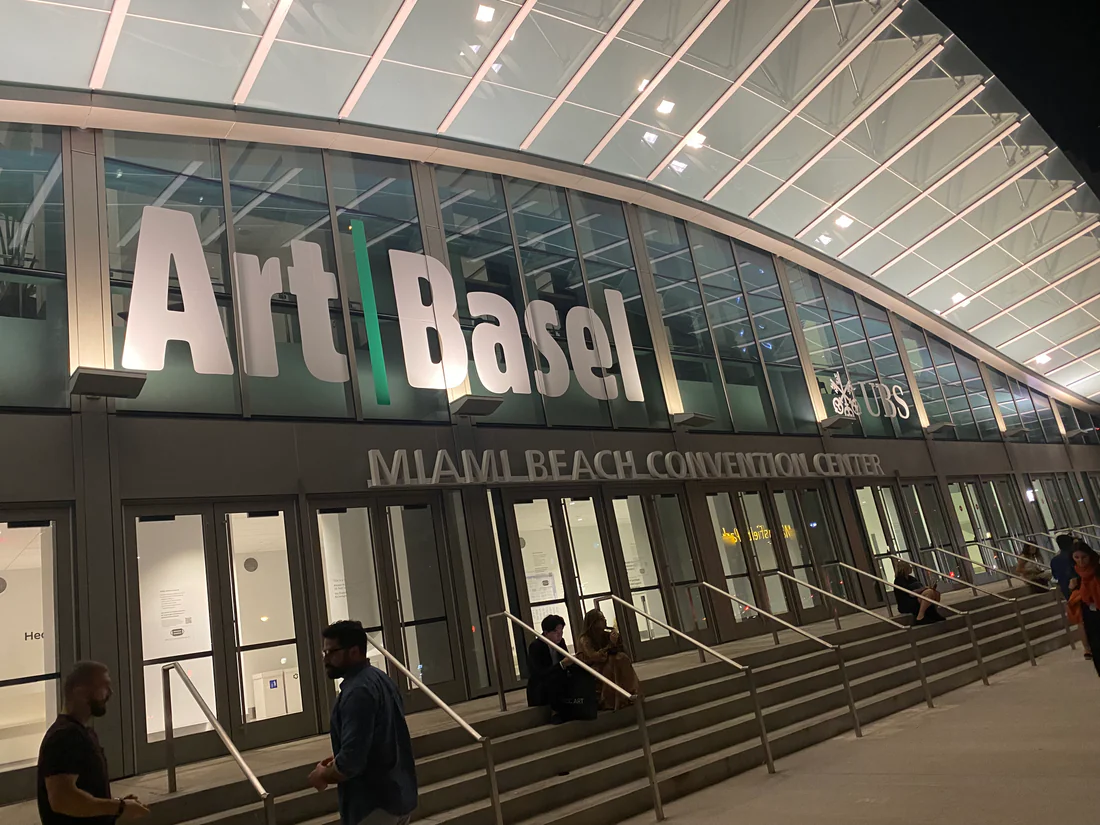
Since 1997: Art Basel, Heat titles and a Grand Prix
Art Basel Miami Beach, an international art show, was first held in December 2002. The Adrienne Arsht Center for the Performing Arts opened in downtown Miami in 2006. On December 4, 2013, the Pérez Art Museum Miami opened a new building in Museum Park, designed by the architects Herzog & de Meuron. The Phillip and Patricia Frost Museum of Science opened in the same park in May 2017. Its four buildings hold a planetarium and a large aquarium.
On July 28, 2012, Miami-Dade Transit opened its 23rd Metrorail station, at Miami International Airport. The PortMiami Tunnel opened to drivers on August 3, 2014. It takes cargo trucks and cruise buses off crowded downtown streets. On October 27, 2025, the county launched Metro Express, which it calls its first all-electric bus rapid transit service.
The Miami Heat won their first NBA title in 2006. On June 20, 2013, the Heat beat the San Antonio Spurs in a seventh game to win the title for the second year in a row. On May 8, 2022, Max Verstappen won the first Formula One Miami Grand Prix. The 3.36-mile track was built around Hard Rock Stadium. Dwyane Wade was on the starting grid that day, taking selfies.
Sources: Artnet Magazine: Maximum Miami, by Walter Robinson (review of the first Art Basel Miami Beach, December 2002); Smithsonian Magazine: Miami Splash, by Phoebe Hoban (December 2007); Adrienne Arsht Center: Fact Sheet; Pérez Art Museum Miami: Pérez Art Museum Miami Welcomes its One-Millionth Visitor; Frost Science: Museum History; Miami-Dade Transit: Opening of the Metrorail MIA Station (release, July 2012); WLRN: PortMiami Tunnel Is Now Open To Drivers; Federal Highway Administration: Project Profiles, Port of Miami Tunnel; Miami-Dade County: Metro Express Bus Rapid Transit Service; NBA.com: A look at the Heat's previous 6 trips to the NBA Finals; Sports Illustrated: Heat repeat as champions, beating Spurs in 7 games to win 2013 NBA Finals (June 21, 2013); Associated Press, on WKMG News 6 ClickOrlando: Verstappen cruises to win in inaugural Miami Grand Prix (May 8, 2022)
Next: the whole story, in dates →The whole story, in dates
Nomads who move with herds of big game may already be living here.
Juan Ponce de León comes to the area.
A Spanish mission goes up on the north bank of the Miami River.
The United States buys Florida from Spain.
The Cape Florida Lighthouse is lit for the first time.
Bahamian lands on the Miami River are now a slave plantation.
Dade County is formed, but sources give different days.
Seminoles attack the Cape Florida Lighthouse.
Seminoles attack Indian Key, the first county seat.
The legislature votes to make Miami the county seat.
Mariah Brown moves from the Bahamas to the United States.
Julia Tuttle arrives from Cleveland and buys 644 acres.
The first train reaches Miami.
Miami becomes an incorporated city.
Miami wins a vote for the county seat over West Palm Beach.
Geder Walker builds the Lyric Theater in Overtown.
Work begins on the Tamiami Trail.
The Great Miami Hurricane crosses South Florida.
The City of Miami hires its first Black police officers, five in all.
Virginia Key Beach opens, for Black residents only.
President Truman dedicates Everglades National Park.
The county's new charter takes effect.
More than 14,000 children come to South Florida through Operation Pedro Pan.
Biscayne National Monument is created.
The Art Deco District is listed on the National Register of Historic Places.
Cubans start leaving the Port of Mariel for South Florida.
An all-white jury acquits the officers in the death of Arthur Lee McDuffie.
Biscayne becomes a national park.
Hurricane Andrew strikes as a Category 5 storm.
Voters rename the county Miami-Dade.
Art Basel Miami Beach is held for the first time.
The Miami Heat win their first NBA title.
The Heat beat the San Antonio Spurs to win the title for the second year in a row.
The Pérez Art Museum Miami opens its new building in Museum Park.
The PortMiami Tunnel opens to drivers.
The Frost Museum of Science opens in Museum Park.
Max Verstappen wins the first Formula One Miami Grand Prix.
Miami-Dade County launches Metro Express, an all-electric bus rapid transit service.
Where you can still see it
 01
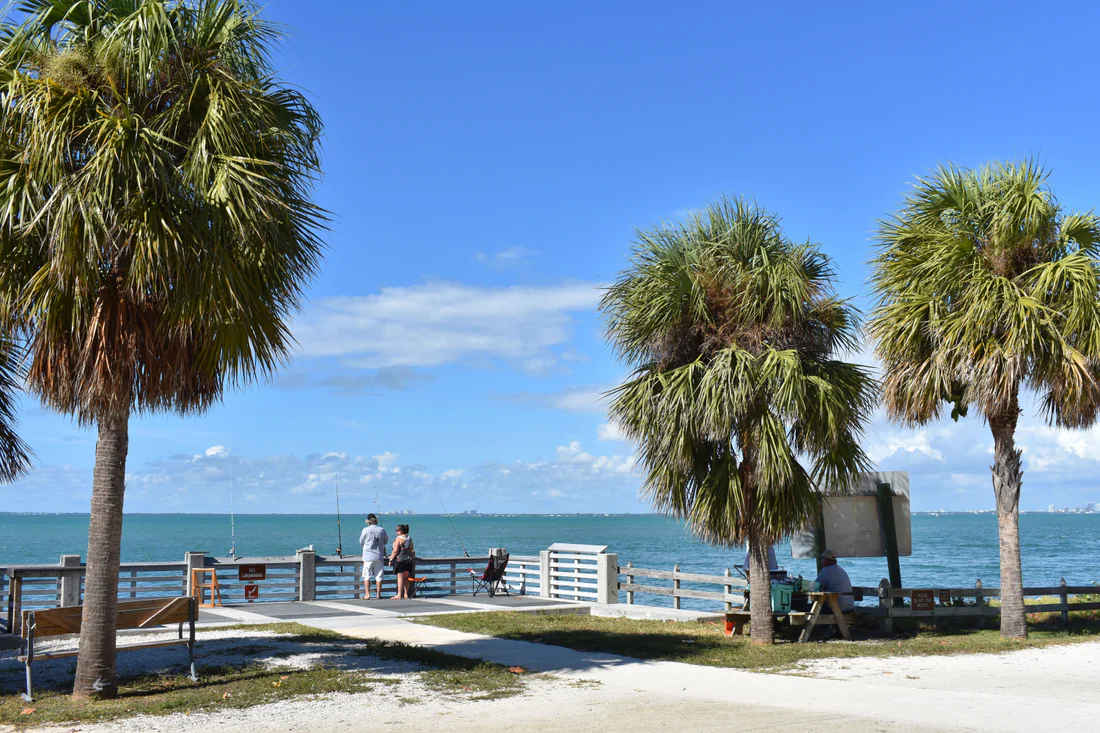
01Bill Baggs Cape Florida State Park
Goes with: A lighthouse, a plantation and war
Open the place page →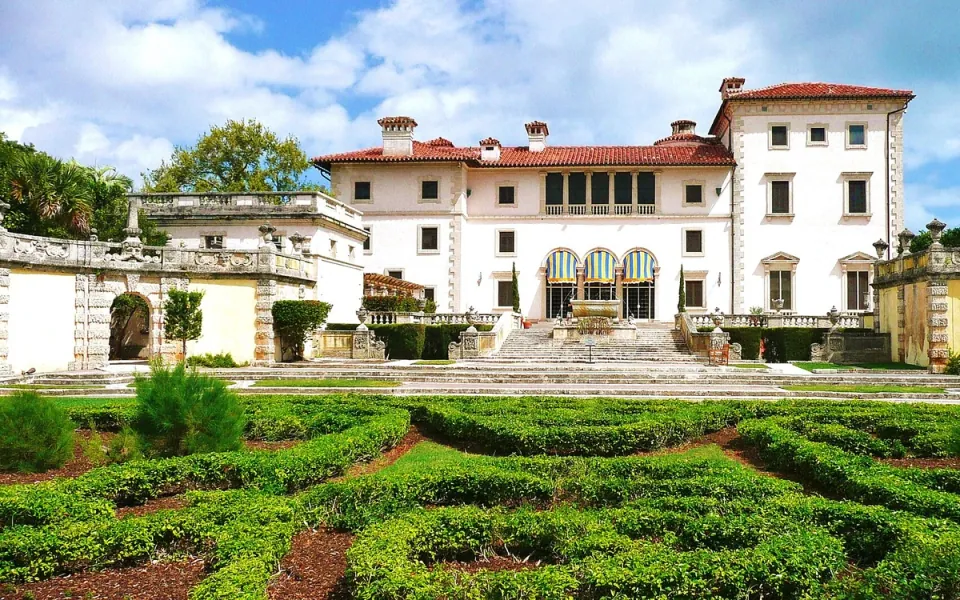 02
02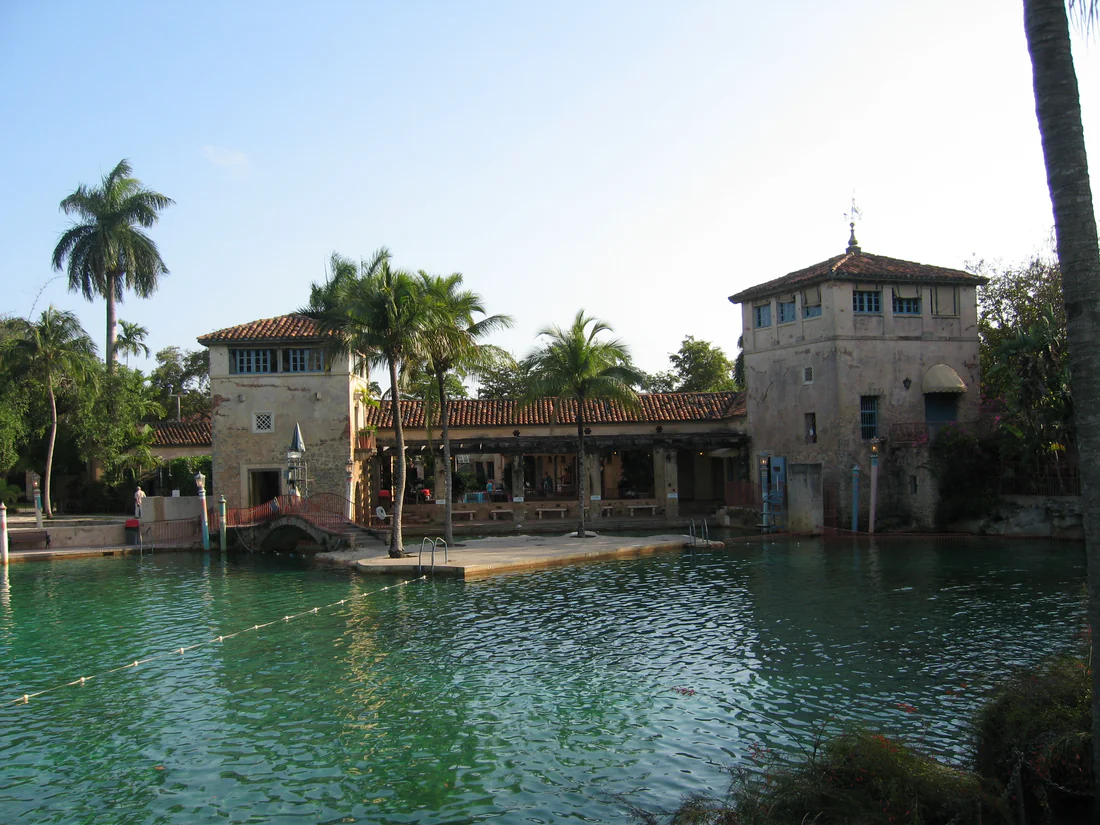 03
03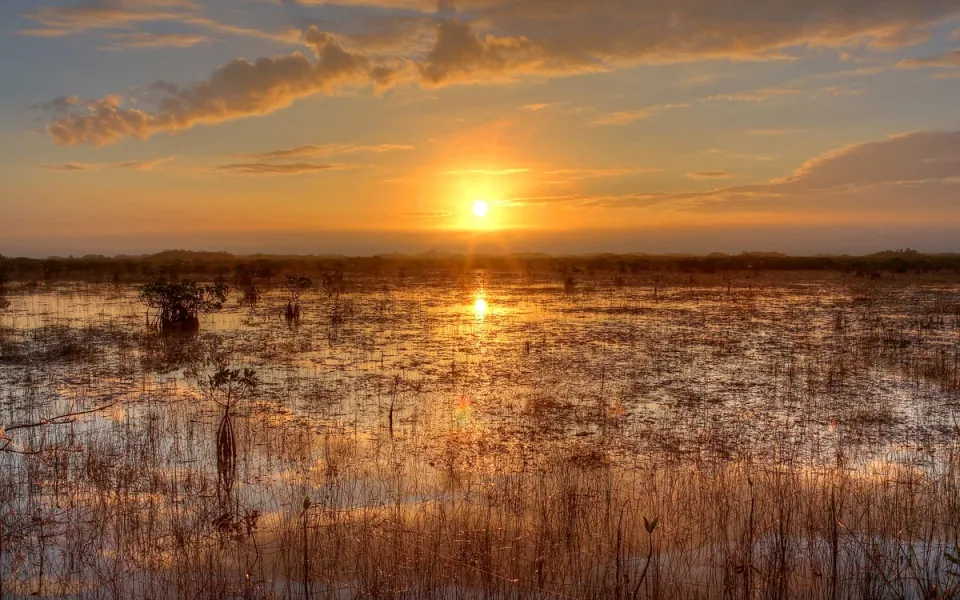 04
04Everglades National Park
Goes with: World War II, a new charter and two national parks
Open the place page →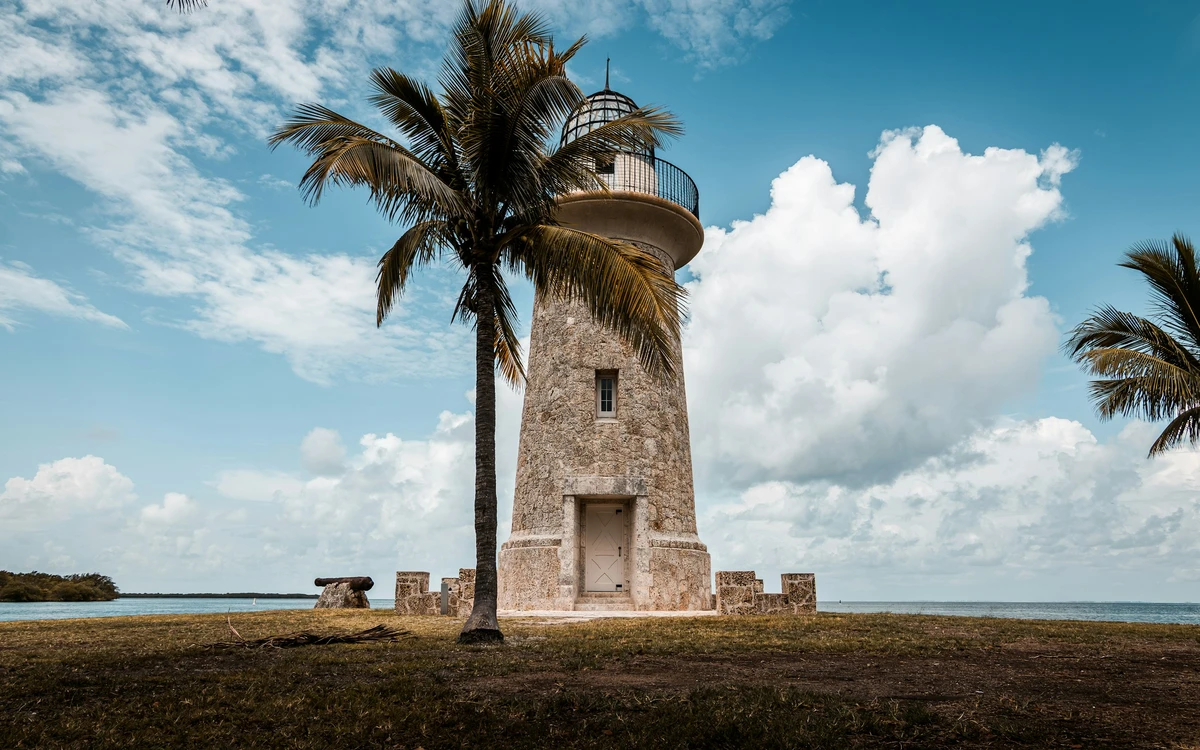 05
05Biscayne National Park
Goes with: World War II, a new charter and two national parks
Open the place page →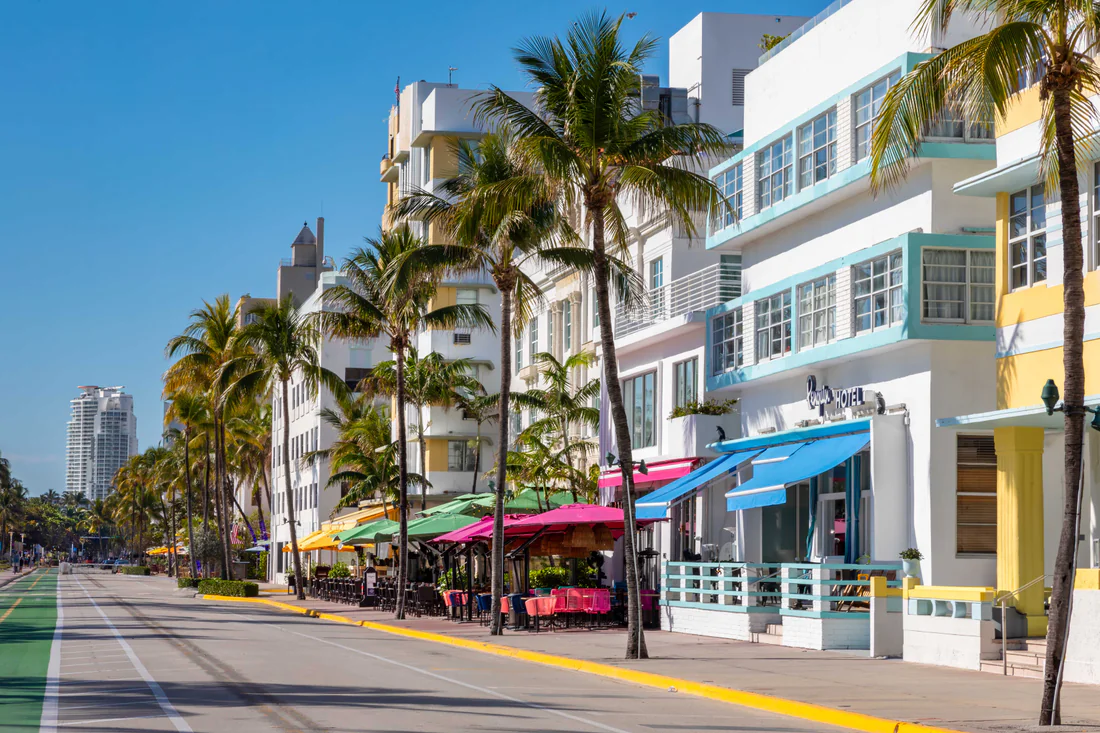 06
06Miami Beach Art Deco Historic District
Goes with: Art Deco, Hurricane Andrew and a new name
Open the place page →Where this comes from.
- Miami-Dade County: About Miami-Dade County ↗ Read October 15, 2026
- Miami-Dade County: General Information Relative to Miami-Dade County, Florida ↗ Read October 15, 2026
- Florida Memory: A County Governed by an Island ↗ Read October 15, 2026
- Florida Memory: Historical Sketch of Dade County ↗ Read October 15, 2026
- Florida Memory: Establishment of Dade County Government ↗ Read October 15, 2026
- University of South Florida, Florida Center for Instructional Technology: Exploring Florida Miami-Dade County Maps ↗ Read October 15, 2026
- The Florida Senate: House Bill 9137 (1999), bill text as filed ↗ Read October 15, 2026
- WLRN: Cape Florida Lighthouse's 200th anniversary will tell amazing history with high-tech touch ↗ Read October 15, 2026
- U.S. Coast Guard History: Cape Florida Lighthouse ↗ Read October 15, 2026
- Florida Memory: Historic Cape Florida Lighthouse at the Bill Baggs Cape Florida State Park in Key Biscayne, Florida ↗ Read October 15, 2026
- University of Florida Libraries: Ingraham Expedition: Fort Dallas ↗ Read October 15, 2026
- Florida Department of State historical marker: Mariah Brown House ↗ Read October 15, 2026
- Florida Department of State historical marker: Coconut Grove ↗ Read October 15, 2026
- Florida Department of State historical marker: Julia Tuttle, Mother of Miami ↗ Read October 15, 2026
- WLRN: Miami's 125th birthday and remembering the city's history ↗ Read October 15, 2026
- Florida Department of State historical marker: Southwest 8th Street and the Tamiami Trail ↗ Read October 15, 2026
- Vizcaya Museum and Gardens: About Main House ↗ Read October 15, 2026
- City of Coral Gables: Venetian Pool History ↗ Read October 15, 2026
- WLRN: Making the City Beautiful: How Bahamians built the iconic Venetian Pool, and Coral Gables ↗ Read October 15, 2026
- Florida Department of State historical marker: Great Miami Hurricane of 1926 ↗ Read October 15, 2026
- Florida Department of State historical marker: Overtown Lyric Theater ↗ Read October 15, 2026
- Florida Department of State historical marker: Historic Negro Police Precinct and Courthouse Museum, The First Five ↗ Read October 15, 2026
- Florida Department of State historical marker: Virginia Key Beach State Park ↗ Read October 15, 2026
- Florida Department of State historical marker: Arthur Lee McDuffie ↗ Read October 15, 2026
- National Park Service: Park Establishment (Everglades National Park) ↗ Read October 15, 2026
- National Park Service: The Birth of Biscayne National Park ↗ Read October 15, 2026
- GovInfo: Biscayne National Park ↗ Read October 15, 2026
- Florida Department of State historical marker: Operation Pedro Pan ↗ Read October 15, 2026
- Florida Department of State historical marker: Freedom Tower ↗ Read October 15, 2026
- University of Miami Libraries: El efecto Mariel: Before, During, and After ↗ Read October 15, 2026
- Florida Department of State historical marker: Barbara Baer Capitman, Historic Preservationist ↗ Read October 15, 2026
- National Weather Service Miami: Andrew ↗ Read October 15, 2026
- Artnet Magazine: Maximum Miami, by Walter Robinson (review of the first Art Basel Miami Beach, December 2002) ↗ Read October 16, 2026
- Smithsonian Magazine: Miami Splash, by Phoebe Hoban (December 2007) ↗ Read October 16, 2026
- Adrienne Arsht Center: Fact Sheet ↗ Read October 16, 2026
- Pérez Art Museum Miami: Pérez Art Museum Miami Welcomes its One-Millionth Visitor ↗ Read October 16, 2026
- Frost Science: Museum History ↗ Read October 16, 2026
- Miami-Dade Transit: Opening of the Metrorail MIA Station (release, July 2012) ↗ Read October 16, 2026
- WLRN: PortMiami Tunnel Is Now Open To Drivers ↗ Read October 16, 2026
- Federal Highway Administration: Project Profiles, Port of Miami Tunnel ↗ Read October 16, 2026
- Miami-Dade County: Metro Express Bus Rapid Transit Service ↗ Read October 16, 2026
- NBA.com: A look at the Heat's previous 6 trips to the NBA Finals ↗ Read October 16, 2026
- Sports Illustrated: Heat repeat as champions, beating Spurs in 7 games to win 2013 NBA Finals (June 21, 2013) ↗ Read October 16, 2026
- Associated Press, on WKMG News 6 ClickOrlando: Verstappen cruises to win in inaugural Miami Grand Prix (May 8, 2022) ↗ Read October 16, 2026