The Territorial Legislature created Hernando County in 1843 and named it for the Spanish conquistador Hernando de Soto. Brooksville is the county seat. Its famous Weeki Wachee mermaids gave their first underwater show on October 13, 1947. Its history goes back thousands of years, to Indigenous peoples and to Paleoindians who passed through Chinsegut Hill.
This page tells the story in order, from the first peoples to the depot museum, the mermaid state park and Nova's return, then lists places in the county where you can still see it. The sources for each part are named at the end of that part, and all of them are listed at the bottom of the page.
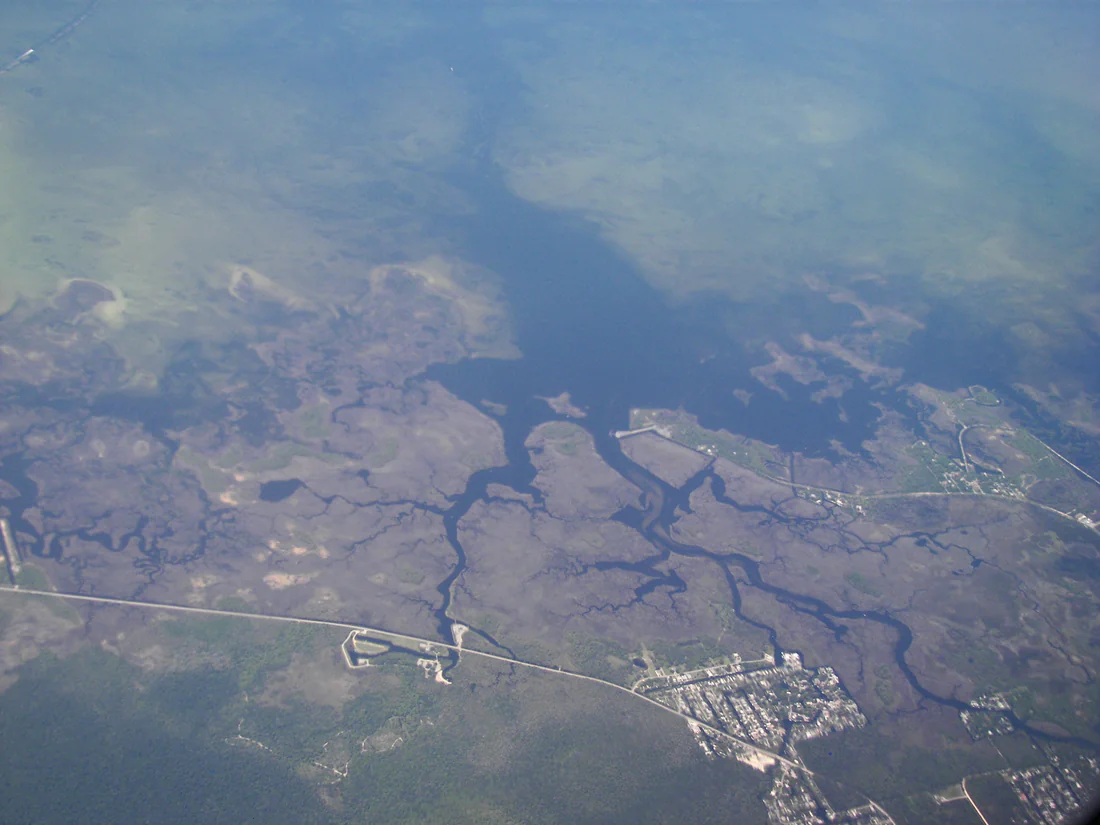
The First Peoples
People used the area around Weeki Wachee Springs for thousands of years. Digs at Chinsegut Hill show that Paleoindians once passed through. People of the Safety Harbor culture were there from about A.D. 1300 to 1725. They fished, made camps and used the river to reach the Gulf of Mexico. In 1969 an important Indigenous burial mound was found near the spring.
In 1767 Upper Creek people from Alabama, who spoke Muskogee, settled near what is now Brooksville. The British surveyor Bernard Romans called the town New Yufala. Its later name, Chocochatti, means Red House or Red Town. The state marker says this is where the Upper Creeks became Florida Seminoles.
The Chocochatti Seminoles hunted deer for trade, farmed and raised cattle. For nearly 70 years the town and its prairie were home to them, in the region known as the Big Hammock.
Sources: Weeki Wachee Springs State Park: A Navy Frogman, an Underwater Theater and Florida's Mermaid Tradition; 83 Degrees Media: Chinsegut Hill: An extraordinary view of history; Florida Department of State: Chocochatti historical marker
Next: Chapter 2, Spain, Britain and the Seminole Wars →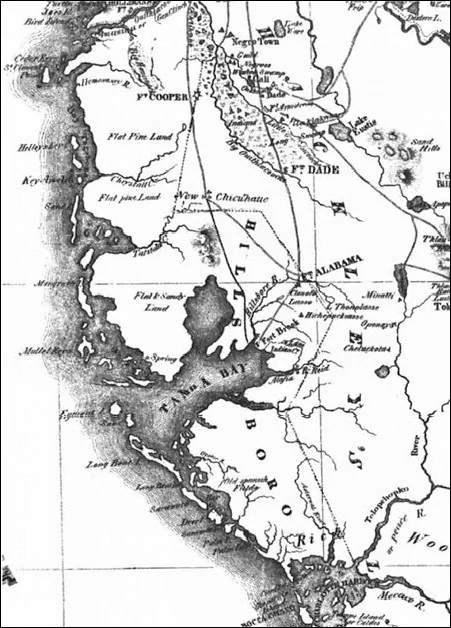
Spain, Britain and the Seminole Wars
In 1539 the expedition of Hernando de Soto landed at Tampa Bay and then marched through the region. Spain held Florida as a military defense post during the First Spanish Period, from 1565 to 1763. Britain took control in 1763, and farming for trade grew in importance. Spain took Florida back in 1783.
In 1818 Andrew Jackson led a campaign against the Seminoles in North Florida, which helped the United States gain Florida from Spain in 1821. By 1836, as the Second Seminole War began, the Chocochatti Seminoles led by Fuche Luste Hadjo, known as Black Dirt, chose to move to what is now Oklahoma. Others stayed to fight and were pushed into South Florida.
The Second Seminole War, from 1835 to 1842, drove the Indians from Central Florida. Around 1840 Fort DeSoto was established a little northeast of where Brooksville is now. Its job was to protect settlers from the Indians. The Armed Occupation Act was signed into law on August 4, 1842. It encouraged settlers to live on, clear and use as much as 160 acres of remote land, and it opened the area to settlement.
Sources: West Pasco Historical Society: Early Hernando County History; Florida Department of State: Bayport's Early Historic Period/Post Civil War Era historical marker; Florida Department of State: Chocochatti historical marker; University of Central Florida RICHES: Hernando County Collection
Next: Chapter 3, Hernando County Is Created →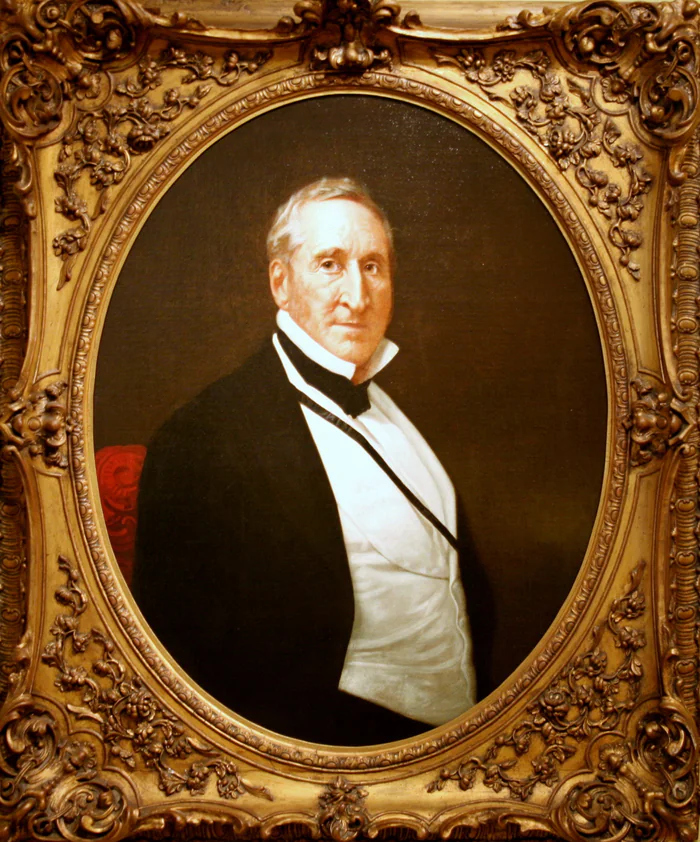
Hernando County Is Created
The Territorial Legislature created Hernando County in February 1843, two years before Florida became a state. It was named for the Spanish conquistador Hernando de Soto. Its land came from the south end of Alachua County and from Hillsborough and Mosquito counties. At first it also took in all of what are now Pasco and Citrus counties.
In 1844 lawmakers renamed it Benton County to honor Thomas Hart Benton, a senator from Missouri. The state marker says his moderate stand on the Missouri Compromise led lawmakers to change the name back. The governor approved the bill restoring the name Hernando on December 24, 1850.
At first, Hernando residents went to court at Newnansville in Alachua County, until a county seat was set up at DeSoto, now Brooksville. From 1854 to 1856 the county seat was at Bayport. The seat moved on to Pierceville and finally to Brooksville.
On December 27, 1856, the governor signed a law moving the courthouse to Brooksville. The West Pasco Historical Society's timeline records that in May 1856 Preston Brooks, a South Carolina congressman, attacked the abolitionist senator Charles Sumner with his cane, and that later that year residents picked Brooksville as the new name for the county seat.
Sources: Florida Department of State: Hernando County historical marker; University of Central Florida RICHES: Hernando County Collection; West Pasco Historical Society: Early Hernando County History; Fifth Judicial Circuit of Florida: Hernando County Courthouse; Florida Department of State: Bayport's Early Historic Period/Post Civil War Era historical marker
Next: Chapter 4, Plantations and the Port at Bayport →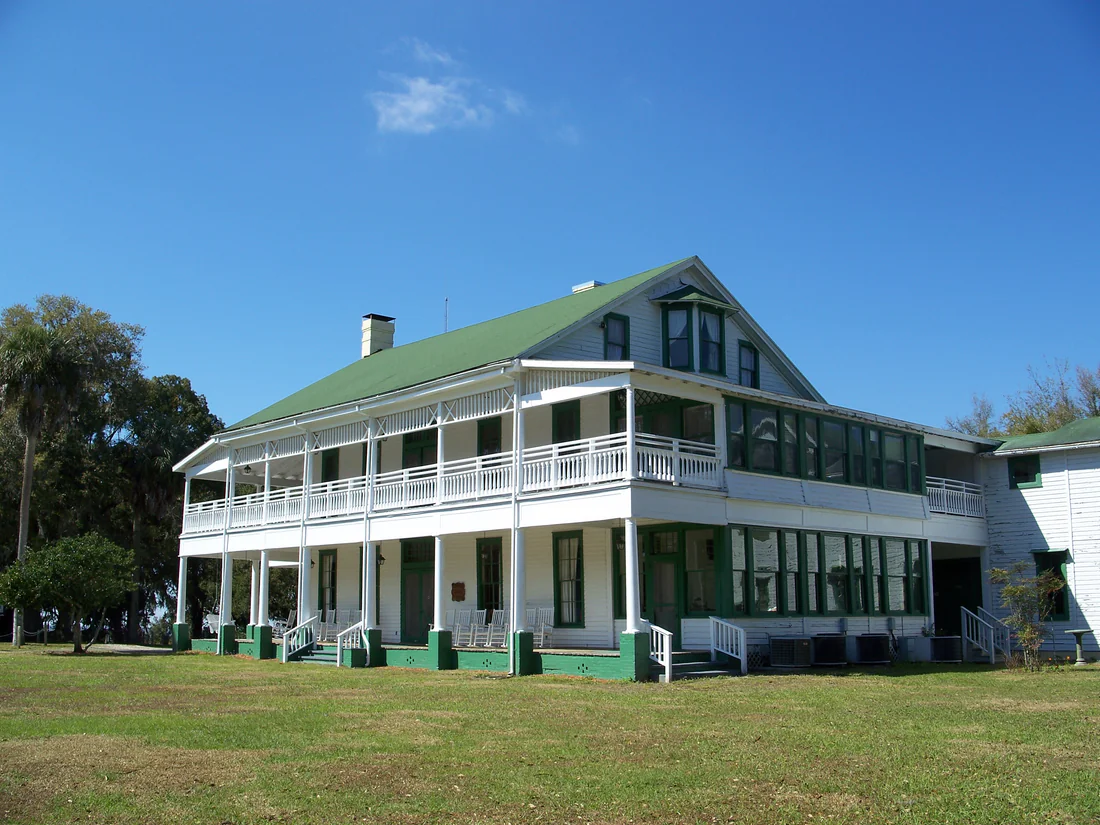
Plantations and the Port at Bayport
In 1842 Bird M. Pearson, a South Carolinian, claimed 5,000 acres and named the land Tiger Tail Hill. He built the east wing of the manor house in 1847, and later residents added to it beginning in 1852. He grew citrus and sugarcane and raised cattle. The state marker counts it among Florida's few plantations still standing and among the oldest houses in the county. An 1850 count found 604 white people and 322 enslaved Black people in the county.
John Parsons, who had served in a war and came from New Hampshire, built a big house at Bayport in 1852. The house later served as a general store and post office. He went on to build a wharf, a causeway, a lighthouse and a custom house. Working with David Levy Yulee, Parsons hauled goods from Brooksville by wagon to Bayport, where they were shipped to Cedar Key and then carried by railroad to Fernandina Beach. The main exports were cotton, farm produce and timber.
Before the Civil War, cedar cut from local trees was shipped from Bayport and widely used for pencils. By 1861 Bayport had grown to roughly 40 homes, along with warehouses, a wharf and a customs house.
Sources: Florida Department of State: Chinsegut Hill historical marker; West Pasco Historical Society: Early Hernando County History; Florida Department of State: Bayport's Early Historic Period/Post Civil War Era historical marker; Florida Department of State: Bayport in the Civil War/Battle of Bayport historical marker
Next: Chapter 5, The Civil War at Bayport and Brooksville →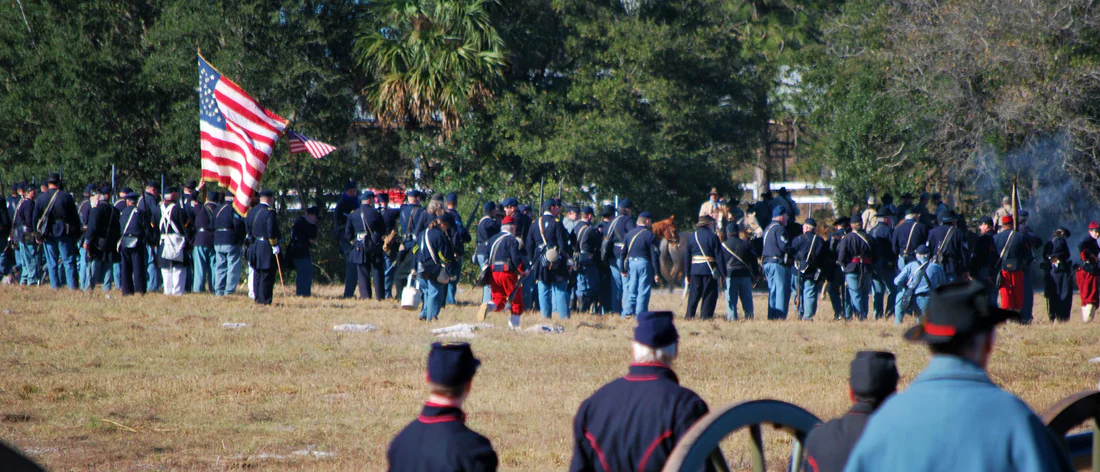
The Civil War at Bayport and Brooksville
Food, cotton and lumber from the county went to the Confederacy during the Civil War. Bayport shipped beef and salt to Confederate soldiers. The Union blockade pushed blockade runners to small, quiet ports such as Bayport, for runs between the Gulf coast and Cuba. Between 1862 and 1865, Union ships caught eleven blockade runners near Bayport.
On April 2, 1863, seven boats from Union warships attacked Bayport. The Confederates hid four blockade runners in a creek close by, but Union forces captured the crew of the schooner Helen and burned the ship. On September 14, 1863, Union boats went after a British side-wheel steamer flying a French flag, and the Confederates burned it themselves.
In 1864 a Union expedition marched north from the Anclote River toward Brooksville and defeated Confederate troops gathered in haste to protect the town. Locally, the fight is called the Brooksville Raid. The troops then went on to Bayport, where they joined a force landed from gunboats and sacked the Confederate operations. In 2014 the Tampa Bay Times reported that a couple of thousand reenactors gathered at Spring Hill every January to mark the raid. Archaeologists from the Gulf Archaeology Research Institute located the old harbor and the Confederate positions in 2014 and 2015, just north of Bayport County Park.
Sources: University of Central Florida RICHES: Hernando County Collection; Florida Department of State: Bayport's Early Historic Period/Post Civil War Era historical marker; Florida Department of State: Bayport in the Civil War/Battle of Bayport historical marker; West Pasco Historical Society: Early Hernando County History; Tampa Bay Times: Brooksville Raid helped Union in Civil War 150 years ago
Next: Chapter 6, After the War: Schools, Cedar and a New City →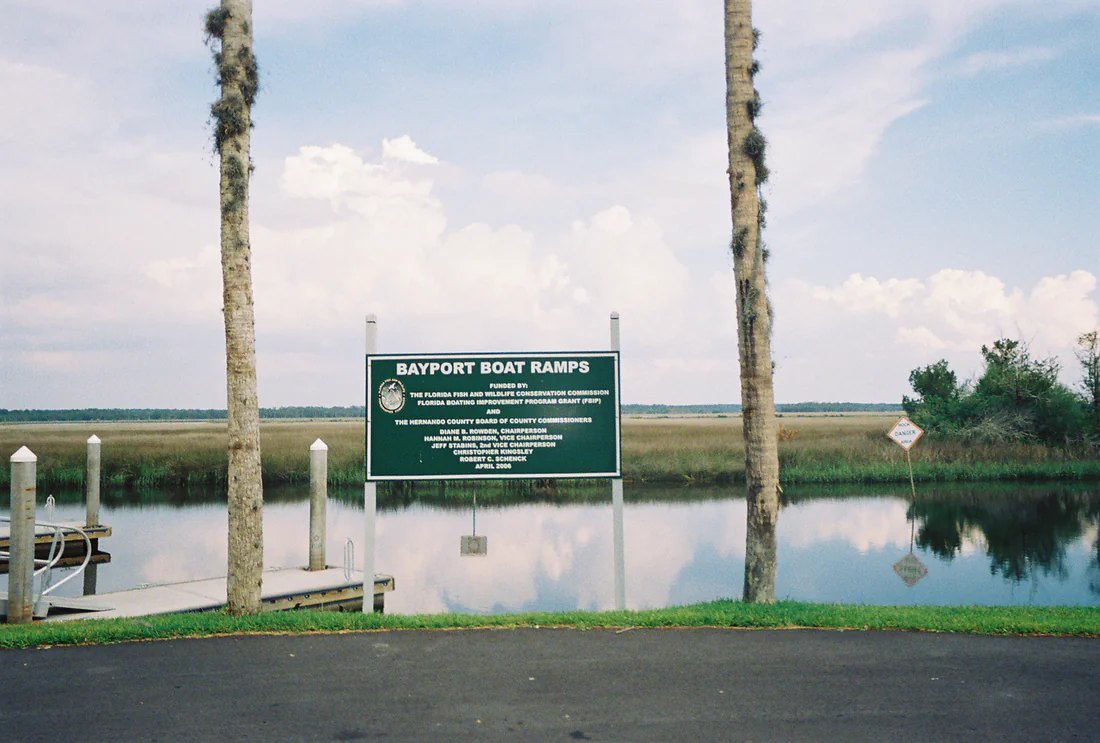
After the War: Schools, Cedar and a New City
Much of Bayport had to be built again after the war. In 1866 the Eberhard Faber Pencil Company, based in New York, bought 40 acres at Bayport. Cut cedar was floated to Bayport on the Weeki Wachee River and shipped from there to Cedar Key.
A Black school was meeting in Brooksville from March to June 1868, with some support from the Freedmen's Bureau. It had 35 students, 14 male and 21 female, and one Black teacher. The school district traces Moton School to the Brooksville School Society, which began in 1868 and had Mrs. Hagler as its teacher. The West Pasco Historical Society puts the society's first school a year earlier, in 1867. It became a public school in 1871.
Joseph Hale had given land for a wooden courthouse in 1855, and it stood until fire destroyed it in 1877. Brooksville, founded in 1856, was incorporated as a city in 1880. In 1887 the Florida Legislature divided the county and formed Citrus and Pasco counties from parts of it, leaving Hernando with the borders it has now. Hernando High School says it was founded in 1889.
Sources: Florida Department of State: Bayport's Early Historic Period/Post Civil War Era historical marker; West Pasco Historical Society: Early Hernando County History; Hernando County School District: Moton Elementary Facts; Fifth Judicial Circuit of Florida: Hernando County Courthouse; City of Brooksville: Good Neighbor Trail Concept Plan; University of Central Florida RICHES: Hernando County Collection; Florida Department of State: Hernando County historical marker; Hernando High School: Welcome to Our School
Next: Chapter 7, The Railroad Comes to Brooksville →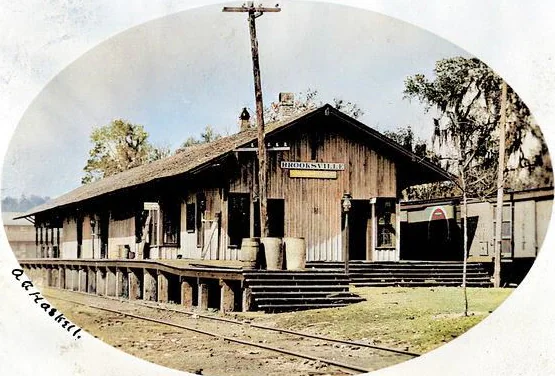
The Railroad Comes to Brooksville
In 1885 Brooksville was a town of 500 people, and goods and travelers came and went by stagecoach and horse-drawn wagon. Four businessmen set up the Brooksville Railroad Association. They paid $20,000 to the Florida Southern Railway Company to bring the line to Brooksville. The state marker calls the building the 1885 Train Depot, but a City of Brooksville trail plan says the depot dates from 1886. Builders used yellow pine, cedar and cypress from the area, and the depot had its own telegraph office.
The depot was segregated in the Jim Crow era, yet it was a busy gathering place for Black and white residents alike. The railroad opened wider markets for lumber, turpentine, citrus, phosphate and even livestock from the area. Locals rode a train called the Brooksville Short 10 miles to Croom to swim and picnic at the Withlacoochee River. The Croom area is now part of the Withlacoochee State Forest.
Bayport stayed a major export port until 1885, when the railroad reached Brooksville. The present Hernando County Courthouse in Brooksville dates from 1913. By 1933 cars had taken over from passenger trains.
Sources: Florida Department of State: 1885 Train Depot historical marker; City of Brooksville: Good Neighbor Trail Concept Plan; Florida State Parks: Withlacoochee State Trail History; Florida Department of State: Bayport's Early Historic Period/Post Civil War Era historical marker; Fifth Judicial Circuit of Florida: Hernando County Courthouse
Next: Chapter 8, Chinsegut Hill and the Robins Family →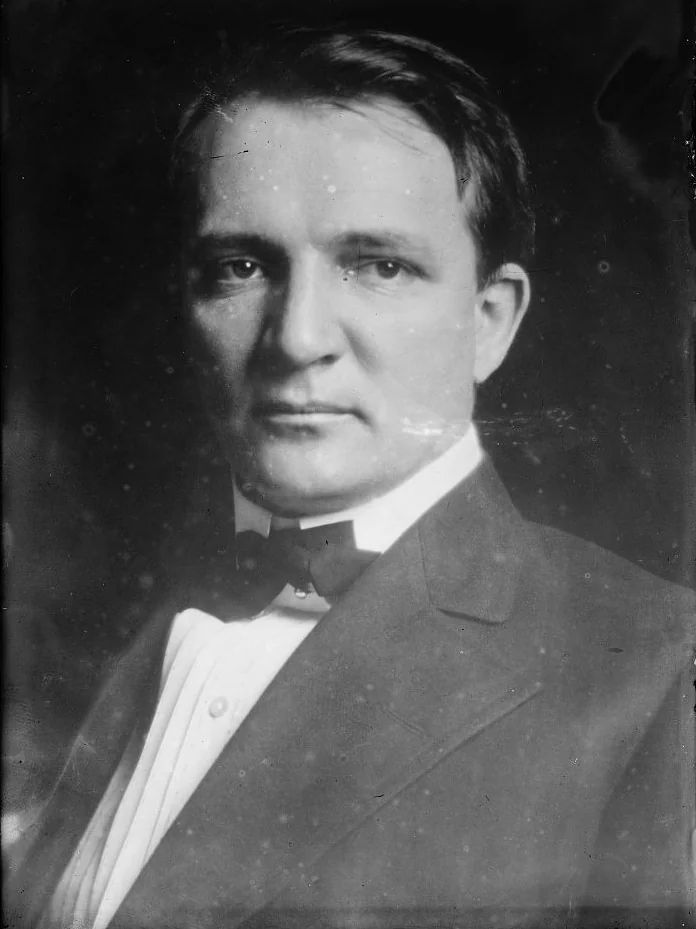
Chinsegut Hill and the Robins Family
In 1904 the Robins family of Chicago bought the old Pearson plantation. Raymond and Margaret Robins named it Chinsegut Hill, which the marker says is Inuit for a place where things that were lost are found. They hired Fielder Harris, who had once been enslaved at Chinsegut, to run the house. The couple used the estate as a place to rest from their campaigns for workers, women and the poor.
Guests at Chinsegut included Thomas Edison, Helen Keller, J.C. Penney, Marjorie Kinnan Rawlings and Senator Claude Pepper and his wife. After heavy losses in the Great Depression, the Robinses gave Chinsegut to the federal government. An experiment station run with the U.S. Department of Agriculture was set up there to help Florida farmers. In return the couple could stay there until they died. New Deal workers built two cabins there in 1933, and a Civilian Conservation Corps camp was set up on the site in the 1930s.
Margaret died in 1945 and Raymond in 1954, and both were buried under the Altar Oak. In 1958 the University of South Florida took over the property as a conference center. In 2023, 83 Degrees Media reported that the Tampa Bay History Center was giving weekend tours of the Chinsegut Hill Historic Site.
Sources: Florida Department of State: Chinsegut Hill historical marker; 83 Degrees Media: Chinsegut Hill: An extraordinary view of history
Next: Chapter 9, The Airfield and the Mermaids →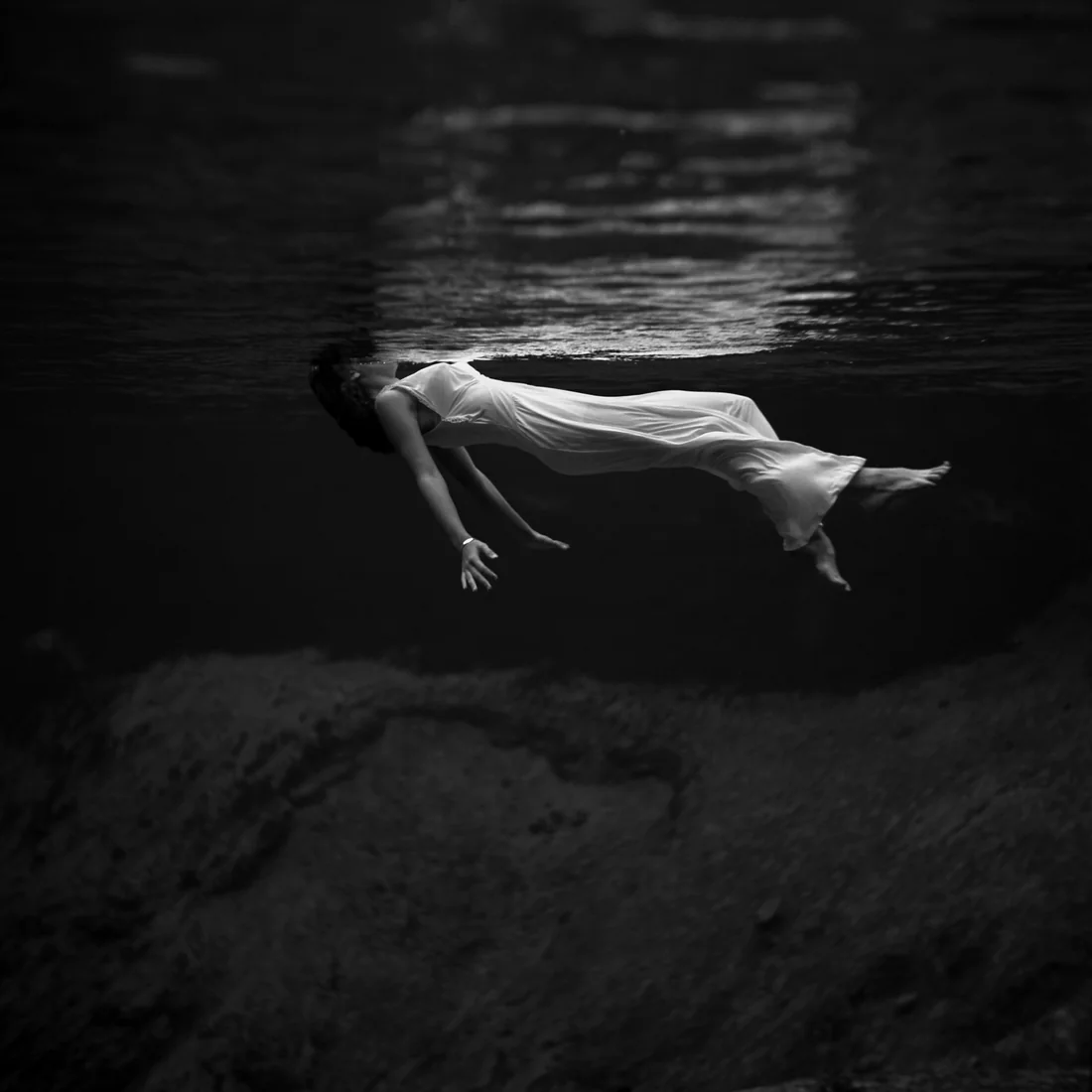
The Airfield and the Mermaids
Early in World War II, Hernando County leaders asked Senator Claude Pepper for a military airfield in the county. The Brooksville Army Airfield opened in November 1942. Young men from four bombardment squadrons trained there to drop bombs, flying B-17 Flying Fortresses, B-24 Liberators, B-25 Mitchells and B-26 Marauders.
Only a concrete gunnery backstop is left of the wartime field, where trainees fired the bombers' machine guns from a hundred yards away. One day pilots from the Zephyrhills field flew low over downtown Brooksville. Brooksville pilots answered by bombing the Zephyrhills field with sacks of flour. When the war ended in 1945, the government gave the field to Brooksville, and it opened as Brooksville Municipal Airport in 1947.
In 1946 Newton Perry bought the Weeki Wachee property. During World War II he had taught Navy frogmen to swim underwater. He chose the spring for an underwater theater, where performers breathed through hidden hoses while audiences watched through thick glass. The mermaids gave their first show on October 13, 1947. In 1959 the American Broadcasting Company bought the springs and built the theater still in use, with 400 seats.
Sources: Florida Department of State: Brooksville Army Airfield Gunnery Backstop historical marker; Museum of Florida History: Brooksville Army Airfield; Florida State Parks: Weeki Wachee Mermaids Need Your Help; Weeki Wachee Springs State Park: A Navy Frogman, an Underwater Theater and Florida's Mermaid Tradition
Next: Chapter 10, Moton School, Civil Rights and Spring Hill →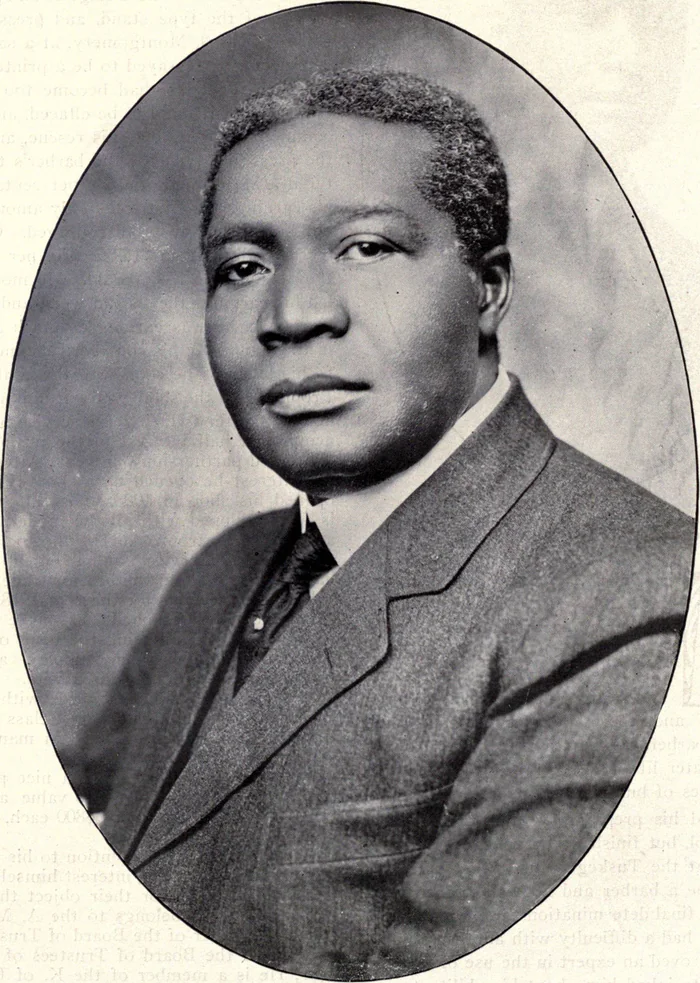
Moton School, Civil Rights and Spring Hill
The school that began with the Brooksville School Society was renamed Moton School in 1939, for Robert Russa Moton, the second president of Tuskegee Institute. Lorenzo Hamilton came to Moton High School in 1965 to teach science, direct athletics and coach the football and basketball teams. In 1968, after desegregation, Hernando High School took in Moton's upper grades. Hamilton was later the first principal of Spring Hill's Springstead High School.
Hazel Mae Land, a Brooksville native, went door to door to start the area's first NAACP chapter. The Hernando Sun calls her the first Black woman to earn a law degree from the University of Florida. As a lawyer she helped the county through the hard years after desegregation.
A 1992 Tampa Bay Times story said that Spring Hill had begun 25 years before as 15 model homes on a two-mile strip of blacktop. Margaret Rogers Ghiotto opened Rogers' Christmas House in Brooksville in 1971, and the Hernando Sun says she was the first woman on the Brooksville City Council. By 1971 the tracks were all gone, and CSX, the last owner, had closed the depot. In December 1989 the state of Florida bought 46 miles of old rail line from CSX Transportation to create the Withlacoochee State Trail. The trail follows a rail line that Henry Plant opened in the late 1800s between Croom and Inverness.
Sources: Hernando County School District: Moton Elementary Facts; Hernando Sun: Brooksville City Council honors Lorenzo Hamilton's legacy; Hernando Sun: Notable Hernando County Women Exemplify the Spirit of Women's History Month, Part Three; Tampa Bay Times: Spring Hill chronology; Florida Department of State: 1885 Train Depot historical marker; Florida State Parks: Withlacoochee State Trail History
Next: Chapter 11, Since 1990: The Depot Museum, a Mermaid State Park and Nova Comes Home →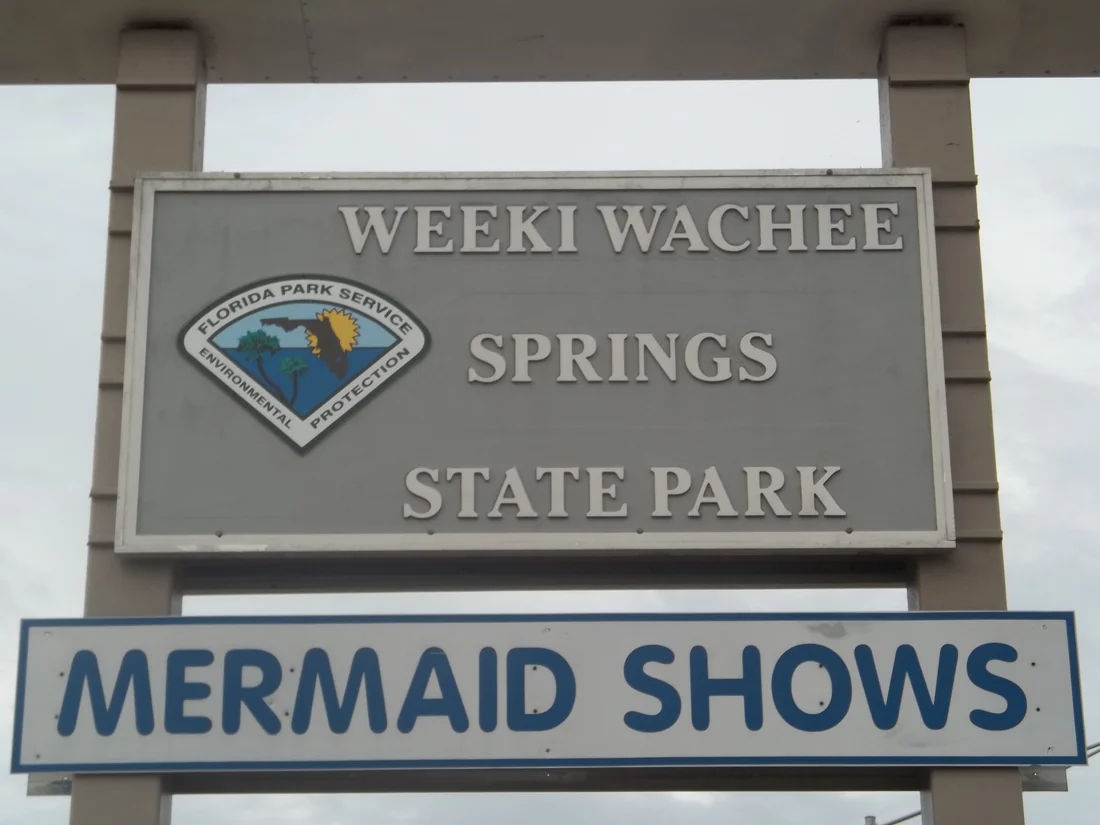
Since 1990: The Depot Museum, a Mermaid State Park and Nova Comes Home
With the building donated by CSX and restored with grants and volunteer work, the depot opened in 1992 as the 1885 Train Depot Museum. Starting in 1997, former mermaids came back to swim in Former Mermaid shows. The State of Florida bought the attraction in 2008 and reopened it as Weeki Wachee Springs State Park. The Newton Perry Underwater Theater was renovated and opened again in May 2019.
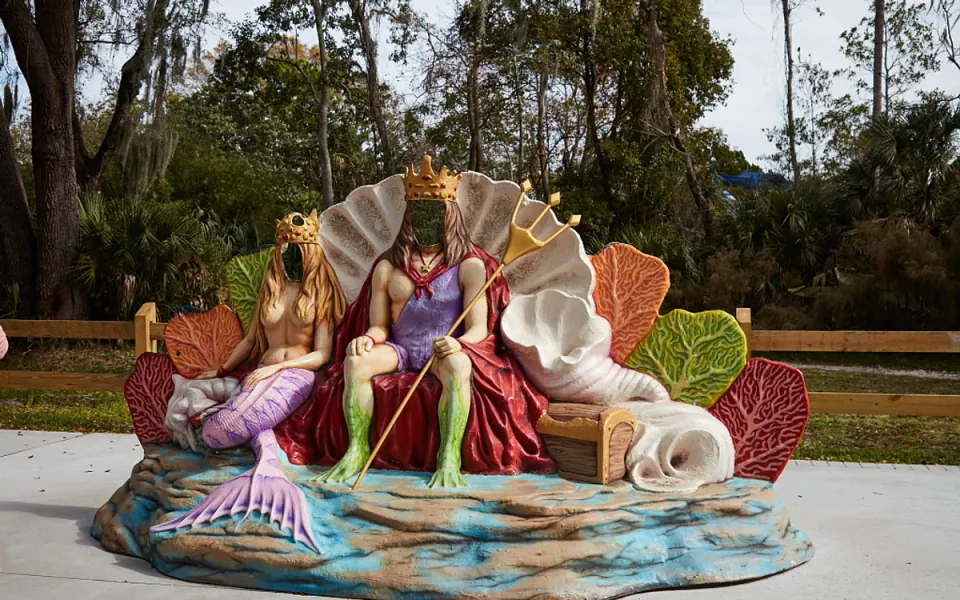
To mark the mermaids' 75th anniversary, local artists hand-painted mermaid statues for a trail meant to lead visitors around the rest of Hernando County. In August 2025 WUSF reported that five women who had been mermaids there in the 1960s, now aged 75 to 79, had swum at Weeki Wachee again. AARP's Wish of a Lifetime program made the swim possible. Their sequined tails weigh about 35 pounds.
Hurricane Helene's surge in 2024 swept away Nova, a metal mermaid statue at Rogers Park on the Weeki Wachee River. John Prout, who lives on the river, found her in his yard early that October. After she was repaired and repainted, the community celebrated her return to Rogers Park in September 2025, on the anniversary of the storm.
Sources: Florida Department of State: 1885 Train Depot historical marker; Weeki Wachee Springs State Park: A Navy Frogman, an Underwater Theater and Florida's Mermaid Tradition; University of Central Florida RICHES: Perry 'Choked Up' At Dedication; Florida State Parks: Weeki Wachee Mermaids Need Your Help; FOX 13 Tampa Bay: Weeki Wachee mermaids celebrate 75 years with 'Mermaid Tail Trail'; WUSF: Tails from deep: Mermaids from Weeki Wachee's past reunite for a nostalgic swim; Tampa Bay 28: Beloved mermaid statue finally returns home after Helene nearly stole her
Next: the whole story, in dates →The whole story, in dates
People of the Safety Harbor culture fish and camp in the Weeki Wachee area.
Hernando de Soto's expedition lands at Tampa Bay.
Upper Creek people from Alabama settle near today's Brooksville.
The Chocochatti Seminoles, led by Black Dirt, choose to move to present-day Oklahoma.
Fort DeSoto is set up northeast of present-day Brooksville.
The Armed Occupation Act becomes law.
The Territorial Legislature creates Hernando County.
The county is renamed Benton County.
The governor approves bringing back the name Hernando.
John Parsons builds his big house at Bayport.
Bayport serves as the county seat.
A new law moves the courthouse to Brooksville.
Union boats attack Bayport.
Union troops win the fight known as the Brooksville Raid.
A Black school meets in Brooksville with help from the Freedmen's Bureau.
Fire destroys the wooden courthouse.
Brooksville is incorporated as a city.
The railroad reaches Brooksville.
The legislature divides the county, forming Citrus and Pasco counties.
Hernando High School is founded.
The Robins family buys the old Pearson plantation.
The present county courthouse dates from this year.
The Brooksville school is renamed Moton School.
The Brooksville Army Airfield opens.
The Weeki Wachee mermaids give their first show.
The University of South Florida takes over Chinsegut Hill.
ABC buys Weeki Wachee Springs.
Hernando High School takes in Moton's upper grades after desegregation.
Margaret Rogers Ghiotto opens Rogers' Christmas House.
The state buys 46 miles of old rail line for the Withlacoochee State Trail.
The 1885 Train Depot Museum opens.
Former Mermaid shows begin.
Weeki Wachee becomes a state park.
The renovated Newton Perry Underwater Theater opens again.
Hurricane Helene's surge sweeps away the Nova mermaid statue.
Five women who were mermaids in the 1960s swim at Weeki Wachee again.
Nova is back at Rogers Park.
Where you can still see it
 01
01Weeki Wachee Springs State Park
Goes with: Since 1990: The Depot Museum, a Mermaid State Park and Nova Comes Home
Open the place page →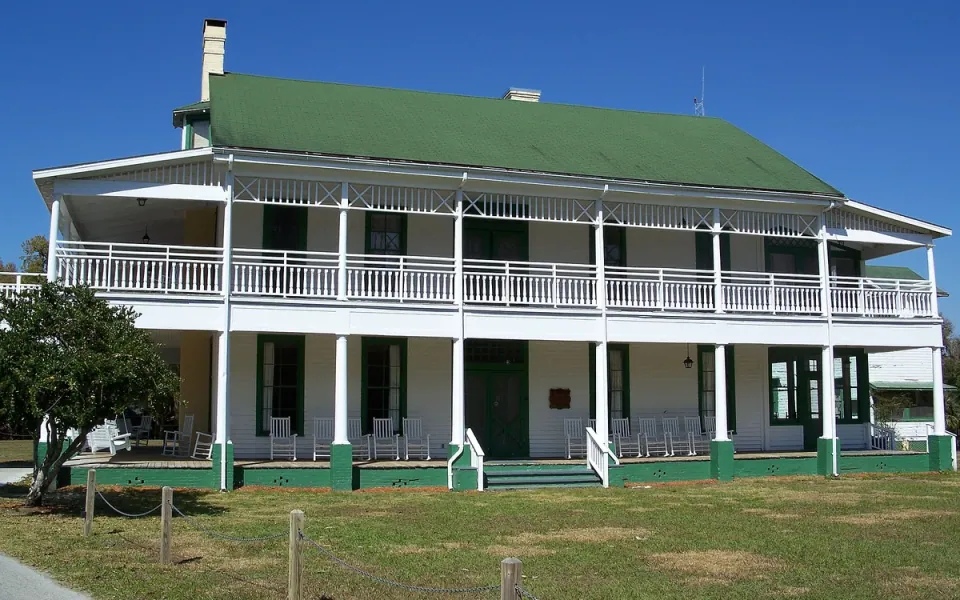 02
02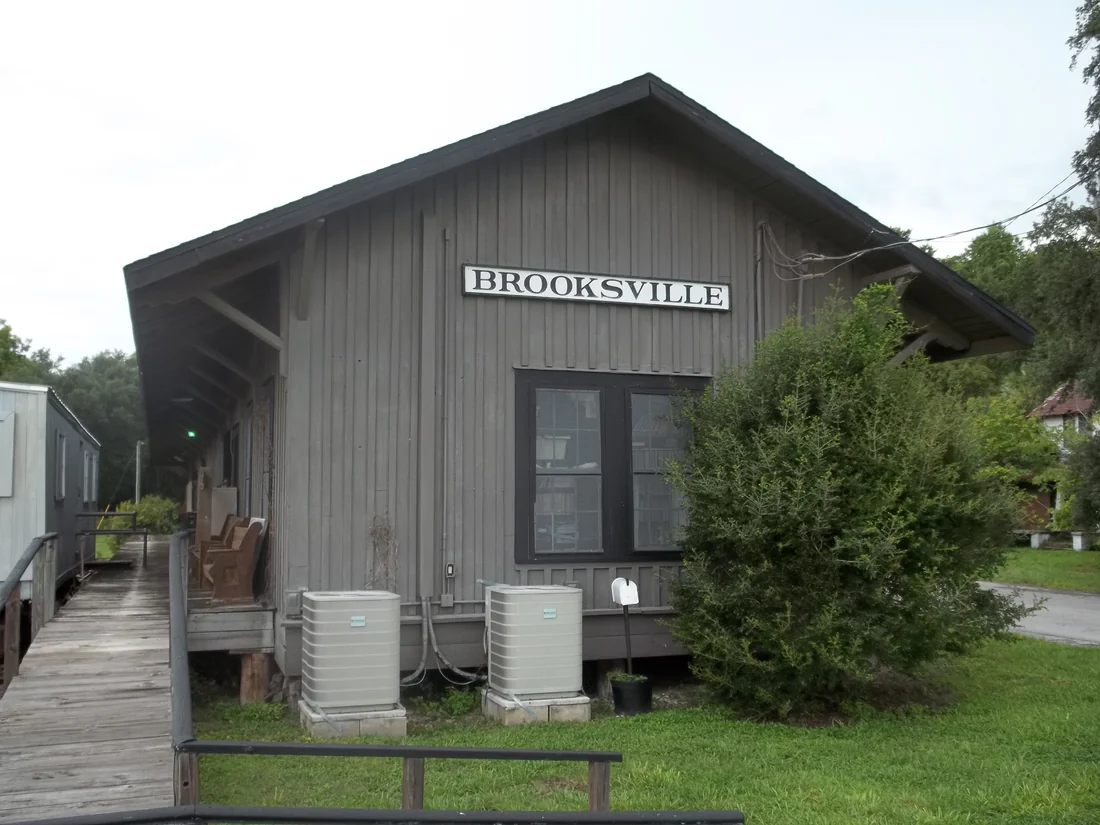 03
03Brooksville Railroad Depot Museum
Goes with: Since 1990: The Depot Museum, a Mermaid State Park and Nova Comes Home
Open the place page → 04
04 05
05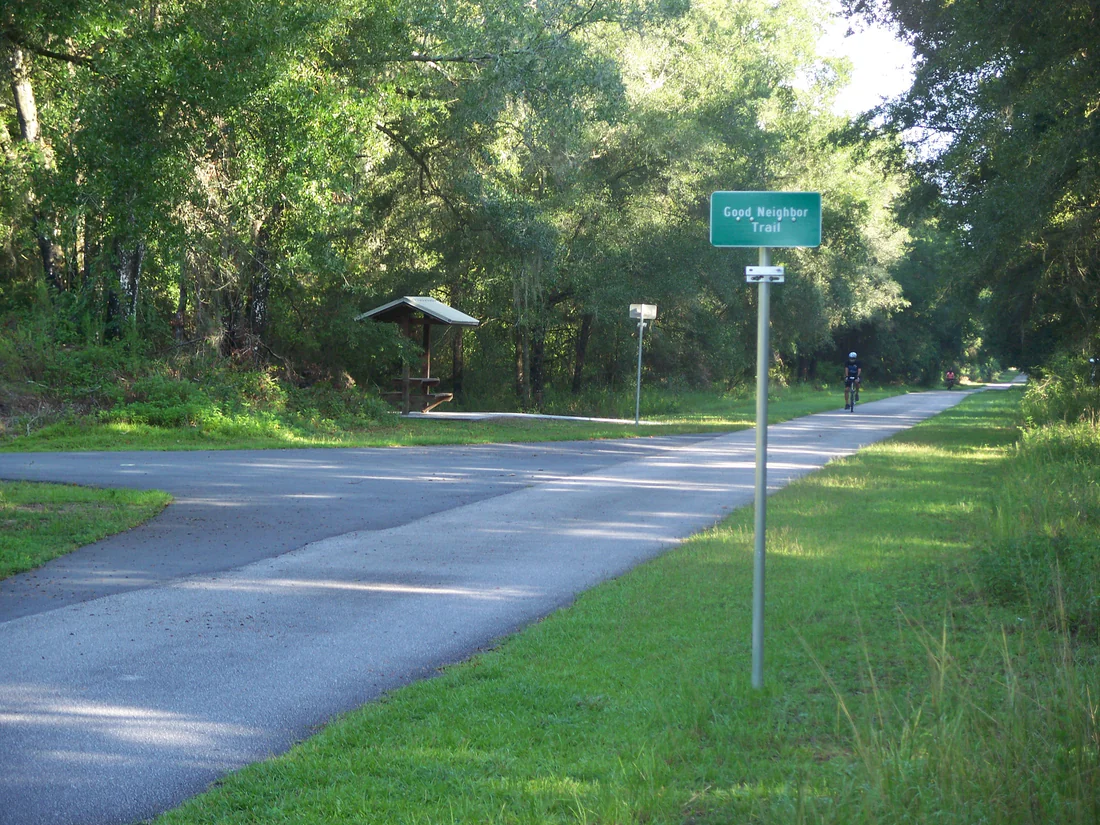 06
06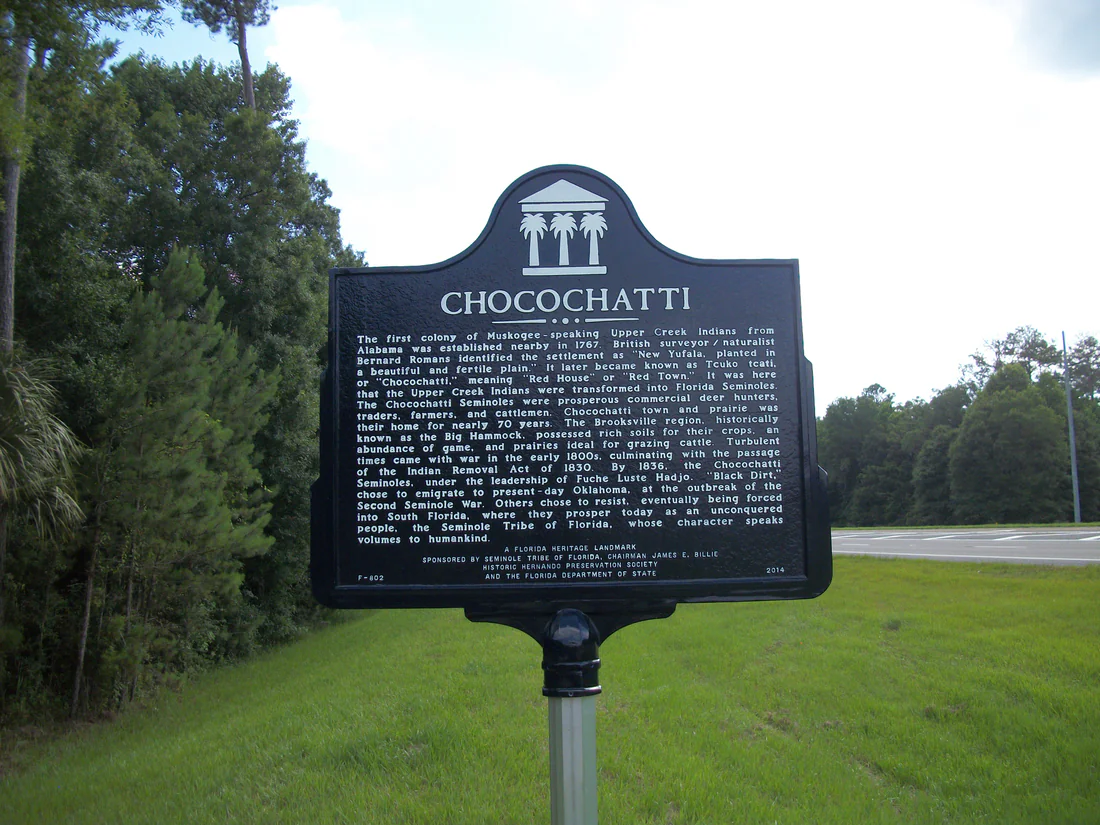 07
07Chocochatti historical marker
Goes with: The First Peoples
the state historical marker for Chocochatti →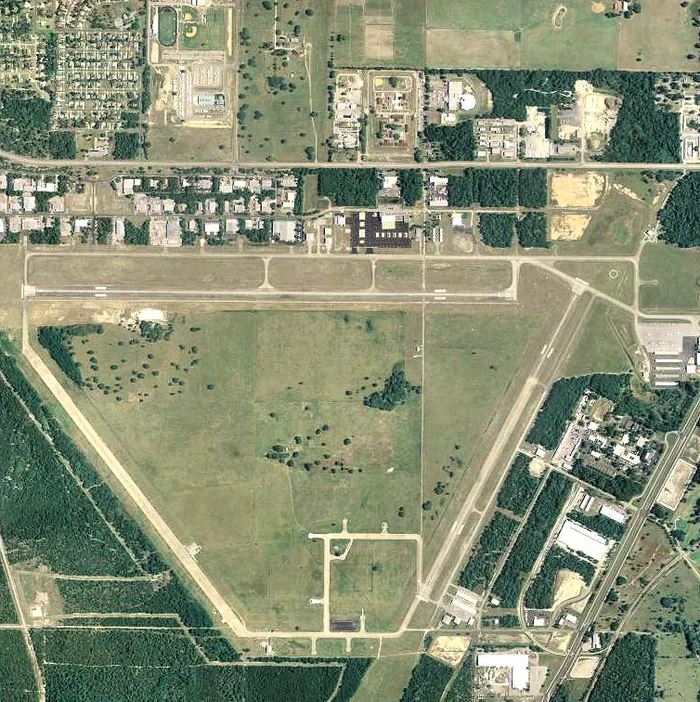 08
08Brooksville Army Airfield Gunnery Backstop historical marker
Goes with: The Airfield and the Mermaids
the state historical marker at the airfield's gunnery backstop →Questions people ask
When was Hernando County created?
The Territorial Legislature created Hernando County in February 1843, two years before Florida became a state.
Chapter 3 →Who was Hernando County named for?
It was named for the Spanish conquistador Hernando de Soto.
Chapter 3 →Was Hernando County ever called Benton County?
Yes, lawmakers renamed it Benton County in 1844, and the governor approved the bill restoring the name Hernando on December 24, 1850.
Chapter 3 →When did the Weeki Wachee mermaid show begin?
The mermaids gave their first show on October 13, 1947.
Chapter 9 →When did the railroad come to Brooksville?
The railroad reached Brooksville in 1885, after four businessmen paid the Florida Southern Railway Company $20,000 to bring the line to town.
Chapter 7 →Where this comes from.
Last updated October 17, 2026.
- Florida Department of State: Hernando County historical marker ↗ Read October 16, 2026
- Florida Department of State: Bayport's Early Historic Period/Post Civil War Era historical marker ↗ Read October 16, 2026
- Florida Department of State: Bayport in the Civil War/Battle of Bayport historical marker ↗ Read October 16, 2026
- Florida Department of State: Chinsegut Hill historical marker ↗ Read October 16, 2026
- Florida Department of State: Chocochatti historical marker ↗ Read October 16, 2026
- Florida Department of State: 1885 Train Depot historical marker ↗ Read October 16, 2026
- Florida Department of State: Brooksville Army Airfield Gunnery Backstop historical marker ↗ Read October 16, 2026
- University of Central Florida RICHES: Hernando County Collection ↗ Read October 16, 2026
- University of Central Florida RICHES: Perry 'Choked Up' At Dedication ↗ Read October 16, 2026
- West Pasco Historical Society: Early Hernando County History ↗ Read October 16, 2026
- Fifth Judicial Circuit of Florida: Hernando County Courthouse ↗ Read October 16, 2026
- City of Brooksville: Good Neighbor Trail Concept Plan ↗ Read October 16, 2026
- Hernando County School District: Moton Elementary Facts ↗ Read October 16, 2026
- Hernando High School: Welcome to Our School ↗ Read October 16, 2026
- Hernando Sun: Brooksville City Council honors Lorenzo Hamilton's legacy ↗ Read October 16, 2026
- Hernando Sun: Notable Hernando County Women Exemplify the Spirit of Women's History Month, Part Three ↗ Read October 16, 2026
- Weeki Wachee Springs State Park: A Navy Frogman, an Underwater Theater and Florida's Mermaid Tradition ↗ Read October 16, 2026
- Florida State Parks: Weeki Wachee Mermaids Need Your Help ↗ Read October 16, 2026
- Florida State Parks: Withlacoochee State Trail History ↗ Read October 16, 2026
- 83 Degrees Media: Chinsegut Hill: An extraordinary view of history ↗ Read October 16, 2026
- Museum of Florida History: Brooksville Army Airfield ↗ Read October 16, 2026
- FOX 13 Tampa Bay: Weeki Wachee mermaids celebrate 75 years with 'Mermaid Tail Trail' ↗ Read October 16, 2026
- WUSF: Tails from deep: Mermaids from Weeki Wachee's past reunite for a nostalgic swim ↗ Read October 16, 2026
- Tampa Bay 28: Beloved mermaid statue finally returns home after Helene nearly stole her ↗ Read October 16, 2026
- Tampa Bay Times: Brooksville Raid helped Union in Civil War 150 years ago ↗ Read October 16, 2026
- Tampa Bay Times: Spring Hill chronology ↗ Read October 16, 2026