Charlotte County was created on April 23, 1921. Punta Gorda became its county seat, and the county took its name from Charlotte Harbor. Its county seal, chosen in a 1969 contest, shows the county's place on a Florida map and points to its tarpon fishing. People were using the land around Charlotte Harbor thousands of years ago.
This page tells the story in order, from the Calusa of Charlotte Harbor to the Tampa Bay Rays and Babcock Ranch, then lists places in the county where you can still see it. The sources for each part are named at the end of that part, and all of them are listed at the bottom of the page.
The Calusa of Charlotte Harbor
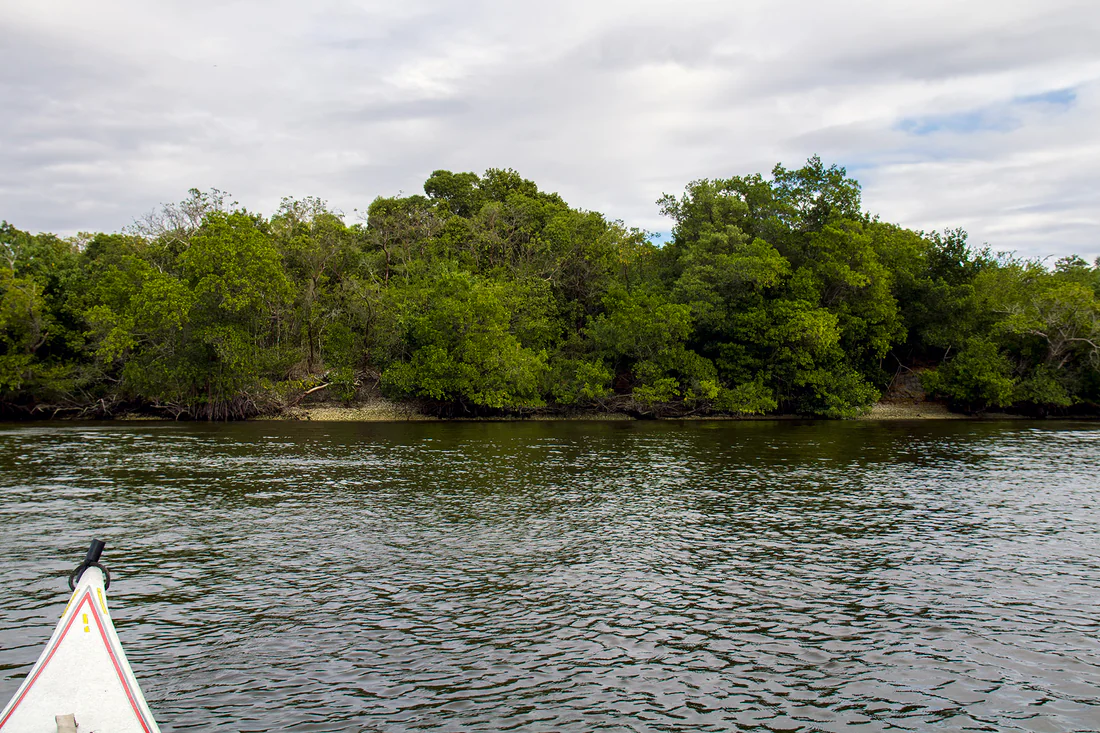
Charlotte Harbor has drawn people for thousands of years. At Charlotte Harbor Preserve State Park, the earliest and plainest traces of them are shell middens and mounds. When the Spanish first reached the area, the Calusa were the leading people of the region. The Florida Department of State says one chief ruled the whole Calusa domain. It says the Calusa did not farm, yet they built complex political, social and trade networks.
An old Punta Gorda city marker said the Calusa lived on high, dry mounds near the sea. Around the mounds, it said, they made gardens, waterways and boat basins, along with ponds to keep live fish and shellfish. The marker said temples, storehouses and leaders' homes stood on the tallest mounds. By the early 1700s, disease and war had worn the Calusa down, and the survivors joined the people now known as the Seminole. The Seminoles named the area's major river the Caloosahatchee, the "river of the Calusa."
Sources: Florida State Parks: Charlotte Harbor Preserve State Park, History; Charlotte County: Charlotte County Owner's Manual (Revised 2025), Welcome & History; Florida Department of State: 16th Century Settlements; Historical Marker Database: Mound Cities By the Sea (City of Punta Gorda marker); Florida Fish and Wildlife Conservation Commission: Babcock/Webb - History
Next: Chapter 2, Ponce de León at Charlotte Harbor →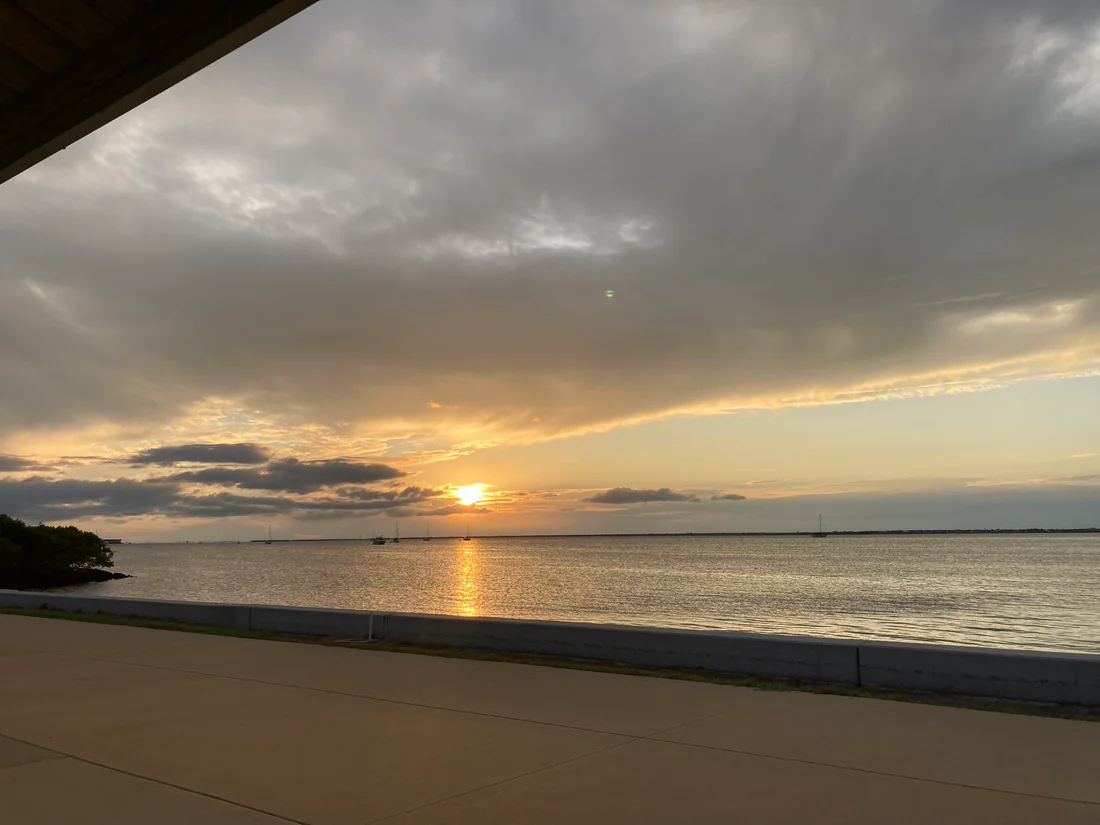
Ponce de León at Charlotte Harbor
A 1961 state marker says Juan Ponce de León stayed several weeks in or close to the mouth of Charlotte Harbor in 1513, on his first trip to Florida. A county history kept by Florida Memory says this is thought to be the bay where he anchored. Florida Sea Grant says the harbor carried his name, Bahia Juan Ponce, for many years. Some maps called it Carlos Bay instead, after the Calusa chief Carlos.
In Punta Gorda's Ponce de Leon Park, city markers tell more of his story. One says his men met the Calusa at least three times, and once the Calusa offered low-grade gold and skins to trade. Other meetings ended in fighting, and several Calusa and one Spaniard were killed.
In 1521 Ponce de León came back to Charlotte Harbor with two shiploads of colonists. The colony lasted five months and then fell apart from sickness and fighting with the Calusa. He was wounded, and he died in Cuba soon after the colonists went back. Another city marker claimed the colony was the earliest European settlement anywhere in today's United States, but it also said no one knows exactly where the colony stood.
Sources: Historical Marker Database: Ponce de Leon at Charlotte Harbor (Florida Board of Parks and Historic Monuments marker F-53, 1961); Florida Memory: Historical Sketch (Charlotte County); Florida Sea Grant, University of Florida: Navigational, Historical, & Environmental Perspective of Greater Charlotte Harbor (SGEB 63, September 2008); Historical Marker Database: Juan Ponce de Leon (City of Punta Gorda marker, Ponce de Leon Park); Historical Marker Database: First White Man Dies in America (City of Punta Gorda marker, Ponce de Leon Park); Encyclopaedia Britannica: Charlotte Harbor; Historical Marker Database: Ponce de Leon Historical Park (City of Punta Gorda marker)
Next: Chapter 3, A queen's name, the Seminoles and cattle docks →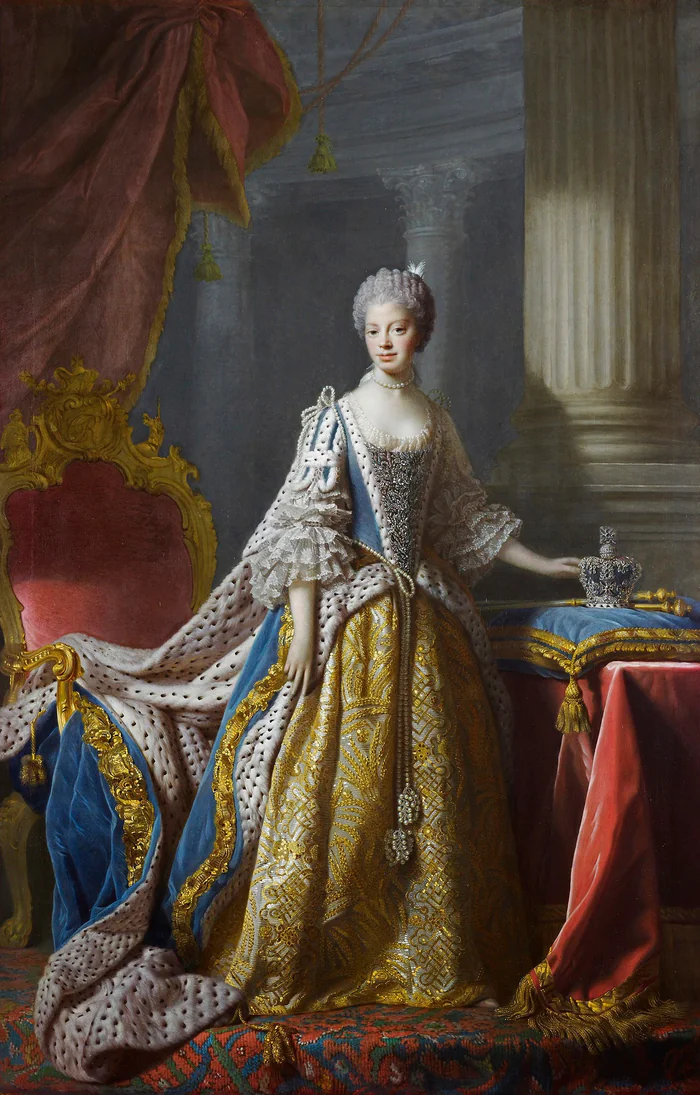
A queen's name, the Seminoles and cattle docks
In 1763 the Treaty of Paris handed Florida from Spain to England. King George III of England hired Bernard Romans, an engineer born in Holland, to chart the coast. In 1775 Romans wrote that he was the first to explore a new bay, and that he had given it the name "Charlotte Harbour." He did not say why he chose the name Charlotte, but Florida Sea Grant says it was most likely for the new wife of King George III. Britannica says the harbor was first named for the Calusa, whose name turned into the Spanish Carlos and then, under the British, into Charlotte.
Maskoki-speaking people from Georgia, Florida, Alabama and elsewhere in the Southeast moved down into the Florida peninsula. In English they came to be called Seminoles, and from 1817 to 1858 they fought several wars with the U.S. Army. The wars upset life for Native people and settlers alike, all through the Peace River valley and South Florida. The Seminoles never surrendered and were never beaten, and the federal government gave them formal recognition in 1957.
Before the Civil War ended, the area held little more than Cuban ranchos, a few small army or trading posts, and docks for cattle. Stockmen settled the town of Charlotte Harbor in about 1864. After 1865, lasting settlements grew up at Charlotte Harbor, Hickory Bluff, Punta Gorda and Cleveland.
Sources: Florida Sea Grant, University of Florida: Navigational, Historical, & Environmental Perspective of Greater Charlotte Harbor (SGEB 63, September 2008); Encyclopaedia Britannica: Charlotte Harbor; Charlotte County: Charlotte County Owner's Manual (Revised 2025), Welcome & History; Florida Memory: Historical Sketch (Charlotte County)
Next: Chapter 4, Trabue's town becomes Punta Gorda →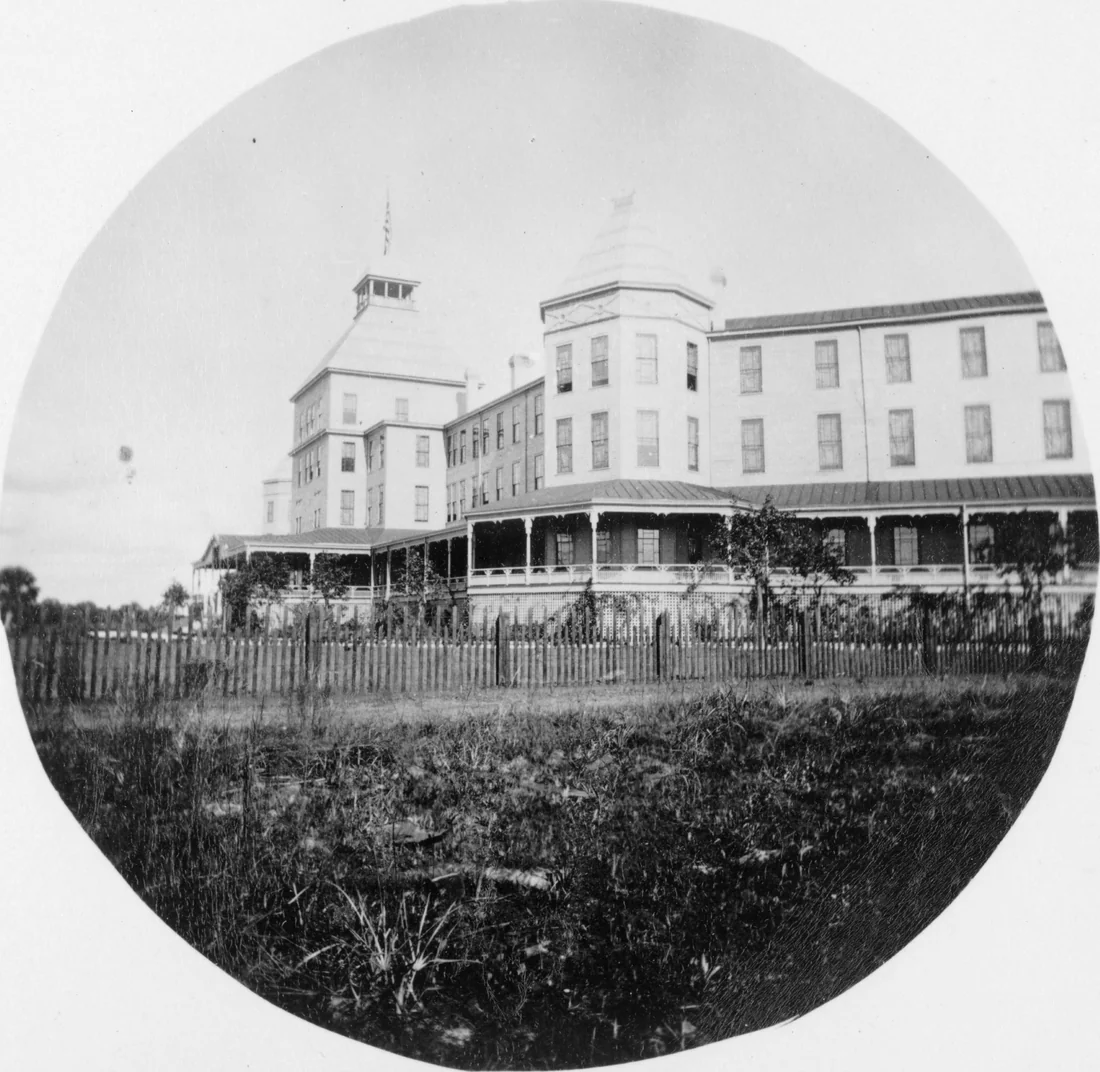
Trabue's town becomes Punta Gorda
Isaac Trabue, a lawyer from Louisville, Kentucky, began buying land here in early 1883. He had the land laid out as a town in 1884 and registered it in 1885, in what was then Manatee County, as the town of Trabue. He named about 20 streets for his family, among them Retta Esplanade for his sister Henrietta and Virginia and Taylor for his wife. He kept the shoreline for waterfront parks, which he felt snowbound Northerners would find hard to resist.
The railroad reached the town in 1886, and a company tied to the Florida Southern Railroad built a hotel. A National Register of Historic Places study says the Punta Gorda Hotel came before Tampa's famous Plant Hotel and was one of the biggest hotels in Florida at the time. Thirty-four men gathered in Tom Hector's two-story building in the Town of Trabue on December 3, 1887.
The group mixed landlords, renters, shopkeepers and laborers, both white and Black, and all were qualified voters. Bay News 9 reported in 2026 that four of the men were Black. Upstairs in Hector's billiard hall, around a pool table, a two-thirds majority voted to incorporate, and the men picked the name Punta Gorda. Trabue had not registered to vote, so he could not take part. He sued to break up the new town and win back the public land, but he gave up ten years later.
Sources: National Park Service: Punta Gorda Multiple Property Group, National Register of Historic Places documentation form (August 14, 1990); Historical Marker Database: Hector House Plaza: The Founding of Punta Gorda (City of Punta Gorda and Florida Department of State marker F-639, 2008); Historical Marker Database: The Trabue Plat and Waterfront Parks (City of Punta Gorda marker); Bay News 9: The Blanchard House tells the biracial story of Punta Gorda's founding (June 18, 2026)
Next: Chapter 5, Mullet, ice and phosphate →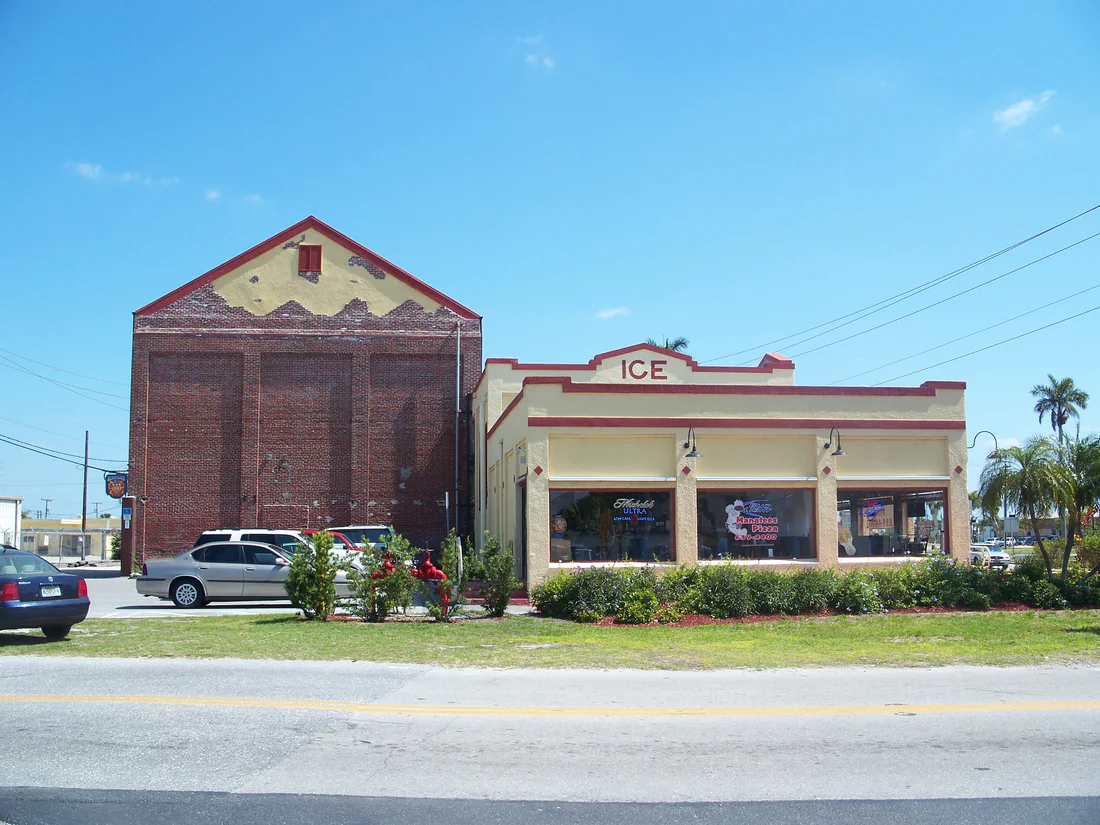
Mullet, ice and phosphate
Punta Gorda's ice plant was the first of its kind south of Tampa, the National Register study says. The fish houses of several big seafood dealers lined the wharf. Most of the catch was mullet, taken in gill nets. Florida Sea Grant says keepers at ice houses weighed the catch from fishing boats, and fish cabins let fishermen stay close to the fishing grounds.
The Punta Gorda Fish Company began in 1897, and Florida Sea Grant says it was central to the area's economy until the 1960s. A 1947 photograph shows its crew, probably on the Maude Street fish dock, where Fishermen's Village stands today. In 1939 fire destroyed the Maude Street fish dock, and the National Register study says only one fish company was left in business.
In 1890 Joseph John Kirkbride, a doctor from Philadelphia, traveled around Charlotte Harbor aboard the steamer Alice Howard. His snapshots caught the mail steamer Clara passing by. In the 1890s, rail cars hauled pebble phosphate from farther up the Peace River to Punta Gorda's Long Dock, which shipped thousands of tons of it. Several companies later moved their shipping to Boca Grande on Gasparilla Island, which had a harbor 60 feet deep that opened straight onto the Gulf of Mexico.
Sources: National Park Service: Punta Gorda Multiple Property Group, National Register of Historic Places documentation form (August 14, 1990); Florida Sea Grant, University of Florida: Navigational, Historical, & Environmental Perspective of Greater Charlotte Harbor (SGEB 63, September 2008)
Next: Chapter 6, Englewood, a marine lab and the Babcock ranch →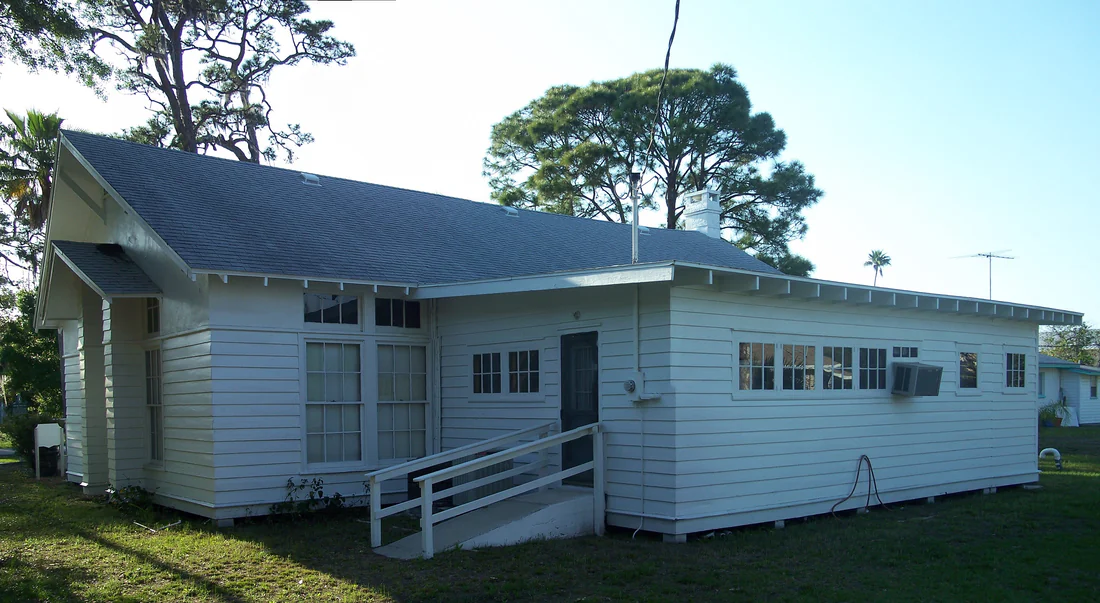
Englewood, a marine lab and the Babcock ranch
In 1891 a hunting lodge went up on Deer Creek, built by Colonel James M. Lewis, who named it New Point Comfort for Old Point Comfort, the Virginia home of his boyhood. The Gottfried family came from Milwaukee in 1893, settled on the creek and grew pineapples, cabbage and celery. The New Point Comfort plat was put on record in 1925, and the county's marker calls it the first subdivision laid out on Englewood's Charlotte County side. In about 1931 John F. Bass Jr. founded the Bass Biological Laboratory there. The marker says it was the first marine station on Florida's mainland to work full time, and it ran until 1944.
Edward Babcock bought two townships of land in 1914. He used the land for hunting and for his Crescent B cattle ranch, which over the years also produced timber, row crops and sod. In 1941 the Florida Game and Fresh Water Fish Commission bought 19,200 acres from Fred Babcock. The wildlife management area was first named for Cecil M. Webb, a commissioner from 1948 to 1953, and in 1995 it became the Fred C. Babcock/Cecil M. Webb Wildlife Management Area.
Sources: Historical Marker Database: New Point Comfort (Charlotte County marker); Florida Fish and Wildlife Conservation Commission: Babcock/Webb - History; Florida Fish and Wildlife Conservation Commission: Babcock Ranch Preserve
Next: Chapter 7, Black Punta Gorda, from Baker Academy to Charlotte High →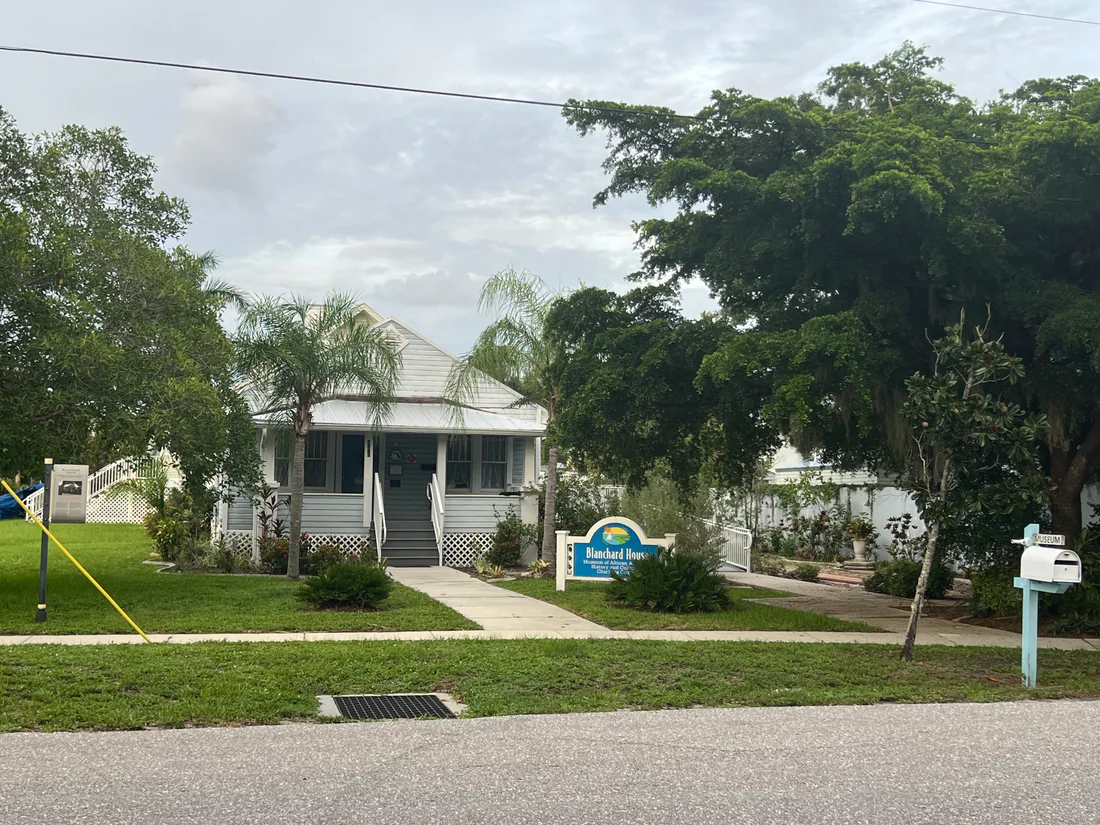
Black Punta Gorda, from Baker Academy to Charlotte High
Black children were not allowed in school with white children, so Albert Gilchrist and M.F. Gibbons worked to get them a schoolhouse, which was set up in 1902. Gilchrist, whom a state marker calls a founder of Punta Gorda, served as governor of Florida from 1909 to 1913. Benjamin Baker, born in Live Oak in 1872, set up the school for grades 1 through 6, and it came to be called Baker Academy.
By 1921 the school had too many students, so a new school with four rooms went up at Mary Street and Showalter Avenue. Baker spent 50 years teaching and retired in 1940 for health reasons. George Brown, an African American, reached Punta Gorda in the 1890s. In 1916 he founded a boatyard, the Cleveland Marine Steam Ways, and ran it until 1945.
Joseph Blanchard, a Black steamboat captain and fisherman who had served in the Spanish-American War, built a house on Fitzhugh Avenue in 1925. That house later became the Blanchard House Museum, founded by Bernice A. Russel. Fox 4 reports that for years, Black students from the county who wanted a high school education had to ride a bus to Dunbar in Fort Myers. Sixteen Black students applied to Charlotte High School, and five were accepted. The state's marker says Charlotte High was among Florida's first high schools to desegregate, and sources give the year as 1963 or 1964.
Sources: Punta Gorda Historic Mural Society: Local Black History, Panel 3, Education 1; Historical Marker Database: Albert Waller Gilchrist (Florida Board of Parks and Historic Memorials marker F-109, 1963); Florida Sea Grant, University of Florida: Navigational, Historical, & Environmental Perspective of Greater Charlotte Harbor (SGEB 63, September 2008); Bay News 9: The Blanchard House tells the biracial story of Punta Gorda's founding (June 18, 2026); Charlotte County History Services: Blanchard House Museum quest; Fox 4 (WFTX): Black History Month: How five Black students helped desegregate Charlotte County; Florida Department of State, Florida Historical Marker Details: Charlotte High School; Historical Marker Database: Charlotte High School (marker F-690, 2010)
Next: Chapter 8, A bridge, a vote and a new county →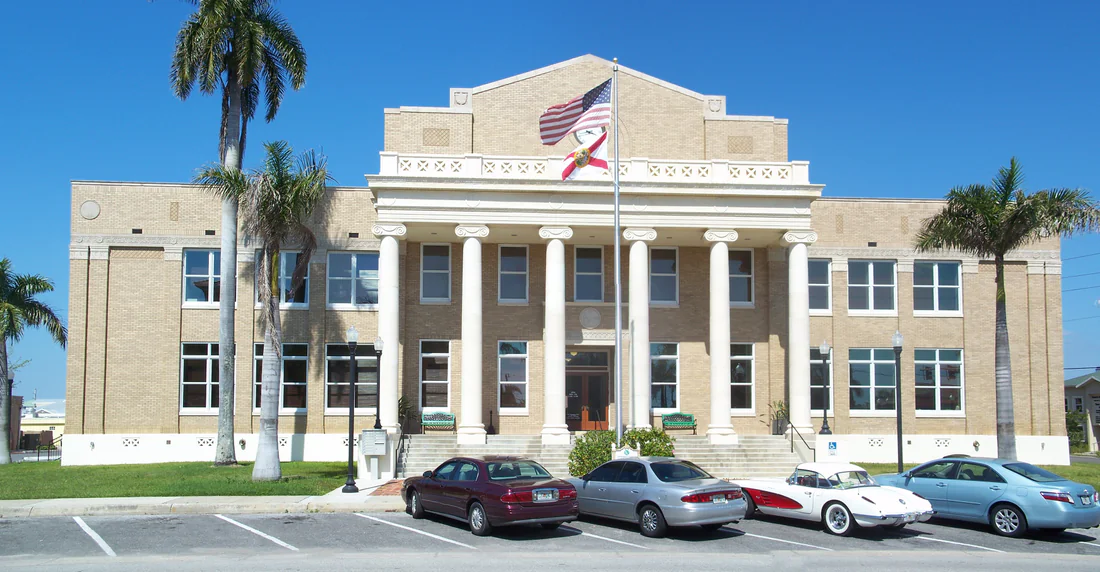
A bridge, a vote and a new county
The county's history says the region drew snowbirds who stayed for good and others who came for the season, and that this helped bring about Charlotte Harbor's first bridge. Work started in 1916 with $200,000 in bonds sold by Punta Gorda and the town of Charlotte Harbor. World War I slowed the job, but the Charlotte Harbor Bridge finally opened on July 4, 1921. It crossed the Peace River to Punta Gorda and linked up with the Tamiami Trail, which the National Register study calls the first highway down Florida's west coast.
F.M. Cooper, the state senator from Punta Gorda, suggested the name Charlotte, and the Punta Gorda Herald announced on March 17, 1921, that voters had chosen it. That spring the Legislature passed, and Governor Cary A. Hardee signed, a law that made Charlotte, Glades, Hardee and Highlands into new counties. The law divided DeSoto County, leaving five smaller counties where there had been one, and Florida Memory's county history cites it as Chapter 8513 of the Acts of 1921. Charlotte County was created on April 23, 1921, and Punta Gorda became its county seat. It took its name from Charlotte Harbor, and the northern part of the harbor lies inside the county.
The Herald reported on April 15, 1927, that the county had paid George Brown, a Black businessman, $25,000 for land at Taylor Street and Olympia Avenue, where the courthouse was built. The new Charlotte County courthouse opened with great ceremony on March 20, 1928. Punta Gorda's Atlantic Coast Line Railroad depot, built in the Mediterranean Revival style, was finished the same year.
Sources: Charlotte County: Charlotte County Owner's Manual (Revised 2025), Welcome & History; National Park Service: Punta Gorda Multiple Property Group, National Register of Historic Places documentation form (August 14, 1990); Florida Memory: Historical Sketch (Charlotte County)
Next: Chapter 9, World War II at the Punta Gorda Army Air Field →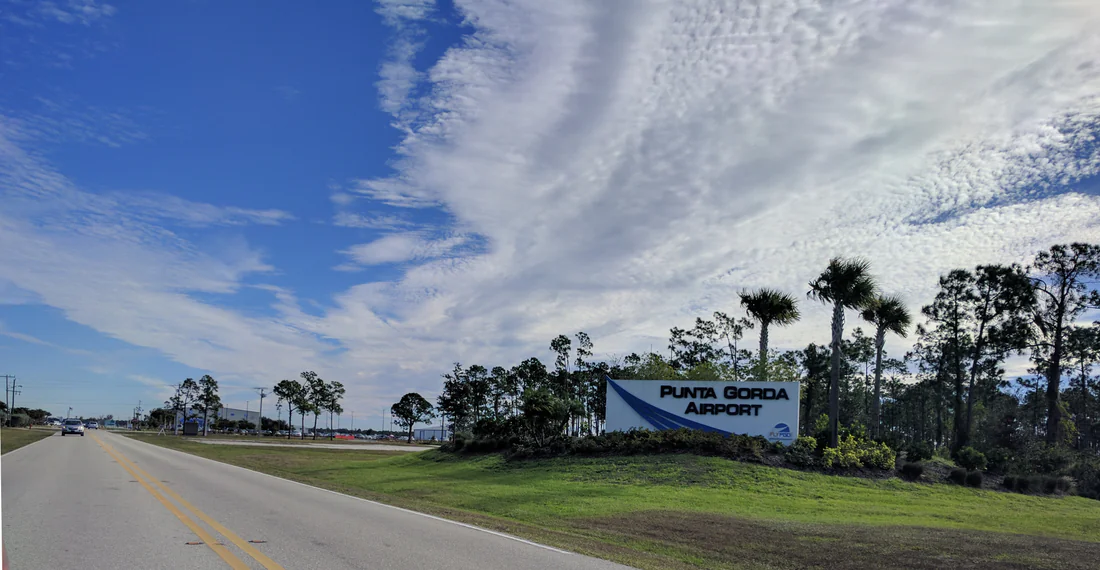
World War II at the Punta Gorda Army Air Field
The Army Air Corps settled on land near Punta Gorda for an air field in May 1942. Building started on October 19, 1942, with Captain Henry J. Tebow in charge, and the project cost $700,000. The first Army personnel arrived on November 14, 1943, and the field became active on December 11, 1943, to train pilots for duty overseas. Student pilots began arriving in February 1944.
Their planes were P-40 Warhawks and P-51 Mustangs. More than 750 student pilots finished 15 weeks of training there, and six deaths were linked to training. An all-Black unit, the 27th Service Group, came from MacDill Field near Tampa to train support services for the air combat units. The base had 61 buildings, and its personnel lived in 268 hutments, wood below and canvas above.
The field was shut down on September 1, 1945, one day before Japan's formal surrender. After the war it became the Punta Gorda Airport, and the War Assets Administration handed the property to Charlotte County. A 2019 Bay News 9 report placed the Military Heritage Museum a few steps from Fishermen's Village in Punta Gorda, with thousands of artifacts from around the world.
Sources: Historical Marker Database: Punta Gorda Army Air Field World War II (Charlotte County marker, 2015); Charlotte County History Services: Punta Gorda Army Airfield 1942-1945; Museum of Florida History: Punta Gorda Army Airfield; Bay News 9: Florida on a Tankful: Military Heritage Museum (November 10, 2019)
Next: Chapter 10, Port Charlotte and the years of growth →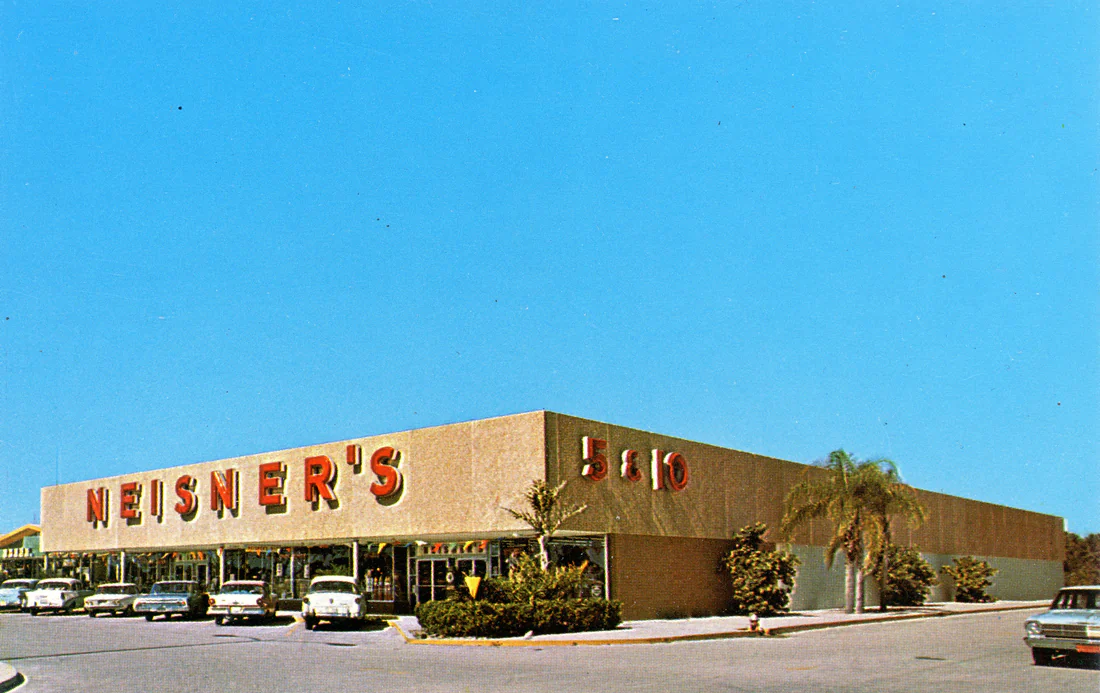
Port Charlotte and the years of growth
In the 1950s the Mackle brothers and the Florida Canada Corporation formed a 50/50 partnership called Port Charlotte, Inc. The Mackle company cut 80,000 acres that had belonged to Arthur Frizzell into small, rectangular lots. General Development Corporation built Port Charlotte by widening canals that John Murdock had dug earlier to drain the swampy ground. The first big advertising campaign for Port Charlotte lots, begun in 1957, offered them for $10 down and $10 a month. The lots were aimed at middle-class retirees, and department stores in Chicago and New York put models of Port Charlotte on display.
In 1969 Kathy Nichols, a Charlotte High School art student, won the county seal design contest, along with $25. Her design shows where the county lies on a map of Florida and highlights its tarpon fishing. Charlotte County Stadium, built in 1987 and now called Charlotte Sports Park, was the spring training home of the Texas Rangers from 1988 to 2001. Hurricane Charley badly damaged Charlotte High School on August 13, 2004.
Sources: Arcadia Publishing, via Perlego: Port Charlotte, by Roxann Read (2009); Charlotte County: Charlotte County Owner's Manual (Revised 2025), Welcome & History; Florida Grapefruit League: Tampa Bay Rays; Charlotte Stone Crabs (Minor League Baseball): Ballpark History; Florida Department of State, Florida Historical Marker Details: Charlotte High School
Next: Chapter 11, Since 2004: A state park, spring baseball and a solar town →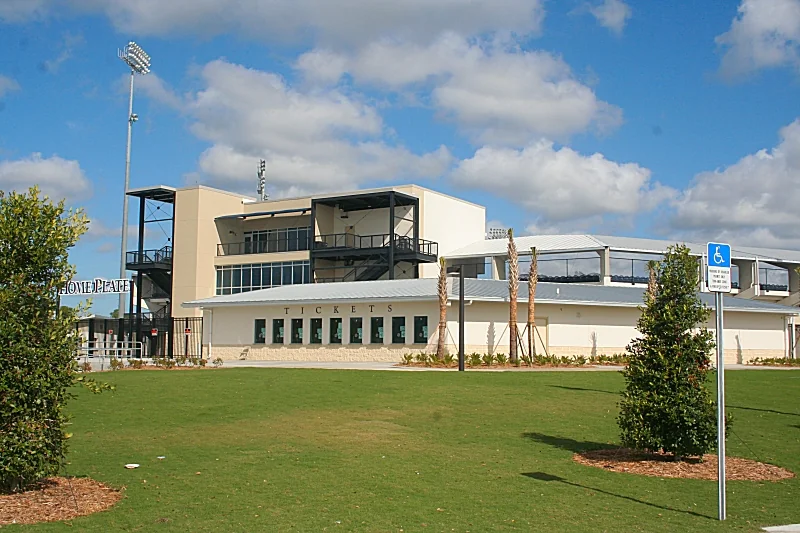
Since 2004: A state park, spring baseball and a solar town
Land for Charlotte Harbor Preserve was first acquired in the 1970s, and in 2004 it became a Florida state park. In 2006 the state and Lee County bought land from the 91,361-acre Crescent B Ranch, and that land became Babcock Ranch Preserve. The FWC says the preserve lies in southeast Charlotte County and is kept up as a working ranch.
In 2009 the Tampa Bay Rays moved their spring training to Charlotte Sports Park in Port Charlotte, after a $27 million renovation of the stadium was finished that January. Charlotte High School reopened on April 2, 2009, and its class of 2009 finished the year in the original building, just as the school's first class had done 82 years earlier. A 2023 mural by Keith Goodson at Baker Center School tells the story of Baker Academy. In March 2023 Stanley Lampp's nephew, James Christman, gave the last Lampp lot at New Point Comfort to Charlotte County to honor the area's history.
Babcock Ranch Community was built on another part of the old ranch, and it opened in 2018. Work there began in 2015 with a solar array, and CNN reported that the lights stayed on through Hurricane Ian in 2022. In October 2024 The New York Times reported that after Hurricane Milton, the town had some trees and traffic lights knocked down, yet the power never went out.
Sources: Florida State Parks: Charlotte Harbor Preserve State Park, History; CHNEP Water Atlas, USF Water Institute: Public comment invited on Babcock Ranch Preserve management plans (December 18, 2015); Florida Fish and Wildlife Conservation Commission: Babcock Ranch Preserve; Charlotte Stone Crabs (Minor League Baseball): Ballpark History; Florida Grapefruit League: Tampa Bay Rays; Florida Department of State, Florida Historical Marker Details: Charlotte High School; Punta Gorda Historic Mural Society: Local Black History, Panel 3, Education 1; Historical Marker Database: New Point Comfort (Charlotte County marker); Hawaii Tribune-Herald (New York Times News Service): A climate resistant community passed two hurricane tests (October 16, 2024); KTVZ (CNN): This 100% solar community endured Hurricane Ian with no loss of power and minimal damage (October 2, 2022)
Next: the whole story, in dates →The whole story, in dates
People begin using the land around Charlotte Harbor.
Juan Ponce de León spends several weeks at or near the mouth of Charlotte Harbor.
Ponce de León comes back with colonists, and the colony fails after five months.
Surviving Calusa join the people now known as the Seminole.
The Treaty of Paris hands Florida from Spain to England.
Bernard Romans writes that he has given the bay the name "Charlotte Harbour."
The Seminoles fight several wars with the U.S. Army.
Stockmen settle the town of Charlotte Harbor.
Isaac Trabue begins buying land for his town.
The railroad reaches the town, and the Punta Gorda Hotel is built.
Thirty-four men vote to incorporate the town and name it Punta Gorda.
Colonel James M. Lewis builds the New Point Comfort hunting lodge on Deer Creek.
The Punta Gorda Fish Company begins.
A schoolhouse for Black children is set up, and it comes to be called Baker Academy.
Edward Babcock buys the land for his Crescent B cattle ranch.
George Brown founds the Cleveland Marine Steam Ways boatyard.
Work starts on the first bridge over Charlotte Harbor.
Charlotte County is created, with Punta Gorda as its county seat.
The Charlotte Harbor Bridge opens.
Joseph Blanchard builds the house that becomes the Blanchard House Museum.
The new Charlotte County courthouse opens.
John F. Bass Jr. founds the Bass Biological Laboratory at New Point Comfort.
Fire destroys the Maude Street fish dock.
The state game and fish commission buys 19,200 acres from Fred Babcock.
The Army Air Corps settles on land near Punta Gorda for an air field.
Student pilots begin arriving at the Punta Gorda Army Air Field.
The air field is shut down.
The first big advertising campaign offers Port Charlotte lots for $10 down and $10 a month.
Charlotte High School desegregates.
Kathy Nichols wins the contest to design the county seal.
The Texas Rangers hold spring training at Charlotte County Stadium.
Charlotte Harbor Preserve becomes a Florida state park.
The state and Lee County buy the land that becomes Babcock Ranch Preserve.
The Tampa Bay Rays move their spring training to Charlotte Sports Park.
Charlotte High School reopens.
Babcock Ranch Community opens.
The last Lampp lot at New Point Comfort is given to Charlotte County.
The New York Times reports that Babcock Ranch never lost power after Hurricane Milton.
Where you can still see it
 01
01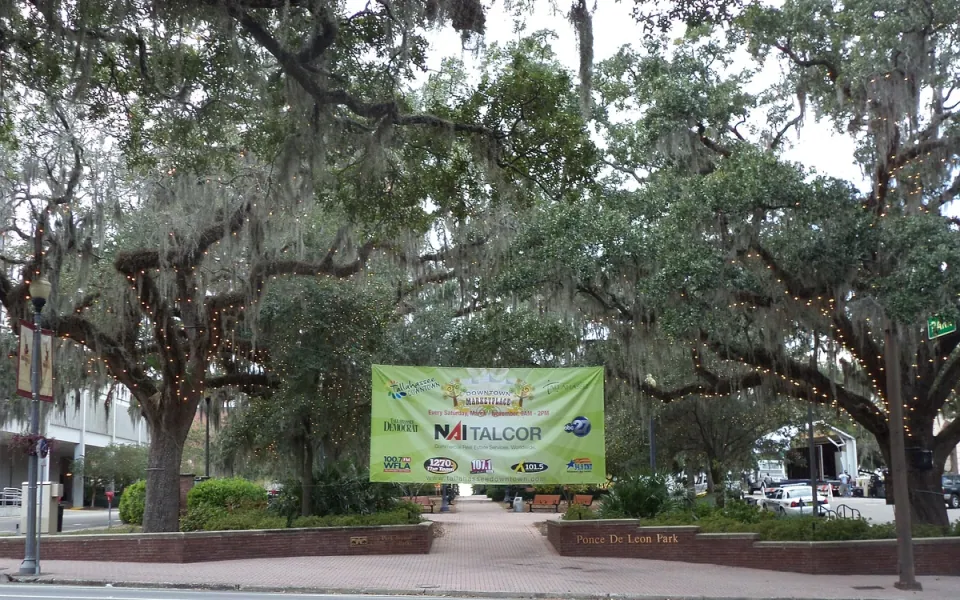 02
02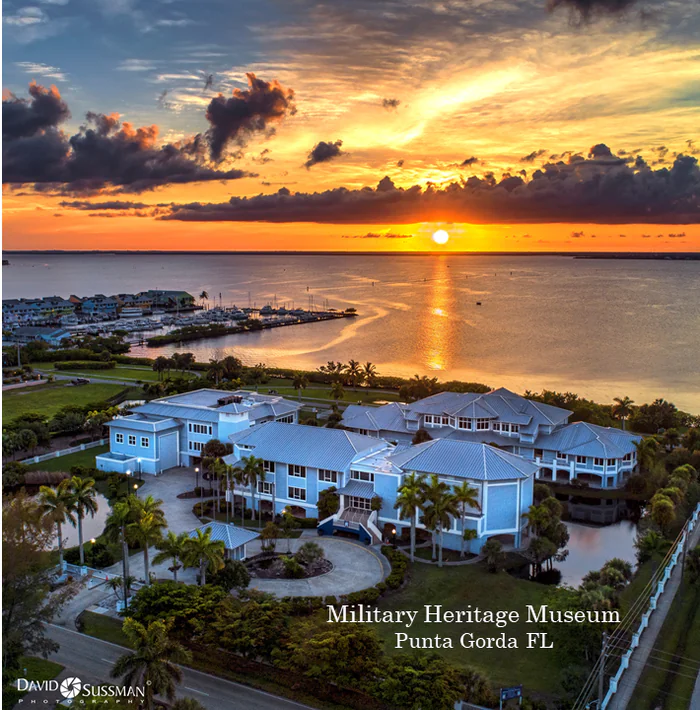 03
03Military Heritage Museum
Goes with: World War II at the Punta Gorda Army Air Field
Open the place page →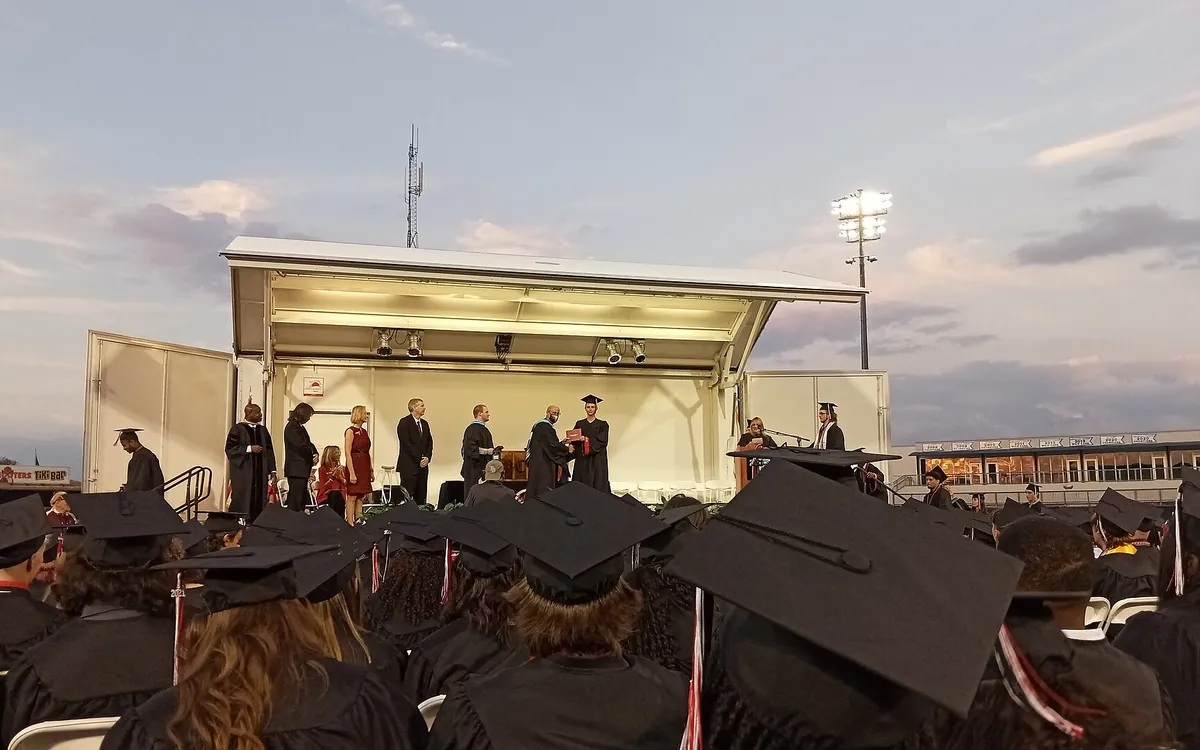 04
04Charlotte Sports Park
Goes with: Since 2004: A state park, spring baseball and a solar town
Open the place page →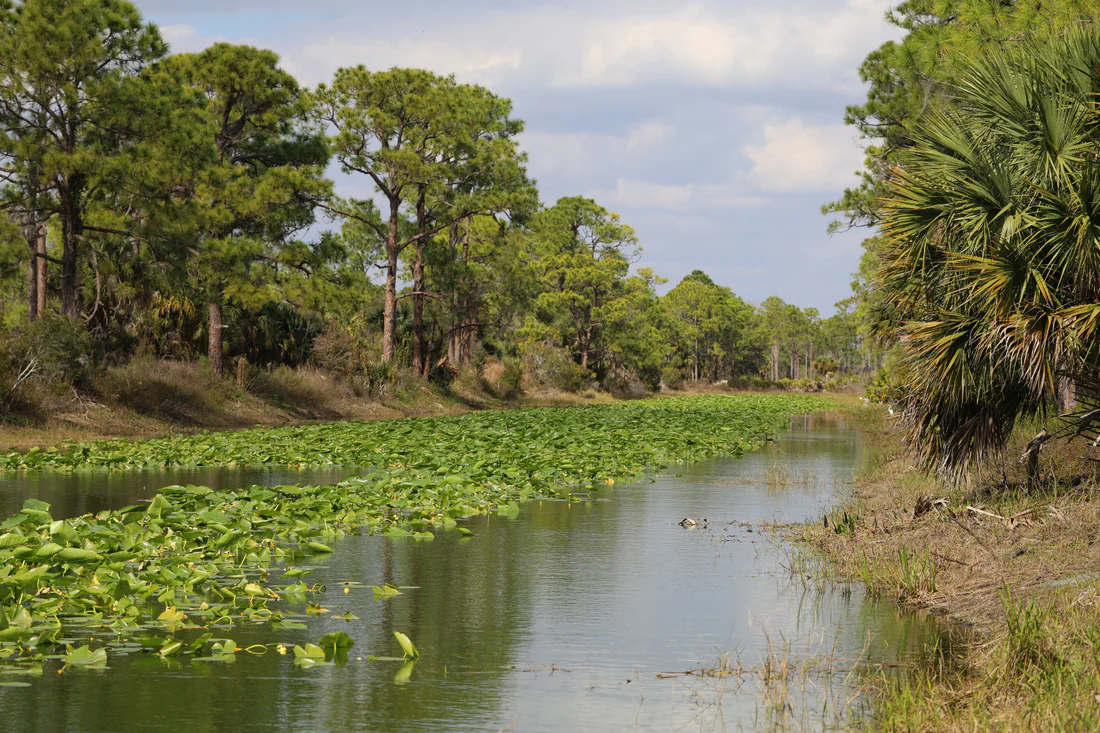 05
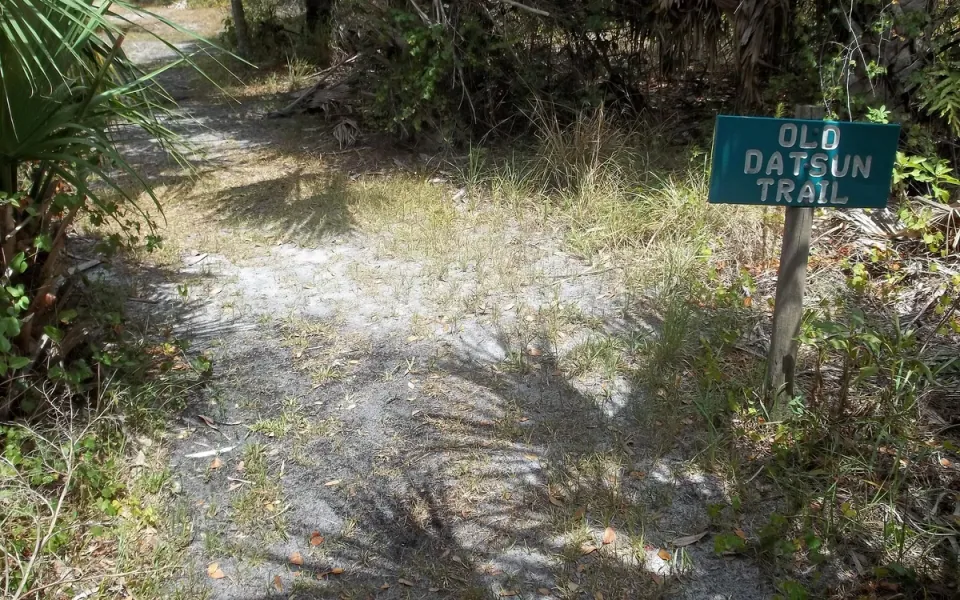
05Fred C. Babcock/Cecil M. Webb Wildlife Management Area
Goes with: Englewood, a marine lab and the Babcock ranch
Babcock/Webb history, Florida Fish and Wildlife Conservation Commission →Questions people ask
When was Charlotte County created?
Charlotte County was created on April 23, 1921, and Punta Gorda became its county seat.
Chapter 8 →What was Charlotte County named for?
It took its name from Charlotte Harbor, and the northern part of the harbor lies inside the county.
Chapter 8 →Who was Charlotte Harbor named for?
Bernard Romans gave the bay the name "Charlotte Harbour" in 1775, and Florida Sea Grant says it was most likely for the new wife of King George III.
Chapter 3 →When did Punta Gorda become a town?
On December 3, 1887, in Tom Hector's billiard hall, a two-thirds majority of 34 men voted to incorporate, and the men picked the name Punta Gorda.
Chapter 4 →When did the Tampa Bay Rays start spring training in Charlotte County?
The Rays moved their spring training to Charlotte Sports Park in Port Charlotte in 2009.
Chapter 11 →Where this comes from.
Last updated October 17, 2026.
- Charlotte County: Charlotte County Owner's Manual (Revised 2025), Welcome & History ↗ Read October 16, 2026
- Florida Memory: Historical Sketch (Charlotte County) ↗ Read October 16, 2026
- Florida State Parks: Charlotte Harbor Preserve State Park, History ↗ Read October 16, 2026
- Florida Department of State: 16th Century Settlements ↗ Read October 16, 2026
- Florida Fish and Wildlife Conservation Commission: Babcock/Webb - History ↗ Read October 16, 2026
- Historical Marker Database: Mound Cities By the Sea (City of Punta Gorda marker) ↗ Read October 16, 2026
- Encyclopaedia Britannica: Charlotte Harbor ↗ Read October 16, 2026
- Historical Marker Database: Ponce de Leon at Charlotte Harbor (Florida Board of Parks and Historic Monuments marker F-53, 1961) ↗ Read October 16, 2026
- Florida Sea Grant, University of Florida: Navigational, Historical, & Environmental Perspective of Greater Charlotte Harbor (SGEB 63, September 2008) ↗ Read October 16, 2026
- Historical Marker Database: Juan Ponce de Leon (City of Punta Gorda marker, Ponce de Leon Park) ↗ Read October 16, 2026
- Historical Marker Database: First White Man Dies in America (City of Punta Gorda marker, Ponce de Leon Park) ↗ Read October 16, 2026
- Historical Marker Database: Ponce de Leon Historical Park (City of Punta Gorda marker) ↗ Read October 16, 2026
- National Park Service: Punta Gorda Multiple Property Group, National Register of Historic Places documentation form (August 14, 1990) ↗ Read October 16, 2026
- Historical Marker Database: Hector House Plaza: The Founding of Punta Gorda (City of Punta Gorda and Florida Department of State marker F-639, 2008) ↗ Read October 16, 2026
- Historical Marker Database: The Trabue Plat and Waterfront Parks (City of Punta Gorda marker) ↗ Read October 16, 2026
- Bay News 9: The Blanchard House tells the biracial story of Punta Gorda's founding (June 18, 2026) ↗ Read October 16, 2026
- Historical Marker Database: New Point Comfort (Charlotte County marker) ↗ Read October 16, 2026
- Florida Fish and Wildlife Conservation Commission: Babcock Ranch Preserve ↗ Read October 16, 2026
- Punta Gorda Historic Mural Society: Local Black History, Panel 3, Education 1 ↗ Read October 16, 2026
- Historical Marker Database: Albert Waller Gilchrist (Florida Board of Parks and Historic Memorials marker F-109, 1963) ↗ Read October 16, 2026
- Charlotte County History Services: Blanchard House Museum quest ↗ Read October 16, 2026
- Fox 4 (WFTX): Black History Month: How five Black students helped desegregate Charlotte County ↗ Read October 16, 2026
- Florida Department of State, Florida Historical Marker Details: Charlotte High School ↗ Read October 16, 2026
- Historical Marker Database: Charlotte High School (marker F-690, 2010) ↗ Read October 16, 2026
- Historical Marker Database: Punta Gorda Army Air Field World War II (Charlotte County marker, 2015) ↗ Read October 16, 2026
- Charlotte County History Services: Punta Gorda Army Airfield 1942-1945 ↗ Read October 16, 2026
- Museum of Florida History: Punta Gorda Army Airfield ↗ Read October 16, 2026
- Bay News 9: Florida on a Tankful: Military Heritage Museum (November 10, 2019) ↗ Read October 16, 2026
- Arcadia Publishing, via Perlego: Port Charlotte, by Roxann Read (2009) ↗ Read October 16, 2026
- Florida Grapefruit League: Tampa Bay Rays ↗ Read October 16, 2026
- Charlotte Stone Crabs (Minor League Baseball): Ballpark History ↗ Read October 16, 2026
- CHNEP Water Atlas, USF Water Institute: Public comment invited on Babcock Ranch Preserve management plans (December 18, 2015) ↗ Read October 16, 2026
- Hawaii Tribune-Herald (New York Times News Service): A climate resistant community passed two hurricane tests (October 16, 2024) ↗ Read October 16, 2026
- KTVZ (CNN): This 100% solar community endured Hurricane Ian with no loss of power and minimal damage (October 2, 2022) ↗ Read October 16, 2026