Seminole County was created on April 25, 1913, with Sanford as its county seat. It was named for the Seminole people who once lived in the area. Celery was Sanford's most successful crop, and it gave the town the nickname Celery City. The county's history goes back about 5,000 years, to a Native American site studied by Rollins College.
This page tells the story in order, from the first peoples to the years since 1990, then lists places in the county where you can still see it. The sources for each part are named at the end of that part, and all of them are listed at the bottom of the page.
The First Peoples
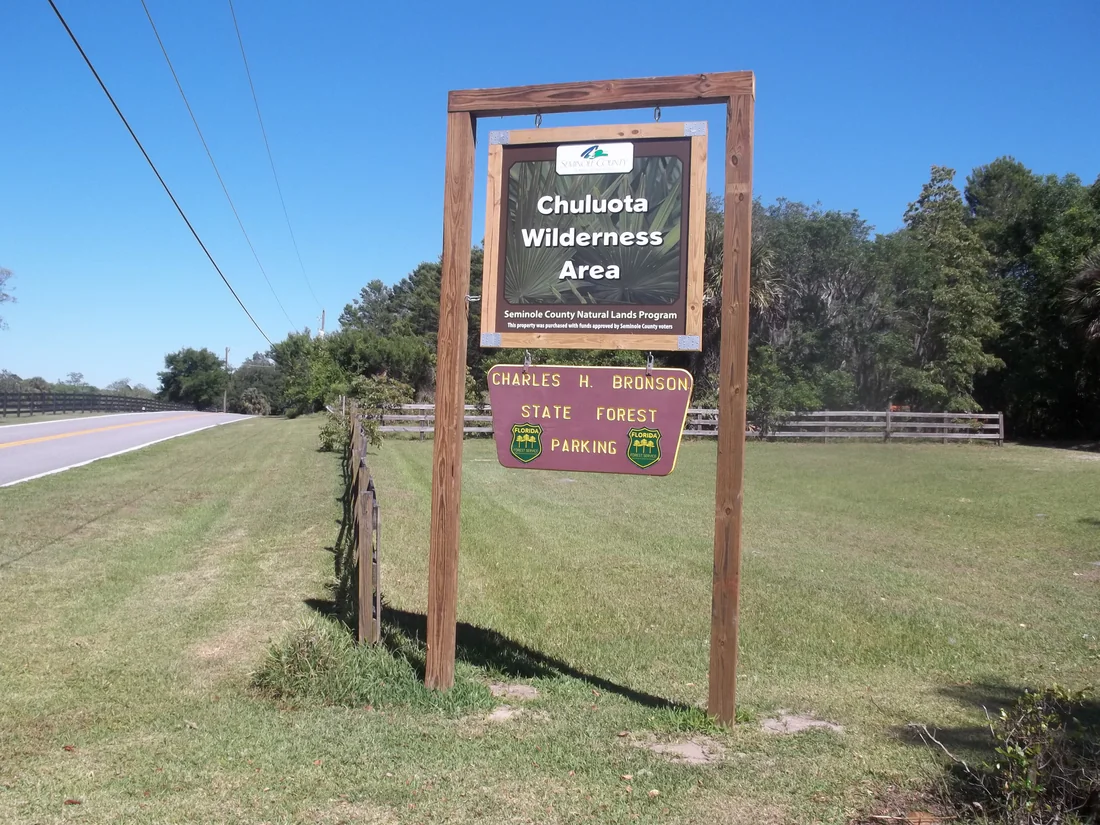
The far southeastern tip of Seminole County holds sites left by people who lived there before Columbus. Rollins College students have dug at shell mounds in a swampy, out-of-the-way part of the Charles H. Bronson State Forest. One of them is the Stipkovits-DiCecco shell mound. Mounds like these are places where some of the area's earliest people threw away food scraps and snail and clam shells.
A photo caption in the college's story describes the finds as coming from a Native American site 5,000 years old. The students also dug up animal bones, spear points and broken pottery. Zack Gilmore, an assistant professor of anthropology at Rollins, says the people who left them were likely ancestors of the Timucua, who were living in the area when the Spanish arrived.
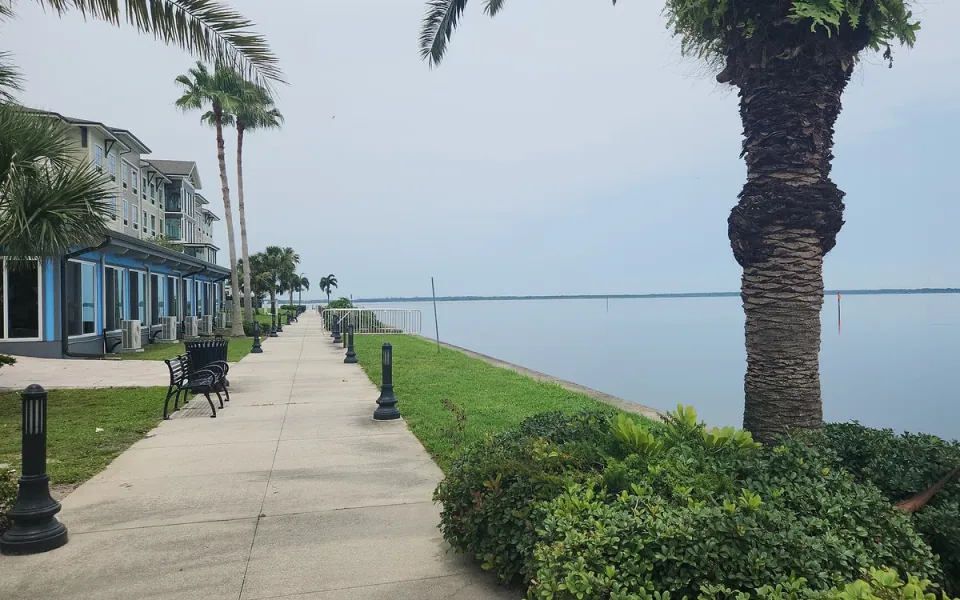
A marker on the Sanford RiverWalk, across from Fort Mellon Park, tells the story of Sanford's first residents. The marker says the Timucua had begun to vanish by the 1700s, worn down by war and disease. By its account, the Spanish took the last of the Timucua to Cuba in 1763. It adds that the Seminole people came to the area in the 1700s, moving down from Georgia and Alabama. A history of the county by Ira T. Sprinkle says the Seminole people once used the area as a campground.
Sources: Rollins College: Cool Class: Archaeological Field School; Historical Marker Database: Sanford's First Residents (marker erected by the City of Sanford); Florida Memory: History of Seminole County, by Ira T. Sprinkle
Next: Chapter 2, Camp Monroe and Fort Mellon →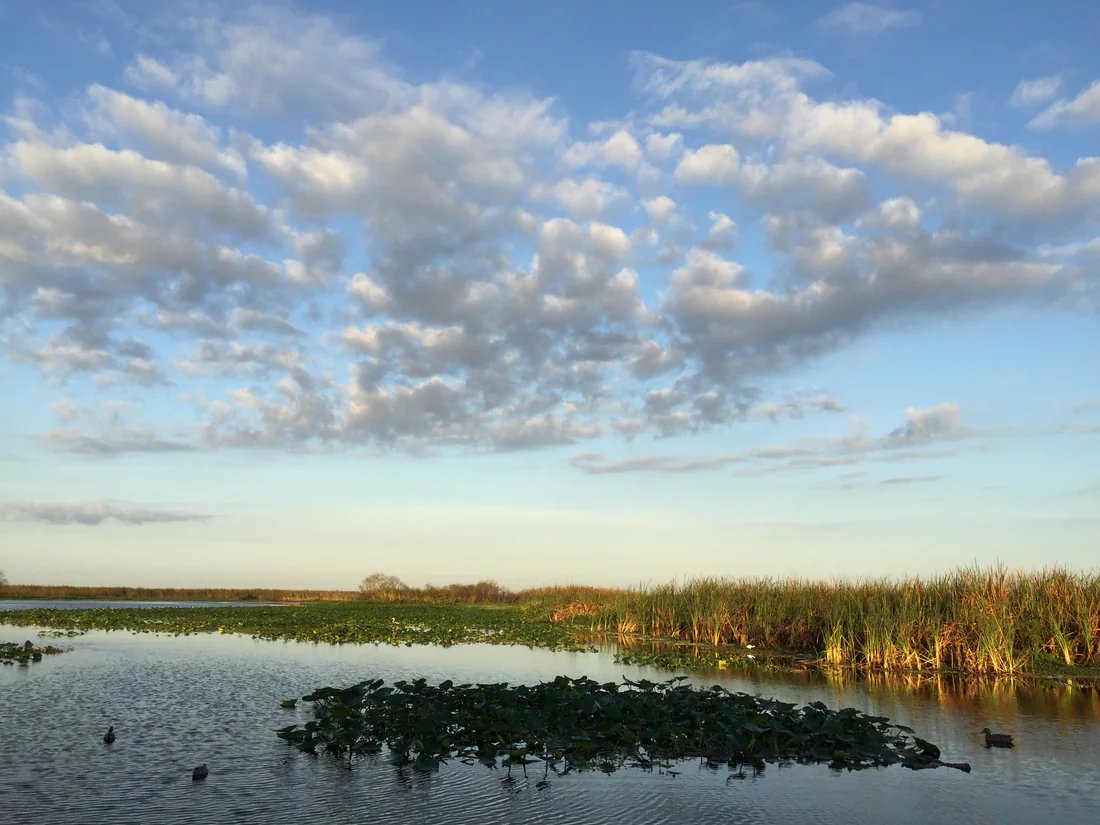
Camp Monroe and Fort Mellon
In 1832, the Treaty of Payne's Landing ordered Native Americans in Florida to give up their homes and move west. When the U.S. Army came in 1835 to enforce the treaty, war broke out. In 1836, the Army made Camp Monroe its headquarters for East Florida. The camp stood on the south shore of Lake Monroe, along the St. Johns River.
Seminole fighters attacked the camp on February 8, 1837. Captain Charles Mellon died in the fighting, and within a few days the camp was given his name as Fort Mellon. An older history of the county, written by Ira T. Sprinkle, puts the attack in 1836. Sprinkle names the Seminole leader King Phillip and his son Coacoochee as the attackers.
Mellon's body is said to have been dug up at the end of the war. It was buried again at St. Augustine National Cemetery, as were 400 others killed in battle during the war. Bennett Lloyd of the Museum of Seminole County History says about 20 to 26 of the dead are still buried at Fort Mellon. No one knows exactly where. The battle took place on land that is now Fort Mellon Park in Sanford.
Sources: WKMG News 6 ClickOrlando: The lost cemetery of Sanford. Where is it and who is buried there?; Florida Memory: History of Seminole County, by Ira T. Sprinkle; City of Sanford, posted by the Seminole County Regional Chamber: Historic Re-enactment Returns in 2025, Battle at Camp Monroe
Next: Chapter 3, Mellonville and the Steamboats →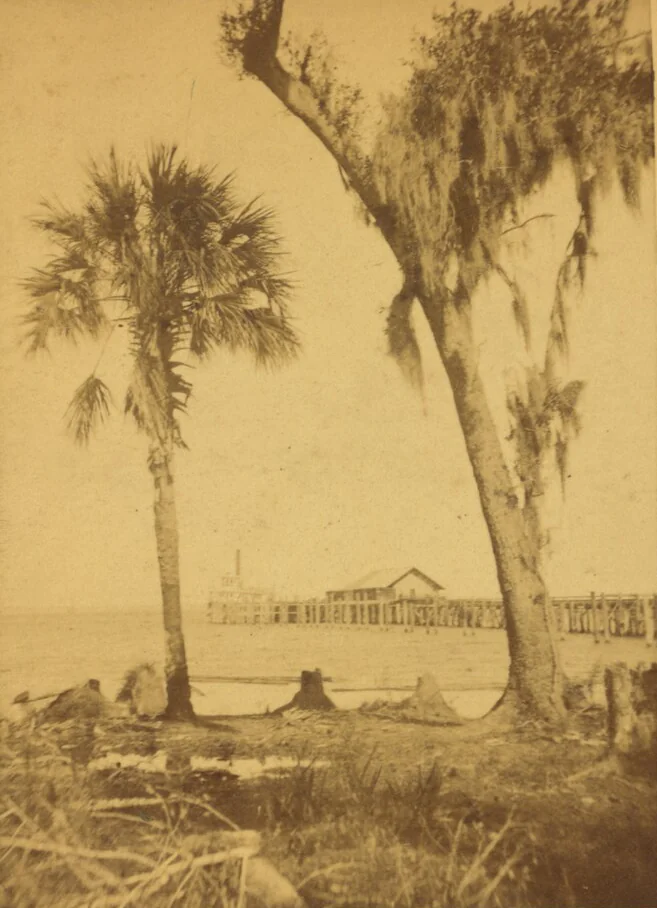
Mellonville and the Steamboats
In 1842, Daniel Stewart founded the town of Mellonville nearby. Sprinkle's history says boats began running between Palatka and Mellonville in 1844. When Orange County was set up in 1845, Mellonville became its county seat. The new county was the old Mosquito County under a new name, given the year Florida became a state.
Sanford lies on Lake Monroe's south shore, at the head of navigation for the St. Johns River. When commercial steamboats began running, the town became a supply point for goods that Central Florida needed in order to grow. In 1866, the boat Darlington began making weekly runs between Jacksonville and Mellonville. By 1870, Mellonville was a busy town with its own business district.
Sources: University of Central Florida RICHES: Sanford Collection; Florida Memory: History of Seminole County, by Ira T. Sprinkle; City of Sanford: History and Historic Preservation; University of Central Florida RICHES: Seminole County Collection; WKMG News 6 ClickOrlando: The lost cemetery of Sanford. Where is it and who is buried there?
Next: Chapter 4, Henry Sanford Plans a City →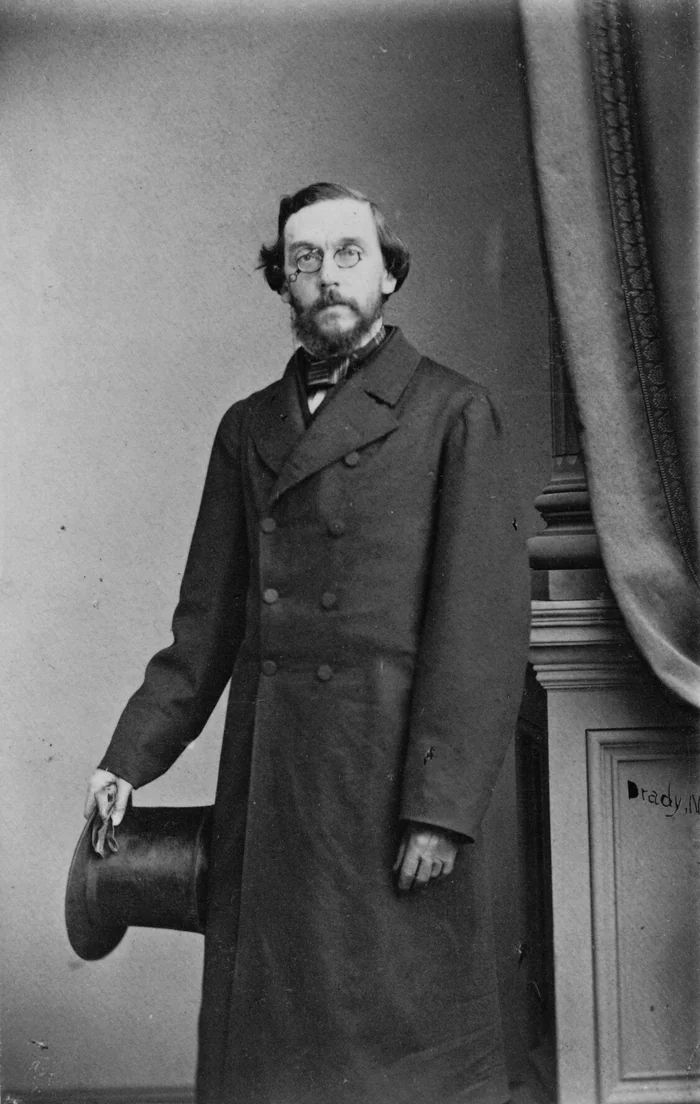
Henry Sanford Plans a City
In 1870, Henry Shelton Sanford bought the land west of Mellonville. He planned a new town that he called the Gate City of South Florida. He expected it to become the transportation center for all of southern Florida. In 1870, civil engineer Captain Richard W. Marks laid out and mapped the property for him. The town was given the name Sanford in 1871.
Henry Sanford planted his St. Gertrude grove in 1871, a state historical marker says. At St. Gertrude, and at Belair with its test gardens, he worked on about 140 kinds of citrus. The city of Sanford says the Valencia orange was one of the kinds tested there to see how it would grow in Florida's climate. He also planted 30,000 exotic trees brought from South America and Africa. Much of the grove work was done by Swedish immigrants who had settled nearby at New Upsala.
The town of Sanford became an incorporated city in 1877, and it took in Mellonville six years later. The state marker about his groves stands outside the Sanford Museum.
Sources: City of Sanford: History and Historic Preservation; Florida Memory: History of Seminole County, by Ira T. Sprinkle; Florida Department of State, Historical Markers: Henry Shelton Sanford Grove and Experimental Gardens
Next: Chapter 5, The Railroad and New Towns →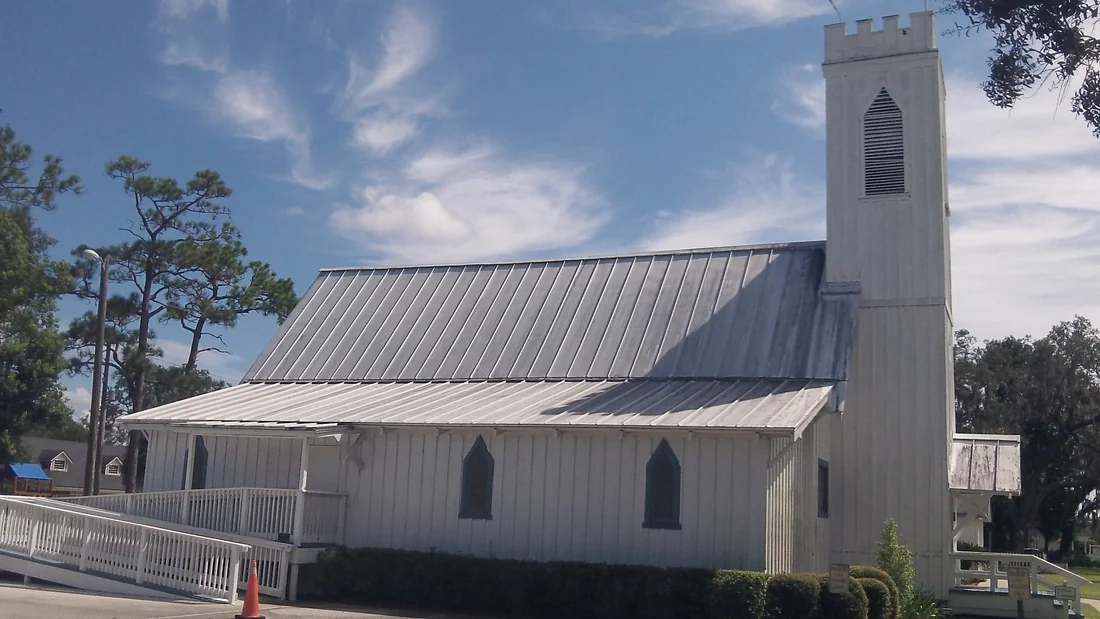
The Railroad and New Towns
Andrew Aulin became postmaster of the Lake Jesup Settlement in 1879. He chose the name Oviedo, after a city in Spain, because he wanted a name that showed Florida's Spanish roots. In 1880, Henry Sanford set up a company in London to deal in land and draw investors to the new town. Work on the South Florida Railroad started that same year, with its end point in Sanford. The first passenger train ran between Sanford and Longwood on June 26, 1880.
The first settlers of European descent reached what is now Longwood in the early 1870s. Its founding settlers were Edward Warren Henck, from Boston, and John Neill Searcy, from Tennessee. Henck, a railroad businessman, worked to bring the South Florida Railroad's line to Longwood. He was elected Longwood's first mayor in 1885.
By 1884, Sanford had grown into a well-off town with a big hotel, a train station and wharves. In September 1887, a fire started in a bakery on First Street. The flames spread quickly across the wooden buildings on the town's east side until the volunteer fire department stopped them. The town was rebuilt in brick.
Sources: WKMG News 6 ClickOrlando: The Lawton House: A window into Oviedo's past; City of Sanford: History and Historic Preservation; Florida Memory: History of Seminole County, by Ira T. Sprinkle; University of Central Florida RICHES: Longwood Collection
Next: Chapter 6, Goldsboro, an Early Black Town →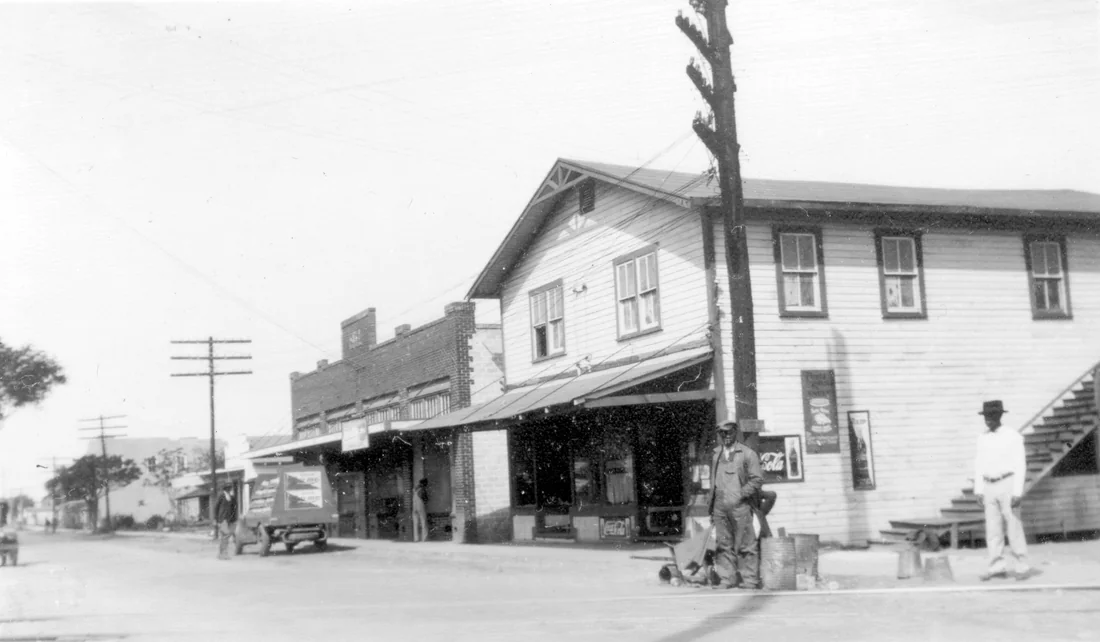
Goldsboro, an Early Black Town
Goldsboro was settled in 1870 as a Freedmen's Bureau community. The bureau was set up during Reconstruction to serve Black Americans. On December 1, 1891, at noon, store owner William Clark and a group of 19 Black registered voters made Goldsboro an incorporated town. Walter Williams was the town's first mayor, serving until 1892. A University of Central Florida history project says Goldsboro was the second Black city in Florida to incorporate.
A school headed by Katie Stubbins opened in Goldsboro a year after the town was incorporated. The Sanford City Council voted to take over Goldsboro on April 6, 1911. The Florida Legislature passed a new charter law for Sanford that ended the town charters of both Sanford and Goldsboro. The state says Goldsboro's identity slowly faded after it lost its charter.
Sources: Florida Department of State: Secretary Byrd Honors Historic Goldsboro Main Street; University of Central Florida RICHES: Goldsboro Collection
Next: Chapter 7, The Big Freeze and the Celery City →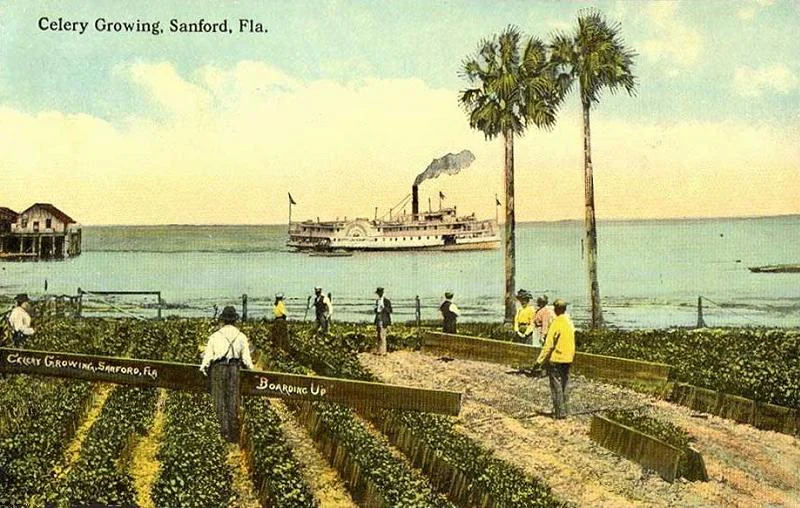
The Big Freeze and the Celery City
The winter of 1894-95 badly damaged the citrus business. Freezing weather destroyed that year's entire crop. A University of Central Florida history says the freeze that damaged the area's groves came on December 26, 1894. Sprinkle's county history gives the date as December 31, 1894. In Sanford, the number of people fell from 5,000 to 2,000 as growers left their groves.
Those who stayed tapped artesian wells and built a sub-irrigation system that made farming for market possible. Grower I. H. Terwilliger, who stayed on after the freezes, is believed to be the first person to grow celery in Sanford, in 1896. In 1897, two growers named Whitner planted three-quarters of an acre with celery brought from Kalamazoo, Michigan. By 1898, Sanford was known for celery.
The city says that in the first ten years of the 1900s, Sanford was among the country's biggest shipping points for vegetables. Celery was its most successful crop, and the town was nicknamed the Celery City. Ice from local ice houses kept the celery cold in railroad boxcars. Oviedo, too, was once known as the Celery Capital of the World.
Sources: City of Sanford: History and Historic Preservation; University of Central Florida RICHES: Origins of the Celery City, Celery; Florida Memory: History of Seminole County, by Ira T. Sprinkle; WKMG News 6 ClickOrlando: The Lawton House: A window into Oviedo's past
Next: Chapter 8, Seminole County Is Created →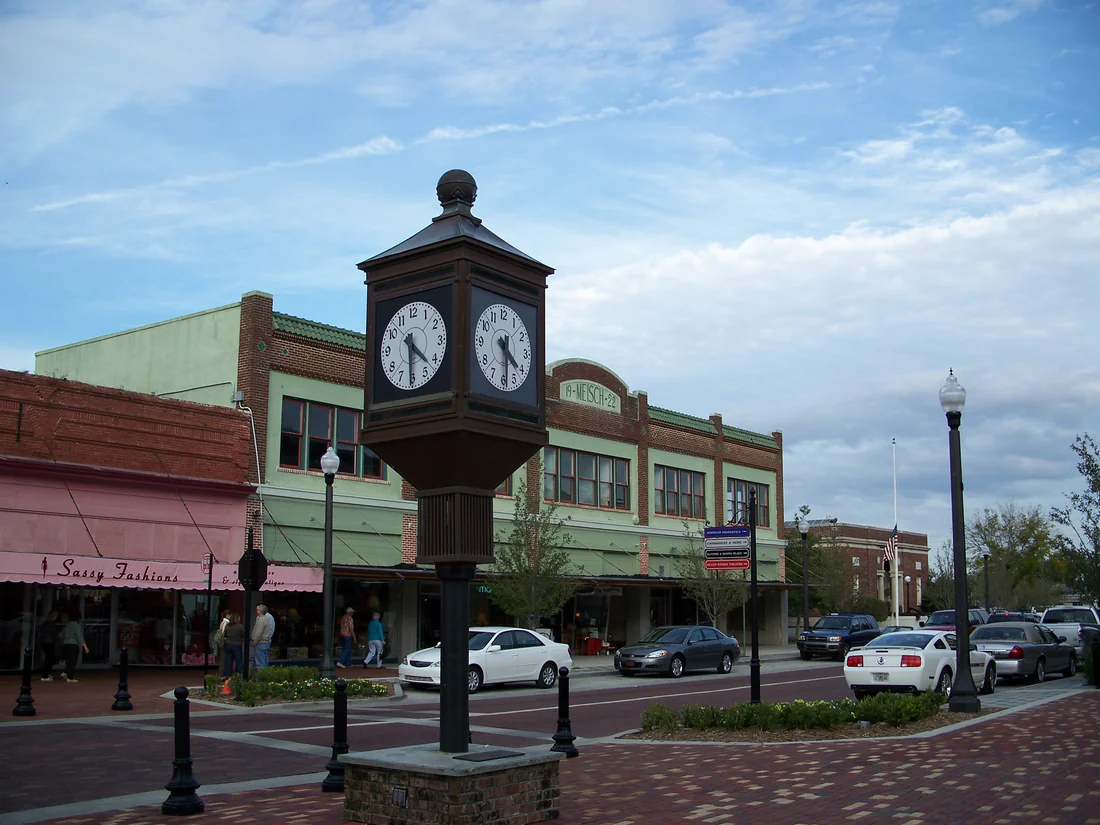
Seminole County Is Created
Seminole County split off from Orange County on April 25, 1913. The law that made it was Chapter 6511, passed by the Florida Legislature in 1913. Sanford became the county seat. The new county was named for the Seminole people who once lived in the area.
From 1913 to 1918, the county's courthouse was in a building called the Welborn Block. In its early years, the county was known for its farms and for being close to shipping routes. Thomas W. Lawton Sr. worked as a teacher and a school principal before becoming the county's school superintendent. He held the post from 1916 to 1952.
Sources: University of Central Florida RICHES: Seminole County Collection; Florida Memory: History of Seminole County, by Ira T. Sprinkle; City of Sanford: History and Historic Preservation; WKMG News 6 ClickOrlando: The Lawton House: A window into Oviedo's past
Next: Chapter 9, New Cities and the Big Tree →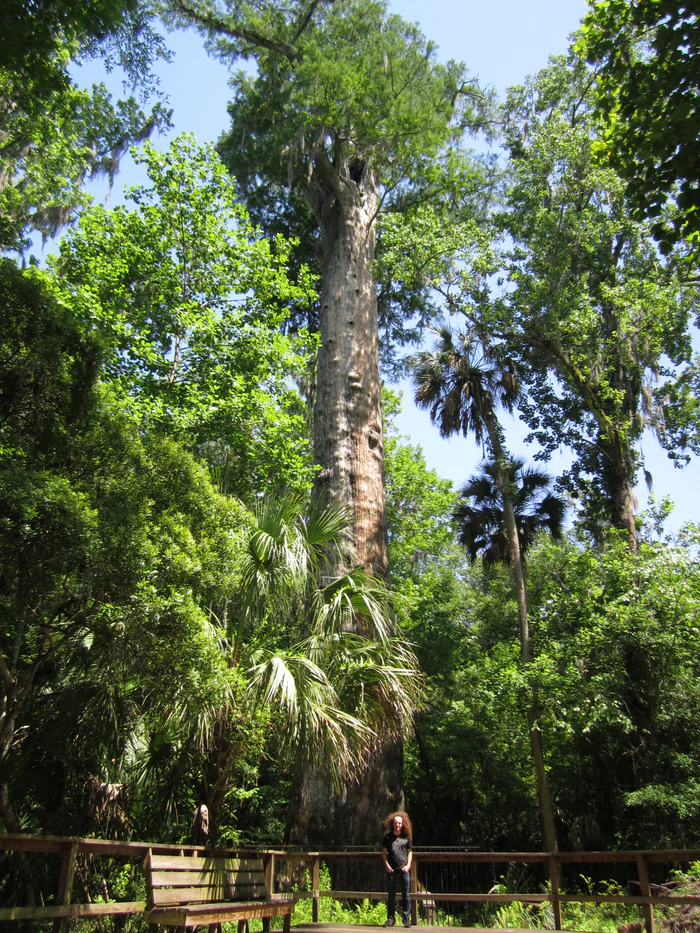
New Cities and the Big Tree
In 1923, Longwood changed from a town to a city. Oviedo became an incorporated city in 1925.
A giant bald cypress known as The Senator once stood 165 feet tall. A hurricane in 1925 took about 45 feet off its top. The tree was named for M.O. Overstreet, a Florida state senator. Seminole County says The Senator was about 3,500 years old.
Overstreet gave the land around it to Seminole County, and it became Big Tree Park. Calvin Coolidge came to dedicate the park in 1929. A second old cypress, Lady Liberty, grows 40 feet from where The Senator stood. The county puts its age at about 2,000 years. The park is part of the Spring Hammock Preserve, along with Soldiers Creek Park and a piece of the Cross Seminole Trail.
Sources: University of Central Florida RICHES: Longwood Collection; WKMG News 6 ClickOrlando: 1925-2025: Here's when, how Oviedo will celebrate 100 years; NPR (on WUTC): One Of World's Oldest Cypress Trees, 'The Senator,' Burns In Florida; Seminole County Government: Big Tree Park; University of Central Florida RICHES: Lady Liberty Historic Marker; Seminole County Government: Spring Hammock Preserve
Next: Chapter 10, The Navy Base and Jackie Robinson →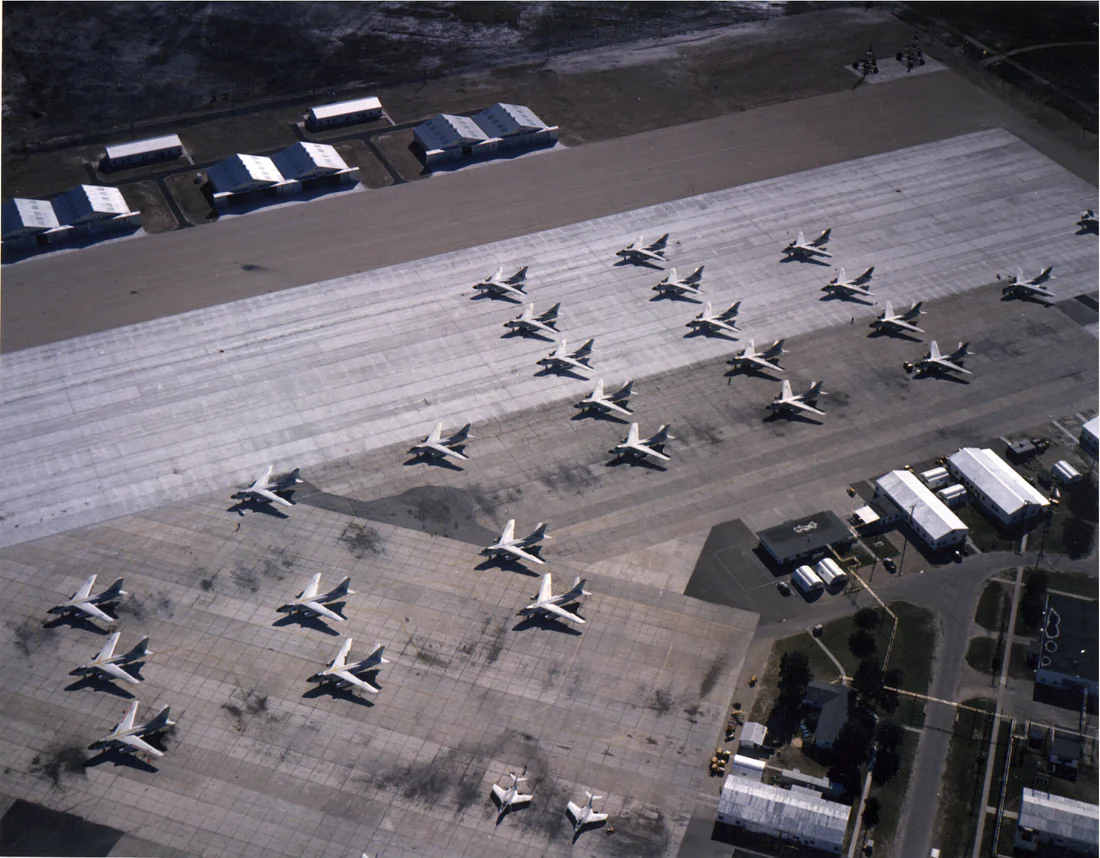
The Navy Base and Jackie Robinson
The Navy opened Naval Air Station Sanford on November 3, 1942, to train its fliers for World War II. The city says the base drew many people away from farm work. The Navy closed it for a time in 1946. It reopened in 1950 as Naval Auxiliary Air Station Sanford.
In March 1946, Jackie Robinson and his new wife, Rachel, came to Sanford. He had signed with the Montreal Royals, a top minor-league team tied to the Brooklyn Dodgers. Robinson and Johnny Wright, also a Black player, stayed in a private house on Sanford Avenue while the other Royals players had rooms at a hotel. Threats followed, and the two were moved on to Daytona Beach.
The Royals returned on April 7 to play the St. Paul Saints in an exhibition game. During the game, Sanford's police chief came onto the field and told manager Clay Hopper to get Robinson and Wright out of the ballpark. A year later he was playing for the Brooklyn Dodgers, and he won Rookie of the Year. In 1968, Congress ordered the Sanford base closed because the Vietnam War had left too little money for it. A year later, the City of Sanford took over the site and gave it a new name, the Sanford Airport.
Sources: University of Central Florida RICHES: Naval Air Station Sanford Collection; City of Sanford: History and Historic Preservation; History News Network: Sanford, Fla. Threatened to Lynch Jackie Robinson (Peter Dreier, 2013); Spectrum News Bay News 9: Black History: Jackie Robinson's legacy lives on in Sanford
Next: Chapter 11, Since 1990: Jackie Robinson Day, The Senator's Clone and a New Liberty Tree →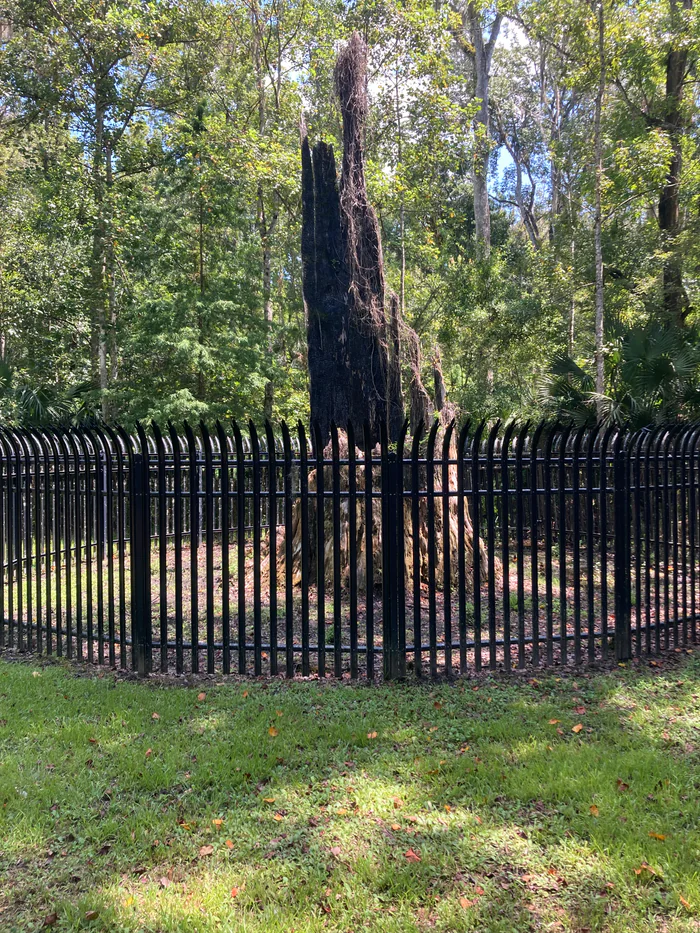
Since 1990: Jackie Robinson Day, The Senator's Clone and a New Liberty Tree
Sanford made a public apology in 1997 for what had happened to Robinson. The city named April 15, 1997, Jackie Robinson Day, 50 years after his first major league game. The Goldsboro Museum opened in 2011 on the site of Goldsboro's original post office. On June 1, 2012, the part of 13th Street that served as Goldsboro's business district took the name Historic Goldsboro Boulevard. Lake Avenue became William Clark Avenue on February 28, 2013.
Fire destroyed The Senator on January 16, 2012. The county has since built a memorial with signs along a renovated boardwalk. A clone of the tree was planted near the park's playground. The clone is called The Phoenix.
In April 2025, Oviedo held a celebration for its 100th birthday as a city. The party had a 1970s carnival theme and a Walk Through Time that showed the city's history. On July 8, 2026, Seminole County hosted a ceremony at Five Points in Sanford to plant a new Liberty Tree. The ceremony marked 250 years since the Declaration of Independence was first read in public.
Sources: Spectrum News Bay News 9: Black History: Jackie Robinson's legacy lives on in Sanford; Florida Department of State: Secretary Byrd Honors Historic Goldsboro Main Street; University of Central Florida RICHES: Lady Liberty Historic Marker; Seminole County Government: Big Tree Park; WFTV Channel 9: City of Oviedo celebrates 100 years; WFTV Channel 9: Liberty Tree planted at Five Points to commemorate Declaration anniversary
Next: the whole story, in dates →The whole story, in dates
Native Americans use a site in the area that Rollins College students later study.
The Spanish take the last of the Timucua to Cuba, a Sanford marker says.
The U.S. Army arrives to enforce a treaty, and war breaks out.
The Army sets up Camp Monroe on the south shore of Lake Monroe.
Seminole fighters attack Camp Monroe, which is renamed Fort Mellon days later.
Daniel Stewart founds the town of Mellonville.
Boats begin running between Palatka and Mellonville.
Mellonville becomes the county seat of the new Orange County.
Goldsboro is settled as a Freedmen's Bureau community.
Henry Shelton Sanford buys the land west of Mellonville.
Sanford plants his St. Gertrude grove, and the town is named Sanford.
Sanford becomes an incorporated city.
Andrew Aulin becomes postmaster of the Lake Jesup Settlement.
The first passenger train runs between Sanford and Longwood.
Edward Warren Henck is elected Longwood's first mayor.
A fire that starts in a First Street bakery burns the east side of Sanford.
Goldsboro becomes an incorporated town.
Freezes destroy the year's citrus crop.
I. H. Terwilliger is believed to grow the first celery in Sanford.
Two growers named Whitner plant celery brought from Kalamazoo, Michigan.
The Sanford City Council votes to take over Goldsboro.
Seminole County splits off from Orange County, with Sanford as county seat.
Thomas W. Lawton Sr. serves as the county's school superintendent.
Longwood changes from a town to a city.
Oviedo becomes an incorporated city.
Calvin Coolidge comes to dedicate Big Tree Park.
The Navy opens Naval Air Station Sanford.
Jackie Robinson, signed by the Montreal Royals, comes to Sanford.
Sanford's police chief has Robinson and Wright put out of a Royals game.
Congress orders the Sanford base closed.
Sanford names the day Jackie Robinson Day, 50 years after his major league debut.
The Goldsboro Museum opens.
Fire destroys The Senator.
Part of 13th Street becomes Historic Goldsboro Boulevard.
Lake Avenue becomes William Clark Avenue.
Oviedo celebrates 100 years as a city.
A new Liberty Tree is planted at Five Points in Sanford.
Where you can still see it
 01
01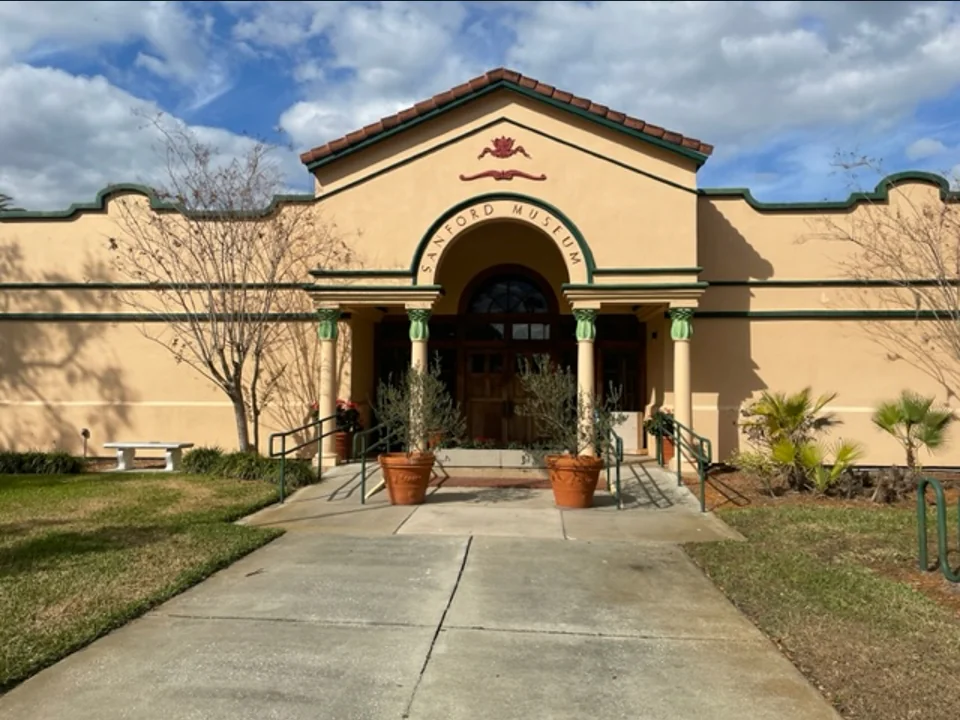 02
02 03
03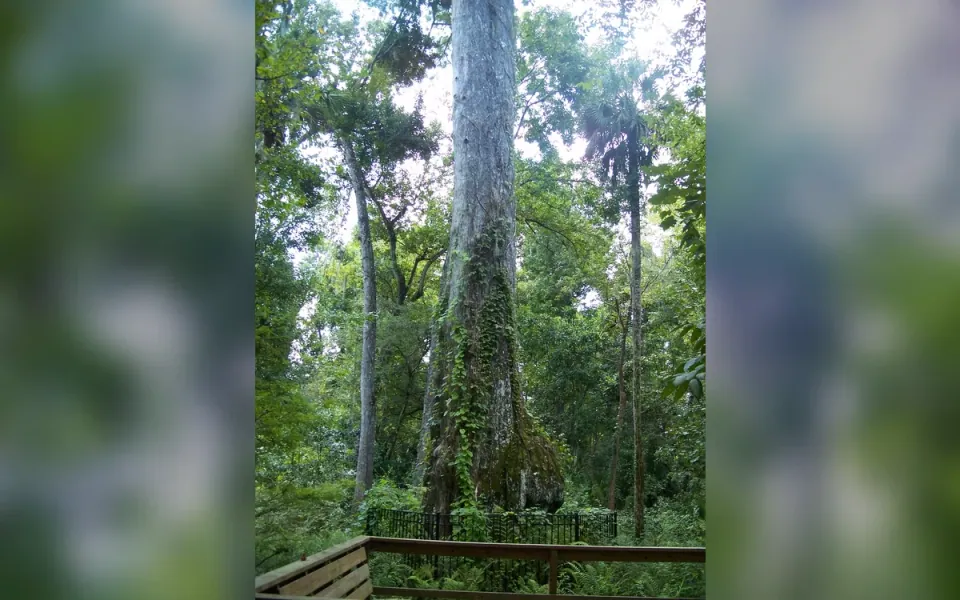 04
04Questions people ask
When was Seminole County created?
Seminole County split off from Orange County on April 25, 1913.
Chapter 8 →Who was Seminole County named for?
Seminole County was named for the Seminole people who once lived in the area.
Chapter 8 →What is the county seat of Seminole County?
Sanford became the county seat when the county was created in 1913.
Chapter 8 →Why was Sanford called the Celery City?
Celery was Sanford's most successful crop, and the town was nicknamed the Celery City.
Chapter 7 →What happened to Jackie Robinson in Sanford?
In 1946, after a series of threats, Jackie Robinson and Johnny Wright were moved from Sanford to Daytona Beach.
Chapter 10 →Where this comes from.
- Rollins College: Cool Class: Archaeological Field School ↗ Read October 16, 2026
- Historical Marker Database: Sanford's First Residents (marker erected by the City of Sanford) ↗ Read October 16, 2026
- Florida Memory: History of Seminole County, by Ira T. Sprinkle ↗ Read October 16, 2026
- WKMG News 6 ClickOrlando: The lost cemetery of Sanford. Where is it and who is buried there? ↗ Read October 16, 2026
- City of Sanford, posted by the Seminole County Regional Chamber: Historic Re-enactment Returns in 2025, Battle at Camp Monroe ↗ Read October 16, 2026
- City of Sanford: History and Historic Preservation ↗ Read October 16, 2026
- University of Central Florida RICHES: Sanford Collection ↗ Read October 16, 2026
- University of Central Florida RICHES: Seminole County Collection ↗ Read October 16, 2026
- Florida Department of State, Historical Markers: Henry Shelton Sanford Grove and Experimental Gardens ↗ Read October 16, 2026
- University of Central Florida RICHES: Longwood Collection ↗ Read October 16, 2026
- WKMG News 6 ClickOrlando: The Lawton House: A window into Oviedo's past ↗ Read October 16, 2026
- WKMG News 6 ClickOrlando: 1925-2025: Here's when, how Oviedo will celebrate 100 years ↗ Read October 16, 2026
- Florida Department of State: Secretary Byrd Honors Historic Goldsboro Main Street ↗ Read October 16, 2026
- University of Central Florida RICHES: Goldsboro Collection ↗ Read October 16, 2026
- University of Central Florida RICHES: Origins of the Celery City, Celery ↗ Read October 16, 2026
- Seminole County Government: Big Tree Park ↗ Read October 16, 2026
- University of Central Florida RICHES: Lady Liberty Historic Marker ↗ Read October 16, 2026
- NPR (on WUTC): One Of World's Oldest Cypress Trees, 'The Senator,' Burns In Florida ↗ Read October 16, 2026
- Seminole County Government: Spring Hammock Preserve ↗ Read October 16, 2026
- University of Central Florida RICHES: Naval Air Station Sanford Collection ↗ Read October 16, 2026
- Spectrum News Bay News 9: Black History: Jackie Robinson's legacy lives on in Sanford ↗ Read October 16, 2026
- History News Network: Sanford, Fla. Threatened to Lynch Jackie Robinson (Peter Dreier, 2013) ↗ Read October 16, 2026
- WFTV Channel 9: City of Oviedo celebrates 100 years ↗ Read October 16, 2026
- WFTV Channel 9: Liberty Tree planted at Five Points to commemorate Declaration anniversary ↗ Read October 16, 2026