The Calusa lived along the coast of southwest Florida, including what is now Lee County, for almost 2,000 years. The county seat, Fort Myers, grew out of a military fort put up on the Caloosahatchee River in the Seminole Wars. Thomas Edison built a winter home in Fort Myers in 1886.
This page tells the story in order, from the Calusa to the Florida Everblades' three Kelly Cups in a row, then lists places in the county where you can still see it. The sources for each part are named at the end of that part, and all of them are listed at the bottom of the page.
The Calusa
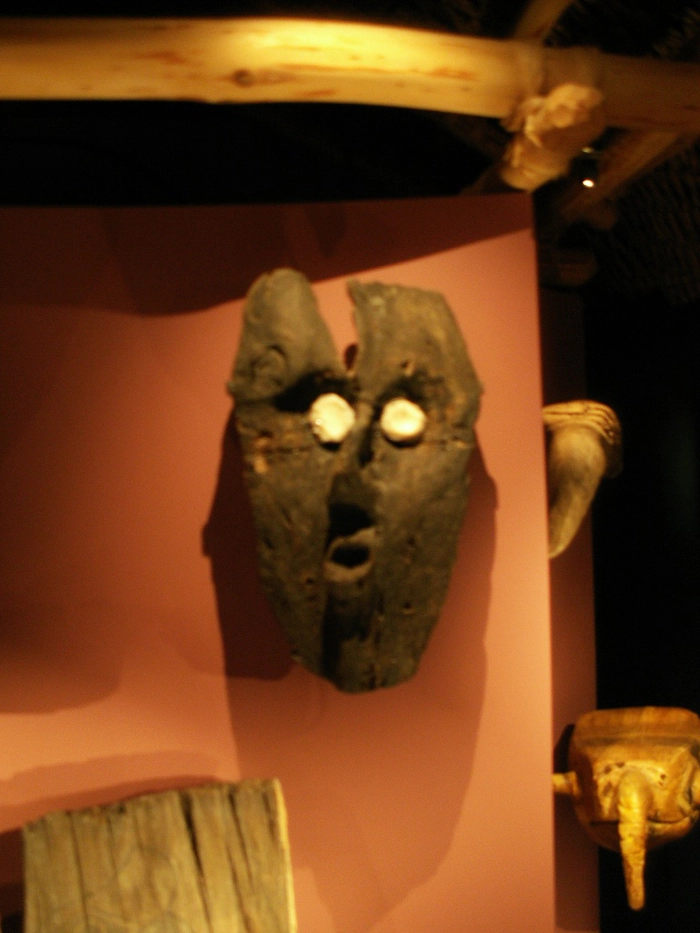
For almost 2,000 years, the Calusa made their home on the bays and open shores of southwest Florida. Fishing, not farming, was the base of their society. Out of the shells and fish bones they threw away, they built large mounds. For travel by canoe, they dug canals that ran into the mainland, and others that crossed entire islands.
The Florida Museum says Pineland held one of the largest communities of the Calusa in southwest Florida. The museum's Randell Research Center, set up in 1996, is based there. The Calusa capital stood on Mound Key, an island in Estero Bay that people built out of shells and sand. There the Calusa built a large house on a shell mound 30 feet high, and Spanish accounts said it could hold about 2,000 people.
Sources: Florida Museum of Natural History: The Calusa and Randell Research Center, an Introduction; Florida Museum of Natural History: Investigating the Calusa; Florida State Parks: Mound Key Archaeological State Park
Next: Chapter 2, Spanish ships and Mound Key →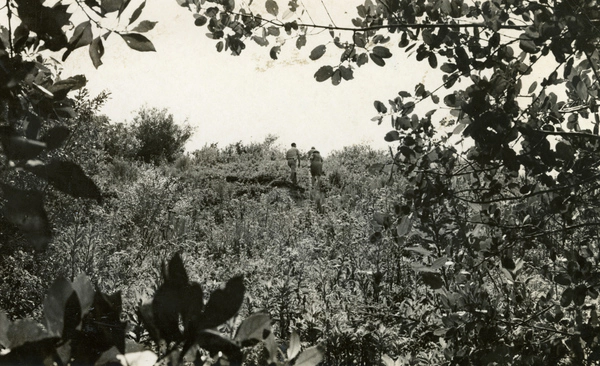
Spanish ships and Mound Key
According to Florida State Parks, the earliest record of Europeans meeting the Calusa is from 1513, when the Spanish explorer Juan Ponce de León came ashore in the area. Charts marked the area as "S. Nivel," and the Sanibel Historical Museum says the name Sanibel comes from this. In 1521 Ponce de León tried to found a colony for Spain at Punta Rassa, but the Calusa resisted and the plan failed. He was hit by a poisoned Calusa arrow and died in July of that year.
Spanish accounts say Pedro Menéndez de Avilés reached Mound Key in 1566. The Florida Museum says he was La Florida's first governor. Historic records say the Spanish built Fort San Antón de Carlos near the house of Caalus, the Calusa king. The Florida Museum says the fort was home to one of the earliest Jesuit missions in what is now the United States. A Calusa attack on a Spanish supply ship followed in 1569. Records from that time say the Calusa next burned Mound Key and fled, and this led the Spanish to leave as well.
The Calusa were back on Mound Key in the early 1600s, and it was once more their capital. Diseases brought from Europe, along with raids by enemy tribes seeking slaves, devastated the Calusa. Sources disagree on when the last of them left. According to the Florida Museum, the Calusa last appear in known historical records in 1763. Some of the last Calusa went to Cuba, and others joined other native groups in Florida.
Sources: Florida State Parks: Mound Key Archaeological State Park, History; Sanibel Historical Museum and Village: Sanibel History; WGCU News: Feb. 20 is the most significant day in Fort Myers history; Florida Museum of Natural History: Investigating the Calusa; Florida State Parks: The Calusa Native Americans; Florida Museum of Natural History: The Calusa and Randell Research Center, an Introduction
Next: Chapter 3, Forts and the Seminole Wars →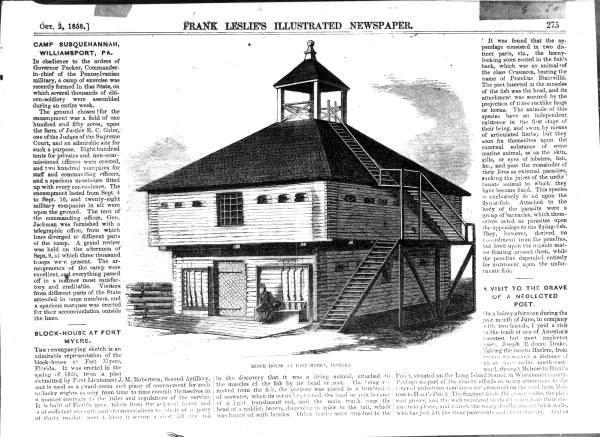
Forts and the Seminole Wars
On July 23, 1839, at 4 a.m., 160 Indians raided an Army fort and trading post beside the Caloosahatchee River. Their leader was Chief Chekaika. Thirteen of the soldiers died, and 14 got away down the river, Colonel William S. Harney among them. During the 1841-1842 Seminole War, a fort named for Lieutenant John Harvie went up in what is now downtown Fort Myers. A major hurricane struck Fort Harvie on October 19, 1841.
Two artillery companies came ashore beside the Caloosahatchee on February 20, 1850. That year the fort was set up again and given the name Fort Myers, after Abraham C. Myers. Billy Bowlegs, a Seminole leader, had refused in 1842 to go west, and a state law passed in 1853 made it illegal for Indians to live in Florida. The Third Seminole War started in December 1855, when surveyors from the Army post at Fort Myers damaged crops on Bowlegs' plantation. After a promise of financial help for his people, Bowlegs surrendered, and in March 1858 he and 165 Seminoles set out for Oklahoma.
The fort went unused after the war ended in 1858. Soldiers from both Fort Harvie and Fort Myers were buried in a military cemetery outside the fort walls. When Fowler Street was put through, the graves were taken to the civilian burial ground on Michigan Avenue.
Sources: Florida Department of State: Historical Marker, Harney's Point; Florida Department of State: Historical Marker, Fort Myers; Florida Department of State: Historical Marker, Military Cemetery; Edison and Ford Winter Estates: The Making of Fort Myers; WGCU News: Feb. 20 is the most significant day in Fort Myers history; Florida Department of State: Historical Marker, Billy Bowlegs; Florida Department of State: Historical Marker, The Attack on Fort Myers
Next: Chapter 4, The Civil War at Fort Myers →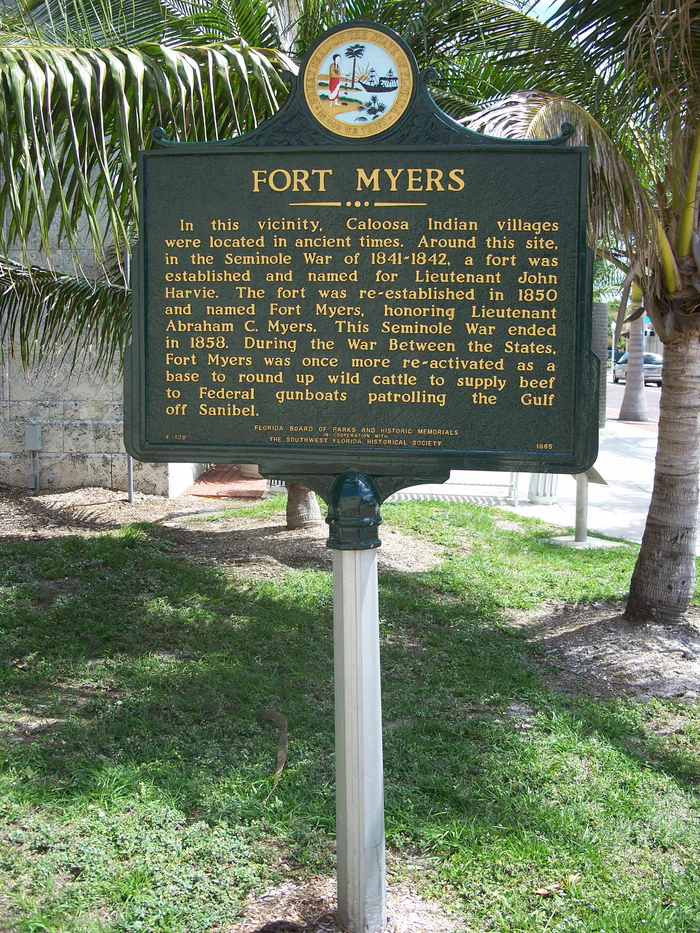
The Civil War at Fort Myers
Federal troops moved back into Fort Myers in December 1863, during the Civil War. The fort stored supplies for the Federal squadron that enforced the blockade. Its soldiers gathered wild cattle and sent the beef to the Federal gunboats on patrol in the Gulf near Sanibel. Because Florida beef was feeding the Confederate army, the fort's troops also raided Confederate supply depots inland.
Among the troops at the fort were Black Union soldiers of the 2nd U.S. Colored Infantry. A Confederate force of 275 men from Florida's "Cow Cavalry," led by Major William Footman, came right up to the gates of Fort Myers. Just after midday on February 20, 1865, Footman told the Union troops they had 20 minutes to give up. Captain James Doyle would not surrender, and cannon fire and gunfire went on until after dark, when the Confederates pulled back. Few men on either side were killed or wounded.
The Union defenders kept the Confederates from seizing about 4,000 cattle and from burning the wooden fort. In Centennial Park in downtown Fort Myers, a monument called Clayton honors a sergeant from the regiment.
Sources: Florida Department of State: Historical Marker, The Attack on Fort Myers; Edison and Ford Winter Estates: The Making of Fort Myers; Florida Department of State: Historical Marker, Fort Myers; WGCU News: About face: A monument honoring Black Union soldiers turns towards Centennial Park
Next: Chapter 5, A town and a new county →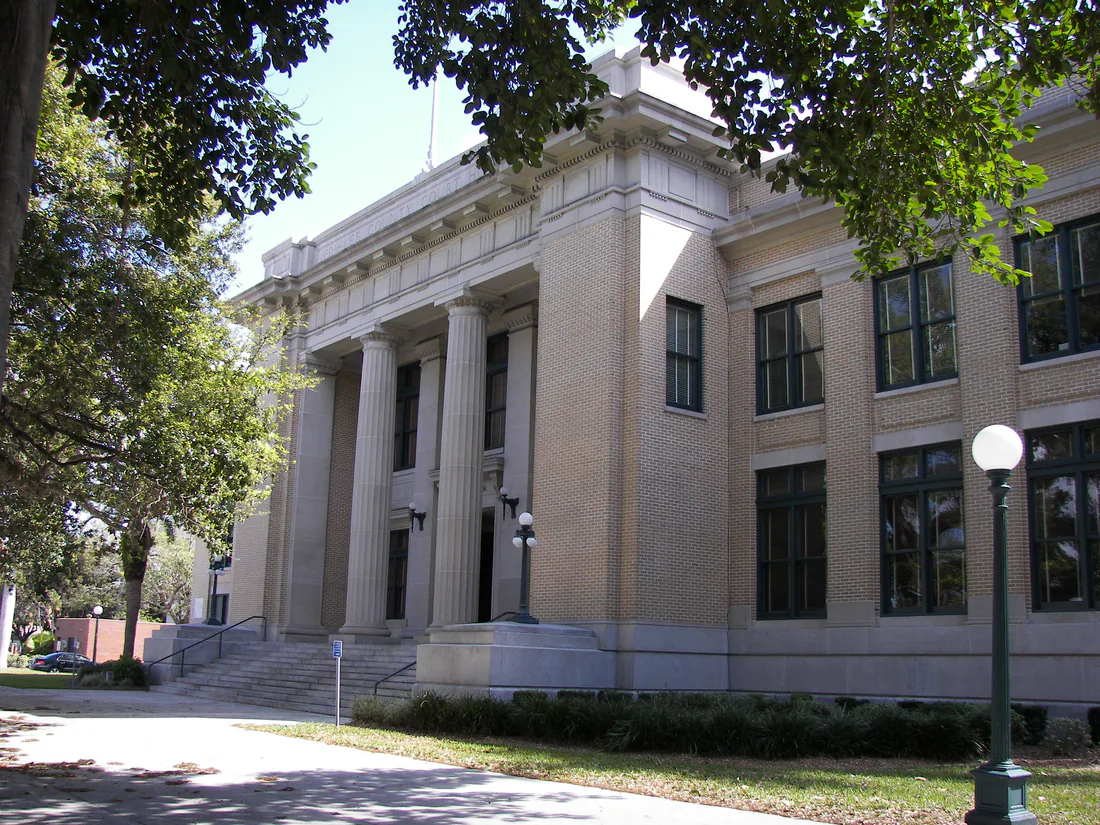
A town and a new county
After the Civil War, in 1866, Manuel A. Gonzalez and Joseph Vivas moved into the abandoned fort. Other settlers came after them, and in 1876 the settlement got a post office. Some of the first settlers were war veterans, and many of those veterans raised cattle, farmed or traded with the Seminoles. Fort Myers became an incorporated city on August 12, 1885.
The area that is now Lee County belonged to Monroe County from 1823 until 1887. Residents who had business at the county seat had to go by boat to Key West. The Florida Legislature created Lee County on May 13, 1887, making it Florida's 41st county. The new county was named for Robert E. Lee, the Confederate general, and Fort Myers was its seat. In the beginning, its land also covered what are now Hendry and Collier counties.
The first election for the county's board of commissioners took place on May 17, 1887. The first sheriff, Thomas W. Langford, was appointed by Governor Edward Perry.
Sources: Florida Department of State: Historical Marker, First Street, Fort Myers; University of Florida Libraries: Ingraham Expedition, Fort Myers, Florida; Edison and Ford Winter Estates: The Making of Fort Myers; Lee County Board of County Commissioners: 130 Years of Dedicated Service, Lee Board of County Commissioners 1887-2018; Lee County Sheriff's Office: Thomas W. Langford, Sheriff 1887-1901; Lee County Board of County Commissioners: Old Lee County Courthouse Self-Guided Tour
Next: Chapter 6, A lighthouse, an inventor and Estero →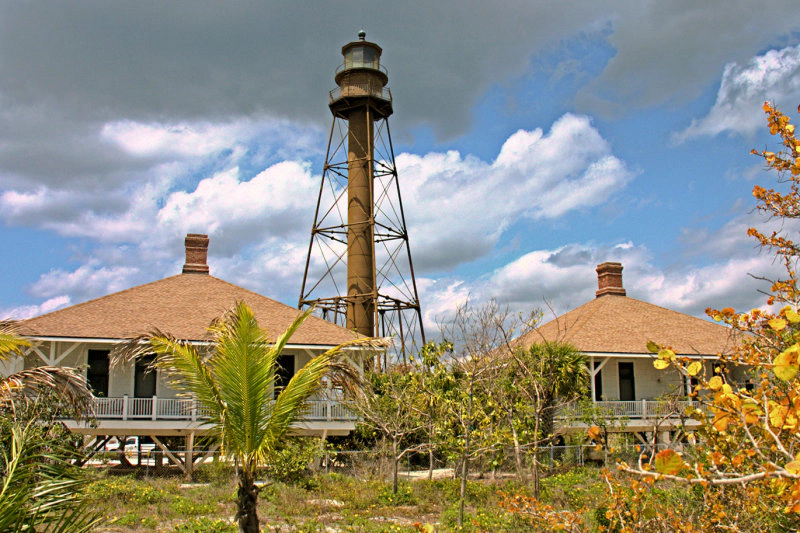
A lighthouse, an inventor and Estero
According to a state marker, Sanibel Island's first English-speaking settlers came in 1833 from New York, as members of a planned colony. The colony did not last, but its settlers had asked the U.S. government to build a lighthouse. Sea trade in the area grew by the late 1870s, and work on the lighthouse began in 1884. The state marker says the lighthouse was first lit in August 1884. The Sanibel Historical Museum gives the year as 1885.
Thomas Edison's first visit to Fort Myers was in 1885, according to the state marker at his estate. In 1886 he built Seminole Lodge as his winter home, along with a laboratory and a second house for a friend and partner. Henry Ford bought The Mangoes, the property next door, in 1916 so he could spend more time with Edison. The two men vacationed there until Edison died in 1931. The City of Fort Myers received the Edison estate from Mina Edison by deed for $1.00, and she dedicated it at a ceremony held on March 6, 1947.
In 1892 the Koreshan Unity's founder, Dr. Cyrus Read Teed, started a community at Estero that he called his "College of Life." The Koreshans taught that people live inside the world. They printed books and newspapers at Estero, and their nursery made the Koreshan garden known for its subtropical plants. The Koreshan Unity signed 305 acres of its land over to the State of Florida in 1961.
Sources: Florida Department of State: Historical Marker, Sanibel Lighthouse; Sanibel Historical Museum and Village: Sanibel History; Florida Department of State: Historical Marker, Edison & Ford Winter Estates; Florida Department of State: Historical Marker, "In the Name of Humanity" - Koresh
Next: Chapter 7, The railroad, roads and the boom →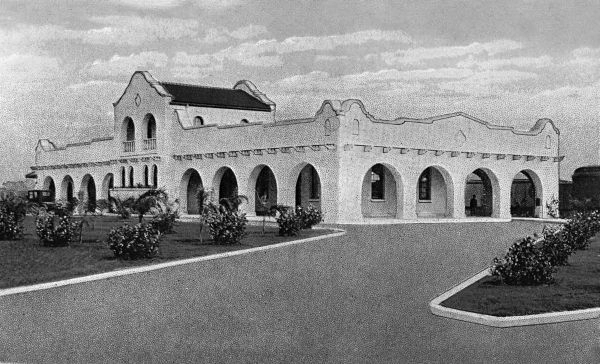
The railroad, roads and the boom
Fort Myers had no train service until 1904. On February 20, 1904, the final rail was put down at Monroe Street, linking the town to the Atlantic Coast Line Railroad. On February 20, 1915, Dixie Highway backers celebrated when the Caloosahatchee Bridge at Olga was finished. According to WGCU, the highway brought an end to the Menge Brothers Steamboat Line.
Fort Myers switched its street lights to electricity in the early 1920s, as Florida's boom period began. A bridge for the Tamiami Trail went up in 1924, and in 1925 Lee County got spring training. On April 26, 1928, the Tamiami Trail opened.
In 1925 a ferry began running to Sanibel. After the 1926 hurricane ruined the island's crops, commercial farming on Sanibel mostly stopped.
Sources: Lee County Sheriff's Office: Thomas W. Langford, Sheriff 1887-1901; WGCU News: Feb. 20 is the most significant day in Fort Myers history; Florida Department of State: Historical Marker, First Street, Fort Myers; Lee County: History; Sanibel Historical Museum and Village: Sanibel History
Next: Chapter 8, Williams Academy and a segregated courthouse →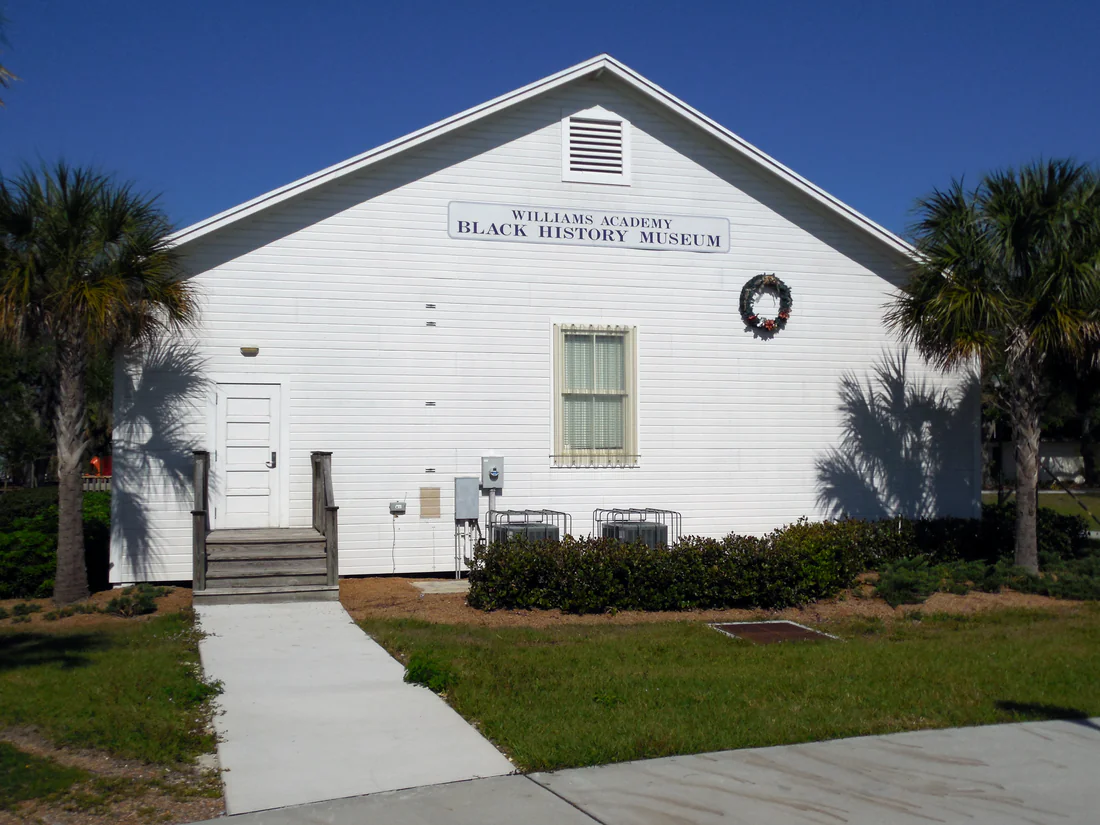
Williams Academy and a segregated courthouse
A state marker says Williams Academy, built in 1913, was the first school for Black students in Lee County to be paid for by the government. It took its name from J. S. Williams, the county's supervisor of colored schools, and its students came from Punta Gorda as well as Lee County. After fire destroyed its second floor in the 1930s, the rest of the building was moved in 1937 to the Blount Street campus of Dunbar High School, the African American high school. Two more classrooms were added in 1942. In 1958 the original building was taken apart, and the 1942 classrooms were moved to a different part of the Dunbar grounds.
In Fort Myers, a new Lee County Courthouse went up on Courthouse Square. The county's history timeline says it opened in December 1915, and the county's courthouse tour guide says 1916. The courthouse was segregated from 1916 until 1963.
In 1994 the 1942 classroom building was set to be torn down. The Lee County Black History Society asked the city for the building, and the city handed it over. In 1995 the building was moved to Roberto Clemente Park, where it opened again under the name Williams Academy Black History Museum.
Sources: Florida Department of State: Historical Marker, Williams Academy; Lee County Board of County Commissioners: Old Lee County Courthouse Self-Guided Tour; Lee County: History
Next: Chapter 9, World War II, a bridge and new cities →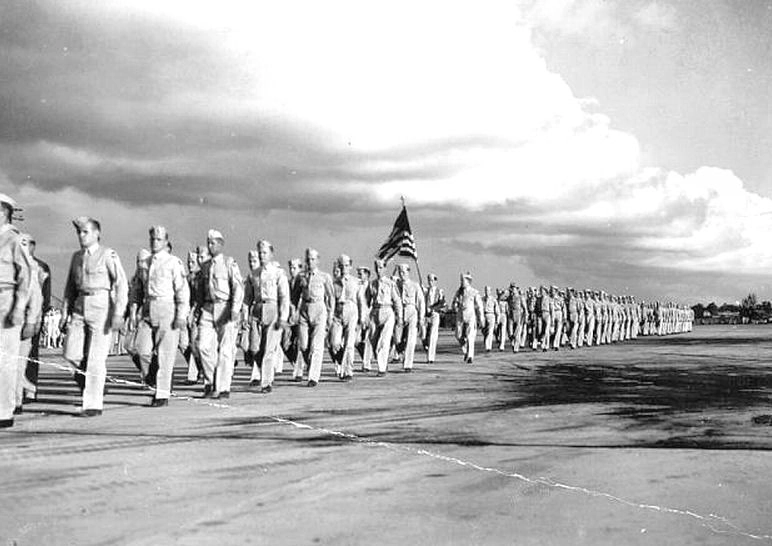
World War II, a bridge and new cities
In World War II, Buckingham Army Air Field used gunnery ranges near present-day Lehigh Acres, on the south side of State Road 82. Nearly 50,000 soldiers trained there as aerial gunners between 1942 and the war's end in 1945. A state marker says the United States had only six gunnery schools, and this was one of them. The trainees learned to fire the machine guns set in the turrets and windows of two kinds of bomber, the B-17 and the B-24. Urged on by J.N. "Ding" Darling, President Harry S. Truman issued an order in 1945 that created the Sanibel National Wildlife Refuge.
In July 1957 a report said that land near the Caloosahatchee's mouth, on the river's north and west banks, had been bought for $678,000. The brothers Jack and Leonard Rosen were the main figures in the group that bought it. Work on new homes at Redfish Point, a little peninsula that sticks out into the river, began on November 4, 1957. The Island Reporter says a few families moved into Cape Coral's first houses in June 1958. In the late 1950s Gulf American Corporation was formed to develop the community, and over 400 miles of canals were later dug. In 1964 Cape Coral's developers commissioned a cast of the Iwo Jima monument by sculptor Felix de Weldon and used it to help sell land. Cape Coral officially became a city on August 18, 1970.
On May 26, 1963, the Sanibel Causeway opened. It linked the island with Punta Rassa, on the mainland. The U.S. Fish and Wildlife Service says the causeway opened the island to tourism. The refuge took Ding Darling's name in 1967. In 1974 Sanibel became a city, and it stopped all new building until a land use plan was ready.
Sources: Florida Department of State: Historical Marker, Buckingham Army Air Field Gunnery Ranges; U.S. Fish and Wildlife Service: J.N. "Ding" Darling National Wildlife Refuge, About Us; Island Reporter, Islander and Current: Cape Coral, a dream taking shape; Cape Coral Daily Breeze: Incorporation, from dream to reality; Florida Department of State: Historical Marker, Iwo Jima Monument; Lee County: History; Sanibel Historical Museum and Village: Sanibel History
Next: Chapter 10, Hurricane Ian →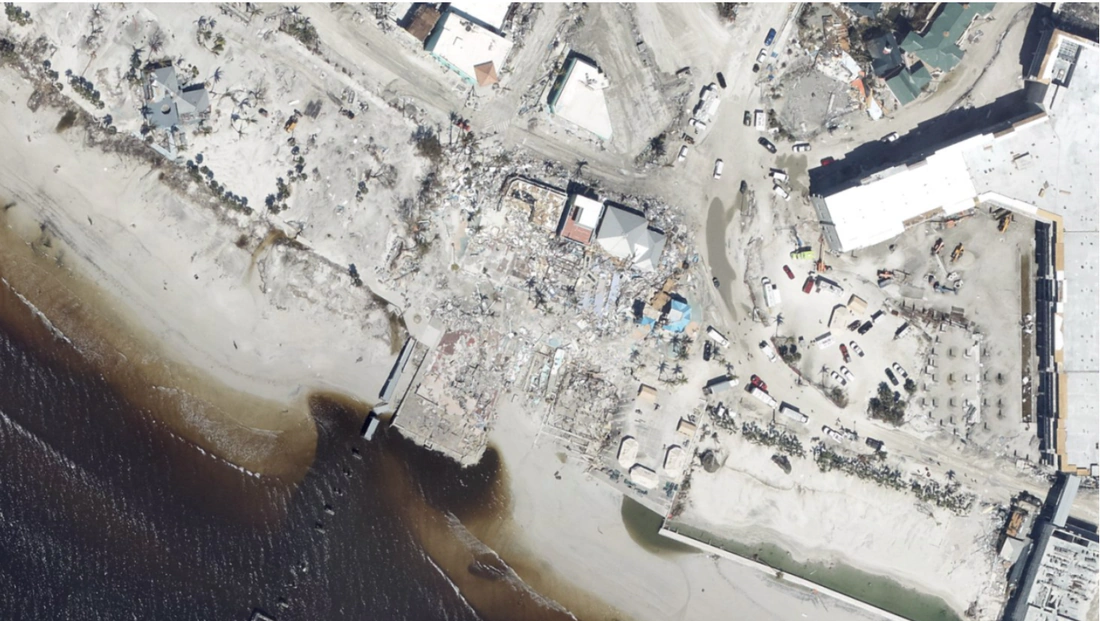
Hurricane Ian
Hurricane Ian came ashore at Cayo Costa, a barrier island, on September 28, 2022. When it came ashore, its top sustained winds were 150 mph, at the high end of Category 4. In Fort Myers Beach, the surge rose as high as 10 to 15 feet above the ground. On the eastern part of Sanibel Island, it reached 9 to 13 feet.
The surge swept away sections of the Sanibel Causeway, and roads and bridges leading to Sanibel and Pine Island were also washed out. The National Hurricane Center counted 41 deaths from storm surge, and 36 of them were in Lee County.
Sources: National Hurricane Center: Tropical Cyclone Report, Hurricane Ian (AL092022); NOAA National Environmental Satellite, Data, and Information Service: Hurricane Ian's Path of Destruction
Next: Chapter 11, Since 1995: Dunk City, Red Sox spring training and three hockey championships in a row →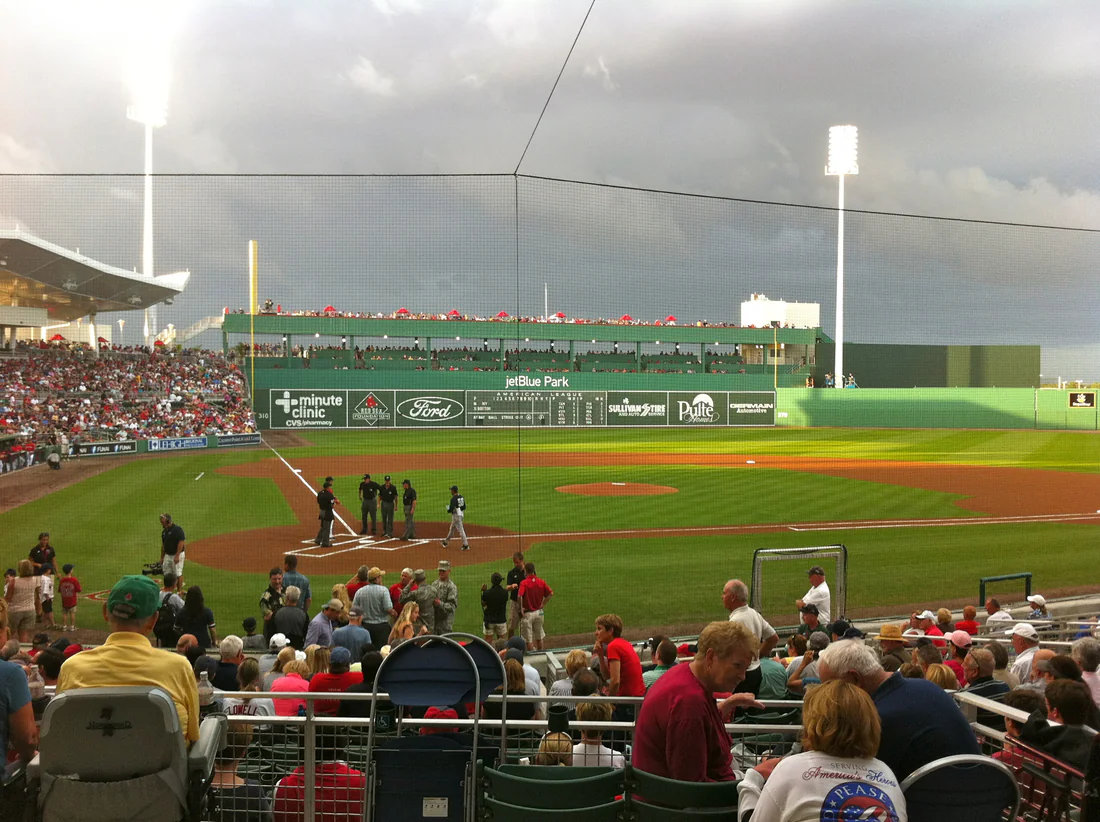
Since 1995: Dunk City, Red Sox spring training and three hockey championships in a row
Fort Myers Beach, on Estero Island, became a town on December 31, 1995. In 1999 Bonita Springs residents voted to make their community a city for the second time, and Estero officially became a village on December 31, 2014. Florida Gulf Coast University, which the state founded in 1991 as its 10th state university, opened on August 25, 1997, between Fort Myers and Naples. In March 2013 its basketball team, the Eagles, beat Georgetown and then San Diego State in their first NCAA tournament. The Associated Press reported that they were the first No. 15 seed to make it to the Sweet 16, and a rap video called Dunk City appeared overnight to praise them.
On August 13, 2004, Hurricane Charley came ashore near Cayo Costa, north of Captiva, as a Category 4 storm. Work on the Sanibel Causeway's present bridges began in August 2004, and their grand opening ceremony took place on September 8, 2007. After Hurricane Ian, temporary repairs let the Sanibel Causeway reopen on October 19, 2022, three weeks after the storm. Ian had also broken off one leg of the Sanibel Lighthouse, and after a temporary wooden support was put in its place, city officials relit the light on February 28, 2023. Lee County held a ribbon cutting on June 30, 2026, for the new Big Carlos Pass Bridge, between Estero Island and Lovers Key, and for an artificial reef made from pieces of the old bridge.
JetBlue Park, the Boston Red Sox's spring training ballpark in Lee County, opened in February 2012. Its features copied from Fenway Park include a Green Monster wall with seats on top of it and behind it. On June 8, 2024, the Florida Everblades hockey team beat the Kansas City Mavericks at Hertz Arena in Estero to win the Kelly Cup, the ECHL's championship. The team said it was the first in the league's 36 years to win the Kelly Cup three times in a row.
Sources: Town of Fort Myers Beach: Island History; City of Bonita Springs: History; Village of Estero: Estero History; Florida Gulf Coast University: Our History; Associated Press, on WBUR Here & Now: Little-Known Florida School Makes NCAA History; Associated Press, on FGCU Athletics: How Sweet It Is! @FGCU_MBB Becomes First No. 15 Seed to Advance to Sweet Sixteen; National Hurricane Center: Tropical Cyclone Report, Hurricane Charley (AL032004); Lee County Department of Transportation: Sanibel Toll Facility; Associated Press, on Bay News 9: Sanibel Island causeway washed out by Hurricane Ian reopens early; FOX 13 Tampa Bay: 'A beacon of hope': Sanibel Lighthouse relit five months after Hurricane Ian damage; WGCU News: Ribbon cut on Big Carlos Pass project; officials also announce Fort Myers Beach pier permit okayed; Lee County Sports Development: 2012 - JetBlue Park; Lee County Sports Development: jetBlue Park; Florida Everblades: History Made; Everblades Win Third Straight Kelly Cup
Next: the whole story, in dates →The whole story, in dates
The Calusa live by fishing on the southwest Florida coast.
Juan Ponce de León comes ashore in the earliest recorded meeting between Europeans and the Calusa.
Calusa resistance ends Ponce de León's attempt at a colony at Punta Rassa.
Pedro Menéndez de Avilés reaches Mound Key, where the Spanish build Fort San Antón de Carlos.
After a Calusa attack on a Spanish supply ship, both peoples leave Mound Key.
The Calusa are last mentioned in known historical records.
Chief Chekaika leads a raid on an Army fort and trading post on the Caloosahatchee.
A major hurricane strikes Fort Harvie.
Two artillery companies come ashore on the Caloosahatchee. That year the fort is set up again as Fort Myers.
The Third Seminole War starts after Army surveyors damage Billy Bowlegs' crops.
Billy Bowlegs sets out for Oklahoma with 165 Seminoles.
Federal troops move back into Fort Myers.
The Confederate "Cow Cavalry" attacks Fort Myers and pulls back after dark.
Manuel A. Gonzalez and Joseph Vivas move into the abandoned fort.
Building of the Sanibel lighthouse begins.
Fort Myers becomes an incorporated city.
Thomas Edison builds Seminole Lodge, his winter home in Fort Myers.
The Florida Legislature creates Lee County, and Fort Myers is its seat.
Cyrus Read Teed starts the Koreshan community at Estero.
The railroad reaches Fort Myers.
Williams Academy, a school for Black students, is built.
The county courthouse is segregated.
The Tamiami Trail opens.
Buckingham Army Air Field trains nearly 50,000 aerial gunners.
President Truman creates the Sanibel National Wildlife Refuge.
A July 1957 report says a buying group led by Jack and Leonard Rosen has bought land on the Caloosahatchee River.
The Sanibel Causeway opens.
Cape Coral becomes a city.
Williams Academy opens again in Roberto Clemente Park as a Black history museum.
Fort Myers Beach becomes a town.
Florida Gulf Coast University opens.
The Sanibel Causeway's present bridges have their grand opening.
JetBlue Park, the Boston Red Sox's spring training ballpark, opens.
Florida Gulf Coast University's basketball team, the Eagles, reaches the Sweet 16.
Hurricane Ian comes ashore at Cayo Costa.
City officials relight the Sanibel Lighthouse after Hurricane Ian.
The Florida Everblades win the Kelly Cup for the third time in a row.
Lee County holds a ribbon cutting for the new Big Carlos Pass Bridge.
Where you can still see it
 01
01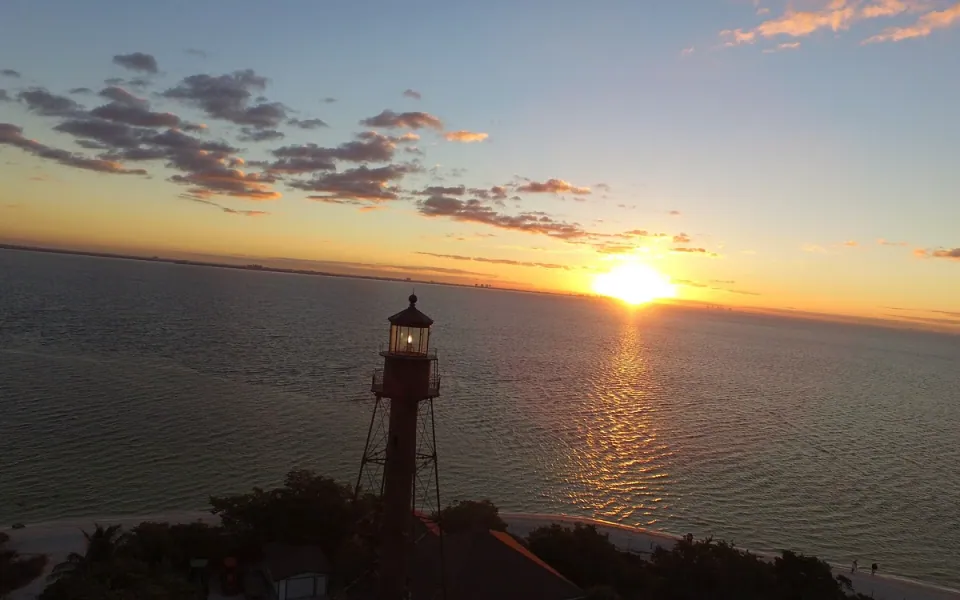 02
02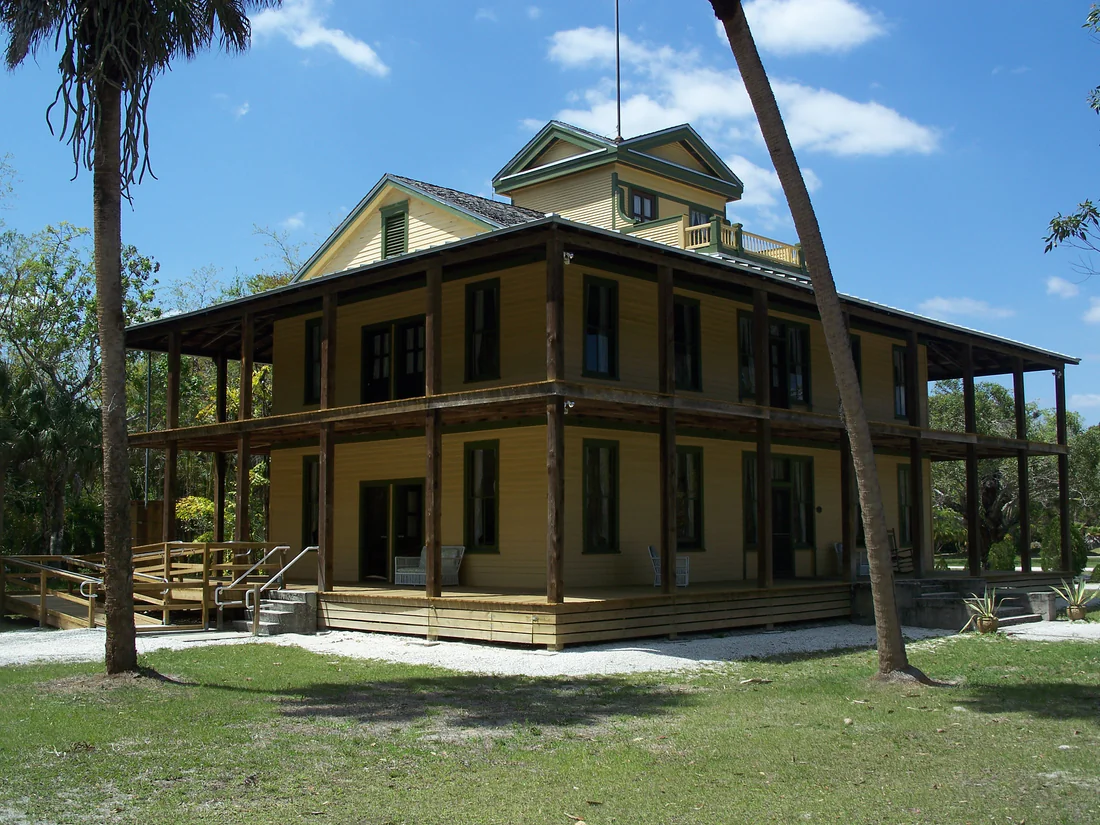 03
03 04
04J.N. “Ding” Darling National Wildlife Refuge
Goes with: World War II, a bridge and new cities
Open the place page →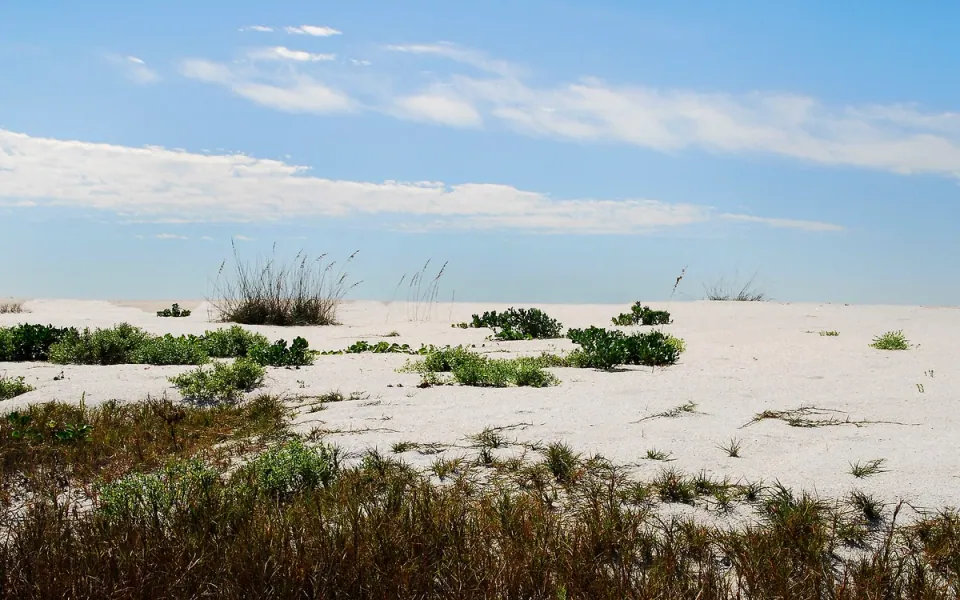 05
05Mound Key Archaeological State Park
Goes with: Spanish ships and Mound Key
Mound Key Archaeological State Park, Florida State Parks →Randell Research Center at Pineland
Goes with: The Calusa
Randell Research Center and Calusa Heritage Trail, Florida Museum →Where this comes from.
- Lee County: History ↗ Read October 15, 2026
- Lee County Board of County Commissioners: 130 Years of Dedicated Service, Lee Board of County Commissioners 1887-2018 ↗ Read October 15, 2026
- Lee County Board of County Commissioners: Old Lee County Courthouse Self-Guided Tour ↗ Read October 15, 2026
- Lee County Sheriff's Office: Thomas W. Langford, Sheriff 1887-1901 ↗ Read October 15, 2026
- Florida Museum of Natural History: The Calusa and Randell Research Center, an Introduction ↗ Read October 15, 2026
- Florida Museum of Natural History: Investigating the Calusa ↗ Read October 15, 2026
- Florida State Parks: The Calusa Native Americans ↗ Read October 15, 2026
- Florida State Parks: Mound Key Archaeological State Park, History ↗ Read October 15, 2026
- Florida State Parks: Mound Key Archaeological State Park ↗ Read October 15, 2026
- Sanibel Historical Museum and Village: Sanibel History ↗ Read October 15, 2026
- WGCU News: Feb. 20 is the most significant day in Fort Myers history ↗ Read October 15, 2026
- WGCU News: About face: A monument honoring Black Union soldiers turns towards Centennial Park ↗ Read October 15, 2026
- Florida Department of State: Historical Marker, Harney's Point ↗ Read October 15, 2026
- Florida Department of State: Historical Marker, Fort Myers ↗ Read October 15, 2026
- Florida Department of State: Historical Marker, Military Cemetery ↗ Read October 15, 2026
- Florida Department of State: Historical Marker, Billy Bowlegs ↗ Read October 15, 2026
- Florida Department of State: Historical Marker, The Attack on Fort Myers ↗ Read October 15, 2026
- Florida Department of State: Historical Marker, First Street, Fort Myers ↗ Read October 15, 2026
- Florida Department of State: Historical Marker, Sanibel Lighthouse ↗ Read October 15, 2026
- Florida Department of State: Historical Marker, Edison & Ford Winter Estates ↗ Read October 15, 2026
- Florida Department of State: Historical Marker, "In the Name of Humanity" - Koresh ↗ Read October 15, 2026
- Florida Department of State: Historical Marker, Williams Academy ↗ Read October 15, 2026
- Florida Department of State: Historical Marker, Buckingham Army Air Field Gunnery Ranges ↗ Read October 15, 2026
- Florida Department of State: Historical Marker, Iwo Jima Monument ↗ Read October 15, 2026
- Edison and Ford Winter Estates: The Making of Fort Myers ↗ Read October 15, 2026
- University of Florida Libraries: Ingraham Expedition, Fort Myers, Florida ↗ Read October 15, 2026
- U.S. Fish and Wildlife Service: J.N. "Ding" Darling National Wildlife Refuge, About Us ↗ Read October 15, 2026
- Island Reporter, Islander and Current: Cape Coral, a dream taking shape ↗ Read October 15, 2026
- Cape Coral Daily Breeze: Incorporation, from dream to reality ↗ Read October 15, 2026
- National Hurricane Center: Tropical Cyclone Report, Hurricane Ian (AL092022) ↗ Read October 15, 2026
- NOAA National Environmental Satellite, Data, and Information Service: Hurricane Ian's Path of Destruction ↗ Read October 15, 2026
- Town of Fort Myers Beach: Island History ↗ Read October 16, 2026
- City of Bonita Springs: History ↗ Read October 16, 2026
- Village of Estero: Estero History ↗ Read October 16, 2026
- Florida Gulf Coast University: Our History ↗ Read October 16, 2026
- Associated Press, on WBUR Here & Now: Little-Known Florida School Makes NCAA History ↗ Read October 16, 2026
- Associated Press, on FGCU Athletics: How Sweet It Is! @FGCU_MBB Becomes First No. 15 Seed to Advance to Sweet Sixteen ↗ Read October 16, 2026
- National Hurricane Center: Tropical Cyclone Report, Hurricane Charley (AL032004) ↗ Read October 16, 2026
- Lee County Department of Transportation: Sanibel Toll Facility ↗ Read October 16, 2026
- Associated Press, on Bay News 9: Sanibel Island causeway washed out by Hurricane Ian reopens early ↗ Read October 16, 2026
- FOX 13 Tampa Bay: 'A beacon of hope': Sanibel Lighthouse relit five months after Hurricane Ian damage ↗ Read October 16, 2026
- WGCU News: Ribbon cut on Big Carlos Pass project; officials also announce Fort Myers Beach pier permit okayed ↗ Read October 16, 2026
- Lee County Sports Development: 2012 - JetBlue Park ↗ Read October 16, 2026
- Lee County Sports Development: jetBlue Park ↗ Read October 16, 2026
- Florida Everblades: History Made; Everblades Win Third Straight Kelly Cup ↗ Read October 16, 2026