Manatee County was founded in 1855, and the county says it was named for the manatee, the slow-moving animal also called the sea cow. Bradenton is its county seat. Many people believe the Spanish explorer Hernando de Soto first came ashore here in 1539. Its history goes back much further, to people who used the land at Emerson Point more than 4,500 years ago.
This page tells the story in order, from the mound builders to Bradenton's 123rd birthday, then lists places in the county where you can still see it. The sources for each part are named at the end of that part, and all of them are listed at the bottom of the page.
The Mound Builders
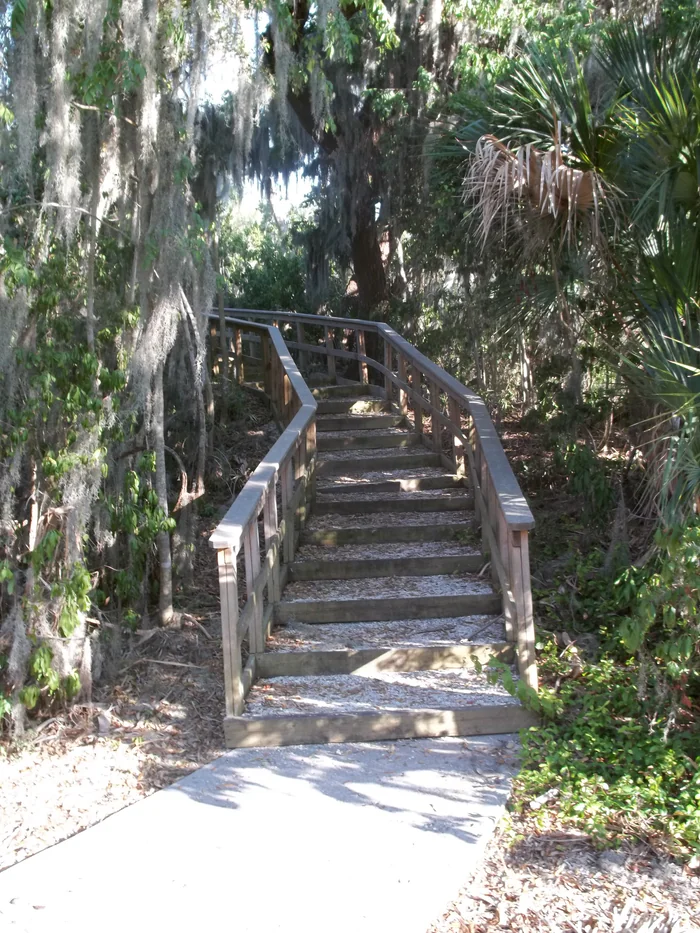
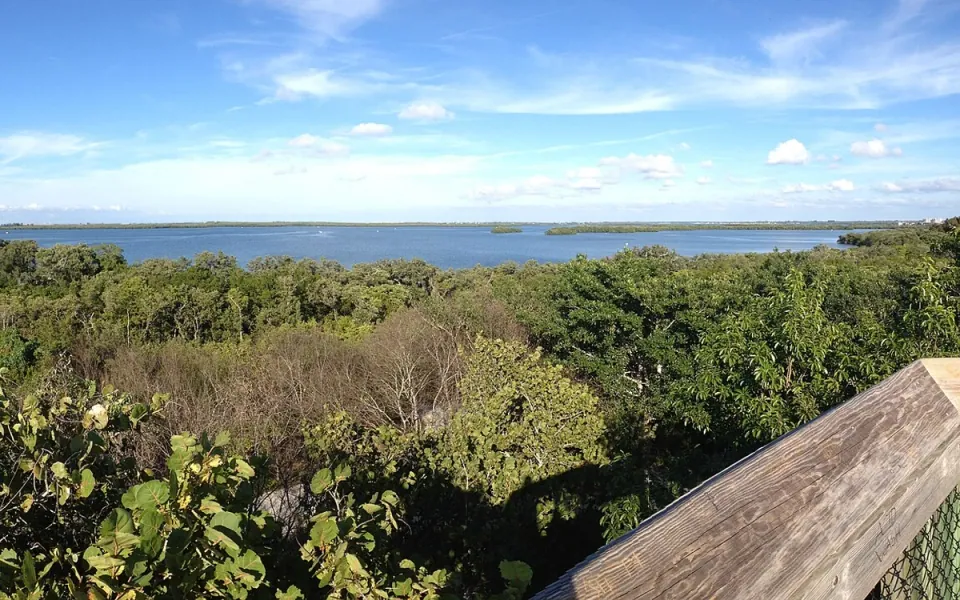
People have used the land at Emerson Point for more than 4,500 years. The preserve there, owned by the state and run by the county, covers 365 acres on the western tip of Snead Island. Around A.D. 800, people there began to build a temple mound out of midden material and layers of sand. It stands four meters tall, with a base of 45 by 75 meters. The Tocobaga people are thought to be the most likely builders.
The Madira Bickel Mound stands on a peninsula that juts into Terra Ceia Bay. It rises 20 feet, and its base measures 100 by 170 feet. It was built of sand, shell and debris from the village. Digs there show Native American cultures from three or more periods, the earliest going back 2,000 years. In 1948, it became Florida's first state archaeological site, according to Florida State Parks.
The Weedon Island period lasted from A.D. 700 until A.D. 1300. In those centuries, people at the site made some of the finest pottery in the Southeast. In the later Safety Harbor period, people cared less about pottery, and villages grew larger as farming became more important. Florida State Parks says the Tocobaga people are believed to have built these mounds.
Sources: Trail of Florida's Indian Heritage (information from Manatee County Parks and Recreation and the Florida Division of Historical Resources): Emerson Point Preserve; WUWF Public Media (Unearthing Florida): Centuries of history at Madira Bickel Mound State Archaeological Park; Florida State Parks: Madira Bickel Mound State Archaeological Site; Florida State Parks: History of the Mounds; Florida State Parks: Madira Bickel Mound State Archaeological Site, History
Next: Chapter 2, De Soto and the Spanish →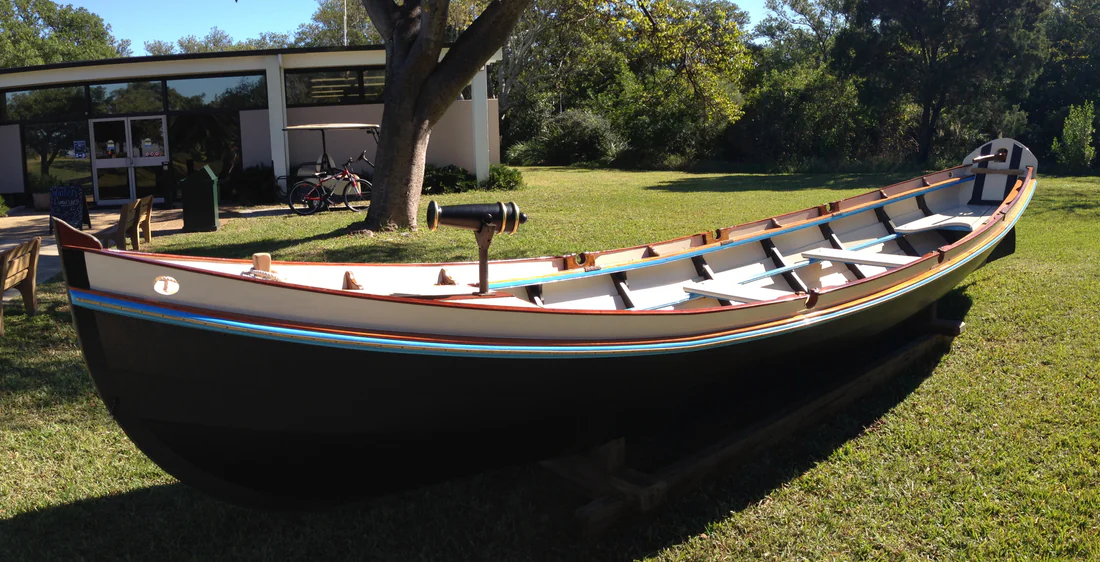
De Soto and the Spanish
The people living by Terra Ceia Bay likely watched Spanish explorers arrive in the 1500s. Hernando de Soto's expedition landed in Florida in 1539. They came ashore on Florida's west coast, where historians believe Tampa now stands. The park service says contact with De Soto's expedition unsettled the lives and cultures of the native peoples. Spanish fishermen from Cuba caught mullet in southwest Florida waters and sent it home to Cuba from at least the late 1600s.
In 1939, the United States De Soto Expedition Commission named Shaw's Point as his landing place. The National Park Service says the story that this was his landing spot is contested. A law creating De Soto National Memorial was signed on March 11, 1948. The memorial sits on a narrow point where the Manatee River flows into Tampa Bay. Middens, or trash heaps, show that native peoples were at the site, among them the people of Uzita.
Sources: WUWF Public Media (Unearthing Florida): Centuries of history at Madira Bickel Mound State Archaeological Park; National Park Service: Foundation Document, De Soto National Memorial; National Park Service: Florida: DeSoto National Memorial; Coastal Review: Mullet Fishermen: A Journey from Carteret County to Florida
Next: Chapter 3, Angola, a Refuge from Slavery →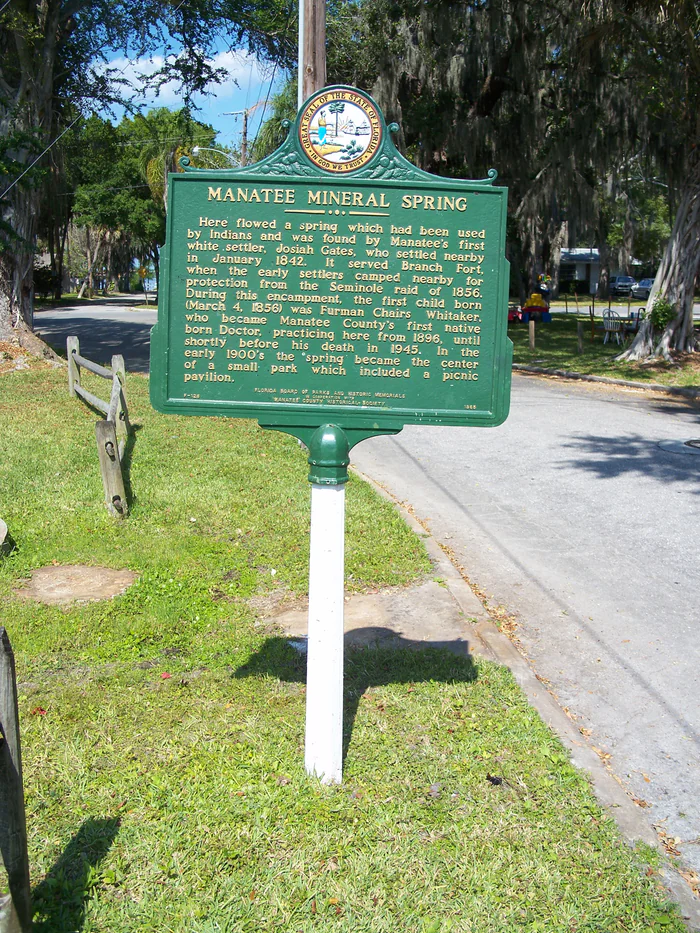
Angola, a Refuge from Slavery
In the 1810s, people who had escaped slavery lived in a community called Angola, which lay between Sarasota Bay and the Manatee River. Seminole Indians were part of the community too. The Seminoles probably guided them to the fresh water, and Seminole tribes took in many people who had escaped slavery. As many as 700 people may have lived in Angola.
In 1821, Angola was destroyed in a large slave raid. Many of the survivors ended up at Red Bays, on Andros Island in the Bahamas. Historians and archaeologists later put together the evidence for Angola. Mineral Springs Park in Bradenton is the suspected site of the settlement.
Sources: National Endowment for the Humanities: Florida's Freedom Seekers and the Underground Railroad; WUSF Public Media: Festival Will Celebrate Unearthed Connections Between Bradenton and the Bahamas; New College of Florida (from the Bradenton Herald, March 19, 2019): Bradenton park recognized as a stop on escaped slaves' underground railroad to freedom
Next: Chapter 4, The First Settlers and the Braden Castle →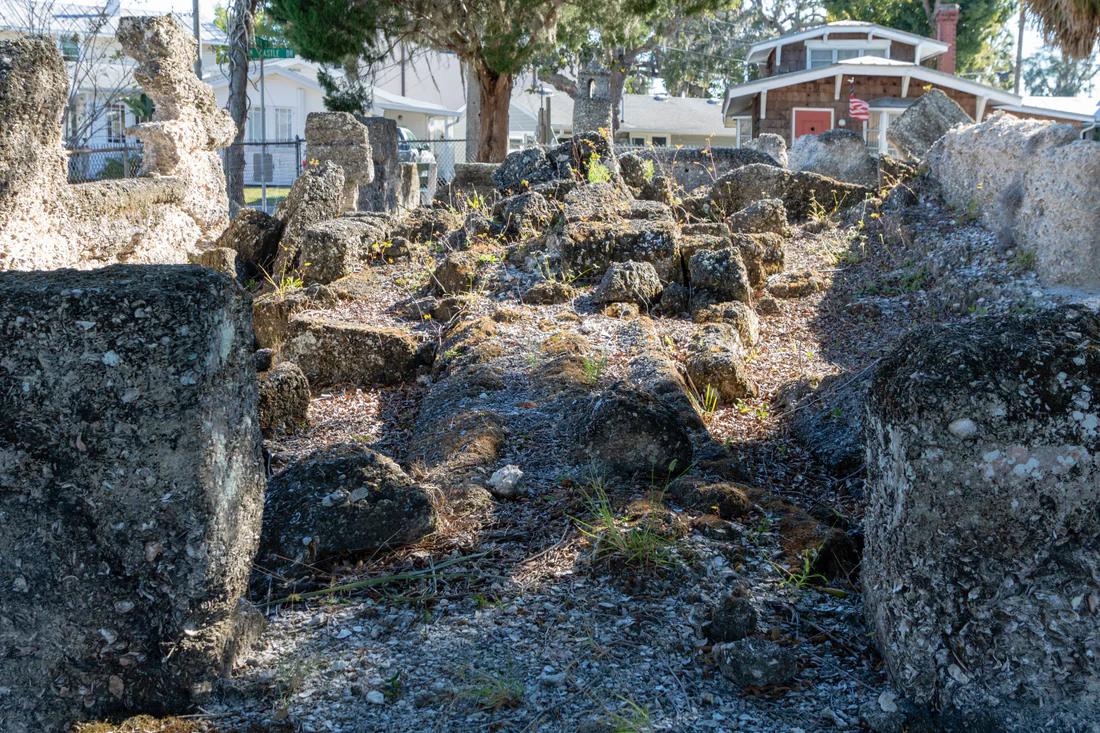
The First Settlers and the Braden Castle
In January 1842, Josiah Gates and his family set out for Manatee with eight enslaved people. The Armed Occupation Act, passed that year, offered settlers 160 acres of land for free. A hurricane struck the area in September 1848. In about 1851, Gates put up a big frame building with 20 rooms.
Joseph Braden and his family are believed to have been in the area by 1846. He built up a plantation of more than 1,100 acres.
Work on his house began in 1850 and ended in 1851. Enslaved people did the work, using materials found nearby. Its walls were made of tabby, which is lime, sand, water and crushed shells poured together. People said the walls were 20 inches thick. Manatee Village Historical Park says the Braden Castle was the biggest home on the south side of the Manatee River.
Sources: Manatee Village Historical Park: Gates Family; Manatee Village Historical Park: The Braden Family and the Braden Castle; Florida Department of State historical marker: Braden Castle Ruins
Next: Chapter 5, Manatee County Is Created →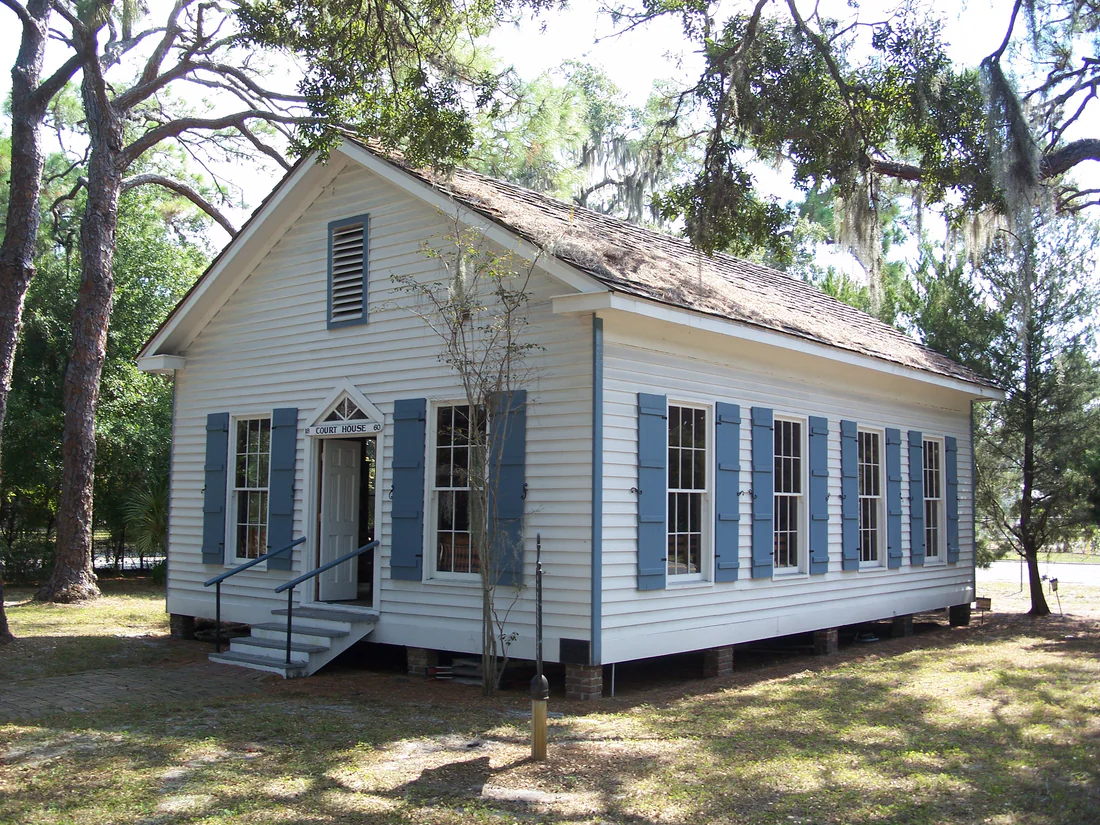
Manatee County Is Created
Manatee County dates from January 9, 1855, when the Legislature passed the act that created it. The county government says it was named for the manatee, the slow-moving animal also known as the sea cow. It reached all the way east to Lake Okeechobee, with the Gulf of Mexico on its west side. At first, the village of Manatee was the county seat. The county's first courthouse went up in 1860, and it is now the oldest building at Manatee Village Historical Park.
The county commissioners first met on March 10, 1856. Seminoles attacked the Braden Castle in 1856 but did not take it. Sources differ on the date: the state historical marker says February, and Manatee Village Historical Park says the night of March 31. The Seminoles took mules and some of the people enslaved on Braden's plantation. Braden lost the castle to foreclosure in 1857.
Robert Gamble, from Tallahassee, had started a sugar plantation in the early 1840s, using slave labor. At its peak, the plantation held 190 enslaved men, women and children. They lived in 57 cabins on the plantation. Disasters and an unsteady sugar market had put Gamble in debt by 1856. By 1859 he had sold the plantation.
Sources: Florida Memory (State Library and Archives of Florida): Historical Sketch of Manatee County; Manatee County Government: About Manatee County Government; Manatee Village Historical Park: Florida's Earliest Courthouse; Florida Department of State historical marker: Braden Castle Ruins; Manatee Village Historical Park: The Braden Family and the Braden Castle; WTSP 10 Tampa Bay: This Manatee County plantation had 190 slaves at its peak. Descendants want their story told; Florida State Parks: Judah P. Benjamin Confederate Memorial at Gamble Plantation Historic State Park, History
Next: Chapter 6, War, Freedom and a New County Seat →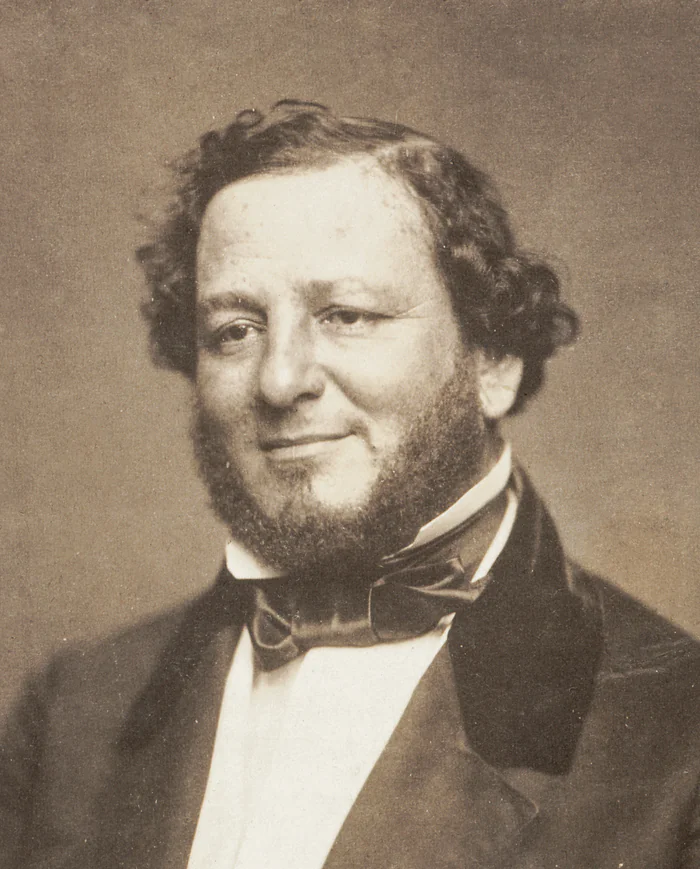
War, Freedom and a New County Seat
Florida left the Union on January 10, 1861. During the Civil War's first year, the county collected no county tax. When the war ended in 1865, the federal government ordered the arrest of Confederate cabinet members. Judah P. Benjamin, the Confederate secretary of state, feared a treason trial and fled through Florida. Florida State Parks says he is thought to have hidden for a short time at the Gamble mansion.
In 1866, the county seat moved from Manatee to Pine Level. Pine Level was closer to the middle of the county, and it is now in DeSoto County.
American settlement in Palmetto began in 1868, when Samuel Sparks Lamb arrived. He laid out the town near the Manatee River and named it for the many palmetto trees growing nearby. A county history in the State Archives of Florida says Electa Lee taught the first school paid for by public subscription, in 1872. Nelson Burton, who had been enslaved on the Gamble plantation, married a woman named Mariah. A descendant of Mariah says county records show two people freed from slavery marrying in 1872.
Sources: Florida Memory (State Library and Archives of Florida): Historical Sketch of Manatee County; Florida State Parks: Judah P. Benjamin Confederate Memorial at Gamble Plantation Historic State Park, History; National Park Service: National Register of Historic Places nomination, Original Manatee County Courthouse; Manatee Village Historical Park: Florida's Earliest Courthouse; Florida Department of State: Palmetto Downtown Main Street named January 2025 Florida Main Street Program of the Month; WTSP 10 Tampa Bay: This Manatee County plantation had 190 slaves at its peak. Descendants want their story told
Next: Chapter 7, Braidentown, Cortez and the Railroad →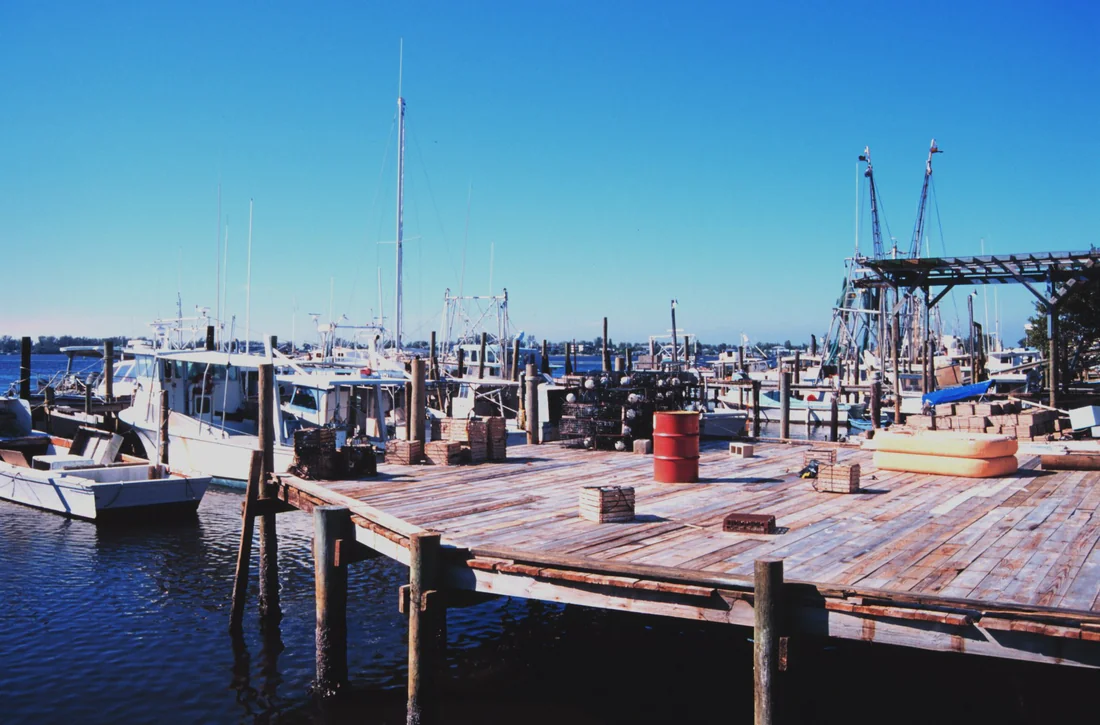
Braidentown, Cortez and the Railroad
Bradenton is named for Joseph Braden. The town sent in its request for a post office in 1878. Helen Warner, the acting secretary, put an extra i into the name by accident. That is how the town became Braidentown. The U.S. Postal Service changed the spelling to Bradentown in 1905.
Pine Level stayed the county seat until Manatee County was divided in April 1887. The town then fell inside the new DeSoto County. In the fall of 1887, Braidentown was named the county seat. In 1895, Palmetto got a narrow-gauge line, the Palmetto Terminal Railroad.
In the 1880s, families from Carteret County, North Carolina, moved 600 miles south and started a new fishing village. Billy Fulford and two of his brothers came from a Carteret County place called the Straits. Their new home was Hunter's Point, with a little harbor facing Sarasota Bay. According to the Anna Maria Island Sun, Fulford was the first pioneer to purchase land in the village, in 1887. In the 1890s, the post office renamed Hunter's Point as Cortez.
Sources: Tampa Bay Beacons: Banners mark Bradenton's 123rd anniversary; The Bradenton Times: Bradenton turns 122; Florida Memory (State Library and Archives of Florida): Historical Sketch of Manatee County; Florida Department of State historical marker: Palmetto; Coastal Review: Mullet Fishermen: A Journey from Carteret County to Florida; Anna Maria Island Sun: A century of Cortez; Anna Maria Island Sun: The village that mullet built
Next: Chapter 8, A New City, a Pier and the Storm of 1921 →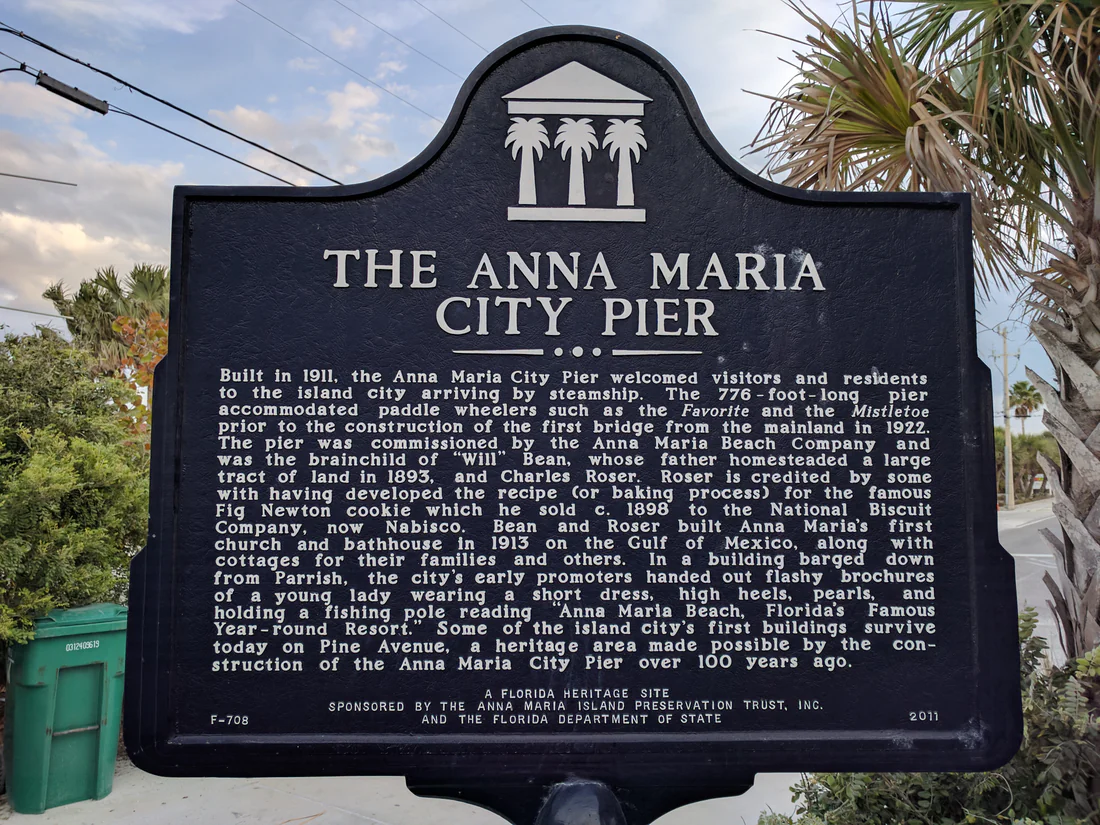
A New City, a Pier and the Storm of 1921
The Palmetto historical marker calls Manatee County State Bank, opened in 1899, the first bank in the county. In 1903, residents of the town voted to become an incorporated city. That same year, a woods fire ruined the empty Braden Castle. In 1912, the county built a brick courthouse.
The first Anna Maria City Pier was built in 1911 and 1912. Cortez became an incorporated village on June 8, 1912. That year, the village also opened the Cortez Rural Graded School. A builder named F. Jones put up the schoolhouse for $7,746.71.
In May 1921, the county was divided again when Sarasota County was formed. In all, the land of the original Manatee County became seven counties. A 1921 hurricane wrecked most of the Cortez waterfront, along with a bridge to Anna Maria Island that workers had not yet finished. The schoolhouse served as a shelter during the storm. A wooden bridge to the island was finished in 1922.
Sources: Florida Department of State historical marker: Palmetto; The Bradenton Times: Bradenton turns 122; Florida Department of State historical marker: Braden Castle Ruins; Florida Memory (State Library and Archives of Florida): Historical Sketch of Manatee County; Anna Maria Island Sun: County commissioners tour pier construction site; Anna Maria Island Sun: A century of Cortez; Florida Maritime Museum: FMM History; Manatee County Government: About Manatee County Government; Anna Maria Island Sun: The village that mullet built
Next: Chapter 9, Tin Can Tourists, Spring Training and a New Name →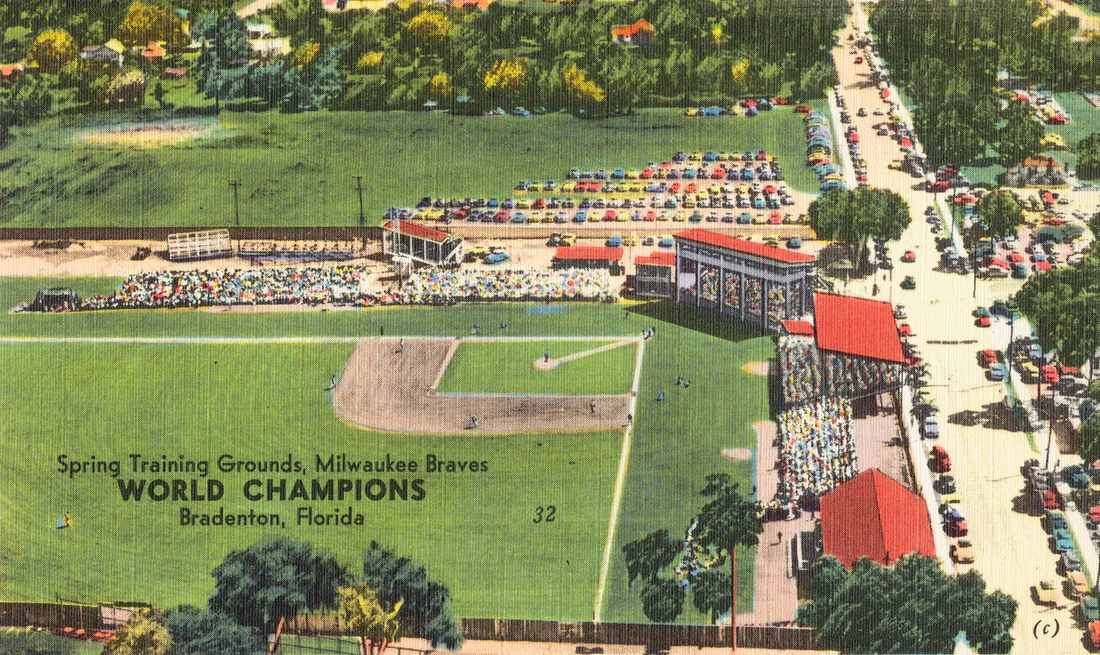
Tin Can Tourists, Spring Training and a New Name
The Tin Can Tourists got their start in 1919 as a loose group at DeSoto Park in Tampa. In 1924, a tourist group, the Camping Tourists of America, bought the Braden Castle ruins. They put up small cottages around the old walls for seasonal visitors. More than 180 cottages were done by 1929. Manatee Village Historical Park says the Tin Can Tourists often stayed there.
In 1924, a businessman told the local Kiwanis Club that Bradentown would always seem small as long as it kept the w. State lawmakers approved the change. In 1925, the town dropped the w and took the name Bradenton. Palmetto had two railroads by the 1920s. The United Daughters of the Confederacy bought the Gamble property in 1925 and later handed it over to Florida.
Writer Pat Carlucci says the St. Louis Cardinals came first and trained in Bradenton for two springs. The Philadelphia Phillies followed for three years, and then the Boston Red Sox came for two. Next came the Boston Bees, the team better known as the Braves, with Casey Stengel as manager. In the 1920s, during Prohibition, rum runners from Cortez smuggled in rum from Cuba and whiskey from Bimini. Cortez ended its city government on July 8, 1929, for lack of money.
Sources: National Park Service: National Register of Historic Places nomination, Braden Castle Park Historic District; Florida Department of State historical marker: Braden Castle Ruins; Tampa Bay 28 (WFTS): Braden Castle ruins in Bradenton mark the site where a sugar plantation once stood; Manatee Village Historical Park: The Braden Family and the Braden Castle; Tampa Bay Beacons: Banners mark Bradenton's 123rd anniversary; The Bradenton Times: Bradenton turns 122; Florida Department of State: Palmetto Downtown Main Street named January 2025 Florida Main Street Program of the Month; Florida State Parks: Judah P. Benjamin Confederate Memorial at Gamble Plantation Historic State Park, History; Anna Maria Island Sun: Pat Carlucci discusses 'Baseball in Paradise'; Anna Maria Island Sun: The village that mullet built; Anna Maria Island Sun: A century of Cortez
Next: Chapter 10, Tropicana, Snooty and School Desegregation →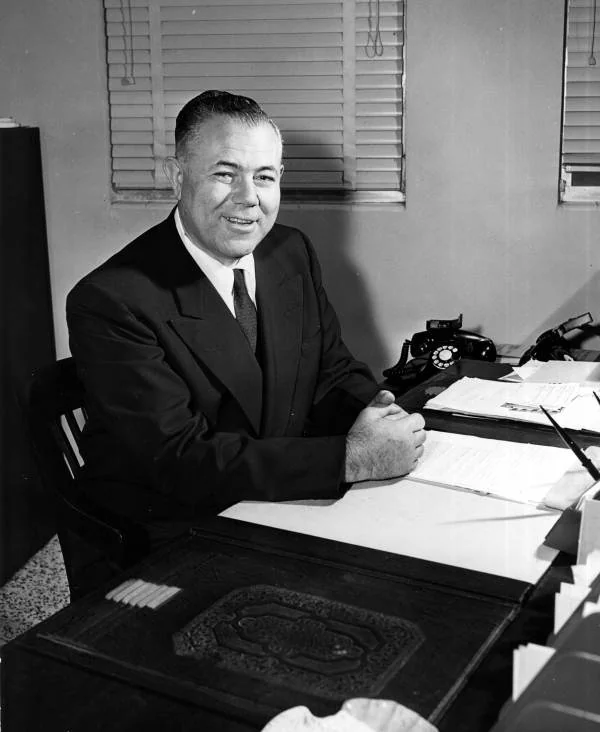
Tropicana, Snooty and School Desegregation
In 1947, Anthony Rossi, who was born in Italy, founded Tropicana in Bradenton. His company, then called the Manatee River Packing Company, packed gift boxes of fruit and jars of fruit sections for salads in Palmetto. Rossi came up with flash pasteurization in 1954, heating the juice quickly for a short time so it kept its fresh taste. Snooty the manatee was born at the Miami Aquarium and Tackle Company on July 21, 1948. He came to Bradenton in 1949 and in time came to live for good in the care of the South Florida Museum.
Palmetto Historical Park says that until integration in 1969, Black students in Manatee County had one high school, Lincoln Memorial. Eddie Shannon began coaching its football team in 1955. When the U.S. 41 overpass went up, it cut the school off from its athletic fields, and a tunnel under the highway connected them. To integrate the schools, the county phased out Lincoln Memorial and sent most of its students to Manatee High. In January 1970, federal judge Ben Krentzman ordered the county to desegregate its schools by April 6, 1970.
The day before that deadline, Governor Claude Kirk suspended both the school board and the superintendent. He dismissed the county's elected school board, made himself the school superintendent, and refused to follow the court's order. On April 11, 1970, after Kirk failed to appear in court, the judge found him in contempt. He faced a fine of $10,000 for each day he kept interfering with the court's orders. Kirk gave in right away, and the county's public schools began to desegregate.
Sources: Manatee County Agricultural Museum: Suited Up: Green Polyester and Orange Juice; The Anna Maria Islander (July 25, 2017): Snooty, our famous manatee, dies; Palmetto Historical Park: Integration & Lincoln Memorial High School; United States District Court, Middle District of Florida: Claude Kirk, Florida's Governor, takes on the District Court
Next: Chapter 11, Since 1990: Cortez on Film, LECOM Park and a New City Pier →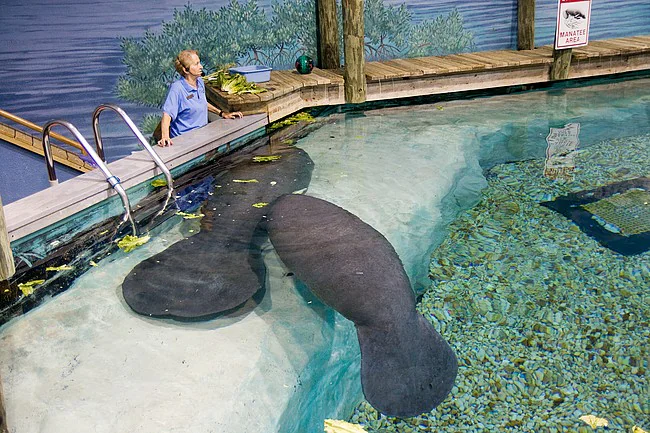
Since 1990: Cortez on Film, LECOM Park and a New City Pier
On March 16, 1995, which would have been Billy Fulford's 128th birthday, Cortez joined the National Register of Historic Places. In 2003, the movie "Out of Time," starring Denzel Washington, was filmed at the Cortez docks. Work began in 2005 to turn the 1912 schoolhouse into the Florida Maritime Museum. The museum says it opened its doors in 2007.
Bradenton's Riverwalk opened to visitors in 2012. Bradenton has been the Pittsburgh Pirates' spring training home since 1969. Their ballpark had been called McKechnie Field since 1962. The ballpark's new name, LECOM Park, became public on February 10, 2017. Snooty died in July 2017, a day after a big party for his 69th birthday.
In March 2019, the Bradenton Herald reported that Mineral Springs Park had officially joined the National Underground Railroad Network to Freedom, a National Park Service program. In 2019, after 73 years, the South Florida Museum announced a new name, The Bishop Museum of Science and Nature. On Anna Maria Island, the city had taken down the old pier after Hurricane Irma damaged it in September 2017. The rebuilt Anna Maria City Pier opened to anglers and sightseers on June 19, 2020. In August 2026, "America 250/Bradenton 123" banners hung throughout downtown Bradenton as the city marked its 123rd year and the nation its 250th.
Sources: Anna Maria Island Sun: A century of Cortez; Anna Maria Island Sun: The village that mullet built; Florida Maritime Museum: FMM History; WTSP 10 Tampa Bay: A look at the impact of Bradenton's crown jewel: The Riverwalk; Pittsburgh Pirates (MLB.com): Bradenton, Florida; MLB.com (February 10, 2017): Pirates rename spring home LECOM Park; CBS News Miami with the Associated Press (July 23, 2017): Snooty, Oldest Florida Manatee In Captivity, Dies At 69; New College of Florida (from the Bradenton Herald, March 19, 2019): Bradenton park recognized as a stop on escaped slaves' underground railroad to freedom; Spectrum Bay News 9 (April 10, 2019): South Florida Museum Says Sayonara to Name After 73 Years; The Anna Maria Islander (June 23, 2020): Anna Maria City Pier opens quietly amid patron enthusiasm; Tampa Bay Beacons: Banners mark Bradenton's 123rd anniversary
Next: the whole story, in dates →The whole story, in dates
People begin using the land at Emerson Point.
The earliest of at least three Native American culture periods at the Madira Bickel Mound dates from this time.
Work begins on the temple mound at Emerson Point.
Hernando de Soto's expedition lands in Florida.
Spanish fishermen from Cuba are catching mullet in southwest Florida waters.
Angola, a community of people who escaped slavery, lies between Sarasota Bay and the Manatee River.
A large slave raid destroys Angola.
Josiah Gates and his family set out for Manatee.
Work begins on the Braden Castle.
The Legislature creates Manatee County.
Seminoles attack the Braden Castle but do not take it.
The county's first courthouse goes up.
Florida leaves the Union.
The county seat moves from Manatee to Pine Level.
Samuel Sparks Lamb arrives, and American settlement in Palmetto begins.
County records show the marriage of two people freed from slavery, a descendant says.
A mistake on the post office request names the town Braidentown.
Braidentown is named the county seat.
Palmetto gets the narrow-gauge Palmetto Terminal Railroad.
The town becomes an incorporated city, and a woods fire ruins the empty Braden Castle.
Cortez becomes an incorporated village.
Manatee County is divided again, and Sarasota County is formed.
The Camping Tourists of America buy the Braden Castle ruins.
Bradentown drops the w and becomes Bradenton.
Cortez ends its city government.
Anthony Rossi founds Tropicana in Bradenton.
Snooty the manatee comes to Bradenton.
Integration ends Lincoln Memorial's years as the county's only high school for Black students.
A federal judge orders the county's schools desegregated by April 6, 1970.
The judge finds Governor Kirk in contempt, and Kirk gives in.
Cortez joins the National Register of Historic Places.
The movie "Out of Time" is filmed at the Cortez docks.
The Florida Maritime Museum opens in the old Cortez schoolhouse.
The Bradenton Riverwalk opens to visitors.
The ballpark's new name, LECOM Park, becomes public.
Mineral Springs Park is reported to have joined the National Underground Railroad Network to Freedom.
The rebuilt Anna Maria City Pier opens.
"America 250/Bradenton 123" banners hang in downtown Bradenton.
Where you can still see it
 01
01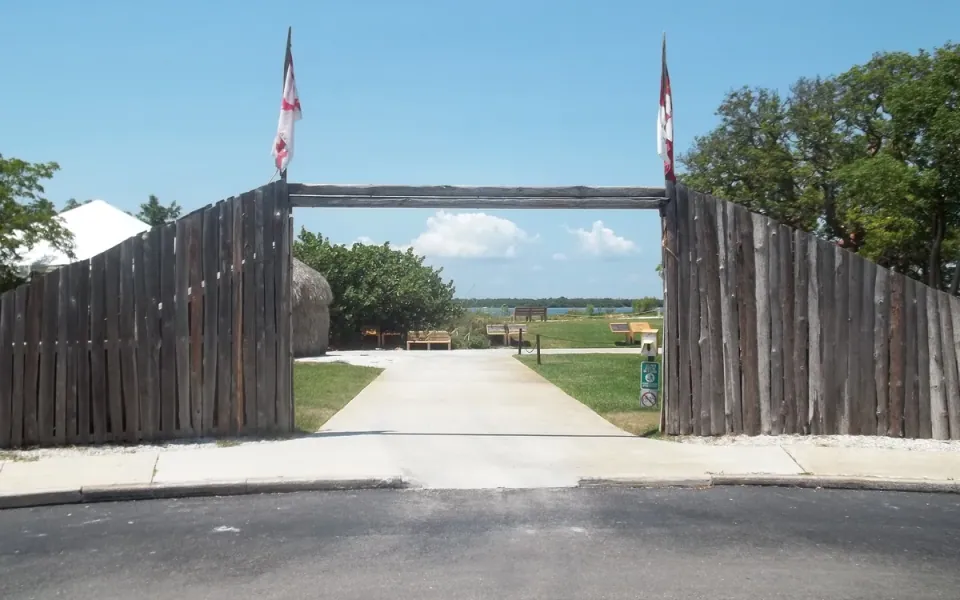 02
02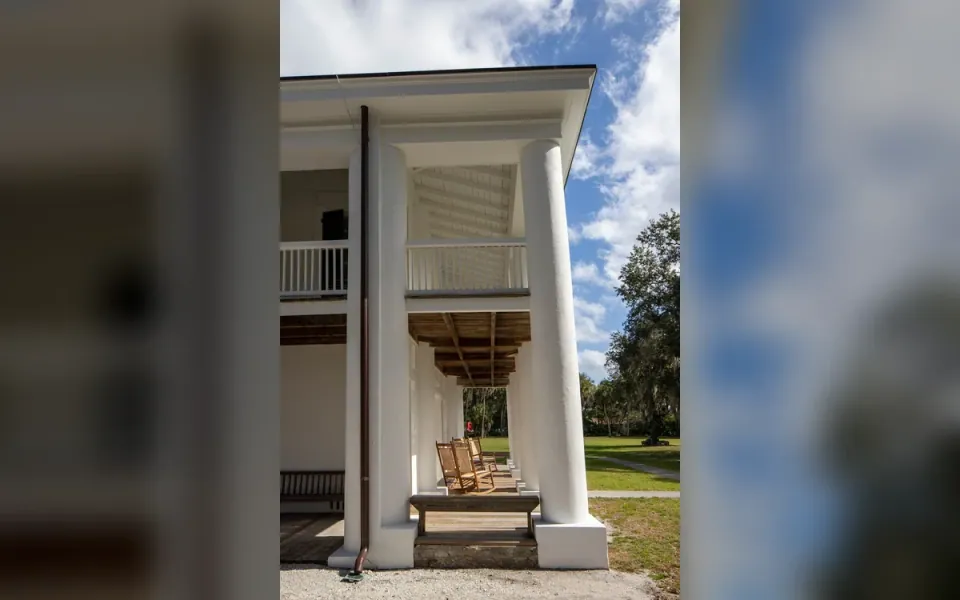 03
03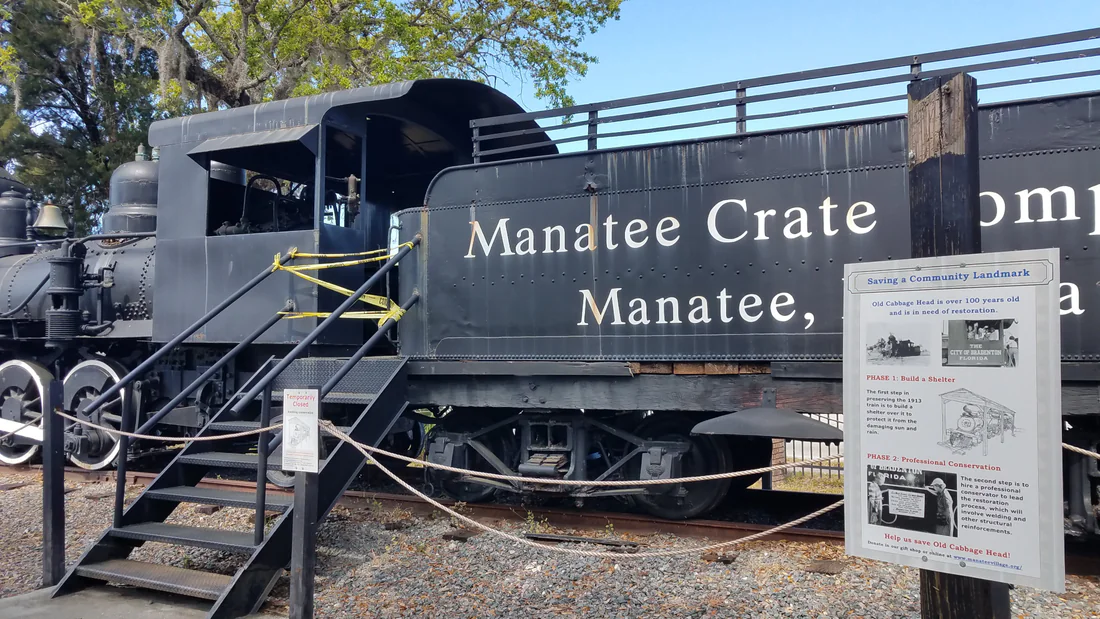 04
04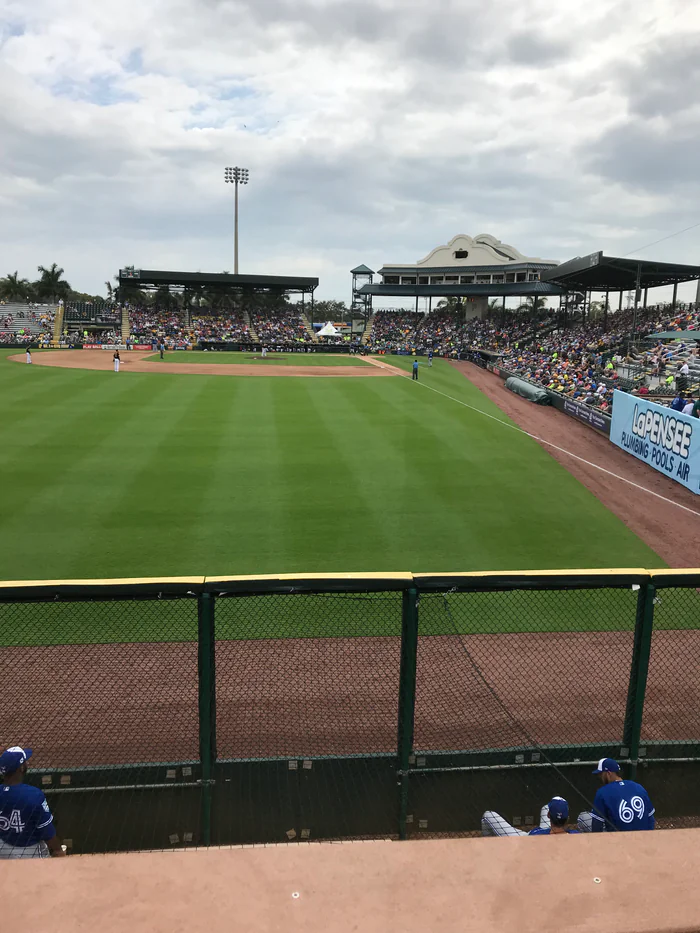 05
05LECOM Park
Goes with: Since 1990: Cortez on Film, LECOM Park and a New City Pier
Open the place page →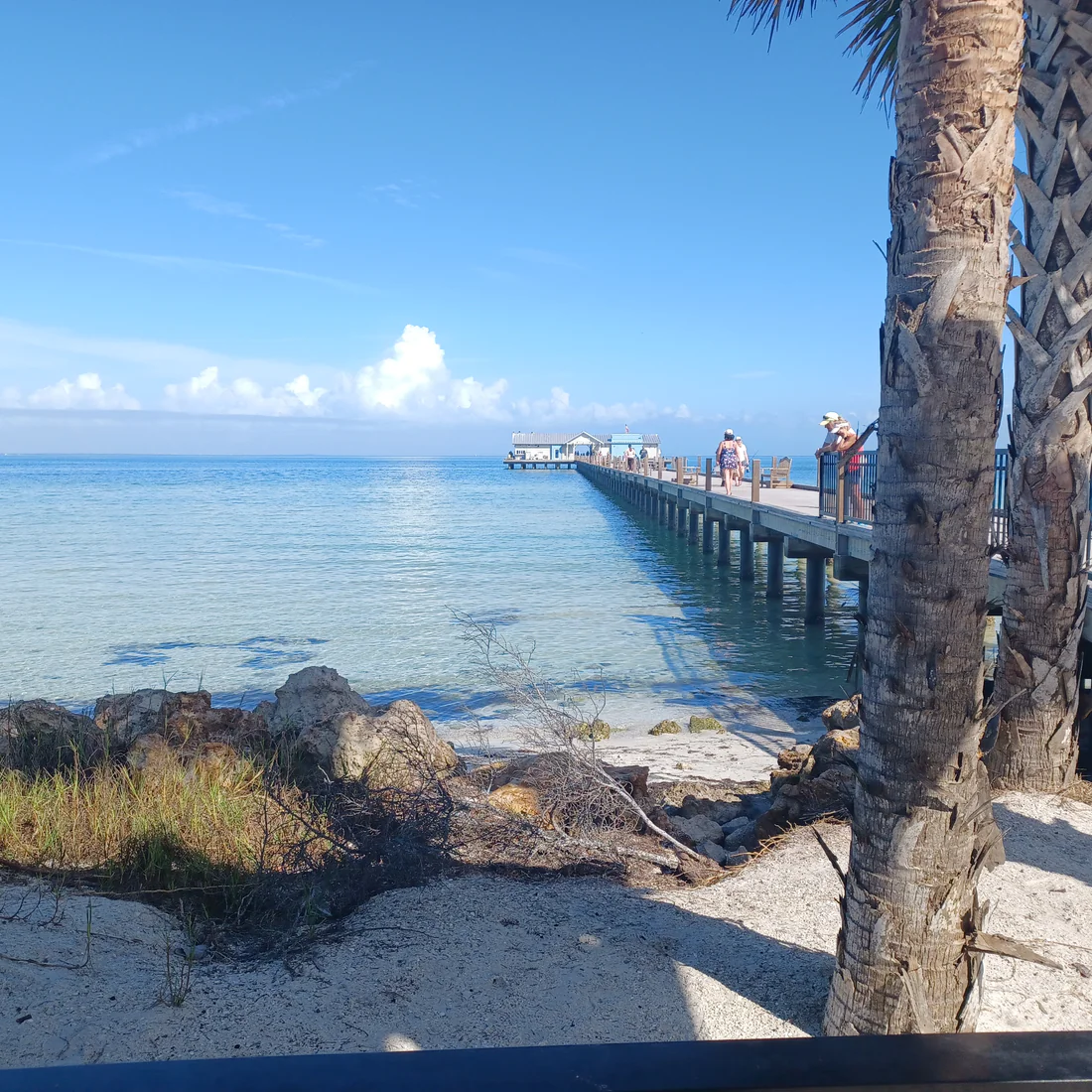 06
06Anna Maria City Pier
Goes with: Since 1990: Cortez on Film, LECOM Park and a New City Pier
Open the place page →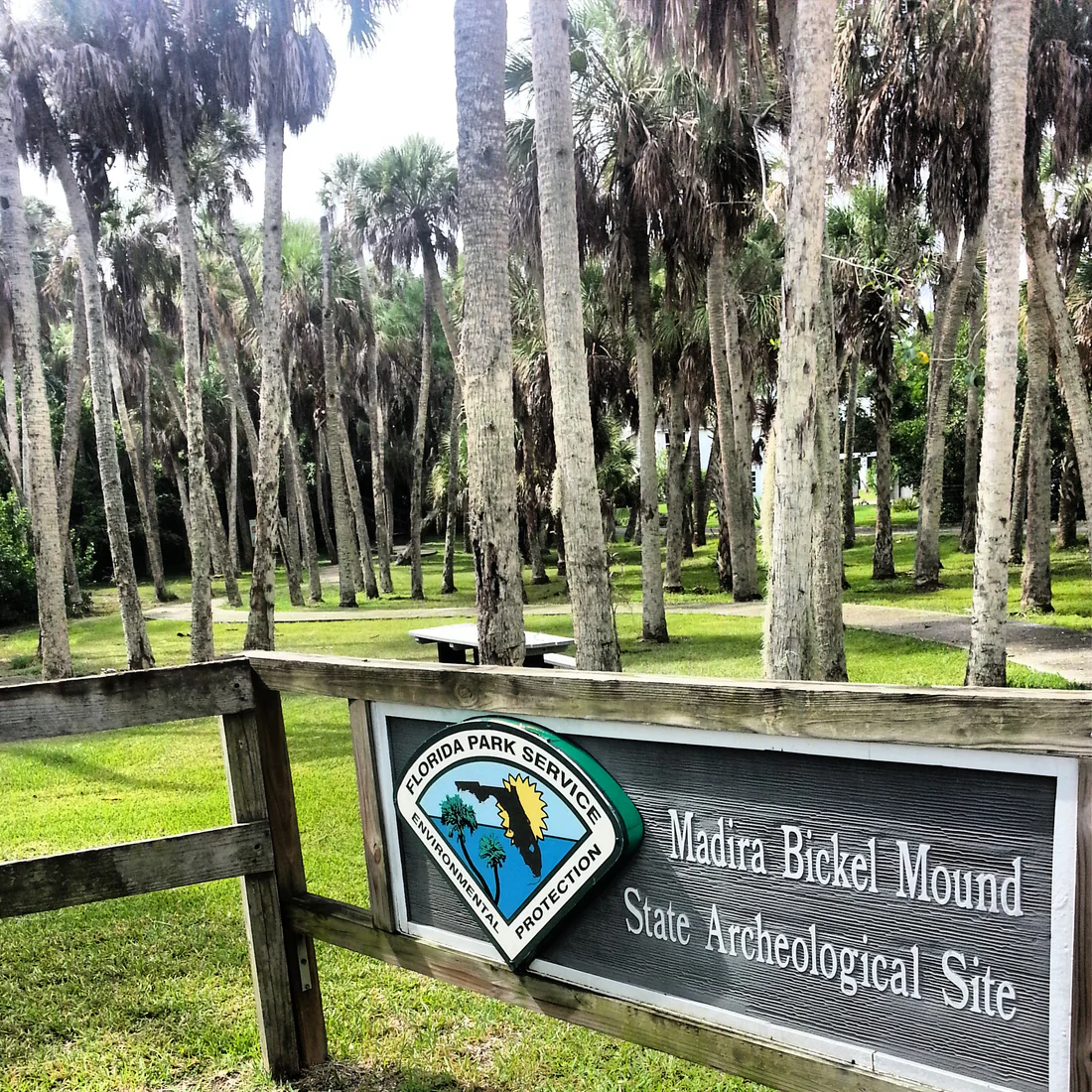 07
07Madira Bickel Mound State Archaeological Site
Goes with: The Mound Builders
Madira Bickel Mound State Archaeological Site on the Florida State Parks website →Questions people ask
When was Manatee County created?
Manatee County dates from January 9, 1855, when the Legislature passed the act that created it.
Chapter 5 →What was Manatee County named for?
The county government says it was named for the manatee, the slow-moving animal also known as the sea cow.
Chapter 5 →When did Bradenton become the county seat of Manatee County?
Braidentown, as Bradenton was then spelled, was named the county seat in the fall of 1887.
Chapter 7 →Did Hernando de Soto land in Manatee County?
The National Park Service says the story that Shaw's Point was his landing spot is contested.
Chapter 2 →What was Angola in Manatee County?
Angola was a community of people who had escaped slavery, between Sarasota Bay and the Manatee River, until a large slave raid destroyed it in 1821.
Chapter 3 →Where this comes from.
- Manatee County Government: About Manatee County Government ↗ Read October 16, 2026
- Florida Memory (State Library and Archives of Florida): Historical Sketch of Manatee County ↗ Read October 16, 2026
- National Park Service: National Register of Historic Places nomination, Original Manatee County Courthouse ↗ Read October 16, 2026
- Manatee Village Historical Park: Florida's Earliest Courthouse ↗ Read October 16, 2026
- Manatee Village Historical Park: Gates Family ↗ Read October 16, 2026
- Manatee Village Historical Park: The Braden Family and the Braden Castle ↗ Read October 16, 2026
- Trail of Florida's Indian Heritage (information from Manatee County Parks and Recreation and the Florida Division of Historical Resources): Emerson Point Preserve ↗ Read October 16, 2026
- Florida State Parks: Madira Bickel Mound State Archaeological Site, History ↗ Read October 16, 2026
- Florida State Parks: Madira Bickel Mound State Archaeological Site ↗ Read October 16, 2026
- Florida State Parks: History of the Mounds ↗ Read October 16, 2026
- WUWF Public Media (Unearthing Florida): Centuries of history at Madira Bickel Mound State Archaeological Park ↗ Read October 16, 2026
- National Park Service: Florida: DeSoto National Memorial ↗ Read October 16, 2026
- National Park Service: Foundation Document, De Soto National Memorial ↗ Read October 16, 2026
- Coastal Review: Mullet Fishermen: A Journey from Carteret County to Florida ↗ Read October 16, 2026
- National Endowment for the Humanities: Florida's Freedom Seekers and the Underground Railroad ↗ Read October 16, 2026
- WUSF Public Media: Festival Will Celebrate Unearthed Connections Between Bradenton and the Bahamas ↗ Read October 16, 2026
- New College of Florida (from the Bradenton Herald, March 19, 2019): Bradenton park recognized as a stop on escaped slaves' underground railroad to freedom ↗ Read October 16, 2026
- WTSP 10 Tampa Bay: This Manatee County plantation had 190 slaves at its peak. Descendants want their story told ↗ Read October 16, 2026
- Florida State Parks: Judah P. Benjamin Confederate Memorial at Gamble Plantation Historic State Park, History ↗ Read October 16, 2026
- Florida Department of State historical marker: Braden Castle Ruins ↗ Read October 16, 2026
- Florida Department of State historical marker: Palmetto ↗ Read October 16, 2026
- Florida Department of State: Palmetto Downtown Main Street named January 2025 Florida Main Street Program of the Month ↗ Read October 16, 2026
- Tampa Bay Beacons: Banners mark Bradenton's 123rd anniversary ↗ Read October 16, 2026
- The Bradenton Times: Bradenton turns 122 ↗ Read October 16, 2026
- Florida Maritime Museum: FMM History ↗ Read October 16, 2026
- Anna Maria Island Sun: A century of Cortez ↗ Read October 16, 2026
- Anna Maria Island Sun: The village that mullet built ↗ Read October 16, 2026
- Anna Maria Island Sun: County commissioners tour pier construction site ↗ Read October 16, 2026
- Anna Maria Island Sun: Pat Carlucci discusses 'Baseball in Paradise' ↗ Read October 16, 2026
- National Park Service: National Register of Historic Places nomination, Braden Castle Park Historic District ↗ Read October 16, 2026
- Tampa Bay 28 (WFTS): Braden Castle ruins in Bradenton mark the site where a sugar plantation once stood ↗ Read October 16, 2026
- Palmetto Historical Park: Integration & Lincoln Memorial High School ↗ Read October 16, 2026
- United States District Court, Middle District of Florida: Claude Kirk, Florida's Governor, takes on the District Court ↗ Read October 16, 2026
- Manatee County Agricultural Museum: Suited Up: Green Polyester and Orange Juice ↗ Read October 16, 2026
- The Anna Maria Islander (July 25, 2017): Snooty, our famous manatee, dies ↗ Read October 16, 2026
- CBS News Miami with the Associated Press (July 23, 2017): Snooty, Oldest Florida Manatee In Captivity, Dies At 69 ↗ Read October 16, 2026
- Spectrum Bay News 9 (April 10, 2019): South Florida Museum Says Sayonara to Name After 73 Years ↗ Read October 16, 2026
- Pittsburgh Pirates (MLB.com): Bradenton, Florida ↗ Read October 16, 2026
- MLB.com (February 10, 2017): Pirates rename spring home LECOM Park ↗ Read October 16, 2026
- WTSP 10 Tampa Bay: A look at the impact of Bradenton's crown jewel: The Riverwalk ↗ Read October 16, 2026
- The Anna Maria Islander (June 23, 2020): Anna Maria City Pier opens quietly amid patron enthusiasm ↗ Read October 16, 2026