St. Lucie County was created in 1905 from the southern part of Brevard County, with Fort Pierce as its county seat. A state historical marker says the county's name honors St. Lucie of Syracuse. Its story begins with the Ais people, and a state marker says a mound in Fort Pierce was the center of an Ais culture dating from 500 to 1,000 years ago. In World War II, the Navy trained its frogmen at Fort Pierce, where the National Navy UDT-SEAL Museum now stands.
This page tells the story in order, from the Ais people to Mets spring training and the Sunrise Theatre, then lists places in the county where you can still see it. The sources for each part are named at the end of that part, and all of them are listed at the bottom of the page.
The Ais People
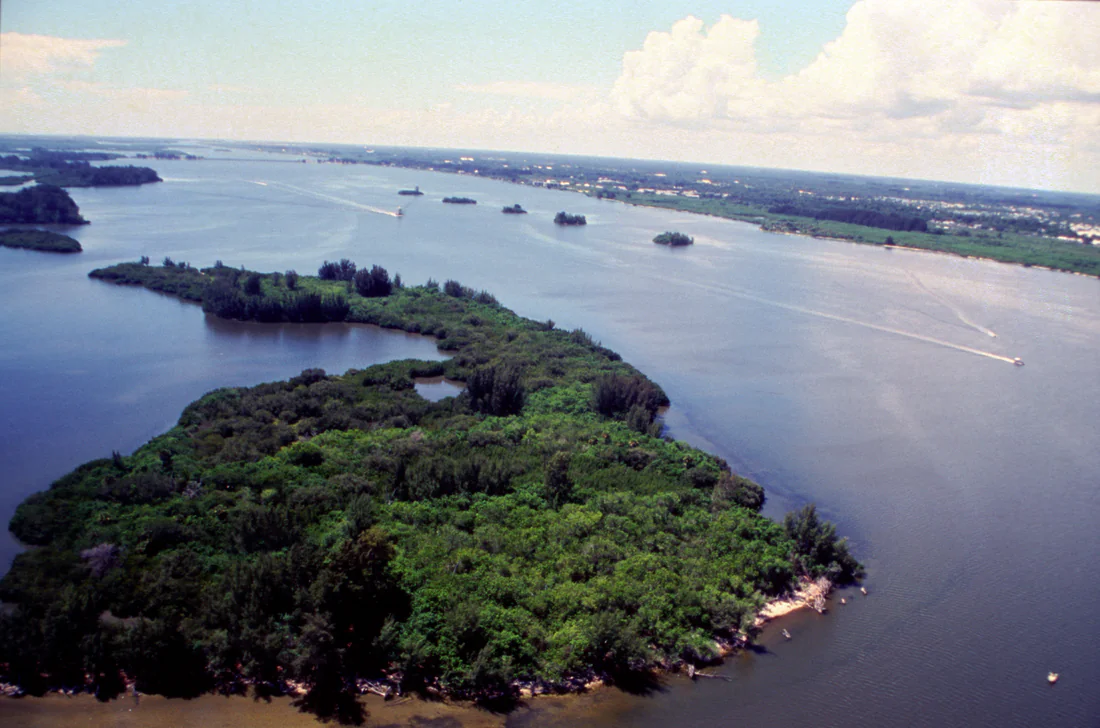
The earliest people known to have lived in what is now St. Lucie County were the Ais. Several thousand Ais were living in east central Florida at the time the Spanish under Ponce de Leon first made contact in 1513, a state marker says. The marker says their land ran along the coast from Cape Canaveral south to Jupiter, while the historical society puts its southern end at Fort Pierce.
The Ais depended largely on the ocean and the Indian River for food. They gathered oysters, caught fish in traps and on hooks made from the toe bones of deer, and hunted deer. They also picked sea grapes, coco plums and palm berries. Their thatched huts were made of wood and palm fronds. They traveled mostly in dugout canoes cut from pine trees.
The Ais had no written language. The written accounts and drawings of them come from early Spanish explorers and from the journal of Jonathan Dickinson, a Pennsylvanian. The Ais left behind pottery and tools of stone and shell. The area also has shell middens and burial grounds. A state marker at Old Fort Park in Fort Pierce says the Ais mound there holds human remains.
Sources: St. Lucie Historical Society: Early Native Americans; RICHES, University of Central Florida: St. Lucie County Collection; Florida Department of State, Florida Historical Markers: Old Fort Park
Next: Chapter 2, The Spanish and the Name Santa Lucia →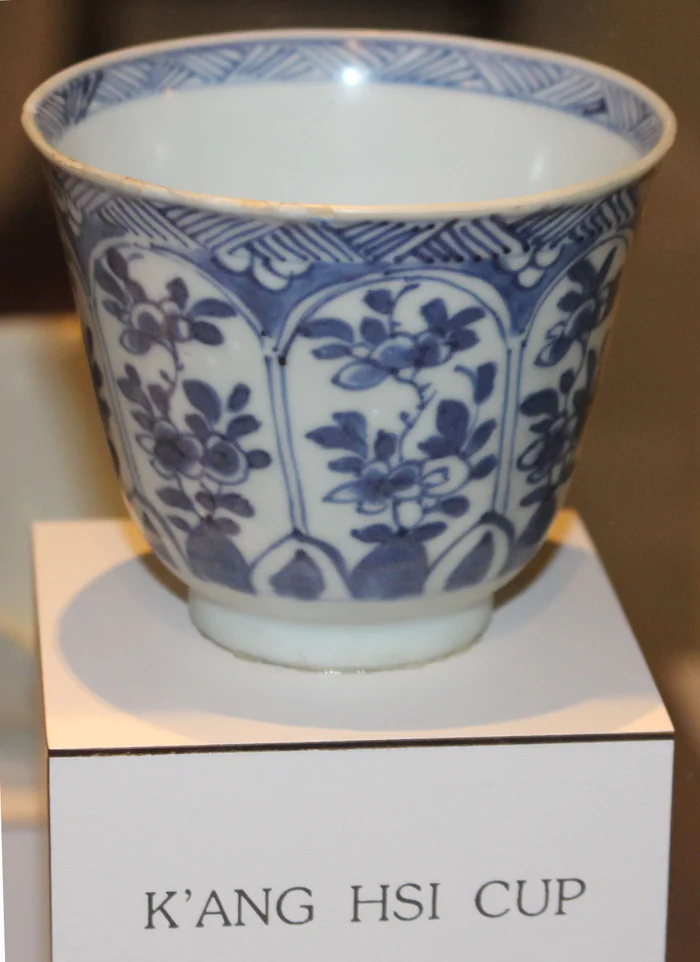
The Spanish and the Name Santa Lucia
The St. Lucie Historical Society says the name Saint Lucie is believed to have come to the area with the Spanish. In 1565 the Spanish built a fort called Santa Lucia at Jupiter Inlet. Work on it began on December 13, the feast day of Saint Lucia. Pedro Menendez de Aviles started a colony named Santa Lucia in 1567, somewhere between where Vero Beach and Stuart are today. Old Spanish maps mark the area as Santa Lucia.
Sailors shipwrecked on this coast were sometimes killed by the Ais and sometimes taken in by them. In 1696, Jonathan Dickinson and his party were shipwrecked and met the Ais as they headed north to St. Augustine. By 1711, the historical society says, only 137 Ais were left. The state marker says the Ais were nearly wiped out by 1740, after the Spanish and other European nations invaded and enslaved them.
Two Spanish convoys carrying goods from Central and South America gathered in Havana in the summer of 1715 and set out for Spain. The combined fleet left on July 24, 1715, and a hurricane struck the ships off Florida's east coast a few days later. Many of the 11 ships were driven toward shore and wrecked in the shallows. One of them, the Urca de Lima, was a 305-ton storeship built by the Dutch, and it ran aground near what is now Fort Pierce. It carried no royal treasure, but its cargo included private chests of silver, along with vanilla, chocolate and incense.
Sources: St. Lucie Historical Society: St. Lucie County History; St. Lucie Historical Society: Early Native Americans; Florida Department of State, Florida Historical Markers: Old Fort Park; Museums in the Sea, Florida Underwater Archaeological Preserves: Urca de Lima History; National Park Service: National Register of Historic Places Registration Form, Urca de Lima (2001); National Park Service: Urca De Lima Shipwreck
Next: Chapter 3, Fort Pierce and the Seminole Wars →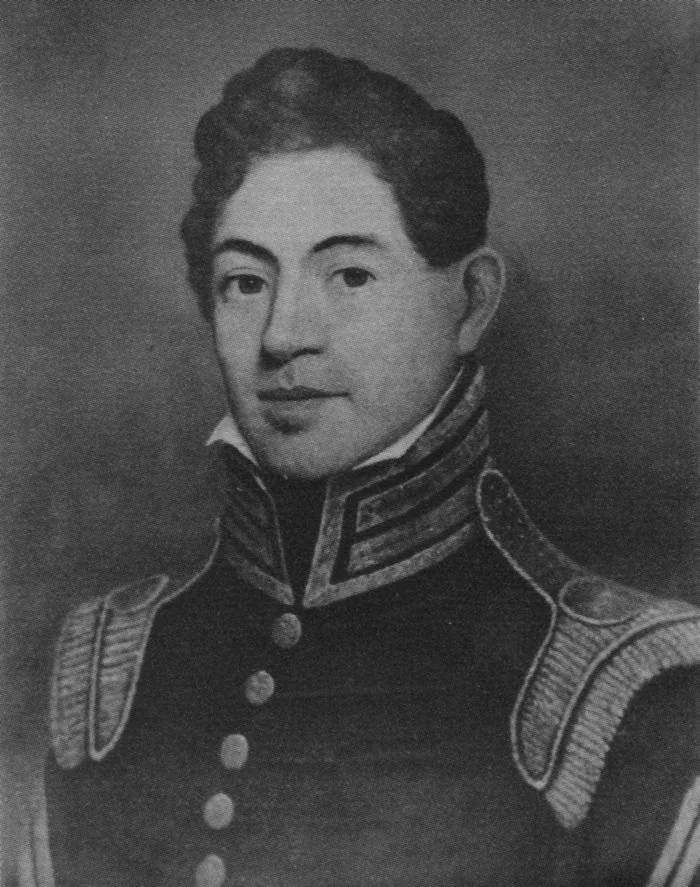
Fort Pierce and the Seminole Wars
The Second Seminole War started in 1835, and soon the Army was building forts across Florida. Fort Pierce was built during a winter campaign led by General Thomas S. Jesup in 1837-38. Artillerymen made it from palmetto logs, high on a bluff on the west side of the Indian River. It was named for Benjamin K. Pierce, an Army officer whose brother Franklin Pierce later became president.
On January 14, 1838, General Jesup and his staff came with their troops, and for a short time the fort was the headquarters of the Army of the South. His mounted force had more than 1,000 soldiers. A spring nearby gave fresh water, and fish from the river helped feed the men. The fort never saw a battle, and it was closed in February 1842, when the Second Seminole War ended. Fire destroyed it in December 1843.
The St. Lucie Historical Society says the fire started in the kitchen at night, on December 12, 1843. In the middle 1800s, Seminoles and people who had escaped slavery found refuge in the area. Fort Capron was later set up at what is now St. Lucie Village, but the sources differ on its dates. The University of Central Florida's RICHES project dates it to 1851, while a 1925 marker of the Daughters of the American Revolution gives its years as 1850 to 1859.
Sources: St. Lucie Historical Society: 19th & Early 20th Century Communities; Florida Department of State, Florida Historical Markers: Old Fort Park; RICHES, University of Central Florida: St. Lucie County Collection; Historical Marker Database: Fort Capron (1925 marker of the Daughters of the American Revolution)
Next: Chapter 4, Settlers, Pineapples and Fish →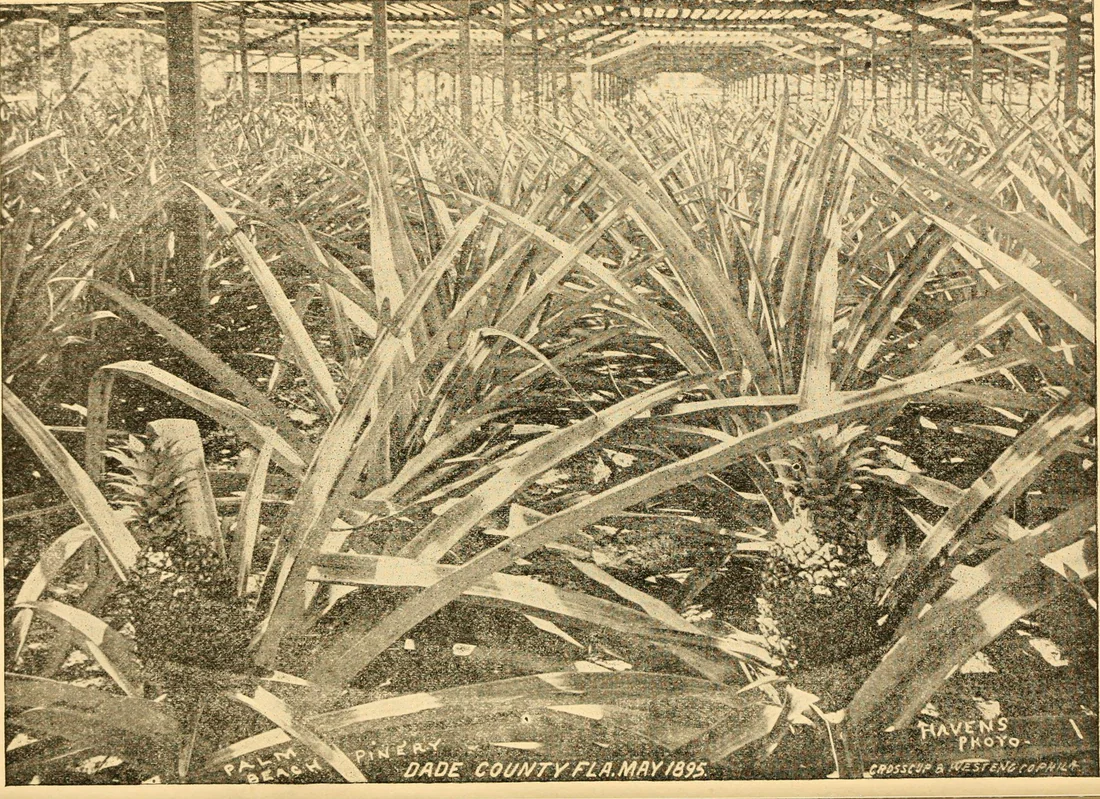
Settlers, Pineapples and Fish
On August 4, 1842, Congress passed the Armed Occupation Act, which offered 160 acres to settlers willing to bear arms and to clear and farm at least five of those acres. About 40 families came, and the site of Fort Pierce was the center of their colony. Permit No. 1 came from the St. Augustine land office and went to Dr. Frederick Weedon, who had been a fort doctor there and had cared for the Seminole leader Osceola. In 1843, eight settlers started a community called Susanna, about three and a half miles south of where Fort Pierce is now. They stayed until 1849, when fear of an Indian uprising sent them fleeing to St. Augustine.
After serving at Fort Capron, Major James Paine settled on 40 acres about a mile south of the fort, and in 1857 his family came to live with him. In the years that followed, Northerners came to know the area as a "Sportsman's Paradise," and Paine charged visitors $3.00 a day for a room. In the 1870s, the historical society says, the settlement of St. Lucie was the county seat of Brevard County. In the 1890s, Senator Quay of Pennsylvania built a large winter home nearby, with a private railroad siding for his friends' rail cars.
Captain Thomas E. Richards, a New Jersey shipbuilder, homesteaded in 1879 and began growing pineapples on a plantation by the Indian River. He found the spot so beautiful that he called it Eden, for the Garden of Eden. Growers had an estimated two million pineapple plants in the ground within a decade. Danish settlers started a planned community called White City, a little south of Frank Bell's ranch, but many moved away after their crops failed over the winter of 1894-95. Commercial fishing grew around the turn of the century, and R. R. Ricou, who came to Eden with his family in 1896, once owned eight fish houses on the coast between Titusville and Key West.
Sources: St. Lucie Historical Society: Indian River Colony; RICHES, University of Central Florida: St. Lucie County Collection; St. Lucie Historical Society: The Seminoles; St. Lucie Historical Society: 19th & Early 20th Century Communities; St. Lucie Historical Society: Pineapple Plantations; St. Lucie Historical Society: Fishing Industry
Next: Chapter 5, The Railroad and the Town of Fort Pierce →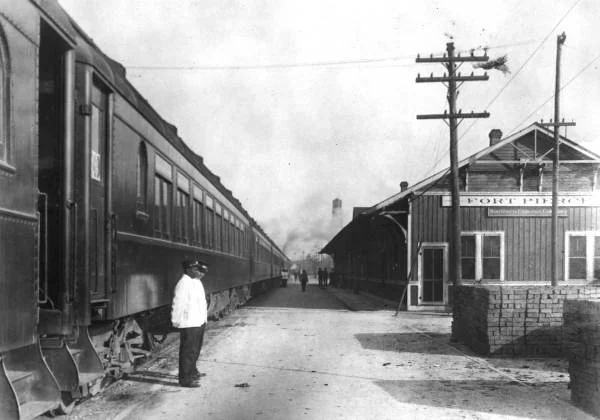
The Railroad and the Town of Fort Pierce
Henry Flagler's railroad reached this area in the 1890s. With the trains came growth for local cattle ranches, pineapple farms, fishing and seafood canning. Farmers who grew citrus, sugar and pineapples, along with the fishermen, put up packinghouses close to the Fort Pierce station.
A 1936 history of the county says Fort Pierce got its start 50 years earlier, when Peter P. Cobb opened a small store beside the Indian River. When Cobb arrived, the place had just one business, a small store run by Captain Hogg, and eight houses, and it was then called Edgartown. Fort Pierce was incorporated on February 2, 1901, when 54 of the 66 voters in the area met and voted for it. They chose A.C. Dittmar as mayor.
In 1911, Fort Pierce became a division point on the Florida East Coast Railway. By 1915, the town had grown to 3,500 people. The original station came down in 1967 and was replaced. A copy of the old depot stands at the entrance to the St. Lucie County Regional History Center.
Sources: RICHES, University of Central Florida: St. Lucie County Collection; RICHES, University of Central Florida: Florida East Coast Railway Fort Pierce Station; Florida Memory, State Archives of Florida: History of St. Lucie County, Florida (WPA report, December 2, 1936); St. Lucie Historical Society: 19th & Early 20th Century Communities; Main Street Fort Pierce: Night Train; St. Lucie Historical Society: The Train Station
Next: Chapter 6, St. Lucie County Is Created →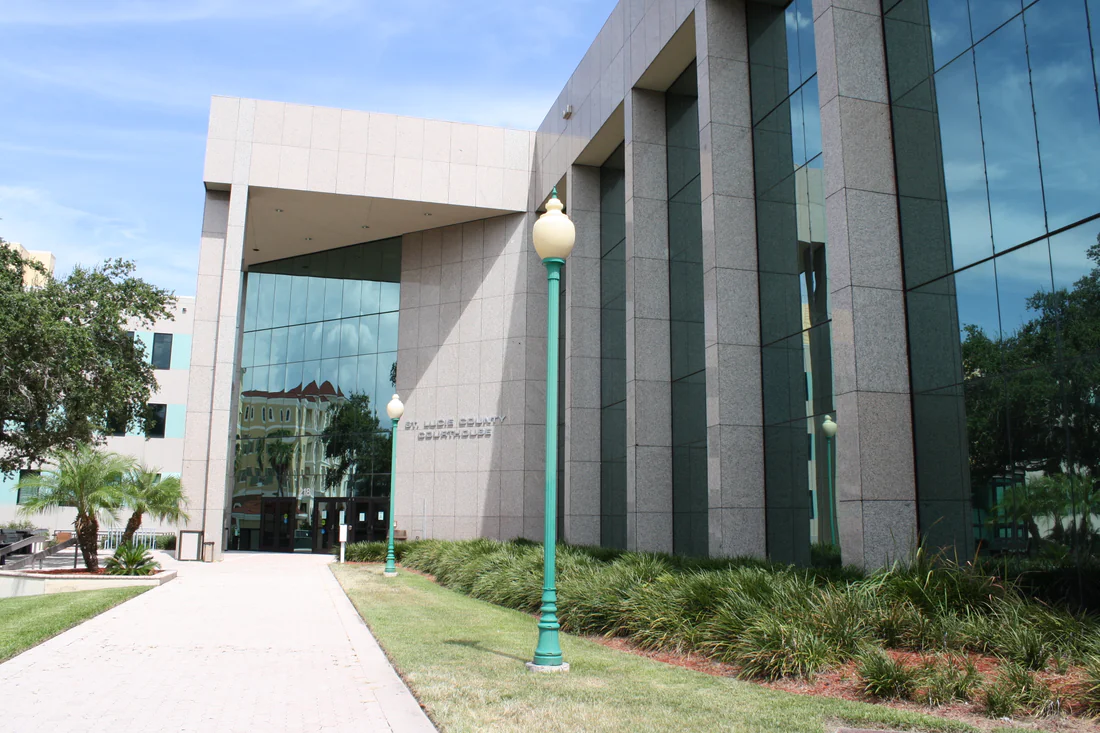
St. Lucie County Is Created
St. Lucie County was created in 1905 from the southern part of Brevard County. A history written for the state in 1936 dates the act of the Florida Legislature that split Brevard County to May 24, 1905. The St. Lucie Historical Society gives July 1, 1905, as the day the county was established, with Fort Pierce as its county seat. An earlier county had used the name St. Lucie, but the sources differ on when: a state historical marker says 1844, while the historical society's timeline points to 1850. The same marker says the county's name honors St. Lucie of Syracuse.
A new courthouse went up in 1909, on land that came from the city of Fort Pierce. Ground was broken for it on June 10, 1909. It had two stories and a dome that rose 78 feet into the air. By 1936, two large wings had been added and the outside had been remade in a Spanish style.
In 1917, land in the west of the county was split off to make Okeechobee County. In 1925, the northern part became Indian River County, and a southeastern piece joined part of northern Palm Beach County to form Martin County.
Sources: RICHES, University of Central Florida: St. Lucie County Collection; Florida Memory, State Archives of Florida: History of St. Lucie County, Florida (WPA report, December 2, 1936); St. Lucie Historical Society: St. Lucie County History; Florida Department of State, Florida Historical Markers: St. Lucie County; St. Lucie Historical Society: 1909 The New Courthouse
Next: Chapter 7, Citrus, Crayons, a Theater and a New Inlet →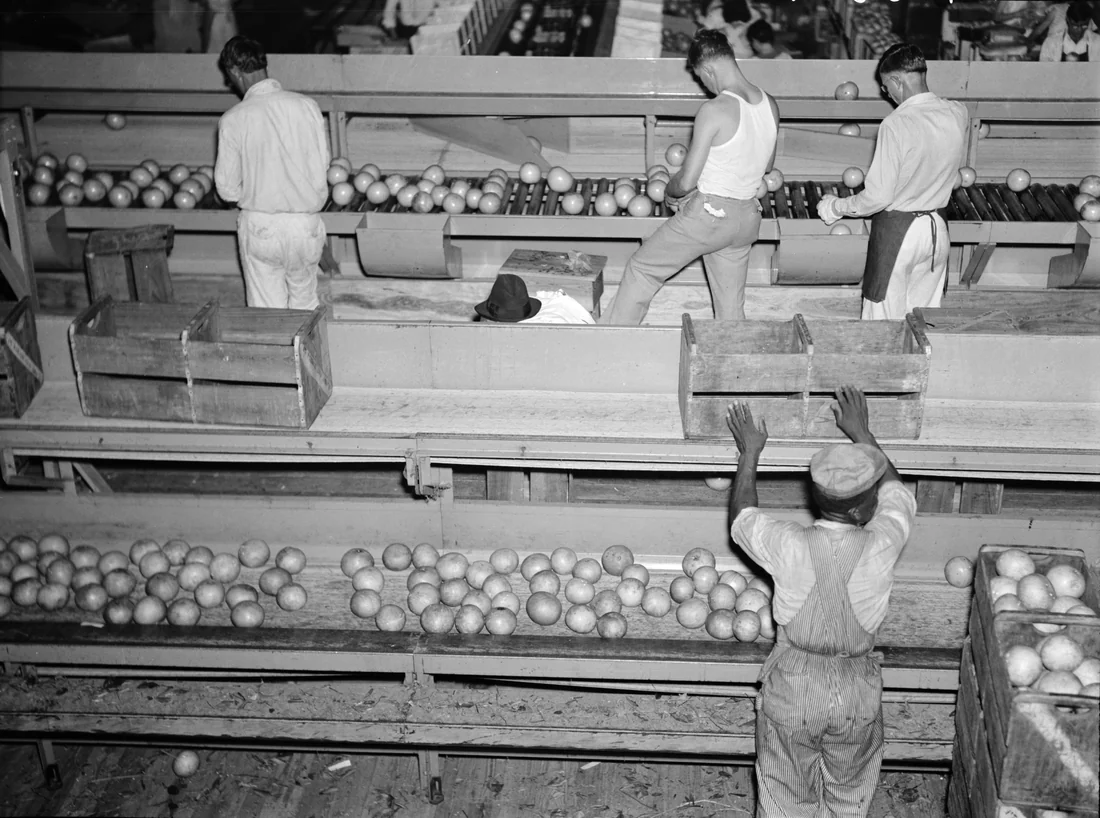
Citrus, Crayons, a Theater and a New Inlet
Pineapple growing was big in St. Lucie County early in the 1900s, but it slowly gave way to citrus. Just before World War I, pests such as nematodes and spider mites went after the plants, and several cold spells hurt them too. Citrus grew into another important business in the early 1900s.
The historical society says Binney & Smith turned out the first eight-crayon box of Crayolas in 1903, and the state calls Edwin Binney a co-founder of Crayola Crayons. By 1911, members of the Binney family were spending part of their time in St. Lucie County. Edwin Binney once had 1,000 acres of citrus in what was known then as Fort Pierce Farms. In 1919, Binney had the idea of turning Fort Pierce into a port with its own inlet. The historical society says that by 1922 the Fort Pierce Inlet was open, along with a refrigerated building for storing fruit.
The Sunrise Theatre, which began as a vaudeville stage and later showed movies, opened in Fort Pierce on August 1, 1923. The county shared in Florida's land boom of the 1920s, then suffered in the bust of 1929 and the Great Depression of the 1930s. A hurricane in 1928 damaged the courthouse dome so badly that the dome and its clock were taken down. In 1929, when the St. Lucie County Bank was in danger, Binney paid enough from his own pocket to keep it running. Deep-water ships could use the Port of Fort Pierce starting February 22, 1930.
Sources: Florida Memory, State Archives of Florida: History of St. Lucie County, Florida (WPA report, December 2, 1936); St. Lucie Historical Society: Pineapple Plantations; RICHES, University of Central Florida: St. Lucie County Collection; St. Lucie Historical Society: Edwin Binney; Florida Department of State, Division of Historical Resources: View Release (September 11, 2023, Main Street Fort Pierce); Sunrise Theatre: About Us; St. Lucie Historical Society: 1909 The New Courthouse
Next: Chapter 8, The Navy Frogmen of World War II →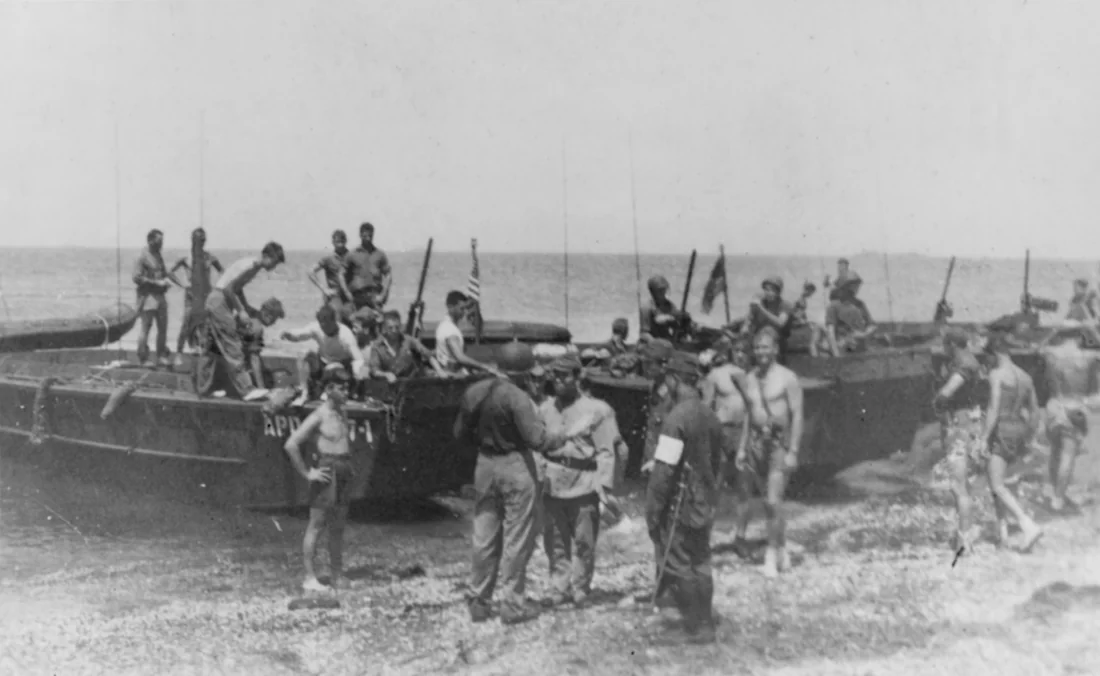
The Navy Frogmen of World War II
Early in 1943, the Navy took over parts of the barrier islands near Fort Pierce and opened the U.S. Naval Amphibious Training Base. The National Navy UDT-SEAL Museum says the first class of combat demolition men began training there in July 1943 under Lieutenant Commander Draper L. Kauffman. It also says Fort Pierce was the only place the Navy trained frogmen during the war. Seabees built concrete and steel copies of enemy underwater beach obstacles and set them in the water off North Beach. The frogmen then blew them up, again and again, until the war ended in 1945.
The museum's executive director, Rick Kaiser, has said the museum stands on the very spot where the first demolition teams trained for the landings on the beaches of Normandy. By the time the base closed in 1946, about 140,000 men had trained there, 3,500 of them in the demolition units. The base set off a rise in the county's population that went on through the 1950s.
Daniel T. McCarty, who grew citrus and raised beef cattle in Fort Pierce, was elected governor of Florida in 1952. On February 25, 1953, he was disabled by a heart attack. He died on September 28, 1953.
Sources: National Navy UDT-SEAL Museum: The Origin of The National Navy UDT-SEAL Museum; National Navy UDT-SEAL Museum: DAR Funding Facilitates Historic WWII Mine Transfer From Fort Pierce to Texas A&M for Conservation (February 10, 2026); RICHES, University of Central Florida: St. Lucie County Collection; St. Lucie Historical Society: Daniel T. McCarty
Next: Chapter 9, The Highwaymen, Zora Neale Hurston and a New City →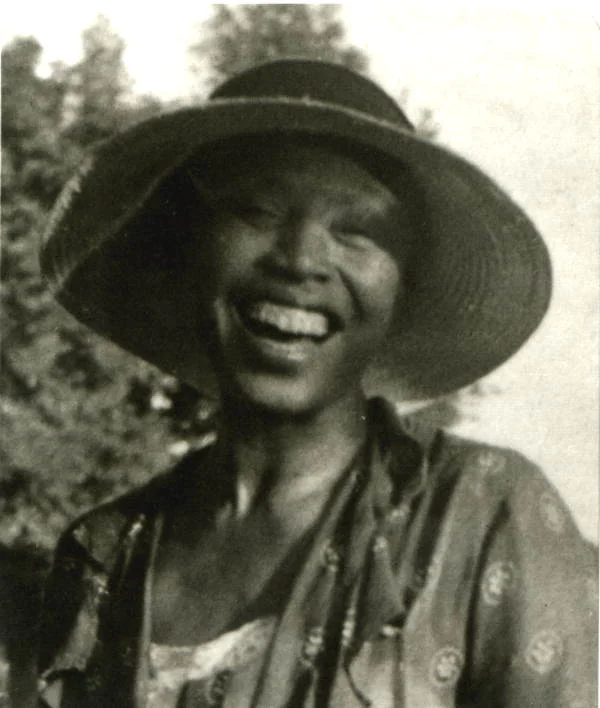
The Highwaymen, Zora Neale Hurston and a New City
The painter A.E. "Bean" Backus was born in 1906 in Fort Pierce. Alfred Hair, a Fort Pierce native born on May 20, 1941, was taught by Backus in the early 1950s. Hair is credited with founding the Highwaymen, a loose group of Black artists who started making art around Fort Pierce in the late 1950s. Some of them went door to door and out on the road to sell their paintings, which are estimated at 50,000 to 200,000 in all. Hair died on August 9, 1970.
The author Zora Neale Hurston lived in Fort Pierce during her final years. She wrote articles for The Chronicle newspaper, and in 1958 she taught for a short time at Lincoln Park Academy. From early 1958 to late 1959, she lived rent-free in a house that Dr. Clem C. Benton, a Fort Pierce doctor and family friend, had just finished building. There she kept working on a book about King Herod, which was never published. After Hurston's death on January 28, 1960, she was laid in an unmarked grave in the Garden of Heavenly Rest, which was a segregated cemetery then.
In 1958, the General Development Corporation bought 40,000 acres of land, most of it inland and hard to reach from the coast. To open up the area, the company had to put a bridge over the St. Lucie River. In 1961, the company made Port St. Lucie a city on paper, incorporated before anyone lived there, and planned it mostly for homes. The company's sales plan was to use the word Port in the name of every large development it planned in Florida, though the city has no real port. For years, building there was slowed because there was no water or sewer service.
Sources: St. Lucie Historical Society: A.E. "Bean" Backus; St. Lucie Historical Society: Alfred Hair; City of Fort Pierce: Zora Neale Hurston Dust Tracks Heritage Trail; St. Lucie Historical Society: Zora Neale Hurston; City of Fort Pierce: Zora Neale Hurston Dust Tracks Heritage Trail Marker #3; City of Fort Pierce: Zora Neale Hurston Dust Tracks Heritage Trail Marker #4; Florida Trend: A mirror image: Finding a Florida community that matches state averages (October 28, 2015); Port St. Lucie Historical Society: PSL Q&A
Next: Chapter 10, Honoring Zora, the Frogmen and the 1715 Fleet →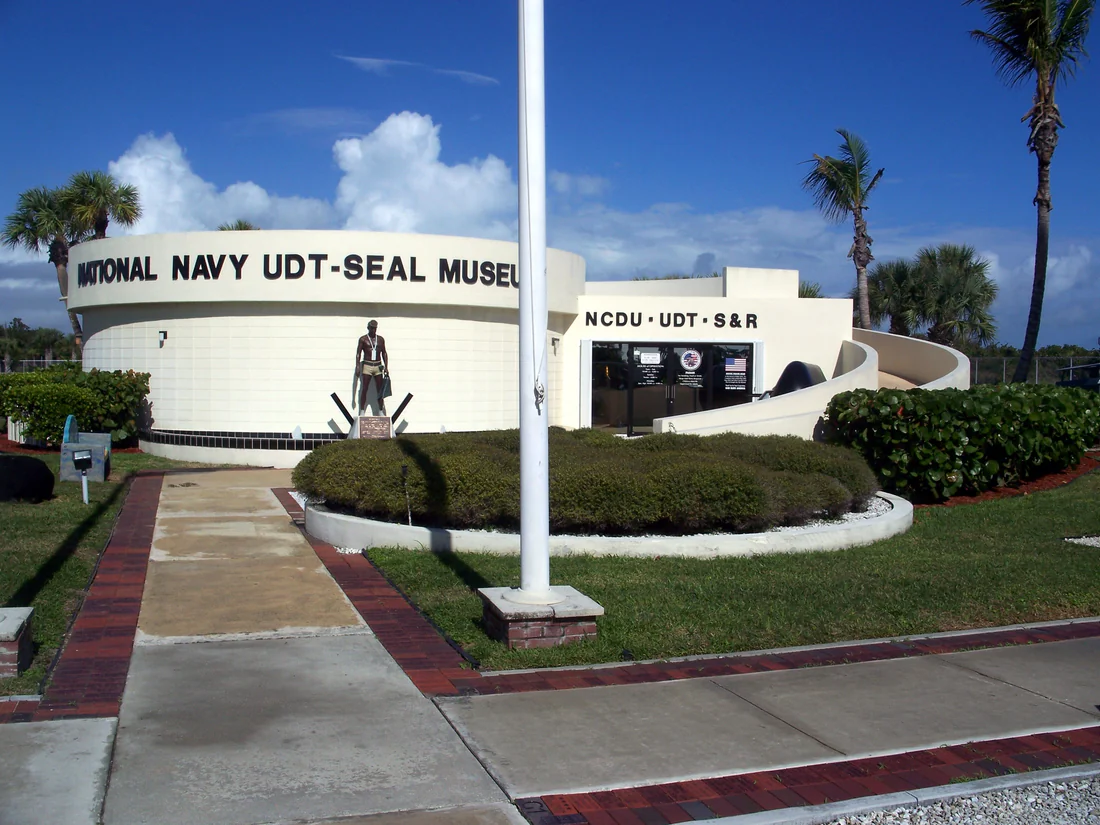
Honoring Zora, the Frogmen and the 1715 Fleet
In the early 1970s, the author Alice Walker found Hurston's grave. In her account, her foot sank into a hole and she found herself standing in a sunken rectangle about six feet long. She decided this was the grave because it was the only one near the middle of the cemetery. Later, in the 1980s, the Zeta Phi Beta Sorority set a large slab over the grave.
On Veterans Day 1985, the Navy UDT-SEAL Museum opened in Fort Pierce, on ground where the museum says the first Navy combat divers trained. Retired SEAL Captain Norm Olson signed on as its founding director, started on February 1, 1985, and had nine months to finish the museum.
In 1987, Florida began a system of underwater archaeological preserves. The National Park Service says the Urca de Lima was the state's first underwater preserve, and a bronze plaque was placed at the wreck that year. The Park Service says the wreck lies 200 yards offshore, about 1,000 yards to the north of Pepper Beach Park. The county's name for that beach park is Pepper Park Beachside, after the late U.S. Senator Claude Pepper, and the county calls it the site of the Urca de Lima preserve. Five cement copies of cannons, plus one of an anchor, were set around the wreck.
Sources: City of Fort Pierce: Zora Neale Hurston Dust Tracks Heritage Trail Marker #4; National Navy UDT-SEAL Museum: National Navy UDT-SEAL Museum, Fort Pierce, FL; National Navy UDT-SEAL Museum: The Origin of The National Navy UDT-SEAL Museum; Museums in the Sea, Florida Underwater Archaeological Preserves: Urca de Lima History; National Park Service: Urca De Lima Shipwreck; National Park Service: National Register of Historic Places Registration Form, Urca de Lima (2001); St. Lucie County: Pepper Park Beachside
Next: Chapter 11, Since 1988: Mets Spring Training, the Highwaymen and the Sunrise Theatre →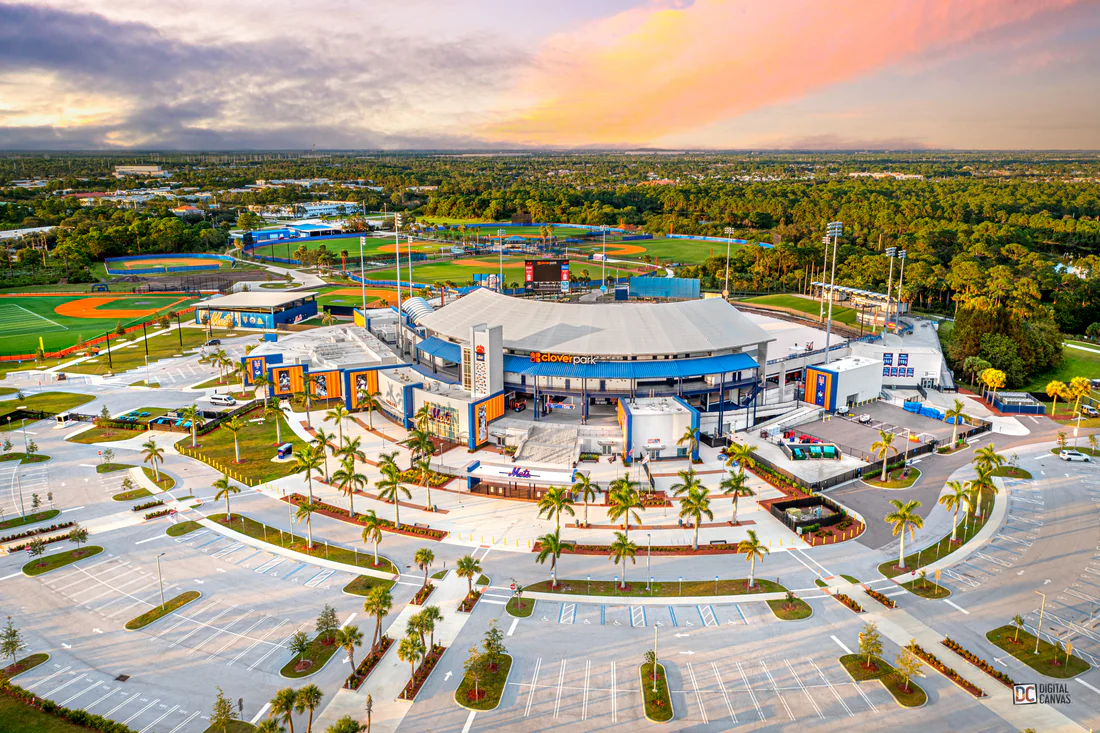
Since 1988: Mets Spring Training, the Highwaymen and the Sunrise Theatre
The New York Mets began holding spring training in Port St. Lucie in 1988, at a new ballpark that opened that year as Thomas J. White Stadium. The ballpark has gone by other names since then, among them First Data Field, Digital Domain Park and Tradition Field, and it is now called Clover Park. A $57 million renovation was mostly done in time for spring training in 2020. The St. Lucie Mets, a minor league team run by the Mets, won a league title in their first season, 1988, and won again in 1996, 1998, 2003, 2006 and 2022.
In 1991, the U.S. Department of the Interior and the National Park Service made the house where Hurston lived a National Historic Landmark. The Zora Neale Hurston Dust Tracks Heritage Trail opened with a dedication on March 12, 2004. The state's arts division says that in 1995, Jim Fitch, an art collector who owned a gallery in Sebring, wrote an article calling the Fort Pierce painters the Florida Highwaymen, for the way they sold paintings from their car trunks along I-95 and A1A. In 2004, Alfred Hair and the Florida Highwaymen were inducted into the Florida Artists Hall of Fame. The Sunrise Theatre reopened on January 6, 2006, after a restoration that drew more than $13 million in grants and private gifts.
Two major hurricanes struck the county in 2004. On October 1, 2007, the U.S. House passed a bill to name the Fort Pierce museum the national museum of Navy SEALs and of the frogmen who came before them. The Port St. Lucie Botanical Gardens opened on March 6, 2010, on land the city had bought in 2002 through a state land conservation program. On February 10, 2026, the Fort Pierce museum said it had sent a World War II Japanese training mine to Texas A&M University to be conserved. The mine was pulled from nearby waters in 2022, and a grant from the Daughters of the American Revolution helped pay for the project.
Sources: MiLB.com (Minor League Baseball): Explore Port St. Lucie's Clover Park (February 1, 2023); City of Fort Pierce: Zora Neale Hurston Dust Tracks Heritage Trail Marker #3; City of Fort Pierce: Zora Neale Hurston Dust Tracks Heritage Trail; Florida Department of State, Division of Arts and Culture: Alfred Hair and the Florida Highwaymen (Florida Artists Hall of Fame); Sunrise Theatre: About Us; Florida Department of State, Division of Historical Resources: View Release (September 11, 2023, Main Street Fort Pierce); RICHES, University of Central Florida: St. Lucie County Collection; Congressional Record (govinfo.gov): House of Representatives, October 1, 2007, page H11037; Port St. Lucie Historical Society: PSL Q&A; National Navy UDT-SEAL Museum: DAR Funding Facilitates Historic WWII Mine Transfer From Fort Pierce to Texas A&M for Conservation (February 10, 2026)
Next: the whole story, in dates →The whole story, in dates
Several thousand Ais are living in east central Florida when the Spanish under Ponce de Leon first make contact.
The Spanish build Fort Santa Lucia at Jupiter Inlet.
Pedro Menendez de Aviles starts a colony named Santa Lucia.
Jonathan Dickinson and his shipwrecked party meet the Ais.
A Spanish fleet sails for Spain, and a hurricane wrecks many of its ships off Florida days later.
The Second Seminole War begins.
General Jesup arrives at Fort Pierce, which briefly serves as Army headquarters.
Fort Pierce closes at the end of the Second Seminole War.
Congress passes the Armed Occupation Act, offering 160 acres to settlers.
Eight settlers start the community of Susanna.
Captain Thomas E. Richards homesteads at Eden and grows pineapples.
R. R. Ricou arrives at Eden with his family.
Fort Pierce is incorporated.
St. Lucie County is created from the southern part of Brevard County.
Ground is broken for the new courthouse in Fort Pierce.
Okeechobee County is formed from the west of the county.
The Sunrise Theatre opens in Fort Pierce.
Indian River County and Martin County are formed from parts of the county.
Edwin Binney keeps the St. Lucie County Bank running with his own money.
The Port of Fort Pierce opens to deep-water ships.
The Navy opens its amphibious training base at Fort Pierce.
The first class of combat demolition men begins training.
The training base closes after about 140,000 men have trained there.
The Highwaymen painters begin working around Fort Pierce.
The General Development Corporation buys 40,000 acres of land.
Zora Neale Hurston dies and is buried in an unmarked grave.
Port St. Lucie is founded.
Alice Walker finds Hurston's grave.
The Navy UDT-SEAL Museum opens in Fort Pierce.
The Urca de Lima becomes an underwater archaeological preserve.
The New York Mets begin spring training in Port St. Lucie.
The Zora Neale Hurston House becomes a National Historic Landmark.
Alfred Hair and the Florida Highwaymen join the Florida Artists Hall of Fame.
The restored Sunrise Theatre reopens.
The U.S. House passes a bill to name the Fort Pierce museum the national museum of Navy SEALs.
The Fort Pierce museum says it has sent a World War II training mine to Texas A&M for conservation.
Where you can still see it
 01
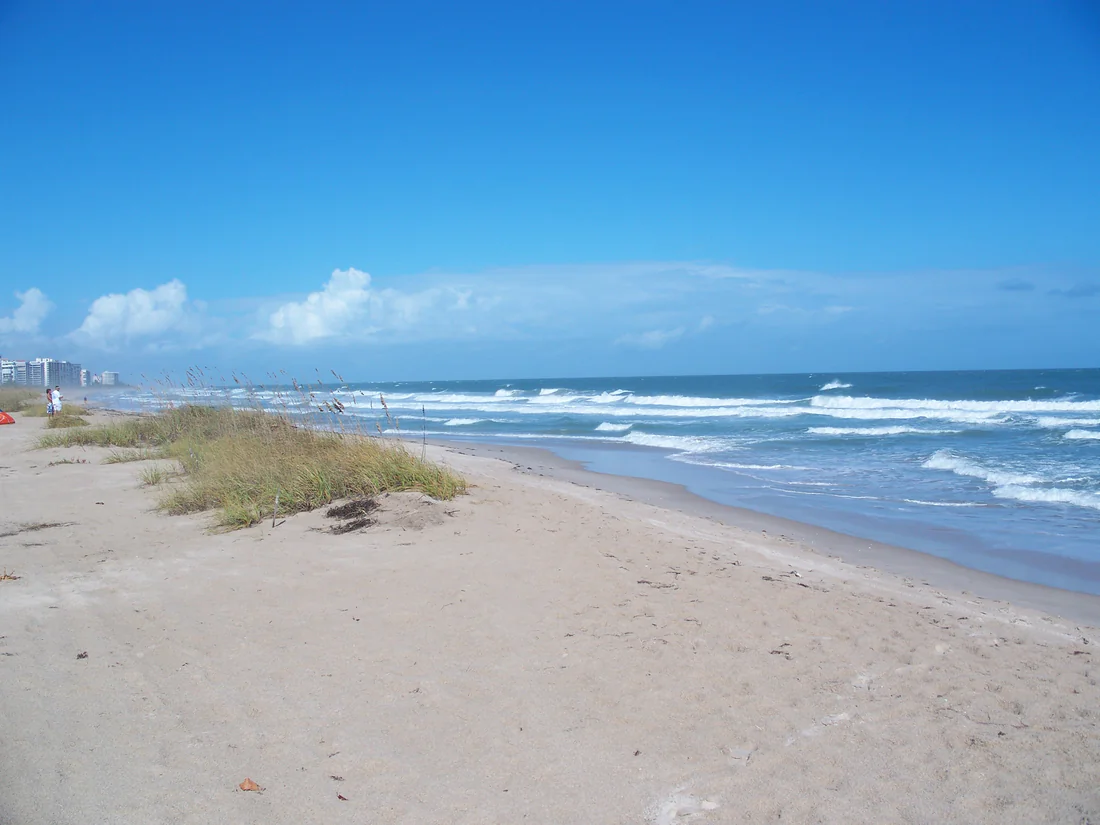
01Fort Pierce Inlet State Park
Goes with: Citrus, Crayons, a Theater and a New Inlet
Open the place page →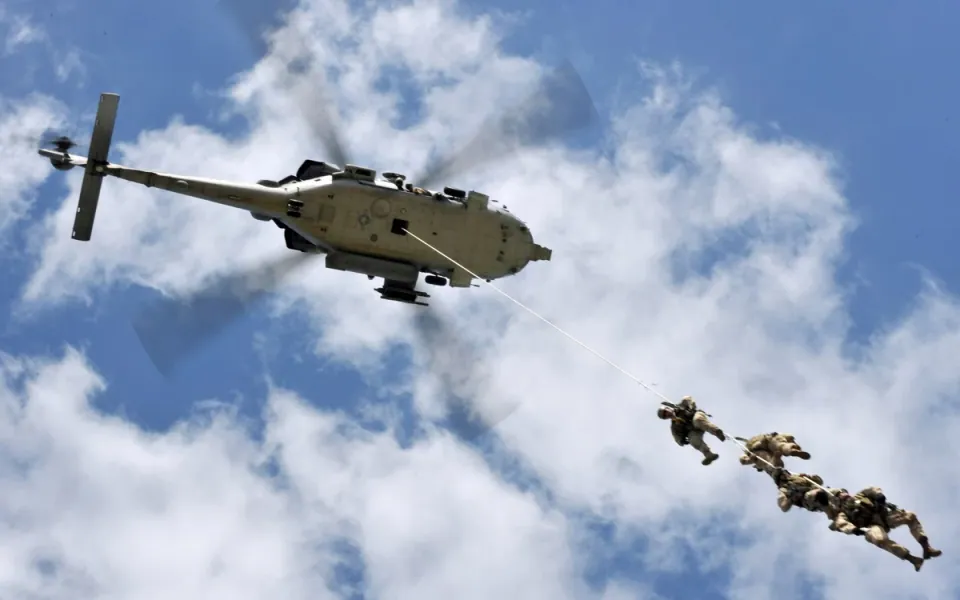 02
02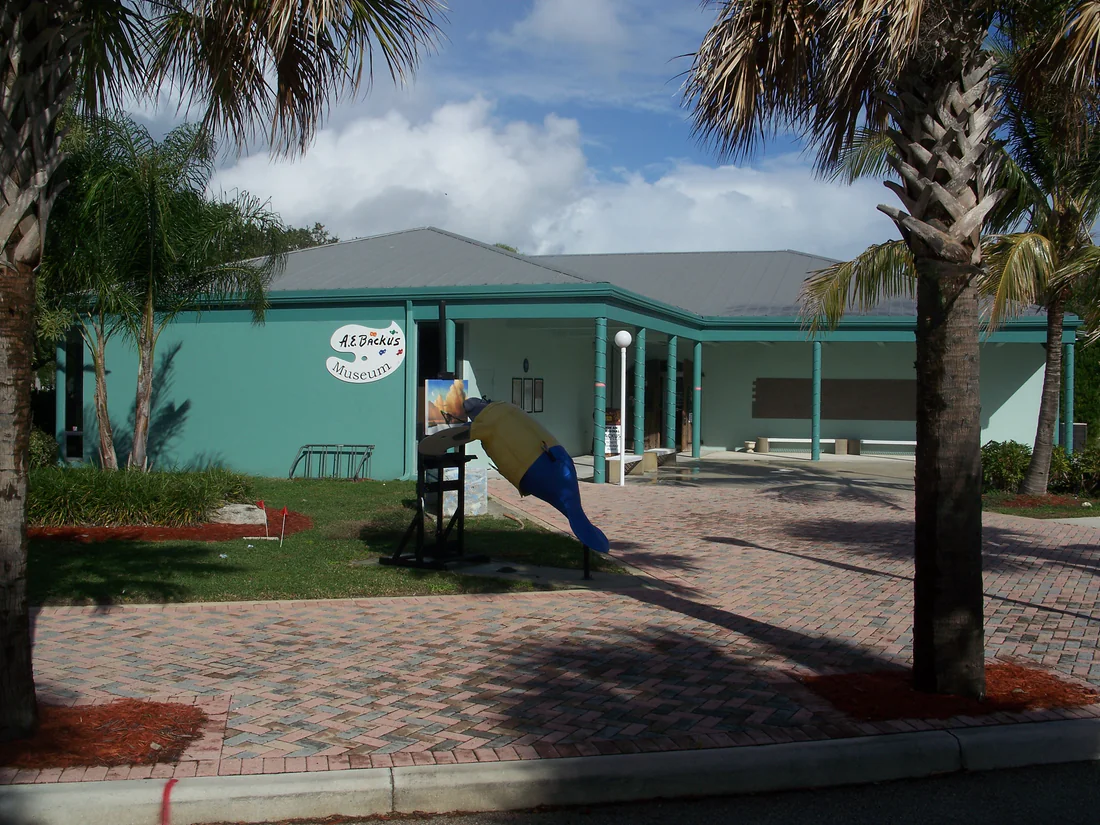 03
03A.E. Backus Museum & Gallery
Goes with: The Highwaymen, Zora Neale Hurston and a New City
Open the place page →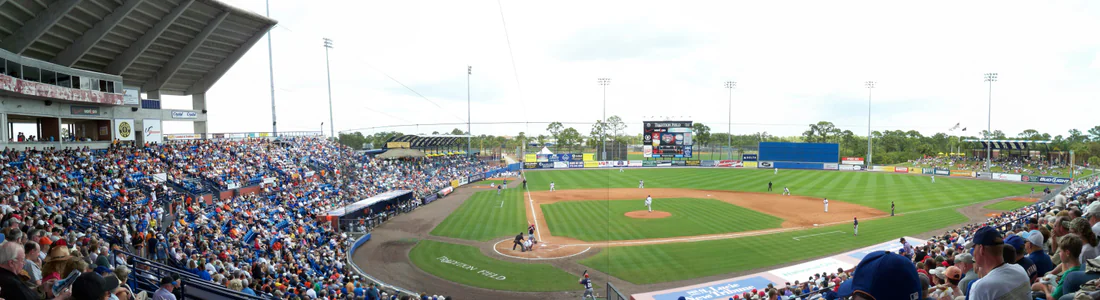 04
04Clover Park
Goes with: Since 1988: Mets Spring Training, the Highwaymen and the Sunrise Theatre
Open the place page →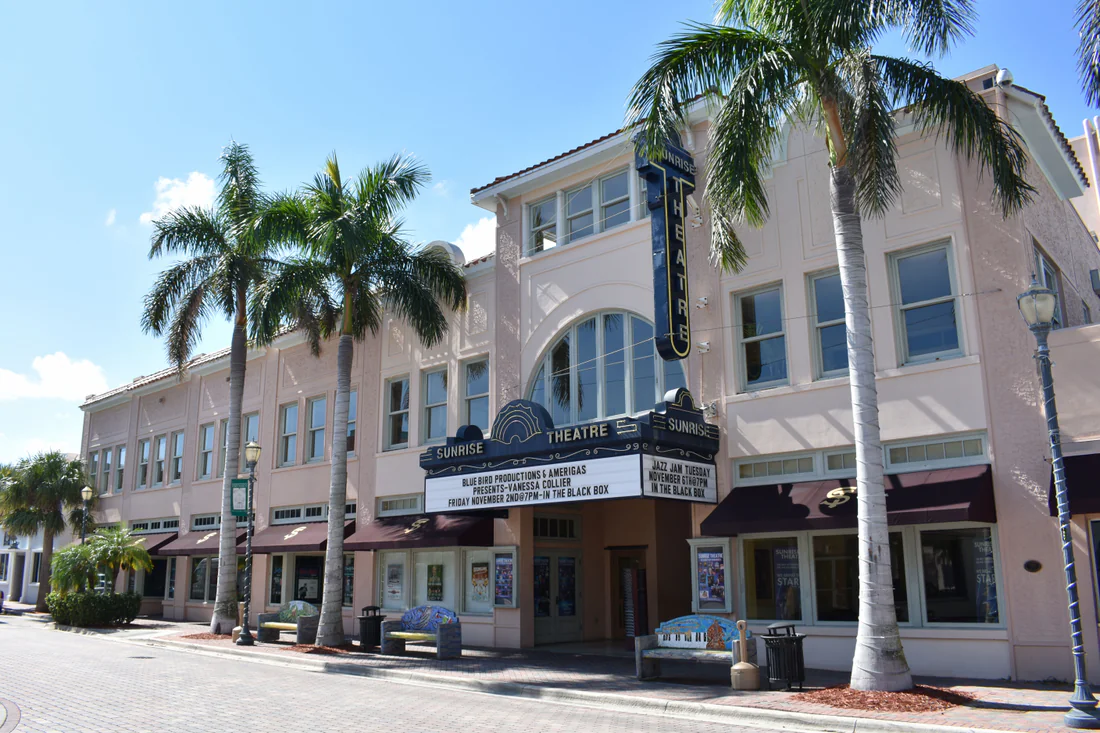 05
05Sunrise Theatre
Goes with: Since 1988: Mets Spring Training, the Highwaymen and the Sunrise Theatre
Open the place page →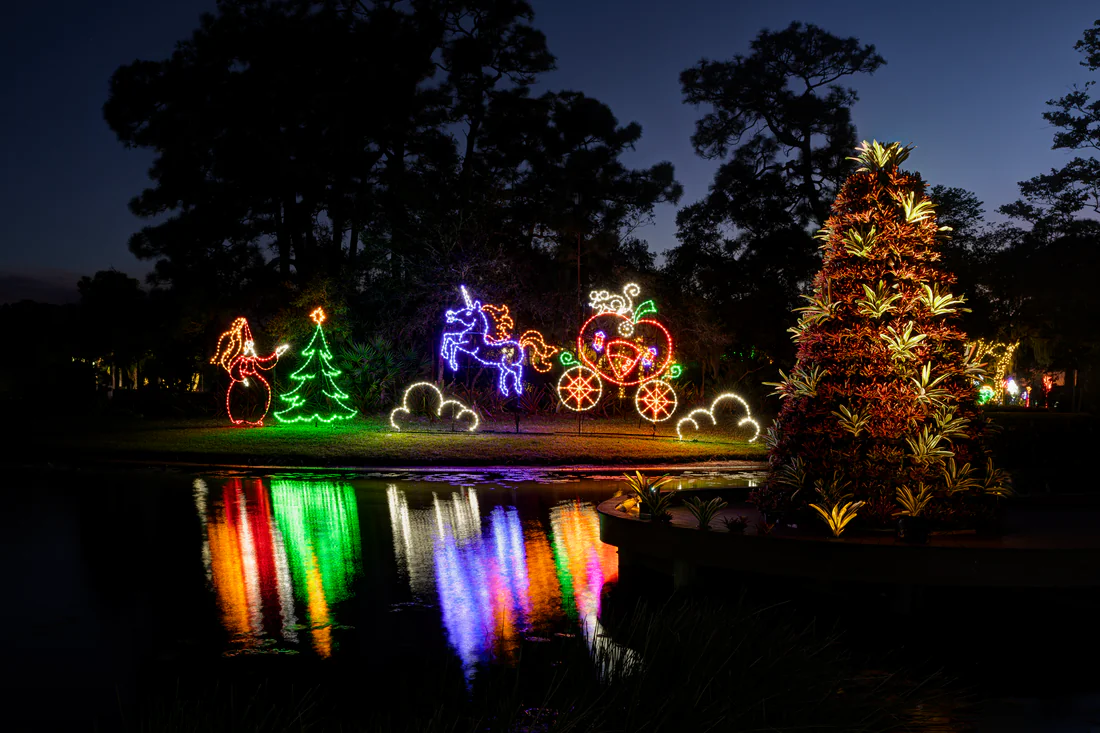 06
06Port St. Lucie Botanical Gardens
Goes with: Since 1988: Mets Spring Training, the Highwaymen and the Sunrise Theatre
Open the place page →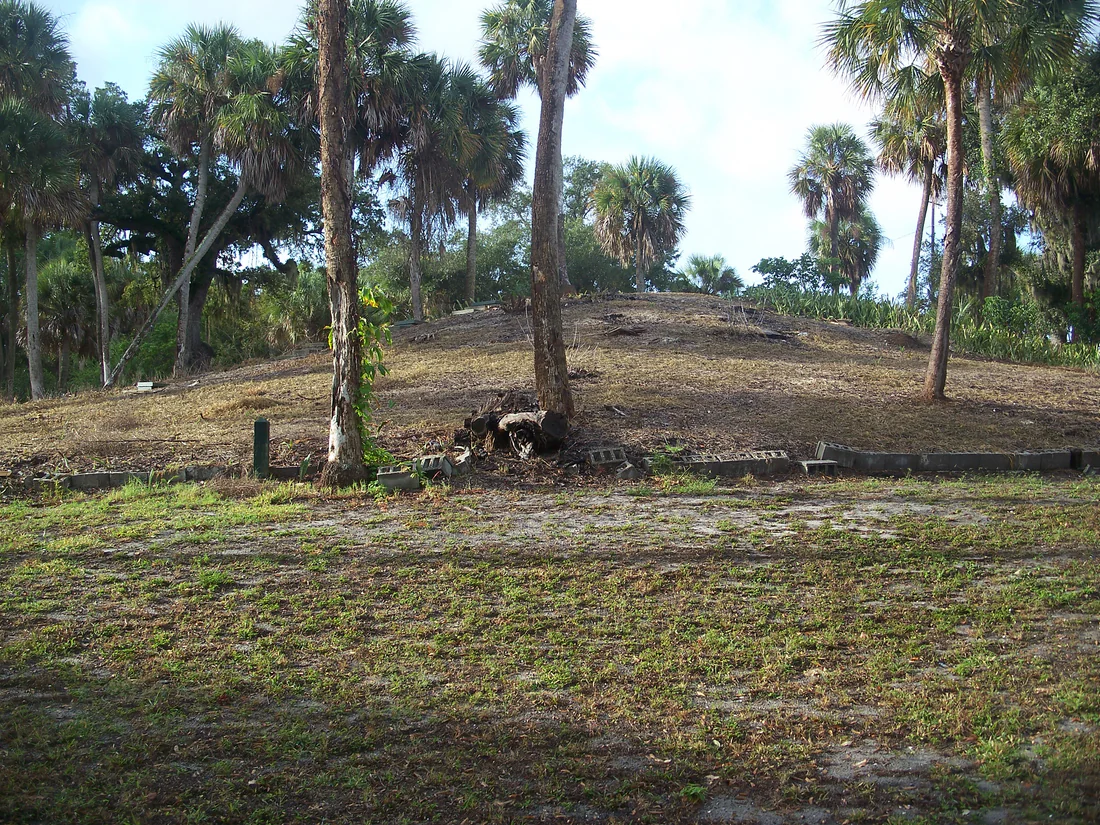 07
07Old Fort Park, Fort Pierce
Goes with: Fort Pierce and the Seminole Wars
Florida historical marker for Old Fort Park →Questions people ask
When was St. Lucie County created?
St. Lucie County was created in 1905 from the southern part of Brevard County.
Chapter 6 →Who was St. Lucie County named for?
A state historical marker says the county's name honors St. Lucie of Syracuse.
Chapter 6 →When did the New York Mets start spring training in Port St. Lucie?
The Mets began holding spring training in Port St. Lucie in 1988, at the ballpark now called Clover Park.
Chapter 11 →Where did the Navy train its frogmen in World War II?
The Navy trained them at the U.S. Naval Amphibious Training Base at Fort Pierce, which opened early in 1943.
Chapter 8 →Where is Zora Neale Hurston buried?
She was laid in an unmarked grave in the Garden of Heavenly Rest in Fort Pierce after she died on January 28, 1960.
Chapter 9 →Where this comes from.
- St. Lucie Historical Society: Early Native Americans ↗ Read October 16, 2026
- RICHES, University of Central Florida: St. Lucie County Collection ↗ Read October 16, 2026
- Florida Department of State, Florida Historical Markers: Old Fort Park ↗ Read October 16, 2026
- St. Lucie Historical Society: St. Lucie County History ↗ Read October 16, 2026
- Museums in the Sea, Florida Underwater Archaeological Preserves: Urca de Lima History ↗ Read October 16, 2026
- National Park Service: National Register of Historic Places Registration Form, Urca de Lima (2001) ↗ Read October 16, 2026
- National Park Service: Urca De Lima Shipwreck ↗ Read October 16, 2026
- St. Lucie Historical Society: 19th & Early 20th Century Communities ↗ Read October 16, 2026
- Historical Marker Database: Fort Capron (1925 marker of the Daughters of the American Revolution) ↗ Read October 16, 2026
- St. Lucie Historical Society: Indian River Colony ↗ Read October 16, 2026
- St. Lucie Historical Society: The Seminoles ↗ Read October 16, 2026
- St. Lucie Historical Society: Pineapple Plantations ↗ Read October 16, 2026
- St. Lucie Historical Society: Fishing Industry ↗ Read October 16, 2026
- RICHES, University of Central Florida: Florida East Coast Railway Fort Pierce Station ↗ Read October 16, 2026
- Florida Memory, State Archives of Florida: History of St. Lucie County, Florida (WPA report, December 2, 1936) ↗ Read October 16, 2026
- Main Street Fort Pierce: Night Train ↗ Read October 16, 2026
- St. Lucie Historical Society: The Train Station ↗ Read October 16, 2026
- Florida Department of State, Florida Historical Markers: St. Lucie County ↗ Read October 16, 2026
- St. Lucie Historical Society: 1909 The New Courthouse ↗ Read October 16, 2026
- St. Lucie Historical Society: Edwin Binney ↗ Read October 16, 2026
- National Navy UDT-SEAL Museum: The Origin of The National Navy UDT-SEAL Museum ↗ Read October 16, 2026
- National Navy UDT-SEAL Museum: DAR Funding Facilitates Historic WWII Mine Transfer From Fort Pierce to Texas A&M for Conservation (February 10, 2026) ↗ Read October 16, 2026
- St. Lucie Historical Society: Daniel T. McCarty ↗ Read October 16, 2026
- St. Lucie Historical Society: A.E. "Bean" Backus ↗ Read October 16, 2026
- St. Lucie Historical Society: Alfred Hair ↗ Read October 16, 2026
- City of Fort Pierce: Zora Neale Hurston Dust Tracks Heritage Trail ↗ Read October 16, 2026
- St. Lucie Historical Society: Zora Neale Hurston ↗ Read October 16, 2026
- City of Fort Pierce: Zora Neale Hurston Dust Tracks Heritage Trail Marker #3 ↗ Read October 16, 2026
- City of Fort Pierce: Zora Neale Hurston Dust Tracks Heritage Trail Marker #4 ↗ Read October 16, 2026
- Florida Trend: A mirror image: Finding a Florida community that matches state averages (October 28, 2015) ↗ Read October 16, 2026
- Port St. Lucie Historical Society: PSL Q&A ↗ Read October 16, 2026
- National Navy UDT-SEAL Museum: National Navy UDT-SEAL Museum, Fort Pierce, FL ↗ Read October 16, 2026
- Congressional Record (govinfo.gov): House of Representatives, October 1, 2007, page H11037 ↗ Read October 16, 2026
- MiLB.com (Minor League Baseball): Explore Port St. Lucie's Clover Park (February 1, 2023) ↗ Read October 16, 2026
- Sunrise Theatre: About Us ↗ Read October 16, 2026
- Florida Department of State, Division of Historical Resources: View Release (September 11, 2023, Main Street Fort Pierce) ↗ Read October 16, 2026
- Florida Department of State, Division of Arts and Culture: Alfred Hair and the Florida Highwaymen (Florida Artists Hall of Fame) ↗ Read October 16, 2026
- St. Lucie County: Pepper Park Beachside ↗ Read October 16, 2026