Leon County was created on December 29, 1824, and named for Juan Ponce de Leon. Its county seat is Tallahassee, which was chosen as Florida's capital in 1824 and still serves as the capital. It is home to Florida State University, whose roots go back to 1851, and Florida A&M University, founded in 1887. Its history goes back more than 800 years, to the Native people who lived beside the earthen mounds at Lake Jackson.
This page tells the story in order, from the mound builders of Lake Jackson to Cascades Park and a replica of the first log Capitol, then lists places in the county where you can still see it. The sources for each part are named at the end of that part, and all of them are listed at the bottom of the page.
The Mound Builders and the Apalachee
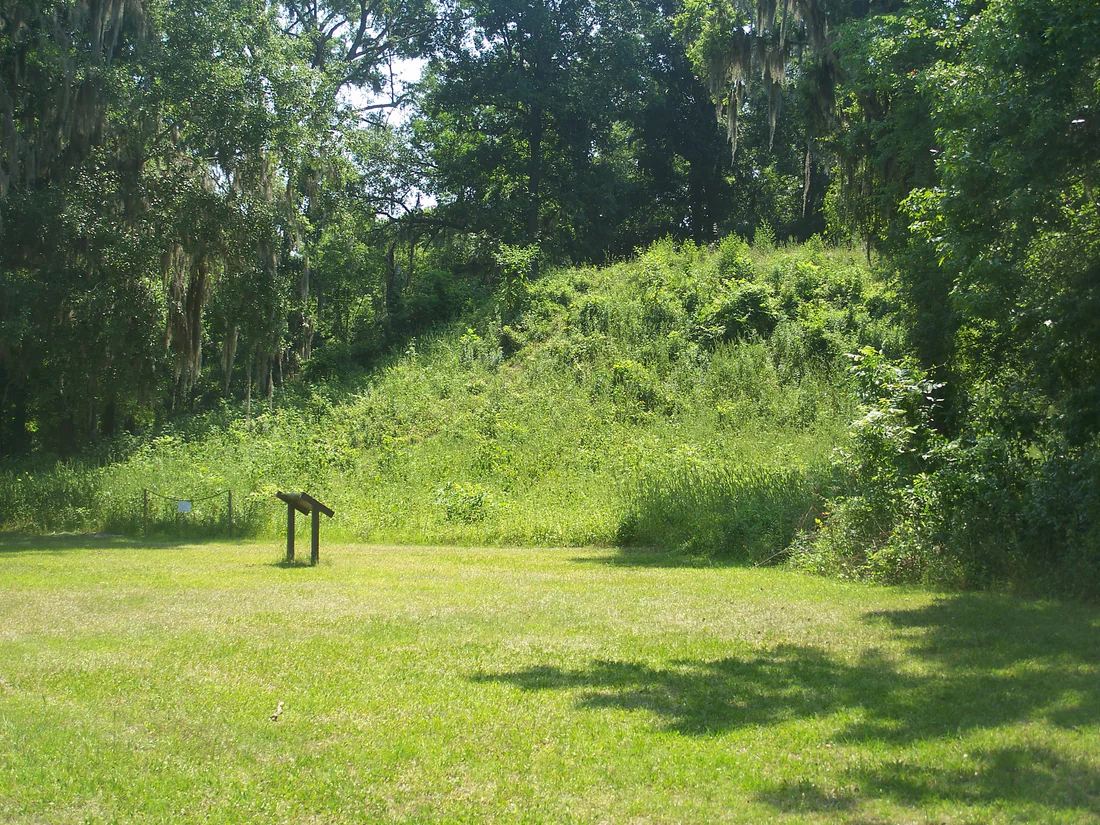
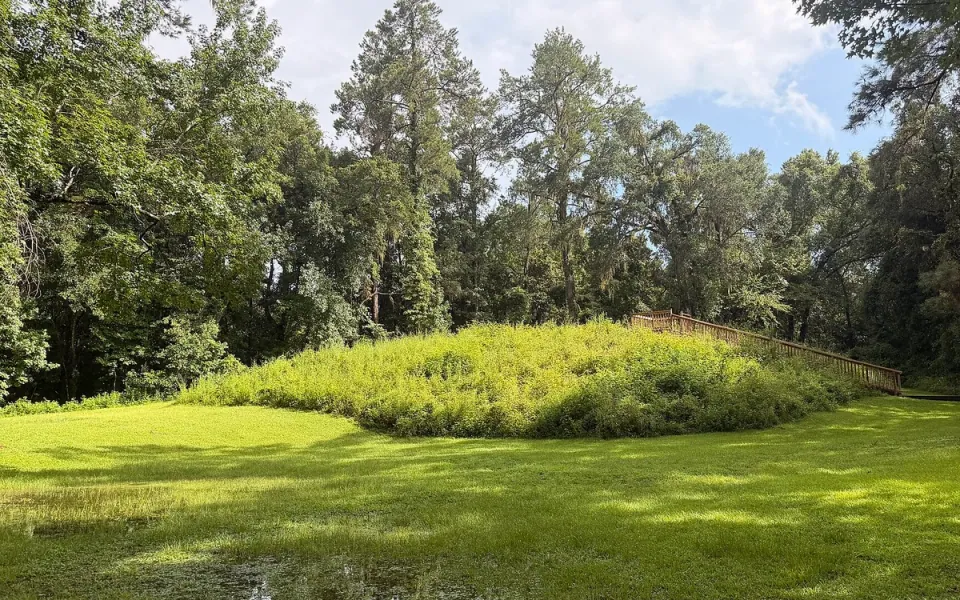
More than 800 years ago, Native people made their homes by Lake Jackson, a short way north of Tallahassee. The park's history says the village beside their mounds was a center of religion, culture and population from 1100 to 1500 AD. The biggest mound is about 36 feet high and measures 278 by 312 feet at its base. Important people were buried there with fine goods, among them copper breastplates. Today the mounds are protected at Lake Jackson Mounds Archaeological State Park.
The city's history says the Apalachee thrived here from 500 to 1528. They lived in villages and were skilled at farming, trading and making pottery. The city says the name Tallahassee comes from the Apalachee and refers to the old fields the town once covered. The circuit court's county page instead calls it a Creek word meaning old town.
Sources: Florida State Parks: Lake Jackson Mounds Archaeological State Park, History; Florida State Parks: Lake Jackson Mounds Archaeological State Park brochure; City of Tallahassee: Planning, Area History & Characteristics; Second Judicial Circuit of Florida: Leon County
Next: Chapter 2, The First Spanish Explorers →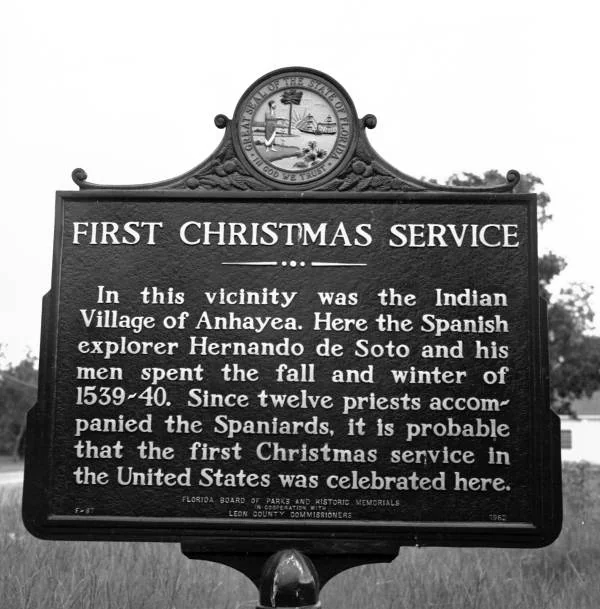
The First Spanish Explorers
In 1528, the city's history says, men of the Panfilo de Narvaez expedition became the first Europeans to meet the Indians living here. In 1539 Hernando de Soto's expedition spent the winter within a mile of where the Capitol stands now. The city says the explorers held the first Christmas in Tallahassee there.
Archaeology magazine names Anhaica as the Apalachee capital that de Soto visited. Between 1528 and 1607, contact with the Spanish brought disease and war that sharply cut the number of Apalachee.
Sources: City of Tallahassee: Planning, Area History & Characteristics; Archaeology Magazine: Mission San Luis, Florida
Next: Chapter 3, Mission San Luis →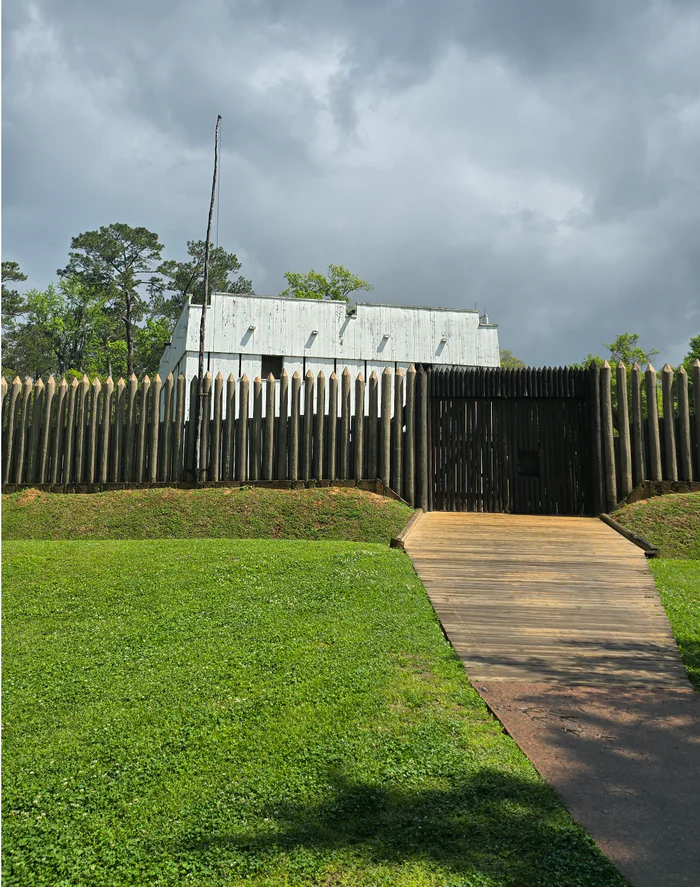
Mission San Luis
In 1633 the Spanish began a chain of missions reaching from St. Augustine to Tallahassee. Mission San Luis was founded soon after 1633 at Xinayca, close to today's State Capitol. In 1656 the mission moved to Talimali, a leading Apalachee town. It was the capital of Spain's western missions in Florida from 1656 to 1704. A count in 1675 recorded 1,400 Apalachee people there.
On July 31, 1704, the Spanish and the Apalachee set fire to San Luis and left. Two days later, Colonel James Moore's Carolina militia reached the town. Descendants of the Apalachee live in Louisiana today and are still Roman Catholic.
In 1960 the site was named a National Historic Landmark. Florida's state government bought the land in 1983 to keep it safe. The state says no other Spanish mission in Florida has been rebuilt.
Sources: City of Tallahassee: Planning, Area History & Characteristics; Florida Department of State, Historical Marker: Mission San Luis; Florida Department of State: Mission San Luis; Florida Department of State: El Camino Real, Tallahassee
Next: Chapter 4, Creeks, Seminoles, Britain and Spain →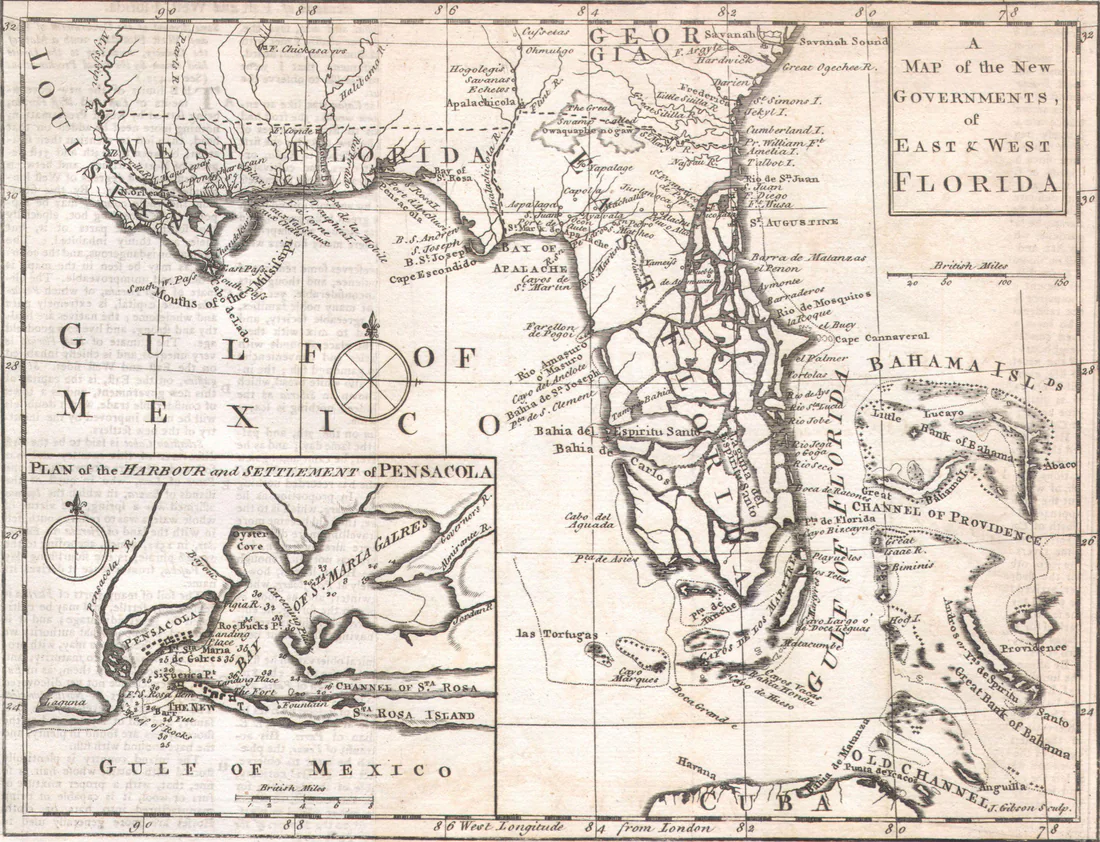
Creeks, Seminoles, Britain and Spain
In 1725 Creek people came in from Georgia and Alabama. Over time, these newcomers and other local Indians became known as Seminoles. In 1763 Spain traded Florida to England for Cuba, so the Tallahassee area came under British rule. Spain took Florida back in 1783.
In 1818 General Andrew Jackson invaded Florida and pushed the Seminoles out of what is now Leon County. Spain agreed in 1819 to give Florida to the United States, which took control in 1821. Congress created the Territory of Florida in 1822.
Sources: City of Tallahassee: Planning, Area History & Characteristics; WFSU Local Routes: The Vision and History behind the Alfred B. Maclay Gardens State Park
Next: Chapter 5, Tallahassee Is Chosen as the Capital →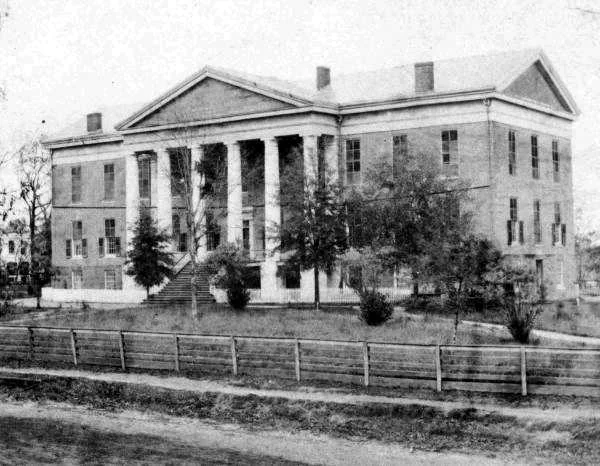
Tallahassee Is Chosen as the Capital
Florida's territorial lawmakers at first took turns meeting in St. Augustine and Pensacola. The Legislative Council had the governor name two commissioners to pick a permanent seat of government. The two men were John Lee Williams, a resident of West Florida at the time, and Dr. W.H. Simmons, who lived in St. Augustine. They began in late October 1823 at the Ochlockonee River, close to St. Marks, and moved east. Tallahassee was chosen in 1824, at a spot halfway between Pensacola and St. Augustine.
The Legislative Council met there in November 1824. Major Jonathan Robinson put up a log cabin for the meeting. The state says Florida's first Capitol was made up of three log cabins. A two-story building of masonry, 40 by 26 feet, went up in 1826. In its first year as the capital, the town went from six private homes to more than 100, as settlers came for the fertile old fields of the Apalachee.
Sources: Florida Department of State: The Capitol; Second Judicial Circuit of Florida: Court History of Leon County 1825-1941; City of Tallahassee: Planning, Area History & Characteristics; Florida State Parks: Historic Significance of the Tallahassee-St. Marks Railroad
Next: Chapter 6, Leon County Is Created →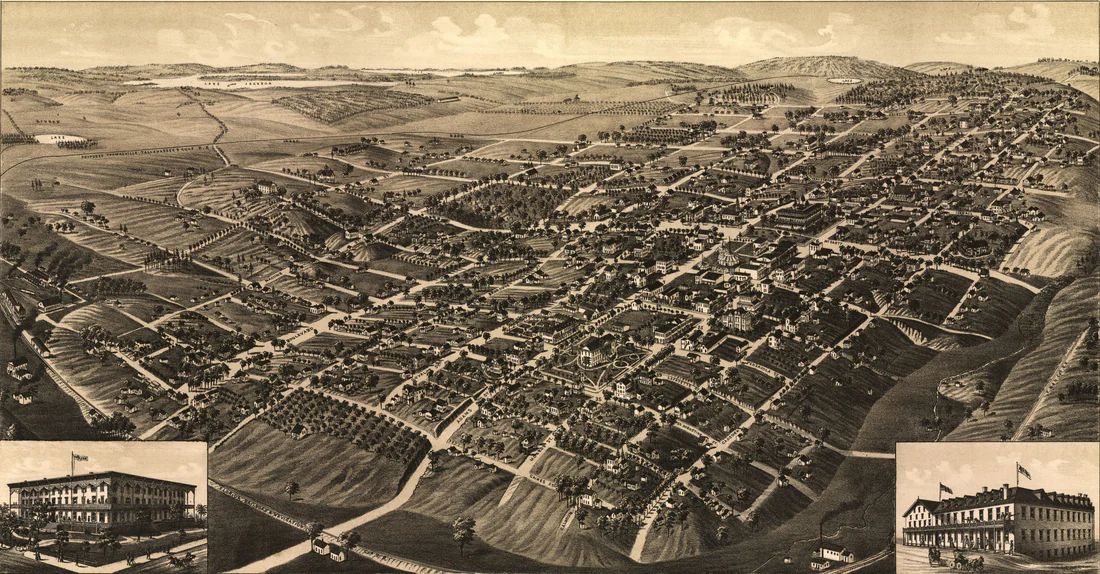
Leon County Is Created
The Legislative Council created Leon County by an act of December 29, 1824. Its land came from Gadsden and Duval counties. Tallahassee, the new capital, became the county seat. Its name honors Juan Ponce de Leon, whom the circuit court calls the first European to arrive in Florida. An older court history is less sure, saying only that the county was presumably named for him.
Congress had given General LaFayette a grant of land in the area in 1824. In March 1831 about 50 or 60 French peasants settled on a bluff above Lake LaFayette. Most of them soon went back to France or moved to New Orleans. Jefferson County was formed out of eastern Leon in 1827, and Wakulla County out of Leon's southern half in 1843.
Sources: Second Judicial Circuit of Florida: Court History of Leon County 1825-1941; City of Tallahassee: Planning, Area History & Characteristics; Second Judicial Circuit of Florida: Leon County
Next: Chapter 7, Cotton, Slavery and the St. Marks Railroad →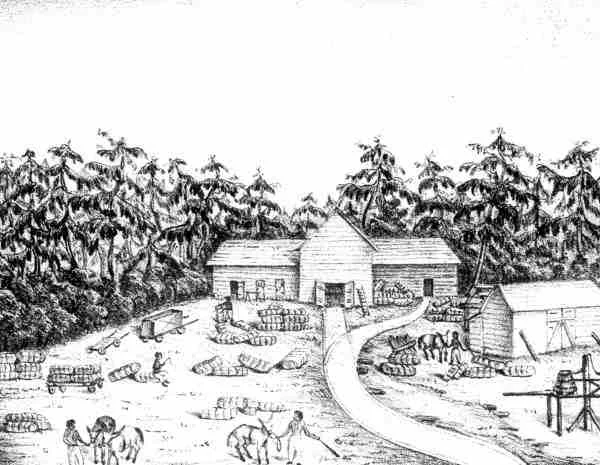
Cotton, Slavery and the St. Marks Railroad
Settlers opened large plantations in the county and forced enslaved people to work them. In 1834 the Crooms, tobacco planters from North Carolina, bought 2,400 acres and began a large cotton and corn plantation. They brought 60 enslaved people with them, and Arvah Hopkins, a merchant who bought Goodwood in 1857, enslaved more than 200. Four buildings the Crooms put up before the Civil War still stand at what is now Goodwood Museum & Gardens.
By 1840 Leon County led the territory in farming and grew 46 percent of its cotton. The circuit court's county page calls Leon a "cotton kingdom" in the 1850s and 1860s, when it ranked fifth in cotton among all counties in Florida and Georgia. Cotton growers needed a way to send their crop to the mills of England and New England. Trains began running between Tallahassee and St. Marks in 1837, and at first mules pulled the cars. The line kept running until 1983, and its old bed is now the Tallahassee-St. Marks Historic Railroad State Trail, which the state calls Florida's first state rail-trail.
The state considers the Union Bank, built in 1841 as a planters' bank and now the Union Bank Museum, the oldest bank building still standing in Florida. Florida became the 27th state in 1845, the same year its brick Capitol was completed.
Sources: Second Judicial Circuit of Florida: Court History of Leon County 1825-1941; Goodwood Museum & Gardens: History; Second Judicial Circuit of Florida: Leon County; Florida State Parks: Historic Significance of the Tallahassee-St. Marks Railroad; Florida State Parks: History of the Tallahassee-St. Marks Railroad; Florida State Parks: Tallahassee-St. Marks Historic Railroad State Trail brochure; Florida Department of State: Union Bank Museum; City of Tallahassee: Planning, Area History & Characteristics; Florida Department of State: The Capitol
Next: Chapter 8, The Civil War and Emancipation →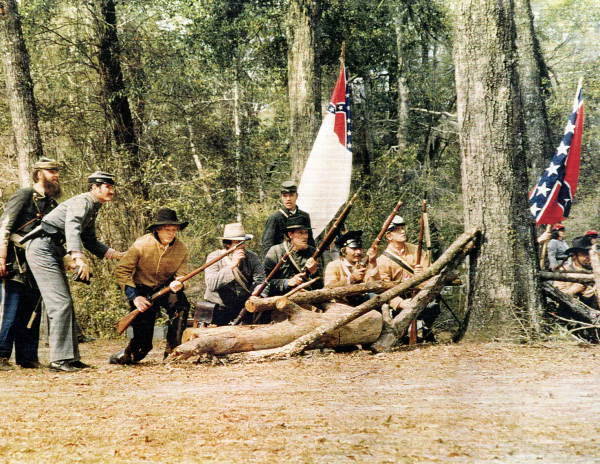
The Civil War and Emancipation
Florida left the Union in 1861. In March 1865, Union troops were driven back at Natural Bridge, in the southeastern part of Leon County. There the St. Marks River runs below ground for a short stretch, which forms a natural bridge.
The Union side had about 900 men, among them the 2nd and 99th Regiments of U.S. Colored Infantry. About 600 Confederates fought, and cadets from the West Florida Seminary took part. On March 6, 1865, the fighting ended and the Union soldiers retreated. The city says that of the Confederate capitals east of the Mississippi, only Tallahassee was never captured.
After the war, Union troops under General Edward McCook occupied Tallahassee. McCook made his headquarters in the house that is now the Knott House Museum, built in 1843 and probably the work of George Proctor, a builder who was a free Black man. On May 20, 1865, McCook announced that the Emancipation Proclamation had taken effect. After emancipation, the National Freedman's Savings and Trust Company moved into the Union Bank building.
Sources: City of Tallahassee: Planning, Area History & Characteristics; Florida State Parks: Natural Bridge Battlefield Historic State Park brochure; Florida State University: History; Florida Department of State: The Knott House; Florida Department of State: Union Bank Museum
Next: Chapter 9, Two Universities, the Riley House and Maclay Gardens →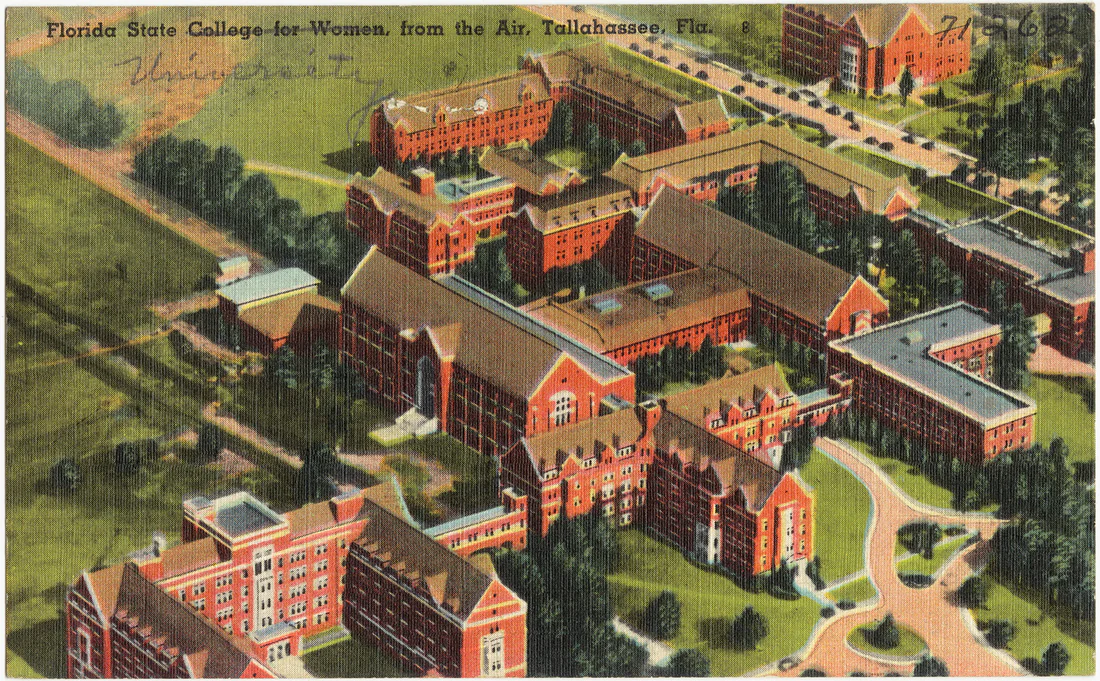
Two Universities, the Riley House and Maclay Gardens
Florida A&M University began on October 3, 1887, as the State Normal College for Colored Students. There were 15 students and two teachers at the start. It took the name Florida Agricultural and Mechanical College for Negroes in 1909 and became Florida Agricultural and Mechanical University in 1953.
John Gilmore Riley, who had once been enslaved, owned a house built around 1890. It stood at the edge of Smokey Hollow, a Black neighborhood. In 1892 Riley took charge of the Lincoln Academy as principal, and he stayed until he retired in 1926.
The school founded in 1851 as the West Florida Seminary became a college for women in 1905 and was renamed Florida State College for Women in 1909. A law the governor signed on May 15, 1947, opened it to men again and named it The Florida State University. Alfred B. Maclay began laying out gardens at his Killearn Plantation in 1923. His widow, Louise, gave the gardens to the state in 1953, and they opened as Killearn Gardens State Park on January 24, 1954. The park was renamed for him in 1965 and is now Alfred B. Maclay Gardens State Park.
Sources: Florida A&M University: History of Florida A&M University; John G. Riley Center/Museum: About; U.S. Environmental Protection Agency: Cascade Park Gasification Plant Site, Sites in Reuse; Florida State University: History; Florida State Parks: Historic Garden at Maclay; WFSU Local Routes: The Vision and History behind the Alfred B. Maclay Gardens State Park
Next: Chapter 10, Civil Rights and a New Capitol →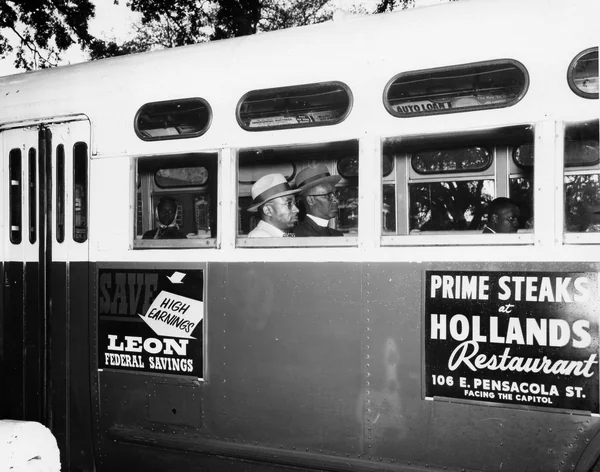
Civil Rights and a New Capitol
In May 1956, two FAMU students, Wilhelmina Jakes and Carrie Patterson, got on a crowded city bus and refused to move to the back. They were arrested, and the next night someone burned a cross on their lawn. Local church leaders and residents formed the Inter-Civic Council and elected as its president the Rev. C.K. Steele, who led Bethel Missionary Baptist Church. The bus boycott lasted ten months and ended in March 1957.
On February 20, 1960, police arrested FAMU students Patricia and Priscilla Stephens at a sit-in at the Woolworth's lunch counter. Rather than pay a $300 fine, the sisters and six other students stayed in jail for 49 days of a 60-day sentence. A state historical marker calls it America's first jail-in led by students, and Florida Memory calls it one of the first in the nation.
Florida State University enrolled its first Black student in 1962, the school says. In September 1963 more than 350 protesters, most of them FAMU students, were arrested. The jail filled up, and covered buildings at the Leon County Fairgrounds were used as temporary jails. In 1977 a new 22-story Capitol tower was finished, and the Museum of Florida History opened the same year. Public protest kept the old Capitol from being torn down, and it reopened in 1982, restored to its 1902 look.
Sources: Florida Department of State, Historical Marker: Wilhelmina Jakes and Carrie Patterson, Initiators of the Tallahassee Bus Boycott; Florida Memory: Stephens Sisters Jail-In Papers, 1960; Florida Department of State, Historical Marker: 1963 Civil Rights Protest Jail Overflow Site; Florida State University: History; Florida Historic Capitol Museum: Historic Capitol Background and History Audio Transcript; Florida Department of State: Museum of Florida History; Florida Department of State: The Capitol
Next: Chapter 11, Since 1990: New Museums, Cascades Park and a Log Capitol Replica →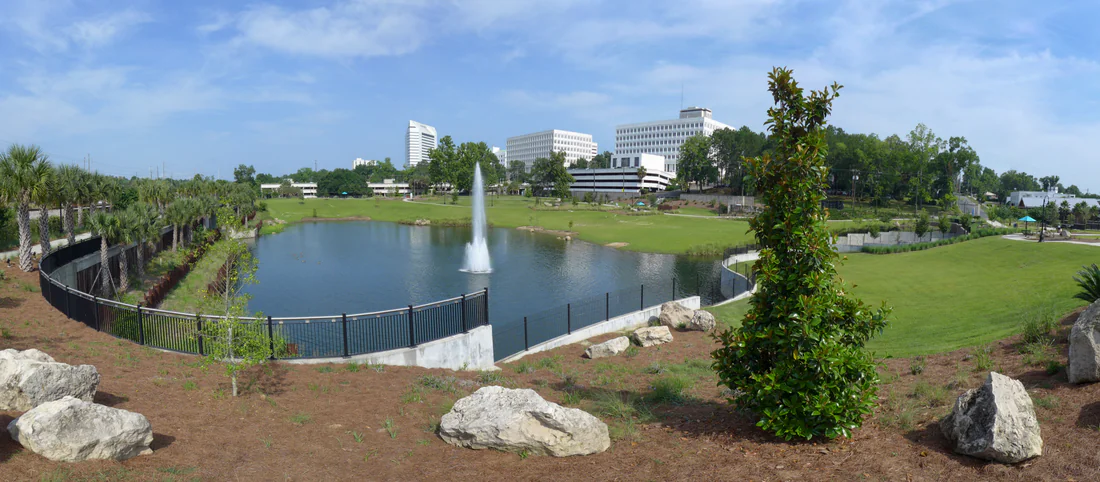
Since 1990: New Museums, Cascades Park and a Log Capitol Replica
In 1992 the Knott House became a museum open to the public. Four years later, in 1996, the John G. Riley House opened as the John G. Riley Center/Museum of African American History and Culture. On November 20, 2004, before the game against Florida, the field at Doak S. Campbell Stadium was dedicated as Bobby Bowden Field.
Cascades Park opened in March 2014, and about 1,000 people came to the opening. The 26-acre park was built on the old site of Centennial Field, a ballpark put up in 1926 for Tallahassee's 100th birthday. Its Smokey Hollow Commemoration remembers the Black neighborhood that once stood in the area.
Tallahassee reached its official 200th birthday in March 2024. On October 4, 2024, more than 100 people watched the ribbon cutting for a replica of the 1824 log cabin Capitol, which stands at Cascades Park's west end. Volunteers did nearly all the work, and Mark Carpenter, a Levy County tree farmer descended from one of the first Capitol's builders, gave the lumber. At the ceremony, Mayor John Dailey spoke of the enslaved people who played a major part in building the first Capitol 200 years earlier. Doak S. Campbell Stadium opened in 1950, and before the 2025 season opener Florida State unveiled a two-year renovation for the stadium's 75th anniversary.
Sources: Florida Department of State: The Knott House; John G. Riley Center/Museum: About; Florida State University Athletics: Bobby Bowden Field at Doak S. Campbell Stadium; U.S. Environmental Protection Agency: Cascade Park Gasification Plant Site, Sites in Reuse; WCTV: Tallahassee Bicentennial Celebration kicks off this weekend; WFSU Public Media: The modern replica of Florida's original Capitol Building has an official ribbon cutting; WCTV: Replica of First Florida Capitol unveiled at Cascades Park in Tallahassee
Next: the whole story, in dates →The whole story, in dates
The Apalachee thrive in villages in the area.
The village by the Lake Jackson mounds is a center of religion and culture.
Men of the Narvaez expedition meet the Indians living here.
De Soto's expedition spends the winter near the site of today's Capitol.
The Spanish begin a chain of missions from St. Augustine to Tallahassee.
Mission San Luis moves to the Apalachee town of Talimali.
The Spanish and the Apalachee burn San Luis and leave.
Creek people arrive from Georgia and Alabama.
Spain trades Florida to England, and the area becomes British.
Andrew Jackson pushes the Seminoles out of the area.
Congress creates the Territory of Florida.
Two commissioners begin looking for a seat of government.
The Legislative Council meets in Tallahassee in a log cabin.
Leon County is created, with Tallahassee as county seat.
A colony of French settlers arrives on a bluff above Lake LaFayette.
The Croom family buys the land that becomes Goodwood.
Trains begin running between Tallahassee and St. Marks.
Florida becomes a state, and the brick Capitol is completed.
Florida leaves the Union.
The Battle of Natural Bridge ends with a Union retreat.
General McCook announces that the Emancipation Proclamation is in effect.
Florida A&M University begins as the State Normal College for Colored Students.
John Gilmore Riley becomes principal of the Lincoln Academy.
The women's college is renamed Florida State College for Women.
A new law opens the women's college to men again and names it The Florida State University.
Killearn Gardens State Park officially opens.
Two FAMU students refuse to move to the back of a city bus.
The Stephens sisters are arrested at a Woolworth's sit-in.
More than 350 protesters are arrested, and fairground buildings are used as jails.
The new Capitol tower is finished and the Museum of Florida History opens.
The restored old Capitol reopens.
The Knott House opens as a museum.
The Riley House becomes a museum of African American history.
The stadium field is dedicated as Bobby Bowden Field.
Cascades Park opens.
Leaders cut the ribbon on a replica of the 1824 log cabin Capitol at Cascades Park.
Doak S. Campbell Stadium's renovation is unveiled for its 75th anniversary.
Where you can still see it
 01
01Lake Jackson Mounds Archaeological State Park
Goes with: The Mound Builders and the Apalachee
Open the place page →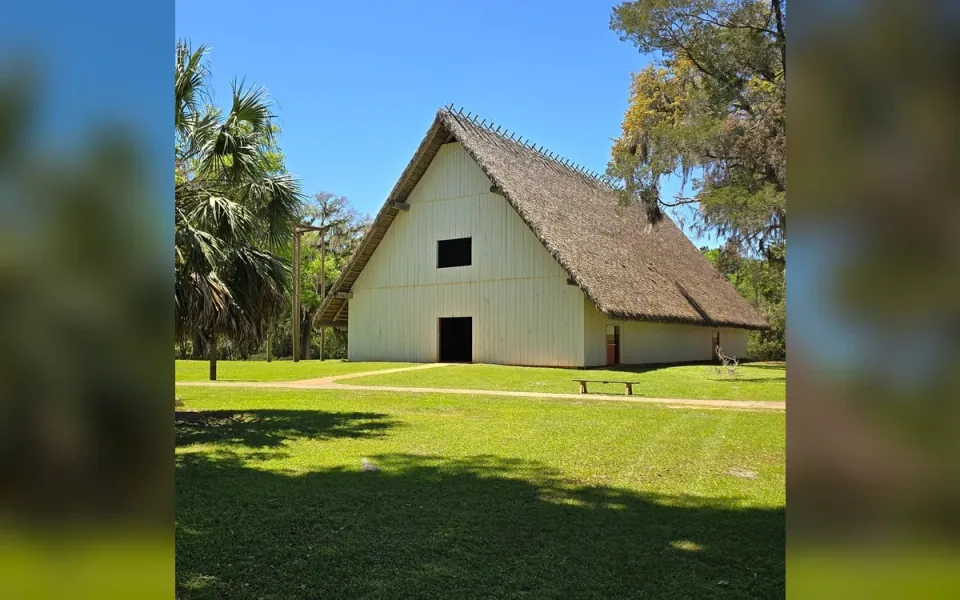 02
02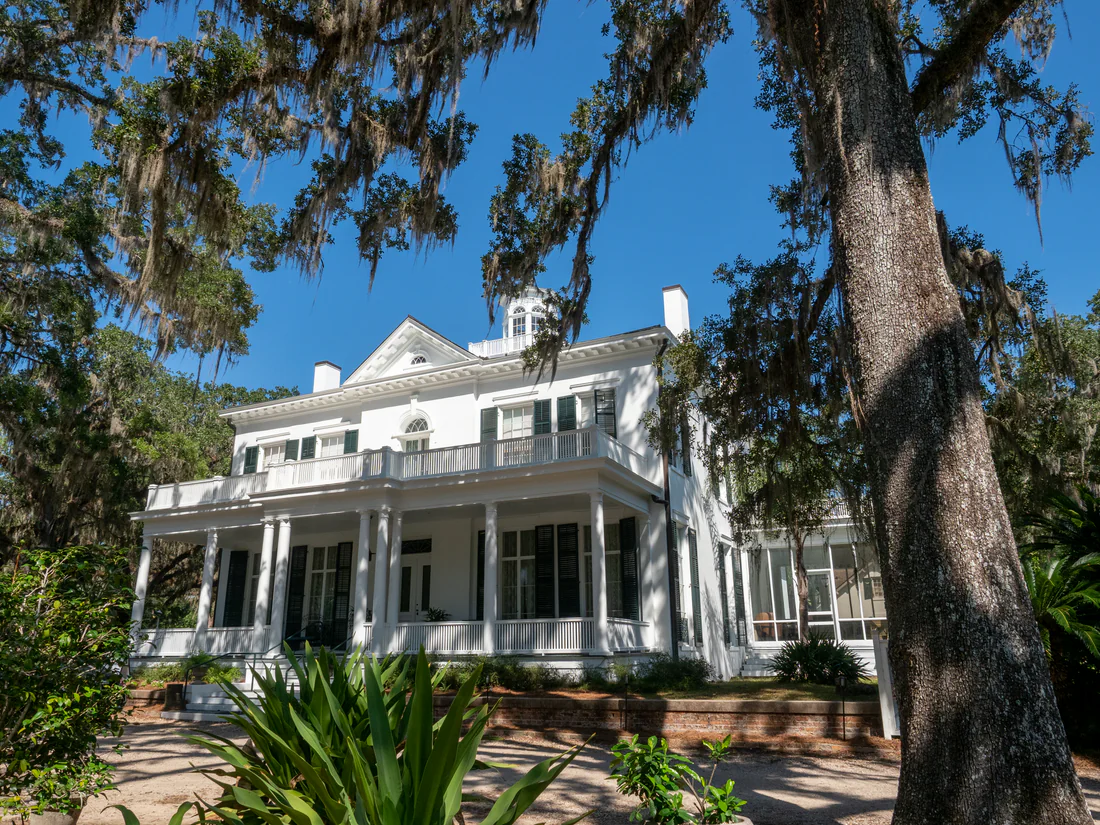 03
03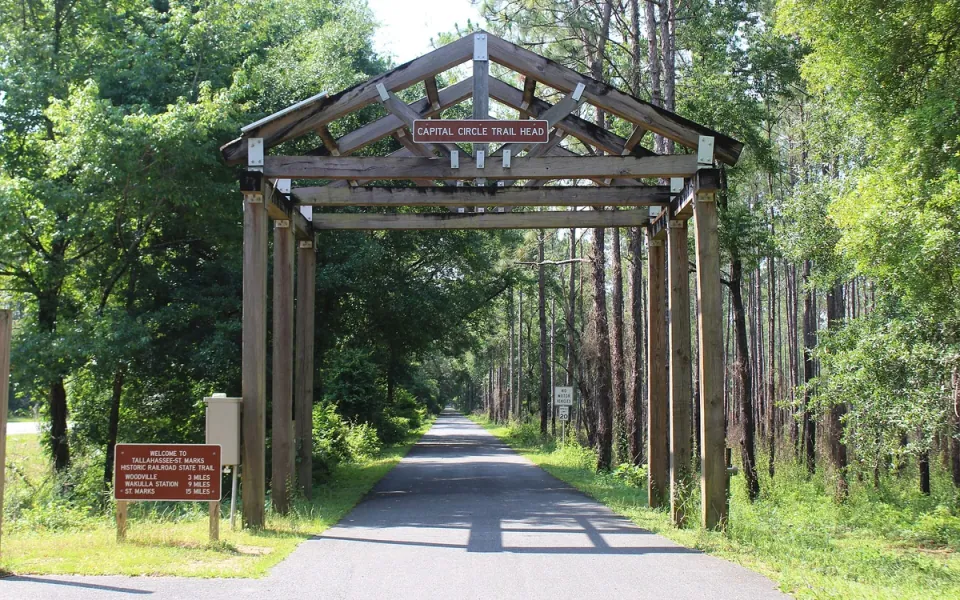 04
04Tallahassee-St. Marks Historic Railroad State Trail
Goes with: Cotton, Slavery and the St. Marks Railroad
Open the place page →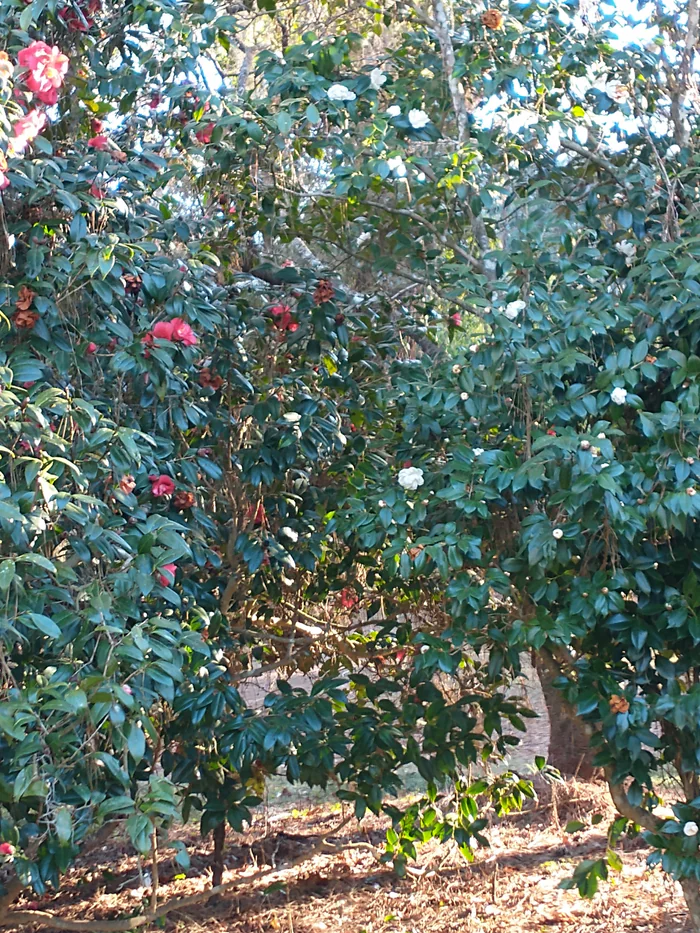 05
05Alfred B. Maclay Gardens State Park
Goes with: Two Universities, the Riley House and Maclay Gardens
Open the place page →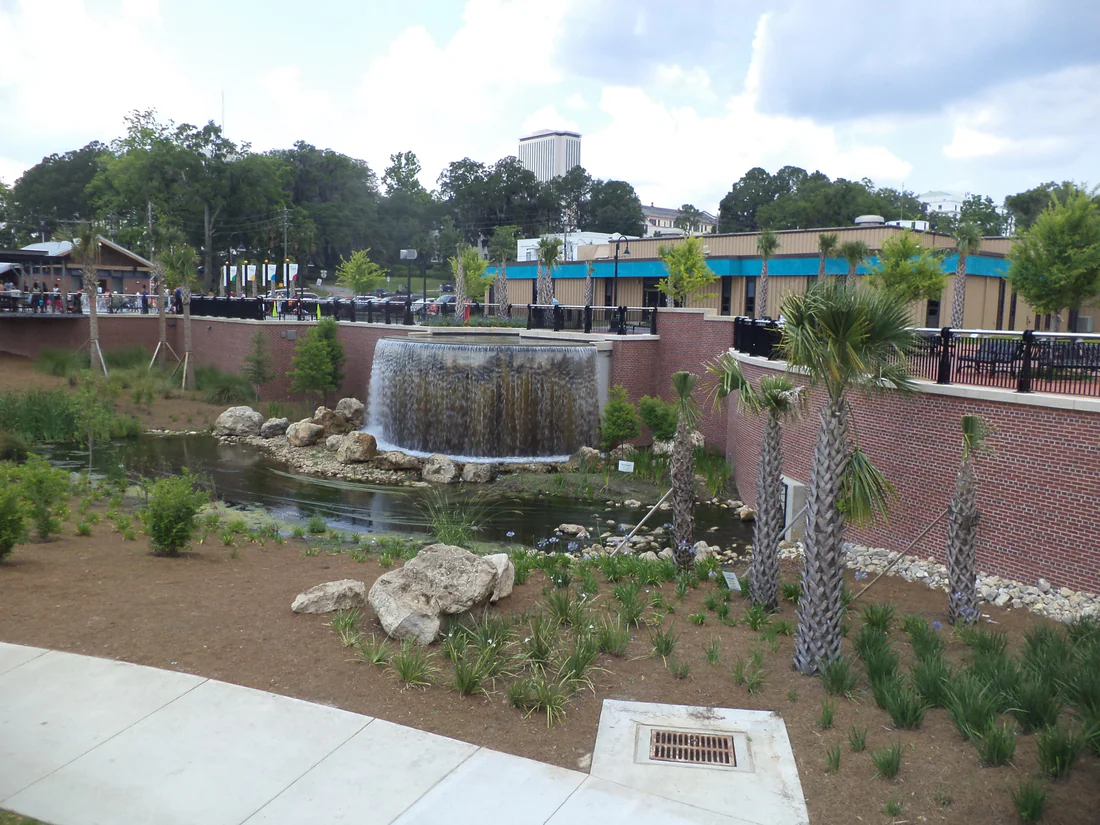 06
06Cascades Park
Goes with: Since 1990: New Museums, Cascades Park and a Log Capitol Replica
Open the place page →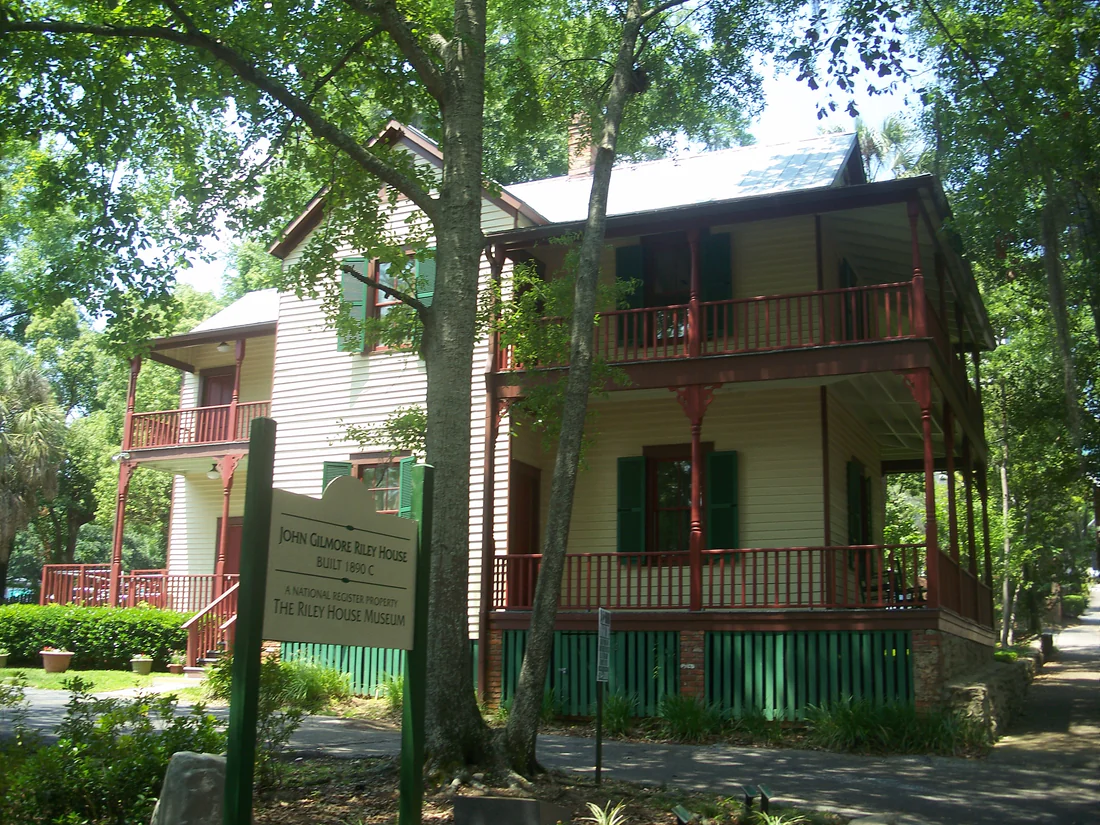 07
07John G. Riley House Museum
Goes with: Since 1990: New Museums, Cascades Park and a Log Capitol Replica
Open the place page →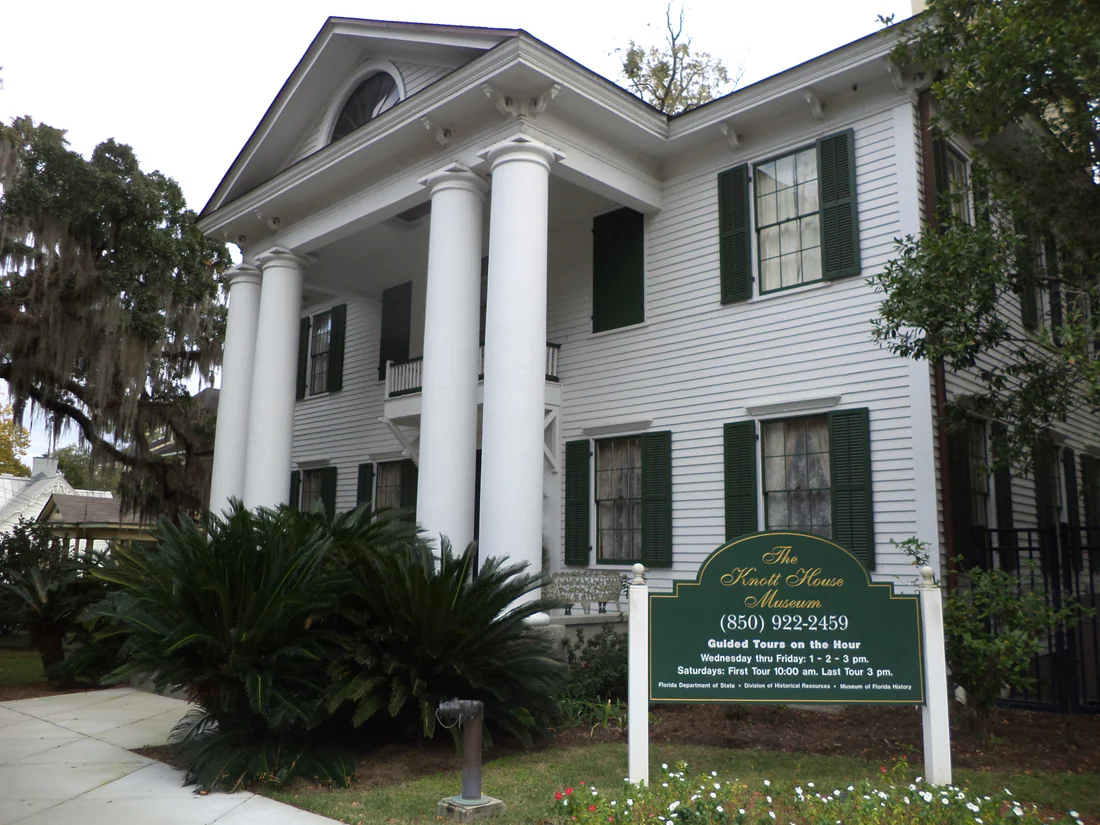 08
08Knott House Museum
Goes with: The Civil War and Emancipation
the Knott House Museum, run by the Florida Department of State →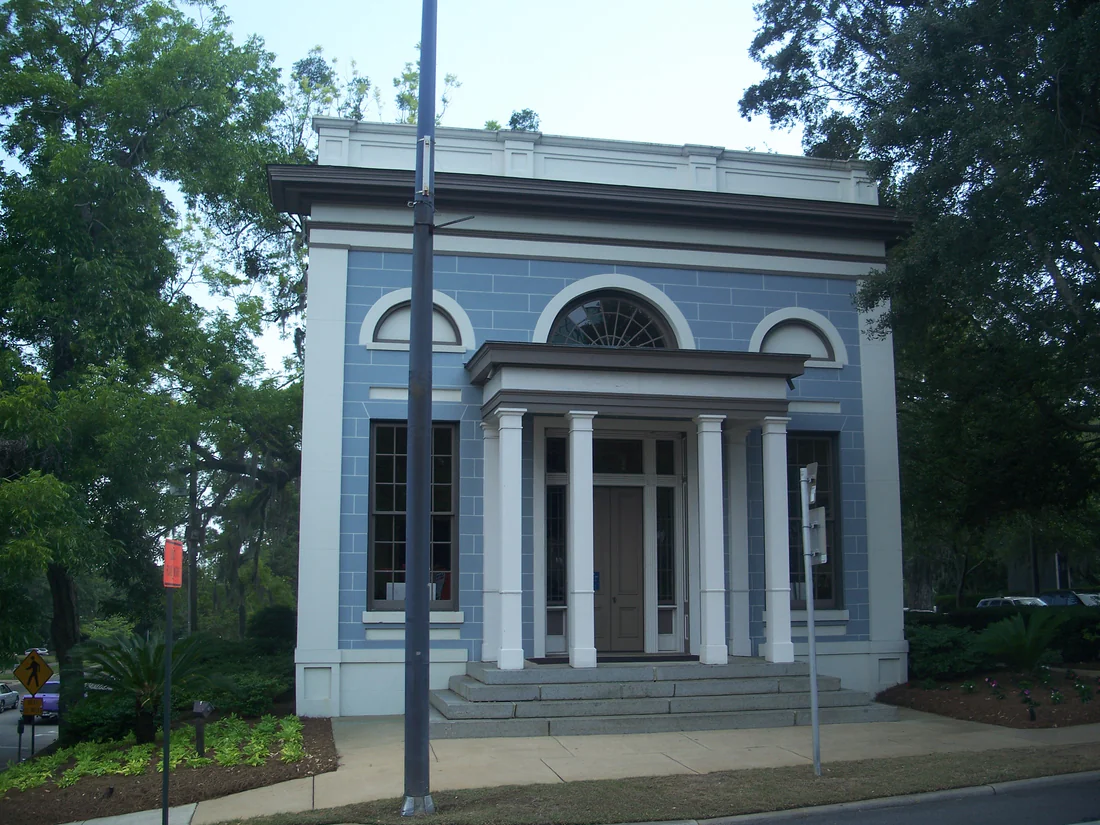 09
09Union Bank Museum
Goes with: Cotton, Slavery and the St. Marks Railroad
the Union Bank Museum, run by the Florida Department of State →Questions people ask
When was Leon County created?
The Legislative Council created Leon County by an act of December 29, 1824.
Chapter 6 →Who was Leon County named for?
Its name honors Juan Ponce de Leon, whom the circuit court calls the first European to arrive in Florida.
Chapter 6 →What is the county seat of Leon County?
Tallahassee, the new capital, became the county seat when Leon County was created in 1824.
Chapter 6 →When was Tallahassee chosen as Florida's capital?
Tallahassee was chosen in 1824, at a spot halfway between Pensacola and St. Augustine.
Chapter 5 →How did the Tallahassee bus boycott begin?
In May 1956, two FAMU students, Wilhelmina Jakes and Carrie Patterson, refused to move to the back of a crowded city bus, and the boycott that followed lasted ten months.
Chapter 10 →Where this comes from.
Last updated October 17, 2026.
- City of Tallahassee: Planning, Area History & Characteristics ↗ Read October 16, 2026
- Second Judicial Circuit of Florida: Leon County ↗ Read October 16, 2026
- Second Judicial Circuit of Florida: Court History of Leon County 1825-1941 ↗ Read October 16, 2026
- Florida State Parks: Lake Jackson Mounds Archaeological State Park, History ↗ Read October 16, 2026
- Florida State Parks: Lake Jackson Mounds Archaeological State Park brochure ↗ Read October 16, 2026
- Archaeology Magazine: Mission San Luis, Florida ↗ Read October 16, 2026
- Florida Department of State: El Camino Real, Tallahassee ↗ Read October 16, 2026
- Florida Department of State, Historical Marker: Mission San Luis ↗ Read October 16, 2026
- Florida Department of State: Mission San Luis ↗ Read October 16, 2026
- WFSU Local Routes: The Vision and History behind the Alfred B. Maclay Gardens State Park ↗ Read October 16, 2026
- Florida Historic Capitol Museum: Historic Capitol Background and History Audio Transcript ↗ Read October 16, 2026
- Florida Department of State: The Capitol ↗ Read October 16, 2026
- Florida State Parks: Historic Significance of the Tallahassee-St. Marks Railroad ↗ Read October 16, 2026
- Florida State Parks: History of the Tallahassee-St. Marks Railroad ↗ Read October 16, 2026
- Florida State Parks: Tallahassee-St. Marks Historic Railroad State Trail brochure ↗ Read October 16, 2026
- Goodwood Museum & Gardens: History ↗ Read October 16, 2026
- Florida Department of State: Union Bank Museum ↗ Read October 16, 2026
- Florida State Parks: Natural Bridge Battlefield Historic State Park brochure ↗ Read October 16, 2026
- Florida State University: History ↗ Read October 16, 2026
- Florida Department of State: The Knott House ↗ Read October 16, 2026
- Florida A&M University: History of Florida A&M University ↗ Read October 16, 2026
- John G. Riley Center/Museum: About ↗ Read October 16, 2026
- U.S. Environmental Protection Agency: Cascade Park Gasification Plant Site, Sites in Reuse ↗ Read October 16, 2026
- Florida State Parks: Historic Garden at Maclay ↗ Read October 16, 2026
- Florida Department of State, Historical Marker: Wilhelmina Jakes and Carrie Patterson, Initiators of the Tallahassee Bus Boycott ↗ Read October 16, 2026
- Florida Memory: Stephens Sisters Jail-In Papers, 1960 ↗ Read October 16, 2026
- Florida Department of State, Historical Marker: 1963 Civil Rights Protest Jail Overflow Site ↗ Read October 16, 2026
- Florida Department of State: Museum of Florida History ↗ Read October 16, 2026
- Florida State University Athletics: Bobby Bowden Field at Doak S. Campbell Stadium ↗ Read October 16, 2026
- WCTV: Tallahassee Bicentennial Celebration kicks off this weekend ↗ Read October 16, 2026
- WFSU Public Media: The modern replica of Florida's original Capitol Building has an official ribbon cutting ↗ Read October 16, 2026
- WCTV: Replica of First Florida Capitol unveiled at Cascades Park in Tallahassee ↗ Read October 16, 2026