Tallahassee
Start with Tallahassee to understand the established center, nearby services and everyday rhythm within Leon County.
Complete Florida county guide
The state capital combines government, universities, healthcare, wooded neighborhoods, arts and regional commerce.
Start with daily life
The state capital combines government, universities, healthcare, wooded neighborhoods, arts and regional commerce.
Use this guide as a first-pass planning tool. On a scouting trip, compare actual commute routes, insurance requirements, medical access, school or training options and the places you would use in an ordinary week—not only the best-known attraction.
The numbers that matter if you are moving
U.S. Census Bureau, American Community Survey, published January 2026, read September 19, 2026. Survey figures are estimates; median home value is what owners estimate their home is worth, not a sale price.
Relocation decision desk
Property cost, flood and wind, schools, healthcare, daily travel and storm readiness.
How to research a Florida county →Communities to compare
These are starting points, not a ranking. Add nearby towns and neighborhoods as you learn your daily route and housing priorities.
Start with Tallahassee to understand the established center, nearby services and everyday rhythm within Leon County.
Use Woodville to compare housing patterns, main-road access and the shopping or medical stops used during a normal week.
Walk or drive through Bradfordville at different times of day to judge traffic, neighborhood character and access to outdoor space.
Hospitals in Leon County
From the state's own hospital list. Each card opens the state's record for that hospital: its address, phone, services and inspection reports.
772 licensed beds
The state's record ↗Tallahassee288 licensed beds
The state's record ↗The state licenses three more hospitals in Leon County with no emergency room; its list names them.
How do I compare hospitals in Florida? →How do I find a doctor who takes Medicare? →Search the state's hospital list ↗
Source: Florida Agency for Health Care Administration, FloridaHealthFinder, Locate a Facility (hospitals), read September 25, 2026.
Evergreen county experiences
Use enduring natural, historic and cultural places to understand the area beyond a real-estate showing.
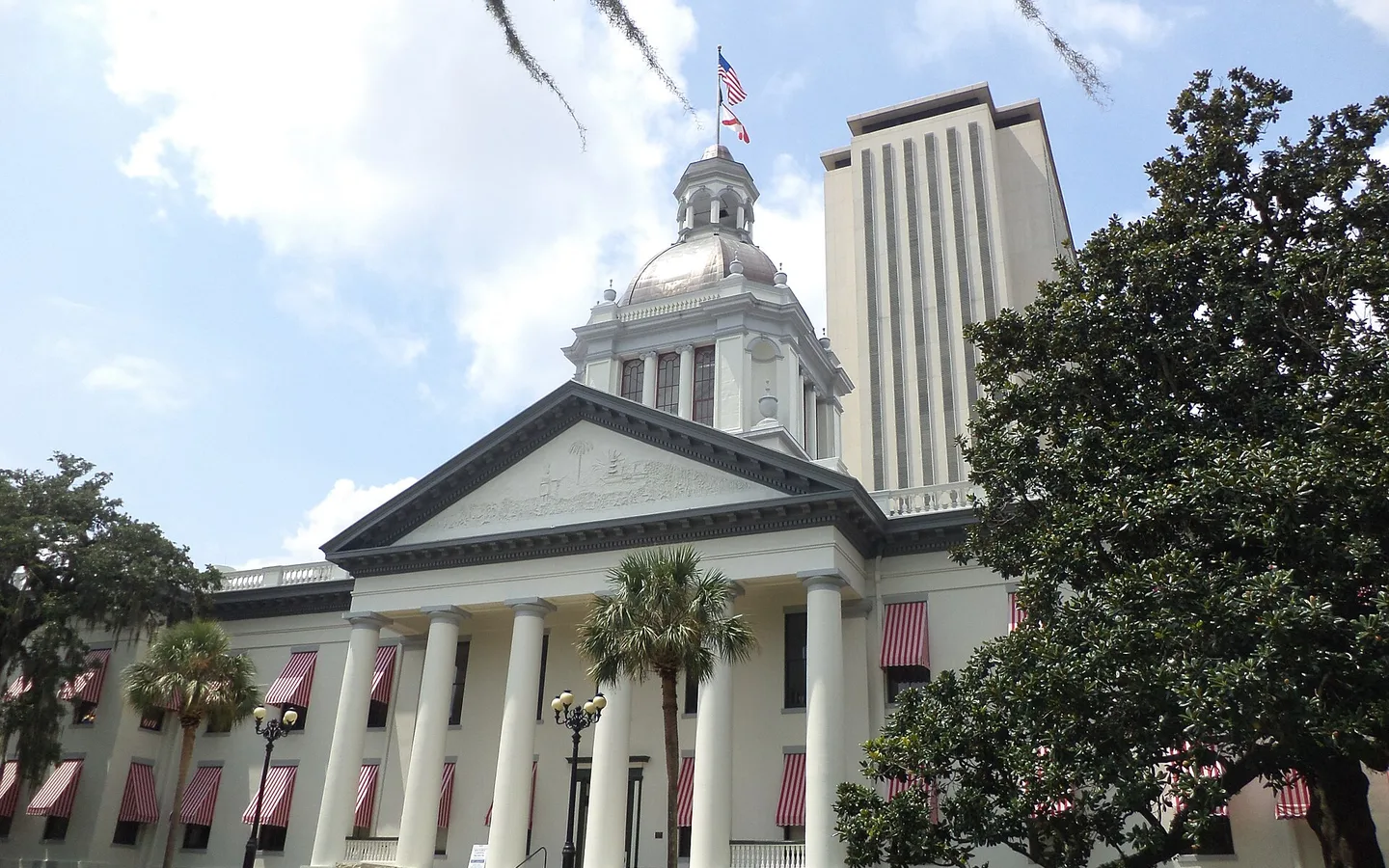
The old building was finished in 1845, the year Florida became a state. Frank Pierce Milburn enlarged it in 1902 and gave it the art glass dome and the red and white striped awnings it is known by.
It opened in 1977 and its job is the whole of Florida rather than one region, which is why it is the sensible first stop for anyone trying to understand the state before deciding where in it to live. The permanent galleries cover more than fourteen thousand years.
Alfred B. Maclay bought a quail hunting plantation of nineteen hundred and thirty-five acres here in 1923 and called the estate Killearn. He laid out the garden around the house and went on planting it until he died in 1944.
It began in 1957 as the Tallahassee Junior Museum and moved to this site in 1962. The animals are Florida species in large naturalistic enclosures rather than cages: black bears, white-tailed deer, bobcats, red wolves and Florida panthers, the last two of them endangered.
This was the western capital of Spanish Florida. By 1675 more than fourteen hundred Apalachee and several hundred Spanish lived under its jurisdiction, and the two communities shared one plaza: the Spanish church and friary on one side, the Apalachee chief's house and council house on the other.
The Tallahassee Railroad Company was set up in 1834 and received the first congressional land grant ever given to a railroad, in 1831. Trains began running in 1837, hauling cotton down to the water; about thirty thousand bales went over it in that first year, in cars pulled by mules.
Seven earthwork mounds were raised here. Six of them are inside the park. Mound 2 is the largest, thirty-six feet high and roughly two hundred and seventy by three hundred and twelve feet at the base, and it was built in stages by carrying baskets of earth.
It is a teaching museum, which shapes what goes on the walls. Exhibitions run to historical and contemporary art both, and a good part of the year is given over to showing the work of the university's own students and faculty, so the building changes completely from one visit to the next.
The site was a rail yard during the Second World War and afterwards the McDonnell Lumber Company. The Boynton family bought it in the 1950s and renamed it Railroad Square in the 1980s, letting the old warehouses to artists cheaply, and the district grew out of that rather than out of any plan.
The waterfall here is the reason Tallahassee is the capital. When commissioners went looking in the 1820s for a midpoint between Pensacola and St. Augustine, this spot, with its falls on the St. Augustine Branch, is what decided them.
Hardy and Bryan Croom, tobacco planters from North Carolina, bought about twenty-four hundred acres here in 1834 and began a cotton and corn plantation worked by sixty enslaved people they brought with them. Arvah Hopkins, a New York merchant, took it over in 1857, ran it to eight thousand acres and held more than two hundred people in slavery on it.
DeVoe Moore opened it in May 1996 with fifteen vehicles and moved it into the present building, three times the size of the first one, in 2007. The cars run from a Snell of 1900 to a Camaro of 2010, and they are laid out as objects to look at rather than as a chronological lesson.
The Challenger Center network was founded by the families of the seven crew who died aboard the space shuttle Challenger in January 1986, who wanted something built that would put children in front of the work rather than the accident. The Tallahassee center opened in March 2003 and is the official school outreach facility of the Florida A and M University and Florida State University College of Engineering.
John Gilmore Riley was born into slavery in Leon County in 1857 and had no formal schooling; an aunt taught him. He began teaching in Wakulla County in 1877, worked with the local Board of Public Instruction from the 1880s until 1926, and was principal of Lincoln Academy from 1892 to 1926, the first secondary school in Tallahassee open to Black students.
It held fifteen thousand people when it opened. It was enlarged repeatedly, reached eighty-two thousand three hundred, and was brought down to sixty-seven thousand two hundred and seventy-seven by the renovation completed in 2024, which replaced banks of bench seating with wider seats and better access.
Official planning desk
 Florida disaster preparedness maps
Official evacuation-zone, route and storm-surge planning maps.
Open official source ↗ Florida school accountability reports
Current state school and district accountability information.
Open official source ↗ Florida community health data
County-level public health indicators and community reports.
Open official source ↗ Florida housing resources
State resources for homebuyers, renters and local assistance programs.
Open official source ↗Compare nearby counties
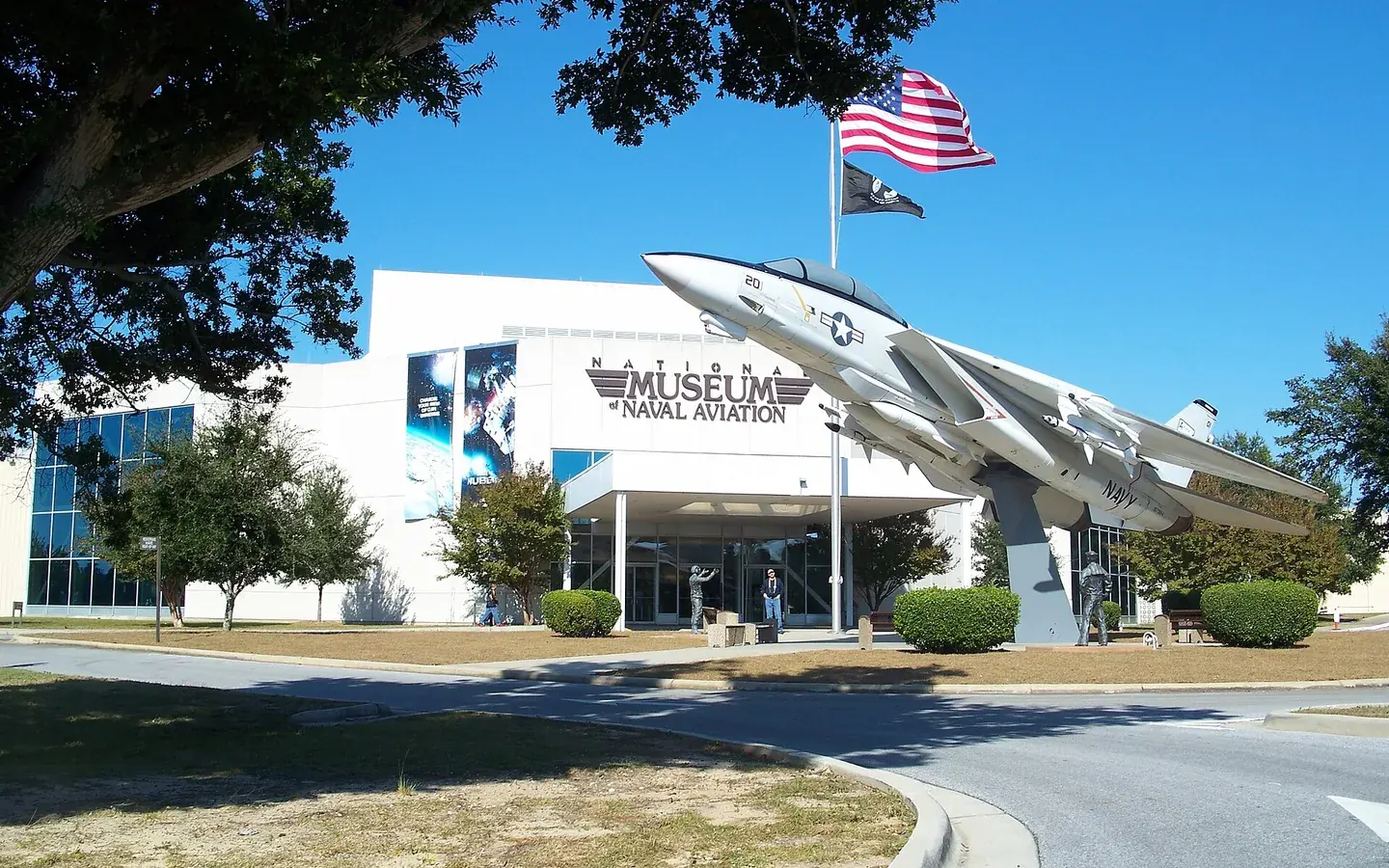 Pensacola · Pensacola Beach · Perdido KeyEscambia County
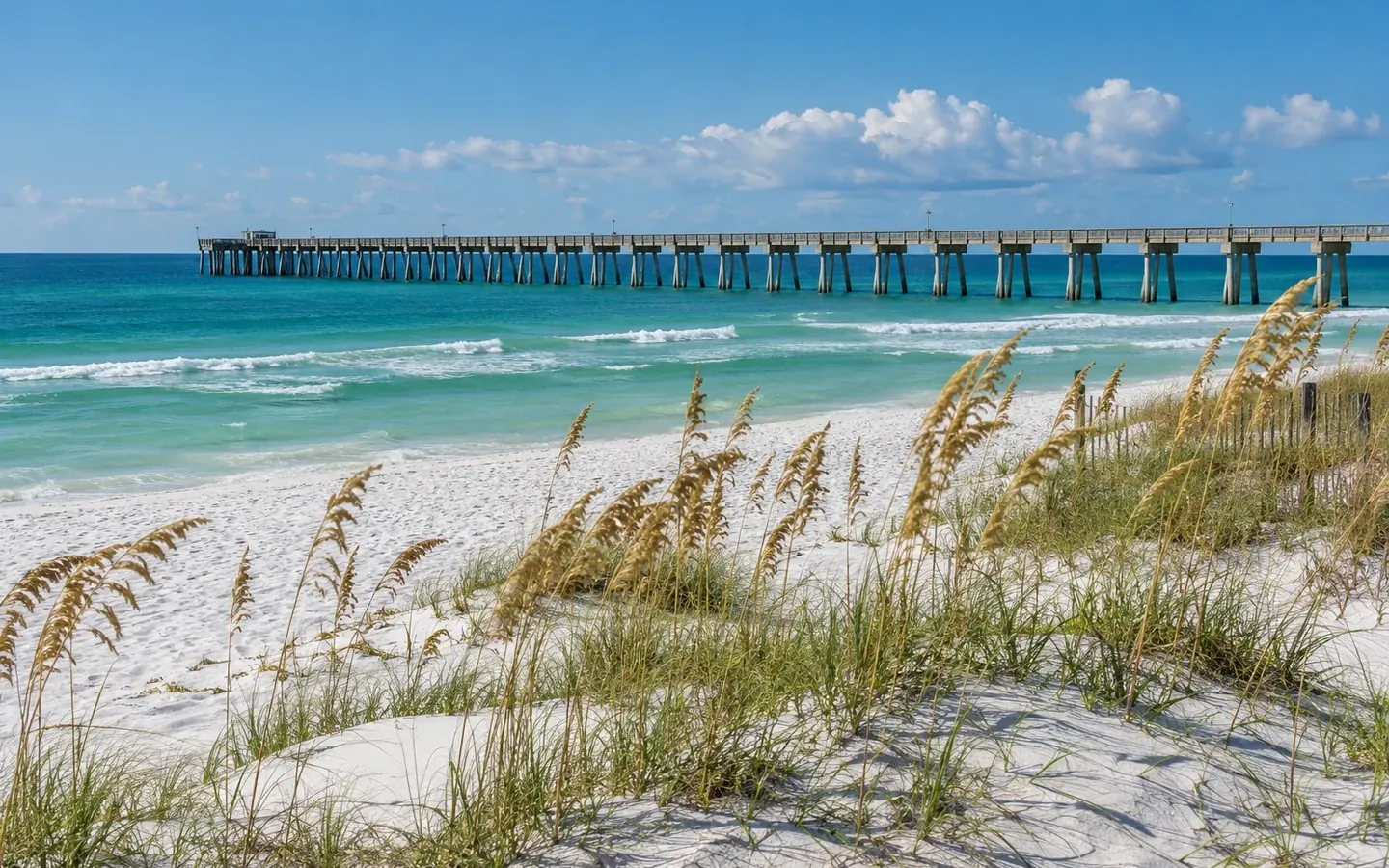 Milton · Pace · NavarreSanta Rosa County
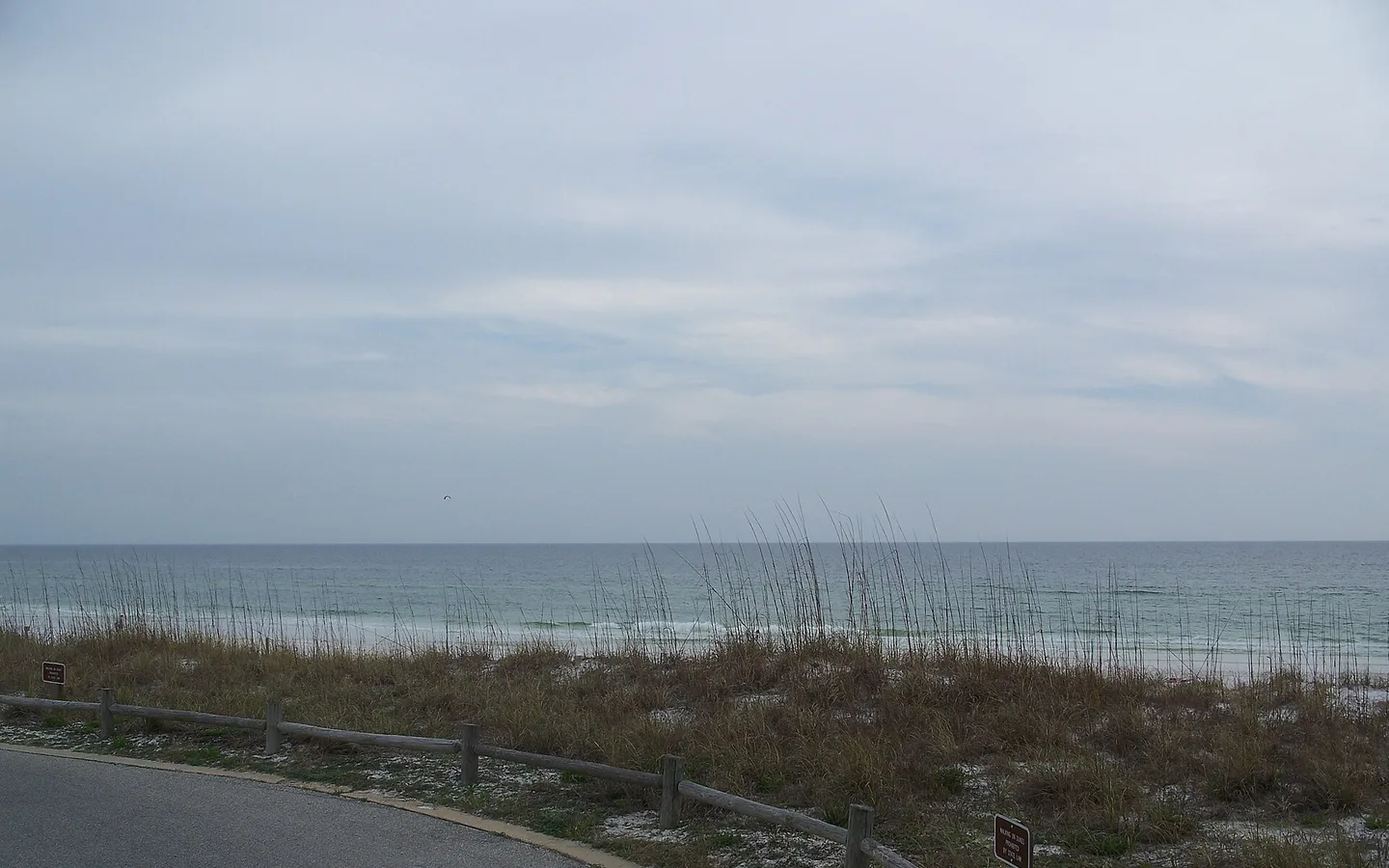 Fort Walton Beach · Destin · NicevilleOkaloosa County
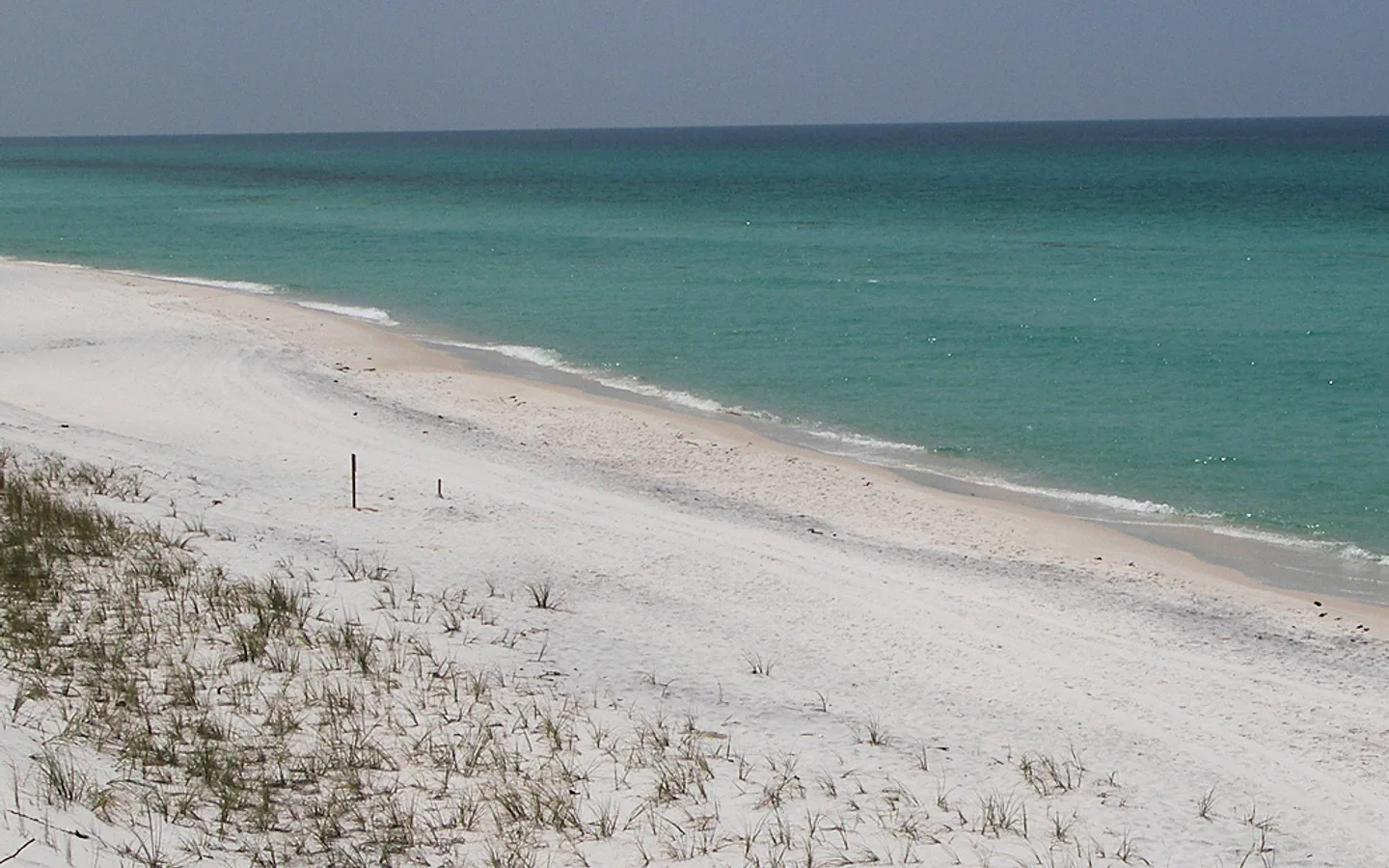 DeFuniak Springs · Freeport · South WaltonWalton County
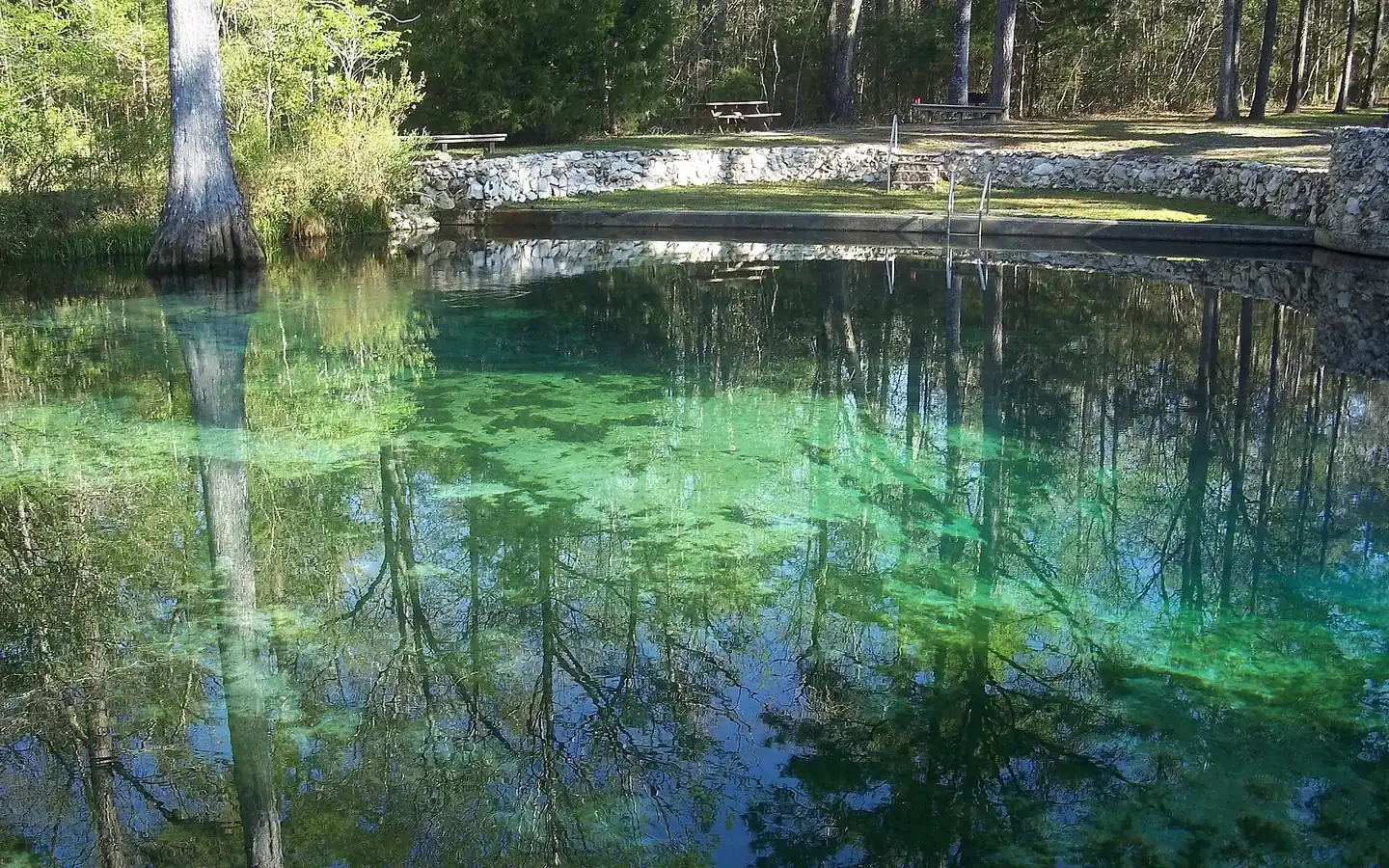 Bonifay · Ponce de Leon · EstoHolmes County