Marion County was created in 1844 and named for Francis Marion, a general from South Carolina. Ocala has been the county seat since 1846. The county holds the title Horse Capital of the World, and the state parks service says its Silver Springs became famous across the nation in the 20th century. The history of the area goes back more than 10,000 years, to the first people drawn to the Silver River.
This page tells the story in order, from the first peoples to the World Equestrian Center, then lists places in the county where you can still see it. The sources for each part are named at the end of that part, and all of them are listed at the bottom of the page.
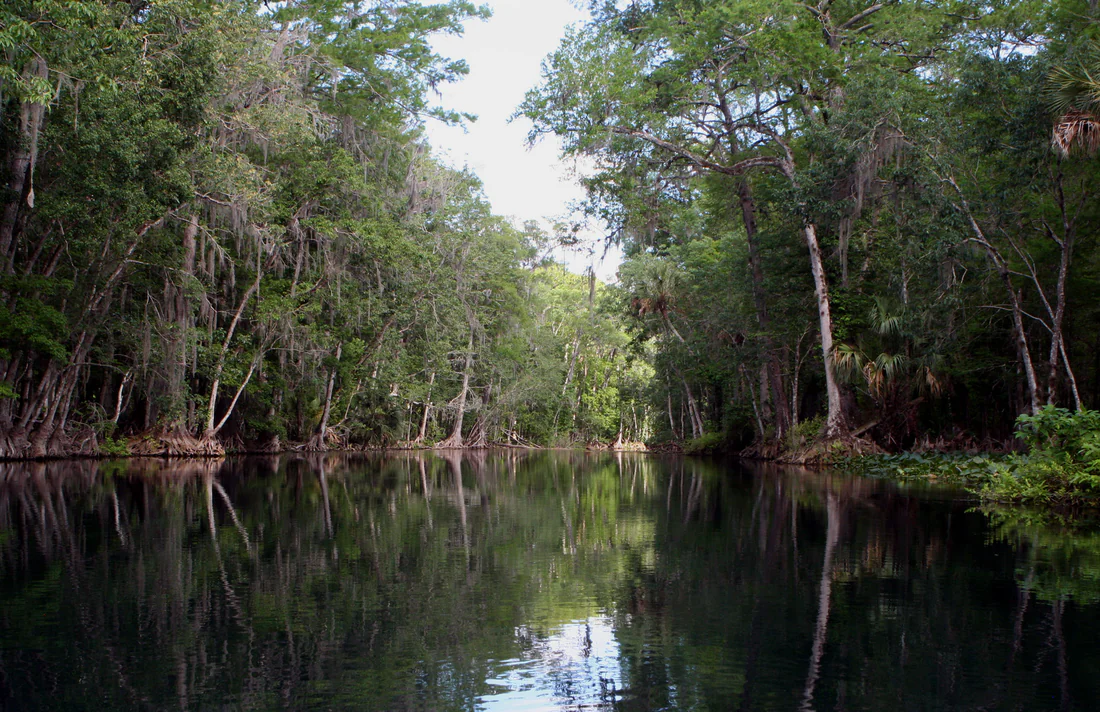
The First Peoples
People have been drawn to the Silver River for more than 10,000 years. Exhibits at the Marion County Museum of History and Archaeology reach back about 13,000 years, to prehistoric times. The Timucua people were living around Ocala when Europeans first arrived in the 1500s. Both Timucua and Seminole people once lived in what is now Marion County.
The City of Ocala says its name comes from Ocali, which is what the Timucua called their village. Britannica instead describes Ocali as the Timucua name for a province.
Sources: WUFT News: Five must-see historic places in North Central Florida; Florida Department of State: Secretary Byrd Designates Ocala Main Street as the Florida Main Street Program of the Month; University of Central Florida RICHES: Marion County Collection; City of Ocala: Building in the Ocala Historic District; Encyclopaedia Britannica: Ocala
Next: Chapter 2, De Soto and the Spanish Years →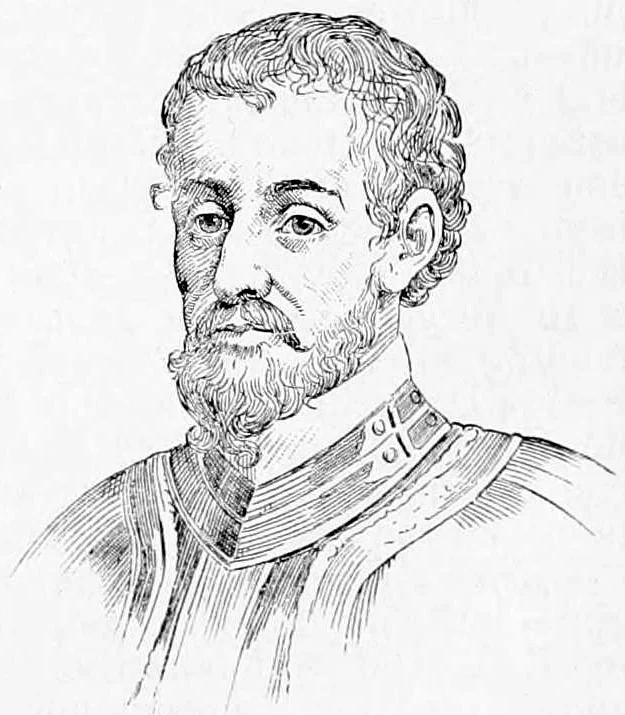
De Soto and the Spanish Years
In 1539, Hernando de Soto, an explorer from Spain, passed through Ocali. Britannica says the meaning of the name Ocali is not known. A Works Progress Administration history of the county, now kept by the State Archives, says opinions differ about de Soto's route. It adds that one careful study of the Spanish accounts put his path across land that is now Marion County. The United States gained Florida in 1821 and sent scouts out to survey the peninsula.
Sources: Encyclopaedia Britannica: Ocala; Florida Memory, State Archives of Florida: History of Marion County; Marion County: Marion County Day
Next: Chapter 3, Fort King and the Second Seminole War →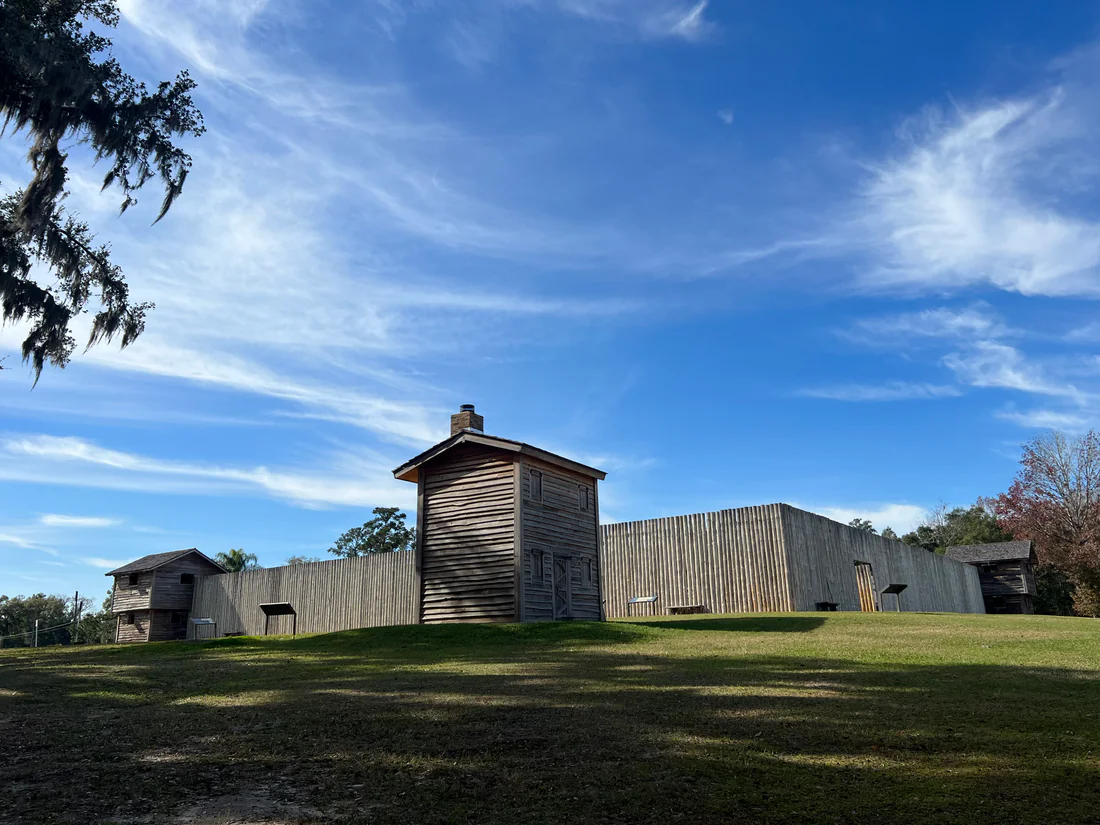
Fort King and the Second Seminole War
By 1825, the U.S. government had set up an agency here to deal with the Seminole people. The Army built a post to guard the northern edge of the Indian reservation. The post was first called Camp King, and it took the name Fort King in 1827. Its name honored Colonel William King. A TV news report calls it the farthest inland fort in Florida during the Seminole Wars.
In June 1835, the Seminole leader Osceola quarreled with Wiley Thompson and was jailed at Fort King. The city says this was where Osceola was first held captive and shamed before his people. Osceola's warriors struck on December 28, 1835, killing Thompson and four others outside the fort's stockade.
On the same day, soldiers marching to help the fort were killed in the Dade Massacre. In the war years that followed, a common saying held that every road led to Fort King. The Seminoles burned the empty fort in 1836. When the war ended in 1842, most Seminoles were dead or had been captured and sent to Oklahoma.
Sources: Marion County: Marion County Day; Florida Memory, State Archives of Florida: History of Marion County; Florida Department of State, Florida Historical Markers: Fort King; WKMG News 6 ClickOrlando: Taking a look at one of Florida's most important forts, Fort King; Trail of Florida's Indian Heritage: Fort King; City of Ocala: Fort King National Historic Landmark, History of the Site
Next: Chapter 4, Marion County Is Created →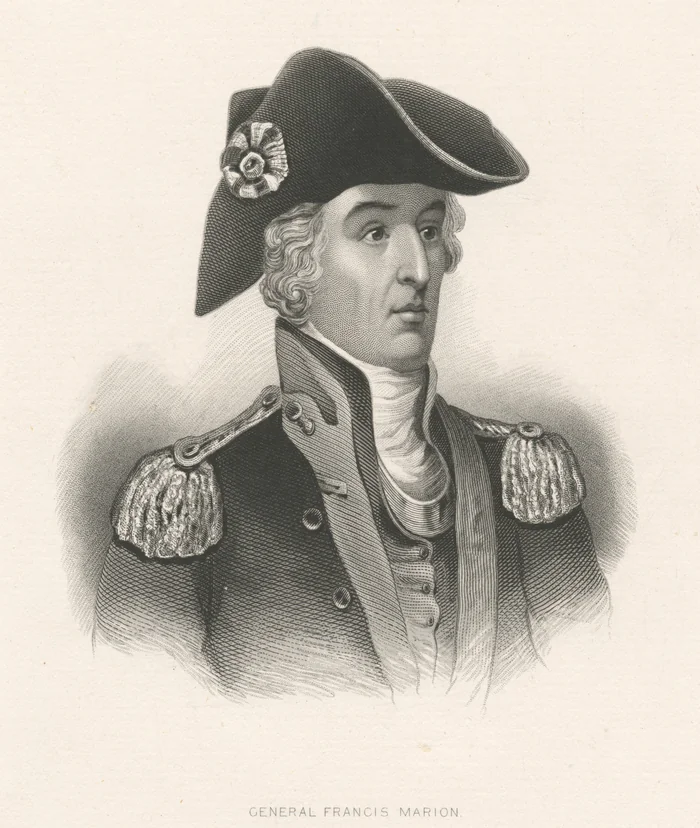
Marion County Is Created
In the 1840s, settlers came to the area to claim free land under the Armed Occupation Act. From 1842 to 1844, the land here was still part of three counties: Alachua, Hillsborough and Mosquito, which is now Orange. The nearest county seat, in Alachua, was a hard 50-mile trip from Fort King. Gabriel Priest, who represented Alachua County, brought the bill that created the new county, and he became Marion's first state senator.
The county government says Territorial Governor Richard Keith Call signed the law creating the county on March 25, 1844. The Marion County Sheriff's Office gives a different date, March 14, 1844. The new county was named for Francis Marion, a general from South Carolina. In the Revolutionary War, he was called the Swamp Fox for his guerrilla tactics against British forces.
In 1844, the new county set up its government at Fort King for a time. The county board's oldest known minutes are dated February 20, 1846. Six days later, the board picked Ocala to be the county seat. In March 1846, county engineer David Bruton finished the first survey of Ocala. The county's first permanent courthouse was built on the town's public square in 1851.
Sources: Marion County: Marion County Day; Marion County Sheriff's Office: 1800-1900; University of South Florida, Florida Center for Instructional Technology: Florida Maps - Marion County; Florida Department of State, Florida Historical Markers: Fort King; City of Ocala: Downtown Ocala Historic Context and History; Florida Department of State, Florida Historical Markers: The Old Courthouse Square
Next: Chapter 5, Plantations and the Civil War →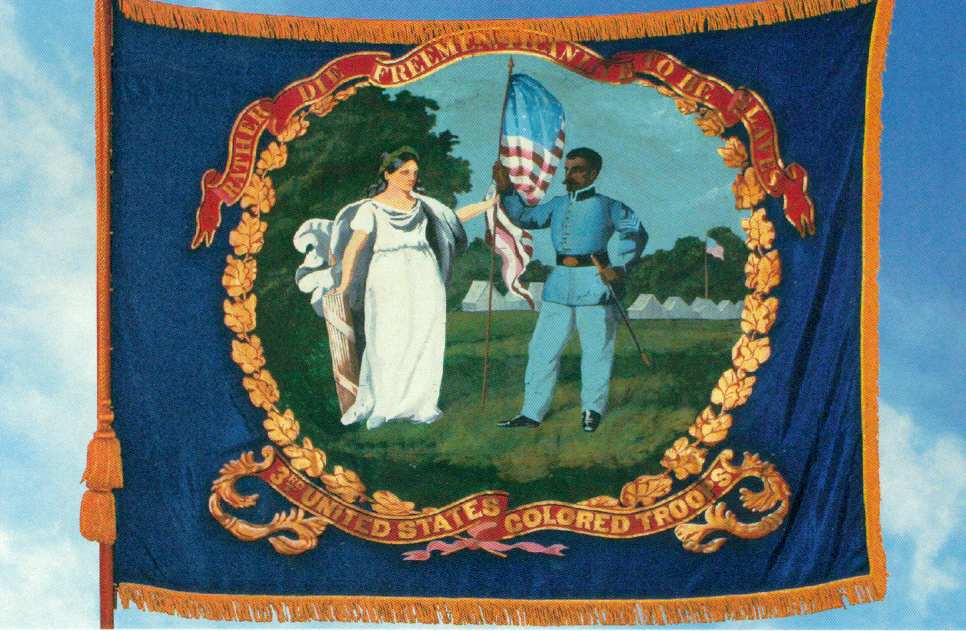
Plantations and the Civil War
Travelers had been reaching Silver Springs by way of the Ocklawaha River since the 1820s. By the 1850s, the area was a busy trading center, with boats on the river and plantations growing oranges, tobacco and vegetables. A poster from 1855 offered stagecoach trips from around Palatka to the springs. Ocala's first church was put up in 1850 with the labor of enslaved people, the city says.
In 1855, Jehu Foster Marshall started a sugar plantation in the county. In 1856, Dr. Benjamin Waldo built a house on Pine Hill, a 2,000-acre plantation about three miles from Ocala. Florida left the Union on January 10, 1861. Colonel Marshall was killed in August 1862, at the Second Battle of Manassas.
His widow, Elizabeth, ran the plantation until Union troops raided it by surprise on March 10, 1865. The raiders burned the plantation and its sugar mill to the ground. They came from the Union Army's 3rd United States Colored Infantry. Their leader was Henry James, a Black sergeant major. Cavalry troops under Captain J.J. Dickison, camped nearby at Silver Springs, chased the raiders into St. Augustine.
Sources: WUFT News: Five must-see historic places in North Central Florida; Florida State Parks: Road Trip, Silver Springs State Park; City of Ocala: Downtown Ocala Historic Context and History; Florida Department of State, Florida Historical Markers: Marshall Plantation Site; Florida Memory, State Archives of Florida: "Pine Hill" Plantation - Ocala, Florida; Marion County Sheriff's Office: 1800-1900
Next: Chapter 6, After the War: Howard Academy, Steamboats and Trains →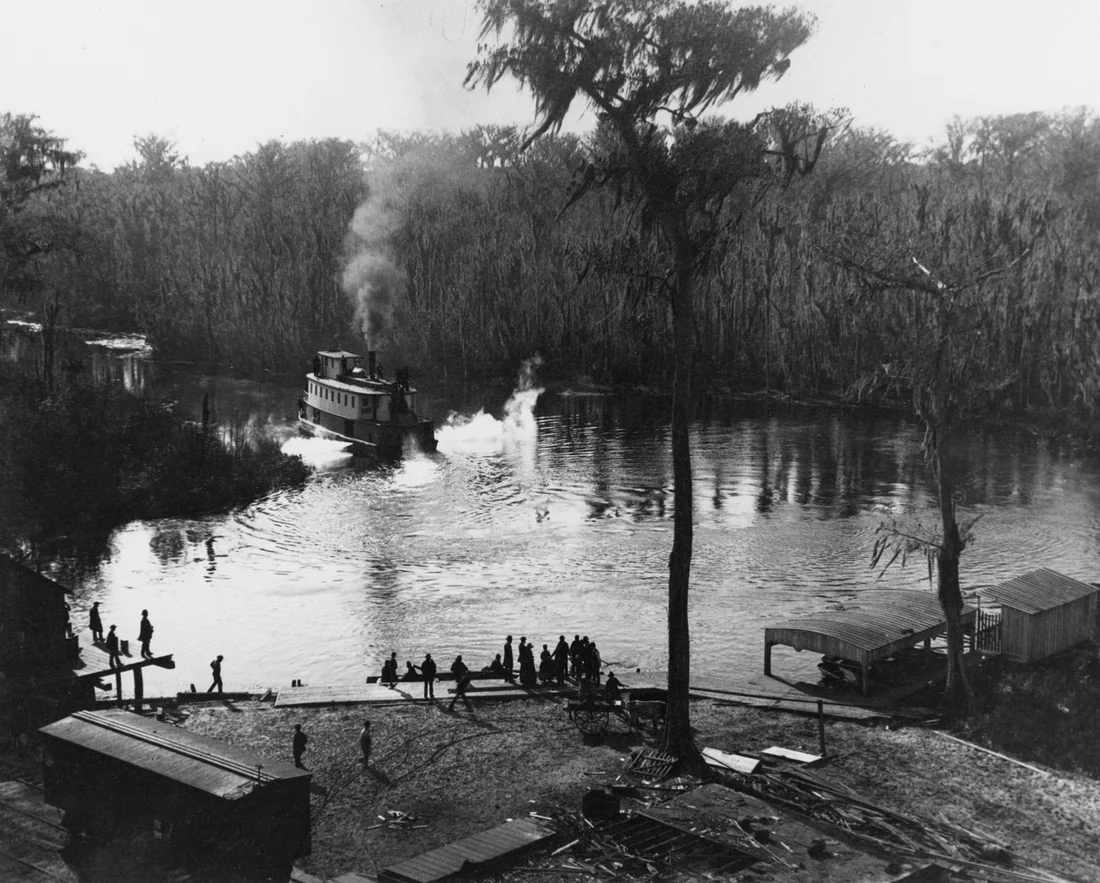
After the War: Howard Academy, Steamboats and Trains
Howard Academy opened in 1866, and WKMG News 6 calls it the first school in Ocala for Black children. It was made a high school in 1927. The station says it was one of just two schools in Florida that gave Black students a high school diploma.
Before the railroad, steamboats ran from Palatka up the St. Johns and Ocklawaha rivers to Silver Springs. With the paddlewheel steamboat, the Silver River became a distribution point for Central Florida. Phillip Morrell fitted a piece of glass into the floor of a rowboat in the late 1870s. The state parks service says most historians believe the glass-bottom boat was invented at Silver Springs in that decade.
The City of Ocala dates the first rail service in town to 1876. The Florida Department of State gives 1881 as the year rail service reached Ocala. Until 1877, Ocala was the last stop, and then the Tropical Florida Railroad Company laid track south to Wildwood. A second line, the Florida Southern Railroad, came to Ocala in 1882. In the 1880s, trains carried passengers to the springs.
Sources: WKMG News 6 ClickOrlando: Renovations needed to keep history alive at Black History Museum in Marion County; City of Ocala: Downtown Ocala Historic Context and History; Florida State Parks: Silver Springs State Park History; Florida State Parks: Road Trip, Silver Springs State Park; Florida Department of State: Secretary Byrd Designates Ocala Main Street as the Florida Main Street Program of the Month
Next: Chapter 7, The Great Fire and the Brick City →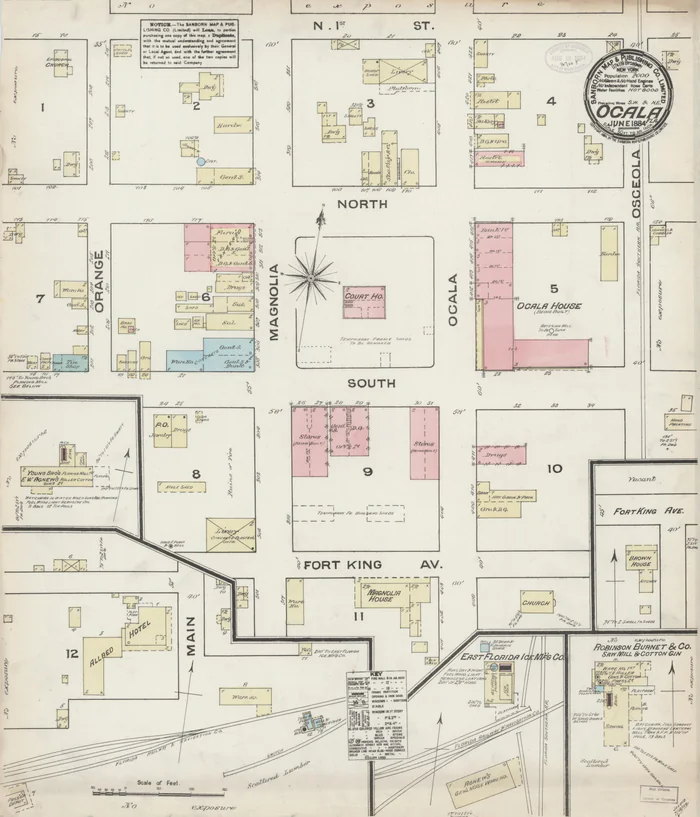
The Great Fire and the Brick City
On Thanksgiving Day in 1883, a fire burned four downtown business blocks around the square, the Florida Department of State says. The city's history gives the date as November 29, 1883, a day when a crowd of 2,000 was welcoming three special trains. The flames destroyed the new Ocala House Hotel, though a bucket brigade tried to save it. Rebuilding started almost at once. Wooden buildings were replaced with new ones of brick, granite and metal.
Within five years, people across Florida were calling Ocala the Brick City. A two-story brick courthouse went up on the square in 1884. Ocala became an incorporated city in 1885. Black residents took an active part in Ocala politics in the 1880s and 1890s. The city had a Black treasurer and a Black tax collector, and a Black member sat on the Board of Aldermen.
The National Farmers' Alliance met in Ocala in December 1890. Hundreds of visitors came, along with 88 delegates. There the delegates adopted the Ocala Demands, a list of political and economic changes the Alliance believed were needed.
Sources: Florida Department of State: Secretary Byrd Designates Ocala Main Street as the Florida Main Street Program of the Month; City of Ocala: Downtown Ocala Historic Context and History; Florida Department of State, Florida Historical Markers: The Old Courthouse Square; Florida Department of State, Florida Historical Markers: Ocala Demands
Next: Chapter 8, Phosphate, the Big Freeze and Black Business →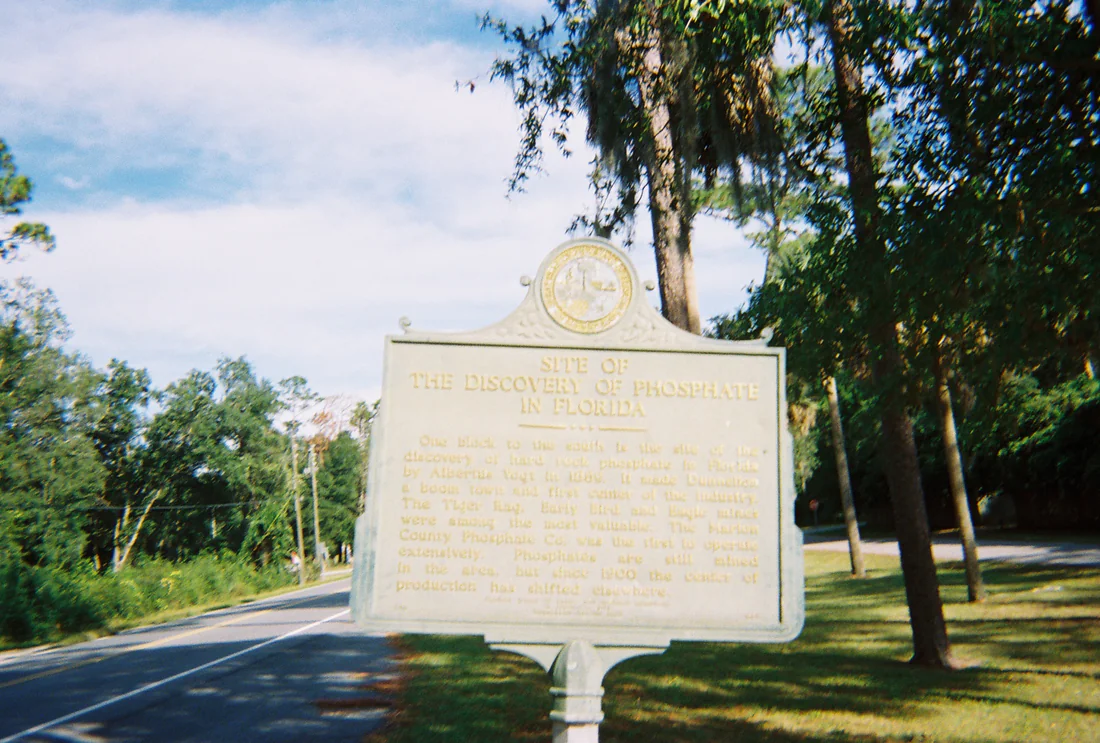
Phosphate, the Big Freeze and Black Business
A state marker in Dunnellon shows where Albertus Vogt discovered hard rock phosphate in Florida in 1889. Dunnellon turned into a boom town, the first center of the new industry. Between 1889 and 1891, Ocala's population tripled. After 1900, the center of phosphate mining moved away from the area.
Major freezes struck in December 1894 and again in February 1895, damaging the local citrus industry. The Big Freeze, as it came to be called, helped cause the failure of both banks in Ocala. The city itself faced bankruptcy. The town of McIntosh was founded in the 1880s and did well in the 1890s. Many of its Victorian homes from those years still stand.
In the 1890s, Santos, south of Ocala, was a stop for Negro League baseball teams touring the Southeast, the state parks service says. Black and white Floridians came from nearby towns to watch the games. The Metropolitan Savings Bank opened in Ocala in 1913, and the city's history says it was thought to be the only Black-owned bank in Florida at the time. By 1914, the same history says, Black residents of the Ocala area were thought to be the most well-off African Americans in the South.
Sources: Florida Department of State, Florida Historical Markers: Site of the Discovery of Phosphate in Florida; City of Ocala: Downtown Ocala Historic Context and History; WUFT News: After 50 years, new organizers bring changes to McIntosh's 1890s Festival; Florida State Parks: Black History Month, Historic Black Communities
Next: Chapter 9, Silver Springs Becomes Famous →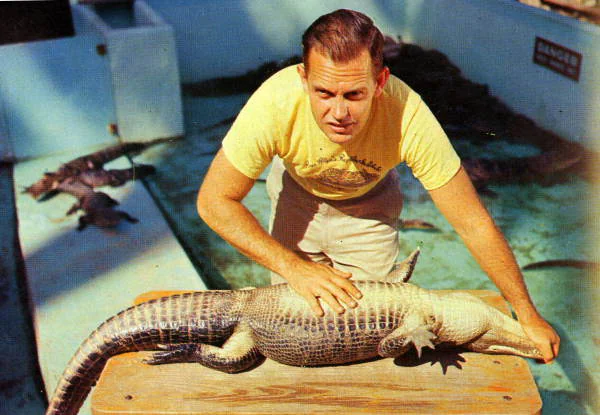
Silver Springs Becomes Famous
Ed Carmichael rented Silver Springs to Carl Ray and Shorty Davidson in 1924, the Florida Department of State says. A state parks guide says instead that the two Ocala businessmen bought the springs that year and added bigger, gasoline-powered boats. Davidson himself put up many of the "See Silver Springs" signs that hung on trees all over the Southeast. In 1929, Ross Allen opened a reptile institute at the springs. Ray and Davidson added a copy of a Native American village in 1934.
The village was staffed by Seminole people who also lived there. Around 1940, a Tarzan film crew worked on location at Silver Springs. Johnny Weissmuller, the actor who played Tarzan, appears in a State Archives photograph of the crew. The state tourism hall of fame says more than 50 movies were filmed at Silver Springs.
Ocala did not get caught up in the 1920s real estate boom the way other Florida cities did. Even so, the Hotel Marion opened in February 1927, paid for mostly by local investors. During the Great Depression, being close to Silver Springs eased hard times in Ocala. In 1962, the two men sold the attraction to ABC-Paramount Broadcasting. In 1971, Silver Springs became a National Natural Landmark.
Sources: Florida Department of State, Division of Historical Resources: Silver Springs; Florida State Parks: Road Trip, Silver Springs State Park; VISIT FLORIDA: Florida Tourism Hall of Fame, 2016 Inductees; Florida Memory, State Archives of Florida: Tarzan film crew being brought to location at Silver Springs; City of Ocala: Downtown Ocala Historic Context and History; Florida State Parks: Florida State Park Historic Sites Earn National Recognition
Next: Chapter 10, The Canal, Horse Farms and Paradise Park →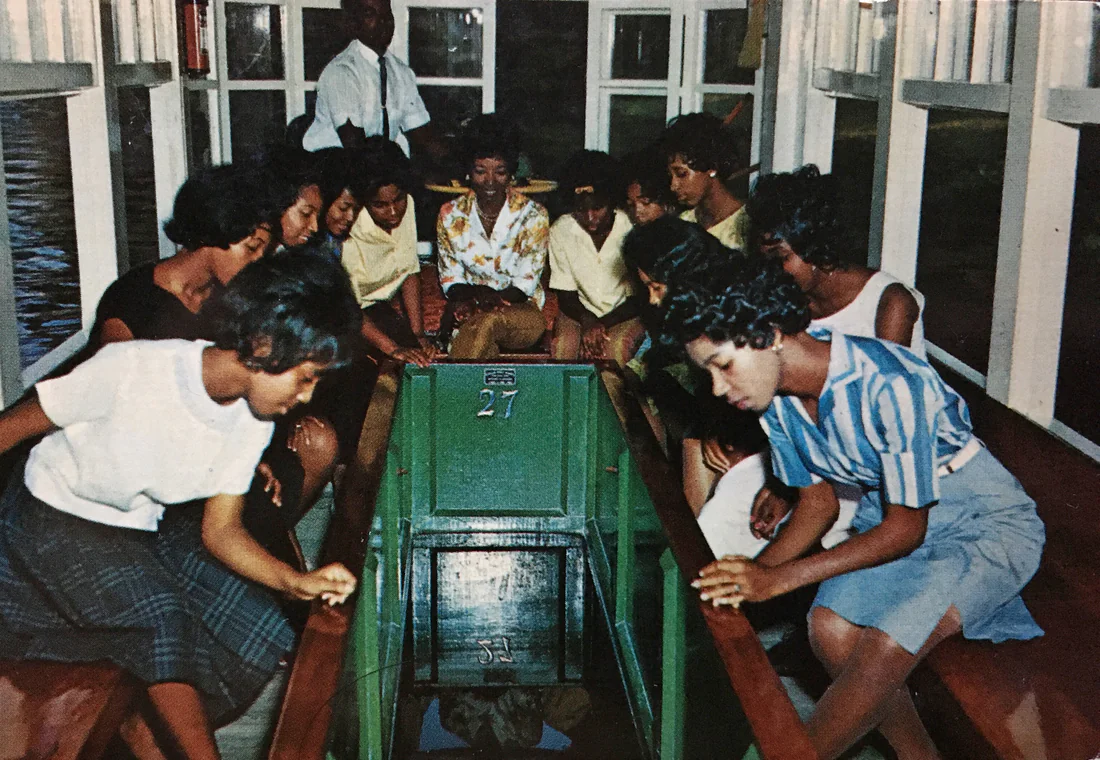
The Canal, Horse Farms and Paradise Park
In the mid-1930s, many of the settlers at Santos were moved off their land to make way for the Cross Florida Ship Canal, a Great Depression project. At its peak, the canal work gave jobs to about 8,000 people. Work began again in 1964, when President Lyndon B. Johnson broke ground in Palatka. The activist Marjorie Harris Carr fought the canal in court and asked President Richard Nixon to stop it. Nixon called a halt to the canal in 1971.
In 1943, Carl G. Rose bought land along State Road 200 for $10 an acre and opened Rosemere, which The Municipal magazine calls Florida's first Thoroughbred farm. In 1956, Needles, a horse from Bonnie Heath Farm in Ocala, won the Kentucky Derby and the Belmont Stakes, and the county's tourism site calls him the first Florida-bred horse to win them. His name came from the many shots he needed as a sickly foal. In early 1956, the Ocala and Marion County area had four Thoroughbred farms, and by 1958 it had 30, the Ocala Gazette says. In 1978, Affirmed, a horse bred in Ocala, won the Triple Crown, the 11th horse in America to do so.
In 1949, Carl Ray and Shorty Davidson opened Paradise Park, an attraction for Black visitors. Segregation kept Black visitors out of Silver Springs itself. The park was run by Eddie Leroy Vereen, who had been a boat captain. Visitors could take river cruises and ride in glass-bottomed boats. Paradise Park shut down in 1969, after Silver Springs was integrated.
Sources: Florida State Parks: Historic Santos Recreation Area; Florida State Parks: History of the Cross Florida Greenway; The Municipal: Horse Capital of the World Ocala, Fla.; Ocala and Marion County tourism site (ocalamarion.com): Equestrian; Florida Memory, State Archives of Florida: Needles - Ocala, Florida; Ocala Gazette: Needles; WRUF: Ocala: The Horse Capital of the World; racingmuseum.org: Affirmed (FL); Florida Department of State, Florida Historical Markers: Paradise Park at Silver Springs; Spectrum News Bay News 9: Revisiting Paradise Park, a Florida attraction for Black people during segregation
Next: Chapter 11, Since 1980: Rainbow Springs, the World Equestrian Center and a Drag Racing Museum →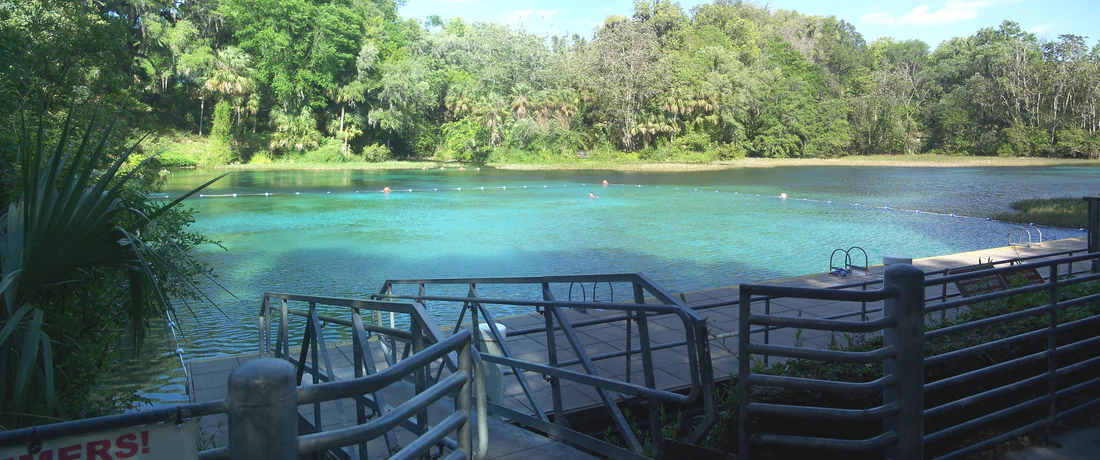
Since 1980: Rainbow Springs, the World Equestrian Center and a Drag Racing Museum
In 1990, Congress formally ended the canal project, and its path became the Marjorie Harris Carr Cross Florida Greenway. Along the greenway, the Historic Santos Recreation Area is a place to honor the people of Santos. From the 1930s into the 1970s, Rainbow Springs was a popular private attraction, where visitors rode glass-bottom boats and saw waterfalls built on heaps of phosphate mining waste. The attraction had closed by 1974, and in 1990, after a petition drive by citizens, the state of Florida bought it. It opened as a full-time state park in 1995.
Fort King was named a National Historic Landmark in 2004. A copy of the fort, built to the same size as the original, now stands on the site. On October 1, 2013, the state park service took over the main springs at Silver Springs, and the whole park was renamed Silver Springs State Park. The World Equestrian Center opened in Ocala on December 12, 2020, and held its first horse show starting January 5, 2021, Horse Illustrated says. The county holds the title Horse Capital of the World.
Drag racer Don Garlits set up his museum again in Ocala, and its new building opened there in 1984. Known as Big Daddy, he was the first driver to go faster than 180 miles per hour, then 200, 250 and 270, FOX 13 News says. The Black History Museum and Archives of Marion County, founded in 2004, is housed at Howard Academy and holds photographs from Paradise Park. In June 2024, county leaders unveiled a historical marker outside the Marion County Museum of History and Archaeology in Ocala. It tells the story of the girls' industrial school that stood on the grounds starting in 1915.
Sources: Florida State Parks: History of the Cross Florida Greenway; Florida State Parks: Marjorie Harris Carr Cross Florida Greenway; Florida State Parks: Black History Month, Historic Black Communities; Florida State Parks: Rainbow Springs State Park, Real Florida Guide; Daughters of the American Revolution: Fort King; WKMG News 6 ClickOrlando: Taking a look at one of Florida's most important forts, Fort King; Florida State Parks: Silver Springs State Park History; Horse Illustrated: Introducing the World Equestrian Center in Ocala; Marion County: Marion County Day; Sports Illustrated Vault: Big Daddy Still Loves Speed; FOX 13 News: Don Garlits Museum of Drag Racing in Florida offers tribute to legendary racing career; Ocala Gazette: Ocala Black history sites important to future; WKMG News 6 ClickOrlando: Renovations needed to keep history alive at Black History Museum in Marion County; WCJB TV20: Marion County Museum of History and Archaeology unveils new historical marker
Next: the whole story, in dates →The whole story, in dates
People are first drawn to the Silver River.
Hernando de Soto passes through Ocali.
Camp King takes the name Fort King.
Osceola's warriors kill Wiley Thompson outside Fort King.
The Second Seminole War ends.
Marion County is created, with sources giving March 14 or March 25.
The county board picks Ocala as the county seat.
Ocala's first church is built with the labor of enslaved people.
Jehu Foster Marshall starts a sugar plantation.
Florida leaves the Union.
Soldiers of the 3rd United States Colored Infantry raid and burn the Marshall plantation.
Howard Academy opens.
Phillip Morrell fits a piece of glass into the floor of a rowboat.
The Florida Southern Railroad reaches Ocala.
A Thanksgiving Day fire burns downtown Ocala.
Ocala is incorporated as a city.
Albertus Vogt discovers hard rock phosphate at Dunnellon.
The National Farmers' Alliance meets in Ocala and adopts the Ocala Demands.
Major freezes damage the local citrus industry.
The Metropolitan Savings Bank opens in Ocala.
Carl Ray and Shorty Davidson take over Silver Springs.
Ross Allen opens his reptile institute at the springs.
Many Santos settlers are moved off their land for a canal project.
Carl G. Rose opens Rosemere, a Thoroughbred horse farm.
Paradise Park opens for Black visitors.
Needles wins the Kentucky Derby and the Belmont Stakes.
Ray and Davidson sell Silver Springs to ABC-Paramount Broadcasting.
Paradise Park closes after Silver Springs is integrated.
President Nixon halts the canal.
Affirmed, bred in Ocala, wins the Triple Crown.
Don Garlits opens his museum's new building in Ocala.
Congress ends the canal project, and the state buys Rainbow Springs.
Rainbow Springs opens as a full-time state park.
Fort King is named a National Historic Landmark.
The park at Silver Springs becomes Silver Springs State Park.
The World Equestrian Center opens in Ocala.
County leaders unveil a historical marker at the county history museum.
Where you can still see it
 01
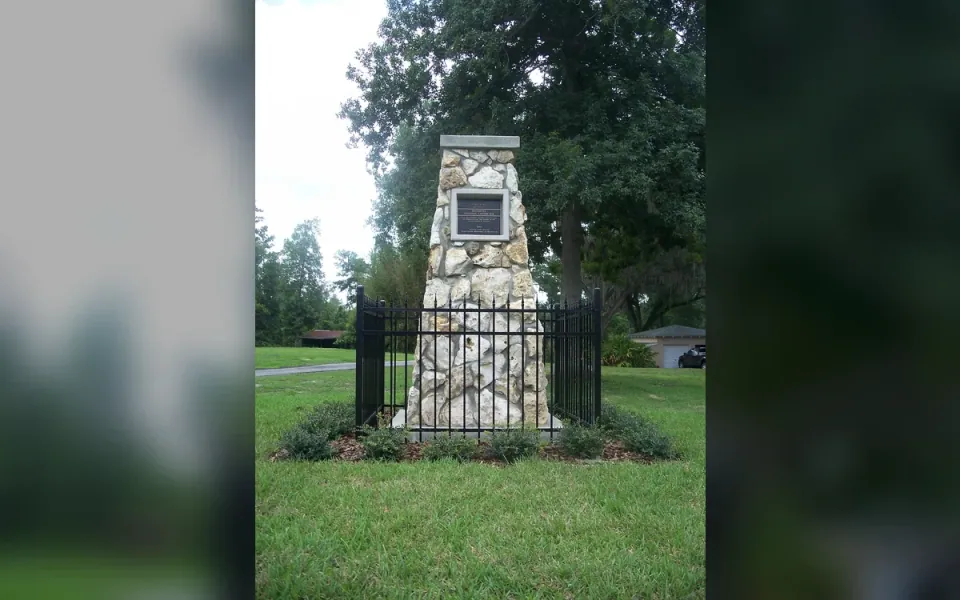
01Fort King National Historic Landmark
Goes with: Fort King and the Second Seminole War
Open the place page → 02
02 03
03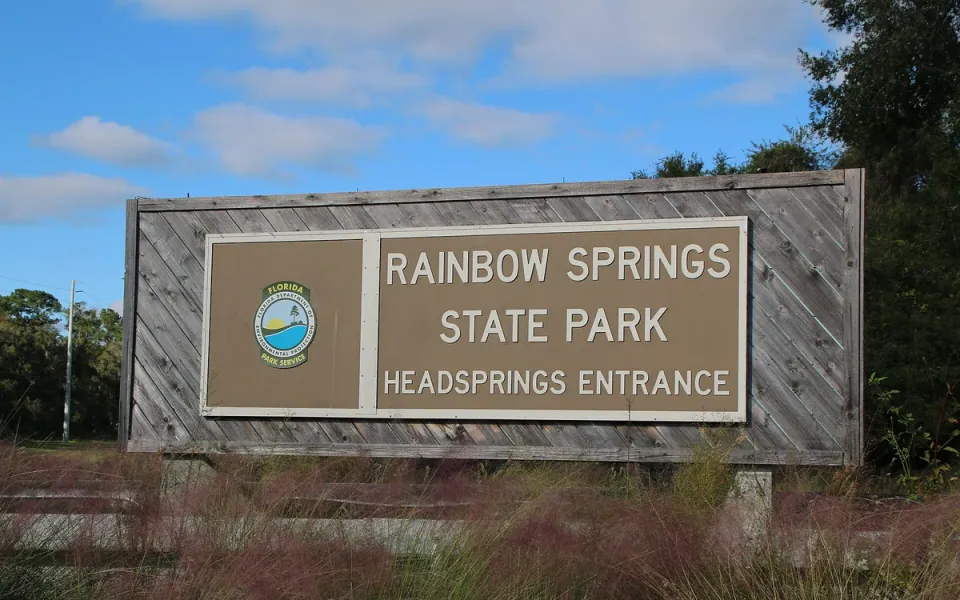 04
04Rainbow Springs State Park
Goes with: Since 1980: Rainbow Springs, the World Equestrian Center and a Drag Racing Museum
Open the place page →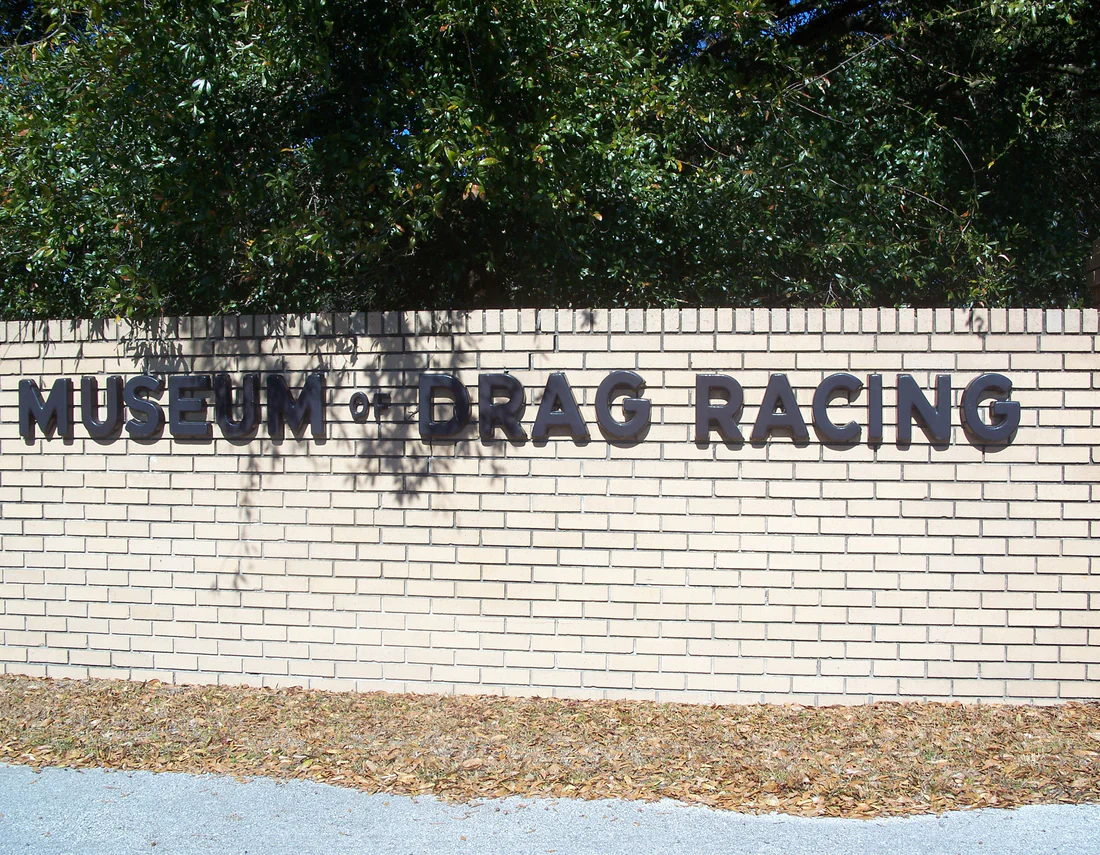 05
05Don Garlits Museum of Drag Racing
Goes with: Since 1980: Rainbow Springs, the World Equestrian Center and a Drag Racing Museum
Open the place page →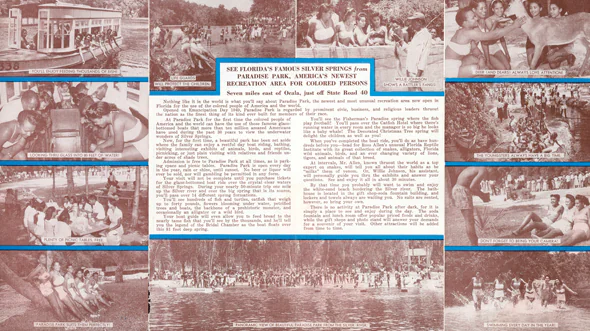 06
06Paradise Park at Silver Springs historical marker
Goes with: The Canal, Horse Farms and Paradise Park
the state historical marker for Paradise Park →Questions people ask
When was Marion County created?
Marion County was created in March 1844, on March 25 according to the county government and on March 14 according to the county sheriff's office.
Chapter 4 →Who was Marion County named for?
It was named for Francis Marion, a Revolutionary War general known as the Swamp Fox.
Chapter 4 →When did Ocala become the county seat?
The county board picked Ocala as the county seat in 1846, six days after its meeting of February 20, 1846.
Chapter 4 →Why is Ocala called the Brick City?
After the fire of November 29, 1883, Ocala rebuilt with brick, granite and metal, and within five years it was known across Florida as the Brick City.
Chapter 7 →Which Florida-bred horse first won the Kentucky Derby?
Needles, a horse from Bonnie Heath Farm in Ocala, won the Kentucky Derby and the Belmont Stakes in 1956, and the county's tourism site calls him the first Florida-bred horse to win them.
Chapter 10 →Where this comes from.
- Marion County Sheriff's Office: 1800-1900 ↗ Read October 16, 2026
- Encyclopaedia Britannica: Ocala ↗ Read October 16, 2026
- Florida State Parks: Florida State Park Historic Sites Earn National Recognition ↗ Read October 16, 2026
- WUFT News: Five must-see historic places in North Central Florida ↗ Read October 16, 2026
- Florida Department of State: Secretary Byrd Designates Ocala Main Street as the Florida Main Street Program of the Month ↗ Read October 16, 2026
- University of Central Florida RICHES: Marion County Collection ↗ Read October 16, 2026
- City of Ocala: Building in the Ocala Historic District ↗ Read October 16, 2026
- Florida Memory, State Archives of Florida: History of Marion County ↗ Read October 16, 2026
- Marion County: Marion County Day ↗ Read October 16, 2026
- Florida Department of State, Florida Historical Markers: Fort King ↗ Read October 16, 2026
- WKMG News 6 ClickOrlando: Taking a look at one of Florida's most important forts, Fort King ↗ Read October 16, 2026
- Trail of Florida's Indian Heritage: Fort King ↗ Read October 16, 2026
- City of Ocala: Fort King National Historic Landmark, History of the Site ↗ Read October 16, 2026
- University of South Florida, Florida Center for Instructional Technology: Florida Maps - Marion County ↗ Read October 16, 2026
- City of Ocala: Downtown Ocala Historic Context and History ↗ Read October 16, 2026
- Florida Department of State, Florida Historical Markers: The Old Courthouse Square ↗ Read October 16, 2026
- Florida State Parks: Road Trip, Silver Springs State Park ↗ Read October 16, 2026
- Florida Department of State, Florida Historical Markers: Marshall Plantation Site ↗ Read October 16, 2026
- Florida Memory, State Archives of Florida: "Pine Hill" Plantation - Ocala, Florida ↗ Read October 16, 2026
- WKMG News 6 ClickOrlando: Renovations needed to keep history alive at Black History Museum in Marion County ↗ Read October 16, 2026
- Florida State Parks: Silver Springs State Park History ↗ Read October 16, 2026
- Florida Department of State, Florida Historical Markers: Ocala Demands ↗ Read October 16, 2026
- Florida Department of State, Florida Historical Markers: Site of the Discovery of Phosphate in Florida ↗ Read October 16, 2026
- WUFT News: After 50 years, new organizers bring changes to McIntosh's 1890s Festival ↗ Read October 16, 2026
- Florida State Parks: Black History Month, Historic Black Communities ↗ Read October 16, 2026
- Florida Department of State, Division of Historical Resources: Silver Springs ↗ Read October 16, 2026
- VISIT FLORIDA: Florida Tourism Hall of Fame, 2016 Inductees ↗ Read October 16, 2026
- Florida Memory, State Archives of Florida: Tarzan film crew being brought to location at Silver Springs ↗ Read October 16, 2026
- Florida State Parks: Historic Santos Recreation Area ↗ Read October 16, 2026
- Florida State Parks: History of the Cross Florida Greenway ↗ Read October 16, 2026
- Florida Department of State, Florida Historical Markers: Paradise Park at Silver Springs ↗ Read October 16, 2026
- Spectrum News Bay News 9: Revisiting Paradise Park, a Florida attraction for Black people during segregation ↗ Read October 16, 2026
- Florida State Parks: Marjorie Harris Carr Cross Florida Greenway ↗ Read October 16, 2026
- Daughters of the American Revolution: Fort King ↗ Read October 16, 2026
- Ocala Gazette: Ocala Black history sites important to future ↗ Read October 16, 2026
- WCJB TV20: Marion County Museum of History and Archaeology unveils new historical marker ↗ Read October 16, 2026
- The Municipal: Horse Capital of the World Ocala, Fla. ↗ Read October 16, 2026
- Ocala and Marion County tourism site (ocalamarion.com): Equestrian ↗ Read October 16, 2026
- Florida Memory, State Archives of Florida: Needles - Ocala, Florida ↗ Read October 16, 2026
- Ocala Gazette: Needles ↗ Read October 16, 2026
- WRUF: Ocala: The Horse Capital of the World ↗ Read October 16, 2026
- racingmuseum.org: Affirmed (FL) ↗ Read October 16, 2026
- Horse Illustrated: Introducing the World Equestrian Center in Ocala ↗ Read October 16, 2026
- Florida State Parks: Rainbow Springs State Park, Real Florida Guide ↗ Read October 16, 2026
- Sports Illustrated Vault: Big Daddy Still Loves Speed ↗ Read October 16, 2026
- FOX 13 News: Don Garlits Museum of Drag Racing in Florida offers tribute to legendary racing career ↗ Read October 16, 2026