Alachua County was created in 1824, and the county says its name is thought to be the Spanish form of a Timucuan word meaning big jug. Gainesville became the county seat in the 1850s, and the University of Florida opened there in 1906. Gatorade was invented at UF, where a doctor's team made the first batch in 1965. The county's history goes back thousands of years, and dugout canoes found in Newnans Lake are as much as 5,000 years old.
This page tells the story in order, from the sinkholes, canoes and first peoples to the museums, bat houses and Gator championships since 1990, then lists places in the county where you can still see it. The sources for each part are named at the end of that part, and all of them are listed at the bottom of the page.
Sinkholes, Canoes and the First Peoples
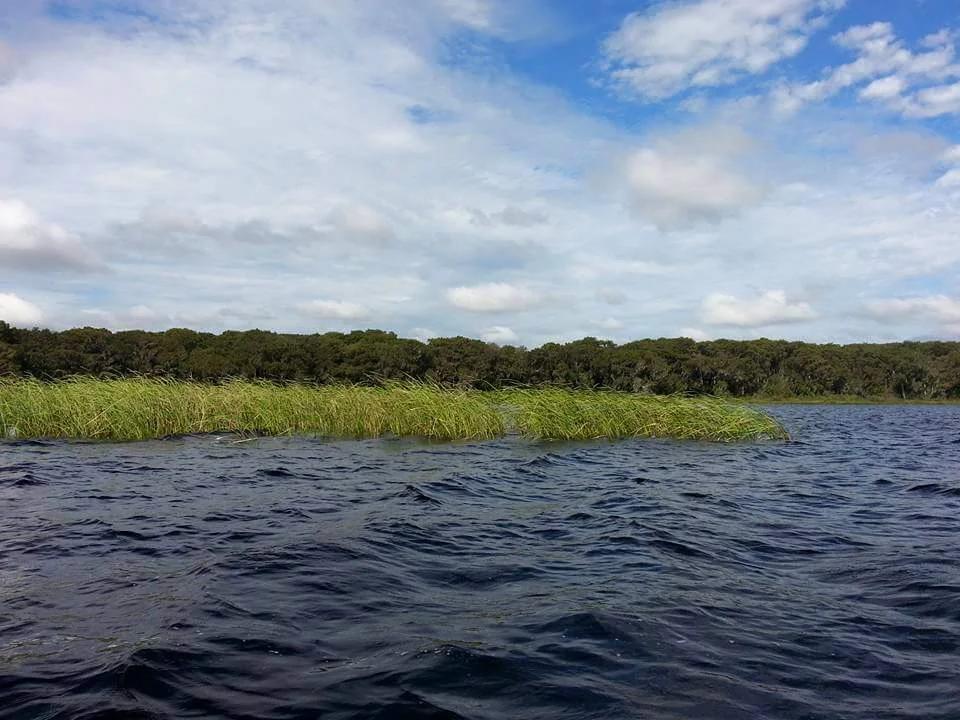
At Devil's Millhopper Geological State Park, a sinkhole drops 120 feet and spreads 500 feet across. The bowl formed when the limestone beneath it gave way. Fossil shark teeth, sea shells and the bones of extinct land animals have been found there. Visitors over the years have also picked up prehistoric arrowheads at the park.
The county's history says Paynes Prairie was once home to Timucuan tribes. The Timucua people who lived in this area were called the Potano. Dugout canoes found in Newnans Lake are between 5,000 and 500 years old.
Sources: Florida State Parks: Devil's Millhopper Geological State Park; Florida State Parks: History of Devil's Millhopper; Alachua County: Alachua County History; Florida State Parks: San Felasco Hammock Preserve State Park; Florida Museum of Natural History: Florida Sites, Historical Archaeology; UF News: Dugout canoes exhibit, inspired by record archaeological find, comes to St. Augustine
Next: Chapter 2, De Soto, the Missions and La Chua Ranch →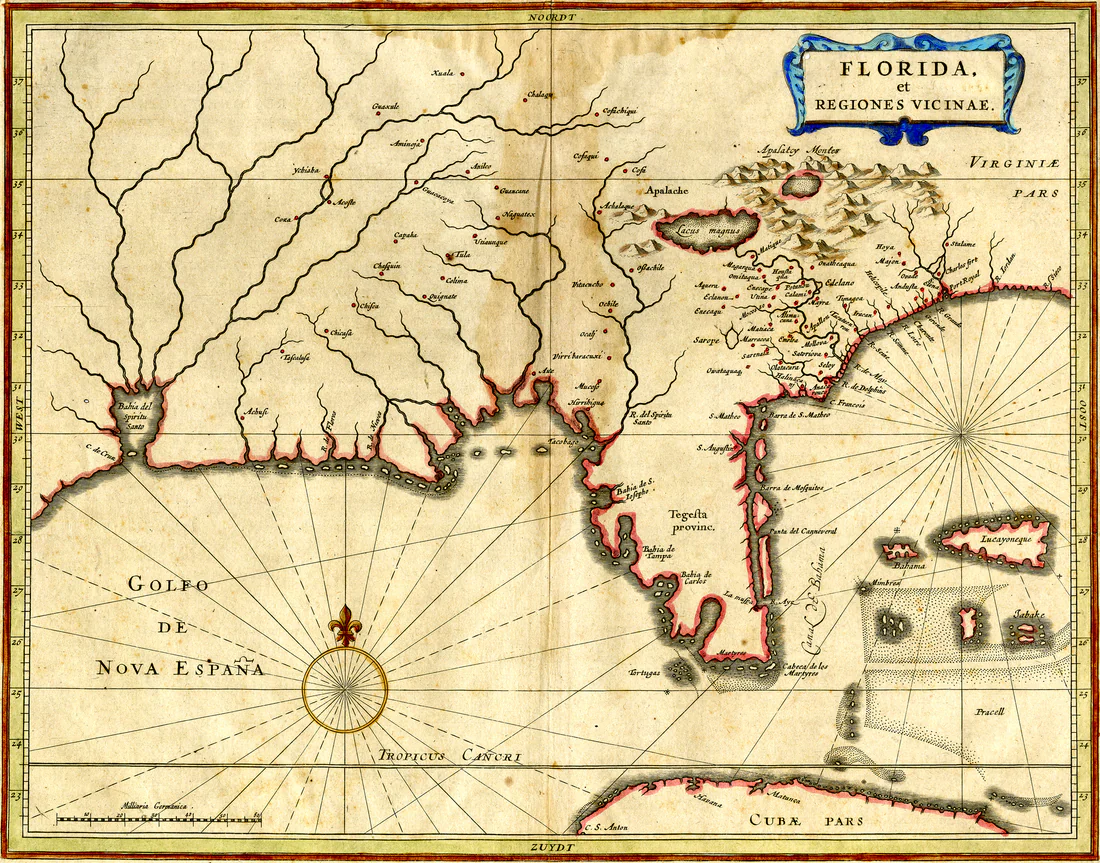
De Soto, the Missions and La Chua Ranch
In 1539, Hernando de Soto and his army marched through what is now Alachua County. His troops pushed into Potano land, eating the people's crops and taking captives as slaves, a University of Florida oral history timeline says. Spanish missions among the Potano began in 1606. San Felasco Hammock Preserve State Park takes its name from Mission San Francisco de Potano, built in 1606. That place was also the main town of the Potano-Timucua when the Spanish arrived.
The county's history dates the start of La Chua, a Spanish cattle ranch on Paynes Prairie, to 1646. Florida Memory says La Chua was the largest of the Spanish ranches, with thousands of animals. In the early 1700s, Creek Indians and Carolina colonists raided and destroyed the ranches, La Chua among them. English raids also destroyed the missions, and the county's history says they sharply reduced the Native population. The oral history timeline says the raids enslaved more than 10,000 Timucua people.
Sources: Alachua County: Alachua County History; Samuel Proctor Oral History Program, University of Florida: A People's History of Gainesville Timeline; Florida State Parks: San Felasco Hammock Preserve State Park; Florida Memory: Florida Maps, Then and Now (Wacahoota)
Next: Chapter 3, Cowkeeper, Bartram and the Alachua Savannah →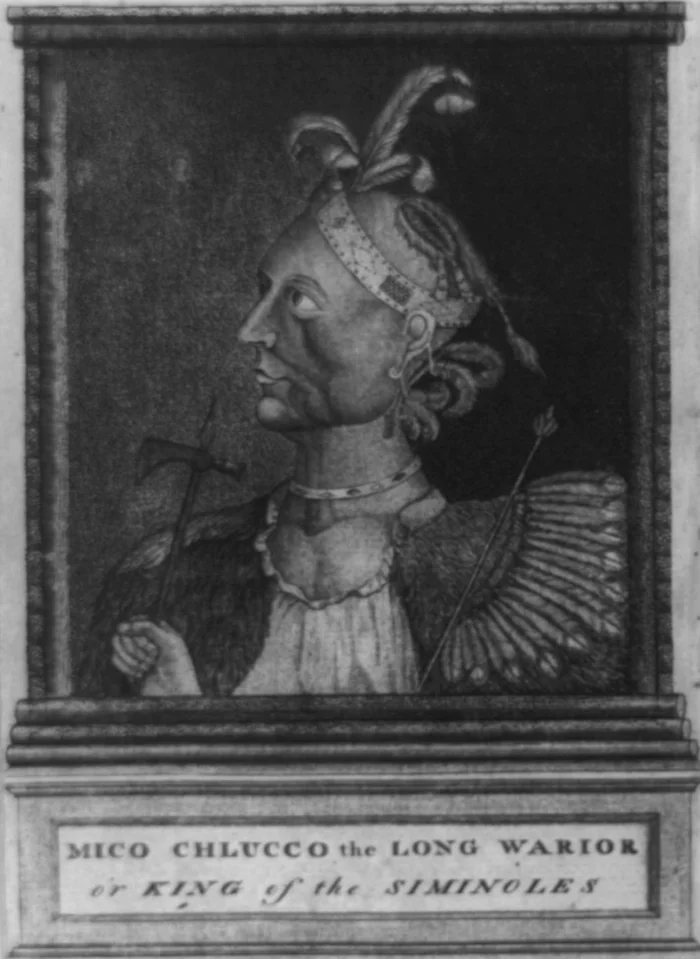
Cowkeeper, Bartram and the Alachua Savannah
In the 1740s, Creek people from Alabama and Georgia moved into the area, and in time they became known as Seminoles. Florida Memory says the people who followed Cowkeeper, an Oconee Creek leader, made the largest settlement in Florida in the Alachua area. By 1775, Seminole herders on Paynes Prairie were tending 7,000 to 10,000 cattle with the help of trained cow dogs.
In the spring of 1774, the naturalist William Bartram came to the Alachua Savanna from the St. Johns River. At Cuscowilla, a village near where Micanopy stands today, Cowkeeper welcomed him. Bartram called the prairie the great Alachua Savannah in his writing. He wrote of the many Spanish cattle and horses he saw there.
That savanna is now Paynes Prairie Preserve State Park, and the state set it aside as Florida's first state preserve. The park's own pages give the year as 1970 in one place and 1971 in another. In 1975, a herd of bison from Nebraska was brought to Paynes Prairie, the Florida Museum says. Bison had been gone from Florida for centuries.
Sources: Alachua County: Alachua County History; Florida Memory: Florida Cattle Ranching, Earliest American Ranchers; Florida Museum of Natural History: William Bartram, Artist-Naturalists in Florida; Florida State Parks: Paynes Prairie Preserve State Park History; Florida State Parks: Paynes Prairie Preserve State Park; Florida Museum of Natural History: Tell Me About: The History of Wild Megafauna at Paynes Prairie
Next: Chapter 4, King Payne, the Patriots and Micanopy →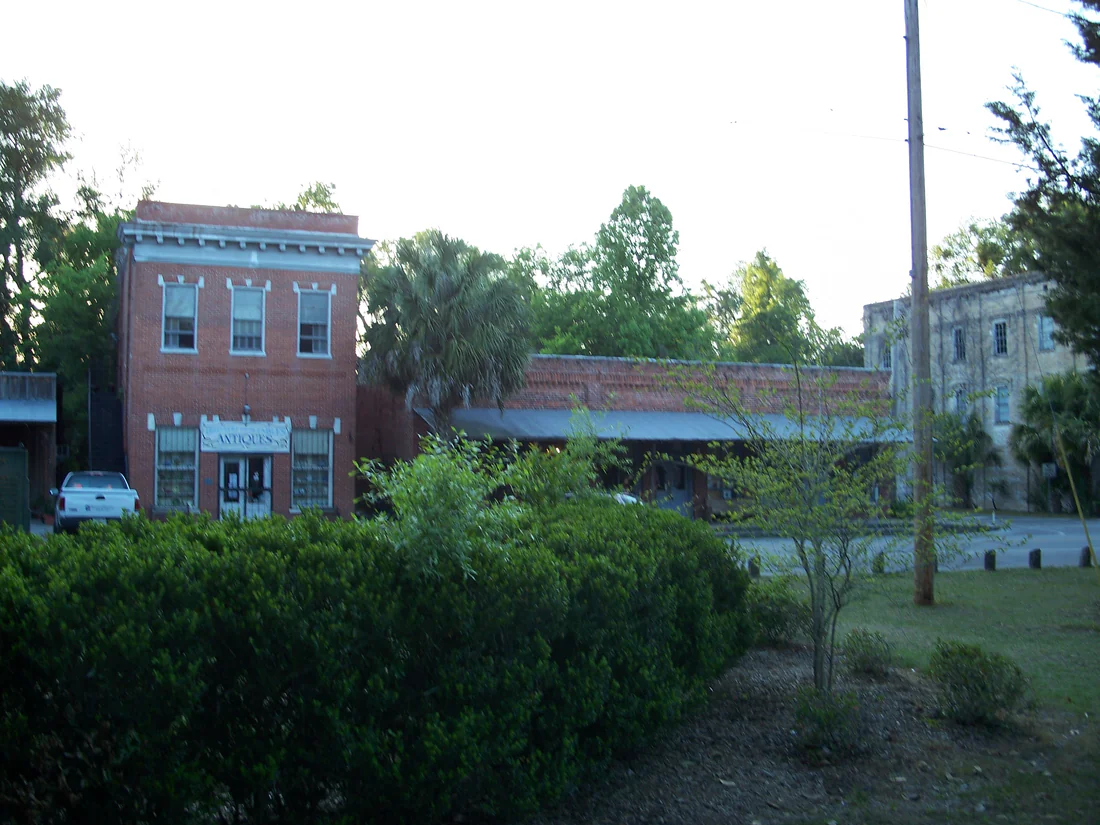
King Payne, the Patriots and Micanopy
A Seminole town called Paynes Town stood from the 1790s to 1812 on land that is now inside Paynes Prairie Preserve State Park. Its chief, King Payne, was described as a wealthy man who owned more than a thousand cattle. The Trail of Florida's Indian Heritage says the town and the prairie were named for Payne, a son of Cowkeeper.
In 1812, the county's timeline notes, the Patriots War reached Alachua with a fight called Newnan's Battle. That year U.S. soldiers attacked Paynes Town and killed King Payne, who was 80 years old. In 1817, the Arredondo Grant gave most of today's Alachua County to a Spanish merchant. In 1821, Spain gave up Florida to the United States.
Micanopy began as an Indian trading post and was built under the Florida Association of New York. The state marker calls it the first separate American town to be started in the new territory. The county calls Micanopy Florida's oldest inland town. Its name means head chief, a title held by the Alachua Seminoles' leader.
Sources: Florida Museum of Natural History: Excavation finds clues of cultural blending in Seminole Indian life; Trail of Florida's Indian Heritage: Paynes Prairie Preserve State Park; Alachua County: Alachua County History; Florida Department of State: Micanopy historical marker
Next: Chapter 5, Alachua County Is Created →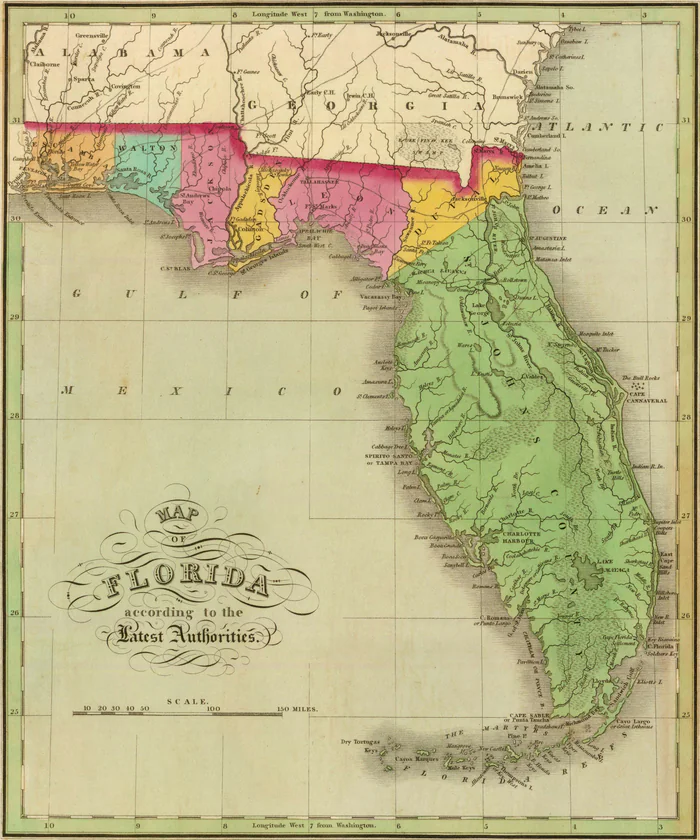
Alachua County Is Created
Alachua County was created in 1824. At first it was huge, and the county's history says its land ran south from the Georgia border all the way to Tampa Bay. The county's own timeline gives the southern edge as Port Charlotte instead. The county says the name Alachua is thought to be the Spanish form of a Timucuan word meaning big jug.
The Bellamy Road between St. Augustine and Pensacola was finished in 1826. It was the territory's first federal road, approved by Congress in 1824. In 1828, a settlement called Dells became the county seat and was renamed Newnansville, for Patriot War hero Daniel Newnan.
When the Second Seminole War began in December 1835, it brought great destruction. Forts went up in Alachua, and many battles were fought here before the war ended in 1842. Hundreds of settlers who had lost their homes found shelter at Newnansville and at Fort Gilleland. Fort Micanopy was put up in 1837.
Sources: Alachua County: Alachua County History; Florida Department of State: Newnansville Town Site historical marker; Florida Department of State: Micanopy historical marker
Next: Chapter 6, Gainesville Becomes the County Seat →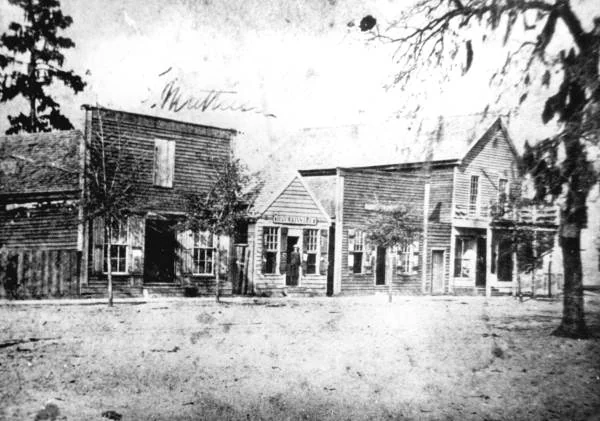
Gainesville Becomes the County Seat
At a meeting at Boulware Springs on September 6, 1853, the county decided to move its seat to a new town near the railroad. By legend, veterans of the Seminole Wars proposed naming the town for General Edmund P. Gaines. The county's timeline puts the move from Newnansville to Gainesville in 1853. The state marker says Newnansville stayed the county seat until 1854, except for some years between 1832 and 1839.
The first courthouse went up in 1856. Madison Starke Perry, a planter from Alachua, was governor of Florida from 1857 to 1861. The town of Archer was incorporated in 1858. The Florida Railroad reached Gainesville in 1859. The county says the railroad opened the interior to settlers and trade.
Sources: Alachua County: Alachua County History; Florida Department of State: Newnansville Town Site historical marker
Next: Chapter 7, The Civil War, Union Academy and Josiah Walls →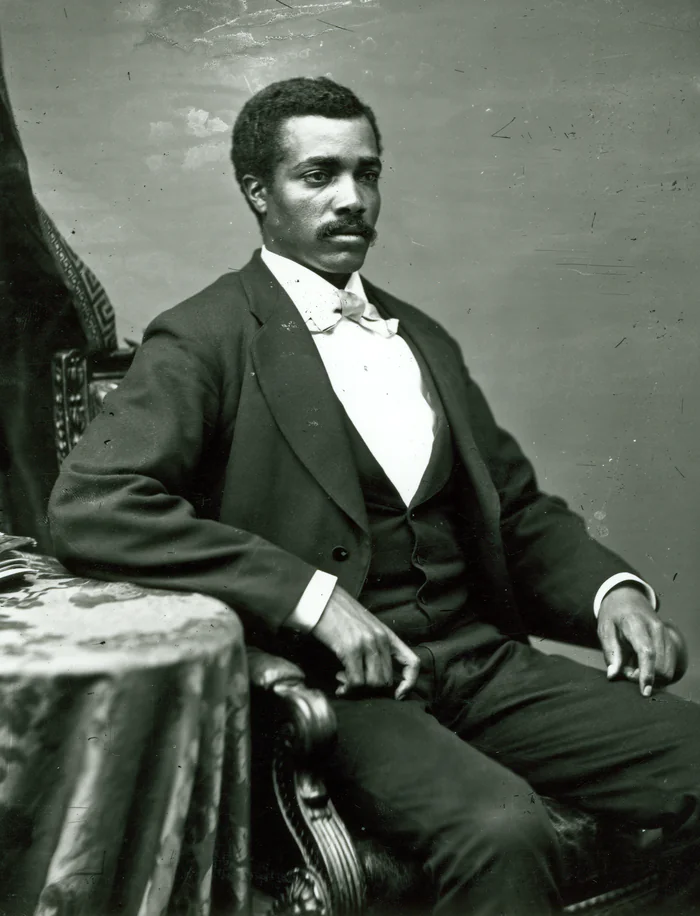
The Civil War, Union Academy and Josiah Walls
During the Civil War, Gainesville was a major supply post for the Confederacy. There was a skirmish in the town on February 14, 1864. During the First Battle of Gainesville, Black residents hurried to help the Union soldiers. A larger battle came on August 17, 1864, when the Confederate leader J. J. Dickison drove off a bigger Union force. In 1865, the Confederate gold train of wagons stopped at David Yulee's plantation in Archer.
During Reconstruction, Black community leaders opened Union Academy in Gainesville with help from the Freedmen's Bureau. It was the first school in the county for Black students and began with 175 of them. The East Florida Seminary, a school for white students that had been in Ocala, reopened in Gainesville in 1866.
In 1868, Josiah T. Walls went to the Florida Constitutional Convention as one of 18 Black delegates. Walls, of Alachua, served in Congress from 1871 to 1876 as the first Black member from Florida. The county's history adds that he served as Gainesville's mayor.
Sources: Alachua County: Alachua County History; Samuel Proctor Oral History Program, University of Florida: A People's History of Gainesville Timeline; University of Florida College of Public Health and Health Professions: History of the University of Florida
Next: Chapter 8, Cotton, Oranges and Phosphate →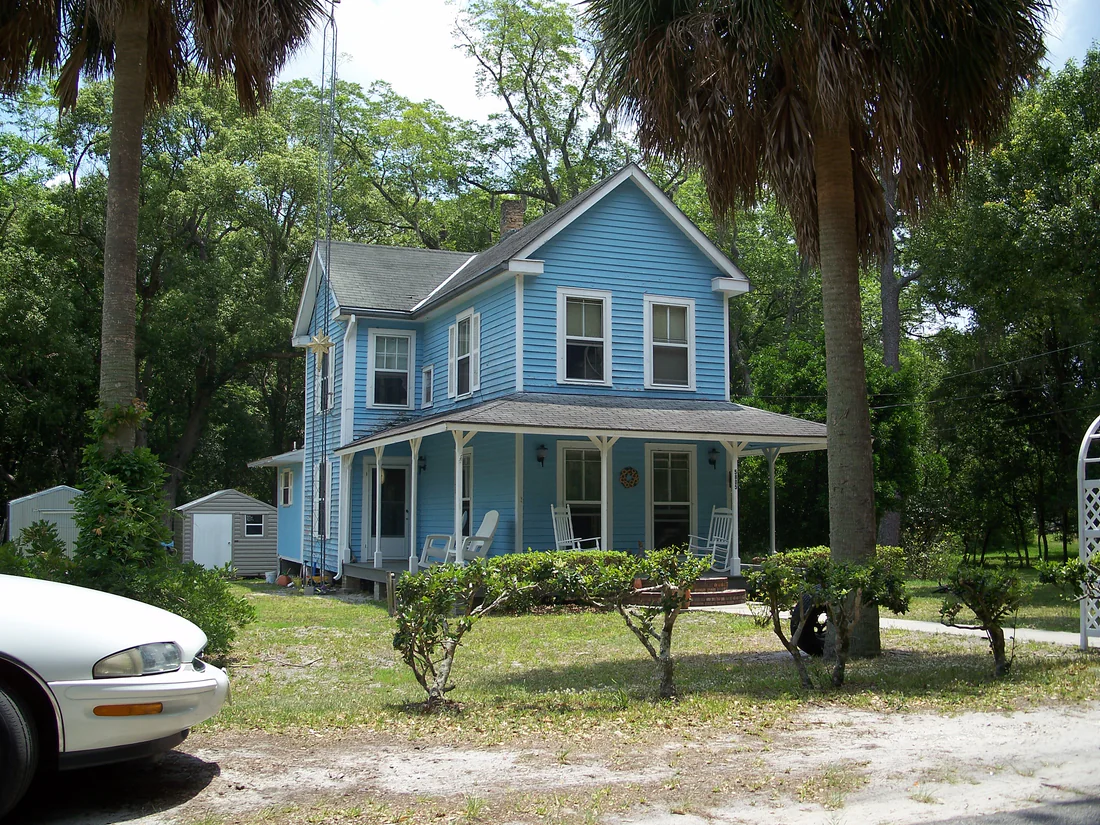
Cotton, Oranges and Phosphate
Around Newnansville, the main crops were corn and cotton, and citrus after the Civil War. In the 1880s, orange groves did well across the county, and Windsor, Melrose and Hawthorne drew many tourists. The Dutton Cotton Ginnery opened in 1882, and the county calls it the largest Sea Island cotton producer in Florida. Phosphate mining became a major industry in 1888.
In 1884, Savannah, Florida and Western Railroad tracks passed Newnansville by, a final blow to the old town. The same year, the city of Alachua was founded on the new railroad line. Fire also destroyed two sides of the Gainesville square that year, and another fire hit its south side in 1886. High Springs and Newberry were founded in the 1890s.
Hard freezes in 1889 and 1895 wiped out the county's orange groves. When World War I began in 1914, shipments of phosphate overseas stopped, and the county says this doomed the industry here. In 1917, the boll weevil destroyed the county's cotton crop.
Sources: Florida Department of State: Newnansville Town Site historical marker; Alachua County: Alachua County History
Next: Chapter 9, The University of Florida, The Yearling and Gatorade →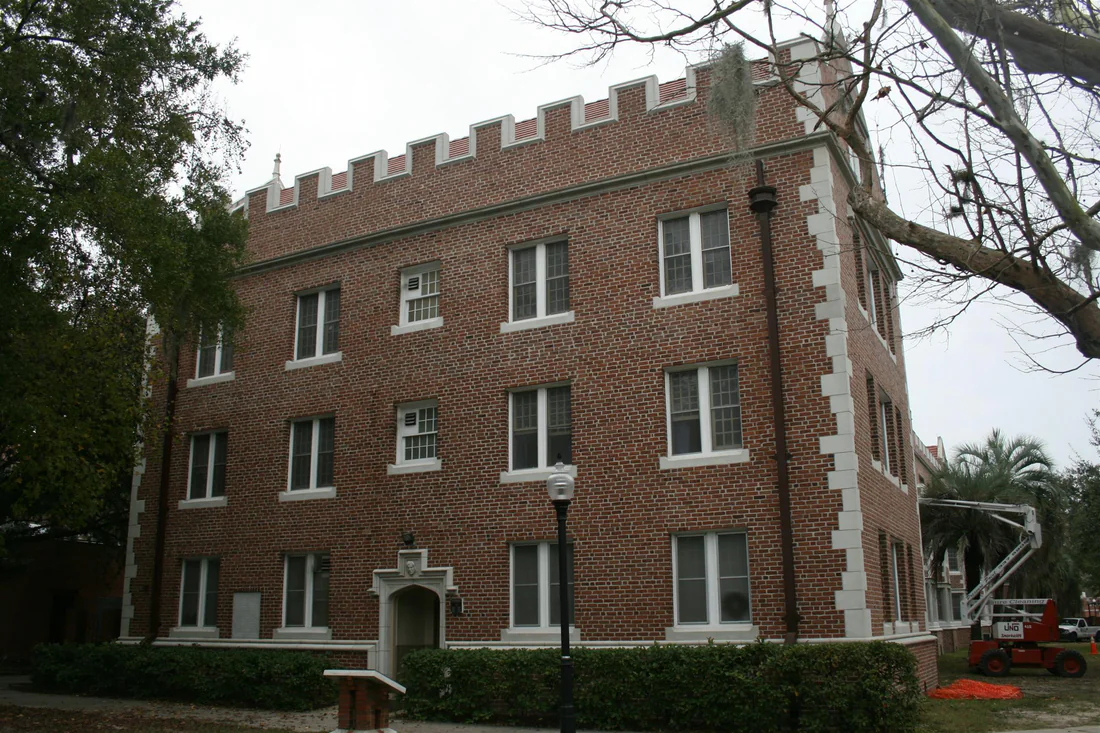
The University of Florida, The Yearling and Gatorade
On June 5, 1905, the Buckman Act reorganized higher education in Florida. It created the University of Florida and placed it in Gainesville. The school moved to Gainesville in June and July of 1906. When it opened, it had 102 students, 15 teachers and two unfinished buildings.
The writer Marjorie Kinnan Rawlings moved to the farm community of Cross Creek in 1928. At her farm, now Marjorie Kinnan Rawlings Historic State Park, she wrote The Yearling and other books. The Yearling won a Pulitzer Prize in 1939.
Florida Field's first game came on November 8, 1930, when Alabama beat the Gators 20 to 0. In 1989, the stadium took the name Ben Hill Griffin Stadium. In 1965, Dr. James Robert Cade, a professor in UF's kidney division, was asked an offhand question that led to Gatorade. His team made a drink to replace the electrolytes that football players lost. Head coach Ray Graves had a batch made for the game against LSU on October 2, 1965, which the Gators won 14 to 7.
Sources: University of Florida Department of Mathematics: Chapter 3: The Early History, 1905 to 1911; University of Florida College of Public Health and Health Professions: History of the University of Florida; University of Florida Libraries: Timetable, UF Builds: The Architecture of the University of Florida; Alachua County: Alachua County History; Florida State Parks: Marjorie Kinnan Rawlings Historic State Park History; Florida State Parks: Marjorie Kinnan Rawlings Historic State Park; Florida Gators: Carter's Corner: The Swamp's 500th Game Is Coming, And Here's How We Got Here; Cade Museum for Creativity and Invention: Our History; U.S. Patent and Trademark Office: Gatorade legacy whets daughter's thirst for 'inventivity'
Next: Chapter 10, Black Schools and Civil Rights →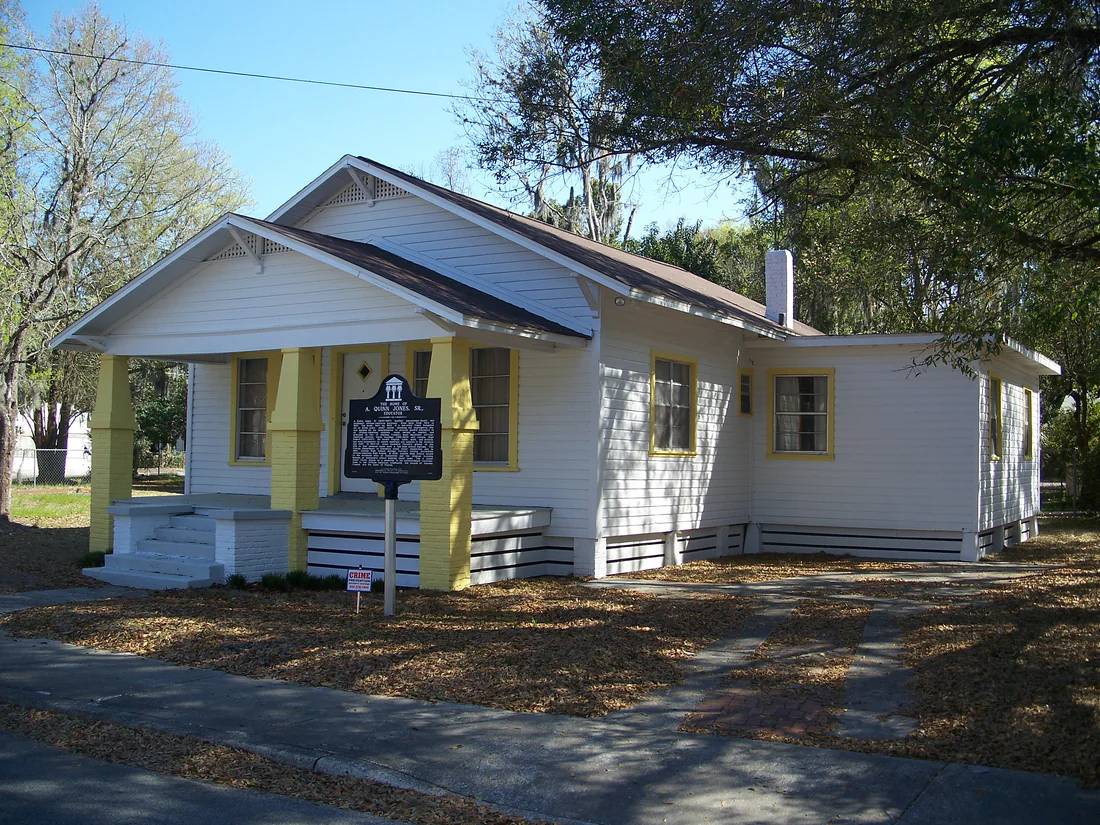
Black Schools and Civil Rights
Educator A. Quinn Jones came to Alachua County in 1921, recruited by school trustee Benjamin Charles. Black community leaders, among them Charles Chestnut Sr. and Charley Duvall, founded Lincoln High School in 1923. Jones led Lincoln as principal from its opening. Its first class graduated in 1925 with eight students.
In 1949, Virgil Hawkins applied to the UF law school and was turned down. His case went to the Florida Supreme Court, which ruled in 1950 that he was qualified but still upheld segregation. In 1950, Sarah McKnight, a Black businesswoman, opened the Cotton Club on Seventh Avenue. It was part of the Chitlin' Circuit, a set of places where Black musicians such as B.B. King and James Brown performed. UF became racially integrated in 1958.
In 1969, Neil Butler won a seat on the City Commission, the first Black member elected since Reconstruction. By January 1970, Lincoln High School had closed, and its class of 1970 had to finish at Gainesville High School. In 1985, Butler became Gainesville's first Black mayor since Reconstruction.
Sources: WCJB: Black History Month Minute: A. Quinn Jones; Samuel Proctor Oral History Program, University of Florida: A People's History of Gainesville Timeline; Alachua County: Alachua County History; University of Florida College of Public Health and Health Professions: History of the University of Florida
Next: Chapter 11, Since 1990: Museums, Bat Houses and Gator Championships →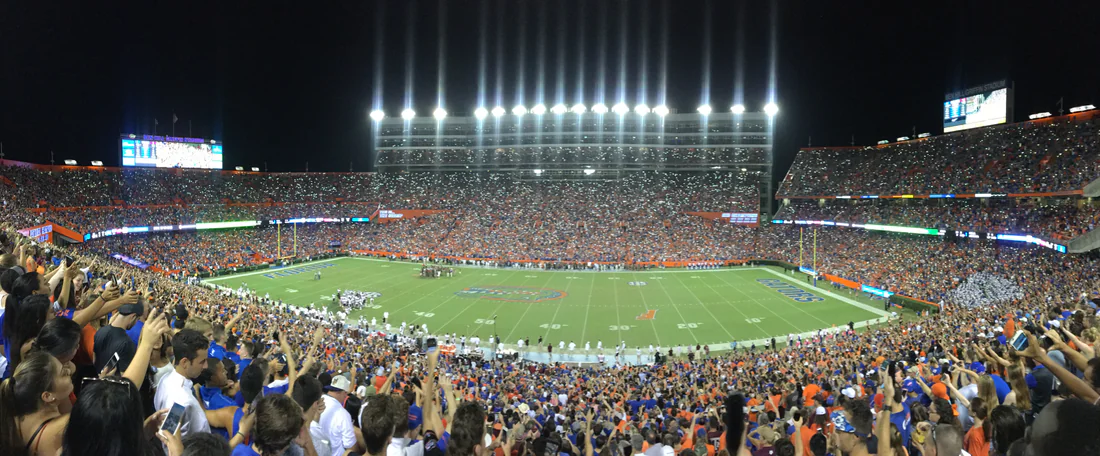
Since 1990: Museums, Bat Houses and Gator Championships
The Harn Museum of Art opened in 1990. The first of the University of Florida Bat Houses went up in March 1991, after a 1987 fire at Johnson Hall left a bat colony without a home. Bats moved in to stay in January 1995, and a bat barn was added in 2010. In 2000, a drought lowered Newnans Lake and uncovered 101 ancient dugout canoes.
The Jones family gave his Pleasant Street bungalow to the city. The A. Quinn Jones Museum and Cultural Center opened there in 2017. The Cotton Club Museum and Cultural Center held its grand opening in 2018. The Cade Museum for Creativity and Invention, begun by Dr. Cade's family foundation, opened in Depot Park on May 19, 2018.
The Gators football team won its first SEC championship in 1991 and a national championship in 1996. In 2016, Steve Spurrier, the coach who named the stadium The Swamp, had his name added to Florida Field. Florida's men's basketball team, champions of the nation in 2006 and 2007, took the NCAA title again in 2025. On April 12, 2025, the new champions were honored at halftime of the Orange and Blue Game in The Swamp, and coach Todd Golden helped unveil their banner.
Sources: Alachua County: Alachua County History; Florida Museum of Natural History: About the Houses, University of Florida Bat Houses; UF News: Dugout canoes exhibit, inspired by record archaeological find, comes to St. Augustine; National Trust for Historic Preservation: Legacies and Legends: A Florida Museum Network Focuses on Black History; Samuel Proctor Oral History Program, University of Florida: A People's History of Gainesville Timeline; Cade Museum for Creativity and Invention: Our History; Florida Gators: Carter's Corner: The Swamp's 500th Game Is Coming, And Here's How We Got Here; Florida Gators: Ben Hill Griffin Stadium Timeline; Florida Gators: Orange & Blue Game Notebook: National Champs Honored, Records Fall, Lagway Update
Next: the whole story, in dates →The whole story, in dates
People make the dugout canoes later found in Newnans Lake.
Hernando de Soto marches through what is now Alachua County.
Spanish missions among the Potano begin, among them Mission San Francisco de Potano.
The Spanish cattle ranch called La Chua is started on Paynes Prairie.
Raids destroy the Spanish ranches and missions.
Creek people from Alabama and Georgia, later called Seminoles, move into the area.
William Bartram visits the Alachua Savanna and meets Cowkeeper.
U.S. soldiers attack Paynes Town and kill King Payne.
The Arredondo Grant gives most of today's county to a Spanish merchant.
Spain gives up Florida to the United States.
Alachua County is created.
Dells becomes the county seat and is renamed Newnansville.
The Second Seminole War begins.
A meeting at Boulware Springs decides to move the county seat near the railroad.
Newnansville stops being the county seat, the state marker says.
The Florida Railroad reaches Gainesville.
J. J. Dickison drives off a larger Union force at Gainesville.
The Confederate gold train stops at David Yulee's plantation in Archer.
Josiah T. Walls serves in Congress.
A railroad passes Newnansville by, and the city of Alachua is founded.
Phosphate mining becomes a major industry.
Hard freezes wipe out the county's orange groves.
The Buckman Act creates the University of Florida in Gainesville.
The University of Florida opens in Gainesville with 102 students.
The boll weevil destroys the county's cotton.
Lincoln High School is founded.
The Gators play their first game at Florida Field.
The Yearling wins a Pulitzer Prize.
Sarah McKnight opens the Cotton Club.
UF becomes racially integrated.
Coach Ray Graves has a batch of Gatorade made for a 14 to 7 win over LSU.
Neil Butler is elected to the City Commission.
Bison from Nebraska are brought to Paynes Prairie.
The Harn Museum of Art opens.
UF builds its first bat house.
A drought uncovers 101 ancient canoes in Newnans Lake.
The Cade Museum for Creativity and Invention opens.
The 2025 national champion basketball team is honored in The Swamp.
Where you can still see it
 01
01Devil's Millhopper Geological State Park
Goes with: Sinkholes, Canoes and the First Peoples
Open the place page →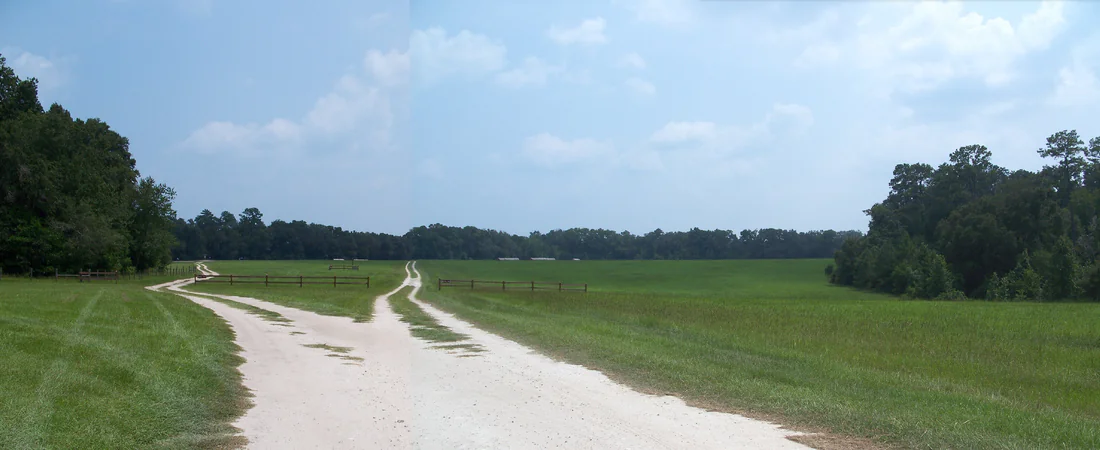 02
02San Felasco Hammock Preserve State Park
Goes with: De Soto, the Missions and La Chua Ranch
Open the place page →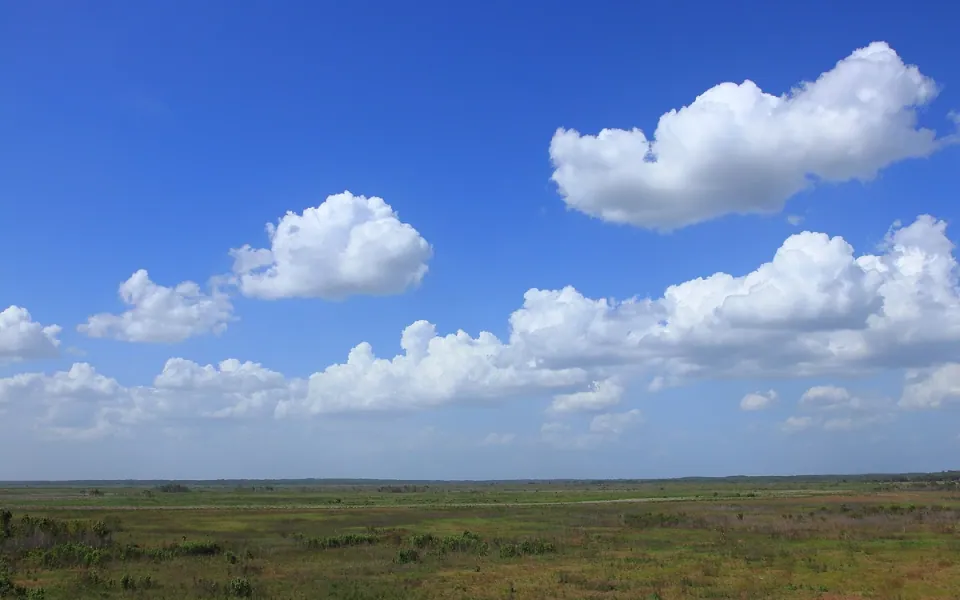 03
03Paynes Prairie Preserve State Park
Goes with: Cowkeeper, Bartram and the Alachua Savannah
Open the place page →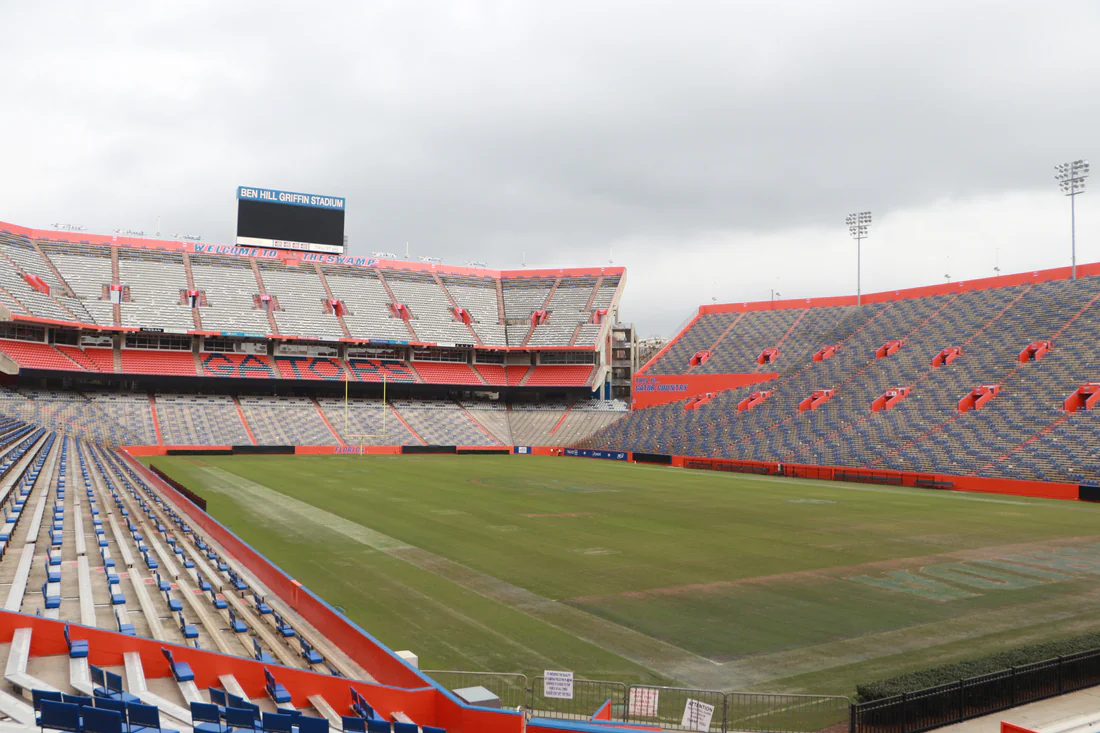 04
04Ben Hill Griffin Stadium
Goes with: The University of Florida, The Yearling and Gatorade
Open the place page →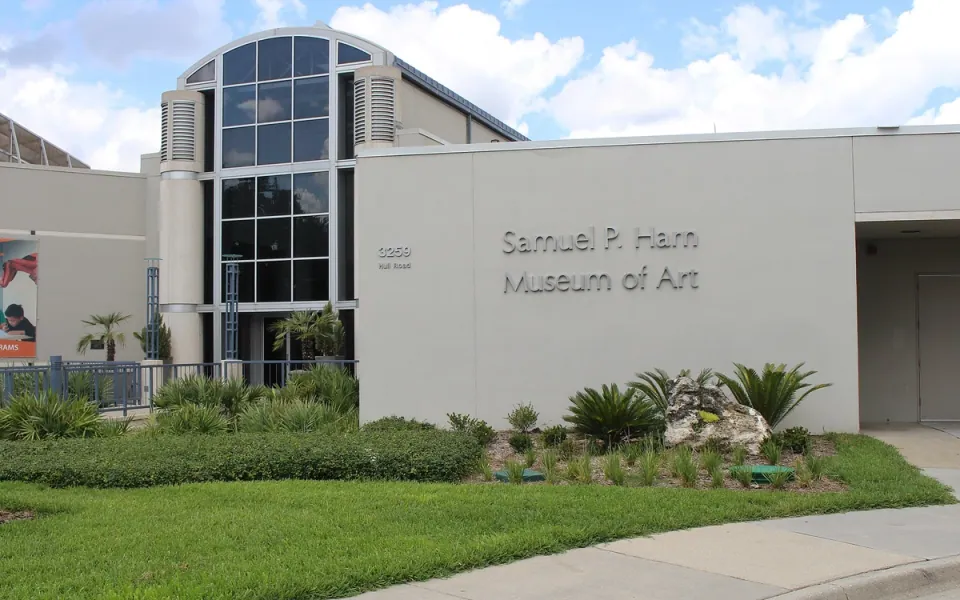 05
05Harn Museum of Art
Goes with: Since 1990: Museums, Bat Houses and Gator Championships
Open the place page →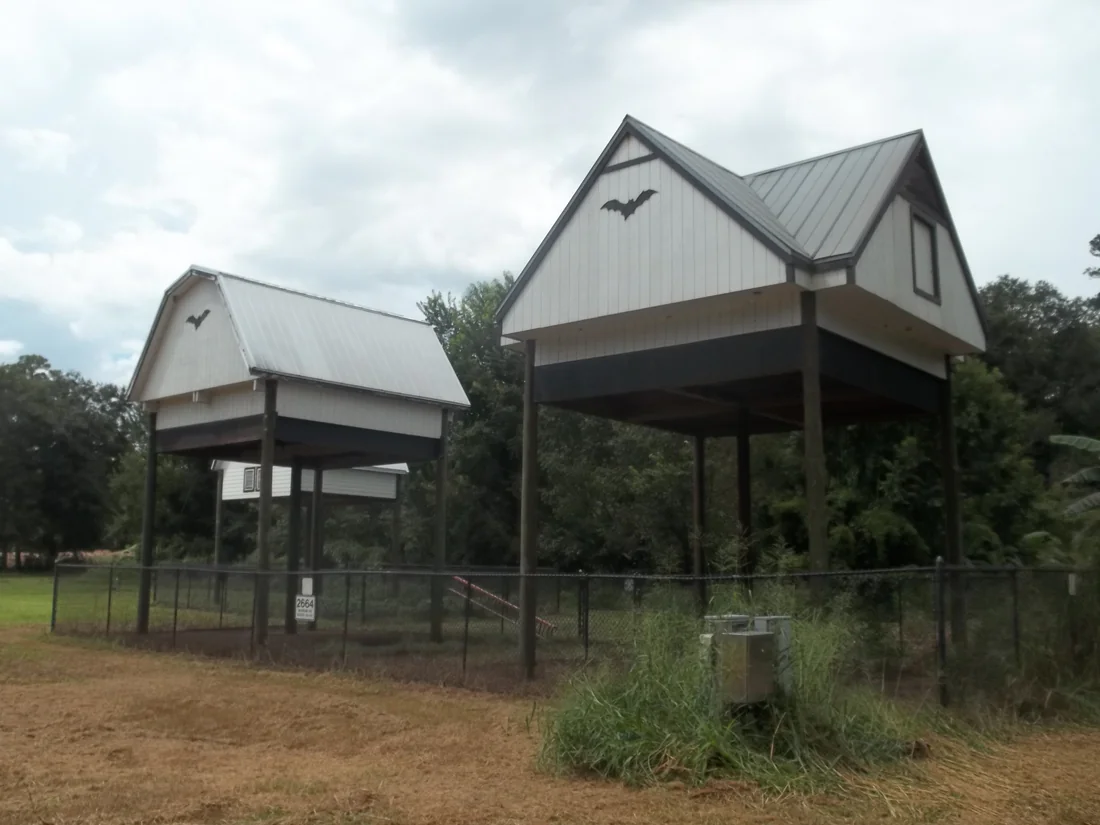 06
06University of Florida Bat Houses
Goes with: Since 1990: Museums, Bat Houses and Gator Championships
Open the place page →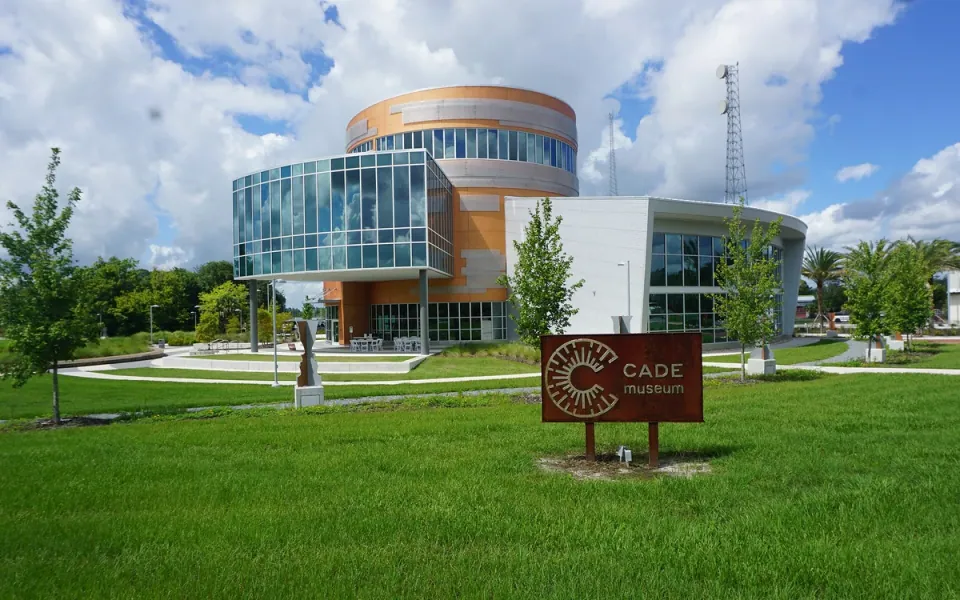 07
07Cade Museum for Creativity and Invention
Goes with: Since 1990: Museums, Bat Houses and Gator Championships
Open the place page →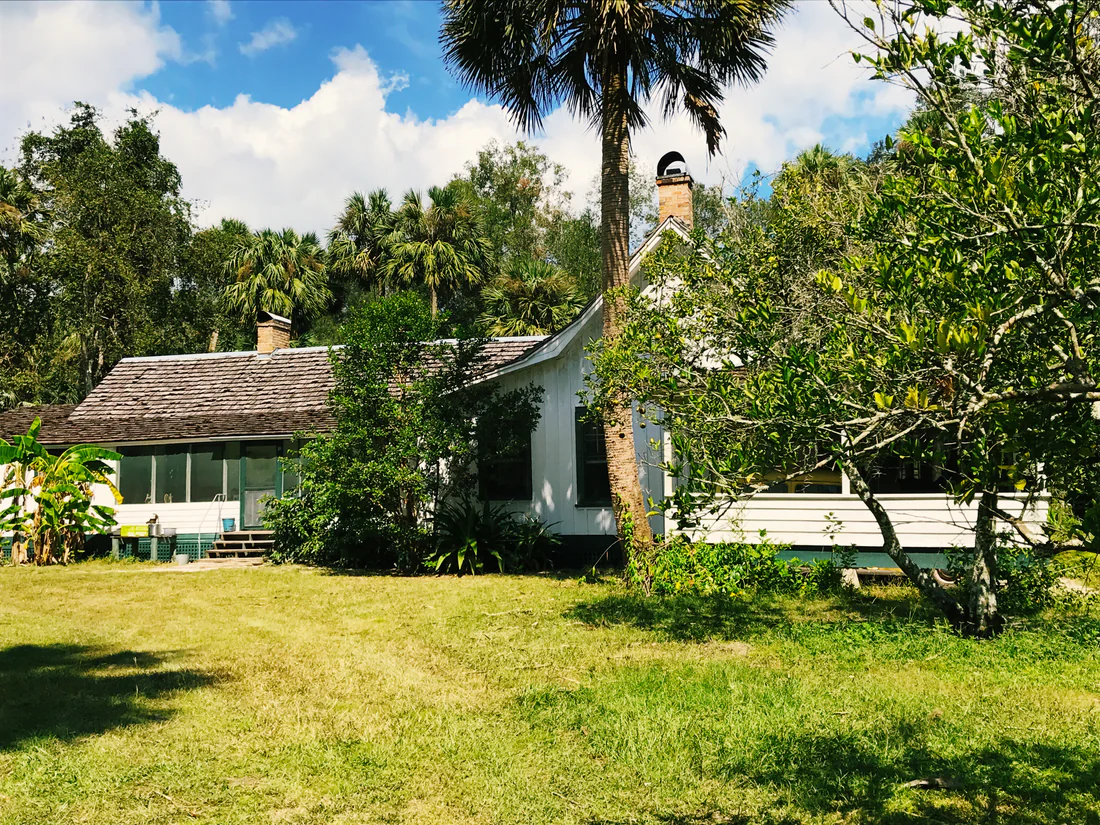 08
08Marjorie Kinnan Rawlings Historic State Park
Goes with: The University of Florida, The Yearling and Gatorade
Marjorie Kinnan Rawlings Historic State Park at Cross Creek →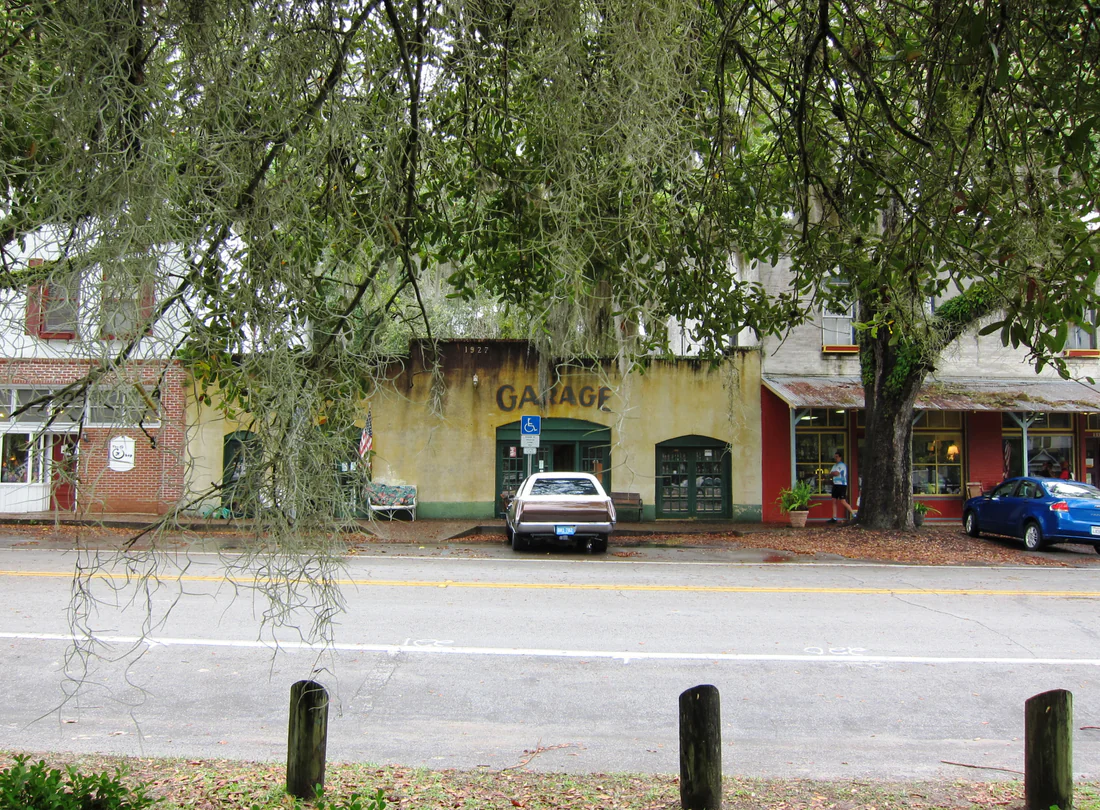 09
09Micanopy historical marker
Goes with: King Payne, the Patriots and Micanopy
the state historical marker for Micanopy →Questions people ask
What does the name Alachua mean?
The county says the name is thought to be the Spanish form of a Timucuan word meaning big jug.
Chapter 5 →Which Alachua County town is called the oldest inland town in Florida?
The county calls Micanopy Florida's oldest inland town.
Chapter 4 →Who was Gainesville named for?
By legend, veterans of the Seminole Wars proposed naming the town for General Edmund P. Gaines.
Chapter 6 →When did the University of Florida open in Gainesville?
The school moved to Gainesville in June and July of 1906 and opened with 102 students, 15 teachers and two unfinished buildings.
Chapter 9 →Where this comes from.
Last updated October 17, 2026.
- Alachua County: Alachua County History ↗ Read October 16, 2026
- Samuel Proctor Oral History Program, University of Florida: A People's History of Gainesville Timeline ↗ Read October 16, 2026
- Florida Department of State: Newnansville Town Site historical marker ↗ Read October 16, 2026
- Florida Department of State: Micanopy historical marker ↗ Read October 16, 2026
- Florida State Parks: Paynes Prairie Preserve State Park History ↗ Read October 16, 2026
- Florida State Parks: Paynes Prairie Preserve State Park ↗ Read October 16, 2026
- Florida State Parks: San Felasco Hammock Preserve State Park ↗ Read October 16, 2026
- Florida State Parks: Devil's Millhopper Geological State Park ↗ Read October 16, 2026
- Florida State Parks: History of Devil's Millhopper ↗ Read October 16, 2026
- Florida State Parks: Marjorie Kinnan Rawlings Historic State Park ↗ Read October 16, 2026
- Florida State Parks: Marjorie Kinnan Rawlings Historic State Park History ↗ Read October 16, 2026
- Florida Museum of Natural History: Florida Sites, Historical Archaeology ↗ Read October 16, 2026
- Florida Museum of Natural History: William Bartram, Artist-Naturalists in Florida ↗ Read October 16, 2026
- Florida Museum of Natural History: Excavation finds clues of cultural blending in Seminole Indian life ↗ Read October 16, 2026
- Florida Museum of Natural History: Tell Me About: The History of Wild Megafauna at Paynes Prairie ↗ Read October 16, 2026
- Florida Museum of Natural History: About the Houses, University of Florida Bat Houses ↗ Read October 16, 2026
- Florida Memory: Florida Cattle Ranching, Earliest American Ranchers ↗ Read October 16, 2026
- Florida Memory: Florida Maps, Then and Now (Wacahoota) ↗ Read October 16, 2026
- Trail of Florida's Indian Heritage: Paynes Prairie Preserve State Park ↗ Read October 16, 2026
- University of Florida Department of Mathematics: Chapter 3: The Early History, 1905 to 1911 ↗ Read October 16, 2026
- University of Florida College of Public Health and Health Professions: History of the University of Florida ↗ Read October 16, 2026
- University of Florida Libraries: Timetable, UF Builds: The Architecture of the University of Florida ↗ Read October 16, 2026
- UF News: Dugout canoes exhibit, inspired by record archaeological find, comes to St. Augustine ↗ Read October 16, 2026
- U.S. Patent and Trademark Office: Gatorade legacy whets daughter's thirst for 'inventivity' ↗ Read October 16, 2026
- Cade Museum for Creativity and Invention: Our History ↗ Read October 16, 2026
- Florida Gators: Ben Hill Griffin Stadium Timeline ↗ Read October 16, 2026
- Florida Gators: Carter's Corner: The Swamp's 500th Game Is Coming, And Here's How We Got Here ↗ Read October 16, 2026
- Florida Gators: Orange & Blue Game Notebook: National Champs Honored, Records Fall, Lagway Update ↗ Read October 16, 2026
- WCJB: Black History Month Minute: A. Quinn Jones ↗ Read October 16, 2026
- National Trust for Historic Preservation: Legacies and Legends: A Florida Museum Network Focuses on Black History ↗ Read October 16, 2026