Pasco County dates from June 2, 1887, the day Hernando County was split into three parts. Long before that, from about 900 to 1500, the Tocobaga people lived in small villages on the north end of Tampa Bay. In the 1920s, a movie star, a well-known golfer and other leading residents hoped that New Port Richey, a city in the county, would become the Hollywood of the East.
This page tells the story in order, from the Tocobaga people to the restored Hacienda Hotel, a snow park in Dade City and the Chasco Fiesta's 100th anniversary, then lists places in the county where you can still see it. The sources for each part are named at the end of that part, and all of them are listed at the bottom of the page.
The first people
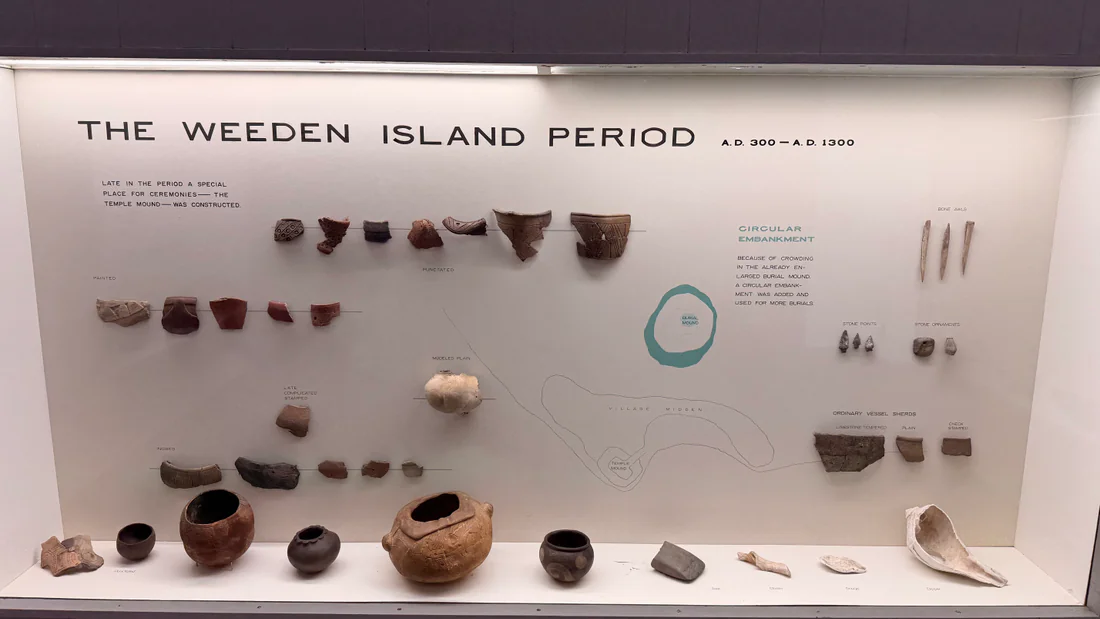
The Tocobaga people had small villages on the north end of Tampa Bay from about 900 to 1500. Archaeologists use the name Safety Harbor Culture for a period of Native life from 1350 to 1513, and traces of it have been found in 12 counties, Pasco among them. At what is now Werner-Boyce Salt Springs State Park, the Tocobaga used the limestone as a quarry for stone tools. No signs of permanent homes have been found there.
A community from the late Weeden Island period was probably settled in Port Richey around A.D. 1000, and the Oelsner Mound is the only thing left of it. S.T. Walker dug at the site for the Smithsonian Institution in 1879, and what he found pointed to a temple mound. In 1983, the Pasco County Commission and the Historic Preservation Committee made it a historic site.
Sources: West Pasco Historical Society: Pasco County Timeline; West Pasco Historical Society: Limestone Carving Dates To Days Of The Timucuans (Tampa Tribune, June 5, 2002); Florida State Parks: History of Werner-Boyce; City of Port Richey: Tour of the City, History and Heritage Day
Next: Chapter 2, Spanish armies pass through →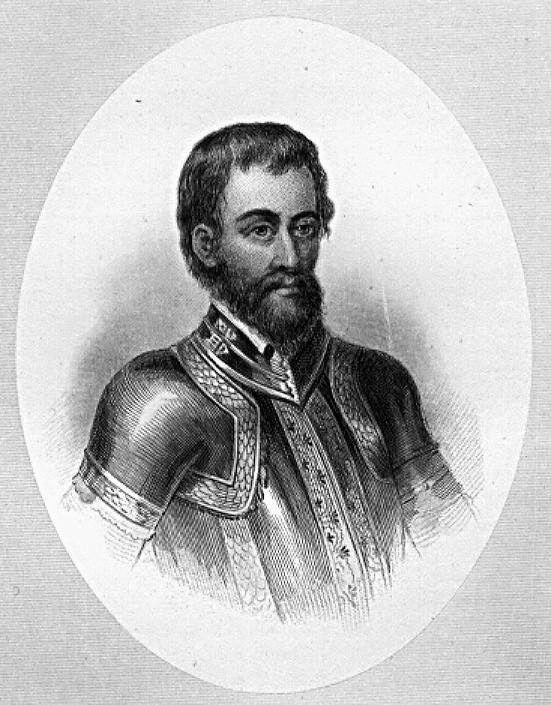
Spanish armies pass through
Panfilo de Narvaez came ashore at Old Tampa Bay in 1528, then marched north across what is now Pasco County. In July 1539, Hernando de Soto's army turned north and found several Native villages in the Dade City area. Many of the villages were empty, but they still held stores of harvested corn. The army made slaves of hundreds of Native people and used them to carry its supplies and equipment.
Leaving the Dade City area, the army moved north to the Withlacoochee River and crossed it. New diseases brought by the Europeans killed many Native people in Florida.
Sources: West Pasco Historical Society: Pasco County Timeline; Historical Marker Database: As Good as Gold (Florida De Soto Trail marker, Dade City); The Laker/Lutz News: Explorer Hernando de Soto traveled through Dade City; West Pasco Historical Society: Limestone Carving Dates To Days Of The Timucuans (Tampa Tribune, June 5, 2002)
Next: Chapter 3, Fort Dade and the Second Seminole War →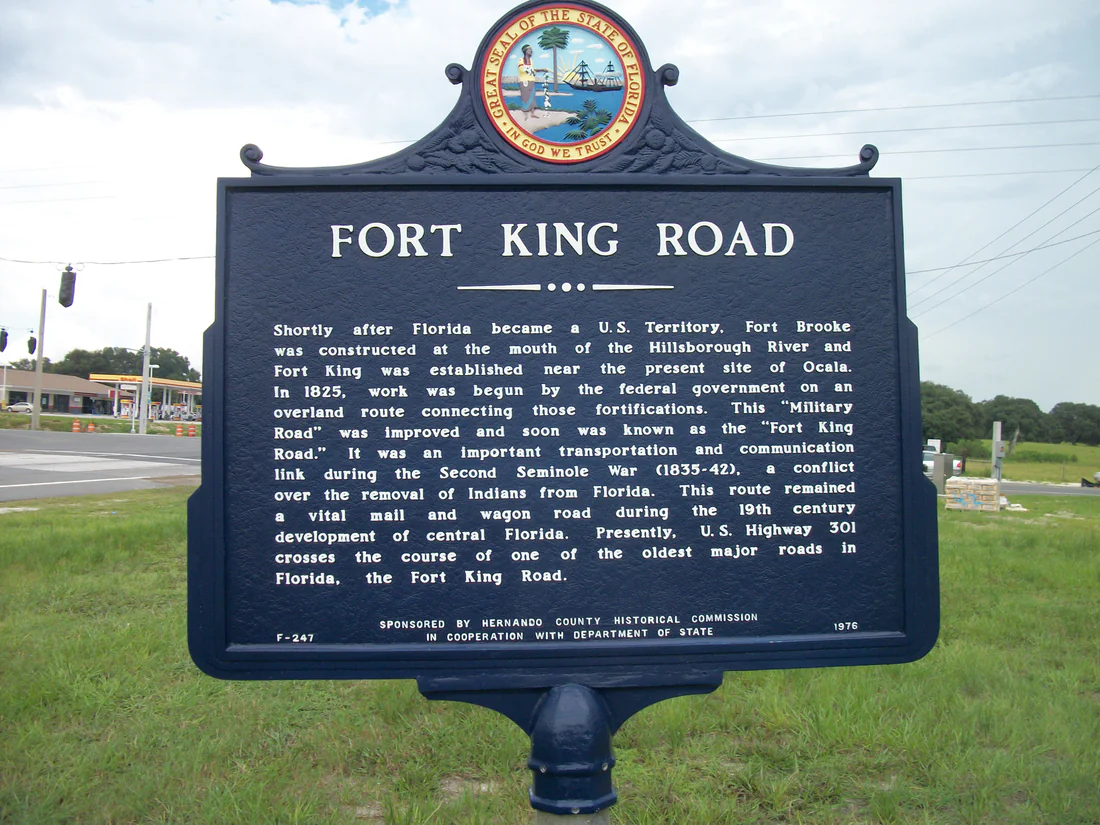
Fort Dade and the Second Seminole War
The Fort King Road was cleared through the area in 1825. The road ran 125 miles between Fort Brooke at Tampa and Fort King at Ocala. Major Francis Langhorne Dade camped beside the road on Christmas Day, 1835, with the 111 men under his command, near where a state marker now stands at Pasco Comprehensive High School in Dade City.
Three days later, about twenty miles farther north, Seminoles fighting against removal to the West ambushed the troops. Dade was killed, and only four of his men survived. The state marker says the Second Seminole War began largely because of this battle.
On December 23, 1836, work started on Fort Dade. Named for Major Dade, the fort stood where the Fort King Road crossed the Withlacoochee River, on the south side of the river. At the fort on March 6, 1837, General Thomas S. Jesup met with Jumper and Alligator, two Seminole leaders. Under the surrender signed there, the Seminoles agreed they would emigrate.
Sources: West Pasco Historical Society: Pasco County Timeline; Florida Department of State: Christmas Day, 1835 (historical marker); Florida Department of State: Fort Dade (historical marker)
Next: Chapter 4, Settlers, salt and Freedtown →
Settlers, salt and Freedtown
In the early 1800s, cattle grazing and turpentine work were common on the land that is now Werner-Boyce Salt Springs State Park. In 1842, Jacob Wells came from Madison County and built a house near Riggs Hammock, where a community named Prospect grew up. A post office named Fort Dade opened on January 2, 1845. Florida became the 27th state on March 3, 1845.
On the land that is now the state park, settlers found the salt springs through their grazing cattle. A salt works operated at the Salt Springs, a short way north of Port Richey, during the Civil War. Salt was an important supply for the Confederates. Florida State Parks says these were among the few salt works in Florida that Union soldiers never took apart. Soldiers looking for them would have had to row up to a mile inland.
Freed slaves settled on 200 acres to the south of Lake Buddy in 1866 and called the place Freedtown. One of them, a former slave named Benjiman Baisden, founded the town. Freedtown had a school for Black children, and Baisden was its superintendent. The Baisden family gave one acre for a church, which once had a cemetery.
Sources: Florida State Parks: History of Werner-Boyce; West Pasco Historical Society: Pasco County Timeline; WFLA: Freedtown, the town that vanished in Pasco County
Next: Chapter 5, New towns on the coast and in the hills →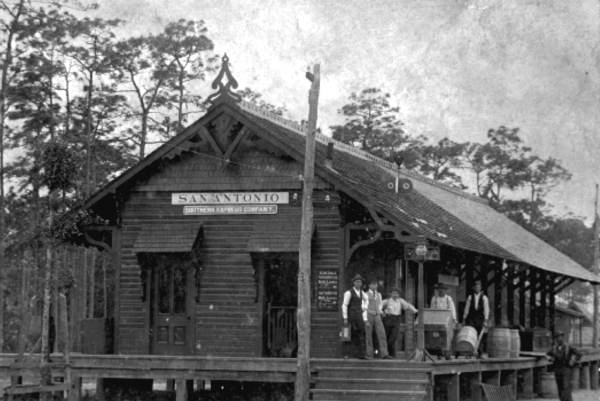
New towns on the coast and in the hills
In 1867, the brothers Frederick and Franklin B. Meyer founded the community of Anclote. About 1878, Isaac W. Hudson and his family moved to the place now called Hudson. Captain Aaron Richey settled at Port Richey, and in 1883 he gave it the name Richey Point. Offshore, the Anclote Keys lighthouse was first lit on September 15, 1887.
Two men climbed a hill covered in pine trees on February 15, 1882, in what was then southern Hernando County. One was Edmund F. Dunne, who had been chief justice of Arizona Territory, and the other was Captain Hugh Dunne, his cousin. Judge Dunne planned a Catholic colony, set its center a short way southwest of Lake Jovita, and named its town San Antonio, after St. Anthony of Padua.
In 1889 Dunne gave his own land to the Order of St. Benedict, and Father Charles Mohr then led a group of monks there to found a monastery. The Town of St. Leo says Florida's oldest Catholic college was started in 1889, in keeping with the Benedictine practice of promoting education. On June 4, 1891, St. Leo was incorporated as a town, and it calls itself Pasco County's oldest incorporated municipality. In 1902 the monastery was made an abbey, and Father Charles was its first abbot.
Sources: West Pasco Historical Society: Pasco County Timeline; City of Port Richey: Tour of the City, History and Heritage Day; City of San Antonio: Our History; Town of St. Leo: Community
Next: Chapter 6, Railroads and a new county →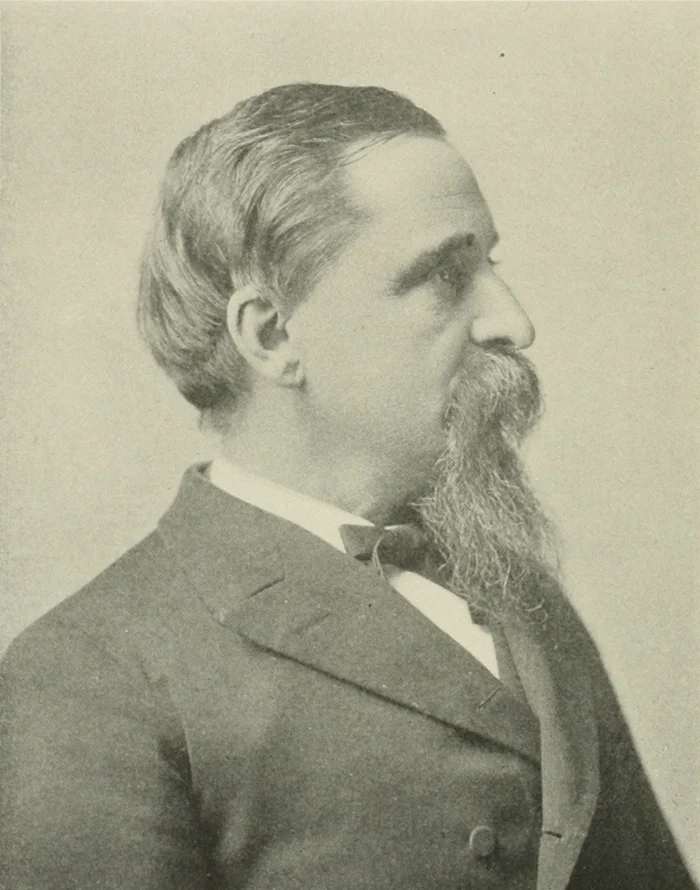
Railroads and a new county
The Hatton post office took the name Dade City on December 18, 1884. On September 14, 1885, a Florida Central and Peninsular Railway train became the first regular train to pass through Dade City. In 1887, the Plant System railroad reached Pasco County. Also in 1887, Peter Demens, an immigrant from Russia, built his narrow-gauge Orange Belt Railway as far as Macon, the town later named Trilby. On February 13, 1888, San Antonio saw its first Orange Belt passenger train.
The Florida Legislature created Pasco County on June 2, 1887, by splitting Hernando County into three parts, with Citrus County in the north and Pasco in the south. Governor Edward A. Perry signed the bill into law that day. Members of the legislature did not like the original name, so the county was named for Samuel Pasco. On May 19, 1887, the legislature had elected Pasco, then Speaker of the Florida House, to the U.S. Senate. Born in London in 1834, he served in the Confederate Army, and in 1863 he was wounded and captured.
The first meeting of the new Board of County Commissioners was held on July 18, 1887. The act named Dade City as a temporary county seat for two years. On April 11, 1889, Dade City received 432 votes and won the election for county seat. The Tampa Morning Tribune reported on May 11, 1909, that the contract for a new county courthouse had gone to Mutual Construction Co. of Louisville, Kentucky. A state marker at the courthouse long gave the wrong creation date, May 12, 1887, and a new marker with the June 2 date went up in 2022.
Sources: West Pasco Historical Society: Pasco County Timeline; West Pasco Historical Society: Trilby, Railroad boom town; Pasco County: History of Pasco County (FY 2022 Adopted Budget); The Laker/Lutz News: Setting Pasco County's historic record straight
Next: Chapter 7, Freezes, sawmills and a veterans' colony →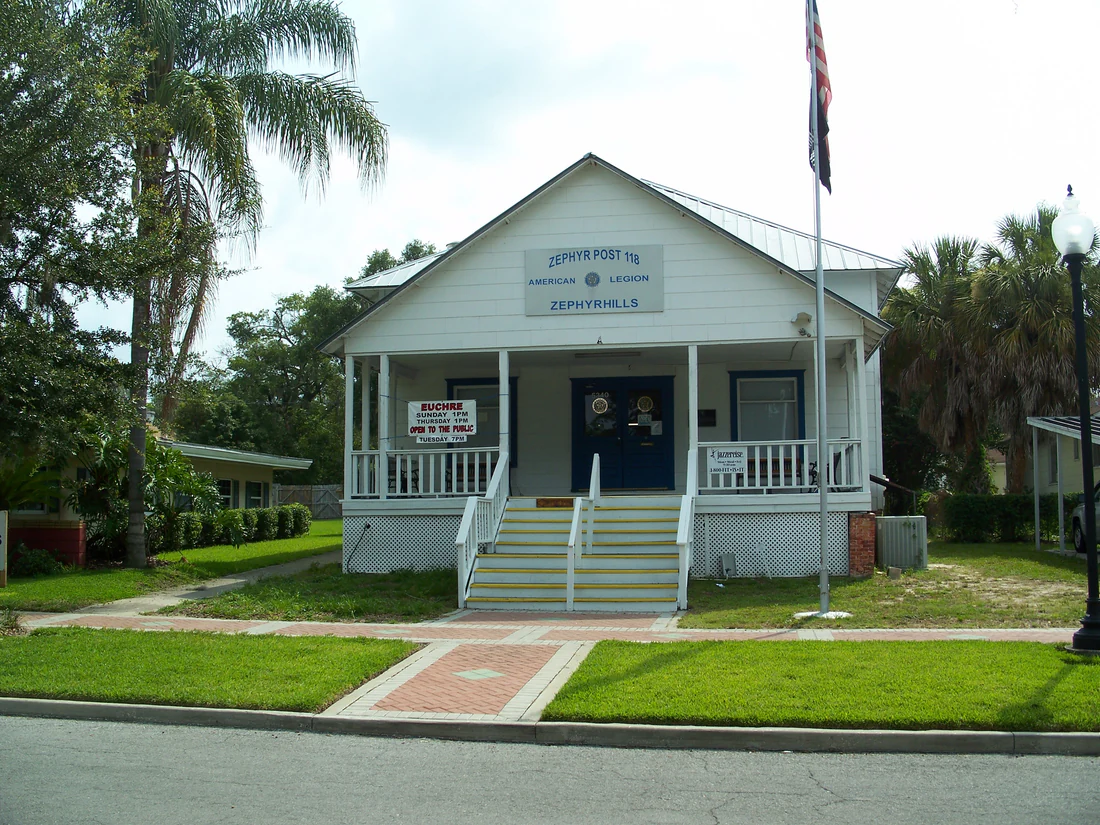
Freezes, sawmills and a veterans' colony
The town of Pasadena grew citrus and was known for its wealth up to the Great Freeze of 1895, says the Pasadena Church marker in Dade City. Freezes on December 27, 1894, and in February 1895 killed the crops at Freedtown, and almost everyone there moved away. Freedtown's AME church moved to Dade City and became Mt. Zion AME. At Chipco, many citrus groves died in the Great Freeze of 1895, and the lumber and turpentine trade suffered once the virgin pine forests were used up. By 1909, most maps no longer showed Chipco.
A 1902 account said several hundred boats worked the famous sponge-fishing grounds off Pasco County's rocky coast. In 1904, the Aripeka Saw Mills opened at Fivay, a town in the Hudson area. The mill had as many as 1,500 workers at its busiest, and most were unskilled Black men earning $1.50 a day. The mill closed in 1912, and Fivay was abandoned soon afterward. The Cummer Sons Cypress Company built a sawmill at Lacoochee in 1922.
Macon became Trilby in January 1902, when the Post Office Department stopped using the name Macon. In February 1909, Captain Howard B. Jeffries of Pennsylvania, himself a Civil War veteran, chose Abbott as the place for a colony of Union veterans of that war. On May 31, 1910, the post office at Abbott took the name Zephyrhills. Tampa and Gulf Coast Railroad trains began running to Elfers in 1913 to haul citrus. Built in 1927, the Atlantic Coast Line depot at Zephyrhills had segregated waiting rooms.
Sources: Historical Marker Database: Pasadena Church; WFLA: Freedtown, the town that vanished in Pasco County; Florida Department of State: Chipco Township (historical marker); West Pasco Historical Society: Pasco County Timeline; West Pasco Historical Society: Black History; West Pasco Historical Society: Trilby, Railroad boom town; Florida Department of State: Zephyrhills Railroad Depot (historical marker)
Next: Chapter 8, The Gulf coast in the 1920s →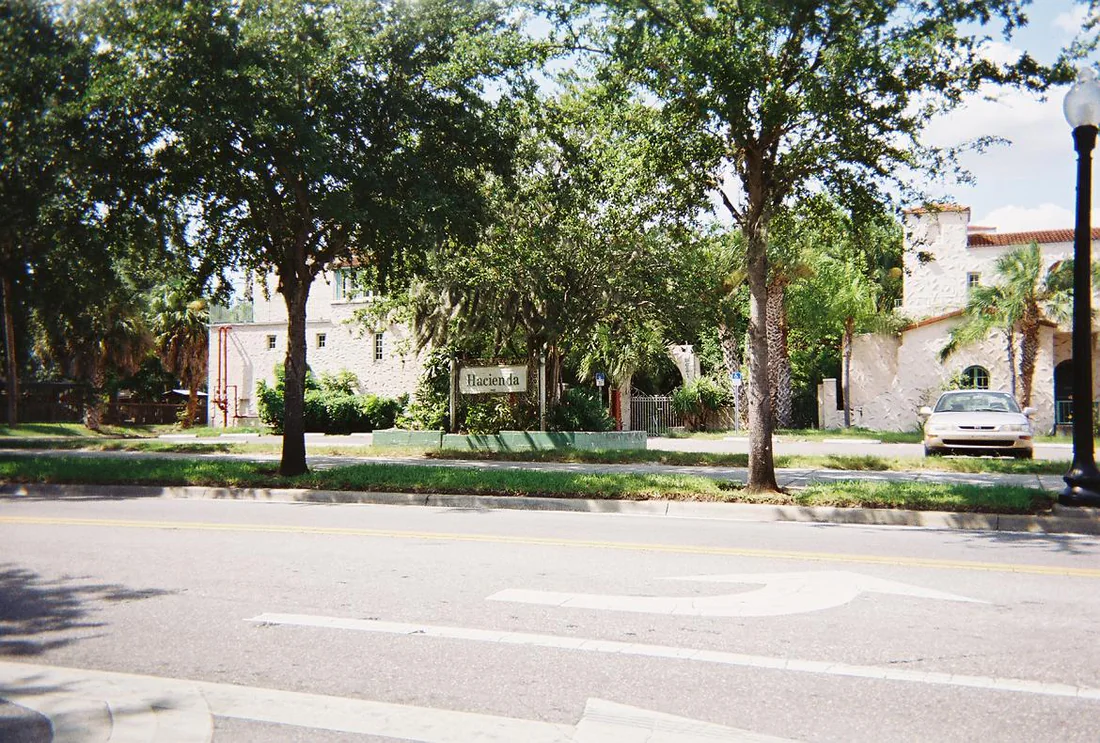
The Gulf coast in the 1920s
On October 27, 1924, New Port Richey residents voted 201 to 4 for incorporation, and they picked Elroy M. Avery to be the first mayor. Port Richey became a town on May 18, 1925, when Governor John W. Martin signed the act that created it. In the 1920s, the golfer Gene Sarazen, the movie star Thomas Meighan, and other leading residents hoped New Port Richey would become the Hollywood of the East. Meighan and Sarazen each built a house there.
In 1926, a theater named for Meighan opened. The Hacienda Hotel formally opened on February 17, 1927. Black men supplied the labor for some of the town's best-known buildings, among them the Hacienda and the Meighan Theatre. The Great Depression, which began in 1929, ended the Hollywood of the East idea, according to the West Pasco Historical Society's president, Mario Caruso. Flooding and strong winds from the Labor Day Hurricane did wide damage across western Pasco County on September 3 and 4, 1935.
Sources: West Pasco Historical Society: Pasco County Timeline; West Pasco Historical Society: Hollywood of the East; Spectrum Bay News 9: Could New Port Richey Have Rivaled Hollywood?; West Pasco Historical Society: Black History
Next: Chapter 9, Segregation and the schools →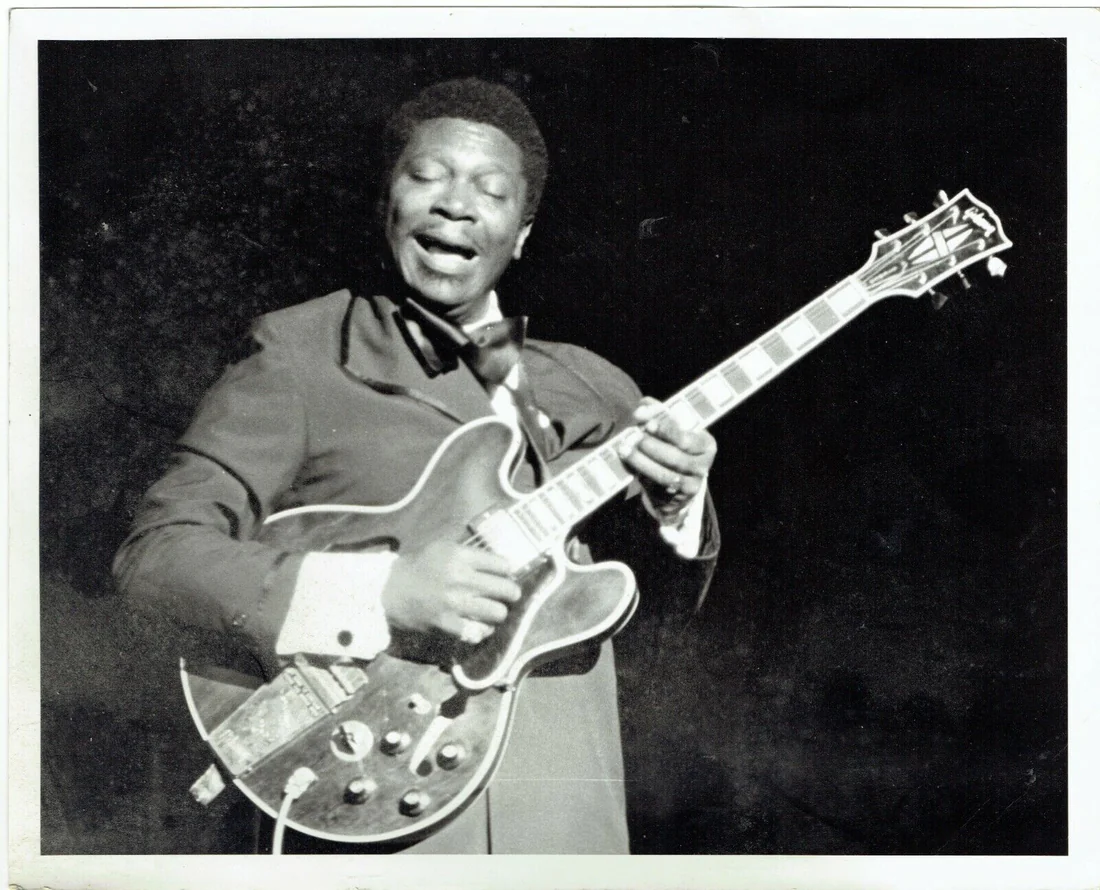
Segregation and the schools
In 1924, a trainload of Black families from Georgia came to New Port Richey to find jobs. Black men worked picking oranges, cutting railroad ties, crushing rock, and building roads and bridges. People reported signs around town that ordered Black residents to leave by sundown. Black students in the area went to the Booker T. Washington School from 1924 on. It closed in 1967, when integration moved its students into the white schools.
Dade City's Moore High School was renamed Mickens High School, according to school board minutes from March 15, 1956. O. K. Mickens had arrived in Dade City in 1933 to be principal of Moore Academy. In January 1970, Pasco County's school board approved a plan to end the separate Black and white school systems by September 1. The board also chose to move the students of Moore Elementary, an all-Black school, to other elementary schools.
The Cow Palace was built in 1957 as a club in Carver Heights, an African American neighborhood of Dade City. The club was a stop on the Chitlin' Circuit, which was a network of venues for African American music across the Southeast. James Brown, Ray Charles, B.B. King, and Buddy Guy were among the performers who played there.
Sources: West Pasco Historical Society: Black History; West Pasco Historical Society: Black Schools in Dade City, Florida; Florida Department of State: The Cow Palace (historical marker)
Next: Chapter 10, War, storms and growth →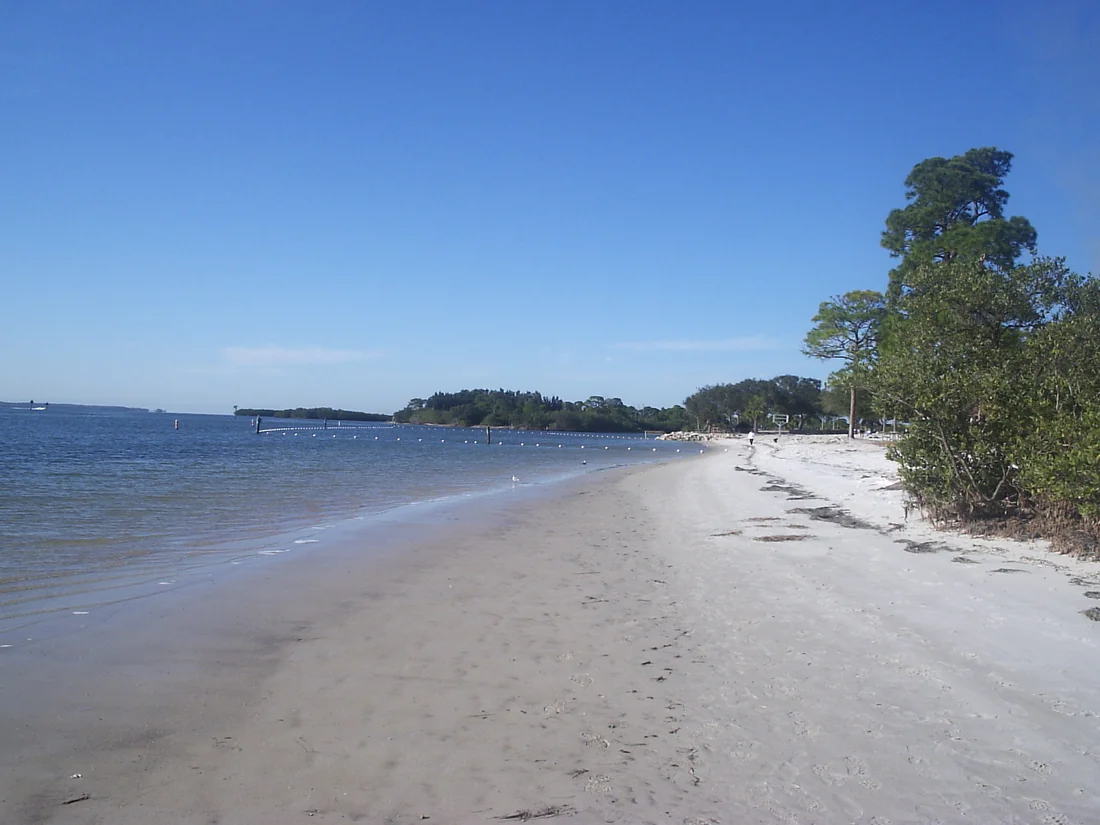
War, storms and growth
During World War II, planes bound for Europe tested their weapons over the land that is now Werner-Boyce Salt Springs State Park. Many of the park's small ponds began as craters made by bombs from those planes. When the Anclote River bridge collapsed on December 17, 1968, one person was killed and five others were hurt.
Marvin Rose of the Rose Residential Reports, cited by the West Pasco Historical Society, says growth in the 1970s came from working-class Northerners who bought land for their retirement homes. In 1979, New Port Richey got the West Pasco Government Center, and Dade City got an identical building to use as a courthouse. On March 13, 1993, a tropical storm sent water 9 feet deep or more into homes and businesses on the western Pasco coast. The Suncoast Parkway opened on February 4, 2001, linking State Road 50 with the Veterans Expressway to the south.
Sources: Florida State Parks: History of Werner-Boyce; West Pasco Historical Society: Pasco County Timeline
Next: Chapter 11, Since 2001: the Hacienda Hotel, a snow park and the Chasco Fiesta's 100th anniversary →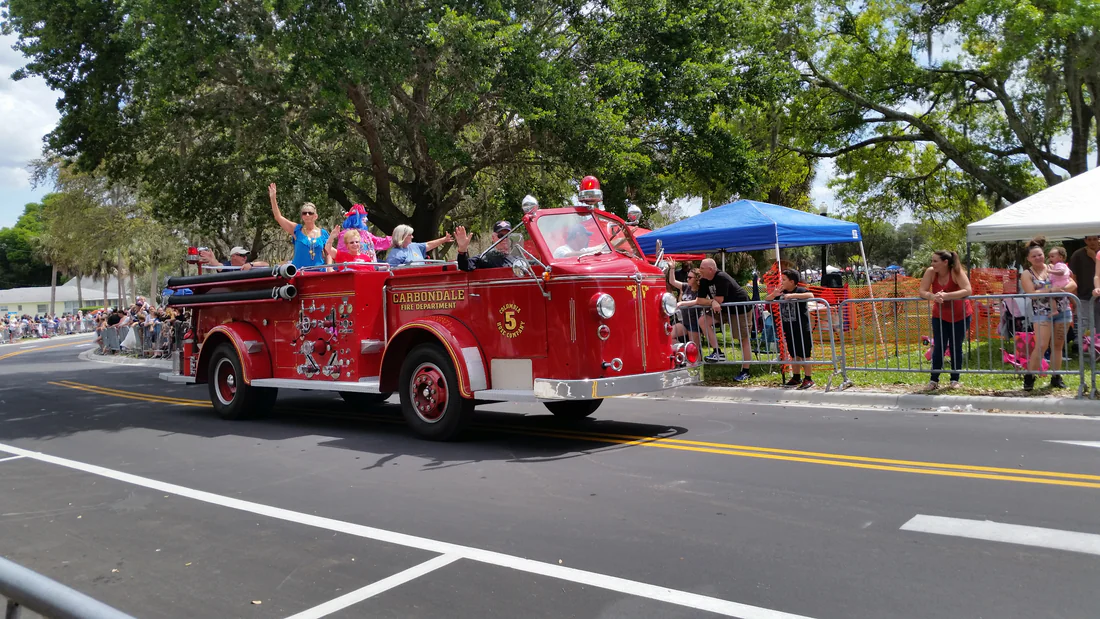
Since 2001: the Hacienda Hotel, a snow park and the Chasco Fiesta's 100th anniversary
On August 12, 2003, New Port Richey's city council voted to buy the Hacienda Hotel. The city approved a lease with James Gunderson in June 2018 so that he could restore it. The Hacienda reopened as a restored hotel in 2022. It is listed in the National Register of Historic Places.
SunWest Park in Hudson opened over the Fourth of July weekend in 2015. It has a beach on a spring-fed lake, in what was once a limestone mine. Snowcat Ridge Alpine Snow Park opened in Dade City on November 20, 2020. Bay News 9 called it the first snow park in Florida. The park opened with a snow tubing hill 60 feet tall.
On March 25, 2022, the Chasco Fiesta opened in downtown New Port Richey. The festival was first held in 1922, so 2022 marked its 100th anniversary. By then, its yearly events included a street parade, a boat parade, a Native American festival and a carnival.
Sources: West Pasco Historical Society: Hacienda Hotel; The Boston Globe: A pastel past lingers in this Gulf Coast getaway; The Laker/Lutz News: Sunny times at SunWest Park; Tampa Bay Times: Pasco mulls takeover of SunWest Park; NatureCoaster.com: SunWest Park Adventures: Now & Then; Bay News 9: SunWest Park continuing to attract families, visitors after recent renovations; Bay News 9: Snowcat Ridge Florida Snow Park Opens; The Laker/Lutz News: Chasco Fiesta celebrates 100 years; Bay News 9: Chasco Fiesta returns after a two-year hiatus
Next: the whole story, in dates →The whole story, in dates
The Tocobaga have small villages on the north end of Tampa Bay.
A community probably forms at the site of the Oelsner Mound in Port Richey.
Panfilo de Narvaez marches north across land that is now Pasco County.
Hernando de Soto's army finds Native villages in the Dade City area.
The Fort King Road is cut through the area.
Major Francis Langhorne Dade camps with 111 men beside the Fort King Road.
General Thomas S. Jesup meets Seminole leaders at Fort Dade.
Florida becomes the 27th state.
A salt works runs a short way north of Port Richey, at the Salt Springs.
Freed slaves settle Freedtown, south of Lake Buddy.
Edmund F. Dunne and his cousin climb a hill covered in pines, then part of Hernando County.
Captain Aaron Richey names his settlement Richey Point.
The first regular Florida Central and Peninsular Railway train runs through Dade City.
Governor Edward A. Perry signs the bill that creates Pasco County.
The Anclote Keys lighthouse shows its light for the first time.
Dade City wins the election for county seat.
St. Leo is incorporated as a town.
A freeze hits Florida, the first of two that kill the crops at Freedtown.
The Aripeka Saw Mills open at Fivay.
The post office at Abbott takes the name Zephyrhills.
The Cummer Sons Cypress Company builds a sawmill at Lacoochee.
A trainload of Black families from Georgia comes to New Port Richey for work.
Residents vote to incorporate New Port Richey.
The Hacienda Hotel formally opens.
Flooding and strong winds from the Labor Day Hurricane do wide damage in western Pasco County.
The Cow Palace club is built in Carver Heights.
The Booker T. Washington School closes as its students are integrated.
The West Pasco Government Center and an identical Dade City courthouse are built.
A tropical storm floods coastal western Pasco.
The Suncoast Parkway opens.
New Port Richey's city council votes to buy the Hacienda Hotel.
SunWest Park opens in Hudson.
Snowcat Ridge Alpine Snow Park opens in Dade City.
The restored Hacienda Hotel reopens.
The Chasco Fiesta opens in the year of its 100th anniversary.
Where you can still see it
 01
01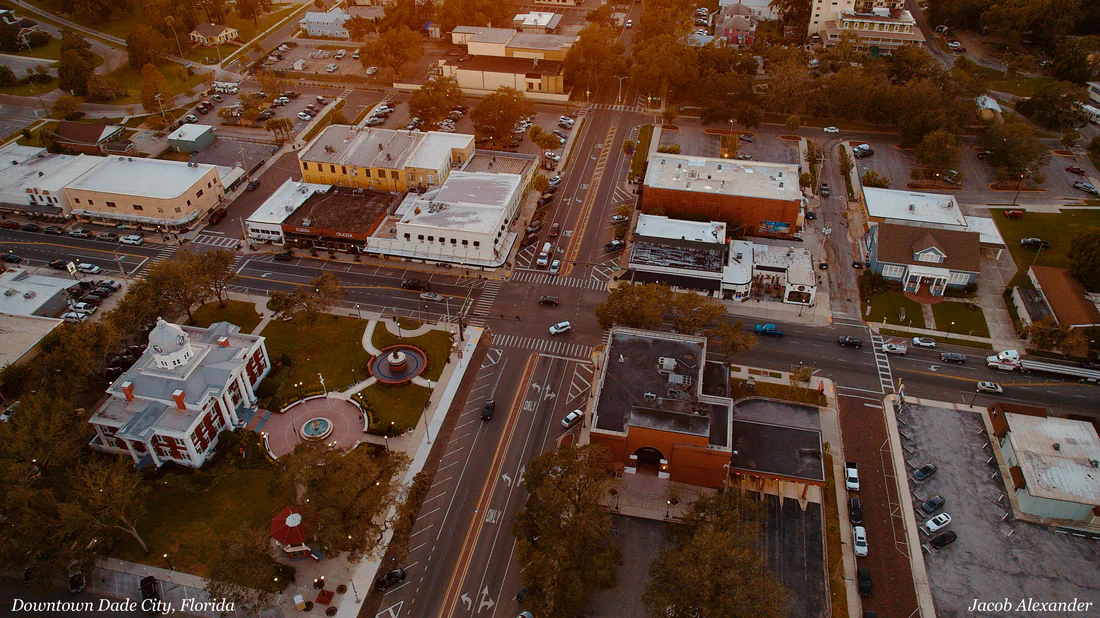 02
02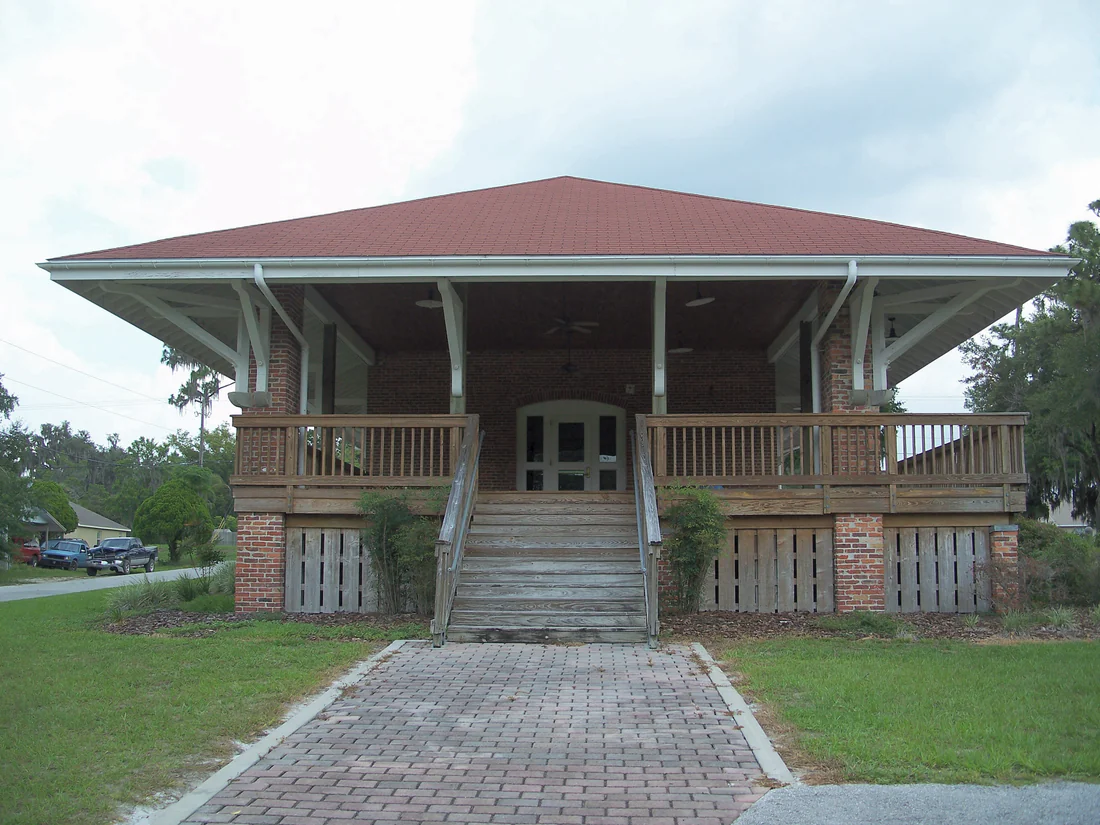 03
03Zephyrhills Railroad Depot
Goes with: Freezes, sawmills and a veterans' colony
Read the state marker →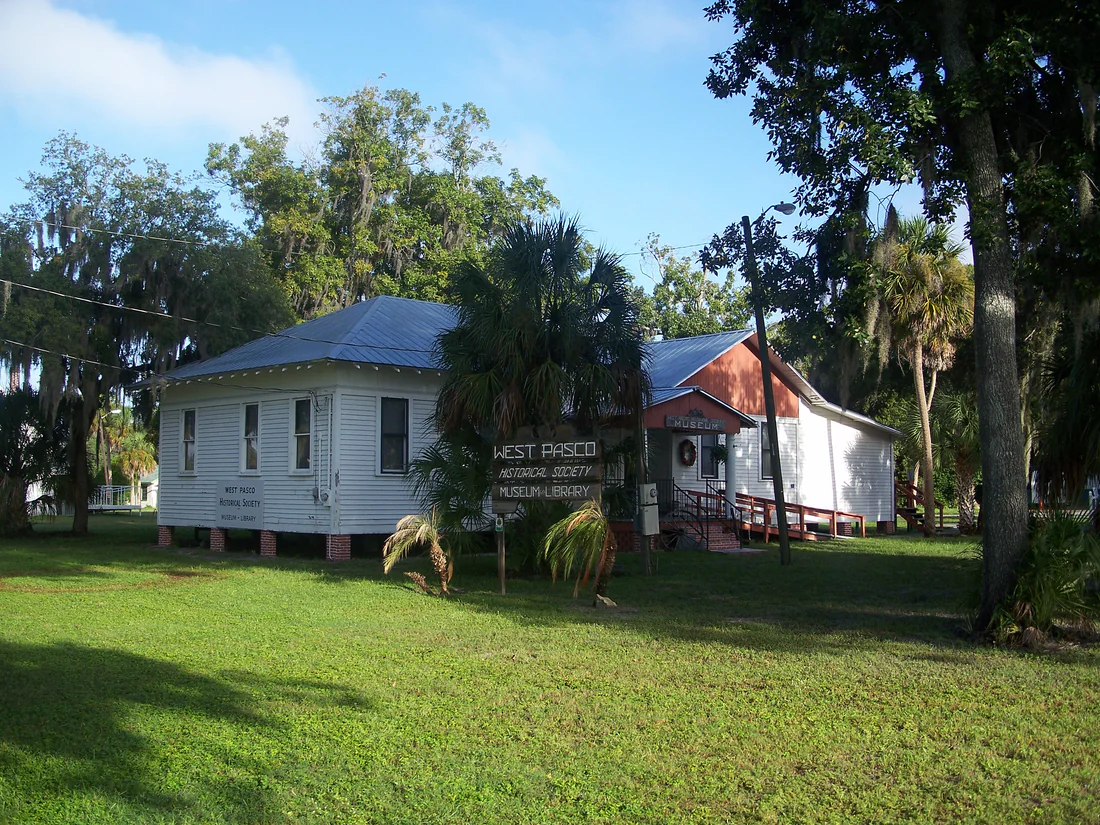 04
04West Pasco Historical Society Museum and Library
Goes with: The Gulf coast in the 1920s
Visit the museum's website →Where this comes from.
- Pasco County: History of Pasco County (FY 2022 Adopted Budget) ↗ Read October 15, 2026
- West Pasco Historical Society: Pasco County Timeline ↗ Read October 15, 2026
- West Pasco Historical Society: Limestone Carving Dates To Days Of The Timucuans (Tampa Tribune, June 5, 2002) ↗ Read October 15, 2026
- Florida State Parks: History of Werner-Boyce ↗ Read October 15, 2026
- City of Port Richey: Tour of the City, History and Heritage Day ↗ Read October 15, 2026
- Historical Marker Database: As Good as Gold (Florida De Soto Trail marker, Dade City) ↗ Read October 15, 2026
- The Laker/Lutz News: Explorer Hernando de Soto traveled through Dade City ↗ Read October 15, 2026
- Florida Department of State: Christmas Day, 1835 (historical marker) ↗ Read October 15, 2026
- Florida Department of State: Fort Dade (historical marker) ↗ Read October 15, 2026
- WFLA: Freedtown, the town that vanished in Pasco County ↗ Read October 15, 2026
- City of San Antonio: Our History ↗ Read October 15, 2026
- Town of St. Leo: Community ↗ Read October 15, 2026
- The Laker/Lutz News: Setting Pasco County's historic record straight ↗ Read October 15, 2026
- West Pasco Historical Society: Trilby, Railroad boom town ↗ Read October 15, 2026
- Florida Department of State: Chipco Township (historical marker) ↗ Read October 15, 2026
- Historical Marker Database: Pasadena Church ↗ Read October 15, 2026
- Florida Department of State: Zephyrhills Railroad Depot (historical marker) ↗ Read October 15, 2026
- West Pasco Historical Society: Black History ↗ Read October 15, 2026
- West Pasco Historical Society: Black Schools in Dade City, Florida ↗ Read October 15, 2026
- Florida Department of State: The Cow Palace (historical marker) ↗ Read October 15, 2026
- Spectrum Bay News 9: Could New Port Richey Have Rivaled Hollywood? ↗ Read October 15, 2026
- West Pasco Historical Society: Hollywood of the East ↗ Read October 15, 2026
- West Pasco Historical Society: Hacienda Hotel ↗ Read October 16, 2026
- The Boston Globe: A pastel past lingers in this Gulf Coast getaway ↗ Read October 16, 2026
- The Laker/Lutz News: Sunny times at SunWest Park ↗ Read October 16, 2026
- Tampa Bay Times: Pasco mulls takeover of SunWest Park ↗ Read October 16, 2026
- NatureCoaster.com: SunWest Park Adventures: Now & Then ↗ Read October 16, 2026
- Bay News 9: SunWest Park continuing to attract families, visitors after recent renovations ↗ Read October 16, 2026
- Bay News 9: Snowcat Ridge Florida Snow Park Opens ↗ Read October 16, 2026
- The Laker/Lutz News: Chasco Fiesta celebrates 100 years ↗ Read October 16, 2026
- Bay News 9: Chasco Fiesta returns after a two-year hiatus ↗ Read October 16, 2026