Brevard County is known around the world for its rocket launches. But people were living here thousands of years before the first rocket left Cape Canaveral.
This page tells the story in order, from the first people to the last space shuttle flight, then lists places in the county where you can still see it. The sources for each part are named at the end of that part, and all of them are listed at the bottom of the page.
The first people
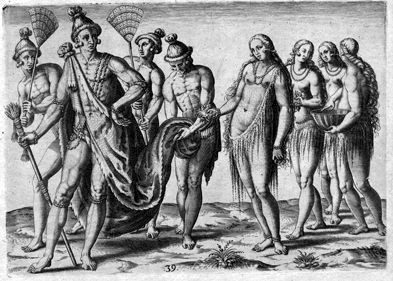
People first came into this area perhaps as long as 12,000 years ago, according to the county's Historical Commission. Over time their descendants became separate tribes, the Ais and the Timucua. These were the people the first Europeans met when they arrived on this coast.
Sources: Brevard County Historical Commission: History Summary
Windover, an 8,000-year-old burial ground
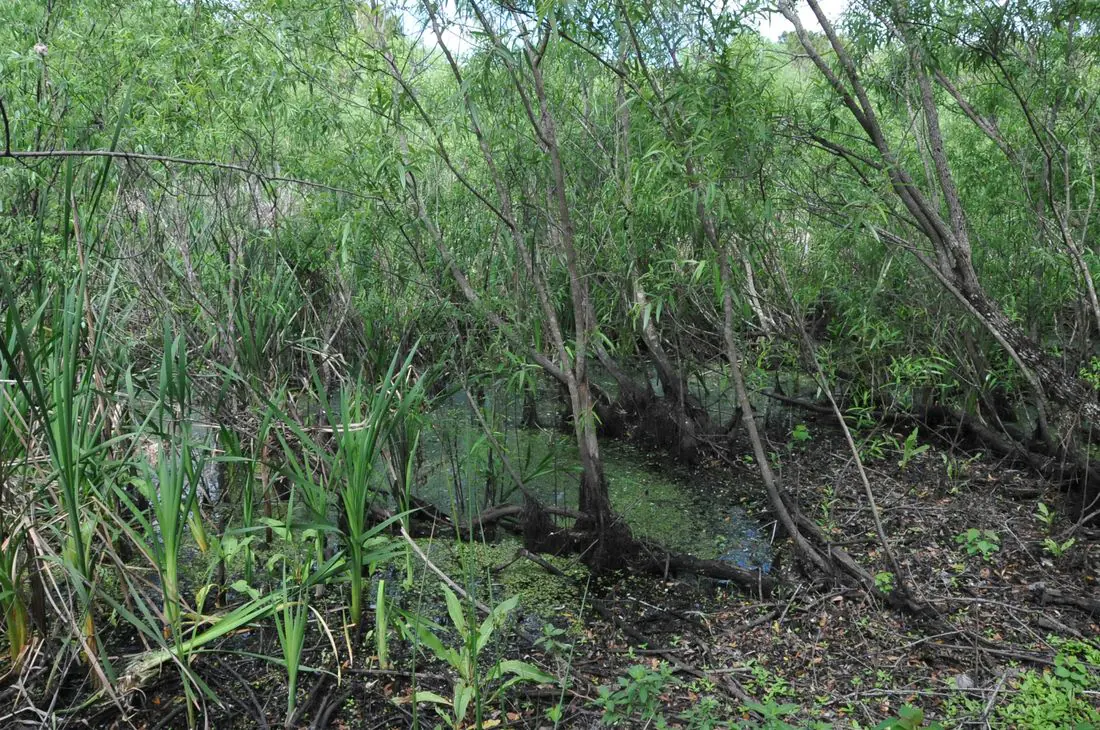
In 1982 workers were building a new housing development in Titusville. A backhoe operator noticed what he took for round stones. They were human skulls.
The site, now called Windover, held 168 burials in a water-filled peat bog. They are about 8,000 years old. The peat preserved so much that scientists confirmed human brain tissue in 91 of the skulls. Tools made of antler and bone, and wooden gourds, were found with them. Windover is now a national landmark.
Sources: Spectrum News 13, April 15, 2024: the Windover site, forty years on
Spanish and French ships
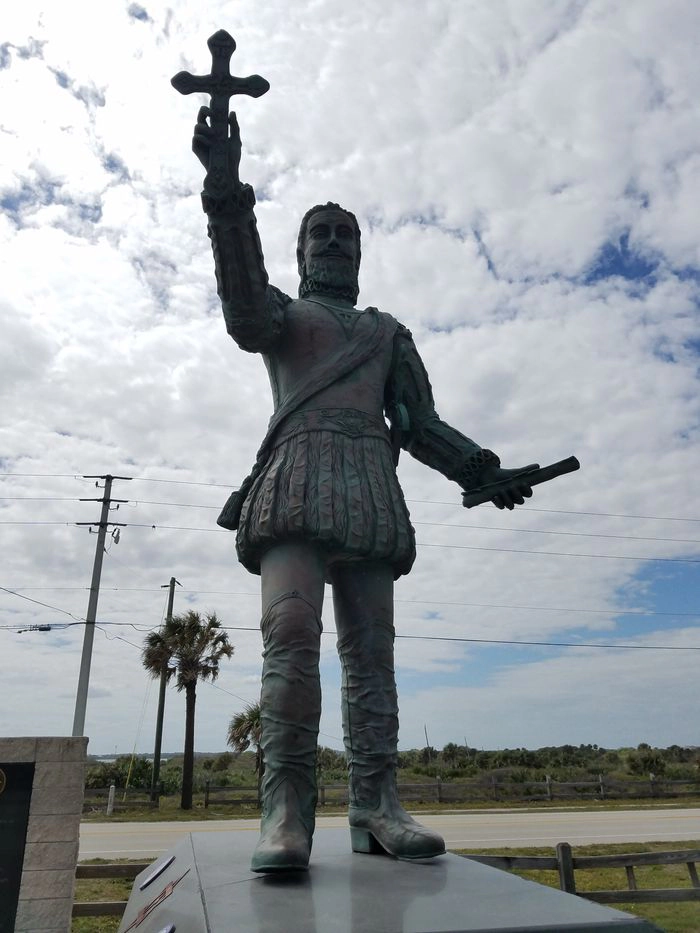
In April 1513 the Spanish explorer Juan Ponce de León reached Florida's east coast. For a long time his landing was placed near St. Augustine. Douglas Peck, a professional navigator, sailed the route again in a sailboat, and his work points to a spot near Melbourne Beach, about 125 miles south of St. Augustine. Scholars still disagree about where he came ashore.
A state historical marker there calls the spot the possible vicinity of the landing. Brevard County made the site a park, Juan Ponce de León Landing, in 2005.
In 1565 the French captain Jean Ribault sailed to help a struggling French colony near present-day Jacksonville. A hurricane wrecked his fleet. In 2016 a salvage company, Global Marine Exploration, found the wreck of his flagship, La Trinité, off Cape Canaveral. A federal magistrate judge ruled that the ship belongs to France, not to the company that found it.
Sources: Florida historical marker: Possible Vicinity of Juan Ponce de Leon's Landing; Brevard County Parks: Juan Ponce de León Landing; WFTV: Shipwreck found off Cape Canaveral belongs to France, court says
A county is born
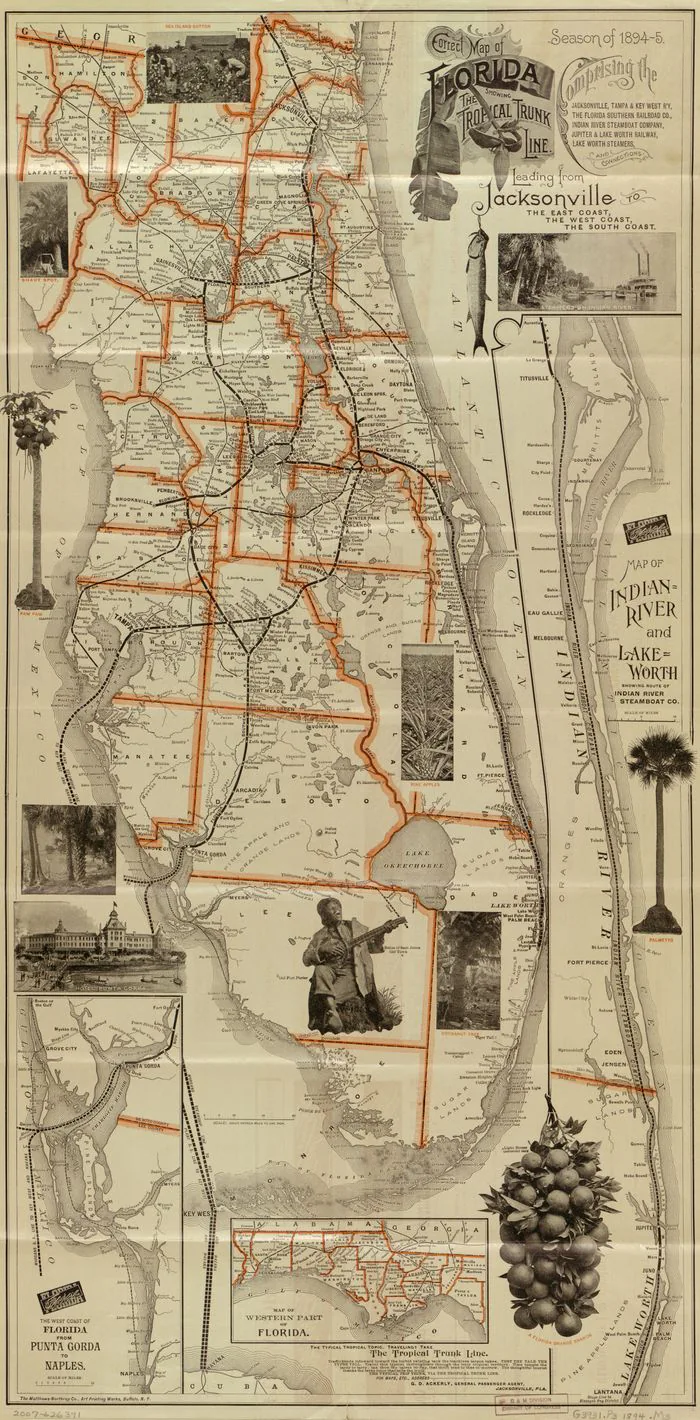
The Florida Legislature created the county by an act in 1854, and the governor signed it into law early in 1855. At first the county took in all of what had been St. Lucie County. Its name is widely credited to Theodore W. Brevard, who was Florida's comptroller when the county was created. The borders were changed several times in the decades that followed, and the county took its present shape in 1905.
Sources: Brevard County Historical Commission: History Summary
Steamboats and the railroad
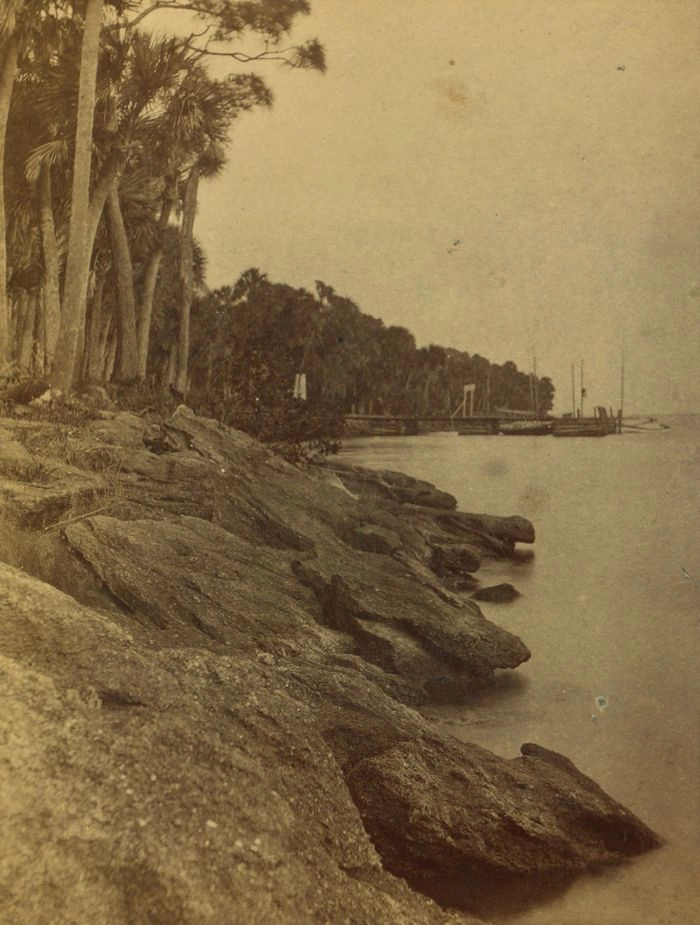
In 1877 Captain Lund brought the steamboat Pioneer to the Indian River. By the mid-1880s the railroad had reached Titusville, and soon the Flagler line extended the rail line south through the whole county.
Sources: Brevard County Historical Commission: History Summary
How Titusville got its name
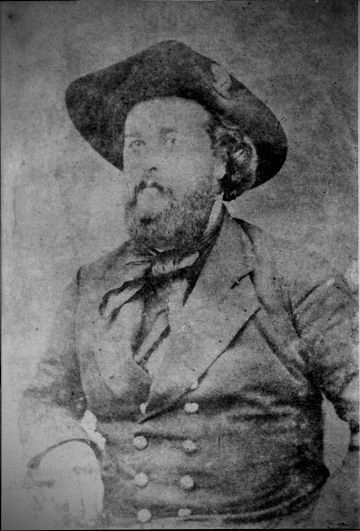
Titusville was once called Sand Point. Henry Titus, a Confederate colonel, came ashore on the banks of the Indian River in 1867. According to the city, he won a game of dominoes against Captain Clark Rice, and the winner got to name the town. Had Rice won, it might have been called Riceville.
Sand Point became Titusville in 1873, and the town was incorporated in 1887.
The lighthouse that moved
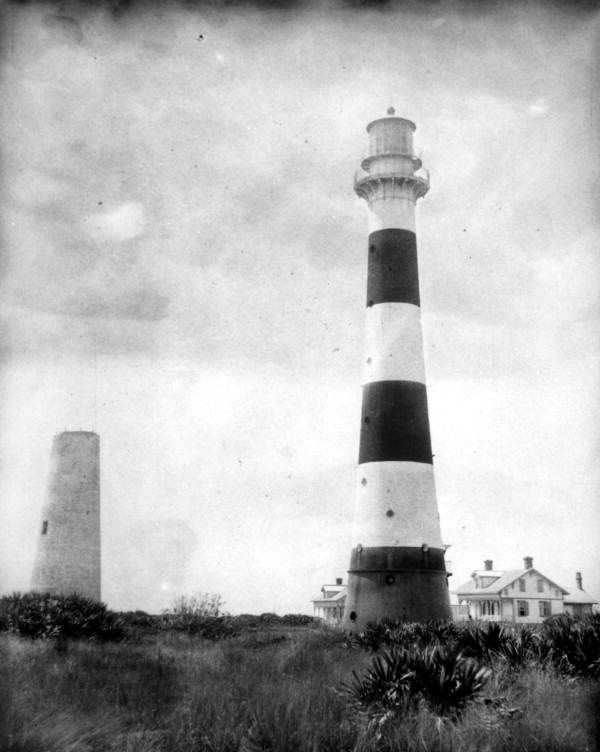
The first lighthouse at Cape Canaveral was finished in January 1848. The tower that stands today, an iron tower 151 feet tall, went up in 1868. Between October 1893 and July 1894 it was taken apart, carried one mile inland by tram, and put back together.
Sources: Florida historical marker: Cape Canaveral Lighthouse
Harry T. and Harriette V. Moore
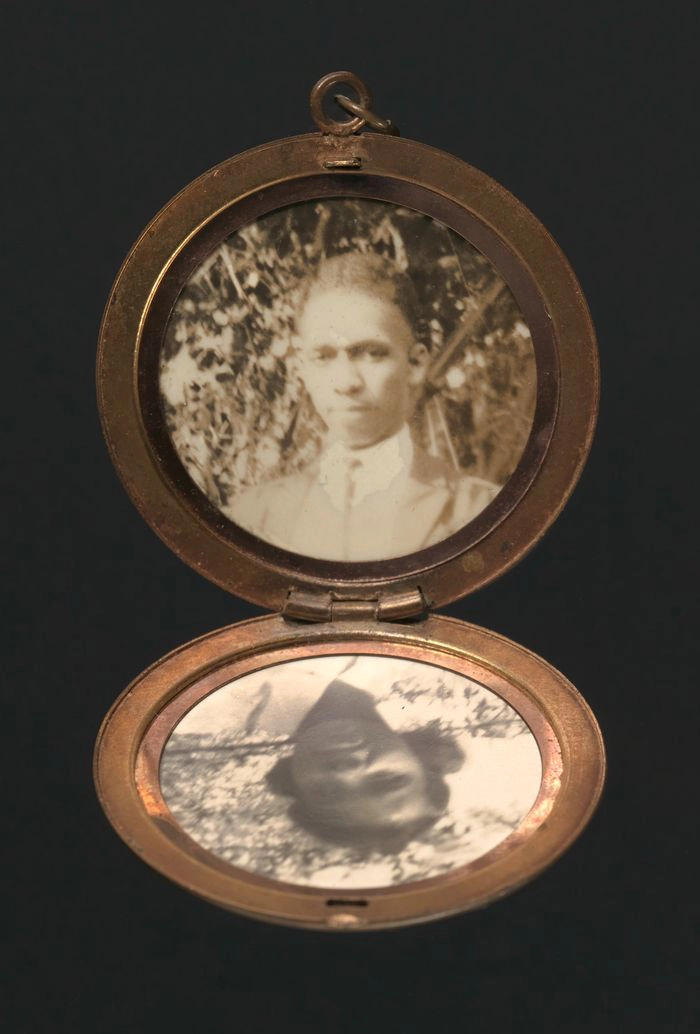
Harry T. Moore and his wife Harriette taught in Brevard County's schools from 1925 to 1946. He was principal of an all-Black elementary school in Mims, where she was a teacher. In 1934 he helped form the Brevard County chapter of the NAACP.
On Christmas night in 1951, their 25th wedding anniversary, a bomb exploded beneath their home in Mims. Harry died on the way to the hospital. Harriette died of her injuries nine days later.
Brevard County's Harry T. and Harriette V. Moore Memorial Park stands on the original homesite in Mims. It has a cultural center and a replica of the family home.
Sources: Spectrum News 13, December 24, 2021: Christmas marks 70th anniversary of the Moores' assassination; Brevard County Parks: Harry T. and Harriette V. Moore Memorial Park
The space age begins
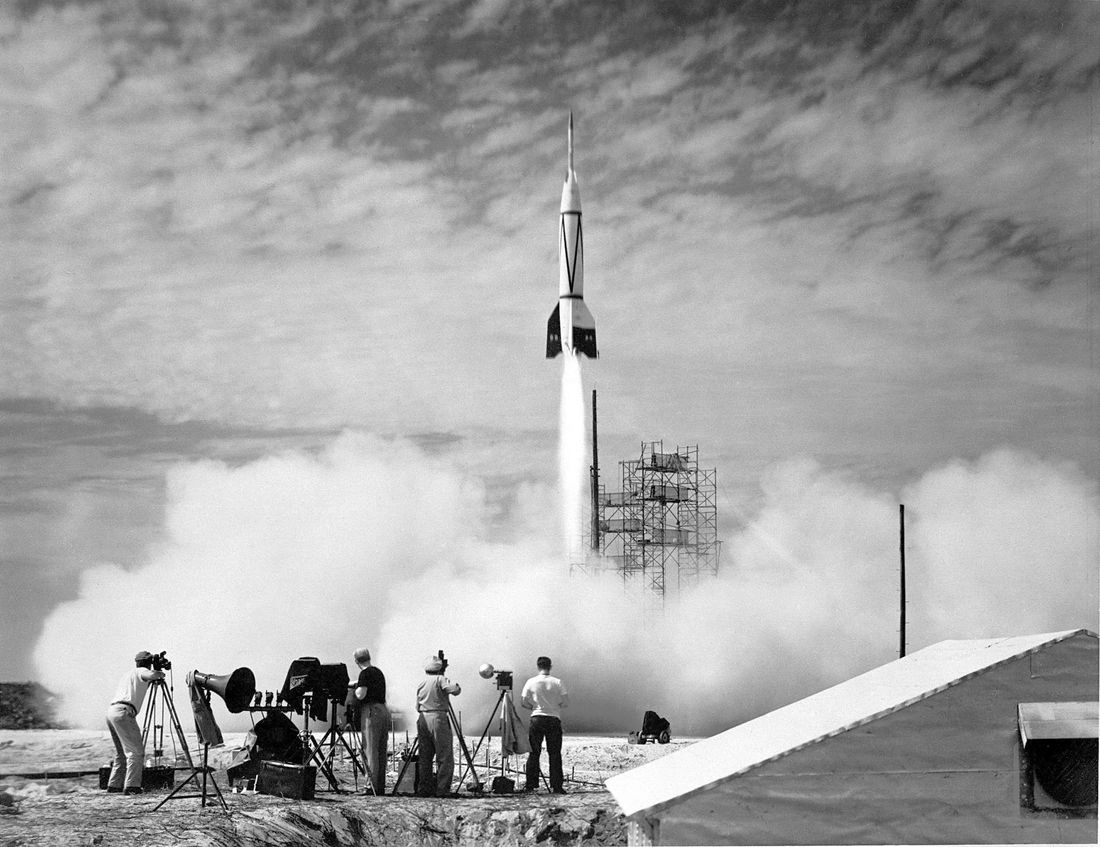
On July 24, 1950, a rocket called Bumper 8 became the first rocket launched from Cape Canaveral. It paired a V-2 missile with a smaller WAC Corporal rocket on top, was developed under the guidance of the U.S. Army, and lifted off from Launch Complex 3.
On May 5, 1961, Alan Shepard became the first American in space. His Mercury capsule, Freedom 7, rode a Redstone rocket from Launch Pad 5 at Cape Canaveral. The flight lasted 15 minutes and 22 seconds.
NASA set up its Launch Operations Center here in July 1962. On November 29, 1963, Executive Order 11129 gave the center, and the Atlantic Missile Range's Station No. 1, the name John F. Kennedy Space Center.
The same year, an agreement turned the space center's unused land into a national wildlife refuge, Merritt Island National Wildlife Refuge. A second agreement in 1975 created Canaveral National Seashore.
Sources: NASA: 70 Years Ago, First Launch from Cape Canaveral; NASA: 60 Years Ago, Alan Shepard Becomes First American in Space; NASA: Kennedy Space Center, 60 Years in Photos; National Archives, Federal Register: Executive Order 11129; U.S. Fish and Wildlife Service: Merritt Island National Wildlife Refuge, About Us
To the Moon, and the shuttle years
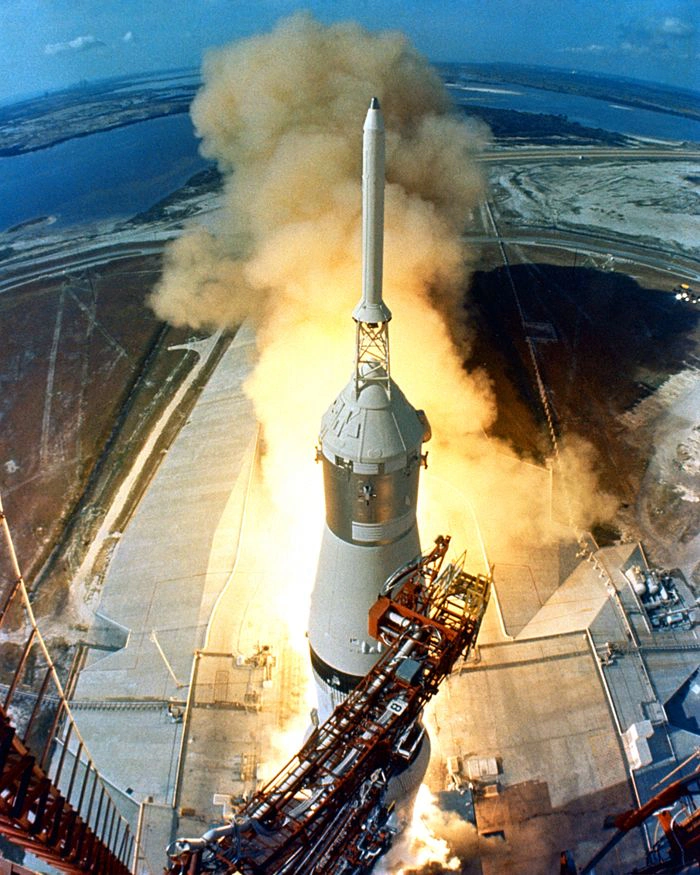
At 9:32 a.m. on July 16, 1969, Apollo 11 lifted off from Launch Pad 39A on a Saturn V rocket, carrying Neil Armstrong, Michael Collins and Buzz Aldrin, bound for the Moon.
On April 12, 1981, Space Shuttle Columbia flew the first shuttle mission, STS-1, from Launch Complex 39A, with John Young as commander and Robert Crippen as pilot.
Thirty years later, on July 8, 2011, Atlantis lifted off from the same pad on STS-135, the final mission of the Space Shuttle Program. It landed at Kennedy's Shuttle Landing Facility on July 21, 2011.
Sources: NASA: Apollo 11 Launches Into History; NASA: STS-1 Astronaut Bob Crippen Remembers the Ride of His Life; NASA: STS-135, the Final Voyage
The whole story, in dates
People first come into the area.
Read part 1Burials at Windover, in what is now Titusville.
Read part 2Juan Ponce de León reaches Florida's east coast. One study places the landing near Melbourne Beach.
Read part 3A hurricane wrecks Jean Ribault's French fleet.
Read part 3The first Cape Canaveral lighthouse is finished.
Read part 7The Legislature creates Brevard County, and the governor signs the act early in 1855.
Read part 4Henry Titus comes ashore on the Indian River.
Read part 6The iron lighthouse tower that stands today goes up.
Read part 7Sand Point becomes Titusville.
Read part 6The steamboat Pioneer comes to the Indian River.
Read part 5The railroad reaches Titusville.
Read part 5Titusville is incorporated.
Read part 6The lighthouse is moved one mile inland.
Read part 7The county takes its present shape.
Read part 4Harry T. Moore helps form the Brevard County NAACP.
Read part 8Bumper 8, the first rocket launched from Cape Canaveral.
Read part 9The Moores' home in Mims is bombed.
Read part 8Alan Shepard becomes the first American in space.
Read part 9NASA's Launch Operations Center is set up.
Read part 9The center is named the John F. Kennedy Space Center.
Read part 9Merritt Island National Wildlife Refuge is created.
Read part 9Apollo 11 lifts off for the Moon.
Read part 10Canaveral National Seashore is created.
Read part 9Columbia flies the first space shuttle mission.
Read part 10Windover is found.
Read part 2Juan Ponce de León Landing becomes a county park.
Read part 3Atlantis lifts off on the last shuttle mission.
Read part 10The wreck of La Trinité is found off Cape Canaveral.
Read part 3Where you can still see it
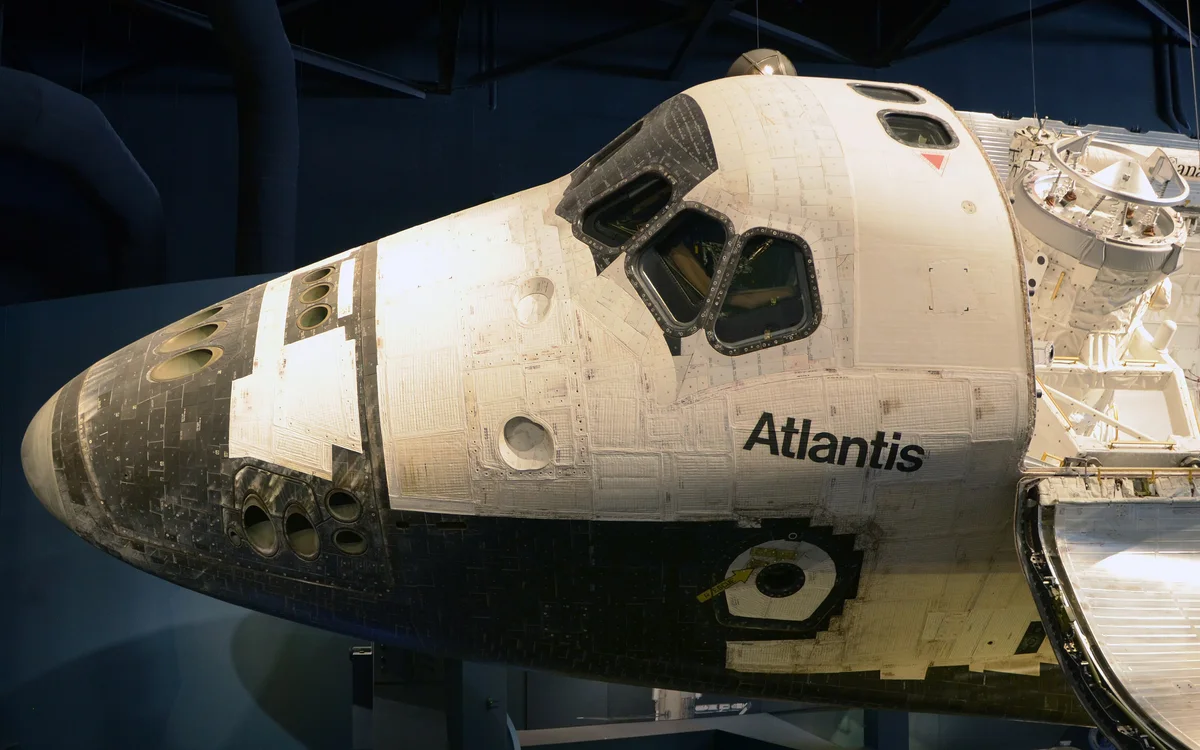 01
01Kennedy Space Center Visitor Complex
Goes with: To the Moon, and the shuttle years
Open the place page →American Space Museum & Walk of Fame
Goes with: The space age begins
Open the place page →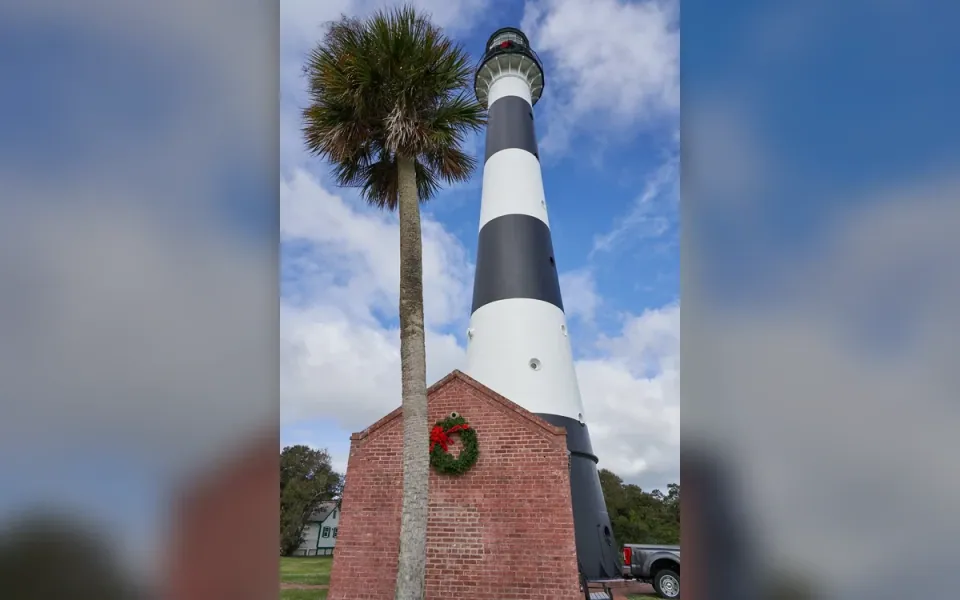 03
03Cape Canaveral Lighthouse
Goes with: The lighthouse that moved
Open the place page →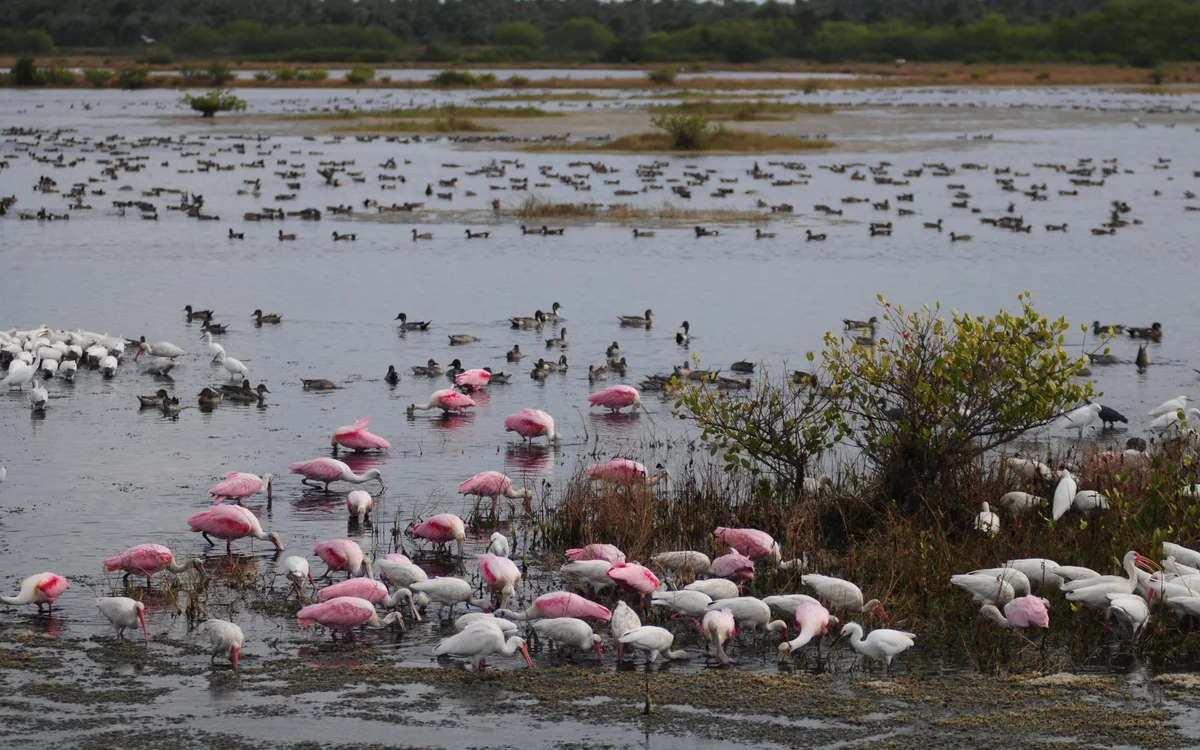 04
04Merritt Island National Wildlife Refuge
Goes with: The space age begins
Open the place page →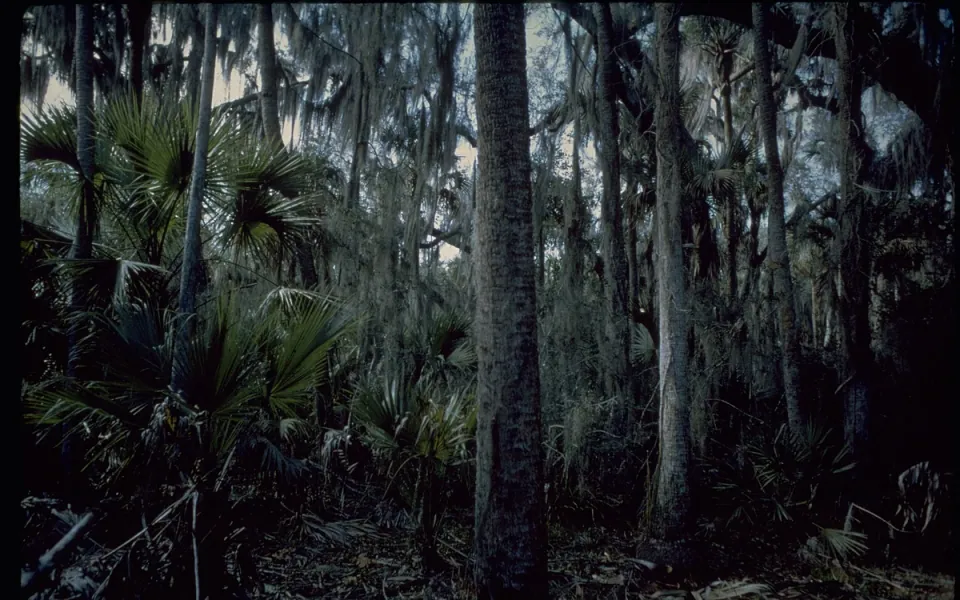 05
05Canaveral National Seashore
Goes with: The space age begins
Open the place page →Harry T. and Harriette V. Moore Memorial Park
Goes with: Harry T. and Harriette V. Moore
Brevard County's page for this park →Juan Ponce de León Landing
Goes with: Spanish and French ships
Brevard County's page for this park →Where this comes from.
- Brevard County Historical Commission: History Summary ↗ Read October 15, 2026
- Spectrum News 13, April 15, 2024: the Windover site, forty years on ↗ Read October 15, 2026
- Florida historical marker: Possible Vicinity of Juan Ponce de Leon's Landing ↗ Read October 15, 2026
- Brevard County Parks: Juan Ponce de León Landing ↗ Read October 15, 2026
- WFTV: Shipwreck found off Cape Canaveral belongs to France, court says ↗ Read October 15, 2026
- City of Titusville: History of Titusville ↗ Read October 15, 2026
- Florida historical marker: Cape Canaveral Lighthouse ↗ Read October 15, 2026
- Spectrum News 13, December 24, 2021: Christmas marks 70th anniversary of the Moores' assassination ↗ Read October 15, 2026
- Brevard County Parks: Harry T. and Harriette V. Moore Memorial Park ↗ Read October 15, 2026
- NASA: 70 Years Ago, First Launch from Cape Canaveral ↗ Read October 15, 2026
- NASA: 60 Years Ago, Alan Shepard Becomes First American in Space ↗ Read October 15, 2026
- NASA: Kennedy Space Center, 60 Years in Photos ↗ Read October 15, 2026
- National Archives, Federal Register: Executive Order 11129 ↗ Read October 15, 2026
- U.S. Fish and Wildlife Service: Merritt Island National Wildlife Refuge, About Us ↗ Read October 15, 2026
- NASA: Apollo 11 Launches Into History ↗ Read October 15, 2026
- NASA: STS-1 Astronaut Bob Crippen Remembers the Ride of His Life ↗ Read October 15, 2026
- NASA: STS-135, the Final Voyage ↗ Read October 15, 2026