The Florida Legislature created Collier County on May 8, 1923, and named it for Barron Collier. Barron Collier had agreed to finish the Tamiami Trail if a new county was named for him. The county seat moved to East Naples in 1962. People have lived in the area for more than 10,000 years.
This page tells the story in order, from the Calusa to the years since 1990, then lists places in the county where you can still see it. The sources for each part are named at the end of that part, and all of them are listed at the bottom of the page.
The Calusa and the People Before Them
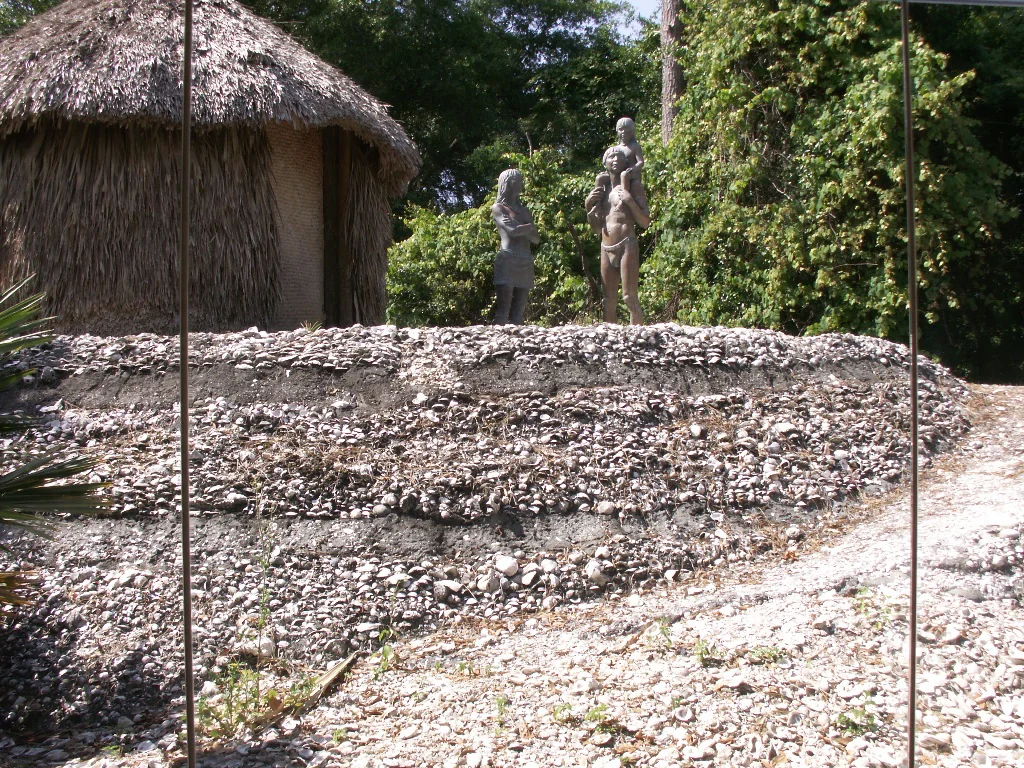
People have made their homes in what is now Collier County for more than 10,000 years. People have lived on Marco Island for 6,000 years. The Muspa people lived there 2,500 years ago, and the Calusa came after them. The Calusa domain stretched from the Ten Thousand Islands up to Charlotte Harbor. The Florida Museum of Natural History says their influence lasted from about the year 100 until the mid-1700s.
The Calusa kingdom ran on fishing, not farming. They dug large canals, built pens to trap fish and raised great mounds of shells and sand. Some of the shell mounds rose more than 30 feet high. Chokoloskee Island is made almost entirely of Calusa shell mounds. The Calusa were strong enough to collect tribute from other native groups across south Florida.
Sources: Collier County Government: Collier County Centennial, History; Florida Museum of Natural History: Tell Me About: The Calusa Tribe; Florida Museum of Natural History: Investigating the Calusa
Next: Chapter 2, Spanish Ships and the End of the Calusa →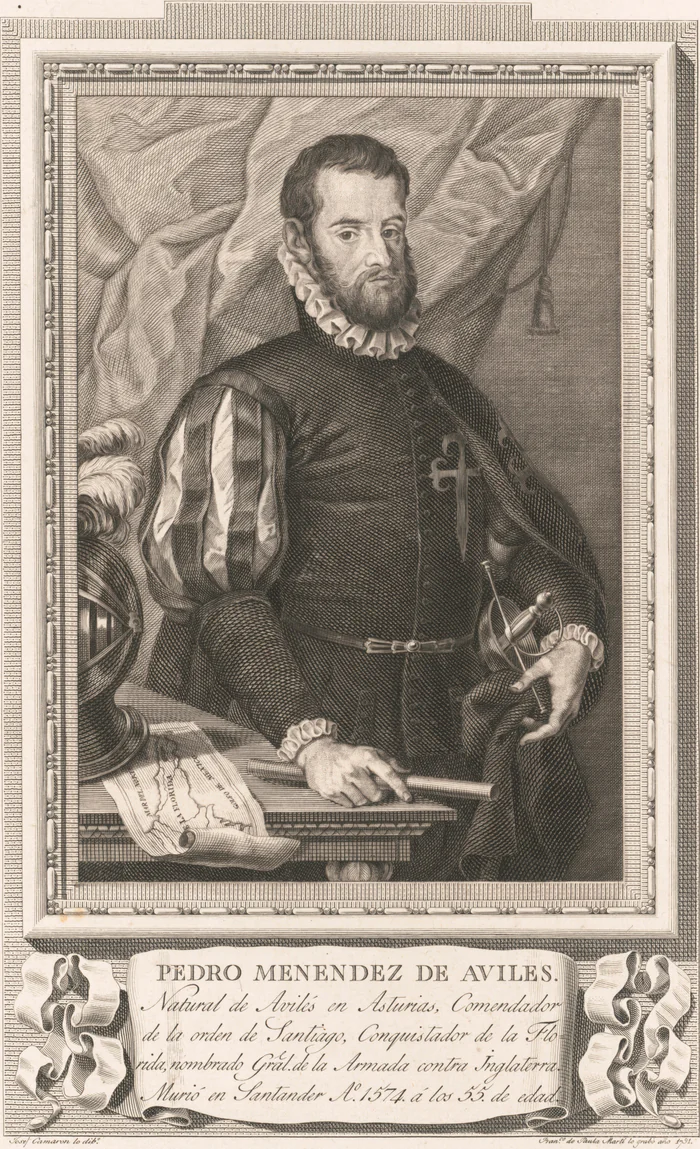
Spanish Ships and the End of the Calusa
Juan Ponce de Leon left Hispaniola in 1513 and sailed northwest. It is said that the Calusa attacked him and his crew on that trip. Pedro Menendez de Aviles was the first governor of Spanish Florida. Spanish accounts say that in 1566 he set out to make a strong impression on Caalus, the Calusa king, whose rule covered what is now south Florida. He brought 500 men, about 200 of them soldiers, along with trumpeters, drummers and fife players.
The Spaniards came in seven ships and climbed to the top of Mound Key, a hill of shells and sand that people built 30 feet high, to meet the king. Recent digs at Mound Key have confirmed that it was the Calusa capital. The Florida Museum says the Spanish fort on the mound held a Jesuit mission, one of the first in the country. In the late 1600s Franciscan friars tried a mission there too, but within a few months the Calusa sent them away.
Diseases from Europe, such as smallpox and measles, killed many Calusa. By the mid-1700s, the few Calusa who were left had fled to Cuba or to the Keys. When the English took over Florida in 1763, only several hundred native people were left in south Florida. Those people were reported to have left for Cuba with the Spanish.
Sources: Penn Museum, Expedition Magazine: The Calusa Indians: Maritime Peoples of Florida in the Age of Columbus; Florida Museum of Natural History: Investigating the Calusa; Florida Museum of Natural History: Tell Me About: The Calusa Tribe; National Park Service: Native Peoples, Everglades National Park
Next: Chapter 3, Seminoles, Settlers and Immokalee →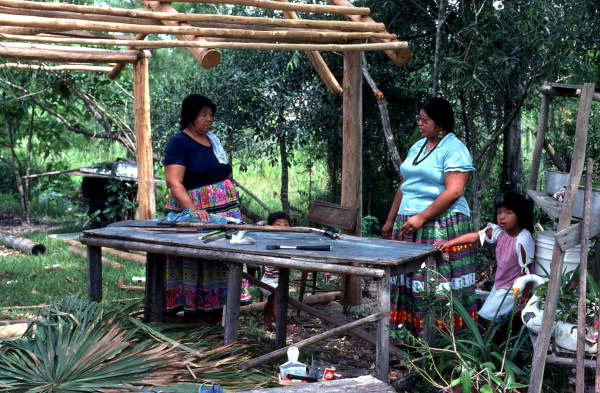
Seminoles, Settlers and Immokalee
In the early 1800s, Seminoles from north Florida began moving into the land that would become Collier County. They hunted on the high prairies in the north of the county and lived in the cypress swamps to the south. The Seminole Wars were fought in 1817 and 1818, from 1835 to 1842 and from 1855 to 1858. During those wars, bands of Florida Indians made their homes in the Everglades so they would not be forced out of Florida. A historical sketch of the county kept by Florida Memory says the Seminoles pulled back into the Big Cypress Swamp, which lies inside the county, after the Billy Bowlegs Wars of 1856 and 1857.
When Florida became a state in 1845, this land was part of Monroe County, and its county seat was in Key West. Black, white and Hispanic settlers came into the region in the 1850s and 1860s. Lasting settlement began in the 1870s, in the places that became Naples, Immokalee, Marco Island and Everglades City. In 1887 the area became part of the newly created Lee County.
Inland, the county credits William Allen with the first lasting settlement at what is now Immokalee. The county's centennial history says the town got the name Immokalee in 1893. It says Rose Brown, the daughter of a trading post owner, was asked for the Mikasuki words meaning "my home," and she replied "Imokali." The county's Immokalee Pioneer Museum at Roberts Ranch gives the year as 1897. Poorer white, Black and Tejano workers followed the ranchers and farmers to work on their land.
Sources: Collier County Government: Collier County Centennial, History; National Park Service: Native Peoples, Everglades National Park; Florida Memory: Historical Sketch of Collier County; Collier County Museums: Immokalee Pioneer Museum at Roberts Ranch
Next: Chapter 4, Pioneers at Everglades, Chokoloskee and Marco Island →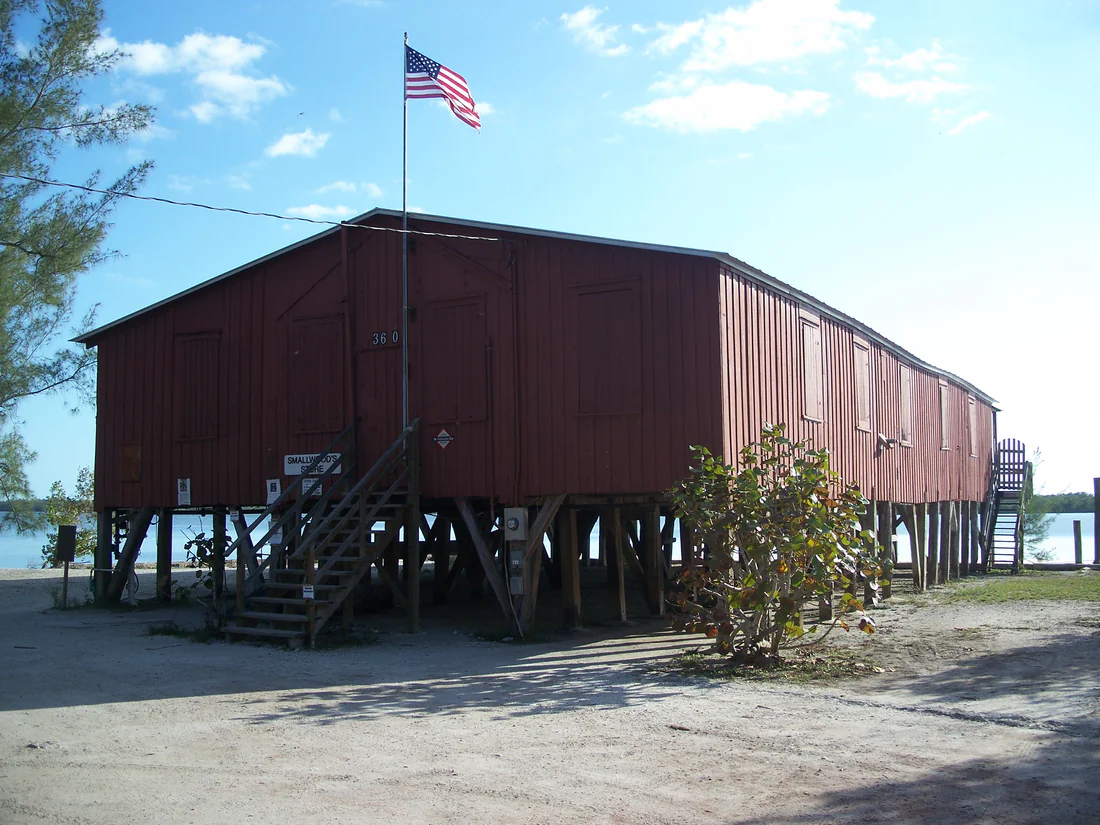
Pioneers at Everglades, Chokoloskee and Marco Island
At what is now Everglades City, George Storter Jr. and his family worked land owned by an early settler, William Smith Allen, for several years. In 1889 Storter bought the whole townsite from Allen for $800. The post office there opened in 1891, and the county says Barron Collier added the "s" to its name in 1923.
Pioneers began settling on Chokoloskee soon after the Civil War to farm and plant fruit trees. A post office was set up there in 1891 under the joking name of Comfort, and later that year it was renamed Chokoloskee, the Seminole for "old house." Ted Smallwood, whom the county calls the island's most famous resident, arrived in 1897. He opened the Smallwood Store, a trading post by the bay, in 1906. Seminole and Cracker pioneers came by boat to buy supplies there or to trade hides and pelts.
Pioneers had reached Marco Island by the 1870s. Two villages grew up there, Marco in the north and Caxambas in the south. In April 1895 Charles D. Durnford, a retired British army officer, dug up some unusual objects in a muck pit. On March 5, 1896, Frank Hamilton Cushing uncovered the Key Marco Cat. The Marco Island Historical Society says a Muspa or Calusa carver made it at Key Marco and likely modeled it on the Florida panther.
Sources: Collier County Government: Collier County Centennial, History; Marco Island Historical Society: Key Marco Cat and Ancient Calusa Artifacts
Next: Chapter 5, Naples Gets a Hotel and a Pier →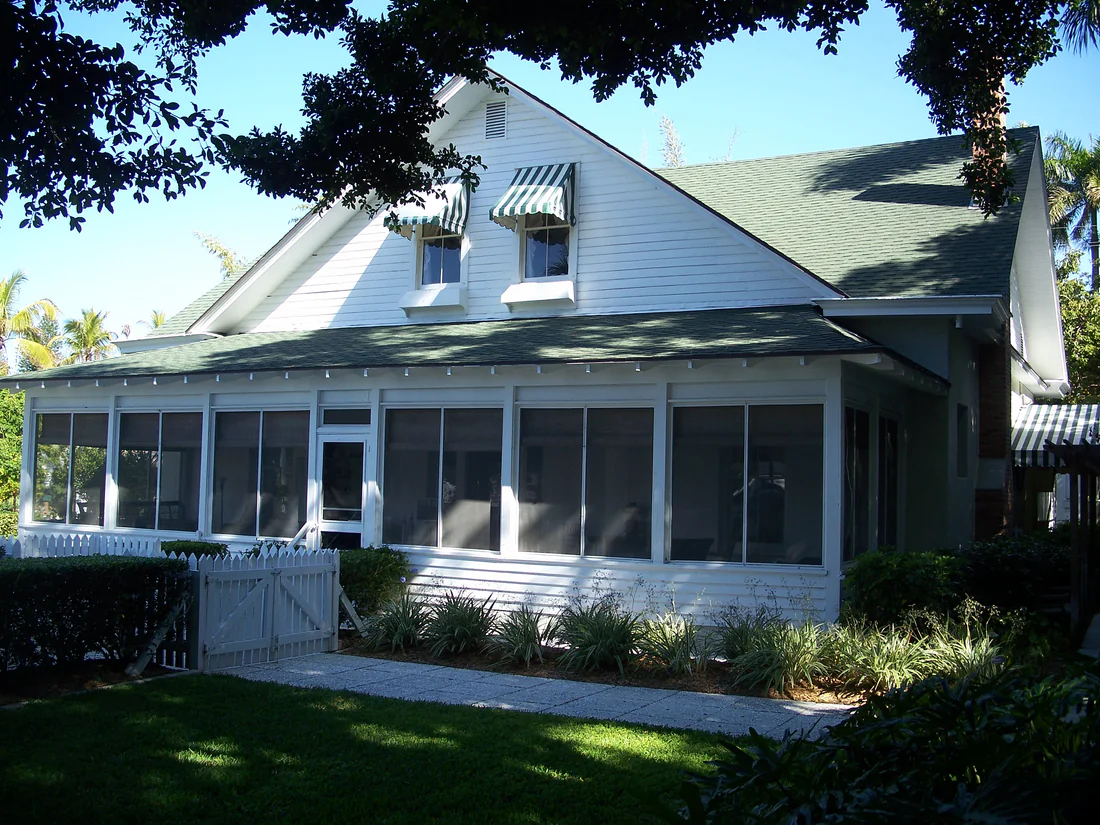
Naples Gets a Hotel and a Pier
The county credits Roger Gordon and Joe Wiggins as the first white pioneers at Naples, around 1874. The county says that in 1876 brothers John and Madison Weeks became the first to live there year round. In 1887 two men from Kentucky, Walter N. Haldeman and John S. Williams, bought 112 lots in Naples.
Work soon started on a small hotel with 20 rooms and six cottages by the beach. The developers also began a 600-foot pier to tie the new town to the outside world. The City of Naples dates its pier to 1888.
On January 30, 1890, nearly all of Naples, with its hotel, pier and ships, was sold at auction. Walter Haldeman was the only one to bid, and he paid $50,000. In 1895 Haldeman built Palm Cottage out of tabby concrete for guests of the Naples Hotel.
Sources: Collier County Government: Collier County Centennial, History; City of Naples: Naples Pier Rebuild Project; Collier County Government: Collier County Centennial
Next: Chapter 6, Barron Collier, a New County and the Tamiami Trail →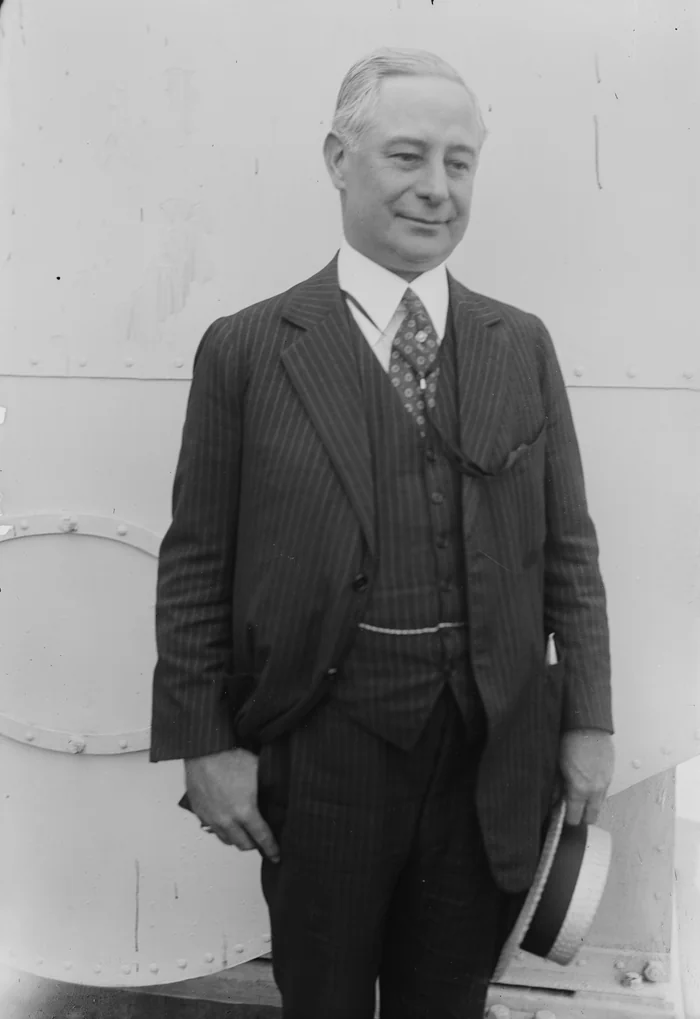
Barron Collier, a New County and the Tamiami Trail
Barron Collier was a Tennessee native, born in Memphis on March 23, 1873. In 1911 Barron Gift Collier, by then a wealthy advertising man, traveled to Florida hoping to win a new account. Instead he bought the big house and private island of John Roach, who ran streetcars in Chicago. Over the next ten years he gathered more than a million acres in southwest Florida. When work on the Tamiami Trail ran short of money, Collier agreed to finish the road if a new county was named for him.
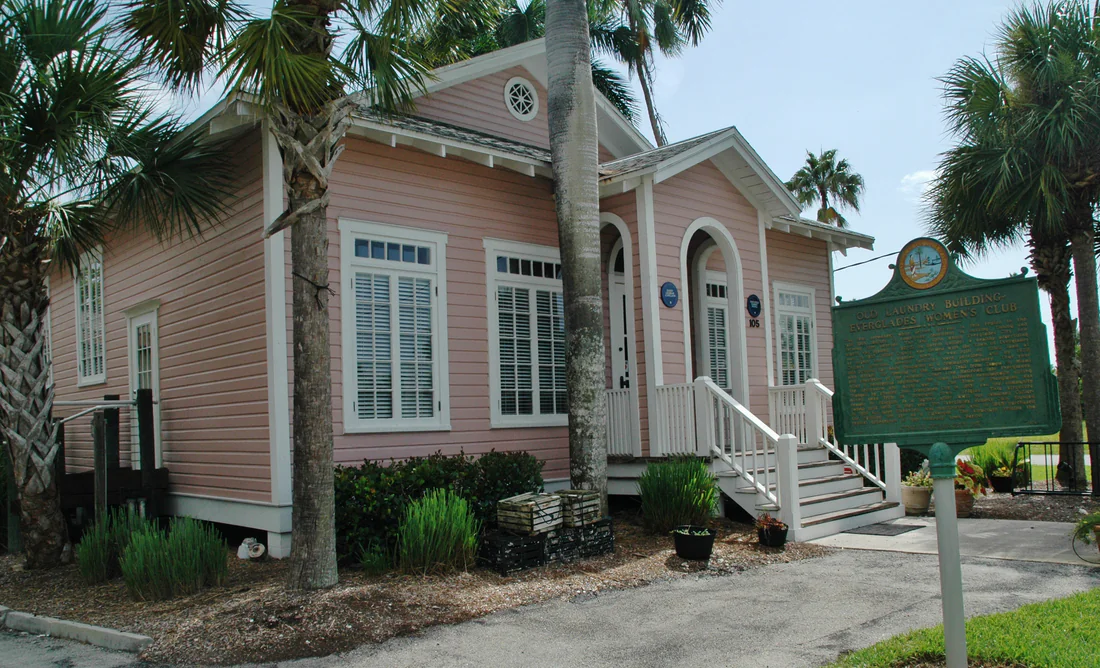
At Everglades, Collier bought the Storter family's home and the whole townsite, and he enlarged the house and renamed it the Rod & Gun Club. Governor Cary A. Hardee signed the bill creating Collier County on May 8, 1923. The county's first seat of government was the town of Everglades, which is now Everglades City. Everglades soon added a bank, a department store and a laundry, and the county says its streetcar was the first in Florida south of Tampa. The laundry building, opened in 1927, is now the Museum of the Everglades.
Solomon Davies Warfield, head of the Seaboard Air Line Railway, praised the beaches of Naples and called it a well-placed winter resort. The county says his railroad's Orange Blossom Special was the first passenger train into Naples, on January 7, 1927. The Tamiami Trail opened to traffic at Everglades on April 26, 1928. The county says it was the first paved road to join Tampa and Miami. Barron Collier died on March 13, 1939, in New York City, ten days before he would have turned 66.
Sources: Florida International University: Everglades Biographies, Barron Collier; Collier County Government: Collier County Centennial, History; Collier County Government: Collier County Centennial; Collier County Museums: Museum of the Everglades
Next: Chapter 7, Clams, Tomatoes, Cypress, Oil and an Air Base →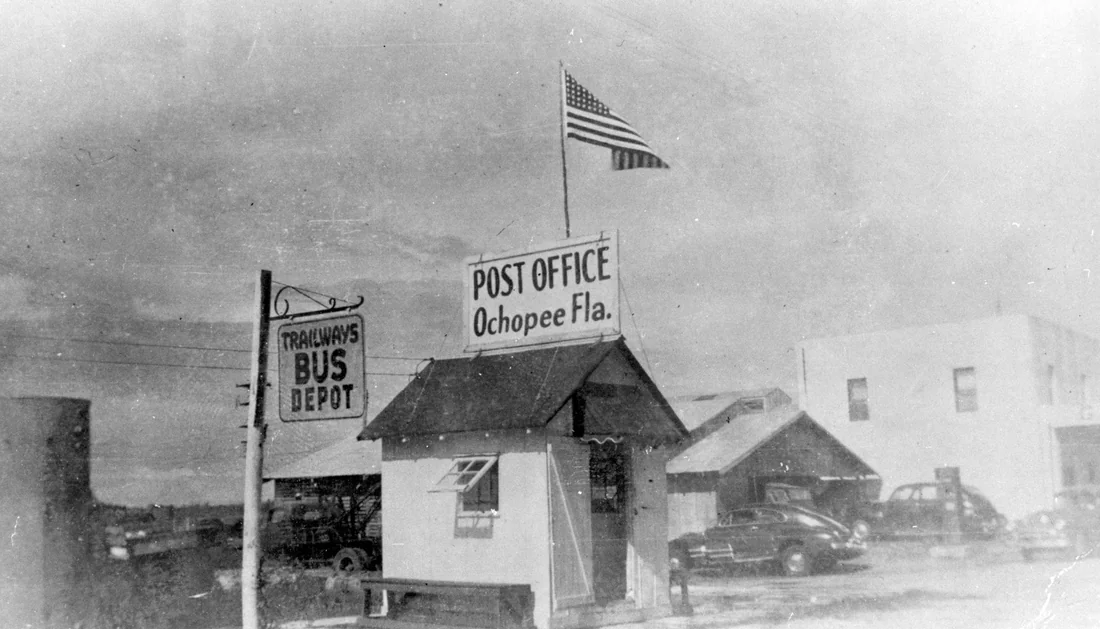
Clams, Tomatoes, Cypress, Oil and an Air Base
On Marco Island, the Burnham and Doxsee clam factories did very well with the help of a clam dredge invented by Captain Bill Collier. From the 1930s on, the clam beds were fished too hard, and Marco and Caxambas began to shrink. The Gaunt family's tomato farm, started in the 1920s, was the beginning of Ochopee. In Seminole, Ochopee means farm.
The region was heavily logged in the 1940s and 1950s. The town of Copeland took its name from D. Graham Copeland, Barron Collier's top aide, who surveyed the area and laid out a path for the Tamiami Trail. The Lee Tidewater Cypress Company's camp there had 1,000 workers. The county says the C.J. Jones mill at Jerome was the biggest steam sawmill in the Southeast in the 1940s. Fire destroyed the mill on December 5, 1956.
The county says Florida's first oil well to produce for sale was drilled near Sunniland on September 26, 1943. On May 19, 1972, Humble Oil Corporation officials dedicated Oil Well Park, ten miles south of Immokalee at Sunniland. On December 23, 1943, Naples Army Air Field went into service as an Army base for training World War II combat pilots. Nine P-39 fighter planes came to Naples to stay in March 1944.
Sources: Collier County Government: Collier County Centennial, History; Collier County Government: Collier County Centennial
Next: Chapter 8, Black Life in Naples and Immokalee →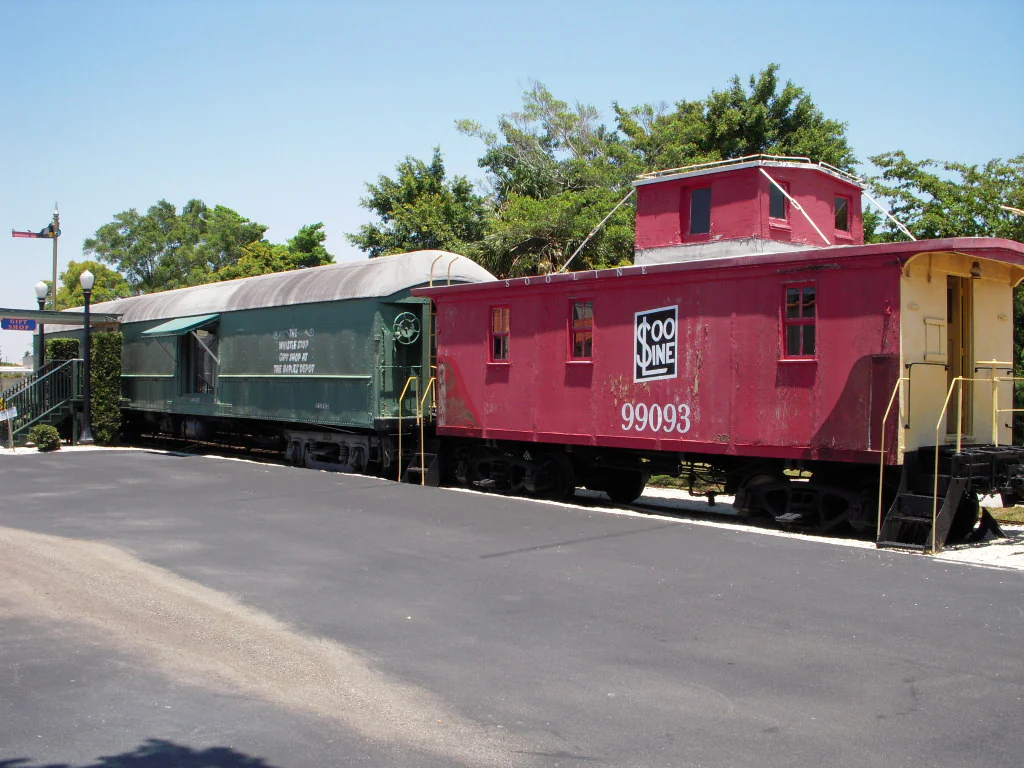
Black Life in Naples and Immokalee
The Naples Press says Cleveland Bass, who worked at the Naples Depot in the early 1940s, was one of the depot's first Black porters. According to the Naples Press, Carl Strickland became the first Black officer on the Naples police force in 1954. The paper says he was also the first to lose his life on duty. Anna Mae Perry, called Mother Perry, worked as a midwife and delivered over 500 babies of every race. She helped found the local NAACP and was a strong backer of civil rights.
Black residents of Naples lived in an area called Ditch Bank, now Crayton Cove, where living conditions were poor. Many of them later moved to McDonald's Quarters, a new housing project with a white owner. Its owner was J.C. McDonald, a contractor from Fort Myers, and it went up in 1949 with no permits, inspections or formal plans. In the 1960s the River Park neighborhood was built in Naples as a segregated area for Black workers. McDonald's Quarters was knocked down and burned in 1981.
In Immokalee, Cynthia Clinton recalls a time when Main Street split the town's white and Black residents. Mae German remembers going to an all-Black school and seeing signs from her school bus that said "No Coloreds Allowed." Huey Howard broke barriers as a Black cattle rancher during the Jim Crow years.
Sources: Naples Press: Reflecting, preserving local Black history; Fox 4 News: A look inside Naples' historic Black neighborhood
Next: Chapter 9, Parks, Gardens, Swamp Buggies and a Movie Star →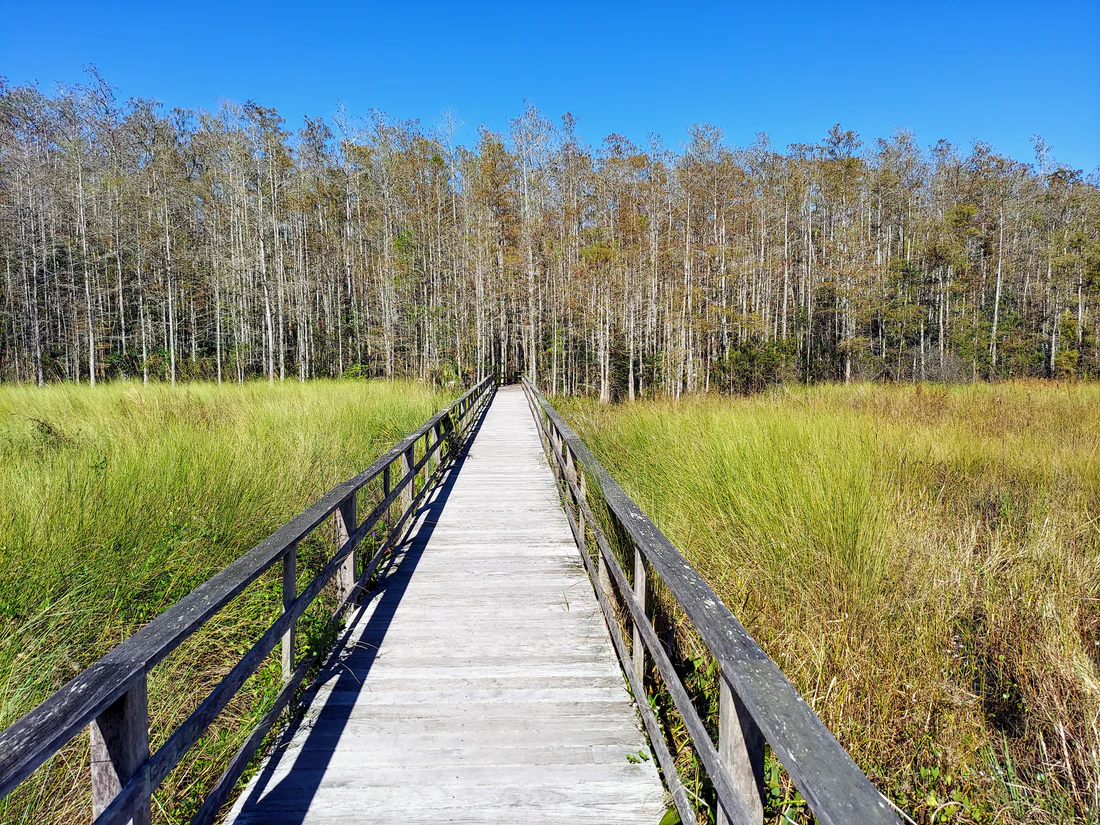
Parks, Gardens, Swamp Buggies and a Movie Star
On March 20, 1944, 5,600 acres were handed over to the state to be kept as Collier-Seminole State Park. President Harry S. Truman came to Everglades City on December 6, 1947, to dedicate Everglades National Park. Chokoloskee could be reached only by water until 1955, when a bridge to Everglades City was built. Until then, island children had gone to school by boat. Everglades National Park began running daily boat trips out of Everglades City on March 1, 1956.
Swamp buggy racing officially began in Naples in 1949. On April 16, 1951, Warner Brothers started filming Distant Drums, a Gary Cooper movie, in Naples and on Little Marco. On October 26, 1969, rain did not stop a crowd of 10,000, close to a record, from turning out for the 21st Swamp Buggy Day races.
Naples Zoo at Caribbean Gardens traces its story back to the botanist Henry Nehrling. He bought the Naples land in 1919 to keep his plant collection safe from another disastrous freeze. By 1954 the garden, now home to many tropical birds, was ready for guests again under the name it still has, Caribbean Gardens. On March 20, 1954, the Corkscrew Cypress Rookery Association was set up to buy and protect what the county calls south Florida's last stand of mature bald cypress. On December 8, 1968, the Corkscrew Swamp Sanctuary opened a boardwalk a mile long, leading into what the county calls the biggest stand of virgin bald cypress left in the nation.
Sources: Collier County Government: Collier County Centennial, History; WGCU: Swamp buggy racing Rat On driver reflects on a unique Naples tradition; Naples Zoo at Caribbean Gardens: A Growing History
Next: Chapter 10, Hurricane Donna, a New County Seat and New Towns →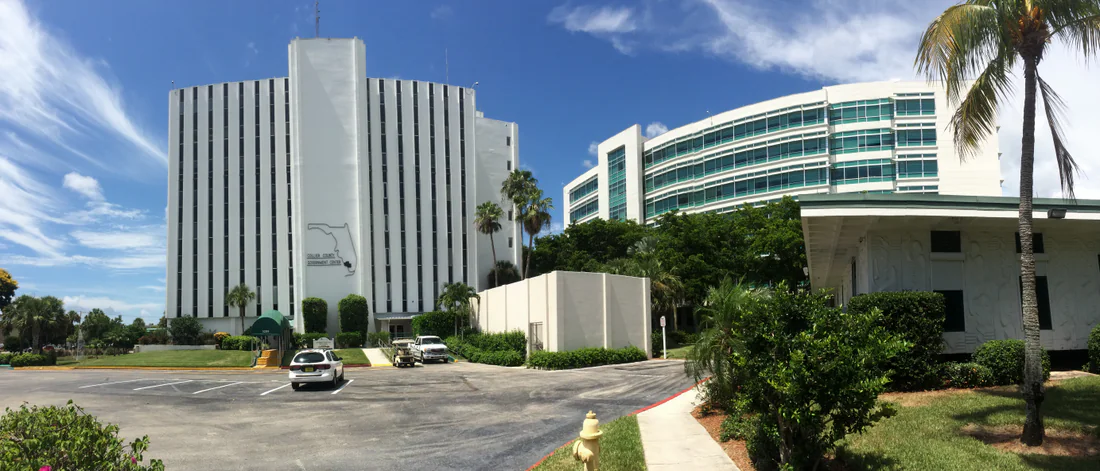
Hurricane Donna, a New County Seat and New Towns
On June 9, 1959, voters decided by 641 votes that East Naples, not Everglades City, should be the county seat. Hurricane Donna struck Naples and Collier County directly on September 10, 1960, with sustained winds over 160 miles per hour. The county seat moved to East Naples in 1962. The county says no other county seat at that time stood outside a city or town. After 73 seasons, the Naples Hotel closed on April 7, 1962.
Gulf American Land Corporation, the company behind early Cape Coral, bought 26,000 acres northeast of Naples in 1960. It sold Golden Gate Estates as raw land in five-acre lots and left buyers to decide what to build. In 1964 Barron Collier's family sold its Marco Island land to the Deltona Corporation, run by the Mackle brothers. On January 31, 1965, Deltona showed off its new planned community on Marco Island. The company dredged and filled the land between the old villages, giving the island the shape it has now.
Alligator Alley, whose formal name was the Everglades Parkway, opened on February 11, 1968. In 1969 Lawrence "Jungle Larry" Tetzlaff opened Jungle Larry's African Safari in Naples. Tetzlaff had once worked as a stand-in in the Tarzan films shot at Silver Springs. On October 11, 1974, Congress approved the Big Cypress National Preserve. On November 3, 1989, Naples welcomed the opening of the Philharmonic Center for the Arts.
Sources: Collier County Government: Collier County Centennial, History; Collier County Government: Collier County Centennial
Next: Chapter 11, Since 1990: Marco Island becomes a city, a Hall of Fame running back and a goodbye to the Key Marco Cat →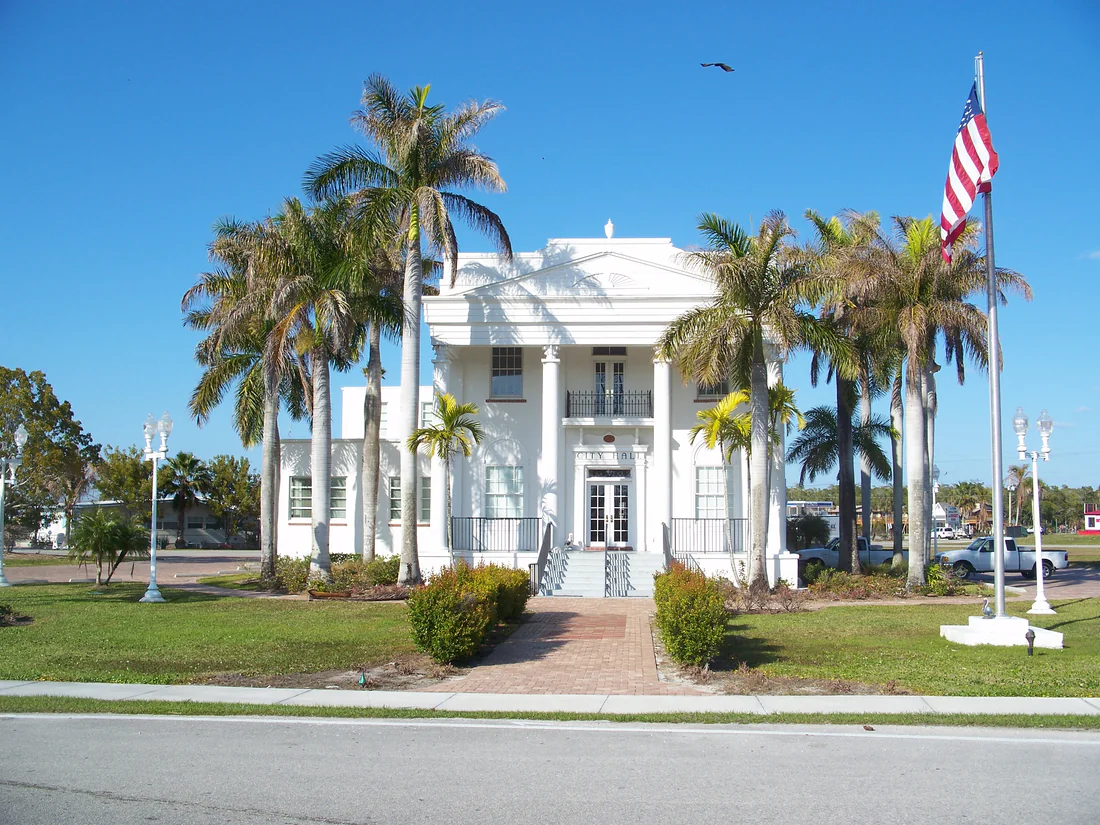
Since 1990: Marco Island becomes a city, a Hall of Fame running back and a goodbye to the Key Marco Cat
The Ochopee Post Office, which the county calls the smallest in the nation, was named a Collier County Historic Site on February 25, 1995. The tiny building had once been the Gaunt tomato farm's shed for irrigation pipe. After five failed tries, Marco Island became a city at one minute past noon on August 29, 1997, the 398th in Florida. Everglades City Hall, which had been the county's first courthouse, reopened on January 27, 2007, after a major restoration. In November 2009, Naples Botanical Garden opened its Kapnick Brazilian Garden and Kapnick Caribbean Garden.
On August 7, 2021, Immokalee native Edgerrin James, a running back, took his place in the Pro Football Hall of Fame. He had been voted Rookie of the Year for 1999 and was picked for four Pro Bowls. On September 28, 2022, Hurricane Ian did catastrophic harm to the Naples Pier. The city held a public groundbreaking for a new pier on January 5, 2026. By October 7, 2026, the builders had driven all 193 concrete pilings for the new pier.
The same storm kept the Naples Depot Museum closed for more than three years. The museum reopened on January 14, 2026. On February 12, 2026, more than 200 guests filled an auditorium to bid the Key Marco Cat farewell. The Smithsonian had lent it to the Marco Island Historical Museum for seven years.
Sources: Collier County Government: Collier County Centennial, History; Naples Botanical Garden: About the Garden; City of Naples: Naples Pier Rebuild Project; Naples Press: Naples Depot Museum is open again after renovations; Collier County Government: Naples Depot Museum's Grand Return; Coastal Breeze News: Farewell to the Key Marco Cat
Next: the whole story, in dates →The whole story, in dates
People are living in the land that is now Collier County.
Juan Ponce de Leon sails northwest from Hispaniola, and the Calusa are said to attack his crew.
Pedro Menendez de Aviles comes to Mound Key to meet the Calusa king, Caalus.
Seminoles from north Florida move into the area.
After the Billy Bowlegs Wars, the Seminoles pull back into the Big Cypress Swamp.
Roger Gordon and Joe Wiggins settle at Naples.
The area becomes part of the new Lee County.
Walter N. Haldeman and John S. Williams buy 112 lots in Naples.
Nearly all of Naples is sold at auction to Walter Haldeman.
Frank Hamilton Cushing uncovers the Key Marco Cat.
Ted Smallwood opens the Smallwood Store on Chokoloskee.
Barron Gift Collier comes to Florida.
Botanist Henry Nehrling buys the Naples land that later becomes Caribbean Gardens.
Governor Cary A. Hardee signs the bill that creates Collier County.
The Orange Blossom Special is the first passenger train into Naples.
The Tamiami Trail opens to traffic at Everglades.
Barron Collier dies in New York City.
An oil well that the county calls Florida's first commercial well is drilled near Sunniland.
Naples Army Air Field goes into service to train combat pilots.
Land for Collier-Seminole State Park is handed over to the state.
President Harry S. Truman dedicates Everglades National Park in Everglades City.
Swamp buggy racing officially begins in Naples.
McDonald's Quarters goes up in Naples.
Filming of Distant Drums, starring Gary Cooper, begins in Naples.
Carl Strickland becomes the first Black officer on the Naples police force.
Fire destroys the C.J. Jones lumber mill at Jerome.
Hurricane Donna hits Naples and Collier County directly.
The county seat moves to East Naples.
Deltona shows off its planned community on Marco Island.
Congress approves the Big Cypress National Preserve.
The Ochopee Post Office becomes a Collier County Historic Site.
Marco Island becomes a city.
Naples Botanical Garden opens its Kapnick Brazilian and Kapnick Caribbean gardens.
Edgerrin James enters the Pro Football Hall of Fame.
Naples breaks ground on a new pier.
The Naples Depot Museum reopens.
More than 200 guests say goodbye to the Key Marco Cat.
Where you can still see it
 01
01Museum of the Everglades
Goes with: Barron Collier, a New County and the Tamiami Trail
Open the place page →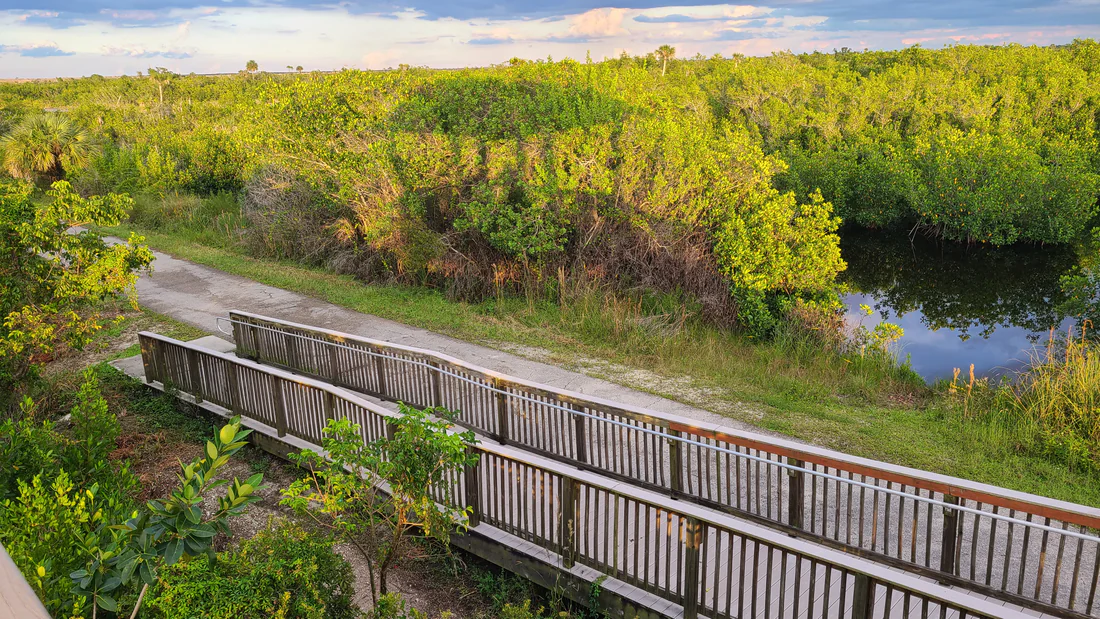 02
02Everglades National Park Gulf Coast
Goes with: Parks, Gardens, Swamp Buggies and a Movie Star
Open the place page →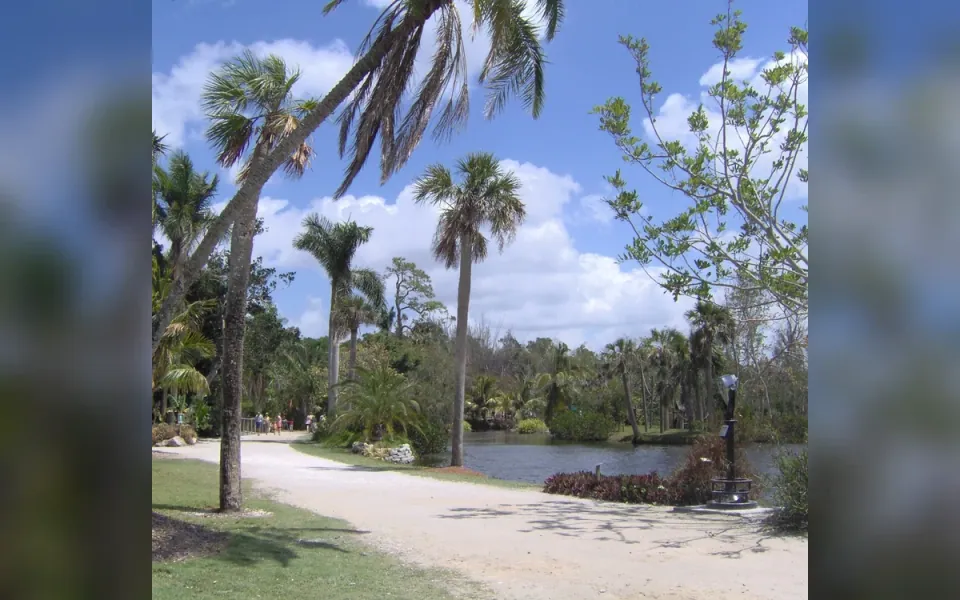 03
03Naples Zoo at Caribbean Gardens
Goes with: Parks, Gardens, Swamp Buggies and a Movie Star
Open the place page →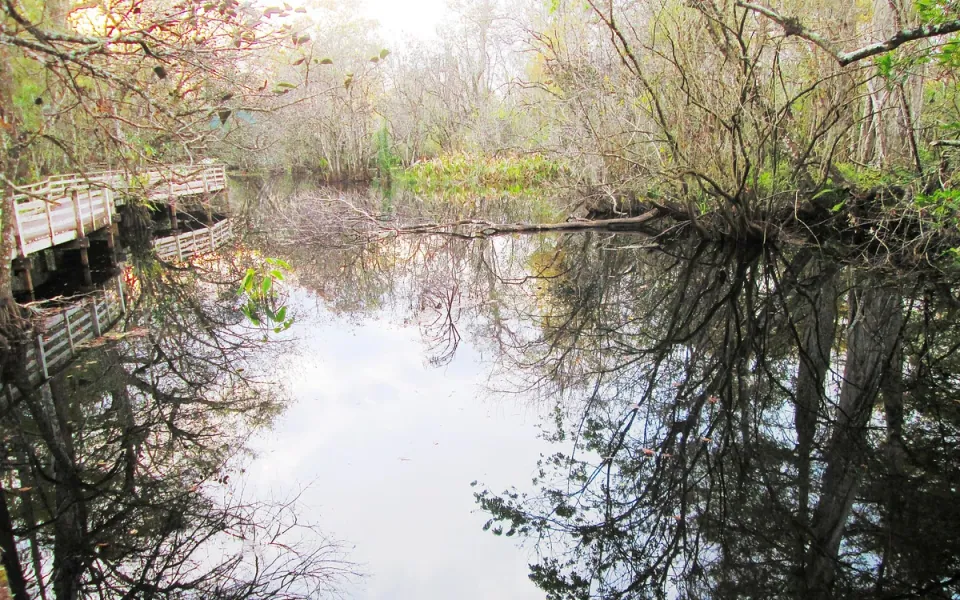 04
04Corkscrew Swamp Sanctuary
Goes with: Parks, Gardens, Swamp Buggies and a Movie Star
Open the place page →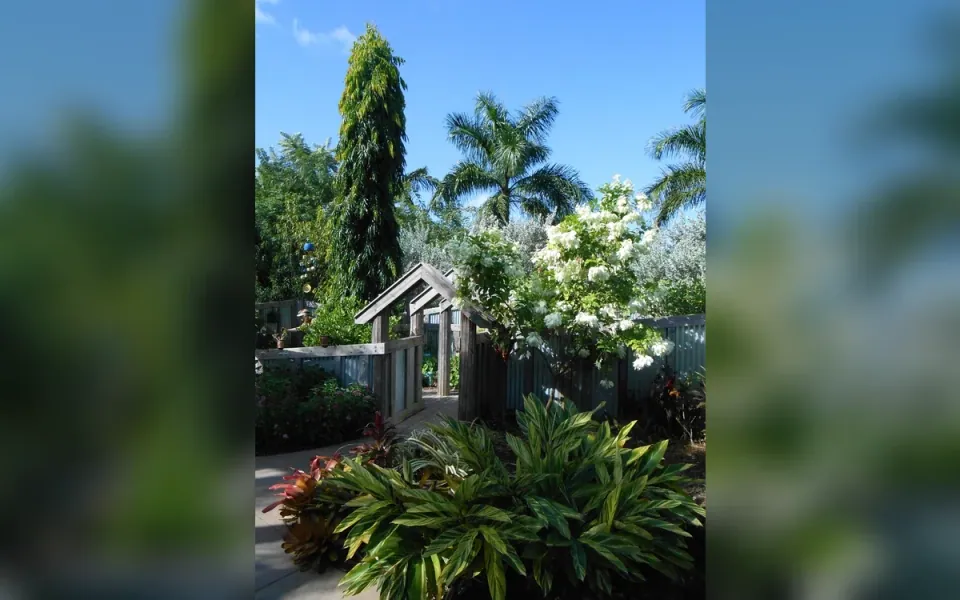 05
05Naples Botanical Garden
Open the place page →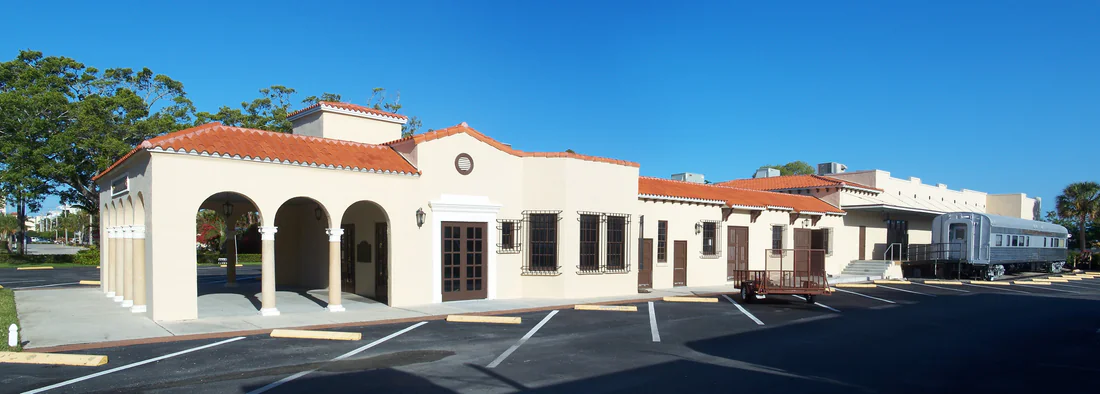 06
06Naples Depot Museum
Naples Depot Museum in the old Seaboard Air Line station →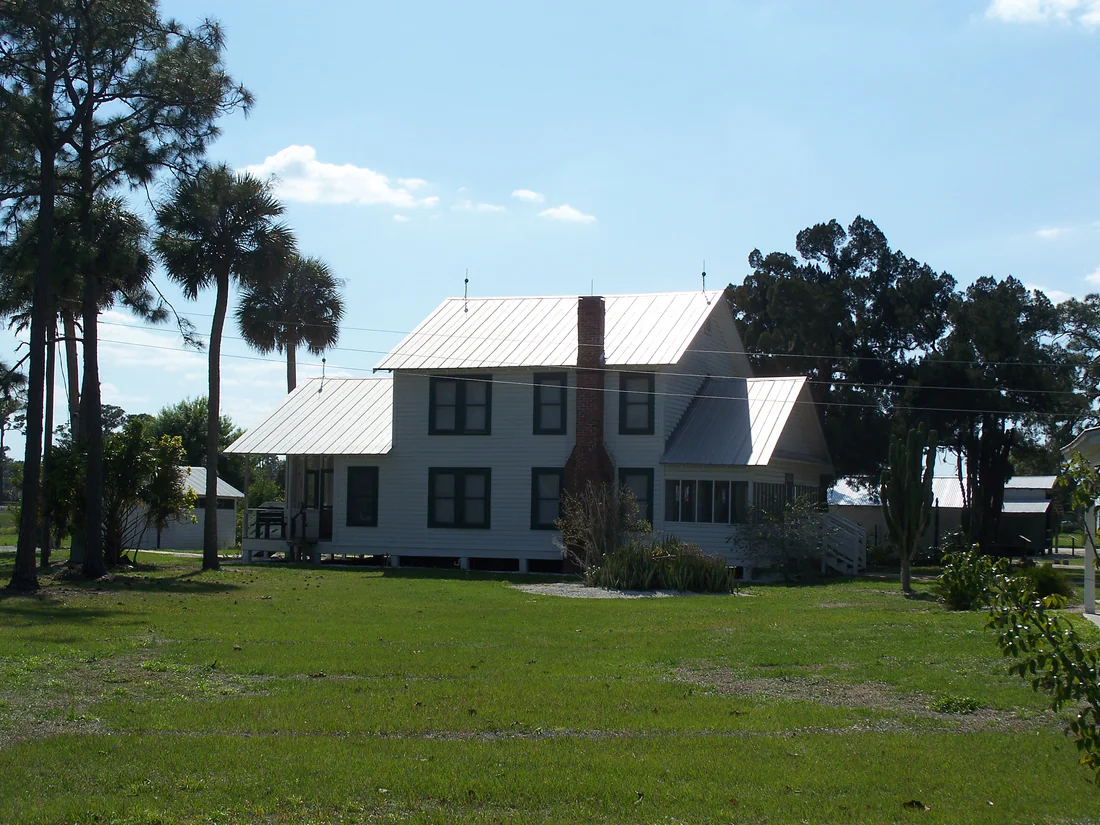 07
07Immokalee Pioneer Museum at Roberts Ranch
Goes with: Seminoles, Settlers and Immokalee
Immokalee Pioneer Museum at Roberts Ranch →Questions people ask
When was Collier County created?
Collier County was created on May 8, 1923, when Governor Cary A. Hardee signed the bill.
Chapter 6 →Who was Collier County named for?
It was named for Barron Gift Collier, who agreed to finish the Tamiami Trail if a new county was named for him.
Chapter 6 →What was the first county seat of Collier County?
The town of Everglades, now Everglades City, was the first county seat.
Chapter 6 →What is the Key Marco Cat?
It is a carving that Frank Hamilton Cushing uncovered on March 5, 1896, which the Marco Island Historical Society says was likely modeled on the Florida panther.
Chapter 4 →When did swamp buggy racing start in Naples?
Swamp buggy racing officially began in Naples in 1949.
Chapter 9 →Where this comes from.
- Collier County Government: Collier County Centennial, History ↗ Read October 16, 2026
- Collier County Government: Collier County Centennial ↗ Read October 16, 2026
- Florida Memory: Historical Sketch of Collier County ↗ Read October 16, 2026
- Florida International University: Everglades Biographies, Barron Collier ↗ Read October 16, 2026
- Florida Museum of Natural History: Tell Me About: The Calusa Tribe ↗ Read October 16, 2026
- Florida Museum of Natural History: Investigating the Calusa ↗ Read October 16, 2026
- Penn Museum, Expedition Magazine: The Calusa Indians: Maritime Peoples of Florida in the Age of Columbus ↗ Read October 16, 2026
- National Park Service: Native Peoples, Everglades National Park ↗ Read October 16, 2026
- Marco Island Historical Society: Key Marco Cat and Ancient Calusa Artifacts ↗ Read October 16, 2026
- Collier County Museums: Museum of the Everglades ↗ Read October 16, 2026
- Collier County Museums: Immokalee Pioneer Museum at Roberts Ranch ↗ Read October 16, 2026
- City of Naples: Naples Pier Rebuild Project ↗ Read October 16, 2026
- Naples Press: Reflecting, preserving local Black history ↗ Read October 16, 2026
- Fox 4 News: A look inside Naples' historic Black neighborhood ↗ Read October 16, 2026
- Naples Press: Naples Depot Museum is open again after renovations ↗ Read October 16, 2026
- Collier County Government: Naples Depot Museum's Grand Return ↗ Read October 16, 2026
- Coastal Breeze News: Farewell to the Key Marco Cat ↗ Read October 16, 2026
- WGCU: Swamp buggy racing Rat On driver reflects on a unique Naples tradition ↗ Read October 16, 2026
- Naples Zoo at Caribbean Gardens: A Growing History ↗ Read October 16, 2026
- Naples Botanical Garden: About the Garden ↗ Read October 16, 2026