Osceola County was formed on May 12, 1887, from parts of Orange and Brevard counties. Named for the Seminole leader Osceola, it became Florida's 40th county. Its county seat, Kissimmee, was first called Allendale. A state marker says its cattle raising goes back to Seminole times, and the City of Kissimmee traces its story back to Spanish missions of the late 1600s.
This page tells the story in order, from the Jororo people and the Spanish missions to Celebration, a rodeo milestone and America's 250th birthday, then lists places in the county where you can still see it. The sources for each part are named at the end of that part, and all of them are listed at the bottom of the page.
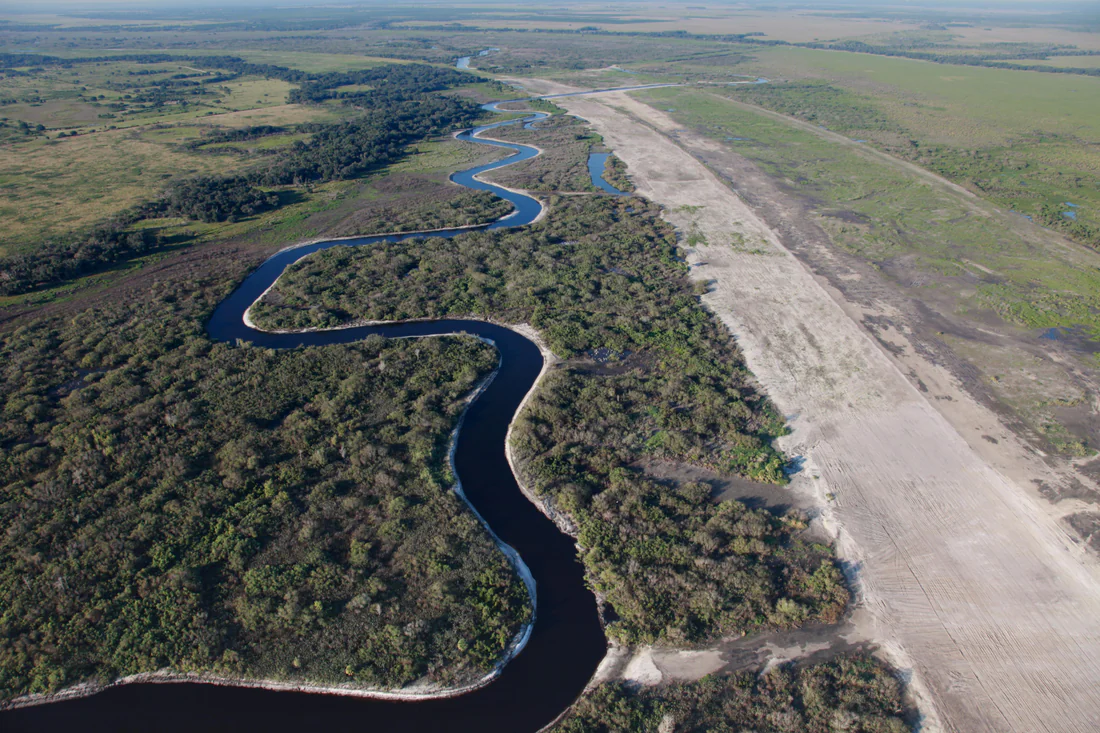
The Jororo and the Spanish
The City of Kissimmee says most local historians believe its name began as a native word. A book by Jerald T. Milanich ties the name to a Jororo village. The Jororo were one of the less familiar tribes of Florida.
In the late 1600s, Spain set up missions to bring the Jororo and other groups into the Christian faith. Spanish records place one mission near the tribe's main village, which was also named Jororo. A second mission was called Atissimi. Historian John Hann thinks that name may be the root of the modern name Kissimmee. A Spanish map from 1752 used the name "Cacema," an early spelling of Kissimmee.
Britain took control of Florida in 1763. Spain got Florida back in 1783, when the Revolutionary War ended. Spanish, then British, then American control wiped out the last villages of Florida's first peoples.
Sources: City of Kissimmee: History of the City
Next: Chapter 2, The Seminoles and Osceola →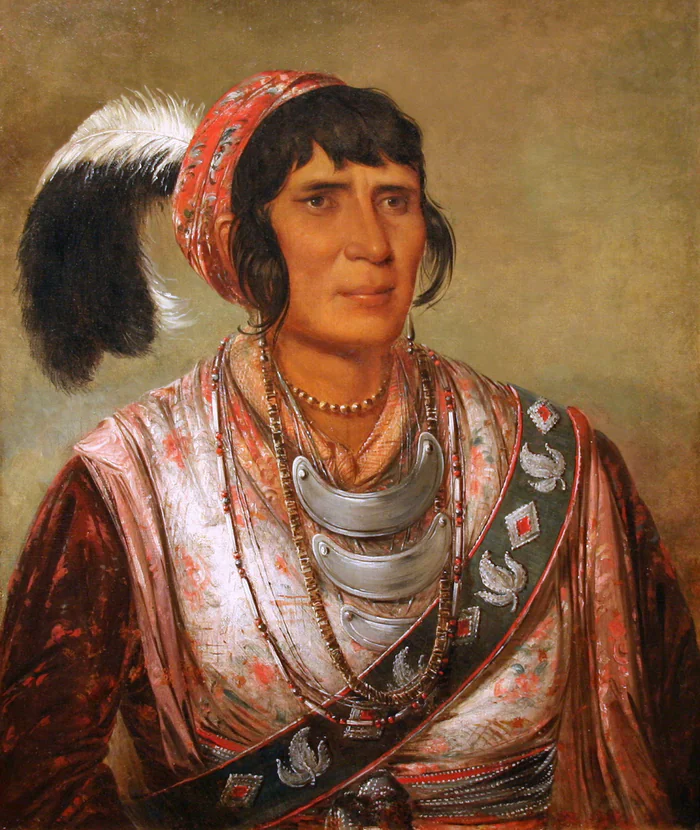
The Seminoles and Osceola
Creek people from the Southeast joined with Africans who had escaped slavery. These new groups moved deep into the Florida interior to find safety. This area remained a far-off Seminole homeland through the 1700s. The state's marker at the courthouse says local cattle raising dates from Seminole times.
Historians place Osceola's birth in Alabama in 1804. His mother was Creek and his father was Scottish. As a boy he was known as Billy Powell. He and his mother moved to Florida while Spain still held it.
The Second Seminole War lasted from 1835 to 1842. Osceola proved a skilled planner and an able leader in that war. In 1837, General Thomas Jesup had him seized near St. Augustine while he was talking peace under a flag of truce. Osceola died while held at Fort Moultrie, South Carolina. The National Park Service gives the date of his death as January 30, 1838.
Sources: City of Kissimmee: History of the City; Florida Department of State: Osceola County historical marker; National Park Service: Osceola; Florida Department of State: Seminole Leaders
Next: Chapter 3, Cowmen, a cabin court and Allendale →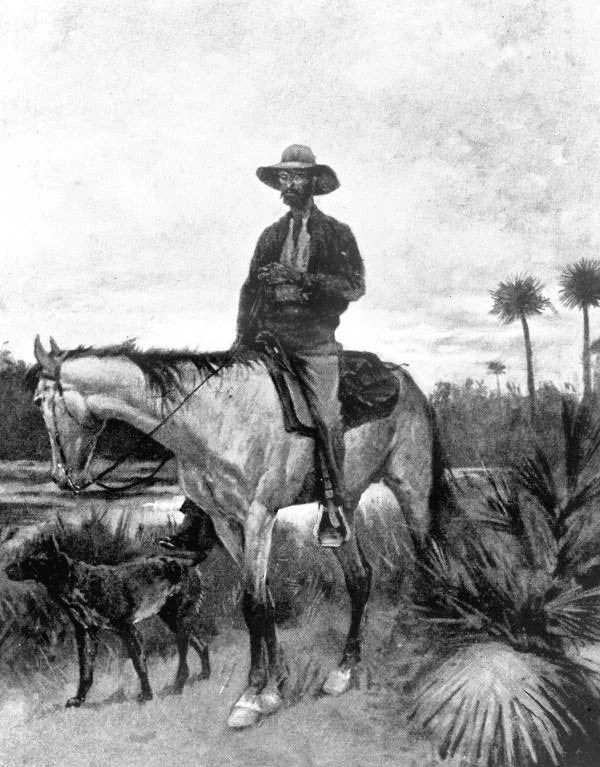
Cowmen, a cabin court and Allendale
From the 1860s on, cowboys cracked their whips as they drove lean herds through the scrub of Osceola's open ranges. In the 1870s, judges who rode from place to place heard cases in a log cabin at Court House Pond. The spot was about four miles west of today's Kenansville.
Kissimmee's first post office opened near Shingle Creek in 1873. Clement R. Tyner ran it as the first postmaster. Shingle Creek starts in Orlando and winds 23 miles to Lake Tohopekaliga. The county calls the creek the northernmost headwaters of the Everglades. In the county's park on the creek, the 160-acre Pioneer Village at Babb Landing has real historic buildings to explore.
Kissimmee began as a small trading post called Allendale on the north shore of Lake Tohopekaliga. It took its name from J. H. Allen, a former Confederate soldier who came to captain a steamboat on the lake.
Sources: Osceola County: History of Osceola County; Ninth Judicial Circuit Court of Florida: Osceola County Courthouses, 1890; City of Kissimmee: History of the City; Osceola County: Shingle Creek Regional Park
Next: Chapter 4, Disston's dredges, steamboats and the railroad →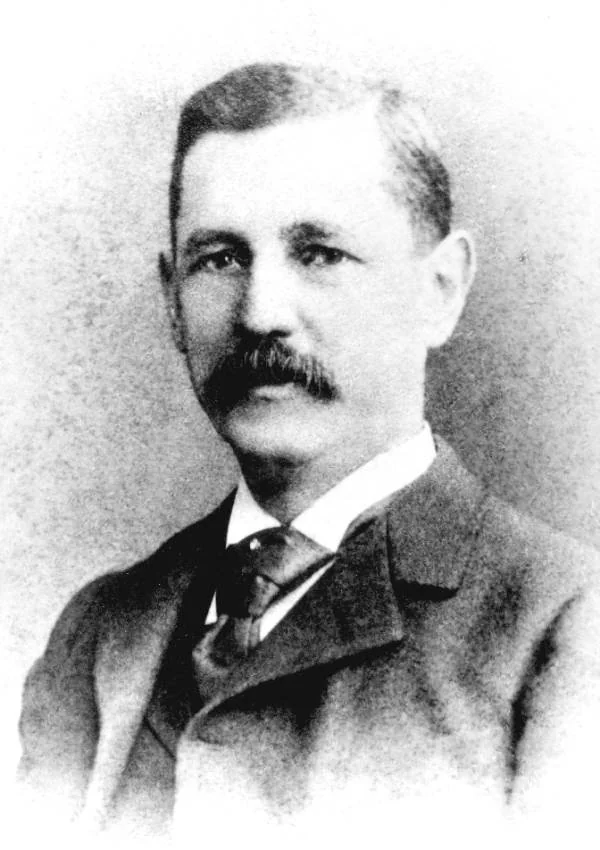
Disston's dredges, steamboats and the railroad
In January 1881, Hamilton Disston signed a contract to drain the land and dig the Kissimmee River deeper. The plan was to let goods travel by boat to the Gulf of Mexico. That same year, the Philadelphia businessman bought four million acres of Florida land. The city says the price came to $1 million, or 25 cents an acre. His company opened offices in Kissimmee in 1881, and its dredges went to work in January 1882.
The South Florida Railroad reached Kissimmee in March 1882. By late 1884, canals joined several of the bigger lakes. With that work done, steamboats could run straight to Kissimmee from the Gulf. Many steamboat captains worked the chain of lakes between Kissimmee and the Gulf.
On March 23, 1883, voters made the town official under the name Kissimmee City. Thirty-three of the 36 registered voters said yes. T. A. Bass was the first mayor they elected. In 1884, W. B. Makinson Sr. opened a hardware store downtown, and the city says it stayed Florida's oldest operating hardware store until 2022.
Sources: City of Kissimmee: History of the City; National Park Service: Historic and Architectural Resources of Kissimmee, Florida (National Register form, 1993); Ninth Judicial Circuit Court of Florida: Osceola County Courthouses, 1890
Next: Chapter 5, Sugar, polo and Narcoossee →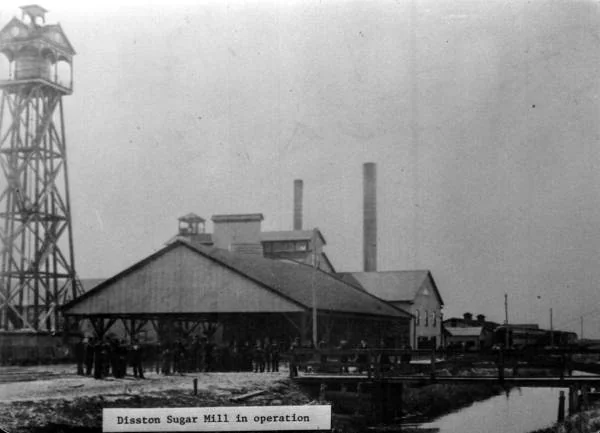
Sugar, polo and Narcoossee
In 1885, Disston started a large experimental sugar plantation on drained land around St. Cloud. It ran its own cane mill. The county says that, by some reports, the nation's largest sugar mill ran in the late 1800s where St. Cloud is now. Disston's Sugar Belt Railway carried sugar and citrus between Kissimmee and Narcoossee. At Narcoossee, the train was turned around for the trip back on a turntable worked by muscle power.
Many British settlers made homes at Narcoossee and brought a love of polo with them. They started a polo team in 1888, and two years later it had more than 100 members. In 1886, young Black families from North Carolina moved to Narcoossee. They worked in the citrus groves and cane fields of an English investor named Arthur Fell. Fell gave the land for their church, St. Luke Baptist Church.
Whitted, Jones, Fryar and Wiggins roads are named for some of those first settlers. After hard frosts killed Florida's citrus crops, local workers turned to making turpentine. As the turpentine business grew, more families settled there. The church has served the Historic Whitted Community since it began.
Sources: Florida Department of State: Hamilton Disston Sugar Plantation historical marker; Osceola County: History of Osceola County; Florida Department of State: Sugar Belt Railway/VFW Post historical marker; Florida Department of State: St Luke Missionary Baptist Church historical marker
Next: Chapter 6, A new county and its courthouse →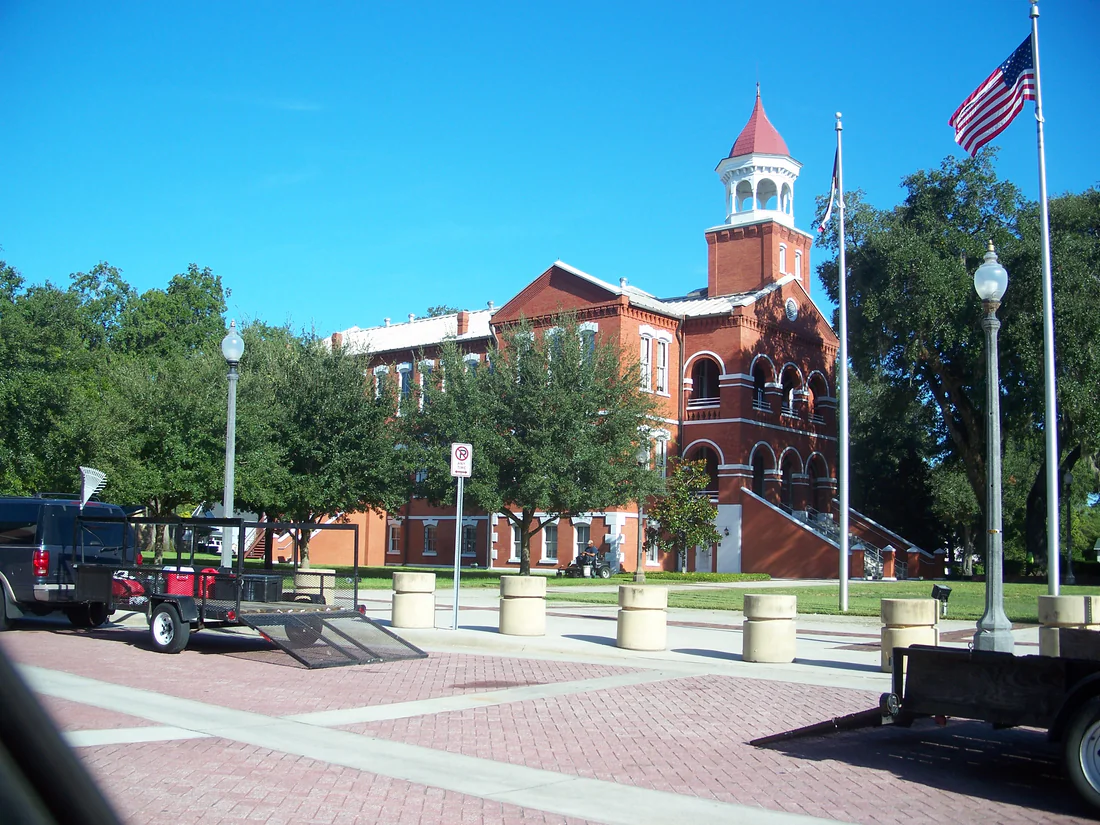
A new county and its courthouse
Osceola County was formed on May 12, 1887, out of parts of Orange and Brevard counties. Senator J. Milton Bryan, one of its sponsors, suggested naming it for Osceola. It was Florida's 40th county. Kissimmee City won the vote for county seat with 421 votes, and Runnymede, a village of English settlers, came second with 30.
On March 23, 1889, voters approved bonds for a courthouse and a jail, 193 votes to 191. The state marker puts the bond issue at $30,000 and calls the courthouse Romanesque Revival in style. In January 1890, part of the tower fell in after its support timbers were taken out. The courthouse was dedicated on May 6, 1890. The court system calls it the oldest courthouse in Florida still used for judicial purposes.
In the winter of 1894-1895, a great freeze killed much of Florida's citrus. A 2024 Florida Department of State release says the freeze ended Disston's sugar growing. The state's historical marker for the plantation gives a different reason, the end of a federal bounty paid on home-grown sugar. In 1895, Disston's land company stopped paying on its bonds and went back to Philadelphia. The city's history says Disston took his own life on April 30, 1896.
Sources: Osceola County: History of Osceola County; Florida Department of State: Osceola County historical marker; Ninth Judicial Circuit Court of Florida: Osceola County Courthouses, 1890; National Park Service: Historic and Architectural Resources of Kissimmee, Florida (National Register form, 1993); Florida Department of State: Secretary Byrd Designates St. Cloud Main Street as Florida Main Street Program of the Month; Florida Department of State: Hamilton Disston Sugar Plantation historical marker; City of Kissimmee: History of the City; Florida Public Archaeology Network: Explore Osceola County
Next: Chapter 7, St. Cloud, the Soldier City →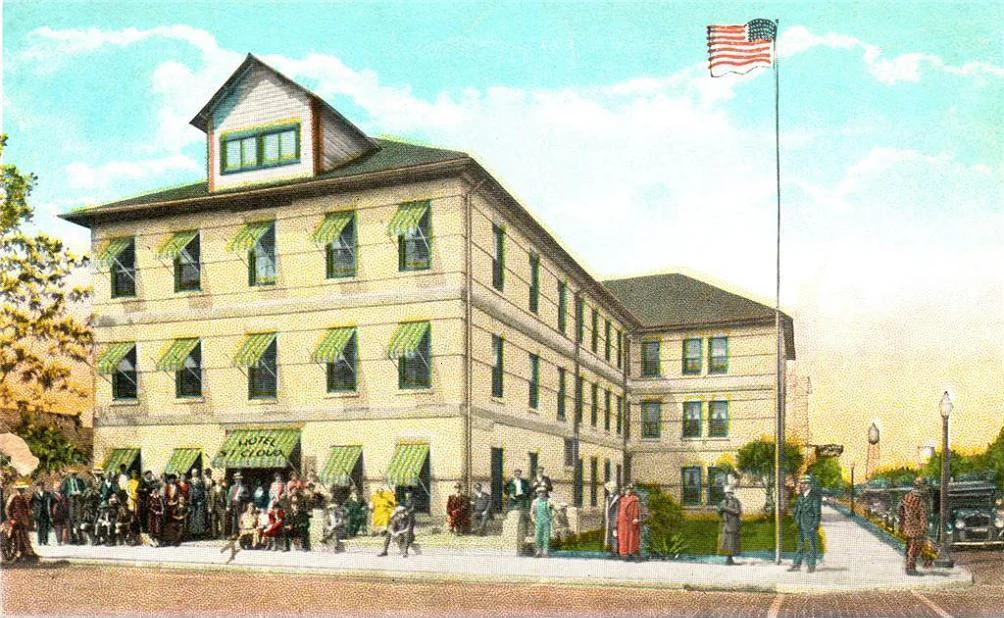
St. Cloud, the Soldier City
The Seminole Land and Investment Company bought 35,000 acres of the old Disston plantation. Its plan was a retirement colony for veterans, called St. Cloud. A veteran could buy a five-acre plot from the company for $50. Starting in 1909, Union veterans of the Civil War came to St. Cloud from all over the country. The town became known as the Soldier City.
The veterans' group, the Grand Army of the Republic, met in a hall built on land the company gave in 1909. St. Cloud was incorporated in 1911, and its first officials were chosen in that old hall. A 2024 Florida Department of State release gives June 1, 1915, as the date it became a city. At its height, the state marker says, St. Cloud's post was Florida's largest and the second largest in the country. St. Cloud's women began leaving books and magazines at the train depot, which started the town's first library.
The land company gave ten acres for Mount Peace Cemetery. Orrin B. King was the first Union veteran buried there, on February 4, 1910. Union veterans were buried there from 1910 to 1942, 427 burials in all. Three were Black soldiers of the United States Colored Troops. The Florida GAR met at the hall for the last time in 1940, and St. Cloud's last Union veteran died in 1943.
Sources: Florida Department of State: Secretary Byrd Designates St. Cloud Main Street as Florida Main Street Program of the Month; Florida Department of State: Soldier City's Mount Peace Cemetery historical marker; Florida Department of State: Grand Army of the Republic Building historical marker; Florida Department of State: Sugar Belt Railway/VFW Post historical marker
Next: Chapter 8, Cow capital, a country school and the Desert Inn →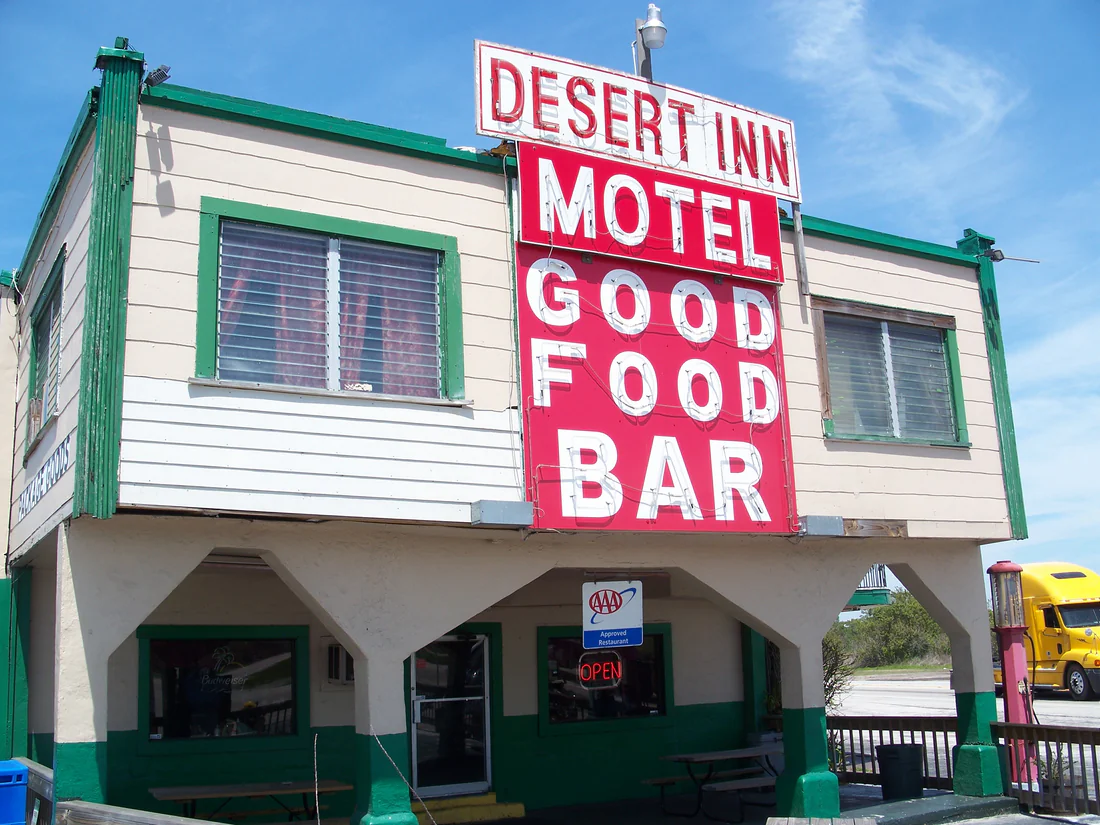
Cow capital, a country school and the Desert Inn
By 1905, Kissimmee was called Central Florida's "cow capital." Kissimmee gained nine new subdivisions between 1924 and 1926. When forty Florida banks failed in 1926, the Bank of Osceola County was one of them. Hardier Brahma cattle came in the 1930s and improved the local beef. Cattlemen formed an association in Kissimmee in 1934.
Judson and Mollie Steffee left Kentucky with their children and settled at Shingle Creek, where their house dates from 1911. The house has been preserved in Shingle Creek Regional Park. Kenansville, in the southeast part of the county, was named for Henry Flagler's third wife, Mary Lily Kenan Flagler. The Kenansville School went up in 1917, paid for with $6,000 from her estate. A state marker says no older public school building is known in the county.
The Desert Inn at Yeehaw Junction started out in the late 1880s as a trading post. Lumbermen from the nearby pine woods came there to eat, drink and dance. So did cowmen who tended cattle roaming free on the palmetto prairie. Black and Seminole customers ate there too, but in separate dining rooms during the years of segregation. Road building in the 1930s drew tourists, and overnight cabins went up behind the old building.
Sources: National Park Service: Historic and Architectural Resources of Kissimmee, Florida (National Register form, 1993); Osceola County: History of Osceola County; City of Kissimmee: History of the City; Osceola County: Steffee Homestead; Osceola County: Shingle Creek Regional Park; Florida Department of State: Kenansville School historical marker; Florida Department of State: The Desert Inn historical marker
Next: Chapter 9, War years: a monument, a rodeo and a storm study →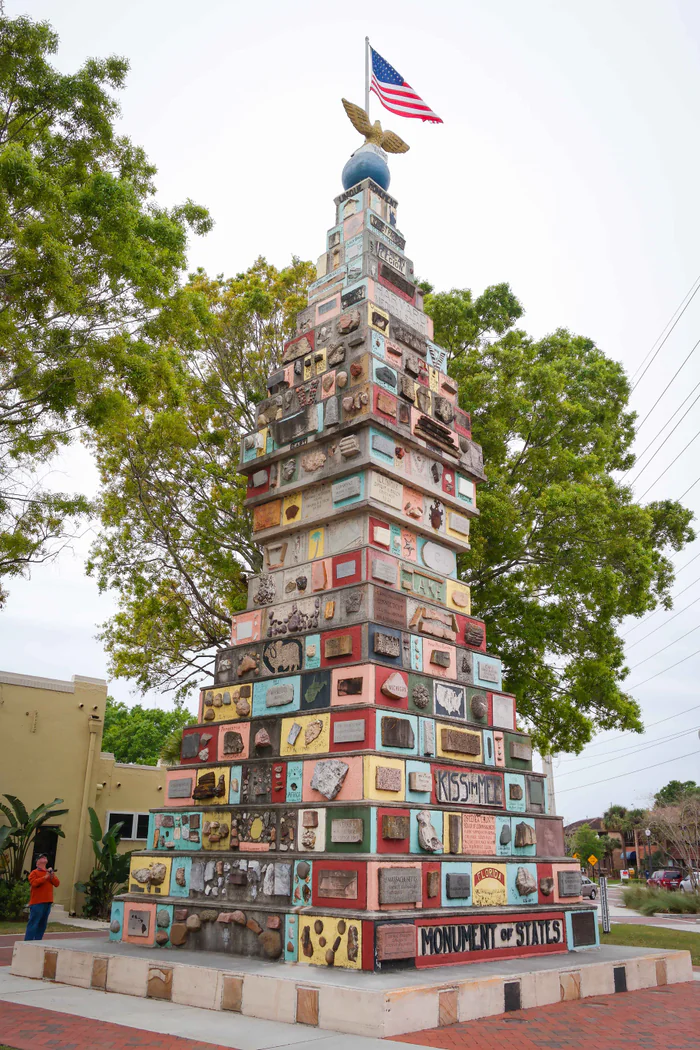
War years: a monument, a rodeo and a storm study
A group called the Silver Spurs Club got its start in 1941. In its first year, members did a square dance on horseback, called the quadrille, in Moultrie, Georgia. In 1943, Henry O. Partin gave land for the club's first arena. The first Silver Spurs Rodeo was held on July 4, 1944. The price of admission was a war bond.
In the 1940s, Army engineers built an airport at Kissimmee. The Monument of States in Kissimmee was finished in 1943. Dr. Charles Bressler-Pettis, president of the Kissimmee All-States Tourist Club, designed it to lift Americans' spirits after Pearl Harbor. Every state sent rocks for it, and so did many counties, other countries and private citizens. The monument stands fifty feet tall and holds more than 100 gifts of rocks and minerals.
In the summer of 1946, scientists came to St. Cloud to study thunderstorms. They used weather radar, airplanes flown into the storms, weather balloons and ground instruments. The U.S. Weather Bureau, the Air Force, the Navy and NACA, which came before NASA, ran the project. The site was picked because no other place in North America has thunderstorms as often as Florida. The marker says it was the first time such readings were gathered, and they showed how thunderstorms are built and how they grow and fade.
Sources: Silver Spurs Rodeo: Landmark Years and Pivotal Moments Throughout the Silver Spurs Club's History; City of Kissimmee: History of the City; Florida Department of State: Secretary Detzner Announces Recent Designation of Florida Properties on National Register of Historic Places; Florida Department of State: The Thunderstorm Project historical marker
Next: Chapter 10, Retirees, Walt Disney World and spring baseball →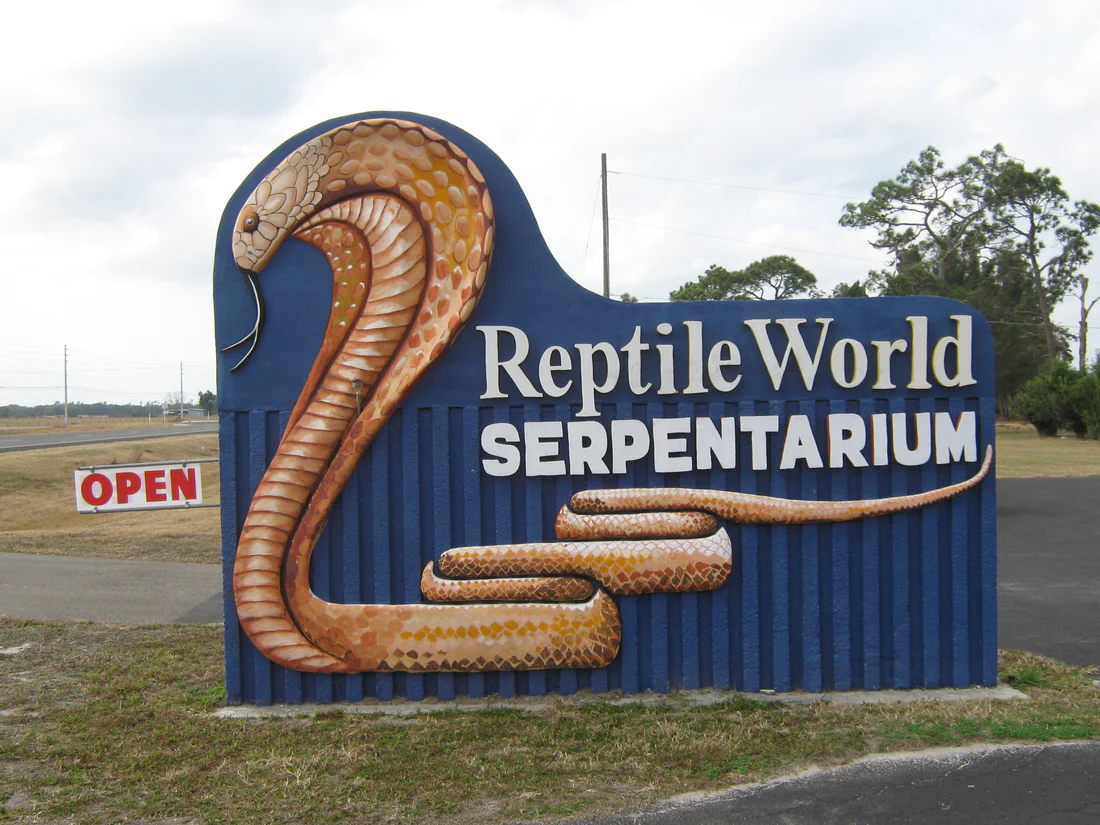
Retirees, Walt Disney World and spring baseball
In 1950, the club's Silver Spurs Rodeo Arena on U.S. Highway 192 held its first rodeo. In the 1950s, city leaders worked to bring retirees to Kissimmee. Record rain in 1956 flooded Kissimmee and did $2 million in damage.
A state marker notes that tourism and manufacturing have grown in the county since the late 1960s. Walt Disney World made its debut in 1971. The city counts the 1970s as its next big growth period, driven by Walt Disney World and other attractions. In St. Cloud, Reptile World was founded in 1972 and opened to visitors four years later. Visitors came to watch its venomous snakes being milked.
On August 16, 1977, the 1890 courthouse joined the National Register of Historic Places. In 1985, the Houston Astros moved their spring training to Kissimmee from Cocoa Beach.
Sources: Silver Spurs Rodeo: Landmark Years and Pivotal Moments Throughout the Silver Spurs Club's History; City of Kissimmee: History of the City; Florida Department of State: Osceola County historical marker; Orion Magazine: The Venom Collectors; Ninth Judicial Circuit Court of Florida: Osceola County Courthouses, 1890; KPRC Click2Houston: Daily Craig: No more Kissimmee
Next: Chapter 11, Since 1990: Celebration, a rodeo milestone and America's 250th birthday →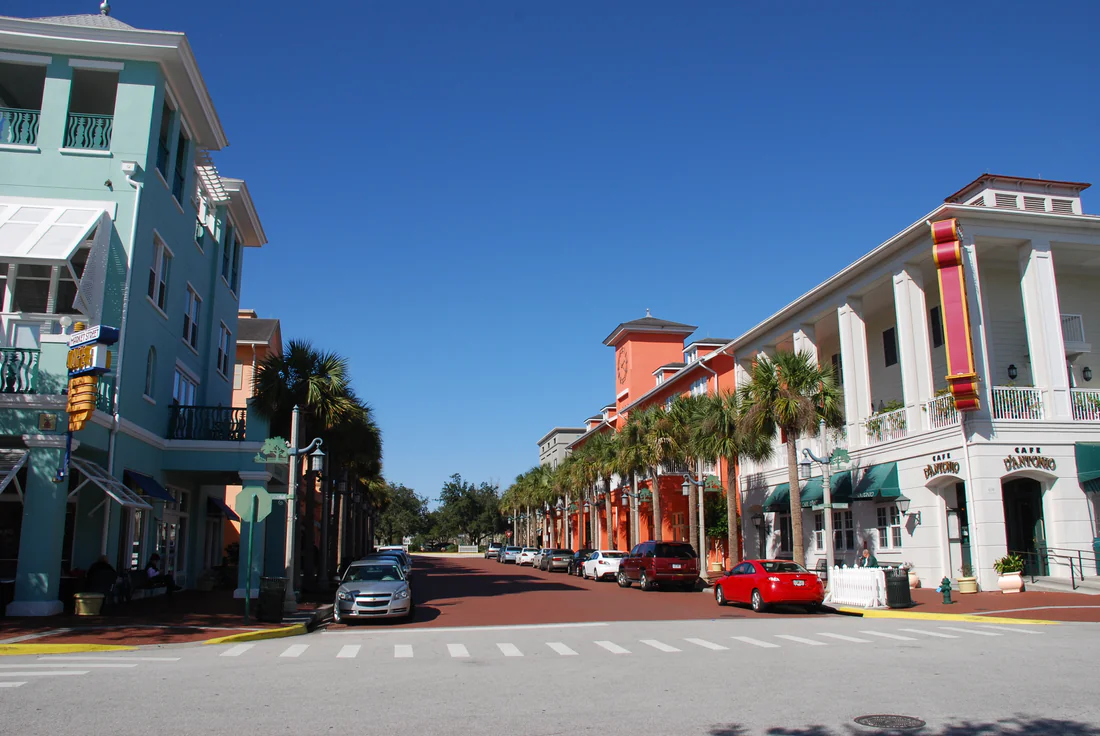
Since 1990: Celebration, a rodeo milestone and America's 250th birthday
Disney made its plans for the town of Celebration public in 1991, and work on the town began in 1994. The first family moved in on June 18, 1996. The downtown was finished on November 12, 1996, the date the town keeps as Founders Day. In January 2004, Disney sold the town center to private buyers.
In 2001, a national "Save a Landmark" program chose the Monument of States for cleaning, repairs and fresh paint. The Silver Spurs held their first rodeo in a new building in 2003. In 2005, St. Cloud's old Veteran's Memorial Library, first opened in February 1923, became the St. Cloud Heritage Museum. In 2019, 26 veterans buried at Mount Peace Cemetery without markers received new military headstones.
In 2024, the Silver Spurs Riding Club spent the year celebrating its 80th anniversary. The state named St. Cloud Main Street its Florida Main Street Program of the Month for March 2024. The county's new Kissimmee-St. Cloud Connector Trail, a shared path between the two towns, opened with a ribbon cutting on June 26, 2025. In 2026, for the nation's 250th birthday, the 1890 courthouse in Kissimmee was hung with red, white and blue bunting.
Sources: WKMG News 6: What is Celebration: The history of a community developed by Disney; Florida Department of State: Secretary Detzner Announces Recent Designation of Florida Properties on National Register of Historic Places; Silver Spurs Rodeo: Landmark Years and Pivotal Moments Throughout the Silver Spurs Club's History; Florida Department of State: Secretary Byrd Designates St. Cloud Main Street as Florida Main Street Program of the Month; WKMG News 6: St. Cloud historian replaces unmarked graves of veterans with new headstones; Osceola News-Gazette: 'Family business' Silver Spurs Rodeo continues in 80th year; Osceola County: Osceola County Unveils Latest Segment in Connector Trail Highlighting County's Natural Beauty and Resources; WKMG News 6: Osceola County opens new trail connecting Kissimmee, St. Cloud; Osceola County: America 250
Next: the whole story, in dates →The whole story, in dates
Spain builds missions among the Jororo people.
A Spanish map calls the area "Cacema."
Spain takes Florida back from Britain.
Osceola is born in Alabama.
Osceola is taken prisoner during peace talks under a flag of truce.
Osceola dies at Fort Moultrie, South Carolina.
Cowboys drive lean herds across Osceola's open ranges.
Kissimmee's first post office opens near Shingle Creek.
Hamilton Disston signs a contract to drain the land and deepen the Kissimmee River.
Disston's dredges go to work.
The South Florida Railroad reaches Kissimmee.
Voters incorporate the town as Kissimmee City.
Disston starts a sugar plantation around St. Cloud.
Black families from North Carolina move to Narcoossee.
Osceola County is formed from parts of Orange and Brevard counties.
The courthouse in Kissimmee is dedicated.
A great freeze kills much of Florida's citrus.
Hamilton Disston dies.
Union veterans of the Civil War begin moving to St. Cloud.
Orrin B. King is the first Union veteran buried at Mount Peace Cemetery.
St. Cloud is incorporated.
The Kenansville School is built.
The Bank of Osceola County fails.
Cattlemen form an association in Kissimmee.
The Silver Spurs Club is formed.
The Monument of States is finished.
The first Silver Spurs Rodeo is held.
Scientists study thunderstorms at St. Cloud.
Walt Disney World makes its debut.
Reptile World is founded in St. Cloud.
The Houston Astros move their spring training to Kissimmee.
The first family moves into Celebration.
The Monument of States is chosen for cleaning and repairs.
The Silver Spurs hold their first rodeo in a new arena.
The Silver Spurs Riding Club celebrates its 80th anniversary.
The Kissimmee-St. Cloud Connector Trail opens.
The 1890 courthouse is hung with bunting for the nation's 250th birthday.
Where you can still see it
 01
01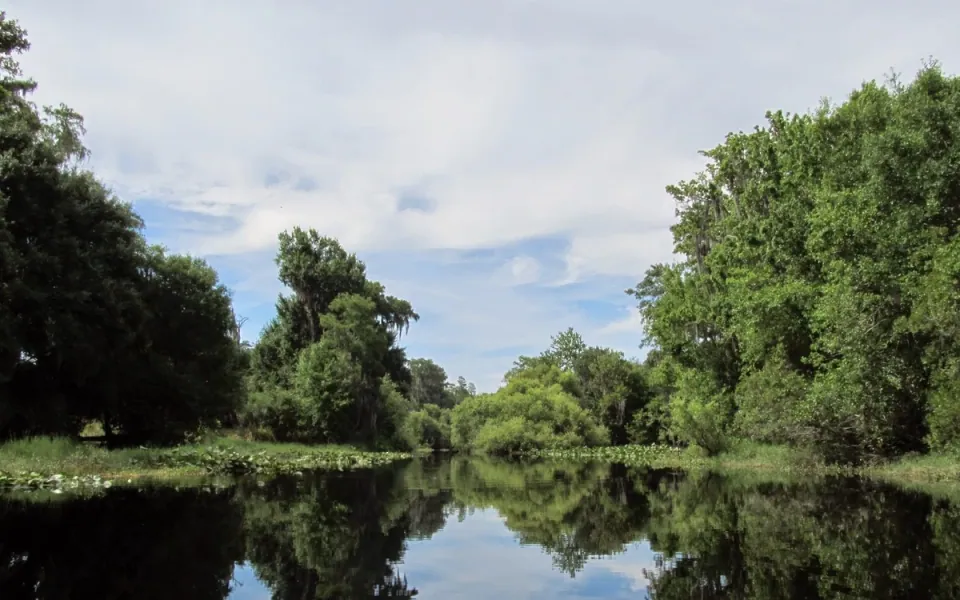 02
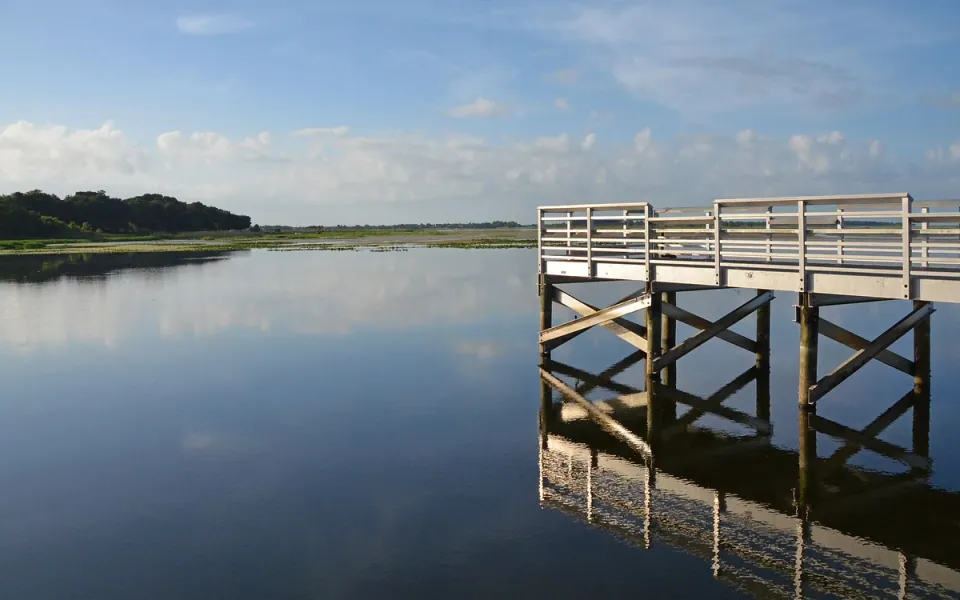
02Shingle Creek Regional Park
Goes with: Cow capital, a country school and the Desert Inn
Open the place page →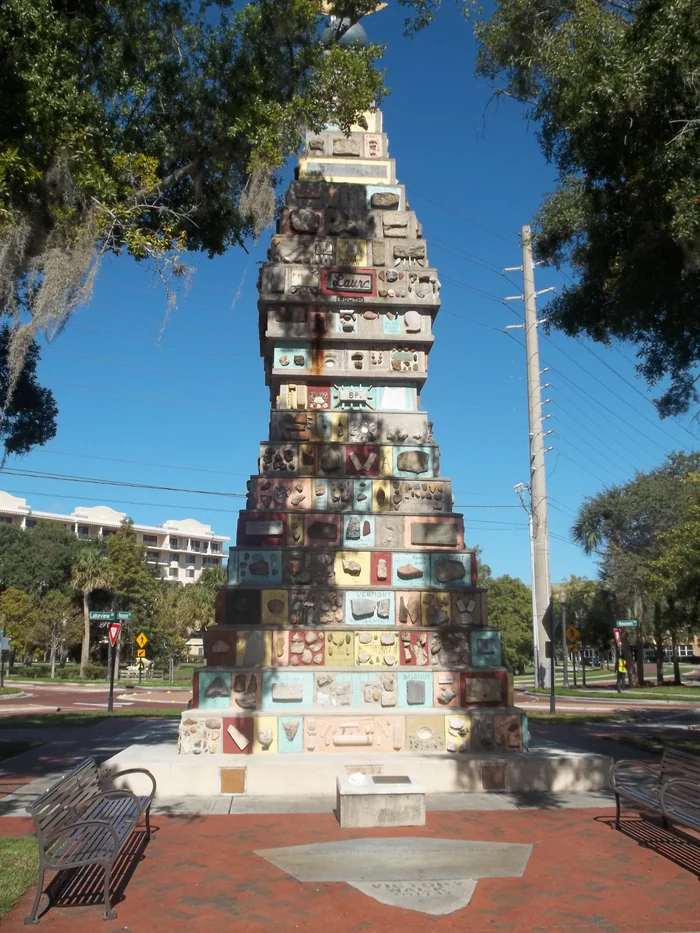 03
03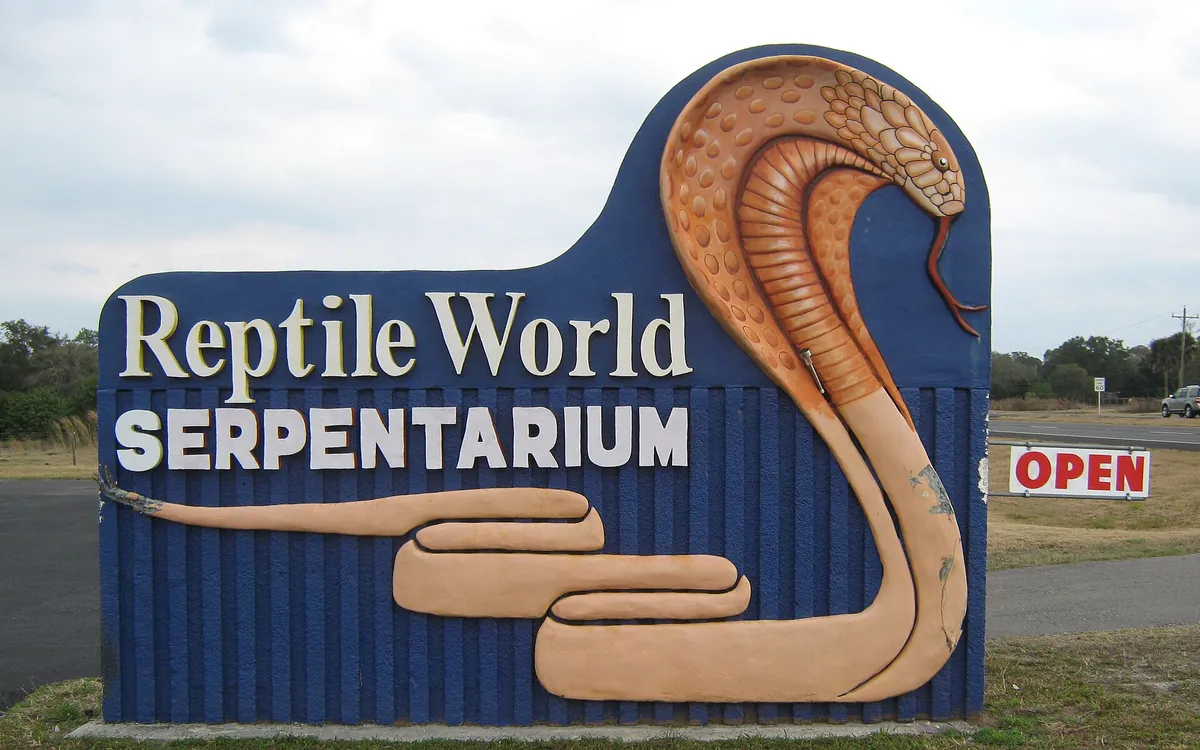 04
04Reptile World Serpentarium
Goes with: Retirees, Walt Disney World and spring baseball
Open the place page →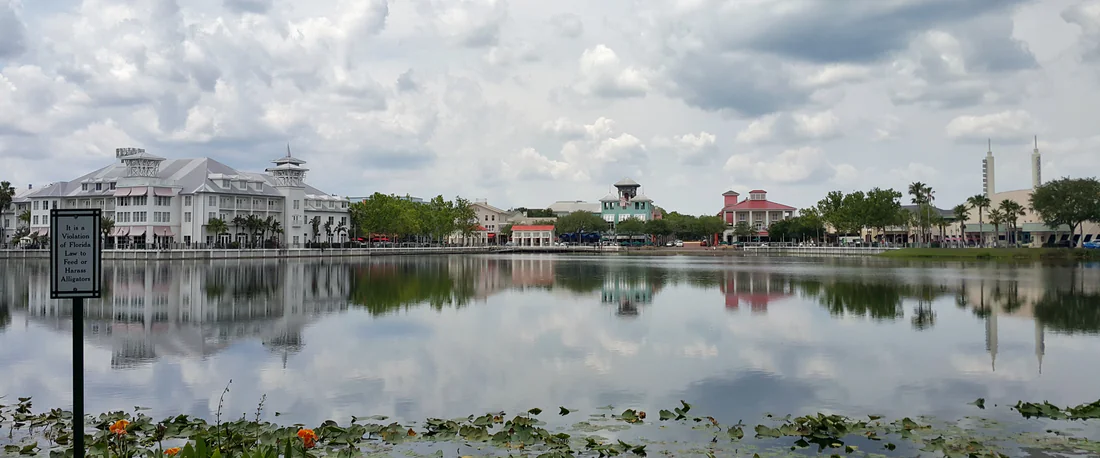 05
05Celebration Town Center
Goes with: Since 1990: Celebration, a rodeo milestone and America's 250th birthday
Open the place page →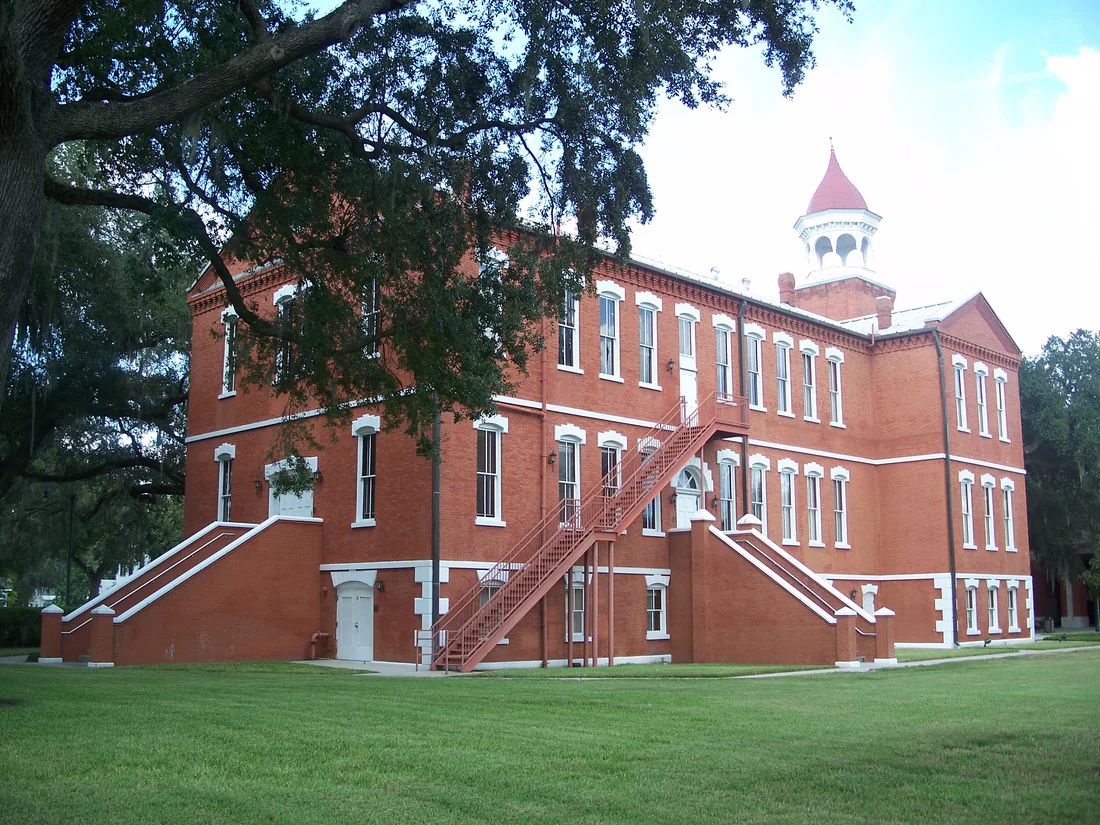 06
06Osceola County Historic Courthouse
Goes with: A new county and its courthouse
the court's history of the 1890 courthouse →Questions people ask
When was Osceola County created?
Osceola County was formed on May 12, 1887, out of parts of Orange and Brevard counties.
Chapter 6 →Who was Osceola County named for?
It was named for Osceola, the Seminole leader, after Senator J. Milton Bryan suggested the name.
Chapter 6 →What is the county seat of Osceola County?
Kissimmee is the county seat, after Kissimmee City won the county seat vote with 421 votes.
Chapter 6 →What was Kissimmee first called?
Kissimmee began as a small trading post called Allendale on the north shore of Lake Tohopekaliga.
Chapter 3 →Why is St. Cloud called the Soldier City?
St. Cloud began as a retirement colony for veterans, and Union veterans of the Civil War came there from all over the country starting in 1909.
Chapter 7 →Where this comes from.
- Osceola County: History of Osceola County ↗ Read October 16, 2026
- Florida Public Archaeology Network: Explore Osceola County ↗ Read October 16, 2026
- City of Kissimmee: History of the City ↗ Read October 16, 2026
- National Park Service: Osceola ↗ Read October 16, 2026
- Florida Department of State: Seminole Leaders ↗ Read October 16, 2026
- Florida Department of State: Osceola County historical marker ↗ Read October 16, 2026
- Ninth Judicial Circuit Court of Florida: Osceola County Courthouses, 1890 ↗ Read October 16, 2026
- Osceola County: Shingle Creek Regional Park ↗ Read October 16, 2026
- Osceola County: Steffee Homestead ↗ Read October 16, 2026
- National Park Service: Historic and Architectural Resources of Kissimmee, Florida (National Register form, 1993) ↗ Read October 16, 2026
- Florida Department of State: Hamilton Disston Sugar Plantation historical marker ↗ Read October 16, 2026
- Florida Department of State: Sugar Belt Railway/VFW Post historical marker ↗ Read October 16, 2026
- Florida Department of State: St Luke Missionary Baptist Church historical marker ↗ Read October 16, 2026
- Florida Department of State: Secretary Byrd Designates St. Cloud Main Street as Florida Main Street Program of the Month ↗ Read October 16, 2026
- Florida Department of State: Soldier City's Mount Peace Cemetery historical marker ↗ Read October 16, 2026
- Florida Department of State: Grand Army of the Republic Building historical marker ↗ Read October 16, 2026
- Florida Department of State: Kenansville School historical marker ↗ Read October 16, 2026
- Florida Department of State: The Desert Inn historical marker ↗ Read October 16, 2026
- Silver Spurs Rodeo: Landmark Years and Pivotal Moments Throughout the Silver Spurs Club's History ↗ Read October 16, 2026
- Florida Department of State: Secretary Detzner Announces Recent Designation of Florida Properties on National Register of Historic Places ↗ Read October 16, 2026
- Florida Department of State: The Thunderstorm Project historical marker ↗ Read October 16, 2026
- Orion Magazine: The Venom Collectors ↗ Read October 16, 2026
- KPRC Click2Houston: Daily Craig: No more Kissimmee ↗ Read October 16, 2026
- WKMG News 6: What is Celebration: The history of a community developed by Disney ↗ Read October 16, 2026
- WKMG News 6: St. Cloud historian replaces unmarked graves of veterans with new headstones ↗ Read October 16, 2026
- Osceola News-Gazette: 'Family business' Silver Spurs Rodeo continues in 80th year ↗ Read October 16, 2026
- Osceola County: Osceola County Unveils Latest Segment in Connector Trail Highlighting County's Natural Beauty and Resources ↗ Read October 16, 2026
- WKMG News 6: Osceola County opens new trail connecting Kissimmee, St. Cloud ↗ Read October 16, 2026
- Osceola County: America 250 ↗ Read October 16, 2026