The City of Tampa says that by 1924, Tampa had earned the name "Cigar Capital of the World." Long before that, native people may have started building shell mounds here about 2,000 years ago. The county itself was created on January 25, 1834.
This page tells the story in order, from the first people to the Super Bowl and Stanley Cup boat parades of 2021, then lists places in the county where you can still see it. The sources for each part are named at the end of that part, and all of them are listed at the bottom of the page.
The first people
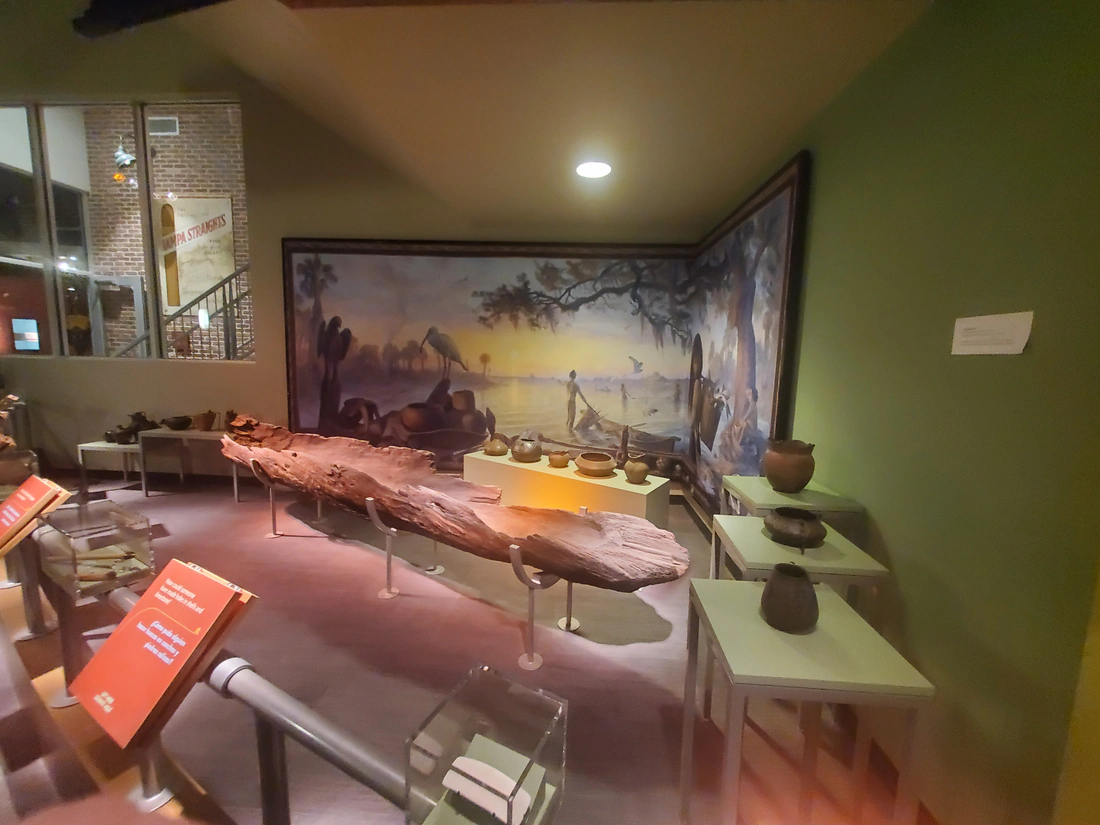
Thousands of fossils from the Ice Age have been found in Ruskin, and some are 2 million years old. The Tocobaga are among the first known people to have lived in what is now Hillsborough County. Upper Tampa Bay Conservation Park still holds traces of them, including shell mounds, also called shell middens. A midden is a lasting heap made by people from a community's trash, such as broken pottery and animal remains. People may have started building the mounds about 2,000 years ago.
In the south of the county, the Uzita made their home by the Little Manatee River, in present-day Ruskin. They were one of many chiefdoms that made up the Safety Harbor people, a group of tribes who lived on the shores of Tampa Bay from about 900 CE to 1700 CE. Records and digs at the old Native town of Tocobaga show that Native communities went on living in the area into the 1700s and later.
Sources: Hillsborough County: Get Your Hillsborough History Fix; Hillsborough County: 2,000 Years Later, Traces Remain of Indigenous People in Upper Tampa Bay Conservation Park
Next: Chapter 2, Spanish explorers →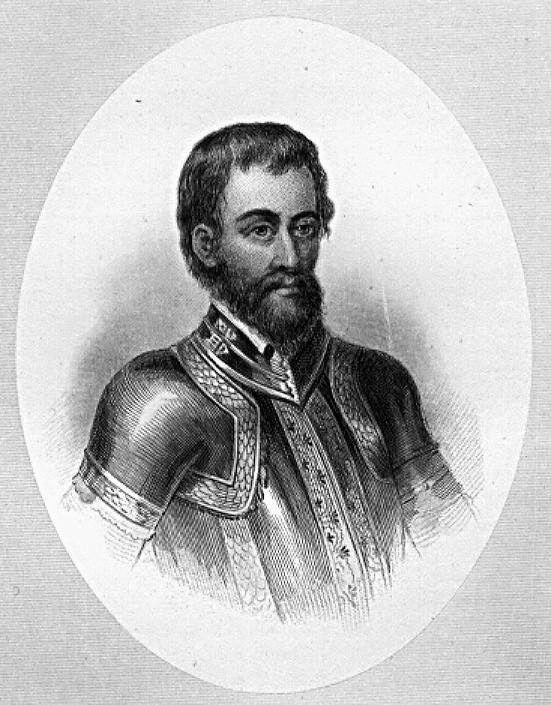
Spanish explorers
Spanish explorers were the first to map and explore the area, in the early 1500s. In 1539, Hernando de Soto landed on Florida's west coast with 600 men, 300 horses and a fleet of ships. The National Park Service names two places where historians believe he came ashore: the area of present-day Tampa, and Shaw's Point in Bradenton. De Soto arrived without a guide or interpreter, but before long he met Juan Ortiz, a Spaniard who was living among a local tribe. Ortiz had been a member of Pánfilo de Narváez's expedition of 1528.
After landing, de Soto moved northwest, village by village, sure that he would find treasure. He terrorized native towns that would not cooperate, burning people alive, enslaving them and cutting off noses and hands. In 1821, control of Florida passed from Spain to the United States.
Sources: Hillsborough County: Hillsborough County History; National Park Service: Florida: DeSoto National Memorial; National Park Service: Hernando de Soto (Ocmulgee Mounds National Historical Park)
Next: Chapter 3, Fort Brooke and the Second Seminole War →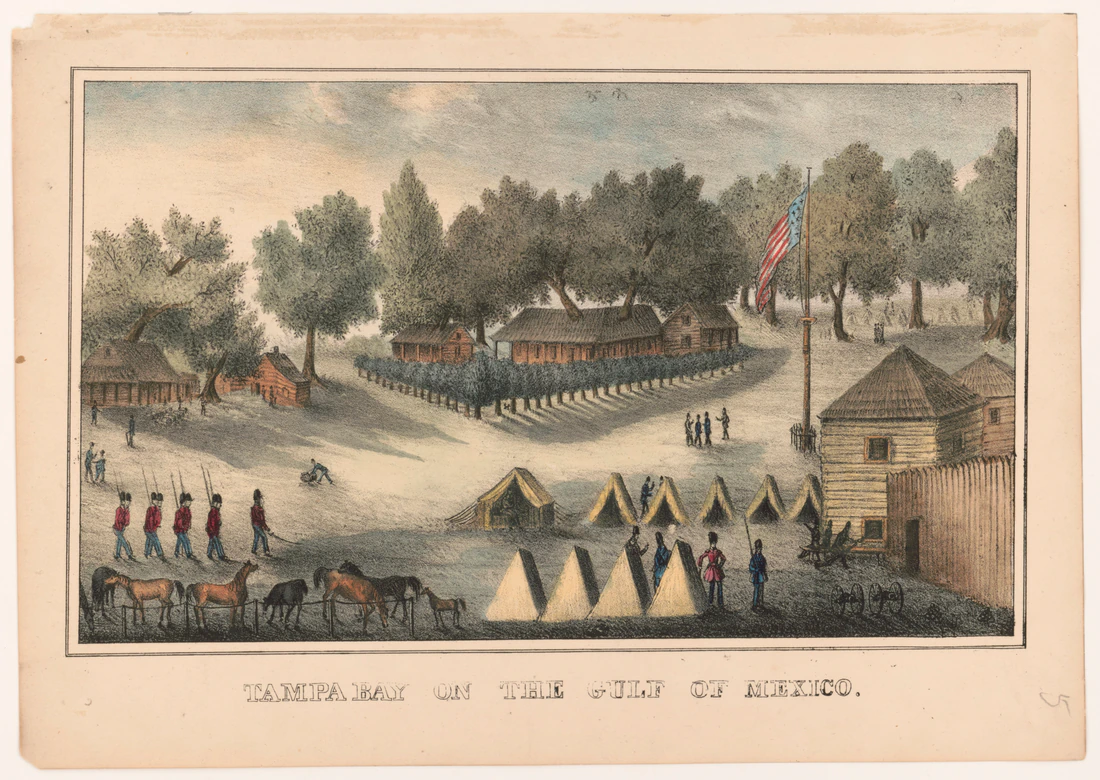
Fort Brooke and the Second Seminole War
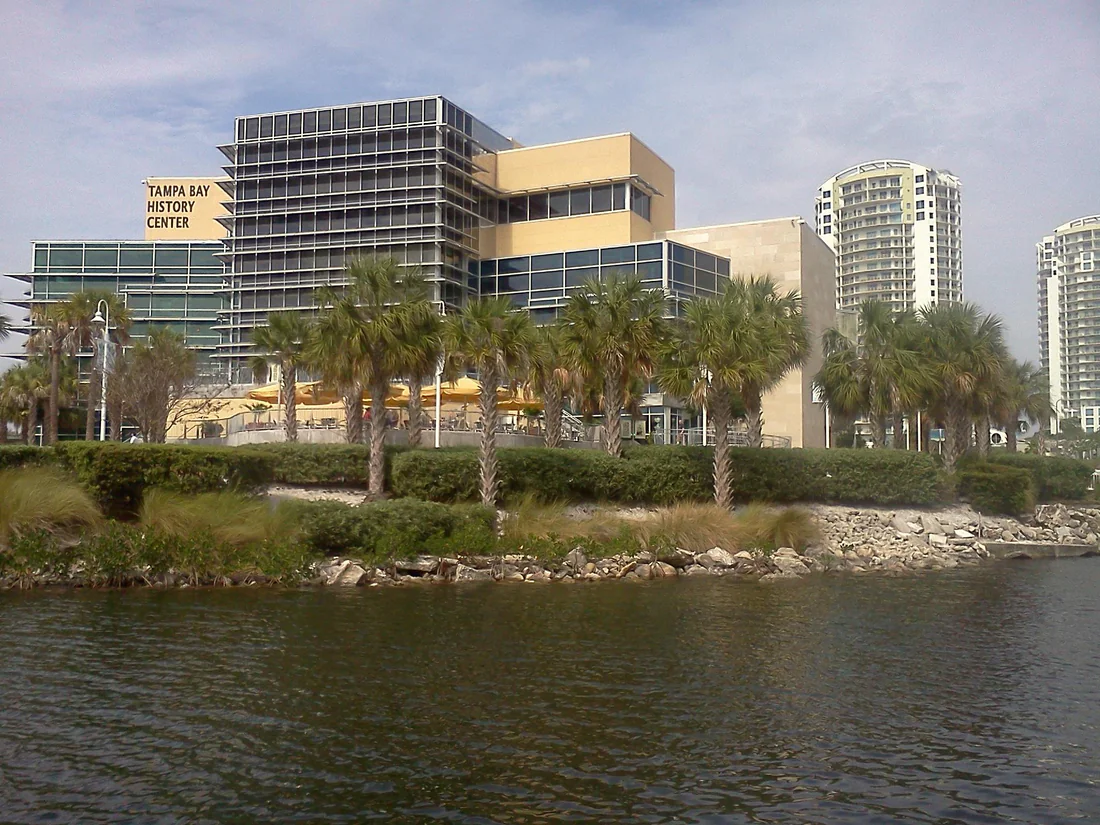
Fort Brooke was founded on January 22, 1824, to guard Tampa Bay's harbor. At first, it was simply called a "camp on the Hillsborough River." The Tampa Bay History Center says that modern Tampa arguably began with the fort. In 2016, the History Center held an exhibit that showed items found at the fort's site in the 1970s and 1980s.
Brevet Major Francis Langhorne Dade led a column of soldiers out of Fort Brooke toward Fort King, in what is now Ocala, to reinforce the troops there. On December 28, 1835, in a pine forest in what is now Bushnell, 180 Seminole warriors attacked the column, which was made up of 107 officers and men. Only three of the soldiers survived. The Second Seminole War began with this battle.
The Army made a burial ground at the fort for soldiers, civilian workers and Native people. The graves were found by accident in 1980, while a city parking garage was being built. The remains of 102 soldiers and civilians were moved to Oaklawn Cemetery and buried again on March 24, 1981. According to the Fort Brooke Cemetery historical marker, the Seminole Shrine on Orient Road is where the spirit of 42 Seminoles was put to rest.
Sources: City of Tampa: One Hundred Years Ago: Tampa in 1924; Tampa Bay History Center: Replacing Fort Brooke; Florida State Parks: Dade Battlefield Historic State Park, History; University of South Florida, Exploring Florida: Historical Marker dedicated to the Fort Brooke Cemetery
Next: Chapter 4, A county is born →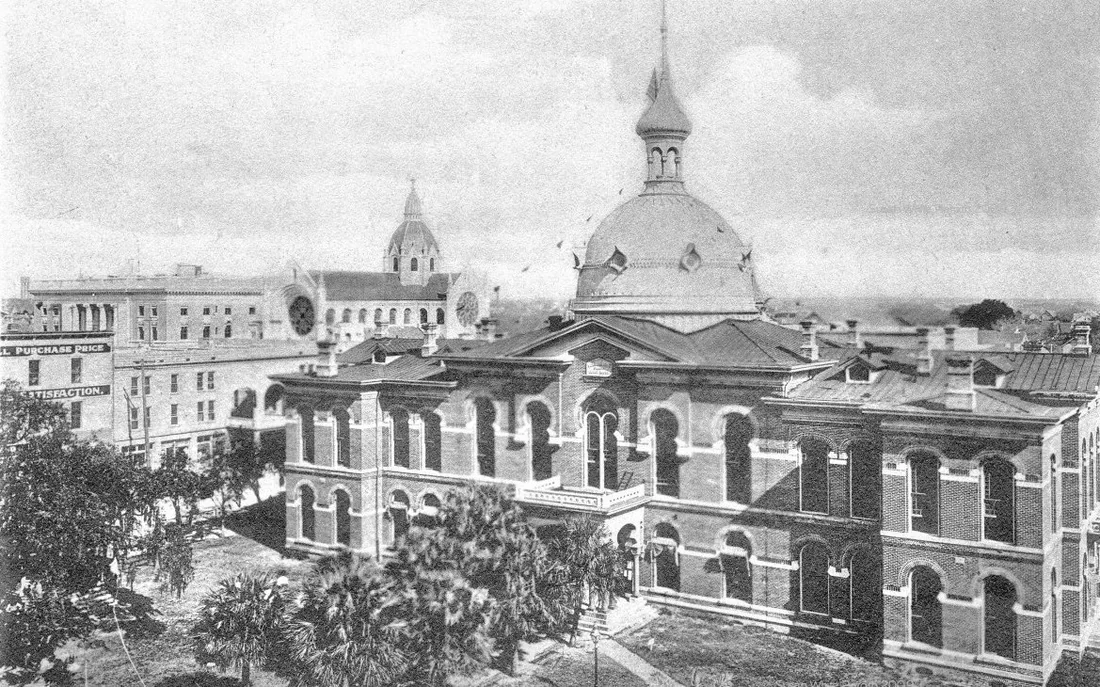
A county is born
Hillsborough became Florida's 19th county on January 25, 1834, when the Legislative Council for the Territory of Florida passed an act to organize it. It was named for Wills Hill, who from 1768 to 1772 was Britain's Secretary of State to the Colonies. Florida became a state in 1845. At that time, Hillsborough County covered the land that is now Charlotte, DeSoto, Hardee, Highlands, Manatee, Pinellas, Polk and Sarasota counties, plus part of Lee County and most of Glades County.
In 1845, Micajah C. Brown won a seat on the first Board of County Commissioners, and he began serving in January 1846. The first courthouse, a small log cabin, had been burned in the Second Seminole War. In 1847, Capt. James McKay was given the job of building a new one. The two-story building he finished measured 20 by 45 feet and cost $1,358.
Brown asked Congress in writing for land for a new courthouse, plus 160 acres so that Tampa could become the county seat. The request was granted, and on July 25, 1848, the act was signed by President James K. Polk. Fourteen men gathered at the county courthouse in 1849, and all of them voted to create the Village of Tampa. In December 1855, the State of Florida granted Tampa its first city charter. Of the three places in the county that became cities, Tampa was the first.
Sources: Hillsborough County: Hillsborough County History; City of Tampa: City Council Book, 16th Edition, January 2026; Hillsborough County: Happy Birthday, Hillsborough!
Next: Chapter 5, The Civil War and freedom →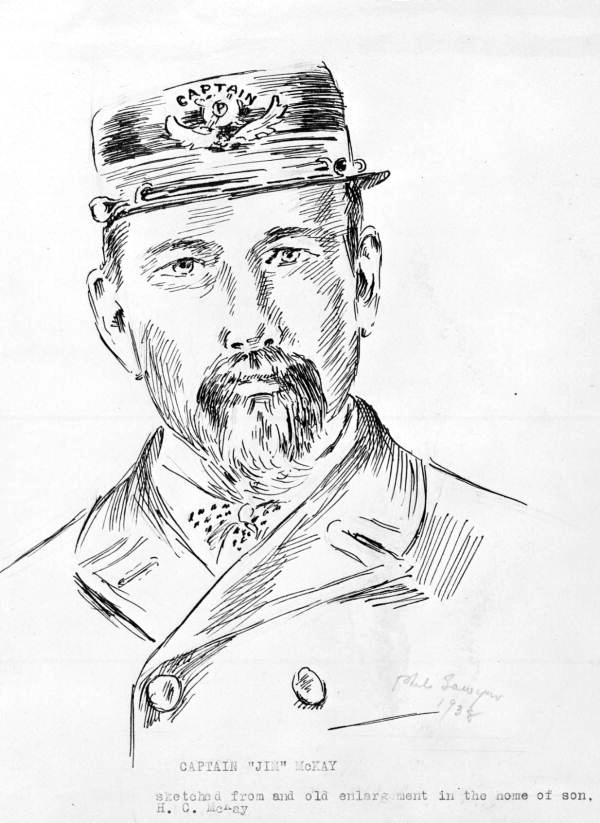
The Civil War and freedom
James McKay started buying large herds of cattle in 1858 to ship to Cuba. He won election as mayor of Tampa on February 12, 1859. During the Civil War, McKay and a few other men from the area used their ships to get past the Union naval blockade. In February 1862, the Confederate military suspended Tampa's city government.
Enslaved African Americans in Tampa were freed on May 5, 1864. After the Civil War ended and Fort Brooke was closed, the area's economy went into a recession.
Fortune Taylor was born enslaved in South Carolina in 1825. On May 5, 1866, exactly two years after Tampa's enslaved people were freed, she married Benjamin Taylor. Benjamin claimed a 33-acre homestead east of the Hillsborough River on January 20, 1868. Fortune Taylor was 81 when she died in 1906, and her grave is in Oaklawn Cemetery. A bridge that took its name from Fortune Street, which was named for her, became the Fortune Taylor Bridge in 2017.
Sources: City of Tampa: James McKay, Sr. - 6th Mayor Of Tampa; City of Tampa: City Council Book, 16th Edition, January 2026; Hillsborough County: Historical Markers of Hillsborough: Madame Fortune Taylor Bridge
Next: Chapter 6, The railroad and the Tampa Bay Hotel →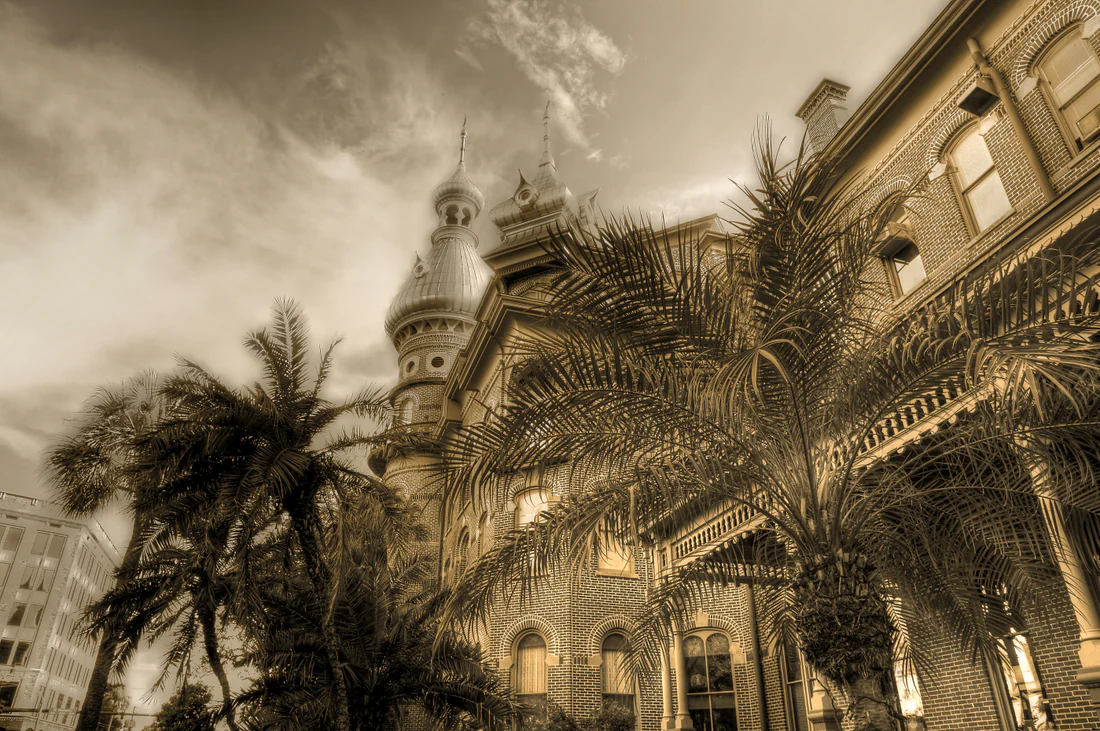
The railroad and the Tampa Bay Hotel
In 1883, Henry B. Plant bought the South Florida Railroad. His railroad reached Tampa in 1884. He later extended it to his deepwater harbor at Port Tampa. In the 1880s, phosphate was found in Hillsborough and Polk counties. The City of Tampa says the modern city began on July 15, 1887.
Plant built the Tampa Bay Hotel from 1888 to 1891 to bring tourists to Florida. It was built to look like a Moorish palace. Once finished, the hotel was five stories tall and 900 feet long, with more than 500 rooms.
It was open as a hotel from 1891 to 1932. In 1933, the City leased it to the University of Tampa. Today the building houses the Henry B. Plant Museum and the University of Tampa.
Sources: City of Tampa: City Council Book, 16th Edition, January 2026; National Park Service: Tampa Bay Hotel; Hillsborough County: Happy Birthday, Hillsborough!; City of Tampa: One Hundred Years Ago: Tampa in 1924; The University of Tampa: Henry B. Plant Museum
Next: Chapter 7, Ybor City and the cigar makers →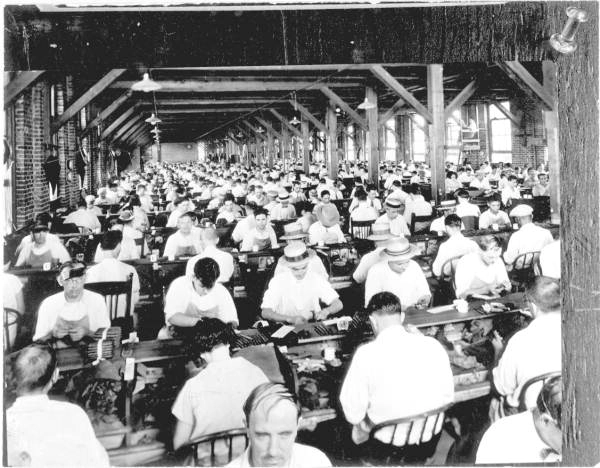
Ybor City and the cigar makers
In 1885, Vicente Martinez-Ybor, a Spanish cigar manufacturer, began to develop Ybor City. He brought his cigar factory there from Key West. Sources disagree on the year of the move: the National Park Service says 1885, and the City of Tampa says 1886. On April 12, 1886, the sidewheeler Hutchinson carried 500 Cuban cigar makers from Key West to Tampa. By the time 1886 ended, more than 3,000 workers had arrived.
In the late 1800s and early 1900s, many immigrants from Cuba, Spain and Italy lived in Ybor City, and most of them came for jobs in the cigar factories. José Martí spoke in Ybor City in 1893 and asked the Cuban cigar makers to help Cuba win its independence. El Círculo Cubano, a mutual aid society, was founded by Cuban workers in 1902. In 1904, Afro-Cuban cigar makers formed La Unión Martí-Maceo, which gave its members recreation, health resources and education. El Círculo Cubano's building, completed in 1917, had a library, a pharmacy, a theater, a cantina and a ballroom.
Tampa's cigar factories made 504,753,000 cigars in 1929 alone. The industry declined as the Depression came, cigarettes arrived and machines began to make cigars. On May 6, 1937, women led thousands of protesters on a march through Ybor City. On 7th Avenue, 5,000 Latinas came together to protest fascism, which was growing in Spain and across the world. In 1974, the National Register of Historic Places listed the Ybor City Historic District, and in 1990 Ybor City was named a National Historic Landmark District by the National Park Service.
Sources: Florida Department of State: Florida Historical Marker Details, Ybor City Historic District; National Park Service: Ybor City; City of Tampa: Historic Ybor; The University of Tampa, Macdonald-Kelce Library: José Martí and Cuban Independence in Ybor: A Walking Tour; Hillsborough County: Historical Markers of Hillsborough County: El Círculo Cubano; City of Tampa: City Council Book, 16th Edition, January 2026; Florida State Parks: Ybor City Museum State Park, History; Hillsborough County: Historical Markers of Hillsborough: The 1937 Antifascist Women's March
Next: Chapter 8, The Spanish-American War →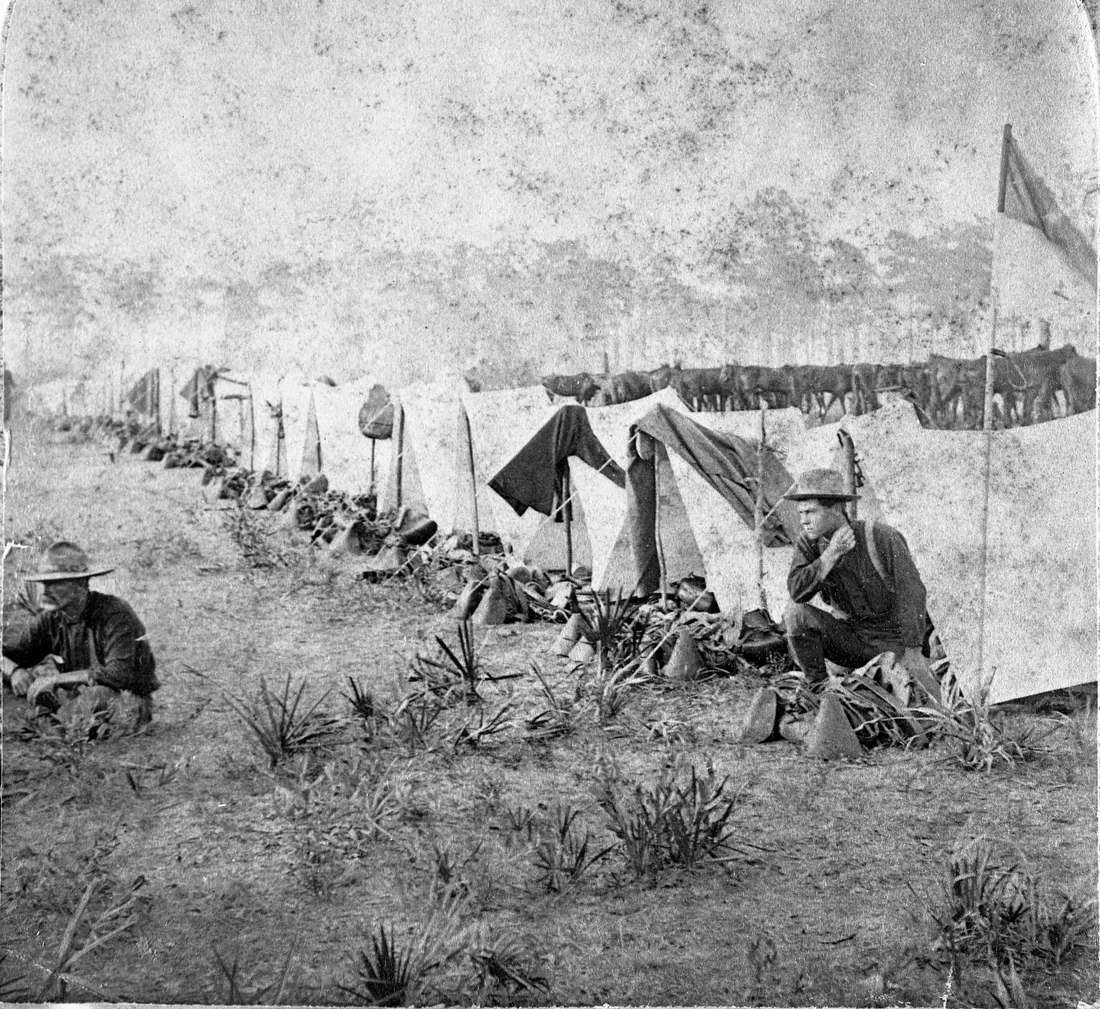
The Spanish-American War
In 1898, Hillsborough County was the main place where troops gathered and prepared to leave for the Spanish-American War. The U.S. military set up headquarters at the Tampa Bay Hotel for the Army officers who were planning the war campaign. By late spring of 1898, 30,000 soldiers had come to Tampa, including Theodore Roosevelt and his Rough Riders. The hotel was also where news reporters gathered.
Ten regiments camped around the edges of the Tampa Heights neighborhood, and two of them were Black units. The two Black units were the Twenty-fourth and Twenty-fifth Infantry, known as the Buffalo Soldiers. These segregated troops had patrolled the American frontier.
In Tampa the Buffalo Soldiers faced hostility, but they were a source of pride for the city's Black residents. Just before the army left for Cuba, a serious clash broke out in Tampa between Black and white troops.
Sources: Hillsborough County: Happy Birthday, Hillsborough!; National Park Service: Tampa Bay Hotel; Hillsborough County: Historical Markers of Hillsborough: The Buffalo Soldiers in Tampa Heights
Next: Chapter 9, The boom years and after →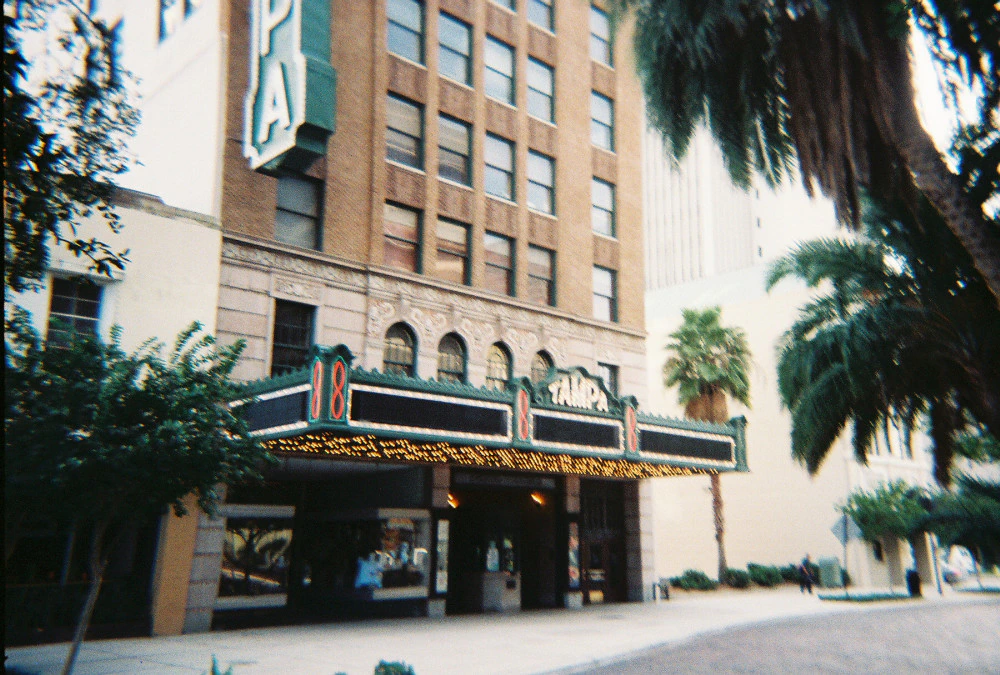
The boom years and after
In the 1920s, clay bricks were laid on parts of Bayshore Boulevard. D. P. Davis created Davis Islands, man-made islands formed by dredging the bay. In 1924, Mayor Perry G. Wall was in charge of developing Temple Terrace, which had been an orange grove northeast of Tampa. The Gandy Bridge, which links Tampa and St. Petersburg, had its dedication on November 20, 1924. West Tampa, which had been a separate city since 1895, became part of Tampa in 1925.
In 1924, Lomax High School in East Tampa, which had once been for white students, was a school for the Black community. Work on the Tampa Theatre was finished in 1926. The City of Tampa says the Floridan Hotel was Florida's tallest hotel in 1927. Also in 1927, the segregated Tampa Municipal Hospital was built on Davis Islands.
In 1950, Tampa International Airport took the place of Drew Field, an aging airbase used for military training. In May 1955, Elvis Presley appeared at Fort Homer Hesterly Armory as a supporting act.
Sources: Hillsborough County: Get Your Hillsborough History Fix; City of Tampa: One Hundred Years Ago: Tampa in 1924; Hillsborough County: Happy Birthday, Hillsborough!
Next: Chapter 10, Central Avenue and civil rights →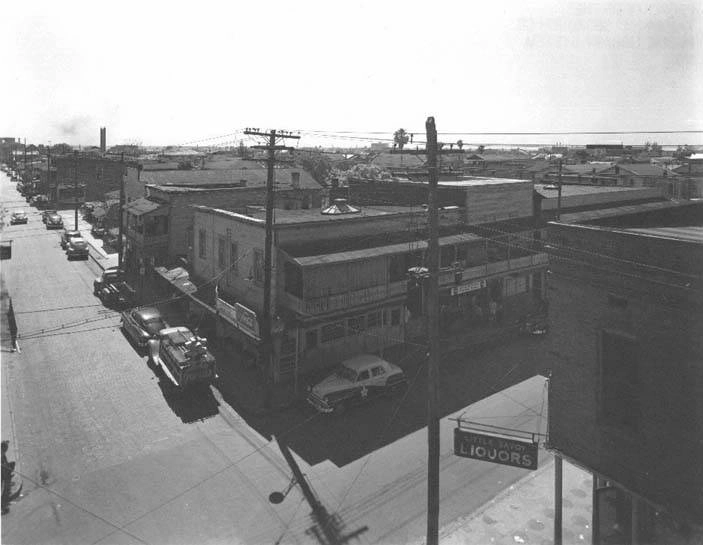
Central Avenue and civil rights
Founded during Reconstruction, the Scrub was among the first Black communities in Tampa and lay between Ybor City and downtown Tampa. Duke Ellington and Ella Fitzgerald were among the musicians who performed in the Central Avenue Business District. In the 1950s, the Scrub was torn down, and Central Park Village was built in its place.
For decades, the White Municipal Party kept Black voters from voting and stopped Black candidates from seeking public office in Tampa. Its control did not end until after the U.S. Supreme Court decided Smith v. Allwright in 1944. Robert W. Saunders was born in Roberts City, a section of West Tampa, in 1921. In January 1952, Saunders put his law studies aside to work for the NAACP as a field director in Florida. He filled the post after Harry T. Moore, Florida's first field director, was killed.
Daily sit-ins at the F.W. Woolworth store in downtown Tampa began on February 29, 1960. Students from Howard W. Blake and George S. Middleton High Schools, led by NAACP leaders, held a peaceful sit-in at the Woolworth lunch counter to protest segregation. Tampa's mayor, Julian Lane, ordered police officers to escort the young protesters. By September 1960, the lunch counters at 18 Tampa department stores had been desegregated. The City of Tampa says that in April 1983, Perry Harvey Jr. became the first Black person since Reconstruction to win a seat on the Tampa City Council.
Sources: Hillsborough County: Local Civil Rights Activists and History Celebrated in Hillsborough County Library Exhibit; City of Tampa: One Hundred Years Ago: Tampa in 1924; Hillsborough County: Historical Markers of Hillsborough: Woolworth Sit-In
Next: Chapter 11, Since 1990: a Super Bowl at home, two Stanley Cups in a row and boat parades →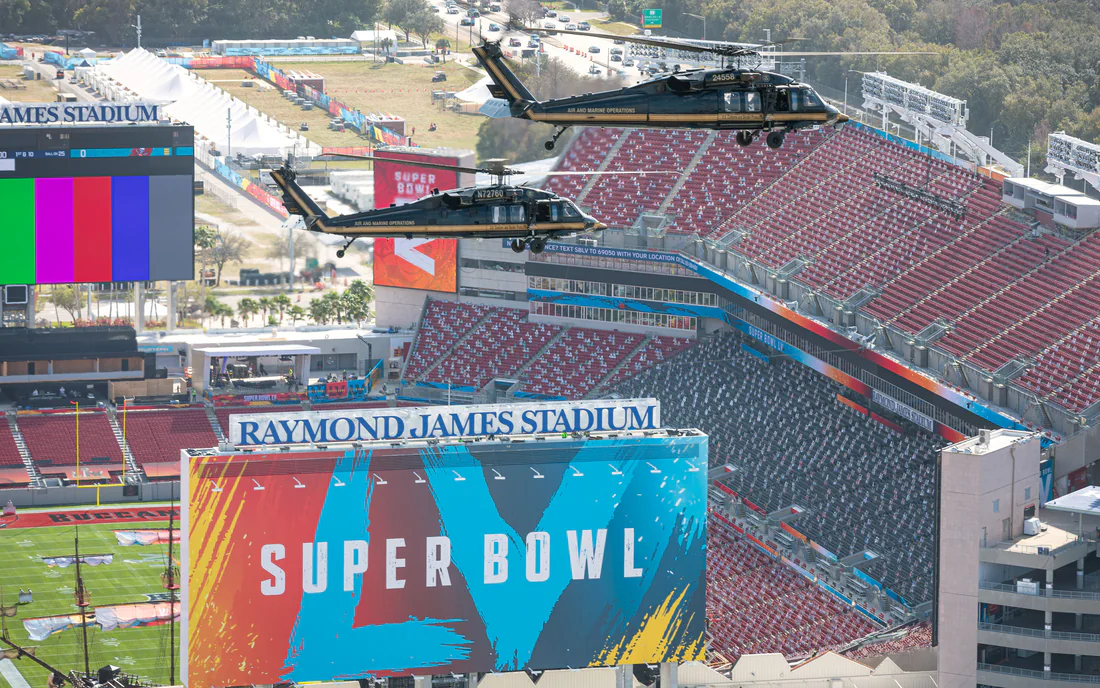
Since 1990: a Super Bowl at home, two Stanley Cups in a row and boat parades
Tampa's old electric streetcars stopped running on August 4, 1946. On October 19, 2002, a new streetcar line, the TECO Line, began carrying riders between downtown Tampa and Ybor City. On February 14, 2018, Tampa International Airport opened SkyConnect, a train line to its new Rental Car Center.
On February 7, 2021, the Tampa Bay Buccaneers beat the Kansas City Chiefs in Super Bowl LV at Raymond James Stadium in Tampa. They were the first team to play a Super Bowl in their own home stadium, and the first to win one there. On February 10, 2021, the team held a boat parade on the Hillsborough River, and Tom Brady tossed the Lombardi Trophy from his boat to another one. On July 7, 2021, the Tampa Bay Lightning beat the Montreal Canadiens at Amalie Arena in Tampa to win their second Stanley Cup in a row. On July 12, 2021, the Lightning had a boat parade of their own on the Hillsborough River, and thousands of fans gathered downtown.
The Tampa Housing Authority says Zion Cemetery, laid out in 1901 by a Black businessman named Richard Doby, is believed to have been the first African American cemetery in Tampa. Part of the Robles Park Village apartment complex, about 1.5 acres, was built on the old cemetery ground. In August 2019, the Tampa Bay Times reported that radar had found more than 120 coffins still buried beneath the apartment complex. Work to tear down the Robles Park buildings began in September 2025. In 2026, county leaders unveiled a Buffalo Soldiers monument in Veterans Memorial Park, honoring veterans who served during segregation.
Sources: Tampa Bay History Center: Tampa's historic streetcars; Tampa International Airport: SkyConnect, Rental Car Center are open for business!; FOX 13 Tampa Bay: Buccaneers make history as first team to win Super Bowl at home stadium; The Associated Press, on ClickOrlando: Tom Brady wins Super Bowl No. 7, Buccaneers beat Chiefs 31-9; NFL.com: Buccaneers celebrate Super Bowl LV with jovial boat parade; NHL.com: Lightning repeat as Stanley Cup champions, defeat Canadiens in Game 5; The Associated Press, on NBC 6 South Florida: Lightning dent Stanley Cup after another Tampa boat parade; Tampa Housing Authority: Zion Cemetery; Tampa Bay Times: Radar finds more than 120 coffins buried beneath Tampa apartment complex; Bay News 9: Zion Cemetery's future still on hold as Robles Park demolition begins; Hillsborough County: Veteran Community Services Proudly Unveils New Buffalo Soldiers Monument
Next: the whole story, in dates →The whole story, in dates
People may begin building shell mounds near upper Tampa Bay.
Safety Harbor tribes live on the shores of Tampa Bay.
Spanish explorers are the first to map and explore the area.
Hernando de Soto lands on Florida's west coast.
Florida passes from Spain to the United States.
Fort Brooke is founded to guard Tampa Bay's harbor.
Hillsborough becomes Florida's 19th county.
Dade's column from Fort Brooke is attacked, starting the Second Seminole War.
Florida becomes a state, and Hillsborough covers land that is now eight other counties and parts of two more.
President Polk signs the act granting land to make Tampa the county seat.
Fourteen men vote to form the Village of Tampa.
The state grants Tampa its first city charter.
The Confederate military suspends Tampa's city government.
Enslaved African Americans in Tampa are freed.
Henry B. Plant's railroad reaches Tampa.
The Hutchinson carries 500 Cuban cigar makers from Key West to Tampa.
The Tampa Bay Hotel opens to guests.
José Martí asks Ybor City's Cuban cigar makers to help Cuba win its independence.
Hillsborough County is the main gathering place for troops headed to the Spanish-American War.
El Círculo Cubano is founded by Cuban workers.
The Gandy Bridge is dedicated.
The Tampa Theatre is completed.
Tampa's cigar factories make 504,753,000 cigars.
Women lead an antifascist march through Ybor City.
Tampa International Airport takes the place of Drew Field.
Robert W. Saunders goes to work for the NAACP as a field director in Florida.
Daily sit-ins begin at the Woolworth store in downtown Tampa.
Fort Brooke graves are found while a parking garage is being built.
Perry Harvey Jr. wins a seat on the Tampa City Council.
Ybor City is named a National Historic Landmark District.
The TECO Line streetcar starts running between downtown Tampa and Ybor City.
SkyConnect trains open at Tampa International Airport.
The Tampa Bay Times reports that radar has found Zion Cemetery coffins still buried under Robles Park Village.
The Buccaneers win Super Bowl LV at Raymond James Stadium in Tampa.
Tom Brady tosses the Lombardi Trophy from boat to boat in the Buccaneers' parade on the Hillsborough River.
The Lightning win a second Stanley Cup in a row at Amalie Arena.
The Lightning hold their own boat parade on the Hillsborough River.
A Buffalo Soldiers monument is unveiled in Veterans Memorial Park.
Where you can still see it
 01
01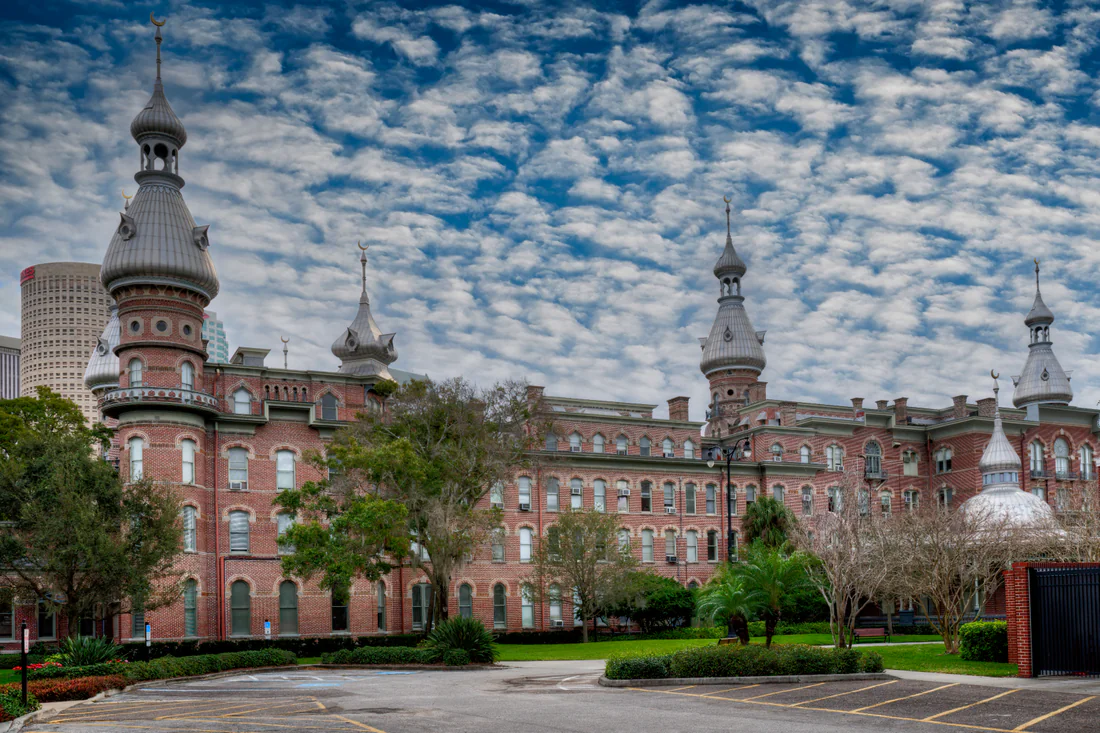 02
02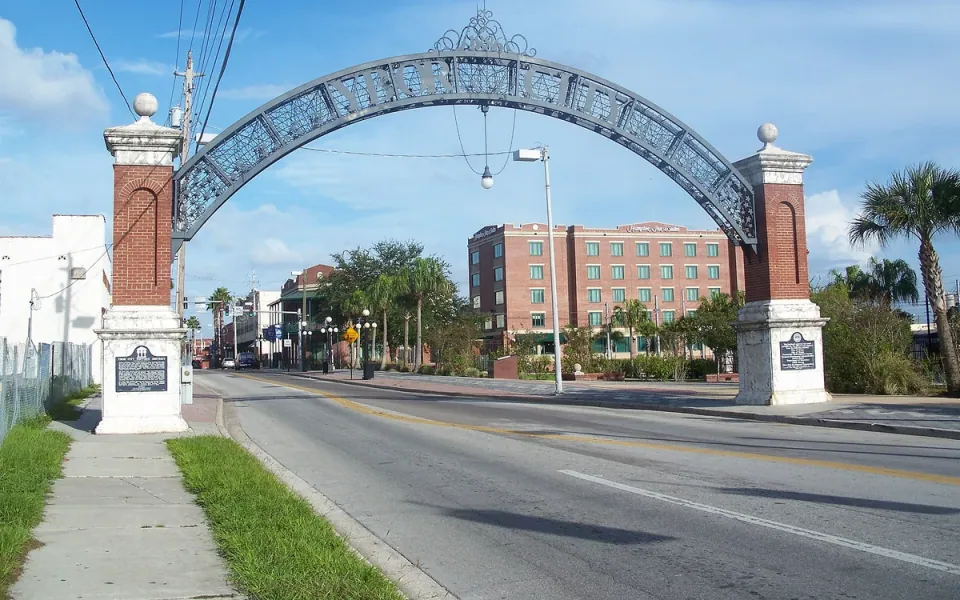 03
03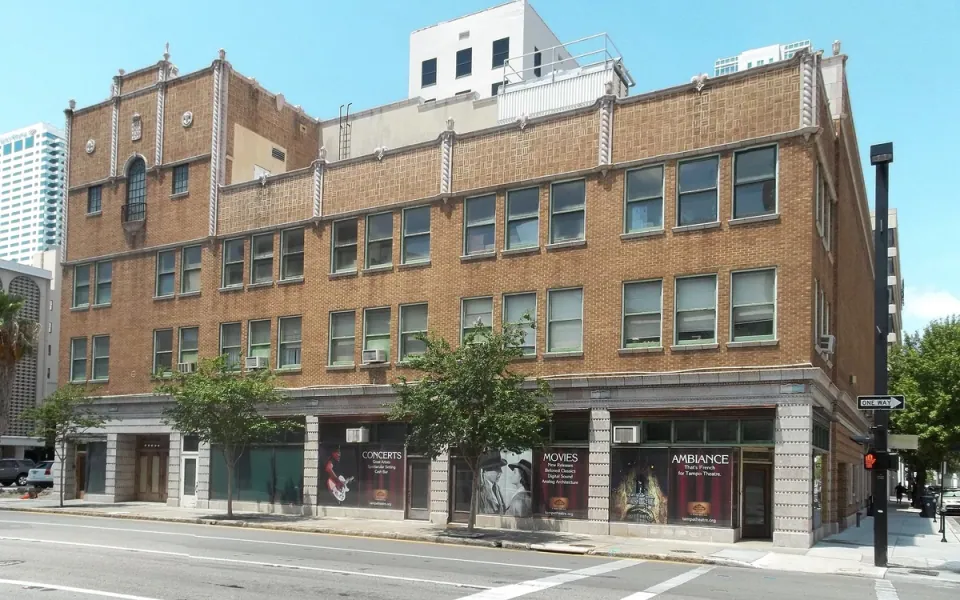 04
04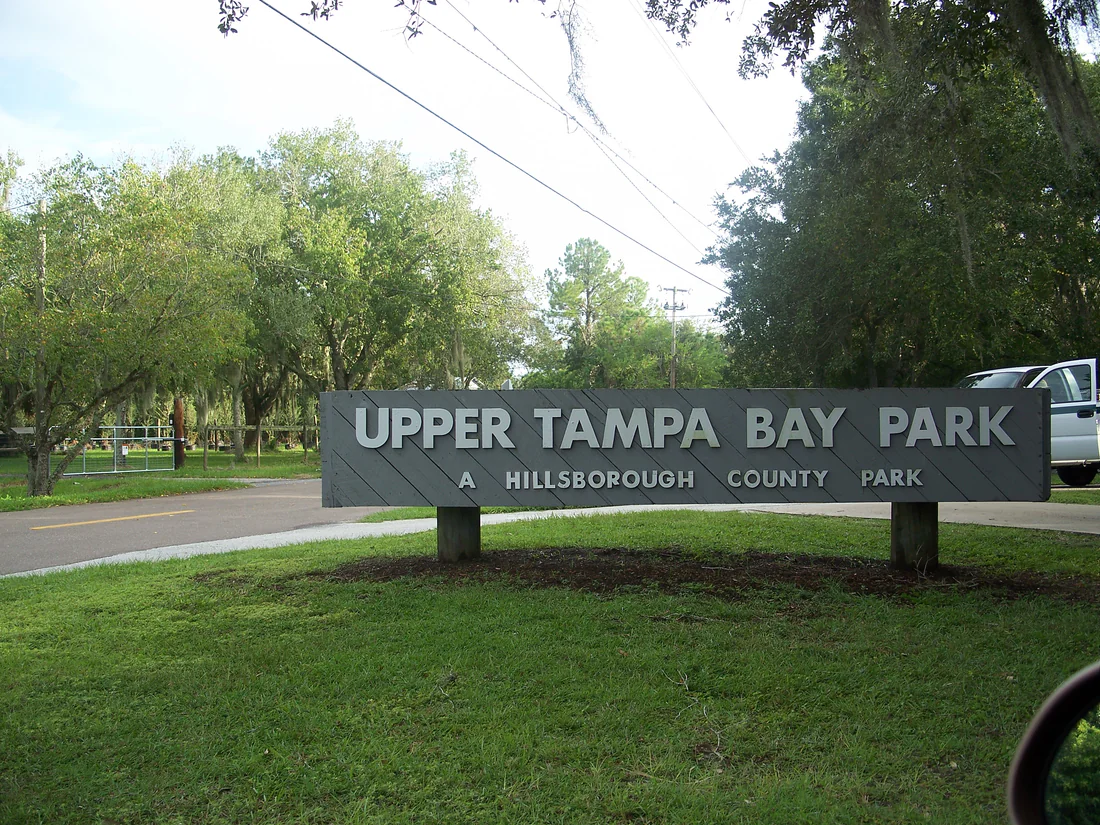 05
05Upper Tampa Bay Conservation Park
Goes with: The first people
Hillsborough County's page for this park →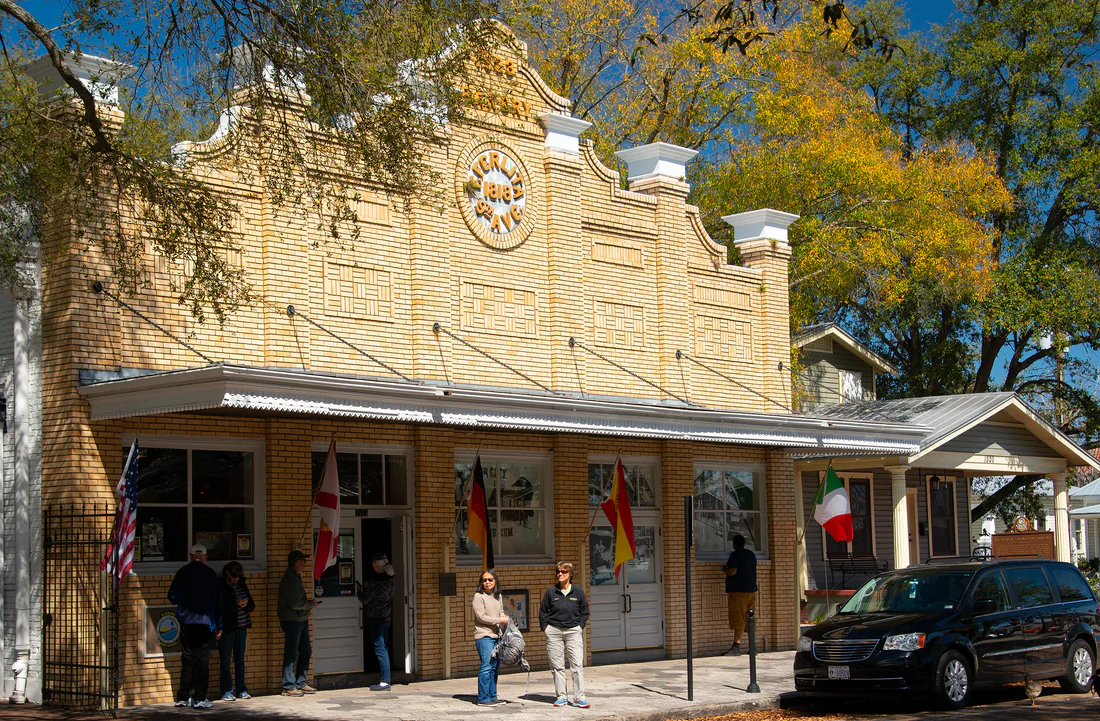 06
06Ybor City Museum State Park
Goes with: Ybor City and the cigar makers
Florida State Parks' page for this park →Where this comes from.
- Hillsborough County: Hillsborough County History ↗ Read October 15, 2026
- Hillsborough County: Happy Birthday, Hillsborough! ↗ Read October 15, 2026
- Hillsborough County: Get Your Hillsborough History Fix ↗ Read October 15, 2026
- Hillsborough County: 2,000 Years Later, Traces Remain of Indigenous People in Upper Tampa Bay Conservation Park ↗ Read October 15, 2026
- National Park Service: Florida: DeSoto National Memorial ↗ Read October 15, 2026
- National Park Service: Hernando de Soto (Ocmulgee Mounds National Historical Park) ↗ Read October 15, 2026
- Tampa Bay History Center: Replacing Fort Brooke ↗ Read October 15, 2026
- Florida State Parks: Dade Battlefield Historic State Park, History ↗ Read October 15, 2026
- University of South Florida, Exploring Florida: Historical Marker dedicated to the Fort Brooke Cemetery ↗ Read October 15, 2026
- City of Tampa: One Hundred Years Ago: Tampa in 1924 ↗ Read October 15, 2026
- City of Tampa: City Council Book, 16th Edition, January 2026 ↗ Read October 15, 2026
- City of Tampa: James McKay, Sr. - 6th Mayor Of Tampa ↗ Read October 15, 2026
- Hillsborough County: Historical Markers of Hillsborough: Madame Fortune Taylor Bridge ↗ Read October 15, 2026
- National Park Service: Tampa Bay Hotel ↗ Read October 15, 2026
- The University of Tampa: Henry B. Plant Museum ↗ Read October 15, 2026
- Florida Department of State: Florida Historical Marker Details, Ybor City Historic District ↗ Read October 15, 2026
- National Park Service: Ybor City ↗ Read October 15, 2026
- City of Tampa: Historic Ybor ↗ Read October 15, 2026
- The University of Tampa, Macdonald-Kelce Library: José Martí and Cuban Independence in Ybor: A Walking Tour ↗ Read October 15, 2026
- Hillsborough County: Historical Markers of Hillsborough County: El Círculo Cubano ↗ Read October 15, 2026
- Florida State Parks: Ybor City Museum State Park, History ↗ Read October 15, 2026
- Hillsborough County: Historical Markers of Hillsborough: The 1937 Antifascist Women's March ↗ Read October 15, 2026
- Hillsborough County: Historical Markers of Hillsborough: The Buffalo Soldiers in Tampa Heights ↗ Read October 15, 2026
- Hillsborough County: Local Civil Rights Activists and History Celebrated in Hillsborough County Library Exhibit ↗ Read October 15, 2026
- Hillsborough County: Historical Markers of Hillsborough: Woolworth Sit-In ↗ Read October 15, 2026
- Tampa Bay History Center: Tampa's historic streetcars ↗ Read October 16, 2026
- Tampa International Airport: SkyConnect, Rental Car Center are open for business! ↗ Read October 16, 2026
- FOX 13 Tampa Bay: Buccaneers make history as first team to win Super Bowl at home stadium ↗ Read October 16, 2026
- The Associated Press, on ClickOrlando: Tom Brady wins Super Bowl No. 7, Buccaneers beat Chiefs 31-9 ↗ Read October 16, 2026
- NFL.com: Buccaneers celebrate Super Bowl LV with jovial boat parade ↗ Read October 16, 2026
- NHL.com: Lightning repeat as Stanley Cup champions, defeat Canadiens in Game 5 ↗ Read October 16, 2026
- The Associated Press, on NBC 6 South Florida: Lightning dent Stanley Cup after another Tampa boat parade ↗ Read October 16, 2026
- Tampa Housing Authority: Zion Cemetery ↗ Read October 16, 2026
- Tampa Bay Times: Radar finds more than 120 coffins buried beneath Tampa apartment complex ↗ Read October 16, 2026
- Bay News 9: Zion Cemetery's future still on hold as Robles Park demolition begins ↗ Read October 16, 2026
- Hillsborough County: Veteran Community Services Proudly Unveils New Buffalo Soldiers Monument ↗ Read October 16, 2026