Indian River County dates from 1925, when it was made from the north half of St. Lucie County, and its name honors the Indian River Lagoon. Vero Beach became its county seat in November 1925. The county is home to Pelican Island, which the U.S. Fish and Wildlife Service calls the first federal bird reservation, set aside by President Theodore Roosevelt in 1903, and to Dodgertown, where the Dodgers held spring training from 1948 through 2008. Evidence suggests people lived near Sebastian Inlet as long ago as 2000 B.C., the state park says, and a Spanish treasure fleet was wrecked off this coast in 1715.
This page tells the story in order, from Ice Age bones and the Ais people to the county's 100th anniversary in 2025, then lists places in the county where you can still see it. The sources for each part are named at the end of that part, and all of them are listed at the bottom of the page.
Ice Age Bones and the Ais People
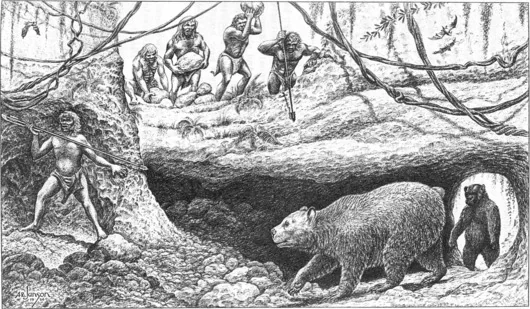
In 1915, men cutting a drainage canal at Vero came upon fossil bones of animals, and then human remains. Florida's state geologist, Elias Sellards, said it was proof of people in Florida in the Ice Age. The site also held bones of Ice Age animals such as saber-toothed cats, giant sloths and mastodons. A Smithsonian anthropologist, Ales Hrdlicka, said the person had lived much later, and Vero Man was set aside as discredited. A newer dig led by Andy Hemmings of Mercyhurst University found signs that people may have lived at the site 14,000 or more years ago, he says.
The U.S. Fish and Wildlife Service says the Ais people lived at Pelican Island and the land around it from 2000 BCE to the middle 1600s. Near Sebastian Inlet, shell middens, which are heaps of shells and other refuse, run along the whole peninsula, the state park says. Sand mounds and human burials there suggest their culture had religious and ceremonial sides. A state marker at Roseland, which spells the name Ays, says they lived where the St. Sebastian River meets the Indian River when the Spanish came in the 1500s.
Sources: NPR: Can You Dig It? More Evidence Suggests Humans From The Ice Age; U.S. Fish and Wildlife Service: Pelican Island National Wildlife Refuge, About Us; Florida State Parks: History and Culture of Sebastian Inlet; Florida Department of State, Florida Historical Markers: Roseland
Next: Chapter 2, Spanish Florida and the 1715 Treasure Fleet →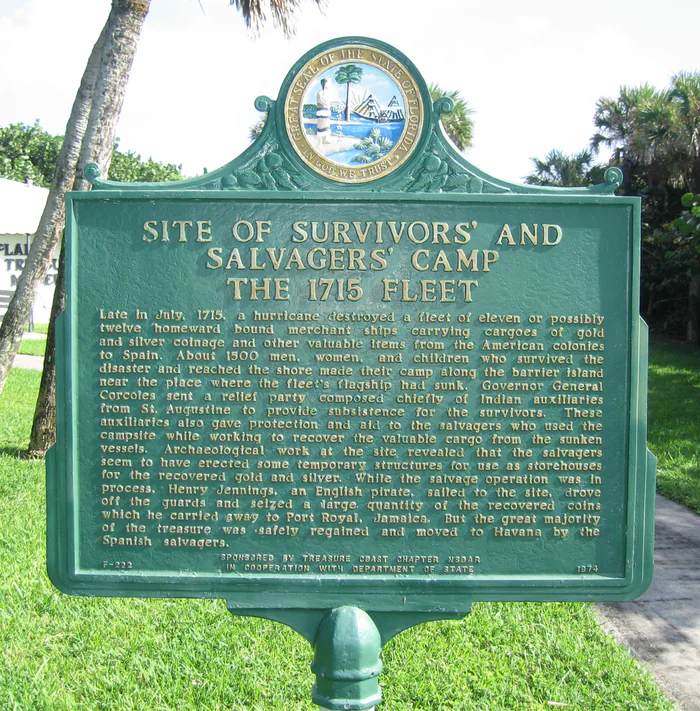
Spanish Florida and the 1715 Treasure Fleet
Under Spain, the land of today's Indian River County belonged to the colony called East Florida. In late July 1715, a hurricane wrecked a fleet of 11, or possibly 12, merchant ships headed home to Spain with gold and silver coins. The state park says the fleet's commander, Juan Esteban de Ubilla, and the flagship Capitana guarded treasure worth over 3.5 million pesos.
About 1,500 survivors reached the shore and camped on the barrier island near where the flagship went down. From St. Augustine, Governor General Corcoles sent help, a party made up mostly of Indian auxiliaries. They brought food for the survivors and protected the salvage crews working the wrecks. During the salvage, the English pirate Henry Jennings drove off the guards and carried a large share of the recovered coins to Port Royal, Jamaica. Still, Spanish salvagers got back most of the treasure and took it to Havana.
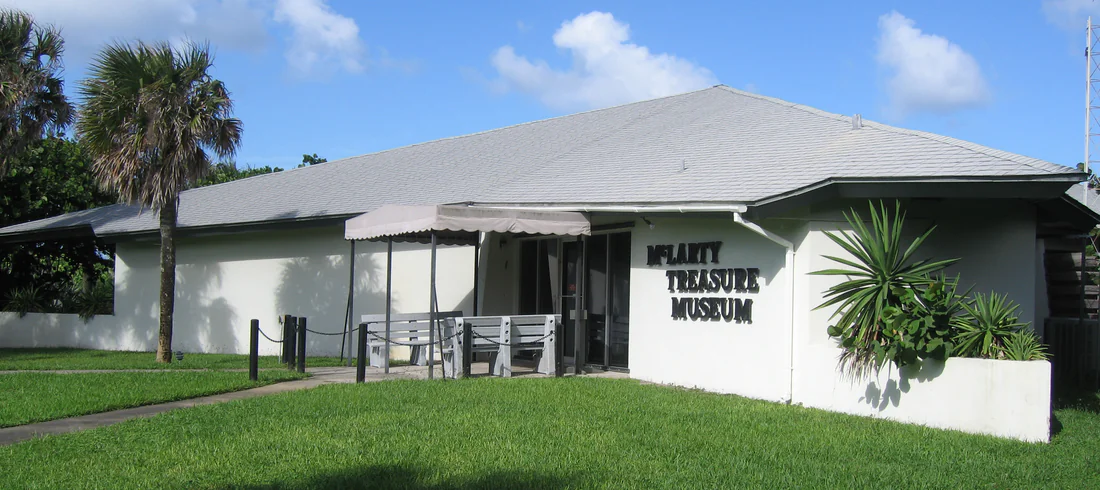
The McLarty Treasure Museum now stands on the site of the survivors' camp. The state park guide says Spanish shipwrecks lying just off the beach are why this part of Florida is called the Treasure Coast.
Sources: RICHES, University of Central Florida: Indian River County Collection; Florida Department of State, Florida Historical Markers: Site of Survivors' and Salvagers' Camp, The 1715 Fleet; Florida State Parks: History and Culture of Sebastian Inlet; Florida State Parks: Sebastian Inlet State Park Real Florida Guide
Next: Chapter 3, A Land Grant, Seminole War Forts and New County Lines →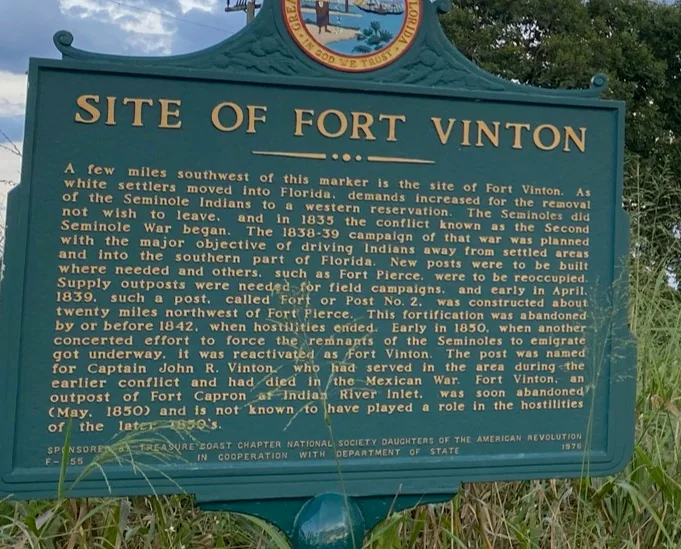
A Land Grant, Seminole War Forts and New County Lines
George Fleming, an Irish veteran of the army of Spanish Florida, received a big grant of land in 1816 on both banks of the St. Sebastian River. The Roseland marker says the grant was important to the area's growth. In 1822, when the United States made Florida a territory, this area was placed in St. Johns County, a University of Central Florida history says. It moved into Mosquito County in 1824, into the new St. Lucia County in 1844, and into Brevard County when St. Lucia County was given that new name in 1855.
White settlers moving into Florida pushed for the Seminoles to be sent to a reservation in the West, and the Second Seminole War began in 1835. In early April 1839, a supply post called Fort or Post No. 2 was put up about 20 miles northwest of Fort Pierce. It was given up by or before 1842, when that war ended.
In early 1850, during a new push to force the last Seminoles to leave, the post was opened again as Fort Vinton. Its name honored Captain John R. Vinton, a veteran of the earlier war here who died in the Mexican War. This outpost of Fort Capron was abandoned soon after, in May 1850.
Sources: Florida Department of State, Florida Historical Markers: Roseland; RICHES, University of Central Florida: Indian River County Collection; Florida Department of State, Florida Historical Markers: Site of Fort Vinton
Next: Chapter 4, Sebastian, Roseland and the Inlet →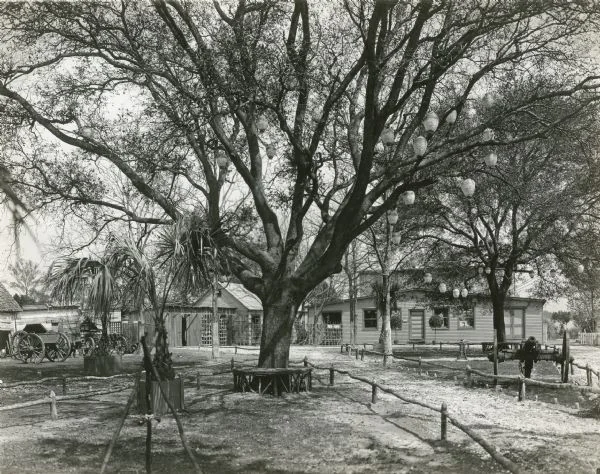
Sebastian, Roseland and the Inlet
Sebastian was settled in the 1870s and grew into a key trading and fishing town in the days of the river steamboats. Dempsey Cain, called Roseland's first citizen, made his home north of the river in 1877. He is credited with naming the settlement on the south bank Roseland, for the wild roses growing there. Roseland got a post office in 1892, and Henry Flagler's railroad put up a depot and a water tower there in 1893.
In 1886, pioneers tried and failed to link the river with the ocean by cutting Sebastian Inlet, the state marker says. The Sebastian Inlet District says historians believe the first known attempt came even earlier, in 1872. In 1895 a channel was cut, but a storm soon filled it with sand.
In the 1800s and 1900s, settler families set up seasonal and year-round fishing camps near the inlet. A fishing museum in the state park honors three of Sebastian's early fish-house families, the Semblers, Smiths and Judahs.
Sources: Florida Department of State, Florida Historical Markers: Sebastian; Florida Department of State, Florida Historical Markers: Roseland; Sebastian Inlet District: The History of Sebastian Inlet; Florida State Parks: History and Culture of Sebastian Inlet; Florida State Parks: Sebastian Inlet State Park Real Florida Guide
Next: Chapter 5, The Railroad, Vero and Gifford →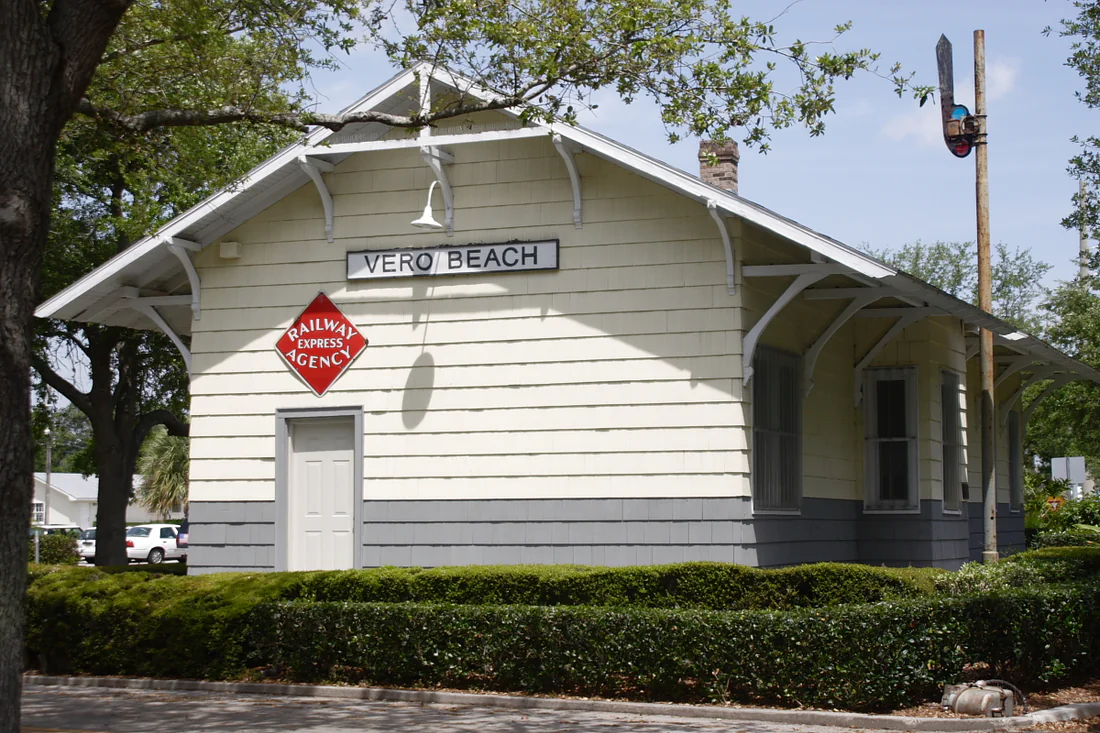
The Railroad, Vero and Gifford
Henry Gifford built a home near today's Vero City Hall in 1887, a University of Central Florida history says, while a state marker says he settled there in 1888. A post office called Vero opened in the Gifford home in 1891. The name came from his wife, Sarah Gifford, who suggested a Latin word that means to speak the truth.
Henry Flagler's railroad reached Sebastian in 1893 and Fort Pierce in 1894, going right past the small community of Vero, a state marker says. As farming in the area grew, Flagler came back and put up the Vero Railway Station, and by 1903 it was a stop on the Florida East Coast Railway. When Beach was added to both names in 1925, it became the Vero Beach Railway Station. Herman T. Zeuch, from Davenport, Iowa, came to look at the Vero area in 1909 and saw land that he could drain and sell to citrus farmers and cattlemen. His Indian River Farms Company, chartered in 1912 with stockholders mostly from his hometown, had the town of Vero laid out in 1913.
William Edward Geoffrey, a Black man from Darlington, South Carolina, came to Gifford in 1892 for a job with the Florida East Coast Railroad. A state marker says Gifford's first school, built in 1898, was for white children only. In 1901, Geoffrey bought 80 acres in Gifford and gave part of it for a park and a school for Black children.
Sources: RICHES, University of Central Florida: Vero Beach Collection; Florida Department of State, Florida Historical Markers: City of Vero Beach; Florida Department of State, Florida Historical Markers: Vero Beach Railway Station; Florida Department of State, Florida Historical Markers: Gifford High School Sundial Landmark
Next: Chapter 6, Pelican Island and the Bird Reservation of 1903 →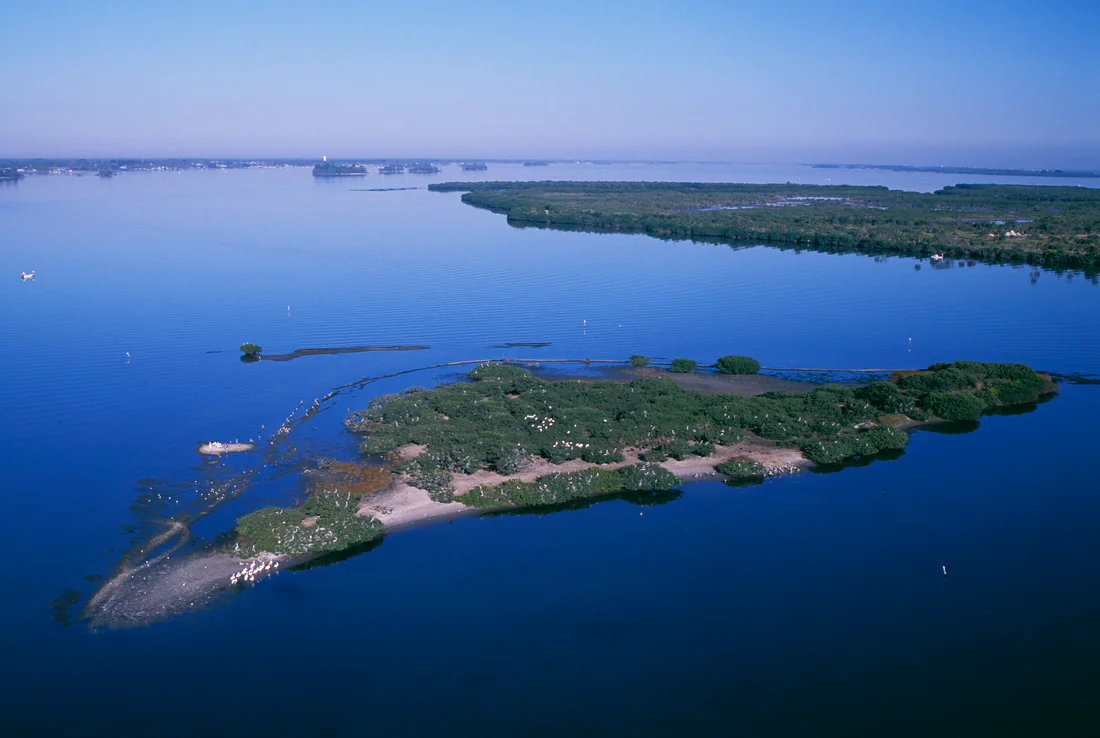
Pelican Island and the Bird Reservation of 1903
On March 14, 1903, President Theodore Roosevelt made Pelican Island the country's first federal bird reservation, the U.S. Fish and Wildlife Service says. The island sits in the Indian River Lagoon. He acted with the backing of the Florida Audubon Society and Frank Chapman. The Audubon Society hired Paul Kroegel as the island's first warden. Before he left office, Roosevelt created nine more such reservations in Florida and 55 bird reservations and game preserves in all.
In 1959, Joe Michael, who grew citrus on Orchid Island, started the Indian River Area Preservation League. He worked with the Florida Audubon Society and others for nine years, pressing for federal protection of the wetlands around Pelican Island. Because it was the first federal land set aside only to protect wildlife, the service says, Pelican Island National Wildlife Refuge was named a National Historic Landmark in 1963. Congress made Pelican Island a wilderness area in 1970.
Sources: U.S. Fish and Wildlife Service: Pelican Island National Wildlife Refuge, About Us
Next: Chapter 7, Fellsmere and Its Women Voters →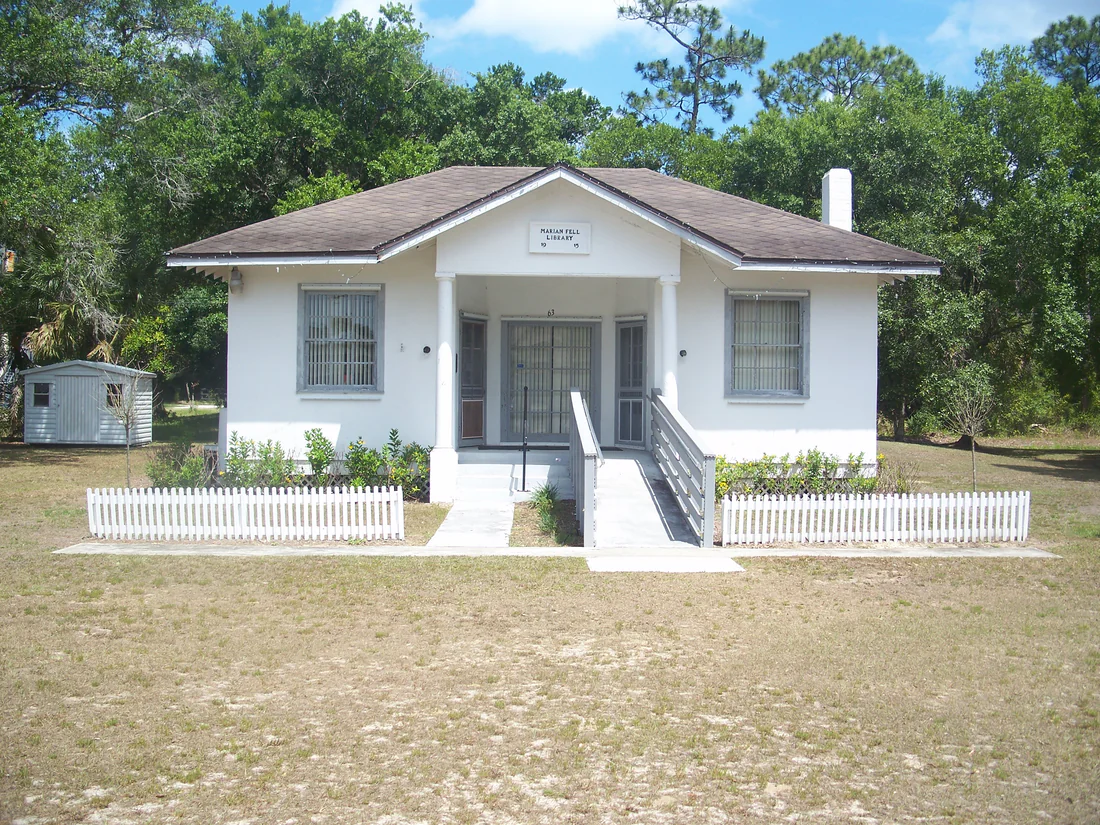
Fellsmere and Its Women Voters
In 1911, a New Zealand engineer named E. Nelson Fell founded Fellsmere, in the north end of today's Indian River County. The town was a one-mile square cut from the Fellsmere Farm Company's 118,000 acres of old pinelands, prairie and muck. Farmers and cattlemen bought the company's land to grow citrus, sugarcane and cotton and to raise livestock. The name Fellsmere is an archaic English way of saying Fell's Lake.
In February 1915, the townspeople met to incorporate a city of 500 people and write its charter. The charter gave women full and equal voting rights in city elections. Zena Dreier voted in Fellsmere on June 19, 1915.
Spectrum News 13 calls her the first woman in the South to cast a ballot, and WQCS says she was the first woman in Florida to vote in a local election. This was five years before the 19th Amendment let all women vote. Also in 1915, floods did heavy damage in Fellsmere, but the town came back and grew.
Sources: WQCS: Fellsmere turns 100; Spectrum News 13: Fellsmere: Tiny Florida Town Pioneered Women's Suffrage
Next: Chapter 8, Indian River County Is Created →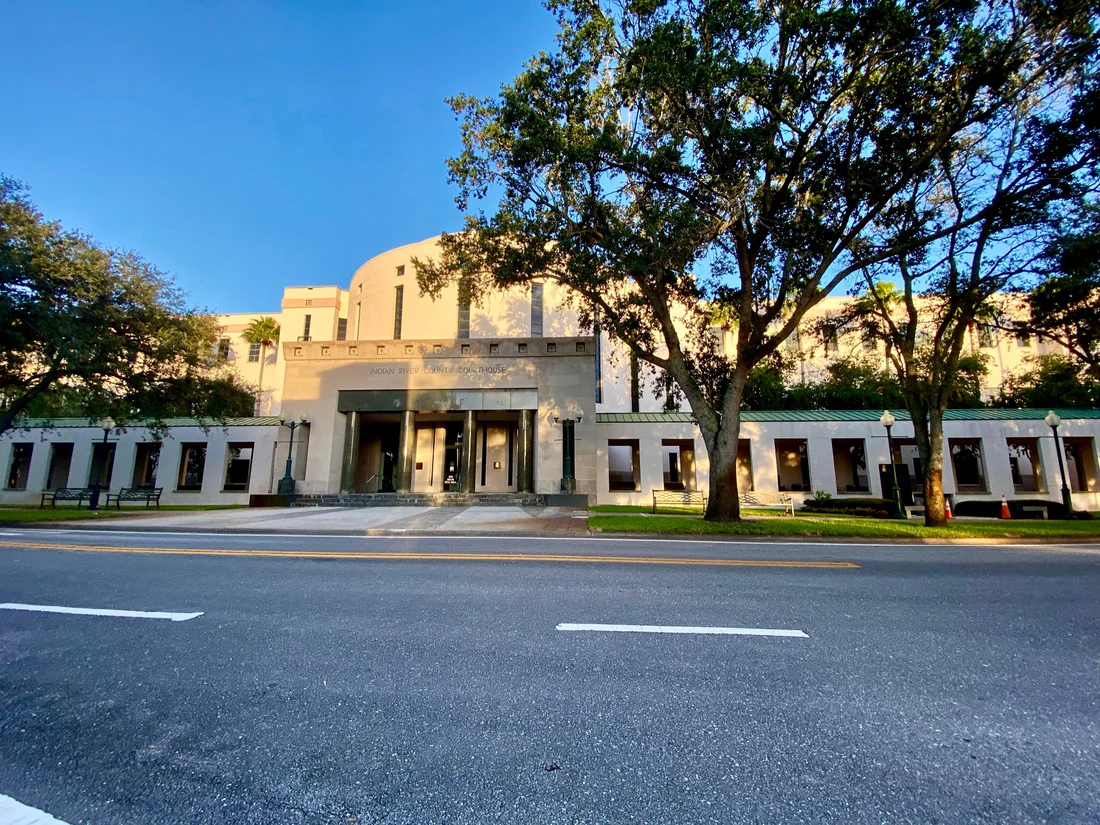
Indian River County Is Created
Governor John W. Martin approved the bill creating Indian River County on May 30, 1925, and the bill set the county's start for 30 days later. The new county was made from the north half of St. Lucie County. Its name honors the Indian River Lagoon, says a University of Central Florida history. On June 29, 1925, the county held inauguration festivities, and William Jennings Bryan spoke and helped cut the ribbon.
Vero had become the City of Vero Beach in May 1925, and it was chosen as the county seat that November. The city's timeline says Florida's first mosquito control district was formed along with the county. The Indian River Citrus Growers' League was organized in 1931 to protect the good name of the area's citrus fruit.
Arthur G. McKee and Waldo E. Sexton bought a tropical hammock of live oaks and cabbage palms on the Indian River at Vero Beach in 1929. McKee Jungle Gardens opened to the public on January 1, 1932, and garden clubs were its biggest visitors at first. The garden's designer, from the Olmsted Brothers firm, was William Lyman Phillips, and it showed off rare tropical plants from many parts of the world. The garden says it was soon among Florida's three most visited attractions.
Sources: City of Vero Beach: A Timeline of Vero Beach History 1919-2019; RICHES, University of Central Florida: Indian River County Collection; The Cultural Landscape Foundation: McKee Botanical Garden; McKee Botanical Garden: About Us
Next: Chapter 9, The Navy Air Station and Dodgertown →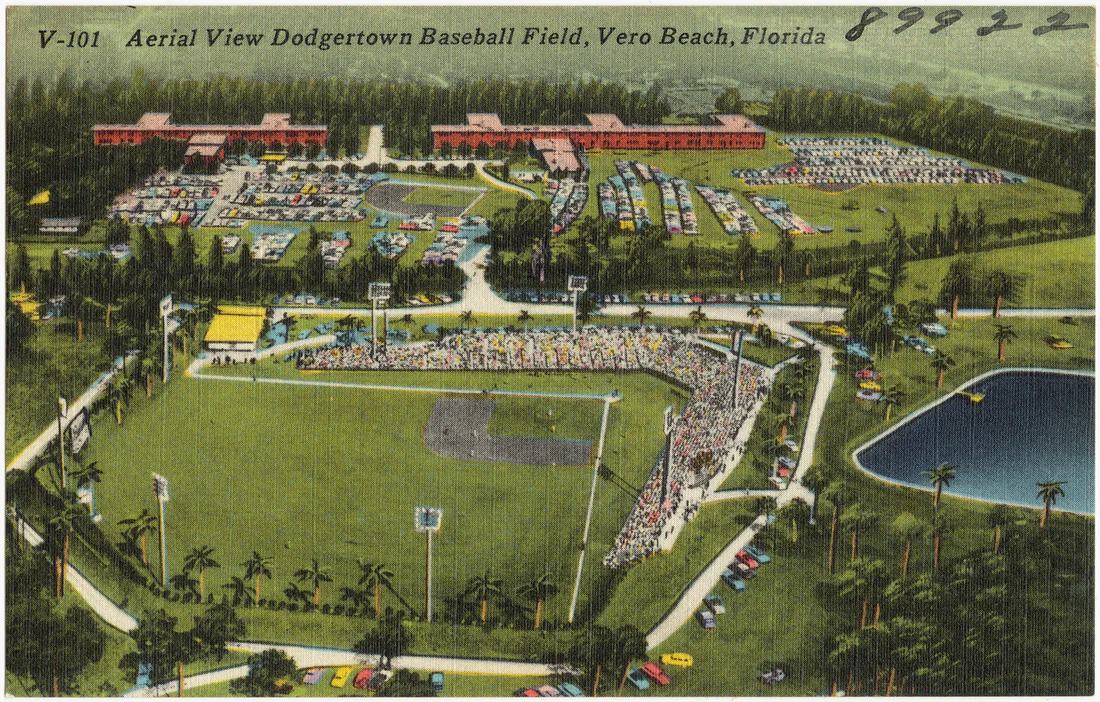
The Navy Air Station and Dodgertown
The Navy commissioned its air station at Vero Beach on November 24, 1942, to train Navy and Marine fliers. The base was home to more than 2,700 men and 300 WAVES and women Marines, and the city's 100-acre airport grew to 2,500 acres. Its job changed over time, from training dive-bomber pilots, to daytime pilots, and at last to night fighter pilots. The state marker says more than 100 lives were lost in training crashes. In June 1946, the Navy put the base on caretaker status and gave it back to the city.
Bud Holman asked the Brooklyn Dodgers to train at the former air station, and on December 11, 1947, the local paper reported that the team had picked Vero Beach. Branch Rickey, the Dodgers' co-owner and general manager, wanted a camp where his new star, Jackie Robinson, could have some normal life, since most Florida towns were segregated. On March 31, 1948, Robinson hit a home run in the opening inning of the Dodgers' first game there. The city's timeline says Dodgertown was the South's first integrated spring training site in the major leagues.
The Dodgers dedicated Holman Stadium on March 11, 1953, and Eddie Rickenbacker, the flier who headed Eastern Airlines, unveiled the plaque. Dodgertown stayed the team's spring training home through 2008.
Sources: Florida Department of State, Florida Historical Markers: U.S. Naval Station, Vero Beach World War II; City of Vero Beach: A Timeline of Vero Beach History 1919-2019; MLB.com, Jackie Robinson Training Complex: 1940s; MLB.com: How Jackie's mission lives on through namesake complex
Next: Chapter 10, Gifford High, a Highwayman Painter and Sunken Treasure →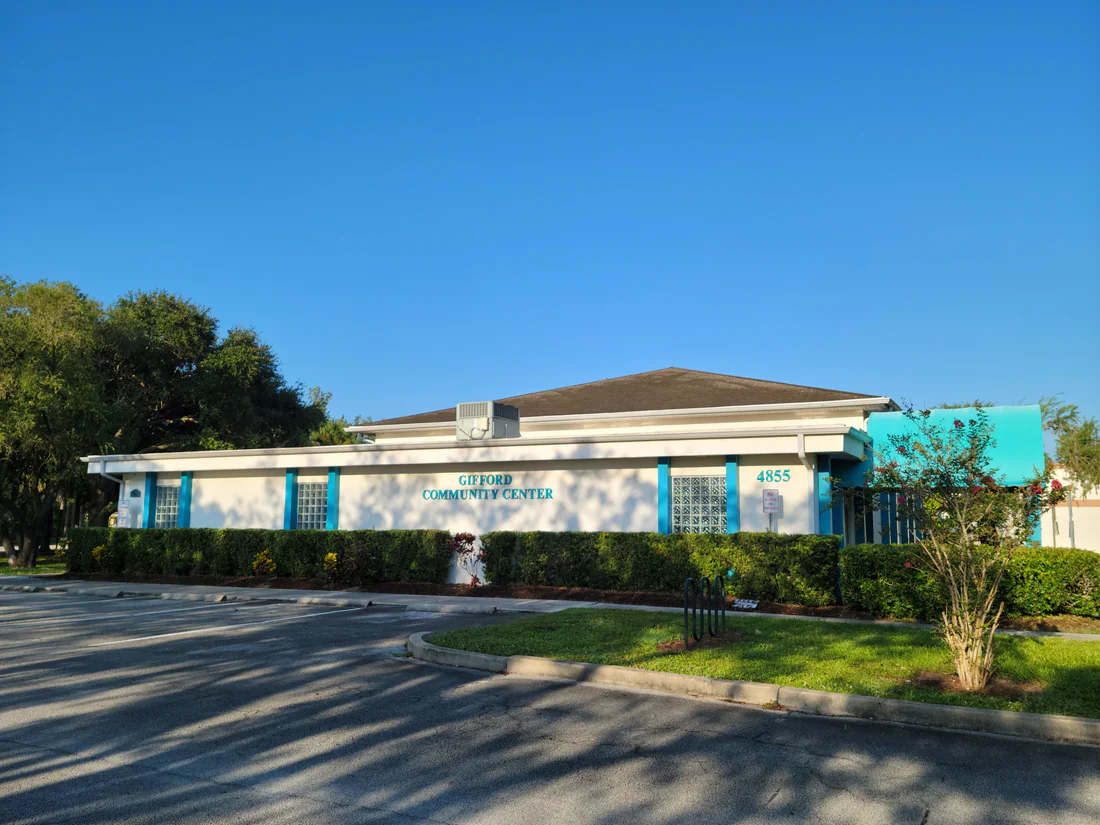
Gifford High, a Highwayman Painter and Sunken Treasure
Older Black students in Gifford once had to go to Fort Pierce for high school. In 1938, the Gifford School added a high school, and three students graduated in its first senior class that year. In 1952, the county school board paid for a new Gifford High building on 45th Street. On June 5, 1969, after the school board adopted a desegregation plan, Gifford High graduated its last class, and it then became a middle school. The old front of the building and a sundial given by the Class of 1964 are the last remains of the old Gifford High School.
Harold Newton, born in Gifford in 1934, began his painting career in 1954, at age 19. He became one of the Highwaymen painters, and the city's timeline says many consider him the most gifted of those artists. In 1957, Piper Aircraft opened a factory at the Vero Beach airport.
On January 8, 1961, the Real 8 treasure salvors found their first wreck from the 1715 fleet near Sebastian Inlet. They brought up 3,500 to 4,000 silver coins, stuck together in two big lumps. Robert McLarty gave the land for a museum, built in 1969, which formally opened on March 27, 1971. Sebastian Inlet State Park was set up in 1971 on land the State of Florida bought around the inlet.
Sources: Florida Department of State, Florida Historical Markers: Gifford High School Sundial Landmark; Florida Department of State, Florida Historical Markers: Gifford School/Hosie Schumann Park; City of Vero Beach: A Timeline of Vero Beach History 1919-2019; Florida State Parks: Sebastian Inlet State Park Real Florida Guide; Vero News: Sebastian Inlet at 100: Innovative management fueled development; Sebastian Inlet District: The History of Sebastian Inlet
Next: Chapter 11, Since 1971: Riverside Theatre, McKee Botanical Garden and the County's 100th Year →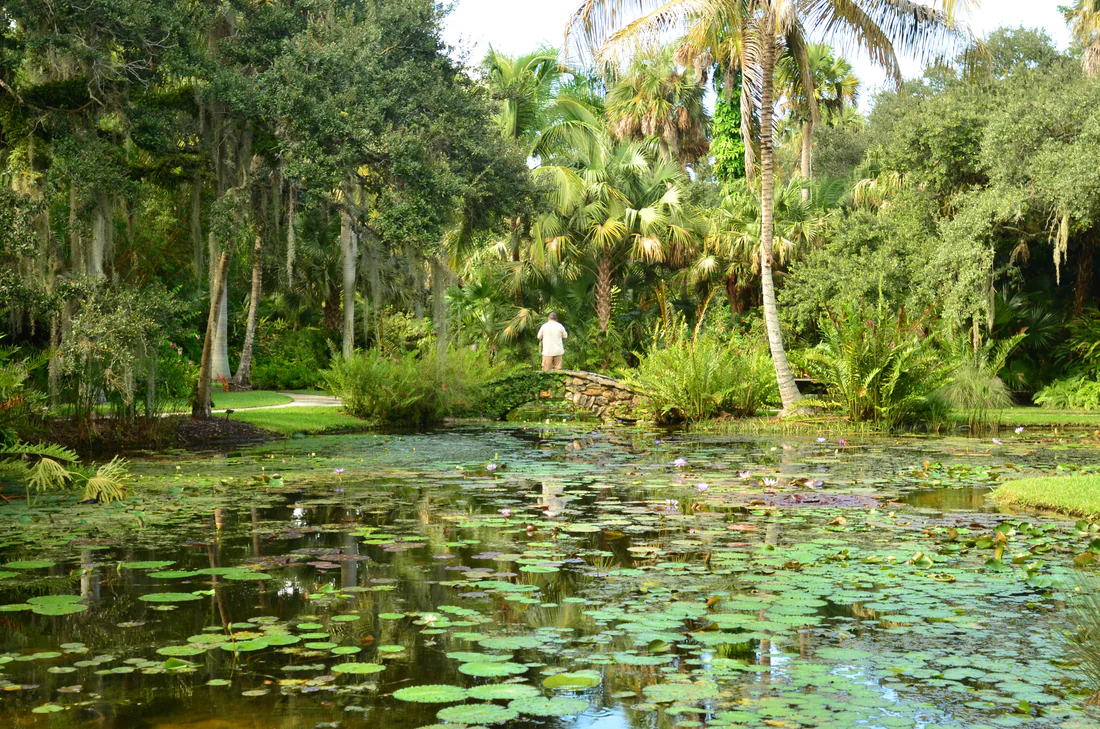
Since 1971: Riverside Theatre, McKee Botanical Garden and the County's 100th Year
In April 1973, the Vero Beach Community Theatre opened in Riverside Park with a Theatre Guild production of Camelot, and in 1976 it was renamed Riverside Theatre. The Center for the Arts opened in Riverside Park on February 1, 1986, and in June 2002 it took the name Vero Beach Museum of Art. In 1993, Millie Bunnell, then the Heritage Center's director, started the Indian River Citrus Museum in the 1935 building she had helped save from demolition.
With fewer visitors coming, the owners of McKee Jungle Gardens sold 62 acres in 1976, and the garden closed. In 1988, a planned shopping center put the old McKee garden at risk, and the effort to save it created the Indian River Land Trust. The land trust bought the last 18 acres in 1995, and in 2001 the garden opened again as McKee Botanical Garden. On March 14, 2003, Interior Secretary Gail Norton led the 100th anniversary events for Pelican Island National Wildlife Refuge, and a boardwalk, observation tower and Centennial Trail opened there that day.
In July 2015, the 300th anniversary of the 1715 fleet's sinking was celebrated, and a time capsule was buried to mark it. Major League Baseball took over Dodgertown on January 2, 2019, and renamed it the Jackie Robinson Training Complex. Commissioner Rob Manfred announced the new name with Robinson's wife, Rachel, and two of their children on stage. The county turned 100 on June 29, 2025, and the celebration included history exhibits, live music, food trucks and activities for families. Pat Draper, the county's Poet Laureate, wrote a poem for the centennial.
Sources: City of Vero Beach: A Timeline of Vero Beach History 1919-2019; Citrus Industry Magazine: Pieces of the Past: Protecting and Preserving Indian River Citrus; The Cultural Landscape Foundation: McKee Botanical Garden; McKee Botanical Garden: About Us; U.S. Fish and Wildlife Service: Pelican Island National Wildlife Refuge, About Us; MLB.com: How Jackie's mission lives on through namesake complex; MLB.com: MLB renames Dodgertown complex for Jackie; Indian River County: Indian River County Centennial Celebration; Indian River County: Centennial Celebration page
Next: the whole story, in dates →The whole story, in dates
The Ais people live at Pelican Island and the land around it.
The Ais live where the St. Sebastian River meets the Indian River when the Spanish come.
A hurricane wrecks a fleet of 11 or possibly 12 ships bound for Spain.
George Fleming receives a large land grant on the St. Sebastian River.
A supply post called Fort or Post No. 2 is built northwest of Fort Pierce.
The post reopens as Fort Vinton and is abandoned in May.
Sebastian is settled.
Dempsey Cain settles at Roseland.
Henry Gifford builds a home at Vero.
A post office named Vero opens in the Gifford home.
Henry Flagler's railroad reaches Sebastian.
A channel is cut at Sebastian, but a storm fills it with sand.
William Edward Geoffrey gives land in Gifford for a park and a school for Black children.
President Theodore Roosevelt makes Pelican Island the first federal bird reservation.
E. Nelson Fell founds Fellsmere.
The Indian River Farms Company is chartered.
Men digging a canal at Vero find fossil bones and human remains.
Zena Dreier votes in Fellsmere.
Governor John W. Martin approves the bill creating Indian River County.
The new county holds inauguration festivities, and William Jennings Bryan speaks.
Vero Beach is chosen as the county seat.
McKee Jungle Gardens opens to the public.
Gifford High School's first senior class of three students graduates.
The Navy commissions its air station at Vero Beach.
The air station goes on caretaker status and goes back to the city.
Jackie Robinson homers in the first inning of the Dodgers' first game at Dodgertown.
The Dodgers dedicate Holman Stadium.
Harold Newton of Gifford begins his painting career.
Treasure salvors find their first wreck from the 1715 fleet.
Gifford High School graduates its last class.
The McLarty museum formally opens.
The Vero Beach Community Theatre opens in Riverside Park.
The Center for the Arts opens in Riverside Park.
The old McKee garden opens again as McKee Botanical Garden.
Pelican Island National Wildlife Refuge marks its 100th anniversary.
Major League Baseball takes over Dodgertown.
Indian River County marks its 100th anniversary.
Where you can still see it
 01
01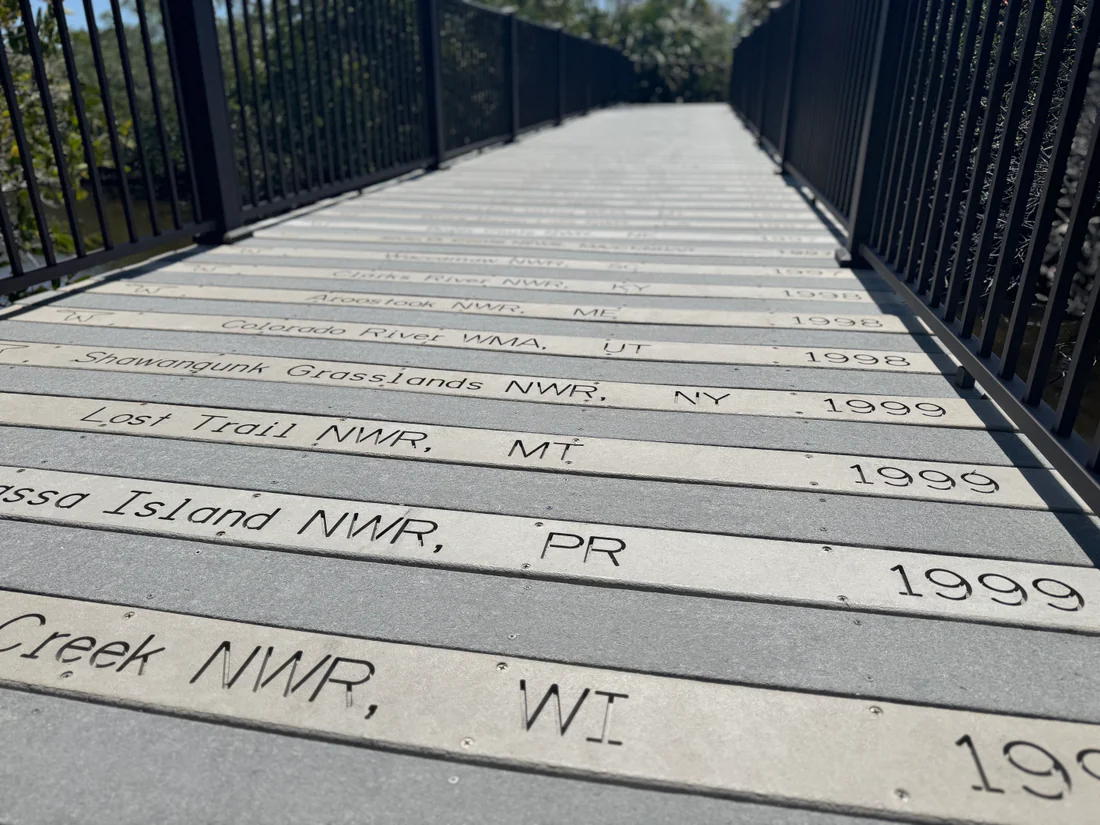 02
02Pelican Island National Wildlife Refuge
Goes with: Pelican Island and the Bird Reservation of 1903
Open the place page →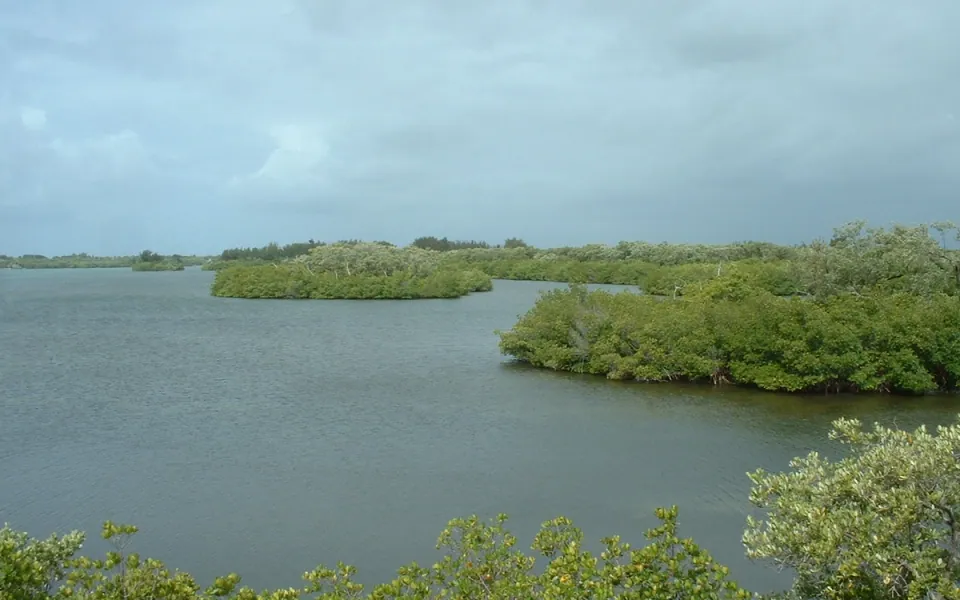 03
03Sebastian Inlet State Park
Goes with: Gifford High, a Highwayman Painter and Sunken Treasure
Open the place page →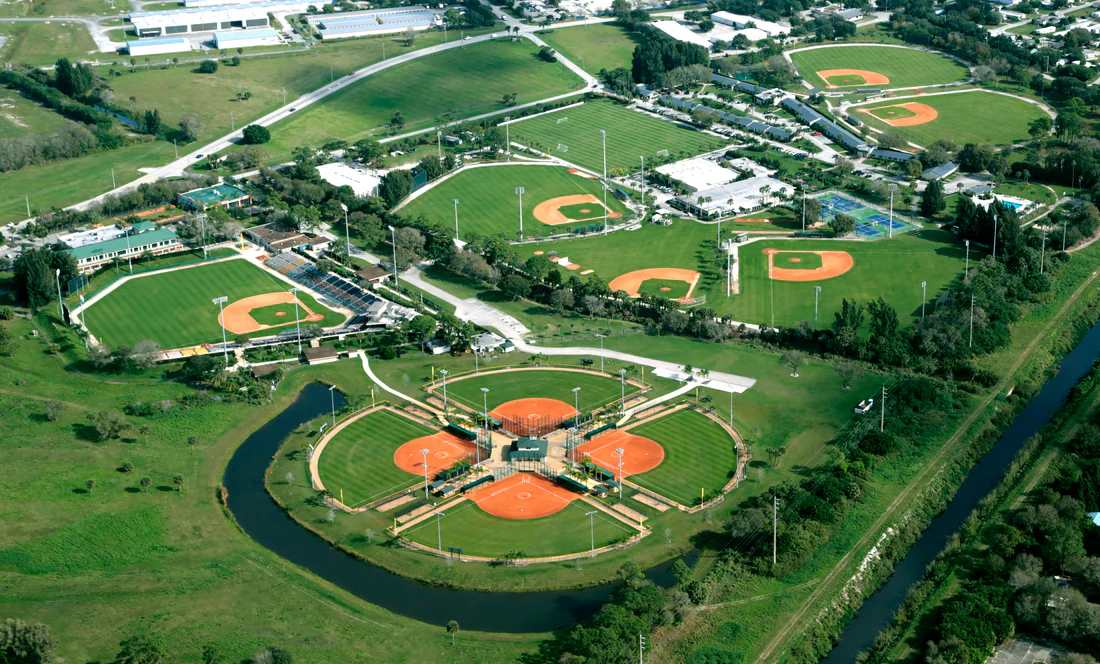 04
04Jackie Robinson Training Complex
Goes with: Since 1971: Riverside Theatre, McKee Botanical Garden and the County's 100th Year
Open the place page →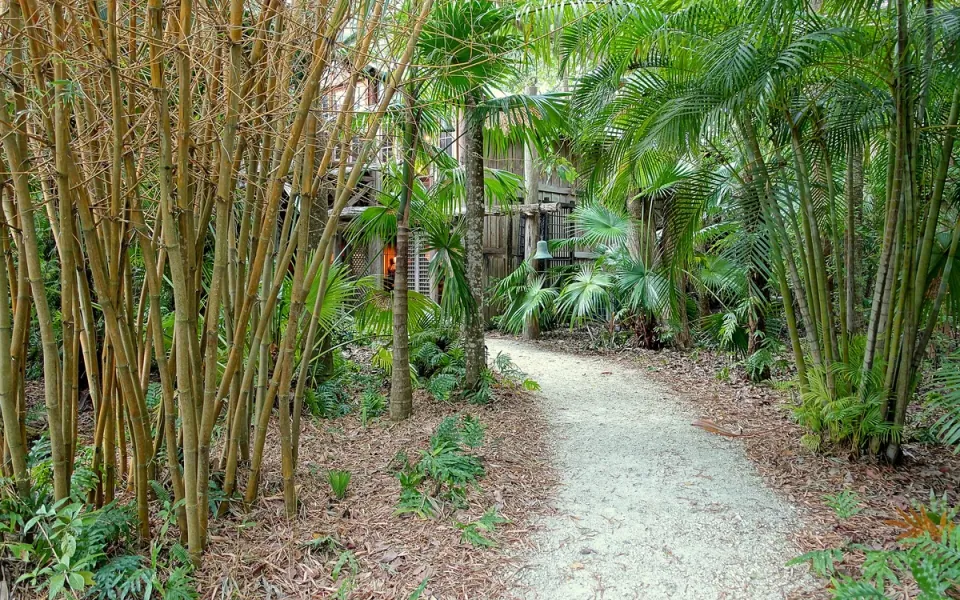 05
05McKee Botanical Garden
Goes with: Since 1971: Riverside Theatre, McKee Botanical Garden and the County's 100th Year
Open the place page →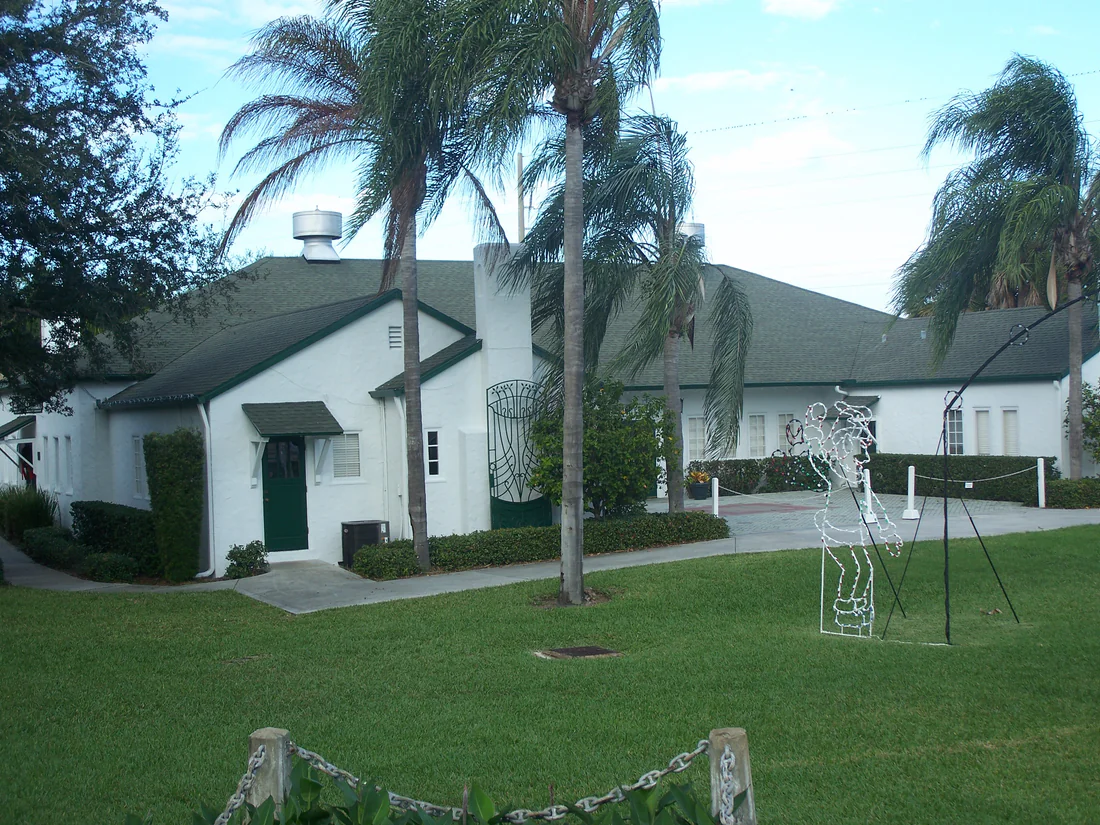 06
06Indian River Citrus Museum
Goes with: Since 1971: Riverside Theatre, McKee Botanical Garden and the County's 100th Year
Open the place page →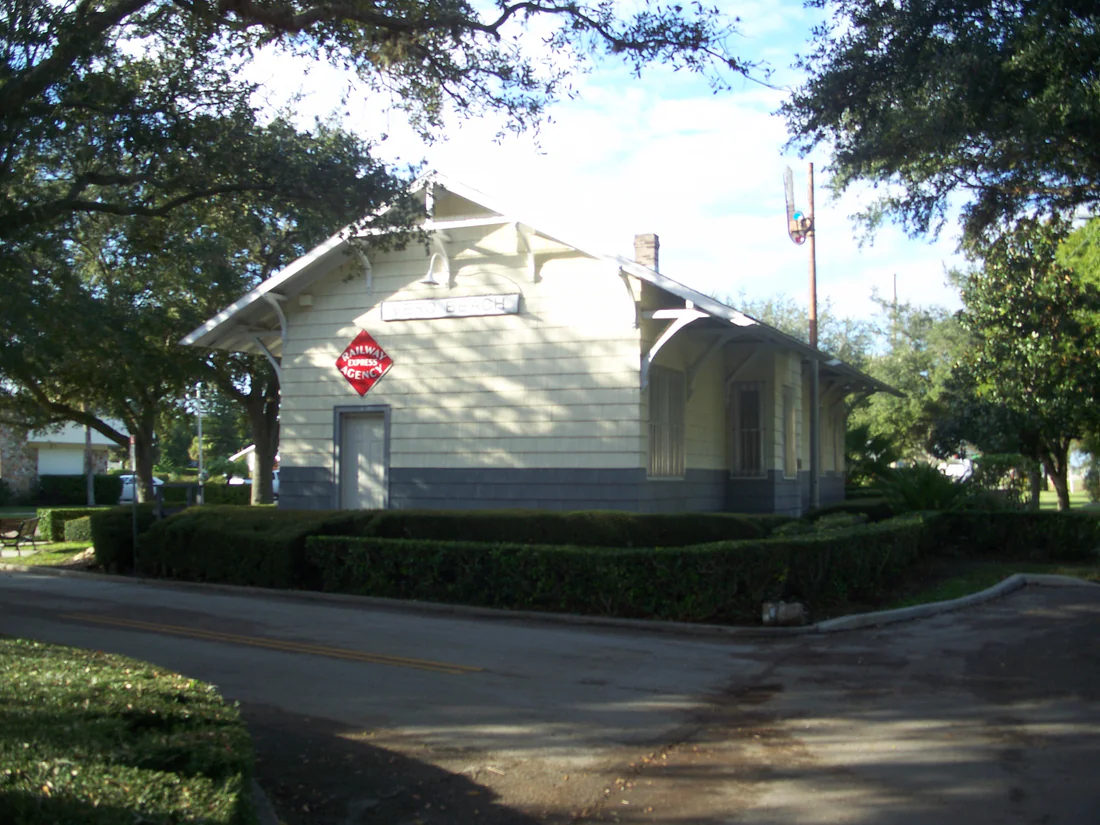 07
07Vero Beach Railway Station
Goes with: The Railroad, Vero and Gifford
Florida historical marker for the Vero Beach Railway Station →Questions people ask
When was Indian River County created?
Governor John W. Martin approved the bill creating Indian River County on May 30, 1925, and the county held inauguration festivities on June 29, 1925.
Chapter 8 →What was Indian River County named for?
Its name honors the Indian River Lagoon, says a University of Central Florida history.
Chapter 8 →What is the county seat of Indian River County?
Vero Beach was chosen as the county seat in November 1925.
Chapter 8 →Why is Pelican Island famous?
On March 14, 1903, President Theodore Roosevelt made Pelican Island the country's first federal bird reservation, the U.S. Fish and Wildlife Service says.
Chapter 6 →When did the Dodgers hold spring training in Vero Beach?
The Dodgers played their first game at Dodgertown on March 31, 1948, and it stayed the team's spring training home through 2008.
Chapter 9 →Where this comes from.
Last updated October 17, 2026.
- City of Vero Beach: A Timeline of Vero Beach History 1919-2019 ↗ Read October 16, 2026
- RICHES, University of Central Florida: Vero Beach Collection ↗ Read October 16, 2026
- RICHES, University of Central Florida: Indian River County Collection ↗ Read October 16, 2026
- NPR: Can You Dig It? More Evidence Suggests Humans From The Ice Age ↗ Read October 16, 2026
- U.S. Fish and Wildlife Service: Pelican Island National Wildlife Refuge, About Us ↗ Read October 16, 2026
- Florida State Parks: History and Culture of Sebastian Inlet ↗ Read October 16, 2026
- Florida State Parks: Sebastian Inlet State Park Real Florida Guide ↗ Read October 16, 2026
- Florida Department of State, Florida Historical Markers: Roseland ↗ Read October 16, 2026
- Florida Department of State, Florida Historical Markers: Site of Survivors' and Salvagers' Camp, The 1715 Fleet ↗ Read October 16, 2026
- Florida Department of State, Florida Historical Markers: Site of Fort Vinton ↗ Read October 16, 2026
- Florida Department of State, Florida Historical Markers: Sebastian ↗ Read October 16, 2026
- Florida Department of State, Florida Historical Markers: City of Vero Beach ↗ Read October 16, 2026
- Florida Department of State, Florida Historical Markers: Vero Beach Railway Station ↗ Read October 16, 2026
- Florida Department of State, Florida Historical Markers: Gifford High School Sundial Landmark ↗ Read October 16, 2026
- Florida Department of State, Florida Historical Markers: Gifford School/Hosie Schumann Park ↗ Read October 16, 2026
- Florida Department of State, Florida Historical Markers: U.S. Naval Station, Vero Beach World War II ↗ Read October 16, 2026
- Sebastian Inlet District: The History of Sebastian Inlet ↗ Read October 16, 2026
- Vero News: Sebastian Inlet at 100: Innovative management fueled development ↗ Read October 16, 2026
- WQCS: Fellsmere turns 100 ↗ Read October 16, 2026
- Spectrum News 13: Fellsmere: Tiny Florida Town Pioneered Women's Suffrage ↗ Read October 16, 2026
- The Cultural Landscape Foundation: McKee Botanical Garden ↗ Read October 16, 2026
- McKee Botanical Garden: About Us ↗ Read October 16, 2026
- MLB.com, Jackie Robinson Training Complex: 1940s ↗ Read October 16, 2026
- MLB.com: How Jackie's mission lives on through namesake complex ↗ Read October 16, 2026
- MLB.com: MLB renames Dodgertown complex for Jackie ↗ Read October 16, 2026
- Citrus Industry Magazine: Pieces of the Past: Protecting and Preserving Indian River Citrus ↗ Read October 16, 2026
- Indian River County: Indian River County Centennial Celebration ↗ Read October 16, 2026
- Indian River County: Centennial Celebration page ↗ Read October 16, 2026