The story of Pinellas County starts thousands of years ago with Native American cultures. The name Pinellas comes from the Spanish words "punta pinal," which mean point of pines. Later events include the arrival of Greek sponge divers in Tarpon Springs in 1905 and what the county calls the first scheduled airline flight in the world, in 1914.
This page tells the story in order, from the first peoples to the Rays, Winter the dolphin and the new St. Petersburg pier, then lists places in the county where you can still see it. The sources for each part are named at the end of that part, and all of them are listed at the bottom of the page.
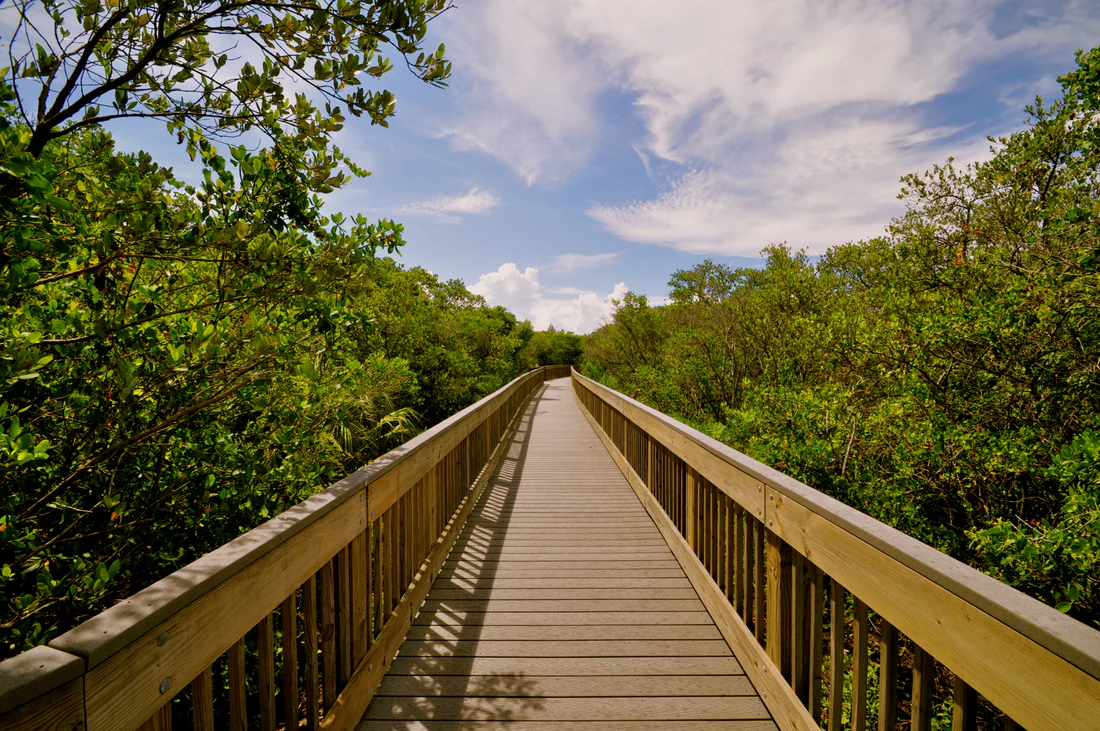
The first peoples
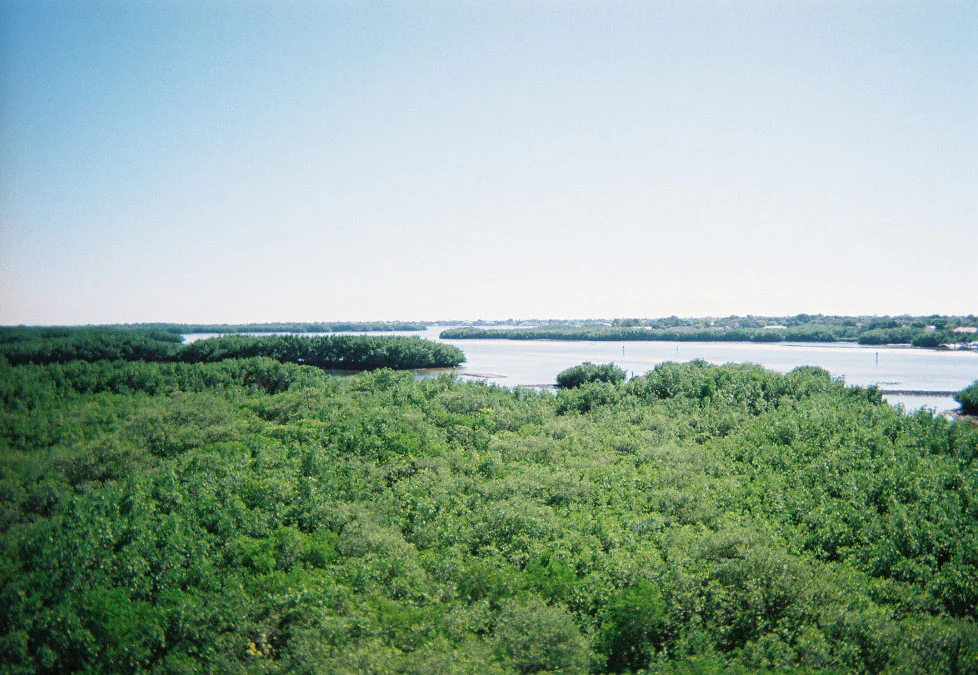
Archaeological finds indicate that people first reached the Gulf Coast sometime between 10,000 B.C. and 8,000 B.C. Around 200 A.D., the Weeden Island culture appeared on Florida's Gulf Coast. Native peoples lived for thousands of years on the land that is now Weedon Island Preserve, among them people of the Weeden Island period. Weeden is another way to spell the island's name.
Later, the Tocobaga people lived along the north side of Tampa Bay. They built the Temple Mound in Safety Harbor, on land that is now Philippe Park. The mound was built with layers that alternate between shell and sand. Archaeologists believe the Tocobaga lived there starting as early as 900 AD and stayed until the late 1600s. Between 400 and 2,500 people lived in the village, which was probably the Tocobaga capital.
The huge amount of shell they left at the village indicates that they depended on food from the coastal bays. The Safety Harbor culture was defined by the pottery and other objects found at the site. The county says no pottery of that type had been found before, and that the find showed a culture no one had known about. The Safety Harbor Site was added to the National Register of Historic Places in 1966.
Sources: Pinellas County: Pinellas County Historical Background; Pinellas County: Weedon Island Preserve; Pinellas County: Tocobaga Temple Mound; Pinellas County: National Register of Historic Places in Pinellas County
Next: Chapter 2, Spanish explorers and the Tocobaga →
Spanish explorers and the Tocobaga
The Spanish explorer Pánfilo de Narváez arrived in 1528, and Ponce de León had come to Florida 15 years before him. Local historians generally agree that Narváez claimed the area for Spain after landing somewhere on the Pinellas Peninsula. No one has confirmed the exact spot. Sources disagree on how many men he brought, with the county's historical background saying 300 and its Temple Mound page saying 400. Only four men lived through the expedition, and one of them was Cabeza de Vaca.
Hernando de Soto arrived at Tampa Bay on May 25, 1539, most likely by way of the Manatee River. In 1567, Pedro Menéndez de Avilés, the founder of St. Augustine, came to the Tocobaga village. He left 30 men behind to start a mission. When a Jesuit priest came back in January 1568, the 30 men had all been killed and the Tocobaga had left the village. The county says European diseases, which the Tocobaga had no immunity to, were the likely cause of their end.
Spain held Florida until 1763, England held it from 1763 to 1784, and Spain held it again from 1784 to 1821. Under English rule, few people settled in the Tampa Bay region.
Sources: Pinellas County: Pinellas County Historical Background; Pinellas County: Tocobaga Temple Mound; Pinellas County: Chronological Mileposts in the History of the Pinellas Peninsula
Next: Chapter 3, Settlers and the Seminole Wars →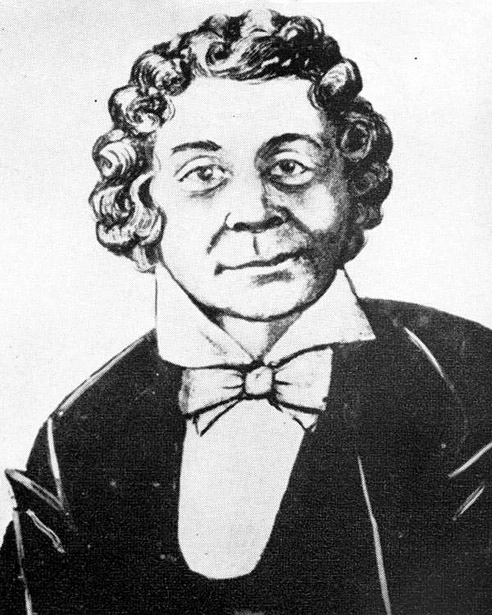
Settlers and the Seminole Wars
The Creek and other Native peoples were forced out of their lands in the Southern colonies by white settlers. Often joined by people who had escaped slavery, these peoples moved south into Florida, where they came to be called the Seminoles. From the late 1810s to 1842, Seminoles lived in west central Florida. Fishermen from Cuba came looking for mullet and set up short-term camps on the Pinellas coast to process the fish. Hillsborough County was created in 1834 and took in the Pinellas Peninsula, which people then called West Hillsborough.
The county says Odet Philippe set up the Pinellas Peninsula's first permanent white settlement around 1832. The spot he chose was on bluffs in present-day Safety Harbor. In 1842 he started a small citrus plantation there, called St. Helena. He also bought at least nine enslaved people during the 1800s. The county says Philippe Park is its oldest park. The land the park sits on was once part of his property.
The county says that during the Seminole Wars, from 1835 to 1842, Pinellas was among the few areas in Southwest Florida where Native people and whites had no encounters. Building started on Fort Harrison in 1841, in present-day Clearwater. The fort took its name from President William Henry Harrison. The fort was still unfinished when the Seminole Wars ended, but it was used as a place for sick and wounded men of the 6th Infantry to recover. Under the Armed Occupation Act of 1842, a head of family or a single man older than 18 could get 160 acres. In return, the settler had to be ready to bear arms, live on the land for five years and farm at least five acres. The county says this law was the first thing that really drew white settlers to the peninsula.
Sources: Pinellas County: Pinellas County Historical Background; Pinellas County: Chronological Mileposts in the History of the Pinellas Peninsula; WUSF: Parts of a popular Pinellas County park may sit on a Native American burial ground; Pinellas County: Philippe Park; Spectrum Bay News 9: Descendants honor Pinellas County settler's family history at Philippe Park
Next: Chapter 4, Pioneer years and the Civil War →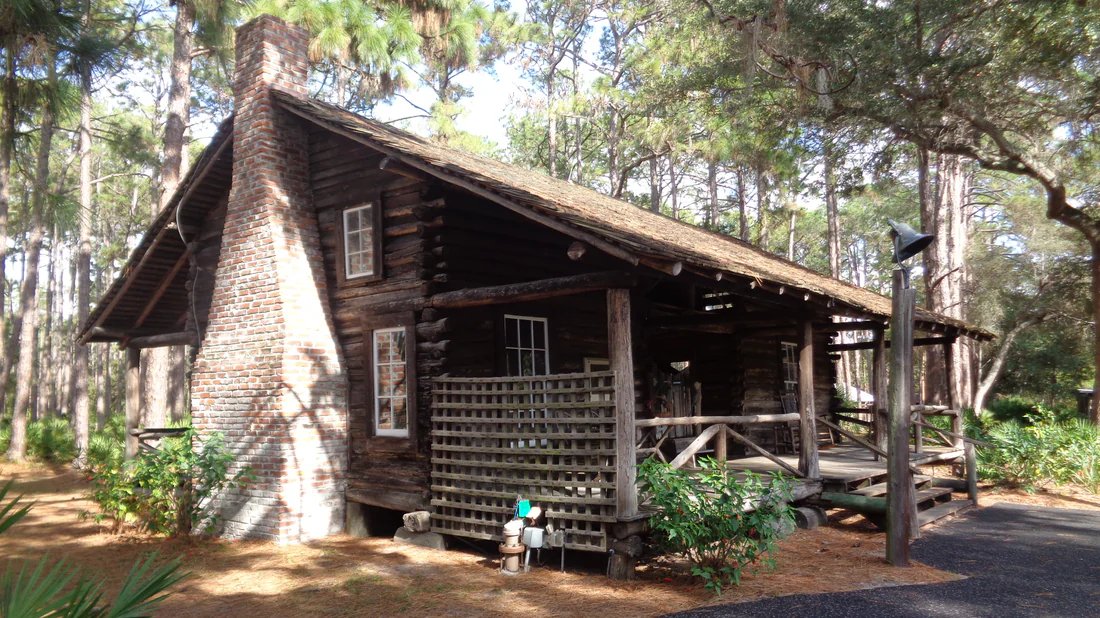
Pioneer years and the Civil War
In 1848, a powerful hurricane hit the Pinellas Peninsula and did damage across a wide area. The county says one of the first public schools in the area opened as early as 1855, on land that pioneer John Taylor gave. Clearwater High School stands on that site today. In 1859, a post office opened at Clear Water Harbor, which is now Clearwater. The county calls Clear Water Harbor the first community on the peninsula.
The area had only 50 families when the Civil War started, and fewer still once it was over. In the 1860s and early 1870s, people left some farmsteads, and the population went down. The city of St. Petersburg says John Donaldson and Anna Germain came in 1868 and were the first Black settlers in the area.
Cotton declined in the mid-1870s, and farmers started turning to citrus, which stayed small until the railroads came. John Constantine Williams, from Detroit, moved to Tampa in 1875. He bought 2,500 acres on the water, and that land later became St. Petersburg.
Sources: Pinellas County: Pinellas County Historical Background; Pinellas County: Chronological Mileposts in the History of the Pinellas Peninsula; City of St. Petersburg: History of St. Pete
Next: Chapter 5, Land deals, the railroad and resort hotels →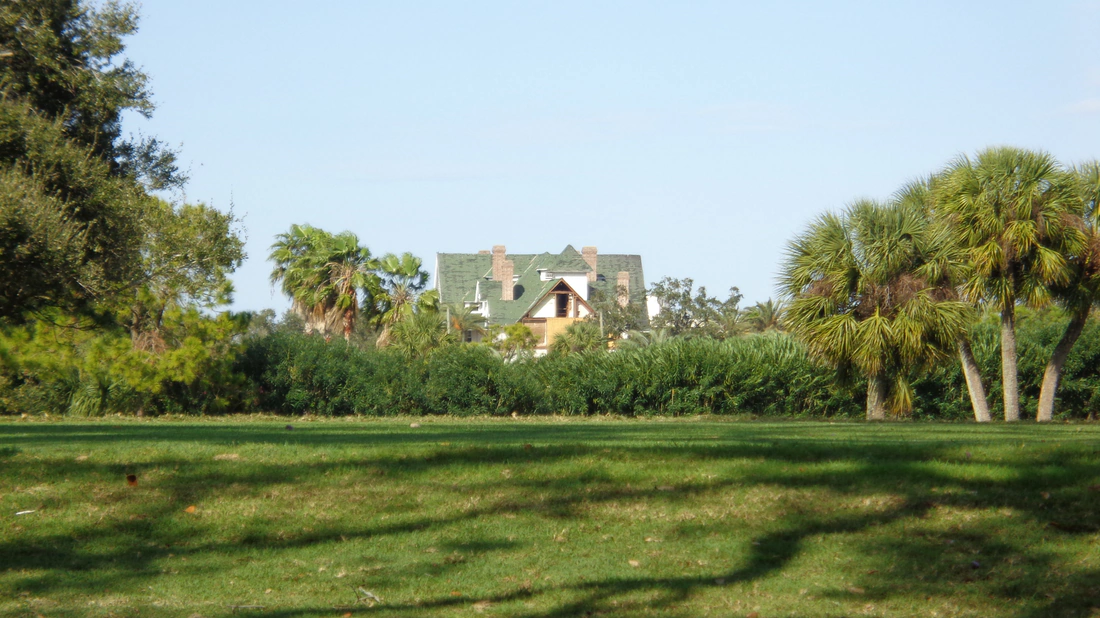
Land deals, the railroad and resort hotels
In 1881, Hamilton Disston bought four million acres in Florida at 25 cents an acre. He was a manufacturer and land speculator from Philadelphia. In 1882, Tarpon Springs was laid out as a town, and the Tropical, its first hotel, was built in 1883. In 1885, Baltimore doctor W. C. Van Bibber praised the healthy climate on the Pinellas Peninsula in a report. He presented it at a convention of the American Medical Society in New Orleans. The county says Tarpon Springs, incorporated in 1887, was the first city on the peninsula to incorporate.
The Orange Belt Railroad also reached the peninsula in 1887. A grant from Disston let Peter Demens, a Russian immigrant, build the line. The line reached the end of its route, on Tampa Bay, on June 8, 1888. The place was named St. Petersburg, after Demens's home city. The first train had only one passenger, and its freight cars were empty. According to legend, Williams and Demens tossed a coin for the right to name the city, and Demens won.
Henry B. Plant bought the Orange Belt in 1895. He switched its tracks to standard gauge and made the service better. That year, Plant also began building the Belleview Hotel in Belleair. Its opening day was January 15, 1897. The county says it was once the largest occupied wood-frame building in the world. Clearwater was incorporated in 1891, St. Petersburg in 1892 and Dunedin in 1899. Because of the Spanish-American War of 1898, a military post was built on the peninsula's southern tip. It is now called Fort De Soto.
Sources: Pinellas County: Pinellas County Historical Background; City of St. Petersburg: History of St. Pete; Pinellas County: Chronological Mileposts in the History of the Pinellas Peninsula
Next: Chapter 6, The sponge divers of Tarpon Springs →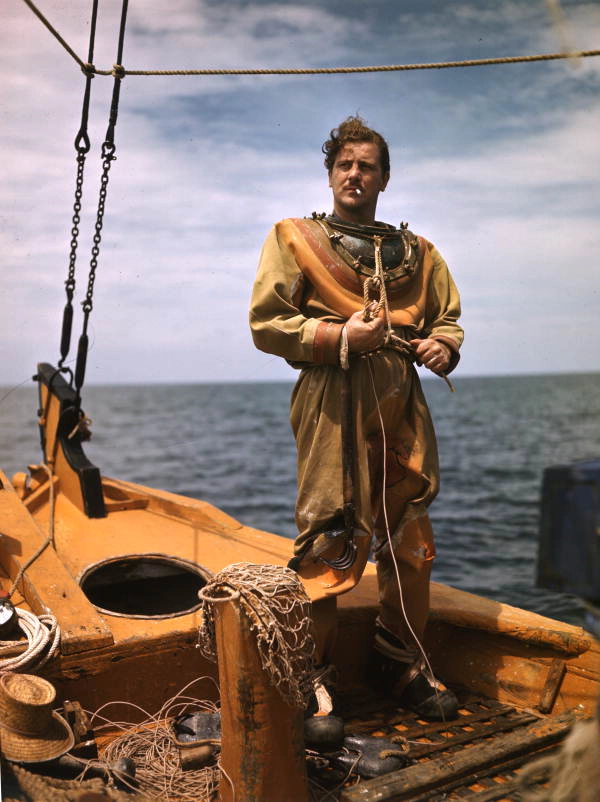
The sponge divers of Tarpon Springs
The sponge business in Tarpon Springs began around 1890. The Anclote and Rock Island Sponge Company hired John Cocoris, an immigrant from Greece, to raise its output. Sponges had been pulled up with hooks until 1905, when Cocoris introduced diving for them. Many Greek fishermen and sponge divers arrived that year, and they changed both the sponge business and the town. The town's 1987 centennial program says the first Greeks came in 1905, from the Dodecanese Islands.
In 1908, the Tarpon Springs Sponge Exchange became a corporation. The sponge trade was at its most prosperous in the 1930s. Then, in 1939, disease hit the local sponge beds. Sponging declined in the 1950s and 1960s. In 1990, five sponge boats at the Tarpon Springs Sponge Docks were added to the National Register of Historic Places.
Sources: Duke University, Migration Memorials: Tarpon Springs Sponge Industry; Pinellas County: Pinellas County Historical Background; Florida Memory: Tarpon Springs Centennial Celebration, 1987 - program; Pinellas County: Chronological Mileposts in the History of the Pinellas Peninsula; Pinellas County: National Register of Historic Places in Pinellas County
Next: Chapter 7, Pinellas breaks away from Hillsborough →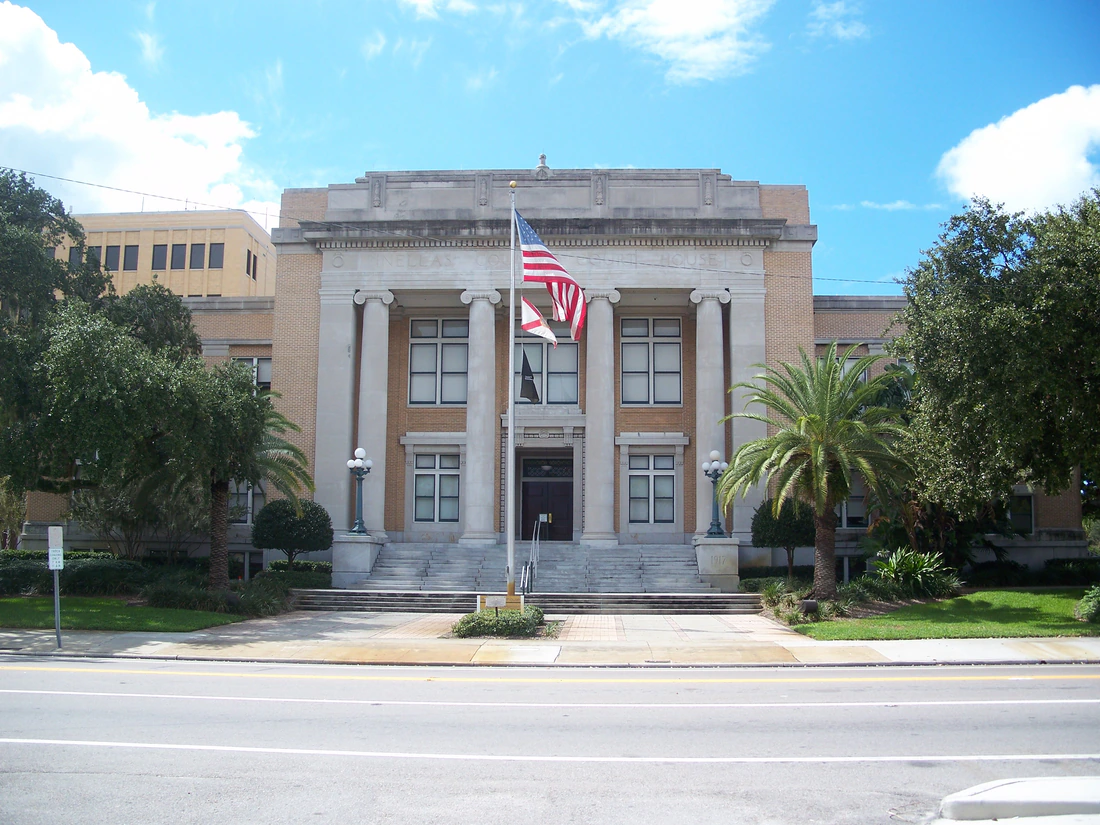
Pinellas breaks away from Hillsborough
People on the peninsula grew unhappy with the long distance to their county government. Politicians in Tampa spent the taxes collected in Pinellas, usually on schools, roads and buildings in Tampa. St. Petersburg Times editor W. L. Straub published a long editorial on February 23, 1907. People started calling it the "Pinellas Declaration of Independence." He followed up with editorials and cartoons, sent legislators the paper free for a full year and went to Tallahassee in person.
Governor Albert Gilchrist signed the bill making Pinellas a separate county on May 23, 1911. Peninsula voters approved it by a wide margin six months later. Pinellas County officially came into being on January 1, 1912. The University of South Florida's Exploring Florida site counts Pinellas as the 48th county in Florida.
The law that created the county made Clearwater the county seat. St. Petersburg wanted voters to choose the permanent site instead. Commissioners from the north end of the county outvoted the ones from the south end. They quickly gave out a contract to build a two-story wood-frame courthouse in Clearwater. Work on a new courthouse began in 1917. The old Pinellas County Courthouse in Clearwater was added to the National Register of Historic Places in 1992.
Sources: Pinellas County: Pinellas County Historical Background; University of South Florida, Exploring Florida: Pinellas County; Pinellas County: National Register of Historic Places in Pinellas County
Next: Chapter 8, The first airline and the land boom →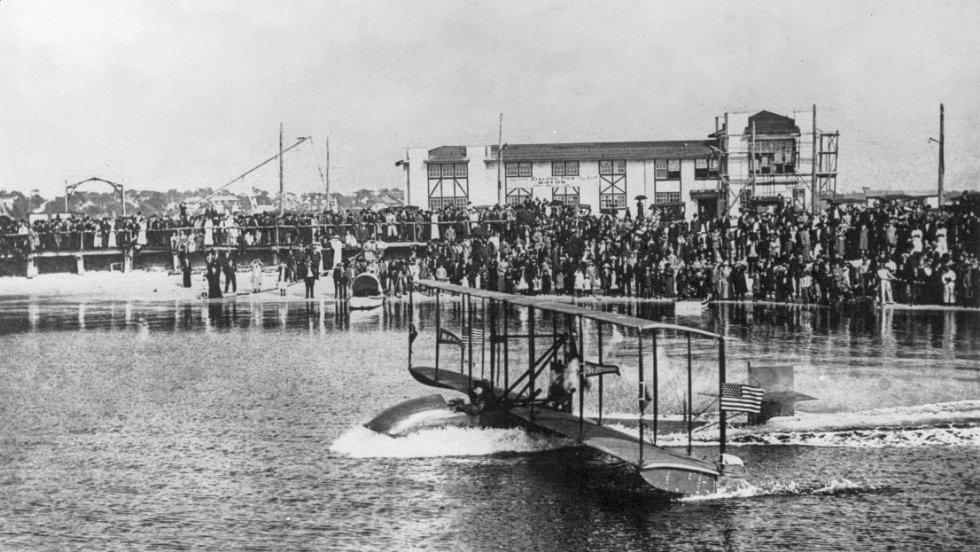
The first airline and the land boom
Tony Jannus flew a 26-foot Benoist seaplane from St. Petersburg to Tampa on January 1, 1914. The trip took 23 minutes. The county says it was the first scheduled airline flight in the world. The plane stayed just 50 feet above the water as it crossed. That same year, Al Lang, who at one time was the city's mayor, persuaded Branch Rickey to bring his St. Louis Browns to St. Petersburg for spring training.
A severe hurricane struck in 1921 and did heavy damage all over the county. The storm created Hurricane Pass, the channel between today's Caladesi and Honeymoon Islands. A real estate boom also started in 1921. It ended no earlier than December 1925 and no later than June 1926. During the boom, Pinellas had development worth millions of dollars and new hotels, and people bought and sold a great deal of real estate.
When the Gandy Bridge opened in 1924, it cut the distance from St. Petersburg to Tampa from 43 miles to 19. The county says that when it opened, it was the world's longest toll bridge for cars. The Great Depression began in 1929 and further damaged a local economy that had not recovered from the end of the boom. The Ben T. Davis Causeway, finished in 1934, connected Clearwater to Tampa by road. Its name was later changed to honor Courtney Campbell, a Clearwater man who served on the local road board.
Sources: Pinellas County: Pinellas County Historical Background; City of St. Petersburg: History of St. Pete
Next: Chapter 9, World War II and the years of growth →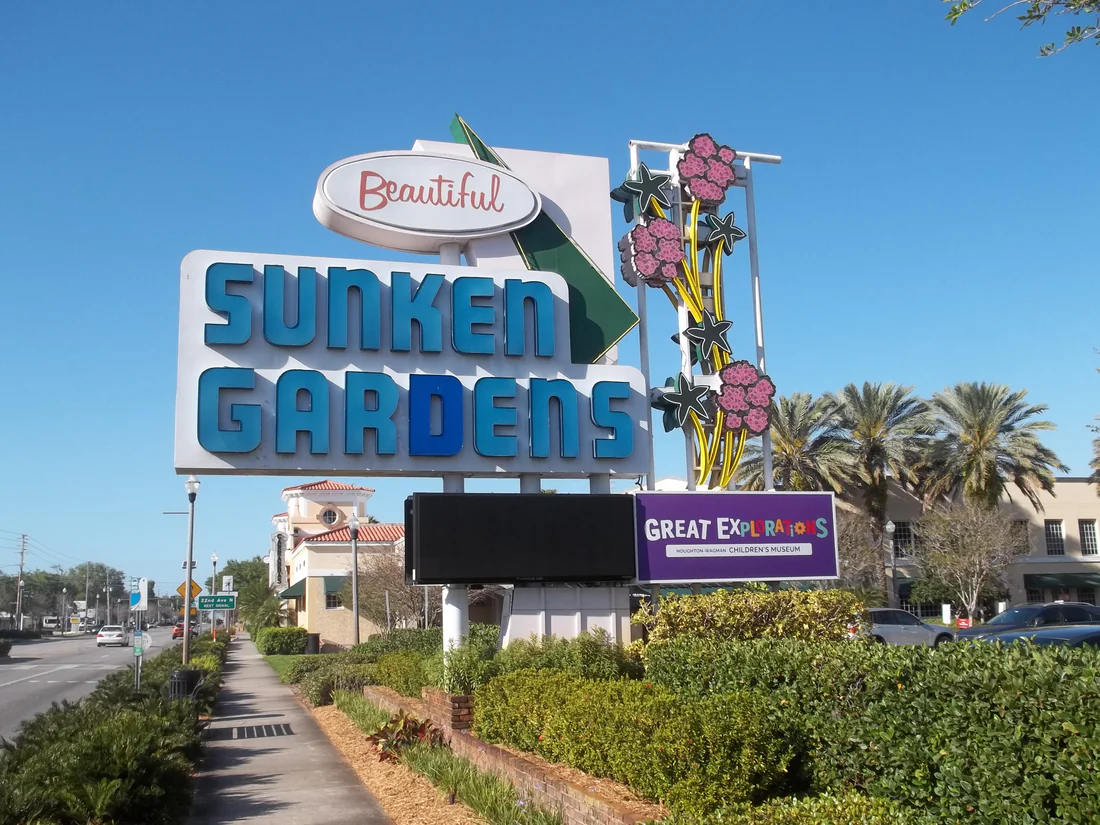
World War II and the years of growth
When the United States entered World War II in 1941, the population of Pinellas grew much more slowly. That same year, the federal government bought back the Fort De Soto land to use as a range for gunnery and bombing. The county was still building its airport in 1942 when the Army Air Corps leased it for a training center. The county got it back after the war, and it later became St. Petersburg-Clearwater International Airport. World War II troops trained at the Coast Guard station at Bayboro Harbor, and St. Petersburg became a major Army Air Corps center for technical services training. Trainees, more than 100,000 in all, filled every hotel in St. Petersburg.
When the war ended in 1945, Pinellas began to grow quickly. The city says air conditioning, which arrived in the 1950s, led to more homes being built for retirees. The Sunshine Skyway Bridge's first span opened in 1954 and connected Pinellas and Manatee Counties. Electronics companies began coming to the county in the late 1950s, but with more and more tourists and retirees, stores and service businesses stayed the main employers. In the 1950s and 1960s, mobile homes covered acres where citrus groves had been. Roadside attractions such as Sunken Gardens also became more popular in those years.
Heritage Village, a county museum of local history that keeps historic Pinellas buildings, opened in 1977. In 1980, a freighter named Summit Venture struck one of the Sunshine Skyway Bridge's supports, and sections of the southbound span fell. Thirty-five people died.
Sources: Pinellas County: Pinellas County Historical Background; Pinellas County: Fort De Soto Park; City of St. Petersburg: History of St. Pete; Pinellas County: Chronological Mileposts in the History of the Pinellas Peninsula
Next: Chapter 10, Segregation and civil rights →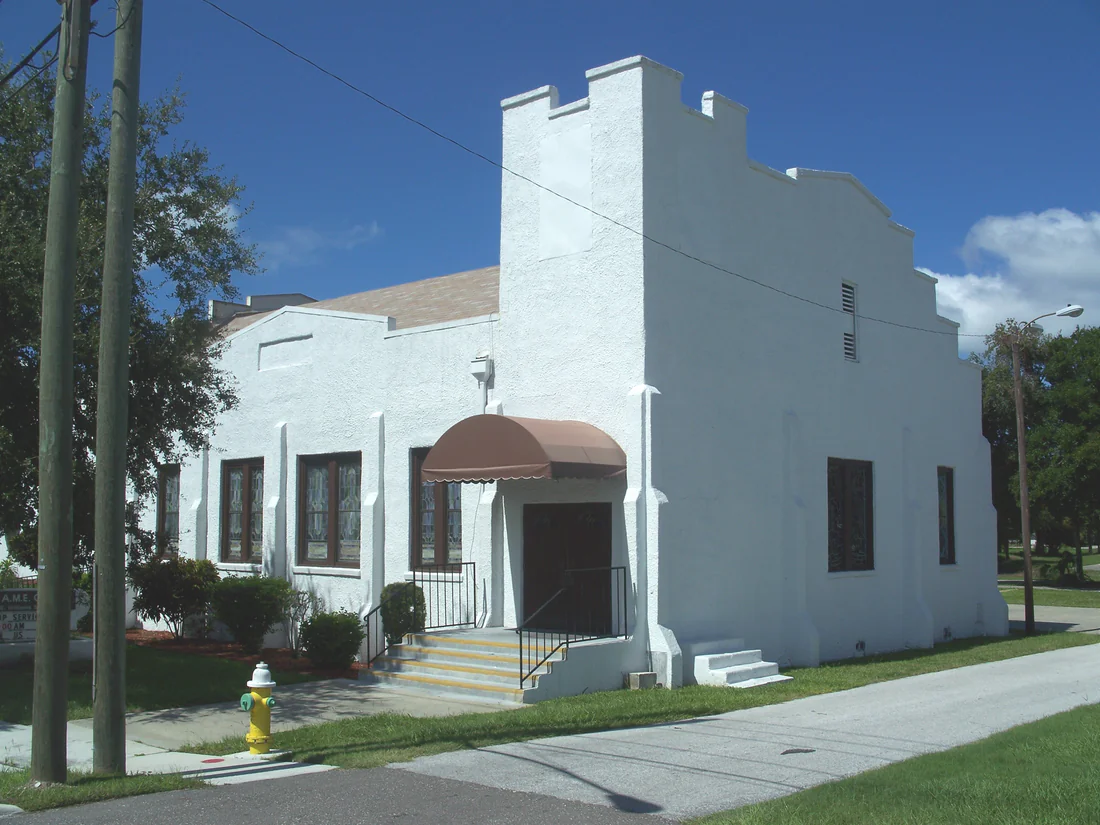
Segregation and civil rights
In the 1940s, 1950s and 1960s, a neighborhood in south St. Petersburg called "The Deuces" became a downtown of its own for African Americans and people of other minority groups. The city says the neighborhood's Manhattan Casino drew the country's top African American musicians. At its height in the 1960s, the Deuces had more than 100 businesses, places of entertainment and professional offices that Black people owned or ran. In 2000, Mount Olive African Methodist Episcopal Church in Clearwater was listed on the National Register of Historic Places. Black history is one of the areas of significance named in its listing.
Early challenges to segregation, such as sit-ins, came between 1954 and 1964. In those same years, segregated facilities like Gibbs Junior College were expanded, defying the Supreme Court's Brown decision against school segregation.
Attorney James B. Sanderlin filed suit against the Pinellas County schools on May 7, 1964. He represented five African American families. The suit challenged Florida's "dual system," which kept public schools segregated. The county says the suit succeeded, and that the ruling desegregated the Pinellas, Sarasota and Hillsborough school systems at the same time. A desegregation plan ordered by the court was not approved and put into effect until July 23, 1971. Legal challenges to segregation ran from 1964 to 1971, when a federal decree required busing to keep facilities integrated.
Sources: City of St. Petersburg: History of St. Pete; Pinellas County: National Register of Historic Places in Pinellas County; Pinellas County: Chronological Mileposts in the History of the Pinellas Peninsula; Pinellas County: Pinellas County Historical Background
Next: Chapter 11, Since 1980: the Rays' 2008 pennant, Dolphin Tale and a new pier →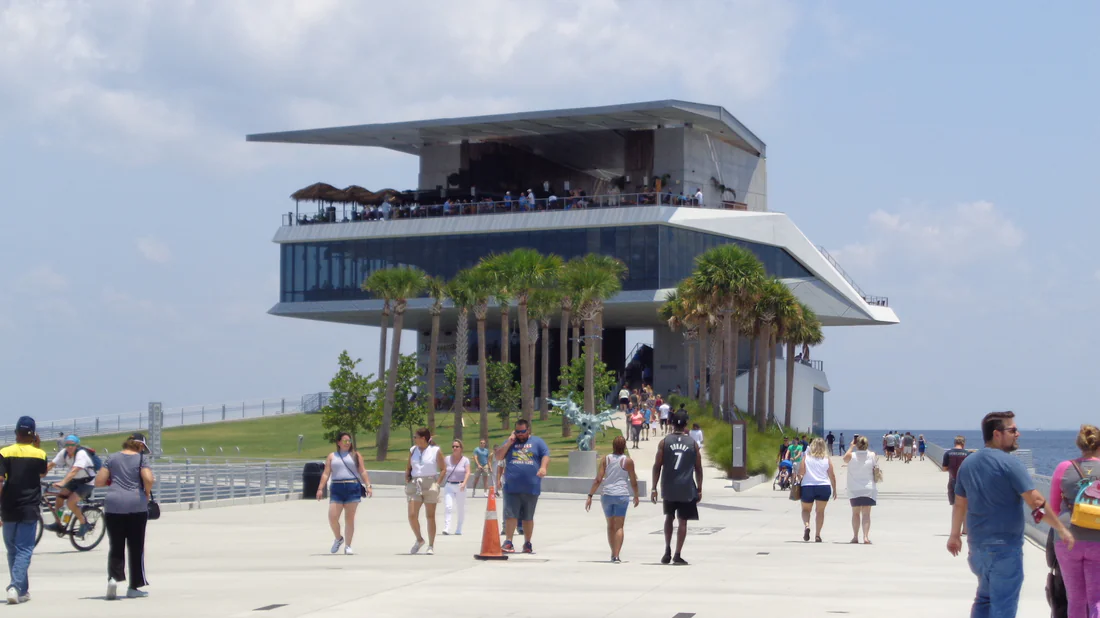
Since 1980: the Rays' 2008 pennant, Dolphin Tale and a new pier
The new Sunshine Skyway Bridge, now named for Bob Graham, was dedicated on February 7, 1987. Cars began to cross it on April 20, 1987. The Pinellas Trail opened its first five miles in December 1990, along an old railroad line. On March 31, 1998, the new Tampa Bay Devil Rays played their first game at Tropicana Field. In 2008 the Rays won their first American League pennant, which sent them to the World Series.
On January 11, 2011, the Dalí Museum in St. Petersburg opened its new building. The building has a large glass bubble that the museum calls the Enigma. Dolphin Tale, a movie shot at the Clearwater Marine Aquarium, came out in September 2011. It told the story of Winter, a dolphin who lost her tail in a crab trap. Winter played herself in the movie.
St. Petersburg's new pier was opened on July 6, 2020. Hurricane Helene's storm surge flooded the Pinellas coast on September 26, 2024. In October 2024 Hurricane Milton tore the roof off Tropicana Field. The stadium was given a new roof. The Tampa Bay Rays played their first home game of the 2026 season back at Tropicana Field on April 6.
Sources: FOX 13 Tampa Bay: Sunshine Skyway Bridge turns 30 years old; Pinellas County: County celebrates 30 years of Pinellas Trail; MLB.com: DET@TB: First pitch in Rays' history at Tropicana; MLB.com: 2008 World Series recap; Salvador Dalí Museum: The Building; Bay News 9: Clearwater Marine Aquarium celebrates 10th Anniversary of 'Dolphin Tale'; Museum of Florida History: Florida Movie Posters: Dolphin Tale; WUSF: Watch: Take A Drone Video Tour Of The New St. Petersburg Pier District; National Weather Service Tampa Bay: County Impacts Associated with Hurricane Helene (2024); WUSF: Storm surge from a distant Helene creates major problems around the Tampa Bay area; Bay News 9: Welcome home! Rays beat Cubs in emotional Tropicana Field return
Next: the whole story, in dates →The whole story, in dates
People first reach the Gulf Coast.
The Weeden Island culture appears on Florida's Gulf Coast.
The Tocobaga live at the Safety Harbor site.
Pánfilo de Narváez is believed to have landed on the Pinellas Peninsula.
Hernando de Soto arrives at Tampa Bay.
Pedro Menéndez de Avilés comes to the Tocobaga village.
Odet Philippe settles in present-day Safety Harbor.
The new Hillsborough County takes in the peninsula.
Building starts on Fort Harrison, in present-day Clearwater.
The Armed Occupation Act offers 160 acres to settlers.
Clear Water Harbor gets a post office.
The first Black settlers come to the St. Petersburg area, the city says.
Hamilton Disston buys four million acres in Florida.
Tarpon Springs incorporates, and the Orange Belt Railroad comes to the peninsula.
The Orange Belt line reaches its last stop, named St. Petersburg.
Henry Plant's Belleview Hotel opens in Belleair.
Many Greek sponge divers come to Tarpon Springs.
W. L. Straub prints the editorial later called the "Pinellas Declaration of Independence."
Governor Albert Gilchrist signs the bill to create Pinellas County.
Pinellas County officially comes into being.
Tony Jannus flies a seaplane to Tampa from St. Petersburg in 23 minutes.
A severe hurricane creates Hurricane Pass, and a real estate boom starts.
The Gandy Bridge opens.
The county leases its unfinished airport to the Army Air Corps for training.
The Sunshine Skyway Bridge's first span opens.
James B. Sanderlin files suit against the county schools for five African American families.
A desegregation plan ordered by the court is approved and takes effect.
Heritage Village opens.
A freighter hits the Sunshine Skyway Bridge, part of it falls, and 35 people die.
The new Sunshine Skyway Bridge opens to traffic.
The first five miles of the Pinellas Trail open.
The Tampa Bay Devil Rays play their first game at Tropicana Field.
The Rays win their first American League pennant and reach the World Series.
The Dalí Museum opens its new building in St. Petersburg.
Dolphin Tale, shot at the Clearwater Marine Aquarium, comes out.
St. Petersburg's new pier opens.
The Rays play their first home game of 2026 back at Tropicana Field, under its new roof.
Where you can still see it
 01
01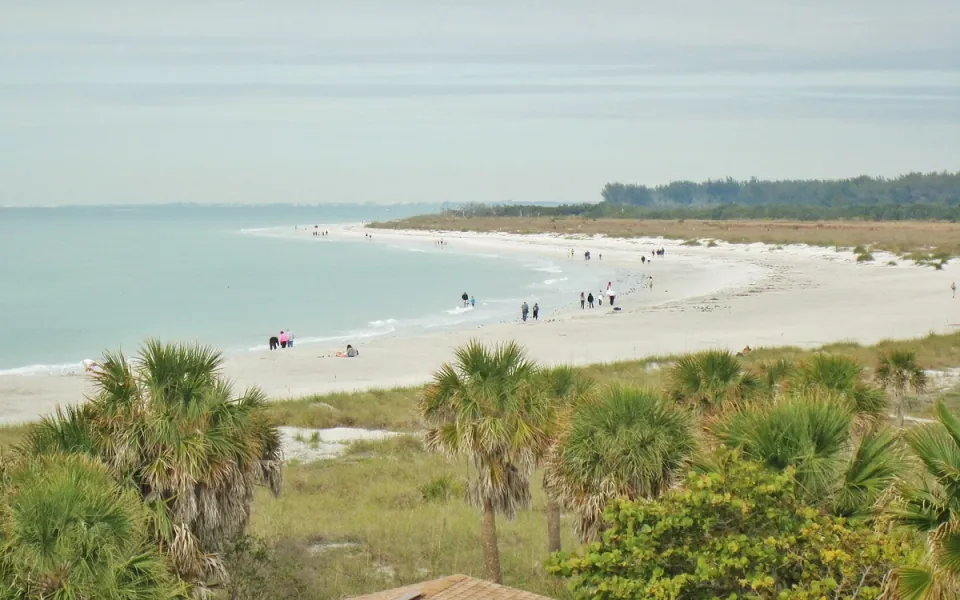 02
02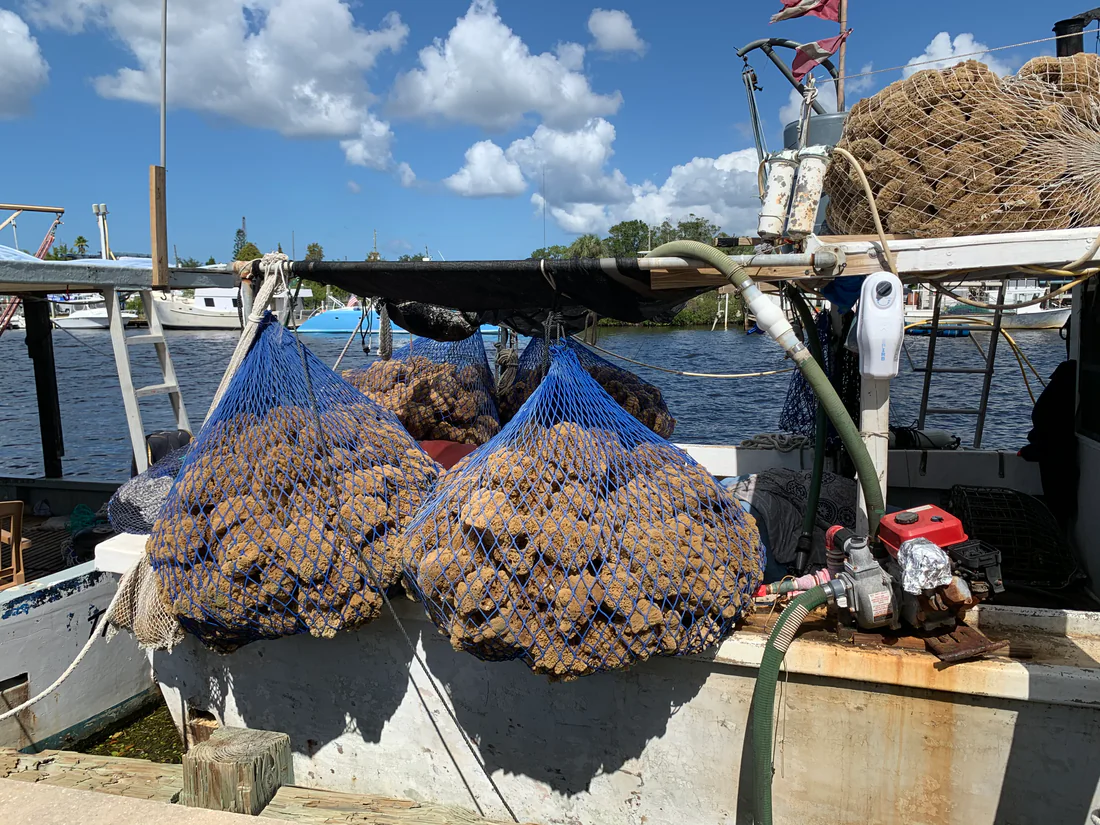 03
03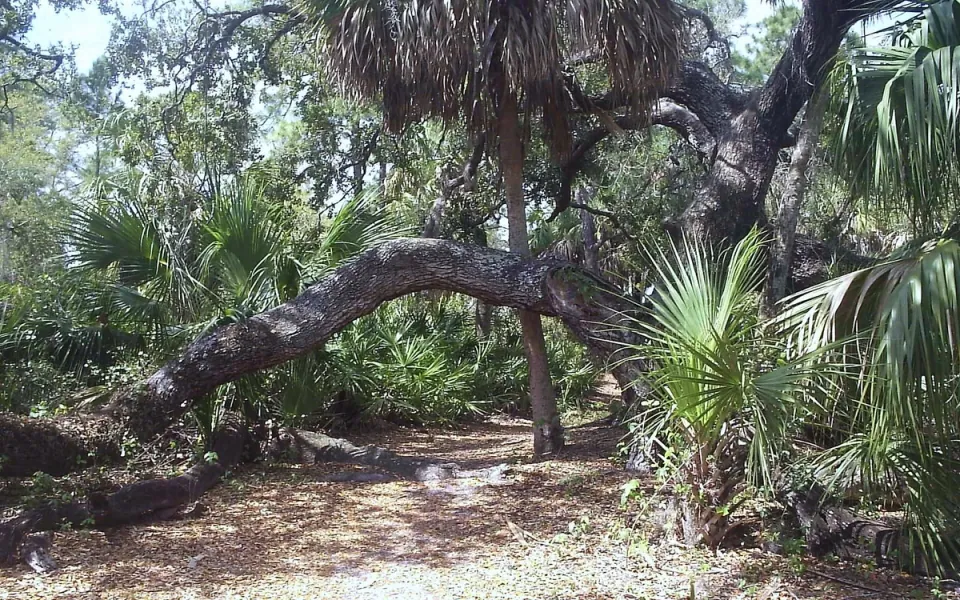 04
04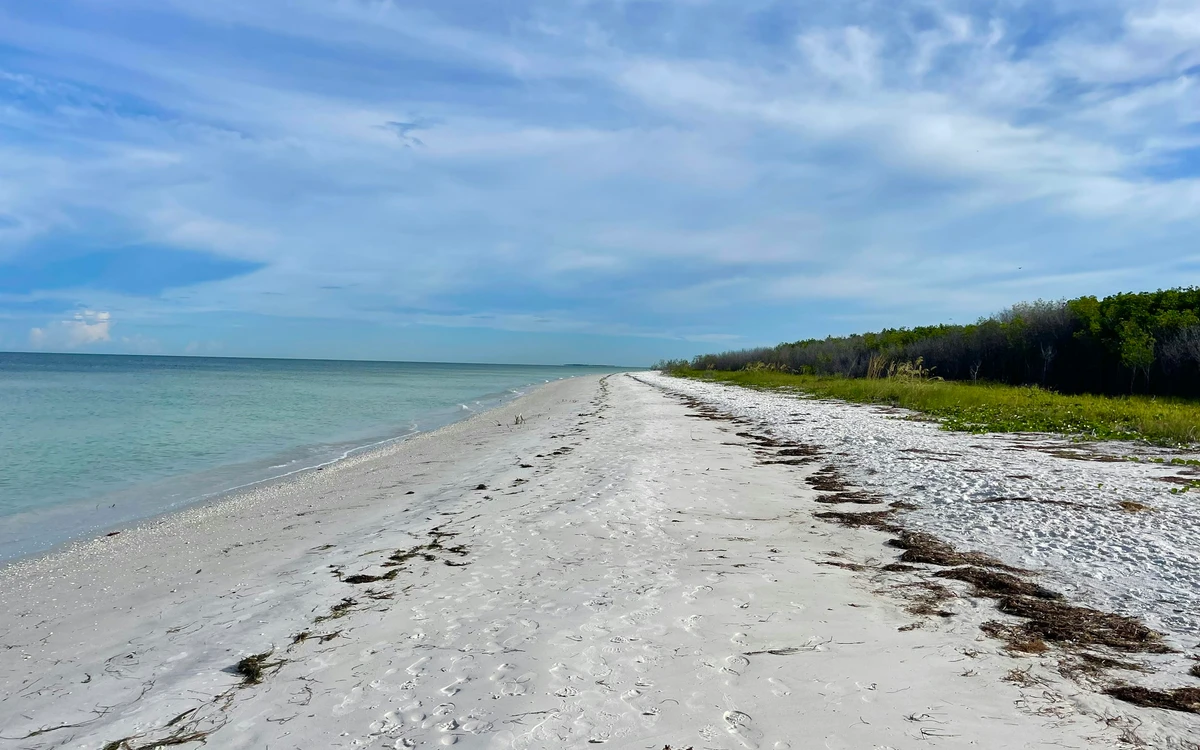 05
05 06
06 07
07 08
08Philippe Park and the Tocobaga Temple Mound
Goes with: The first peoples
the county's page for Philippe Park →Where this comes from.
- Pinellas County: Pinellas County Historical Background ↗ Read October 15, 2026
- Pinellas County: Chronological Mileposts in the History of the Pinellas Peninsula ↗ Read October 15, 2026
- Pinellas County: Tocobaga Temple Mound ↗ Read October 15, 2026
- Pinellas County: Philippe Park ↗ Read October 15, 2026
- Pinellas County: Weedon Island Preserve ↗ Read October 15, 2026
- Pinellas County: Fort De Soto Park ↗ Read October 15, 2026
- Pinellas County: National Register of Historic Places in Pinellas County ↗ Read October 15, 2026
- City of St. Petersburg: History of St. Pete ↗ Read October 15, 2026
- University of South Florida, Exploring Florida: Pinellas County ↗ Read October 15, 2026
- Florida Memory: Tarpon Springs Centennial Celebration, 1987 - program ↗ Read October 15, 2026
- Duke University, Migration Memorials: Tarpon Springs Sponge Industry ↗ Read October 15, 2026
- WUSF: Parts of a popular Pinellas County park may sit on a Native American burial ground ↗ Read October 15, 2026
- Spectrum Bay News 9: Descendants honor Pinellas County settler's family history at Philippe Park ↗ Read October 15, 2026
- FOX 13 Tampa Bay: Sunshine Skyway Bridge turns 30 years old ↗ Read October 16, 2026
- Pinellas County: County celebrates 30 years of Pinellas Trail ↗ Read October 16, 2026
- MLB.com: DET@TB: First pitch in Rays' history at Tropicana ↗ Read October 16, 2026
- MLB.com: 2008 World Series recap ↗ Read October 16, 2026
- Salvador Dalí Museum: The Building ↗ Read October 16, 2026
- Bay News 9: Clearwater Marine Aquarium celebrates 10th Anniversary of 'Dolphin Tale' ↗ Read October 16, 2026
- Museum of Florida History: Florida Movie Posters: Dolphin Tale ↗ Read October 16, 2026
- WUSF: Watch: Take A Drone Video Tour Of The New St. Petersburg Pier District ↗ Read October 16, 2026
- National Weather Service Tampa Bay: County Impacts Associated with Hurricane Helene (2024) ↗ Read October 16, 2026
- WUSF: Storm surge from a distant Helene creates major problems around the Tampa Bay area ↗ Read October 16, 2026
- Bay News 9: Welcome home! Rays beat Cubs in emotional Tropicana Field return ↗ Read October 16, 2026