Walton County was created on December 29, 1824, from part of Escambia County. It was named for Colonel George Walton, the territorial secretary of West Florida, and its county seat is DeFuniak Springs. The county is home to DeFuniak Springs, where the Florida Chautauqua first met in 1885, and to Seaside, the beach town where The Truman Show was filmed. Its history goes back to Native Americans who fished, hunted and camped at what is now Topsail Hill Preserve State Park, and to the Euchee people, who appear to have reached Florida's Panhandle by the close of the 18th century.
This page tells the story in order, from the first peoples and the Euchee to a bicentennial parade and Seaside's 45th year, then lists places in the county where you can still see it. The sources for each part are named at the end of that part, and all of them are listed at the bottom of the page.
The First Peoples and the Euchee
Native Americans used the land at what is now Topsail Hill Preserve State Park for fishing, hunting and camping. The evidence comes from midden mounds, which are piles of debris their communities threw away, and from a large mound beside the park. The state says the place that became DeFuniak Springs was also first home to Native Americans.
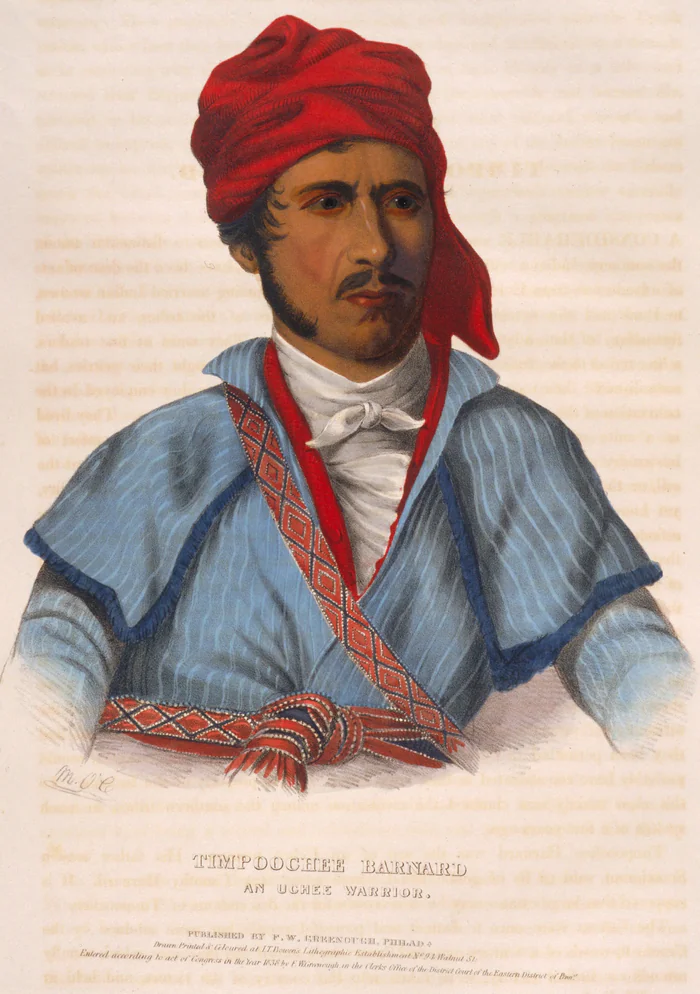
The Euchee people, also known as the Yuchi, appear to have reached Florida's Panhandle by the close of the 18th century. A Florida Memory article notes that their history is poorly documented. The fullest account of the Euchee and their chief, Sam Story, is John L. McKinnon's History of Walton County, first published in 1911. McKinnon learned much of it from his father, one of the county's earliest pioneers, who may have met the chief.
Sources: Florida State Parks: Topsail Hill Preserve State Park History; Florida Department of State: Secretary Byrd Designates Main Street DeFuniak Springs as Florida Main Street Program of the Month; Florida Memory: The Legend of Sam Story
Next: Chapter 2, Scottish Settlers and Chief Sam Story →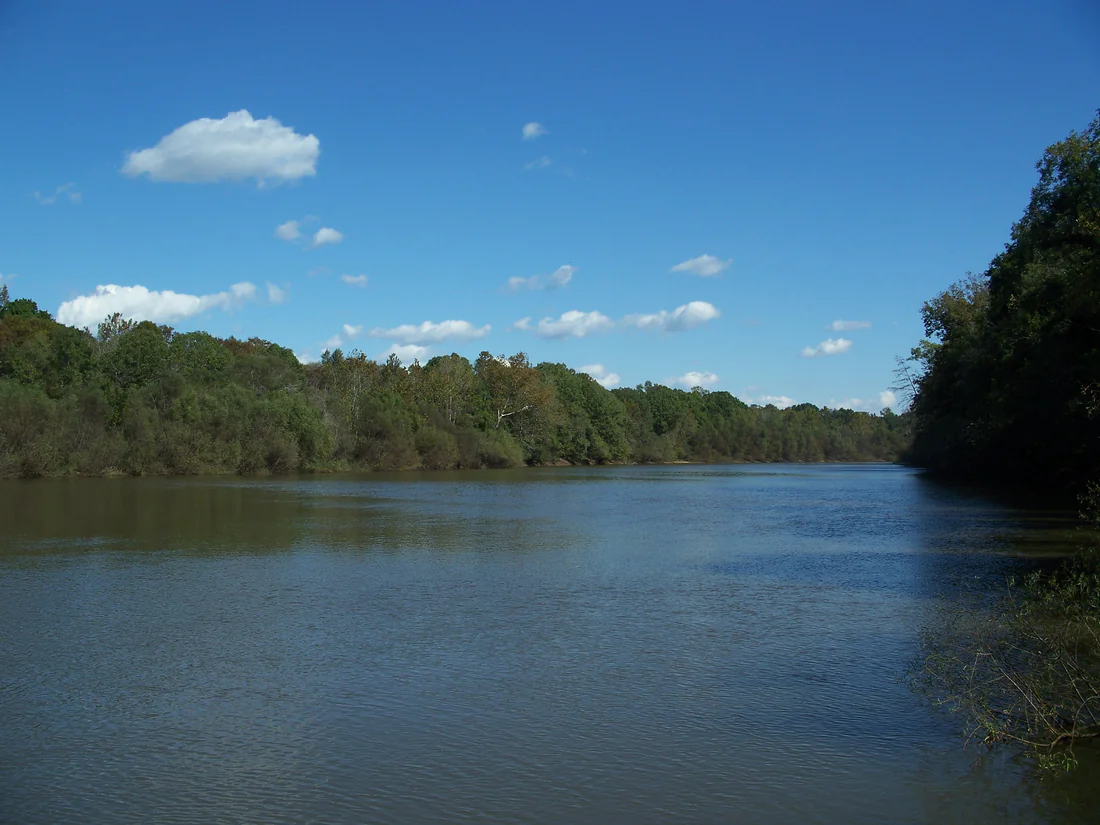
Scottish Settlers and Chief Sam Story
McKinnon wrote that the county's first European settlers were Scots who had moved to North Carolina around 1810. In 1820 one of them, Neill McLendon, set off for Pensacola. The Spaniards there told him to wait for Sam Story, a local Indian chief, who they thought could show him the Euchee Valley. The legend says Story invited McLendon to visit him at his headquarters, south of Bruce Creek.
McLendon then sent a message to friends back in North Carolina. Many relatives and other settlers came to join him, among them Colonel John McKinnon and John Newton. They founded the town of Eucheeanna on the other side of Bruce Creek. A state marker calls Eucheeanna territorial Florida's first Scottish settlement and says its name honors the Euchee Indians.
Later, the legend says, Story and some scouts traveled all the way to the Everglades to look for a new home, because the area's resources were under strain. McKinnon says Story, worn out by the journey and his age, died soon after, and the Scots buried him along the Choctawhatchee River. The Euchee are thought to have moved away to the east and south, as far as present-day Volusia County.
Sources: Florida Memory: The Legend of Sam Story; Florida Department of State, Florida Historical Markers: Eucheeanna Community
Next: Chapter 3, Walton County Is Created, 1824 →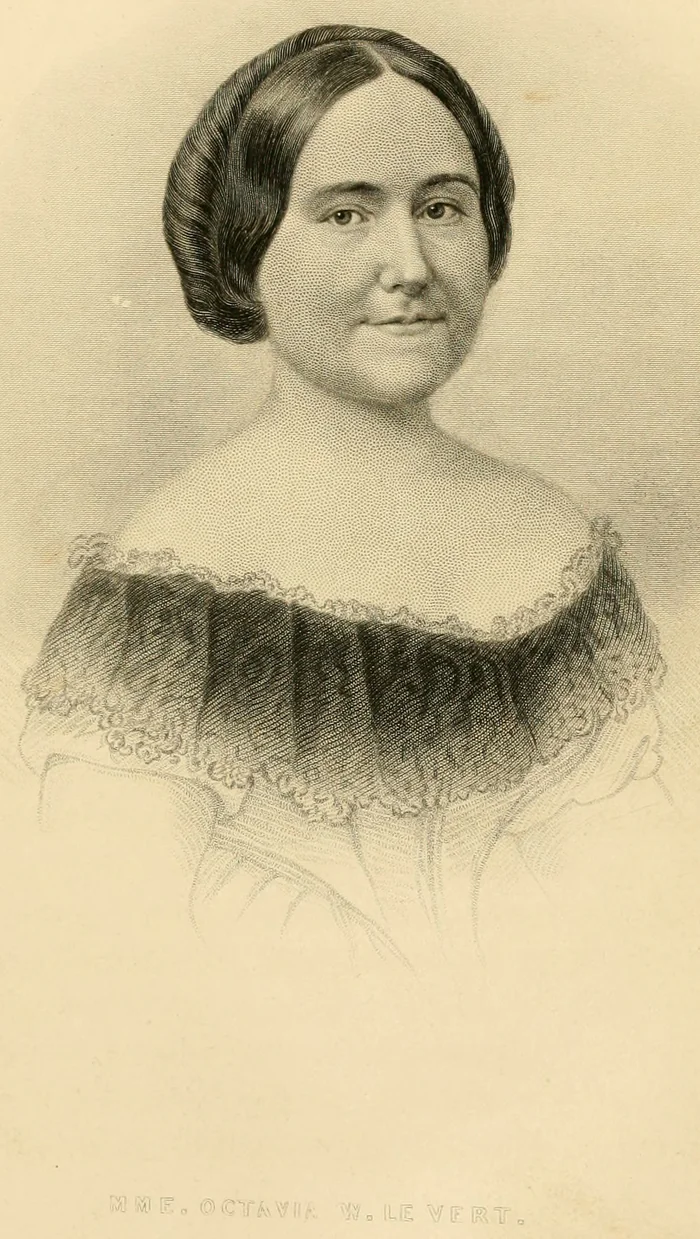
Walton County Is Created, 1824
Walton County was created on December 29, 1824, out of part of Escambia County. It was named for Colonel George Walton, the territorial secretary of West Florida. His father, George Walton Sr., signed the Declaration of Independence. His daughter Octavia suggested the name Tallahassee for the new capital.
Eucheeanna served as the county seat, and it had a courthouse, a jail, a school, stores, a sawmill, a grist mill, and halls for the Masons and Odd Fellows. A state marker dates the Euchee Valley Presbyterian Church to May 27, 1827, when the Reverend Murdoch Murphy presided over a group of 15 families with a single elder, Donald McLean Sr. The marker counts it among Florida's oldest organized Presbyterian churches and says it was the largest in the state until 1885. Its cemetery holds more than 3,000 graves, including those of two people who signed Florida's first constitution.
At first the county also took in large parts of today's Washington, Holmes and Okaloosa counties. Some of its land went to form Washington County in 1846, and Holmes County got a northeastern piece in 1848. In 1915 a western part of Walton and an eastern part of Santa Rosa County were joined to make Okaloosa County.
Sources: University of South Florida, Florida Center for Instructional Technology: Florida Maps - Walton County; DeFuniak Herald: Walton County Anniversary celebrated; Florida Department of State, Florida Historical Markers: Eucheeanna Community; Florida Department of State, Florida Historical Markers: Euchee Valley Presbyterian Church and Cemetery; VISIT FLORIDA Media: Walton County to Celebrate Bicentennial in 2024
Next: Chapter 4, Knox Hill Academy and the Civil War →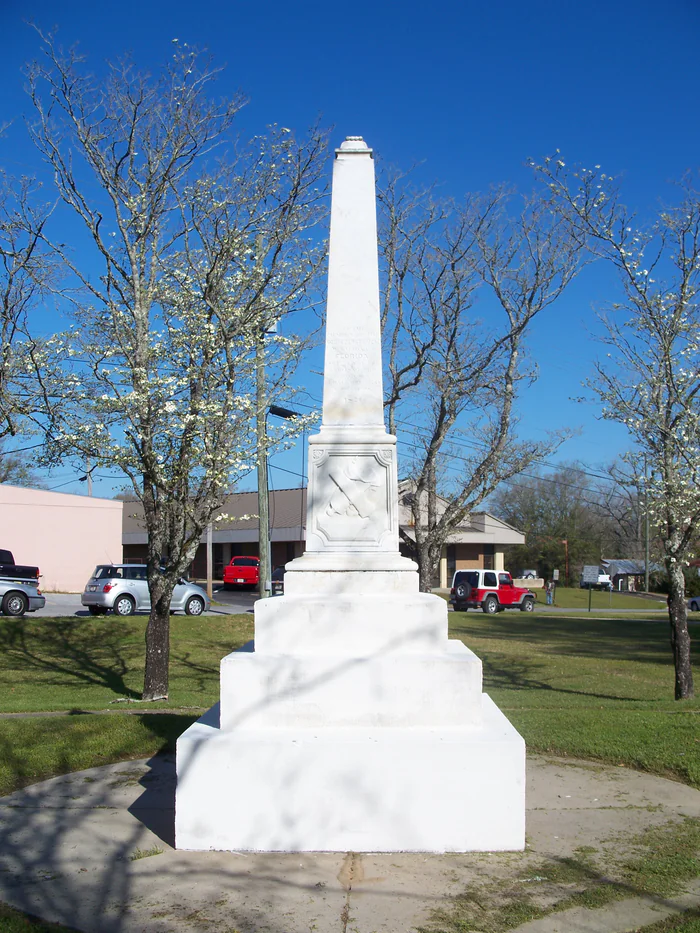
Knox Hill Academy and the Civil War
In 1848 the Rev. John Newton started a boarding school called Knox Hill Academy. The school began in a split-log house on top of a hill. In January 1859 it moved into a large frame building of two stories. Students came from southern Alabama, southwest Georgia and West Florida, and the school had a chemistry and physics laboratory.
Blockade runners landed goods for the Confederacy at Tucker Bayou, a natural harbor on Choctawhatchee Bay, during the Civil War. On September 23, 1864, federal troops raided Eucheeanna on their march toward Marianna and Tallahassee.
Soon after the war, the women of the county formed a Ladies' Memorial Association, and Jeannet I. McKinnon was its president. They raised $250 for a marble monument to the county's Confederate dead. One state marker says the monument first went up in 1871 at Valley Church, while another says it stood in Eucheeanna in 1868. Both markers say it ended up in DeFuniak Springs, and both call it the first Confederate monument in Florida. In 1871 Newton shut the academy down and moved on to Mary Esther.
Sources: Florida Department of State, Florida Historical Markers: Knox Hill Academy 1848; Florida State Parks: Tucker Bayou; Florida Department of State, Florida Historical Markers: Eucheeanna Community; Florida Department of State, Florida Historical Markers: Florida's First Confederate Monument
Next: Chapter 5, The Railroad and DeFuniak Springs →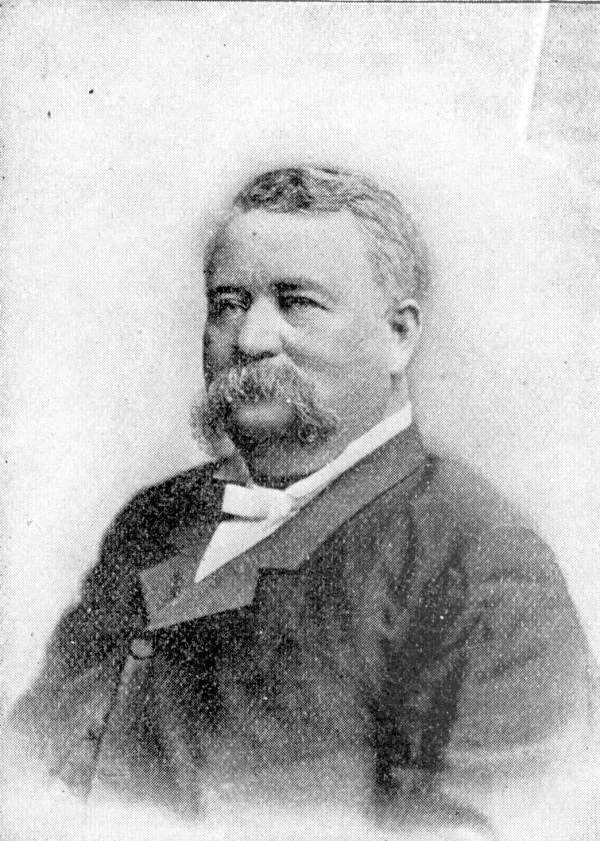
The Railroad and DeFuniak Springs
On March 4, 1881, the Florida Legislature chartered the Pensacola & Atlantic Railroad, a branch of the Louisville & Nashville. Railroad officers began surveying a route that month, and during the survey they found a lake called Open Pond. W.D. Chipley, who led the survey, named the lake and the town DeFuniak Springs, for Frederick R. DeFuniak. A state marker calls DeFuniak the president of the railroad, while a state news release calls him its chief engineer.
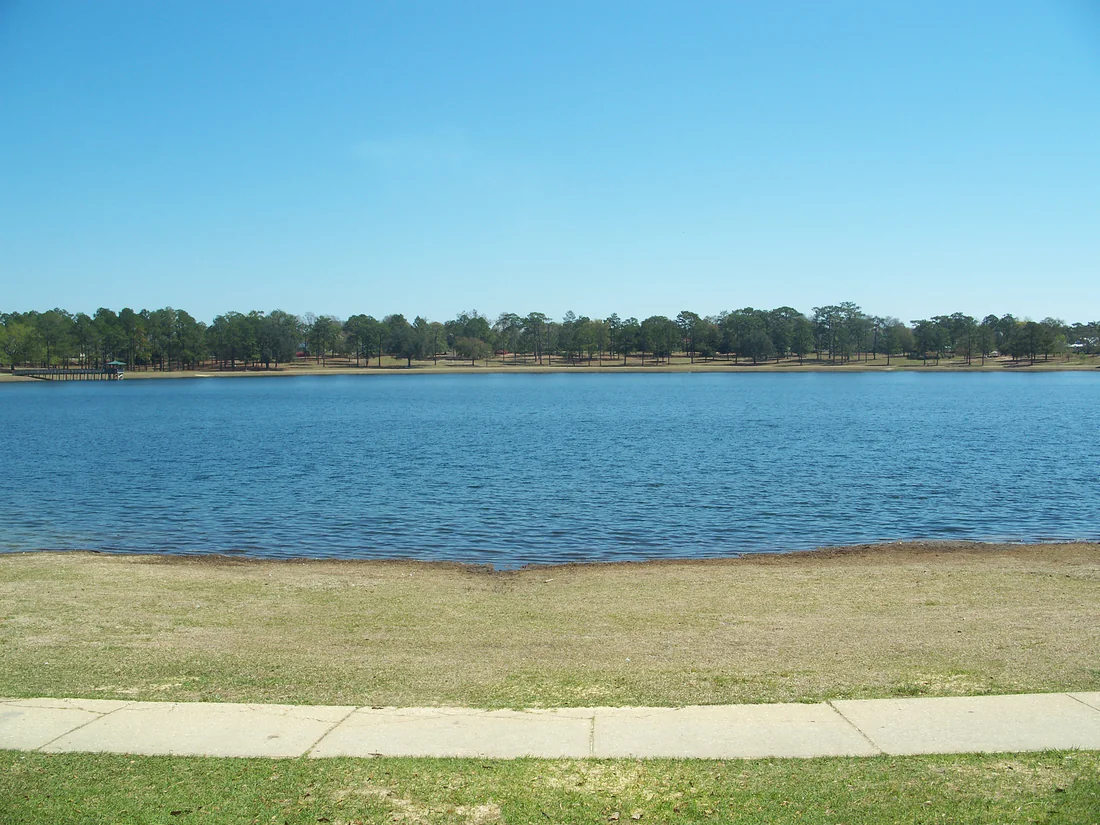
Regular trains between Pensacola and Chattahoochee began running in 1883. In 1885 Chipley and his fellow promoters renamed the settlement DeFuniak Springs. That year they also started the Lake DeFuniak Land Company, hoping to build a resort for health and hunting. The Walton County Heritage Association describes Lake DeFuniak as spring-fed and almost perfectly round.
In May 1885 an arsonist burned the courthouse at Eucheeanna. A commission voted on May 27, 1886, to move the county seat to DeFuniak Springs. DeFuniak Springs is still the county seat.
Sources: Florida Department of State: Secretary Byrd Designates Main Street DeFuniak Springs as Florida Main Street Program of the Month; Florida Department of State: Secretary Lee Designates Main Street DeFuniak Springs as Florida Main Street Program of the Month; Florida Department of State, Florida Historical Markers: Walton-DeFuniak Library; National Park Service: Historic Architectural Resources of DeFuniak Springs, Florida (National Register form, 1992); Walton County Heritage Association: DeFuniak Springs, FL; Florida Department of State, Florida Historical Markers: Eucheeanna Community; University of South Florida, Florida Center for Instructional Technology: Florida Maps - Walton County
Next: Chapter 6, The Florida Chautauqua →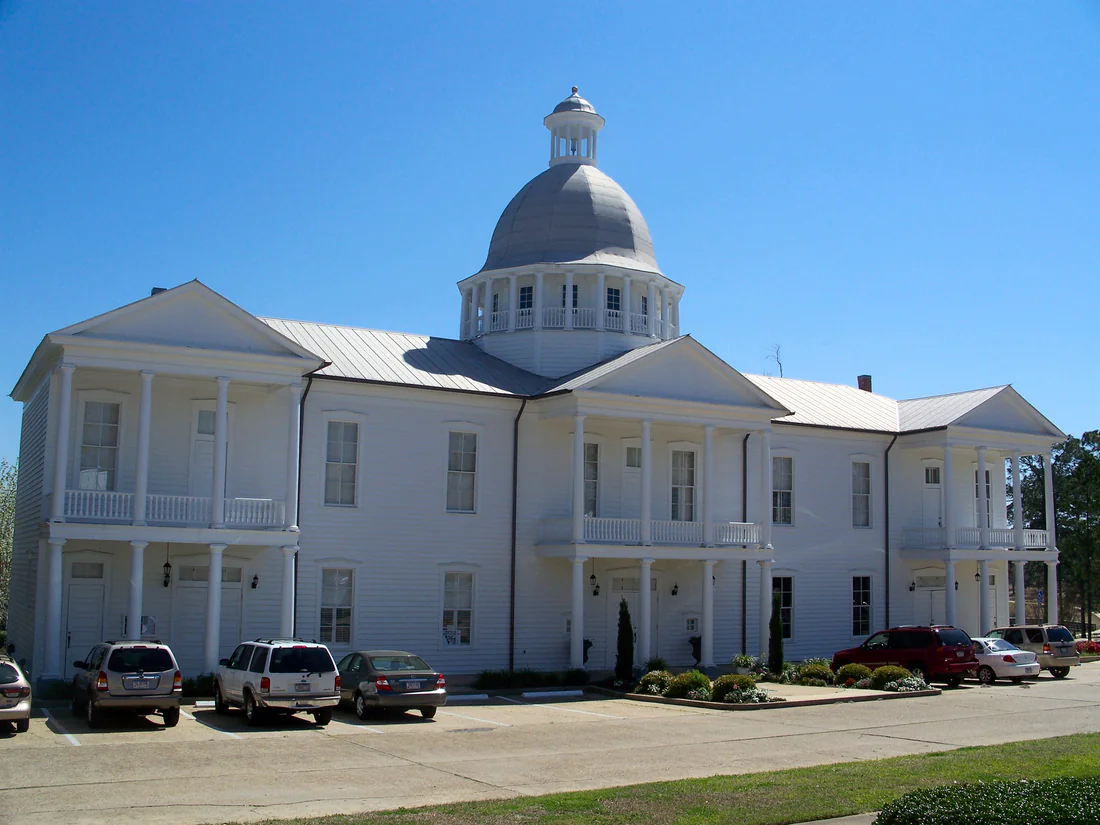
The Florida Chautauqua
In 1884 a Florida Chautauqua Association was set up, and DeFuniak Springs was picked as its winter home. The first Florida Chautauqua met on the shore of Lake DeFuniak in 1885. That year its events included the first Arbor Day held in Florida, the state says.
On March 4, 1886, 700 Florida teachers and school leaders gathered in Chautauqua Hall for a teachers' institute. A state marker says the Florida Education Association began there. Local women formed an aid society in 1886 to bring library resources to the Chautauqua, and the library building was finished by the close of 1887. The state calls it Florida's oldest library still running in the building where it began.
The Hall of Brotherhood, with an auditorium that seated 4,000 people, cost $28,000 and was finished in 1910, a state marker says. The town also had colleges, among them McCormick University from 1886 to 1888, Palmer College from 1907 to 1936, and Florida Normal College, which later became part of Florida State University. Sources differ on when the Florida Chautauqua ended. A state marker says it closed in 1920, and a 1992 National Register study says it collapsed in 1927.
Sources: Florida Department of State: Secretary Byrd Designates Main Street DeFuniak Springs as Florida Main Street Program of the Month; Florida Department of State: Secretary Lee Designates Main Street DeFuniak Springs as Florida Main Street Program of the Month; Florida Department of State, Florida Historical Markers: Chautauqua Brotherhood Hall; Florida Department of State, Florida Historical Markers: Florida's Education Association: The Beginning; Florida Department of State, Florida Historical Markers: Walton-DeFuniak Library; Walton County Heritage Association: DeFuniak Springs, FL; National Park Service: Historic Architectural Resources of DeFuniak Springs, Florida (National Register form, 1992)
Next: Chapter 7, Lumber at Point Washington and Turpentine in the Pines →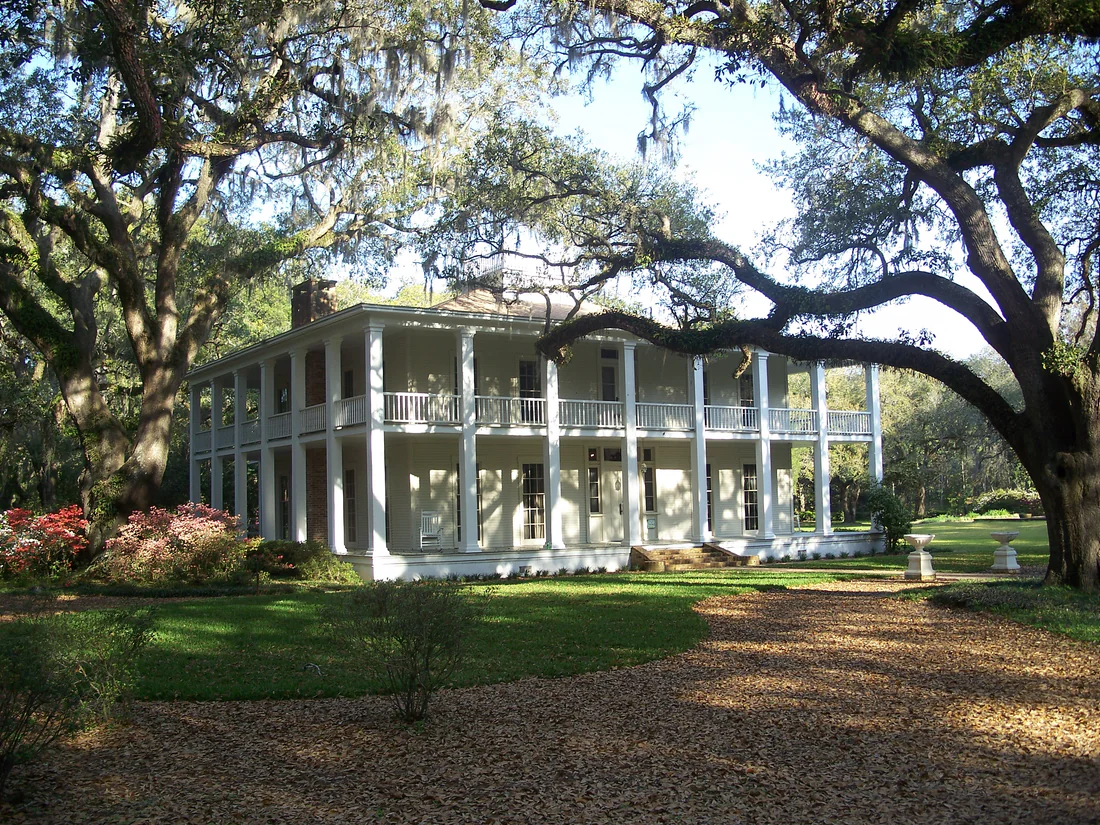
Lumber at Point Washington and Turpentine in the Pines
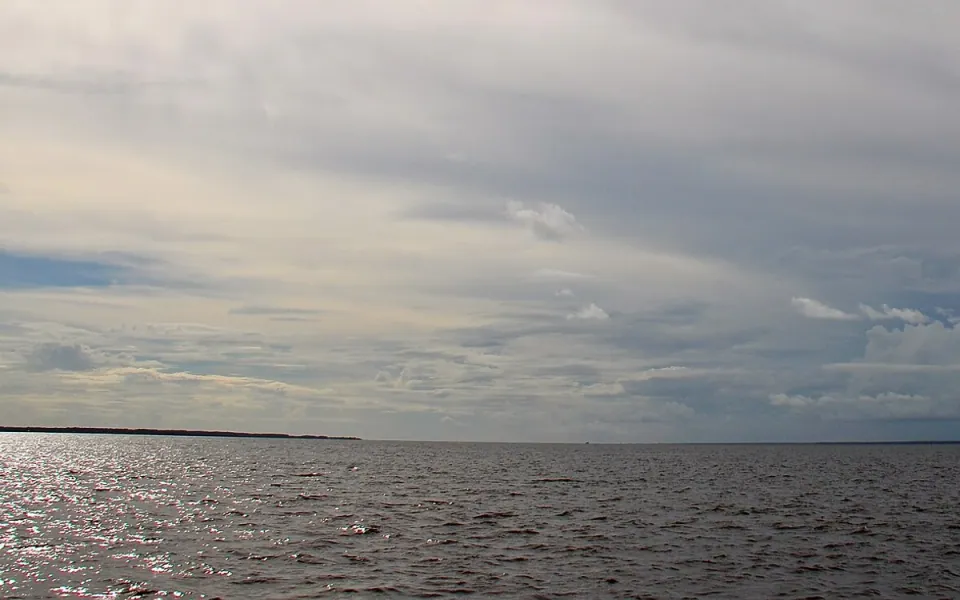
After the Civil War, Point Washington grew into a sawmill town. The Wesley family arrived there around 1885. Lumberman W.H. Wesley went into the timber business with Simeon Strickland, his father-in-law, and the two started the Point Washington Lumber Company. At one time it had three mills on Tucker Bayou. The lumber went by barge or boat down Choctawhatchee Bay to be sold in Pensacola.
Wesley built a house of local yellow pine near the mill, with fancy Victorian trim. The state marker gives 1895 as the year, a State Archives photo record gives 1896, and the state park gives 1897.
Crews from the Quarters Turpentine Village took turpentine from old-growth longleaf pines in what is now Topsail Hill Preserve State Park, from the late 1800s until the middle 1900s. A 1992 National Register study says the lumber industry declined sharply after 1915, because the forests were used up and World War I cut deeply into lumber exports to Europe. Point Washington's lumber community began to shrink in the 1920s, after about 50 years of cutting had used up the yellow heart pine.
Sources: Florida State Parks: Tucker Bayou; Florida Department of State, Florida Historical Markers: Eden; Florida Memory: View looking at the front of the Eden Gardens State Park mansion - Point Washington, Florida; Florida State Parks: Eden Gardens State Park History; Florida State Parks: Topsail Hill Preserve State Park History; National Park Service: Historic Architectural Resources of DeFuniak Springs, Florida (National Register form, 1992)
Next: Chapter 8, Black Teachers and Schools →
Black Teachers and Schools
Black teachers in Florida formed their own association in 1890, says the teachers' marker in DeFuniak Springs. The Rosenwald Fund's records list a De Funiak Springs School among its African American schools, with dates of 1923-24 and 1928-29. The school cost $5,500. The Rosenwald Fund gave $1,400, Black residents $1,500, white residents $500 and public funds $2,100.
Tivoli High School was the largest of the county's 11 all-Black schools and lasted the longest, from 1938 to 1969. On July 1, 1966, the state's Black and white teacher associations merged. Tivoli High closed in 1969 because of required integration. The Tivoli Historical Museum, at the school district's Tivoli Administrative Complex on the old school site, tells the story of all 11 schools.
Sources: Florida Department of State, Florida Historical Markers: Florida's Education Association: The Beginning; Fisk University, Rosenwald Fund Collection: De Funiak Springs School in Walton County, Florida; DeFuniak Herald: Tivoli Historical Museum grand opening tells of the school's storied past
Next: Chapter 9, A New Courthouse, a Wartime Accident and the First State Parks →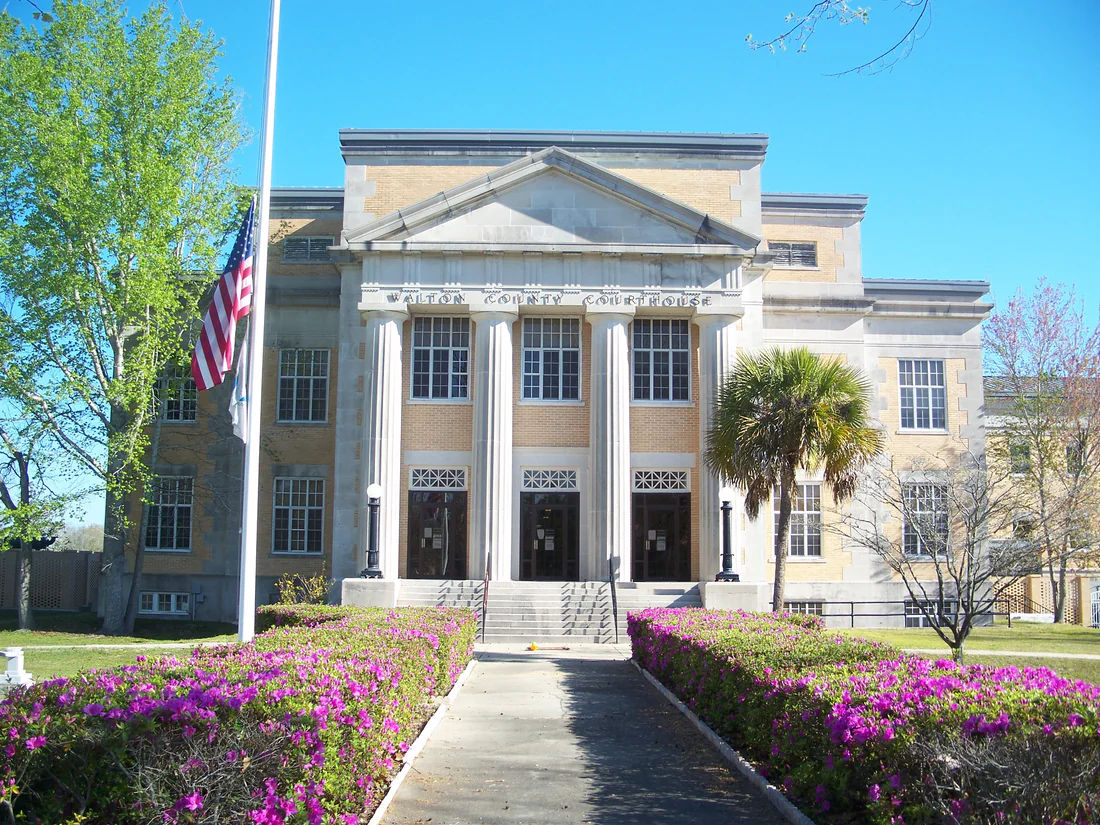
A New Courthouse, a Wartime Accident and the First State Parks
The Walton County Courthouse in DeFuniak Springs was built in 1926 in the Neo-Classical Revival style. The Great Depression brought building in DeFuniak Springs almost to a halt.
James Marvin Cosson Sr. settled his family in 1936 on land about half a mile east of Eglin Army Airfield. The Army Air Corps often trained at the Eglin bombing range. On August 11, 1944, as nine members of the family gathered at the house in the evening, live fragmentation bombs fell on the homestead by accident. Four of them were killed and five were badly hurt. In 1980 Congress approved a yearly payment to the survivor who had been hurt the worst.
Lois Maxon bought the old Wesley house at Point Washington in 1963 and made it a showplace for her family's antiques and heirlooms. On September 21, 1964, a state parks board bought about 356 acres that became the first part of Grayton Beach State Park. The park was named for nearby Grayton Beach, which the park calls one of the oldest towns on the Gulf in Walton County. In 1968 the park opened, and Maxon gave the Wesley house to the state, which made it Eden Gardens State Park.
Sources: National Park Service: Historic Architectural Resources of DeFuniak Springs, Florida (National Register form, 1992); Florida Department of State, Florida Historical Markers: Cosson Family Tragedy; Florida State Parks: Eden Gardens State Park; Florida State Parks: Eden Gardens State Park History; Florida State Parks: Grayton Beach State Park History; Florida Memory: View looking at the front of the Eden Gardens State Park mansion - Point Washington, Florida
Next: Chapter 10, Seaside, The Truman Show and the Dune Lakes →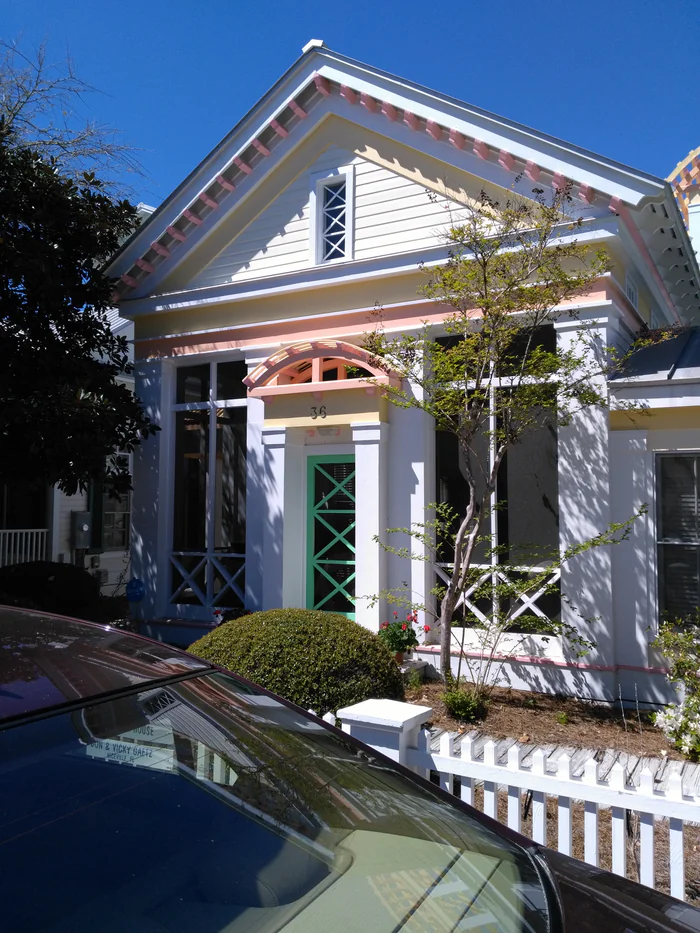
Seaside, The Truman Show and the Dune Lakes
In 1972 the Hall of Brotherhood was added to the National Register of Historic Places. In 1975 Hurricane Eloise wrecked its auditorium wing, and work to restore the building has gone on since then.
Seaside was founded in 1981 by Robert Davis and Daryl Rose Davis, on 80 acres Robert inherited from his grandfather, J.S. Smolian. Building began with two houses and one street. By 1982 its master plan and building code had been drawn up by the architects Andrés Duany and Elizabeth Plater-Zyberk. The University of Notre Dame, which acquired the Seaside Archives, says Seaside is considered the birthplace of New Urbanism.
The yearly Chautauqua assemblies in DeFuniak Springs came back in 1993, the state says. On February 6, 1996, the state's land trustees took title to land for Deer Lake State Park. The park's page notes that coastal dune lakes are very rare around the world and in this country occur only on the Gulf Coast. The Truman Show, starring Jim Carrey as Truman Burbank, was released on June 5, 1998. It was filmed in Seaside, though the movie called the town Sea Haven.
Sources: Florida Department of State, Florida Historical Markers: Chautauqua Brotherhood Hall; Florida Department of State: Secretary Byrd Designates Main Street DeFuniak Springs as Florida Main Street Program of the Month; Seaside: Seaside Milestone Anniversary: The Birthplace of New Urbanism Celebrates 45 Years; Seaside: The History of Our Seaside Community; Seaside: Seaside Marks 40 Years: Celebrating Visions, Love, and New Urbanism; University of Notre Dame: University of Notre Dame acquires Seaside Archives, launches new Seaside Research Portal; Florida Department of State: Secretary Lee Designates Main Street DeFuniak Springs as Florida Main Street Program of the Month; Florida State Parks: Deer Lake State Park History; Florida State Parks: Deer Lake State Park; WJHG: 'The Truman Show,' featuring Seaside, celebrates 20 years; WJHG: 'The Truman Show' celebrated in town that started it all
Next: Chapter 11, Since 2000: A Restored Depot, a Bicentennial Parade and Seaside at 45 →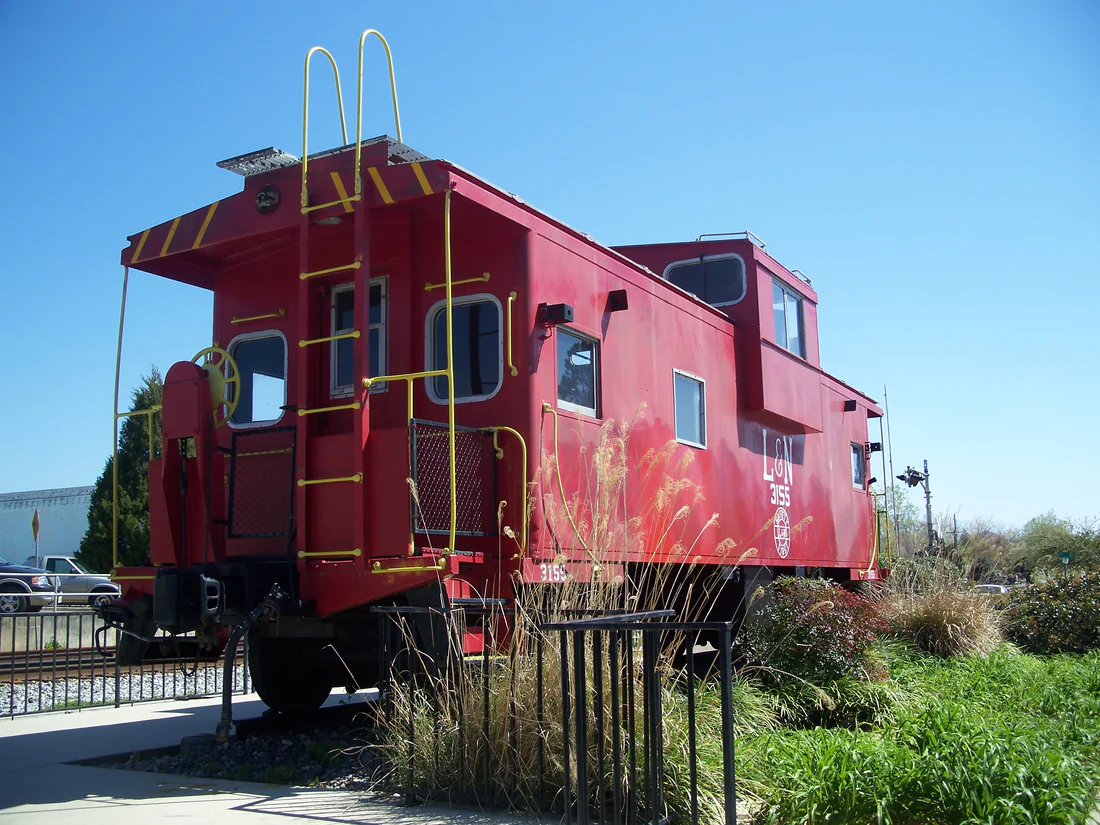
Since 2000: A Restored Depot, a Bicentennial Parade and Seaside at 45
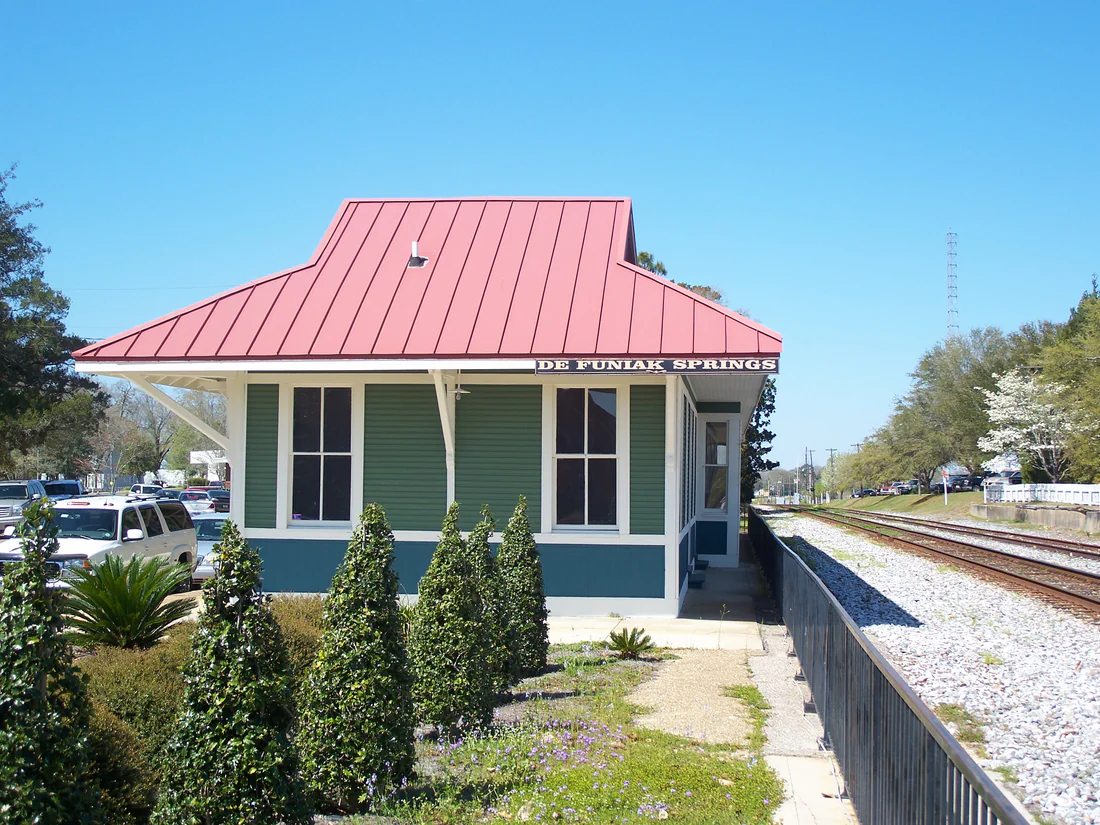
In 2000 the city of DeFuniak Springs restored the old L&N train depot, and since 2002 it has housed the Walton County Heritage Museum. The first 16 vacation houses at Alys Beach were finished in 2004, a University of Maryland architecture study says. Elton B. Stephens, the founder of EBSCO, named the place for his wife, Alys. A phased restoration of the Hall of Brotherhood began in 2016, and by October 2025 it had reached its third phase.
Seaside marked its 40th anniversary in 2021. In June 2023 Seaside held a celebration for The Truman Show, 25 years after the film opened.
Main Street DeFuniak Springs, formed in 2017 by developer Reynolds Henderson, was named Florida Main Street Program of the Month for September 2024. For its 200th year in 2024, Walton County released video talks with longtime residents almost every week, in a series called Reflections of Walton County. The county government also made a special seal for the bicentennial. On the first Saturday of 2025, January 4, the county held its Bicentennial Bash with a parade, then food and live music on Baldwin Street. In 2026 Seaside marked 45 years since its founding.
Sources: Walton County Heritage Association: Walton County Heritage Museum; University of Maryland School of Architecture: Team 2: Alys Beach (case study); Walton County Heritage Association: DeFuniak Springs, FL; Seaside: Seaside Marks 40 Years: Celebrating Visions, Love, and New Urbanism; WJHG: 'The Truman Show' celebrated in town that started it all; Florida Department of State: Secretary Byrd Designates Main Street DeFuniak Springs as Florida Main Street Program of the Month; VISIT FLORIDA Media: Walton County to Celebrate Bicentennial in 2024; WJHG: Walton County celebrates 200 years with bicentennial bash; WMBB (mypanhandle.com): Walton County shares long-time residents' stories for bicentennial; WMBB (mypanhandle.com): Walton County community will celebrate 200 years with Bicentennial Bash; Seaside: Seaside Milestone Anniversary: The Birthplace of New Urbanism Celebrates 45 Years
Next: the whole story, in dates →The whole story, in dates
The Euchee people appear to have reached the Florida Panhandle.
Neill McLendon goes to Pensacola and is told to wait for Chief Sam Story.
Walton County is created from part of Escambia County.
The Euchee Valley Presbyterian Church starts with 15 families and one elder.
Land from Walton County helps form Washington County.
The Rev. John Newton opens Knox Hill Academy, a boarding school.
Federal troops raid Eucheeanna on their march toward Marianna and Tallahassee.
One state marker says the Confederate monument first goes up at Valley Church.
The Florida Legislature charters the Pensacola & Atlantic Railroad.
Regular trains begin running between Pensacola and Chattahoochee.
The first Florida Chautauqua meets on the shore of Lake DeFuniak.
The Wesley family arrives at Point Washington.
700 teachers meet in Chautauqua Hall, the start of the Florida Education Association.
A commission votes to move the county seat to DeFuniak Springs.
The Hall of Brotherhood is finished, a state marker says.
Point Washington's lumber community begins to shrink.
The Rosenwald Fund helps pay for a De Funiak Springs School for Black students.
The Walton County Courthouse is built in DeFuniak Springs.
Tivoli High School serves Black students, the longest of the county's 11 all-Black schools.
Live bombs fall by accident on the Cosson family homestead near Eglin Army Airfield.
The state buys the first land for Grayton Beach State Park.
Florida's Black and white teacher associations merge.
Grayton Beach State Park opens, and Lois Maxon gives the Wesley house to the state.
Hurricane Eloise wrecks the auditorium wing of the Hall of Brotherhood.
Robert Davis and Daryl Rose Davis found Seaside.
The yearly Chautauqua assemblies return to DeFuniak Springs.
The state takes title to land for Deer Lake State Park.
The Truman Show, filmed in Seaside, is released.
DeFuniak Springs restores its old L&N train depot.
The Walton County Heritage Museum makes its home in the depot.
The first 16 vacation houses at Alys Beach are finished.
Seaside marks its 40th anniversary.
Seaside celebrates The Truman Show, 25 years after the film opened.
Main Street DeFuniak Springs is named Florida Main Street Program of the Month.
The county's Bicentennial Bash opens with a parade.
Seaside marks 45 years since its founding.
Where you can still see it
 01
 02
 03
Choctawhatchee Bay
Goes with: Lumber at Point Washington and Turpentine in the Pines
Open the place page →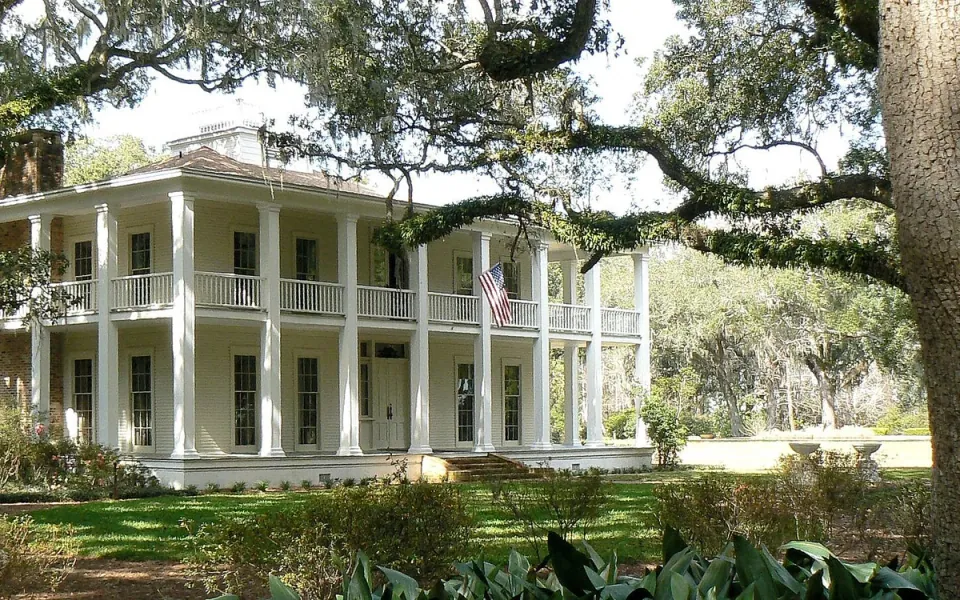 04
Eden Gardens State Park
Goes with: A New Courthouse, a Wartime Accident and the First State Parks
Open the place page →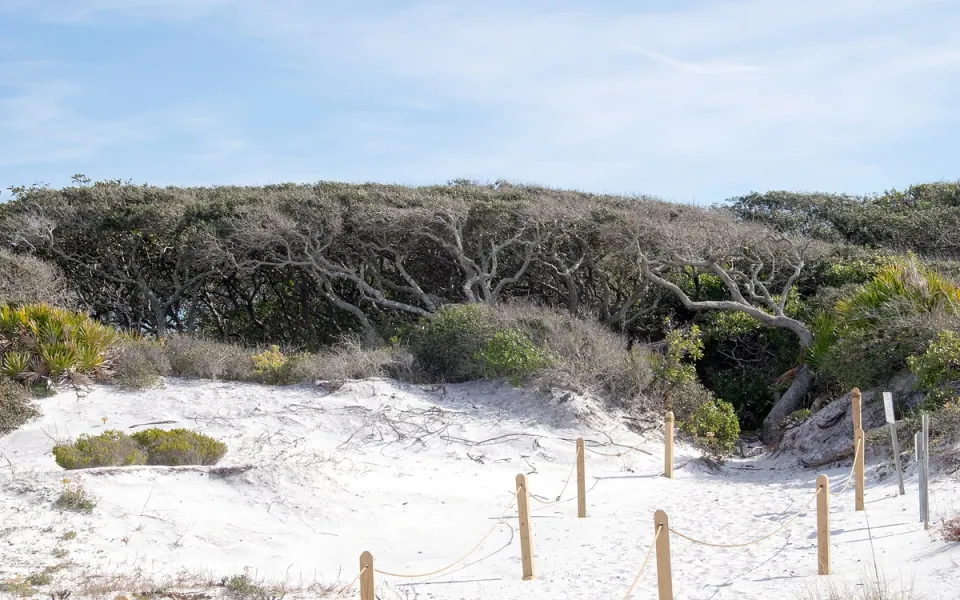 05
Grayton Beach State Park
Goes with: A New Courthouse, a Wartime Accident and the First State Parks
Open the place page →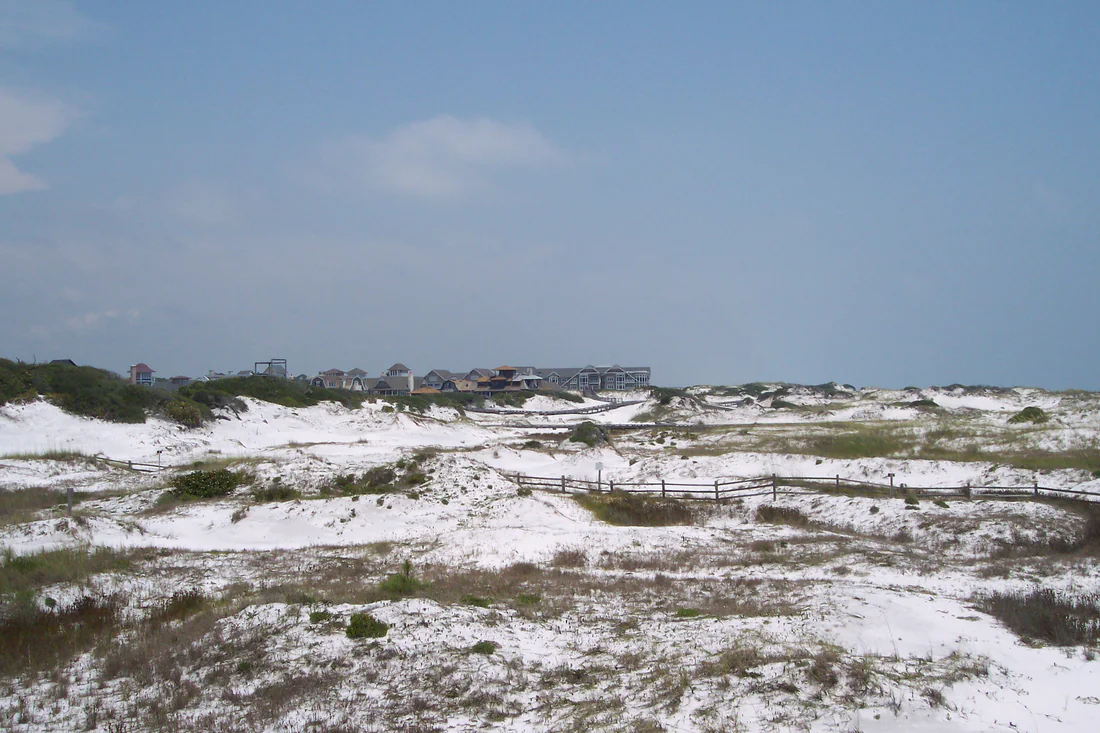 06
 07
Walton County Heritage Museum
Goes with: Since 2000: A Restored Depot, a Bicentennial Parade and Seaside at 45
Open the place page →Questions people ask
When was Walton County created?
Walton County was created on December 29, 1824, out of part of Escambia County.
Chapter 3 →Who was Walton County named for?
It was named for Colonel George Walton, the territorial secretary of West Florida.
Chapter 3 →What is the county seat of Walton County?
A commission voted on May 27, 1886, to move the county seat to DeFuniak Springs, and DeFuniak Springs is still the county seat.
Chapter 5 →When did the Florida Chautauqua first meet in DeFuniak Springs?
The first Florida Chautauqua met on the shore of Lake DeFuniak in 1885.
Chapter 6 →Where in Walton County was The Truman Show filmed?
It was filmed in Seaside, though the movie called the town Sea Haven.
Chapter 10 →Where this comes from.
Last updated October 18, 2026.
- University of South Florida, Florida Center for Instructional Technology: Florida Maps - Walton County ↗ Read October 18, 2026
- DeFuniak Herald: Walton County Anniversary celebrated ↗ Read October 18, 2026
- VISIT FLORIDA Media: Walton County to Celebrate Bicentennial in 2024 ↗ Read October 18, 2026
- Florida Memory: The Legend of Sam Story ↗ Read October 18, 2026
- Florida State Parks: Topsail Hill Preserve State Park History ↗ Read October 18, 2026
- Florida Department of State: Secretary Byrd Designates Main Street DeFuniak Springs as Florida Main Street Program of the Month ↗ Read October 18, 2026
- Florida Department of State: Secretary Lee Designates Main Street DeFuniak Springs as Florida Main Street Program of the Month ↗ Read October 18, 2026
- Florida Department of State, Florida Historical Markers: Eucheeanna Community ↗ Read October 18, 2026
- Florida Department of State, Florida Historical Markers: Euchee Valley Presbyterian Church and Cemetery ↗ Read October 18, 2026
- Florida Department of State, Florida Historical Markers: Knox Hill Academy 1848 ↗ Read October 18, 2026
- Florida Department of State, Florida Historical Markers: Florida's First Confederate Monument ↗ Read October 18, 2026
- Florida State Parks: Tucker Bayou ↗ Read October 18, 2026
- Florida Department of State, Florida Historical Markers: Walton-DeFuniak Library ↗ Read October 18, 2026
- National Park Service: Historic Architectural Resources of DeFuniak Springs, Florida (National Register form, 1992) ↗ Read October 18, 2026
- Walton County Heritage Association: DeFuniak Springs, FL ↗ Read October 18, 2026
- Florida Department of State, Florida Historical Markers: Chautauqua Brotherhood Hall ↗ Read October 18, 2026
- Florida Department of State, Florida Historical Markers: Florida's Education Association: The Beginning ↗ Read October 18, 2026
- Florida Department of State, Florida Historical Markers: Eden ↗ Read October 18, 2026
- Florida Memory: View looking at the front of the Eden Gardens State Park mansion - Point Washington, Florida ↗ Read October 18, 2026
- Florida State Parks: Eden Gardens State Park History ↗ Read October 18, 2026
- Florida State Parks: Eden Gardens State Park ↗ Read October 18, 2026
- Fisk University, Rosenwald Fund Collection: De Funiak Springs School in Walton County, Florida ↗ Read October 18, 2026
- DeFuniak Herald: Tivoli Historical Museum grand opening tells of the school's storied past ↗ Read October 18, 2026
- Florida Department of State, Florida Historical Markers: Cosson Family Tragedy ↗ Read October 18, 2026
- Florida State Parks: Grayton Beach State Park History ↗ Read October 18, 2026
- Seaside: The History of Our Seaside Community ↗ Read October 18, 2026
- Seaside: Seaside Marks 40 Years: Celebrating Visions, Love, and New Urbanism ↗ Read October 18, 2026
- Seaside: Seaside Milestone Anniversary: The Birthplace of New Urbanism Celebrates 45 Years ↗ Read October 18, 2026
- University of Notre Dame: University of Notre Dame acquires Seaside Archives, launches new Seaside Research Portal ↗ Read October 18, 2026
- Florida State Parks: Deer Lake State Park History ↗ Read October 18, 2026
- Florida State Parks: Deer Lake State Park ↗ Read October 18, 2026
- WJHG: 'The Truman Show,' featuring Seaside, celebrates 20 years ↗ Read October 18, 2026
- WJHG: 'The Truman Show' celebrated in town that started it all ↗ Read October 18, 2026
- Walton County Heritage Association: Walton County Heritage Museum ↗ Read October 18, 2026
- University of Maryland School of Architecture: Team 2: Alys Beach (case study) ↗ Read October 18, 2026
- WMBB (mypanhandle.com): Walton County shares long-time residents' stories for bicentennial ↗ Read October 18, 2026
- WJHG: Walton County celebrates 200 years with bicentennial bash ↗ Read October 18, 2026
- WMBB (mypanhandle.com): Walton County community will celebrate 200 years with Bicentennial Bash ↗ Read October 18, 2026