Washington County was established on December 9, 1825, as Florida's 12th county, and it is named for George Washington, the first President. Its county seat is Chipley, a town the Library of Congress says was built on a railroad. Falling Waters State Park, south of Chipley, has what the state park calls the state's tallest waterfall. People were living on the park's land at least 5,000 years ago, the park says.
This page tells the story in order, from the first peoples at Falling Waters to a 200th birthday and a statue of George Washington, then lists places in the county where you can still see it. The sources for each part are named at the end of that part, and all of them are listed at the bottom of the page.
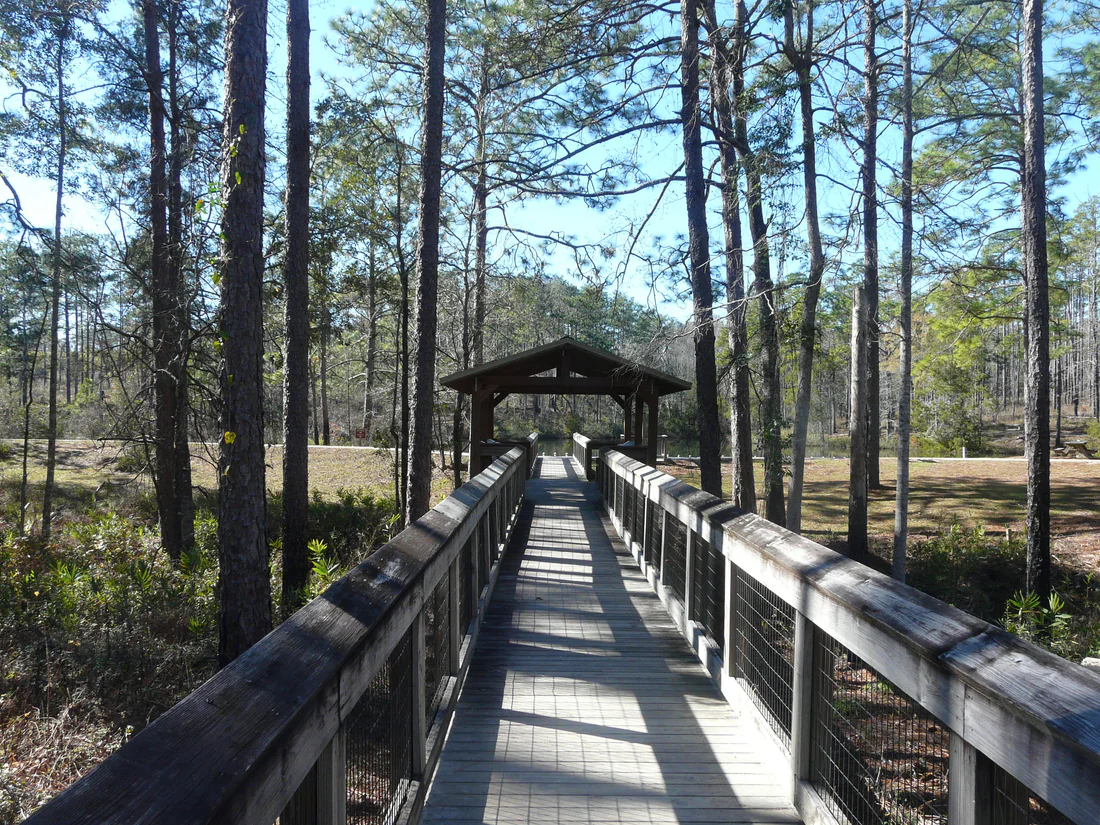
The First Peoples at Falling Waters
People were living on the land that is now Falling Waters State Park at least 5,000 years ago. The park sits four miles to the south of downtown Chipley. Many sites there date from the Weeden Island period, from 450 to 1000 AD. The park says its artifacts span more than 5,000 years of Native American life. Most of the remains that are easy to see, though, date from the 1800s and 1900s.
Sources: Florida State Parks: Falling Waters State Park, History; Florida State Parks: Falling Waters State Park, Experiences and Amenities
Next: Chapter 2, Early Settlers, Preachers and Roche's Bluff →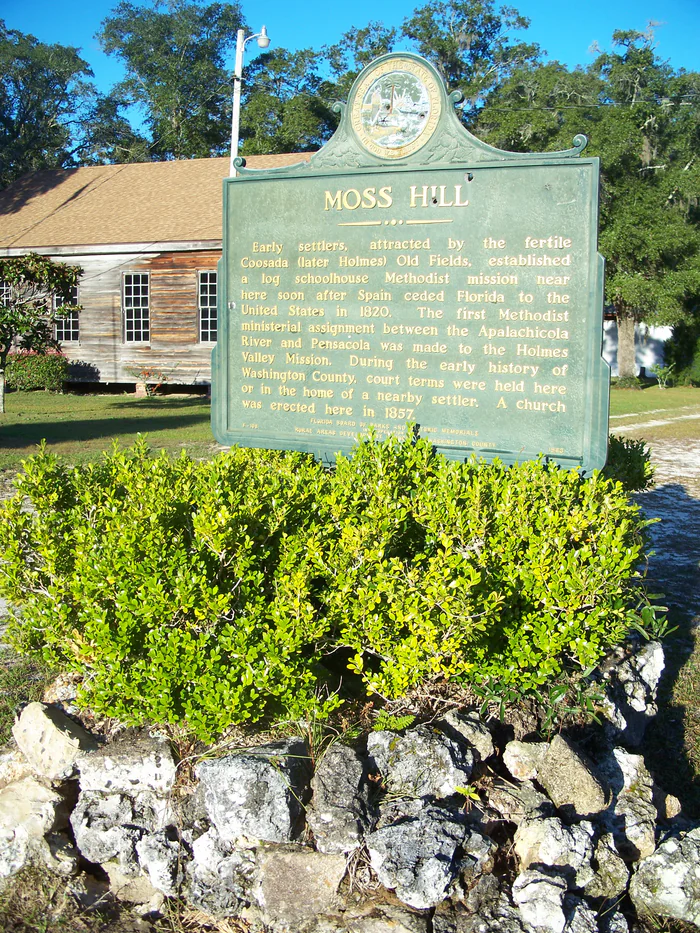
Early Settlers, Preachers and Roche's Bluff
Early settlers came for the rich soil of the Coosada Old Fields, later called the Holmes Old Fields. Soon after Spain gave Florida to the United States, they set up a log schoolhouse and a Methodist mission near Moss Hill. Reports place a Methodist preacher near Econfina Creek by 1821. One early history speaks of Methodists working in Holmes Valley in 1823. The state marker says the first Methodist minister posted anywhere from the Apalachicola River west to Pensacola went to the Holmes Valley Mission.
Settlers reached the area around today's Vernon in the 1820s. Stephen J. Roche was among the earliest, and his trading post on Holmes Creek was called Roche's Bluff. When Indians threatened, settlers could take shelter in a blockhouse fort on a point of the ridge, about half a mile north of the road junction near the church.
Sources: Florida Department of State, Historical Markers: Moss Hill; National Park Service: National Register of Historic Places Nomination, Moss Hill Church; Florida Department of State, Historical Markers: Vernon, Florida
Next: Chapter 3, Washington County Is Created, 1825 →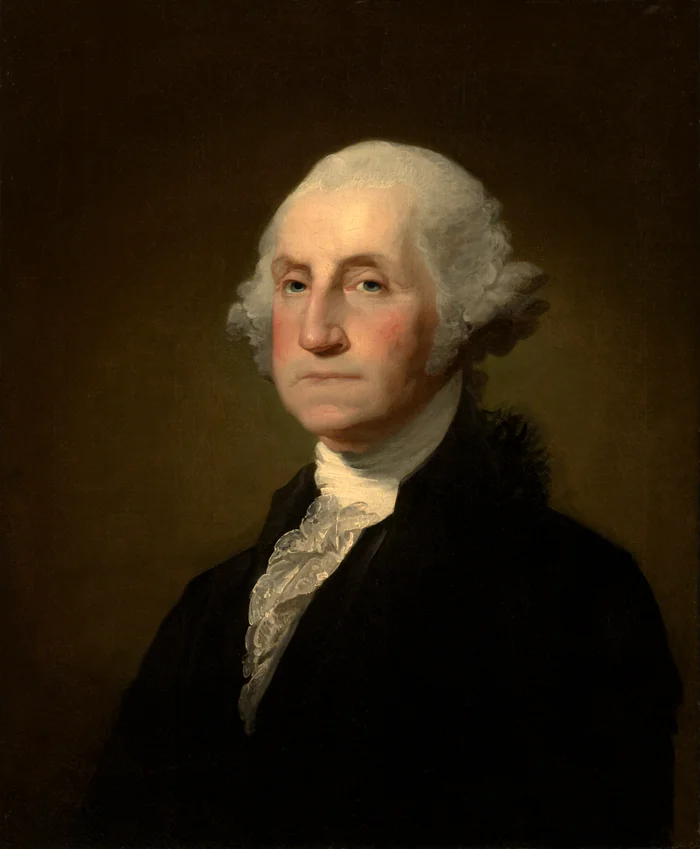
Washington County Is Created, 1825
Washington County was established on December 9, 1825, carved out of Walton and Jackson Counties. It was Florida's 12th county. The county was named for George Washington, the first President of the United States.
The state marker in Vernon says it was the third county formed in west Florida. A Methodist mission was already at work in the area when the county was created. In those early years, court was held at Moss Hill or at a nearby settler's house.
Sources: University of South Florida, Exploring Florida: Washington County Maps; Florida Department of State, Historical Markers: Vernon, Florida; National Park Service: National Register of Historic Places Nomination, Moss Hill Church; Florida Department of State, Historical Markers: Moss Hill
Next: Chapter 4, Vernon, the Crossroads on Holmes Creek, 1830 to 1856 →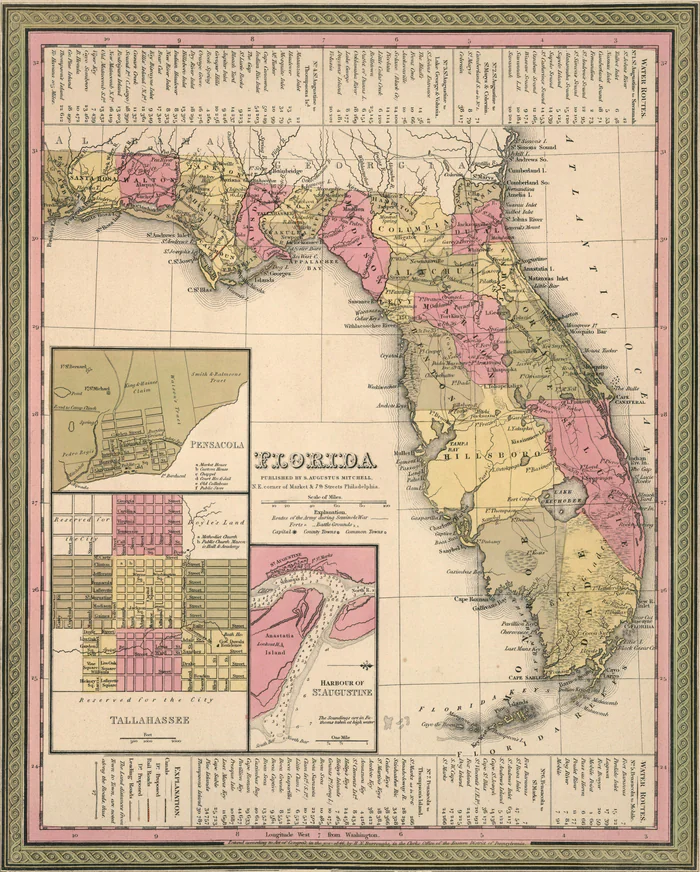
Vernon, the Crossroads on Holmes Creek, 1830 to 1856
In the early 1830s, two-horse stagecoaches began running along the ridge road past Moss Hill. The stages came by four times a week, linking the Holmes Valley settlements with Tallahassee by mail and passenger service. Vernon grew where a military road met Holmes Creek, and it became a meeting point for travel and trade between Tallahassee and Pensacola. Stagecoaches and small steamships brought people, mail and goods through the town. Stephen J. Roche later took part in the Constitutional Convention held at St. Joseph from 1838 to 1839.
On July 20, 1846, after a revival led by Rev. Lemuel Tippins of Alabama, the Holmes Valley Baptist Church was formed. It is now called Ebenezer Baptist Church. In 1850 Holmes Valley Baptists built a meeting house in the newly designated town of Vernon. A hurricane knocked it down in 1856.
In 1848 the Florida General Assembly told county officials to gather at the Moss Hill Meeting House and choose a plan for building a courthouse. Vernon became the county's first permanent seat of government in 1851.
Sources: National Park Service: National Register of Historic Places Nomination, Moss Hill Church; Florida Department of State, Historical Markers: Vernon, Florida
Next: Chapter 5, Moss Hill Church, 1857 →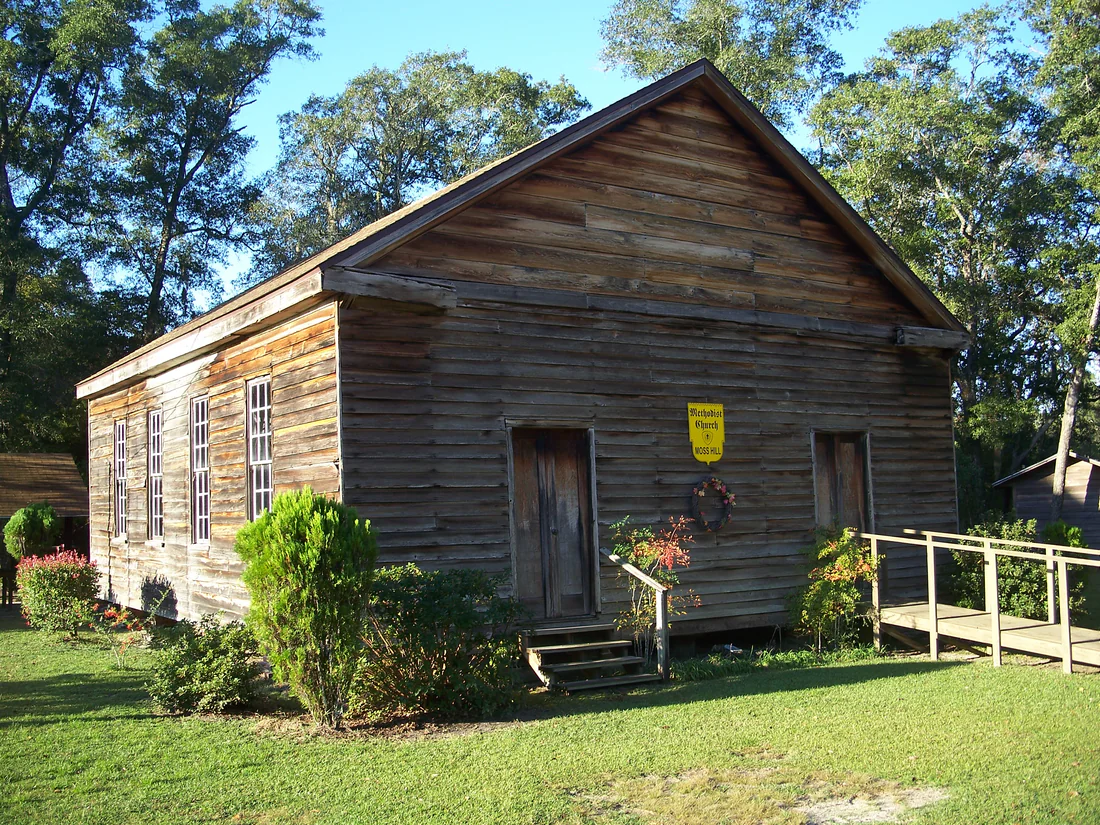
Moss Hill Church, 1857
Moss Hill Church went up in 1857, about 3 miles southeast of Vernon. It took the place of an earlier mission church nearby that had also served as a school. A carpenter named Lamp Powell was in charge of the building, and Green Worthington, Sr., helped him. Bill Tiller picked out the virgin pines that were sawed into its lumber. Church members, some of them enslaved, did the work.
It is a plain, unpainted wood frame building. The church is named for the moss-draped trees on the rise where it stands. Burials in its cemetery go back to the middle of the 1800s.
Sources: Florida Department of State, Historical Markers: Moss Hill; National Park Service: National Register of Historic Places Nomination, Moss Hill Church
Next: Chapter 6, The Civil War and the Freedom Churches →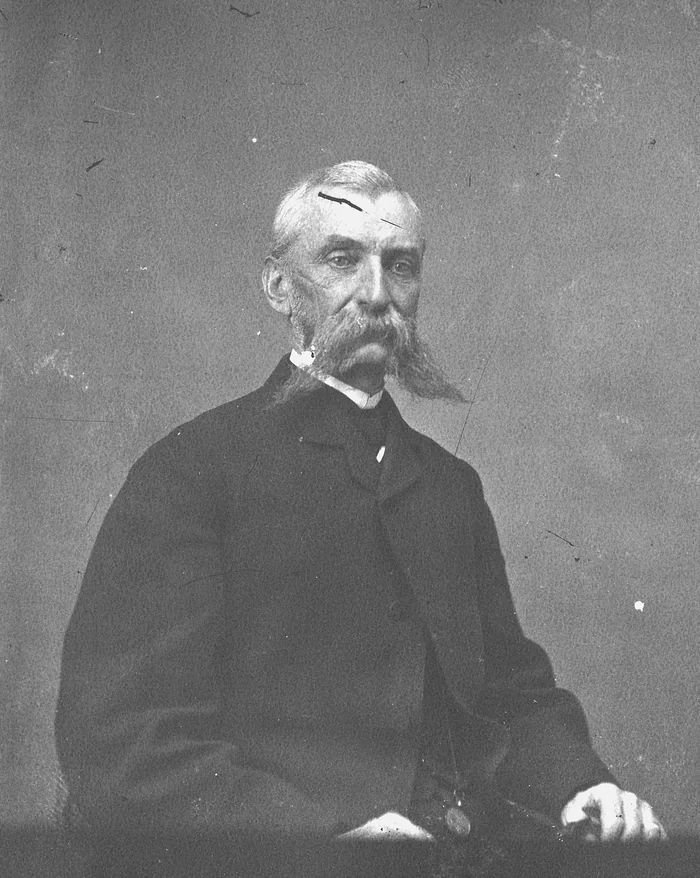
The Civil War and the Freedom Churches
During the Civil War, the church's National Register history says, nearly every family must have had someone away in military service. The Union army of Gen. Alexander Asboth, which raided Marianna late in 1864, stopped in Vernon. Falling Waters State Park still holds the remains of a gristmill from the 1860s, the Civil War era.
Enslaved people had belonged to both the Holmes Valley Baptist and Moss Hill Methodist churches. When the war ended and they were free, they started churches of their own. Two of them, Mt. Calvary Baptist and Sylvania A.M.E., stand in the valley within two or three miles of the churches they came from.
Sources: National Park Service: National Register of Historic Places Nomination, Moss Hill Church; Florida State Parks: Falling Waters State Park, Experiences and Amenities; Florida State Parks: Falling Waters State Park, History
Next: Chapter 7, The Railroad Builds Chipley, 1882 to 1927 →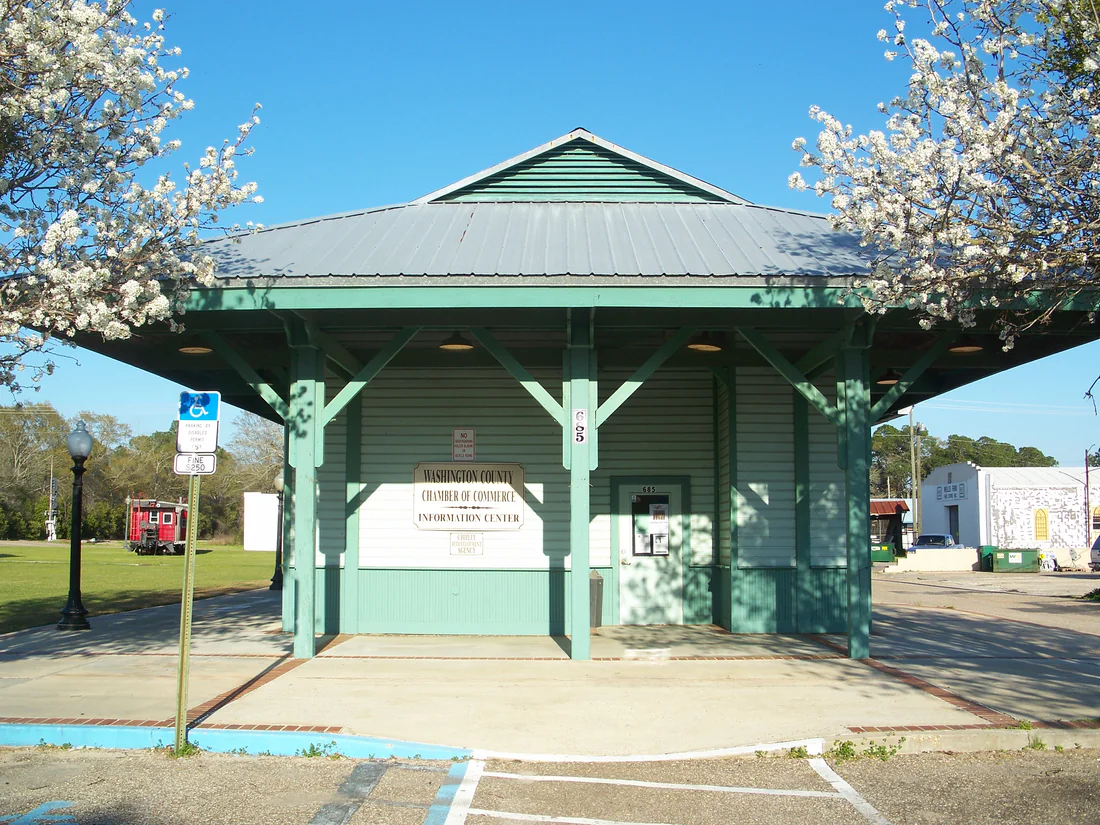
The Railroad Builds Chipley, 1882 to 1927
Chipley began in 1882 as a settlement named Orange, started because a railroad was on its way. Orange was renamed to honor William D. Chipley, a vice president of the railroad, the Pensacola and Atlantic. The University of Florida's library describes him as a railroad manager and a state senator. He pushed hard for land grants to railroads.
A newspaper called the Intelligencer also started in 1882, with J.C. Langley as editor. It took the name Chipley Banner in 1893 and kept that name until 1943. In 1892 J.E. Minchin of Chipley joined an expedition to explore the Everglades. The library says he seems to have been the only member from the Panhandle.
Once the railroad crossed the north end of the county, Vernon faded as a center of trade and government. Chipley took over as county seat in 1927, and it is still the county's seat.
Sources: University of Florida Libraries: Chipley, Florida (1892 Everglades Exploration Expedition); Library of Congress: The Chipley Banner (Chipley, Washington County, Fla.) 1893-1943; Florida Department of State, Historical Markers: Vernon, Florida
Next: Chapter 8, Pine Log, Florida's First State Forest, 1936 →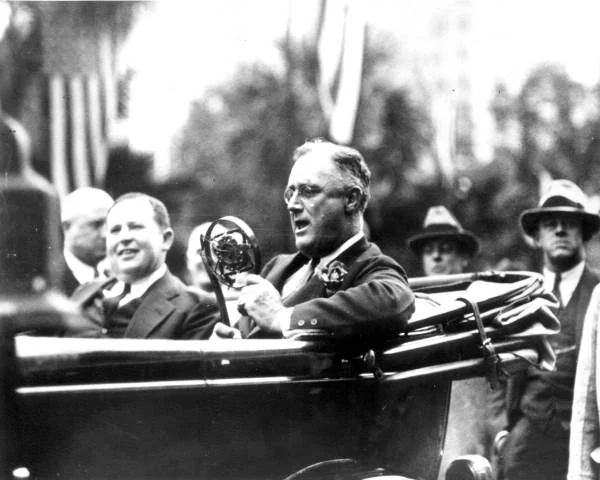
Pine Log, Florida's First State Forest, 1936
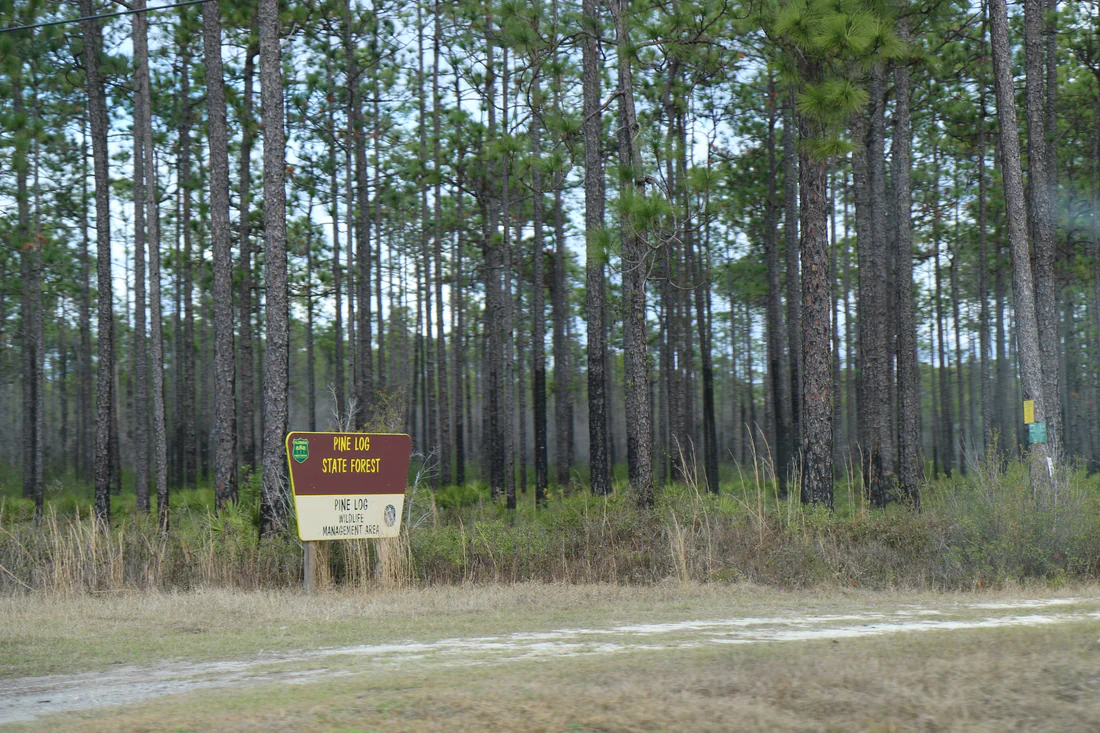
In the mid-1930s, at President Roosevelt's request, Florida Governor David Sholtz set up a Conservation Committee to acquire state forests and parks. In 1936 the state bought 6,670 acres from the Henderson-Waits Lumber Company. The land became Pine Log State Forest, the first state forest the program obtained. The forest's management plan calls it Florida's first state forest.
A stand of slash pine known as the Blueberry Slash Pine Plantation was planted there in 1937. Another 240 acres came from private owners in 1938. The forest lies in northwestern Bay County and southwestern Washington County, along State Road 79.
Sources: Florida Department of Environmental Protection: Pine Log State Forest Management Plan, Item 16
Next: Chapter 9, Shady Grove School, 1952 to 1968 →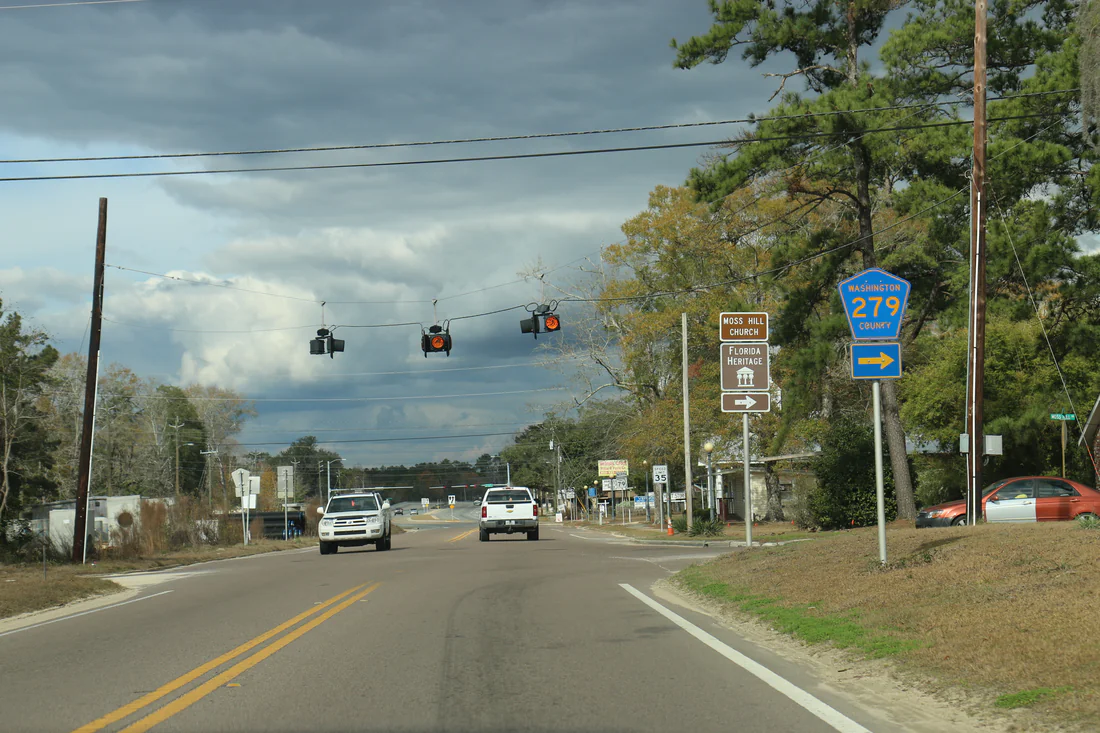
Shady Grove School, 1952 to 1968
Shady Grove Elementary School in Vernon was a school for African Americans. It was open from 1952 to 1968. The schoolhouse was taken apart when Washington County integrated its schools. The park on the site now carries the school's name.
Sources: WMBB News 13: Washington County marks 200 years with bicentennial celebration
Next: Chapter 10, A State Park at Falling Waters and a Church Saved, 1962 to 1983 →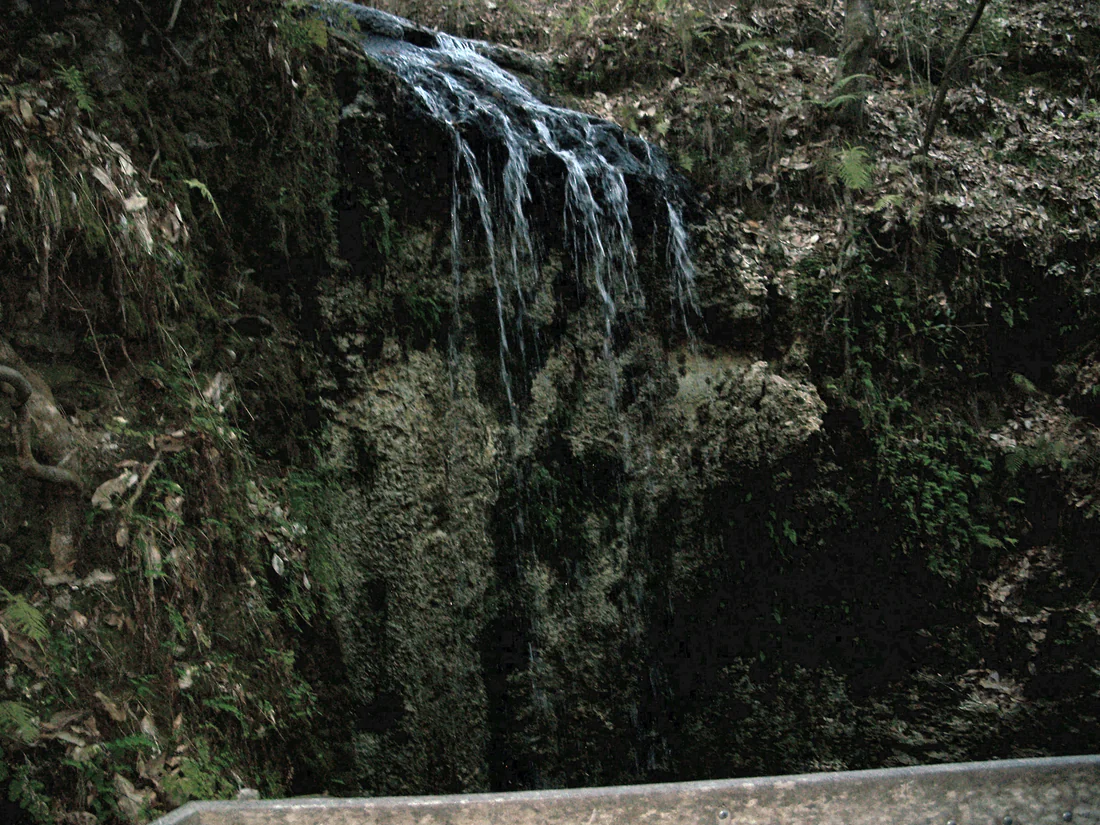
A State Park at Falling Waters and a Church Saved, 1962 to 1983
The Florida Board of Parks and Historic Memorials acquired the land for Falling Waters State Park in 1962. A picnic shelter went up soon after the park was set up. The park says it also has the remains of the first oil well drilled anywhere in Florida.
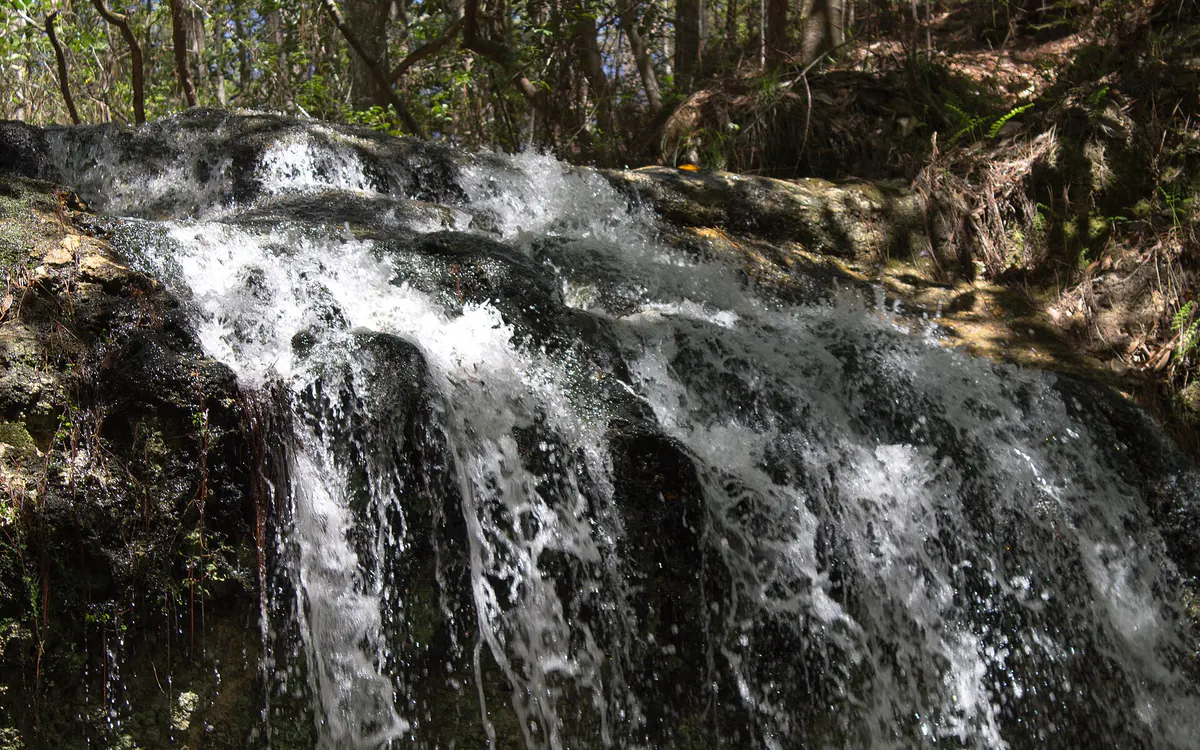
The state park calls its waterfall the state's tallest. A stream spills into a round sinkhole 100 feet deep and 20 feet wide. The park's own pages give the drop as 70, 73 or 74 feet. No one knows where the water finally goes.
After World War II, Moss Hill Church's membership dwindled, and for decades up to 1981 the church was in danger. That changed in 1982, when the Moss Hill UMC Foundation was formed as a nonprofit to care for and preserve the building. The form nominating it for the National Register, prepared by E.W. Carswell and Larry S. Paarlberg, is dated August 26, 1983.
Sources: Florida State Parks: Falling Waters State Park, History; Florida State Parks: Falling Waters State Park, Experiences and Amenities; Florida State Parks: Geology of Falling Waters State Park; Florida State Parks: Falling Waters State Park; Florida State Parks: Experience the Waterfall; National Park Service: National Register of Historic Places Nomination, Moss Hill Church
Next: Chapter 11, Since 1990: A French Ace, a 200th Birthday and a Statue of Washington →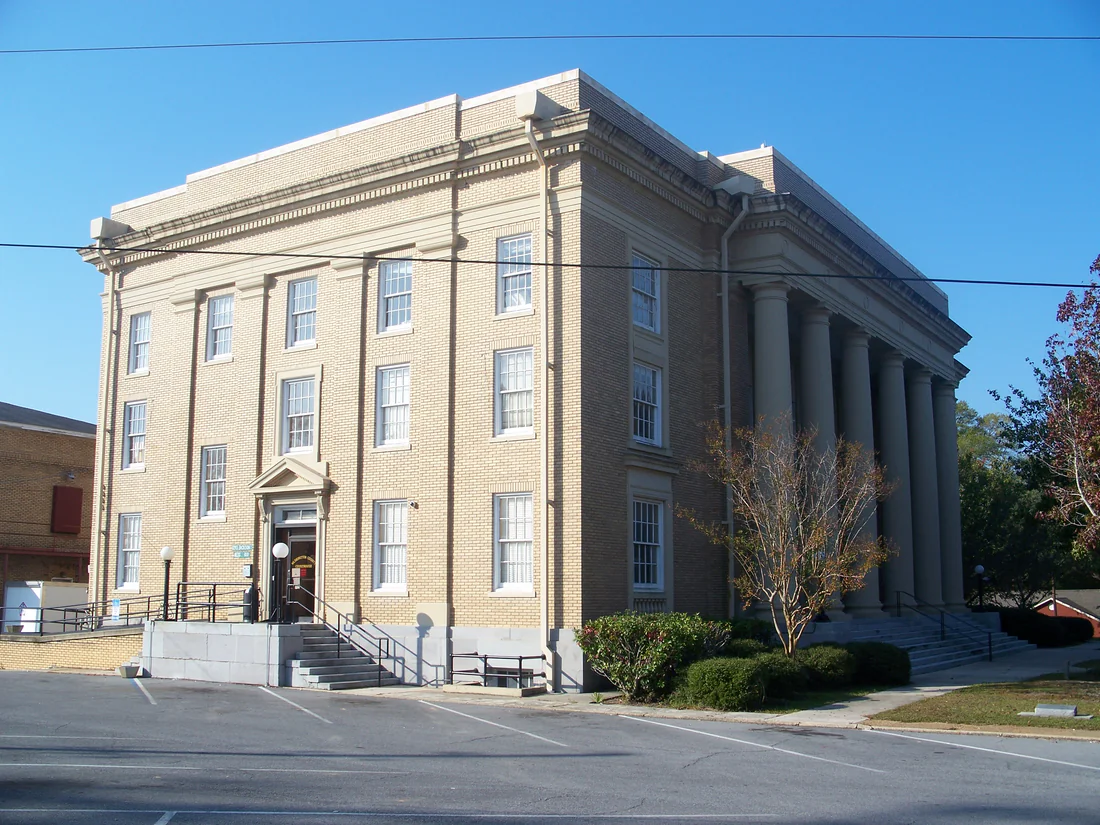
Since 1990: A French Ace, a 200th Birthday and a Statue of Washington
Marcel Albert, who flew as a French fighter ace during World War II, retired to Chipley. Because he had flown on the Soviet front, he was known in the Soviet Union as a war hero. In the time of COVID-19, on the 10th anniversary of his death, Chipley residents gathered at his memorial. The French and Russian embassies each honored him with a wreath.
Washington County marked its 200th year in 2025. On March 12, 2025, the Washington County Agricultural Center hosted live music, local history and photos in 19th-century dress. County officials showed off a new bicentennial emblem. On April 4, 2025, the Vernon High School JROTC presented the colors to open the festival in Vernon, where the Shady Grove school once stood. The next day a parade went through downtown Vernon, and living history demonstrators, vendors and music were all over town. Historian Dale Cox brought hands-on items, such as a bison bone and a musket, for people to touch.
In April 2026, Governor Ron DeSantis unveiled a statue of George Washington in Chipley. The state says it was the ninth statue placed in a program that puts statues of Founding Fathers in the counties named for them.
Sources: WMBB News 13: Chipley honoring French veteran in a unique way; WMBB News 13: Community celebrates Washington County's bicentennial milestone; WMBB News 13: Residents celebrate Washington County's heritage at bicentennial bash; WMBB News 13: Washington County marks 200 years with bicentennial celebration; Florida Department of State: ICYMI: Governor Ron DeSantis Unveils Statue Honoring 'Father of our Country' George Washington in Washington County
Next: the whole story, in dates →The whole story, in dates
People are living on the land at Falling Waters.
The Weeden Island period, from which many Falling Waters sites date.
Settlers reach the Vernon area, Stephen J. Roche among the earliest.
A Methodist preacher is reported near Econfina Creek.
Methodists are at work in Holmes Valley.
Washington County is established as Florida's 12th county, named for George Washington.
Two-horse stagecoaches start running past Moss Hill.
Stephen J. Roche takes part in the Constitutional Convention at St. Joseph.
The Holmes Valley Baptist Church, now Ebenezer, is formed.
Lawmakers tell county officials to meet at Moss Hill and plan a courthouse.
Holmes Valley Baptists build a meeting house in Vernon.
Vernon becomes the county's first permanent seat.
A hurricane knocks down the Baptist meeting house in Vernon.
Moss Hill Church is built.
A gristmill stands at Falling Waters.
Gen. Alexander Asboth's Union army raids Marianna.
Freed people start their own churches in Holmes Valley.
Orange, later Chipley, is founded ahead of the railroad.
The Intelligencer newspaper begins.
J.E. Minchin of Chipley joins an Everglades expedition.
The Intelligencer becomes the Chipley Banner.
The county seat moves to Chipley.
Governor David Sholtz sets up a Conservation Committee.
The state buys 6,670 acres for Pine Log State Forest.
The Blueberry Slash Pine Plantation is planted.
Another 240 acres are added to Pine Log.
Shady Grove Elementary School, a school for African Americans, is open in Vernon.
The state acquires Falling Waters for a park.
The Moss Hill UMC Foundation is formed to care for the church.
The church's National Register nomination form is dated.
The county celebrates its bicentennial at the Agricultural Center.
The bicentennial festival opens in Vernon on the Shady Grove school site.
A bicentennial parade goes through downtown Vernon.
A statue of George Washington is unveiled in Chipley.
Where you can still see it
 01
 02
Falling Waters State Park
Goes with: A State Park at Falling Waters and a Church Saved, 1962 to 1983
Open the place page →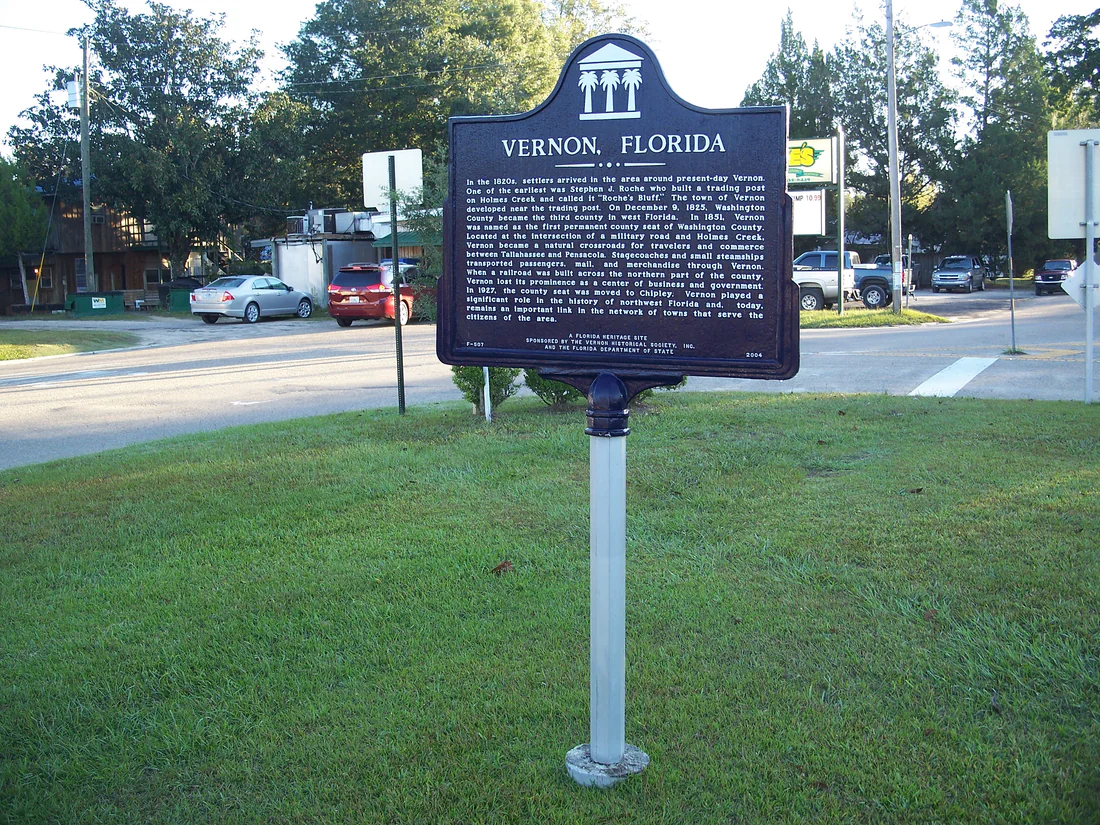 03
Vernon, Florida historical marker
Goes with: Washington County Is Created, 1825
The Vernon marker on the state's historical marker site →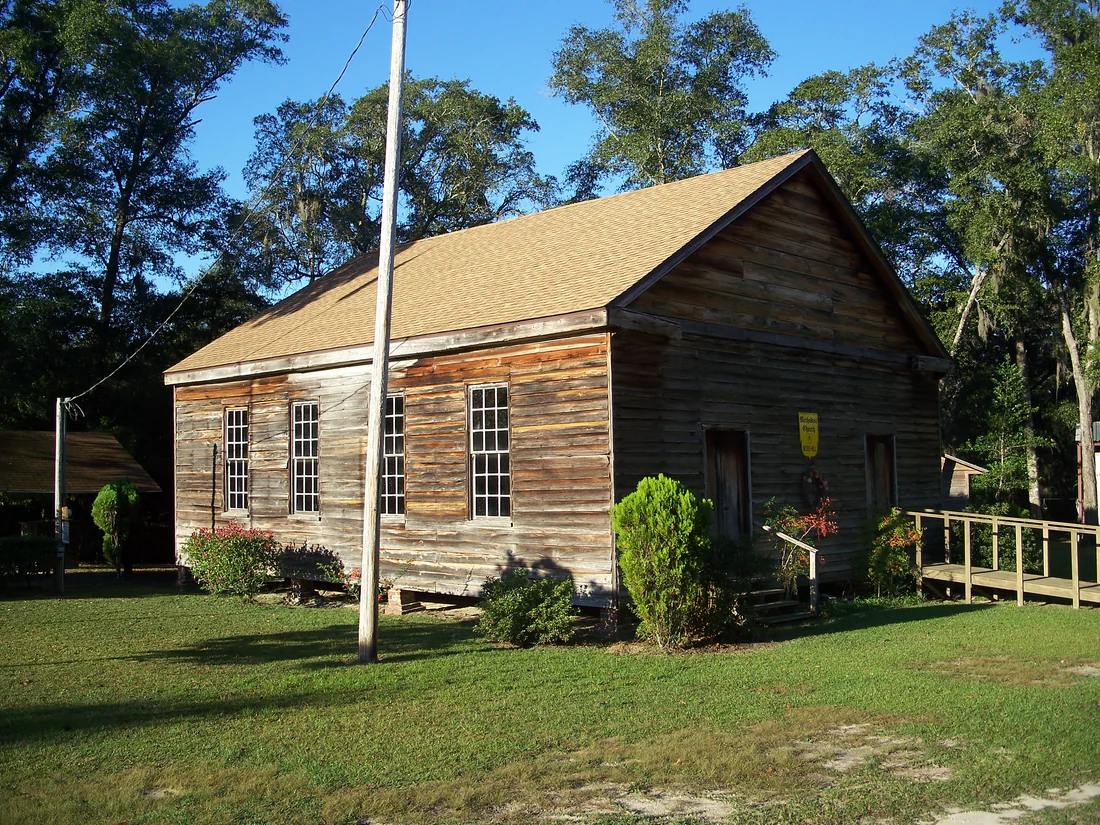 04
Moss Hill Church
Goes with: Moss Hill Church, 1857
Moss Hill Church's National Register nomination from the National Park Service →Questions people ask
When was Washington County created?
Washington County was established on December 9, 1825, carved out of Walton and Jackson Counties.
Chapter 3 →Who was Washington County named for?
The county was named for George Washington, the first President of the United States.
Chapter 3 →When did Vernon become the county seat?
Vernon became the county's first permanent seat of government in 1851.
Chapter 4 →When did Chipley become the county seat?
Chipley took over as county seat in 1927, and it is still the county's seat.
Chapter 7 →What was Florida's first state forest?
The management plan for Pine Log State Forest, bought in 1936, calls it Florida's first state forest.
Chapter 8 →Where this comes from.
Last updated October 20, 2026.
- Florida State Parks: Falling Waters State Park, History ↗ Read October 19, 2026
- Florida State Parks: Falling Waters State Park ↗ Read October 19, 2026
- Florida State Parks: Falling Waters State Park, Experiences and Amenities ↗ Read October 19, 2026
- Florida State Parks: Experience the Waterfall ↗ Read October 19, 2026
- Florida State Parks: Geology of Falling Waters State Park ↗ Read October 19, 2026
- University of South Florida, Exploring Florida: Washington County Maps ↗ Read October 19, 2026
- Florida Department of State, Historical Markers: Moss Hill ↗ Read October 19, 2026
- Florida Department of State, Historical Markers: Vernon, Florida ↗ Read October 19, 2026
- National Park Service: National Register of Historic Places Nomination, Moss Hill Church ↗ Read October 19, 2026
- Library of Congress: The Chipley Banner (Chipley, Washington County, Fla.) 1893-1943 ↗ Read October 19, 2026
- University of Florida Libraries: Chipley, Florida (1892 Everglades Exploration Expedition) ↗ Read October 19, 2026
- Florida Department of Environmental Protection: Pine Log State Forest Management Plan, Item 16 ↗ Read October 19, 2026
- WMBB News 13: Chipley honoring French veteran in a unique way ↗ Read October 19, 2026
- WMBB News 13: Community celebrates Washington County's bicentennial milestone ↗ Read October 19, 2026
- WMBB News 13: Washington County marks 200 years with bicentennial celebration ↗ Read October 19, 2026
- WMBB News 13: Residents celebrate Washington County's heritage at bicentennial bash ↗ Read October 19, 2026
- Florida Department of State: ICYMI: Governor Ron DeSantis Unveils Statue Honoring 'Father of our Country' George Washington in Washington County ↗ Read October 19, 2026