Gulf County was created on June 6, 1925, from part of Calhoun County, and it is named for the Gulf of Mexico. Wewahitchka was the first county seat, and Port St. Joe has been the seat since 1965. Gulf County is where Florida's first constitution was written, at the old town of St. Joseph, between December 3, 1838, and January 11, 1839. Its history reaches back to Native American peoples of the Weeden Island, Mississippian and Fort Walton cultures, who lived on the St. Joseph Peninsula before Spanish explorers named the bay in the early 1500s.
This page tells the story in order, from the first people on St. Joseph Bay to Ulee's Gold, the lighthouse move and Gulf County's 100th birthday, then lists places in the county where you can still see it. The sources for each part are named at the end of that part, and all of them are listed at the bottom of the page.
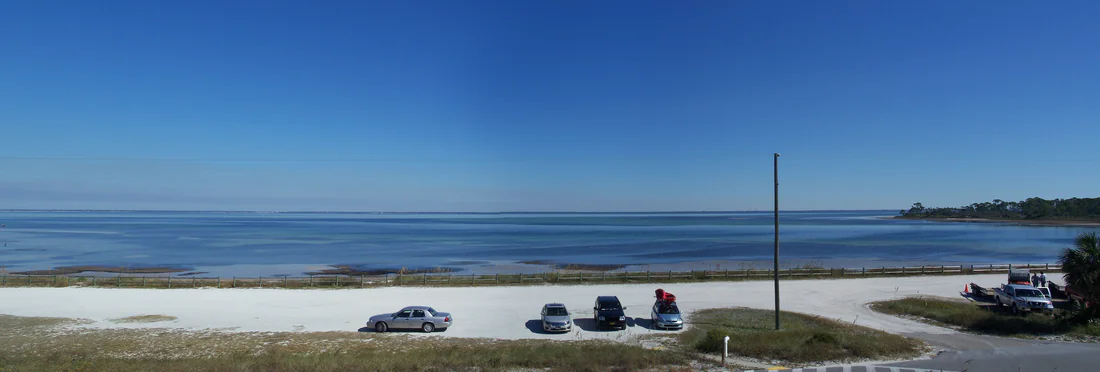
The first people on St. Joseph Bay
Native Americans were the first people to make use of St. Joseph Bay, Florida State Parks says. People of the Weeden Island, Mississippian and Fort Walton cultures lived on the peninsula by hunting and gathering. Pieces of their shell tools and pottery have turned up in what is now T.H. Stone Memorial St. Joseph Peninsula State Park. Early Native American and Spanish objects are also on display at the Constitution Convention Museum.
Sources: Florida State Parks: T.H. Stone Memorial St. Joseph Peninsula State Park, History; Florida State Parks: History of the Constitution Convention Museum
Next: Chapter 2, Spanish explorers and a French fort →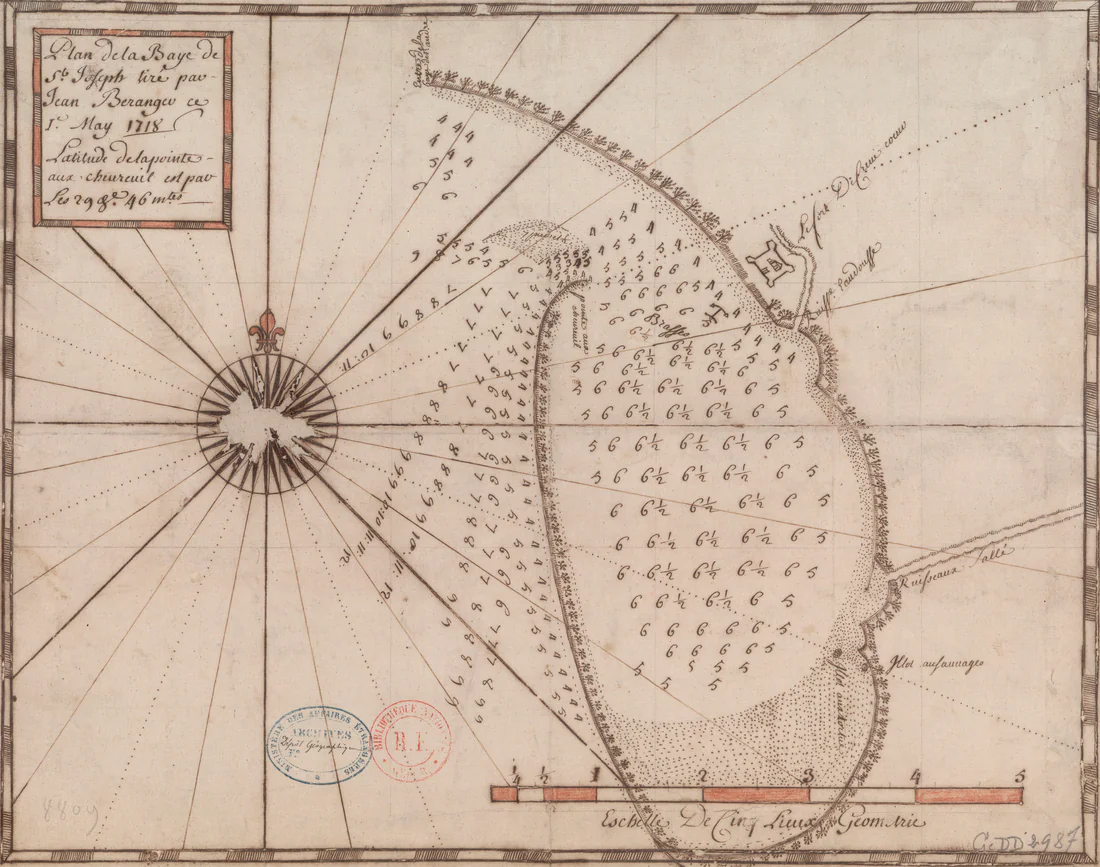
Spanish explorers and a French fort
Spanish explorers gave St. Joseph Bay its name in the early 1500s. They did not settle there until 1701, when they built a fort named Presidio San Jose, along with a mission, where the peninsula ends. Within a few years the Spanish gave up the post and went back to Pensacola. Nothing of their settlement is left today.
The French had been settled at Mobile Bay since the early 1700s. The state historical marker says they began building Fort Crevecoeur in 1717 on the mainland across from St. Joseph Point, on land Spain claimed. A WUWF archaeology program says the French moved in after a 1718 hurricane closed the entrance to Mobile Bay. By May 12, 1718, the French held the bay, and their fort was a stockade with four bastions.
The marker says the French council then voted to burn the fort and leave the bay. WUWF says instead that the Spanish forced the French out and took over the post themselves. By March 10, 1719, Spain had put Don Gregorio de Salinas Varona in charge of St. Joseph's Bay.
Sources: Florida State Parks: T.H. Stone Memorial St. Joseph Peninsula State Park, History; WUWF: The French build Fort Crevecoeur; Florida Department of State: Florida Historical Marker Details, Fort Crevecoeur
Next: Chapter 3, St. Joseph and its railroads →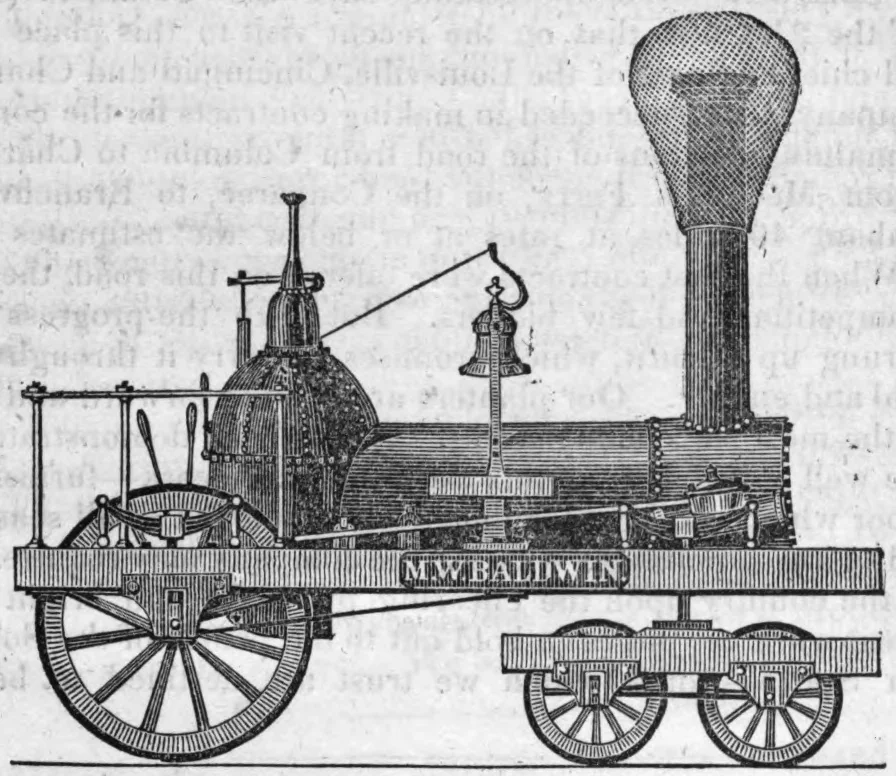
St. Joseph and its railroads
Near present-day Wewahitchka, Fort Place was built in the early 1830s as a place of safety from hostile Indians. It was a log blockhouse with gun ports inside a two-acre stockade, and nothing of it can be seen today. Settlers from Apalachicola came to St. Joseph Bay hoping to start a port that would rival their old town. St. Joseph was founded in 1835 and soon competed with Apalachicola as a trading port. The state park brochure says railroad owners mingled with high society there in those prosperous years.
The St. Joseph and Lake Wimico Railroad was finished in 1836. Cotton from what the state marker calls the foremost cotton region in the world then began moving to ships at St. Joseph, bound for ports at home and abroad. The trade turned the young village into a city, and a large shipyard was built.
The state marker says the St. Joseph and Iola Railroad, finished in 1839, was the third railroad in Florida to use steam locomotives and the longest in Territorial Florida. The state park museum displays a model of the Baldwin steam engine used in St. Joseph, built at three-quarter size. In 1839 St. Joseph's Point Lighthouse went up on the peninsula, across the bay from the town.
Sources: Florida Department of State: Florida Historical Marker Details, Fort Place - St. Joseph & Iola Railroad; Florida State Parks: T.H. Stone Memorial St. Joseph Peninsula State Park, History; Florida State Parks: Constitution Convention Museum State Park brochure; Florida Department of State: Florida Historical Marker Details, Shipyard Cove; Florida State Parks: History of the Constitution Convention Museum
Next: Chapter 4, Florida's first constitution →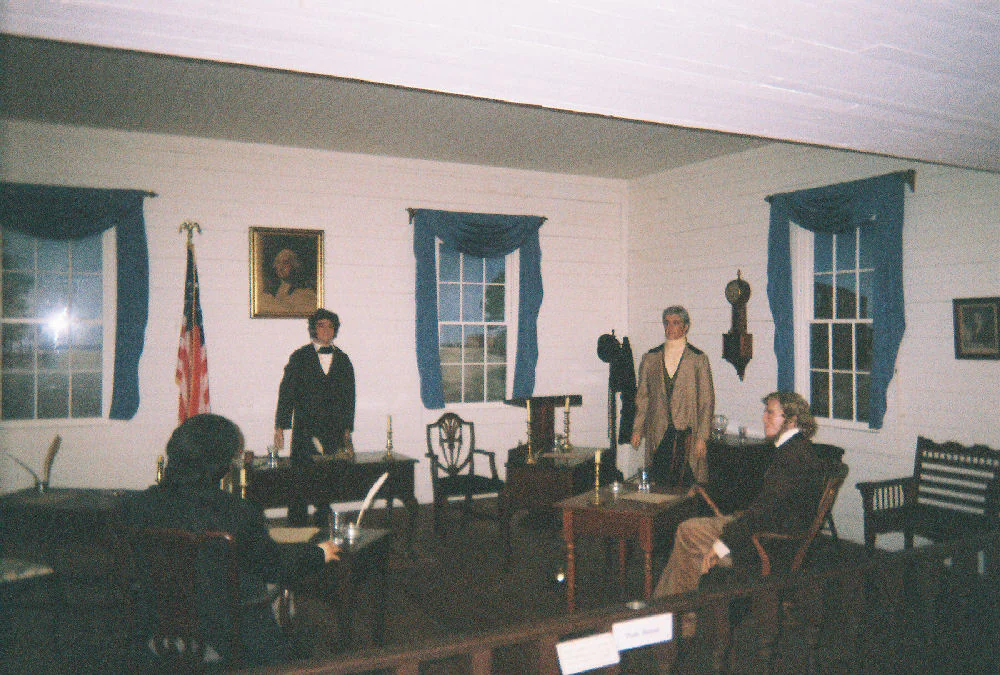
Florida's first constitution
In 1837, a vote across the territory showed that most voters wanted statehood. The Territorial Legislative Council then called a convention, without approval from Congress. St. Joseph was picked over Tallahassee, the territorial capital, because East Florida and Middle Florida were at odds.
The convention met on December 3, 1838. Its 56 delegates worked for 34 days and finished on January 11, 1839. Florida State Parks counts it as the first of six Florida constitutions, while the park brochure counts five.
That constitution served as the state's basic law until Florida left the Union in 1861. Florida became the 27th state in 1845.
Sources: Florida State Parks: Constitution Convention; Florida State Parks: History of the Constitution Convention Museum; Florida State Parks: Constitution Convention Museum State Park brochure
Next: Chapter 5, Yellow fever and the end of St. Joseph →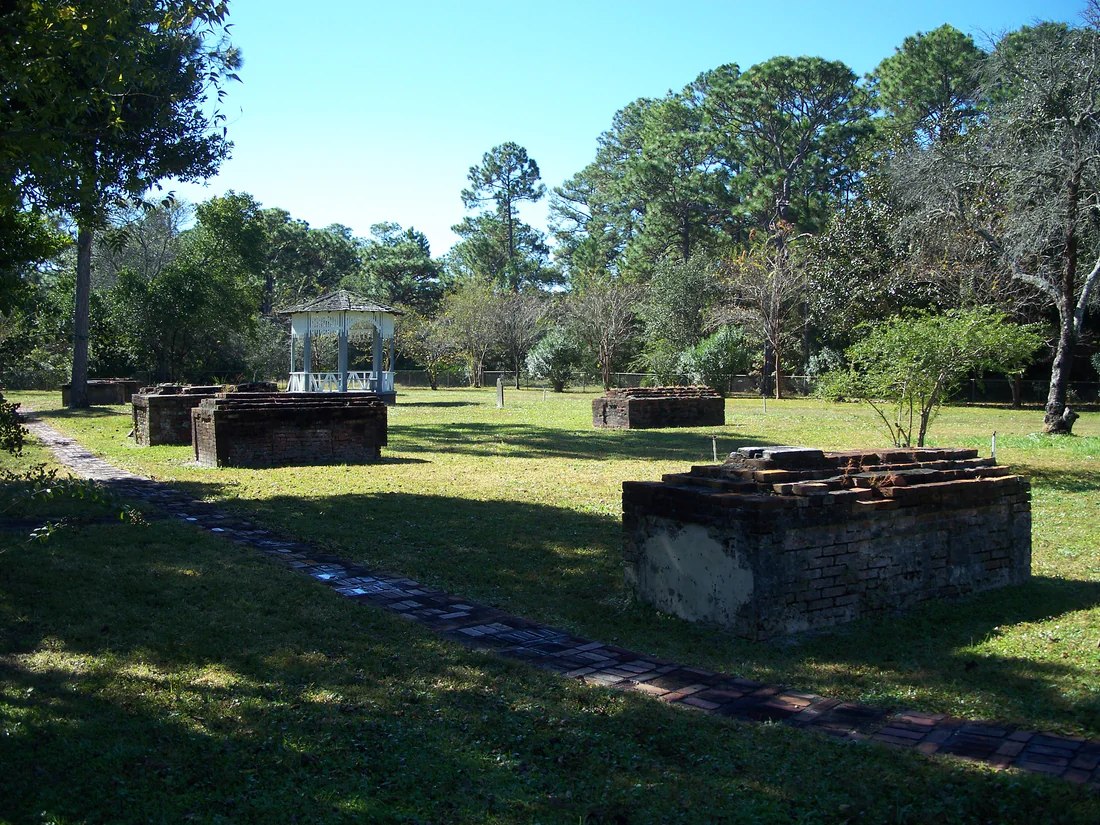
Yellow fever and the end of St. Joseph
By 1840 it was plain that St. Joseph could not keep up with Apalachicola in trade. The town then turned to life as a resort. Yellow fever swept the whole territory in the summer of 1841. A 1936 county history says sailors from foreign ports probably brought the fever to the city. One account says three-fourths of the town died within a few weeks, and the rest fled.
The park brochure says St. Joseph shrank to 400 people in less than a year, down from fewer than 6,000. Many empty houses were taken apart and shipped to Apalachicola to be put back up. In 1844 a hurricane swept away every building left in the town. St. Joseph had lasted just nine years.
By 1936, only an old cemetery and the monument showed where the city had stood. Among the museum's exhibits is a gravestone for Capt. George Kupfer, the earliest fever victim laid to rest in St. Joseph Cemetery.
Sources: Florida State Parks: Constitution Convention Museum State Park brochure; Florida Memory: History of Gulf County, by Alvirda Johnston (WPA, 1936); Florida Natural Areas Inventory: ARROW, Gulf County History Photos; Florida State Parks: History of the Constitution Convention Museum
Next: Chapter 6, Salt for the Confederacy, a lighthouse and Wewahitchka →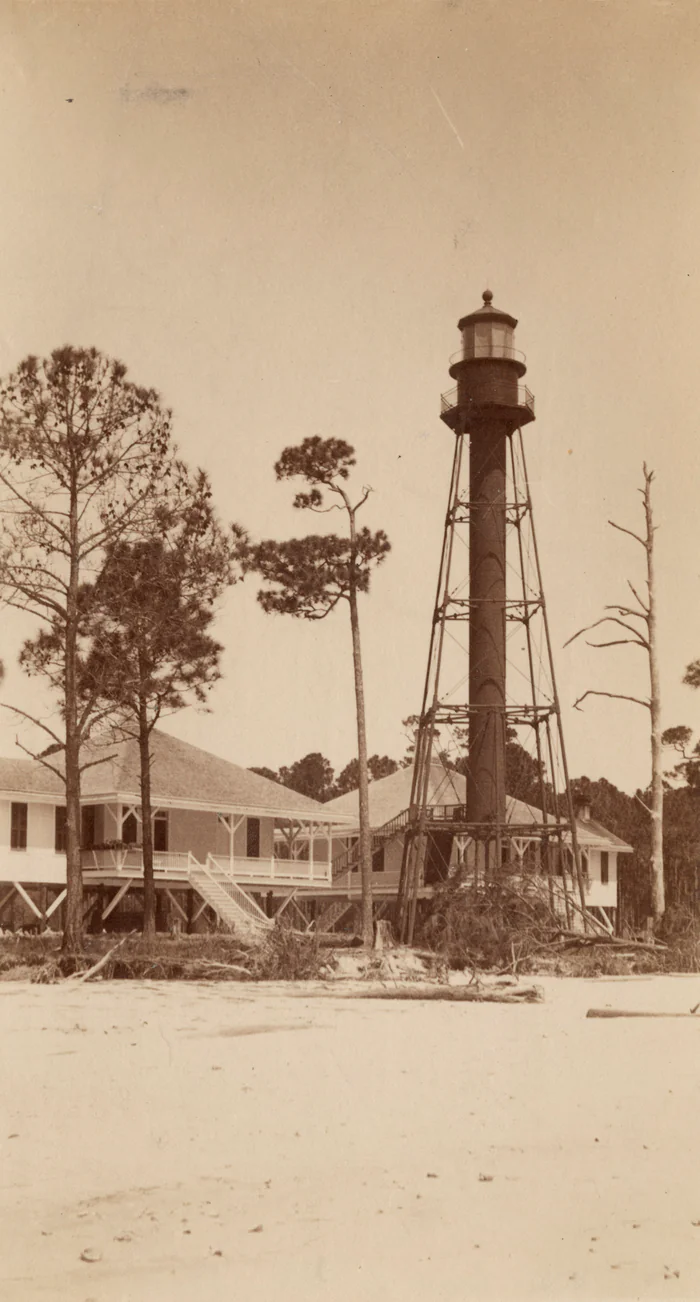
Salt for the Confederacy, a lighthouse and Wewahitchka
During the Civil War, the St. Joseph Confederate Saltworks made salt by evaporating seawater. It could turn out 150 bushels a day, and its brick foundations were taken from the ruins of old St. Joseph. The marker says salt was one of Florida's two main contributions to the Confederacy. On September 8, 1862, the USS Kingfisher destroyed the works with shelling and a landing party.
In 1868 the Stone family bought much of the land around St. Joseph Bay, peninsula included. Out on the cape, the Cape San Blas Lighthouse went into service in 1885.
WMBB reported in 2025 that Wewahitchka was founded in 1875 by John Richards, a man the government had sent to live among the Indians. The station said the name comes from a Native American name meaning water eyes. Ann Johnson, president of the Wewahitchka Historical Society, said Iola was the town before Wewahitchka, and that many of its industries moved up to Wewahitchka as Iola faded.
Sources: Florida Department of State: Florida Historical Marker Details, St. Joseph Confederate Saltworks; Florida State Parks: T.H. Stone Memorial St. Joseph Peninsula State Park, History; WJHG: Historic lighthouse flourishing in Port St. Joe; WMBB: Wewahitchka celebrates its 150th anniversary
Next: Chapter 7, Port St. Joe and a new county →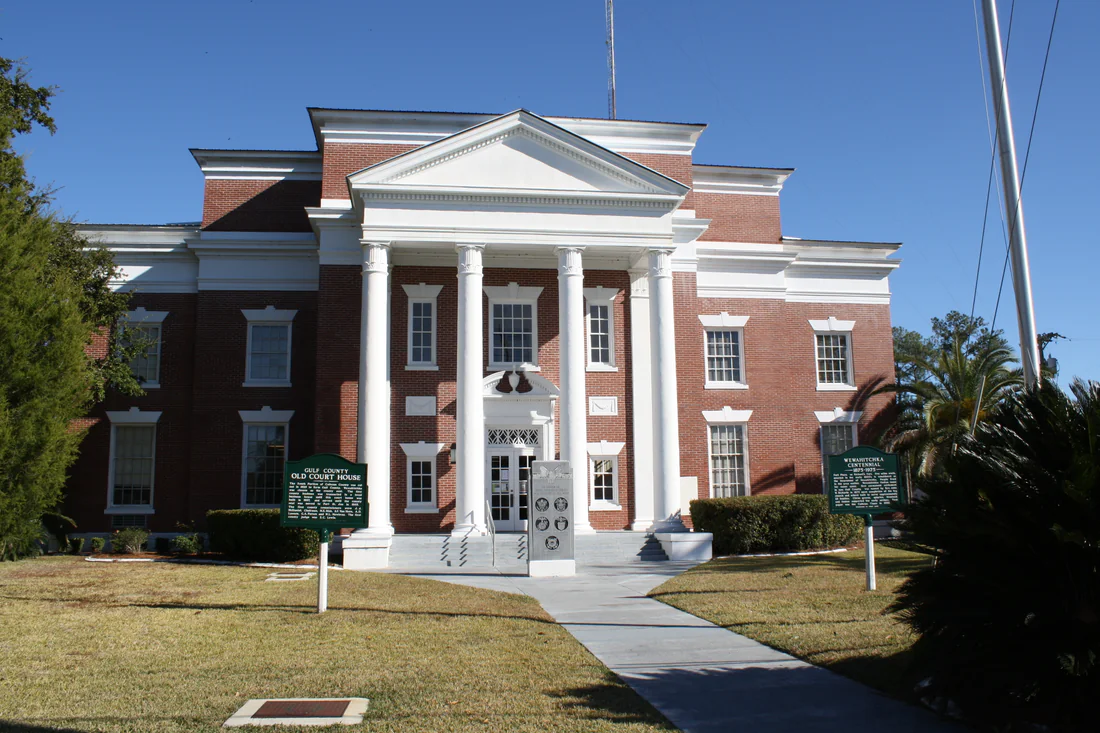
Port St. Joe and a new county
A new town, Port St. Joe, grew up west of where St. Joseph had stood. It started as a fishing village, and in 1913 it was incorporated. The Parkwood Lumber Company put up ten or twelve shacks in the town, and a pogy plant was built there in 1919. In 1918 the Cape San Blas Lighthouse was moved 1,200 feet inland because the shoreline kept getting closer. In January 1923, citizens dedicated a monument to the convention delegates.
Gulf County was created on June 6, 1925, from part of Calhoun County. It was Florida's 66th county, and it is named for the Gulf of Mexico. Under an early agreement, Wewahitchka was to hold the county seat for ten years, but the deal was not kept. In a referendum on February 9, 1926, Wewahitchka won by a majority of 45 votes. The county courthouse in Wewahitchka, in the Classical Revival style, was built in 1927.
Sources: Florida Memory: History of Gulf County, by Alvirda Johnston (WPA, 1936); Florida Natural Areas Inventory: ARROW, Voices from Gulf County, Tom Parker; WJHG: Historic lighthouse flourishing in Port St. Joe; Florida State Parks: Constitution Convention; University of South Florida, Florida Center for Instructional Technology: FL Maps, Gulf County; University of North Florida, George Lansing Taylor Collection: Former Gulf County Courthouse Wewahitchka, FL
Next: Chapter 8, Ed Ball, the duPont fortune and the paper mill →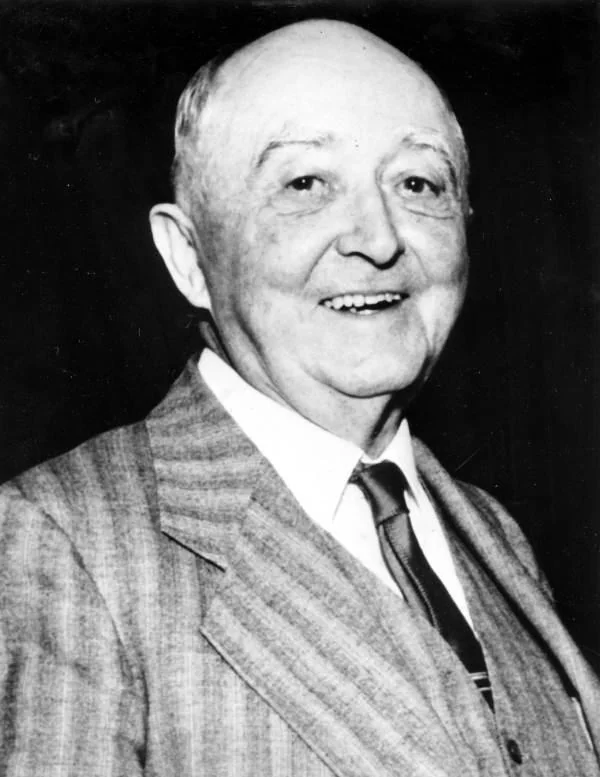
Ed Ball, the duPont fortune and the paper mill
In 1925 Alfred duPont sent Ed Ball, his brother-in-law, out to buy land in the Florida Panhandle. In 1933 Ball used duPont's fortune to buy 240,000 more acres. DuPont also wanted a new paper mill, but he died in 1935 while the plant was being built. A WPA county history from 1936 reported that a paper mill was being planned and the land had been surveyed. That year the old pogy plant came down to make way for the mill.
The St. Joe Paper company was formed in 1936, and its mill started running on March 17, 1938. The Mead Corporation ran the mill under contract until 1940. Ed Ball managed the duPont estate and later became president of St. Joe Paper. The mill used 600,000 cords of pulpwood a year from 750,000 acres of company forest, and most of what it made went into corrugated paper boxes.
In 1940 the Stone family sold their land around the bay to the U.S. government for military training. The mill shut down in 1998 and was later torn down.
Sources: Florida Natural Areas Inventory: ARROW, Voices from Gulf County, Tom Parker; Encyclopedia.com (International Directory of Company Histories): St. Joe Paper Company; Florida Memory: History of Gulf County, by Alvirda Johnston (WPA, 1936); Florida Natural Areas Inventory: ARROW, Gulf County History Photos; Florida State Parks: T.H. Stone Memorial St. Joseph Peninsula State Park, History
Next: Chapter 9, The Rosenwald and George Washington schools →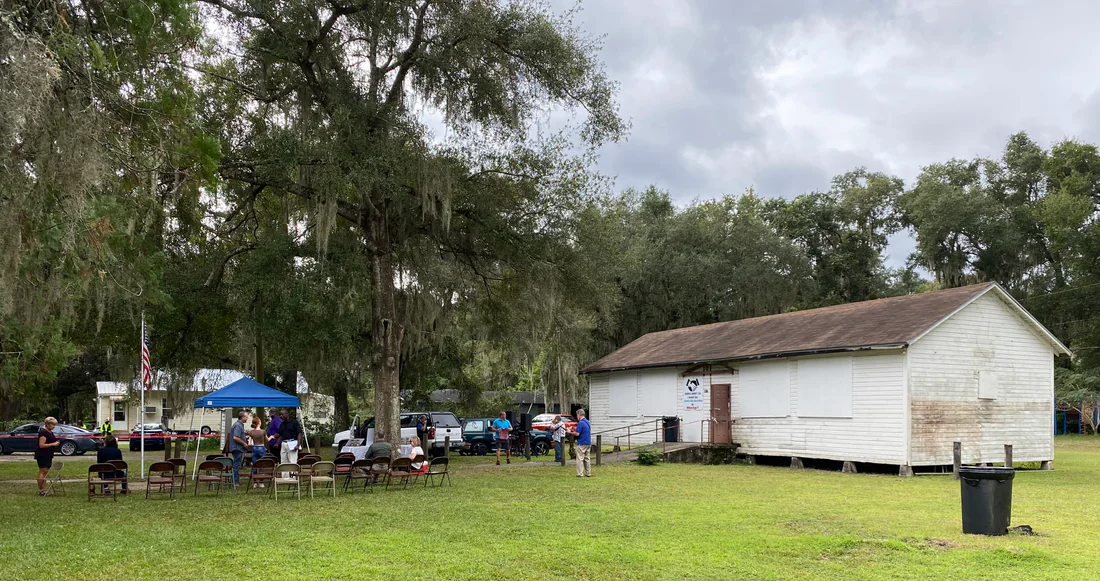
The Rosenwald and George Washington schools
The Port St. Joe School was established in 1928-29 with help from the Rosenwald Fund, Fisk University's records show. Of its $2,822 cost, $750 came from the fund, $1,922 from public money and $150 from the Black community.
The first wooden building of the George Washington school went up in 1940, and Miss Lenora Dawson was its first teacher. A second wooden building was added in 1945, and Emile Twine became the first principal. The school had its first three graduates in 1948, and a new masonry building was put up in 1952.
From 1965 to 1970, a Freedom of Choice plan let families pick their school, and a third of the students chose Port St. Joe High School. In 1970 the school closed because of desegregation.
Sources: Fisk University, Rosenwald Fund Card File Database: Port St. Joe School; City of Port St. Joe: George Washington Elementary / High School Museum
Next: Chapter 10, Tupelo honey, two state parks and a new county seat →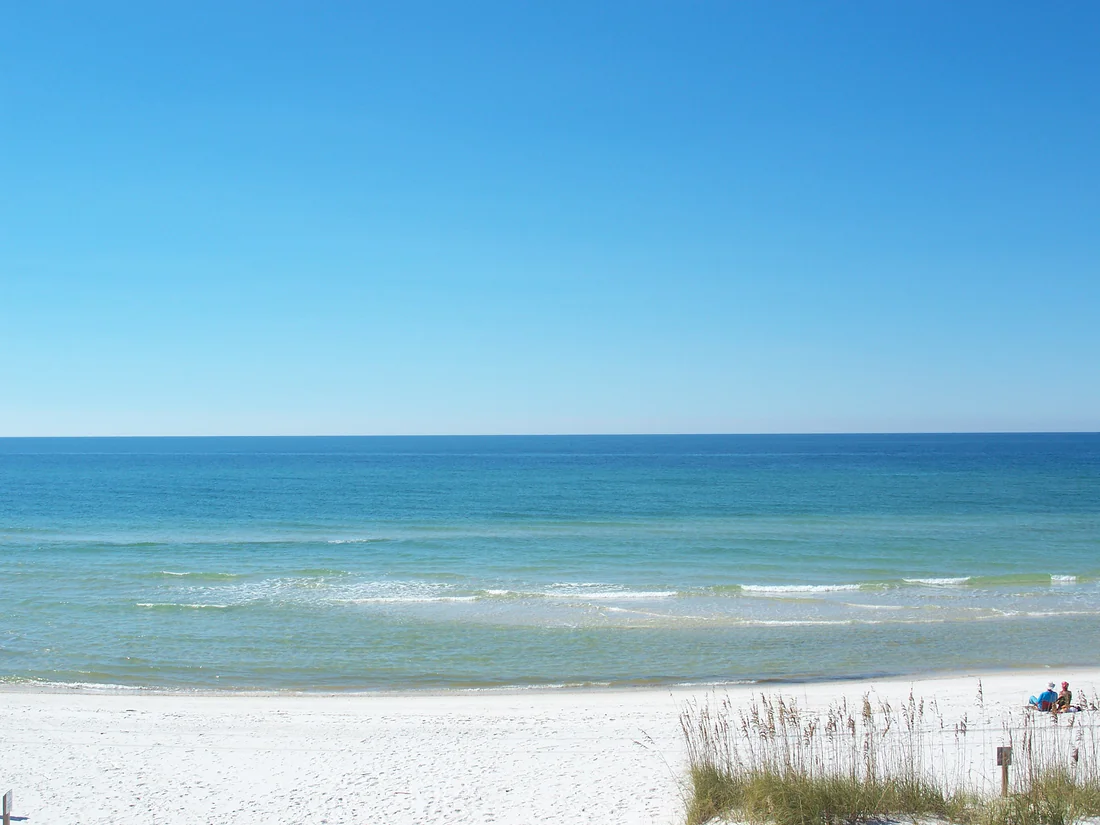
Tupelo honey, two state parks and a new county seat
In 1936 the WPA history listed farming, honey, lumber and fishing as the county's main industries. A 1930s photograph shows beekeepers at the Lanier Apiary. Bees make tupelo honey in April and May, when tupelo gum trees bloom along the Apalachicola River. A 1960 photograph from Whitfield Apiaries in Wewahitchka shows workers loading boxes of honeycomb onto wheelbarrows for a trip upstream to a barge, where the honey was taken out.
In 1950 Port St. Joe gave the state the site of what is now Constitution Convention Museum State Park. Governor LeRoy Collins came for the museum's dedication in 1956. Along with the John Gorrie Museum, it was among the first two museums the Florida Park Service built.
In 1964 the state acquired 2,791 acres on the peninsula for a park. That same year, voters chose to move the county seat from Wewahitchka to Port St. Joe. The courthouse in Wewahitchka stayed in use until the move took place in 1965. The park opened in 1967 and now carries the name T.H. Stone Memorial St. Joseph Peninsula State Park, after T. H. Stone, who had owned the land and was a respected leader in Gulf County.
Sources: Florida Memory: History of Gulf County, by Alvirda Johnston (WPA, 1936); Florida Natural Areas Inventory: ARROW, Gulf County History Photos; Florida Trend: Book: Florida on Film; Florida Memory: Tupelo honey beehives at Whitfield Apiaries in Wewahitchka, Florida; Florida State Parks: Constitution Convention; Florida Department of Environmental Protection: St. Joseph Peninsula Post-Hurricane Redevelopment Summary Report, February 2022; Florida Memory: The original Gulf County Court House - Wewahitchka, Florida; University of North Florida, George Lansing Taylor Collection: Former Gulf County Courthouse Wewahitchka, FL; Florida State Parks: T.H. Stone Memorial St. Joseph Peninsula State Park, History
Next: Chapter 11, Since 1990: Ulee's Gold, the lighthouse move and a 100th birthday →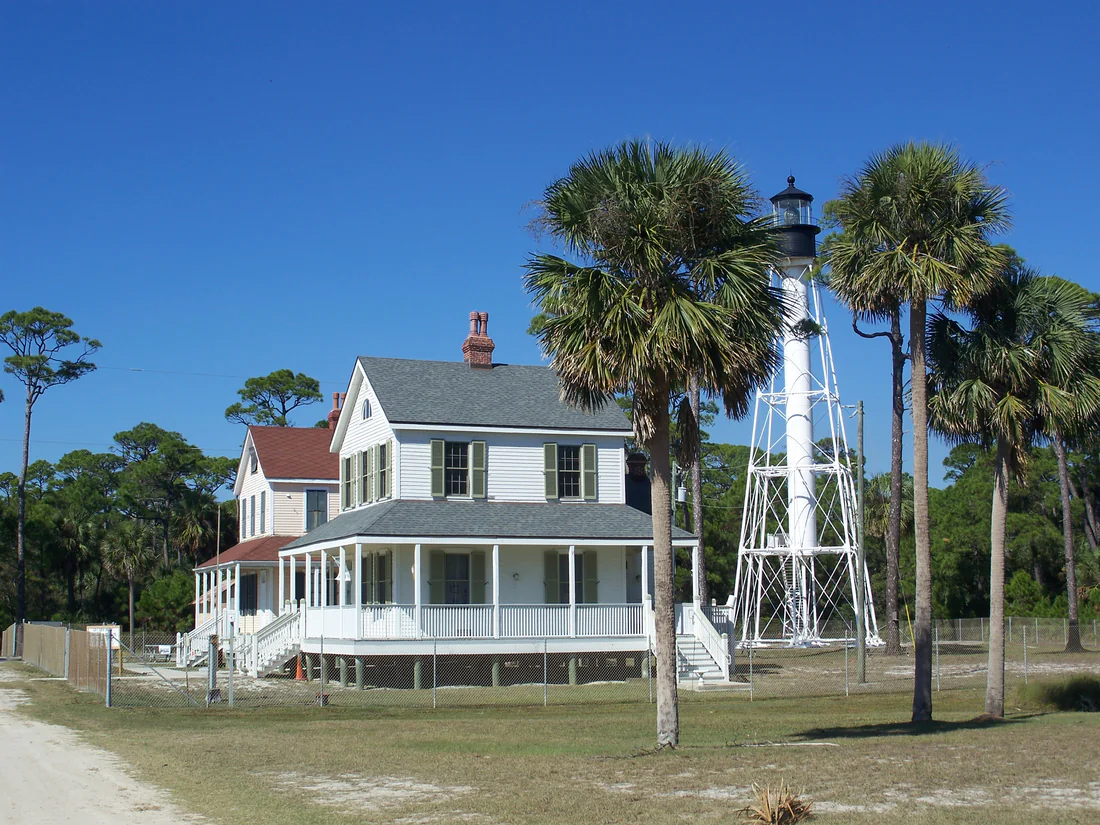
Since 1990: Ulee's Gold, the lighthouse move and a 100th birthday
Victor Nunez shot the movie Ulee's Gold in tupelo season, on land owned by the Lanier family of Wewahitchka beekeepers. Peter Fonda, long known as a hippie icon, took on the role of Ulee Jackson in 1997. The Cape San Blas Lighthouse was taken out of service in 1996. In 2014 it made a 12-mile trip up Highway 98 to George Core Park in Port St. Joe, and large trailers carried the keeper's quarters along with it. People lined the streets and highways to cheer as it passed.
The George Washington Elementary / High School Museum held its grand opening on January 21, 2008. In 2020 a University of Florida team surveyed North Port St. Joe, home of the town's African American community. Its research supported preparing a National Register nomination for George Washington High School.
Hurricane Michael struck northwest Florida on October 10, 2018, and cut a breach through the peninsula about a mile north of the state park entrance. Gulf County turned 100 on June 6, 2025, and the main celebration took place in Port St. Joe at Veterans Memorial Park, where fireworks closed out the night. The festivities went on the next day, June 7, in Wewahitchka, which held a history festival for its own 150th birthday. There was a car show, along with food, vendors, and arts and crafts.
Sources: Florida Trend: Book: Florida on Film; WJHG: Historic lighthouse flourishing in Port St. Joe; City of Port St. Joe: George Washington Elementary / High School Museum; University of Florida, Florida Resilient Cities: Cultural Resource Survey of North Port St. Joe; Florida Department of Environmental Protection: St. Joseph Peninsula Post-Hurricane Redevelopment Summary Report, February 2022; WMBB (via Yahoo News): Gulf County celebrates centennial birthday; WMBB: Wewahitchka celebrates its 150th anniversary
Next: the whole story, in dates →The whole story, in dates
Weeden Island, Mississippian and Fort Walton peoples live on the St. Joseph Peninsula.
Spanish explorers name St. Joseph Bay.
The Spanish build Presidio San Jose and a mission on the peninsula.
The French begin building Fort Crevecoeur, the state marker says.
The French hold St. Joseph's Bay.
The town of St. Joseph is founded.
The St. Joseph and Lake Wimico Railroad is finished.
A vote across the territory shows most voters want statehood.
The constitutional convention meets at St. Joseph.
The 56 delegates finish their work.
The St. Joseph and Iola Railroad and St. Joseph's Point Lighthouse are finished.
Yellow fever sweeps the territory and St. Joseph.
A hurricane sweeps away the last buildings of St. Joseph.
Florida becomes the 27th state.
The USS Kingfisher destroys the Confederate saltworks.
The Stone family buys much of the land around St. Joseph Bay.
John Richards founds Wewahitchka.
The Cape San Blas Lighthouse goes into service.
Port St. Joe is incorporated.
Citizens dedicate a monument to the convention delegates.
Gulf County is created from part of Calhoun County.
Wewahitchka wins the county seat vote by 45.
The courthouse in Wewahitchka is built.
The Port St. Joe School is established with help from the Rosenwald Fund.
The St. Joe Paper mill starts running.
The first wooden George Washington school building goes up.
Governor LeRoy Collins attends the dedication of the constitution museum.
The county seat moves from Wewahitchka to Port St. Joe.
The state park on the St. Joseph Peninsula opens.
The George Washington school closes because of desegregation.
Peter Fonda plays Ulee Jackson in Ulee's Gold.
The paper mill closes.
The George Washington Elementary / High School Museum opens.
The Cape San Blas Lighthouse moves to George Core Park.
Hurricane Michael cuts through the peninsula.
A University of Florida team surveys North Port St. Joe.
Gulf County turns 100.
Wewahitchka holds a festival for its 150th birthday.
Where you can still see it
 01
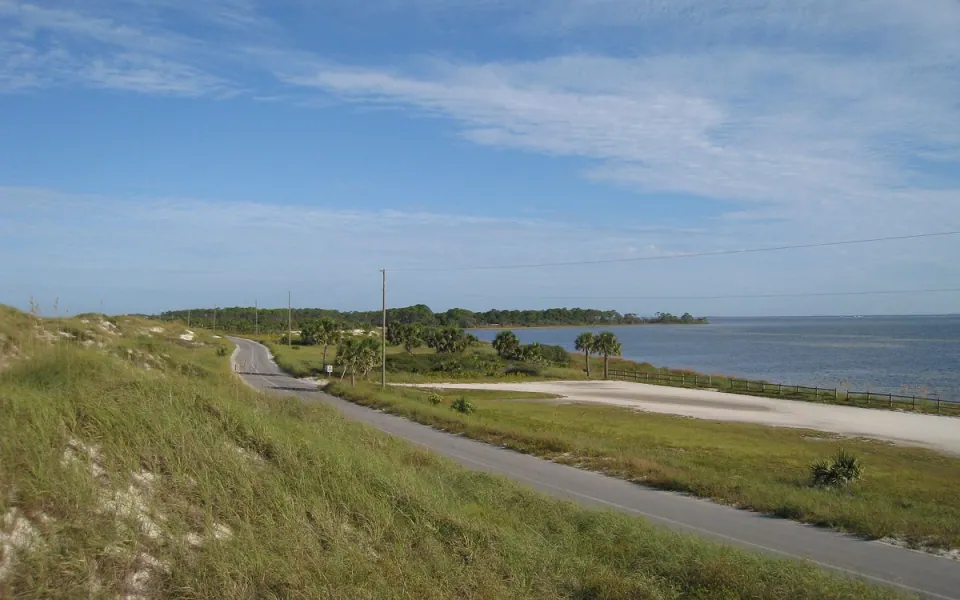
T.H. Stone Memorial St. Joseph Peninsula State Park
Goes with: Tupelo honey, two state parks and a new county seat
Open the place page →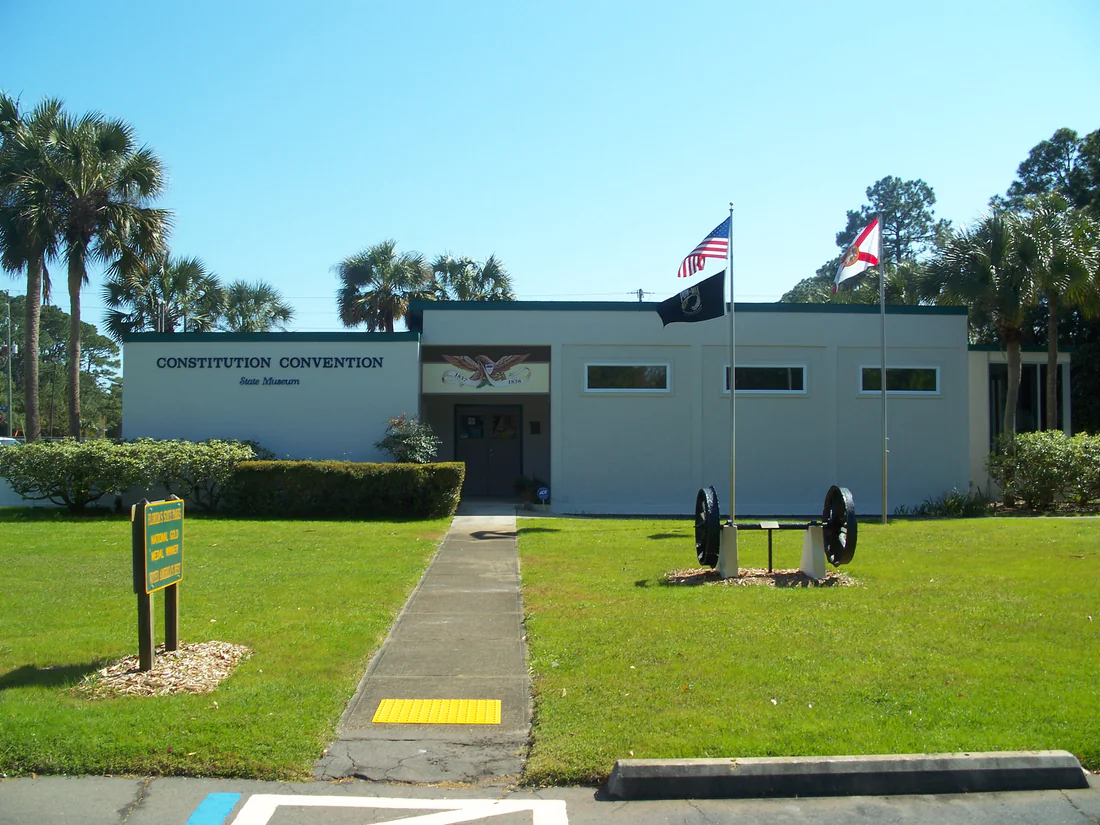 02
Constitution Convention Museum State Park
Goes with: Tupelo honey, two state parks and a new county seat
Open the place page →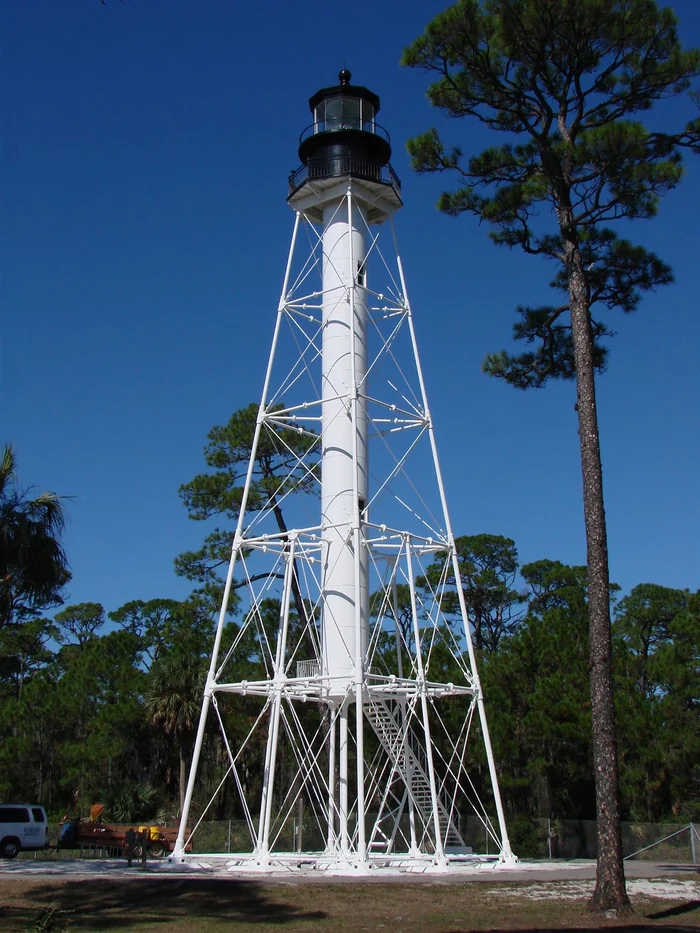 03
Cape San Blas Lighthouse
Goes with: Since 1990: Ulee's Gold, the lighthouse move and a 100th birthday
Open the place page →Questions people ask
When was Gulf County created?
Gulf County was created on June 6, 1925, from part of Calhoun County.
Chapter 7 →Where was Florida's first constitution written?
It was written at St. Joseph, picked over Tallahassee, by a convention that met on December 3, 1838, and finished on January 11, 1839.
Chapter 4 →When did Port St. Joe become the county seat?
Voters chose in 1964 to move the county seat from Wewahitchka to Port St. Joe, and the move took place in 1965.
Chapter 10 →What happened to the old town of St. Joseph?
Yellow fever struck in 1841, three-fourths of the town died within a few weeks, and in 1844 a hurricane swept away every building left in the town.
Chapter 5 →Where this comes from.
Last updated October 20, 2026.
- Florida State Parks: T.H. Stone Memorial St. Joseph Peninsula State Park, History ↗ Read October 19, 2026
- Florida State Parks: History of the Constitution Convention Museum ↗ Read October 19, 2026
- WUWF: The French build Fort Crevecoeur ↗ Read October 19, 2026
- Florida Department of State: Florida Historical Marker Details, Fort Crevecoeur ↗ Read October 19, 2026
- Florida State Parks: Constitution Convention Museum State Park brochure ↗ Read October 19, 2026
- Florida Department of State: Florida Historical Marker Details, Shipyard Cove ↗ Read October 19, 2026
- Florida Department of State: Florida Historical Marker Details, Fort Place - St. Joseph & Iola Railroad ↗ Read October 19, 2026
- Florida State Parks: Constitution Convention ↗ Read October 19, 2026
- Florida Natural Areas Inventory: ARROW, Gulf County History Photos ↗ Read October 19, 2026
- Florida Memory: History of Gulf County, by Alvirda Johnston (WPA, 1936) ↗ Read October 19, 2026
- Florida Department of State: Florida Historical Marker Details, St. Joseph Confederate Saltworks ↗ Read October 19, 2026
- WJHG: Historic lighthouse flourishing in Port St. Joe ↗ Read October 19, 2026
- WMBB: Wewahitchka celebrates its 150th anniversary ↗ Read October 19, 2026
- Florida Natural Areas Inventory: ARROW, Voices from Gulf County, Tom Parker ↗ Read October 19, 2026
- University of South Florida, Florida Center for Instructional Technology: FL Maps, Gulf County ↗ Read October 19, 2026
- University of North Florida, George Lansing Taylor Collection: Former Gulf County Courthouse Wewahitchka, FL ↗ Read October 19, 2026
- Encyclopedia.com (International Directory of Company Histories): St. Joe Paper Company ↗ Read October 19, 2026
- Fisk University, Rosenwald Fund Card File Database: Port St. Joe School ↗ Read October 19, 2026
- City of Port St. Joe: George Washington Elementary / High School Museum ↗ Read October 19, 2026
- Florida Memory: The original Gulf County Court House - Wewahitchka, Florida ↗ Read October 19, 2026
- Florida Trend: Book: Florida on Film ↗ Read October 19, 2026
- Florida Memory: Tupelo honey beehives at Whitfield Apiaries in Wewahitchka, Florida ↗ Read October 19, 2026
- Florida Department of Environmental Protection: St. Joseph Peninsula Post-Hurricane Redevelopment Summary Report, February 2022 ↗ Read October 19, 2026
- University of Florida, Florida Resilient Cities: Cultural Resource Survey of North Port St. Joe ↗ Read October 19, 2026
- WMBB (via Yahoo News): Gulf County celebrates centennial birthday ↗ Read October 19, 2026