Wakulla County was created on March 11, 1843, from part of Leon County. No one knows for sure where its name came from, but it is probably a Timucuan word, most often read as "mysterious waters." Crawfordville, named for Dr. John L. Crawford, has been the county seat since 1866. The county is home to Wakulla Springs, which Florida State Parks counts among the largest and deepest freshwater springs in the world, and finds there show people have used the area for close to 15,000 years.
This page tells the story in order, from the first people at Wakulla Springs to the St. Marks Lighthouse shining again, worm gruntin' in Sopchoppy and Emancipation Day in Crawfordville, then lists places in the county where you can still see it. The sources for each part are named at the end of that part, and all of them are listed at the bottom of the page.
The first people at Wakulla Springs
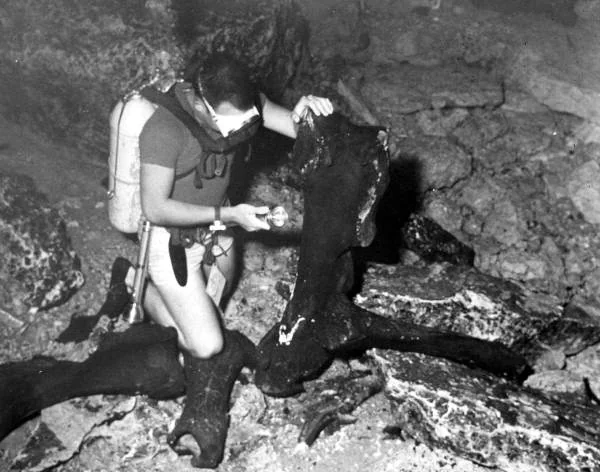
Finds at Wakulla Springs show that people have used the area for close to 15,000 years. A state marker at the springs counts 55 recorded archaeological sites on the property. They range from Paleoindian kill sites and campsites to village areas and a mound and village complex. Bones from many mastodons and other ancient animals have also been found at the springs.
Spanish explorers met the Apalachee, a powerful people who farmed the land between two rivers, the Aucilla and the Ochlockonee. Spanish writers told of an Apalachee town close to the coast named Aute.
Sources: Florida State Parks: Edward Ball Wakulla Springs State Park road trip guide (PDF); Florida Department of State: Florida Historical Marker Details, Wakulla Springs Archaeological & Historic District; Florida Natural Areas Inventory: ARROW, History of Wakulla County
Next: Chapter 2, Spanish explorers and the fort at San Marcos →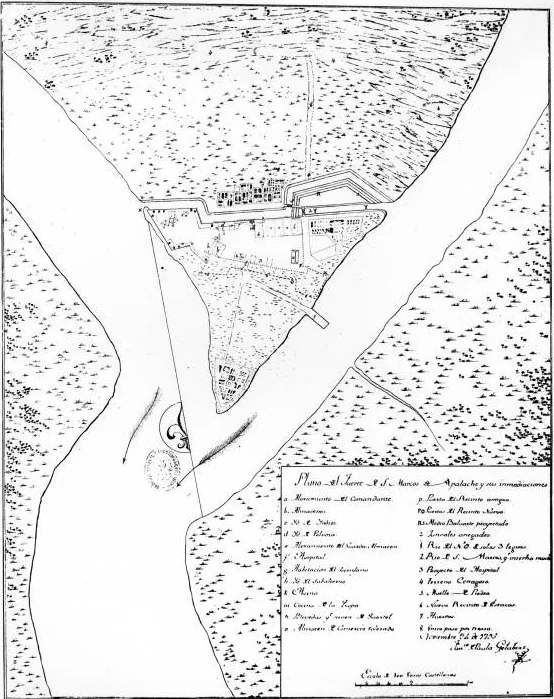
Spanish explorers and the fort at San Marcos
In 1528 Panfilo de Narvaez came overland from Tampa with 300 men and reached the place that is now San Marcos de Apalache Historic State Park. In 1539 Hernando de Soto followed the same path with 600 men. He spent that winter in Iniachica, an Apalachee town that is now part of Tallahassee.
In 1679 the Spanish began building the first fort where the Wakulla and St. Marks rivers come together. Its log walls were coated with lime so they would look like stone. Pirates later burned and looted it. Work on a stone fort began in 1739, but it was less than half finished when Spain handed it to the English in 1763. Spain got the fort back in 1787.
Sources: Florida State Parks: San Marcos de Apalache Historic State Park brochure (PDF); Florida Natural Areas Inventory: ARROW, History of Wakulla County; Florida State Parks: Fort San Marcos de Apalache History
Next: Chapter 3, Bowles, Jackson and the port of Magnolia →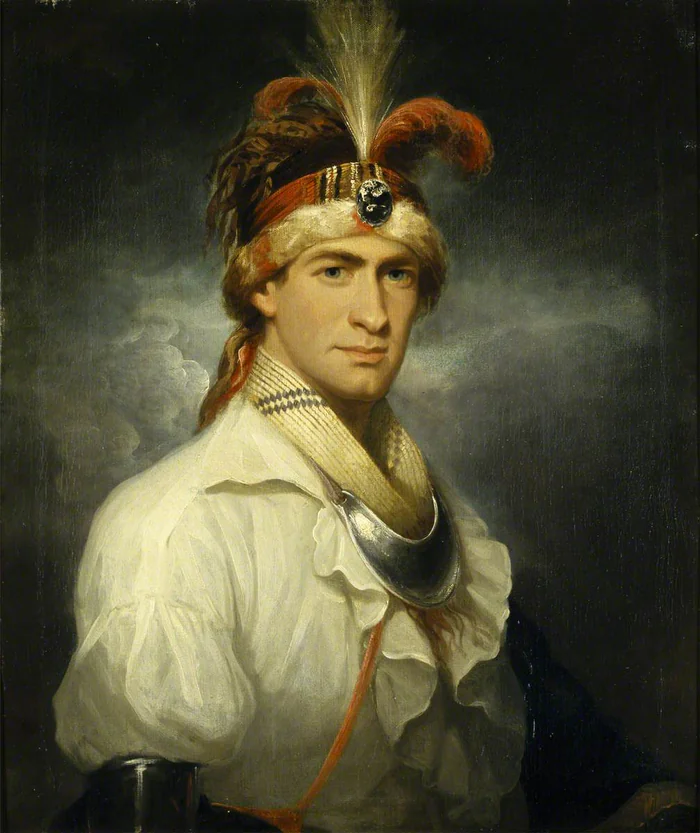
Bowles, Jackson and the port of Magnolia
In 1800 William Augustus Bowles, a former British officer, challenged Spanish rule. He set out to unite 400 Creek Indians as an independent nation against Spain, and in the end he captured San Marcos. In 1804 the trading firm Panton, Leslie and Company talked Creeks and Seminoles into giving up some 1.5 million acres. The land ran from the Apalachicola River to the Wakulla River, and the deal became known as the Forbes Purchase. In 1819 an American, Colin Mitchell, bought all of it for $110,000.
General Andrew Jackson invaded and held the fort for a short time, in 1818 by the state park's account and in 1819 by a state marker's. The fort passed to the United States in 1821, when Spain sold the territory.
In 1827 the Hamlins, four brothers from Augusta, Maine, started a port town called Magnolia on the St. Marks River. A U.S. customs house opened there in 1829, and by the early 1830s the town had stores, warehouses and a bank. In 1830 Congress created the town of St. Marks, and it became a port of entry. In the mid-1830s the customs house moved from Magnolia to St. Marks.
Sources: Florida State Parks: San Marcos de Apalache Historic State Park brochure (PDF); Florida Natural Areas Inventory: ARROW, History of Wakulla County; Florida State Parks: Fort San Marcos de Apalache History; Florida Department of State: Florida Historical Marker Details, San Marcos de Apalachee; Florida Department of State: Florida Historical Marker Details, Site of Former Town of Magnolia
Next: Chapter 4, A lighthouse and a railroad pulled by mules →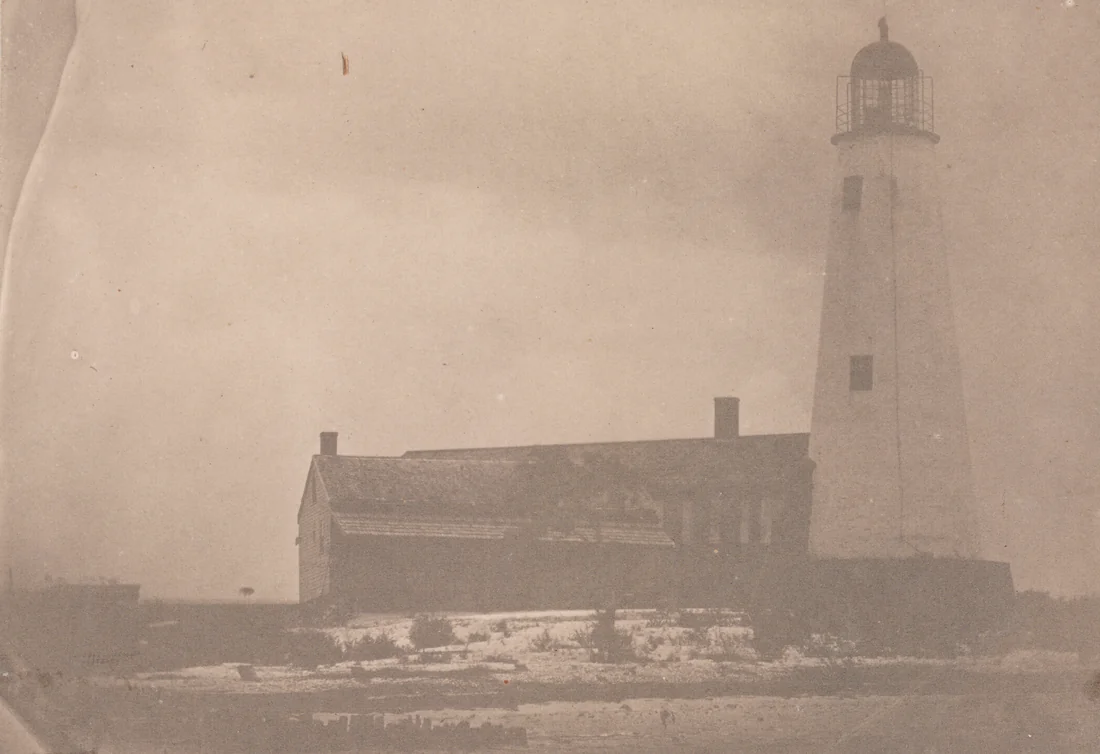
A lighthouse and a railroad pulled by mules
In 1828 Congress set aside $6,000 for a lighthouse at St. Marks. Winslow Lewis, a well-known lighthouse builder, started work in 1829. The first tower, finished in 1830 with hollow walls, was rejected by the inspector. A second tower, this one with solid walls, was finished in 1831, and that year its whale-oil lamp first shone. Eroding shores led to a third tower in 1842, set a short way inland where it still stands.
A line from Tallahassee to St. Marks belonged to a company formed in 1834, the Tallahassee Rail Road Company. The state marker says the line began running in 1837, on a single track 23 miles long, with cars pulled by mules. Magnolia was left off the new line in 1836, and the town slowly emptied until only a small cemetery remained.
As Magnolia faded, Port Leon was founded in 1838. In 1839 the line got a steam locomotive and was extended to Port Leon. With a seaport at the end of the line, the railroad did a large cotton business before the Civil War.
Sources: Florida Natural Areas Inventory: ARROW, History of Wakulla County; Florida Department of State: Florida Historical Marker Details, St. Marks Lighthouse; Friends of St. Marks Wildlife Refuge: Lighthouse Timeline; Florida Department of State: Florida Historical Marker Details, Tallahassee - St. Marks Railroad; Florida Department of State: Florida Historical Marker Details, Site of Former Town of Magnolia
Next: Chapter 5, A new county, a lost town and Newport →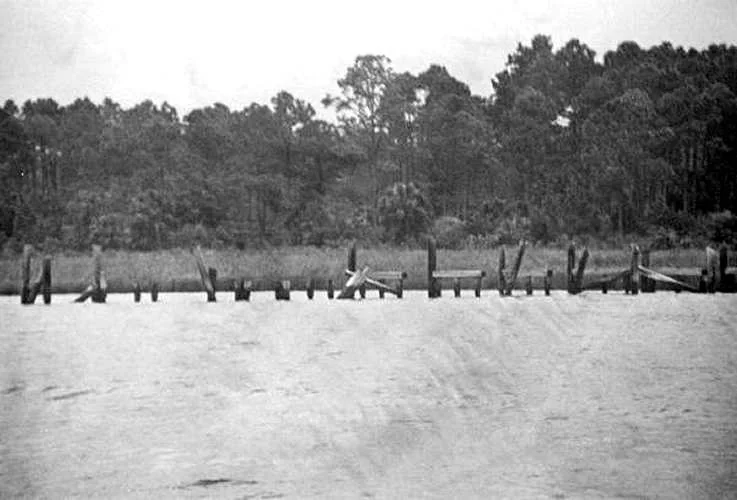
A new county, a lost town and Newport
Wakulla County was created on March 11, 1843, from part of Leon County, as Florida's 23rd county. No one knows for sure where the name came from, but it is probably a Timucuan word. The most common reading of the name is "mysterious waters."
Port Leon was made the county seat, but in 1843 a hurricane and storm surge destroyed it. Its people moved up the river to Newport. In 1843 a powerful storm wrecked the lighthouse keeper's house, and 11 to 14 people died, the Friends of St. Marks Wildlife Refuge record.
Newport grew up on the St. Marks River with help from Daniel Ladd, whose uncles were the Hamlin brothers. In 1844 the county seat moved to Newport.
Sources: University of South Florida, Florida Center for Instructional Technology: FL Maps, Wakulla County; Florida Natural Areas Inventory: ARROW, History of Wakulla County; Friends of St. Marks Wildlife Refuge: Lighthouse Timeline
Next: Chapter 6, The Civil War and the Battle of Natural Bridge →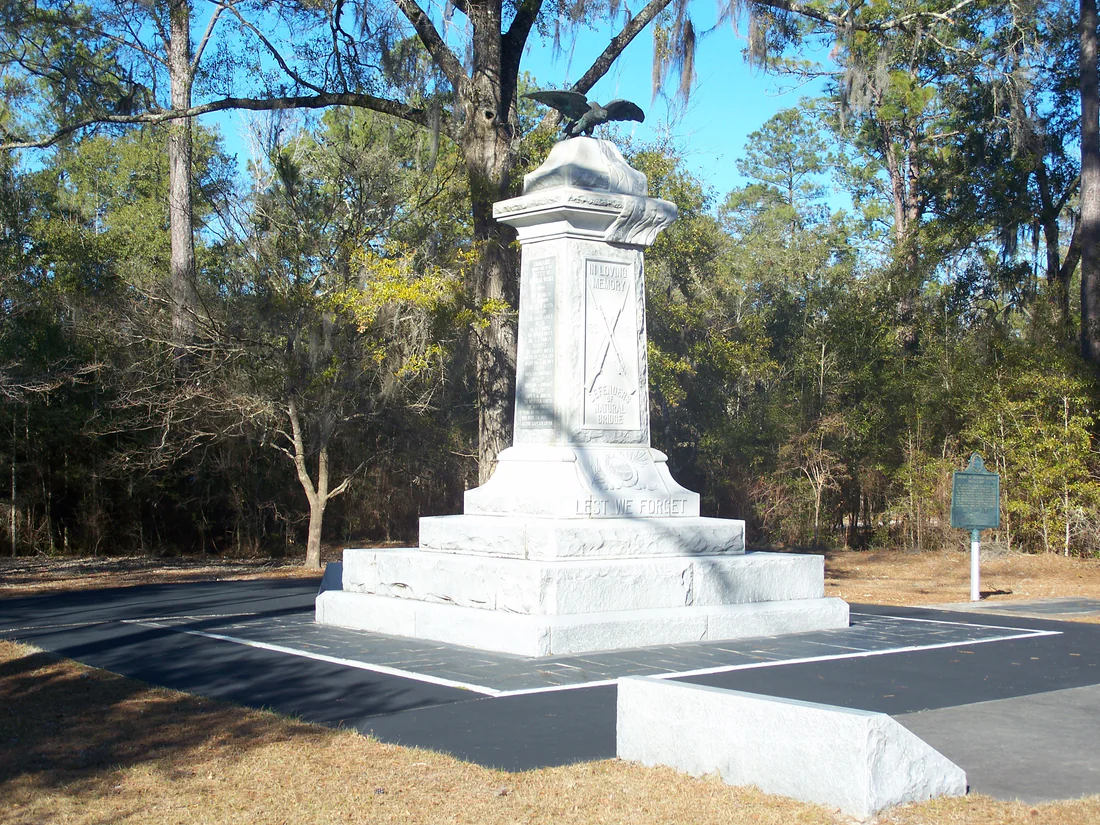
The Civil War and the Battle of Natural Bridge
In 1861 Confederate troops took over the old fort and renamed it Fort Ward. From then until 1865, a Union squadron blocked the mouth of the river. In June 1862 a raid from the blockading ships destroyed a fortification near the lighthouse. On July 15, 1863, to keep it from being used as a lookout, a naval landing party burned the tower's steps and the woodwork inside.
In March 1865 Union troops landed near the St. Marks lighthouse to march inland, about 900 by the state park's count and almost 1,000 by the Museum of Florida History's. Among them were two regiments of the U.S. Colored Infantry, the 2nd and the 99th. After a skirmish at the Newport bridge, Brigadier General John Newton marched his men north through the night, hoping to cross at Natural Bridge without a fight.
Shots were heard at Natural Bridge as the sun came up on March 6, 1865. The Confederate side was made up of Florida cavalry and artillery, militia members young and old, and a small group of cadets from Tallahassee's Florida Military Institute. In the end the Union soldiers gave up and withdrew to the coast. Of the capitals in the Confederacy east of the Mississippi, Tallahassee was the only one that never surrendered to the Union, the state park says. The lighthouse was repaired and lit again in 1867.
Sources: Florida State Parks: Fort San Marcos de Apalache History; Florida Department of State: Florida Historical Marker Details, St. Marks Lighthouse; Florida State Parks: Historic Battlefield, Natural Bridge; Museum of Florida History: The Battle of Natural Bridge; Friends of St. Marks Wildlife Refuge: Lighthouse Timeline
Next: Chapter 7, Crawfordville and its wooden courthouse →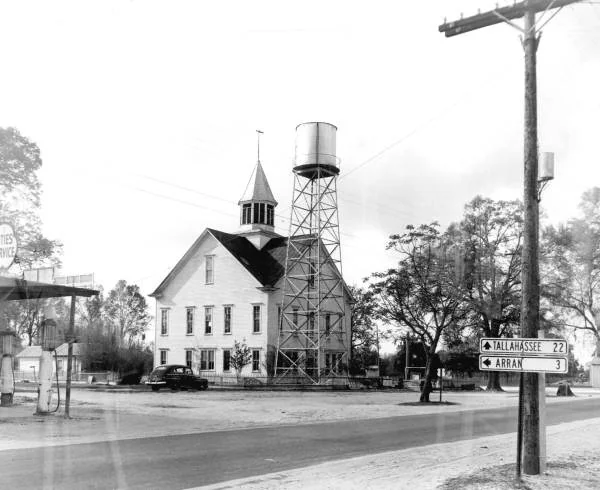
Crawfordville and its wooden courthouse
Dr. John L. Crawford, a Georgia man, settled in the county in 1845 as a doctor and farmer. He served in the state House and Senate and spent 20 years as Florida's Secretary of State. In 1866 the county seat moved from Newport to Crawfordville, which was named for him. A Florida Natural Areas Inventory history says Newport was once Florida's second largest city, yet by 1872 fewer than 30 people lived there.
The first courthouse burned in 1892, and the same history says an arsonist set the fire. George Washington Tully and Thomas McGlynn built the next one of native heart pine and finished it in 1894. A hand-carved mullet weathervane sat on top of its cupola. Cattle, pigs and goats roamed the courthouse square, and in 1940 piglets were born underneath the building.
After World War II a new masonry courthouse went up on the same site, and the old one was winched 500 feet away on giant roller logs. Witnesses said it did not sag or crack. The new courthouse was dedicated in 1949, and the Old Wakulla County Courthouse joined the National Register of Historic Places in 1976.
Sources: Florida Natural Areas Inventory: ARROW, History of Wakulla County; Florida Department of State: Florida Historical Marker Details, Old Wakulla County Courthouse
Next: Chapter 8, Railroad towns and the first high schools →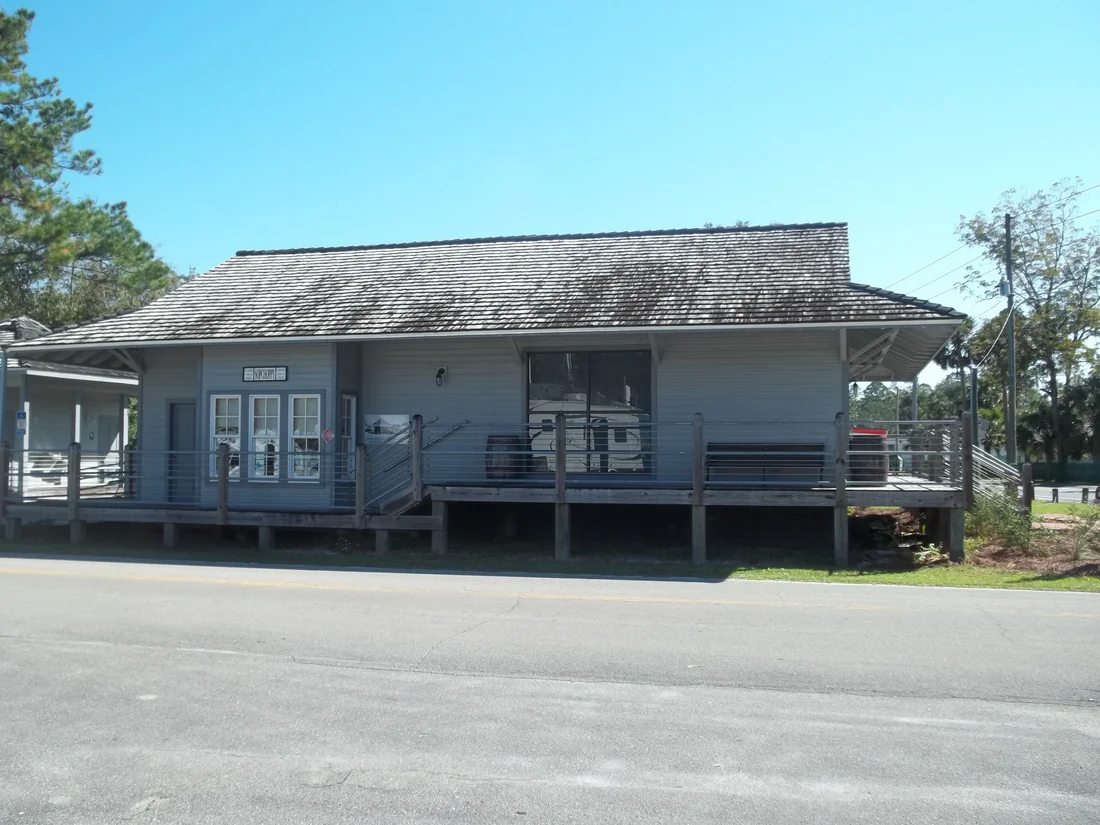
Railroad towns and the first high schools
The depot at Sopchoppy was built around 1891 for the Carrabelle, Tallahassee and Georgia Railroad, which the Georgia, Florida and Alabama Railroad later took over. Locals call it the Gopher, Frog and Alligator Depot. Sopchoppy was laid out in 1895 for the railroad, and the man who surveyed it, John Calhoun, is said to be its founder. By 1910 it had grown into the county's largest incorporated town, the Florida Natural Areas Inventory history says.
W. C. Tully founded Panacea in 1895 and named it for the healing powers of its mineral springs. The town's Panacea Mineral Springs Hotel had room for 125 guests.
A state marker at the Old Sopchoppy High School says it was built in 1924, accredited in 1928, and was the county's first high school building. In the 1930s the Works Progress Administration hired local workers to add wings of native limestone. Classes at the Shadeville site began in 1909, the school district says. Shadeville High was built in 1931, and during segregation it was the one school in Wakulla County for Black students.
Sources: City of Sopchoppy: Georgia, Florida and Alabama Depot; Florida Natural Areas Inventory: ARROW, History of Wakulla County; Florida Department of State: Florida Historical Marker Details, Old Sopchoppy High School; Wakulla County School District, Shadeville Elementary School: Our History; WTXL ABC 27: Preserving Shadeville High School's legacy
Next: Chapter 9, Wakulla Springs, the lodge and the movies →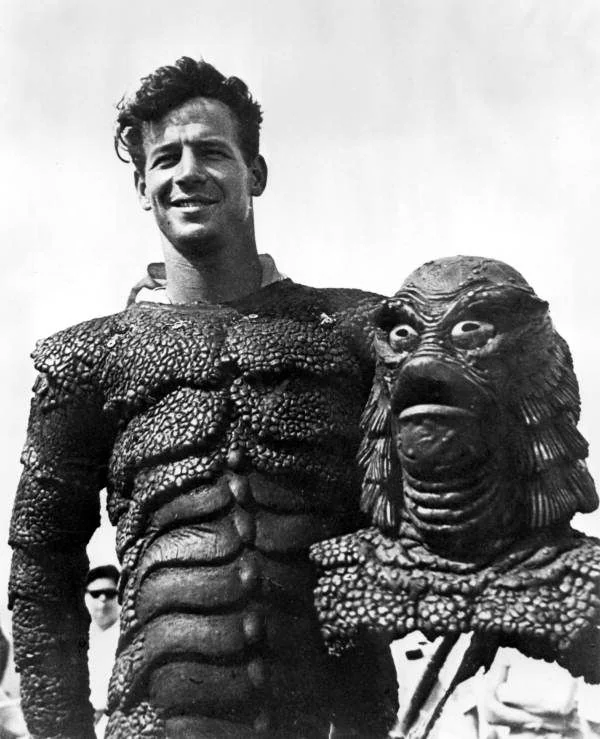
Wakulla Springs, the lodge and the movies
Wakulla Springs became a popular place to visit in the late 1800s, and people gathered there for picnics and political rallies until the late 1930s. Around 1925 a Jacksonville developer, George T. Christie, paid $14,000 for the spring and 270 acres, and glass-bottom boat tours began. In 1930 Christie's workers discovered the bones of mastodons in the spring run.
State park pages give two different years, 1931 and 1934, for when financier Edward Ball bought the spring. In time he owned nearly 4,000 acres, taking in the spring and land along the Wakulla River. Work on the two-story Wakulla Springs Lodge started in 1935, and its doors opened to visitors in September 1937. Ball used Tennessee marble throughout, including a marble bar 70 feet 3 inches long that the state park calls the world's longest known.
Ball hired Newton Perry to run and promote the springs, and Perry later drew on that work to create the mermaid shows at Weeki Wachee Springs in 1947. Parts of two Tarzan films with Johnny Weissmuller, once an Olympic swimmer, were shot at the springs, Tarzan's Secret Treasure (1941) and Tarzan's New York Adventure. The springs also show up in Creature from the Black Lagoon (1954), and scenes for Joe Panther and Airport 77 were shot there as well.
Sources: Florida State Parks: Edward Ball Wakulla Springs State Park road trip guide (PDF); Florida Department of State: Florida Historical Marker Details, Wakulla Springs Archaeological & Historic District; Florida Natural Areas Inventory: ARROW, History of Wakulla County; Florida State Parks: History of Wakulla Springs; Florida State Parks: The Lodge at Wakulla Springs; Florida State Parks: Edward Ball Wakulla Springs State Park
Next: Chapter 10, The refuge, the war years and integration →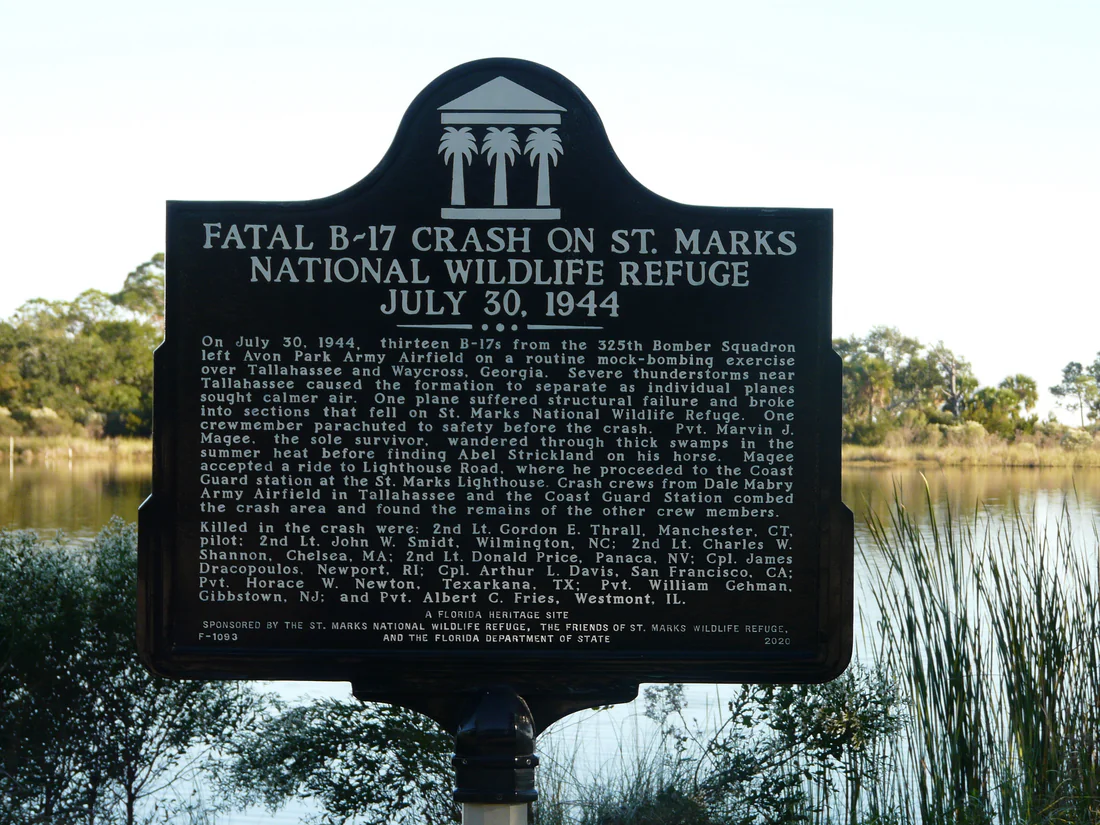
The refuge, the war years and integration
On October 31, 1931, Executive Order 5740 set up the St. Marks Migratory Bird Refuge as winter habitat for migrating birds. It took the name St. Marks National Wildlife Refuge in 1940. During World War II the Wakulla Springs lodge served as a military training site. PT boats were built at Newport during the war, and Panacea prospered from the Army's Camp Gordon Johnston next door in Franklin County.
On July 30, 1944, a formation of 13 B-17 bombers from Avon Park Army Airfield ran into severe thunderstorms near Tallahassee on a practice bombing run. One of the planes broke apart, and its pieces fell on the refuge. The only survivor, Pvt. Marvin J. Magee, wandered through the swamps until he met Abel Strickland on horseback.
During the 1960s the state purchased the fort site to create San Marcos de Apalache Historic State Park, and in 1966 the site joined the National Register of Historic Places. Sopchoppy High School was integrated in the 1966-67 school year. Wakulla High opened in 1968, and Shadeville then became an elementary school that, WTXL reports, served children of all races. Edward Ball died in 1981, and in 1986 the State of Florida bought the springs and made them Edward Ball Wakulla Springs State Park.
Sources: U.S. Fish and Wildlife Service: St. Marks National Wildlife Refuge, About Us; Florida State Parks: History of Wakulla Springs; Florida Natural Areas Inventory: ARROW, History of Wakulla County; Florida Department of State: Florida Historical Marker Details, Fatal B-17 Crash on St. Marks National Wildlife Refuge; Florida State Parks: Fort San Marcos de Apalache History; Florida Department of State: Florida Historical Marker Details, Old Sopchoppy High School; Wakulla County School District, Shadeville Elementary School: Our History; WTXL ABC 27: Preserving Shadeville High School's legacy; Florida State Parks: Edward Ball Wakulla Springs State Park road trip guide (PDF)
Next: Chapter 11, Since 1990: the lighthouse shines again, worm gruntin' and Emancipation Day →
Since 1990: the lighthouse shines again, worm gruntin' and Emancipation Day
Gulf Specimen Marine Laboratory, started by Jack Rudloe in 1963, opened its aquarium to the public in 1990. The author John Steinbeck, a keen amateur marine biologist, had encouraged its founding. In August 2025 WCTV reported that the lab had a brand new greenhouse, paid for by a grant from the Florida Department of Environmental Protection.
The Friends of St. Marks Wildlife Refuge raised more than $1.3 million to restore the St. Marks Lighthouse. In October 2019, on the refuge's 88th birthday, hundreds of people braved wind and rain to see the lighthouse lit for the first time in almost two decades. The new lens, a $40,000 copy of the original Fresnel lens, was a gift from Dr. David and Valerie Lahart. The city of Sopchoppy restored its old depot in 2010, and today the building is a local history museum.
In April 2022 Sopchoppy held its 20th annual Worm Gruntin' Festival, named for the local way of bringing worms up out of the ground. Snap Revell told WTXL in 2025 that the train at the depot used to pick up worms and carry them to fishing stores in Georgia. In May 2026 Crawfordville's Palaver Tree Theater marked Florida's Emancipation Day, May 20, the day enslaved people in Florida learned they were free, with events through Juneteenth. Pictures of the county's African American history were on display at the theater. Its owner, Herb Donaldson, pointed out that a number of county commissioners in the Reconstruction years were Black.
Sources: Gulf Specimen Marine Laboratory: History; WCTV: 'The fabric of life:' How the Gulf Specimen Marine Lab has fueled decades of discovery; WCTV: St. Marks lighthouse shines once again; U.S. Fish and Wildlife Service: St. Marks National Wildlife Refuge, About Us; City of Sopchoppy: Georgia, Florida and Alabama Depot; WTXL ABC 27: Sopchoppy holds 20th annual Worm Gruntin' festival; WTXL ABC 27: On the road in Wakulla County, worm gruntin'; WTXL ABC 27: Wakulla County celebrates Florida's emancipation day with series of events
Next: the whole story, in dates →The whole story, in dates
People are already using the land around Wakulla Springs.
Panfilo de Narvaez reaches the future fort site with 300 men.
Hernando de Soto follows the same path with 600 men.
The Spanish begin the first fort where the Wakulla and St. Marks rivers meet.
William Augustus Bowles challenges Spanish rule.
Creeks and Seminoles give up about 1.5 million acres in the Forbes Purchase.
Andrew Jackson holds the fort for a short time (a state marker says 1819).
The Hamlin brothers start the port town of Magnolia.
The St. Marks lighthouse lamp shines for the first time.
The mule-drawn railroad from Tallahassee to St. Marks begins running.
The railroad gets a steam locomotive and reaches Port Leon.
Wakulla County is created from part of Leon County.
A hurricane and storm surge destroy Port Leon.
The county seat moves to Newport.
Confederate troops take the old fort and name it Fort Ward.
A Navy landing party burns the lighthouse steps and woodwork.
Gunfire is heard at Natural Bridge at sunrise.
The county seat moves to Crawfordville.
The Sopchoppy depot is built.
Fire destroys the first courthouse.
The heart pine courthouse is finished.
Sopchoppy is surveyed for the railroad and Panacea is founded.
Sopchoppy's high school is built.
George T. Christie buys Wakulla Springs and glass-bottom boat tours begin.
Shadeville High is built.
An executive order creates the St. Marks Migratory Bird Refuge.
Wakulla Springs Lodge opens to the public.
A B-17 breaks apart and falls on the refuge.
The springs appear in Creature from the Black Lagoon.
Sopchoppy High School is integrated.
Wakulla High opens and Shadeville becomes an elementary school.
The state buys the springs and creates Edward Ball Wakulla Springs State Park.
Gulf Specimen Marine Laboratory opens its aquarium to the public.
The city of Sopchoppy restores its depot.
The St. Marks Lighthouse is lit again on the refuge's 88th birthday.
Sopchoppy holds its 20th annual Worm Gruntin' Festival.
WCTV reports Gulf Specimen's new greenhouse, paid for by a state grant.
The Palaver Tree Theater marks Florida's Emancipation Day, May 20, with events through Juneteenth.
Where you can still see it
 01
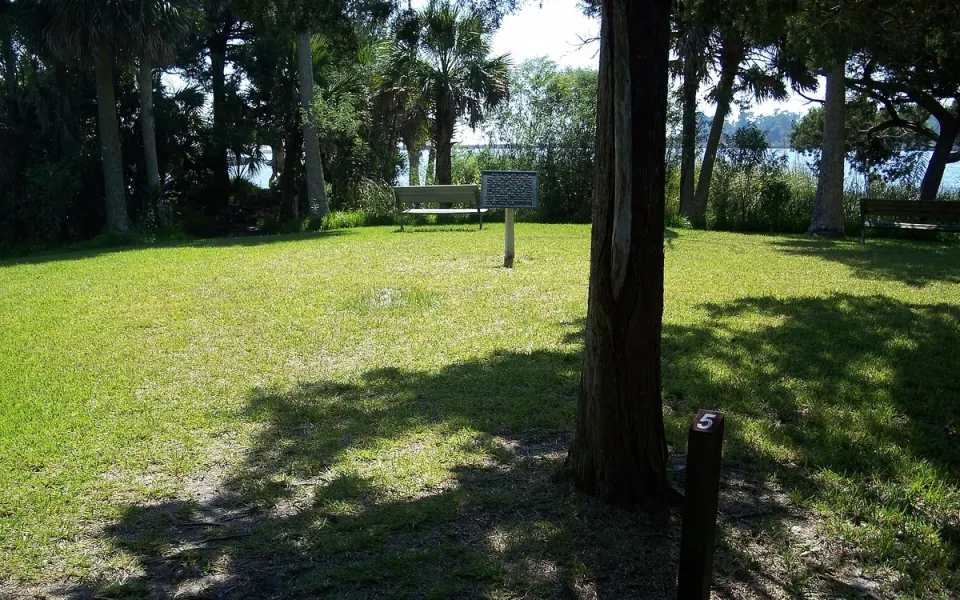
San Marcos de Apalache Historic State Park
Goes with: Spanish explorers and the fort at San Marcos
Open the place page →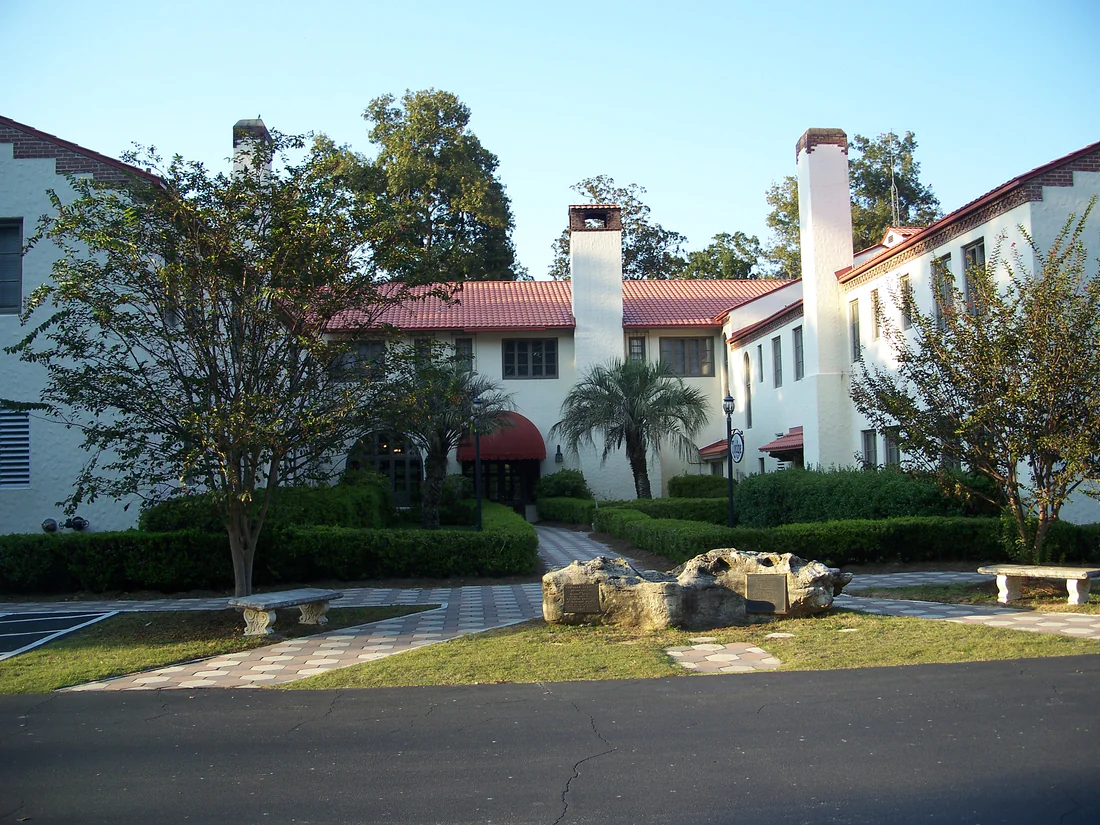 02
 03
 04
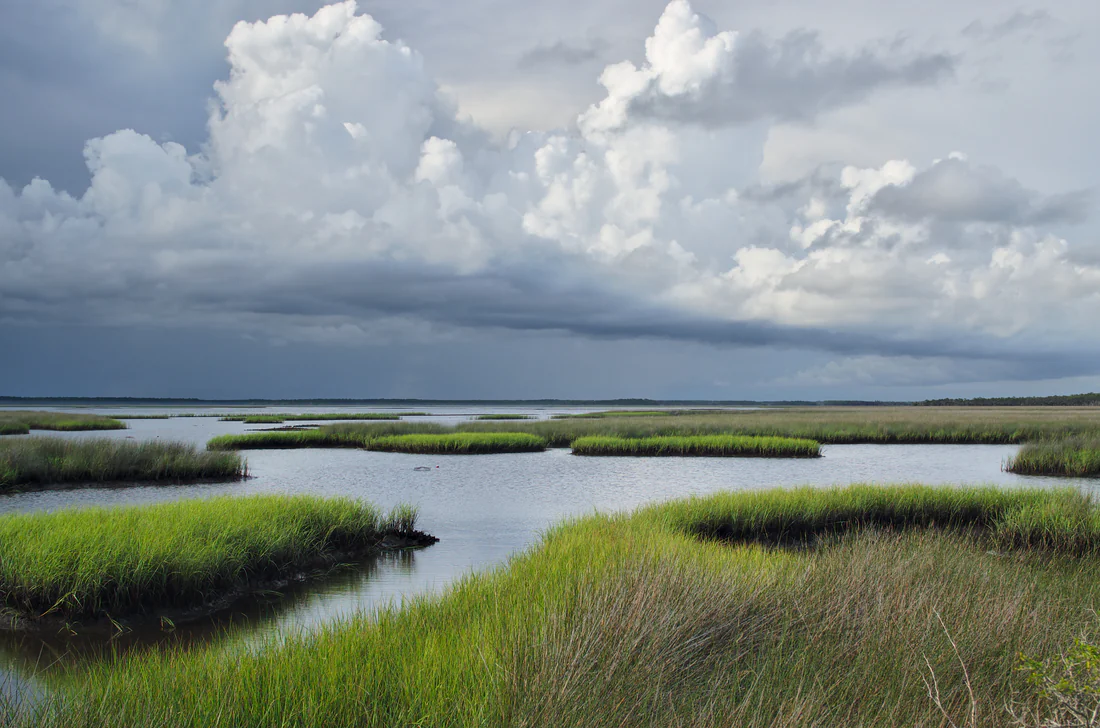
St. Marks National Wildlife Refuge
Goes with: The refuge, the war years and integration
Open the place page →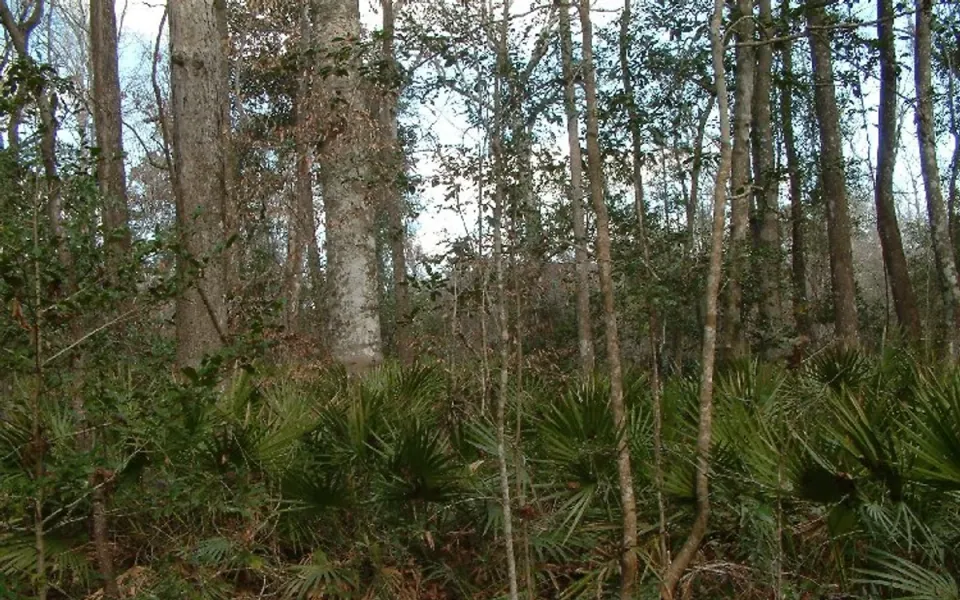 05
Edward Ball Wakulla Springs State Park
Goes with: The refuge, the war years and integration
Open the place page →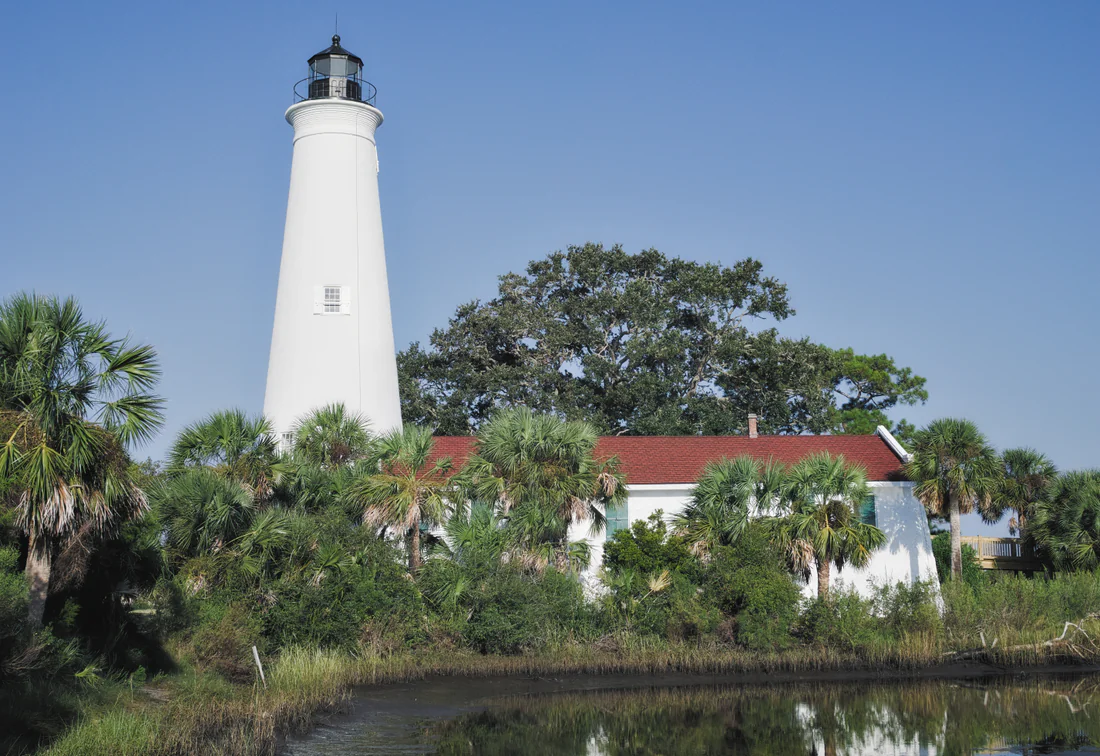 06
St. Marks Lighthouse
Goes with: Since 1990: the lighthouse shines again, worm gruntin' and Emancipation Day
Open the place page →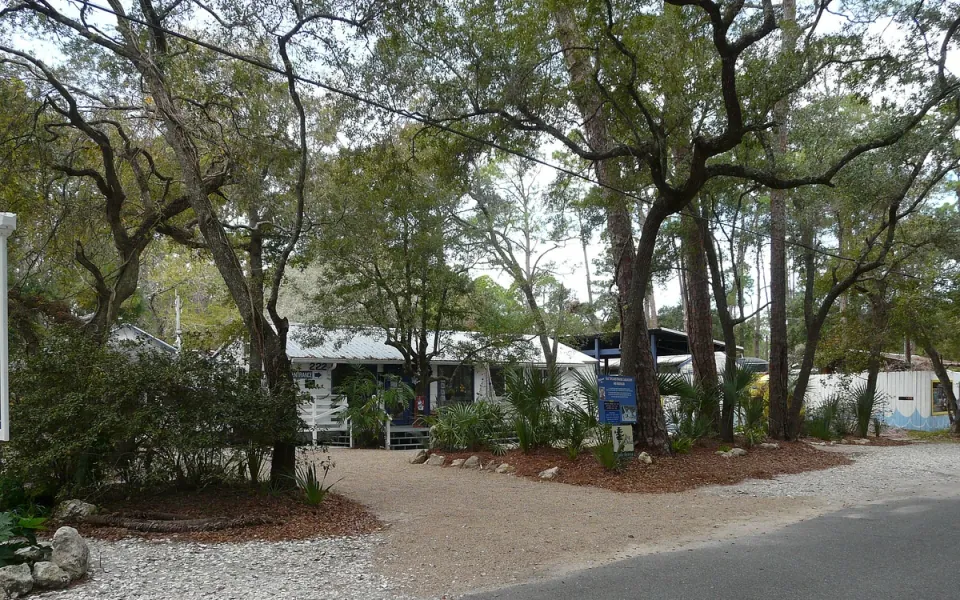 07
Gulf Specimen Marine Laboratory
Goes with: Since 1990: the lighthouse shines again, worm gruntin' and Emancipation Day
Open the place page →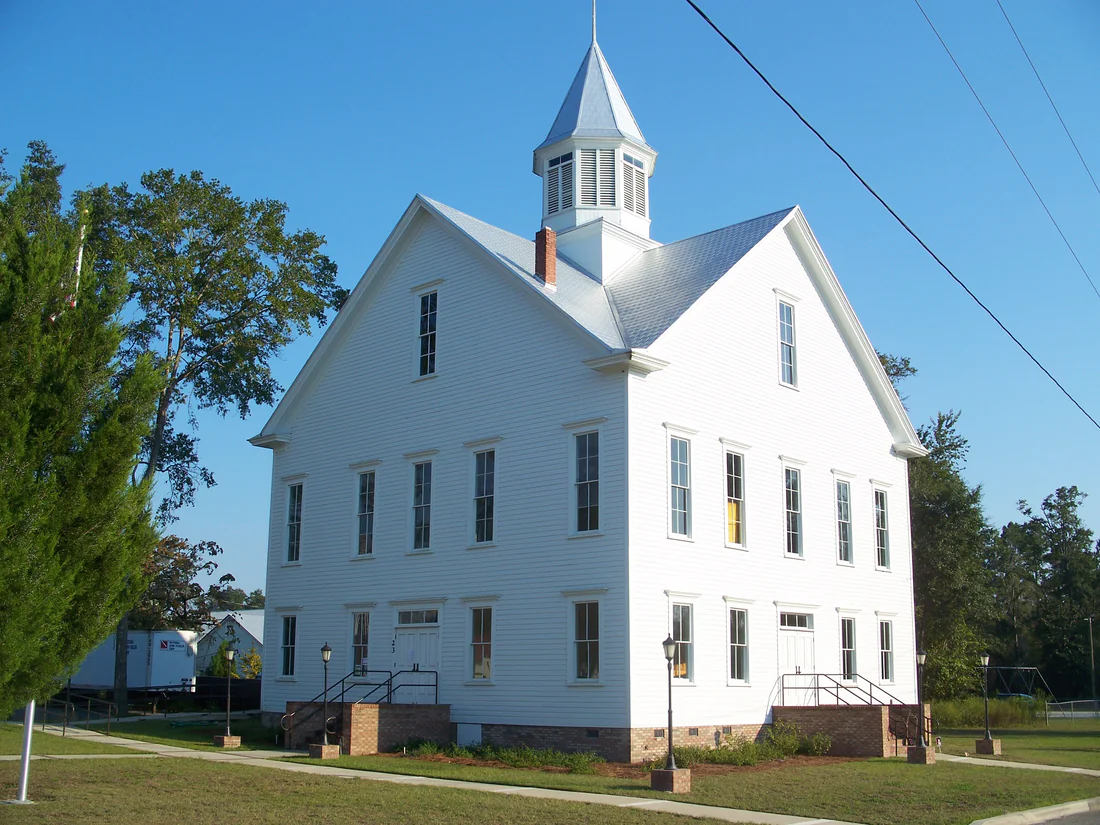 08
Old Wakulla County Courthouse
Goes with: Crawfordville and its wooden courthouse
The Old Wakulla County Courthouse marker →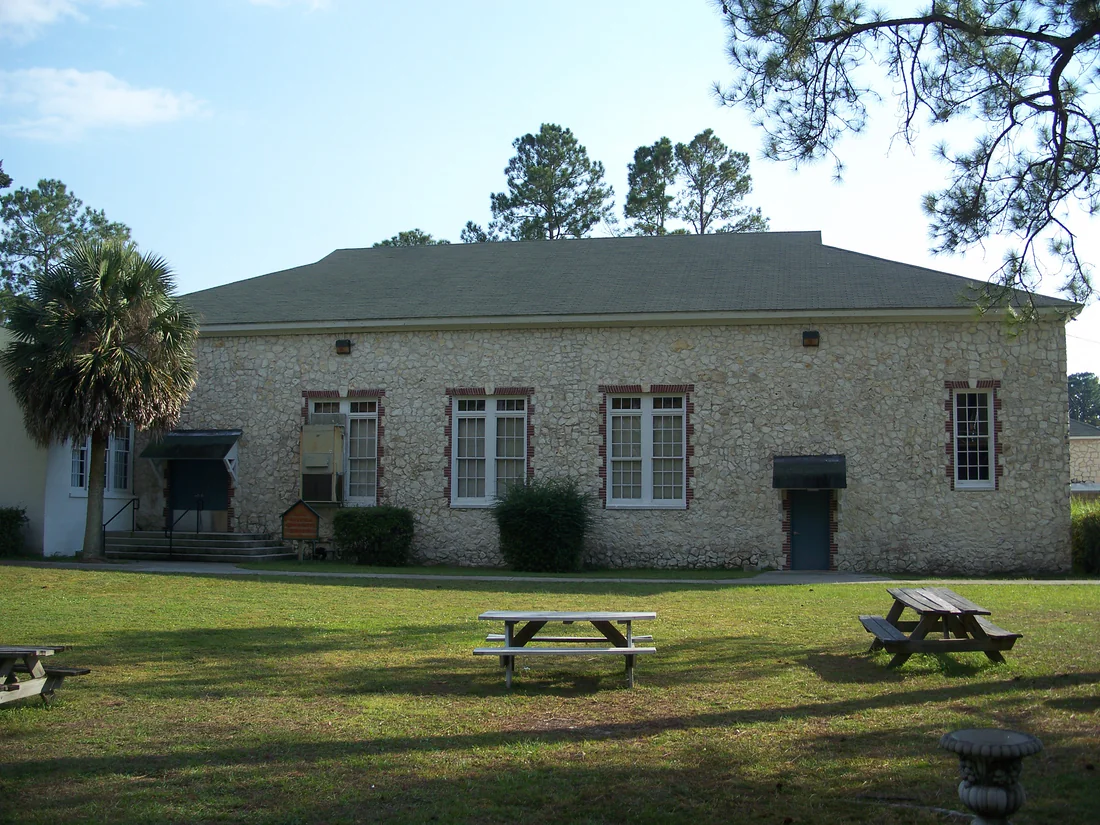 09
Old Sopchoppy High School
Goes with: Railroad towns and the first high schools
The Old Sopchoppy High School marker →Questions people ask
When was Wakulla County created?
Wakulla County was created on March 11, 1843, from part of Leon County, as Florida's 23rd county.
Chapter 5 →Where does the name Wakulla come from?
No one knows for sure where the name came from, but it is probably a Timucuan word.
Chapter 5 →What happened to Port Leon?
Port Leon was made the county seat, but in 1843 a hurricane and storm surge destroyed it, and its people moved up the river to Newport.
Chapter 5 →When did Crawfordville become the county seat?
In 1866 the county seat moved from Newport to Crawfordville, which was named for Dr. John L. Crawford.
Chapter 7 →What movies were filmed at Wakulla Springs?
Parts of Tarzan's Secret Treasure, Tarzan's New York Adventure and Creature from the Black Lagoon were filmed at the springs, along with scenes for Joe Panther and Airport 77.
Chapter 9 →Where this comes from.
Last updated October 19, 2026.
- University of South Florida, Florida Center for Instructional Technology: FL Maps, Wakulla County ↗ Read October 19, 2026
- Florida Natural Areas Inventory: ARROW, History of Wakulla County ↗ Read October 19, 2026
- Florida Department of State: Florida Historical Marker Details, San Marcos de Apalachee ↗ Read October 19, 2026
- Florida Department of State: Florida Historical Marker Details, Site of Former Town of Magnolia ↗ Read October 19, 2026
- Florida Department of State: Florida Historical Marker Details, St. Marks Lighthouse ↗ Read October 19, 2026
- Florida Department of State: Florida Historical Marker Details, Tallahassee - St. Marks Railroad ↗ Read October 19, 2026
- Florida Department of State: Florida Historical Marker Details, Wakulla Springs Archaeological & Historic District ↗ Read October 19, 2026
- Florida Department of State: Florida Historical Marker Details, Old Sopchoppy High School ↗ Read October 19, 2026
- Florida Department of State: Florida Historical Marker Details, Old Wakulla County Courthouse ↗ Read October 19, 2026
- Florida Department of State: Florida Historical Marker Details, Fatal B-17 Crash on St. Marks National Wildlife Refuge ↗ Read October 19, 2026
- Florida State Parks: Edward Ball Wakulla Springs State Park ↗ Read October 19, 2026
- Florida State Parks: Edward Ball Wakulla Springs State Park road trip guide (PDF) ↗ Read October 19, 2026
- Florida State Parks: History of Wakulla Springs ↗ Read October 19, 2026
- Florida State Parks: The Lodge at Wakulla Springs ↗ Read October 19, 2026
- Florida State Parks: Fort San Marcos de Apalache History ↗ Read October 19, 2026
- Florida State Parks: San Marcos de Apalache Historic State Park brochure (PDF) ↗ Read October 19, 2026
- Florida State Parks: Historic Battlefield, Natural Bridge ↗ Read October 19, 2026
- Museum of Florida History: The Battle of Natural Bridge ↗ Read October 19, 2026
- U.S. Fish and Wildlife Service: St. Marks National Wildlife Refuge, About Us ↗ Read October 19, 2026
- Friends of St. Marks Wildlife Refuge: Lighthouse Timeline ↗ Read October 19, 2026
- WTXL ABC 27: Preserving Shadeville High School's legacy ↗ Read October 19, 2026
- Wakulla County School District, Shadeville Elementary School: Our History ↗ Read October 19, 2026
- City of Sopchoppy: Georgia, Florida and Alabama Depot ↗ Read October 19, 2026
- Gulf Specimen Marine Laboratory: History ↗ Read October 19, 2026
- WCTV: 'The fabric of life:' How the Gulf Specimen Marine Lab has fueled decades of discovery ↗ Read October 19, 2026
- WCTV: St. Marks lighthouse shines once again ↗ Read October 19, 2026
- WTXL ABC 27: Sopchoppy holds 20th annual Worm Gruntin' festival ↗ Read October 19, 2026
- WTXL ABC 27: On the road in Wakulla County, worm gruntin' ↗ Read October 19, 2026
- WTXL ABC 27: Wakulla County celebrates Florida's emancipation day with series of events ↗ Read October 19, 2026