Jefferson County was founded on January 20, 1827, and named for Thomas Jefferson, the nation's third president. Its county seat is Monticello, which was named in December 1827 for Jefferson's home in Virginia. It goes by the name Keystone County, since no other Florida county borders Georgia and also reaches the Gulf of Mexico. Its history goes back about 14,550 years, to stone tools found at the Page-Ladson site in the Aucilla River.
This page tells the story in order, from the Page-Ladson site in the Aucilla River to the 75th Watermelon Festival in Monticello, then lists places in the county where you can still see it. The sources for each part are named at the end of that part, and all of them are listed at the bottom of the page.
The Page-Ladson site and the first people
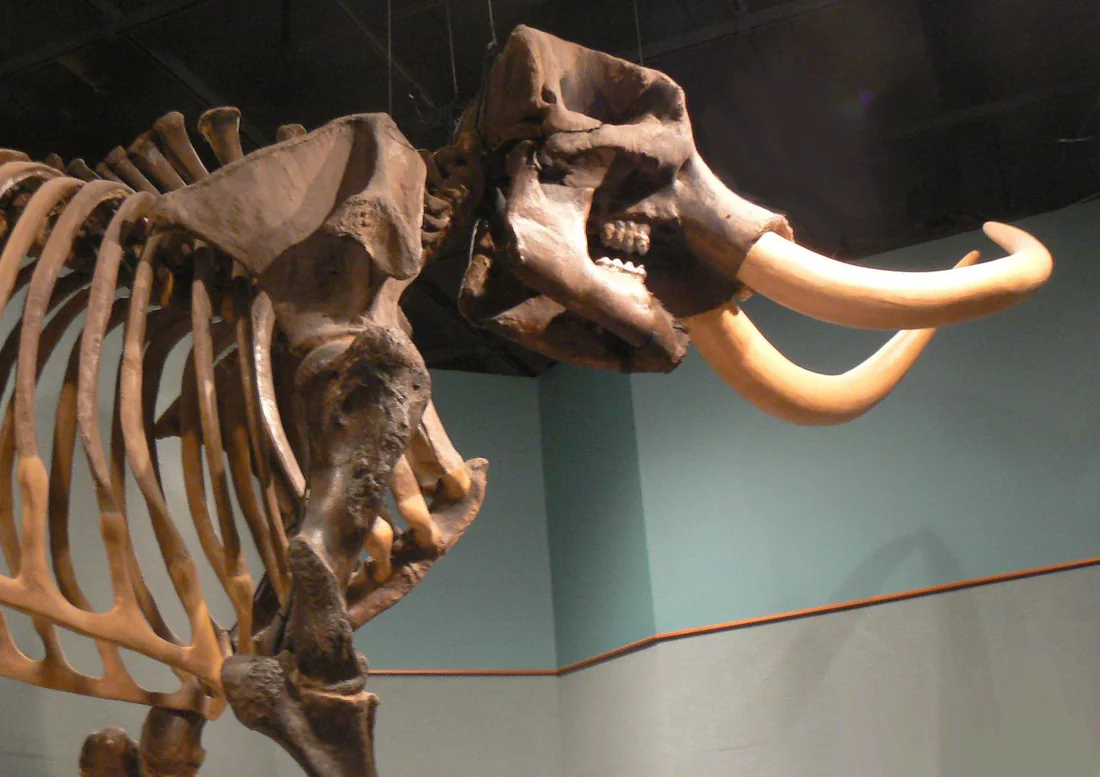
Tall Timbers, a research station, calls Jefferson County's Page-Ladson site the place with the oldest evidence of people in Florida. The site is a sinkhole under the water of the Aucilla River. Its name comes from Buddy Page, the diver who first pointed archaeologists to it in the 1980s, and from the Ladson family, who own the land.
James Dunbar and David Webb studied the site in the 1980s and 1990s. They found a mastodon tusk with marks from a cutting tool, along with several stone tools. Few people took notice, because the finds seemed too old to be real.
Divers went back between 2012 and 2014 and found more stone tools, along with bones of animals that are now extinct. One find was a biface, a knife sharpened on both edges for cutting and butchering. A new study of the old tusk showed cut marks made when it was removed from the skull. Radiocarbon dating put the artifacts at about 14,550 years old. Before this, scientists believed that the Clovis people, considered among the first people in the Americas, settled the region around 13,200 years ago.
Sources: Tall Timbers: New protection secured for Jefferson County gem; Florida State University, College of Arts and Sciences: Ancient tools and bone found in North Florida river could help rewrite the story of the first Americans
Next: Chapter 2, The mound builders at Letchworth-Love →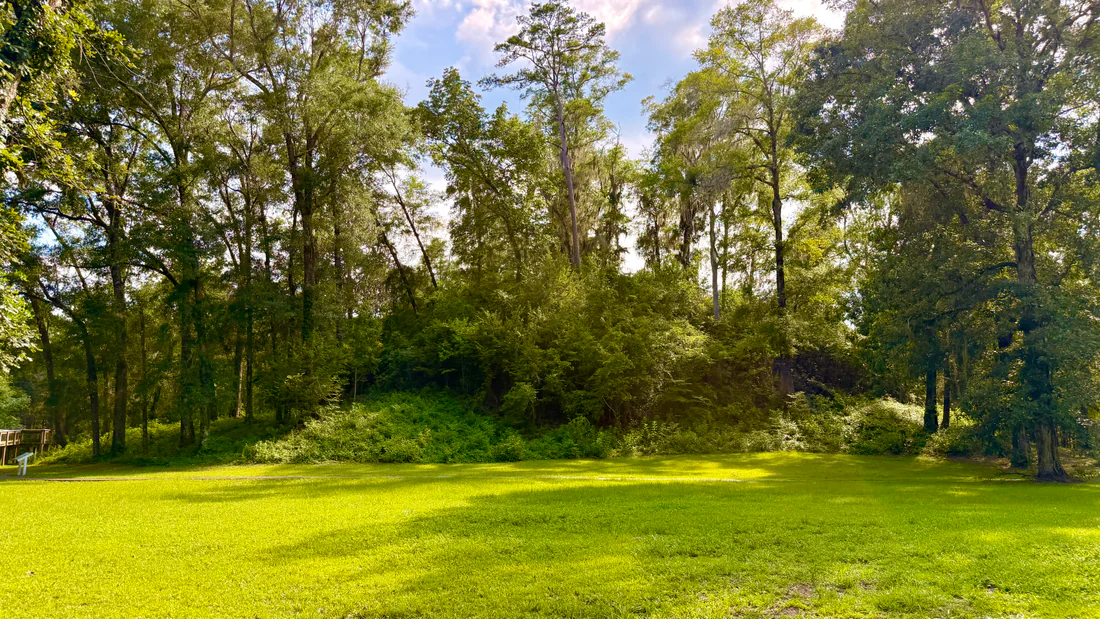
The mound builders at Letchworth-Love
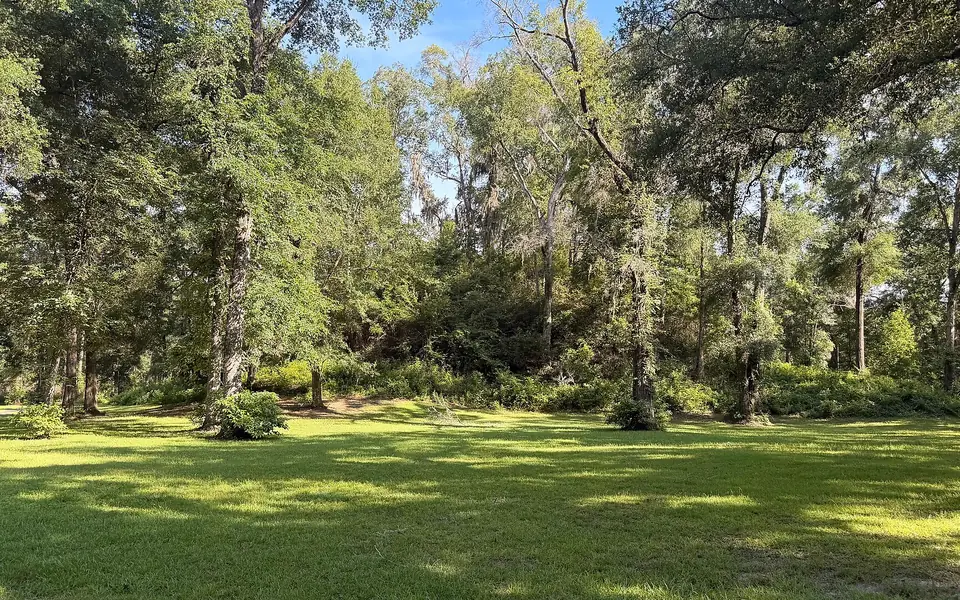
Letchworth-Love Mounds Archaeological State Park, in Jefferson County, is built around a large ceremonial mound. State archaeologists measure the largest mound at 46 feet tall and nearly 300 feet across, which makes it the tallest mound on record in Florida. The state park gives its height as 51 feet. The park says it still shows three platforms and the remains of a ramp.
The park believes the builders belonged to the late Swift Creek and Weeden Island cultures, which it dates from A.D. 200 to 900. State archaeologists think the site most likely comes from the early part of the Weeden Island period, around A.D. 300 to 700. That would make it one of Florida's oldest mound complexes, they say.
Artifacts found there cover some 12,000 years. The park thinks the site served as a civil and ceremonial center for many nearby settlements in North Florida. A village linked to the mounds seems to have stood south of the large mound. The park says the site is roughly 800 years older than the Lake Jackson Mounds, north of Tallahassee.
Sources: Florida State Parks: Letchworth-Love Mounds Archaeological State Park brochure; Florida Department of State, Division of Historical Resources: Letchworth Mounds
Next: Chapter 3, Narvaez, the Franciscan missions and the 1704 raid →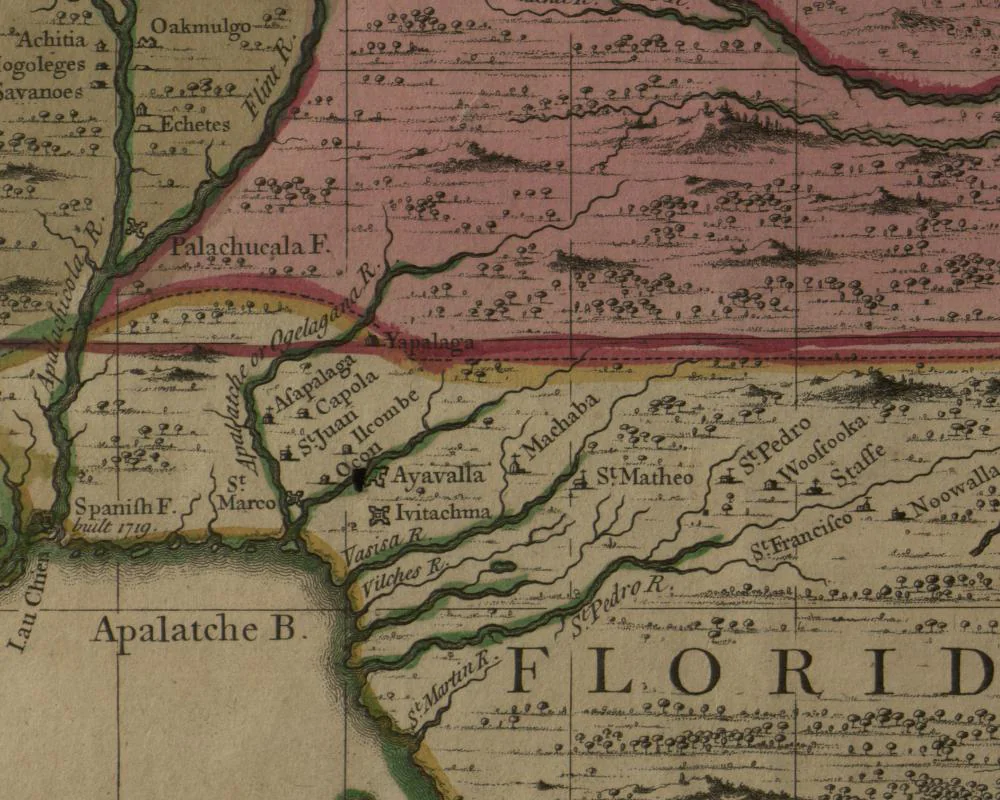
Narvaez, the Franciscan missions and the 1704 raid
The Second Judicial Circuit's county history names the Apalachees and the Miccosukees as the original Native American settlers. It describes the Miccosukees as Creeks who became Seminoles. Panfilo de Narvaez led the first Europeans into what is now Jefferson County in 1528. During the 1600s, the Franciscans ran five missions in the county.
Governor James Moore of South Carolina led 1,000 Indians and fifty white men into Apalachee country in North Florida. On January 25, 1704, his force struck the mission of Concepcion de Ayubale without warning. Every Apalachee mission except San Lorenzo de Ivitachuco was destroyed.
At least 3,000 Apalachees were taken away. Some were resettled in Georgia or South Carolina, and others were taken to the West Indies or New England to live as slaves. Afterward the region was nearly empty.
Sources: Second Judicial Circuit of Florida: Jefferson County; Florida Historical Quarterly (University of Central Florida STARS): Apalachee Indians, 1704-1763, by James W. Covington; National Park Service, NPGallery: National Register nomination form, San Pedro y Pablo de Patale
Next: Chapter 4, A county named for Thomas Jefferson →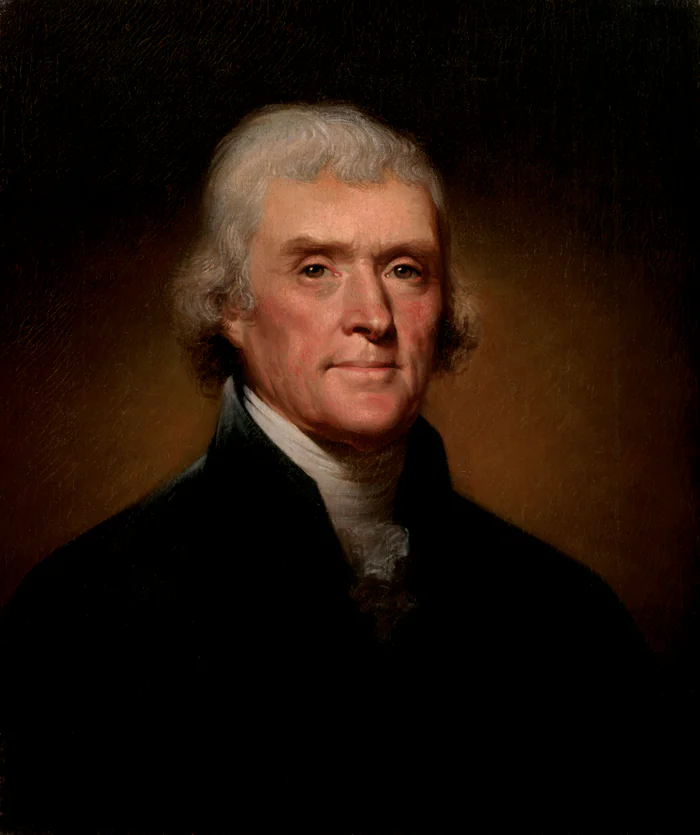
A county named for Thomas Jefferson
Jefferson County was founded on January 20, 1827. It became the 13th county of Territorial Florida. It was carved out of Leon County. Its name honors Thomas Jefferson, the nation's third president, in office from 1801 to 1809.
The county came into being one year after Jefferson's death. He died on July 4, 1826. He never set foot in Florida.
The county seat got the name Monticello in December 1827, after Jefferson's home in Virginia. The state's Town of Monticello marker says the town was laid out that month, and lots went on sale. A WPA history of the county gives the year as 1828. The county touches the Georgia line and also reaches the Gulf of Mexico. The Second Judicial Circuit says no other Florida county does both, which is why it is called the Keystone County.
Sources: Second Judicial Circuit of Florida: Jefferson County; Florida Department of State: Florida Historical Marker Details, The Town of Monticello; Florida Memory: History of Jefferson County (WPA transcript); WTXL: Jefferson County reflects on its namesake as America turns 250; Florida Department of State: Florida Historical Marker Details, Jefferson County Sesquicentennial
Next: Chapter 5, Cotton plantations, slavery and the Slave Canal →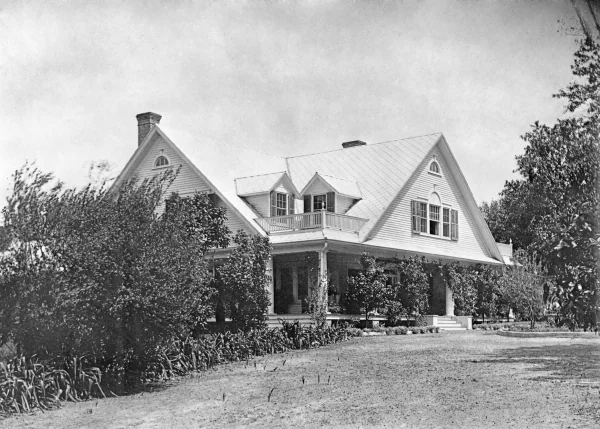
Cotton plantations, slavery and the Slave Canal
Settlers from the seaboard states had already begun cotton plantations here before the county was created in 1827. On January 3, 1828, William Nuttall received a land grant for El Destino, a plantation seven miles from Lloyd. Other plantations included Casa Bianca, first owned by Colonel Joseph M. White, and the Gadsden plantation, home of General James Gadsden. The Monticello Old Jail Museum's online history says the region's development depended on enslaved laborers. From dawn until sundown, enslaved men and women cut trees, dug ditches, plowed fields and planted crops.
A narrow branch of the Wacissa River now goes by the name Slave Canal. In the early 1800s people tried to widen it into a trade route that would join the Aucilla River and reach the Gulf. Work stopped during the Second Seminole War. Local plantation owners then took it up again and made enslaved Africans from the county dig the canal deeper, which is how it got its name.
The plan was to move cotton to the coast. Work stopped again when the Civil War began, and railroads built across the region ended the project. Rocks stacked along the canal banks can still be seen.
Sources: Florida Department of State: Florida Historical Marker Details, Jefferson County Sesquicentennial; Florida Memory: History of Jefferson County (WPA transcript); Jefferson Memory, for the Monticello Old Jail Museum: Monticello, Florida; Tall Timbers: New protection secured for Jefferson County gem; American Trails, National Recreation Trails Database: Wacissa River Trail
Next: Chapter 6, Monticello grows: courts, schools and statehood →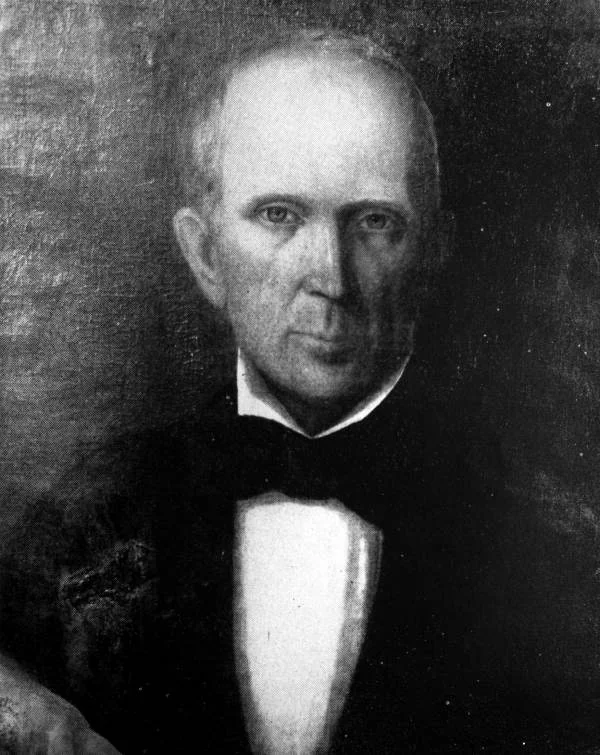
Monticello grows: courts, schools and statehood
Monticello was incorporated in 1831, and it is still the seat of county government. During the 1830s and 1840s it grew into the county's social, government and business center. In 1832 the Legislative Council chartered an academy for the county. A frame courthouse was finished and dedicated in 1841.
When the Seminole War broke out, the county sent its share of volunteers. Attacks during the war led many families to seek safety in Monticello. The county gave territorial Florida many of its best-known leaders. Among them was William D. Moseley, the state's first elected governor. People from the county also helped Florida win statehood in 1845.
Work began in 1852 on a large two-story brick school. The WPA history calls it the first brick school built in Florida. The Monticello Old Jail Museum's online history instead names Jefferson County High School, in 1851, as Florida's first brick school building.
Sources: Jefferson Memory, for the Monticello Old Jail Museum: Monticello, Florida; Florida Department of State: Florida Historical Marker Details, The Town of Monticello; Florida Memory: History of Jefferson County (WPA transcript); Florida Department of State: Florida Historical Marker Details, Jefferson County Sesquicentennial
Next: Chapter 7, The railroad, the Civil War and rebuilding Monticello →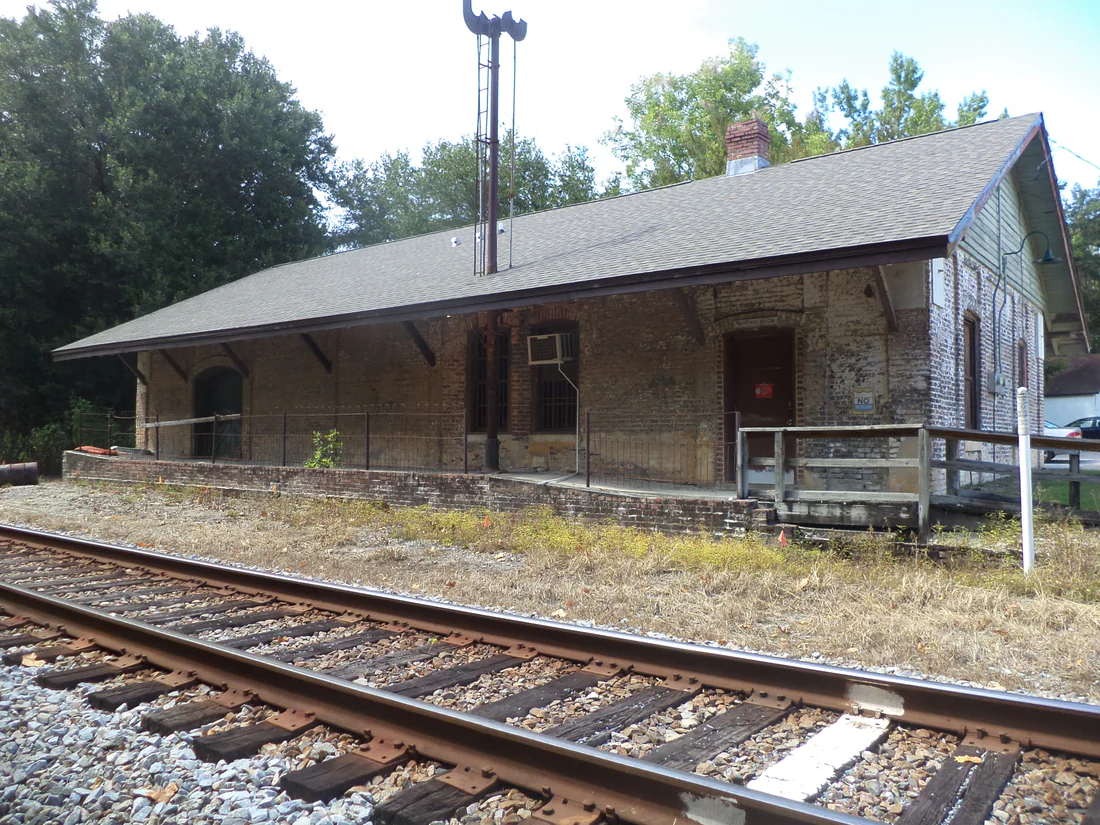
The railroad, the Civil War and rebuilding Monticello
Lloyd began as a place called Bailey's Mill. When the railroad was finished in 1858, its station there was known as No. 2. Aucilla, named for the nearby river, was station No. 4.
As Southerners who backed states' rights and opposed ending slavery, the county's people played leading parts when Florida left the Union in 1861 and in the Confederate military. The WPA history says the county sent more soldiers to the war than it had voters. Lamont got its start around 1863.
After the war, fires destroyed most of Monticello's early commercial buildings, though a number of homes from those years survive. Hard times held up new building in town until the 1880s. Monticello's first passenger train pulled in during October 1888, bringing tourists from the North. They came to get away from the cold and to hunt and fish. By 1890 the county had 65 schools, 30 for white students and 35 for Black students.
Sources: Florida Memory: History of Jefferson County (WPA transcript); Florida Department of State: Florida Historical Marker Details, Jefferson County Sesquicentennial; Florida Department of State: Florida Historical Marker Details, The Town of Monticello; Jefferson Memory, for the Monticello Old Jail Museum: Monticello, Florida
Next: Chapter 8, The Perkins Opera House, a new courthouse and hard times →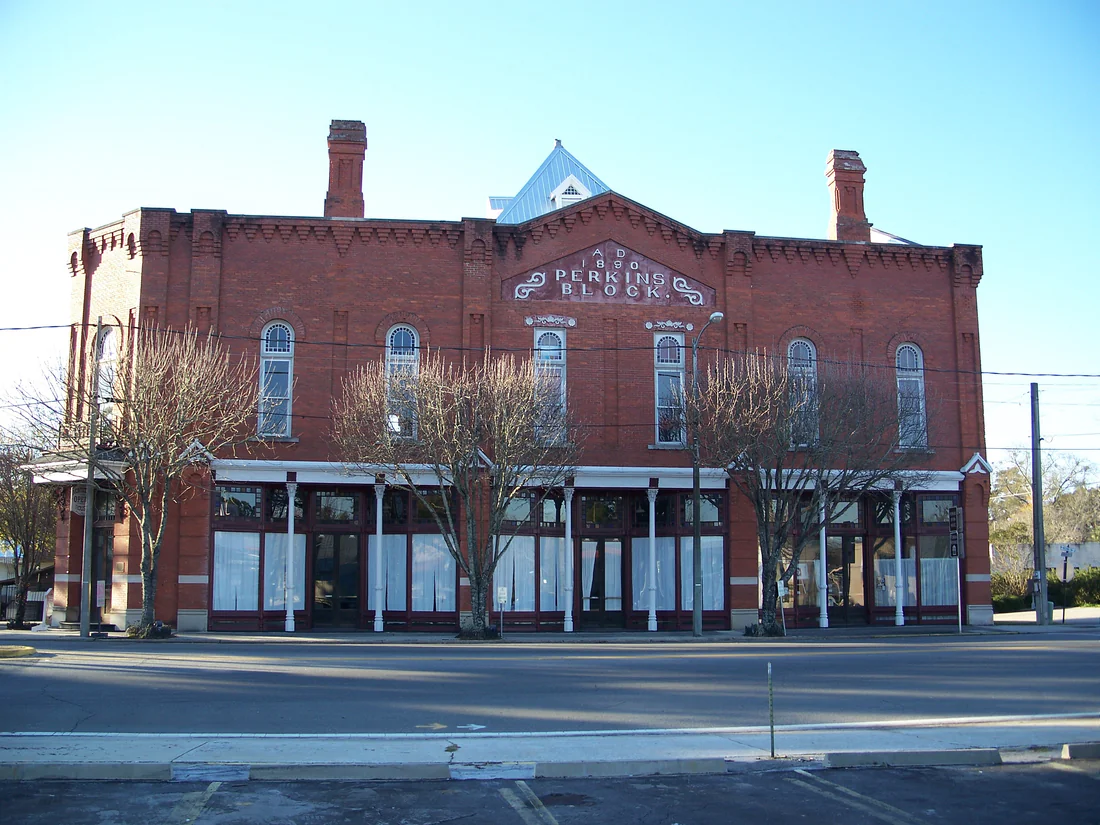
The Perkins Opera House, a new courthouse and hard times
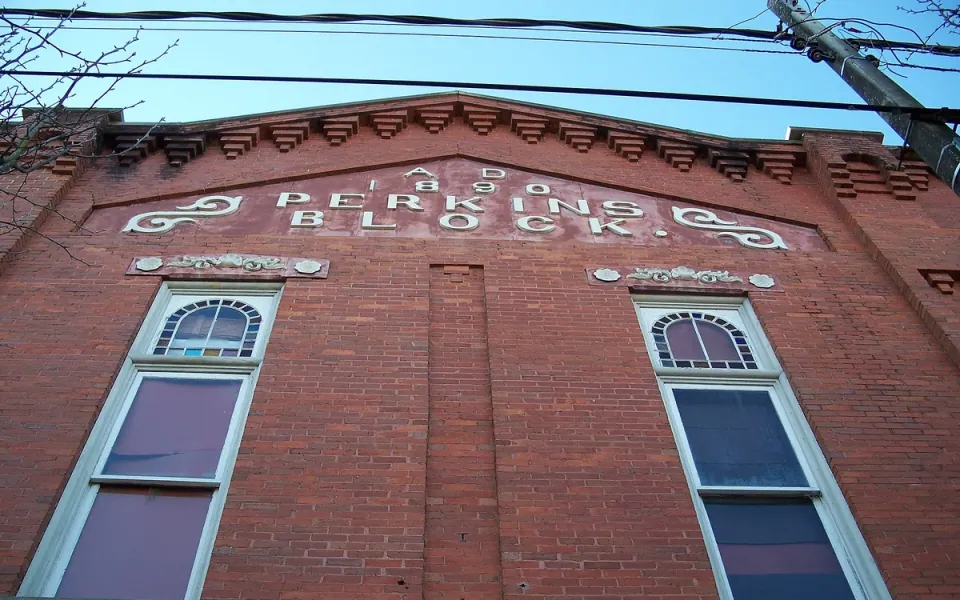
In 1890 the Monticello businessman John H. Perkins put up the Perkins Block, a big brick building. His stores on the ground floor sold general goods, sewing machines, hardware and farm tools. Upstairs was an opera house, and the theater says its stage was the biggest in the region. Tickets cost 25 to 75 cents, for plays, live music or the circus.
Early in the 1900s the train routes changed, and far fewer tourists came to Monticello. Perkins stopped putting on live shows, and a later try at running a movie theater failed. The upstairs theater sat empty and fell into disrepair. In 1909 a new courthouse in the colonial style replaced the old frame one. In 2026 Monticello's vice mayor told WTXL that the courthouse was designed to resemble Jefferson's home.
The St. Elmo Hotel, one of the guesthouses built in the 1890s for visitors, closed in 1917 after a fire. Times got no better with the Florida land bust of 1925 and then the Great Depression. In 1927 the railroads ended passenger service to Monticello, which hurt tourism and trade.
Sources: Jefferson Memory, for the Monticello Old Jail Museum: Monticello, Florida; Monticello Opera House: History; Florida Memory: History of Jefferson County (WPA transcript); WTXL: Jefferson County reflects on its namesake as America turns 250
Next: Chapter 9, Howard Academy and schools for Black students →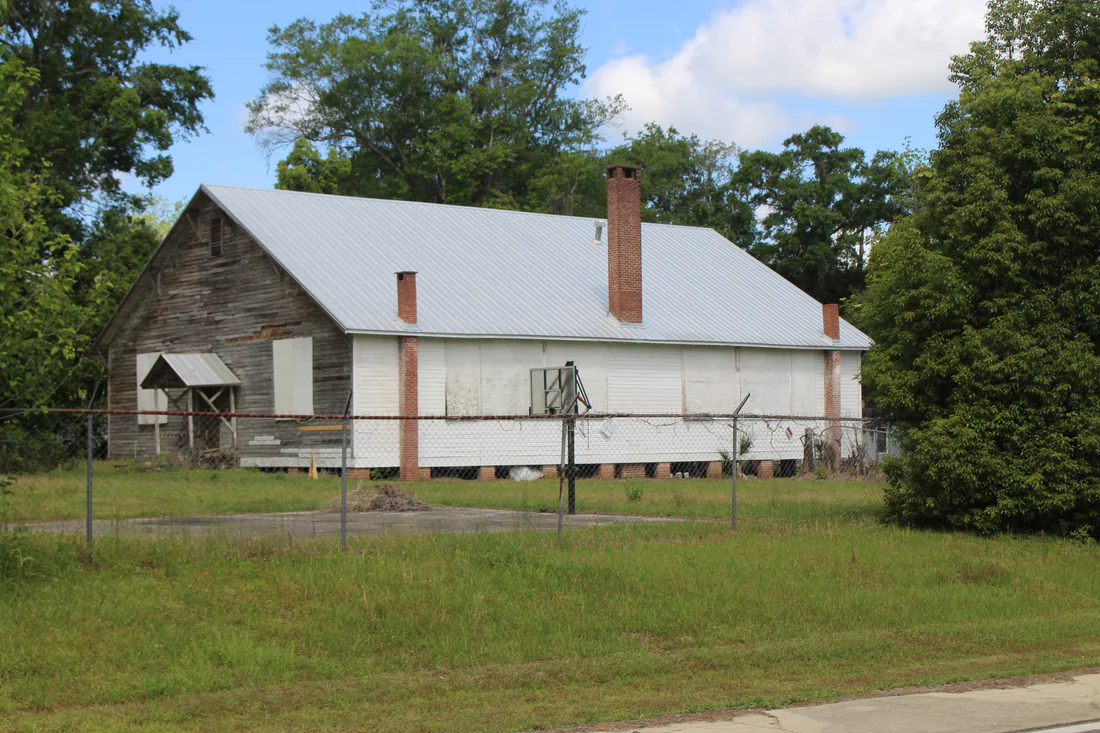
Howard Academy and schools for Black students
Howard Academy's first building went up on Chestnut Street in Monticello in 1936. It taught Black students from first grade through 12th grade. Parents, the county and the Julius Rosenwald Fund shared the cost of a second building in 1940. A state marker says Howard Academy was the county's first official high school for Black students. Mamie B. Scott was a leader of Black education in the county for over forty years, working as its Jeanes Fund supervisor.
In 1957 the first part of a new Howard Academy Elementary and Junior High School went up on Second Street. In 1961 it was enlarged to take Black students in all 12 grades. Many small rural schools of two and three rooms closed as a result.
The Monticello Old Jail Museum's online history says county officials desegregated the schools in 1965. The state's 2021 notice gives 1967 as the year Monticello's schools were integrated. A state marker says the district put a desegregation plan in place for the 1970-71 school year. That year the Second Street campus turned into Howard Middle School, the only middle school in the district.
Sources: Florida Department of State: Florida Historical Marker Details, Howard Academy High School-Chesnut Street; Florida Department of State: Secretary Lee Announces the Designation of Monticello's Old Howard Academy in the National Register of Historic Places; Florida Department of State: Florida Historical Marker Details, Howard Academy Elementary and Junior High School (later Howard Academy High School) Second Street; Jefferson Memory, for the Monticello Old Jail Museum: Monticello, Florida
Next: Chapter 10, Iwo Jima, watermelon seed and saving the opera house →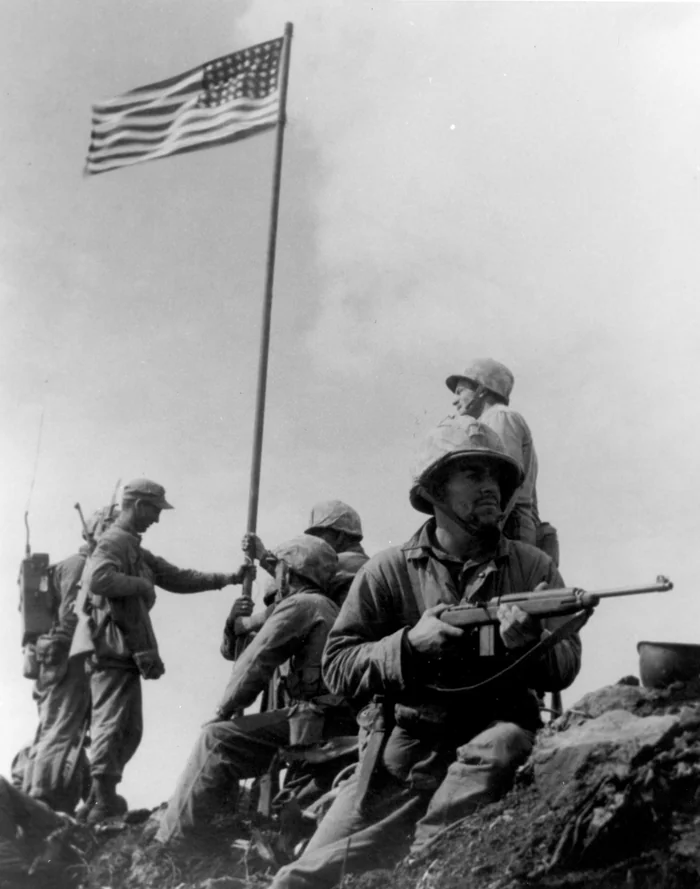
Iwo Jima, watermelon seed and saving the opera house
Ernest "Boots" Thomas Jr. of Monticello served as a Marine platoon sergeant on Iwo Jima. On February 23, 1945, he helped lead a 40-man company of Marines up Mount Suribachi. The museum's online history says he and four other men put up the first American flag ever raised on Japanese soil. Thomas was killed a few weeks later, and he received the Navy Cross.
At one time the county's farmers grew and processed more than 80 percent of the watermelon seed sold in the United States. The county says its Watermelon Festival began in 1949. The Monticello Old Jail Museum's online history gives 1950 as the first year.
In the 1970s a small group of local people saved the empty opera house from being torn down. They incorporated the Monticello Opera House on March 10, 1972. On September 14, 1972, the building was listed on the National Register of Historic Places. Monticello Opera House, Inc. bought the building on October 17, 1973. The opera house calls itself a cornerstone of the Monticello Historic District, which it says was the third historic district set up in Florida, after St. Augustine and Pensacola.
Sources: Jefferson Memory, for the Monticello Old Jail Museum: Monticello, Florida; Jefferson County, Florida: Festivals & Events; Monticello Opera House: History; University of North Florida Digital Commons: Perkins Opera House 1, Monticello, FL
Next: Chapter 11, Since 1990: the mound park opens, a Jefferson statue and the 75th Watermelon Festival →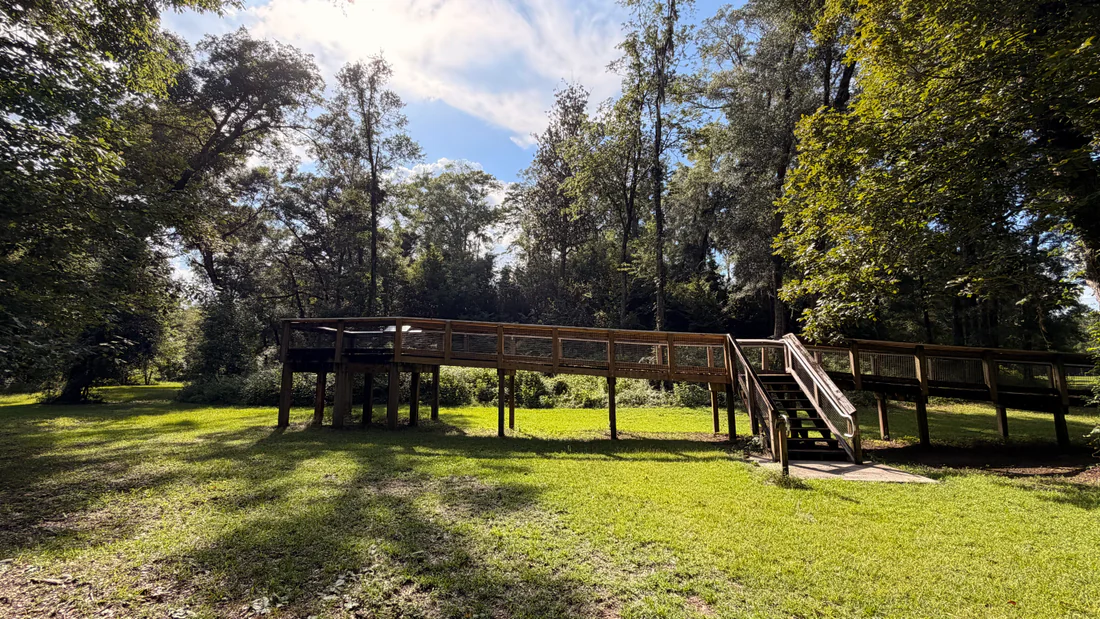
Since 1990: the mound park opens, a Jefferson statue and the 75th Watermelon Festival
In 1992 the state started acquiring the land at the Letchworth-Love Mounds so the mound and nearby sites would be protected. The state park first welcomed the public in 1998. The theater upstairs at the Monticello Opera House became accessible to people with disabilities in May 2004. On May 29, 2012, the Wacissa River Trail was certified as a National Recreation Trail. The river is fed by twelve major springs and runs through swampy lowland in the Aucilla Wildlife Management Area.
On October 22, 2021, Florida's Secretary of State announced that Old Howard Academy had joined the National Register of Historic Places. The state says no older schools for Black students survive in Monticello. Florida's America 250 Commission marked the county's link to its namesake on July 2, 2025, when a statue of Thomas Jefferson was unveiled outside the courthouse.
In February 2026 Tall Timbers announced a conservation easement that protects the Page-Ladson site for good. Finished in December, it covers 1,834 acres across Jefferson and Taylor counties, along with parts of the Aucilla and Wacissa rivers and the Slave Canal. On Saturday, June 20, 2026, crowds lined the streets around the courthouse square for Monticello's 75th annual Watermelon Festival parade.
Sources: Florida State Parks: Letchworth-Love Mounds Archaeological State Park brochure; Monticello Opera House: History; American Trails, National Recreation Trails Database: Wacissa River Trail; Florida Department of State: Secretary Lee Announces the Designation of Monticello's Old Howard Academy in the National Register of Historic Places; WTXL: Jefferson County reflects on its namesake as America turns 250; Tall Timbers: New protection secured for Jefferson County gem; WCTV: Watermelon Festival returns for 75th year drawing hundreds to Monticello
Next: the whole story, in dates →The whole story, in dates
Stone tools left at the Page-Ladson site date to about this time.
People of the late Swift Creek and Weeden Island cultures are believed to build the Letchworth mound.
Panfilo de Narvaez leads the first Europeans into the area.
Franciscans run five missions in what is now the county.
Governor James Moore's force attacks the mission of Concepcion de Ayubale.
Jefferson County is founded and named for Thomas Jefferson.
The county seat is named Monticello.
William Nuttall receives the land grant for El Destino.
Monticello is incorporated.
The Legislative Council charters an academy for the county.
A frame courthouse is finished and dedicated.
Florida becomes a state, with help from people of the county.
Work begins on a two-story brick school.
The railroad is finished, with stations at Lloyd and Aucilla.
County leaders play leading parts as Florida leaves the Union.
Lamont gets its start.
Monticello's first passenger train arrives.
The county has 65 schools, 30 for white students and 35 for Black students.
John H. Perkins builds the Perkins Block, with an opera house upstairs.
A new colonial-style courthouse replaces the frame one.
The St. Elmo Hotel closes after a fire.
The railroads end passenger service to Monticello.
Howard Academy's first building goes up on Chestnut Street.
A second Howard Academy building is built with help from the Julius Rosenwald Fund.
Boots Thomas helps lead Marines up Mount Suribachi on Iwo Jima.
The county's Watermelon Festival begins, by the county's count.
Local people incorporate the Monticello Opera House.
The opera house is listed on the National Register of Historic Places.
Monticello Opera House, Inc. buys the building.
The state starts acquiring land at the Letchworth-Love Mounds.
The Letchworth-Love Mounds state park opens to the public.
The opera house theater becomes accessible to people with disabilities.
The Wacissa River Trail is certified as a National Recreation Trail.
The state announces that Old Howard Academy is on the National Register.
A statue of Thomas Jefferson is unveiled outside the courthouse.
Tall Timbers announces an easement protecting the Page-Ladson site.
Monticello holds its 75th annual Watermelon Festival parade.
Where you can still see it
 01
Letchworth-Love Mounds Archaeological State Park
Goes with: The mound builders at Letchworth-Love
Open the place page →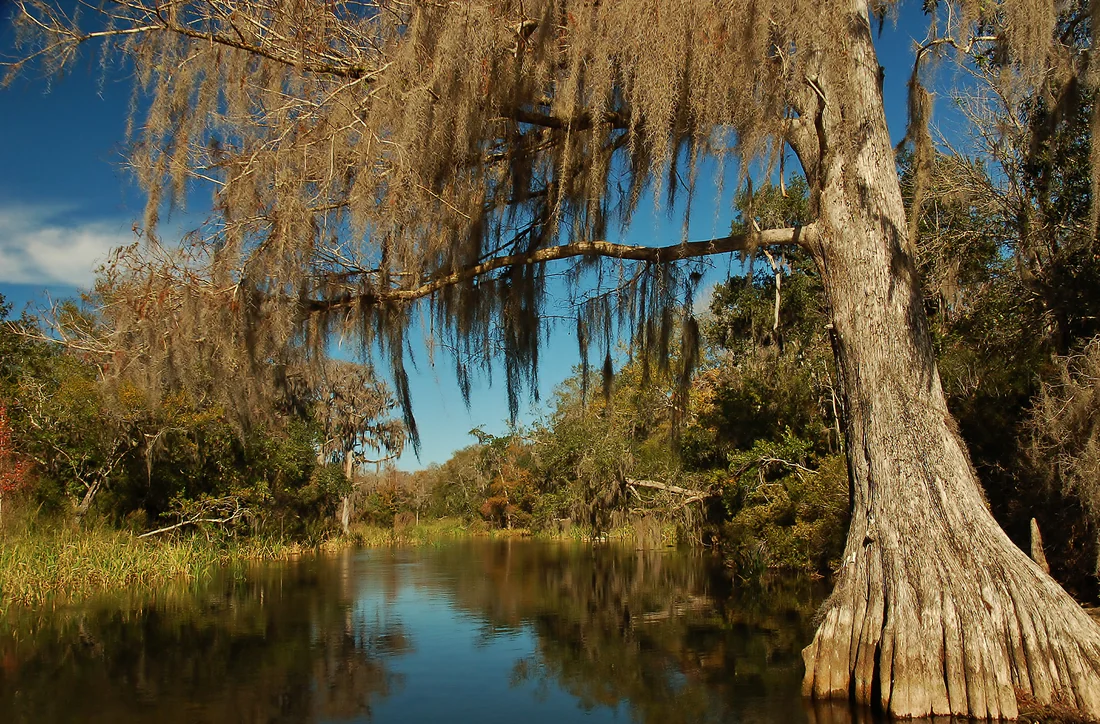 02
 03
Monticello Opera House
Goes with: Iwo Jima, watermelon seed and saving the opera house
Open the place page →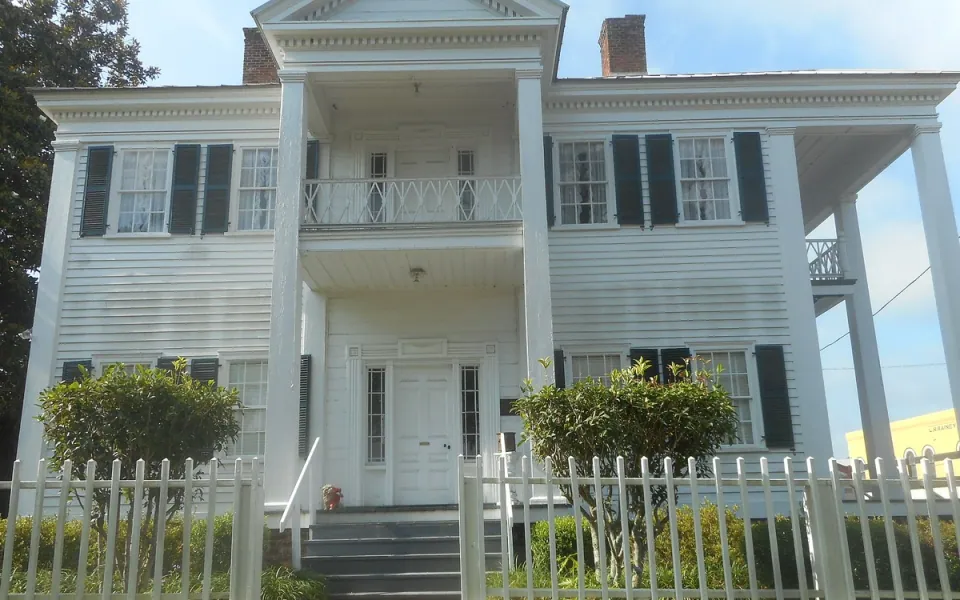 04
Monticello Historic District
Goes with: Iwo Jima, watermelon seed and saving the opera house
Open the place page →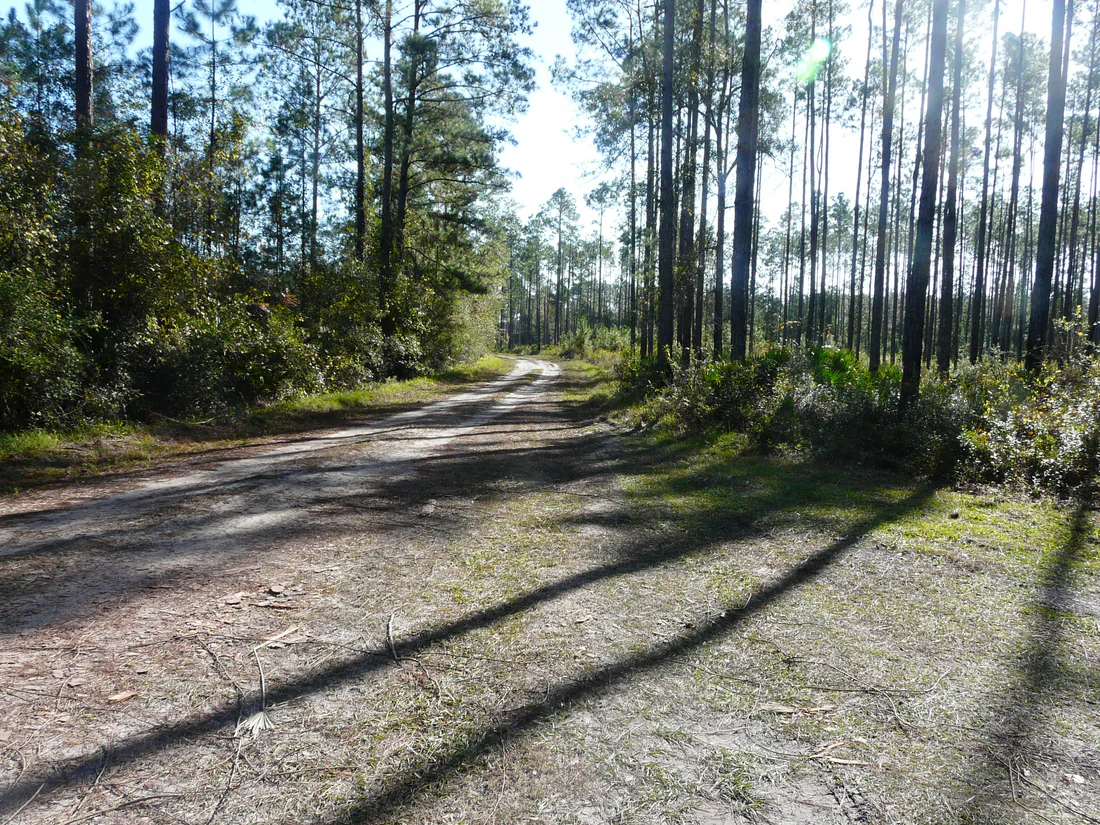 05
Aucilla Wildlife Management Area
Goes with: Since 1990: the mound park opens, a Jefferson statue and the 75th Watermelon Festival
Open the place page →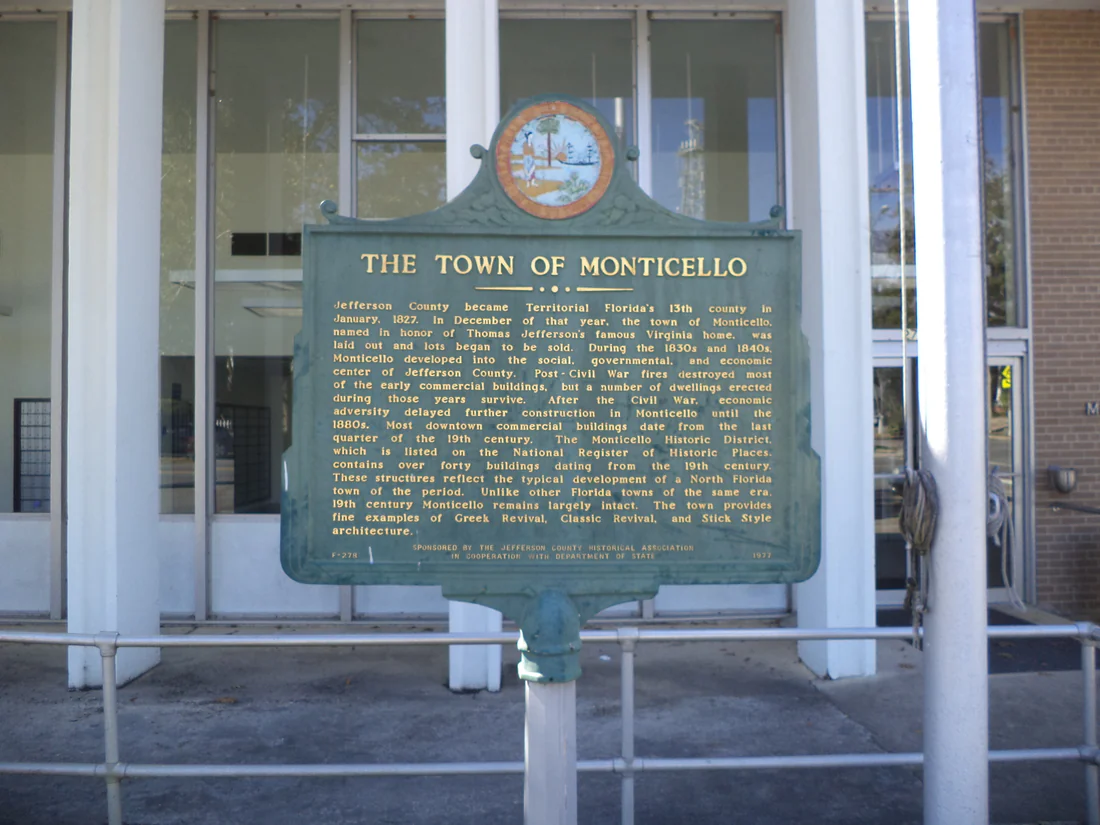 06
The Town of Monticello marker
Goes with: A county named for Thomas Jefferson
The Town of Monticello marker →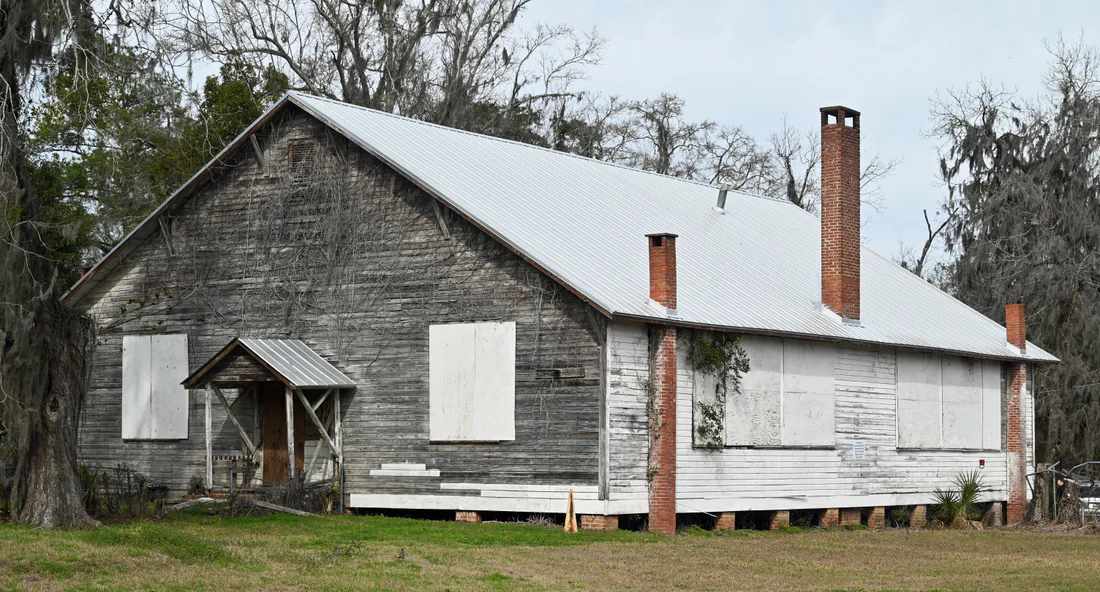 07
Old Howard Academy
Goes with: Since 1990: the mound park opens, a Jefferson statue and the 75th Watermelon Festival
The state's Old Howard Academy listing →Questions people ask
Who was Jefferson County named for?
Its name honors Thomas Jefferson, the nation's third president, in office from 1801 to 1809.
Chapter 4 →Why is Jefferson County called the Keystone County?
It touches the Georgia line and also reaches the Gulf of Mexico, and the Second Judicial Circuit says no other Florida county does both.
Chapter 4 →How old is the Page-Ladson site in the Aucilla River?
Radiocarbon dating put the artifacts found there at about 14,550 years old.
Chapter 1 →When did the Jefferson County Watermelon Festival begin?
The county says its Watermelon Festival began in 1949, while the Monticello Old Jail Museum's online history gives 1950.
Chapter 10 →Where this comes from.
Last updated October 20, 2026.
- Florida State University, College of Arts and Sciences: Ancient tools and bone found in North Florida river could help rewrite the story of the first Americans ↗ Read October 19, 2026
- Tall Timbers: New protection secured for Jefferson County gem ↗ Read October 19, 2026
- Florida Department of State, Division of Historical Resources: Letchworth Mounds ↗ Read October 19, 2026
- Florida State Parks: Letchworth-Love Mounds Archaeological State Park brochure ↗ Read October 19, 2026
- Second Judicial Circuit of Florida: Jefferson County ↗ Read October 19, 2026
- Florida Historical Quarterly (University of Central Florida STARS): Apalachee Indians, 1704-1763, by James W. Covington ↗ Read October 19, 2026
- National Park Service, NPGallery: National Register nomination form, San Pedro y Pablo de Patale ↗ Read October 19, 2026
- Florida Department of State: Florida Historical Marker Details, Jefferson County Sesquicentennial ↗ Read October 19, 2026
- Florida Department of State: Florida Historical Marker Details, The Town of Monticello ↗ Read October 19, 2026
- WTXL: Jefferson County reflects on its namesake as America turns 250 ↗ Read October 19, 2026
- Florida Memory: History of Jefferson County (WPA transcript) ↗ Read October 19, 2026
- Jefferson Memory, for the Monticello Old Jail Museum: Monticello, Florida ↗ Read October 19, 2026
- American Trails, National Recreation Trails Database: Wacissa River Trail ↗ Read October 19, 2026
- Monticello Opera House: History ↗ Read October 19, 2026
- University of North Florida Digital Commons: Perkins Opera House 1, Monticello, FL ↗ Read October 19, 2026
- Florida Department of State: Florida Historical Marker Details, Howard Academy High School-Chesnut Street ↗ Read October 19, 2026
- Florida Department of State: Florida Historical Marker Details, Howard Academy Elementary and Junior High School (later Howard Academy High School) Second Street ↗ Read October 19, 2026
- Florida Department of State: Secretary Lee Announces the Designation of Monticello's Old Howard Academy in the National Register of Historic Places ↗ Read October 19, 2026
- Jefferson County, Florida: Festivals & Events ↗ Read October 19, 2026
- WCTV: Watermelon Festival returns for 75th year drawing hundreds to Monticello ↗ Read October 19, 2026