HISTORY & HERITAGE
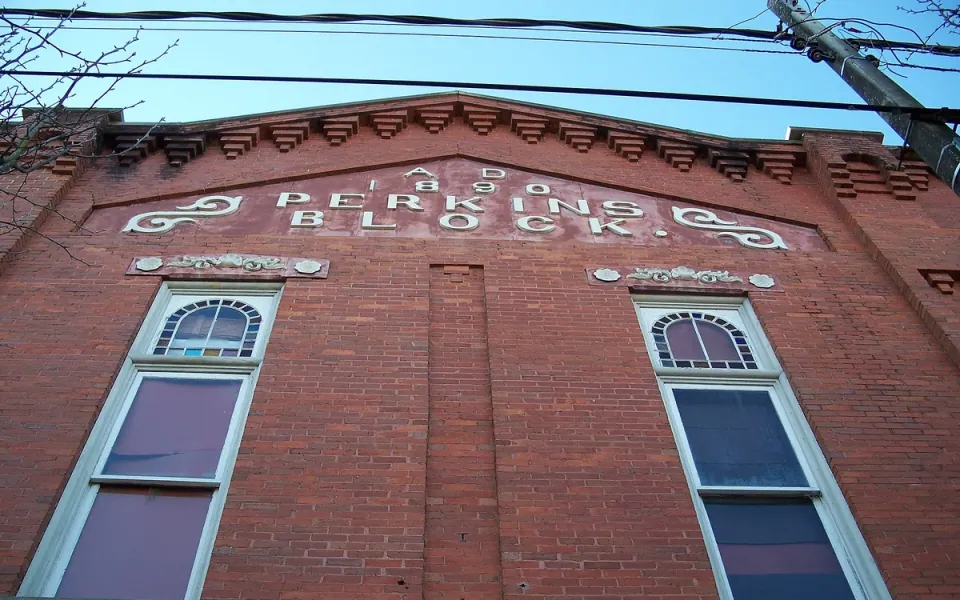
The district runs in an irregular shape along Madison, Jefferson, Dogwood and Washington Streets, and the listed area takes in some three thousand acres. What was built here went up between 1828 and about 1900, and the styles run through almost everything that was going in that period: Frame Vernacular, Victorian, Classical Revival, Romanesque Revival, Greek Revival, Italianate and Stick-Eastlake, often within sight of one another.
HISTORY & HERITAGE
Mound 1 stands about forty-nine feet high. It was raised in three stages, beginning some time after the late third or early fourth century, by people of the Swift Creek and then the Weeden Island cultures who built and lived on this site between roughly the years 200 and 900.
WILDLIFE & CONSERVATION
The Florida Fish and Wildlife Conservation Commission manages it. Two rivers run through, and they could not be less alike. The Aucilla is dark water threading past karst formations, with sinks where the river drops underground and comes back up again, and it is the harder paddle of the two.
MUSEUM & CULTURE
The Jefferson County Historical Association was chartered in 1962 to keep the county's history, and it has been at it for more than sixty years. In 1964 it bought the Wirick-Simmons House, which was then neglected, and made it both headquarters and museum.
WATER & COAST
The head of it is a cluster of springs pushing up clear water, and the put-in is at Wacissa Springs County Park, which is a busy place on a weekend. Below that the river runs clear enough to watch fish under the boat.
FLORIDA PLACE TO EXPLORE
The animals are the draw and the list is long: alpaca, chickens of every sort, donkeys, ducks, emus, geese, goats, highland cows, horses, peacocks, pigs, quail, rabbits, a tortoise, turkeys and zebu. Around them are wagon rides, barrel train rides, a rubber duck race, a corn pit and the corn maze the farm is known for locally.