Choose the Atlantic or inland side
Match work, healthcare and routine travel to Daytona, DeLand, Orlando or another corridor before comparing homes countywide.
Open economic data ↗
Complete Florida county guide
A varied county joining famous beach communities, motorsports, St. Johns River country and DeLand’s walkable college-town character.
Start with daily life
Volusia County has two broad daily-life patterns: the Atlantic corridor around Daytona Beach, Ormond Beach and New Smyrna Beach, and the inland St. Johns River side centered on DeLand and growing communities near I-4. Beach access is a countywide asset, but the coast and west county do not share the same commute or storm profile.
Healthcare, tourism, motorsports, education, aviation, logistics, government and construction support the economy. I-4, I-95, U.S. 92 and SR 44 connect the county, while causeways and event traffic can shape specific coastal routes.
Scout one coastal community and one inland alternative. Drive the actual I-4, I-95 or causeway route, compare hospital access and housing age, and review flood, evacuation, drainage and insurance for the precise property.
The numbers that matter if you are moving
U.S. Census Bureau, American Community Survey, published January 2026, read September 19, 2026. Survey figures are estimates; median home value is what owners estimate their home is worth, not a sale price.
Relocation decision desk
Do not rely on a countywide impression for an address-level decision. Use these questions during the shortlist, scouting and offer stages.
Match work, healthcare and routine travel to Daytona, DeLand, Orlando or another corridor before comparing homes countywide.
Open economic data ↗Test the complete trip during work hours and, when relevant, a major event or busy beach period.
Open economic data ↗Review both maps, plus elevation, roof, drainage and road access for coastal, river and low-lying inland addresses.
Open insurance guidance ↗Verify roof, electrical, plumbing, wind protection, permits and insurance instead of assuming renovation solved every system issue.
Find a county official ↗Daytona and west Volusia have different provider concentrations. Confirm hospital and specialty routes from the shortlist.
Open health data ↗For Daytona-area addresses, experience ordinary and event traffic, noise and short-term rental activity before making a neighborhood decision.
Open economic data ↗Communities to compare
These are starting points, not a ranking. Add nearby towns and neighborhoods as you learn your daily route and housing priorities.
Daytona Beach is the county’s coastal employment, healthcare, education and events center, with beachside, mainland and suburban housing. Compare the Halifax River crossings, event traffic, flood exposure and neighborhood conditions rather than judging by the tourism strip.
New Smyrna Beach offers a smaller arts-oriented downtown, oceanfront communities and access to the Indian River Lagoon. Test causeway travel, visitor periods, flood and wind exposure and the commute north or west.
DeLand is the county seat and a walkable college town near Stetson University, with historic neighborhoods and access to west Volusia and I-4. Compare downtown character with suburban growth and map coastal or Orlando travel realistically.
Ormond Beach combines an established mainland city, Atlantic neighborhoods and access north toward Flagler County. Distinguish beachside and mainland options, then verify evacuation, flood and I-95 routes.
Five relocation checks
The regional pattern is a starting point. Verify the answer for the exact city, neighborhood and property you are considering.
 01
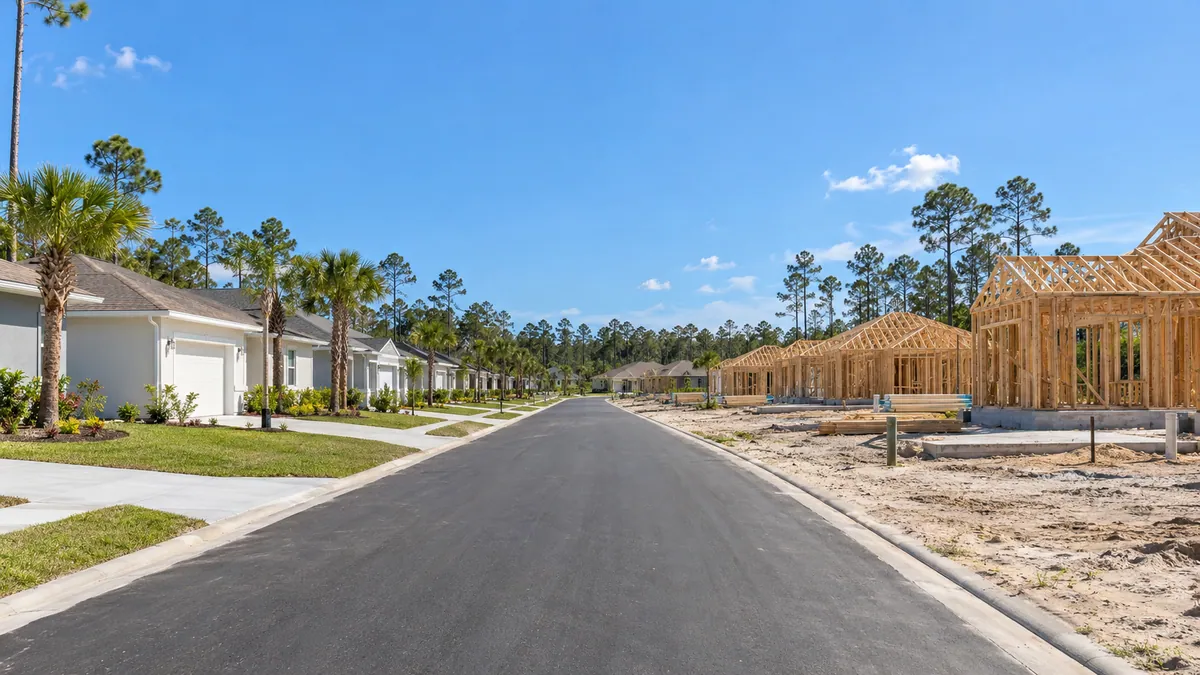
01Daytona-area beach cities, New Smyrna Beach, Ormond Beach and DeLand offer distinct housing, work and transportation patterns. Compare the side of the county that supports the week.
VERIFY LOCALLY BEFORE YOU COMMIT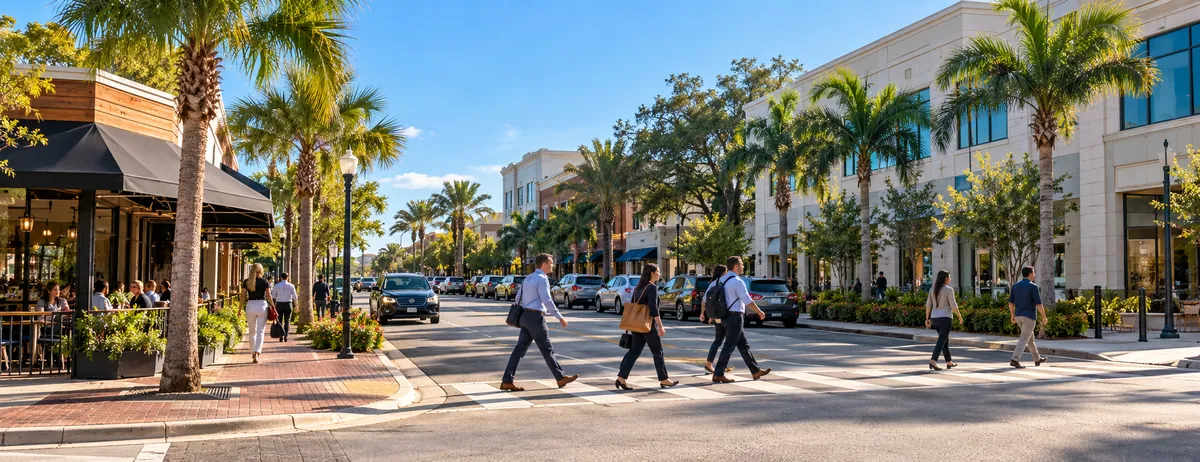 02
02Motorsports and beaches are visible, while hospitals, universities, aviation, logistics and government add stable employment centers across the county.
VERIFY LOCALLY BEFORE YOU COMMIT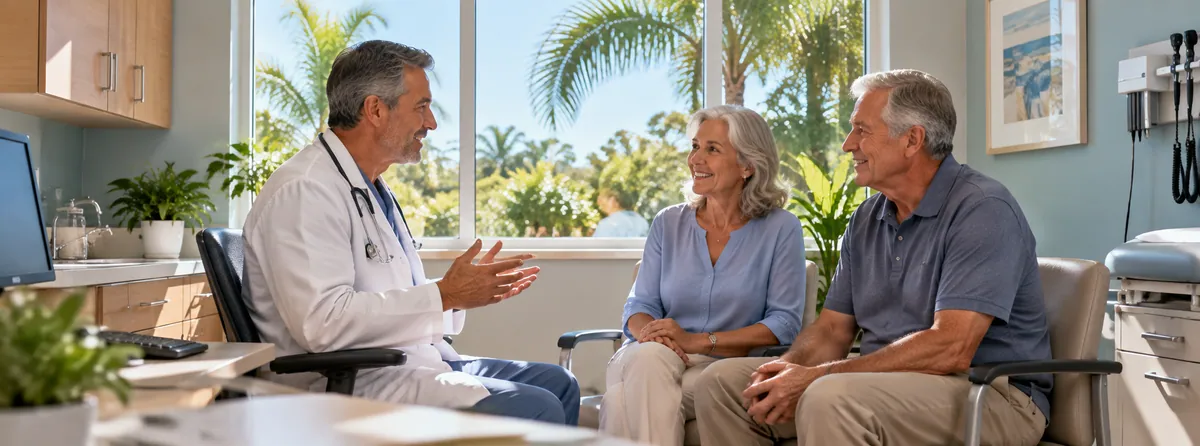 03
03Stetson University, Embry-Riddle, Daytona State College and regional hospital systems create strong options, but the exact campus or provider can be far from the opposite side.
VERIFY LOCALLY BEFORE YOU COMMIT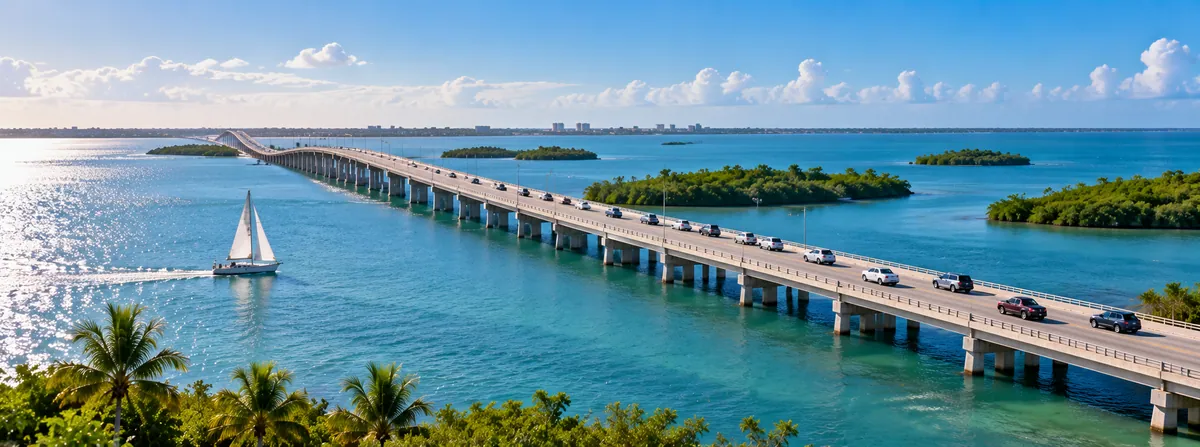 04
04Interstates connect Orlando and the coast, while U.S. 92, SR 44 and river or ocean causeways handle local travel. Test the route beyond the highway.
VERIFY LOCALLY BEFORE YOU COMMIT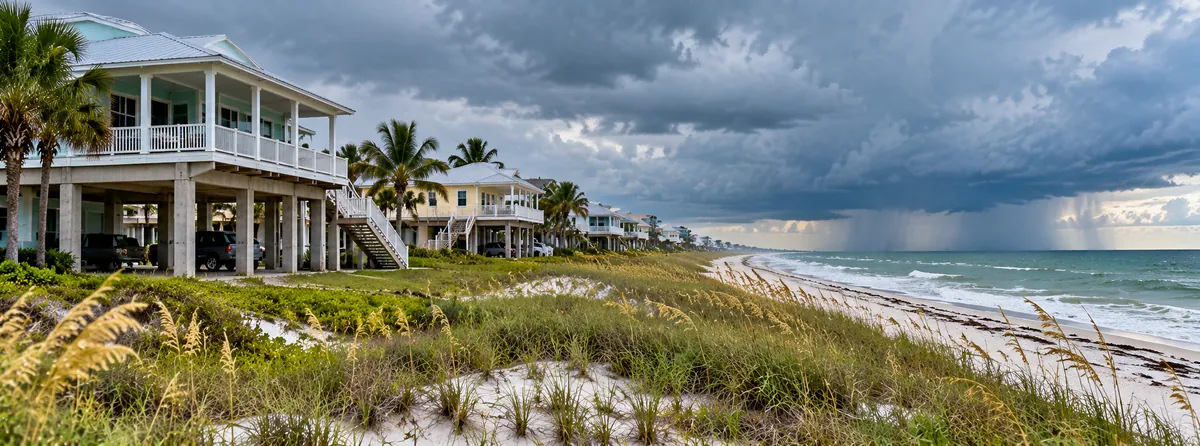 05
05Storm surge, river flooding, heavy rain, wind and evacuation affect different areas. Use county maps and property evidence for the address.
VERIFY LOCALLY BEFORE YOU COMMITHospitals in Volusia County
From the state's own hospital list. Each card opens the state's record for that hospital: its address, phone, services and inspection reports.
599 licensed beds
The state's record ↗Daytona Beach466 licensed beds
The state's record ↗Orange City253 licensed beds
The state's record ↗DeLand170 licensed beds
The state's record ↗New Smyrna Beach109 licensed beds
The state's record ↗Deltona90 licensed beds
The state's record ↗Port Orange80 licensed beds
The state's record ↗The state licenses four more hospitals in Volusia County with no emergency room; its list names them.
How do I compare hospitals in Florida? →How do I find a doctor who takes Medicare? →Search the state's hospital list ↗
Source: Florida Agency for Health Care Administration, FloridaHealthFinder, Locate a Facility (hospitals), read September 25, 2026.
Evergreen county experiences
Use enduring natural, historic and cultural places to understand the area beyond a real-estate showing.
Twenty-four miles of beach and dune run through it, fifteen of those miles in Volusia County and nine in Brevard. There are three sections. Apollo Beach is the northern one, reached from New Smyrna Beach, and it is the part most people in this county use.
Before it, cars raced the Daytona Beach Road Course, which used the hard beach itself and a stretch of highway. The speedway sits on 447 acres. The tri-oval measures two and a half miles, with banking of thirty-one degrees in the turns, eighteen degrees at the tri-oval and three degrees on the back straight, which is what lets the cars run flat out the whole way around.
The spring boil is thirty feet deep and the swimming area is the pool around it, walled and easy to get into. People have lived on this ground for at least six thousand years. Two dugout canoes, five thousand and six thousand years old, were pulled out of the spring in 1985 and 1990, and they are the oldest canoes found anywhere in the Western Hemisphere.
About 102 million gallons of water come out of it every day at a steady seventy-three degrees. That warmth is the whole point in winter. When the river drops below the mid-sixties, manatees move into the spring run to keep from dying of cold, and from November through March the park closes the water to swimmers, divers and paddlers so the animals are left alone.
It was built of brick and first lit in 1887. Construction was supervised by Chief Engineer Orville E. Babcock until he drowned in the inlet in 1884, three years before the light went into service.
It started in 1954 as a committee to found a children's museum, was incorporated the following year, and took its present name in 1961. The campus sits on the ninety-acre Tuscawilla Preserve, and the museum also runs Gamble Place, a separate 175-acre property.
The concrete promenade went in during the late 1920s. It was called the Broadwalk at first, until a local newspaper editor renamed it for the sake of the advertising. The coquina work and the bandshell were finished in 1938, and the bandshell still puts on free concerts through the summer.
In the 1990s this ground was slated for a shopping center. The Volusia County School Board turned it to education and conservation instead, and another 240 acres alongside it were set aside for teaching. What makes it worth the walk is the Florida scrub-jay, a bird that lives nowhere on earth except Florida scrub and is in trouble because that habitat has mostly been built on.
It is a working rehabilitation hospital that lets the public watch. Injured sea turtles are brought here from the beaches, treated, and released when they can survive on their own, and visitors can see the turtle recovery area rather than only read about it.
Patrick Dean, a Bahamian merchant, took a Spanish land grant in 1804 and worked a 995-acre indigo and sugarcane plantation with enslaved labor. He was killed in 1818 during the First Seminole War. Sarah Anderson and her sons bought the property in 1832 for four thousand five hundred dollars and named it Dunlawton.
It was bought with money from the federal duck stamp program, which is paid for by hunters, and it was laid out for waterfowl. Three marsh impoundments were built in the early years to hold water at the right depth for ducks and wading birds, and the raised dikes around them are now the main walking and bicycling routes.
In 1768 a Scottish doctor named Andrew Turnbull landed close to fifteen hundred Greeks, Corsicans, Italians and Minorcans here to grow indigo, sugar cane and hemp for England. It was the largest single attempt at a colony in what became the United States, and it failed hard: hunger, disease, poor shelter and brutal work.
It opened as Adventure Landing Daytona in 1998, closed in 2002, and reopened under the present name in March 2005. The water side runs from March through October. Blackbeard's Revenge sends riders down a dark tunnel in an inflatable boat holding one to three people.
Stetson made his money in hats, and the house is often called the one that hats built. George T. Pearson designed it.
More than two miles of elevated boardwalk run through the dunes, wide, wheelchair accessible and capped with recycled lumber, which keeps feet off the dune plants and keeps the dunes from blowing away. Overlooks along the way give the Atlantic on one side, the Indian River on the other, and the inlet straight ahead with the lighthouse across the water.
It opened on June 4, 1914, as City Island Ball Park, a field with wooden bleachers, on an island in the Halifax River at 105 East Orange Avenue. On March 17, 1946, Robinson took the field here for the Montreal Royals in spring training.
A jetty runs eight hundred feet out along the inlet with a walking deck on it, and from the end you are level with the boats going in and out. Elevated wooden boardwalks cross the dunes and the scrub behind the beach.
Beaches in Volusia County
Each card gives the beach, its visit category and its next steps: the practical visit guide, the official site where the beach has one, and directions. Always verify current parking, fees, water quality, lifeguard coverage and posted rules before leaving.
Not identified here as clothing-optional. This category does not guarantee child safety, calm water or lifeguard coverage.
Nudity is officially permitted in all or part of the destination. Read the current notice before taking children.
Nudity may be encountered in a remote area even without an official clothing-optional designation.
Volusia County, Florida
The shoreline north of Ormond Beach, along Ocean Shore Boulevard. Tom Renick Park, three miles north of Granada Boulevard, has picnic pavilions, a playground, restrooms, showers and bike racks. Argosy Beach Park, 2.35 miles north of Granada, is a non-driving stretch with two accessible and 40 regular parking spaces. There is no parking in the county lots between 11 p.m. and 5 a.m.
Volusia County, Florida
One of the Volusia County towns with a vehicle ramp onto the sand. Cardinal Drive Beach Park, 1.25 miles south of Granada Boulevard, has six accessible and 118 regular parking spaces and a signalized pedestrian crossing to the ramp.
Volusia County, Florida
Vehicles are allowed on the sand at marked ramps. From May 1 to October 31 they may be on the beach between 8 a.m. and 7 p.m. or sundown, whichever is earlier; from November 1 to April 30 it is sunrise to sunset, tides permitting. Parking on the sand is east of the posts and no vehicle may cross the conservation zone markers. Sun Splash Park on South Atlantic Avenue has a freshwater splash pad open 8 a.m. to 7 p.m., playgrounds, picnic pavilions, restrooms, showers, 162 parking spaces and over 600 feet of beachfront, and the county lifeguard headquarters is on the same site.
Volusia County, Florida
A driving beach. Frank Rendon Park, 2.25 miles north of Dunlawton Boulevard, sits above the sand with over 130 parking spaces, restrooms, a playground, picnic pavilions, showers and bike racks, and is accessible throughout. Off-beach parking is $20 a day or $100 for a non-resident annual pass, and Volusia County residents park free once they register a vehicle.
Volusia County, Florida
A small beachside community two miles south of Dunlawton Boulevard. Toronita Avenue Beach Park is the public access, with restrooms, showers and a signalized crosswalk leading to the beach by the Toronita Avenue ramp. The beach here is a non-driving area.
Volusia County, Florida
The south end of the peninsula, where the beach runs down to Ponce de Leon Inlet. Winterhaven Park, 3.5 miles south of Dunlawton Boulevard, is a non-driving area with restrooms, showers, bike racks and picnic pavilions taken first come, first served. Lighthouse Point Park at the inlet is $10 a vehicle or $20 for an annual inlet park pass, and has elevated wooden boardwalks, an observation tower looking over the Halifax River, an 800-foot jetty deck and pavilions that can be reserved. Dogs are allowed on a leash on the inlet shore, are off the elevated boardwalks after 10 a.m., and are never allowed on the ocean beach.
Volusia County, Florida
Vehicles are allowed on the sand at marked ramps. A day of beach driving is $30 and an annual visitor pass is $150, and Volusia County residents pay nothing once they register a vehicle. Cars with the front raised more than four inches above the rear are not allowed on the sand.
Volusia County, Florida
At the north tip of the New Smyrna peninsula, on the south shore of Ponce de Leon Inlet, with water on three sides: the Atlantic, the inlet and the Indian River. More than two miles of wide elevated boardwalk, built from recycled lumber and accessible throughout, crosses the dunes to a series of overlooks. There is a 300-foot accessible fishing pier, restrooms and picnic pavilions, and dogs may swim from the river shore. Entry is $10 a vehicle or $20 for an annual inlet park pass, and is free for vehicles registered to a disabled driver or a disabled veteran. It opens at 6 a.m. every day and closes between 6 p.m. and 9 p.m. depending on the season.
Volusia County, Florida
Three and a half miles south of New Smyrna Beach and one mile north of the Apollo Beach entrance to Canaveral National Seashore. Mary McLeod Bethune Beach Park honors the African American heritage of Dr. Mary McLeod Bethune, who founded Bethune-Cookman University in Daytona Beach. The ocean side has restrooms, showers, large picnic pavilions and nearly 800 feet of beachfront sidewalk, and there is currently no accessible route down to the sand. On the river side are tennis, pickleball, basketball and volleyball courts, a playground, a fishing pier and restrooms, and the county names it as a place to watch manatees, dolphins and pelicans.
Volusia County, Florida
The northern district of Canaveral National Seashore, entered from South Atlantic Avenue one mile south of Bethune Beach. Entry is $25 a vehicle and covers seven consecutive days at any park entrance; a motorcycle is $20, a walker or cyclist aged 16 and over is $15, and an annual pass for the park is $45. The entrance station takes no cash, only a card or a phone.
Nudity may be encountered in a remote area. Check current rules, access and conditions before visiting.
Official planning desk
 Volusia County Government
Official county services, alerts, departments and resident information.
Open official source ↗ Volusia Emergency Management
Current emergency, evacuation, shelter and preparedness guidance.
Open official source ↗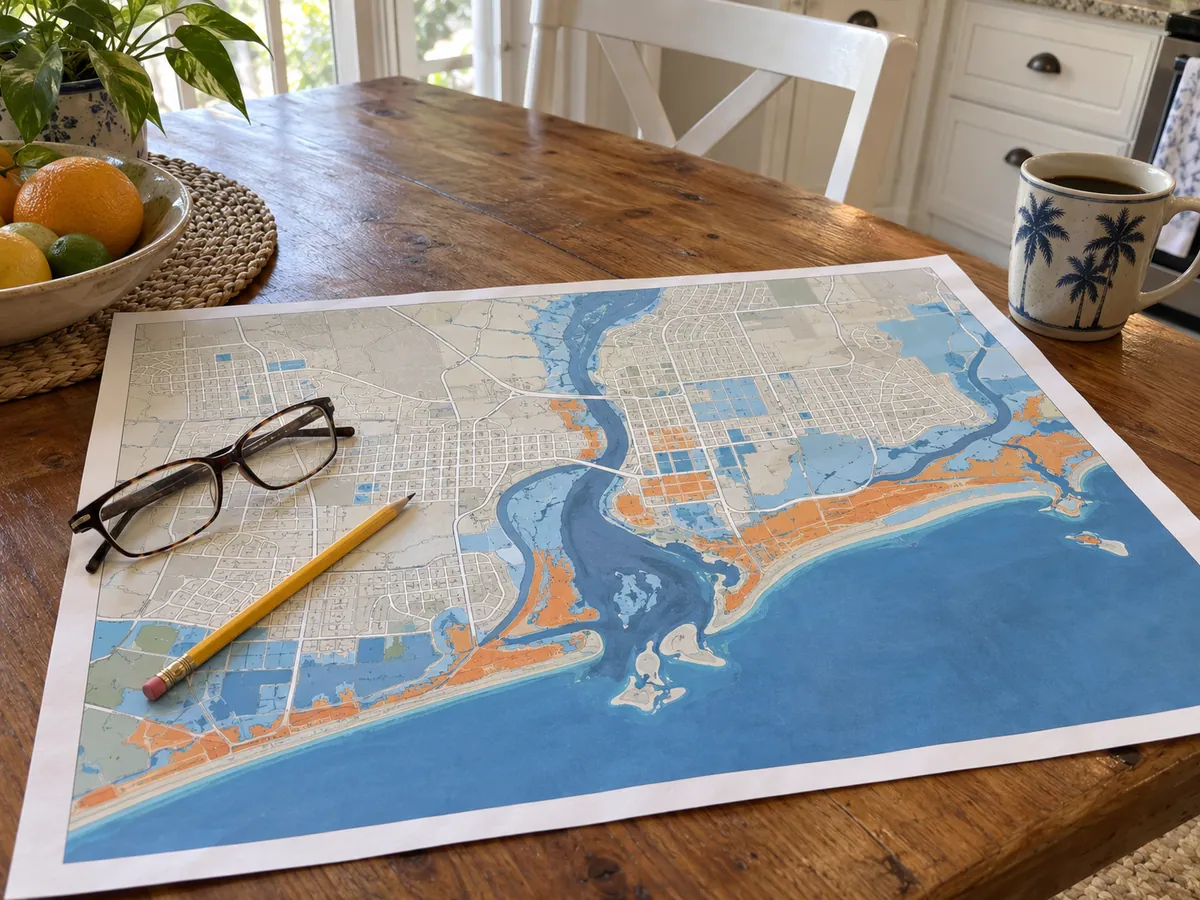 Volusia Flood Information
County flood, map and household safety resources.
Open official source ↗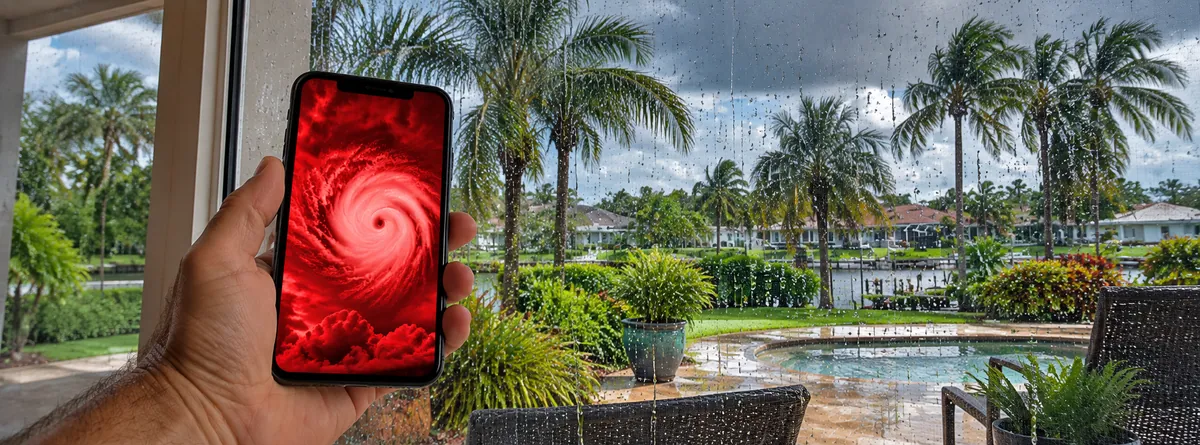 Volusia Emergency Alerts
Official alerts, applications and real-time travel-information links.
Open official source ↗Compare nearby counties
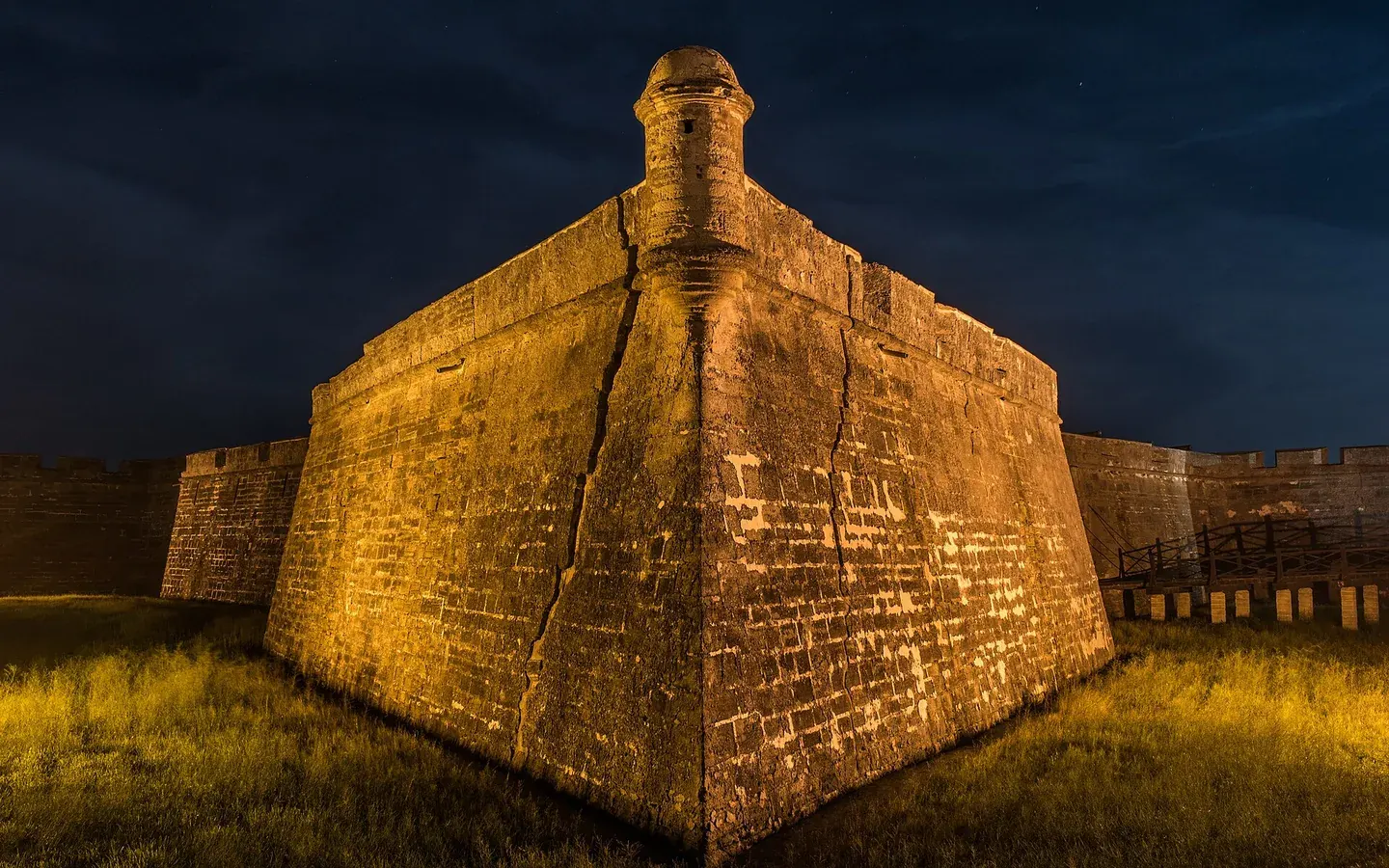 St. Augustine · Ponte Vedra Beach · NocateeSt. Johns County
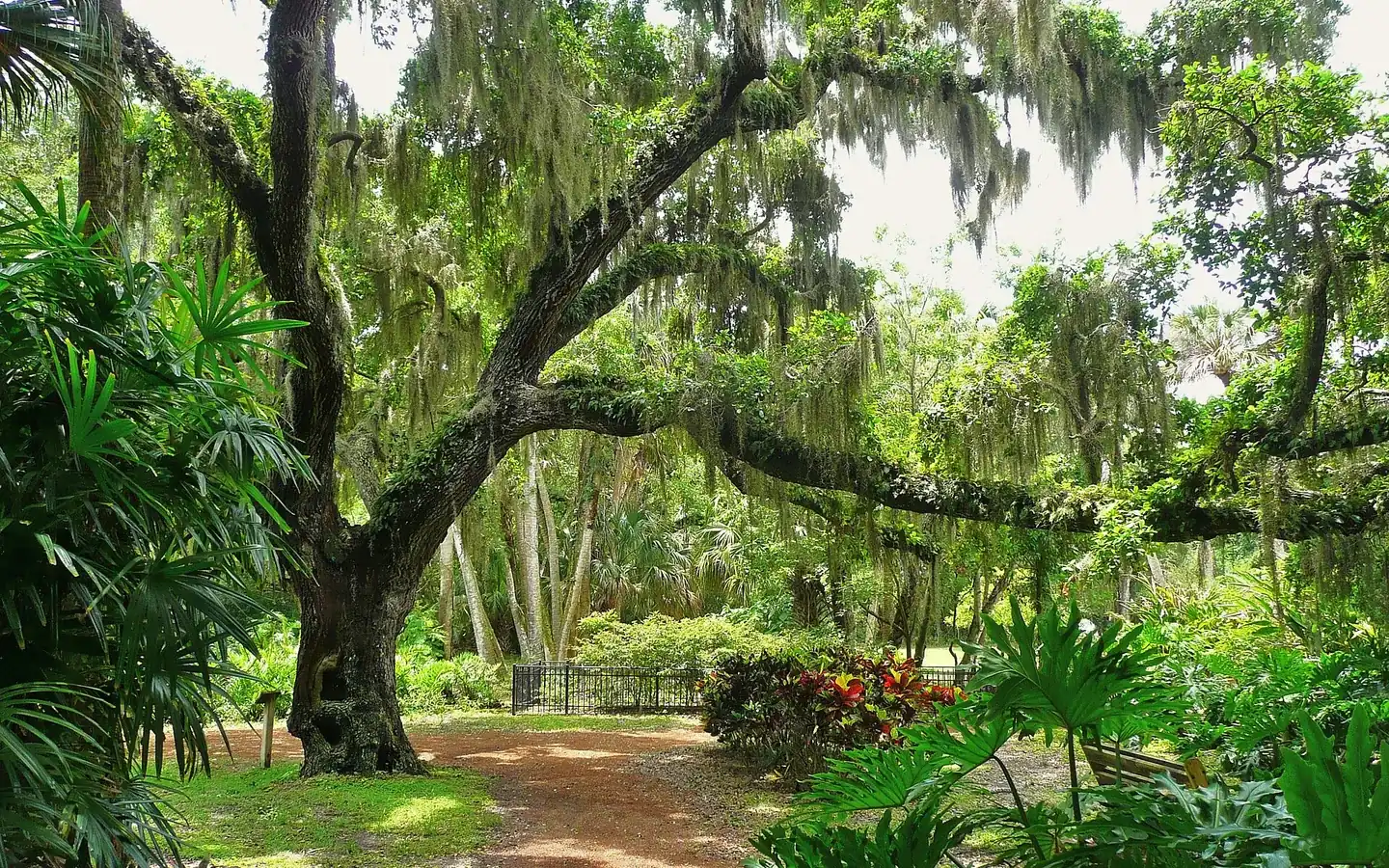 Palm Coast · Flagler Beach · BunnellFlagler County
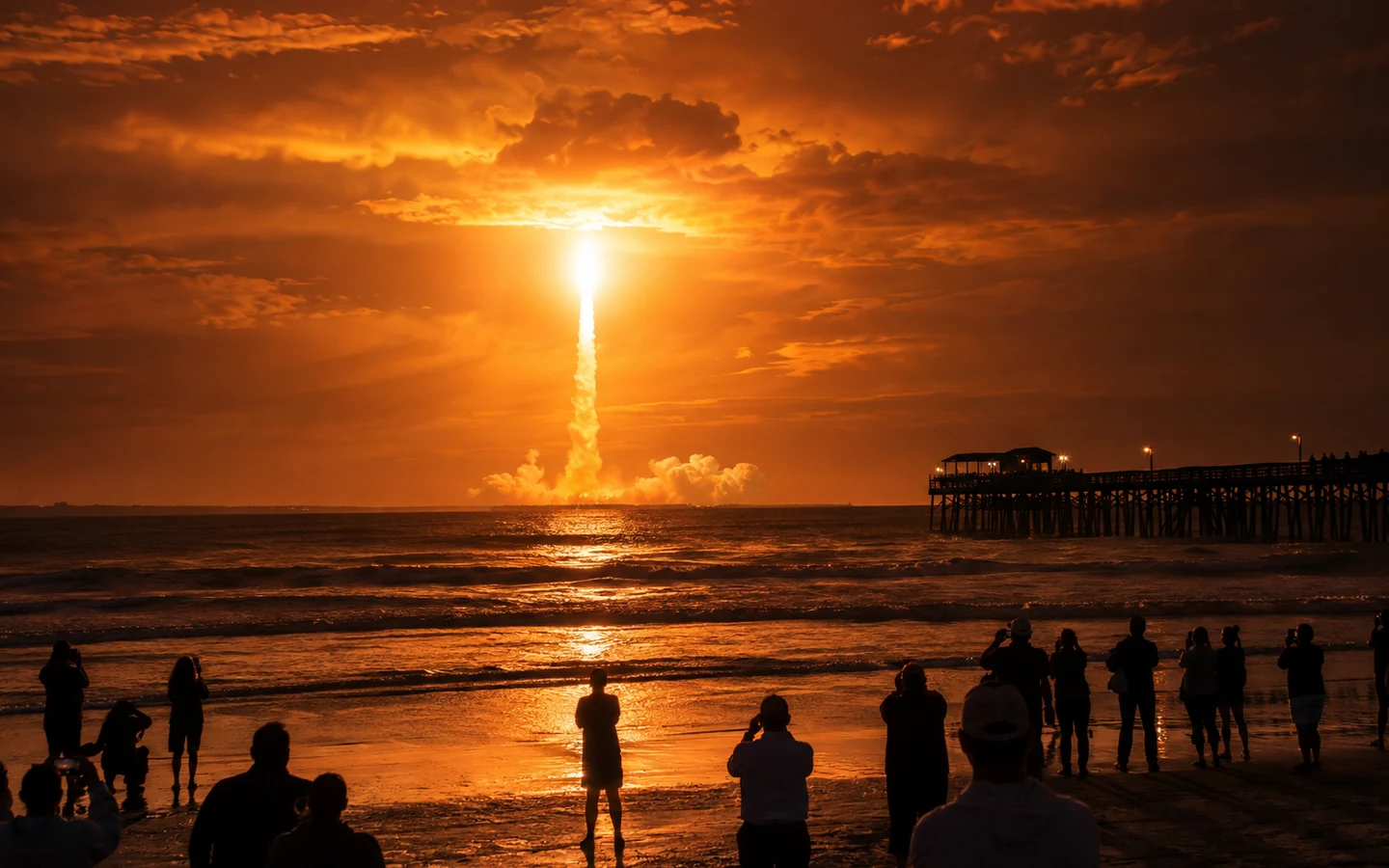 Melbourne · Palm Bay · TitusvilleBrevard County
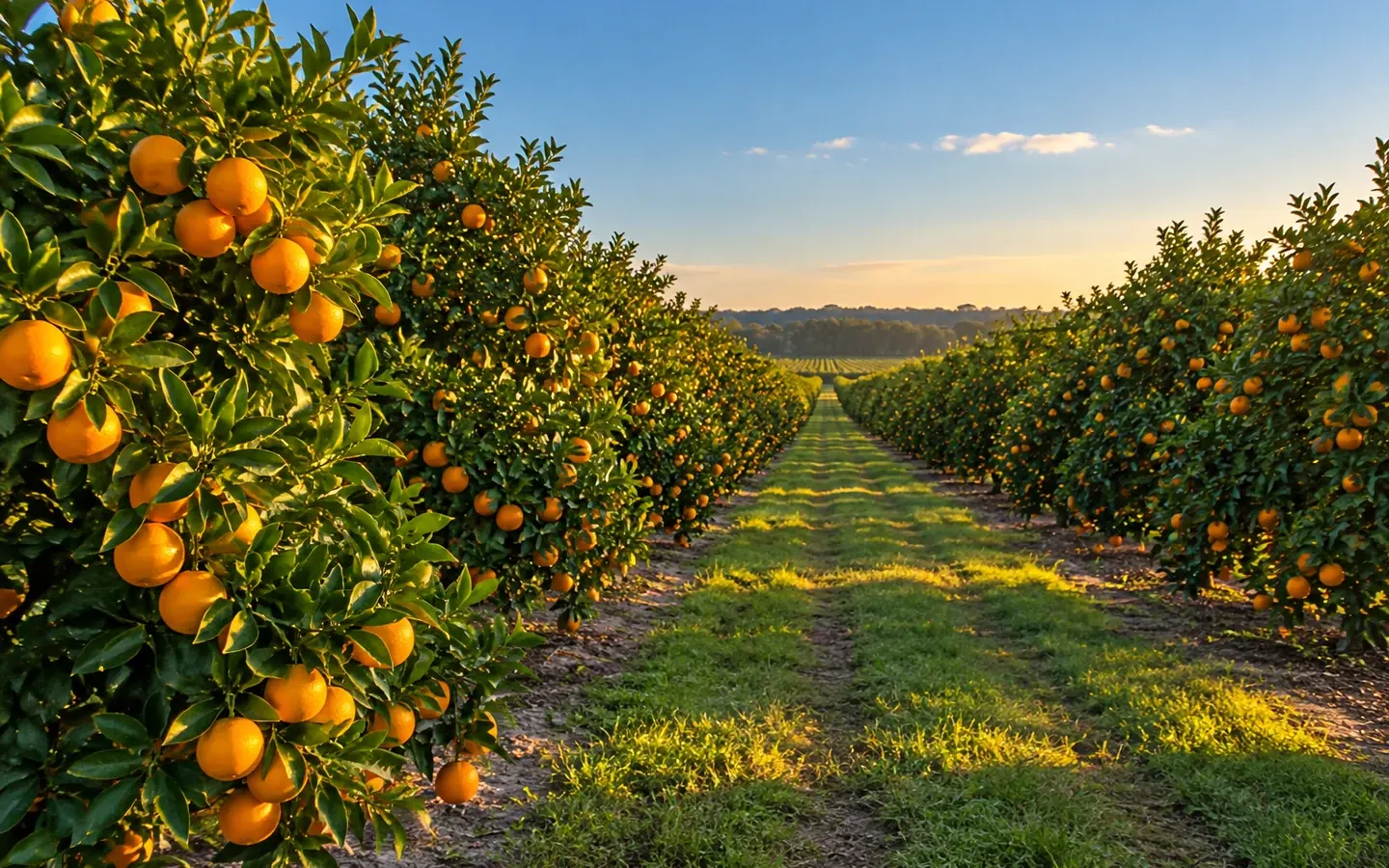 Vero Beach · Sebastian · FellsmereIndian River County
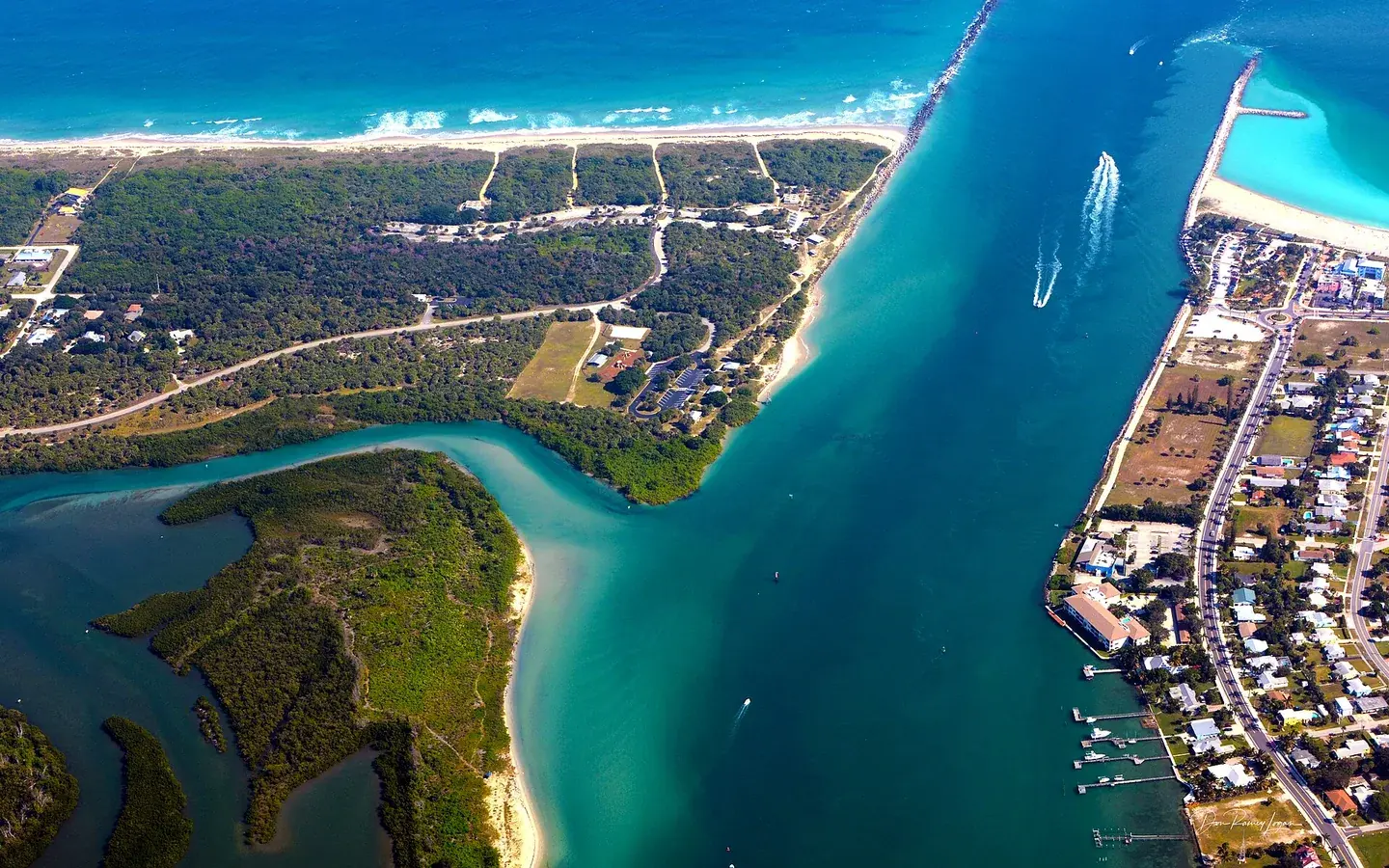 Port St. Lucie · Fort Pierce · St. Lucie VillageSt. Lucie County