Baker County was created on February 8, 1861, and named for Judge James McNair Baker. Its county seat is Macclenny, the former Darbyville, picked by a vote in 1886. The Battle of Olustee took place in the county on February 20, 1864, and the state calls it Florida's largest Civil War battle. The historical society's timeline starts in 1476, when the county area was home to people of the Timucua language group.
This page tells the story in order, from the first peoples of northeast Florida to a state forest, a river park and a new battlefield museum, then lists places in the county where you can still see it. The sources for each part are named at the end of that part, and all of them are listed at the bottom of the page.
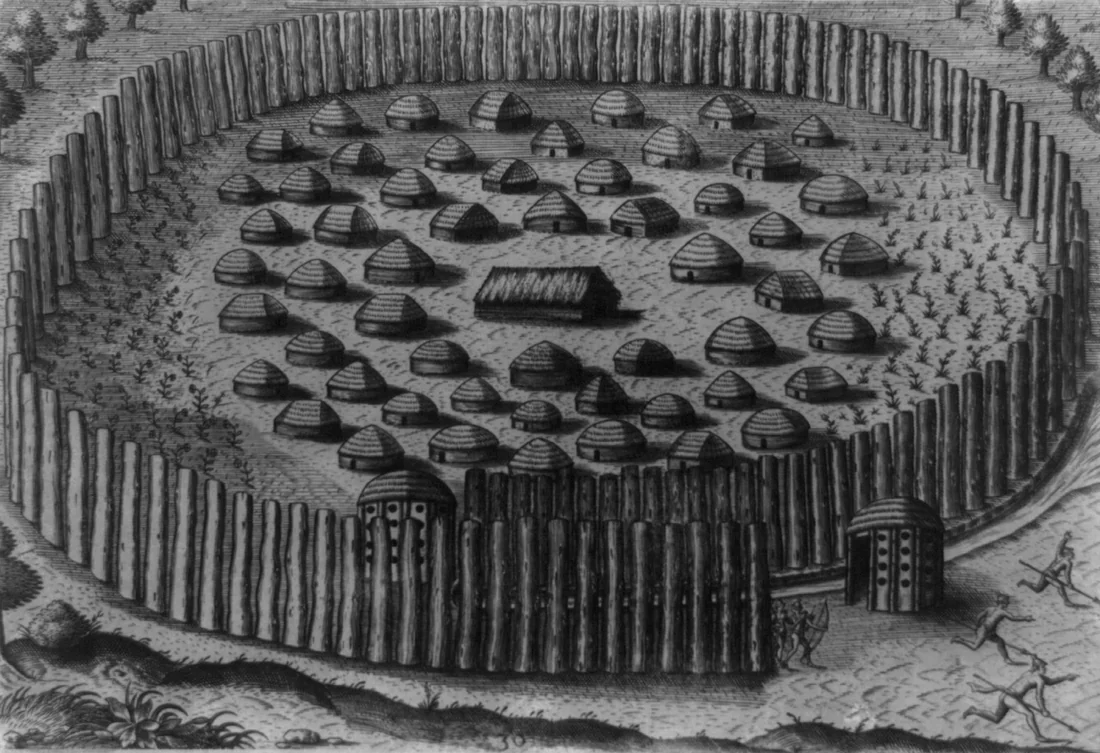
The First Peoples
The Baker County Historical Society's account of the earliest times begins with the Paleo-Indian Period, from 10,000 to 8,000 B.C. In that era the sea level was roughly 25 to 35 feet below where it is now. Florida was about twice as big as it is now. Food at first came from big animals such as bison and mammoths.
People in the Florida-Georgia area seem to have invented pottery making on their own. They strengthened the clay with Spanish moss and other grasses. Around 500 B.C., people of the St. Johns culture lived in northeast Florida. That culture lasted for over 1,000 years and then grew into the Timucua people, shortly before written history began. The society's timeline says the county area was home to people of the Timucua language group.
Sources: Baker County Historical Society: Baker County, Prehistoric Times; Baker County Historical Society: Baker County 500 Years
Next: Chapter 2, Spanish Trails, English Raids and British Traders →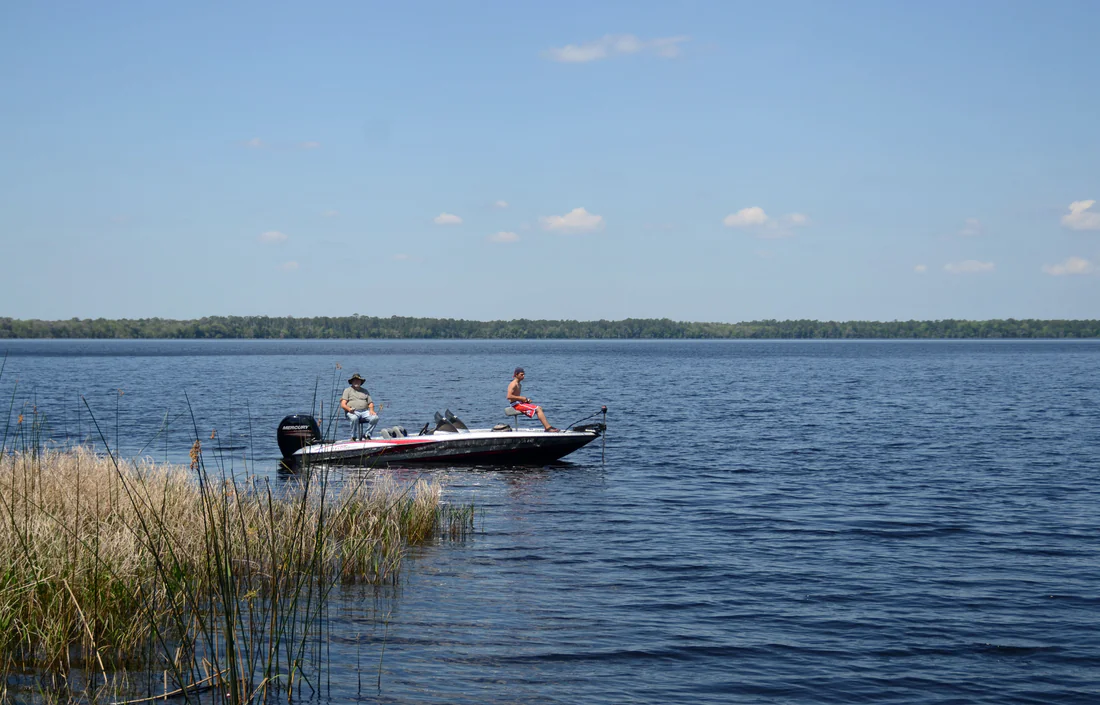
Spanish Trails, English Raids and British Traders
Hernando de Soto's Spanish expedition of 1539 passed either near the county's southwest corner or through it, the historical society's timeline says. In 1698 Spain resettled Pensacola and used an old Timucua and Apalachee path as the Spanish Trail, now U.S. 90. In 1702 English forces from South Carolina attacked the countryside of Florida and south Georgia and destroyed the Timucua. By 1719, the timeline says, no one lived in the county area at all.
In 1720, Creek-related tribes, the Oconee most of all, moved in and began to farm, and they may have founded Olustee. The Treaty of Paris gave Florida to England in 1763. In 1773 a trading post run by James Spaulding opened at Olustee near Ocean Pond, which was also called Lake Spaulding. After the American Revolution ended, Florida went back to Spain in 1783, and more Seminoles moved into the area.
Sources: Baker County Historical Society: Baker County 500 Years
Next: Chapter 3, A Border Mound, a Post Road and a Blockhouse →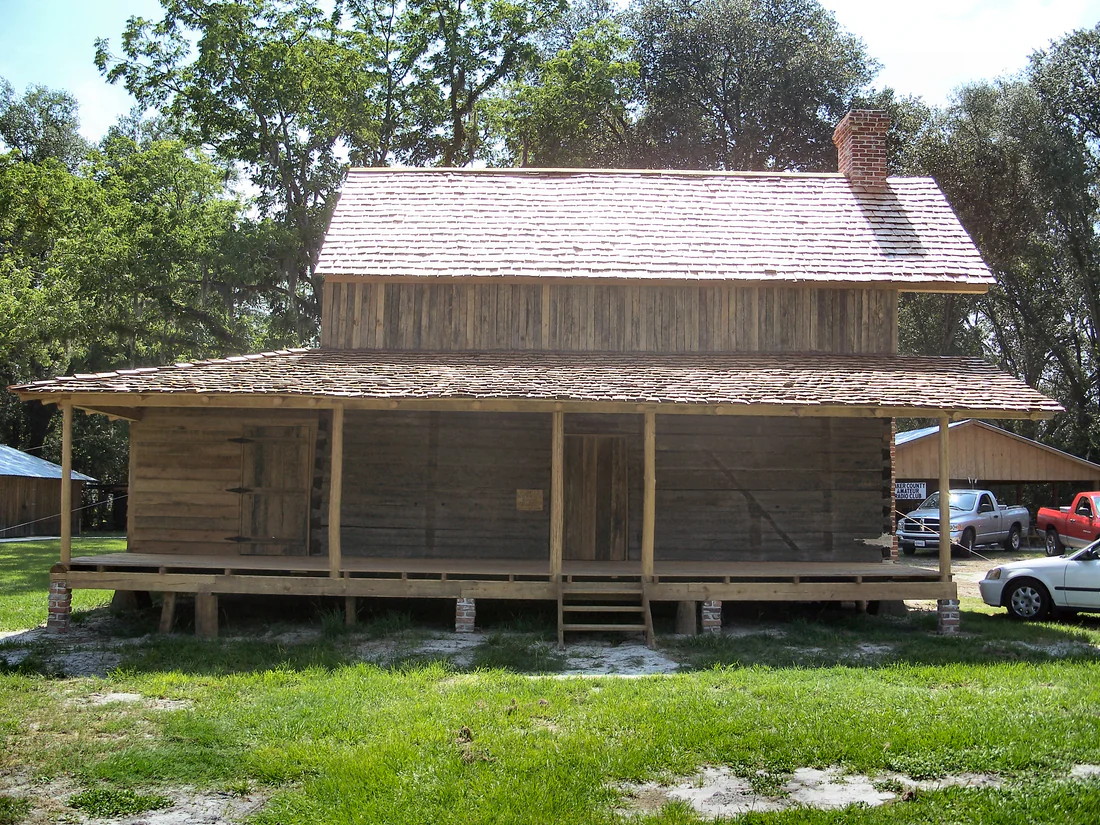
A Border Mound, a Post Road and a Blockhouse
In 1797 Ellicott surveyed the Georgia-Florida border and built a mound in the northeast corner of the county to mark the true source of the St. Marys River. Spain gave up its claim to Florida in the Adams-Onis Treaty of 1819, and settlers moved in. In 1828 the first U.S. post road for carrying mail came through the area, on the line of today's U.S. 90. Fort Olustee was set up in 1832, a time of scattered Seminole attacks. The Second Seminole War came in 1835, along with stagecoach mail service and a hard freeze.
The Burnsed family is believed to have built a blockhouse in 1837, during the Indian Wars. It was made entirely of local pine. Houses like it gave pioneer families a place to live and protected them from Indian attacks. Its National Register nomination calls it the earliest and best preserved building of its kind known in Florida. The blockhouse was later moved to Heritage Park in Macclenny from Sanderson.
Sources: Baker County Historical Society: Baker County 500 Years; National Park Service: National Register of Historic Places nomination, Burnsed Blockhouse; University of North Florida Digital Commons: Burnsed Blockhouse, Macclenny, FL
Next: Chapter 4, The Railroad Arrives, 1851 to 1859 →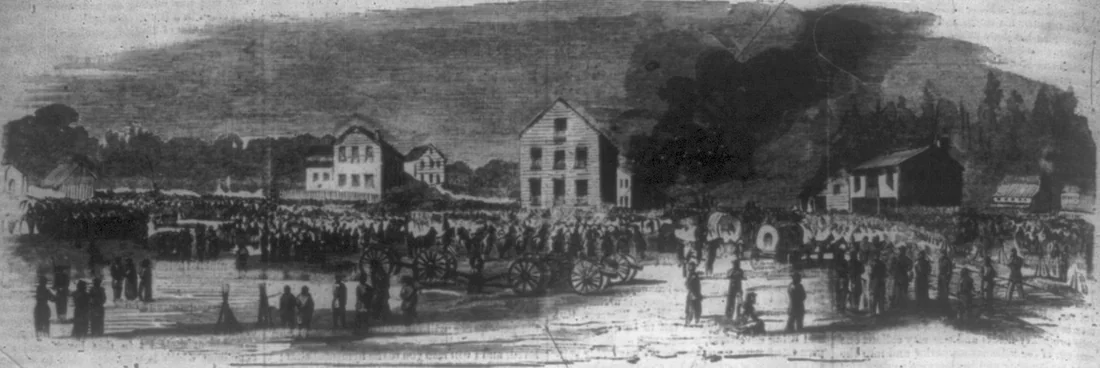
The Railroad Arrives, 1851 to 1859
The Florida Atlantic and Gulf Central Railroad was incorporated in 1851. That year a New York firm, Eppinger and Russell, began buying timber in the area. The rails reached the county's eastern line in April 1859, the site of present-day Macclenny in August and Olustee in December.
Settlers first came to Sanderson in 1859, according to research notes from 1938. The town was named for John P. Sanderson. He took over from Dr. A. S. Baldwin and became the railroad's second president.
Sources: Baker County Historical Society: Baker County 500 Years; Florida Memory: Baker Co. Notes (P. B. Land, Jr., 1938); Baker County Historical Society: Sanderson's Namesake
Next: Chapter 5, Baker County Is Created in 1861 →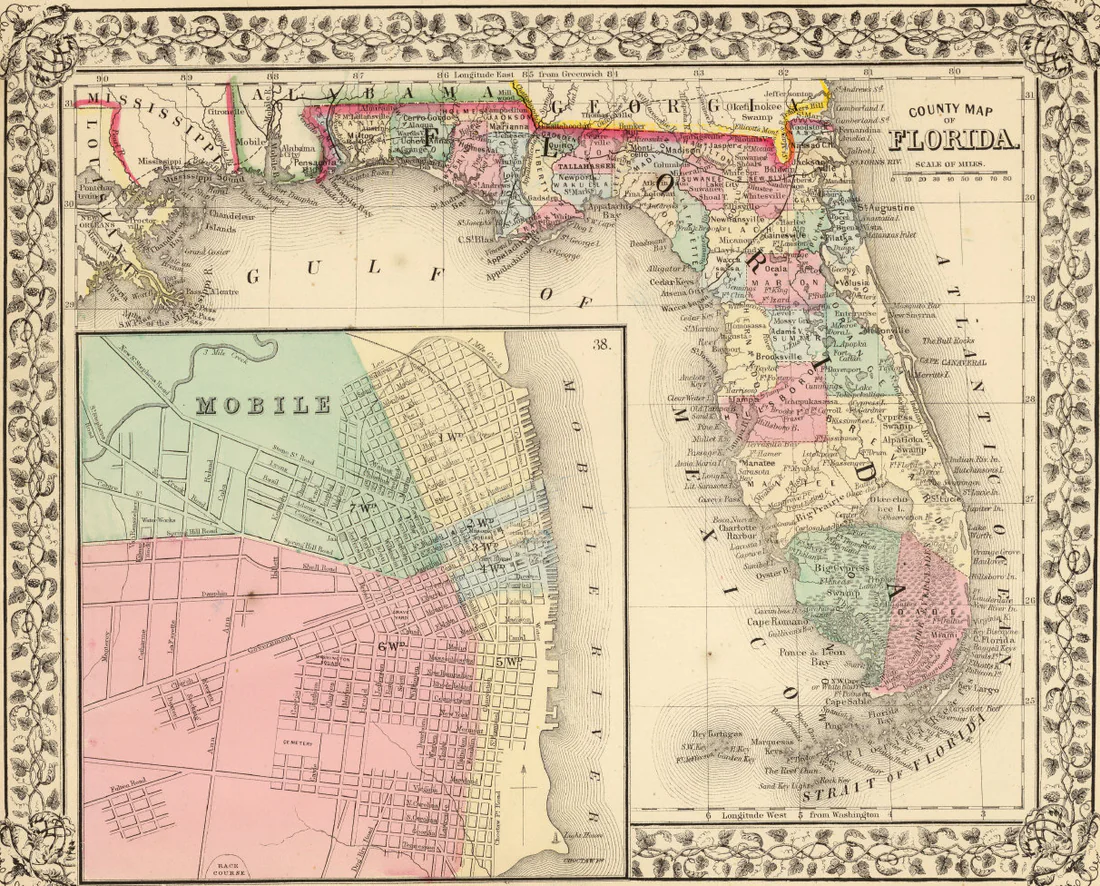
Baker County Is Created in 1861
Florida lawmakers created Baker County on February 8, 1861, by passing a bill. Before that, the land had been part of five counties. It was split off from New River County. A 1939 WPA history calls Baker the 38th county formed in Florida. The historical society's history calls it the 39th.
The county was named for Judge James McNair Baker. He was one of the two senators Florida sent to the Confederate States Congress at Richmond. He had also been a judge of Florida's Fourth Judicial District.
Sanderson was the first county seat, and the county's first courthouse was built there in 1861. State revenue totals for the county in 1861 counted 212 enslaved people.
Sources: Baker County Historical Society: History of Baker County, Florida (Baker County in Review); Florida Memory: Baker Co. Notes (P. B. Land, Jr., 1938); Florida Memory: History of Baker County (Works Progress Administration, Historical Records Survey, about 1939); Baker County Historical Society: Macclenny (John Paul Jones, North Florida Living, November 1985)
Next: Chapter 6, The Battle of Olustee, 1864 →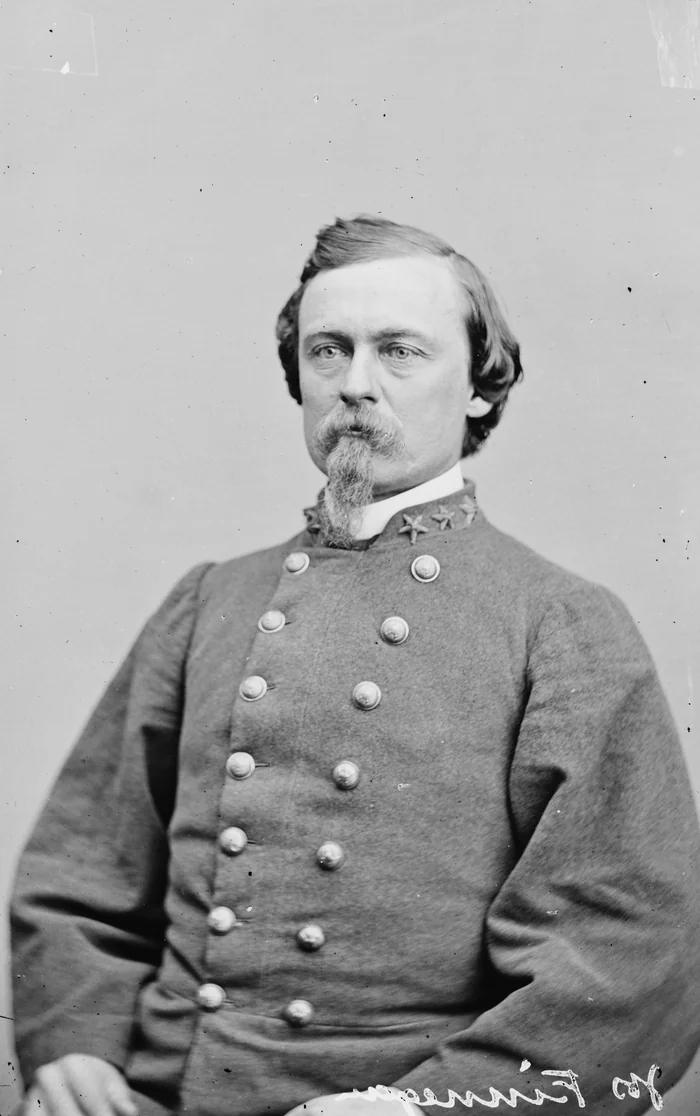
The Battle of Olustee, 1864
On February 7, 1864, Union general Truman Seymour was sent to Jacksonville. He moved west toward Lake City, aiming to wreck a railroad bridge and take control of northern Florida. Confederate troops under Brigadier General Joseph Finegan held trenches near Olustee. A state booklet quoted by the historical society says Barber's, on the St. Marys, became the headquarters for the Olustee fight.
The battle came on February 20, 1864, and the state calls it Florida's largest Civil War battle. In all, more than 10,000 soldiers on horseback, on foot and with cannon fought among the pines. Three regiments of U.S. Colored Troops fought in the battle, among them the 54th Massachusetts. The state park's history says the 54th was among the earliest Black units raised during the Civil War, and its first commander was Colonel Robert Gould Shaw. When Finegan sent in his last reserves, Seymour ordered a retreat.
Casualties on both sides came to 2,807. The Union troops fell back to Jacksonville and stayed there until the war ended 14 months later. The win left the Confederates holding Florida's interior until the war was over.
Sources: Florida State Parks: History of Olustee; Baker County Historical Society: Baker County Confederate War; Florida Department of Environmental Protection: Step Into History: Olustee Battlefield Reenactment Celebrates America's 250th Anniversary (February 13, 2026)
Next: Chapter 7, Darbyville Becomes Macclenny, the County Seat →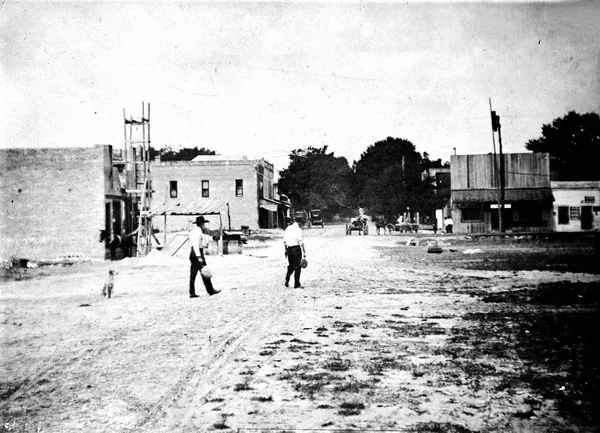
Darbyville Becomes Macclenny, the County Seat
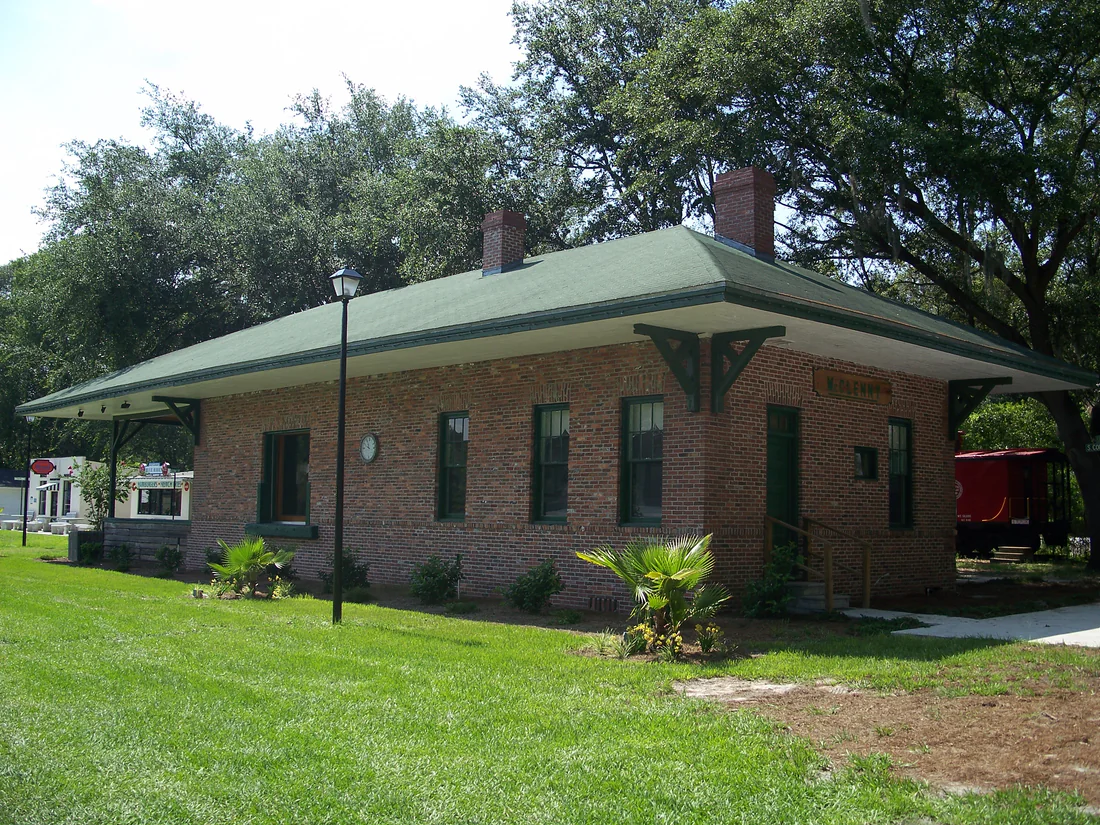
In 1867 John Darby and Oliver Savage purchased the site of today's Macclenny, and the place was called Darby's Station. The settlement got the name Darbyville in 1870. In 1877 the courthouse at Sanderson burned, and Darbyville began working to move the county seat. On February 22, 1886, voters chose 243 to 220 to move the seat to Darbyville, now Macclenny. The society's timeline says Macclenny was named the new county seat in 1887, and the town marked it with fireworks and fights.
A 1985 magazine article tells how a timber salesman, Carr Bowers McClenny, married Ada, a daughter of the Darby family. By local account, after the elder Darby died, the town's name switched from Darbyville to McClenny. The 1939 WPA history gives a different date, saying the town was called Darbyville until 1899. The likeliest reason for the spelling Macclenny, the article says, was a postal rule that barred capital letters inside a town's name.
In 1900 fire destroyed the frame courthouse at Darbyville. The old courthouse in downtown Macclenny was built in 1908, and by 1985 it had become a library. The jail next door followed in 1911.
Sources: Baker County Historical Society: Baker County 500 Years; Baker County Historical Society: History of Baker County, Florida (Baker County in Review); Baker County Historical Society: Macclenny (John Paul Jones, North Florida Living, November 1985); Florida Memory: History of Baker County (Works Progress Administration, Historical Records Survey, about 1939)
Next: Chapter 8, Nurseries, Turpentine and Tobacco →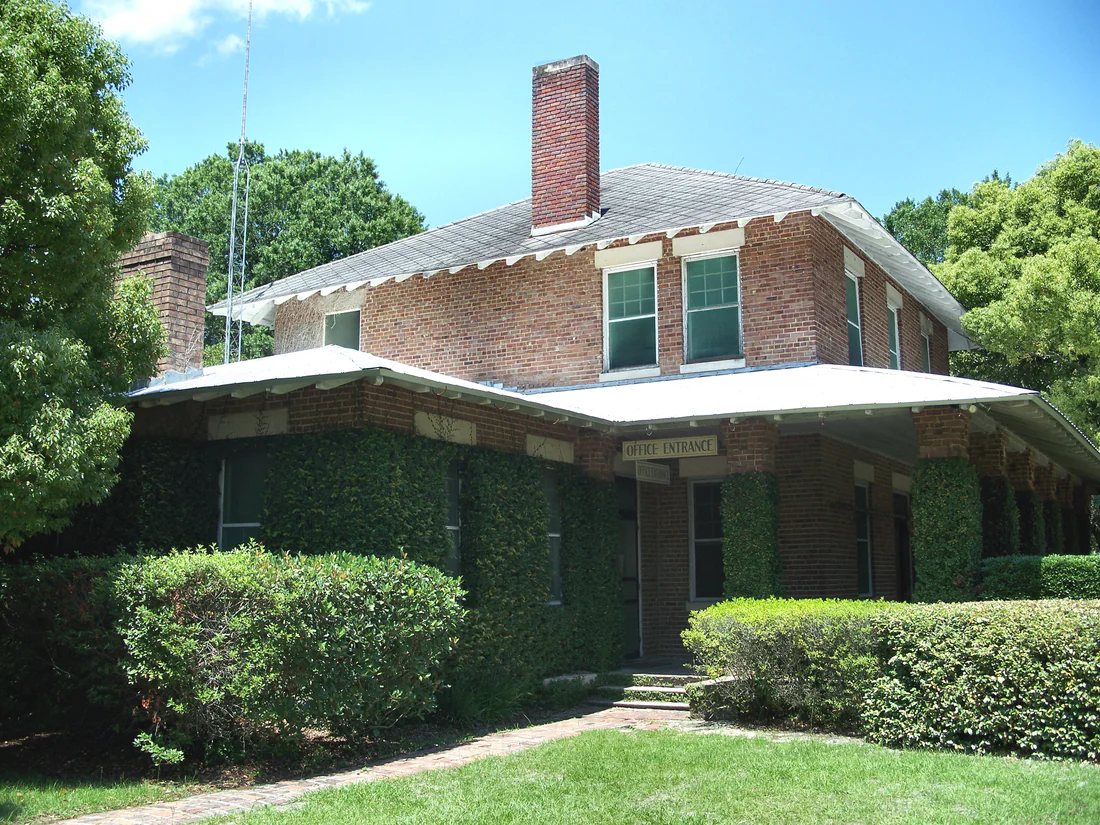
Nurseries, Turpentine and Tobacco
After the Civil War, turpentine and logging drew people from farther north to the county. Farming began with cotton and corn as the main crops. Tobacco later grew into one of the main cash crops.
On September 12, 1882, George Lindley Taber and a partner purchased 20 acres. In 1883 their fruit tree work became a company named Glen Saint Mary Nurseries. During the 1905-1906 season, the company first tested Satsuma trees on a large scale. Dr. H. Harold Hume, a horticulturist and botanist known across the nation, came to work for the company in 1906. The George L. Taber azalea went on sale in 1938.
The National Register nomination says the nurseries were among the leading fruit tree developers in Florida and the South. In 1913, the society's timeline says, Florida's first cattle dipping vat to fight the fever tick opened near Macclenny. A WPA history from about 1939 says the turpentine and rosin industries were still running on a considerable scale. It names the railroads that served the county: the Georgia Southern, the Seaboard Air Line and the Atlantic Coast Line.
Sources: Baker County Historical Society: History of Baker County, Florida (Baker County in Review); National Park Service: National Register of Historic Places nomination, Glen Saint Mary Nurseries Company; Baker County Historical Society: Baker County 500 Years; Florida Memory: History of Baker County (Works Progress Administration, Historical Records Survey, about 1939)
Next: Chapter 9, A Monument, a Paved Highway and a National Forest →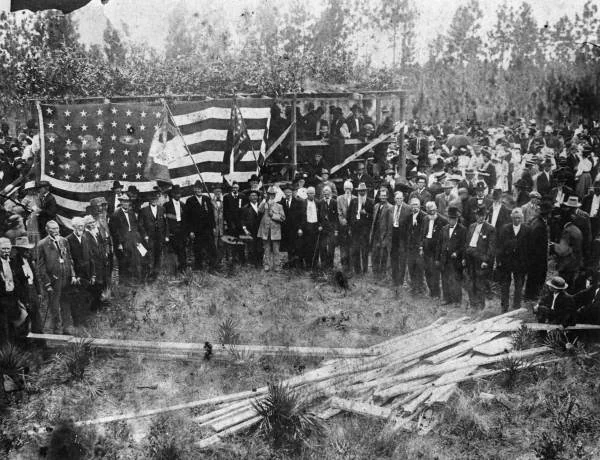
A Monument, a Paved Highway and a National Forest
The United Daughters of the Confederacy raised money for years, and in 1909 state lawmakers obtained three acres for a memorial to the battle. Battle veterans and dignitaries gathered on October 23, 1912, to dedicate the memorial. The state park says the battlefield became Florida's first historic site that year.
U.S. 90, then called Route 1, was paved in 1924, and the society's timeline calls this the first paving in the county. Tate Powell Sr. founded the Baker County Press in 1929.
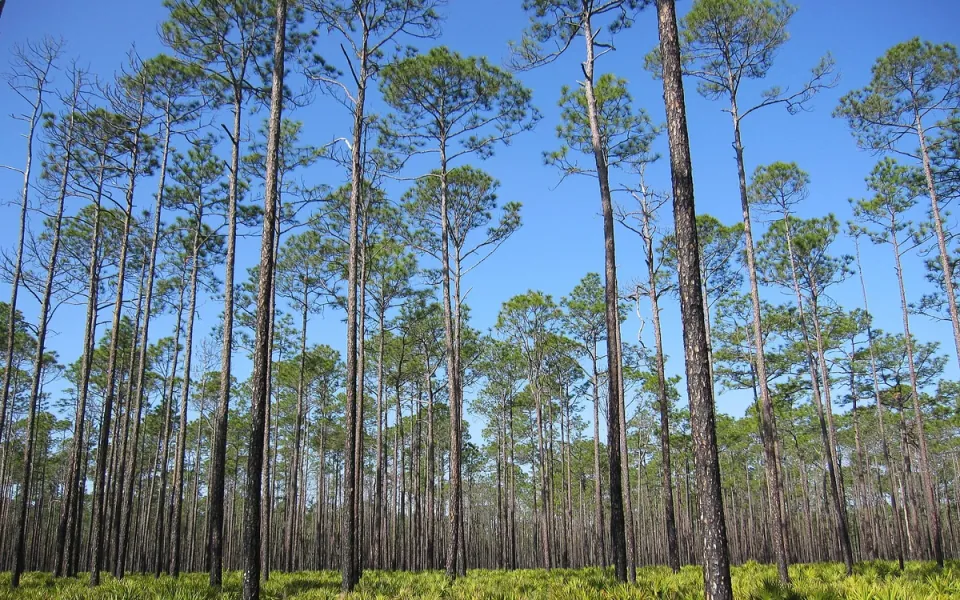
In 1931 President Herbert Hoover created the Osceola National Forest. It was named for the Seminole leader Osceola. A Forest Service handbook says the forest was set up mainly as a place to demonstrate naval stores work. The handbook named the shores of Ocean Pond, an open lake, as the only attractive place in the forest for recreation. Olustee Battlefield became an official state park in 1949.
Sources: Florida State Parks: History of Olustee; Florida State Parks: Olustee Battlefield Historic State Park, History; Baker County Historical Society: Baker County 500 Years; USDA Forest Service: National Forests in Florida, Discover History; USDA Forest Service (NPS History eLibrary): Florida National Forests, Osceola National Forest
Next: Chapter 10, World War II to 1989: Festivals, Schools and a Movie →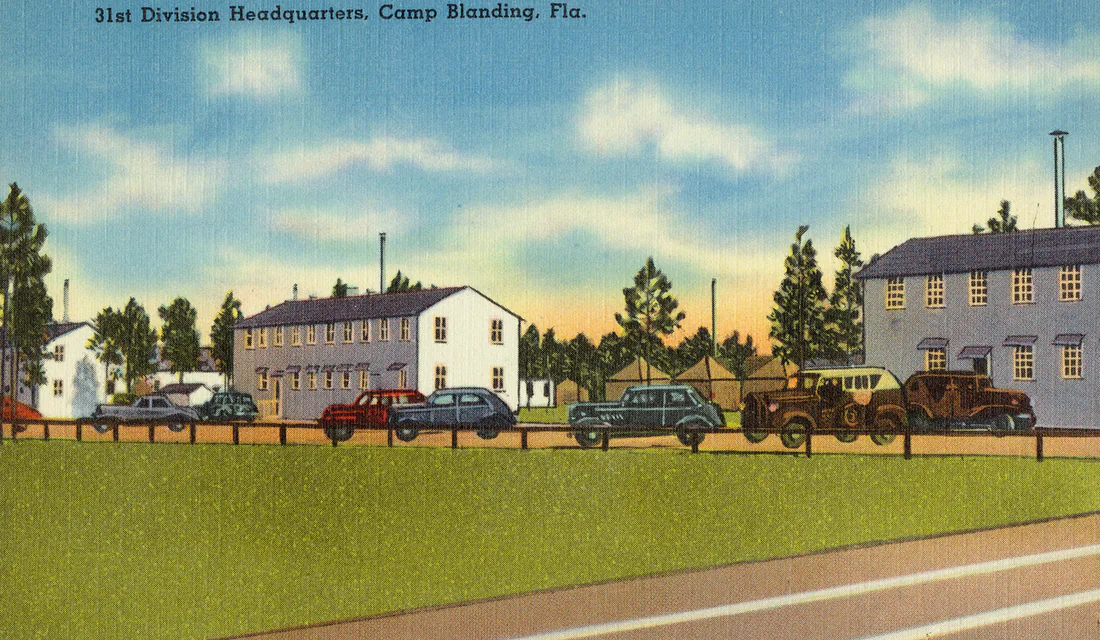
World War II to 1989: Festivals, Schools and a Movie
When World War II came in 1941, work on the courthouse stopped and the workers were sent to Camp Blanding. The Lions Club and Will Knabb co-sponsored the first Pine Tree Festival in 1947. A 1985 magazine story says Macclenny was once called the South's moonshine capital. Moonshining began to fade in the 1950s.
A new Baker County High School was built in 1955-56. Northeast Florida State Hospital appears in the society's timeline under 1958. Baker County held a centennial celebration in 1961. Public schools in the county were integrated in 1966.
In 1989 two inches of snow gave the county what the timeline calls its first white Christmas. The 1989 film Glory made the 54th Massachusetts famous. The film does not show the Olustee fight, but some of its scenes were shot at the state park.
Sources: Baker County Historical Society: Baker County 500 Years; Baker County Historical Society: Macclenny (John Paul Jones, North Florida Living, November 1985); Florida Memory: Macclenny High School; Florida State Parks: History of Olustee
Next: Chapter 11, Since 1990: A State Forest, a River Park and a New Battlefield Museum →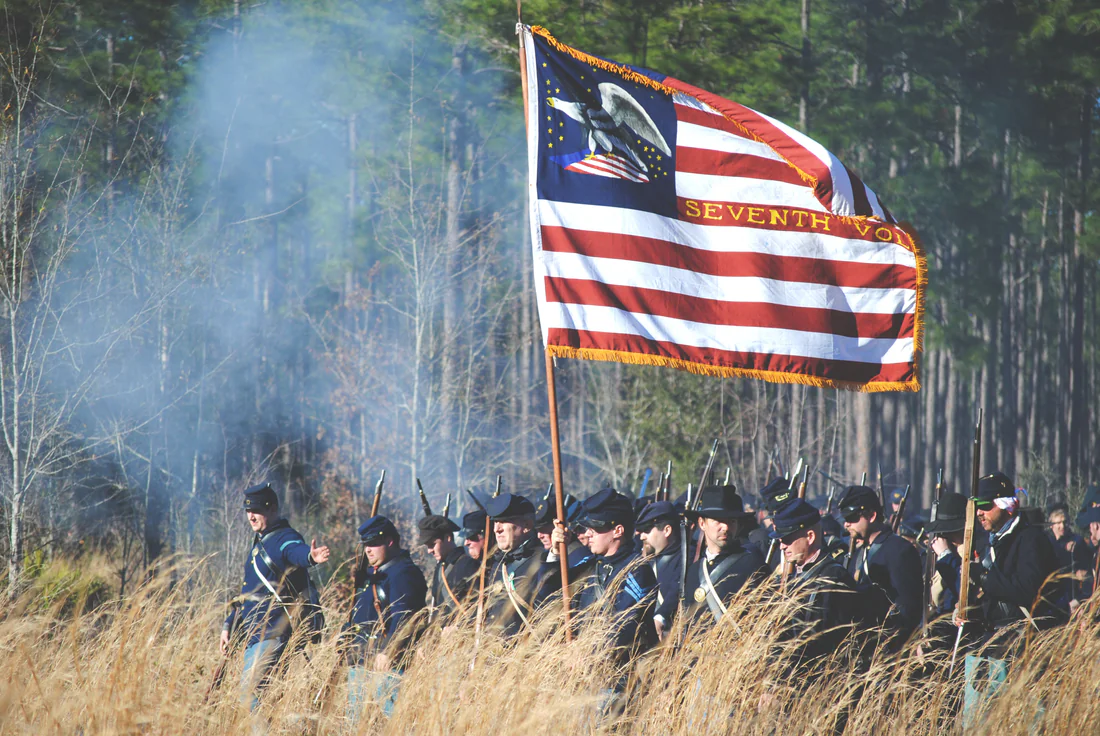
Since 1990: A State Forest, a River Park and a New Battlefield Museum
By 2005, Florida law gave the first state forest the state acquired in Baker County the name John M. Bethea State Forest. The name honors John M. Bethea, Florida's fourth state forester. He was a Baker County native whose career in state government lasted 46 years.
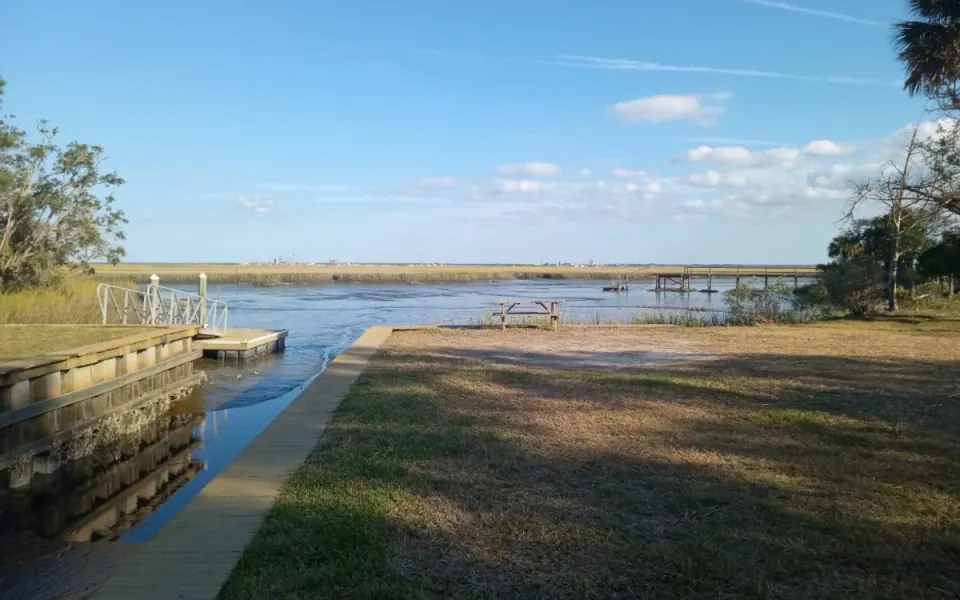
St. Mary's Shoals Park opened in 2009. Visitors can reach nearly 2 miles of the St. Mary's River and its white sandy shores there. In 2011 the Trust for Public Land helped add 928 more acres to the county park.
Reenactors fought the battle again at Olustee Battlefield Historic State Park on February 14 and 15, 2026. WUFT called it the 49th annual reenactment. A state news release on February 13, 2026, said ground had recently been broken for a new Olustee Battlefield Museum at the park.
Sources: Florida Senate: The 2005 Florida Statutes, 589.19 Creation of certain state forests; Baker County: St. Mary's Shoals Park; The Trust for Public Land: St. Mary's Shoals; WUFT: Photo gallery: Battle of Olustee reenactment (February 18, 2026); Florida Department of Environmental Protection: Step Into History: Olustee Battlefield Reenactment Celebrates America's 250th Anniversary (February 13, 2026)
Next: the whole story, in dates →The whole story, in dates
The Paleo-Indian Period, the earliest time in the society's account.
People of the St. Johns culture live in northeast Florida.
Hernando de Soto's expedition passes near or through the county.
English forces from South Carolina destroy the Timucua.
James Spaulding's trading post opens at Olustee near Ocean Pond.
Florida goes back to Spain, and more Seminoles move in.
Ellicott builds a mound to mark the source of the St. Marys River.
The first U.S. post road for mail comes through the area.
Fort Olustee is set up.
The Burnsed family is believed to have built its blockhouse.
The Florida Atlantic and Gulf Central Railroad is incorporated.
The rails reach the county's eastern line.
The rails reach Olustee.
Florida lawmakers create Baker County.
Union general Truman Seymour is sent to Jacksonville.
The Battle of Olustee is fought.
John Darby and Oliver Savage buy the site of today's Macclenny.
The courthouse at Sanderson burns.
George Lindley Taber and a partner buy 20 acres.
Voters choose 243 to 220 to move the county seat to Darbyville.
Macclenny is named the new county seat.
Fire destroys the frame courthouse at Darbyville.
The courthouse in downtown Macclenny is built.
State lawmakers obtain three acres for a battle memorial.
Veterans and dignitaries dedicate the Olustee memorial.
A cattle dipping vat to fight the fever tick opens near Macclenny.
U.S. 90, then Route 1, is paved.
President Herbert Hoover creates the Osceola National Forest.
The George L. Taber azalea goes on sale.
Work on the courthouse stops for World War II.
The first Pine Tree Festival is held.
Olustee Battlefield becomes an official state park.
The county's public schools are integrated.
Two inches of snow bring a white Christmas.
St. Mary's Shoals Park opens.
The Trust for Public Land helps add 928 acres to the park.
A state release says ground has been broken for a new Olustee Battlefield Museum.
Reenactors stage the battle at the state park for the 49th annual reenactment.
Where you can still see it
 01
 02
 03
Osceola National Forest
Goes with: A Monument, a Paved Highway and a National Forest
Open the place page →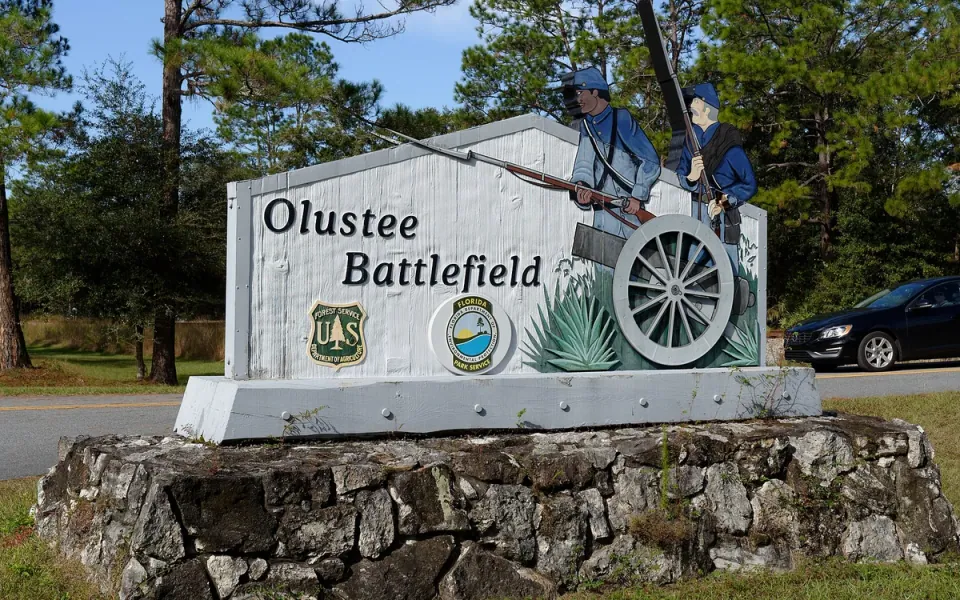 04
Olustee Battlefield Historic State Park
Goes with: Since 1990: A State Forest, a River Park and a New Battlefield Museum
Open the place page →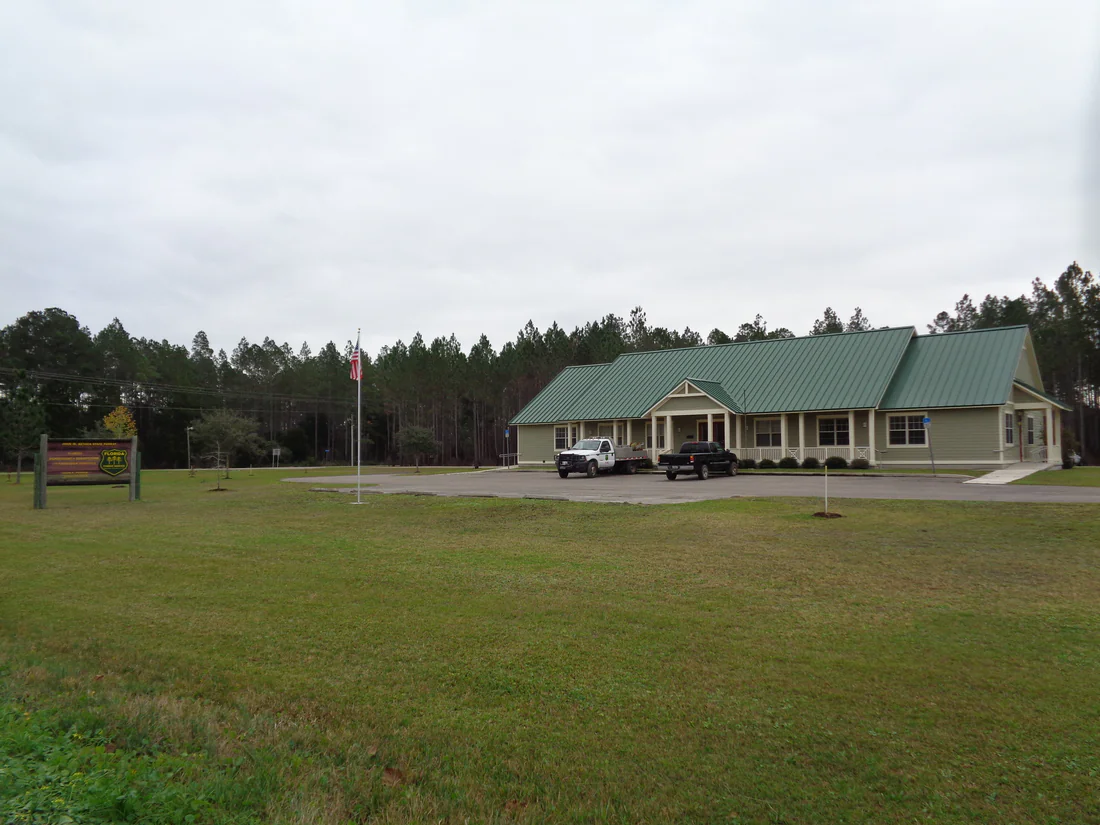 05
John M. Bethea State Forest
Goes with: Since 1990: A State Forest, a River Park and a New Battlefield Museum
Open the place page →Questions people ask
When was Baker County created?
Florida lawmakers created Baker County on February 8, 1861, by passing a bill.
Chapter 5 →Who was Baker County named for?
The county was named for Judge James McNair Baker, one of the two senators Florida sent to the Confederate States Congress at Richmond.
Chapter 5 →How did Macclenny become the county seat?
On February 22, 1886, voters chose 243 to 220 to move the seat from Sanderson to Darbyville, now Macclenny.
Chapter 7 →When was the Battle of Olustee fought?
The Battle of Olustee was fought on February 20, 1864, and the state calls it Florida's largest Civil War battle.
Chapter 6 →When was the Osceola National Forest created?
President Herbert Hoover created the Osceola National Forest in 1931.
Chapter 9 →Where this comes from.
Last updated October 19, 2026.
- Baker County Historical Society: Baker County, Prehistoric Times ↗ Read October 19, 2026
- Baker County Historical Society: Baker County 500 Years ↗ Read October 19, 2026
- National Park Service: National Register of Historic Places nomination, Burnsed Blockhouse ↗ Read October 19, 2026
- University of North Florida Digital Commons: Burnsed Blockhouse, Macclenny, FL ↗ Read October 19, 2026
- Baker County Historical Society: Sanderson's Namesake ↗ Read October 19, 2026
- Florida Memory: Baker Co. Notes (P. B. Land, Jr., 1938) ↗ Read October 19, 2026
- Baker County Historical Society: History of Baker County, Florida (Baker County in Review) ↗ Read October 19, 2026
- Florida Memory: History of Baker County (Works Progress Administration, Historical Records Survey, about 1939) ↗ Read October 19, 2026
- Baker County Historical Society: Macclenny (John Paul Jones, North Florida Living, November 1985) ↗ Read October 19, 2026
- Florida State Parks: History of Olustee ↗ Read October 19, 2026
- Baker County Historical Society: Baker County Confederate War ↗ Read October 19, 2026
- Florida Department of Environmental Protection: Step Into History: Olustee Battlefield Reenactment Celebrates America's 250th Anniversary (February 13, 2026) ↗ Read October 19, 2026
- National Park Service: National Register of Historic Places nomination, Glen Saint Mary Nurseries Company ↗ Read October 19, 2026
- Florida State Parks: Olustee Battlefield Historic State Park, History ↗ Read October 19, 2026
- USDA Forest Service: National Forests in Florida, Discover History ↗ Read October 19, 2026
- USDA Forest Service (NPS History eLibrary): Florida National Forests, Osceola National Forest ↗ Read October 19, 2026
- Florida Memory: Macclenny High School ↗ Read October 19, 2026
- Florida Senate: The 2005 Florida Statutes, 589.19 Creation of certain state forests ↗ Read October 19, 2026
- Baker County: St. Mary's Shoals Park ↗ Read October 19, 2026
- The Trust for Public Land: St. Mary's Shoals ↗ Read October 19, 2026
- WUFT: Photo gallery: Battle of Olustee reenactment (February 18, 2026) ↗ Read October 19, 2026