Suwannee County was formed on December 21, 1858, from the western part of Columbia County, and it is named for the Suwannee River, which borders it on three sides. Houston was its first permanent county seat, and Live Oak took over as the seat in 1868. Stephen Foster used the river's name in his 1851 song Old Folks at Home, though he never visited it. The story reaches back to nomadic Paleo-Indians who hunted in the area around 12,000 BCE.
This page tells the story in order, from the first peoples on the Suwannee to the cave diving parks, school markers and century farm since 1990, then lists places in the county where you can still see it. The sources for each part are named at the end of that part, and all of them are listed at the bottom of the page.
The First Peoples on the Suwannee
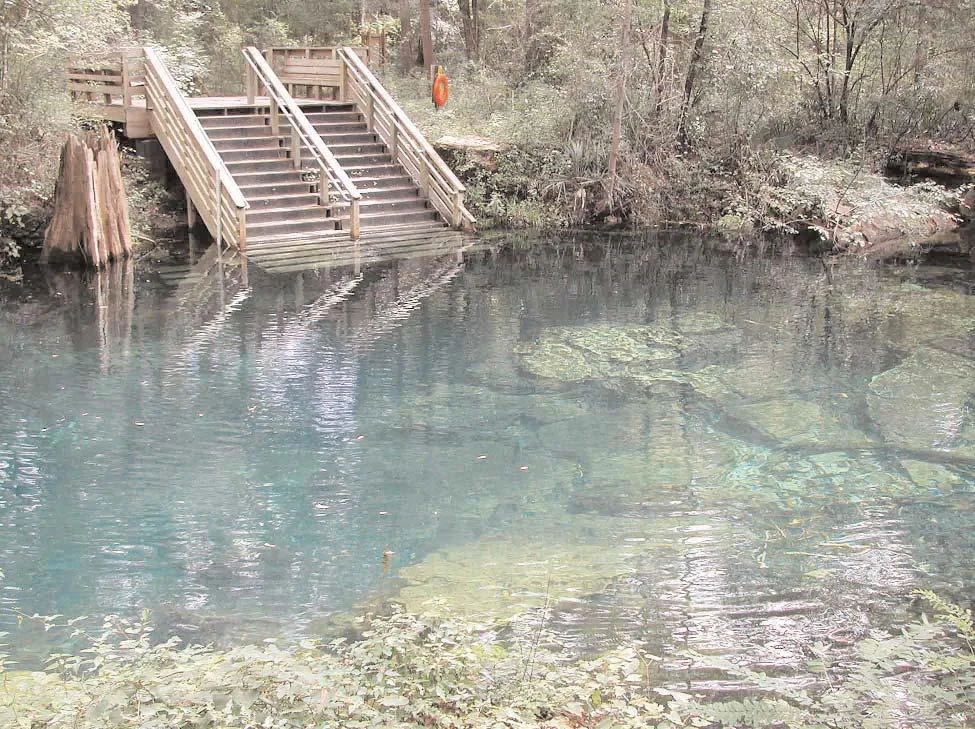
Florida State Parks says nomadic Paleo-Indians hunted giant sloths, camels and mastodons in the Peacock Springs area around 12,000 BCE. Later cultures included the McKeithen Weeden Island people, who left pottery and tools behind. The county clerk's history dates this culture from 200 to 750 A.D. Next came the Suwannee Valley culture, which grew out of it and did well after 750 A.D.
The state marker at the county courthouse says the region was first the land of the Timucua. Estimates of the Timucua population at the start of the 1500s run from 20,000 to 150,000 people. By the end of the 1600s, less than two centuries after they first met Europeans, only 1,000 were left.
Sources: Florida State Parks: History of Peacock Springs; Suwannee County Clerk of the Circuit Court: History; Florida Department of State, Florida Historical Markers: Suwannee County
Next: Chapter 2, Spanish Explorers and the Guacara Mission →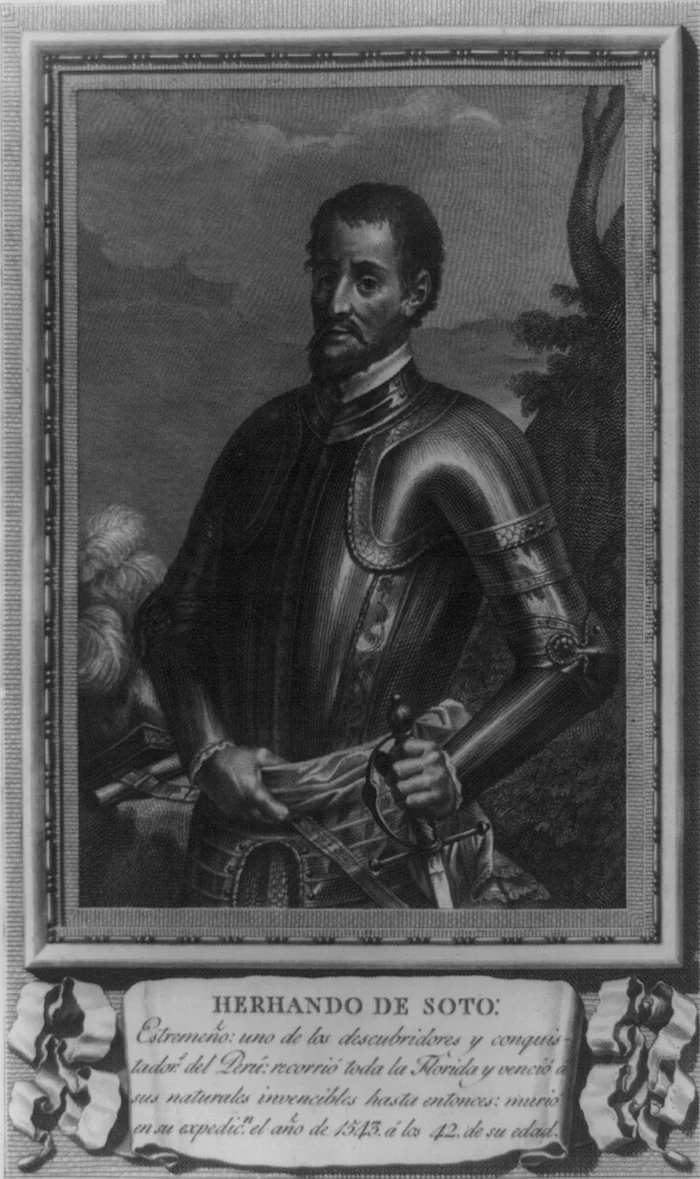
Spanish Explorers and the Guacara Mission
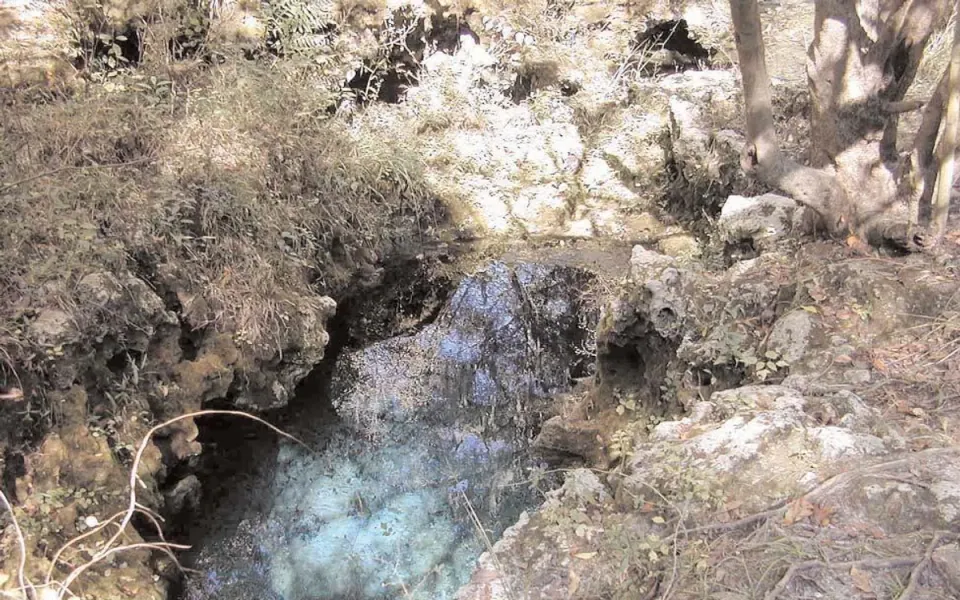
In 1528, a man from Panfilo de Narvaez's expedition drowned in the Suwannee River, the first recorded drowning there. In 1539, Hernando de Soto and about 600 Spaniards came north through land that is now Suwannee County. Several Timucua chiefdoms joined to attack the Spanish on September 16, 1539. The county history places that fight close to Napituca, a Timucua village, somewhere near Live Oak or Houston.
Between 1605 and 1612, and many historians think in 1609, the Spanish set up a mission called San Juan de Guacara at Baptizing Springs. The county history calls it probably the first mission inside the present county. The writer of the county government's history page judges from old maps that Suwannee most likely comes from Rio San Juan de Guacara, the name the Spanish gave the river and the mission near it.
After a Timucua uprising in 1656, the mission moved about seven miles west to Charles Springs on the Suwannee River. Mission people then carried travelers over the river by ferry. After the same uprising, another mission from Columbia County probably moved to a spot near Little River Springs, close to Branford. On August 30, 1691, Apalachicola Indians destroyed the Guacara mission.
Sources: Suwannee County Clerk of the Circuit Court: History; Suwannee County Board of County Commissioners: Historical Information
Next: Chapter 3, American Settlers, a Fort and the Seminole Wars →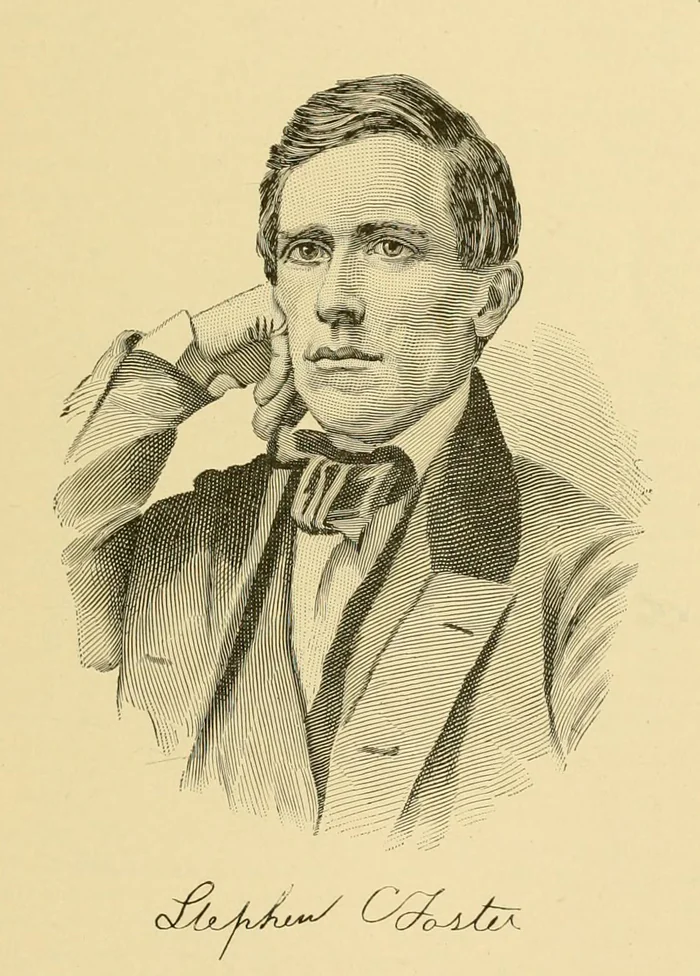
American Settlers, a Fort and the Seminole Wars
Spain sold Florida to the United States in 1821, and Andrew Jackson was named its military governor. That same year, settlers Thomas Hawkins and Joseph A. Dyal arrived in the area from Ware County, Georgia. The Seminole Wars began in 1835, and George E. McClellan raised a company of 77 soldiers, some on foot and some on horseback. From 1836 to 1837, steamships brought supplies to a fort at Suwannee Springs. The county history says the final Indian raid on record there came in 1841, when Dick Tillis lost his wife and four children.
The town of Columbus was founded in 1841 on land that is now Suwannee River State Park. It grew on river steamboat traffic, and a stagecoach road that served it was part of a main 1800s route from Pensacola to Jacksonville. Visitors were coming to Suwannee Springs by 1851, when it had room for 100 guests. Stephen Foster's song Old Folks at Home, which used the river's name, came out on October 1, 1851. The county government says Foster never visited the river and chose its name for the way it sounded.
Sources: Suwannee County Clerk of the Circuit Court: History; Florida State Parks: Suwannee River State Park, History; Florida State Parks: History and Culture of Suwannee; Suwannee County Board of County Commissioners: Historical Information
Next: Chapter 4, Suwannee County Is Created in 1858 →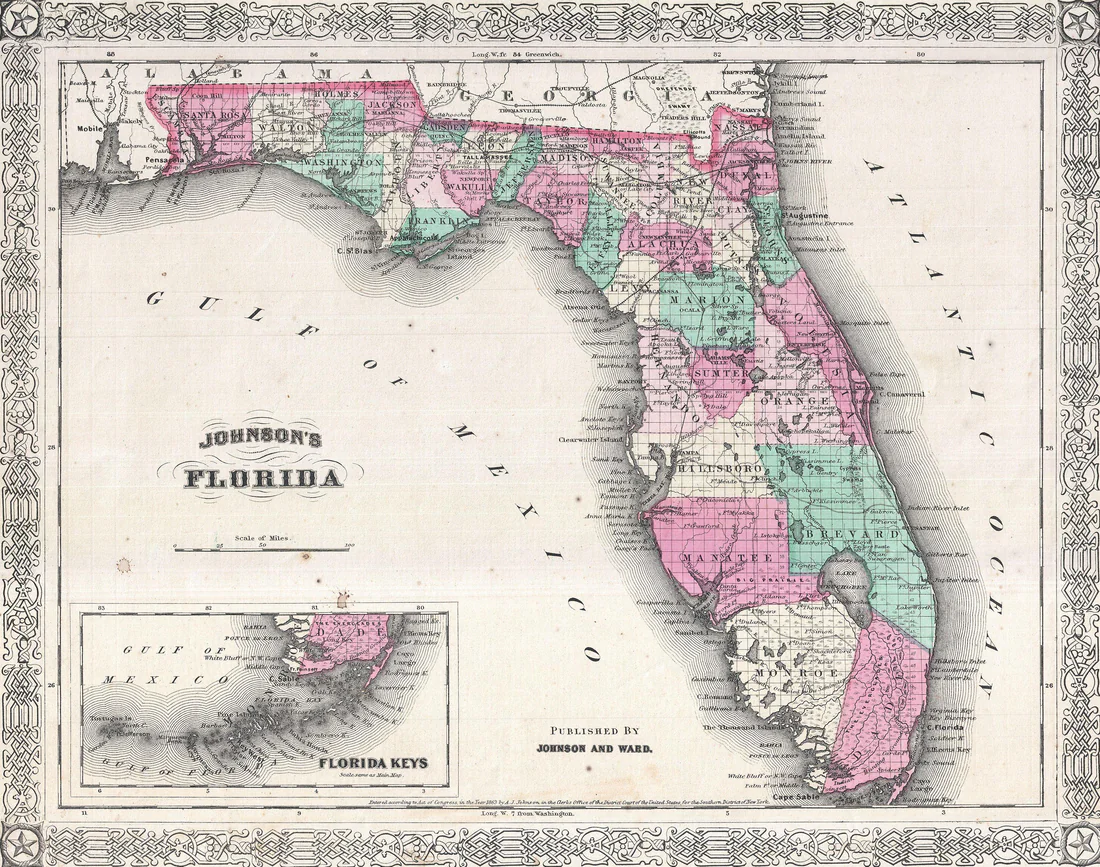
Suwannee County Is Created in 1858
Suwannee County was formed on December 21, 1858, from the western part of Columbia County. It was the 37th county in Florida, and it was named for the river that runs along three of its sides. The new county had just 200 families. The legislature picked the home of the county's first judge, William Hines, as a temporary county seat. Houston then became the first permanent county seat, and voters went to the polls in April 1859.
The 1860 census, the first taken in the county, counted 2,303 people, 1,467 white and 836 Black. Only one of the 836 Black people counted was free. The largest slaveholder, T. D. Dexter, held 53 people in slavery. The Pensacola and Georgia Railroad across North Florida was finished in 1861.
Sources: Suwannee County Clerk of the Circuit Court: History
Next: Chapter 5, The Civil War, the Railroad Bridge and Lewis Powell →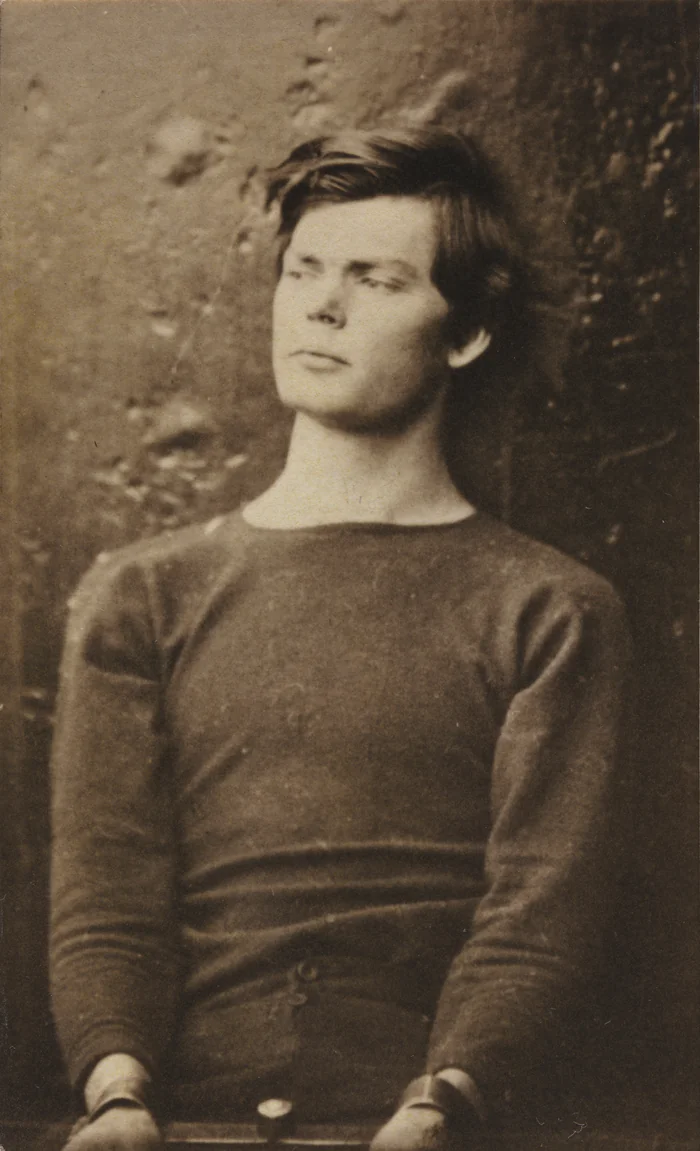
The Civil War, the Railroad Bridge and Lewis Powell
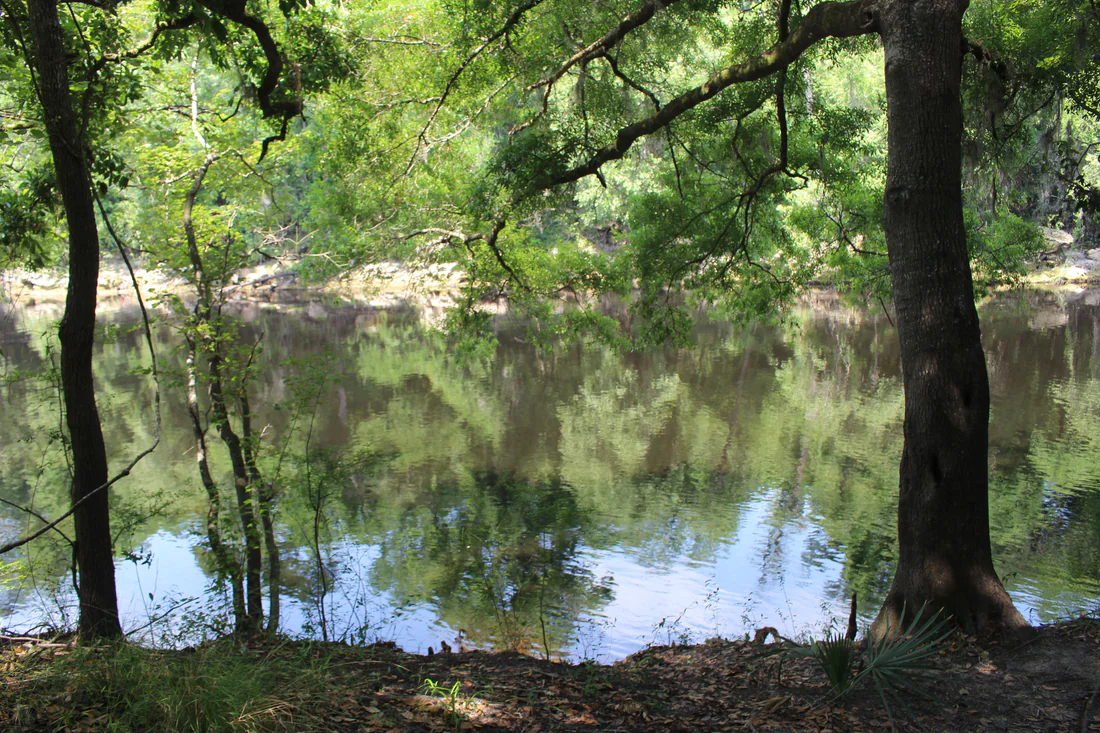
A town grew up around a live oak tree at the railroad junction, and it took the name Live Oak in 1863, when a station was built there. That year, Confederate troops dug earthworks to guard the railroad bridge at what is now Suwannee River State Park. Florida State Parks says the largest Civil War battle in Florida, at Olustee, was fought because of a railroad bridge. On February 20, 1864, the Confederates stopped the Union advance at Olustee, which lies east of Lake City.
During the war, the steamboat Madison, taken into the Confederate Navy, hauled rations and supplies to Columbus. When Union troops pushed into Florida, Captain James M. Tucker had the boat sunk on purpose.
In 1859, the family of Lewis Powell, son of a Baptist minister, moved from Georgia to a homestead outside the spot that became Live Oak. Powell joined the Hamilton Blues, later part of the 2nd Florida Infantry, and was captured at Gettysburg. On April 14, 1865, he went to the house of Secretary of State William Seward with orders to kill him. He was charged as a plotter in Lincoln's death and was hanged on July 7, 1865. On May 14, 1865, Confederate Secretary of State Judah P. Benjamin, hoping to reach Cuba, Mexico or the Bahamas, crossed by ferry into Suwannee County near Charles Springs.
Sources: Suwannee County Clerk of the Circuit Court: History; Florida State Parks: Suwannee River State Park, History; Florida State Parks: History and Culture of Suwannee; Florida State Parks: Wreck of the Madison
Next: Chapter 6, Live Oak Becomes the County Seat →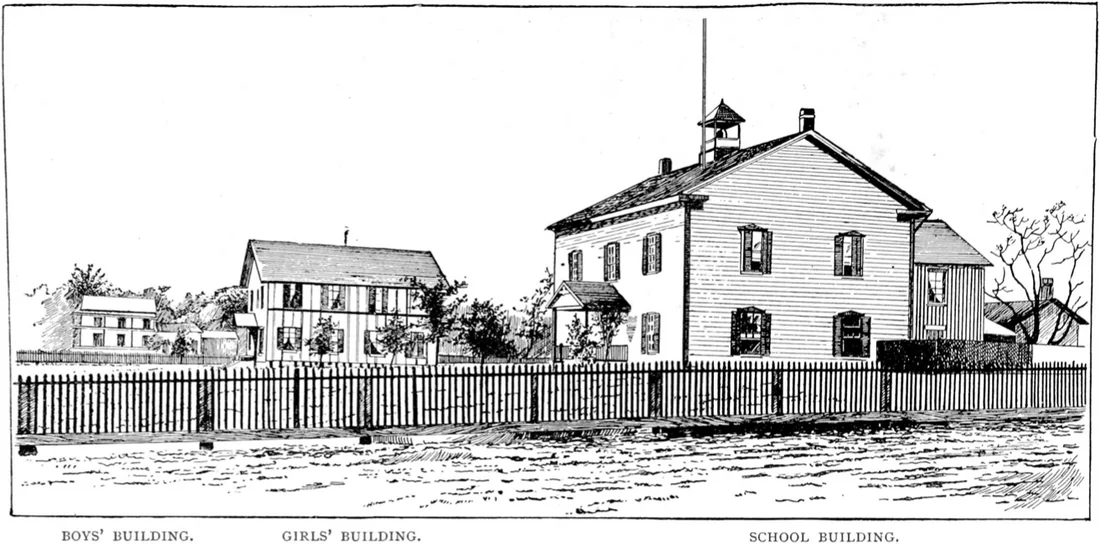
Live Oak Becomes the County Seat
John Parshley of Urbana, Ohio, put up a sawmill and a planing mill close to the rail junction in 1865, then laid out the town and named its streets for his family. Trains could run north to DuPont, Georgia, once the north-south line was completed in 1866. Live Oak officially took over as county seat from Houston on August 1, 1868. The state marker at the courthouse says Live Oak won because of its better location and its railroad. Voters were asked twice in 1869, and on May 15 they chose the Parshley site over Houston, 288 to 164.
Public schooling for Black children in the county began in 1869, when two schools opened. During the 1870s, Live Oak became a rail shipping point for lumber, turpentine and rosin. Live Oak became a town on April 24, 1878, when 39 citizens met to set up a government and a seal. In 1879, the Education Board of the Bethlehem Baptist Association started a school in Live Oak called the Florida Institute. It opened in 1880, and in 1918 it took the name Florida Memorial College.
Sources: National Park Service: National Register of Historic Places Nomination, Old Live Oak City Hall (1986); Suwannee County Clerk of the Circuit Court: History; Florida Department of State, Florida Historical Markers: Suwannee County; Florida Department of State, Florida Historical Markers: The Douglass Center; Florida Department of State, Florida Historical Markers: Florida Memorial College, Original Site
Next: Chapter 7, Steamboats, Branford and the River Towns →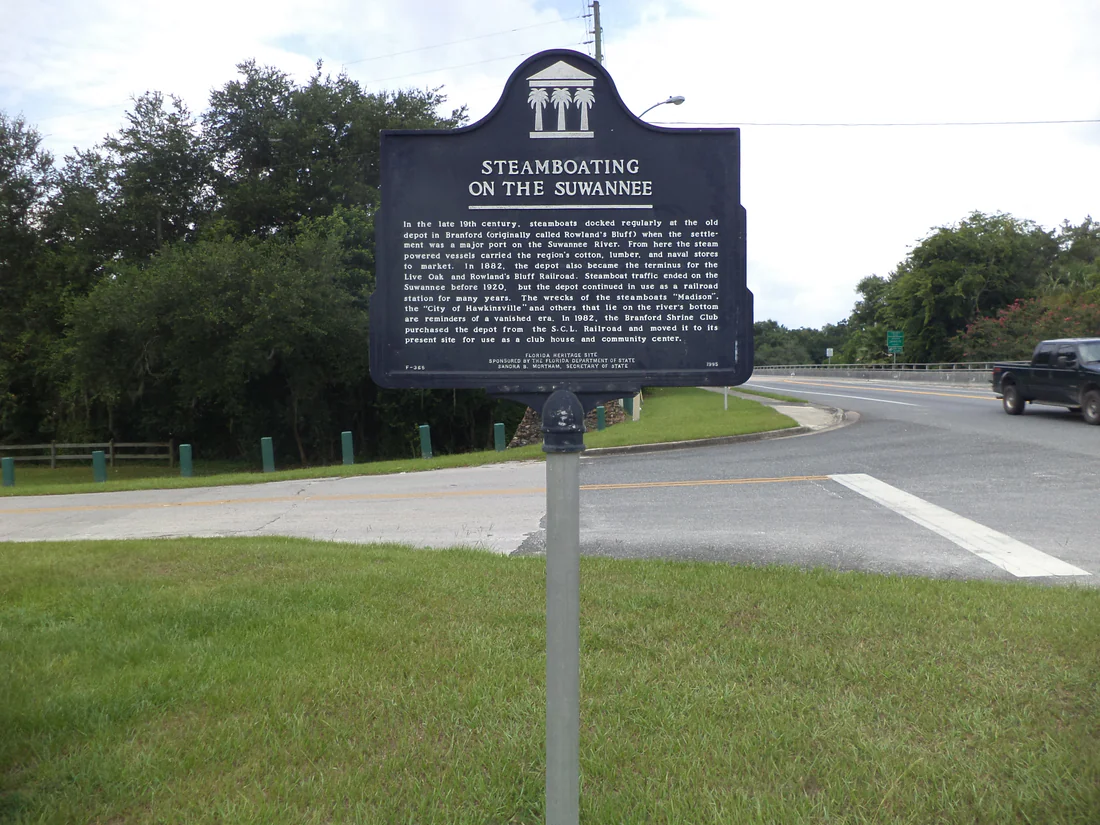
Steamboats, Branford and the River Towns
Dr. John Calvin Peacock bought the land around Peacock Springs in 1875. Luraville dates from 1878 and honors Lura V. Irvine, the five-year-old daughter of Colonel Washington Lafayette Irvine. Phosphate mining was the main business there. McAlpin, settled in 1882, carries the name of Daniel M. McAlpin.
In 1882, the railroad from Live Oak was extended south to Rowland's Bluff, which is now Branford. The town was incorporated in 1886 as New Branford, a name borrowed from H. B. Plant's hometown, and it later shortened its name to Branford. Steamers loaded with timber left Branford for Cedar Key.
The steamboat Belle of the Suwannee was built in 1889, and a hurricane sank it in Deadman's Bay in 1896. The final steamboat working the Suwannee was tied up downriver at Old Town in 1923, which ended the steamboat era on the river. Branford now goes by the nickname Cave Diving Capital of the World, for its many springs and caves.
Sources: Florida State Parks: Wes Skiles Peacock Springs State Park, History; Suwannee County Clerk of the Circuit Court: History
Next: Chapter 8, Healing Springs, Big Sawmills and a Brick Courthouse →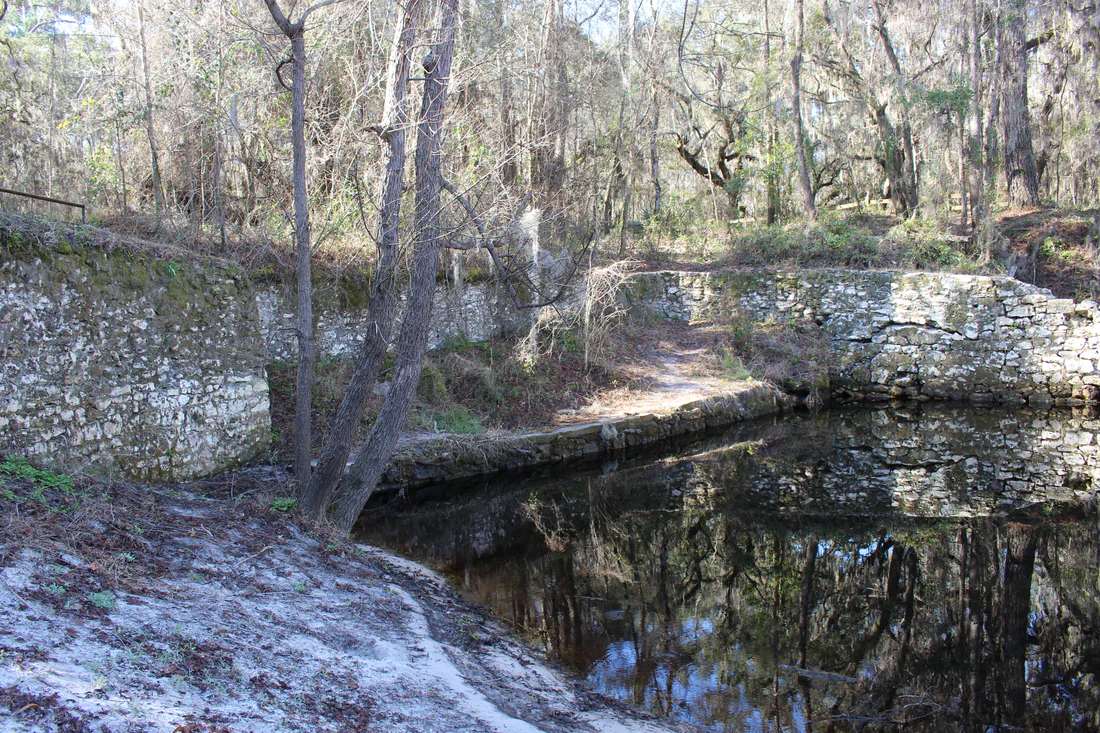
Healing Springs, Big Sawmills and a Brick Courthouse
Visitors came to Suwannee Springs hoping its mineral water would heal them. A post office opened there on April 26, 1869, and closed on May 31, 1908. A few years later, fire destroyed the fine hotel on the riverbank, and today little is left but the ruins of the springhouse. During the 1890s and early 1900s, Live Oak was Florida's fifth largest city and the state's biggest inland city.
In 1890, Thomas Dowling began sawing lumber in Live Oak, and he also built the town's first waterworks. The Dowling family laid the Live Oak, Perry and Gulf Railroad, and in 1908 Dowling shifted his mill to the county's west side. A community grew up around the new mill and became Dowling Park. Dowling gave land on the river for the Advent Christian Village, which began on December 17, 1913, and which the county history calls Florida's first retirement center. The county history also says Dowling was likely the first Floridian, and certainly the first person in Live Oak, known to own a car.
The county built a brick courthouse in 1904, and Live Oak's city hall was finished in 1909. The county grew close to a tenth of the world's Sea Island cotton. In 1915, boll weevils ruined much of the county's cotton.
Sources: Suwannee River Water Management District: Suwannee Springs; Suwannee County Clerk of the Circuit Court: History
Next: Chapter 9, Bright Leaf Tobacco, a Governor and a Woman Mayor →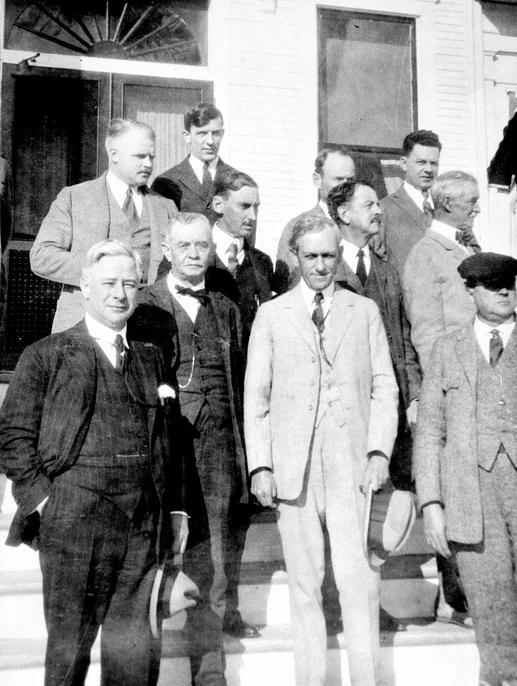
Bright Leaf Tobacco, a Governor and a Woman Mayor
After the boll weevil, bright leaf tobacco became the county's main crop. Cary Hardee came to Live Oak in 1900 from Taylor County, and Florida elected him governor in 1920. In 1924, Ruby Gould Strickland became Live Oak's mayor. The county history says she was the first woman to be a mayor anywhere below the Mason-Dixon line.
In 1925, Hardee helped start a flue-cured tobacco market that the county history calls the oldest and largest in the state. A county report sent to the Florida Works Progress Administration in December 1936 counted three large tobacco warehouses at Live Oak and called the town North Florida's biggest tobacco market. The Live Oak Golf and Country Club, formed in 1924, opened a nine-hole course with sand greens in 1926. Cary Hardee, by then a former governor, served as the club's first president.
Live Oak's school for Black students was named for the abolitionist Frederick Douglass, and a second Douglass school was built in the 1920s. African American families gave money for it, and the Julius Rosenwald Foundation matched their gifts. In 1939, Douglass became the first school for Black students in Live Oak to teach high school classes.
Sources: Suwannee County Clerk of the Circuit Court: History; Florida Memory, State Library and Archives of Florida: Suwannee (county report for the Florida Works Progress Administration, December 1, 1936); Florida Department of State: Suwannee Country Club in Live Oak Featured as Florida Historic Golf Trail Course of the Month; Florida Department of State, Florida Historical Markers: The Douglass Center
Next: Chapter 10, Hard Years, a Boys Ranch and a Music Park →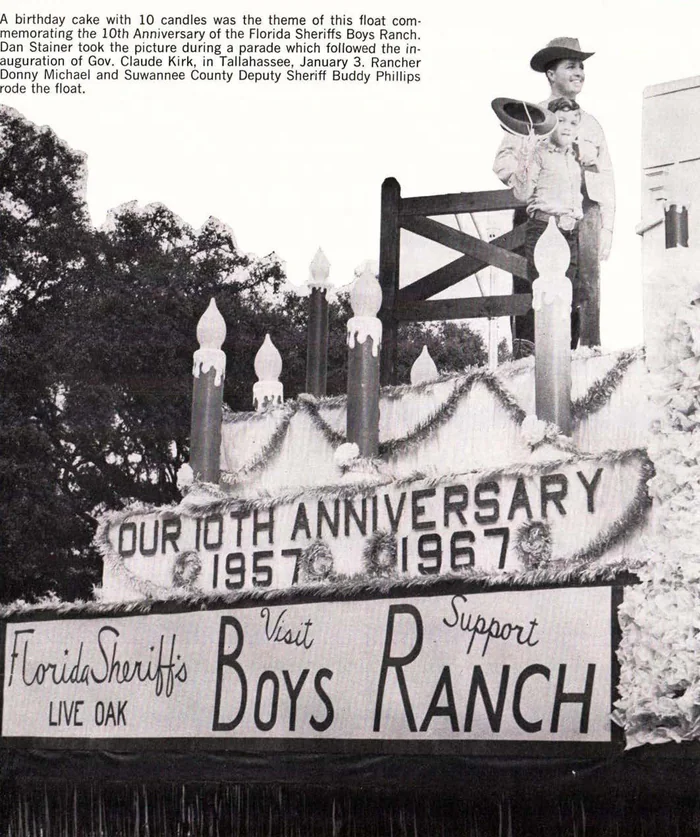
Hard Years, a Boys Ranch and a Music Park
Florida Memorial College left Live Oak after the General Baptist Convention voted in 1941 to combine it and Florida Normal and Industrial Institute, and the joined school moved to South Florida. The buildings left behind were sold at auction in 1948, and the money paid for the county's first public hospital.
On January 2, 1944, three white men kidnapped and lynched Willie James Howard, a Black 15-year-old from Live Oak. He had sent cards to his co-workers at a Live Oak dime store, and the one for Cynthia Goff, a white employee, showed a teenage crush. The men took him from his mother at gunpoint, and at the water's edge they told him to jump or be shot. He went into the water and drowned, and the men made his father watch at gunpoint. The grand jury did not indict anyone, and in 2005 about 200 people gathered to remember him and mark his grave.
Florida State Parks dates the earliest recorded cave dive at Peacock Springs to 1956. In 1958, the Florida Sheriffs' Boys' Ranch in the county took in its first boys, and Elvis Presley was one of its first backers. Douglass graduated its last high school class in 1969, and the state marker calls it the county's last segregated class. The Suwannee County Development Authority opened the Spirit of the Suwannee Music Park to the public in 1983 and 1984.
Sources: Florida Department of State, Florida Historical Markers: Florida Memorial College, Original Site; Equal Justice Initiative: On Jan 02, 1944, 15-Year-Old Boy Lynched in Florida for Sending Love Note; Journal of Florida Studies: How My Heart Grows Weary, Willie James Howard and the Suwannee River (Julie Buckner Armstrong, University of South Florida); Florida State Parks: History of Peacock Springs; Suwannee County Clerk of the Circuit Court: History; Florida Department of State, Florida Historical Markers: The Douglass Center
Next: Chapter 11, Since 1990: Cave Diving Parks, School Markers and a Century Farm →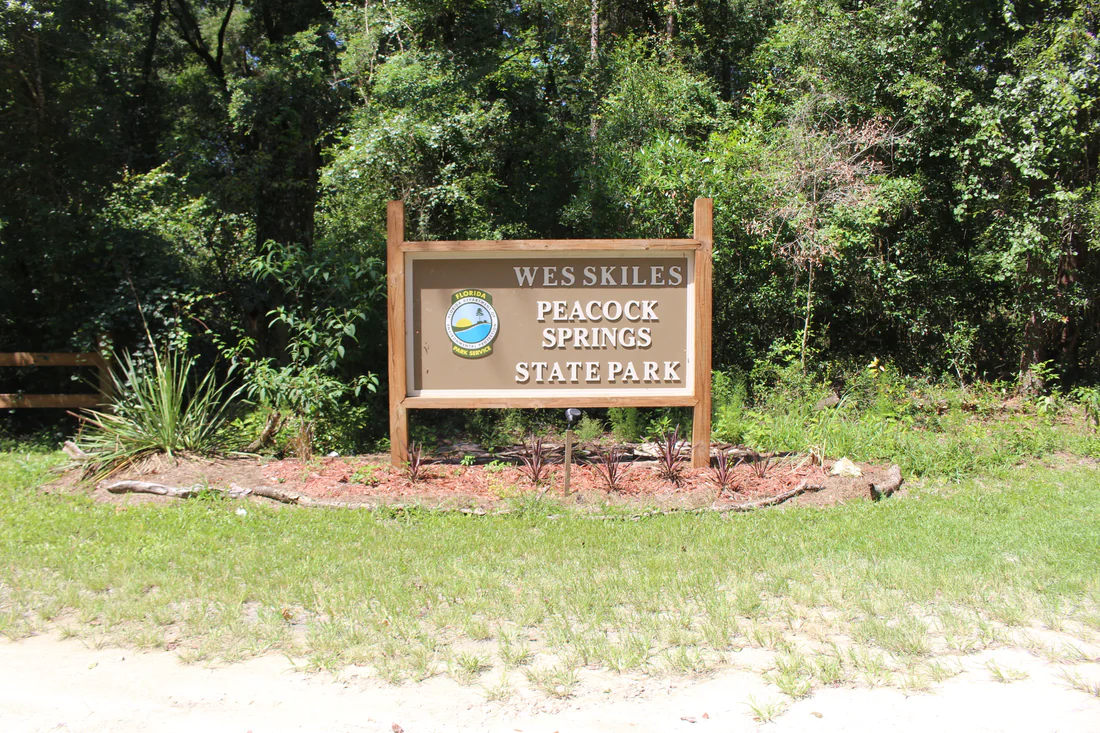
Since 1990: Cave Diving Parks, School Markers and a Century Farm
The Nature Conservancy had bought 250 acres around Peacock Springs in 1985, and the state opened the land as a park in 1993. Private owners bought the Spirit of the Suwannee Music Park in the late 1990s. In 2011, the Peacock Springs park was renamed Wes Skiles Peacock Springs State Park in honor of Wes Skiles, a cave diver, explorer, photographer, filmmaker and springs advocate. In 2015, Balanced Rock, a well-known landmark at Suwannee River State Park, finally fell into the river. On February 1, 2018, the Florida Department of State featured Live Oak's Suwannee Country Club as its Florida Historic Golf Trail Course of the Month.
The old Douglass school, later called the Douglass Center, passed to the county in 2008 and became a community center. In July 2018, a historical marker for the school was unveiled on its old grounds. In 2020, a state marker went up at the original site of Florida Memorial College in Live Oak.
In November 2025, WTXL reported that the Hemming family of Suwannee County are the first African American owners of a Century Pioneer Family Farm in Florida. The farm's founder, Christmas Hemming, was born into slavery in 1816. In 1885, he paid $1,100 for 640 acres. The Florida State Genealogical Society also named the family its first Pioneer Builders.
Sources: Florida State Parks: History of Peacock Springs; Suwannee County Clerk of the Circuit Court: History; Florida State Parks: Suwannee River State Park, History; Florida Department of State: Suwannee Country Club in Live Oak Featured as Florida Historic Golf Trail Course of the Month; Florida Department of State, Florida Historical Markers: The Douglass Center; WCTV: Historical marker unveiled at old Douglass High School in Live Oak; Florida Department of State, Florida Historical Markers: Florida Memorial College, Original Site; WTXL ABC 27: North Florida family makes state history with century-old farm recognition
Next: the whole story, in dates →The whole story, in dates
Nomadic Paleo-Indians hunt large animals in the Peacock Springs area.
The McKeithen Weeden Island culture lives in the region.
Timucua chiefdoms attack Hernando de Soto's army near Napituca.
The Spanish found the mission of San Juan de Guacara at Baptizing Springs.
Apalachicola Indians destroy the Guacara mission.
Spain sells Florida to the United States, and settlers arrive from Ware County, Georgia.
The river town of Columbus is founded.
Stephen Foster's song Old Folks at Home comes out.
Suwannee County is formed from the western part of Columbia County.
The Pensacola and Georgia Railroad across North Florida is finished.
Live Oak gets its name, and Confederate troops dig earthworks at the railroad bridge.
The Union advance is stopped at Olustee.
Judah P. Benjamin crosses by ferry into the county near Charles Springs.
Live Oak officially becomes the county seat.
Live Oak becomes a town.
The Florida Institute, later Florida Memorial College, is started in Live Oak.
The railroad reaches Rowland's Bluff, now Branford.
The town is incorporated as New Branford.
The steamboat Belle of the Suwannee is built.
Thomas Dowling starts a lumber mill in Live Oak.
The county builds a brick courthouse.
The Advent Christian Village begins on river land Thomas Dowling gave.
Boll weevils ruin much of the county's cotton.
Cary Hardee of Live Oak is elected governor of Florida.
Ruby Gould Strickland becomes mayor of Live Oak.
Hardee helps start a flue-cured tobacco market.
Douglass becomes the first school for Black students in Live Oak to teach high school classes.
Florida Memorial College leaves Live Oak in a merger.
Willie James Howard is lynched.
The Florida Sheriffs' Boys' Ranch takes in its first boys.
The Spirit of the Suwannee Music Park opens to the public.
Peacock Springs opens as a state park.
The park is renamed for cave explorer Wes Skiles.
Balanced Rock at Suwannee River State Park falls into the river.
The Suwannee Country Club is the state's Florida Historic Golf Trail Course of the Month.
A historical marker is unveiled at the old Douglass school.
A state marker goes up at the original site of Florida Memorial College.
WTXL reports that the Hemming family owns the state's first African American Century Pioneer Family Farm.
Where you can still see it
 01
 02
 03
Suwannee River State Park
Goes with: The Civil War, the Railroad Bridge and Lewis Powell
Open the place page →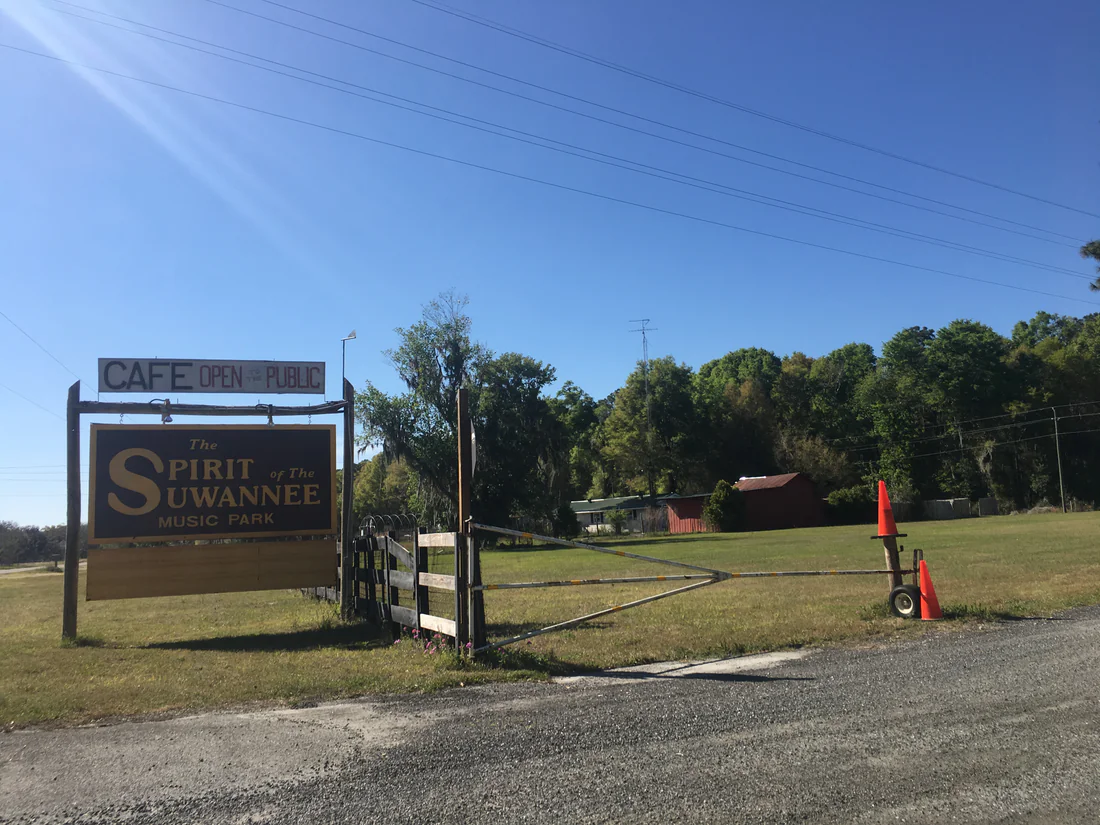 04
Spirit of the Suwannee Music Park
Goes with: Hard Years, a Boys Ranch and a Music Park
Open the place page →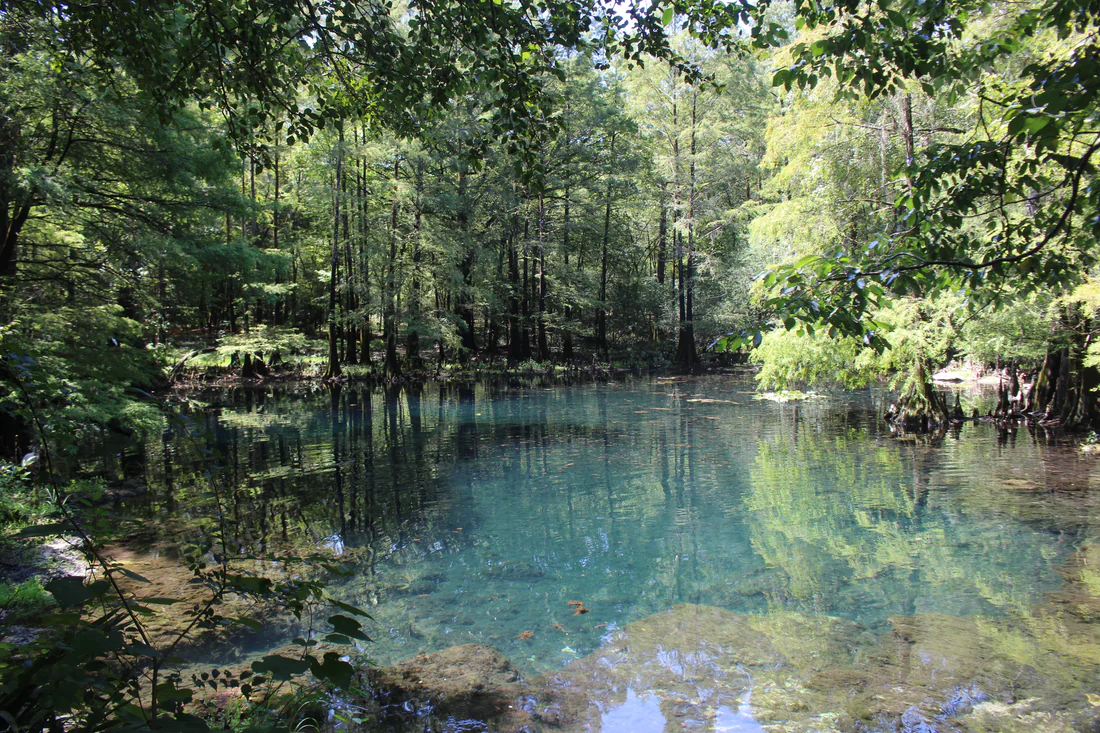 05
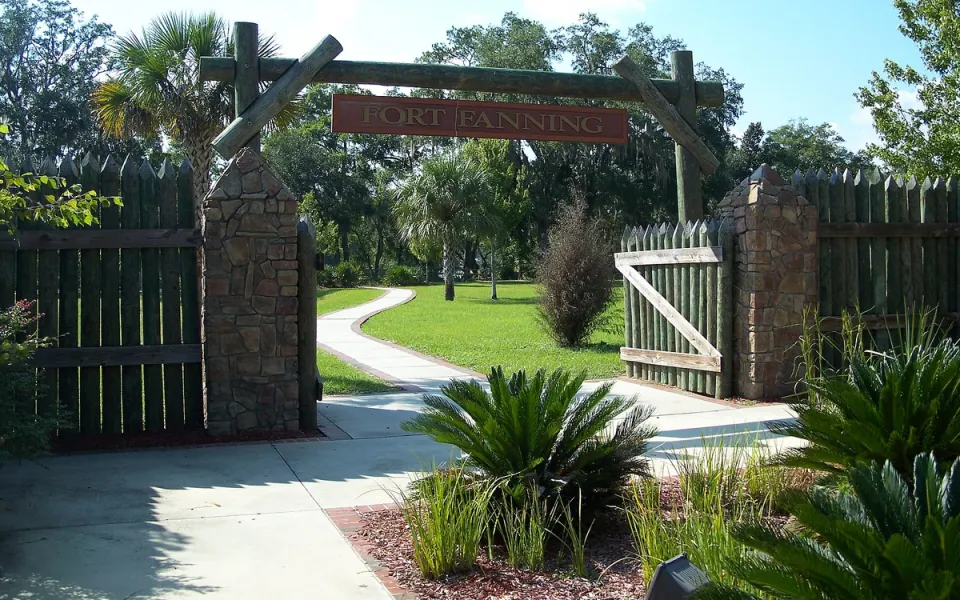
Wes Skiles Peacock Springs State Park
Goes with: Since 1990: Cave Diving Parks, School Markers and a Century Farm
Open the place page →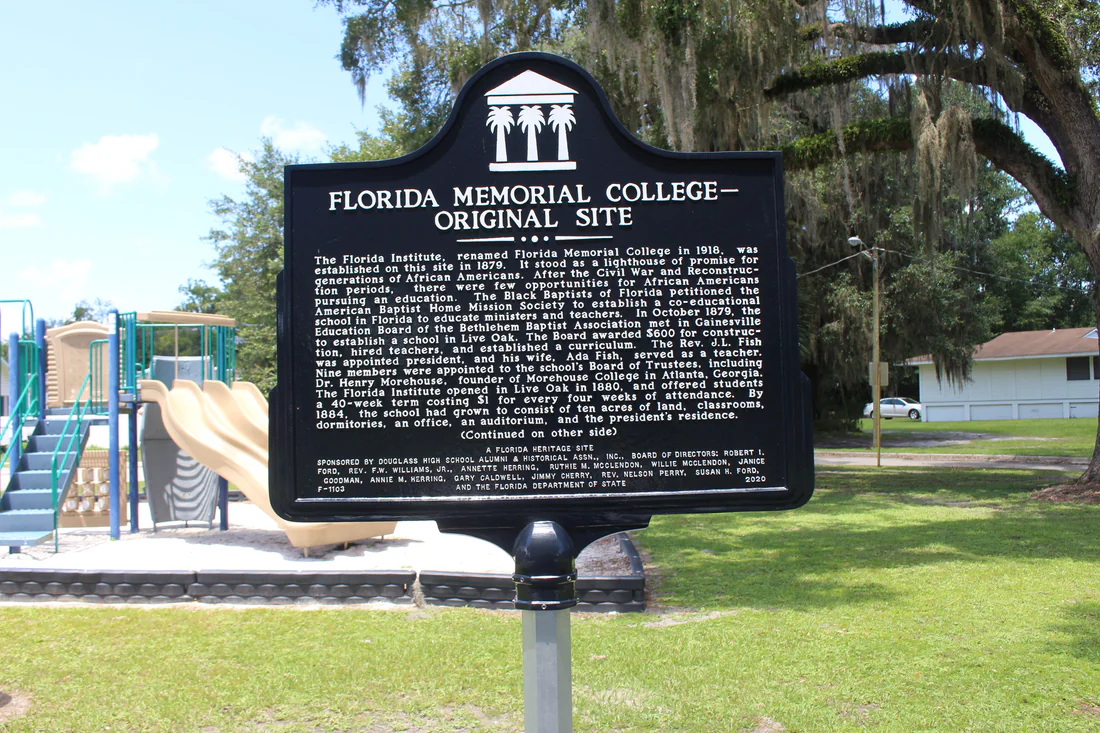 06
Original site of Florida Memorial College
Goes with: Since 1990: Cave Diving Parks, School Markers and a Century Farm
Read the state marker for the original site of Florida Memorial College →Questions people ask
When was Suwannee County created?
Suwannee County was formed on December 21, 1858, from the western part of Columbia County.
Chapter 4 →What is Suwannee County named for?
It was named for the Suwannee River, which runs along three of its sides.
Chapter 4 →What was the first county seat of Suwannee County?
Houston was the first permanent county seat.
Chapter 4 →How did Live Oak get its name?
A town grew up around a live oak tree at the railroad junction and took the name Live Oak in 1863, when a station was built there.
Chapter 5 →When did Florida Memorial College begin in Live Oak?
The Florida Institute was started in Live Oak in 1879 and took the name Florida Memorial College in 1918.
Chapter 6 →Where this comes from.
Last updated October 19, 2026.
- Suwannee County Clerk of the Circuit Court: History ↗ Read October 19, 2026
- Suwannee County Board of County Commissioners: Historical Information ↗ Read October 19, 2026
- Florida Department of State, Florida Historical Markers: Suwannee County ↗ Read October 19, 2026
- Florida Department of State, Florida Historical Markers: Florida Memorial College, Original Site ↗ Read October 19, 2026
- Florida Department of State, Florida Historical Markers: The Douglass Center ↗ Read October 19, 2026
- Florida Memory, State Library and Archives of Florida: Suwannee (county report for the Florida Works Progress Administration, December 1, 1936) ↗ Read October 19, 2026
- National Park Service: National Register of Historic Places Nomination, Old Live Oak City Hall (1986) ↗ Read October 19, 2026
- Florida State Parks: Suwannee River State Park, History ↗ Read October 19, 2026
- Florida State Parks: History and Culture of Suwannee ↗ Read October 19, 2026
- Florida State Parks: Wreck of the Madison ↗ Read October 19, 2026
- Florida State Parks: History of Peacock Springs ↗ Read October 19, 2026
- Florida State Parks: Wes Skiles Peacock Springs State Park, History ↗ Read October 19, 2026
- Suwannee River Water Management District: Suwannee Springs ↗ Read October 19, 2026
- Journal of Florida Studies: How My Heart Grows Weary, Willie James Howard and the Suwannee River (Julie Buckner Armstrong, University of South Florida) ↗ Read October 19, 2026
- Equal Justice Initiative: On Jan 02, 1944, 15-Year-Old Boy Lynched in Florida for Sending Love Note ↗ Read October 19, 2026
- Florida Department of State: Suwannee Country Club in Live Oak Featured as Florida Historic Golf Trail Course of the Month ↗ Read October 19, 2026
- WCTV: Historical marker unveiled at old Douglass High School in Live Oak ↗ Read October 19, 2026
- WTXL ABC 27: North Florida family makes state history with century-old farm recognition ↗ Read October 19, 2026