Hamilton County was created by a legislative act on December 26, 1827. It is named for Alexander Hamilton, who was the first secretary of the U.S. Treasury, and Jasper is its county seat. It is best known for White Springs, the Suwannee River town that Florida State Parks calls Florida's first tourist attraction, and for the Stephen Foster memorial park there. Archaeological evidence suggests the county's history reaches back to Paleoindians who came to the sulfur spring there.
This page tells the story in order, from the first peoples at the sacred spring to the 74th Florida Folk Festival, then lists places in the county where you can still see it. The sources for each part are named at the end of that part, and all of them are listed at the bottom of the page.
The First Peoples and the Sacred Spring
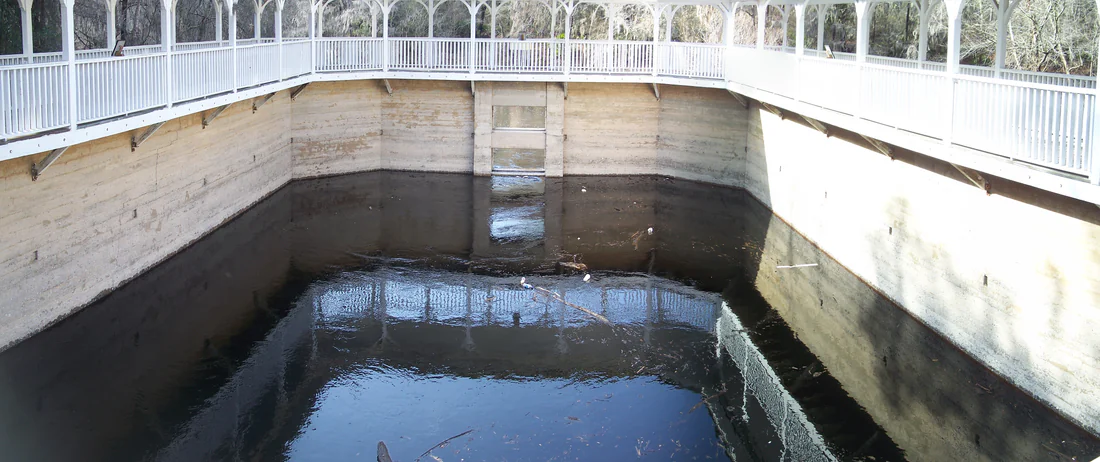
Archaeological evidence suggests Paleoindians came to the sulfur spring at White Springs. A historic district marker in the town says Timucua people and Seminoles were drawn to the springs too, believing the water could heal. In the 1700s, American Indians held White Sulphur Spring to be sacred ground because they believed its water could cure illness. Florida State Parks says it was held to be a place of peace where no one was allowed to fight. The state historical marker in White Springs adds that wounded warriors who came to heal there were said to be safe from attack.
Long ago, Native people quarried stone at Big Shoals on the Suwannee River to make chipped tools. Florida State Parks says the Suwannee River was once a border of Timucua lands. The City of Jasper says the land around it was originally home to villages of the Miccosukee, a Seminole group. It points to a burial mound close to Baisden Swamp as a sign of those Native roots.
Sources: Florida State Parks: The Spring House at Stephen Foster; The Historical Marker Database: Welcome to the White Springs Historic District; Florida State Parks: Stephen Foster Folk Culture Center State Park, History; Florida Department of State, Florida Historical Markers: White Springs; Florida State Parks: Big Shoals, History; City of Jasper: About
Next: Chapter 2, Treaties, Settlers and a Ferry at the Spring →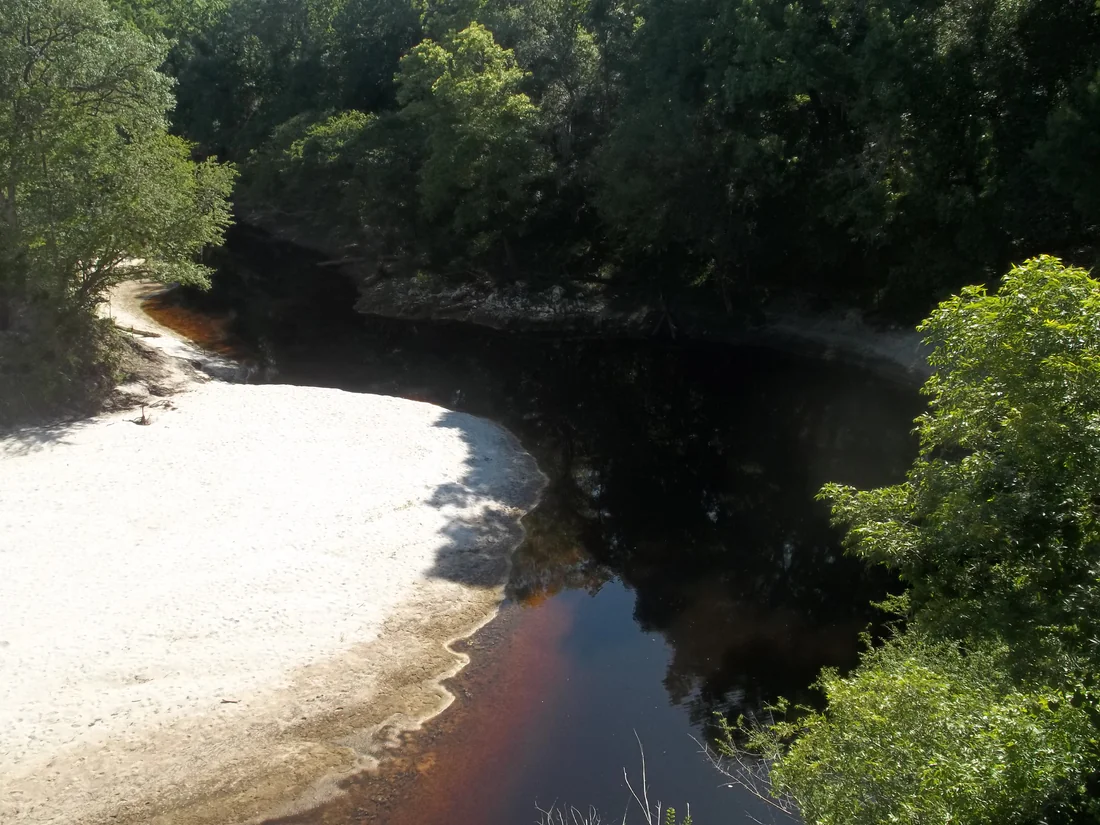
Treaties, Settlers and a Ferry at the Spring
A marker in White Springs about wars notes that Spain, France, Britain and the United States all fought to own Florida. After the Treaty of Moultrie Creek in 1823, Native groups were moved east of the Suwannee River, the City of Jasper says. In May 1824, Daniel Bell traveled from Georgia down the Alapaha River, a 1930s county history says. An Indian chief guided him, and he settled near Micco, an Indian village beside the Alapaha. The history calls it the first white settlement in that section.
Settlers moved near the springs at White Springs in 1826, the state marker says. Around Jasper, settlers arrived in large numbers from the late 1820s into the 1840s, and many came from South Carolina and Georgia. Early on, the spring was called Upper Mineral Springs, and a ferry was put in near it. The settlement that grew up there was called Jackson Springs. In 1836, Bryant Sheffield bought both the spring and the ferry, then built a hotel and a spring house from timber cut nearby.
Sources: The Historical Marker Database: Wars and Conflicts in White Springs; City of Jasper: About; Florida Memory, State Library and Archives of Florida: Hamilton County (Works Progress Administration county history typescript); Florida Department of State, Florida Historical Markers: White Springs; Florida State Parks: The Spring House at Stephen Foster
Next: Chapter 3, Hamilton County Is Created in 1827 →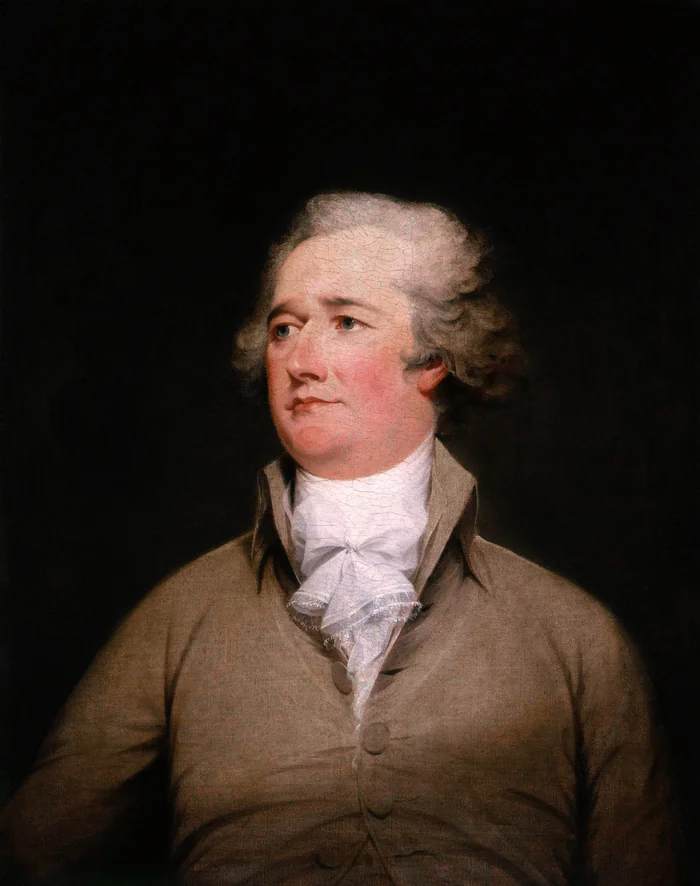
Hamilton County Is Created in 1827
A legislative act created Hamilton County on December 26, 1827. The county is named for Alexander Hamilton, the nation's first Treasury secretary, according to the University of South Florida's map library. The same source counts it as Florida's 15th county.
Micco was named the county seat, and while it held that role, court met in a log house. A 1937 history of the county's courthouses calls that first one a rough log building, with no description of it to be found. The Suwannee River runs along the county's east and south sides, the Withlacoochee River forms its west side, and Georgia lies to the north, the 1930s county history says.
Sources: Florida Memory, State Library and Archives of Florida: Hamilton County Court Houses (typescript stamped July 6, 1937); University of South Florida, Florida Center for Instructional Technology: Florida Maps, Hamilton County; Florida Memory, State Library and Archives of Florida: Hamilton County (Works Progress Administration county history typescript)
Next: Chapter 4, The Seminole War, a Cattle King and the Move to Jasper →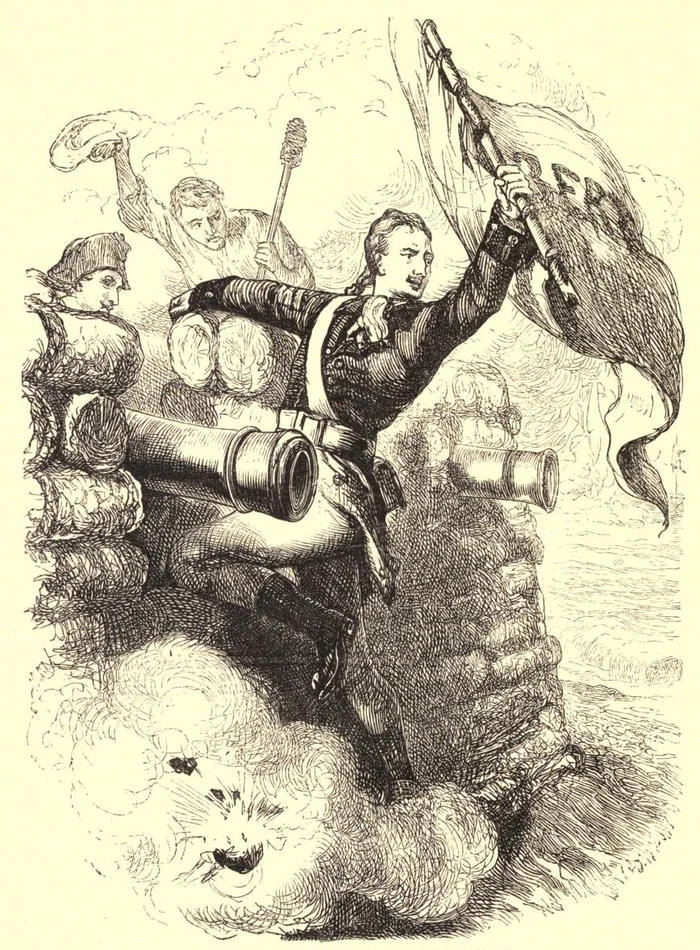
The Seminole War, a Cattle King and the Move to Jasper
A White Springs marker gives the Seminole War's dates as 1817 to 1842 and calls it the longest and costliest war in US history. After Seminole raids nearby at Genoa and Benton, the US Army set up Fort Cass near White Springs. Many local men joined the fighting as soldiers. Near Jasper, pioneers formed a guarded frontier settlement during the Second Seminole War, which the city dates from 1835 to 1842.
Florida State Parks names William Brinton Hooker as one of the state's first cattle kings. In the 1830s he settled on the Suwannee's north bank, where he kept scrub cattle and grew black seed cotton. In the mid-1830s he also put a ferry across the river.
In 1835, as the settlements shifted, the county seat moved, and the new site was named Jasper. The name honored Sergeant William Jasper, a hero of the Revolutionary War. In June 1776, at Fort Moultrie, he won fame by saving the American flag while cannons fired, and he was killed in an attack on Savannah in 1779. On December 7, 1839, county commissioners certified that John L. Stewart, the county surveyor, had surveyed the town lots at the county site. On July 15, 1855, the court ordered a new courthouse two stories tall.
Sources: The Historical Marker Database: Wars and Conflicts in White Springs; City of Jasper: About; Florida State Parks: Big Shoals, History; Florida Memory, State Library and Archives of Florida: Hamilton County (Works Progress Administration county history typescript); Florida Memory, State Library and Archives of Florida: Hamilton County Court Houses (typescript stamped July 6, 1937)
Next: Chapter 5, The Civil War and the Florida Branch Railroad →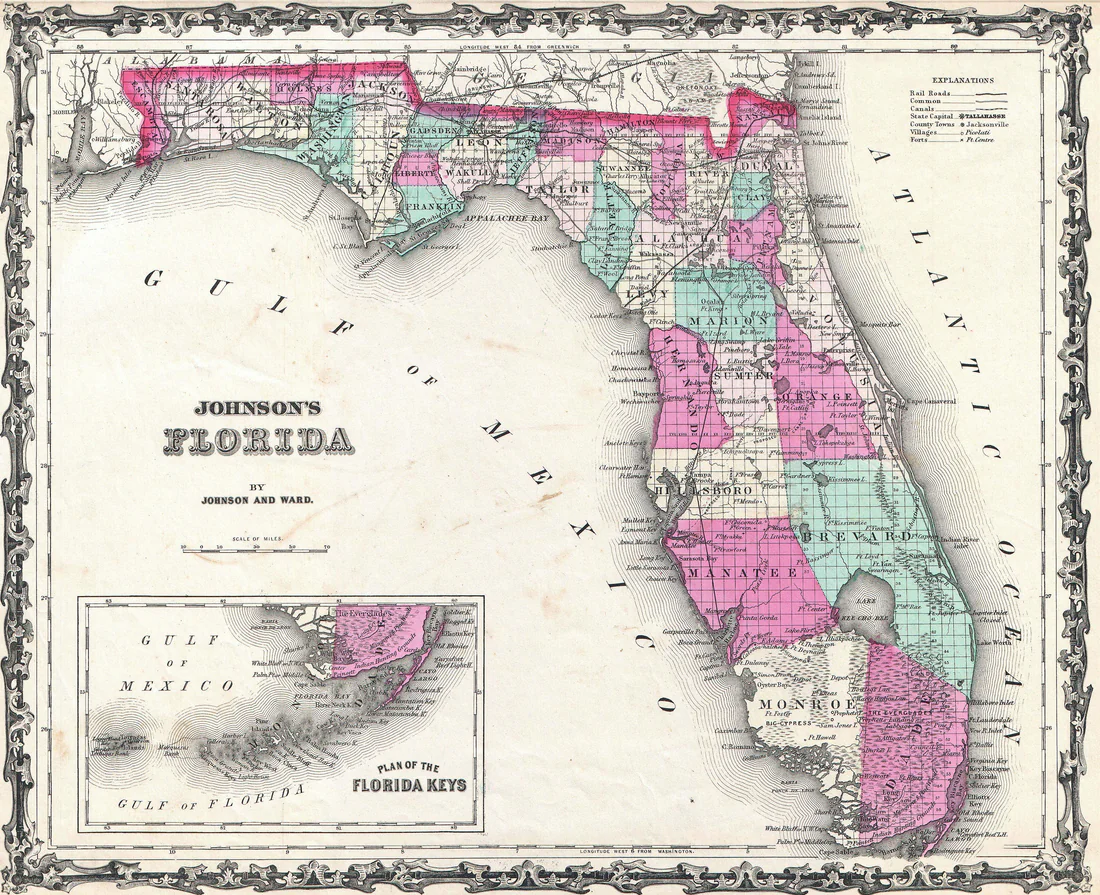
The Civil War and the Florida Branch Railroad
During the Civil War, the White Springs state marker says, the village served as a refuge. Many planters moved their families and the people they enslaved there for safety. Plantation and pioneer families knew the settlement as Rebel's Refuge. People from Florida's coast fled Union forces for White Springs, and the town was also a place where men joined the Confederate army.
Once the war started in 1861, the Confederacy needed rail lines running north and south to link Florida and Georgia tracks and get around Union blockades of Florida ports. Its government ordered a 49-mile line between Live Oak and Lawton (Dupont), Georgia. By 1862 the roadbed and the bridges over the Suwannee and Alapaha rivers were mostly built, but there was no iron for rails.
The Confederacy then took rails from the damaged Florida Railroad, which ran from Fernandina to Cedar Key. Work was finally done in March 1865, just a month ahead of the Confederate surrender at Appomattox. The marker says the Florida Branch, as the line was called, led to the founding of Live Oak and Jasper.
Sources: Florida Department of State, Florida Historical Markers: White Springs; The Historical Marker Database: Welcome to the White Springs Historic District; The Historical Marker Database: Wars and Conflicts in White Springs; Florida Department of State, Florida Historical Markers: Florida Branch Railroad
Next: Chapter 6, New Rails, a New Town and a Brick Courthouse →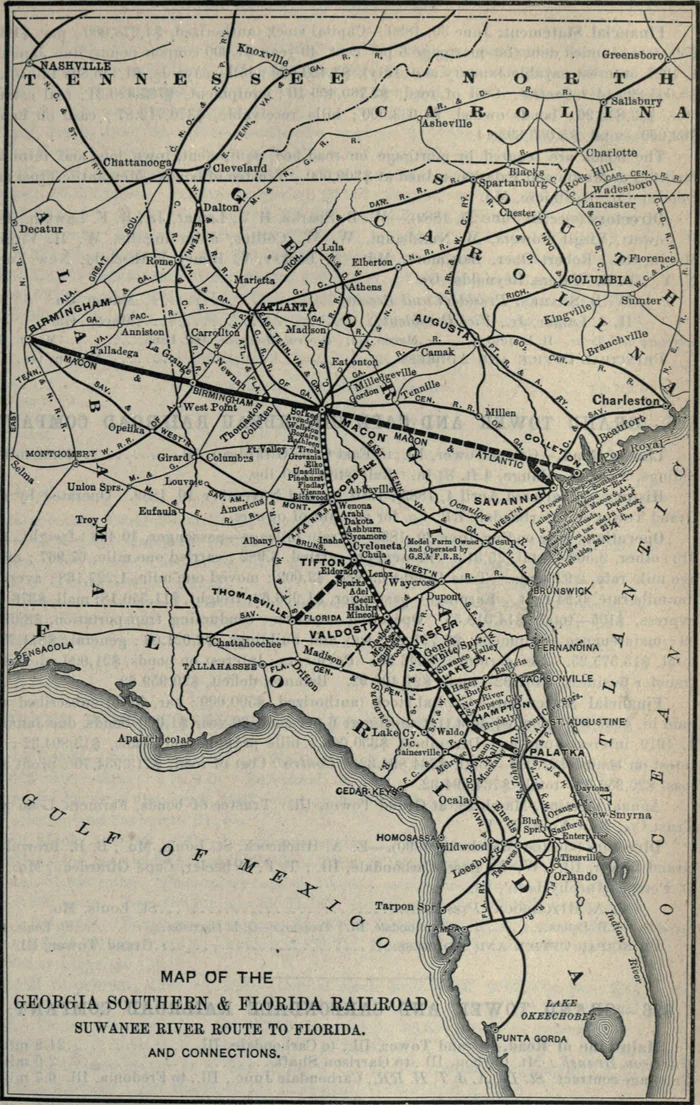
New Rails, a New Town and a Brick Courthouse
After the war, Henry B. Plant made the railway through Jasper a key route for freight and passengers, the city says. The line later joined the Plant System, and after that the Atlantic Coast Line Railroad. In 1885, a second rail line at Jasper was built by the Georgia Southern & Florida Railway.
By 1882, Georgia merchants had bought the sulfur spring at White Springs and much of the nearby land. The town was incorporated as White Springs in 1885, and a historic district marker credits the timber trade for that step. Shopkeepers bought the divided lots and built stores and places to relax.
In 1891, it was decided to move the courthouse site again, to a spot about one mile from the courthouse at old Jasper. A brick courthouse was built there for about $20,000.
Sources: City of Jasper: About; Florida Department of State, Florida Historical Markers: Florida Branch Railroad; Florida State Parks: The Spring House at Stephen Foster; The Historical Marker Database: Welcome to the White Springs Historic District; Florida Memory, State Library and Archives of Florida: Hamilton County Court Houses (typescript stamped July 6, 1937)
Next: Chapter 7, White Springs, the Resort Town →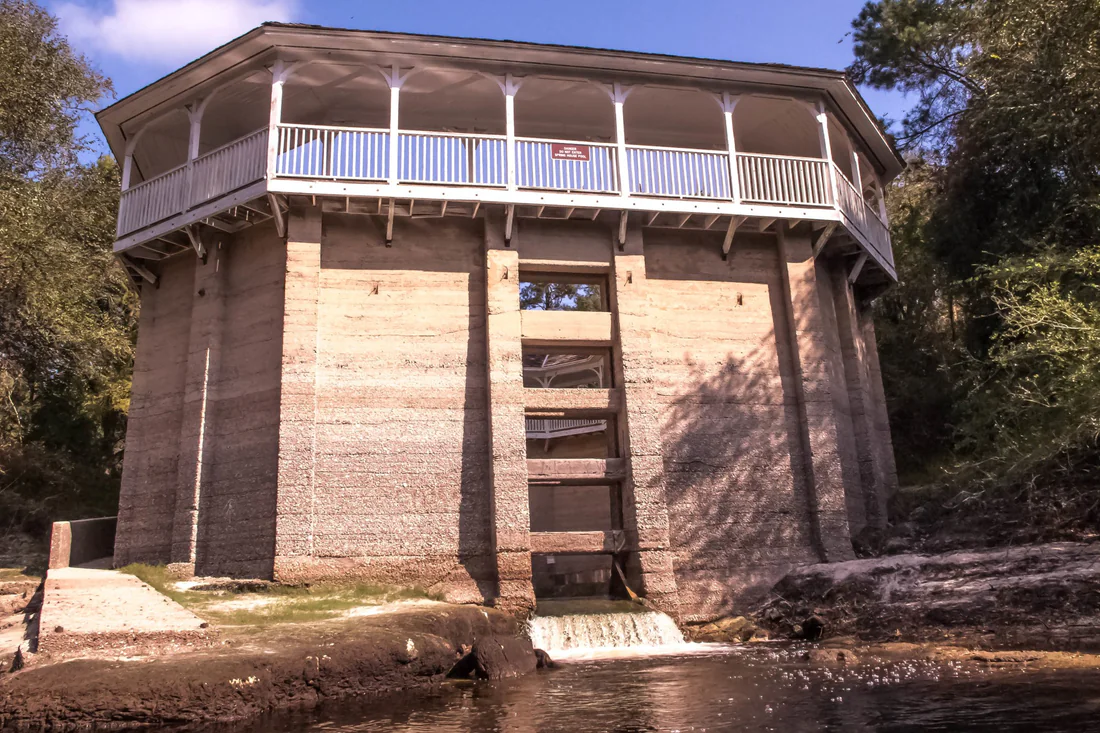
White Springs, the Resort Town
Around 1900, the spring house was rebuilt with coquina shells mixed into cement. Florida State Parks calls White Springs the state's first tourist attraction. Visitors came first by stagecoach, then by train and at last by car.
The state park says the spring was advertised as a health resort from the mid-1800s into the 1950s. Shops, dressing rooms and exam rooms were built into a bath house beside the spring, which had a concrete wall around it. Teddy Roosevelt and Henry Ford were among its well-known visitors.
A district marker says thousands of tourists came in the town's best years, when it had a Spring House, boardwalks along the river and over 500 rooms in hotels and boarding houses. In March 1912, Juliette Gordon Low organized a Girl Scout troop in White Springs, which a 1979 marker in the park calls the second in America. In time the spring dried up.
Sources: Florida State Parks: The Spring House at Stephen Foster; Florida State Parks: Stephen Foster Folk Culture Center State Park, History; The Historical Marker Database: Welcome to the White Springs Historic District; The Historical Marker Database: Commemorating the Organization of the Second Girl Scout Troop in America
Next: Chapter 8, Crops, Pine Forests and a Courthouse Fire →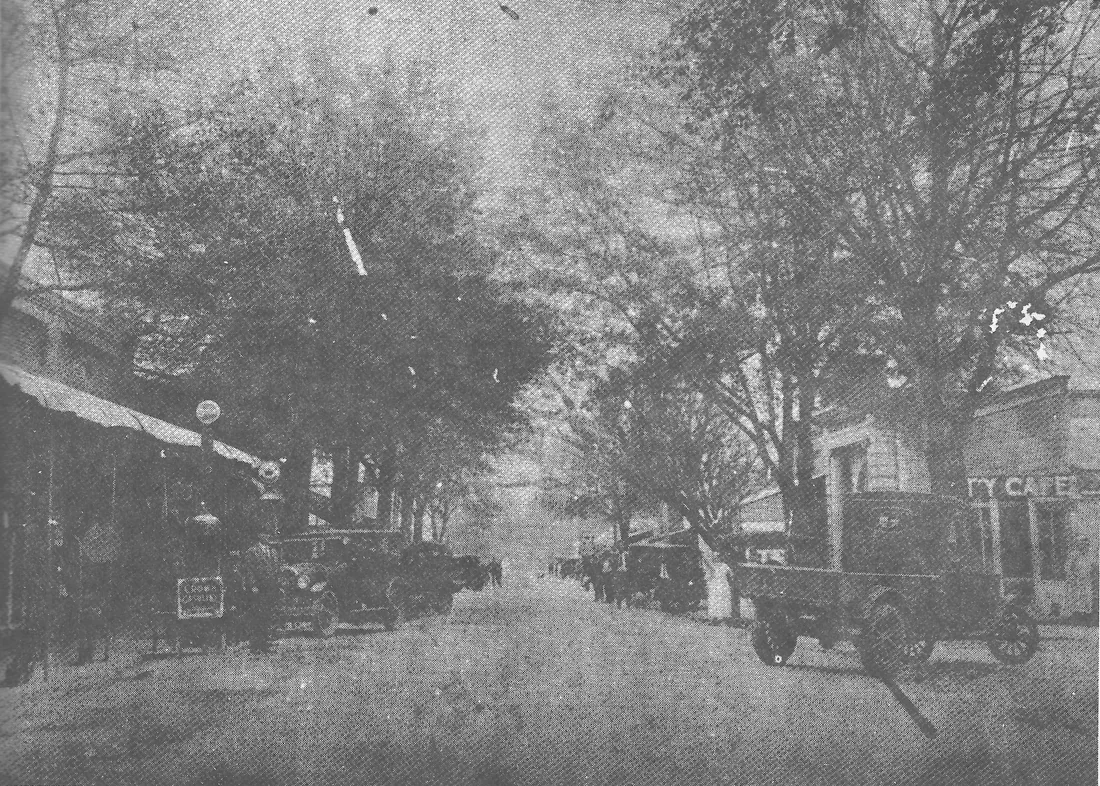
Crops, Pine Forests and a Courthouse Fire
A 1930s county history lists the staple crops as cotton, corn, sugar cane, peanuts, potatoes and watermelons. It says tobacco had also become an important crop. The county had a large number of sawmills and plants making naval stores. Lumber and turpentine were major businesses. It lists Jasper, White Springs and Jennings as the county's only incorporated towns at the time.
In the late 1800s, the history says, the Jasper Normal Institute was among the leading schools in Florida. In the early 1900s, land at what is now Big Shoals State Park was bought for logging and turpentine. Some longleaf pines there still show cat-face scars, where bark was stripped to gather resin for naval stores.
Fire damaged the brick courthouse in the late 1920s, in 1928 by one account from the 1930s and in 1929 by another. While it was repaired, court met in the school auditorium and a Masonic Lodge room. In 1932 it was rebuilt in brick and concrete under a $14,485 contract with Bland and Foster.
Sources: Florida Memory, State Library and Archives of Florida: Hamilton County (Works Progress Administration county history typescript); Florida State Parks: Big Shoals, History; Florida Memory, State Library and Archives of Florida: Hamilton County Court Houses (typescript stamped July 6, 1937)
Next: Chapter 9, A Memorial to Stephen Foster and the Folk Festival →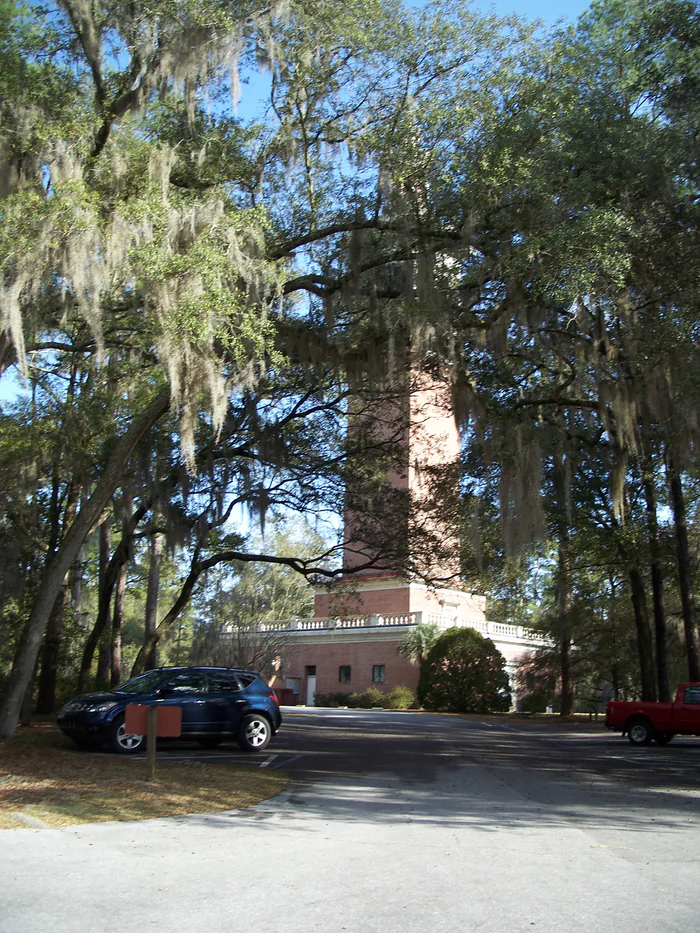
A Memorial to Stephen Foster and the Folk Festival
The Suwannee River became known around the world through "Old Folks at Home," a song by Stephen Foster. In 1931, Josiah K. Lilly, son of the Indiana drug maker Eli K. Lilly, proposed a memorial to Foster. The Florida Federation of Music Clubs took up the idea and gathered gifts of land in White Springs. Lillian Saunders worked to help get the first 100 acres. The state named "Old Folks at Home" its official song in 1935.
The Stephen Foster Memorial Commission oversaw the work, and the park, now Stephen Foster Folk Culture Center State Park, opened in 1950. Early visitors could ride replica paddle steamers on the river, named the Glendy Burke and the Belle of the Suwannee. The park's carillon has 97 bells and plays Foster tunes through the day.
The park held its first Florida Folk Festival in 1953. Thelma Boltin, known as "Cousin" Thelma, ran the festival for more than 20 years. Florida State Parks says no state folk festival in the country has run longer.
Sources: Florida State Parks: Stephen Foster Folk Culture Center State Park, History; Florida State Parks: Stephen Foster
Next: Chapter 10, World War II, Lillian Smith, Phosphate and Changing Schools →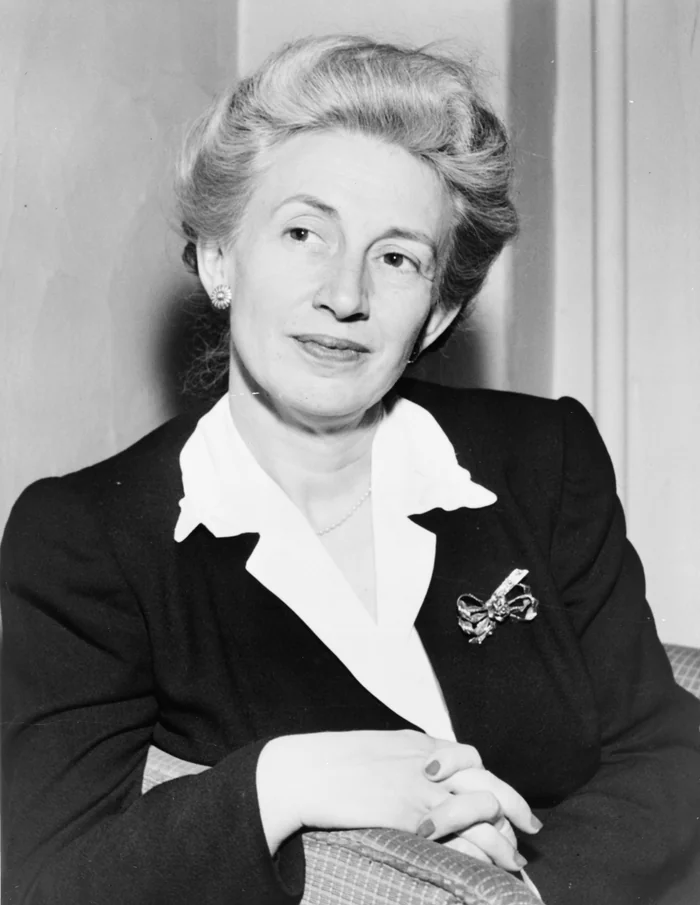
World War II, Lillian Smith, Phosphate and Changing Schools
During World War II, White Springs had a camp for German prisoners of war. The prisoners did timber work, and each week they were marched down Roberts Street to swim at the Spring House and to attend the Methodist church. Some of them chose to stay nearby after the fighting ended.
Writer Lillian Smith was born in Jasper in 1897, by the New Georgia Encyclopedia's account, though a 2016 newspaper column gives 1898. Her 1944 novel Strange Fruit, about a forbidden love between races, brought her fame across the nation and anger in the South. The 2016 column says she set two books in Jasper, Strange Fruit among them. The encyclopedia names her as one of the first well-known white Southerners to speak out openly against segregation.
Occidental Petroleum, a Los Angeles company, began mining phosphate near White Springs in the 1960s and built the plants there. Interstate 75 bypassed Jasper when it was built in the late 1960s, and over time traffic moved off U.S. 41, away from the town's rail economy. In Jasper, Charles Blalock began his career at J.R.E. Lee High School, an all-Black school under full segregation, and coached there. The same column says that when the county's schools were desegregated, he became their first African American principal, at Jasper's Central Hamilton Elementary. He later ran for school superintendent in 2000 and served one term.
Sources: The Historical Marker Database: Wars and Conflicts in White Springs; New Georgia Encyclopedia: Lillian Smith (1897-1966); Valdosta Daily Times: Around the Banks of the Suwannee (column by Johnny Bullard, January 14, 2016); The Center for Land Use Interpretation, Land Use Database: Suwanee River Chemical Plant, Florida; City of Jasper: About
Next: Chapter 11, Since 1990: New Markers, a Hamilton Statue and the 74th Folk Festival →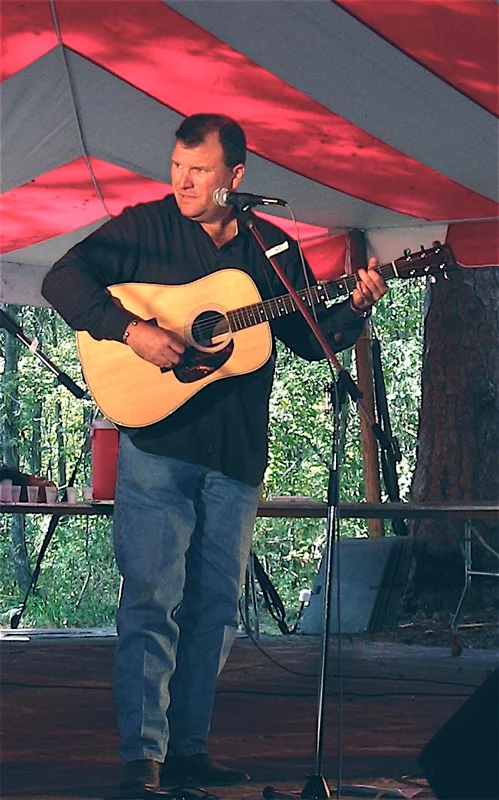
Since 1990: New Markers, a Hamilton Statue and the 74th Folk Festival
In 1995, PotashCorp took over the phosphate works at White Springs. In 2018 it changed hands again when PotashCorp and Agrium merged to form Nutrien.
In 2002, the state marker for White Springs was moved close to South Hamilton Elementary. In 2014, the Florida Branch Railroad marker was placed in the Central Avenue median in Jasper. The city says Central Avenue in downtown Jasper is the old Civil War-era railbed.
In May 2026, Florida State Parks held the 74th annual Florida Folk Festival in White Springs, a Gray Media TV station reported. Governor Ron DeSantis came to White Springs to unveil a bronze statue of Alexander Hamilton, the man the county was named for. The statue is part of a statewide effort to put up monuments to the Founding Fathers. A news report on the event notes that President James Monroe later appointed Alexander Hamilton Jr. as East Florida's U.S. District Attorney.
Sources: The Center for Land Use Interpretation, Land Use Database: Suwanee River Chemical Plant, Florida; Florida Department of State, Florida Historical Markers: White Springs; Florida Department of State, Florida Historical Markers: Florida Branch Railroad; City of Jasper: About; KOLD News, Gray Media: Annual Florida Folk Festival celebrates local heritage at Stephen Foster Folk Culture Center State Park (May 24, 2026); Tampa Free Press (via AOL News): Florida Gov. DeSantis Unveils Tribute To Alexander Hamilton Along The Suwannee River
Next: the whole story, in dates →The whole story, in dates
American Indians hold White Sulphur Spring to be sacred ground.
The Seminole War is fought, as a White Springs marker dates it.
The Treaty of Moultrie Creek moves Native groups east of the Suwannee.
Daniel Bell comes down the Alapaha River from Georgia and settles near Micco.
Settlers move near the springs at White Springs.
A legislative act creates Hamilton County, with Micco as its seat.
The county seat moves, and the new site is named Jasper.
Bryant Sheffield buys the spring and ferry and builds a hotel and spring house.
County commissioners certify the survey of town lots at the county site.
The court orders a new two-story courthouse.
The Civil War starts, and the Confederacy needs north-south rail lines.
The Florida Branch roadbed and river bridges are mostly built, but there is no iron for rails.
The Florida Branch line is finished, a month before Appomattox.
Georgia merchants own the sulfur spring at White Springs and much of the land around it.
The Georgia Southern & Florida Railway builds a second line at Jasper.
White Springs is incorporated.
A brick courthouse goes up about a mile from old Jasper.
The spring house at White Springs is rebuilt with coquina and cement.
Land at Big Shoals is bought for logging and turpentine.
Juliette Gordon Low organizes a Girl Scout troop in White Springs.
Fire damages the brick courthouse.
Josiah K. Lilly proposes a memorial to Stephen Foster.
The courthouse is rebuilt in brick and concrete.
"Old Folks at Home" becomes Florida's state song.
White Springs has a camp for German prisoners of war.
Jasper-born writer Lillian Smith's novel Strange Fruit comes out.
The Stephen Foster memorial park opens.
The first Florida Folk Festival is held.
Occidental Petroleum begins mining phosphate near White Springs.
Interstate 75 is built and bypasses Jasper.
PotashCorp takes over the phosphate works at White Springs.
The state marker for White Springs is moved near South Hamilton Elementary.
A Florida Branch Railroad marker is placed on Central Avenue in Jasper.
PotashCorp and Agrium merge to form Nutrien, the new owner of the phosphate works.
The 74th annual Florida Folk Festival is held in White Springs.
Where you can still see it
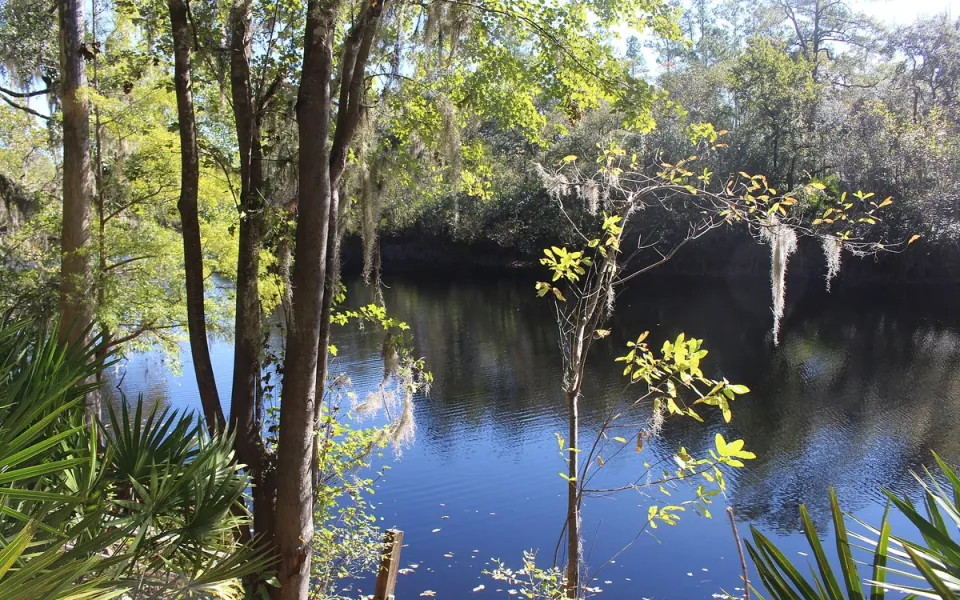
 01
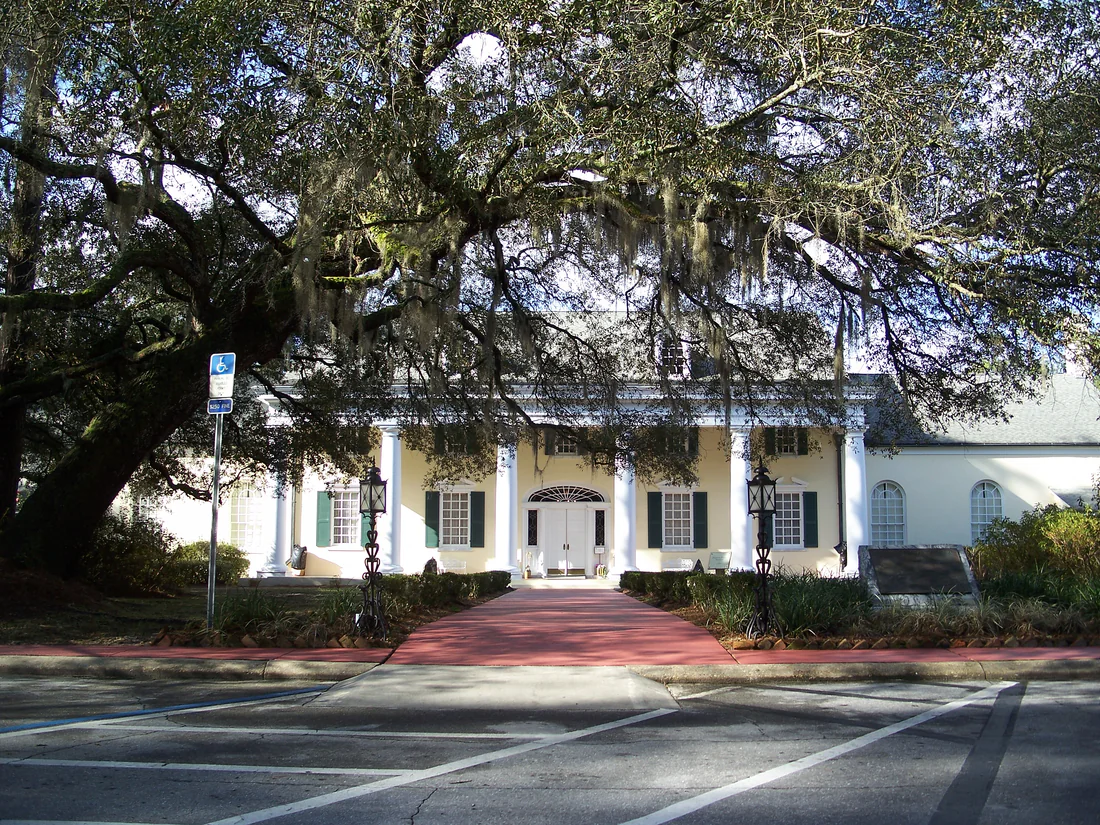
 02
 03
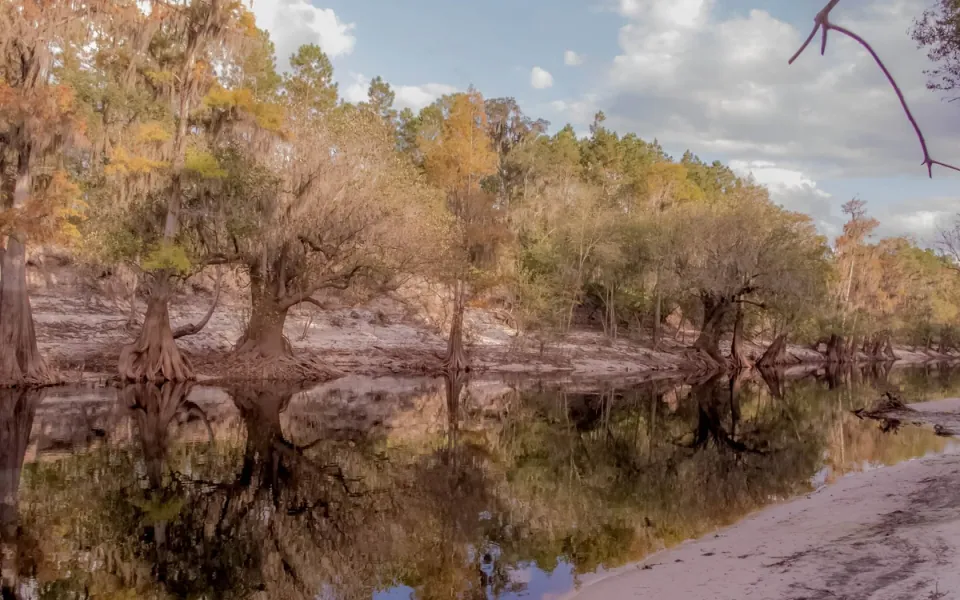
Stephen Foster Folk Culture Center State Park
Goes with: A Memorial to Stephen Foster and the Folk Festival
Open the place page →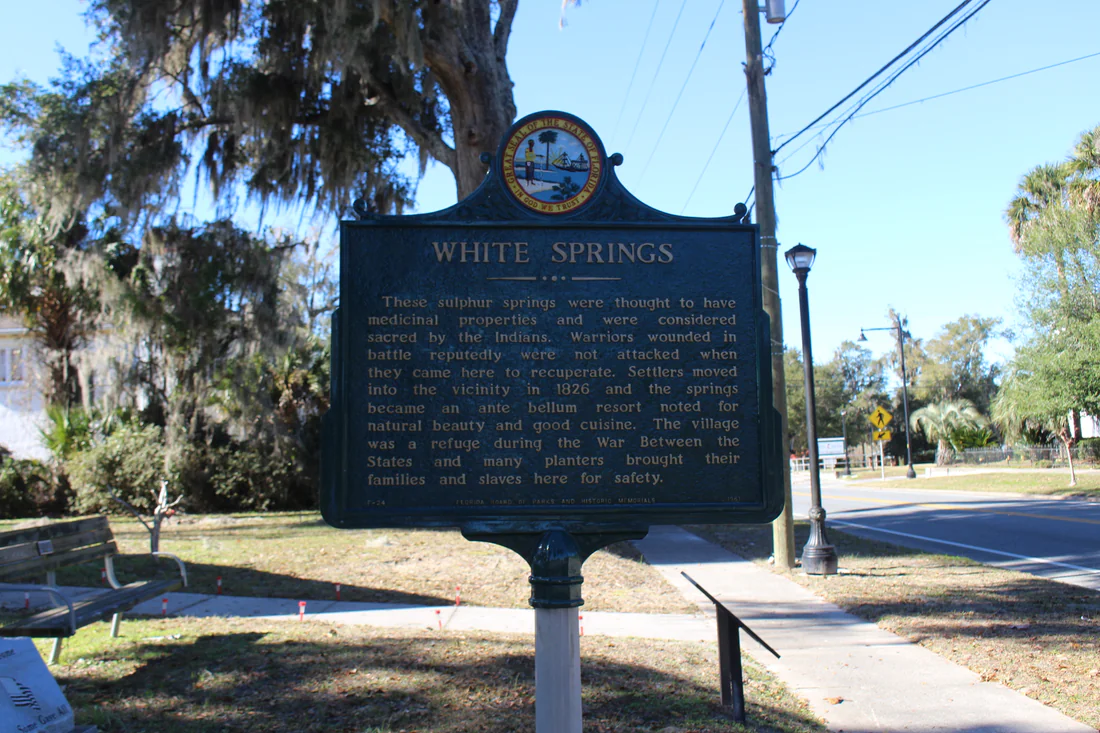 04
White Springs state marker
Goes with: The Civil War and the Florida Branch Railroad
Read the state marker for White Springs →Questions people ask
When was Hamilton County created?
A legislative act created Hamilton County on December 26, 1827.
Chapter 3 →Who was Hamilton County named for?
The county is named for Alexander Hamilton, the nation's first Treasury secretary.
Chapter 3 →What was Hamilton County's first county seat?
Micco was named the county seat, and court met there in a log house.
Chapter 3 →Who was Jasper named for?
Jasper was named for Sergeant William Jasper, a hero of the Revolutionary War.
Chapter 4 →When was the first Florida Folk Festival held?
The park in White Springs held its first Florida Folk Festival in 1953.
Chapter 9 →Where this comes from.
Last updated October 20, 2026.
- Florida Memory, State Library and Archives of Florida: Hamilton County (Works Progress Administration county history typescript) ↗ Read October 19, 2026
- Florida Memory, State Library and Archives of Florida: Hamilton County Court Houses (typescript stamped July 6, 1937) ↗ Read October 19, 2026
- University of South Florida, Florida Center for Instructional Technology: Florida Maps, Hamilton County ↗ Read October 19, 2026
- City of Jasper: About ↗ Read October 19, 2026
- Florida Department of State, Florida Historical Markers: White Springs ↗ Read October 19, 2026
- Florida Department of State, Florida Historical Markers: Florida Branch Railroad ↗ Read October 19, 2026
- The Historical Marker Database: Wars and Conflicts in White Springs ↗ Read October 19, 2026
- The Historical Marker Database: Welcome to the White Springs Historic District ↗ Read October 19, 2026
- The Historical Marker Database: Commemorating the Organization of the Second Girl Scout Troop in America ↗ Read October 19, 2026
- Florida State Parks: Stephen Foster Folk Culture Center State Park, History ↗ Read October 19, 2026
- Florida State Parks: The Spring House at Stephen Foster ↗ Read October 19, 2026
- Florida State Parks: Stephen Foster ↗ Read October 19, 2026
- Florida State Parks: Big Shoals, History ↗ Read October 19, 2026
- The Center for Land Use Interpretation, Land Use Database: Suwanee River Chemical Plant, Florida ↗ Read October 19, 2026
- Valdosta Daily Times: Around the Banks of the Suwannee (column by Johnny Bullard, January 14, 2016) ↗ Read October 19, 2026
- New Georgia Encyclopedia: Lillian Smith (1897-1966) ↗ Read October 19, 2026
- KOLD News, Gray Media: Annual Florida Folk Festival celebrates local heritage at Stephen Foster Folk Culture Center State Park (May 24, 2026) ↗ Read October 19, 2026
- Tampa Free Press (via AOL News): Florida Gov. DeSantis Unveils Tribute To Alexander Hamilton Along The Suwannee River ↗ Read October 19, 2026