Dixie County was formed from the southern end of Lafayette County on April 25, 1921. It is named after a Southern nickname that was often used in songs, and its county seat is Cross City. In 1937 lumber and turpentine led its industries, and the Putnam Lumber Company at Shamrock employed 2,000 people on average. The county's history goes back at least to the second century A.D., when people lived in a village at the Garden Patch site on Horseshoe Cove.
This page tells the story in order, from the first people at Garden Patch to a steamboat preserve, a rail trail and two 100th birthdays, then lists places in the county where you can still see it. The sources for each part are named at the end of that part, and all of them are listed at the bottom of the page.
The first people: Garden Patch and the river traders
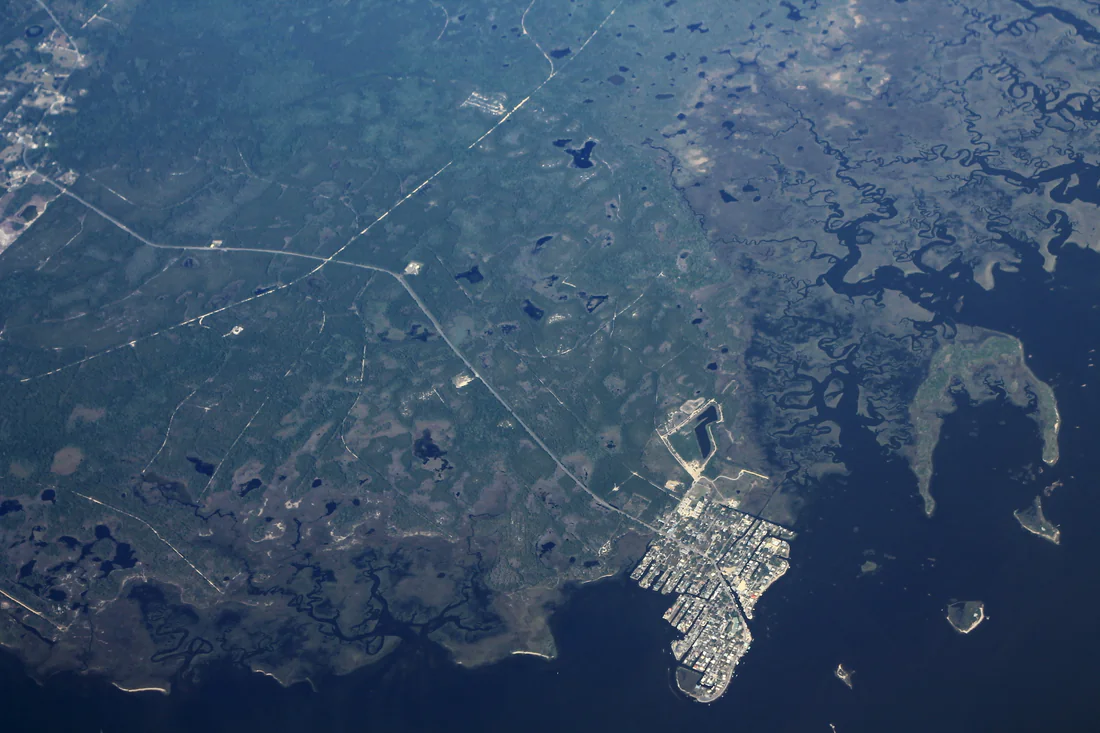
People were living in a village at the Garden Patch site on Horseshoe Cove, north of the delta of the Suwannee River, no later than the second century A.D. Six mounds mark out the shape of the old settlement, and a horseshoe-shaped spread of midden, or old refuse, curves around an open plaza. One mound began as a natural rise used for at least one burial. A layer of sand, along with Weeden Island pottery and burials, was spread over each mound.
The National Park Service lists the Garden Patch Archeological Site, at Horseshoe Beach, on the National Register of Historic Places. The Fort Duval state marker says Native people traveled the Suwannee for many years, going as far as Cuba and the Bahama Islands to trade and buy goods. A 1937 county history says Jones Landing, where Lafayette and Dixie counties meet, appears to have been a camping ground used by Indians for a long time and later a trading post.
Sources: Southeastern Archaeology (2016), Neill J. Wallis and Paulette S. McFadden: Recovering the Forgotten Woodland Mound Excavations at Garden Patch (8DI4); National Park Service, NPGallery: Garden Patch Archeological Site (8Di4); Florida Department of State, Florida Historical Markers: Fort Duval and the Suwannee River; State Archives of Florida, Florida Memory: Dixie County history sketch prepared by Mrs. Daisy G. Heising (1937)
Next: Chapter 2, Bartram's visit and the 1818 raid on Old Town →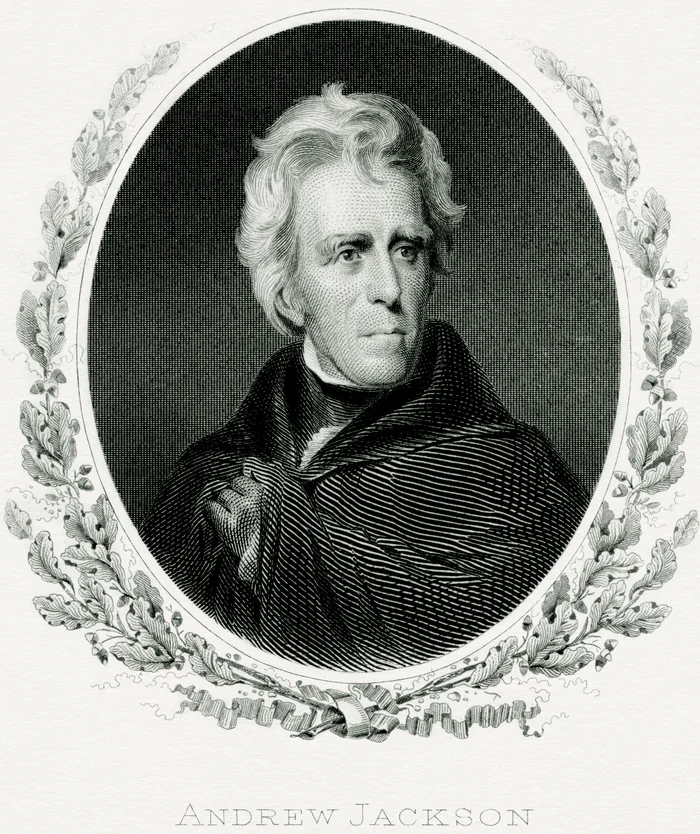
Bartram's visit and the 1818 raid on Old Town
William Bartram saw the Indians' river trade in 1774, when he visited Indians living upriver from the mouth of the Suwannee. The state marker at Old Town says the Upper Creeks lived there, and that the town was often called Suwanee Old Town. The marker counts it among the biggest Indian towns in north Florida.
Andrew Jackson led a punishing expedition into Florida, and in April 1818 his troops captured Old Town. Most of the Indians got away, but Jackson took a British subject prisoner. The man was put on trial and executed for helping the Creeks in raids across the border into Georgia. The case strained relations between Great Britain and the United States. The Fort Duval marker adds that Jackson then used the river to carry his wounded to St. Marks after his battle for Billy Bowleg's Old Town.
Sources: Florida Department of State, Florida Historical Markers: Fort Duval and the Suwannee River; Florida Department of State, Florida Historical Markers: Oldtown
Next: Chapter 3, 1821 to 1856: West Florida, Fort Duval and Lafayette County →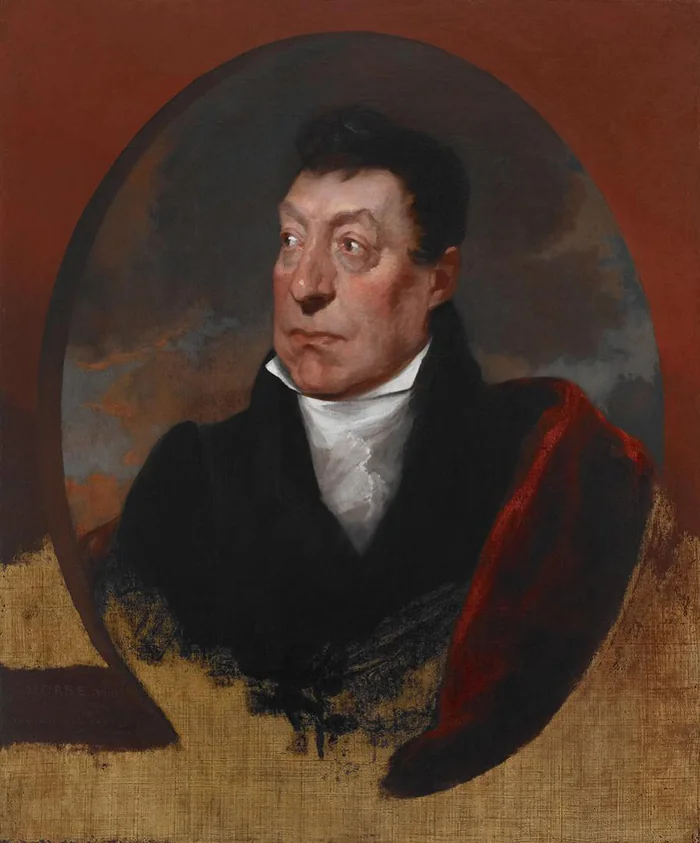
1821 to 1856: West Florida, Fort Duval and Lafayette County
The 1937 county history traces the county's land back to West Florida, a province received from Spain. Andrew Jackson, as commissioner of the United States, took over the province from Spain at a formal ceremony on July 17, 1821. Four days later, on July 21, 1821, Jackson created Escambia County out of West Florida.
In November 1826 Captain Francis Langhorne Dade and 120 U.S. Army soldiers built Fort Duval at the Suwannee River's mouth. Its job was to guard the river. The fort measured 140 by 130 feet and stood six feet tall, with gun ports. It was named for William Pope Duval, the territorial governor. By May 15, 1841, the fort had been destroyed, and the marker says no trace of it is left.
On December 23, 1856, an act split Lafayette County off from Madison County. The new county was named for the Marquis de Lafayette.
Sources: State Archives of Florida, Florida Memory: Dixie County history sketch prepared by Mrs. Daisy G. Heising (1937); Florida Department of State, Florida Historical Markers: Fort Duval and the Suwannee River; University of South Florida, Florida Center for Instructional Technology: Lafayette County
Next: Chapter 4, Steamboats and cotton on the Suwannee →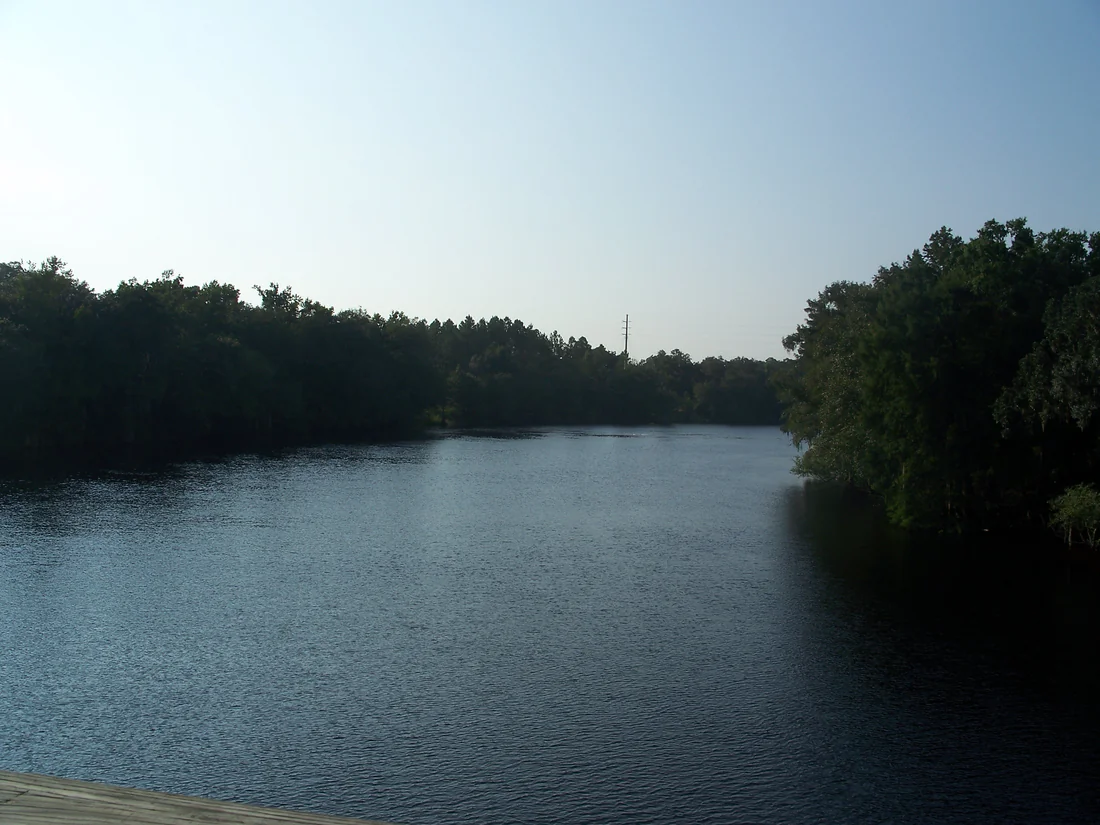
Steamboats and cotton on the Suwannee
Over fifty steamboats worked the Suwannee between 1834 and the 1920s. They carried cotton and other goods, and the 1937 county history says they played a large part in the area's early story. The same history says boats could travel the Suwannee as far north as Old Troy, a spot in Lafayette County.
Old Troy burned in 1865, the final year of the Civil War, and many of the area's early records burned with it. After the war, men the 1937 history calls carpetbaggers took 100 bales of cotton from Old Town. The National Register nomination for the steamboat City of Hawkinsville says river towns such as Old Town were once busy places that lived on steamboat trade and tourism.
Sources: National Park Service, NPGallery: City of Hawkinsville, National Register of Historic Places registration form (March 2001); State Archives of Florida, Florida Memory: Dixie County history sketch prepared by Mrs. Daisy G. Heising (1937)
Next: Chapter 5, 1900 to 1922: the railroad bridge and the last steamboat →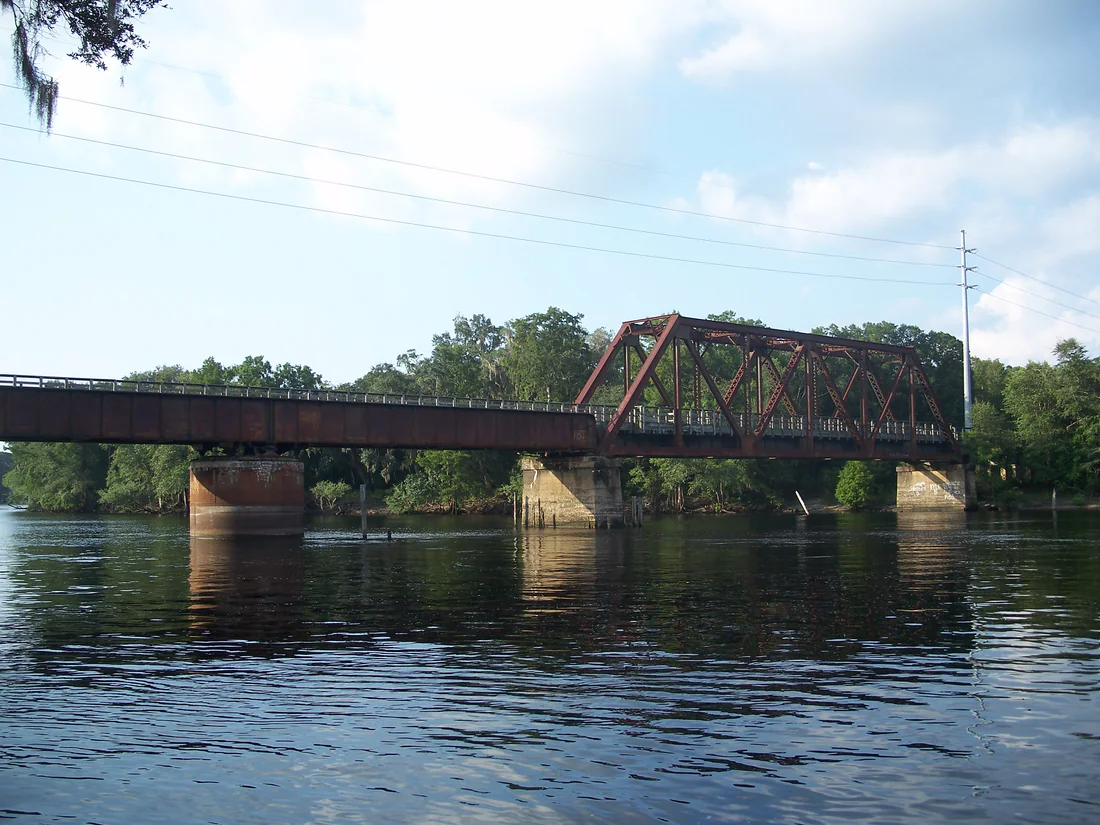
1900 to 1922: the railroad bridge and the last steamboat
In June 1900 the steamboat City of Hawkinsville was sold to a Tampa firm, the Gulf Transportation Company, to work on the Suwannee River. Its National Register nomination says it was built in 1896 at Abbeville, Georgia, though a National Park Service article gives 1886. It carried cotton, naval stores, passengers and other goods, with stops such as Old Town, Clay's Landing, Branford and Cedar Keys.
Florida State Parks says the Atlantic Coast Line Railroad was in operation from 1901, and Cross City was one of its passenger stops. In 1902 the American Bridge Company built a steel trestle across the Suwannee River so trains could carry supplies from Old Town. The bridge is 1,335 feet long and once had a 150-foot swing span. Local accounts credit the City of Hawkinsville with helping to build Old Town's railroad bridge.
Trains slowly took over the work of the river boats. On May 19, 1922, a Mr. Currie, the boat's last captain, abandoned it. The wreck lies about 100 yards south of the railroad trestle at Old Town, on the Dixie County side of the river. The nomination calls it the biggest steamboat ever stationed on the Suwannee, and the last.
Sources: National Park Service, NPGallery: City of Hawkinsville, National Register of Historic Places registration form (March 2001); National Park Service: City of Hawkinsville; Florida State Parks: History of the Nature Coast State Trail; Florida Department of Environmental Protection: Nature Coast State Trail, Trail Chapter
Next: Chapter 6, 1920: Putnam Lumber and the mill town of Shamrock →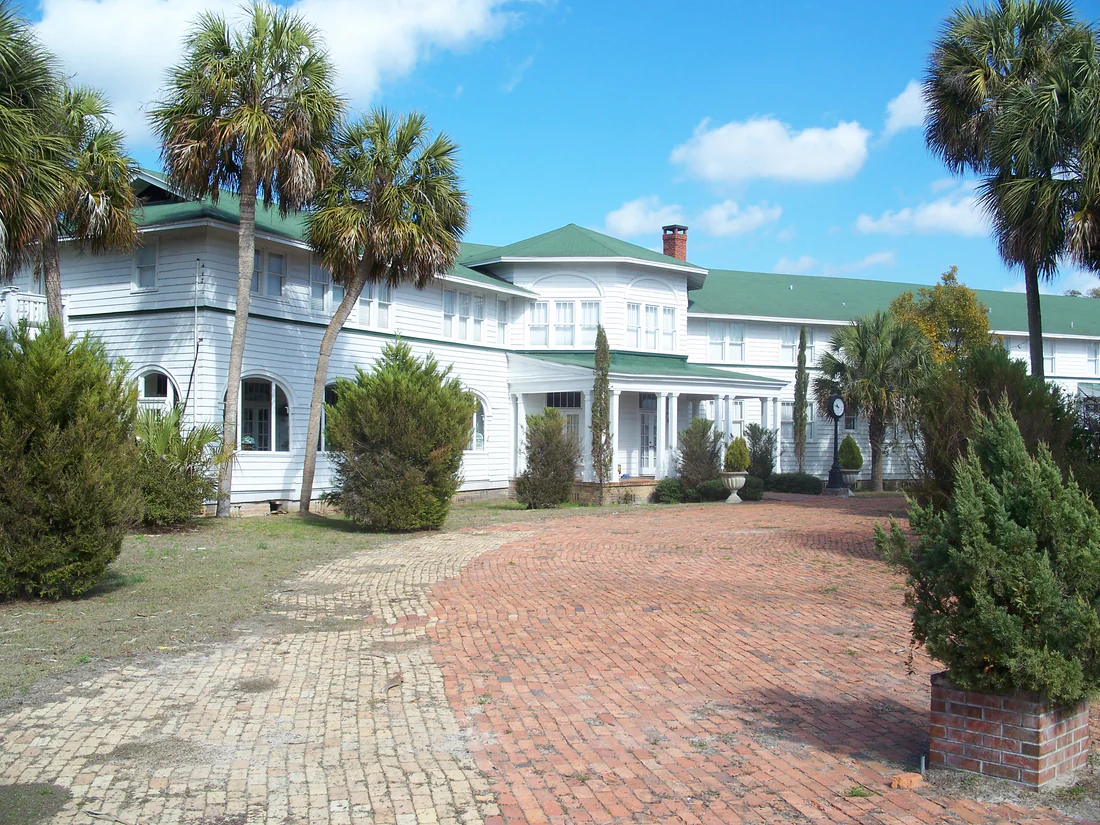
1920: Putnam Lumber and the mill town of Shamrock
The Putnam Lumber Company began work in 1920 at Shamrock, on the edge of Cross City. The historical marker at Putnam Lodge says the company was started by William O'Brien, a timber businessman of Irish descent, with partners including E. B. Putnam. Its two sawmills at Shamrock shipped deep-swamp cypress and longleaf yellow pine lumber around the world. The marker notes that such wood is rare now, since the old-growth trees no longer stand. In 1937 the county history said the company employed 2,000 people on average.
The marker says Shamrock offered its people homes, a commissary, two hotels and two schools. It also had the Shamrock Dairy Farm and a plant that made 18 tons of ice each day.
The company built Putnam Lodge in 1927 and 1928, beside the old Dixie Highway. The 36-room lodge housed tourists, travelers and the company's own executives and clients. Its lobby and dining room were decorated with stenciled pecky cypress, a lumber the marker calls nearly extinct today.
Sources: State Archives of Florida, Florida Memory: Dixie County history sketch prepared by Mrs. Daisy G. Heising (1937); Florida Society of American Foresters: Putnam Lodge
Next: Chapter 7, 1921: Dixie County and its county seat →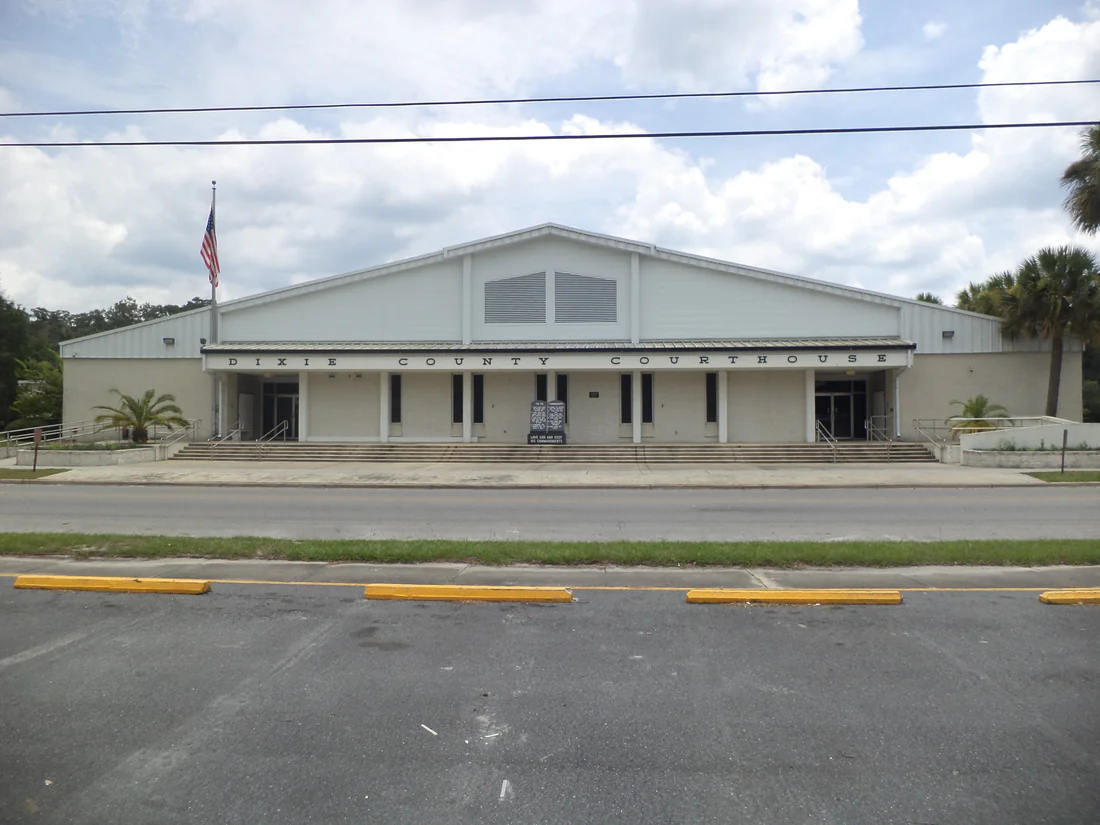
1921: Dixie County and its county seat
On April 25, 1921, the southern end of Lafayette County became Dixie County, the state's 59th county. It is named after a Southern nickname that was often used in songs. The first Board of County Commissioners met in Cross City at 11:15 in the morning on June 18, 1921. For a time the Baptist church in Cross City served as the courtroom, starting with the court term that opened on August 8, 1921.
Cross City, Eugene and Old Town all sought the county seat, the 1937 history says. A special election on August 31, 1921, left Cross City and Eugene to face each other in a second vote. On September 29, 1921, Cross City won with 346 votes to Eugene's 249. On October 3, 1921, the commissioners declared Cross City the county seat. W. H. Matthis gave Cross City its name because two public roads met there.
Sources: State Archives of Florida, Florida Memory: Dixie County history sketch prepared by Mrs. Daisy G. Heising (1937); State Archives of Florida, Florida Memory: Dixie County, Florida: Creation of First Government; Erection of First Court House; University of South Florida, Florida Center for Instructional Technology: Dixie County
Next: Chapter 8, 1923 to 1935: a courthouse, a bank and two bridges →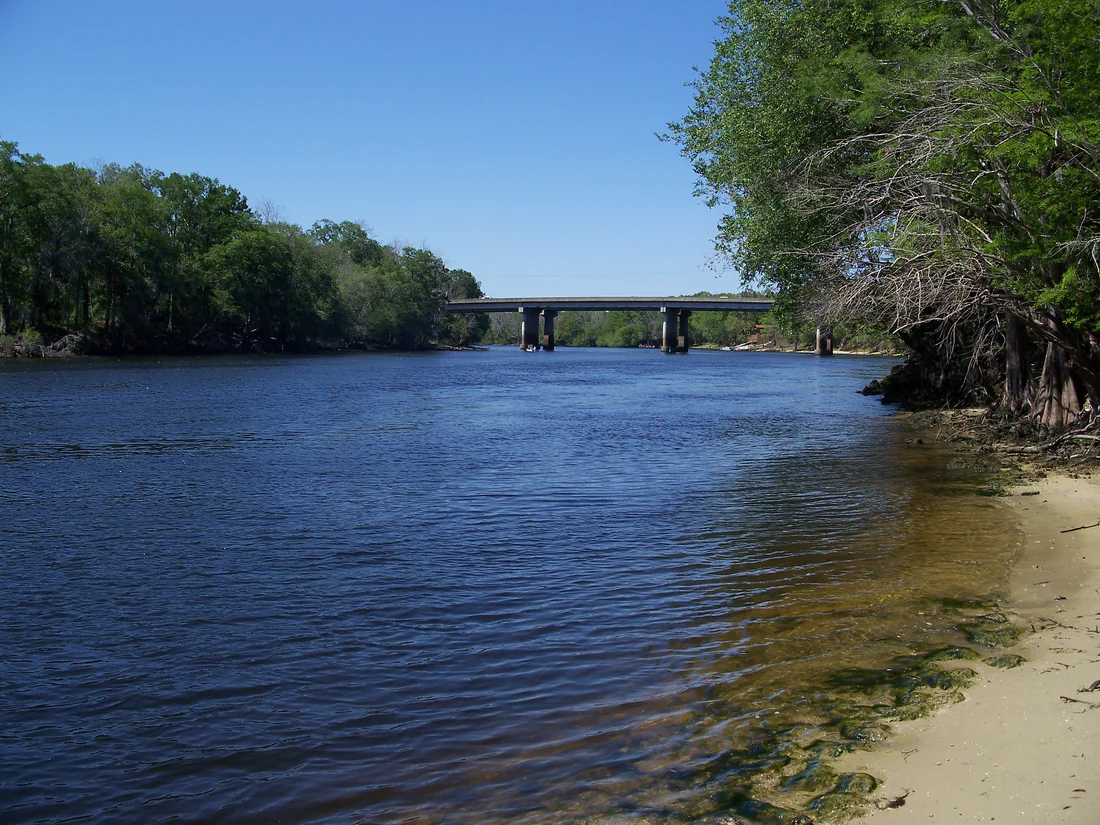
1923 to 1935: a courthouse, a bank and two bridges
A small wooden courthouse went up in January 1923. The Dixie County State Bank opened for business on September 19, 1923. The county's permanent courthouse, built of brick and plaster on Cross City's Court House square, was finished and accepted on April 7, 1924. Cross City's founding as a town dates to April 1924.
On September 27, 1923, a new wooden bridge over the Suwannee River near old Fort Fannin, on State Road 19, was formally accepted. A fire in February 1934 burned the mayor's office, which was above a store. Later that year a City Hall was built with help from the Federal Emergency Relief Administration. In 1935 the State of Florida put up a steel bridge over the Suwannee to replace the old one.
Sources: State Archives of Florida, Florida Memory: Dixie County history sketch prepared by Mrs. Daisy G. Heising (1937); State Archives of Florida, Florida Memory: Dixie County, Florida: Creation of First Government; Erection of First Court House; WCJB: Cross City celebrates 100 years of existence
Next: Chapter 9, 1937: mills, turpentine, fisheries and separate schools →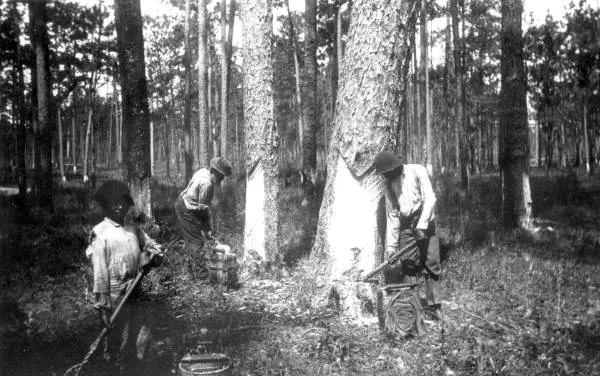
1937: mills, turpentine, fisheries and separate schools
In 1937 Mrs. Daisy G. Heising prepared a county history for the Historical Records and State Archives Survey. It ranked lumber first among the leading industries, followed by turpentine and resin, stock raising, farming, fishing and poultry. The biggest turpentine operators were the Aycock-Lindsey Company of Shamrock and P. C. Crapps & Son of Hines. The history said the Atlantic Coast Line had thirty miles of track in the county, passing Hines, Cross City and Old Town.
The largest fisheries on the Gulf coast were at Salt Creek and Steinhatchee, near the mouths of the Suwannee and Steinhatchee rivers, and at Rocky Creek. Fishbone, Horseshoe and Sherod Island had fisheries too.
Schools were separated by race, with 15 for white children and three for Black children. Churches were divided the same way, eleven white and four Black.
A Saipan hero, the last trains and a river refuge
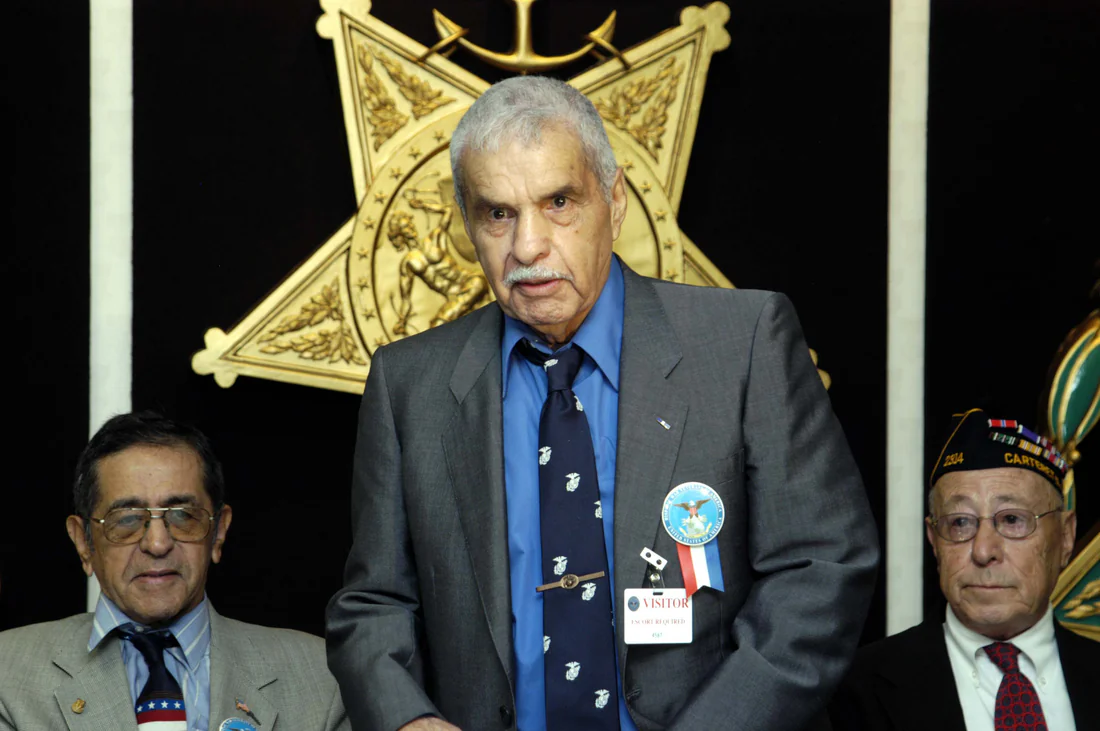
Guy Gabaldon, a Marine who later made his home in Old Town, was an 18-year-old private in the Battle of Saipan. The Associated Press reported that he talked over 1,000 Japanese soldiers into surrendering, working alone. In 1960 the movie Hell to Eternity told his story. That December his Silver Star was raised to the Navy Cross.
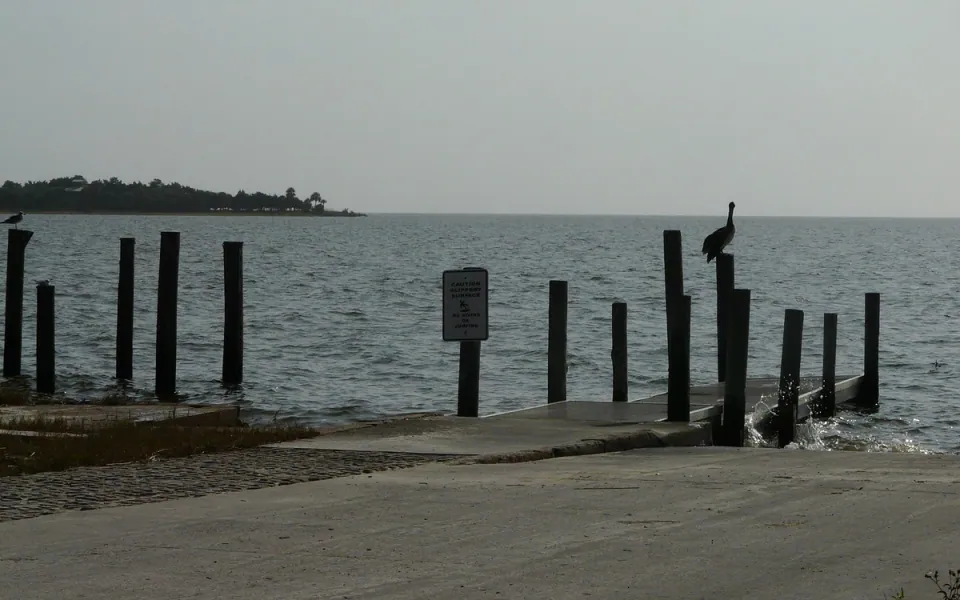
Florida State Parks gives the Atlantic Coast Line Railroad's years of operation as 1901 to 1967. On April 10, 1979, the Lower Suwannee National Wildlife Refuge was established. It was set up to keep the Suwannee River's water clean, not to protect any one species. The refuge spreads across Dixie and Levy counties, and visitors can reach the coastal waters from Shired Island and from the town of Suwannee.
Sources: The Washington Times (Associated Press): Guy Gabaldon obituary report, September 4, 2006; Congressional Record, September 29, 2006: Honoring Guy Gabaldon; Florida State Parks: History of the Nature Coast State Trail; U.S. Fish and Wildlife Service: Lower Suwannee National Wildlife Refuge general information; U.S. Fish and Wildlife Service: Lower Suwannee National Wildlife Refuge
Next: Chapter 11, Since 1990: a steamboat preserve, a rail trail and two 100th birthdays →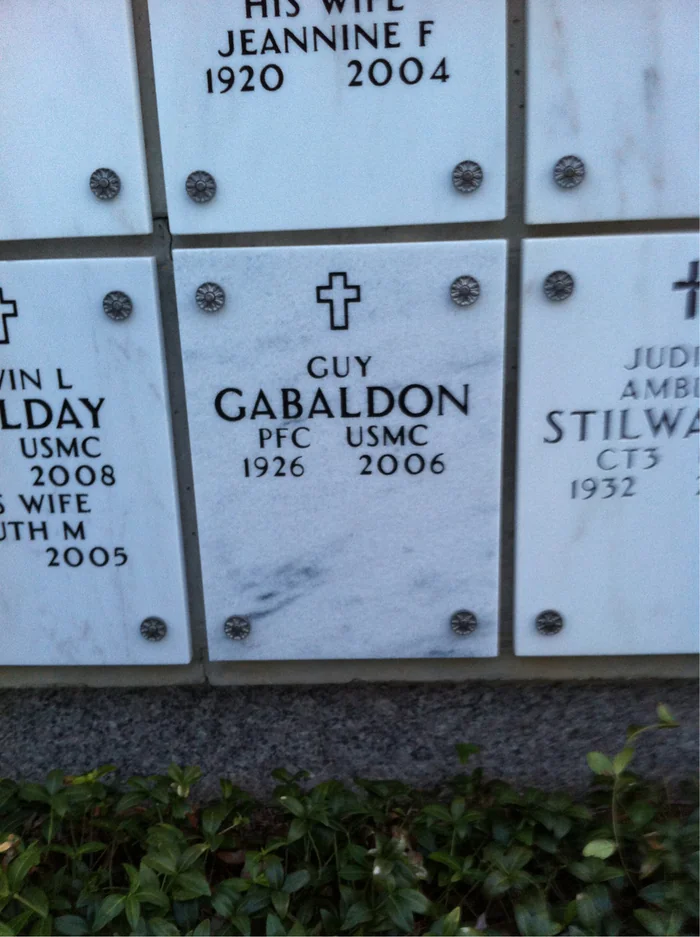
Since 1990: a steamboat preserve, a rail trail and two 100th birthdays
In 1992 the wreck was dedicated as the City of Hawkinsville Underwater Archaeological Preserve, the third such preserve in Florida. In 2001 it was added to the National Register of Historic Places.
On December 18, 1996, the state bought the old rail line from CSX Transportation with Preservation 2000 money. It became the Nature Coast State Trail, which links Cross City, Fanning Springs, Chiefland and Trenton. One of the trail's highlights is the 1902 railroad bridge over the Suwannee, east of the trailhead at Old Town. In 2010 it was designated a National Recreation Trail.
Guy Gabaldon died on August 31, 2006, at the age of 80, in his home in Old Town. Hundreds of people gathered along the streets for the county's 100th birthday party in April 2021. The parade included local businesses and the high school band, and leaders sealed a time capsule. Cross City marked its own 100th birthday on Saturday, April 20, 2024, with a parade, live music, a cycle circus and more than 90 food vendors.
Sources: National Park Service, NPGallery: City of Hawkinsville, National Register of Historic Places registration form (March 2001); Florida Museums in the Sea: City of Hawkinsville brochure; Florida Department of Environmental Protection: Nature Coast State Trail, Trail Chapter; Florida State Parks: Nature Coast State Trail; Florida State Parks: History of the Nature Coast State Trail; American Trails: Nature Coast State Trail, Florida; Congressional Record, September 29, 2006: Honoring Guy Gabaldon; The Washington Times (Associated Press): Guy Gabaldon obituary report, September 4, 2006; WCJB: There has been growth: Dixie County turns 100 after breaking away from Lafayette County in 1921; WCJB: Cross City celebrates 100 years of existence
Next: the whole story, in dates →The whole story, in dates
People are living in a village at Garden Patch on Horseshoe Cove.
William Bartram visits Indians living up the Suwannee from its mouth.
Andrew Jackson's expedition captures Old Town, an Upper Creek town.
Jackson receives the province of West Florida from Spain.
Captain Francis L. Dade's soldiers build Fort Duval at the Suwannee's mouth.
Over fifty steamboats work the Suwannee River.
By this date Fort Duval has been destroyed.
Lafayette County is split off from Madison County.
Old Troy burns, and many early records are lost.
Carpetbaggers take 100 bales of cotton from Old Town.
The steamboat City of Hawkinsville is sold for work on the Suwannee.
The Atlantic Coast Line Railroad is in operation.
A steel railroad trestle is built across the Suwannee at Old Town.
The Putnam Lumber Company begins work at Shamrock.
Dixie County is created from the southern end of Lafayette County.
The first county commissioners meet in Cross City.
Cross City beats Eugene 346 to 249 in the county seat vote.
Cross City is declared the county seat.
The last captain of the City of Hawkinsville abandons the boat.
A small wooden courthouse goes up.
A wooden bridge over the Suwannee near old Fort Fannin is accepted.
Cross City is founded as a town.
The brick courthouse is finished and accepted.
The Putnam Lumber Company builds Putnam Lodge.
A City Hall is built with federal relief help.
A steel bridge replaces the old Suwannee bridge.
Mrs. Daisy G. Heising writes a history of the county.
The movie Hell to Eternity tells Guy Gabaldon's story.
The Atlantic Coast Line Railroad's years of operation end.
The Lower Suwannee National Wildlife Refuge is established.
The City of Hawkinsville wreck becomes an underwater preserve.
The state buys the old rail line from CSX.
The wreck is added to the National Register of Historic Places.
Guy Gabaldon dies at his home in Old Town.
The Nature Coast State Trail is named a National Recreation Trail.
Dixie County celebrates its 100th birthday with a parade.
Cross City celebrates its 100th birthday.
Where you can still see it
 01
 02
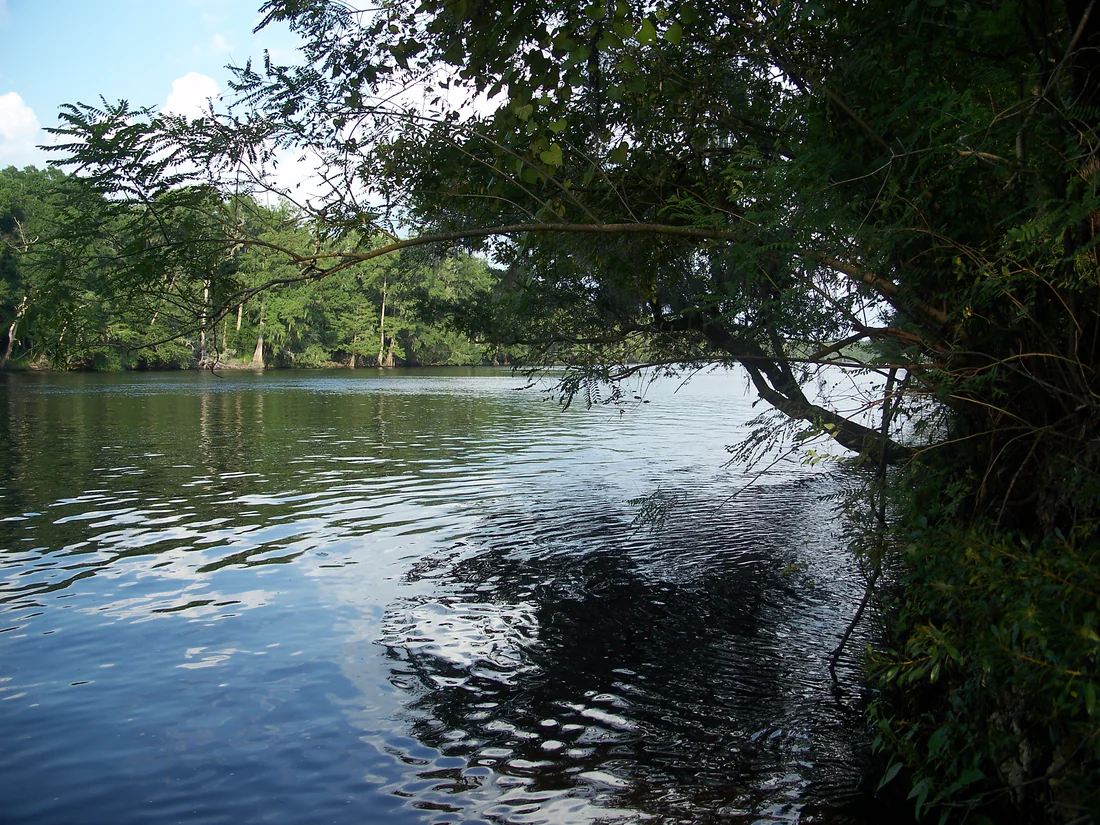
Suwannee River
Goes with: 1900 to 1922: the railroad bridge and the last steamboat
Open the place page →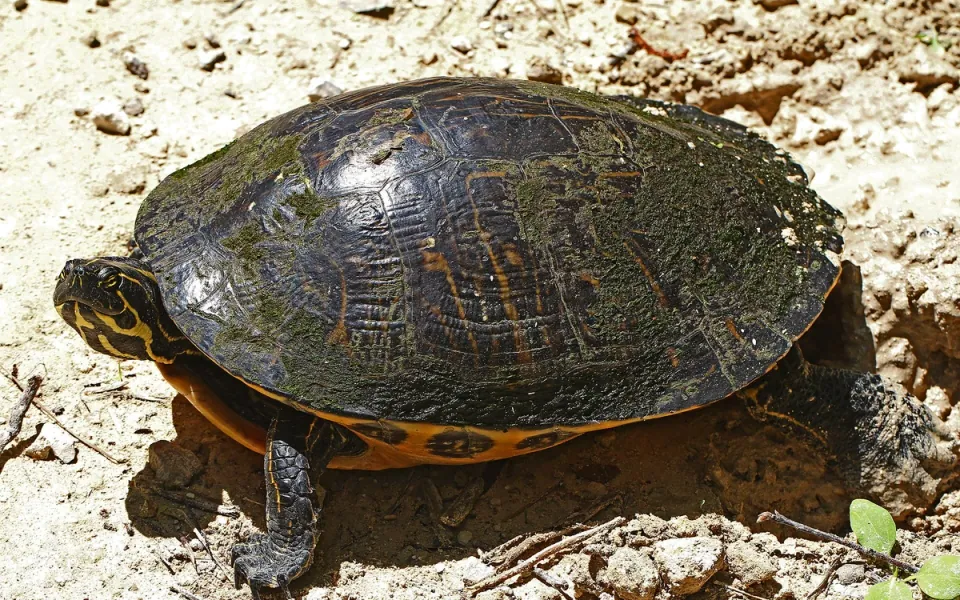 03
Lower Suwannee National Wildlife Refuge
Goes with: A Saipan hero, the last trains and a river refuge
Open the place page →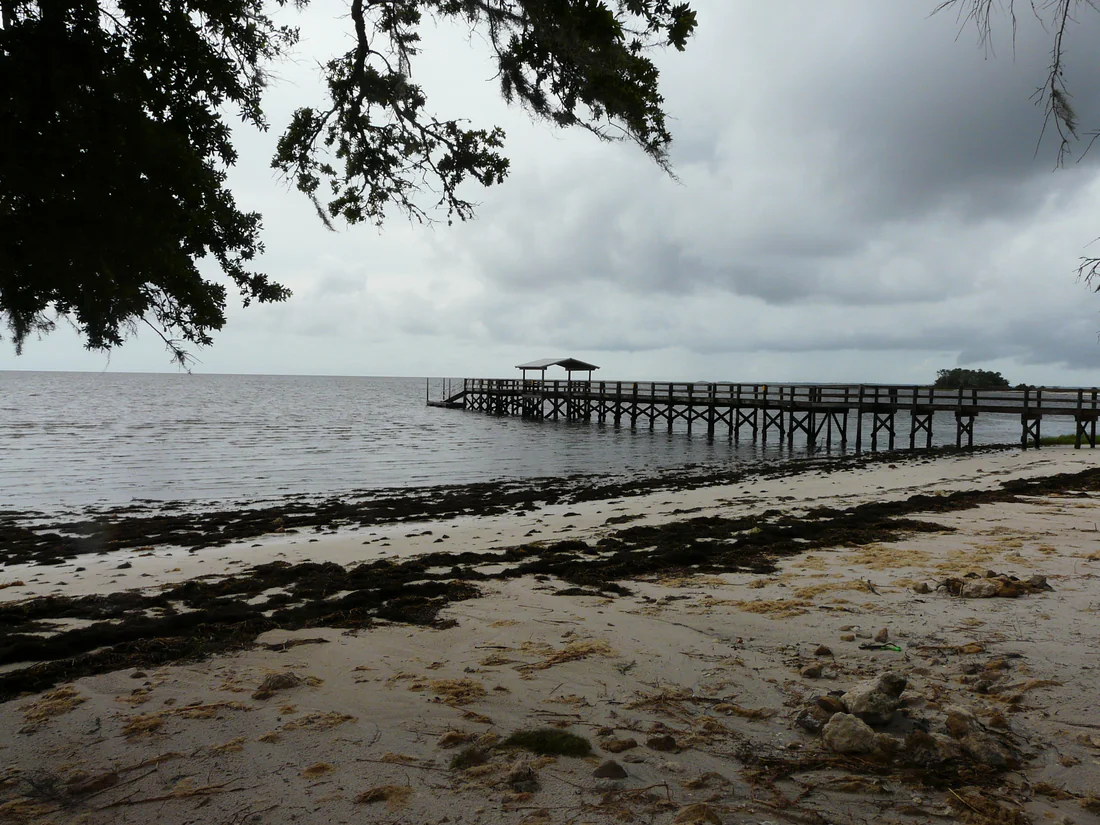 04
Shired Island Beach
Goes with: A Saipan hero, the last trains and a river refuge
Open the place page →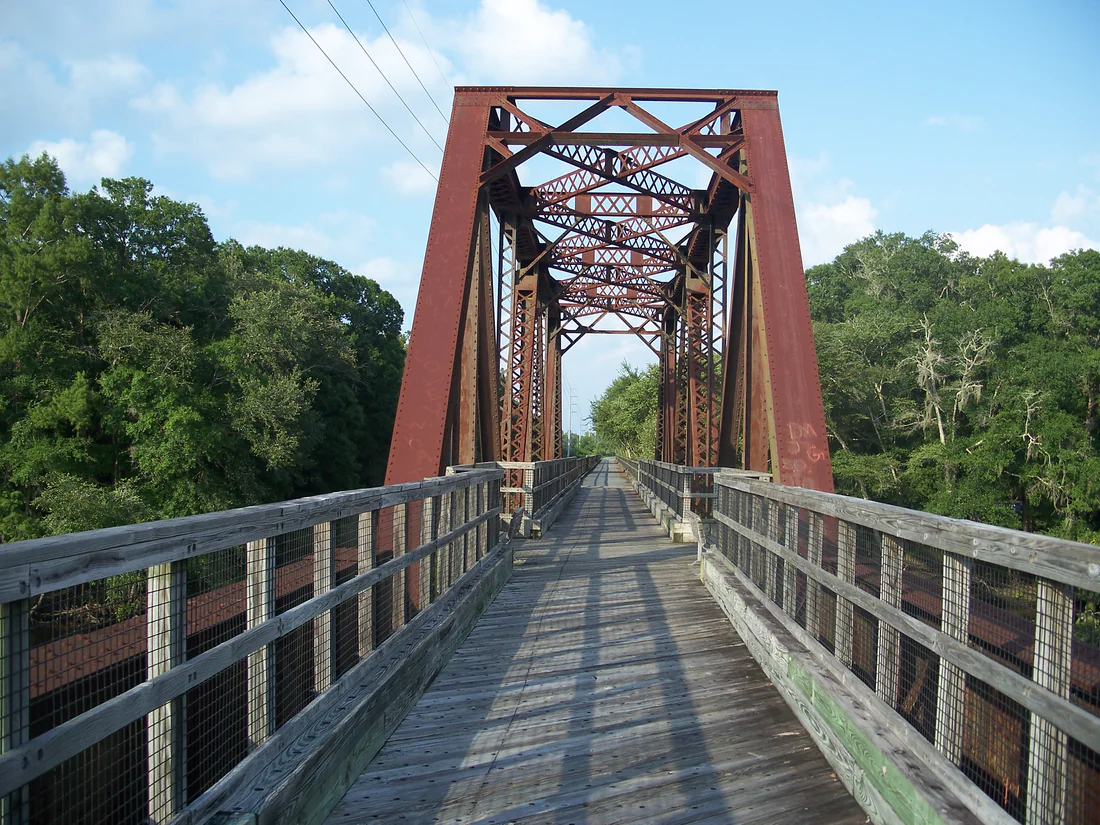 05
Nature Coast State Trail
Goes with: Since 1990: a steamboat preserve, a rail trail and two 100th birthdays
Open the place page →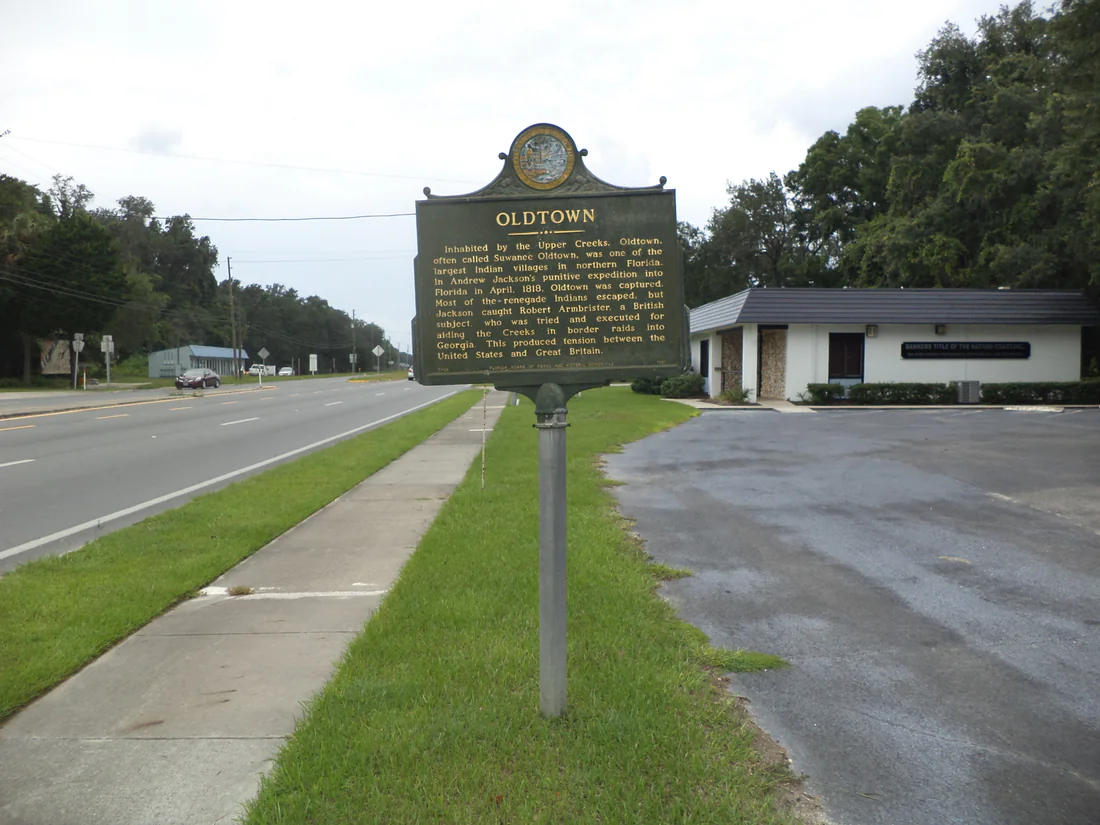 06
Oldtown historical marker
Goes with: Bartram's visit and the 1818 raid on Old Town
The Oldtown state marker →Questions people ask
When was Dixie County created?
Dixie County was created on April 25, 1921, from the southern end of Lafayette County.
Chapter 7 →Where does the name Dixie County come from?
Dixie County is named after a Southern nickname that was often used in songs.
Chapter 7 →How did Cross City become the county seat of Dixie County?
Cross City beat Eugene 346 votes to 249 on September 29, 1921, and was declared the county seat on October 3, 1921.
Chapter 7 →What is the steamboat wreck in the Suwannee River at Old Town?
It is the City of Hawkinsville, which its last captain abandoned on May 19, 1922, and which lies about 100 yards south of the railroad trestle at Old Town.
Chapter 5 →What happened at Old Town in 1818?
In April 1818 troops on Andrew Jackson's expedition into Florida captured Old Town, where the Upper Creeks lived.
Chapter 2 →Where this comes from.
Last updated October 20, 2026.
- State Archives of Florida, Florida Memory: Dixie County history sketch prepared by Mrs. Daisy G. Heising (1937) ↗ Read October 19, 2026
- State Archives of Florida, Florida Memory: Dixie County, Florida: Creation of First Government; Erection of First Court House ↗ Read October 19, 2026
- University of South Florida, Florida Center for Instructional Technology: Dixie County ↗ Read October 19, 2026
- University of South Florida, Florida Center for Instructional Technology: Lafayette County ↗ Read October 19, 2026
- Southeastern Archaeology (2016), Neill J. Wallis and Paulette S. McFadden: Recovering the Forgotten Woodland Mound Excavations at Garden Patch (8DI4) ↗ Read October 19, 2026
- National Park Service, NPGallery: Garden Patch Archeological Site (8Di4) ↗ Read October 19, 2026
- Florida Department of State, Florida Historical Markers: Fort Duval and the Suwannee River ↗ Read October 19, 2026
- Florida Department of State, Florida Historical Markers: Oldtown ↗ Read October 19, 2026
- National Park Service, NPGallery: City of Hawkinsville, National Register of Historic Places registration form (March 2001) ↗ Read October 19, 2026
- National Park Service: City of Hawkinsville ↗ Read October 19, 2026
- Florida Museums in the Sea: City of Hawkinsville brochure ↗ Read October 19, 2026
- Florida State Parks: History of the Nature Coast State Trail ↗ Read October 19, 2026
- Florida State Parks: Nature Coast State Trail ↗ Read October 19, 2026
- Florida Department of Environmental Protection: Nature Coast State Trail, Trail Chapter ↗ Read October 19, 2026
- American Trails: Nature Coast State Trail, Florida ↗ Read October 19, 2026
- Florida Society of American Foresters: Putnam Lodge ↗ Read October 19, 2026
- U.S. Fish and Wildlife Service: Lower Suwannee National Wildlife Refuge ↗ Read October 19, 2026
- U.S. Fish and Wildlife Service: Lower Suwannee National Wildlife Refuge general information ↗ Read October 19, 2026
- The Washington Times (Associated Press): Guy Gabaldon obituary report, September 4, 2006 ↗ Read October 19, 2026
- Congressional Record, September 29, 2006: Honoring Guy Gabaldon ↗ Read October 19, 2026
- WCJB: There has been growth: Dixie County turns 100 after breaking away from Lafayette County in 1921 ↗ Read October 19, 2026
- WCJB: Cross City celebrates 100 years of existence ↗ Read October 19, 2026