Lafayette County was formed from Madison County on December 23, 1856, and named for the Marquis de Lafayette, a Frenchman who helped the colonies in the Revolutionary War. Its county seat is Mayo, which replaced New Troy in the 1890s. The Suwannee River runs along its whole eastern edge, and the remains of the Civil War steamboat Madison lie in the run of Troy Spring. Its story reaches back to the Paleoindian period, the earliest of the cultural periods a state park plan lists for the region.
This page tells the story in order, from the first peoples along the Suwannee River to a new state park, two state titles and a horse trail, then lists places in the county where you can still see it. The sources for each part are named at the end of that part, and all of them are listed at the bottom of the page.
The First Peoples Along the Suwannee
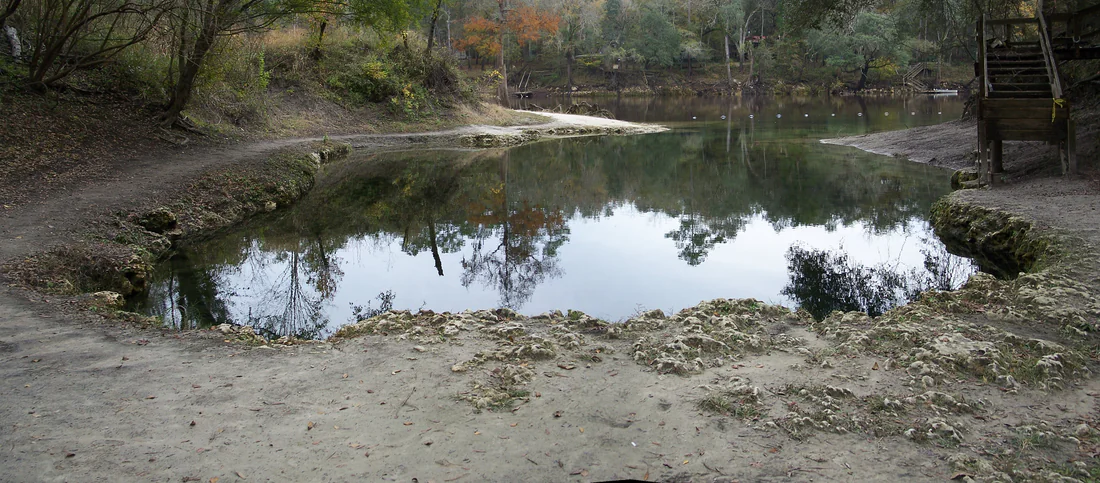
A state park plan says Native peoples relied on the Suwannee River for its plentiful resources and used it as a route for travel and trade. The plan cites a 1994 study that sorts the region's past into periods from the Paleoindian era through the Spanish mission and Seminole periods.
Few sites inside Lafayette Blue Springs State Park have been recorded, so little is known about its archaeology. One of them, a scatter of prehistoric stone artifacts at the spring, may once have been a campsite. Judge Guy M. McClain's 1940 county history said the Native people the settlers met were likely Seminoles and were usually friendly.
Sources: Florida Department of Environmental Protection: Lafayette Blue Springs State Park, Park Chapter (unit management plan); Florida Memory: History of Lafayette County, by Guy M. McClain, County Judge (September 1940)
Next: Chapter 2, Spanish Trails and a Mission Site →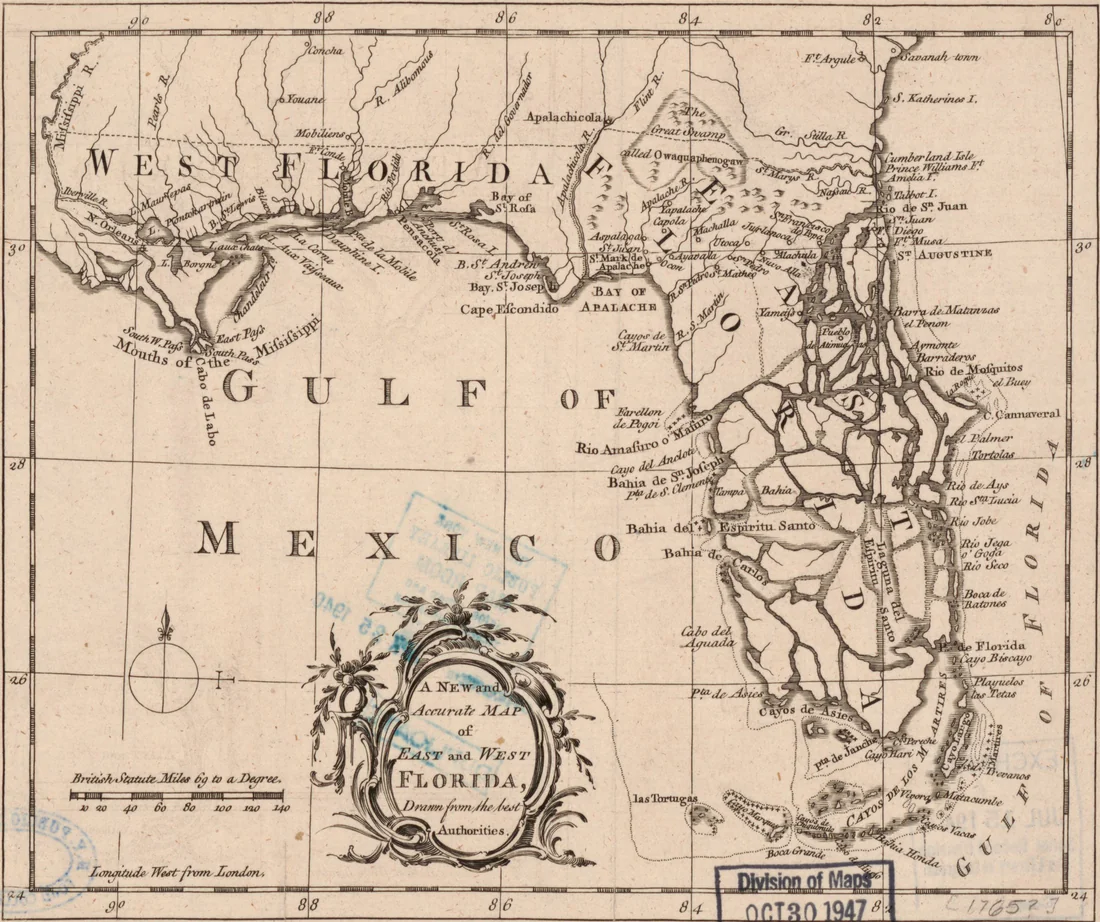
Spanish Trails and a Mission Site
The same park plan says the Spanish used the Suwannee too. A Spanish trail ran near the park land, or through it. Across the river from the park, at the old Charles Ferry crossing on the east bank, the plan lists the site of a Spanish mission, a trading post and Native American sites. Judge McClain's 1940 history began the county's story in the 1500s, when, he wrote, the Spanish settled around Old Town and built large sugar plantations.
Sources: Florida Department of Environmental Protection: Lafayette Blue Springs State Park, Park Chapter (unit management plan); Florida Memory: History of Lafayette County, by Guy M. McClain, County Judge (September 1940)
Next: Chapter 3, Settlers, Cotton Plantations and a Ferry Road →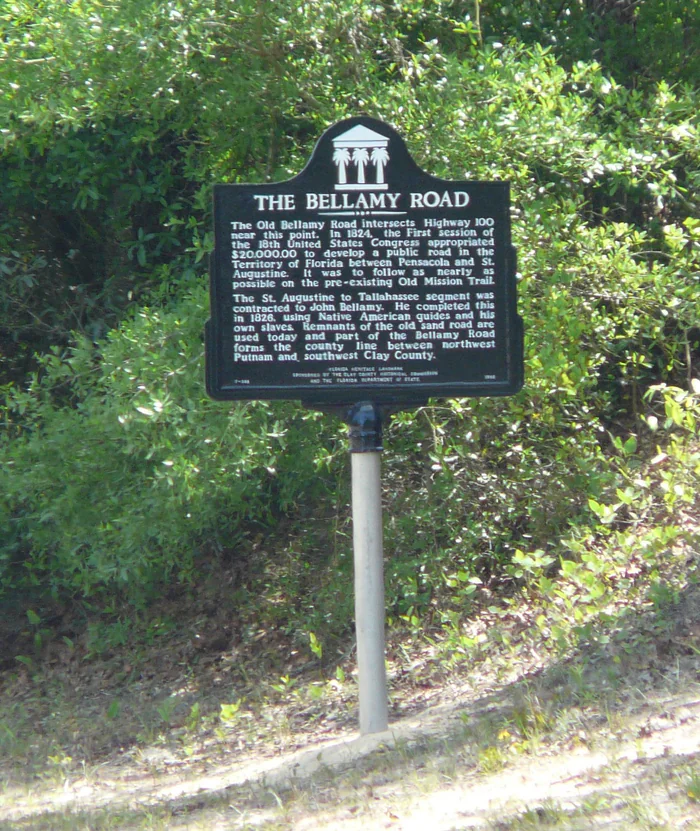
Settlers, Cotton Plantations and a Ferry Road
About 1800, Judge McClain wrote, families began moving into the area from Georgia, Alabama and the Carolinas. They brought their work animals and enslaved people with them. One group from Alabama, made up of the Brantley, Hankins, Henderson and Church families, settled at Cooks Hammock. They brought enslaved people there and had large cotton plantations.
Outside the park, on the Suwannee's east bank, a stretch of the Old Bellamy Road is tied to the Charles Ferry crossing, which dates from 1824. An 1826 survey of the Florida territory shows a main road between Tallahassee and St. Augustine crossing the river at that spot. Inside today's park, a 19th-century gristmill called Mosely Mill once stood beside the spring run. The plan suggests the mill was perhaps the center of a bigger community in the mid-1800s, with a trading post and a ferry.
Sources: Florida Memory: History of Lafayette County, by Guy M. McClain, County Judge (September 1940); Florida Department of Environmental Protection: Lafayette Blue Springs State Park, Park Chapter (unit management plan)
Next: Chapter 4, Lafayette County Is Created in 1856 →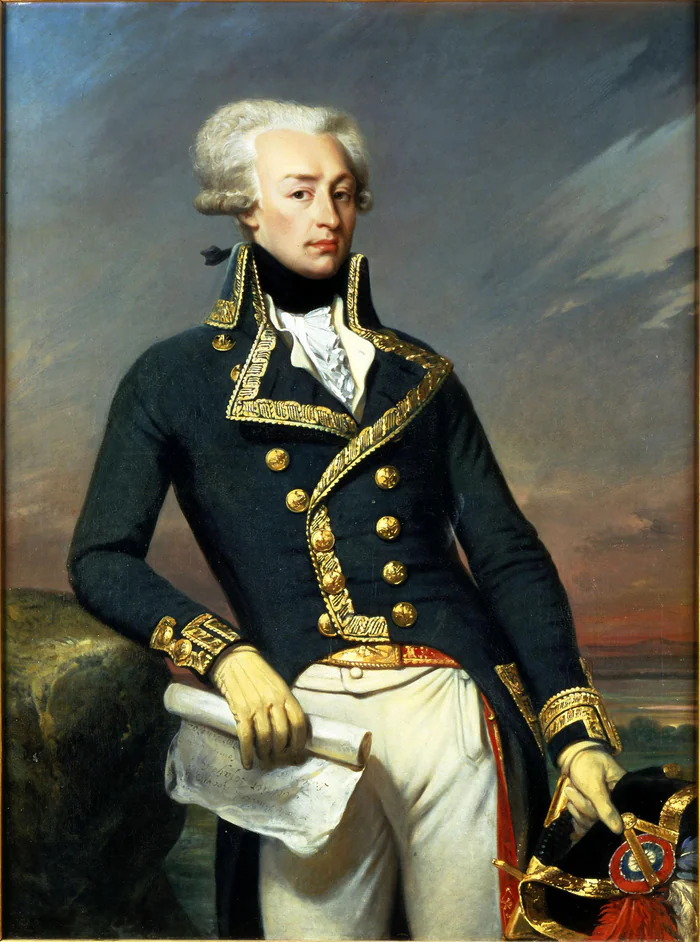
Lafayette County Is Created in 1856
Lafayette County was formed from Madison County on December 23, 1856. It was named for the Marquis de Lafayette, the Frenchman who gave the American colonies valuable help in the Revolutionary War. The University of South Florida's map collection counts it as Florida's 33rd county. Lafayette never lived in Florida, the same page notes, but he pressed the French government to back the American cause of freedom.
The Suwannee River forms the county's whole eastern border. The marker in Mayo says the county's courts held their first sessions at the home of Ariel Jones, near Fayetteville. A map in the Surveyor General's annual report for 1856 shows the new county.
Sources: Florida Department of State, Division of Historical Resources: Lafayette County (historical marker); University of South Florida, Florida Center for Instructional Technology: Florida Maps, Lafayette County
Next: Chapter 5, The Steamboat Madison and the Civil War →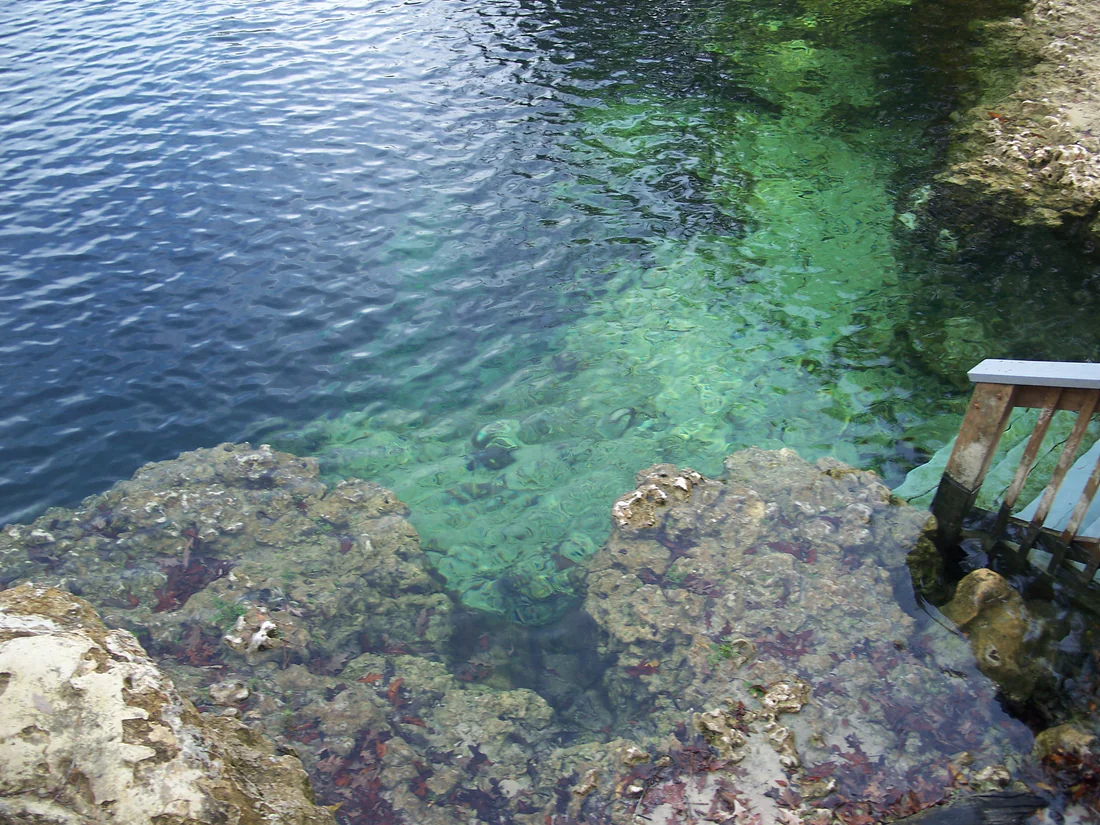
The Steamboat Madison and the Civil War
Captain James M. Tucker owned and ran the steamboat Madison, which was built in 1854. It was built to float in shallow water, so it could keep running on the Suwannee as the river rose and fell. For years it carried the mail and served as a floating store for towns along the river. Its landings included Troy, Branford, Luraville, Wilcox, Fort Fanning and Fort McKoon, the 1940 county history says.
When the Civil War began in 1861, Confederate forces turned the Madison into a privateer and improvised gunboat. Another state park article says it had no guns and hauled food and supplies to Columbus, where trains carried them to the troops. Judge McClain's 1940 history says Tucker sailed the Madison out of the Suwannee's mouth with a company of mostly Lafayette County men and captured a Federal gunboat. In Virginia, the history adds, his company was known as Company H, 8th.
In 1863, on Tucker's orders, the Madison was sunk on purpose in Troy Spring to keep it out of Union hands. Metal spikes and pieces of the hull's keel ribs can still be seen below the surface in the spring run at Troy Spring State Park.
Sources: Florida State Parks: Wreck of the Madison; Florida State Parks: Troy Spring State Park, History; Florida Memory: History of Lafayette County, by Guy M. McClain, County Judge (September 1940)
Next: Chapter 6, New Troy and the River Steamboats →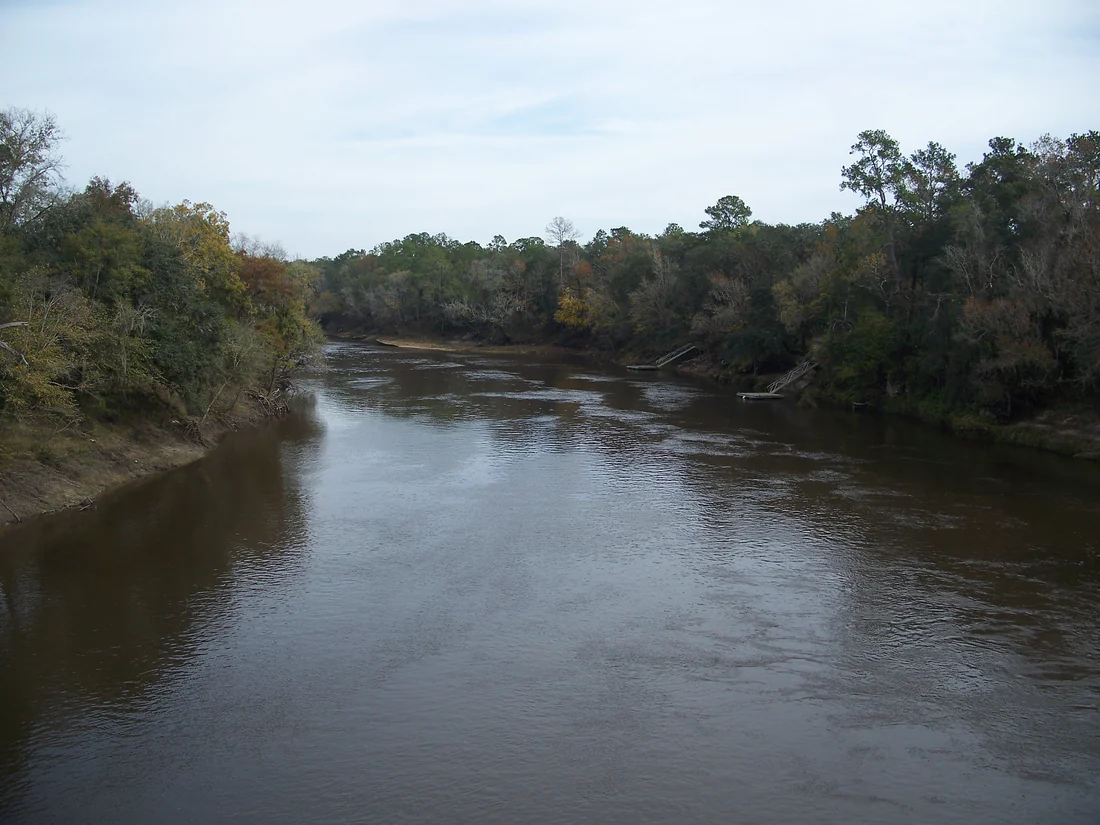
New Troy and the River Steamboats
Before Mayo, the county seat was New Troy, the state marker says. The 1940 county history calls the town Troy and says it was built at a Suwannee River boat landing of that name. Maps of the county from 1880 and 1886 mark New Troy as the county seat.
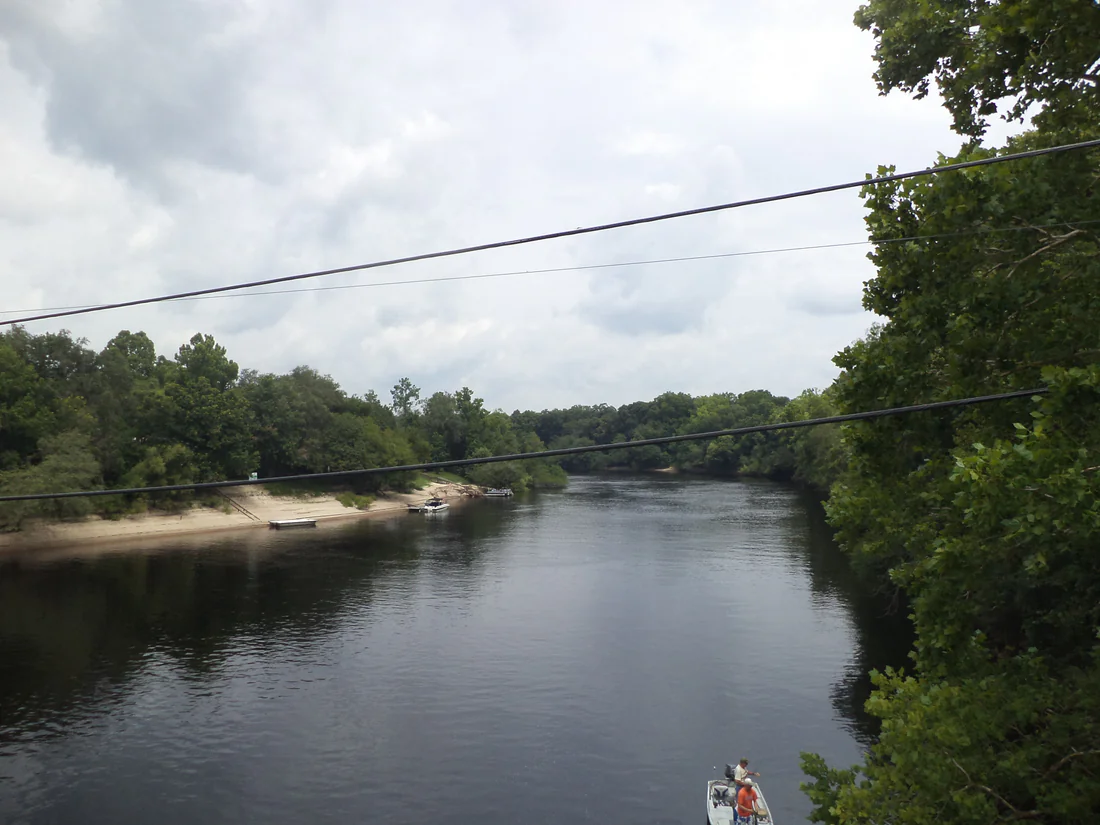
In the middle and late 1800s, steamboats on the stretch of the Suwannee by Lafayette Blue Springs carried supplies to local farms and took their crops away. The coming of the railroads ended the steamboat era there, the park service says.
Sources: Florida Department of State, Division of Historical Resources: Lafayette County (historical marker); Florida Memory: History of Lafayette County, by Guy M. McClain, County Judge (September 1940); University of South Florida, Florida Center for Instructional Technology: Florida Maps, Lafayette County; Florida State Parks: Lafayette Blue Springs State Park, History
Next: Chapter 7, Mayo Becomes the County Seat →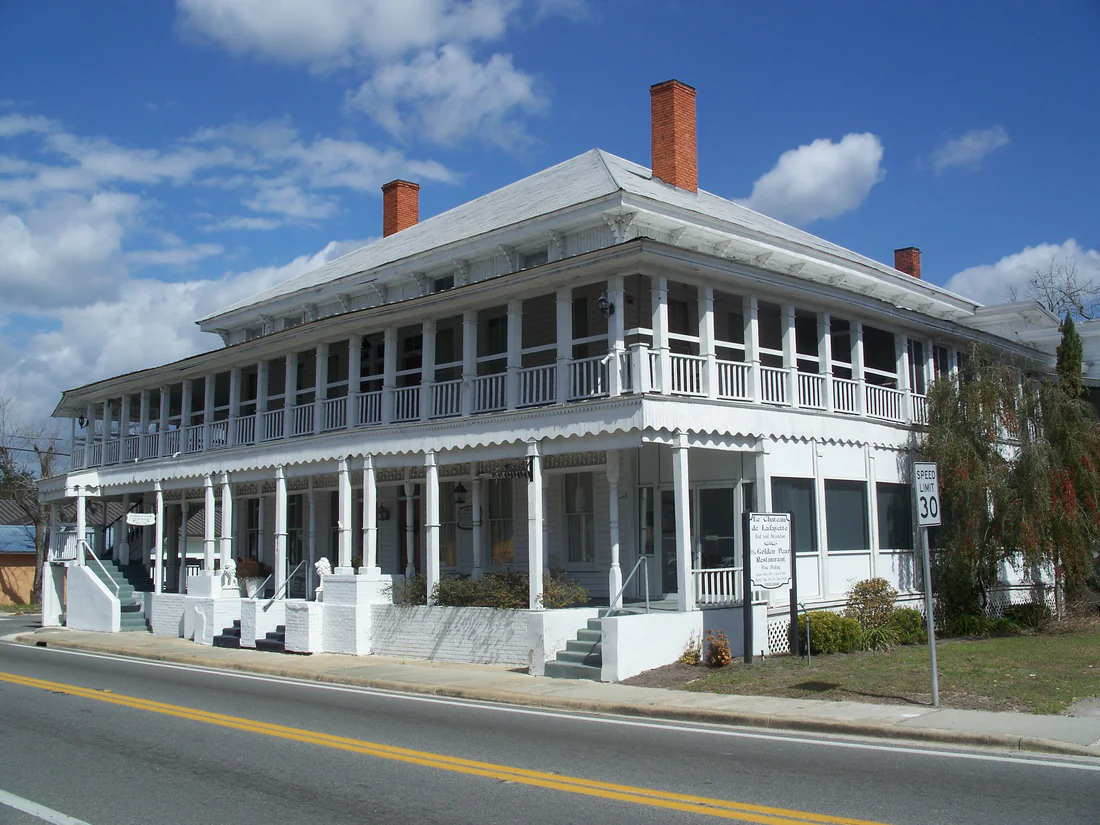
Mayo Becomes the County Seat
John B. Whitfield founded Mayo in 1874. The town's name honors James M. Mayo, a Confederate Army colonel. The 1940 county history adds that the name came from a post office run in the home of a Mr. Ramsey, near Ten Mile Pond.
Fire destroyed the courthouse at New Troy, and the county seat moved to Mayo. One state marker dates the move to 1893, and another gives 1892.
A two-story wooden courthouse was finished in 1894. In 1907 that building was moved to a lot where Fletcher Street meets Bloxham Street, to make room for a new courthouse. The present Lafayette County Courthouse, in the Classical Revival style, was completed in 1909. Judge McClain's 1940 history dates the present courthouse to 1908. The marker also notes the turn-of-the-century buildings in the small business district near the courthouses.
Sources: Florida Department of State, Division of Historical Resources: Mayo, County Seat of Lafayette County (historical marker); Florida Department of State, Division of Historical Resources: Lafayette County (historical marker); Florida Memory: History of Lafayette County, by Guy M. McClain, County Judge (September 1940)
Next: Chapter 8, Pine Timber, a Railroad and the Alton Sawmill →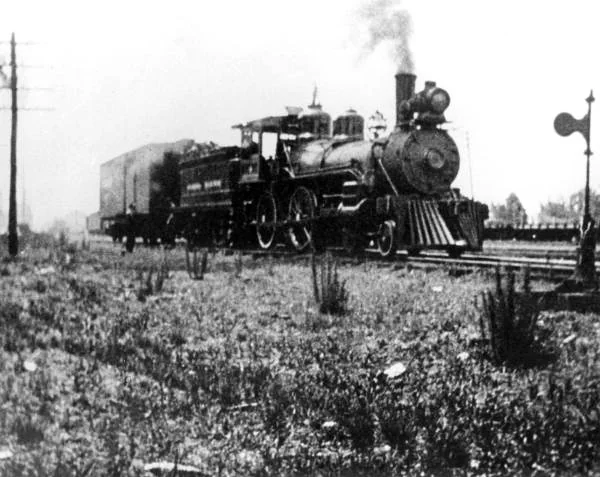
Pine Timber, a Railroad and the Alton Sawmill
Judge McClain wrote that untouched pine forest still covered the county up to 1902. That timber led the Drew family to build a railroad, the Florida Line, from Live Oak into the county. In the same year, he wrote, the Drews built a sawmill at Alton that he called the largest electric-driven sawmill in the South at the time.
Trees on land now in Lafayette Blue Springs State Park were likely cut for timber in the 1700s and 1800s, the park plan says. Parts of the park's Allen Millpond tract were once logged and worked for turpentine.
Sources: Florida Memory: History of Lafayette County, by Guy M. McClain, County Judge (September 1940); Florida Department of Environmental Protection: Lafayette Blue Springs State Park, Park Chapter (unit management plan)
Next: Chapter 9, A Smaller County After 1921 →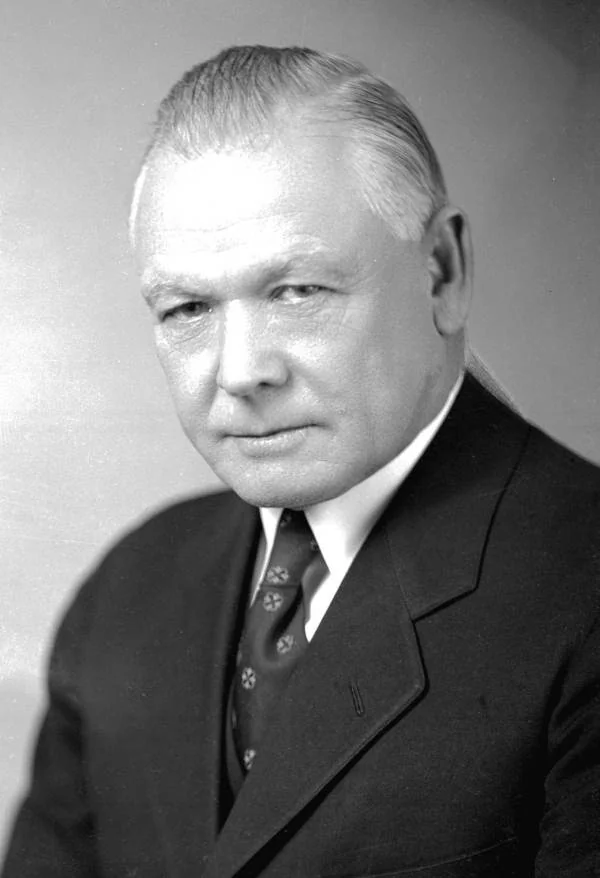
A Smaller County After 1921
In 1921 the lower part of Lafayette County was made into Dixie County. Judge McClain wrote that the split followed a quarrel over road bonds between the county's upper and lower parts. Nathan Mayo, son of the colonel the county seat was named for, was the state's Commissioner of Agriculture from 1923 until 1960.
County Judge Guy M. McClain wrote a history of the county dated September 1940. By then, he wrote, tobacco and livestock had become the chief money crops. More people were turning to farming, he added. Schools were joining into larger ones, and rural electric service reached a good part of the county.
Sources: Florida Department of State, Division of Historical Resources: Lafayette County (historical marker); Florida Memory: History of Lafayette County, by Guy M. McClain, County Judge (September 1940); Florida Department of State, Division of Historical Resources: Mayo, County Seat of Lafayette County (historical marker)
Next: Chapter 10, Ranch Land and Two Springs Become Public Land →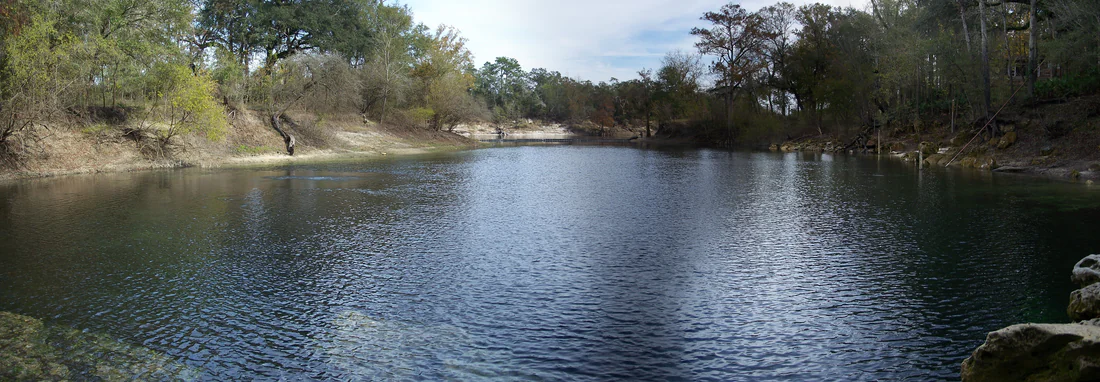
Ranch Land and Two Springs Become Public Land
Frank "Red" and Olive Schulte, who owned the R.O. Ranch, lived there from the early 1970s and raised cattle on the land. Two creeks, Owl Creek and Crossway Branch, run through the ranch and feed the Steinhatchee River. The Suwannee River Water Management District later took ownership of the couple's 2,481-acre ranch.
The state's land trustees first acquired Lafayette Blue Springs State Park on February 8, 1977, with money from the Land and Water Conservation Fund. Before 1995, people could reach Troy Spring only by boat or over dirt roads through cattle pasture gates, the park service says. Many people remember driving their boats right into the spring to fish, swim and dive. The state of Florida bought Troy Spring in 1995.
Sources: Valdosta Daily Times: SRWMD closes on 2,481-acre ranch in Lafayette County; Florida Department of Environmental Protection: Lafayette Blue Springs State Park, Park Chapter (unit management plan); Florida State Parks: Troy Spring State Park, History
Next: Chapter 11, Since 1995: A New State Park, Two State Titles and a Horse Trail →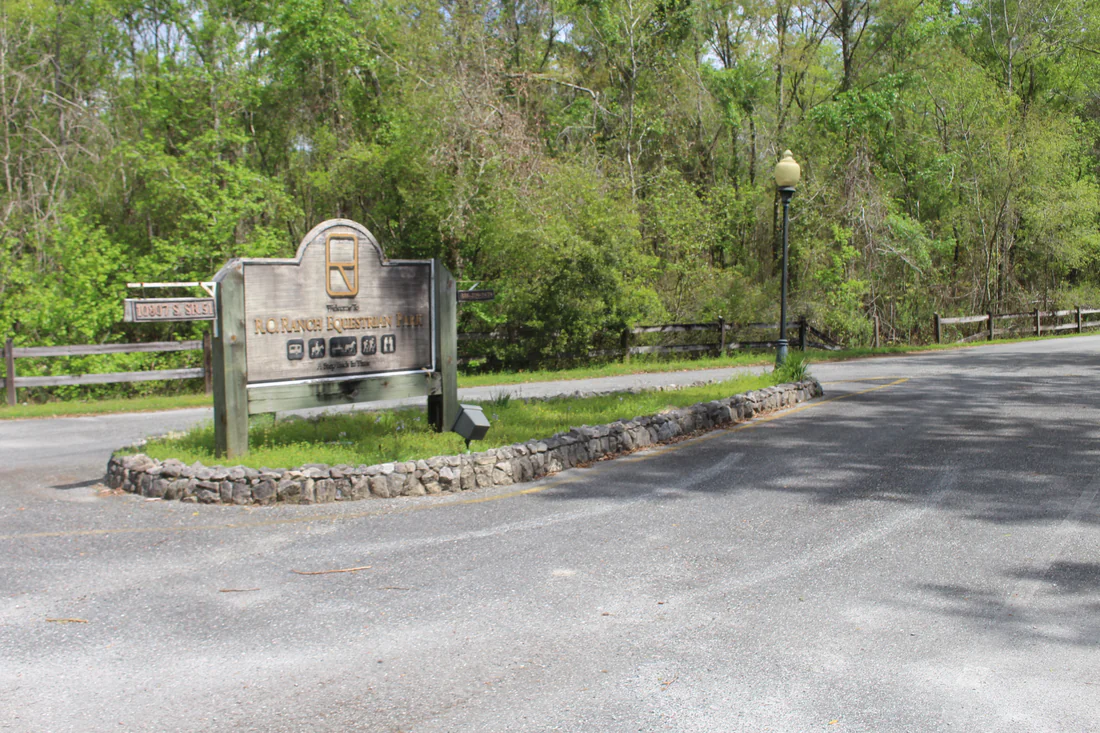
Since 1995: A New State Park, Two State Titles and a Horse Trail
In 2005 Lafayette Blue Springs joined Florida's state park system. The park service says people had used the spring as a public park for a long time before that.
The Lafayette Hornets softball team of Mayo was state champion in 2012, WTXL reported. Lafayette's baseball team was state champion in 2016. By March 13, 2017, the Suwannee River Water Management District had opened its Crossway Branch Trailhead to horseback riders on the RO Ranch Tract. Riders can take the Home Trail, and more experienced riders can try the Swamp Trail or the River Trail.
Mallory Swamp Wildlife Management Area lies southwest of Branford, in the southeast part of Lafayette County. The Suwannee River Water Management District helps manage it. Hurricane Helene came ashore in Taylor County on September 26, 2024, and nearly all power customers in Lafayette County lost electricity, the National Weather Service reported.
Sources: Florida State Parks: Lafayette Blue Springs State Park, History; WTXL: Vero Beach Bound: Lafayette softball looks to bring home Class 1A State title (May 20, 2019); WTXL: Lafayette baseball confident as they look to win a state championship (May 16, 2023); Suwannee River Water Management District: RO Ranch Equestrian Trail Open (March 13, 2017); Florida Fish and Wildlife Conservation Commission: Mallory Swamp Wildlife Management Area; National Weather Service Tallahassee: Post Tropical Cyclone Report for Hurricane Helene; National Weather Service Tallahassee: County Impacts Associated with Hurricane Helene (2024)
Next: the whole story, in dates →The whole story, in dates
The earliest cultural period a 1994 study names for the region.
Judge McClain's 1940 history places Spanish settlers around Old Town.
Families from Georgia, Alabama and the Carolinas begin moving in.
The Charles Ferry crossing on the Old Bellamy Road dates from this year.
A survey shows a main road from Tallahassee to St. Augustine crossing the river at the ferry site.
Mosely Mill is perhaps the center of a community with a trading post and a ferry.
Captain James M. Tucker's steamboat Madison is built.
Lafayette County is formed from Madison County.
A map in the Surveyor General's annual report shows the new county.
Confederate forces turn the Madison into a privateer and improvised gunboat.
The Madison is sunk on purpose in Troy Spring.
John B. Whitfield founds Mayo.
A county map marks New Troy as the county seat.
Another county map still marks New Troy as the county seat.
Mayo becomes the county seat after fire destroys the courthouse at New Troy.
A two-story wooden courthouse is finished.
Untouched pine forest still covers the county, by Judge McClain's account.
The wooden courthouse is moved to make room for a new one.
Judge McClain's history gives this year for the present courthouse.
The Classical Revival courthouse is completed, by the state marker's date.
The lower part of the county is made into Dixie County.
Nathan Mayo is the state's Commissioner of Agriculture.
Judge Guy M. McClain dates his history of the county.
Frank and Olive Schulte begin raising cattle on the R.O. Ranch.
The state's land trustees first acquire Lafayette Blue Springs State Park.
The state of Florida buys Troy Spring.
Lafayette Blue Springs joins Florida's state park system.
The Lafayette Hornets softball team of Mayo is state champion.
Lafayette's baseball team is state champion.
The water district has opened a horse trailhead on the RO Ranch Tract.
Hurricane Helene comes ashore in Taylor County and cuts power to nearly all customers in Lafayette County.
Where you can still see it
 01
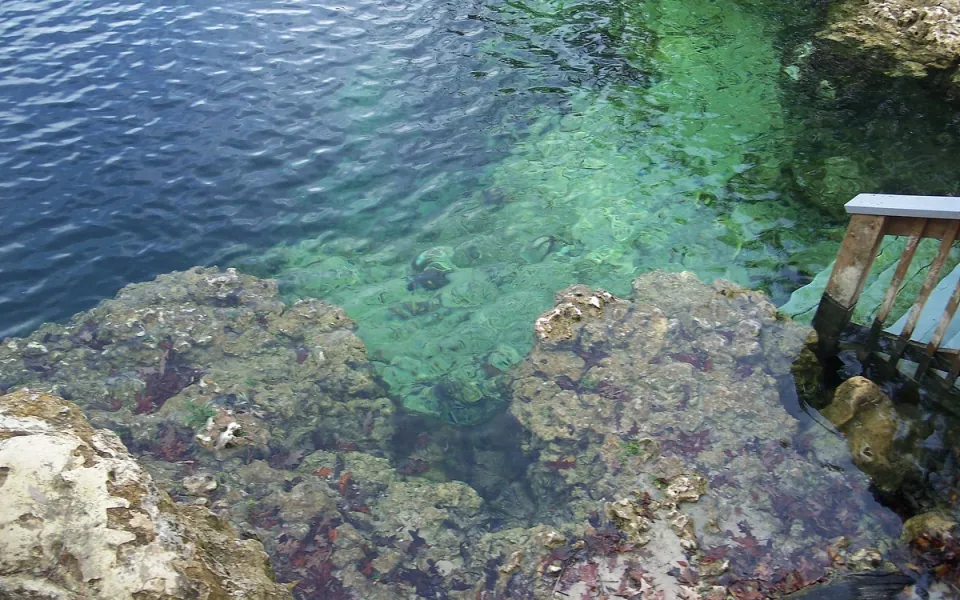 02
 03
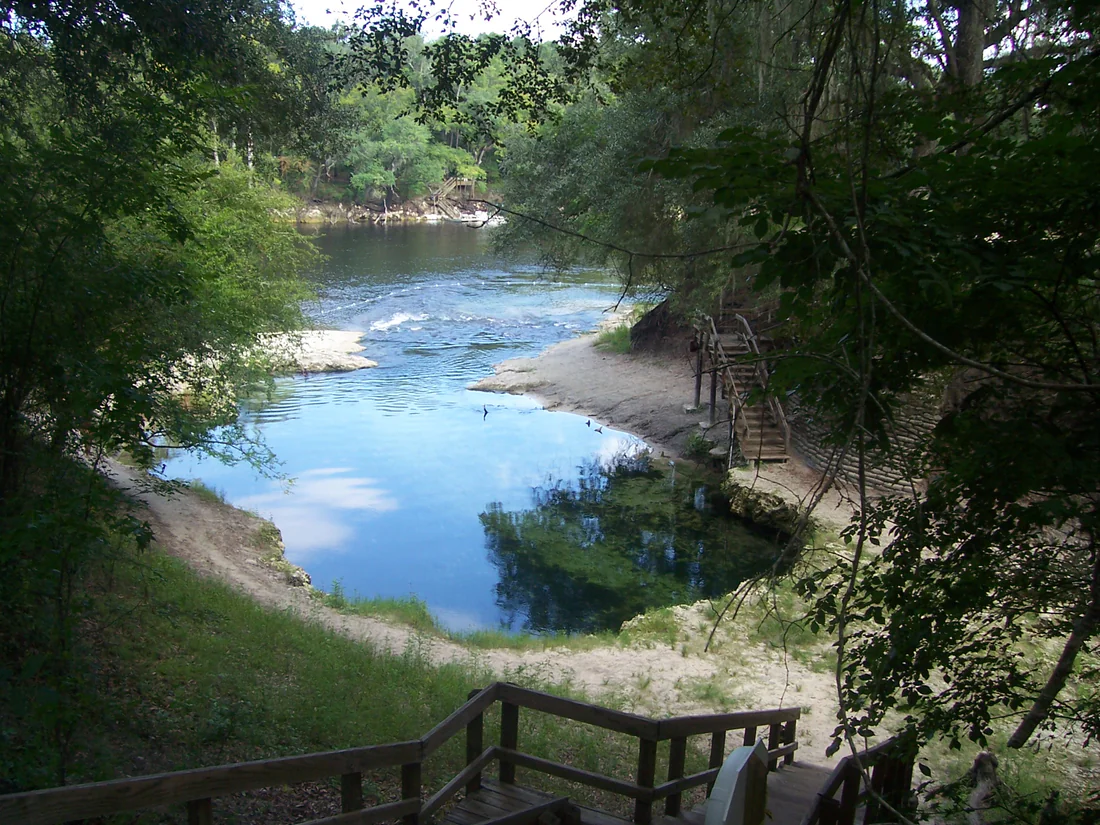
Lafayette Blue Springs State Park
Goes with: Ranch Land and Two Springs Become Public Land
Open the place page →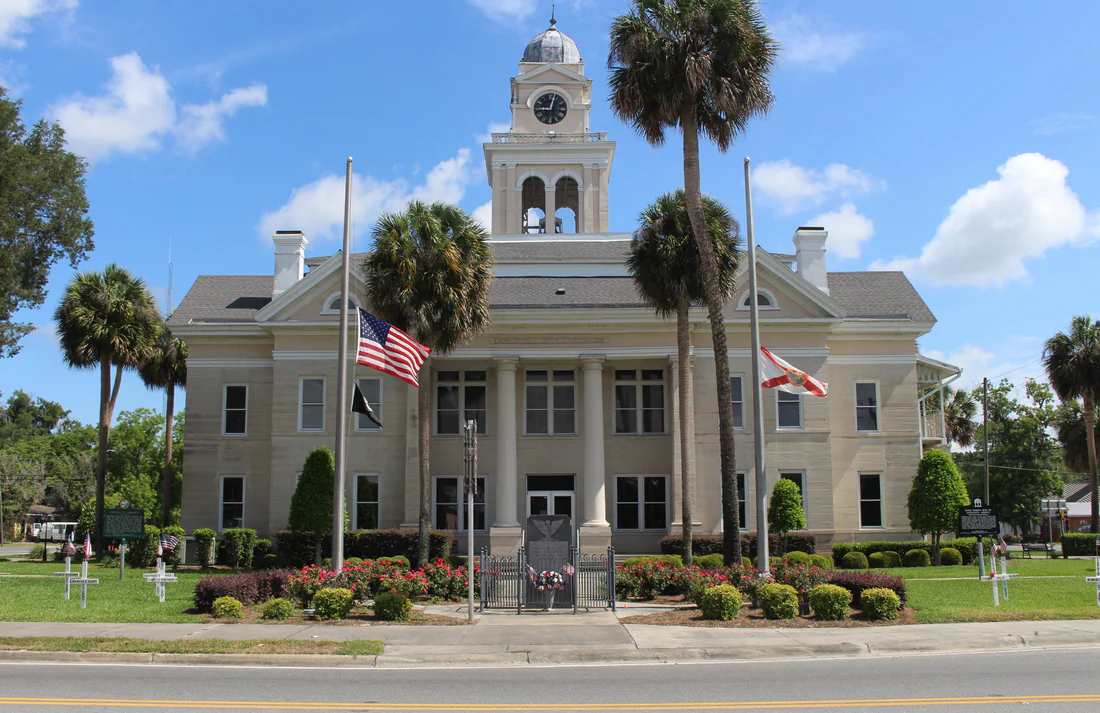 04
Lafayette County Courthouse
Goes with: Mayo Becomes the County Seat
Read the state marker for Mayo and its courthouses →Questions people ask
When was Lafayette County created?
Lafayette County was formed from Madison County on December 23, 1856.
Chapter 4 →Who was Lafayette County named for?
It was named for the Marquis de Lafayette, the Frenchman who gave the American colonies valuable help in the Revolutionary War.
Chapter 4 →When did Mayo become the county seat of Lafayette County?
Mayo became the county seat after fire destroyed the courthouse at New Troy, in 1893 by one state marker and in 1892 by another.
Chapter 7 →Who founded Mayo, and who is it named for?
John B. Whitfield founded Mayo in 1874, and the town's name honors James M. Mayo, a Confederate Army colonel.
Chapter 7 →What shipwreck lies in Troy Spring?
It is the steamboat Madison, which was sunk on purpose in Troy Spring in 1863 on Captain James M. Tucker's orders.
Chapter 5 →Where this comes from.
Last updated October 20, 2026.
- Florida Department of State, Division of Historical Resources: Lafayette County (historical marker) ↗ Read October 19, 2026
- Florida Department of State, Division of Historical Resources: Mayo, County Seat of Lafayette County (historical marker) ↗ Read October 19, 2026
- Florida Memory: History of Lafayette County, by Guy M. McClain, County Judge (September 1940) ↗ Read October 19, 2026
- Florida State Parks: Troy Spring State Park, History ↗ Read October 19, 2026
- Florida State Parks: Wreck of the Madison ↗ Read October 19, 2026
- Florida State Parks: Lafayette Blue Springs State Park, History ↗ Read October 19, 2026
- Florida Department of Environmental Protection: Lafayette Blue Springs State Park, Park Chapter (unit management plan) ↗ Read October 19, 2026
- University of South Florida, Florida Center for Instructional Technology: Florida Maps, Lafayette County ↗ Read October 19, 2026
- Valdosta Daily Times: SRWMD closes on 2,481-acre ranch in Lafayette County ↗ Read October 19, 2026
- Suwannee River Water Management District: RO Ranch Equestrian Trail Open (March 13, 2017) ↗ Read October 19, 2026
- Florida Fish and Wildlife Conservation Commission: Mallory Swamp Wildlife Management Area ↗ Read October 19, 2026
- WTXL: Vero Beach Bound: Lafayette softball looks to bring home Class 1A State title (May 20, 2019) ↗ Read October 19, 2026
- WTXL: Lafayette baseball confident as they look to win a state championship (May 16, 2023) ↗ Read October 19, 2026
- National Weather Service Tallahassee: Post Tropical Cyclone Report for Hurricane Helene ↗ Read October 19, 2026
- National Weather Service Tallahassee: County Impacts Associated with Hurricane Helene (2024) ↗ Read October 19, 2026