Highlands County was created in 1921 from part of DeSoto County. A University of South Florida page says it takes its name from the many hills in the area, and its county seat is Sebring. It is known for Highlands Hammock State Park, which the state calls Florida's first state park, and for the 12 Hours of Sebring, raced since 1952. Its story goes back to mastodons, to the Jororo people who are believed to have lived here, and to the Calusa, who visited the Sebring area.
This page tells the story in order, from the ancient ridge, the mastodons and the first peoples to the scrub preserve, landmarks and Porsche wins since 1990, then lists places in the county where you can still see it. The sources for each part are named at the end of that part, and all of them are listed at the bottom of the page.
An Ancient Island and the First Peoples
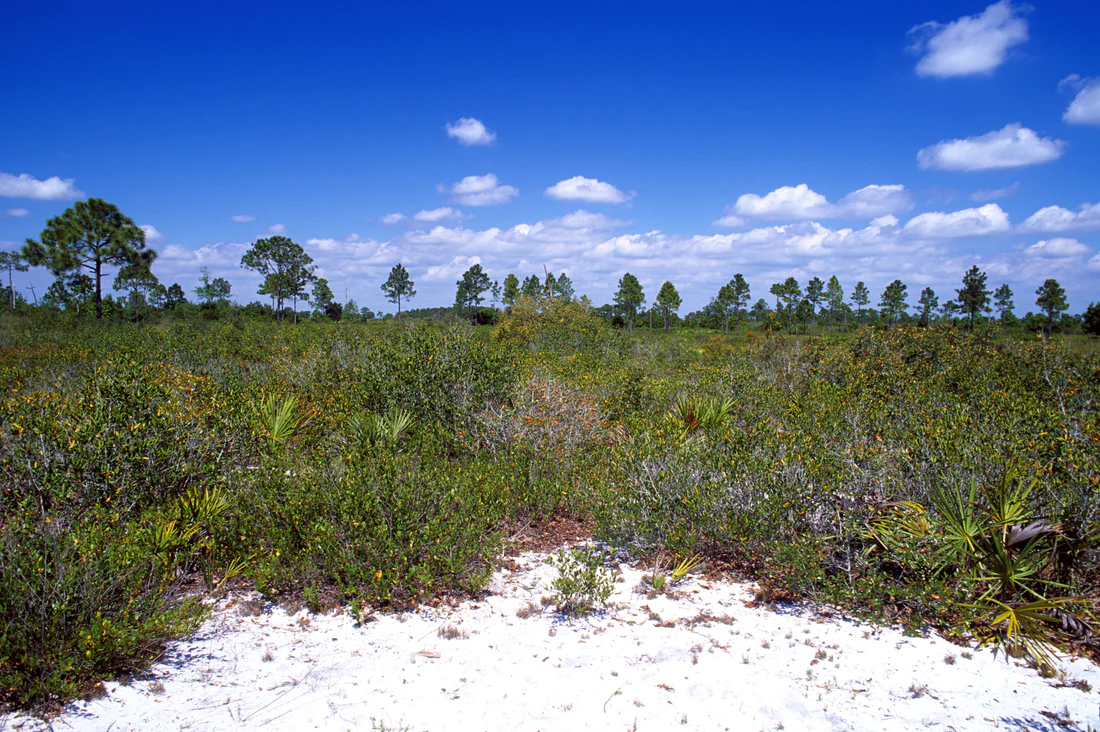
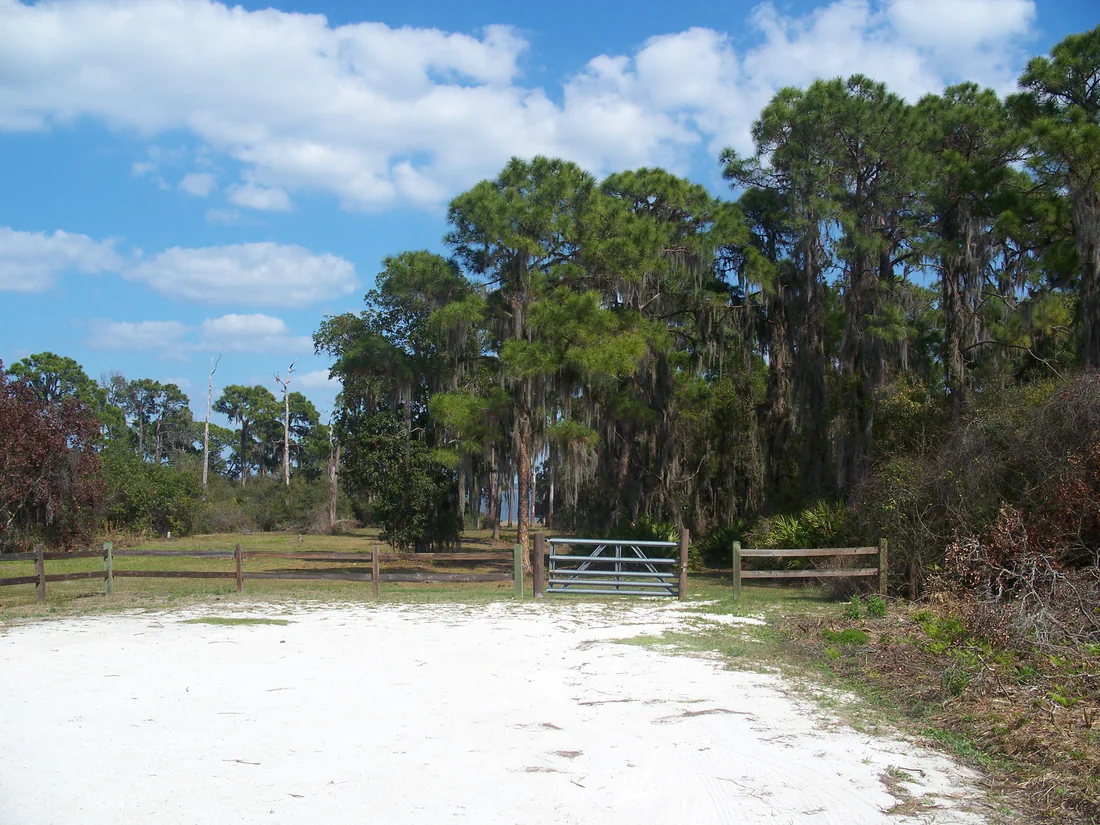
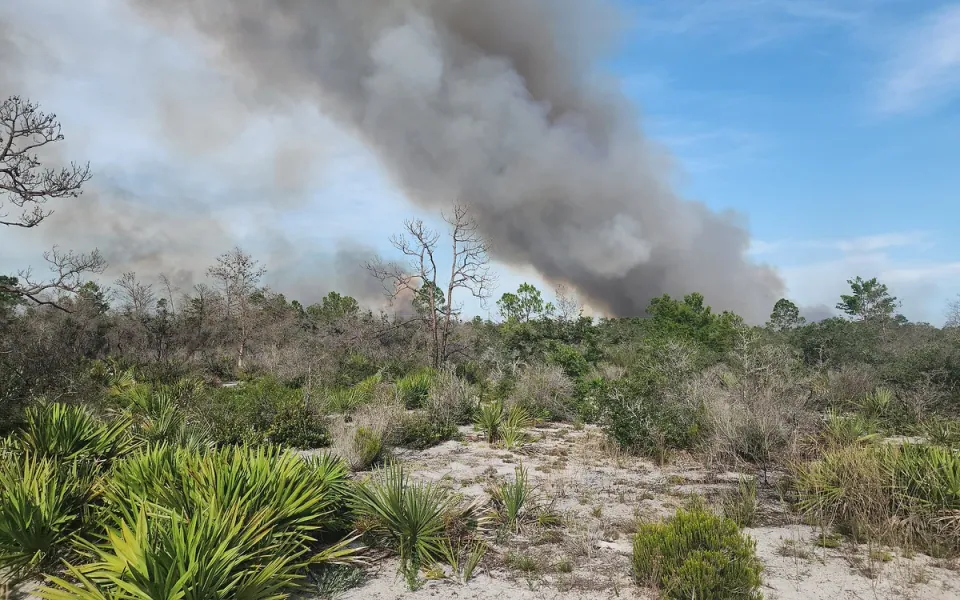
In ancient times, the Lake Wales Ridge was an island. Lake June-in-Winter Scrub Preserve State Park sits on that ridge. Early Cracker pioneers called habitats like the ones in this park scrubs.
Mastodons once lived on the land that is now Highlands Hammock State Park. The Jororo people are believed to have lived in the park area. Several mounds in the park, thought to be Jororo, were ruined before archaeologists could study them. The Calusa people also visited the Sebring area.
Sources: Florida State Parks: Lake June-in-Winter Scrub Preserve State Park History; Highlands News-Sun: A short history of Highlands Hammock State Park (Bobby Lee, Sebring Historical Society, June 3, 2026)
Next: Chapter 2, Fort Basinger and the Seminole Wars →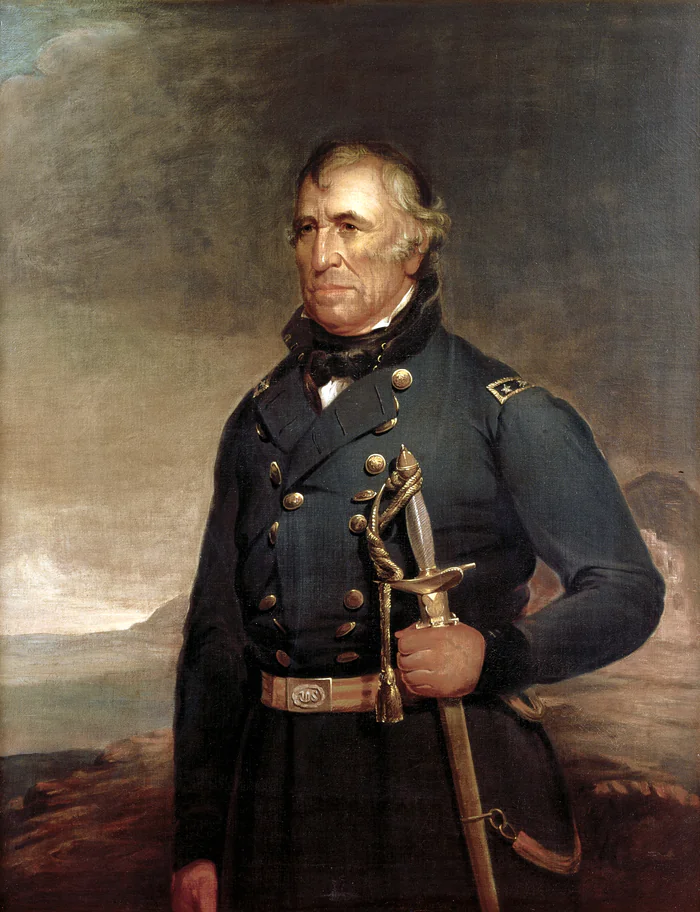
Fort Basinger and the Seminole Wars
Col. Zachary Taylor ordered Fort Basinger put up on the Kissimmee River in 1837, in the years of the Seminole Wars. It stood 17 miles above the mouth of the river. The post was a small stockade, used for a time as a fort and supply station. It was one link in a line of forts that ran from Tampa to Lake Okeechobee.
The fort took its name from Lt. William E. Basinger, an officer of the 2nd Artillery. He died in Dade's Massacre. The fort was given up when the Indian wars ended.
Sources: Florida Department of State: Fort Basinger historical marker
Next: Chapter 3, Cow Camps, Citrus and Avon Park →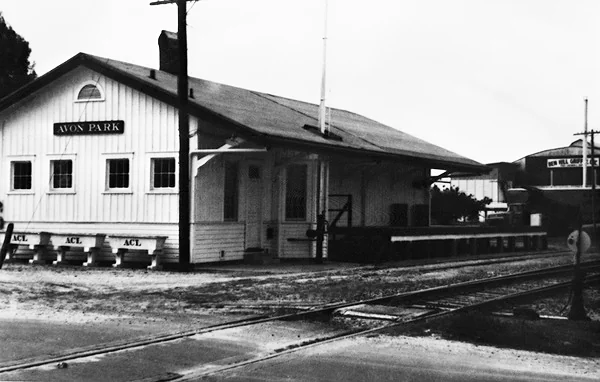
Cow Camps, Citrus and Avon Park
Settlers began to move into the area after the three Seminole Wars. Captain William Hooker set up a cow camp near today's Highlands Hammock for his large cattle business, and the place became known as Hooker's Hammock. The Skipper family, headed by Johnathan Skipper, bought out Hooker's claims sometime between 1850 and 1880. A WPA history says the land of today's Highlands County was used mostly as cattle range until about 1900.
In 1869, Thomas Knight set out the first citrus trees in the Lake Placid area. Oliver Martin Crosby came in 1884 to study Everglades wildlife, and the City of Avon Park calls him its first permanent settler. Enough newcomers had arrived by 1886 for the settlement to be incorporated, and many came from England. An Englishwoman who had settled there told Crosby the place was like her old home of Stratford-upon-Avon, and she talked him into renaming the settlement Avon Park. Two hard freezes struck in 1894 and 1895, and Crosby left along with many townspeople.
In 1912, an Atlantic Coast Line passenger and freight train came to Avon Park twice a week. Citrus packing houses and crate mills brought steady work. Avon Park became an incorporated city in 1926.
Sources: Highlands News-Sun: A short history of Highlands Hammock State Park (Bobby Lee, Sebring Historical Society, June 3, 2026); Florida Memory: A Brief Sketch of the Creation and History of Highlands County (WPA); Highlands News-Sun: From Wicco to Lake Placid ... a history of the town (Mat Delaney, March 25, 2026); City of Avon Park: Avon Park: Then and Now; Highlands News-Sun: History of the 'City of Charm'
Next: Chapter 4, George Sebring and the City on the Circle →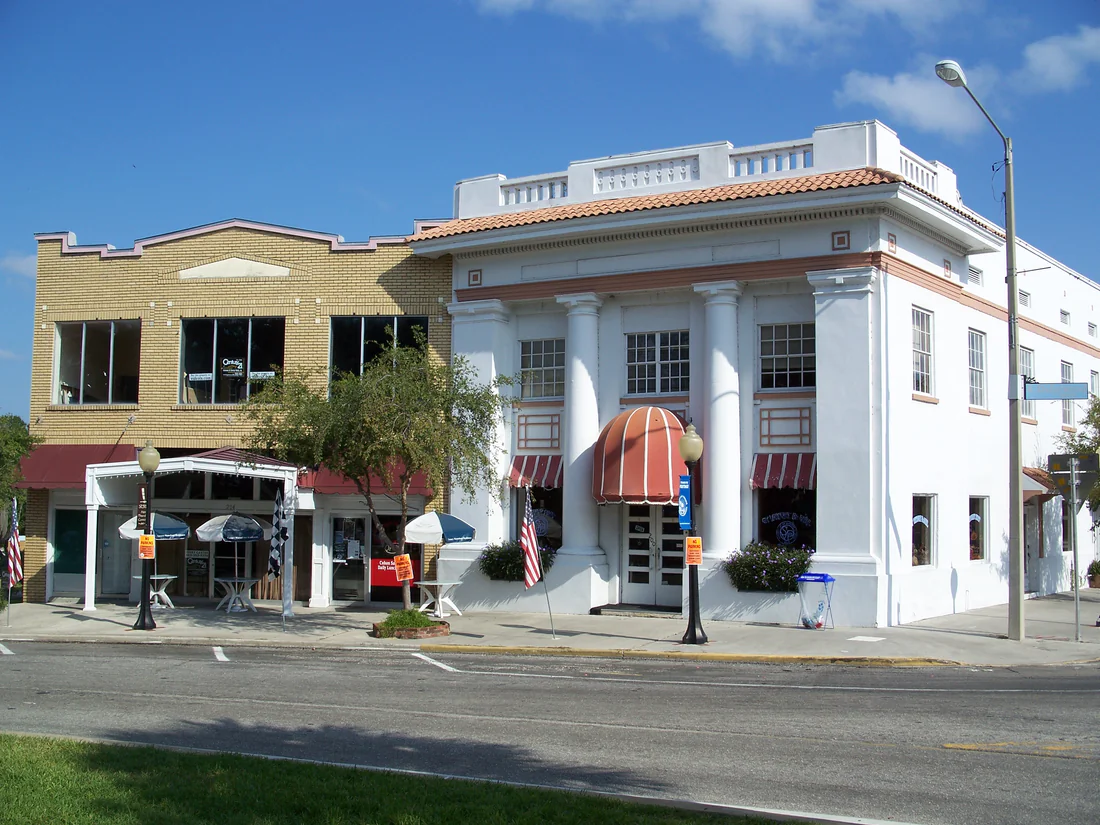
George Sebring and the City on the Circle
George E. Sebring, who made pottery in Ohio, founded the city of Sebring in 1912. The historical society says he was struck by the natural beauty of the area. The State of Florida chartered the City of Sebring one year later. A WPA history of the county gives 1911 as the founding year instead.
The city calls itself The City on the Circle. Its downtown business district was built around a circle, and it is on the National Register of Historic Places. The first town marshal was Aaron Withers.
Sources: City of Sebring: History; Sebring Historical Society: Sebring History Highlights; Florida Memory: Historical Sketch of Highlands County (WPA, compiled by Ellen Cooper Jarratt)
Next: Chapter 5, Highlands County Is Created in 1921 →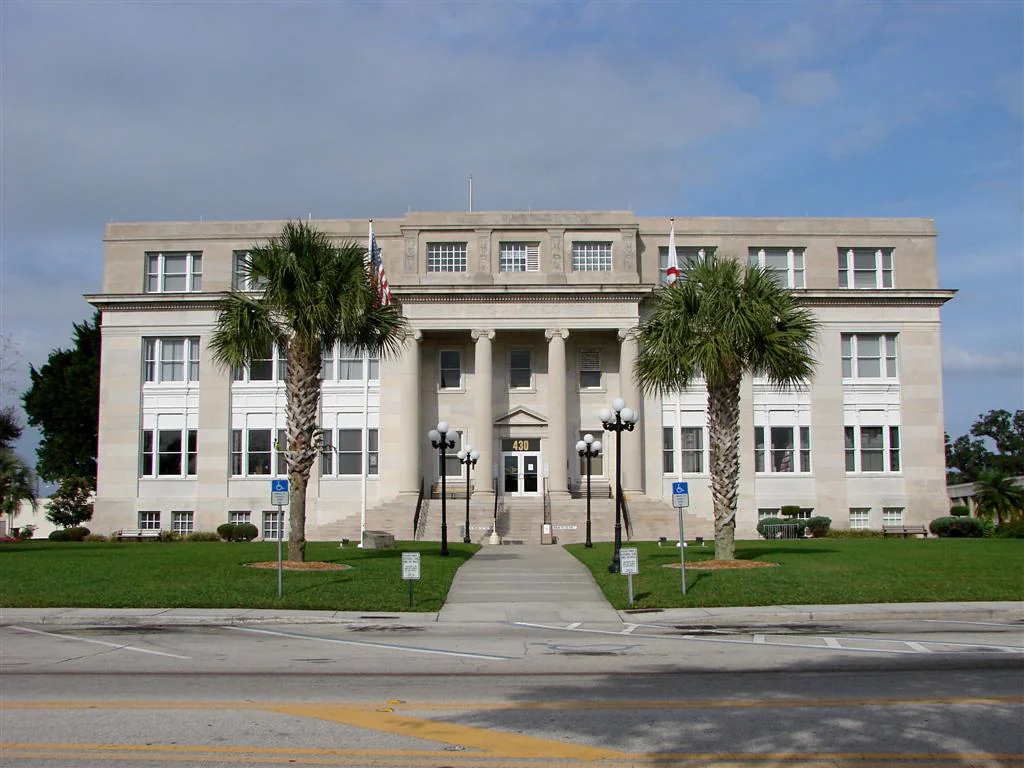
Highlands County Is Created in 1921
In 1921, a set of bills split DeSoto County into five counties: Highlands, Hardee, Glades, Charlotte and DeSoto. Both houses passed them on a single day. A WPA history says Governor Cary A. Hardee signed them on April 21, 1921. A University of South Florida page gives April 23, 1921, as the day the county was established, and calls it Florida's 56th county. The same page says the name comes from the many hills in the area.
The county government began work on May 23, 1921. The act that created the county made Sebring the county seat for the time being. In an election set for November 21, 1922, voters chose between Avon Park and Sebring for the permanent seat, and Sebring was selected. Bonds paid the $212,000 cost of the courthouse, built in 1926. Its builder, D. J. Phipps of Roanoke, Virginia, won the contract on March 17, 1926, after cutting his bid to $201,000.
Sources: Florida Memory: A Brief Sketch of the Creation and History of Highlands County (WPA); Florida Memory: Historical Sketch of Highlands County (WPA, compiled by Ellen Cooper Jarratt); University of South Florida, Exploring Florida: Highlands County Maps; Florida Memory: WPA Highlands County, Florida (county government records, 1921 to 1926)
Next: Chapter 6, Lake Stearns Becomes Lake Placid →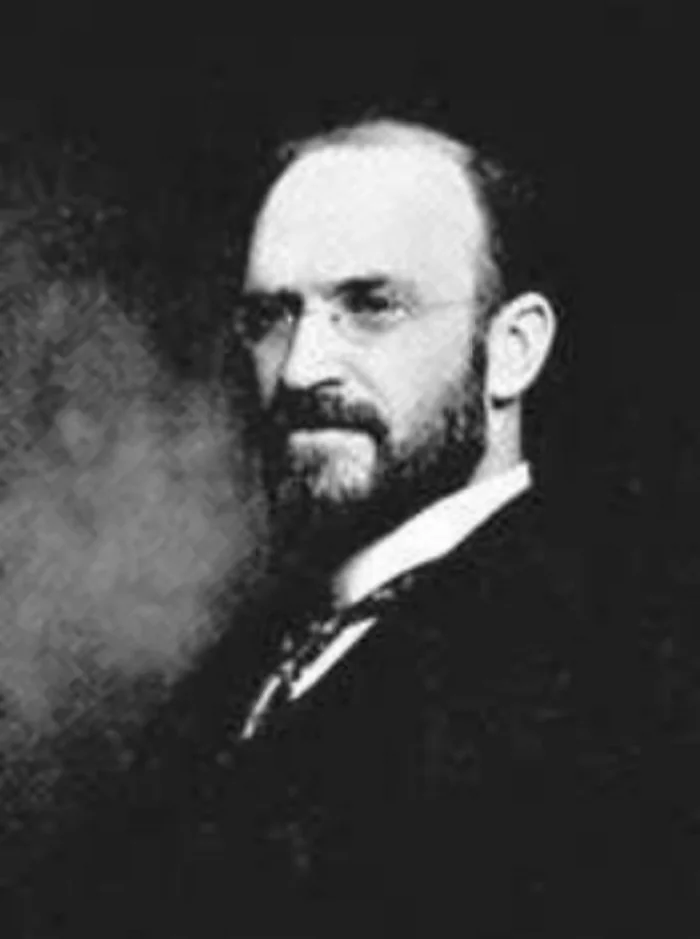
Lake Stearns Becomes Lake Placid
The town was first incorporated under the name Wicco, which the railroad gave it when tracks were laid. A post office first opened there on February 5, 1919. A new name came on December 1, 1925, with a charter for the Town of Lake Stearns. The lake called Lake Stearns was later given the name Lake June-in-Winter.
In 1927, Walter Coachman opened talks to sell land at Lake Stearns to Melvil Dewey of Lake Placid, New York. Less than a week after Coachman's offer, Dewey bought the Hotel Stearns for $75,000 and renamed it the Lake Placid Club Loj. On June 6, 1927, the town officially took the name Lake Placid. Dewey died in 1931, on the day after Christmas. In the early 1930s, Captain T.W. Webb brought the town its first caladiums.
The Lake Placid Historical Society began in May 1982. The railroad gave the society its old depot, and the Lake Placid Historical Society Depot Museum opened soon after. Bob and Harriet Porter started the Lake Placid Mural Society, and the Lake Placid Murals grew to more than 40 outdoor paintings.
Sources: Highlands News-Sun: From Wicco to Lake Placid ... a history of the town (Mat Delaney, March 25, 2026); Florida Memory: A Brief Sketch of the Creation and History of Highlands County (WPA)
Next: Chapter 7, Highlands Hammock and the CCC →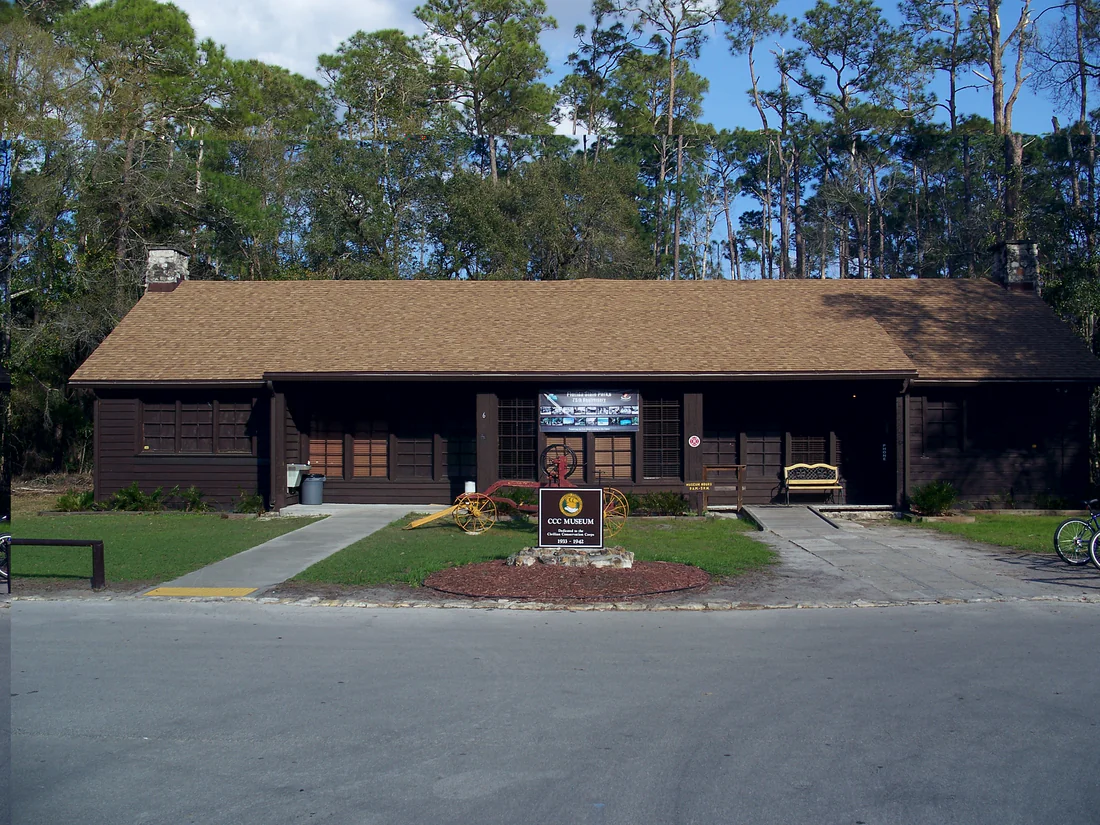
Highlands Hammock and the CCC
Federal officials looked at the hammock in February 1930 as a possible national park and judged it too small. Margaret Shippen Roebling gave $25,000 to buy the land and later added another $25,000. When she died in October 1930, John A. Roebling II, her husband, promised to complete the park in her memory. The park was dedicated in March 1931 and opened to the public.
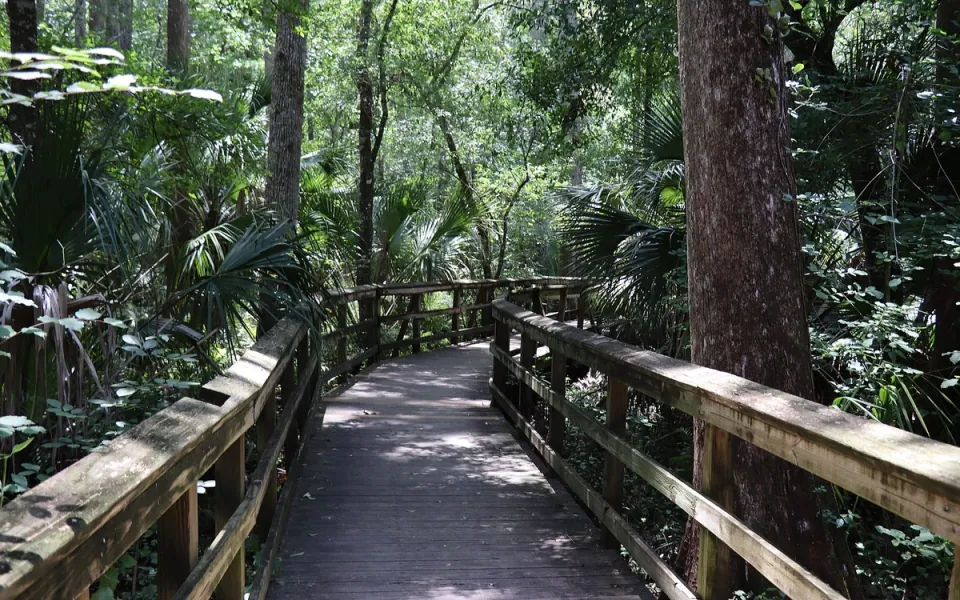
Two companies of the Civilian Conservation Corps, set up in 1934 and 1936, carried on Roebling's work. Florida State Parks calls Highlands Hammock State Park Florida's first state park, opened officially in August 1935. The CCC men planted thousands of plants and built roads, dams, bridges and buildings. CCC work there ended in November 1941, with World War II drawing near.
In Lorida, the CCC rebuilt the Sunnyland School from its original plans after a 1933 hurricane destroyed it, and the school reopened in April 1934. The botanist Carol Beck worked at the park from 1949 to 1965 and was the Florida Park Service's first naturalist. In 1976, the park's old CCC recreation area was turned into a museum. The park's Civilian Conservation Corps Museum tells about the young men who built the state's eight CCC parks.
Sources: Florida State Parks: History of Highlands Hammock; Florida Department of State: The Lorida School House historical marker; Highlands News-Sun: A short history of Highlands Hammock State Park (Bobby Lee, Sebring Historical Society, June 3, 2026); Florida State Parks: Highlands Hammock State Park
Next: Chapter 8, Archbold Biological Station and Hendricks Field →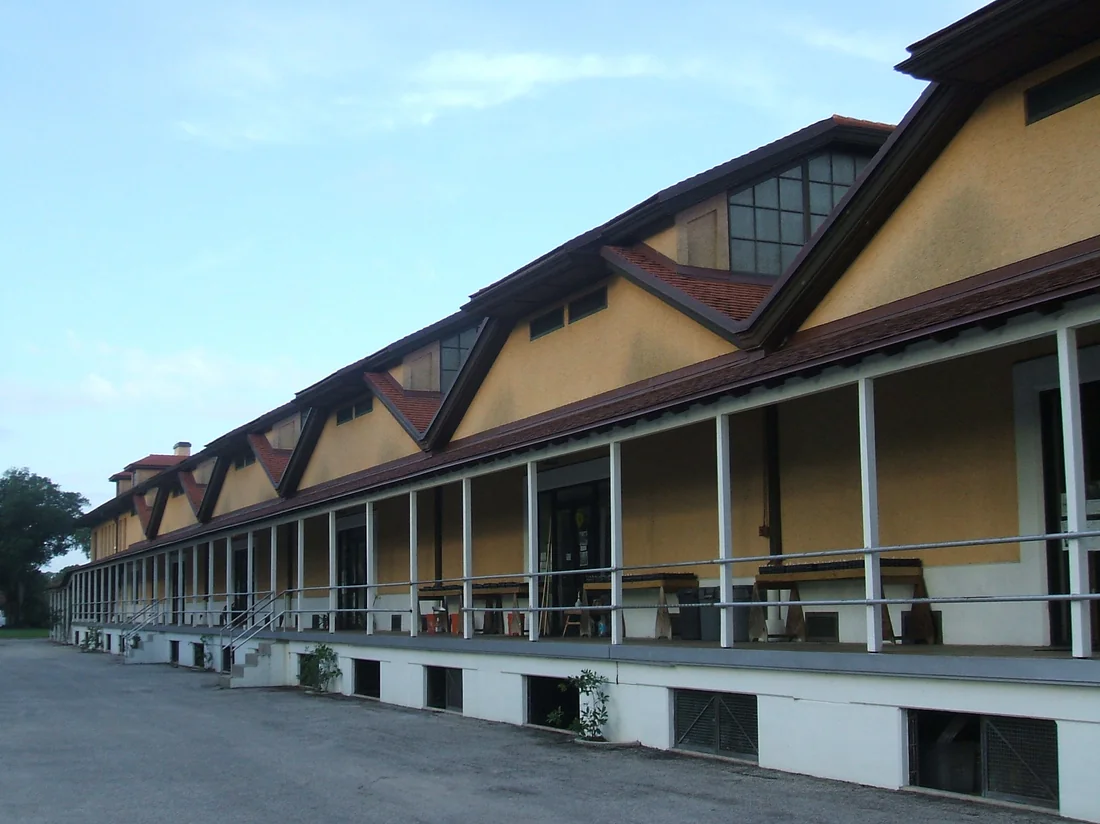
Archbold Biological Station and Hendricks Field
In 1929, John A. Roebling II and his wife, Margaret Shippen Roebling, bought 1,058 acres of scrub south of Lake Placid and named it Red Hill. Alexander Blair designed and built its buildings from 1930 to 1935. Richard Archbold had led three biological expeditions into the interior of New Guinea between 1933 and 1939. In 1941, Roebling gave the buildings and the land around them to Archbold, a famous aviator, explorer and supporter of science. He founded Archbold Biological Station there on July 21, 1941.
Work on a training base for the Army Air Force began near Sebring in July 1941. In January 1942 it was named Hendricks Field, for First Lieutenant Laird W. Hendricks. Hendricks, a native Floridian and West Point graduate, died in England during Royal Air Force training, before America joined World War II.
The base grew fast to train several thousand soldiers as combat crews. In the 1940s, as World War II began, Avon Park filled with thousands of soldiers posted to the new flying school and bombing range at its municipal airport. Hendricks Field closed in January 1946, and the City of Sebring took over the airfield that May as the Sebring Air Terminal.
Sources: Archbold Biological Station: History; Florida State Parks: History of Highlands Hammock; Florida Department of State: Archbold Biological Station at Red Hill historical marker; Florida Department of State: Hendricks Field Memorial Park historical marker; Sebring International Raceway: Track History; Highlands News-Sun: History of the 'City of Charm'
Next: Chapter 9, Hopewell School and Highway Park →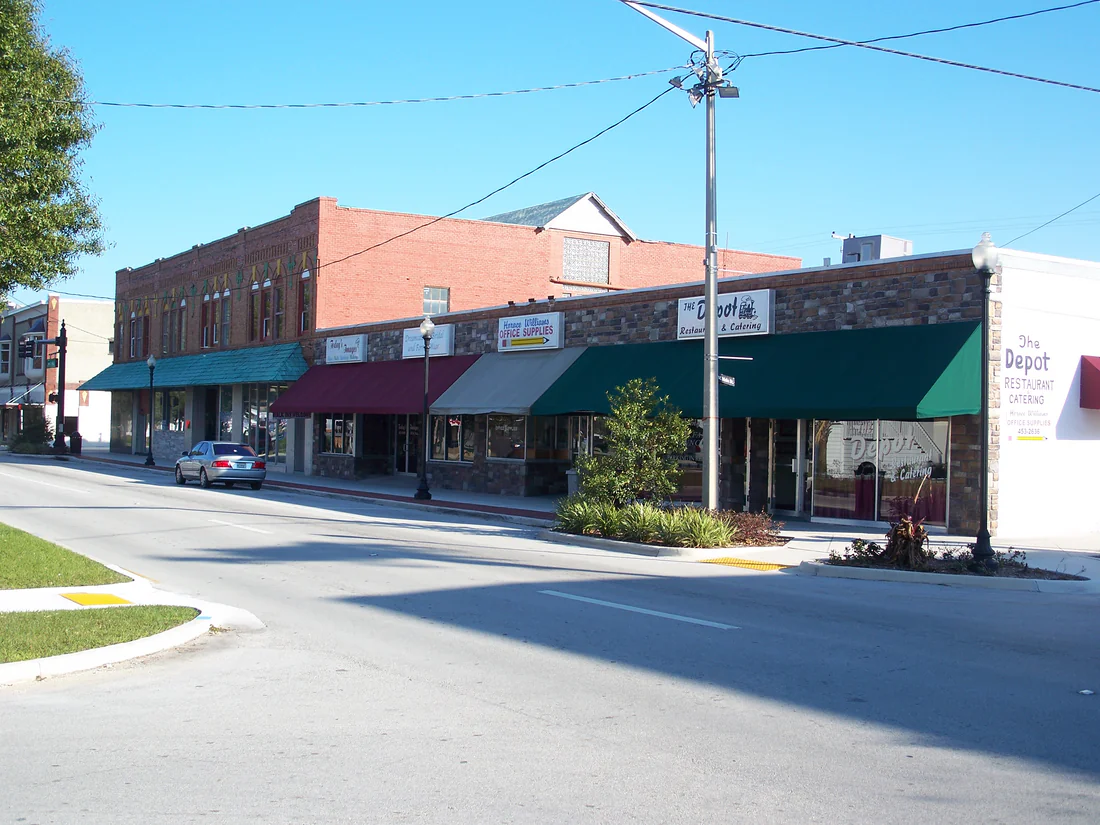
Hopewell School and Highway Park
Under segregation, Black children could not attend school with white children. Hopewell Elementary, built in 1926 in the Jim Crow era, was the first public school in Avon Park for Black students. Students had to share books, and the school had no gymnasium or air conditioning.
Its principal, Earnest E. Sims, was well regarded by people of both races and worked hard to get the school what it needed. A street in Avon Park is named for him. Hopewell closed in 1968, and its Black children had to move into the white school.
Highway Park is a mostly African American community about one mile south of Lake Placid on U.S. Highway 27. Its cemetery lies at the south end of the community. The oldest headstone there dates to 1947, but the cemetery is believed to have begun in the 1930s. Most of the community's churches have long supported it, and it was later named to the National Register of Historic Places.
Sources: Highlands News-Sun: Hopewell Elementary School educators encouraged Black students to excel; University of South Florida, Black Cemetery Network: Highway Park Cemetery
Next: Chapter 10, Sports Car Racing Comes to Sebring →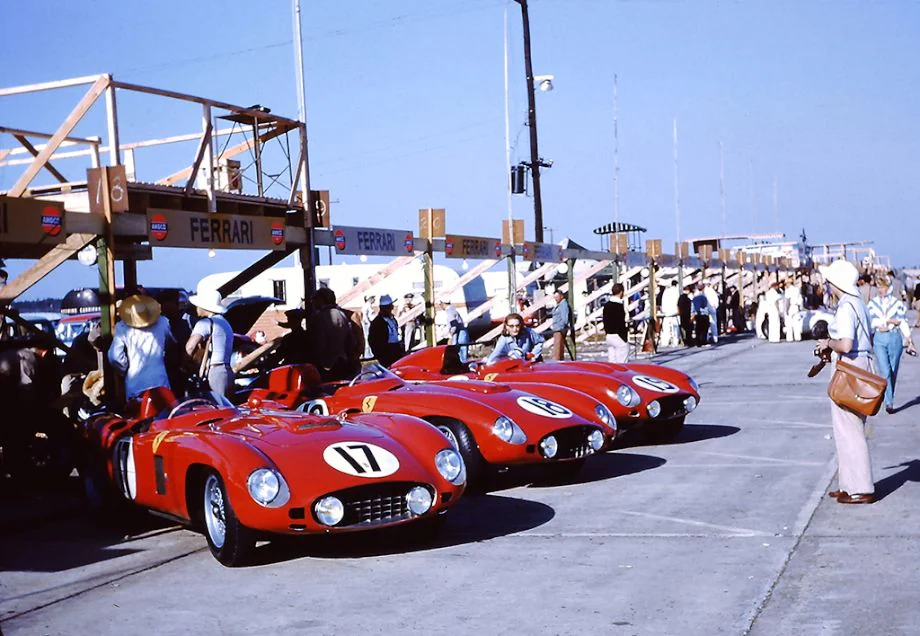
Sports Car Racing Comes to Sebring
In 1950, Alec Ulmann proposed the old base, by then Sebring Airport, as the site of a sports car road race. The first race there, a six-hour event named for Sam Collier, was run on December 31, 1950. Sebring International Raceway calls it America's first sports car endurance race. The first 12 Hours of Sebring followed on March 15, 1952.
In 1953 it opened the new FIA world sports car championship, and a Cunningham with a Chrysler engine won. The raceway calls that America's first international sports car victory. Fangio won for Ferrari in 1956 and again, for Maserati, in 1957. Sebring hosted America's first Formula One race in December 1959, the raceway says.
In 1970, Mario Andretti won for Ferrari by 22 seconds over a Porsche driven by Peter Revson and the actor Steve McQueen. After Ulmann said 1972 would be the last Sebring race, John Bishop and Reggie Smith brought it back under IMSA in 1973. In 1987, a new 4.11-mile course was laid out that no longer used the airport runways.
Sources: Sebring International Raceway: Track History
Next: Chapter 11, Since 1990: A Scrub Preserve, Historic Landmarks and Porsche One-Two Finishes →
Since 1990: A Scrub Preserve, Historic Landmarks and Porsche One-Two Finishes
The state acquired the land for Lake June-in-Winter Scrub Preserve State Park in 1995. In 2002, the 12 Hours of Sebring marked its 50th anniversary with a third straight Audi win, and the Sebring Hall of Fame was started. Archbold Biological Station at Red Hill joined the National Register of Historic Places on July 20, 2007. In 2018, Archbold bought Buck Island Ranch.
A Florida historical marker for Hendricks Field Memorial Park went up in 2016. There, the original 72-foot flagpole at Sebring International Raceway marks the center of the old airfield. On October 16, 2018, Highlands Hammock State Park joined the National Register of Historic Places. In 2022, a Florida historical marker went up for the Lorida School House, which the community had restored in 1976 for the U.S. Bicentennial.
In 2025, Porsche Penske Motorsports took the top two places at Sebring, raising Porsche's record of overall Sebring wins to 19. On March 21, 2026, Laurin Heinrich, Julien Andlauer and Felipe Nasr drove the No. 7 Porsche 963 to victory in the 74th Mobil 1 Twelve Hours of Sebring. The car finished 1.515 seconds ahead of the team's No. 6 Porsche. It was the second straight Sebring one-two finish for Porsche Penske Motorsport.
Sources: Florida State Parks: Lake June-in-Winter Scrub Preserve State Park History; Sebring International Raceway: Track History; Florida Department of State: Archbold Biological Station at Red Hill historical marker; Archbold Biological Station: History; Florida Department of State: Hendricks Field Memorial Park historical marker; Florida State Parks: History of Highlands Hammock; Florida Department of State: The Lorida School House historical marker; IMSA: Porsche Penske Motorsport Completes Second Straight Sebring 1-2 Sweep (March 21, 2026); Highlands News-Sun: Porsche wins 12 Hours of Sebring (Allen Moody, March 22, 2026)
Next: the whole story, in dates →The whole story, in dates
The Lake Wales Ridge is an island.
Col. Zachary Taylor has Fort Basinger built on the Kissimmee River.
The Skipper family buys out Hooker's claims at the hammock.
Thomas Knight plants the first citrus trees in the Lake Placid area.
Oliver Martin Crosby arrives to study Everglades wildlife.
The settlement that becomes Avon Park is incorporated.
George E. Sebring founds the city of Sebring.
A post office opens in the town later called Lake Placid.
Governor Cary A. Hardee signs the bills that create Highlands County, a WPA history says.
The new county government begins work.
An election is set to choose between Avon Park and Sebring for county seat, and Sebring is selected.
The Town of Lake Stearns is chartered.
Hopewell Elementary is built for Black students in Avon Park.
Avon Park becomes an incorporated city.
The county courthouse is built for $212,000.
The town takes the name Lake Placid.
The Roeblings buy 1,058 acres of scrub and name it Red Hill.
Federal officials judge the hammock too small for a national park.
Highlands Hammock is dedicated and opened to the public.
The Sunnyland School in Lorida reopens after the CCC rebuilds it.
Highlands Hammock opens officially as a state park.
Work begins on an Army Air Force training base near Sebring.
Richard Archbold founds Archbold Biological Station.
The base is named Hendricks Field.
Hendricks Field closes.
The first race is held at Sebring.
The first 12 Hours of Sebring is run.
Sebring hosts a Formula One race.
Hopewell Elementary closes.
The park's old CCC recreation area becomes a museum.
The Lake Placid Historical Society begins.
A new 4.11-mile course no longer uses the airport runways.
The state acquires the land for Lake June-in-Winter Scrub Preserve State Park.
The 12 Hours of Sebring marks its 50th anniversary.
Archbold Biological Station at Red Hill joins the National Register of Historic Places.
Highlands Hammock State Park joins the National Register of Historic Places.
Porsche Penske Motorsports takes the top two places at Sebring.
The No. 7 Porsche 963 wins the 74th Mobil 1 Twelve Hours of Sebring.
Where you can still see it
 01
Lake June-in-Winter Scrub Preserve State Park
Goes with: An Ancient Island and the First Peoples
Open the place page →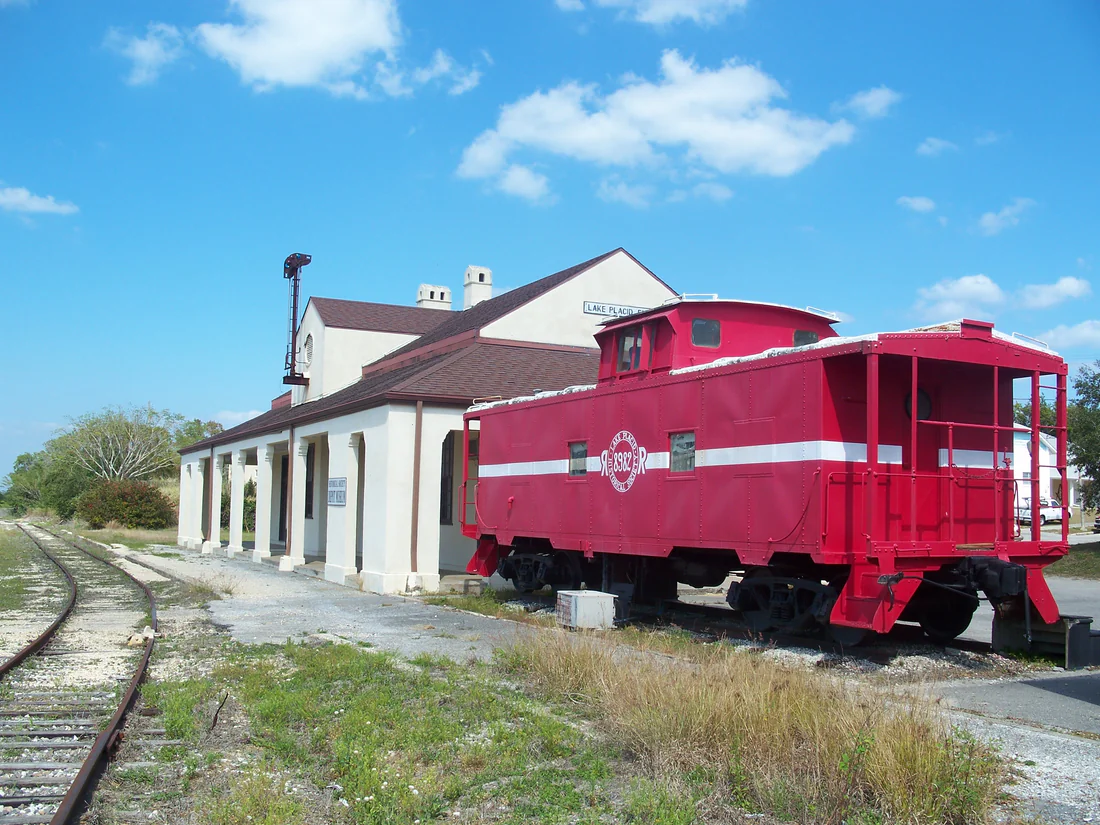 02
Lake Placid Historical Society Depot Museum
Goes with: Lake Stearns Becomes Lake Placid
Open the place page →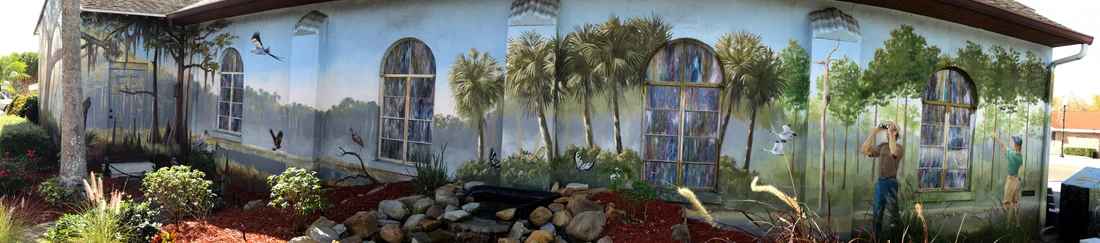 03
 04
 05
Archbold Biological Station
Goes with: Archbold Biological Station and Hendricks Field
Open the place page → 06
Questions people ask
When was Highlands County created?
In 1921, a set of bills split DeSoto County into five counties, and Highlands was one of them.
Chapter 5 →What is Highlands County named for?
A University of South Florida page says the name comes from the many hills in the area.
Chapter 5 →When did Sebring become the county seat of Highlands County?
The act that created the county in 1921 made Sebring the temporary seat, and Sebring was selected as the permanent seat in an election set for November 21, 1922.
Chapter 5 →Who founded Sebring, Florida?
George E. Sebring, who made pottery in Ohio, founded the city of Sebring in 1912.
Chapter 4 →What was Florida's first state park?
Florida State Parks calls Highlands Hammock State Park Florida's first state park, opened officially in August 1935.
Chapter 7 →Where this comes from.
Last updated October 18, 2026.
- Florida State Parks: Lake June-in-Winter Scrub Preserve State Park History ↗ Read October 18, 2026
- Highlands News-Sun: A short history of Highlands Hammock State Park (Bobby Lee, Sebring Historical Society, June 3, 2026) ↗ Read October 18, 2026
- Florida Department of State: Fort Basinger historical marker ↗ Read October 18, 2026
- Florida Memory: A Brief Sketch of the Creation and History of Highlands County (WPA) ↗ Read October 18, 2026
- Florida Memory: Historical Sketch of Highlands County (WPA, compiled by Ellen Cooper Jarratt) ↗ Read October 18, 2026
- Florida Memory: WPA Highlands County, Florida (county government records, 1921 to 1926) ↗ Read October 18, 2026
- University of South Florida, Exploring Florida: Highlands County Maps ↗ Read October 18, 2026
- Highlands News-Sun: From Wicco to Lake Placid ... a history of the town (Mat Delaney, March 25, 2026) ↗ Read October 18, 2026
- City of Avon Park: Avon Park: Then and Now ↗ Read October 18, 2026
- Highlands News-Sun: History of the 'City of Charm' ↗ Read October 18, 2026
- City of Sebring: History ↗ Read October 18, 2026
- Sebring Historical Society: Sebring History Highlights ↗ Read October 18, 2026
- Florida State Parks: History of Highlands Hammock ↗ Read October 18, 2026
- Florida State Parks: Highlands Hammock State Park ↗ Read October 18, 2026
- Florida Department of State: The Lorida School House historical marker ↗ Read October 18, 2026
- Florida Department of State: Hendricks Field Memorial Park historical marker ↗ Read October 18, 2026
- Florida Department of State: Archbold Biological Station at Red Hill historical marker ↗ Read October 18, 2026
- Archbold Biological Station: History ↗ Read October 18, 2026
- Highlands News-Sun: Hopewell Elementary School educators encouraged Black students to excel ↗ Read October 18, 2026
- University of South Florida, Black Cemetery Network: Highway Park Cemetery ↗ Read October 18, 2026
- Sebring International Raceway: Track History ↗ Read October 18, 2026
- IMSA: Porsche Penske Motorsport Completes Second Straight Sebring 1-2 Sweep (March 21, 2026) ↗ Read October 18, 2026
- Highlands News-Sun: Porsche wins 12 Hours of Sebring (Allen Moody, March 22, 2026) ↗ Read October 18, 2026