Sumter County was created by law on January 8, 1853, from part of Marion County, and was named for General Thomas Sumter, a hero of the Revolutionary War. Bushnell has been the county seat since 1912, when voters chose it over Wildwood. It holds the battlefield where the Second Seminole War began on December 28, 1835, and much of The Villages, which reaches deep into the county. Its history goes back thousands of years, to the earliest signs of people in the Green Swamp, dated to 6000 B.C.
This page tells the story in order, from the first peoples of the Green Swamp to The Villages, a restored Lake Panasoffkee and the Dade's Battle reenactment, then lists places in the county where you can still see it. The sources for each part are named at the end of that part, and all of them are listed at the bottom of the page.
The First Peoples
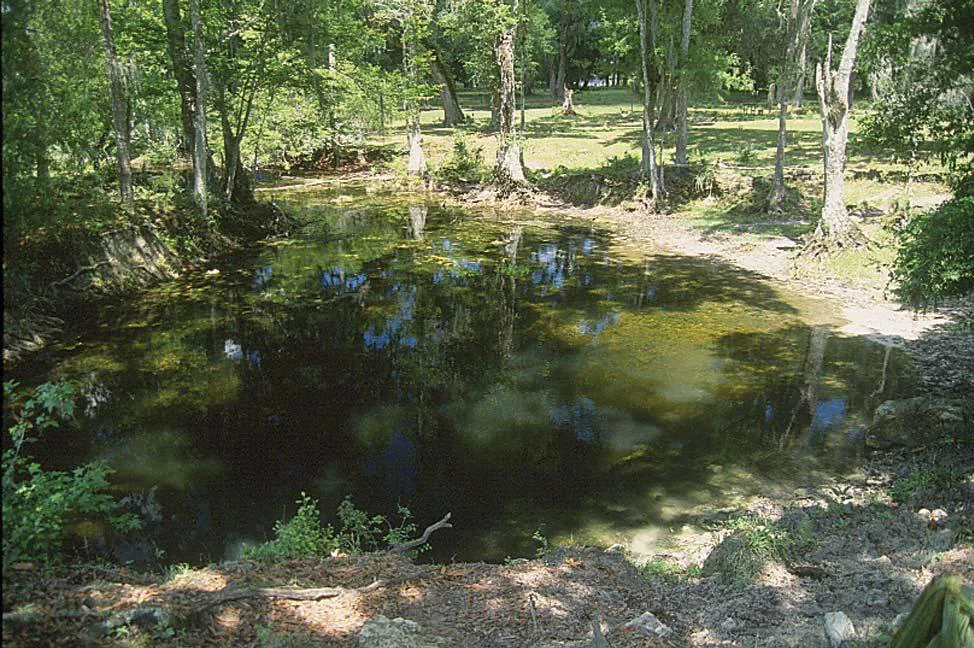
The Green Swamp Wilderness Preserve lies where Sumter, Lake, Pasco and Polk counties meet. The earliest signs of people that archaeologists report in the Green Swamp date to 6000 B.C. Ancient peoples hunted there, gathered food and collected materials for making weapons. No permanent ancient settlement has been found there.
The state wildlife agency says early sites in the region have been found close to the Withlacoochee River and on dry ground beside lakes and springs. At least seven archaeological sites have been recorded on the water district's preserve beside Lake Panasoffkee. The district says their importance has not been determined.
Sources: Southwest Florida Water Management District: Green Swamp Wilderness Preserve; Southwest Florida Water Management District: Green Swamp History; Florida Fish and Wildlife Conservation Commission: Half Moon - History; Southwest Florida Water Management District: Lake Panasoffkee Preserve Land Management Plan (2021)
Next: Chapter 2, Spain and the Black Seminole Town of Pilaklikaha →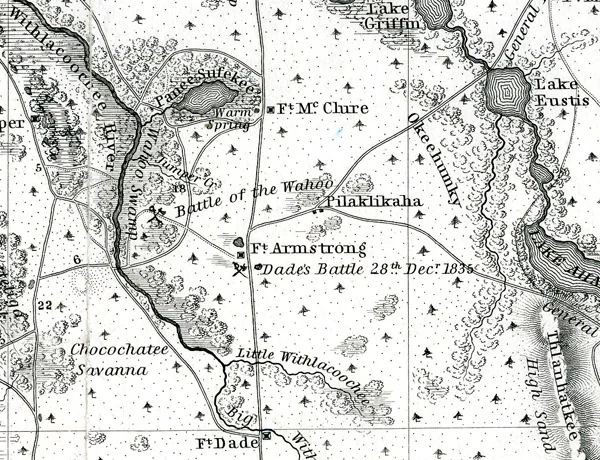
Spain and the Black Seminole Town of Pilaklikaha
The Spanish explorer Hernando de Soto came through the region looking for riches. His army found the Green Swamp so big that it had to go west around it. De Soto then traveled along the Withlacoochee River and through land that is now Withlacoochee State Forest. The water district says Florida's wild hogs today descend from hogs he brought along for food.
In 1813 Black Seminoles founded the town of Pilaklikaha. Many Black Seminoles were people of African descent who had escaped slavery and come to Spanish Florida. Seminoles shielded them from slave catchers, and in return they gave military help and part of their crops. In the Mikasuki language, the town's name means "many ponds."
Spain handed Florida over to the United States in 1821. Two officials from the United States, Horatio Dexter and Lt. George McCall, came to the town in the 1820s. They reported fields of rice, peanuts, beans, pumpkins and melons, and herds of cattle and horses. The state marker says no other Black Seminole town in Florida was as large or as prosperous.
Sources: Southwest Florida Water Management District: Green Swamp History; Florida Department of State: Pilaklikaha/Abraham's Town historical marker; Florida Memory: History of Sumter County (WPA)
Next: Chapter 3, Dade's Battle, December 28, 1835 →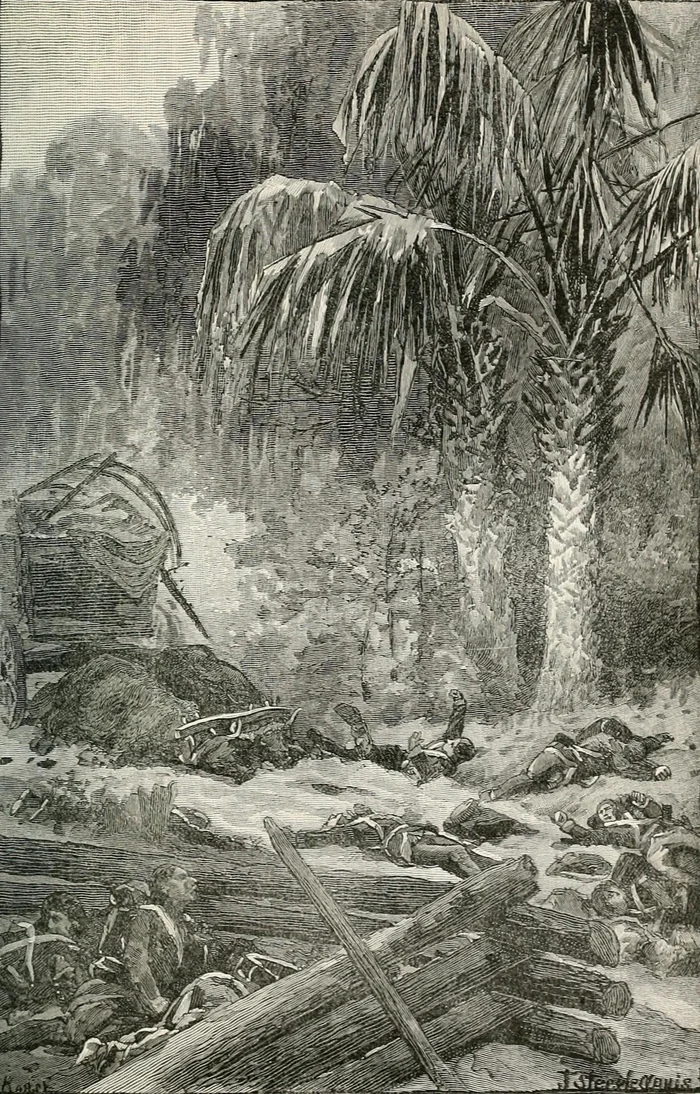
Dade's Battle, December 28, 1835
On December 28, 1835, Brevet Major Francis Langhorne Dade was in command of 107 officers and men. They had set out from Fort Brooke at Tampa Bay to add troops to Fort King, in today's Ocala. About 50 miles short of Fort King, 180 Seminole warriors attacked them. Three soldiers survived the fight, while six warriors were killed.
At the time the fight was called the Dade Massacre, and the news shocked the country. It started the Second Seminole War. The park calls that war the longest and costliest American Indian war in the nation's history. In 1921 the Florida Legislature set aside money to preserve the site of the battle as a memorial. Dade Battlefield Historic State Park now marks the site.
Sources: Florida State Parks: Dade Battlefield Historic State Park History; Sumter County: History of Sumter County
Next: Chapter 4, War in the Swamps, 1836 to 1842 →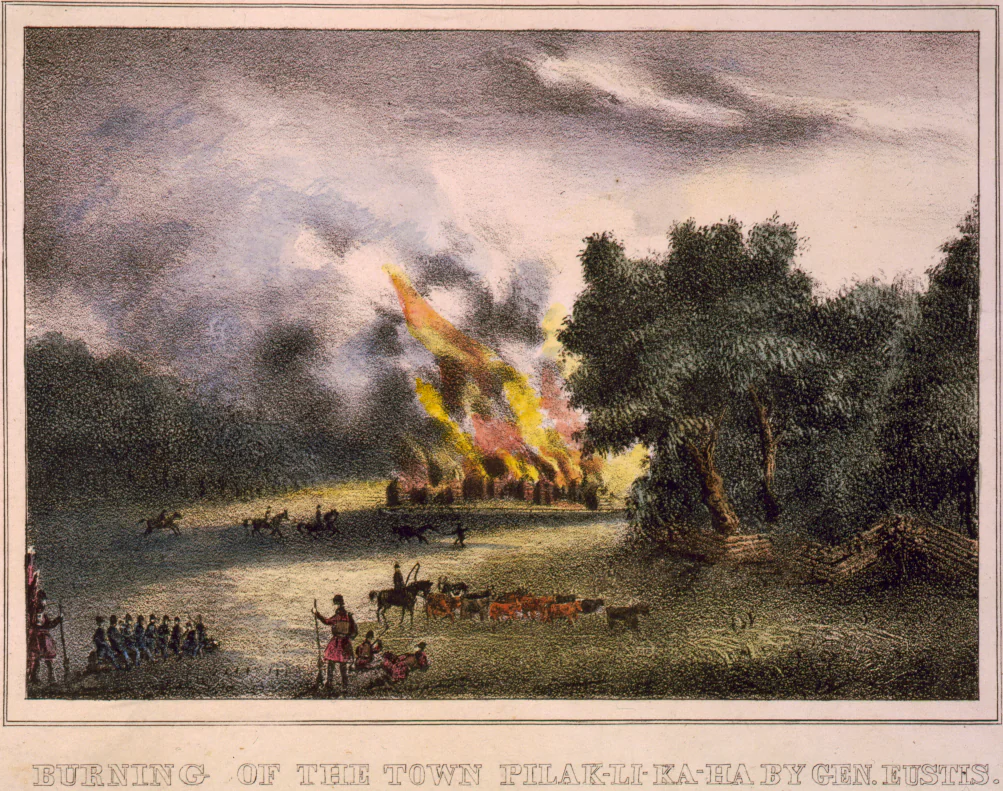
War in the Swamps, 1836 to 1842
On March 30, 1836, U.S. Army soldiers led by Brigadier General Abraham Eustis set Pilaklikaha on fire and destroyed it. Its other name, Abraham's Old Town, came from a man named Abraham. He became the counselor of Chief Micanopy and traveled with him to Washington, D.C., on a diplomatic visit.
The Battle of Wahoo Swamp took place on November 21, 1836. It began when a line of about 2,500 men, a mile long, moved forward. American troops drove the Seminoles across a slough to the south. Major David Moniac, a Creek officer in the regular army, was killed.
General R.K. Call, who was also the territorial governor, led the army. Call lost his command afterward, the county's tourism office says. The Seminoles moved south, but the war went on until 1842. Many Seminoles and some Black Seminoles, Abraham among them, were forced to move to Indian Territory.
Sources: Florida Department of State: Pilaklikaha/Abraham's Town historical marker; Florida Department of State: Battle of Wahoo Swamp historical marker; Discover Sumter (Sumter County tourism): Step Back into Sumter County's History
Next: Chapter 5, Settlers and a New County →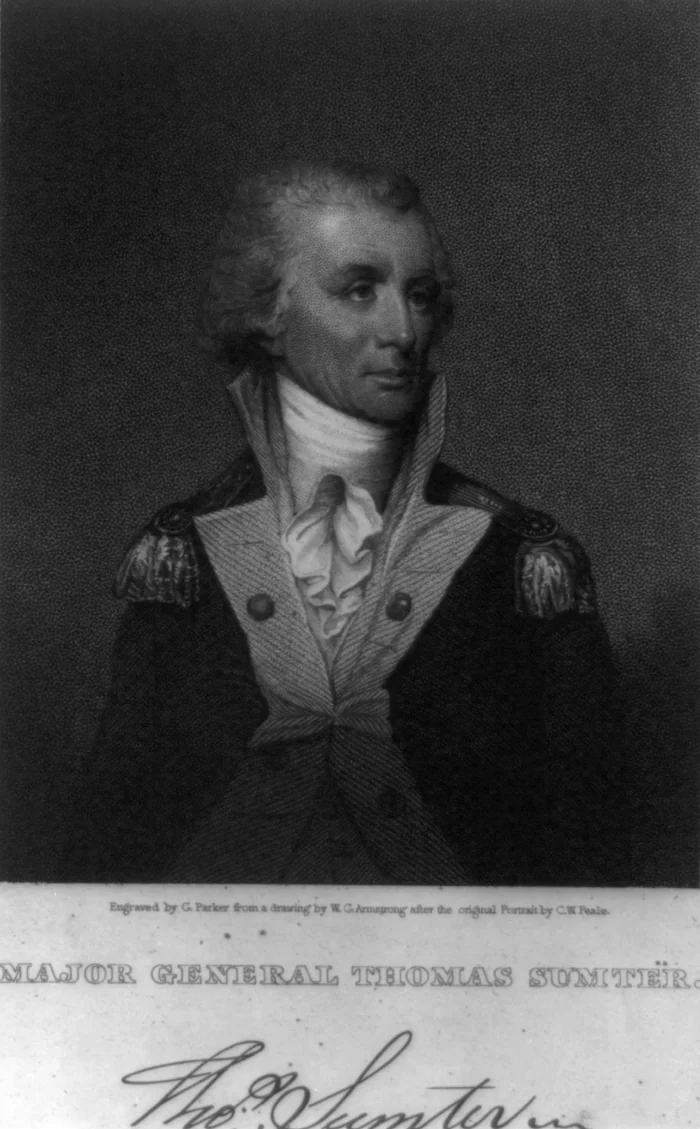
Settlers and a New County
A WPA history of the county says Tuckeho was settled in 1840. Major Lovell's daughter later gave it the name Center Hill. The same history says John Tompkins and Granville Beville were the first to bring enslaved people into the area, in 1845-46.
After the wars, settlers from the Carolinas claimed homesteads under federal land grants. In return, each settler had to live on the land, farm it and stay armed for five years. They raised horses and cattle and grew peanuts, corn and sugarcane.
Sumter County was created by law on January 8, 1853, from part of Marion County. It was named for General Thomas Sumter, a hero of the Revolutionary War. Adamsville was the first county seat. The county's tourism office says county government moved to Sumterville in 1858. The county's own history differs, saying all county business was done in Leesburg, then part of Sumter County, until 1881.
Sources: Florida Memory: History of Sumter County (WPA); Florida Fish and Wildlife Conservation Commission: Half Moon - History; Sumter County: History of Sumter County; Florida Department of State: Name Origins of Florida Places; Discover Sumter (Sumter County tourism): County Seat Historical Monument
Next: Chapter 6, Freedom and the Community of Royal →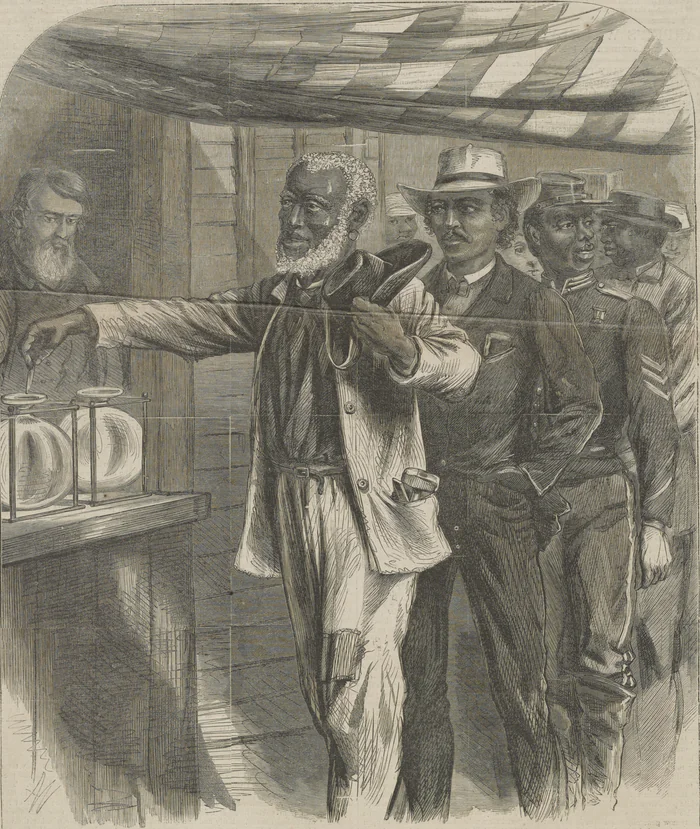
Freedom and the Community of Royal
After the Civil War, freedmen who had been given land started the community of Royal in 1865. Its settlers had been enslaved on the Old Green Plantation beside the Withlacoochee River. It was once called Picketsville, for the white picket fences along each 40-acre plot. The county's tourism office calls Royal one of the oldest African American communities in Florida.
The State Archives holds Sumter County's 1867 voter registration rolls. They list 280 Black and white people who signed up to vote in the county. The community's first school was a one-room schoolhouse that the Reverend Alfred Brown built in 1874.
Sources: Discover Sumter (Sumter County tourism): Step Back into Sumter County's History; Florida Department of State: Royal School Site historical marker; Florida Memory: Researching Sumter County at the State Library and State Archives
Next: Chapter 7, Ferries, Steamboats and Railroads →
Ferries, Steamboats and Railroads
In 1876 James T. Pemberton started a town and named it Pemberton. It grew up around a ferry that carried settlers and stagecoaches across the Withlacoochee River. Two busy railroads in Henry B. Plant's transportation network met there. In those years steamboats traveled the Withlacoochee River.
Wildwood credits most of its growth to the railroad, which arrived in 1883. A rail line built the same year connected the town of Lake Panasoffkee with Jacksonville. On October 11, 1883, an outbreak of yellow fever led to a quarantine of the town.
The town of Bushnell takes its name from John W. Bushnell, a young chief engineer. He worked with the Florida Railway and Navigation Company crew that surveyed the railroad's route from Lake Panasoffkee to Bushnell. A local legend says Wildwood was named for the thick native plants that laborers came upon. The Florida Legislature confirmed Wildwood's incorporation on May 16, 1889.
Sources: Florida Department of State: Wild Cow Prairie Cemetery historical marker; Florida Fish and Wildlife Conservation Commission: Half Moon - History; City of Wildwood: History; Southwest Florida Water Management District: Lake Panasoffkee Preserve Land Management Plan (2021); Sumter County: History of Sumter County; Florida Fifth Judicial Circuit: Sumter County
Next: Chapter 8, From Sumterville to Bushnell →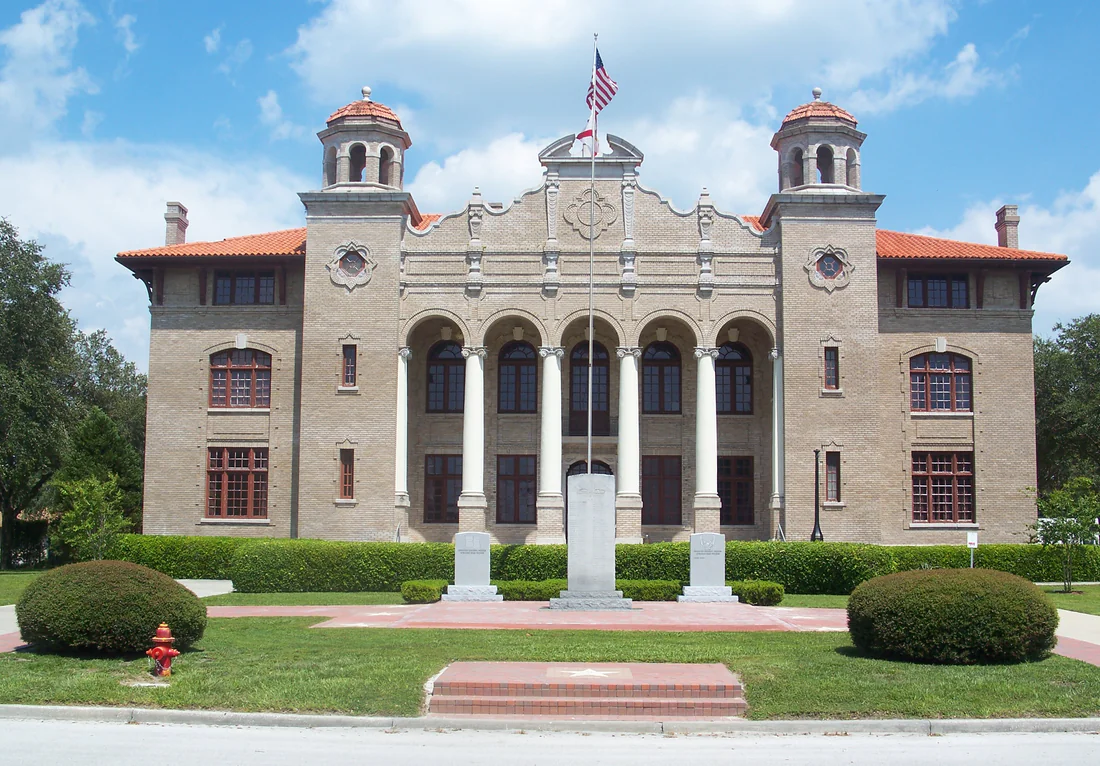
From Sumterville to Bushnell
On October 10, 1881, the county held an election to move its courthouse. Sumterville won the most votes. Leesburg remained in Sumter County until 1887. That year the Legislature formed Lake County from parts of Sumter and Orange counties.
In January 1909 fire destroyed the Sumterville courthouse and nearly everything inside. The fire also took the commission's minutes from before October 18, 1881. In 1912, after bitter political fighting, the county held another vote on where the courthouse should go. Bushnell beat Wildwood, 657 votes to 648.
The new courthouse in Bushnell was designed by William A. Edwards of Atlanta, an architect who also drew campus buildings for the University of Florida and Florida State University. The building contract, worth $49,759, went to J.F. Jenkins. Work began in 1912 and ended in 1914, and Bushnell has been the county seat ever since. The county's tourism office says it is still a working courthouse.
Sources: Sumter County: History of Sumter County; Discover Sumter (Sumter County tourism): Step Back into Sumter County's History
Next: Chapter 9, Cattle, Cypress and the Webster Market →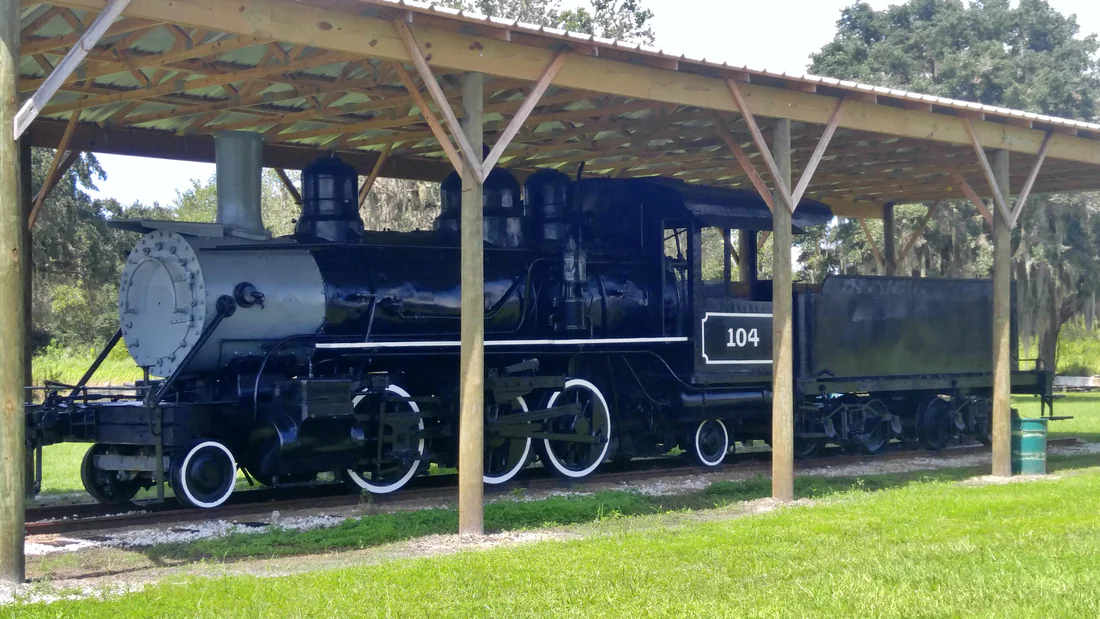
Cattle, Cypress and the Webster Market
One early homestead in what is now the Half Moon Wildlife Management Area was the McKinney cattle ranch, lived on from 1916. Screwworms and the effects of World War II forced the family to sell the land by 1945.
The Cummer Sons Cypress Company built a railroad there to log the swamps and higher ground. Workers cut trees by hand with axes and crosscut saws, and steam engines hauled the logs to the Lacoochee sawmill. The company operated from 1922 to 1959, and in later years it was called the Cummer Company.
In 1937 local farmers founded and chartered a market in Webster to sell vegetables and cattle. Before dawn, growers brought cattle, citrus, watermelons, tools and goods made at home. In time, sellers of produce and livestock shared the grounds with antique dealers. The county's tourism office calls it the oldest flea market in Florida.
Sources: Florida Fish and Wildlife Conservation Commission: Half Moon - History; Southwest Florida Water Management District: Green Swamp History; Discover Sumter (Sumter County tourism): Webster Flea Market District; Lake & Sumter Style: Sumter County Farmers Market: Nearly a Century in Webster
Next: Chapter 10, A State Forest, Royal School and a National Cemetery →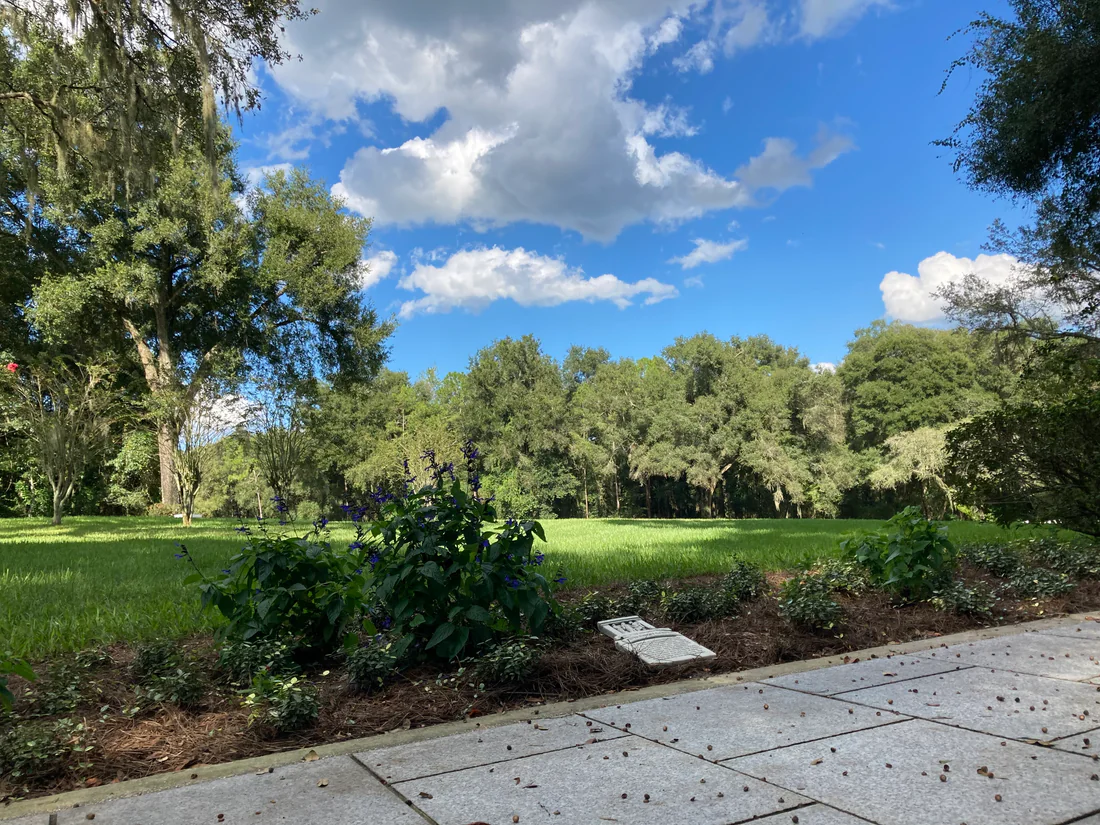
A State Forest, Royal School and a National Cemetery
Pemberton had fallen into ruin by the Great Depression, and the federal government then bought the property. The land of Withlacoochee State Forest belonged to the federal government starting in the 1930s. In 1958 Florida leased the land from the federal government, and the old town site joined Withlacoochee State Forest.
During the 1930s the Royal School trustees got the county school board's approval to put up a new school. The new school had ten rooms built of wooden planks and space for 108 students. The state marker says the school's cafeteria, a separate building from 1945, still stands where it was built. Sumter County did not integrate its schools until 1970-71. The school was torn down in 1984, and a community center and fire station were built in its place.
In 1974 the state named about 322,000 acres of the Green Swamp region an Area of Critical State Concern. Florida National Cemetery was set up in Bushnell in 1988, after the state gave the Department of Veterans Affairs part of the forest. The cemetery was dedicated in March 1988, and the first burial took place that June. Two Revolutionary War veterans, Benjamin Latimer and Benjamin Shirley, are buried there.
Sources: Florida Department of State: Wild Cow Prairie Cemetery historical marker; American Battlefield Trust: Florida National Cemetery, Bushnell, Florida; Florida Department of State: Royal School Site historical marker; Southwest Florida Water Management District: Green Swamp History; Museum of Florida History (Florida Department of State): Florida National Cemetery
Next: Chapter 11, Since 1990: The Villages, a Restored Lake Panasoffkee and Dade's Battle Reenacted →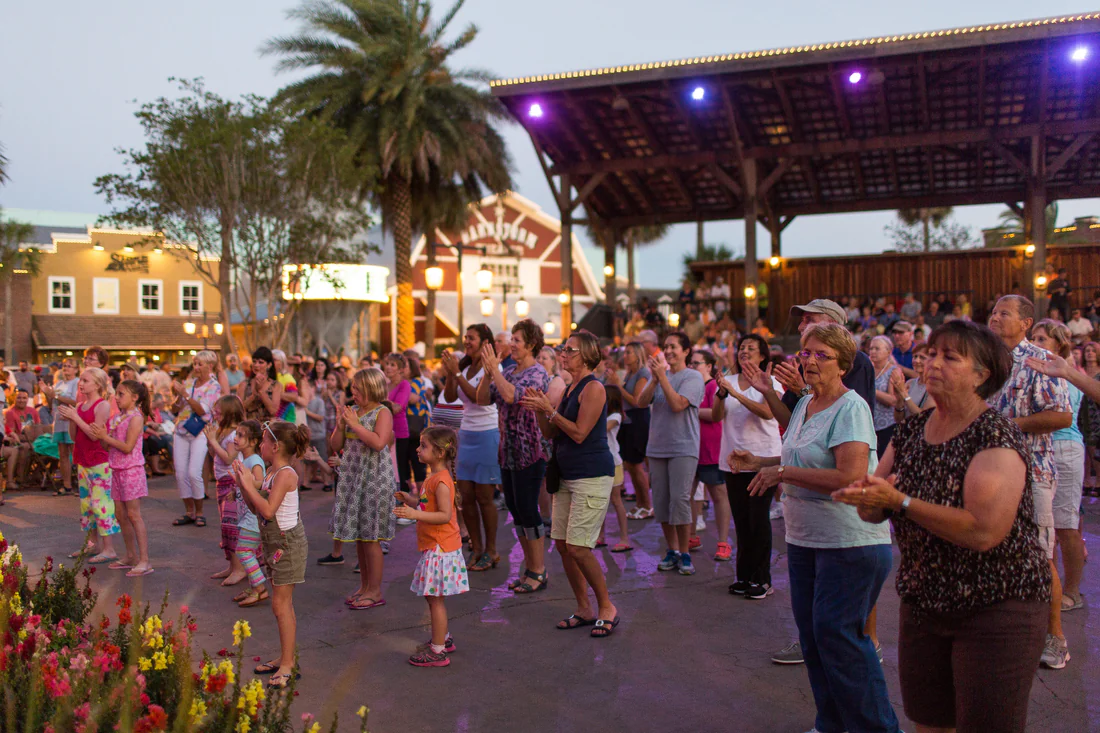
Since 1990: The Villages, a Restored Lake Panasoffkee and Dade's Battle Reenacted
The Villages' founder, Harold Schwartz, owned Orange Blossom Gardens, a Lady Lake park with about 300 single-wide trailers. Schwartz's son, H. Gary Morse, came to Florida in 1983. In 1991, Florida Trend reports, Orange Blossom became The Villages. Brownwood Paddock Square, one of The Villages' town squares, opened in Sumter County in 2012.
Gary Morse had meant for the community to end at State Road 44. That changed around 2015, and Sumter County officials were eager to back it. A newer town square, Eastport, was built in Sumter County near Central Parkway. In March 2026 LODGING magazine reported that Hotel Eastport had opened in the new Eastport Town Center.
The land for the Lake Panasoffkee Wildlife Management Area, nearly 9,000 acres, was bought between 1990 and 1997 to protect the lake and its floodplain forests. To restore the lake, dredges pulled sediment out of more than 1,744 acres, about 8.3 million cubic yards in all. The dredging was finished in November 2008. In January 2025 Dade Battlefield Historic State Park held its 44th yearly reenactment of Dade's Battle.
Sources: Florida Trend: Endless Horizon; GrowthSpotter: Welcome center in The Villages' newest town square set to open in the spring; LODGING Magazine: Hotel Eastport Opens in The Villages, Florida; Florida Fish and Wildlife Conservation Commission: Lake Panasoffkee Wildlife Management Area; Southwest Florida Water Management District: Lake Panasoffkee responds to restoration with improved clarity, aquatic plant coverage; Lake & Sumter Style: Local "Living Historians" Immerse Themselves and the Audience in a Piece of Florida History
Next: the whole story, in dates →The whole story, in dates
The earliest signs of people in the Green Swamp date from this time.
Black Seminoles found the town of Pilaklikaha.
Spain hands Florida over to the United States.
Seminole warriors attack Major Dade's column, starting the Second Seminole War.
U.S. Army soldiers burn Pilaklikaha.
The Battle of Wahoo Swamp is fought.
Tuckeho, later named Center Hill, is settled.
The Second Seminole War ends.
The first enslaved people are brought into the area, a WPA history says.
Sumter County is created from part of Marion County.
Freedmen start the community of Royal.
The county's voter rolls list 280 Black and white people.
The Reverend Alfred Brown builds Royal's first school.
James T. Pemberton starts the river town of Pemberton.
An election moves the courthouse to Sumterville.
The railroad reaches Wildwood.
The Legislature forms Lake County, and Leesburg leaves Sumter County.
The Legislature confirms Wildwood's incorporation.
Fire destroys the Sumterville courthouse.
Voters choose Bushnell over Wildwood as the county seat.
The Florida Legislature sets aside money to preserve the Dade battle site.
The Cummer Sons Cypress Company operates, logging swamps by railroad.
Royal School trustees get approval to build a new school.
Local farmers charter a market in Webster.
The Royal School's separate cafeteria building dates from this year.
Florida leases the old Pemberton town site, which joins Withlacoochee State Forest.
Sumter County integrates its schools.
The state names part of the Green Swamp region an Area of Critical State Concern.
The Royal School is torn down.
Florida National Cemetery is dedicated.
Land for the Lake Panasoffkee Wildlife Management Area is bought.
Orange Blossom Gardens becomes The Villages.
Dredging to restore Lake Panasoffkee is finished.
Brownwood Paddock Square opens in Sumter County.
The plan to end The Villages at State Road 44 changes.
Dade Battlefield Historic State Park holds its 44th yearly reenactment of Dade's Battle.
LODGING magazine reports that Hotel Eastport has opened.
Where you can still see it
 01
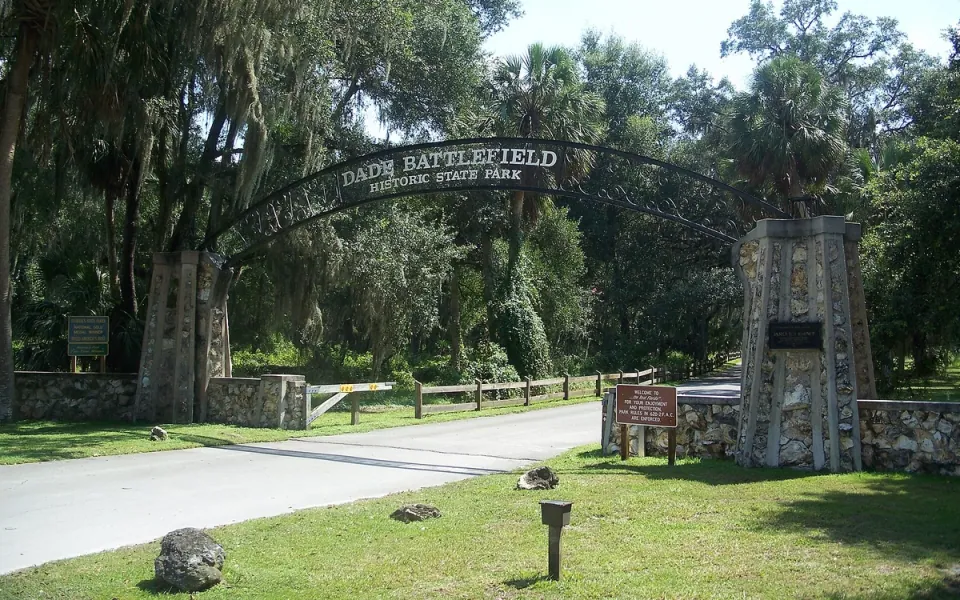
Dade Battlefield Historic State Park
Goes with: Dade's Battle, December 28, 1835
Open the place page →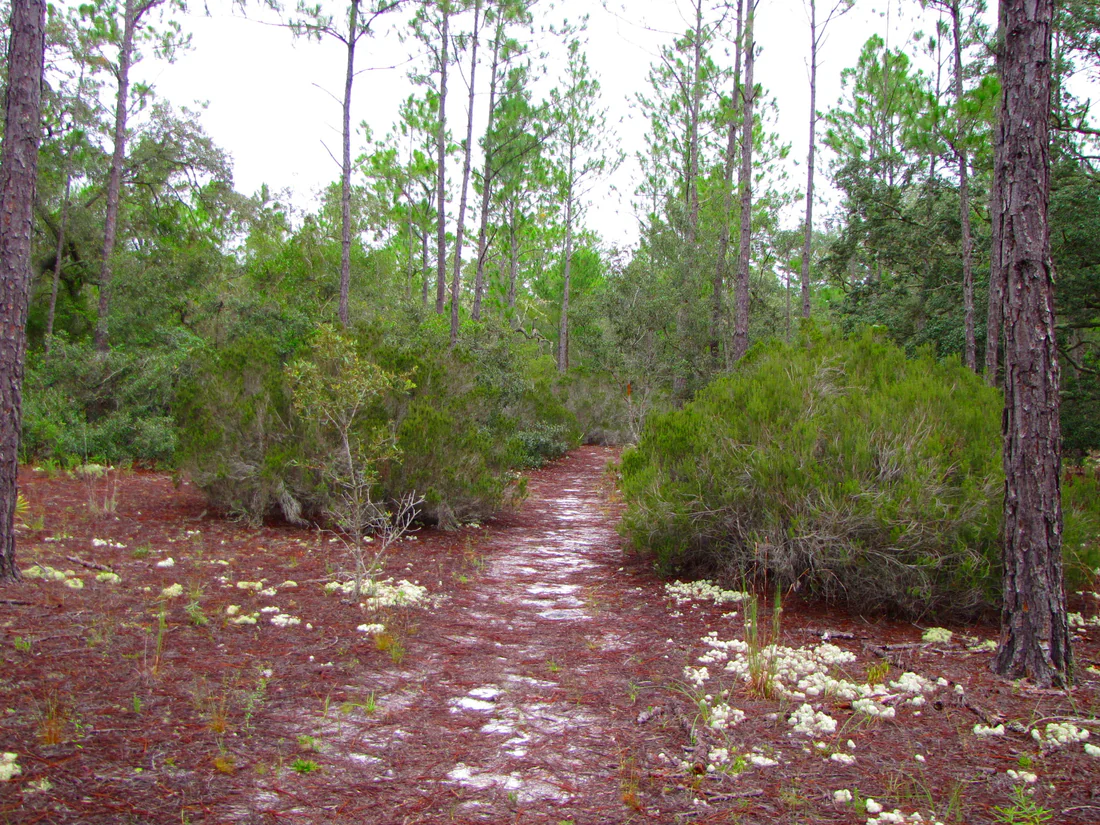 02
Withlacoochee State Forest
Goes with: A State Forest, Royal School and a National Cemetery
Open the place page →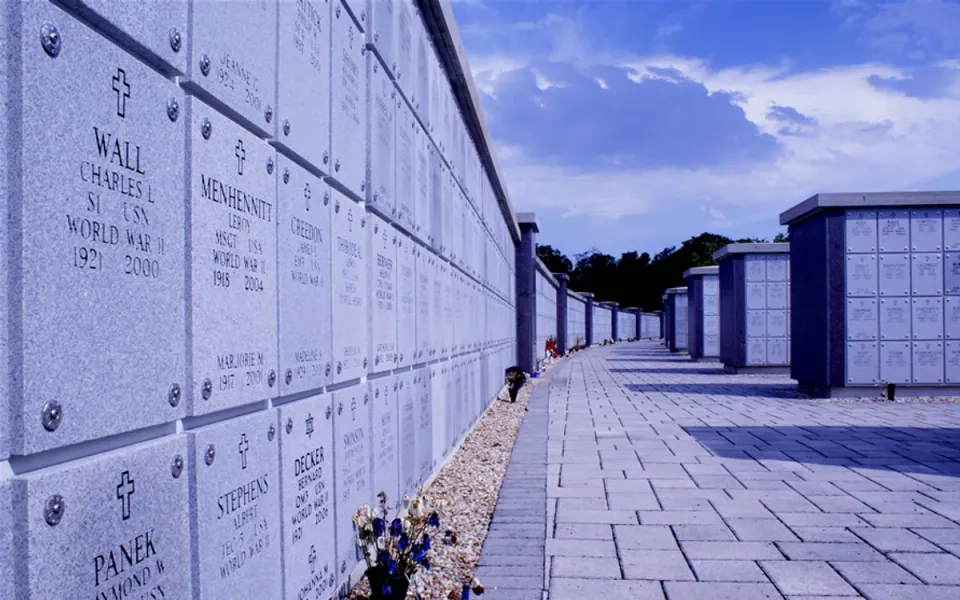 03
Florida National Cemetery
Goes with: A State Forest, Royal School and a National Cemetery
Open the place page →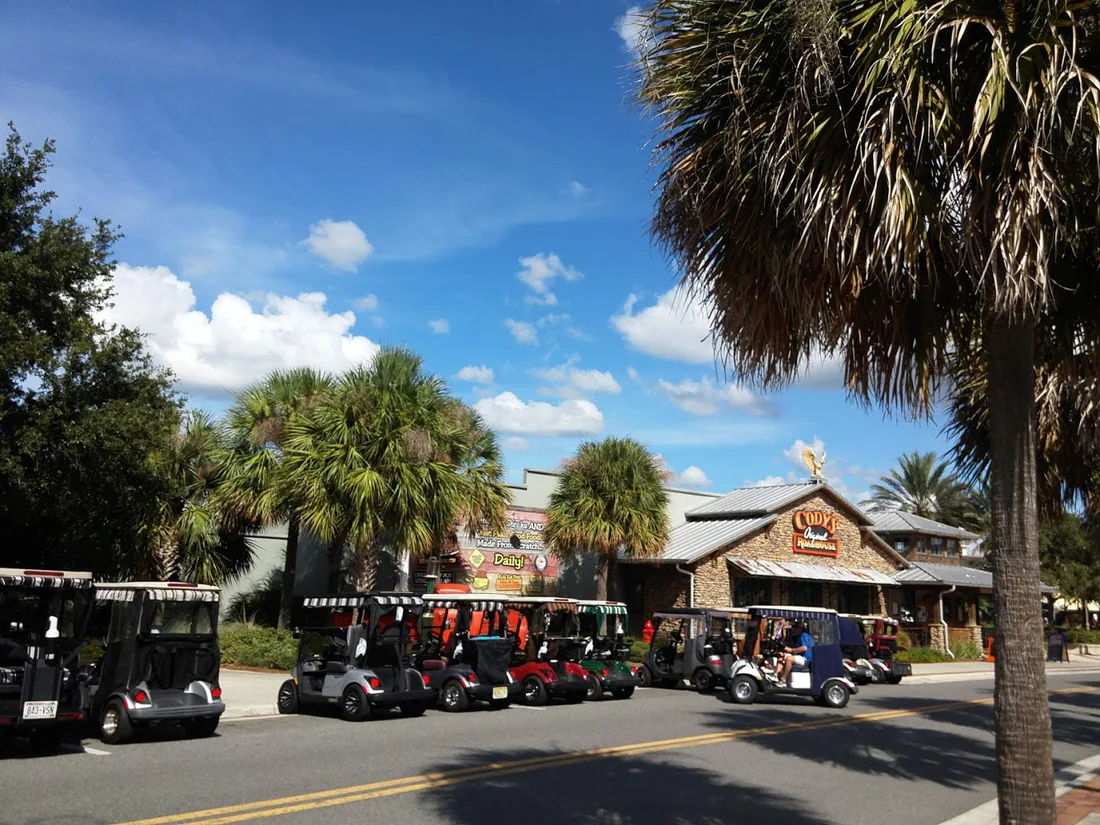 04
The Villages Town Squares
Goes with: Since 1990: The Villages, a Restored Lake Panasoffkee and Dade's Battle Reenacted
Open the place page →Questions people ask
When was Sumter County created?
Sumter County was created by law on January 8, 1853, from part of Marion County.
Chapter 5 →Who was Sumter County named for?
Sumter County was named for General Thomas Sumter, a hero of the Revolutionary War.
Chapter 5 →When did Bushnell become the county seat?
Bushnell became the county seat in 1912, when it beat Wildwood in a county vote, 657 votes to 648.
Chapter 8 →What happened at Dade Battlefield?
On December 28, 1835, 180 Seminole warriors attacked 107 officers and men under Brevet Major Francis Langhorne Dade, and three soldiers survived.
Chapter 3 →When was the community of Royal founded?
Freedmen who had been given land after the Civil War started the community of Royal in 1865.
Chapter 6 →Where this comes from.
Last updated October 18, 2026.
- Sumter County: History of Sumter County ↗ Read October 18, 2026
- Florida Department of State: Name Origins of Florida Places ↗ Read October 18, 2026
- Florida State Parks: Dade Battlefield Historic State Park History ↗ Read October 18, 2026
- Florida Department of State: Pilaklikaha/Abraham's Town historical marker ↗ Read October 18, 2026
- Florida Department of State: Battle of Wahoo Swamp historical marker ↗ Read October 18, 2026
- Florida Department of State: Royal School Site historical marker ↗ Read October 18, 2026
- Florida Department of State: Wild Cow Prairie Cemetery historical marker ↗ Read October 18, 2026
- Discover Sumter (Sumter County tourism): Step Back into Sumter County's History ↗ Read October 18, 2026
- Discover Sumter (Sumter County tourism): County Seat Historical Monument ↗ Read October 18, 2026
- Discover Sumter (Sumter County tourism): Webster Flea Market District ↗ Read October 18, 2026
- Florida Memory: Researching Sumter County at the State Library and State Archives ↗ Read October 18, 2026
- Florida Memory: History of Sumter County (WPA) ↗ Read October 18, 2026
- City of Wildwood: History ↗ Read October 18, 2026
- Florida Fifth Judicial Circuit: Sumter County ↗ Read October 18, 2026
- Florida Fish and Wildlife Conservation Commission: Half Moon - History ↗ Read October 18, 2026
- Florida Fish and Wildlife Conservation Commission: Lake Panasoffkee Wildlife Management Area ↗ Read October 18, 2026
- Southwest Florida Water Management District: Lake Panasoffkee Preserve Land Management Plan (2021) ↗ Read October 18, 2026
- Southwest Florida Water Management District: Lake Panasoffkee responds to restoration with improved clarity, aquatic plant coverage ↗ Read October 18, 2026
- Southwest Florida Water Management District: Green Swamp History ↗ Read October 18, 2026
- Southwest Florida Water Management District: Green Swamp Wilderness Preserve ↗ Read October 18, 2026
- Museum of Florida History (Florida Department of State): Florida National Cemetery ↗ Read October 18, 2026
- American Battlefield Trust: Florida National Cemetery, Bushnell, Florida ↗ Read October 18, 2026
- Florida Trend: Endless Horizon ↗ Read October 18, 2026
- GrowthSpotter: Welcome center in The Villages' newest town square set to open in the spring ↗ Read October 18, 2026
- LODGING Magazine: Hotel Eastport Opens in The Villages, Florida ↗ Read October 18, 2026
- Lake & Sumter Style: Local "Living Historians" Immerse Themselves and the Audience in a Piece of Florida History ↗ Read October 18, 2026
- Lake & Sumter Style: Sumter County Farmers Market: Nearly a Century in Webster ↗ Read October 18, 2026