Hardee County was created on April 23, 1921, out of part of DeSoto County, and it became Florida's 55th county. It is named for Cary Augustus Hardee, who was in his first year as Florida's governor at the time, and its county seat is Wauchula. Paynes Creek Historic State Park keeps the story of an 1849 trading post and of Fort Chokonikla, the first in a chain of Army forts. The park service says people lived at the fort and store sites many thousands of years ago.
This page tells the story in order, from the first people along the Peace River to Main Street Wauchula, a wildlife refuge and a centennial, then lists places in the county where you can still see it. The sources for each part are named at the end of that part, and all of them are listed at the bottom of the page.
Thousands of Years by the Peace River
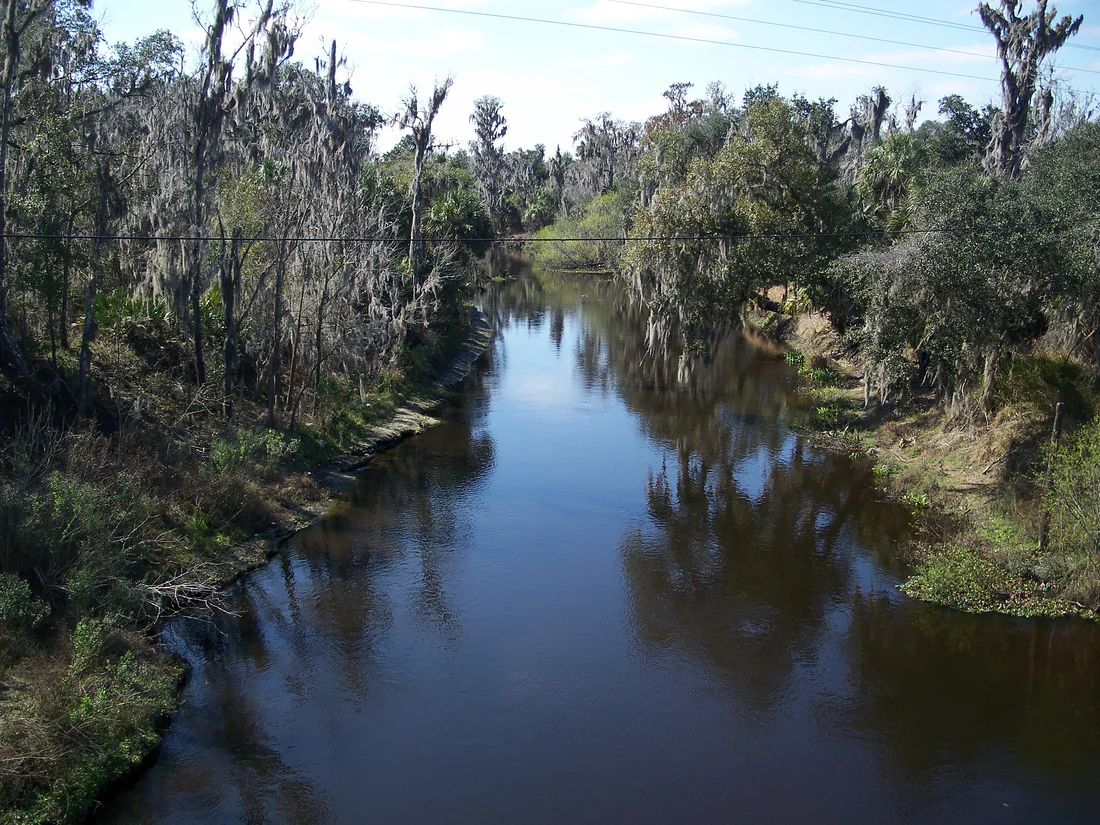
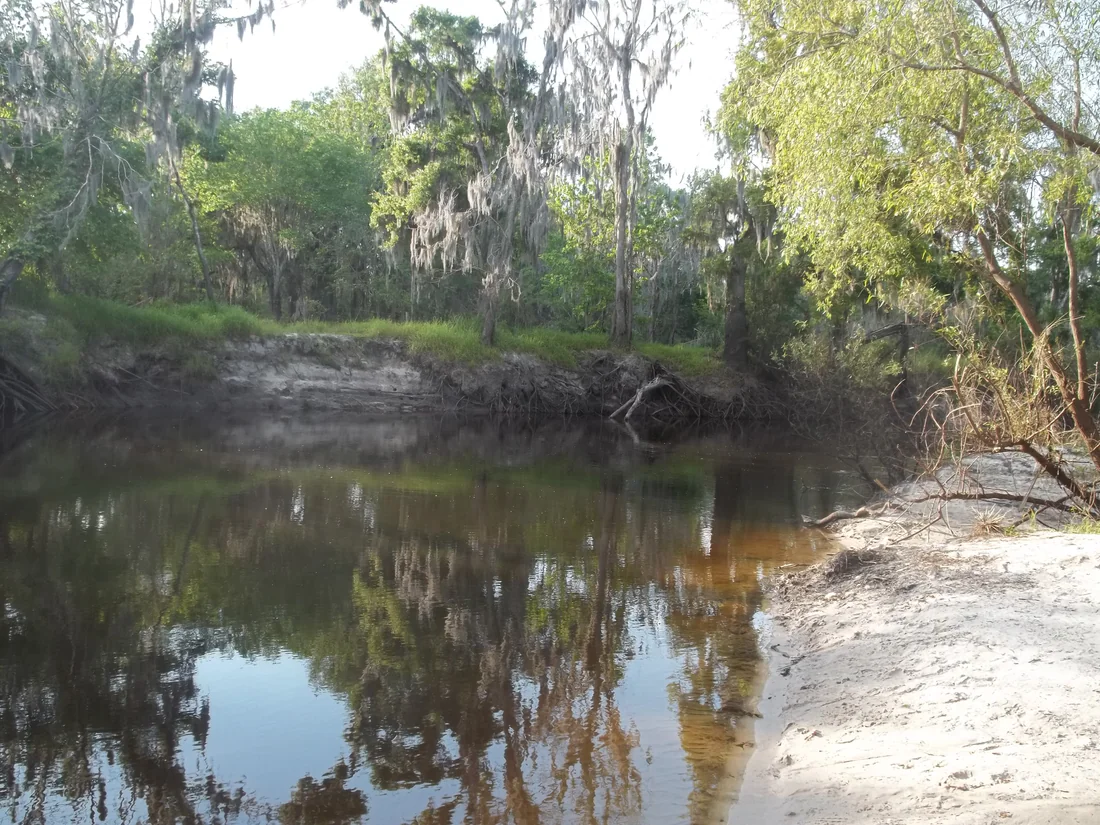
The state park service says the sites of a fort and a store on Paynes Creek show signs of people living there many thousands of years ago. Paynes Creek flows into the Peace River inside Paynes Creek Historic State Park.
This stretch of the Peace River flows fairly fast compared with many Florida rivers. Its banks are high, and its limestone bottom makes small shoals and rapids. The state park sits about halfway along the Peace River Paddling Trail.
Sources: Florida State Parks: Paynes Creek Historic State Park, Experiences and Amenities
Next: Chapter 2, A Trading Post on Paynes Creek, 1849 →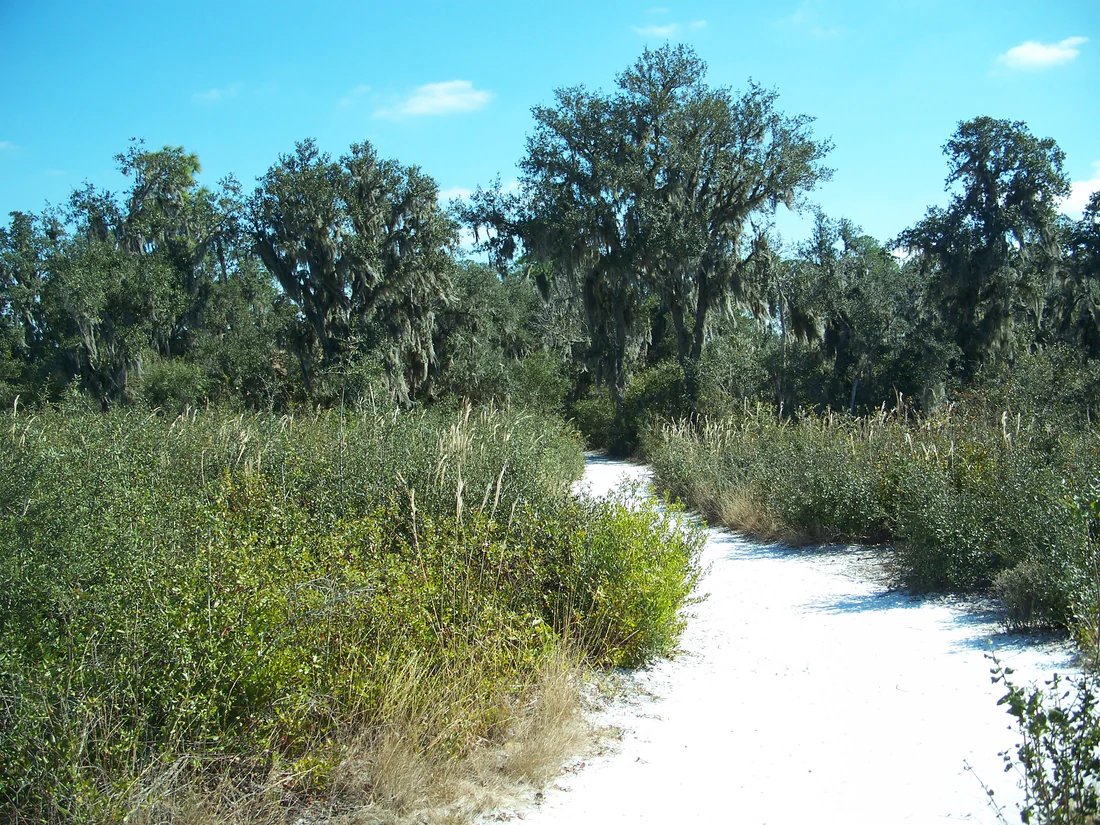
A Trading Post on Paynes Creek, 1849
In the 1840s, after the Second Seminole War, federal officials opened a store for trade with the Seminoles. Tension between settlers and Seminoles was the reason, the park service says. The Kennedy-Darling Trading Post went up in the spring of 1849, on the north edge of the Seminole reservation.
In July 1849, a group the park service calls defector Seminoles attacked and destroyed the post. Dempsey Whiddon and Captain George Payne died in the attack. A monument went up at their graves in 1895. Nothing is left of the store, but the monument still stands.
Sources: Florida State Parks: Paynes Creek Historic State Park, Experiences and Amenities; Florida State Parks: History of Fort Chokonikla; Florida State Parks: Paynes Creek Historic State Park, History
Next: Chapter 3, Fort Chokonikla, 1849 to 1850 →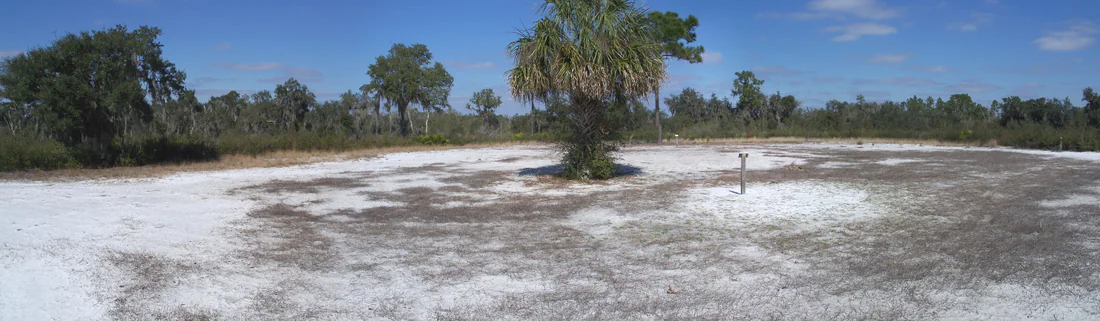
Fort Chokonikla, 1849 to 1850
News of the attack pushed the U.S. Army to build a chain of forts across the Florida peninsula. The forts were meant to protect settlers farther north. Work on Fort Chokonikla, the first fort in the chain, started on October 26, 1849. Its defenses were three square blockhouses, and the soldiers slept in canvas tents.
The Seminoles had no wish for war, and the fort was never attacked. Mosquitoes carrying disease nearly beat the Army instead. Sickness among the troops led the Army to leave the fort in July 1850, and it was never used again.
Sources: Florida State Parks: Paynes Creek Historic State Park, History; Florida State Parks: History of Fort Chokonikla; Historical Marker Database: Fort Chokonikla (marker)
Next: Chapter 4, Fort Hartsuff and a Seminole Battle, 1855 to 1856 →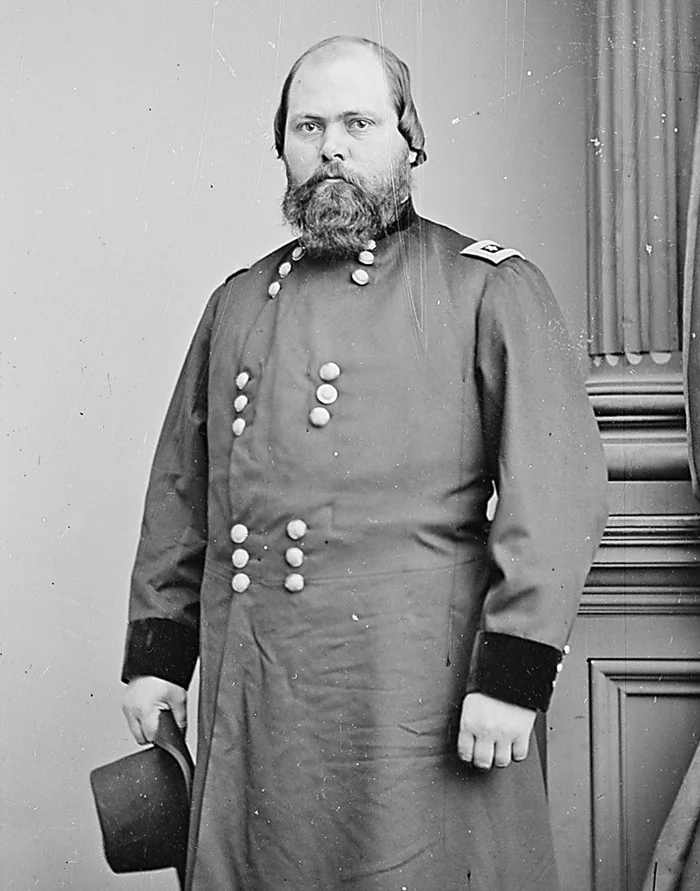
Fort Hartsuff and a Seminole Battle, 1855 to 1856
On December 20, 1855, Seminoles ambushed a detachment of soldiers under Lt. George Hartsuff of the 2nd Artillery in the Big Cypress Swamp. Several of his men were killed and many were wounded. Fort Hartsuff, named in his honor, was established on August 8, 1856.
A 2014 state news release says Wauchula grew out of a settlement set up to support Fort Hartsuff. It calls the fort a U.S. Army post of the Seminole Wars. A marker at Zolfo Springs says one of the last battles with the Seminole Nation ended there on June 16, 1856. Soldiers from Fort Meade defeated the Seminoles in that fight, the marker says.
Sources: Historical Marker Database: Historical Markers and War Memorials in Hardee County; Florida Department of State: Secretary Detzner Designates Wauchula Florida Main Street Program of the Month; Historical Marker Database: Historical Markers in Zolfo Springs, Florida
Next: Chapter 5, Manatee, DeSoto and a Cowboy Named Bone →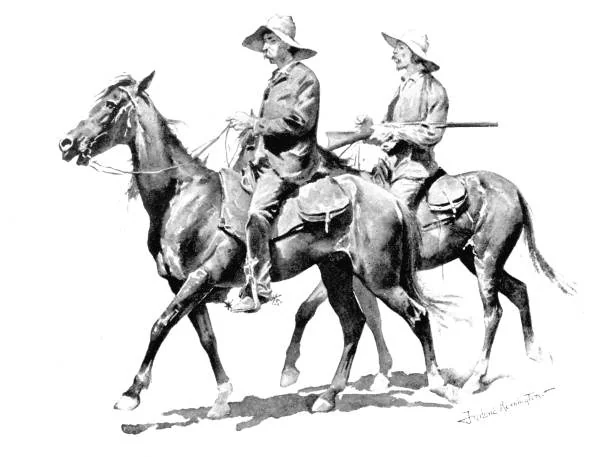
Manatee, DeSoto and a Cowboy Named Bone
Manatee County, organized in 1855, took in the land that is now Hardee County. It also held what are now Sarasota, Charlotte, DeSoto, Glades and Highlands counties. On May 9, 1887, all of it except Sarasota split off to form DeSoto County.
A marker at Zolfo Springs remembers Morgan Bonapart "Bone" Mizell, who was born in 1863 and died in 1912. It calls him a cowboy humorist, a prairie philosopher and a prankster of DeSoto County. People loved him for his merrymaking, the marker says. He is buried at Joshua Creek.
Sources: Hardee County Clerk of the Circuit Court and Comptroller: Clerk History; Historical Marker Database: Historical Markers and War Memorials in Hardee County
Next: Chapter 6, The Railroad Makes a Town, 1886 to 1903 →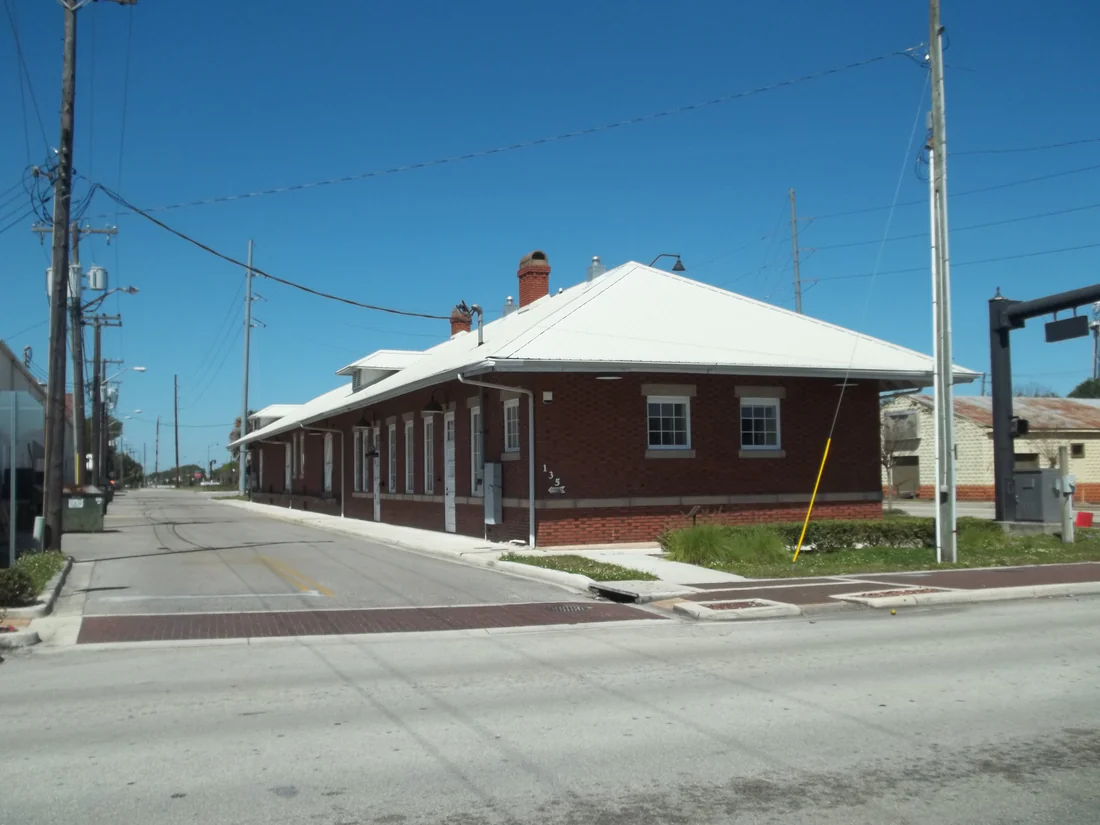
The Railroad Makes a Town, 1886 to 1903
In 1886, the Florida Southern Railway bought the right of way for tracks at what became Wauchula. By 1889, the town had regular train service, a wooden depot and a depot master working full time. Railroad workers chose the name Wauchula for the stop.
Before that, the settlement had been called English, probably after Eli English, who ran a small store. Florida Memory says the name Wauchula comes from watula, a Creek word for the sand hill crane. A 2014 state news release instead traces it to a Miccosukee word, given as wa-tu-la-ha-kee, for the sand hill crane's call. DeSoto County records show Wauchula was first incorporated on June 9, 1888, but the state did not validate the act until 1903.
Sources: Historical Marker Database: Historical Markers and War Memorials in Hardee County; Florida Memory, State Library and Archives of Florida: Next Stop - Wauchula!; Florida Department of State: Secretary Detzner Designates Wauchula Florida Main Street Program of the Month
Next: Chapter 7, Banks, a Drugstore and a Blacksmith, 1897 to 1915 →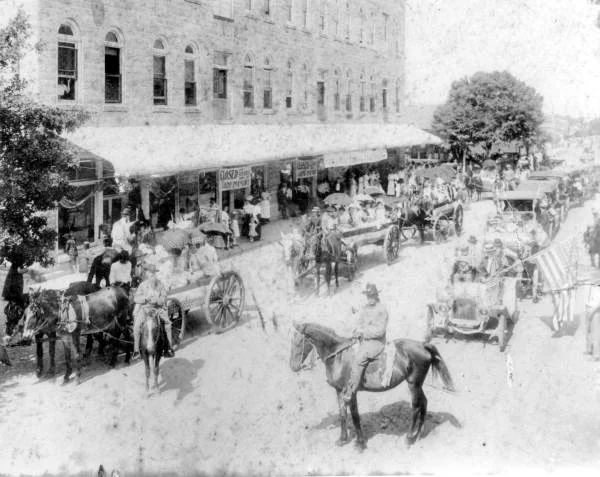
Banks, a Drugstore and a Blacksmith, 1897 to 1915
Clarence Alvin Bryant ran a blacksmith shop in Bowling Green from 1897 until he died on July 13, 1953. The shop was donated to Hardee County, and its marker stands at Hardee County Pioneer Park.
In 1904, a bank opened inside the Wauchula Hardware Store, in a corner of the shop. On January 18, 1907, the City of Wauchula paid $300 for the land that is now the Hardee County Courthouse property. The Bank of Wauchula, the town's second bank, opened in 1907. Built in 1913, its building held the bank and shops on the ground floor, with offices and the Seminole Theater upstairs.
In 1912, lawyer and teacher William B. Beeson Sr. and Katherine Chambless Beeson, his wife, built a 14-room home on Main Street. The marker says it was one of the largest houses in Wauchula at the time. Dr. Y.E. Wright and Harry Stansfield, who was born in England, put up a two-story building for the Orange Pharmacy in 1915. People admired its marble soda fountain. That same year, Wauchula held its last parade on dirt roads.
Sources: Historical Marker Database: Historical Markers in Zolfo Springs, Florida; Florida Memory, State Library and Archives of Florida: Next Stop - Wauchula!; Historical Marker Database: Historical Markers and War Memorials in Hardee County
Next: Chapter 8, Hardee County Is Created, 1921 →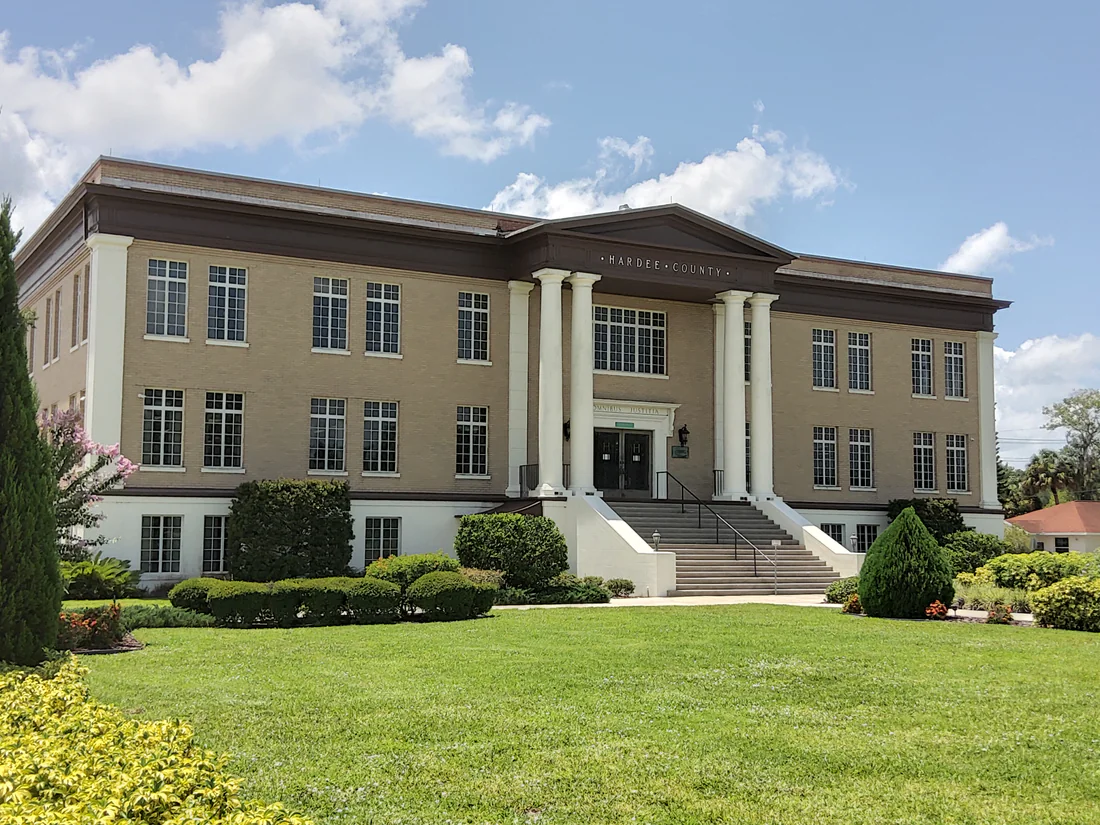
Hardee County Is Created, 1921
Cary A. Hardee became Florida's 23rd governor on January 4, 1921, and served until January 6, 1925. That year, during the Legislature's 18th Regular Session, a bill came up to split DeSoto County into five counties: Charlotte, Glades, Hardee, Highlands and DeSoto. Governor Hardee, in his first year in office, signed it on April 23, 1921.
The new county was Florida's 55th, and it was named for Cary Augustus Hardee. The law named Wauchula as the temporary county seat, and it is still the county seat. On the same day, Governor Hardee appointed George M. Hardee as the county's first clerk.
Sources: Florida Memory, State Library and Archives of Florida: Cary Hardee, Guide to Florida Governors; The Florida Senate: SR 2068 (2021), A resolution commemorating the 100th anniversary of the creation of Hardee County; University of South Florida, Florida Center for Instructional Technology: Exploring Florida, Hardee County Maps; Hardee County Clerk of the Circuit Court and Comptroller: Clerk History
Next: Chapter 9, A Courthouse and a City Hall, 1927 →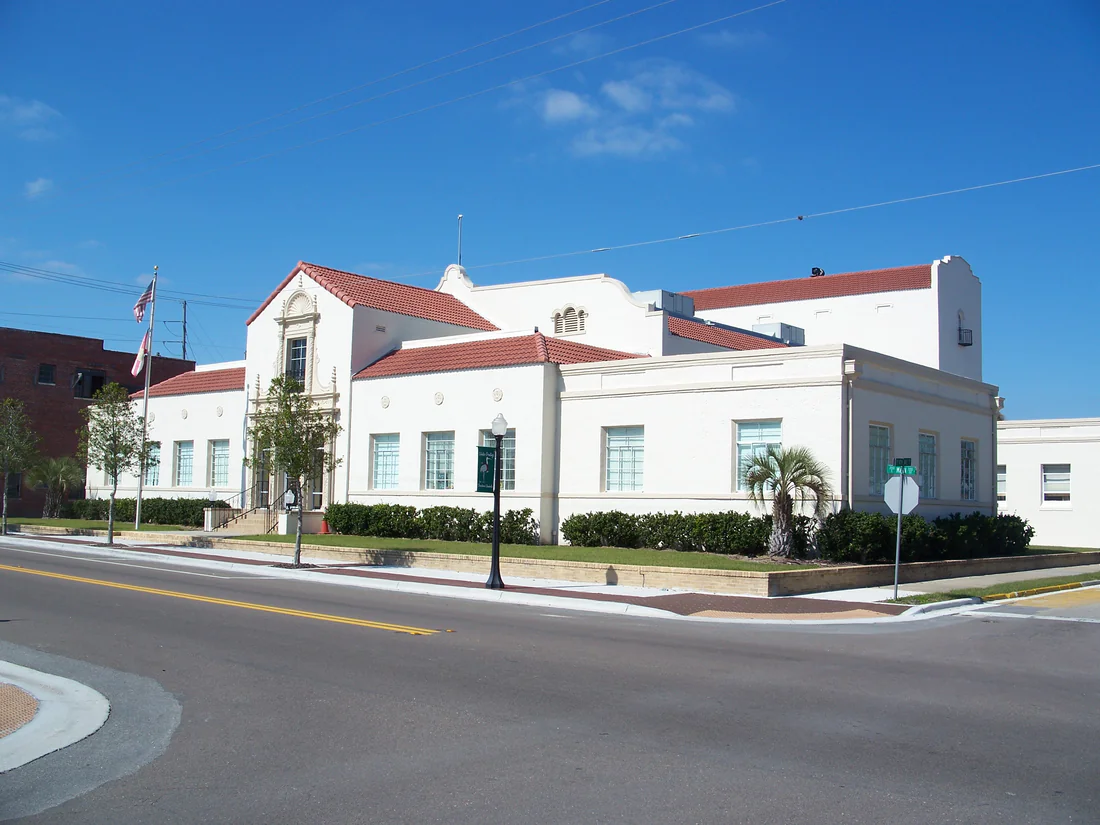
A Courthouse and a City Hall, 1927
The City of Wauchula deeded the courthouse property to Hardee County on September 22, 1927. The courthouse is a large building with Tuscan columns.
Wauchula City Hall was built the same year for $80,000. Architect M. Leo Elliot, known across the region, gave it a Spanish design. It held city offices and an auditorium, with the fire department at the back.
Sources: Historical Marker Database: Historical Markers and War Memorials in Hardee County
Next: Chapter 10, A Governor's Son, a Museum and a State Park, 1946 to 1987 →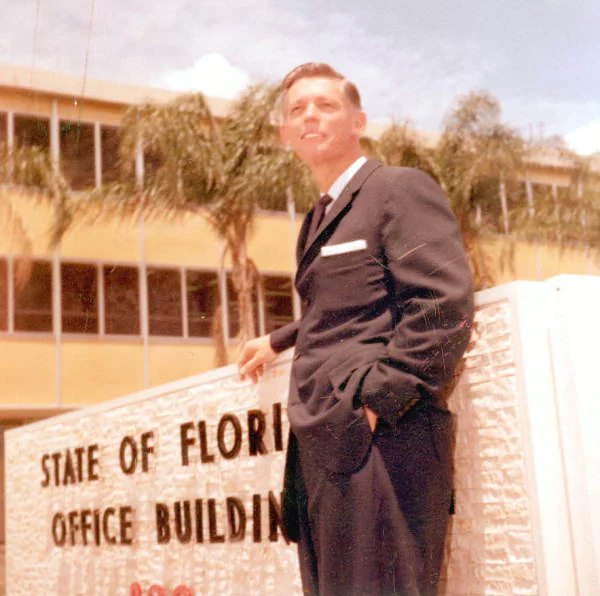
A Governor's Son, a Museum and a State Park, 1946 to 1987
Florida Memory calls Wauchula a regional center of trade, above all for agriculture, since its earliest days. Doyle E. Carlton Jr. settled in Hardee County in 1946 and went into agriculture. He was the son of Doyle E. Carlton, Florida's governor from 1929 to 1933. As chairman of the Fair Authority, he led the project to build a museum village at the Florida State Fairgrounds in Tampa that recreates rural Florida at the turn of the century. In 1987, the Tampa Historical Society's journal said the old Carlton family home, moved from Wauchula, was the museum's centerpiece.
The Cracker Trail Museum in Zolfo Springs began in 1967 and collects things from Florida's pioneer era. The state bought the land holding the monument, the trading post site and Fort Chokonikla in 1974. In 1978, the sites of the fort and the store were listed on the National Register of Historic Places. Paynes Creek Historic State Park first welcomed the public in 1981, its history page says. A museum in its visitor center shows how Seminoles and pioneers lived in the 1800s.
Sources: Florida Memory, State Library and Archives of Florida: Next Stop - Wauchula!; Tampa Historical Society, Sunland Tribune (University of South Florida Digital Commons): Doyle E. Carlton, Jr., Is 1987 Winner of THS' D.B. McKay Award; Hardee County Board of County Commissioners: Cracker Trail Museum; Florida State Parks: Paynes Creek Historic State Park, History; Florida State Parks: Paynes Creek Historic State Park, Experiences and Amenities; Florida State Parks: Paynes Creek Historic State Park
Next: Chapter 11, Since 1990: Main Street Wauchula, a Wildlife Refuge and a Centennial →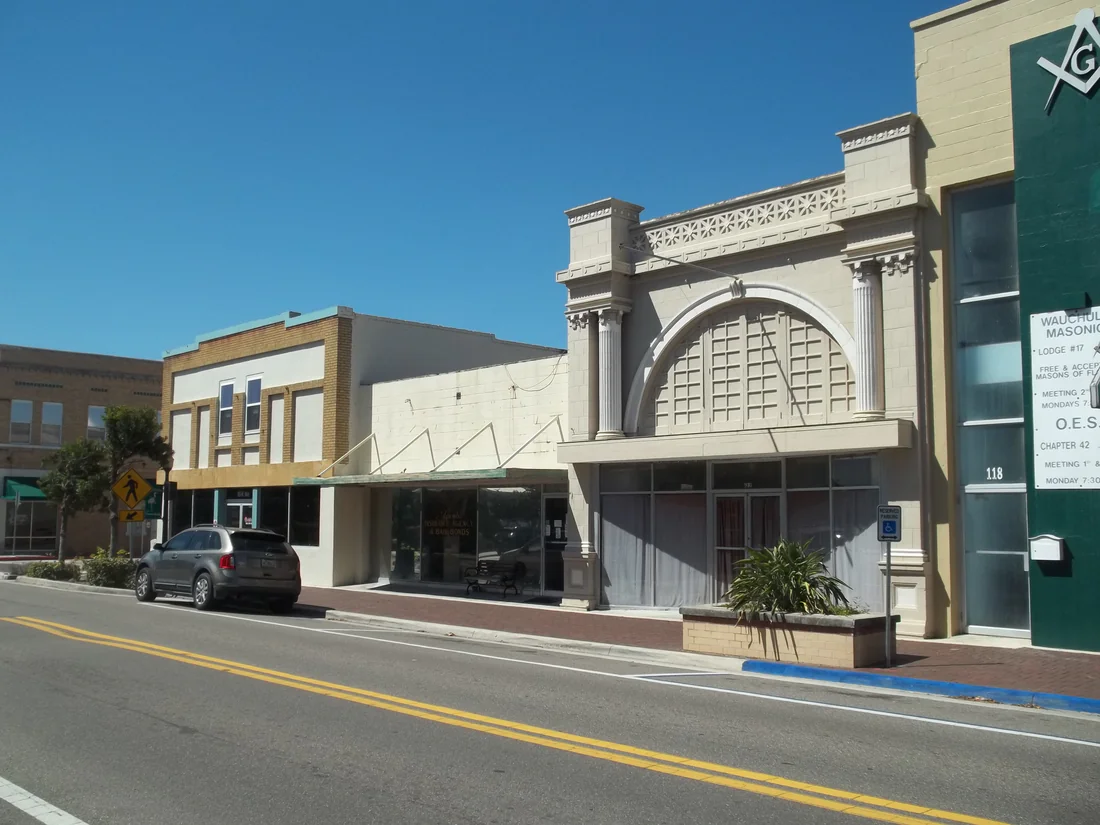
Since 1990: Main Street Wauchula, a Wildlife Refuge and a Centennial
Main Street Wauchula was named a Florida Main Street program in 1995. By 2014 it had finished more than 175 rehabilitation projects. In September 2014, Secretary of State Ken Detzner named it the Florida Main Street Community of the Month. In 2021, Senator Albritton offered a Florida Senate resolution marking 100 years since Hardee County was created.
The Hardee County Wildlife Refuge began as a few rough cages around the edge of Pioneer Park. In 2001 it moved to a new home in Zolfo Springs. It cares for Florida's own wild animals and a few exotic ones that could not live on their own in the wild. Visitors can walk among the treetops on a raised boardwalk.
Sources: Florida Department of State: Secretary Detzner Designates Wauchula Florida Main Street Program of the Month; The Florida Senate: SR 2068 (2021), A resolution commemorating the 100th anniversary of the creation of Hardee County; Hardee County Board of County Commissioners: Wildlife Refuge
Next: the whole story, in dates →The whole story, in dates
People lived at the Paynes Creek sites by the Peace River.
Federal officials opened a store to trade with the Seminoles.
The Kennedy-Darling Trading Post was built.
Seminoles attacked and destroyed the post, and Payne and Whiddon died.
Work began on Fort Chokonikla.
The Army left Fort Chokonikla because of sickness.
Manatee County was organized, taking in today's Hardee County.
Seminoles ambushed Lt. George Hartsuff's men in the Big Cypress Swamp.
A battle with the Seminole Nation ended at Zolfo Springs, a marker says.
Fort Hartsuff was established.
Morgan Bonapart "Bone" Mizell was born.
The Florida Southern Railway bought the right of way at Wauchula.
DeSoto County was formed from most of Manatee County.
Wauchula was first incorporated, DeSoto County records show.
Wauchula had regular train service and a wooden depot.
A monument was placed at the graves of Payne and Whiddon.
Clarence Alvin Bryant began running his blacksmith shop in Bowling Green.
The state validated Wauchula's incorporation.
A bank opened inside the Wauchula Hardware Store.
The City of Wauchula paid $300 for the future courthouse land.
The Beeson family built a 14-room home on Main Street.
The Bank of Wauchula building went up, with the Seminole Theater upstairs.
Dr. Y.E. Wright and Harry Stansfield built the Orange Pharmacy building.
Cary A. Hardee became Florida's 23rd governor.
Governor Hardee signed the bill that created Hardee County, Florida's 55th county.
Cary A. Hardee's term as governor ended.
Wauchula City Hall was built in a Spanish design.
The City of Wauchula deeded the courthouse property to Hardee County.
Doyle E. Carlton Jr. settled in Hardee County.
The Cracker Trail Museum began.
The state bought the land with the fort and trading post sites.
The fort and store sites were listed on the National Register of Historic Places.
Paynes Creek Historic State Park opened to the public.
Main Street Wauchula was named a Florida Main Street program.
The Hardee County Wildlife Refuge moved to its new home.
Main Street Wauchula was named Florida Main Street Community of the Month.
A Florida Senate resolution marked 100 years of Hardee County.
Where you can still see it
 01
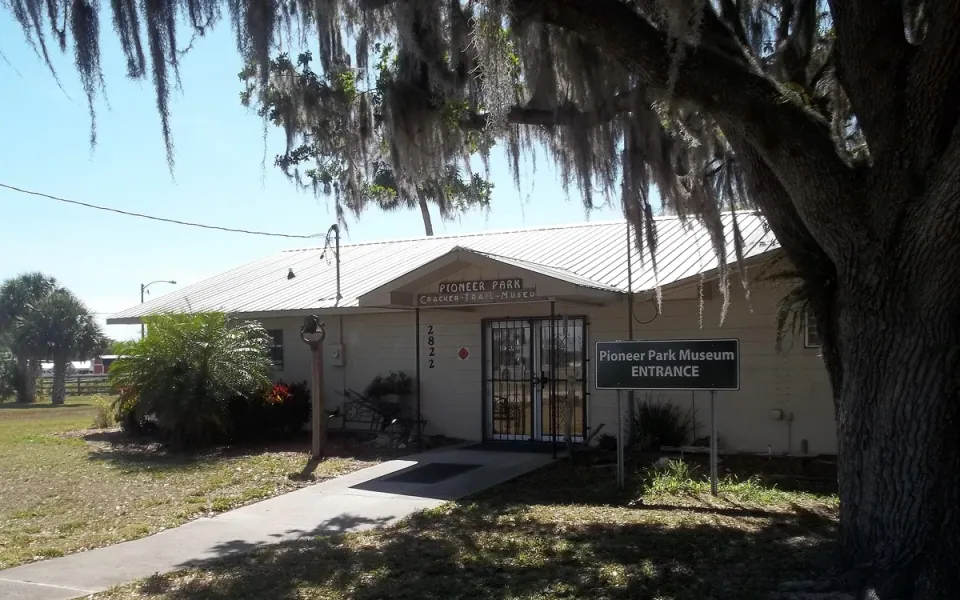 02
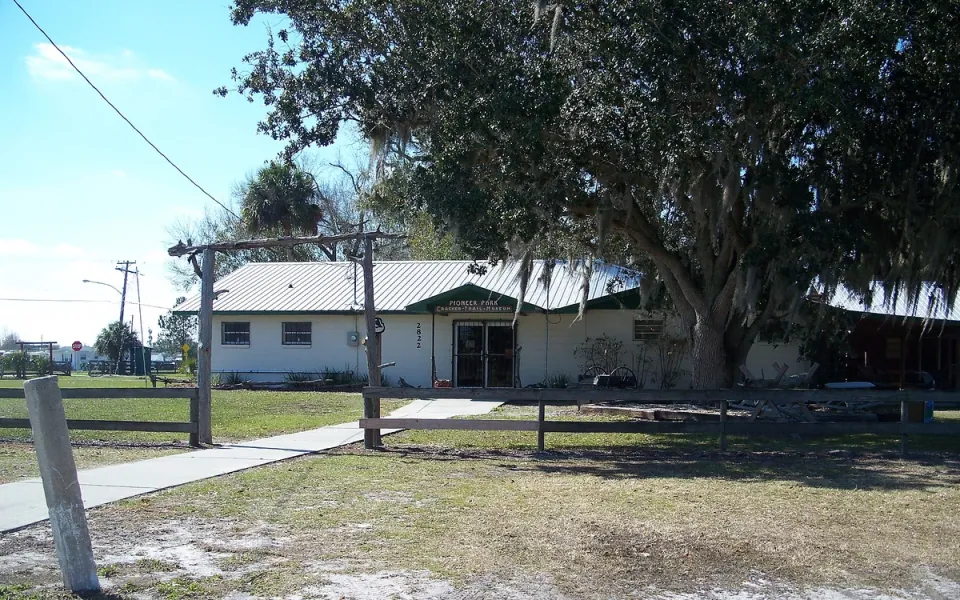 03
Cracker Trail Museum
Goes with: A Governor's Son, a Museum and a State Park, 1946 to 1987
Open the place page →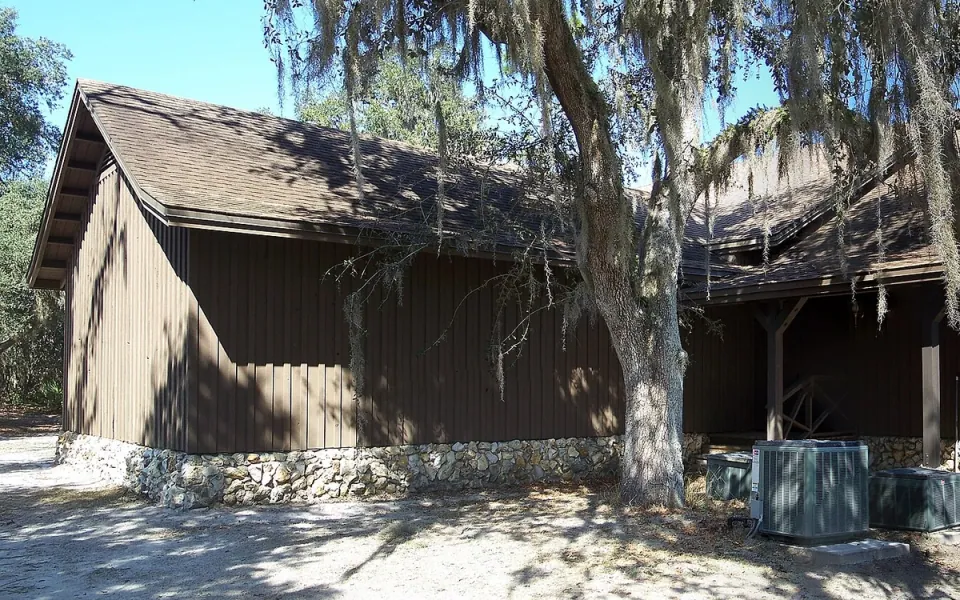 04
Paynes Creek Historic State Park
Goes with: A Governor's Son, a Museum and a State Park, 1946 to 1987
Open the place page →Questions people ask
When was Hardee County created?
Hardee County was created on April 23, 1921, when Governor Cary Hardee signed the bill that split up DeSoto County.
Chapter 8 →Who was Hardee County named for?
It was named for Cary Augustus Hardee, who was in his first year as Florida's governor.
Chapter 8 →What is the county seat of Hardee County?
Wauchula is the county seat, first named as the temporary seat by the 1921 law.
Chapter 8 →What was Fort Chokonikla?
It was the first fort in an Army chain across the Florida peninsula, begun on October 26, 1849, and left in July 1850 because of sickness.
Chapter 3 →How did Wauchula get its name?
Florida Memory traces the name Wauchula to watula, a Creek word for the sand hill crane.
Chapter 6 →Where this comes from.
Last updated October 20, 2026.
- Hardee County Clerk of the Circuit Court and Comptroller: Clerk History ↗ Read October 19, 2026
- University of South Florida, Florida Center for Instructional Technology: Exploring Florida, Hardee County Maps ↗ Read October 19, 2026
- The Florida Senate: SR 2068 (2021), A resolution commemorating the 100th anniversary of the creation of Hardee County ↗ Read October 19, 2026
- Florida Memory, State Library and Archives of Florida: Cary Hardee, Guide to Florida Governors ↗ Read October 19, 2026
- Florida Memory, State Library and Archives of Florida: Next Stop - Wauchula! ↗ Read October 19, 2026
- Florida Department of State: Secretary Detzner Designates Wauchula Florida Main Street Program of the Month ↗ Read October 19, 2026
- Florida State Parks: Paynes Creek Historic State Park, History ↗ Read October 19, 2026
- Florida State Parks: History of Fort Chokonikla ↗ Read October 19, 2026
- Florida State Parks: Paynes Creek Historic State Park ↗ Read October 19, 2026
- Florida State Parks: Paynes Creek Historic State Park, Experiences and Amenities ↗ Read October 19, 2026
- Historical Marker Database: Fort Chokonikla (marker) ↗ Read October 19, 2026
- Historical Marker Database: Historical Markers and War Memorials in Hardee County ↗ Read October 19, 2026
- Historical Marker Database: Historical Markers in Zolfo Springs, Florida ↗ Read October 19, 2026
- Tampa Historical Society, Sunland Tribune (University of South Florida Digital Commons): Doyle E. Carlton, Jr., Is 1987 Winner of THS' D.B. McKay Award ↗ Read October 19, 2026
- Hardee County Board of County Commissioners: Cracker Trail Museum ↗ Read October 19, 2026
- Hardee County Board of County Commissioners: Wildlife Refuge ↗ Read October 19, 2026