Citrus County was created on June 2, 1887, from part of Hernando County, and Inverness became its permanent county seat in 1891. By tradition, its name comes from the wild orange trees that the first white settlers found growing in great numbers. In the 1980s it was named the Florida Manatee Capital, and the U.S. Fish and Wildlife Service calls its Crystal River refuge, set up in 1983, the only refuge made specifically to protect the Florida manatee. Its history goes back about 2,500 years, to the first people who settled the Crystal River mound site.
This page tells the story in order, from the Crystal River mound builders to the courthouse museum, Three Sisters Springs and Lu the hippo, then lists places in the county where you can still see it. The sources for each part are named at the end of that part, and all of them are listed at the bottom of the page.
The Mound Builders of Crystal River
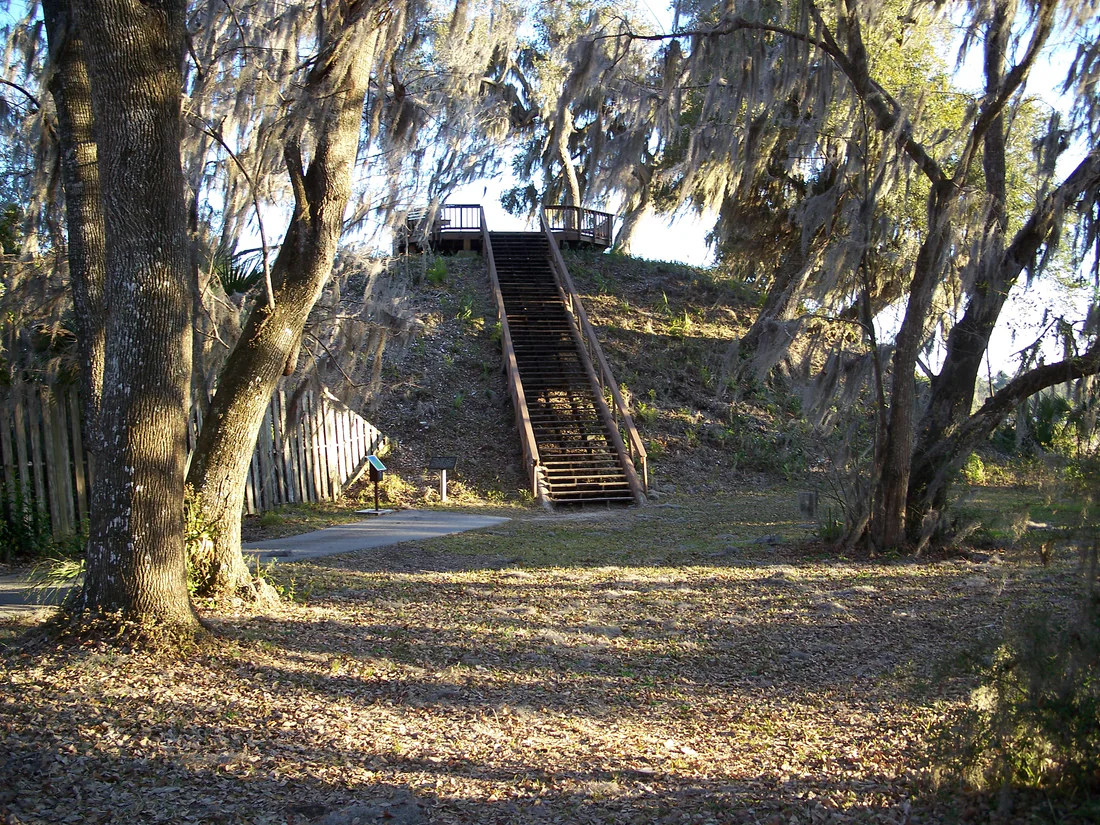
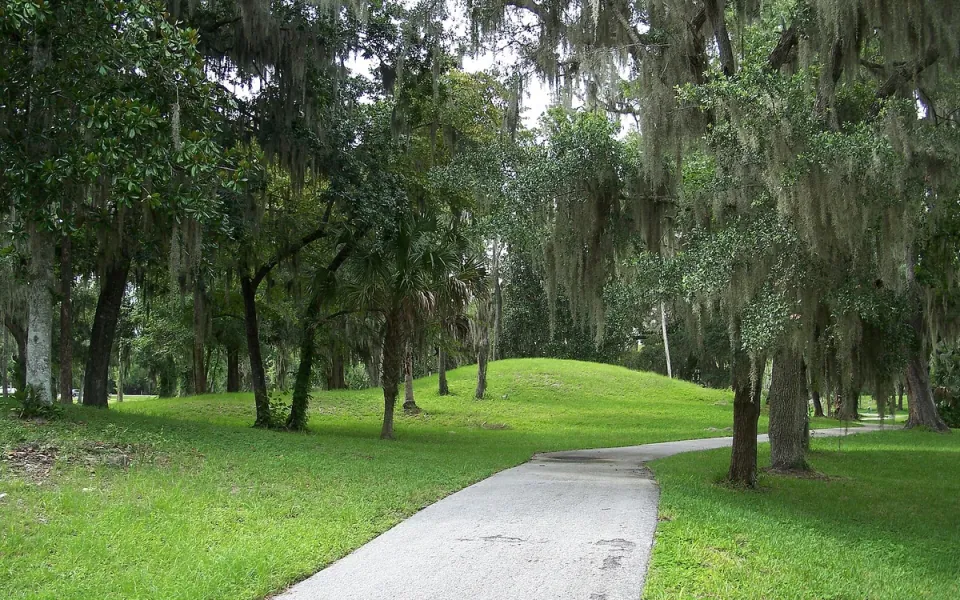
People first settled the Crystal River site about 2,500 years ago, once the river system and the nearby estuary had matured. For 1,600 years it was a major ceremonial center for Native Americans. People came from great distances to trade there and to bury their dead. Native Americans lived there until about 500 years ago.
Clarence B. Moore made the first recorded find of the Crystal River mound in 1903. His men spent seven days digging into the burial mounds and took out many grave goods, such as copper ear spools and soapstone pipes. Ripley Bullen, the state archaeologist, worked at the site off and on for 15 years starting in 1950. His work proved that people used the site in the periods archaeologists call Deptford, Swift-Creek and Weedon Island. In 1964 two large limestone rocks turned up at the site, and they were believed to be stelae, which are carved or inscribed stone slabs.
Crystal River Archaeological State Park began on August 6, 1962, when 14.5 acres were donated. Its museum opened in 1965, in a building designed to look like the site's flat-topped temple mound.
Sources: Florida State Parks: Crystal River Archaeological State Park History; Florida State Parks: Crystal River Archaeological State Park; Florida State Parks: Digging into the Past; Florida Department of Environmental Protection: Crystal River Archaeological State Park, Park Chapter 1; Florida State Parks: Crystal River Archaeological Museum
Next: Chapter 2, De Soto, the Seminoles and Fort Cooper →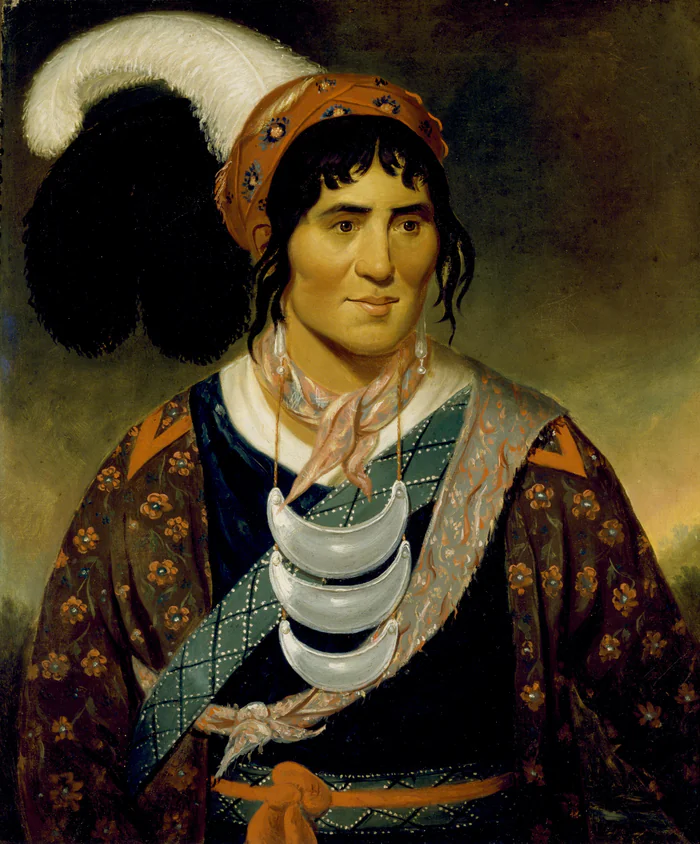
De Soto, the Seminoles and Fort Cooper
Hernando de Soto passed through in 1539 and found an Indian village named Tocaste near today's Floral City. Later the Seminoles had a village there called Cho-illy-hadjo, a name that means Crazy Deer's Foot. The Second Seminole War started in December 1835.
In March 1836 General Winfield Scott began a campaign against the Seminoles. He left his sick and wounded men with Major Mark Anthony Cooper, whose first task was to build a fort. Days after Scott marched away, Osceola led several hundred Seminole fighters against the fort. The 380 soldiers stayed safe behind a wall of pine posts, but the Seminoles kept them trapped for 16 days.
The Seminoles stole cattle and forced the men to kill horses for food. Help came just as the fort's supplies were running out. The army used Fort Cooper as a scouting and dispatch post until the war ended. In 1972 the fort site and 710 acres around it became Fort Cooper State Park, on land given by a Citrus County resident.
Sources: Florida Department of State: Historic Floral City historical marker; Florida State Parks: History of Fort Cooper
Next: Chapter 3, Settlers and the Yulee Sugar Mill →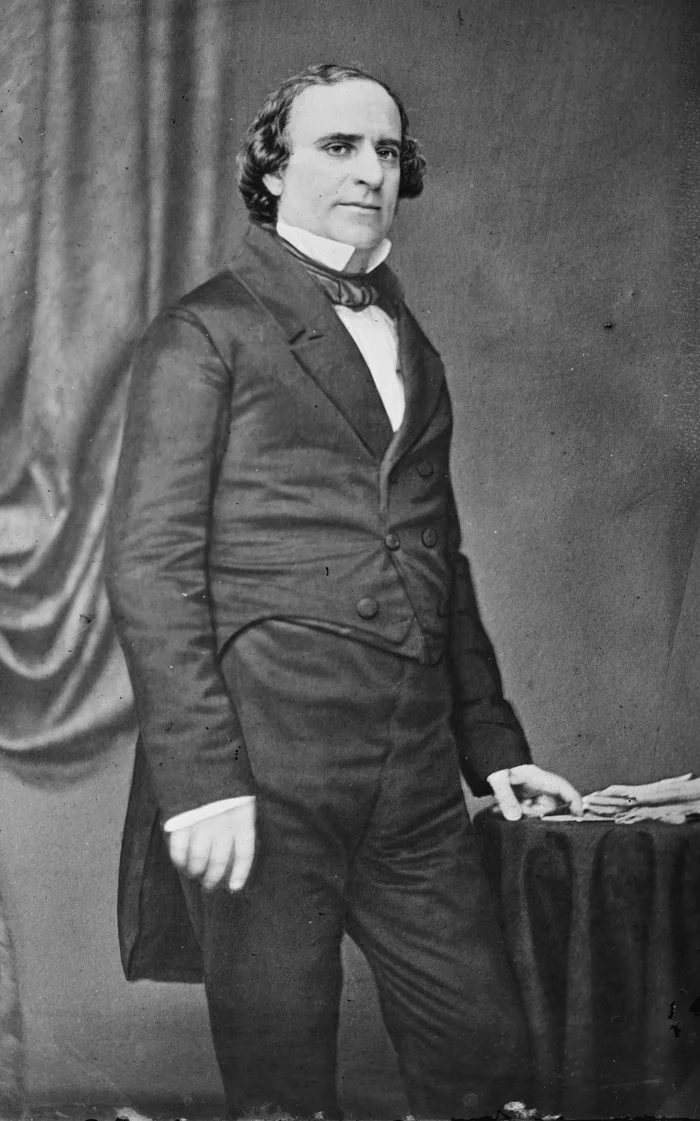
Settlers and the Yulee Sugar Mill
American settlers came to the area after the 1842 Armed Occupation Act and statehood in 1845. A state history sketch from 1936 says settlement began in the early 1840s near what are now Crystal River and Homosassa. One of the first was David Levy, who later took the name David L. Yulee. He was one of Florida's first two U.S. senators.
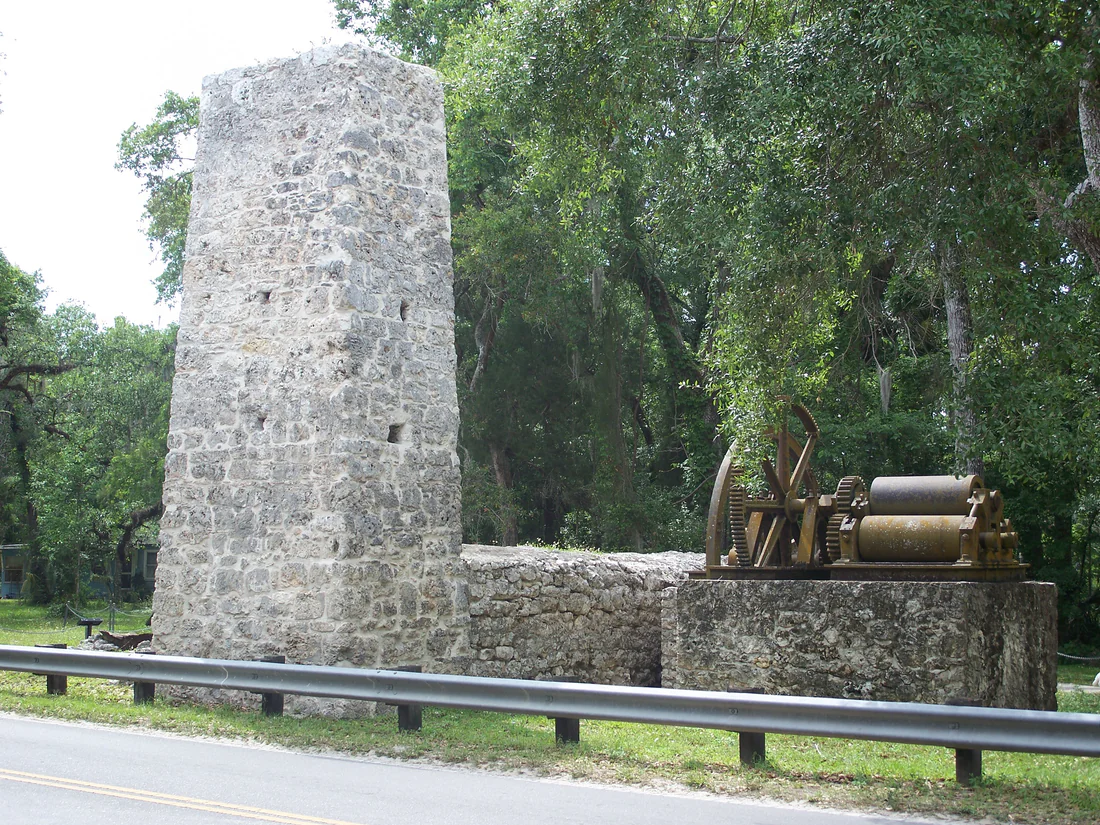
The mill on Yulee's 5,000-acre Margarita Plantation turned sugarcane into rum, molasses and syrup. It ran from 1851 to 1864. Enslaved people worked the plantation and the mill. During the Civil War the mill sent sugar products to Southern troops.
Union soldiers burned Yulee's home and the plantation in May 1864. Yulee fled and spent a short time in prison, and the mill was never used again. The Florida Park Service took over the ruins in 1970, and at Yulee Sugar Mill Ruins Historic State Park a 40-foot limestone chimney, a cane press and iron gears remain.
Sources: Florida Department of State: Historic Floral City historical marker; Florida Memory: Historical Sketch of Citrus County (Historical Records Survey, 1936); Florida State Parks: Yulee Sugar Mill Ruins Historic State Park; Florida State Parks: History of Yulee Sugar Mills; Florida State Parks: Mill Restoration
Next: Chapter 4, Floral City, a Canal and the Railroads →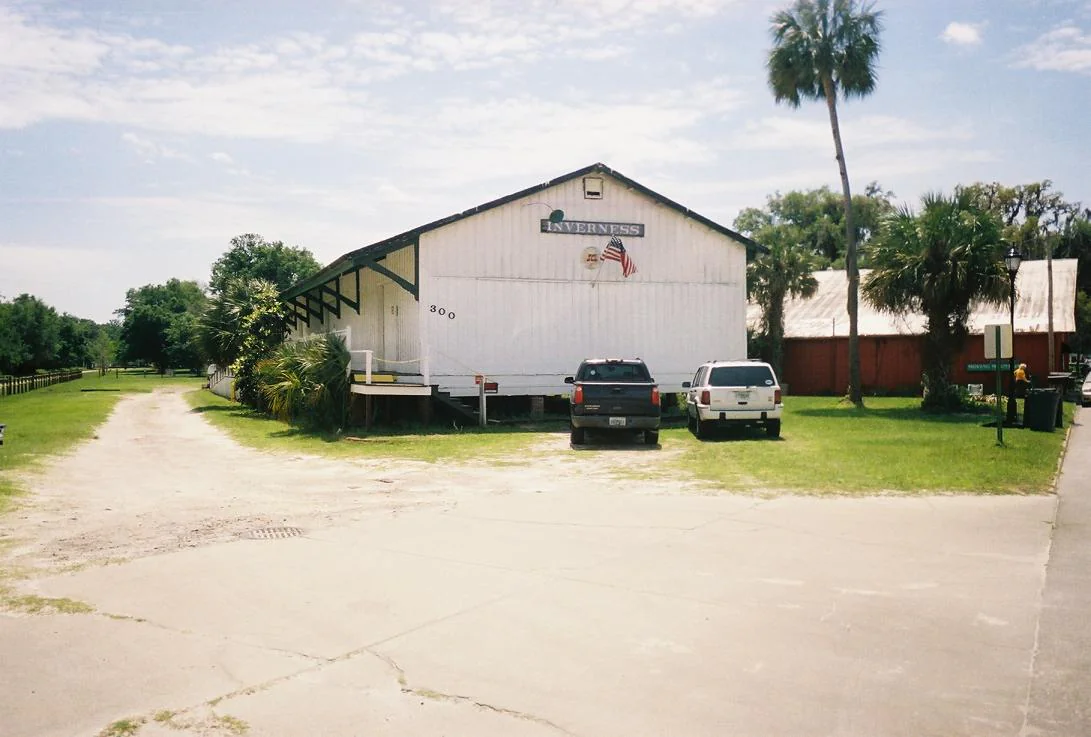
Floral City, a Canal and the Railroads
In 1883 surveyor W.H. Havron and Senator Austin Mann laid out Floral City. The town's name came from its many wildflowers and flowering trees. In 1884 the Orange State Canal was dug, giving steamboats a way onto the Withlacoochee River and farther.
The railroad reached Crystal River in 1888. In the late 1800s Henry Plant built a line from Croom to Inverness, which completed his Plant System's West Coast Route. The Inverness Depot went up in 1892. When Plant System tracks were laid near the west side of Floral City in 1893, fast trains soon beat the slow steamboats, and steamboat travel faded. The town's business center moved uptown to the rail line.
In 1902 the Plant System became the Atlantic Coast Line. Much later, in December 1989, the state bought 46 miles of the old rail line from CSX Transportation to make the Withlacoochee State Trail. The state's Florida Rails to Trails Program made it one of its first purchases.
Sources: Florida Department of State: Historic Floral City historical marker; City of Crystal River: History of Crystal River; Florida State Parks: Withlacoochee State Trail History
Next: Chapter 5, Citrus County Is Created, 1887 →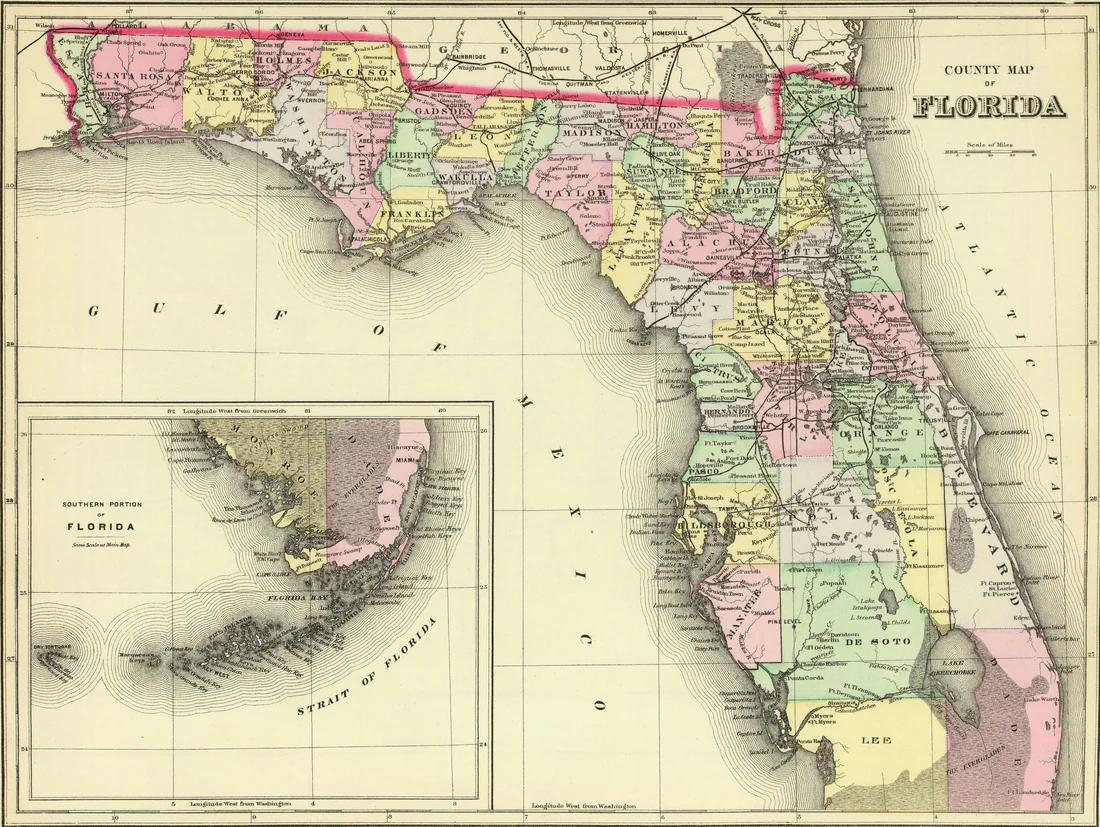
Citrus County Is Created, 1887
Citrus County was created on June 2, 1887, from part of Hernando County. It was Florida's 44th county. The law that created it cut Hernando County into three parts, making Citrus, Pasco and a new Hernando.
By tradition, the first white settlers here found wild orange trees growing in great numbers. The county took its name from that story, a 1936 state history sketch says.
The law made Mannfield the temporary county seat for two years. The court system's history says Mannfield was chosen because it sat near the center of the county. Austin S. Mann had named the town for himself. He owned much of the land nearby and wanted the courthouse to stay put.
Sources: Fifth Judicial Circuit of Florida: Citrus County Courthouse; Citrus County Chronicle: Mannfield became the temporary county seat; Florida Memory: Historical Sketch of Citrus County (Historical Records Survey, 1936)
Next: Chapter 6, The Night the County Seat Moved to Inverness →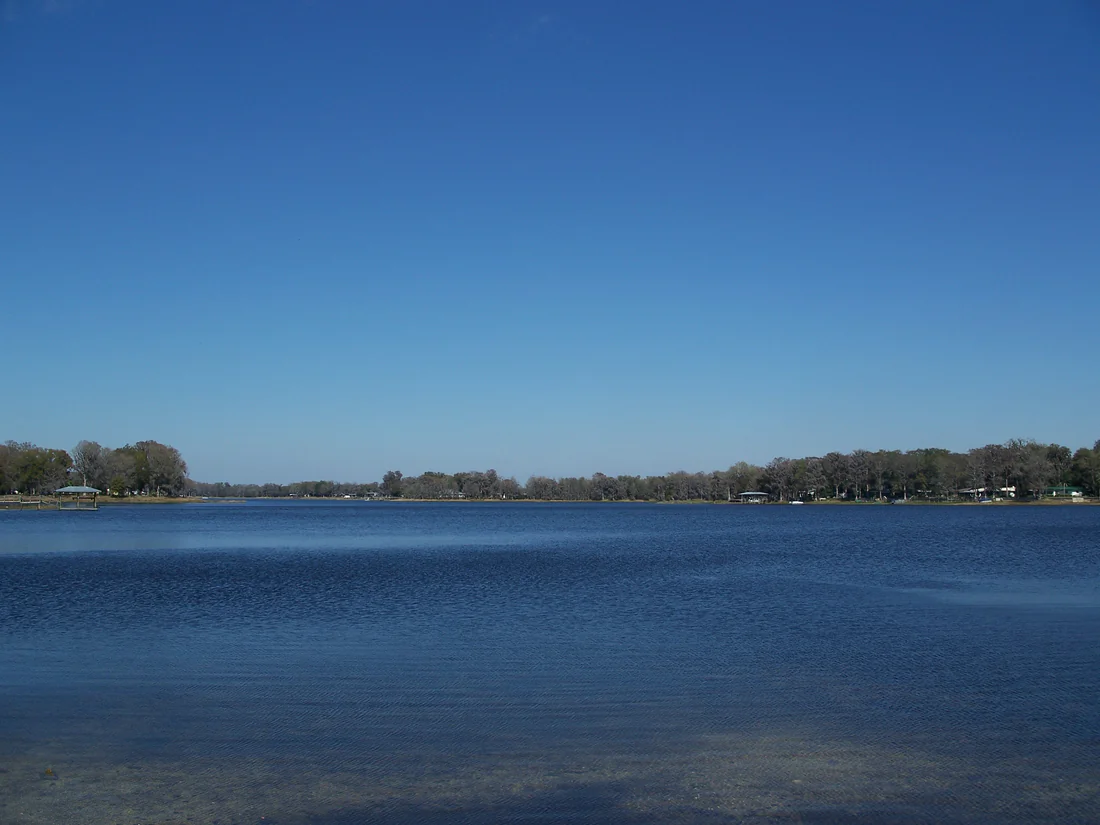
The Night the County Seat Moved to Inverness
The city of Inverness says the town began as Tompkinsville, an 1860s community named for A. D. Tompkins. The city says the name changed to Inverness because of the blue water of Tsala Apopka Lake. A Historical Society writer says downtown grew from three separate villages, Tompkinsville, LaBelle and Inverness, and that no record shows for certain who named Inverness.
In 1891 Inverness became the permanent seat of the county. A Chronicle history column gives the tally as Inverness 267, Lecanto 258 and Gulf Junction one. A pro-Mann lawyer rode to Dade City to find a circuit judge, and the other side decided to act before a court order could stop them. While that lawyer slept in Tampa, they used horses and wagons to carry off everything that could be moved. By 8 a.m. the next day, Inverness held the county seat.
County clerk W.C. Zimmerman was against the move and would not leave his office. On the lawyers' advice, the sheriff had him lifted, chair and all, into a wagon. The land for the county's first courthouse was a gift from the Florida Canal and Transit Company. By 1936 nothing was left of Mannfield but a memory, the state history sketch said.
Sources: City of Inverness: History; Fifth Judicial Circuit of Florida: Citrus County Courthouse; Citrus County Historical Society: How Did Inverness Get Its Name?; Florida Department of State: Historic Citrus County Courthouse historical marker; Citrus County Chronicle: Mannfield became the temporary county seat; Florida Memory: Historical Sketch of Citrus County (Historical Records Survey, 1936)
Next: Chapter 7, Oranges, Cedar and the Phosphate Boom →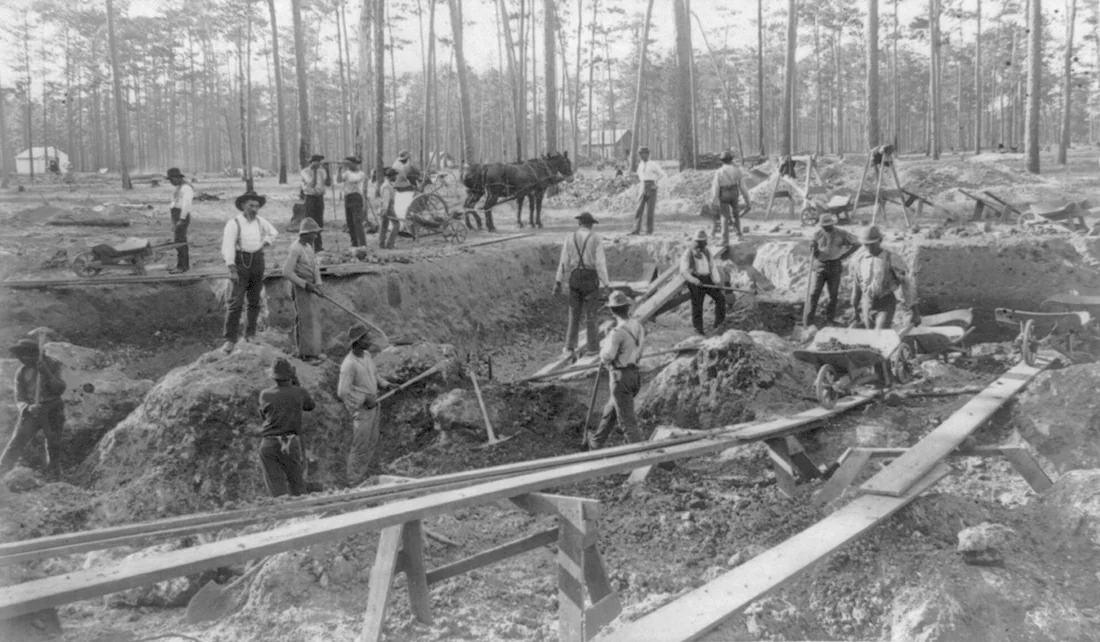
Oranges, Cedar and the Phosphate Boom
The Big Freeze of 1894 to 1895 destroyed most citrus groves across the county, the city of Crystal River says. The 1936 sketch says the 1895 freeze brought the lowest temperature the state had known and left thousands of acres of groves ruined. Among Crystal River's largest industries was the Dixon Cedar Mill. It cut pencil boards and shipped them to Jersey City, New Jersey, first by boat and later by rail.
The Florida phosphate boom started in the 1890s, and soon a dozen mines were working around Floral City. Miners pushed the village's population to nearly 10,000. In 1909 a state geologist's report counted 34 phosphate plants operating in Citrus County. World War I brought the trade to a sudden stop in 1914. With phosphate gone, Floral City went back to being a small farming community.
Sources: City of Crystal River: History of Crystal River; Florida Memory: Historical Sketch of Citrus County (Historical Records Survey, 1936); Florida Department of State: Historic Floral City historical marker; Citrus County Chronicle: 1894 (history series)
Next: Chapter 8, The Etna Camp and the Carver School →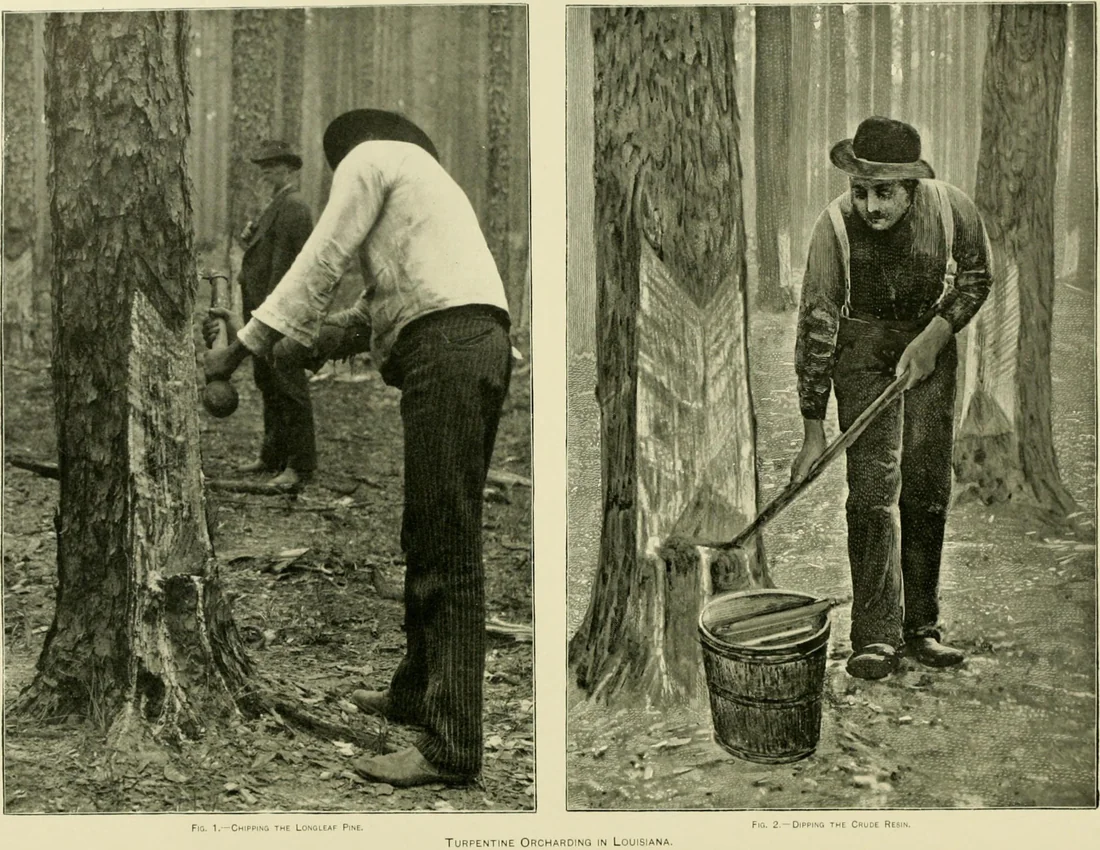
The Etna Camp and the Carver School
The Etna Turpentine Camp was a camp for turpentine and lumber work from 1898 to 1926. In the industry, workers scraped strips of bark from longleaf pines and gathered the resin. The products were called naval stores because ships used so much of them. Across the industry, laborers were mostly African Americans and prisoners, forced to work under harsh conditions. At its peak in 1905, more than 200 workers lived at Etna, most of them African American, and the camp had over 50 buildings.
In 1993 a survey for a gas pipeline turned up the camp's remains. In 2009 the site gained a place on the National Register of Historic Places.
In 1923 the George Washington Carver School began teaching Black students in the elementary and middle school grades. It closed in 1968, after desegregation. A community center named for Carver now stands where the school was. In 2023 a local exhibit on the school, with a diorama, went on display at the center. Andrea McCray told Bay News 9 that her family were Crystal River pioneers who arrived before Citrus County was created.
Sources: Florida Department of State: Etna Turpentine Camp (1898-1926) historical marker; Bay News 9: Citrus County's rich Black history now on display
Next: Chapter 9, A New Courthouse, Two Cities and the Land Boom →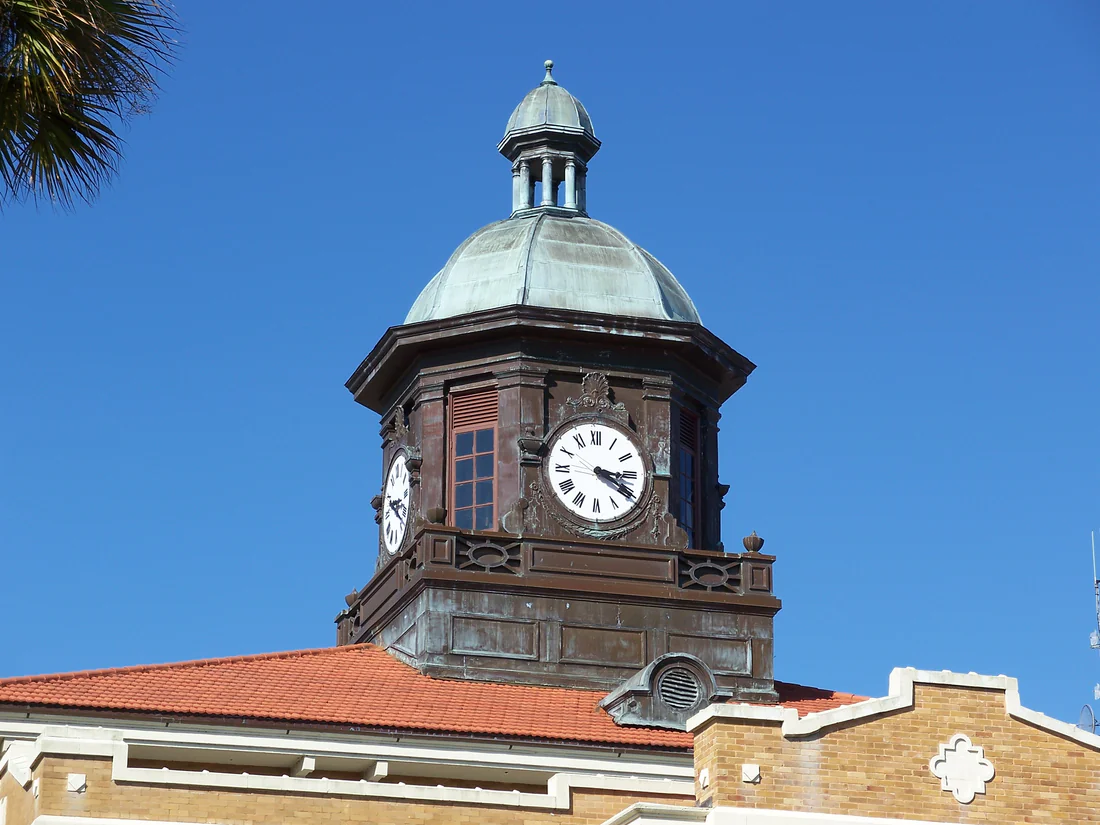
A New Courthouse, Two Cities and the Land Boom
In 1912 Inverness got a new courthouse, which took the place of a wooden Victorian courthouse on the square. Tampa architect Willis R. Biggers designed it, and it cost $55,885. Its design blends features of four different architectural styles. It has a copper cupola and a clock face on each of its four sides.
Inverness became an incorporated city on March 6, 1919. Crystal River, a town since 1903, gained city status on July 3, 1923.
In 1924, with the boom at its peak, a firm called the Florida West Coast Development Company purchased several thousand acres at Homosassa Springs. Its plans showed 700 home sites, three country clubs, a golf course, parks, plazas and boulevards. When the boom collapsed in 1926, the plans were quickly given up. A surviving stretch of the original sidewalk still shows the City Beautiful look, and a state marker tells its story.
Sources: Citrus County Historical Society: Our History; Florida Department of State: Historic Citrus County Courthouse historical marker; City of Inverness: 1 Courthouse Sq; Fifth Judicial Circuit of Florida: Citrus County Courthouse; City of Inverness: History; City of Crystal River: History of Crystal River; Florida Department of State: Florida Boom Sidewalk historical marker
Next: Chapter 10, Elvis, Lu the Hippo and the Manatees →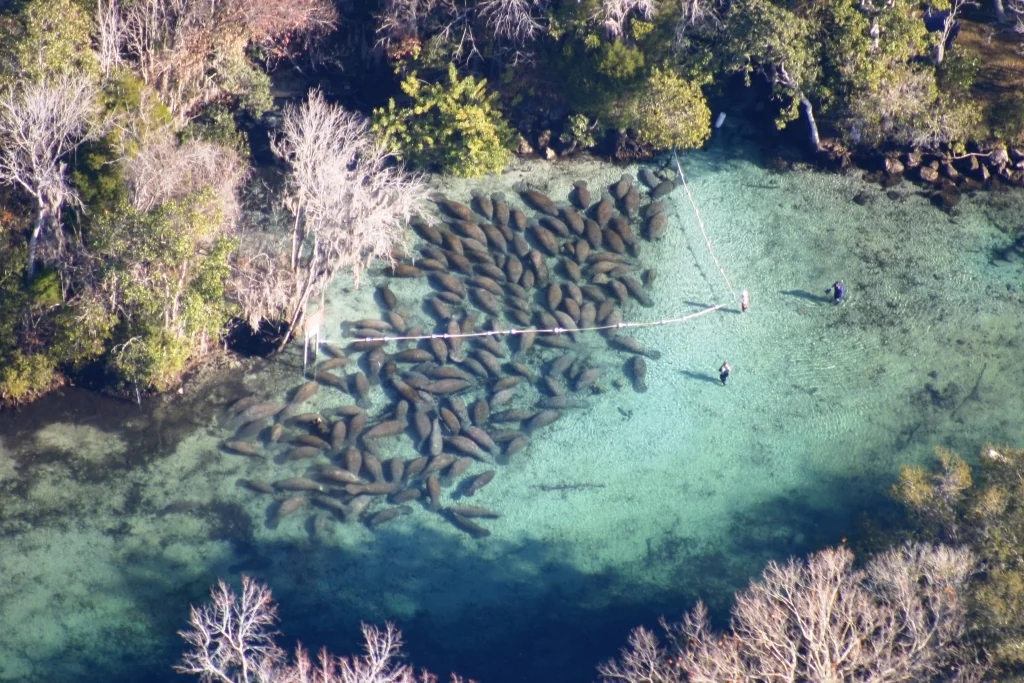
Elvis, Lu the Hippo and the Manatees
Elvis Presley came to Inverness in the summer of 1961 to make the movie Follow That Dream. He shot the movie's big courtroom scene in the 1912 courthouse, the building that houses the Old Courthouse Heritage Museum today. In the 1960s developer Sam Kellner promoted his Beverly Hills development with the slogan the Alps of Florida, and it drew many newcomers.
The Norris Development Company bought Homosassa Springs in 1964 and expanded the attraction. That same year the attraction got Lu, a hippo born on January 26, 1960, at the San Diego Zoo. Lu worked in television and movies as one of the Ivan Tors Animal Actors, and he appeared in Daktari and Cowboy in Africa. Later the Citrus County Commission bought the attraction to keep it safe as a sensitive natural area, until the state could buy it. The state park service bought it from the county on January 1, 1989, and it is now Ellie Schiller Homosassa Springs Wildlife State Park.
In 1975 the federal Office of Endangered Species named Kings Bay, the Crystal River and the Homosassa River as critical habitat for manatees. In 1982 pilings were set at the mouth of Three Sisters Springs to limit boats. The Crystal River National Wildlife Refuge came next, in 1983, and the U.S. Fish and Wildlife Service calls it the only refuge set up specifically to protect the threatened Florida manatee. In the 1980s Citrus County received the title Florida Manatee Capital.
Sources: Citrus County Chronicle: Elvis Presley came to Citrus County 50 years ago; Citrus County Chronicle: 1960 (history series); Florida State Parks: Ellie Schiller Homosassa Springs Wildlife State Park History; Florida State Parks: Remembering Lu the Hippo; WUFT: Lu the hippo, a former TV star and honorary Floridian, dies at 65; Florida State Parks: Ellie Schiller Homosassa Springs Wildlife State Park (road trip guide); Citrus County Chronicle: 1970 (history series); U.S. Fish and Wildlife Service: Crystal River National Wildlife Refuge, About Us; Citrus County Chronicle: 1980 (history series)
Next: Chapter 11, Since 1990: A Courthouse Museum, Three Sisters Springs and Lu the Hippo →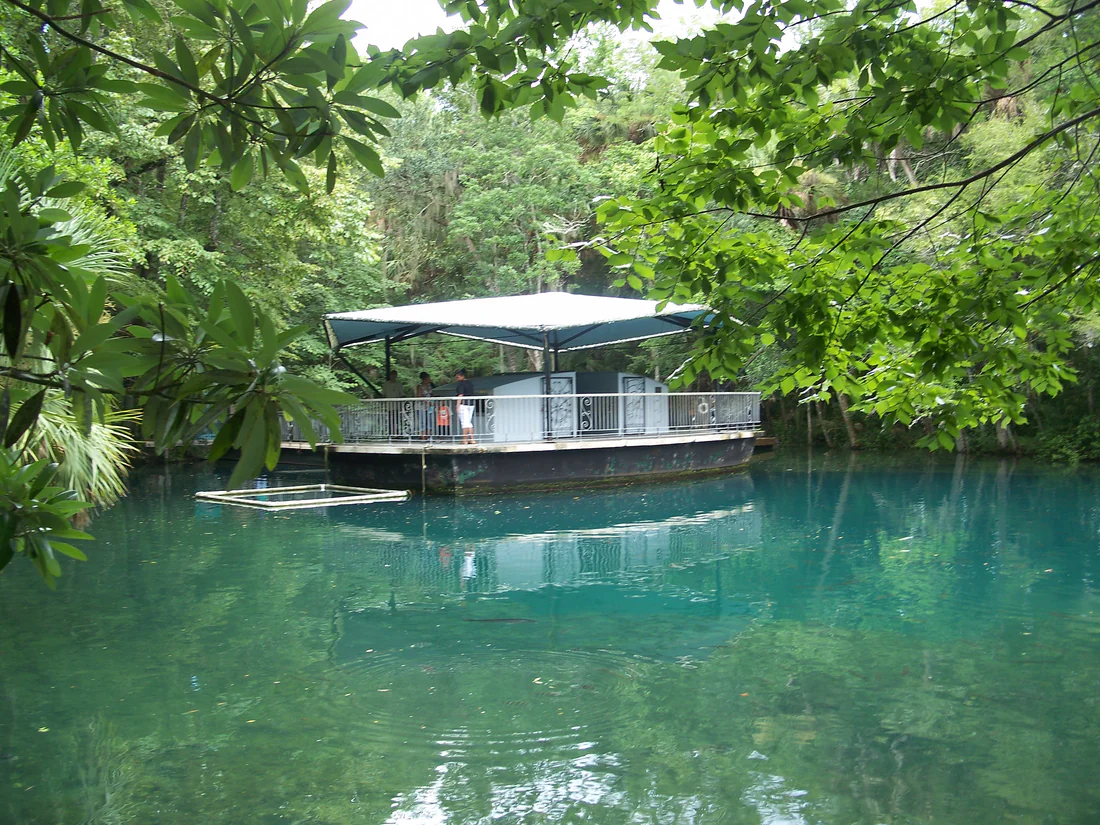
Since 1990: A Courthouse Museum, Three Sisters Springs and Lu the Hippo
In June 1990 the Crystal River mound site became a National Historic Landmark. By the 1990s the empty 1912 courthouse looked likely to be torn down. It joined the National Register of Historic Places in 1992, and an eight-year restoration followed. In 2000 it reopened as a museum, the Old Courthouse Heritage Museum.
Public support moved Governor Lawton Chiles to exempt Lu in 1991 and to name him an honorary Florida citizen. He became the last exotic animal left in the park from the old attraction days. Lu died peacefully on June 8, 2025. He was 65, and the park says he was the oldest known hippo in the world.
Three Sisters Springs in Crystal River was close to being turned into housing until partners raised money and bought it in 2010. The public could first visit in November 2014, walking a boardwalk with seven viewing areas. In 2022 the refuge dedicated a new visitor center and headquarters where Hurricane Hermine had destroyed the old office in 2016. On New Year's Eve 2025, hundreds of manatees crowded into Three Sisters Springs to stay warm, with the air at about 35 degrees.
Sources: Florida Department of Environmental Protection: Crystal River Archaeological State Park, Park Chapter 1; Citrus County Historical Society: Our History; Florida State Parks: Ellie Schiller Homosassa Springs Wildlife State Park (road trip guide); Florida State Parks: Remembering Lu the Hippo; WUFT: Lu the hippo, a former TV star and honorary Floridian, dies at 65; Florida State Parks: Ellie Schiller Homosassa Springs Wildlife State Park History; Citrus County Chronicle: USFWS, partners celebrate Three Sisters Springs improvements, reopening of refuge headquarters; U.S. Fish and Wildlife Service: Crystal River National Wildlife Refuge, About Us; Southwest Florida Water Management District: Three Sisters Springs Property Open to the Public; Citrus County Chronicle: Editorial: USFWS celebrates reopening of refuge headquarters; WWSB ABC7 Sarasota: Watch: Hundreds of manatees spending New Year's Eve in Crystal River
Next: the whole story, in dates →The whole story, in dates
People first settle the Crystal River mound site.
Hernando de Soto finds the village of Tocaste near today's Floral City.
The Second Seminole War starts.
General Winfield Scott begins a campaign against the Seminoles.
The Armed Occupation Act brings American settlers.
Yulee's sugar mill runs on the Margarita Plantation.
Union soldiers burn Yulee's home and plantation.
Floral City is surveyed and laid out.
The Orange State Canal opens a steamboat route to the Withlacoochee River.
Citrus County is created from part of Hernando County, with Mannfield as its temporary seat.
The railroad reaches Crystal River.
Inverness becomes the permanent county seat, and the county's belongings move there overnight by wagon.
Plant System tracks are laid near Floral City, and its business center moves to the rail line.
The Big Freeze destroys most of the county's citrus groves.
The Etna camp produces turpentine and lumber.
Clarence B. Moore makes the first recorded find of the Crystal River mound.
Inverness gets its new courthouse.
World War I halts the phosphate trade.
Inverness becomes an incorporated city.
The George Washington Carver School opens.
Crystal River becomes a city.
The land boom collapses, and the plans for Homosassa Springs are dropped.
Elvis Presley films Follow That Dream in Inverness.
Crystal River Archaeological State Park begins with a gift of 14.5 acres.
Lu the hippo comes to Homosassa Springs.
The Carver School closes.
Fort Cooper State Park is created.
The Crystal River National Wildlife Refuge is set up to protect manatees.
The state buys the old rail line for the Withlacoochee State Trail.
The Crystal River mound site becomes a National Historic Landmark.
Lu the hippo becomes an honorary Florida citizen.
The 1912 courthouse joins the National Register of Historic Places.
The courthouse reopens as the Old Courthouse Heritage Museum.
Partners buy Three Sisters Springs.
Three Sisters Springs opens to the public.
Lu the hippo dies at 65.
Hundreds of manatees crowd into Three Sisters Springs to keep warm on New Year's Eve.
Where you can still see it
 01
Crystal River Archaeological State Park
Goes with: The Mound Builders of Crystal River
Open the place page →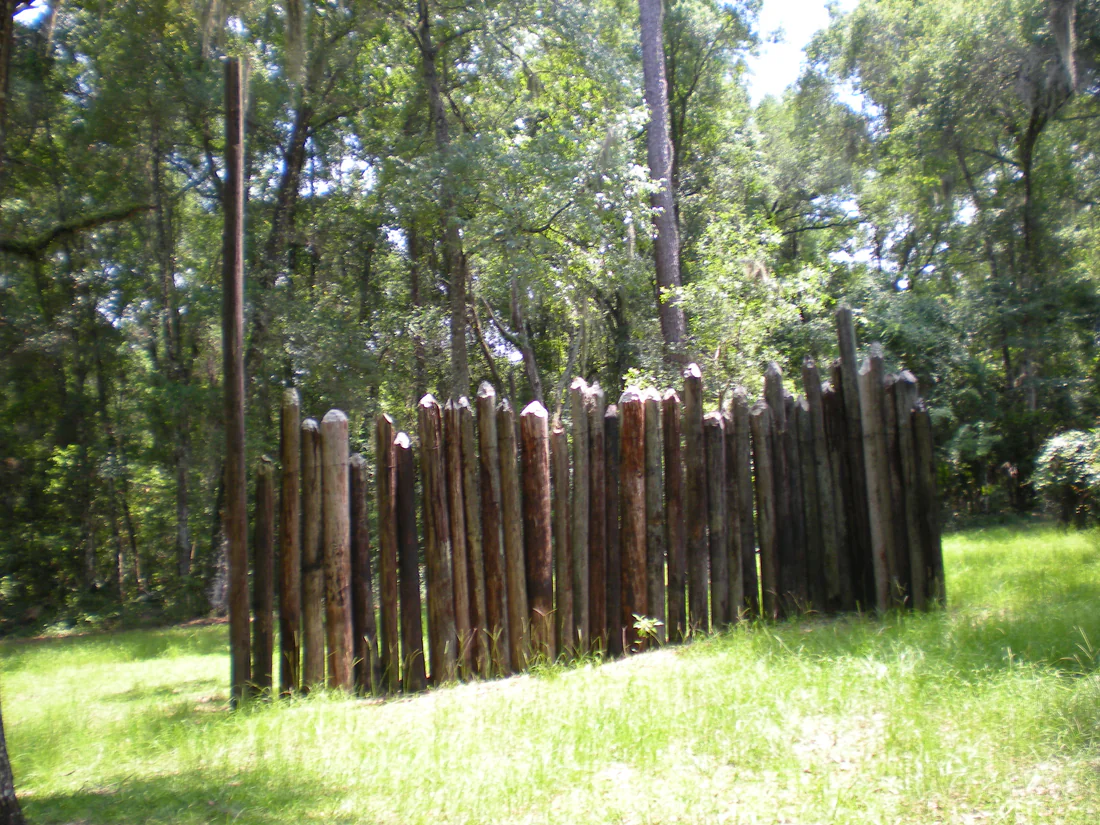 02
 03
Yulee Sugar Mill Ruins Historic State Park
Goes with: Settlers and the Yulee Sugar Mill
Open the place page →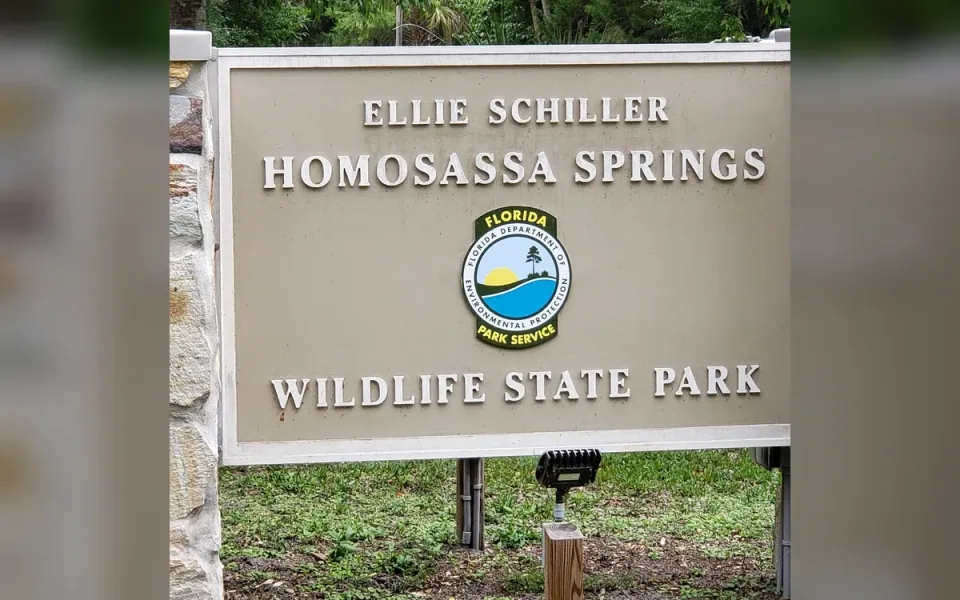 04
Ellie Schiller Homosassa Springs Wildlife State Park
Goes with: Elvis, Lu the Hippo and the Manatees
Open the place page →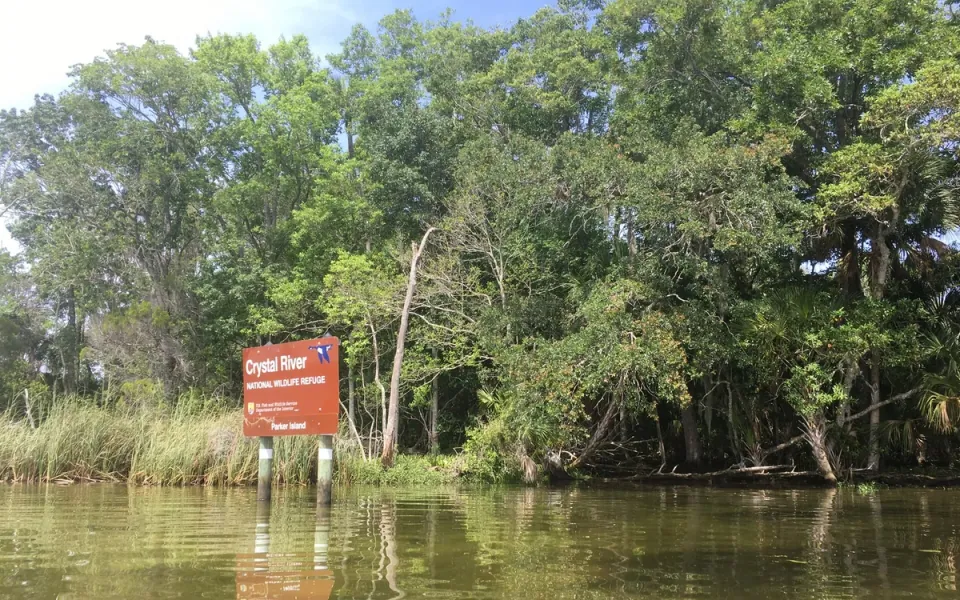 05
Crystal River National Wildlife Refuge
Goes with: Elvis, Lu the Hippo and the Manatees
Open the place page →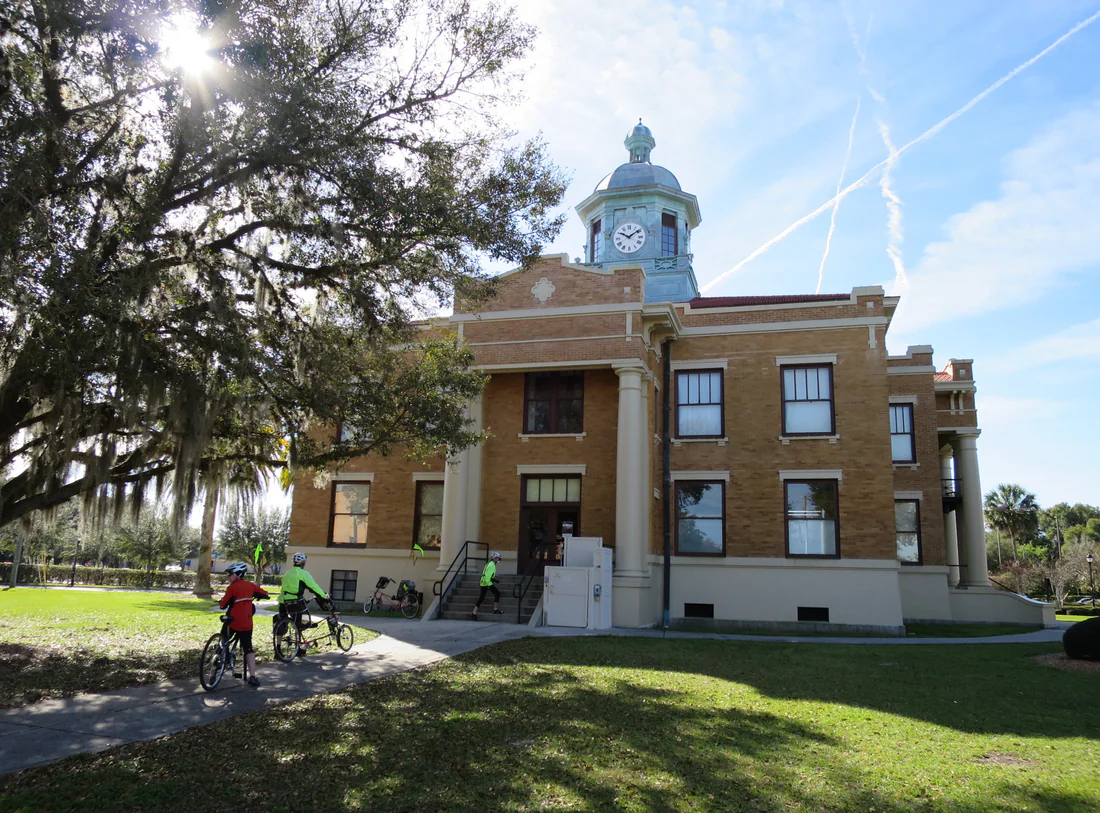 06
Old Courthouse Heritage Museum
Goes with: Since 1990: A Courthouse Museum, Three Sisters Springs and Lu the Hippo
Open the place page →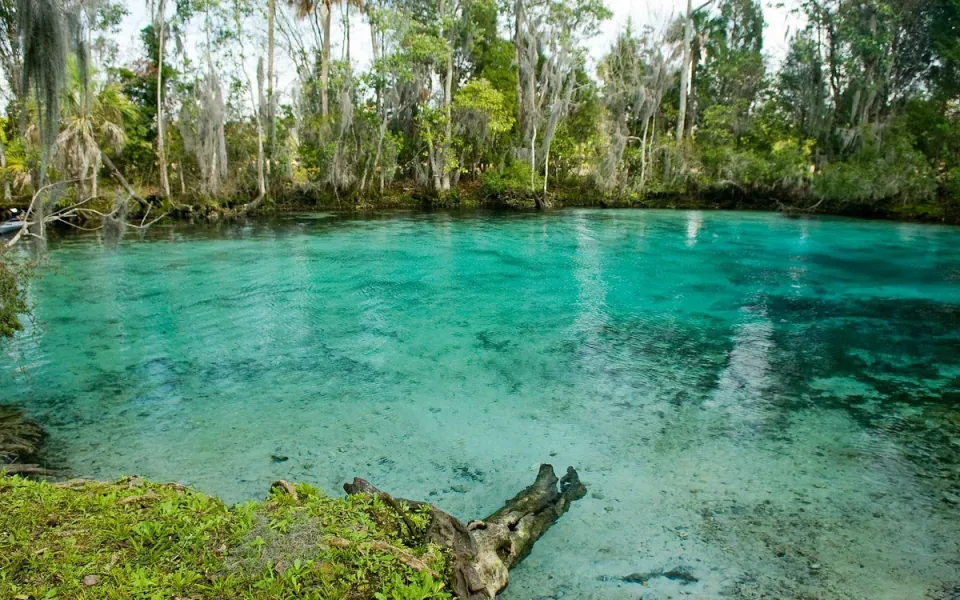 07
Three Sisters Springs
Goes with: Since 1990: A Courthouse Museum, Three Sisters Springs and Lu the Hippo
Open the place page → 08
Floral City historical marker
Goes with: Floral City, a Canal and the Railroads
the state historical marker for Historic Floral City →Questions people ask
When was Citrus County created?
Citrus County was created on June 2, 1887, from part of Hernando County.
Chapter 5 →How did Citrus County get its name?
By tradition, the first white settlers found wild orange trees growing in great numbers, and the county took its name from that story.
Chapter 5 →What is the county seat of Citrus County?
In 1891 Inverness became the permanent seat of the county.
Chapter 6 →When did Elvis Presley film in Citrus County?
Elvis Presley came to Inverness in the summer of 1961 to make the movie Follow That Dream.
Chapter 10 →How old is the Crystal River mound site?
People first settled the Crystal River site about 2,500 years ago.
Chapter 1 →Where this comes from.
Last updated October 18, 2026.
- Florida State Parks: Crystal River Archaeological State Park ↗ Read October 18, 2026
- Florida State Parks: Crystal River Archaeological State Park History ↗ Read October 18, 2026
- Florida Department of Environmental Protection: Crystal River Archaeological State Park, Park Chapter 1 ↗ Read October 18, 2026
- Florida State Parks: Digging into the Past ↗ Read October 18, 2026
- Florida State Parks: Crystal River Archaeological Museum ↗ Read October 18, 2026
- Florida Department of State: Historic Floral City historical marker ↗ Read October 18, 2026
- Florida State Parks: History of Fort Cooper ↗ Read October 18, 2026
- Florida Memory: Historical Sketch of Citrus County (Historical Records Survey, 1936) ↗ Read October 18, 2026
- Florida State Parks: Yulee Sugar Mill Ruins Historic State Park ↗ Read October 18, 2026
- Florida State Parks: History of Yulee Sugar Mills ↗ Read October 18, 2026
- Florida State Parks: Mill Restoration ↗ Read October 18, 2026
- City of Crystal River: History of Crystal River ↗ Read October 18, 2026
- Florida State Parks: Withlacoochee State Trail History ↗ Read October 18, 2026
- Fifth Judicial Circuit of Florida: Citrus County Courthouse ↗ Read October 18, 2026
- Citrus County Chronicle: Mannfield became the temporary county seat ↗ Read October 18, 2026
- City of Inverness: History ↗ Read October 18, 2026
- Citrus County Historical Society: How Did Inverness Get Its Name? ↗ Read October 18, 2026
- Florida Department of State: Historic Citrus County Courthouse historical marker ↗ Read October 18, 2026
- Citrus County Chronicle: 1894 (history series) ↗ Read October 18, 2026
- Florida Department of State: Etna Turpentine Camp (1898-1926) historical marker ↗ Read October 18, 2026
- Bay News 9: Citrus County's rich Black history now on display ↗ Read October 18, 2026
- City of Inverness: 1 Courthouse Sq ↗ Read October 18, 2026
- Citrus County Historical Society: Our History ↗ Read October 18, 2026
- Florida Department of State: Florida Boom Sidewalk historical marker ↗ Read October 18, 2026
- Citrus County Chronicle: Elvis Presley came to Citrus County 50 years ago ↗ Read October 18, 2026
- Citrus County Chronicle: 1960 (history series) ↗ Read October 18, 2026
- Florida State Parks: Ellie Schiller Homosassa Springs Wildlife State Park History ↗ Read October 18, 2026
- Florida State Parks: Ellie Schiller Homosassa Springs Wildlife State Park (road trip guide) ↗ Read October 18, 2026
- Florida State Parks: Remembering Lu the Hippo ↗ Read October 18, 2026
- WUFT: Lu the hippo, a former TV star and honorary Floridian, dies at 65 ↗ Read October 18, 2026
- Citrus County Chronicle: 1970 (history series) ↗ Read October 18, 2026
- Citrus County Chronicle: 1980 (history series) ↗ Read October 18, 2026
- U.S. Fish and Wildlife Service: Crystal River National Wildlife Refuge, About Us ↗ Read October 18, 2026
- Citrus County Chronicle: USFWS, partners celebrate Three Sisters Springs improvements, reopening of refuge headquarters ↗ Read October 18, 2026
- Southwest Florida Water Management District: Three Sisters Springs Property Open to the Public ↗ Read October 18, 2026
- Citrus County Chronicle: Editorial: USFWS celebrates reopening of refuge headquarters ↗ Read October 18, 2026
- WWSB ABC7 Sarasota: Watch: Hundreds of manatees spending New Year's Eve in Crystal River ↗ Read October 18, 2026