The Florida Legislature created Martin County in 1925 from parts of Palm Beach and St. Lucie counties. Its name honors John W. Martin, Florida's governor from 1925 to 1929, and Stuart is its county seat. Stuart was once called the Sailfish Capital of the World, and Jensen was known as the Pineapple Capital. Its history reaches back about 4,000 years, to the building of the Mount Elizabeth Mound.
This page tells the story in order, from the Mount Elizabeth Mound and the Ais to a museum in the old feed store, a new village and the county's 100th birthday, then lists places in the county where you can still see it. The sources for each part are named at the end of that part, and all of them are listed at the bottom of the page.
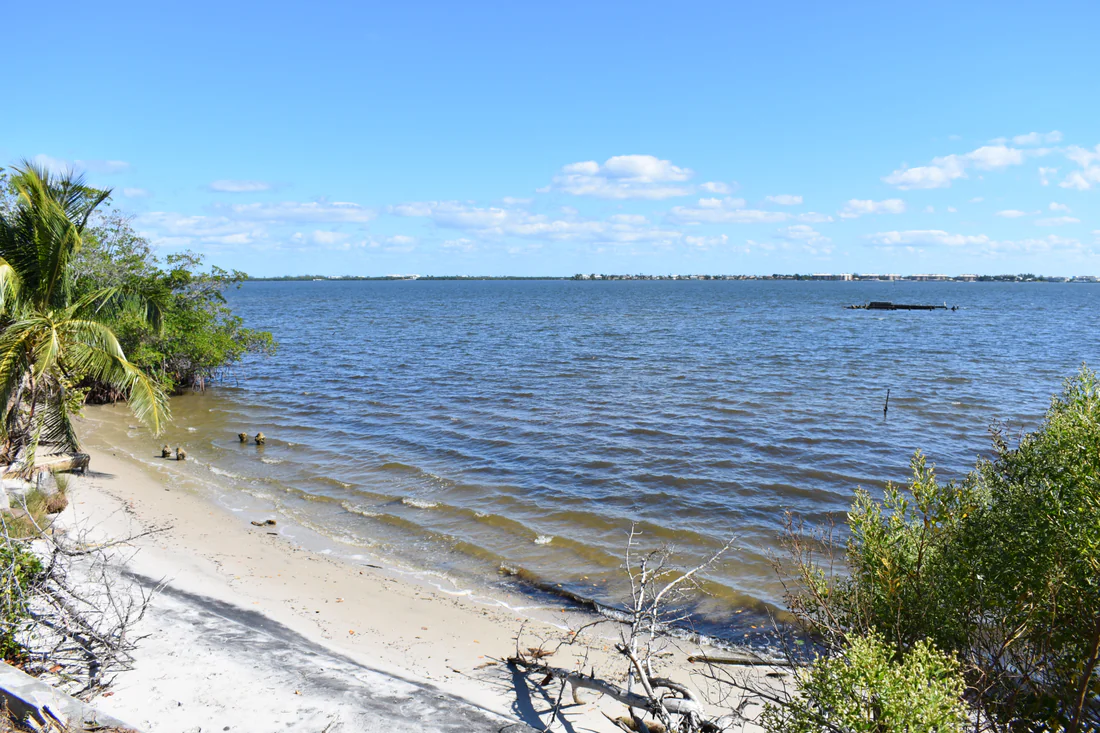
The first peoples: a shell mound and the Ais
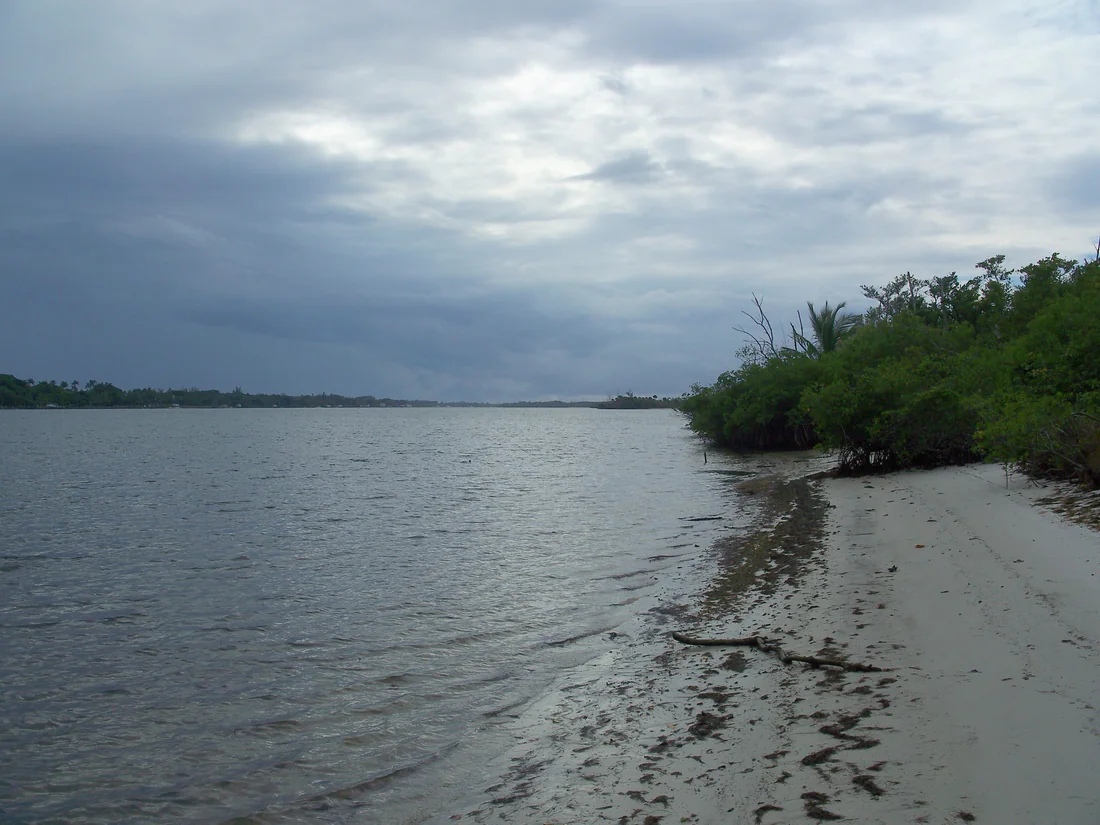
The Mount Elizabeth Mound in Jensen Beach was built about 4,000 years ago, in the Late Archaic Period. People lived there from 4,000 to 800 years ago. Much of the mound is shell, taken from the nearby lagoon and the Atlantic Ocean. The state marker says the site is the southernmost sign of fiber-tempered pottery on Florida's east coast.
The Ais were a Native American people of Florida's Atlantic coast. The Ais lived in villages and towns beside the great lagoon that the Spanish called Rio de Ais, now the Indian River. According to Jonathan Dickinson's account, the chief at Jece, near today's Vero Beach, was over all the coastal towns from about Cape Canaveral south to Jobe, a Jaega town at Jupiter Inlet.
Sources: Florida Department of State: Mount Elizabeth Mound historical marker; Trail of Florida's Indian Heritage: House of Refuge Museum
Next: Chapter 2, Spanish Florida and the wreck of the Reformation →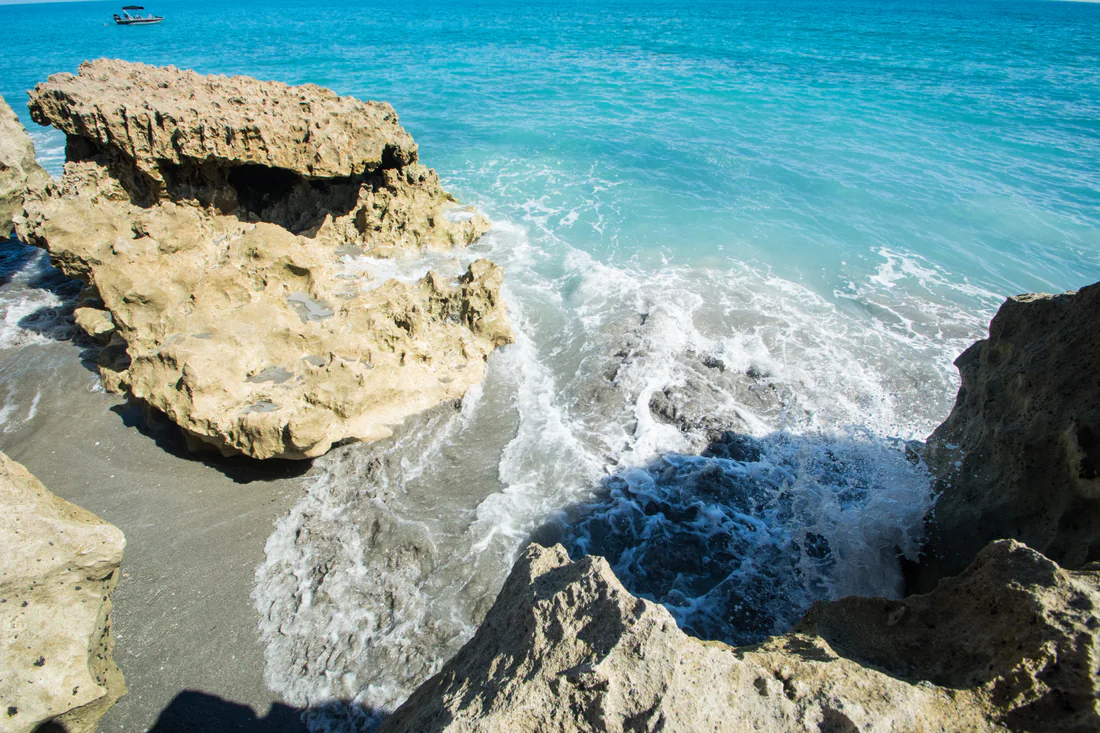
Spanish Florida and the wreck of the Reformation
The Spanish came to know the Ais in the middle of the 1500s. In 1566 Pedro Menéndez de Avilés, who founded St. Augustine, set up a fort and a mission in an Ais town, which the Spanish named Santa Lucía. After an Ais attack killed 23 Spanish soldiers, the Spanish left the fort and mission.
On September 23, 1696, the British ship Reformation was wrecked off Jupiter Island. Among the 24 people who survived was a group of Quakers on their way from Jamaica to Pennsylvania. Their leader, the merchant Jonathan Dickinson, told what happened to them in his book, God's Protecting Providence. The Jobe (Hoe-Bay) Indians took the party captive. Jonathan Dickinson State Park is named for him.
Pushed north, the survivors reached St. Augustine in November 1696. War and disease killed the Jobe people soon afterward. The Mount Elizabeth marker says that when Spain handed Florida to Britain in 1763, the remaining Native Floridians chose to leave for Cuba, sailing from Biscayne Bay that fall.
Sources: Trail of Florida's Indian Heritage: House of Refuge Museum; Florida Department of State: Jonathan Dickinson Shipwreck historical marker; Florida State Parks: Jonathan Dickinson State Park brochure; Florida Department of State: Mount Elizabeth Mound historical marker
Next: Chapter 3, Seminole camps and the House of Refuge, 1800s to 1876 →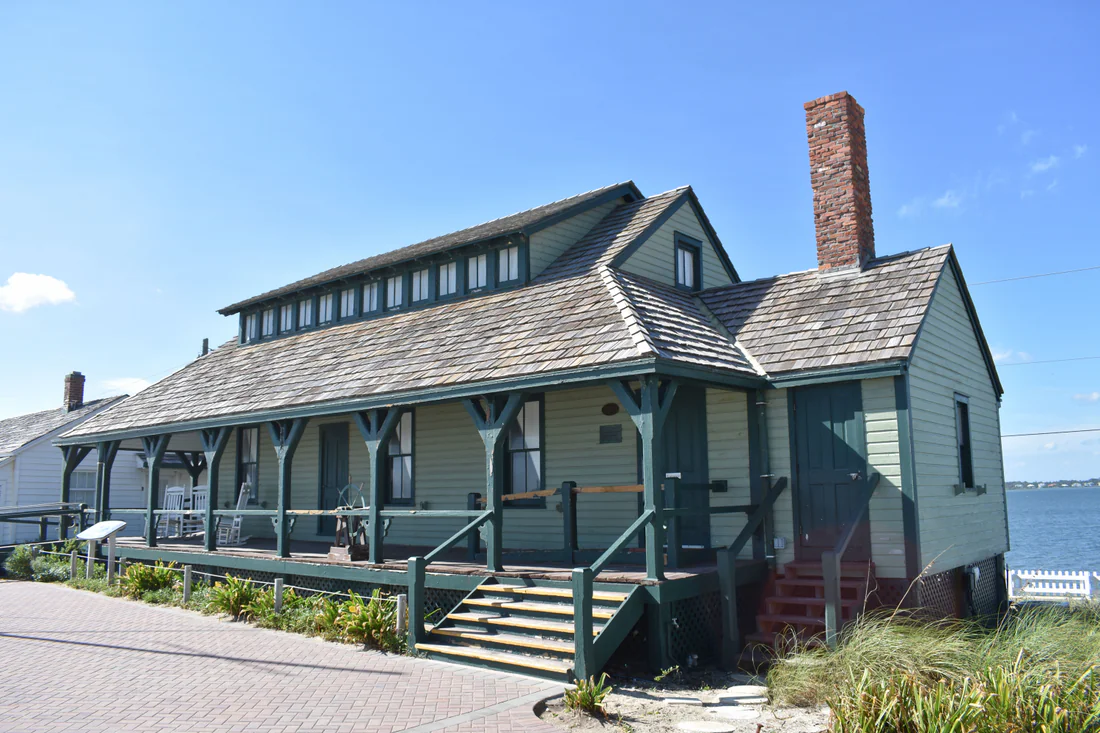
Seminole camps and the House of Refuge, 1800s to 1876
The Seminole settled the area around today's Indiantown early in the 1800s, where the dry lands were good for hunting and camping. On the coast, a bad shipwreck in 1873 was one of the disasters that led to the building of the Houses of Refuge. Congress approved the station at Gilbert's Bar in June 1874. The contract for the house at Gilbert's Bar was given out on October 20, 1875.
The historical society believes work on Hutchinson Island began in January 1876 and was done by April. It was one of ten houses built along Florida's east coast to shelter shipwrecked sailors and travelers, and the United States Life-Saving Service ran them. Fred Whitehead began work as the first keeper on December 1, 1876. The Historical Society of Martin County calls it the county's oldest building. The county's tourism office says it is the only House of Refuge left.
Sources: Trail of Florida's Indian Heritage: Seminole Inn; Historical Society of Martin County: House of Refuge; Museum of Florida History: Gilbert's Bar House of Refuge; Discover Martin (Martin County tourism): House of Refuge
Next: Chapter 4, Pioneers and pineapples in the 1800s →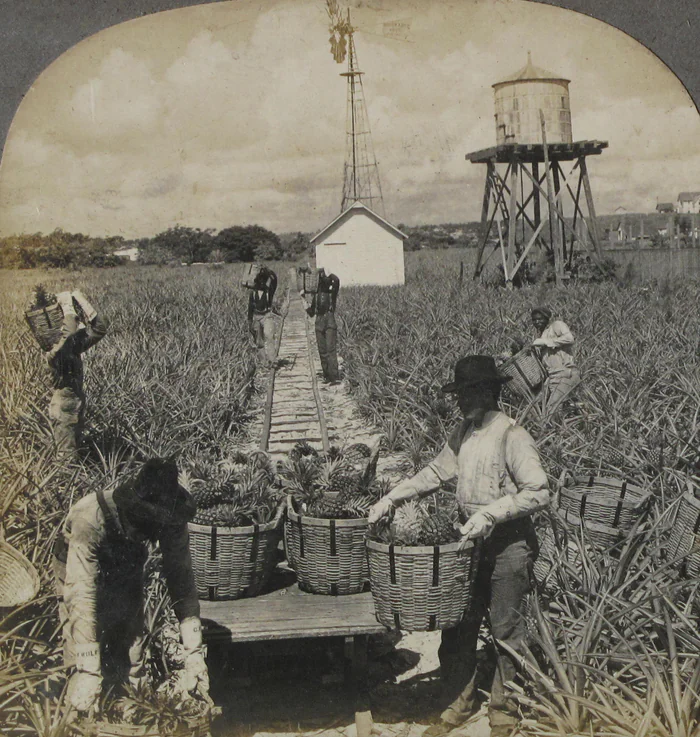
Pioneers and pineapples in the 1800s
The historical society says pineapples were grown along the Indian River from before the 1850s. In the early 1880s John Lawrence Jensen, who was born in Denmark, visited the area from Wheeling. He received his land grant in 1888, and with Indian and Bahamian workers he started to clear land and plant pineapples.
In a few years, pineapple farms of five to 600 acres stretched along the sandy ridge from Sebastian south to Hobe Sound. People began calling Jensen the Pineapple Capital. Freezes hurt the crop now and then, the worst in 1895, but the farms came back. At the height of the trade, people said the area grew a million crates of pineapples each year.
Captain Henry E. Sewall's house went up in 1889 on the point of land later named Sewall's Point. In 1891, as postmaster, he set up the Sewall's Point post office inside his own house. Walter Kitching ran a trading boat, the Sparkle, between Jupiter and Cocoa.
Sources: Historical Society of Martin County: Pineapple Capital of the World; Martin County: Captain Sewall's House; Florida Memory (State Archives of Florida): History of Martin County, Florida (WPA survey, 1936)
Next: Chapter 5, The railroad and the town of Stuart, 1890s to 1914 →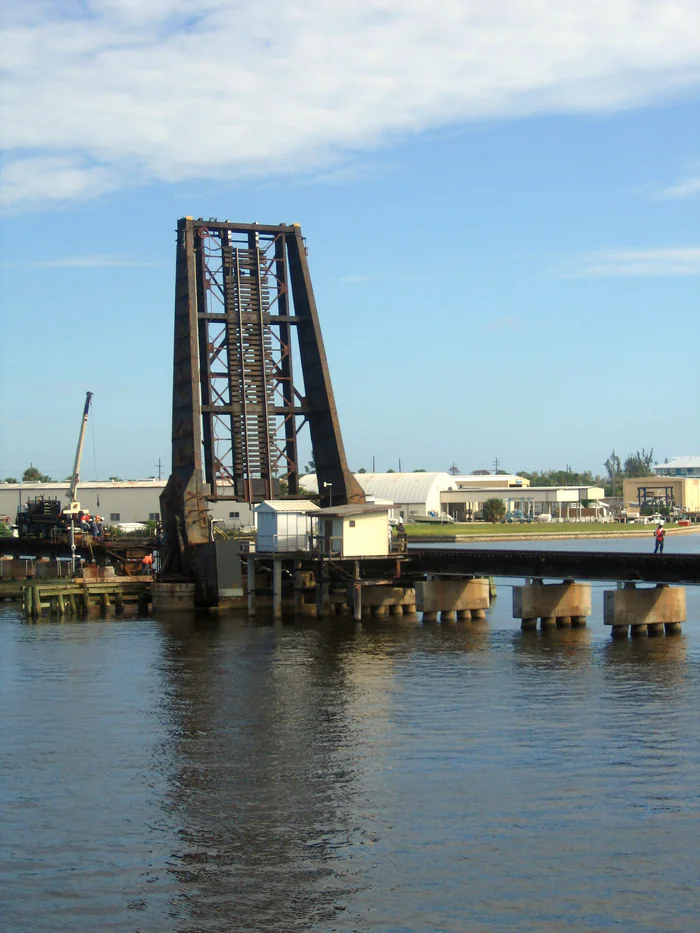
The railroad and the town of Stuart, 1890s to 1914
German settlers first named the town Potsdam, which a 1936 county history spells Pottsdam. That history names Otto Stypmann as its first postmaster.
The 1936 history says Walter Kitching wrote to Ben Carter, the railroad's superintendent in St. Augustine, asking for the name of Pottsdam to be changed. Most of the townspeople were German and would have opposed it, so the men kept their part quiet. Railroad officials later moved the depot to Pottsdam from a smaller town named Stuart on the north side of the river, and gave Pottsdam the name Stuart. WQCS says the new name honored local landowner Homer Stuart.
The Jupiter Indiantown Road linked Jupiter with Indiantown, starting in 1900 and going on until the late 1950s. A trading post on the road gave the Seminoles goods in return for hides. At least part of the building that now houses the Stuart Heritage Museum first opened as a grocery in July 1901. Stuart was incorporated as a town on May 7, 1914. That year Kitching took charge of Stuart's first bank as its president.
Sources: WQCS: Stuart Turns 100; Florida Memory (State Archives of Florida): History of Martin County, Florida (WPA survey, 1936); Florida Department of State: Jupiter Indiantown Road historical marker; TCPalm (on AOL): Will the Stuart Heritage Museum stay on the downtown waterfront?
Next: Chapter 6, Martin County is created, 1925 →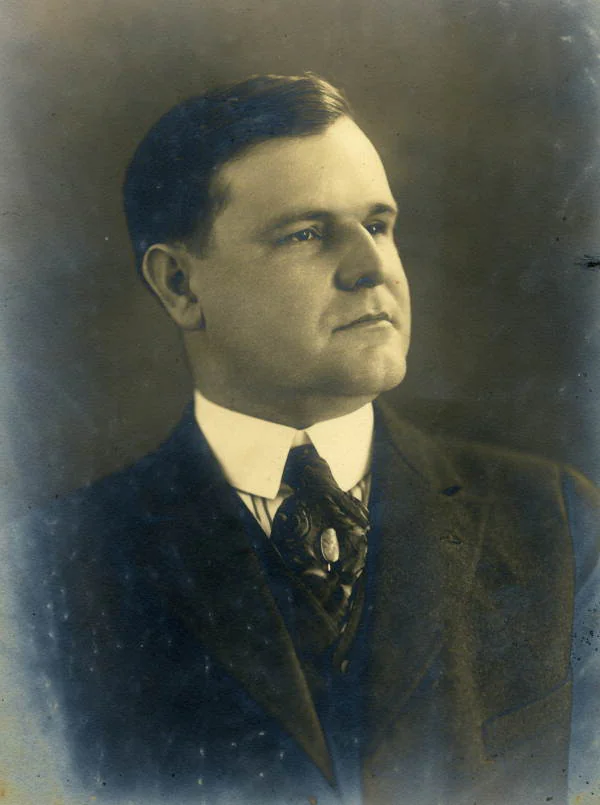
Martin County is created, 1925
The Florida Legislature created Martin County during its 1925 session. Its land came from the north end of Palm Beach County, plus a small piece of St. Lucie County. The bill passed the legislature in only eight weeks. Sources give different days for the county's start. The State Archives of Florida dates the act June 3, 1925, and the National Register report on the old courthouse says it was ratified on August 5, 1925.
The county took its name from John W. Martin, Florida's governor from 1925 to 1929. Stuart became the county seat, first for five years on a temporary basis and then for good.
The Stuart Chamber of Commerce built the Stuart Welcome Arch, finished in 1926, to celebrate the new county. It greeted travelers heading south on the Dixie Highway. Its lettering read "Stuart - Atlantic Gateway to the Gulf of Mexico," which referred to the canal across the state through Lake Okeechobee.
Sources: Florida Memory (State Archives of Florida): History of Martin County, Florida (WPA survey, 1936); National Park Service: National Register of Historic Places Registration Form, Old Martin County Court House; Florida Memory (State Archives of Florida): An Act Providing for the Creation of Martin County; Martin County: About Martin County; University of South Florida, Florida Center for Instructional Technology: Martin County maps; Martin County: Stuart Welcome Arch; Florida Department of State: Stuart Welcome Arch historical marker
Next: Chapter 7, The 1920s boom, Indiantown and the bust →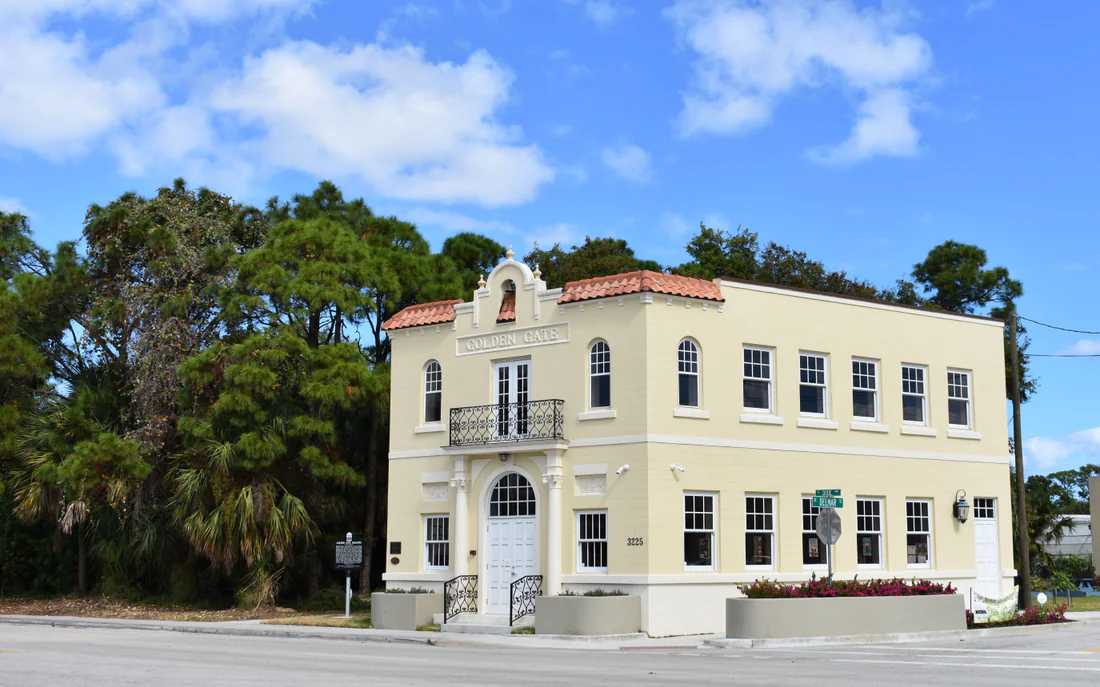
The 1920s boom, Indiantown and the bust
In 1925 R. L. Robb Construction Co. built the Golden Gate Building as the office of the Golden Gate Development Company. The Port Sewall post office moved in during 1926, and it served as town hall once Port Sewall incorporated in 1927. Crowds came in March 1926 when the Lyric Theatre opened in Stuart as a silent movie house.
The Baltimore banker S. Davies Warfield came to Indiantown in the 1920s. He wanted Indiantown to be the main southern base of his Seaboard Air Line Railroad. Warfield built the Seminole Inn, a 1925 landmark, meaning it to be the center of his new town. Warfield's niece, Wallis Warfield Simpson, the future Duchess of Windsor, stayed there as a guest.
The 1926 hurricane struck the state's east coast, and Florida's land boom slowed and then collapsed. The county's only bank, the Seminole, was gone by 1928, and the county's bond money went with it. The county's offices used an old schoolhouse, converted in 1908, until 1937. The county says the courthouse that followed was the first building in Martin County made to serve as a courthouse. Architect L. Phillip Clarke of West Palm Beach designed it, and the county calls it an example of Works Progress Administration building.
Sources: Florida Department of State: The Golden Gate Building historical marker; The Lyric Theatre: Name That Place; Trail of Florida's Indian Heritage: Seminole Inn; WQCS: Historic Seminole Inn of Indiantown sold for restoration; National Park Service: National Register of Historic Places Registration Form, Old Martin County Court House; Martin County: Old Martin County Courthouse
Next: Chapter 8, Betty Mae Tiger Jumper and the Salerno Colored School →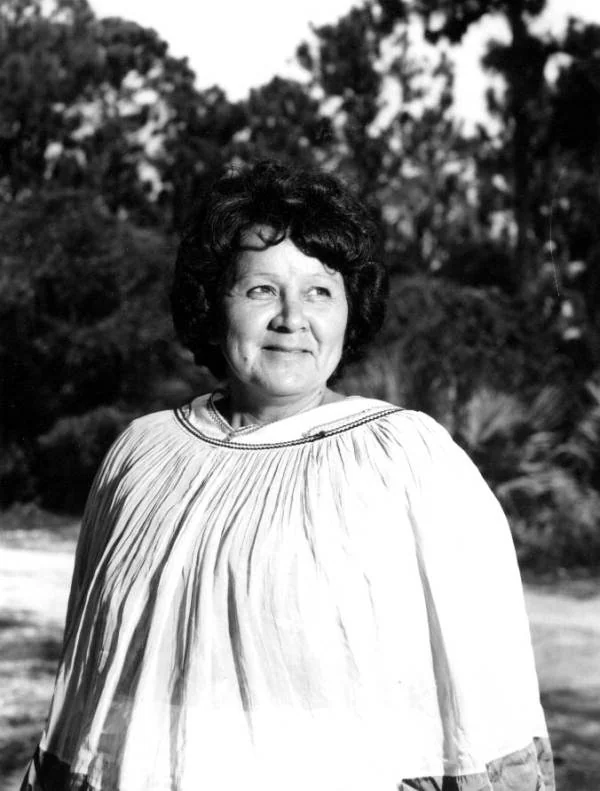
Betty Mae Tiger Jumper and the Salerno Colored School
Betty Mae Tiger Jumper was born in 1923 and lived as a young child in a Seminole camp at Indiantown. Tribal medicine men threatened her life because her father was white, so the family moved to a reservation in Dania. Segregation laws kept Seminoles out of Florida's schools, and at 14 she was sent to a boarding school for Indian students in Cherokee, North Carolina. The state marker names her as the first Florida Seminole who learned to read and write English and the first to earn a high school diploma. In 1967 the Seminole Tribe of Florida elected her its first chairwoman.
On February 22, 1934, Martin County's Board of Public Instruction dedicated the Salerno Colored School. The one-room frame school was a Civil Works Administration project. The marker calls it one of Martin County's first public schools for African American children, who could not attend whites-only schools under segregation law. Robert G. Murray was its first teacher and principal.
Costella H. Williams taught at the school and led it longer than anyone else, from 1943 to 1961. The marker says one of her pupils, Dr. David L. Anderson, became the first Black person elected to the Martin County School Board and served as its chairman. In 1961 the pupils crossed the street to a new school, Carver Gardens Elementary, which was later renamed Murray Junior-Senior High School to honor the Murray family's educators.
Sources: Florida Department of State: Betty Mae Tiger Jumper historical marker; Florida Department of State: 1934 Salerno Colored School historical marker
Next: Chapter 9, World War II: Camp Murphy and the coast watch →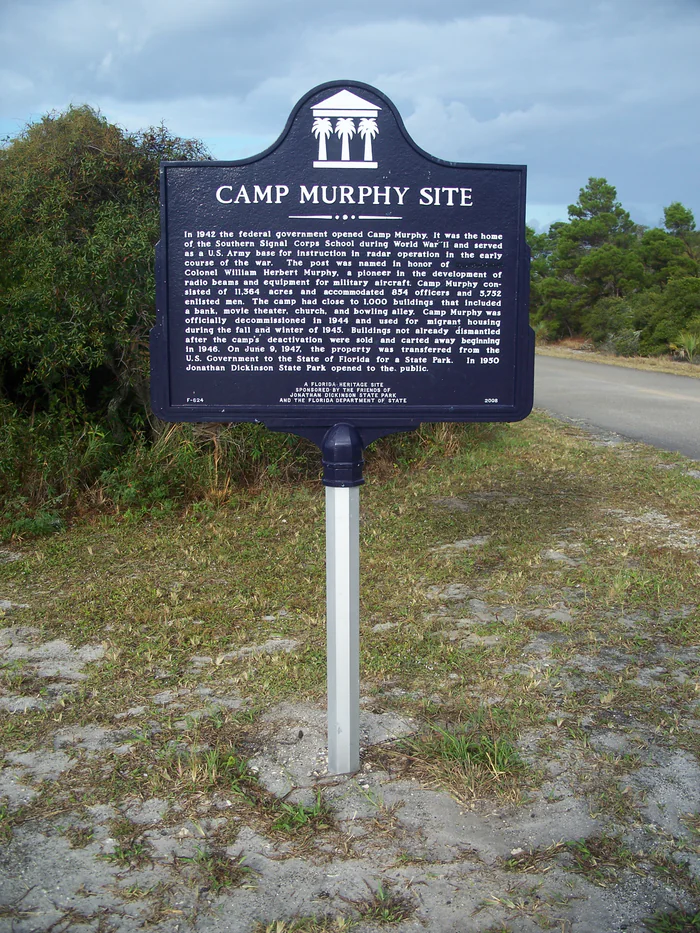
World War II: Camp Murphy and the coast watch
Late in 1941 the U.S. Navy took charge of the House of Refuge. With Coast Guard crews, the Navy ran patrols from there to watch for U-boats and enemy aircraft. Coast Guardsmen lived in the house while they kept the watchtower manned and walked the beach.
Camp Murphy opened in 1942 as an Army post for teaching radar. It was home to the Southern Signal Corps School. The post was named for Lieutenant Colonel William Herbert Murphy, an early developer of radio beams and radio gear for military aircraft. Its 11,364 acres held 5,752 enlisted men and 854 officers. Its almost 1,000 buildings included a bank, a movie theater, a church and a bowling alley.
The state park calls it a top-secret school for radar training, and says few people nearby knew more than that the Army had built a secret base. Camp Murphy shut down in November 1944, after only two years. On June 9, 1947, the U.S. government handed the land to the State of Florida for a state park. Jonathan Dickinson State Park welcomed its first visitors in 1950.
Sources: Museum of Florida History: Gilbert's Bar House of Refuge; Florida Department of State: Camp Murphy Site historical marker; Florida State Parks: Jonathan Dickinson State Park History
Next: Chapter 10, Trapper Nelson, sailfish and the Elliott Museum →
Trapper Nelson, sailfish and the Elliott Museum
Vincent Natulkiewicz, a New Jersey man later known as Trapper Nelson, made his home on the upper Loxahatchee River starting in the early 1930s. After World War II he slowly turned his camp into a tourist attraction named Trapper's Zoo and Jungle Garden, where he handled snakes and wrestled alligators. He lived at his camp until his death in 1968, and the Florida Park Service later got the land through a land swap. Anglers landed so many sailfish off Stuart in the 1940s that the town was called the Sailfish Capital of the World.
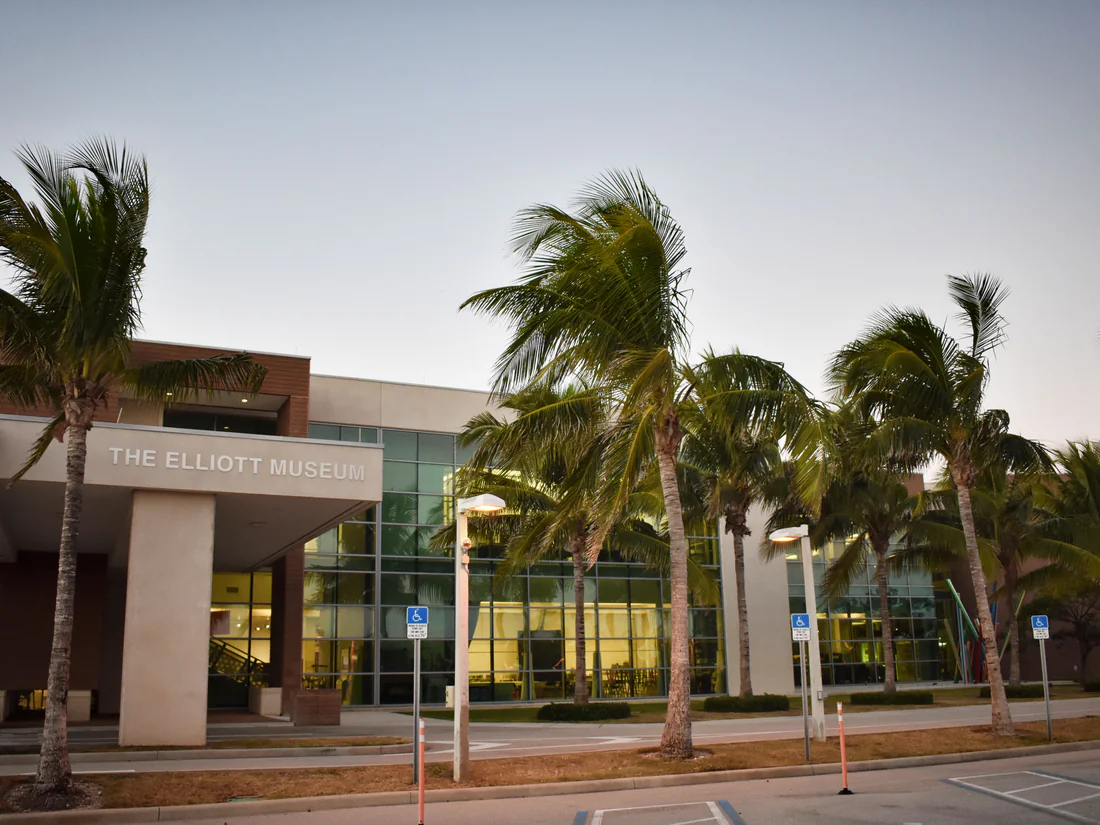
The inventor Sterling Elliott earned more than 125 patents. One of his inventions was the steering knuckle, or kingpin, which let a vehicle's front wheels turn unequally. His son Harmon paid most of the cost of the first Elliott Museum, opened in 1961. Martin County's commissioners bought the House of Refuge property in 1953, and the Historical Society of Martin County turned it into a museum, which the society dates to 1955. The Museum of Florida History dates the House of Refuge Museum to 1969 instead.
In 1969 the Joseph V. Reed family handed over land that became the Hobe Sound National Wildlife Refuge, which now carries the name of Nathaniel P. Reed. In 1985 the Loxahatchee was named a National Wild and Scenic River, the first in Florida, the park says. In 1988 a group called the Friends of the Lyric bought the Lyric Theatre after it had faced the threat of being torn down.
Sources: Florida State Parks: Jonathan Dickinson State Park History; Florida Department of State: Trapper Nelson Interpretive Site historical marker; WQCS: Stuart Turns 100; Historical Society of Martin County: Elliott Museum; Historical Society of Martin County: House of Refuge; Museum of Florida History: Gilbert's Bar House of Refuge; U.S. Fish and Wildlife Service: Nathaniel P. Reed Hobe Sound National Wildlife Refuge, About Us; U.S. Fish and Wildlife Service: Nathaniel P. Reed Hobe Sound National Wildlife Refuge brochure (2019); Florida State Parks: Jonathan Dickinson State Park brochure; The Lyric Theatre: Name That Place
Next: Chapter 11, Since 1990: a museum in the old feed store, a new village and a 100th birthday →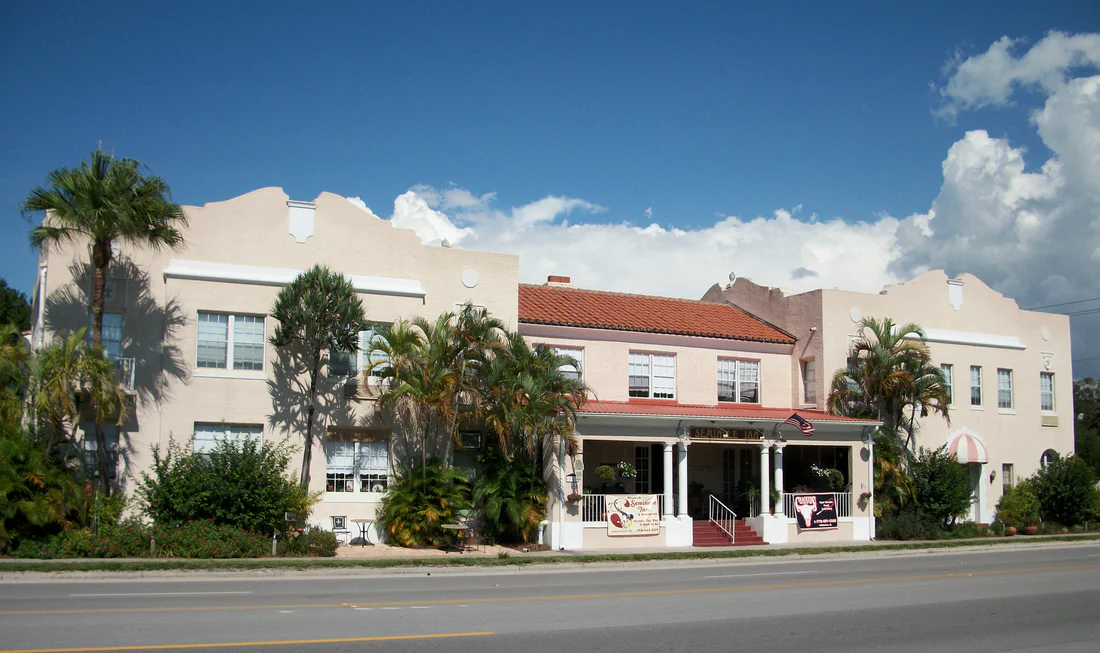
Since 1990: a museum in the old feed store, a new village and a 100th birthday
The Stuart Heritage Museum opened in 1992 inside the old Stuart Feed Store. The first Elliott Museum building was torn down in 2011, and a new museum building opened in 2013. After a referendum on November 7, 2017, the Village of Indiantown was created, effective December 31, 2017. The village says it was the first new municipality in Martin County in more than 40 years.
The hurricanes of 2004 and 2005, Frances, Jeanne and Wilma, left the Salerno Colored School so damaged that it was thought it could not be saved. Former students and the county's African American community worked to save it, and Martin County rebuilt and restored it in 2012. A state historical marker for the school was placed in 2024.
In 2025 Martin County celebrated its 100th year. By January 26, 2025, the Hobe Sound train depot, which first served travelers in the early 1900s, had found a lasting home in downtown Hobe Sound. Along the way it had been stolen, used as an office in Tequesta and moved back to the Hobe Sound Polo Club. In November 2025 WQCS reported that The Garcia Companies had bought the Seminole Inn, which the Wall family had run for nearly 40 years. In March 2026 a restoration of the House of Refuge was nearly finished, with a new roof, windows, doors and decking in place.
Sources: TCPalm (on AOL): Will the Stuart Heritage Museum stay on the downtown waterfront?; Historical Society of Martin County: Elliott Museum; The Florida Senate: House Bill 1175 (2019) staff analysis, Village of Indiantown; Village of Indiantown: Discover Us; Florida Department of State: 1934 Salerno Colored School historical marker; Martin County: Annual Report; Discover Martin (Martin County tourism): 2026, A Year of Milestones and Memories in Martin County; Stuart/Martin County Chamber of Commerce: District 2 newsletter, January 2025 (Commissioner Stacey Hetherington); WQCS: Historic Seminole Inn of Indiantown sold for restoration; CBS12 News: Historic House of Refuge restoration nearly complete on Hutchinson Island
Next: the whole story, in dates →The whole story, in dates
People build the Mount Elizabeth Mound, made largely of shell.
The Spanish come to know the Ais.
Pedro Menéndez de Avilés sets up a fort and mission at Santa Lucía.
The Reformation is wrecked off Jupiter Island.
The remaining Native Floridians sail from Biscayne Bay for Cuba.
The Seminole settle the area around today's Indiantown.
The House of Refuge is built on Hutchinson Island.
Fred Whitehead becomes the first keeper of the House of Refuge.
John Lawrence Jensen receives his land grant and starts planting pineapples.
Captain Henry E. Sewall's house is built.
The worst freeze sets back the pineapple farms.
The Jupiter Indiantown Road begins serving the two towns.
A grocery opens in the building that now houses the Stuart Heritage Museum.
Stuart is incorporated as a town.
Betty Mae Tiger Jumper is born.
The Florida Legislature creates Martin County, named for Governor John W. Martin.
The Lyric Theatre opens in Stuart as a silent movie house.
The county's only bank, the Seminole, is gone.
Trapper Nelson makes his home on the upper Loxahatchee River.
The Salerno Colored School is dedicated.
So many sailfish are caught off Stuart that it is called the Sailfish Capital of the World.
The U.S. Navy takes charge of the House of Refuge.
Camp Murphy opens as an Army radar school.
Camp Murphy shuts down.
Jonathan Dickinson State Park opens to visitors.
The first Elliott Museum opens.
The Seminole Tribe of Florida elects Betty Mae Tiger Jumper its first chairwoman.
The Reed family's land becomes the Hobe Sound National Wildlife Refuge.
The Stuart Heritage Museum opens in the old Stuart Feed Store.
A new Elliott Museum opens.
The Village of Indiantown is created.
A state historical marker for the Salerno Colored School is placed.
The Hobe Sound train depot is in its lasting home in downtown Hobe Sound.
Martin County celebrates its 100th year.
WQCS reports that The Garcia Companies have bought the Seminole Inn.
The restoration of the House of Refuge is nearly finished.
Where you can still see it
 01
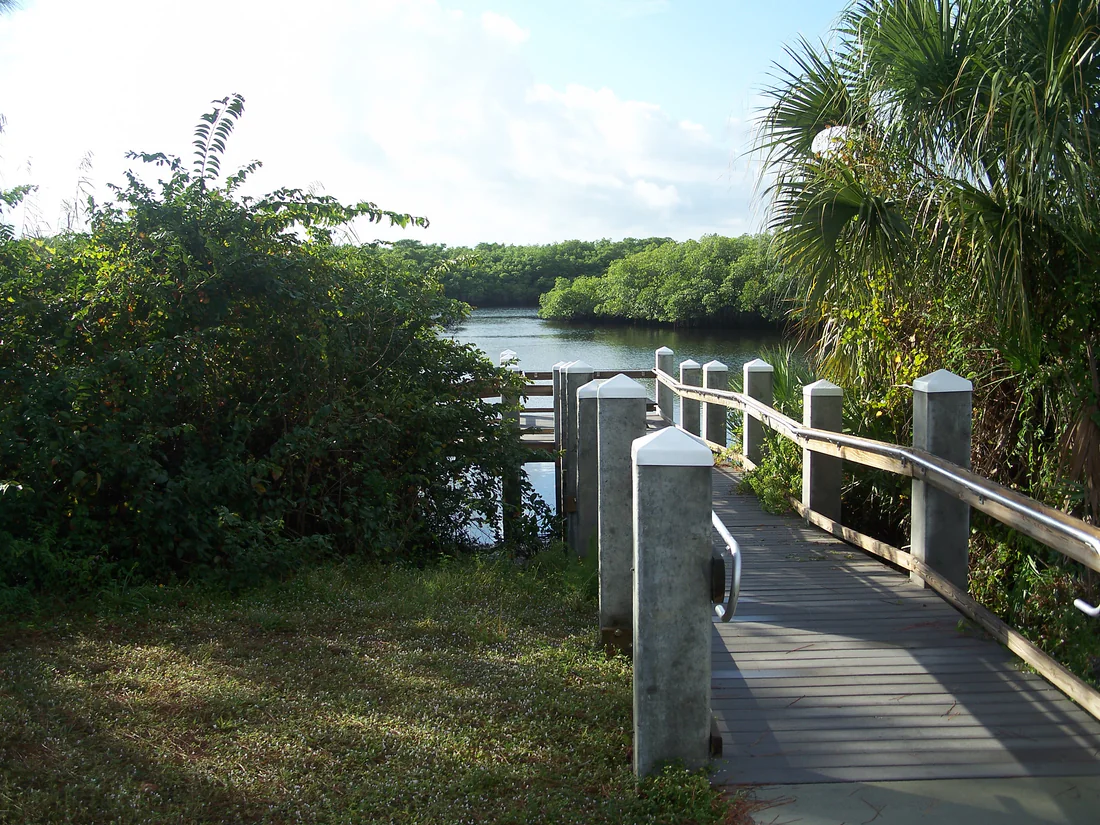
Jonathan Dickinson State Park
Goes with: World War II: Camp Murphy and the coast watch
Open the place page →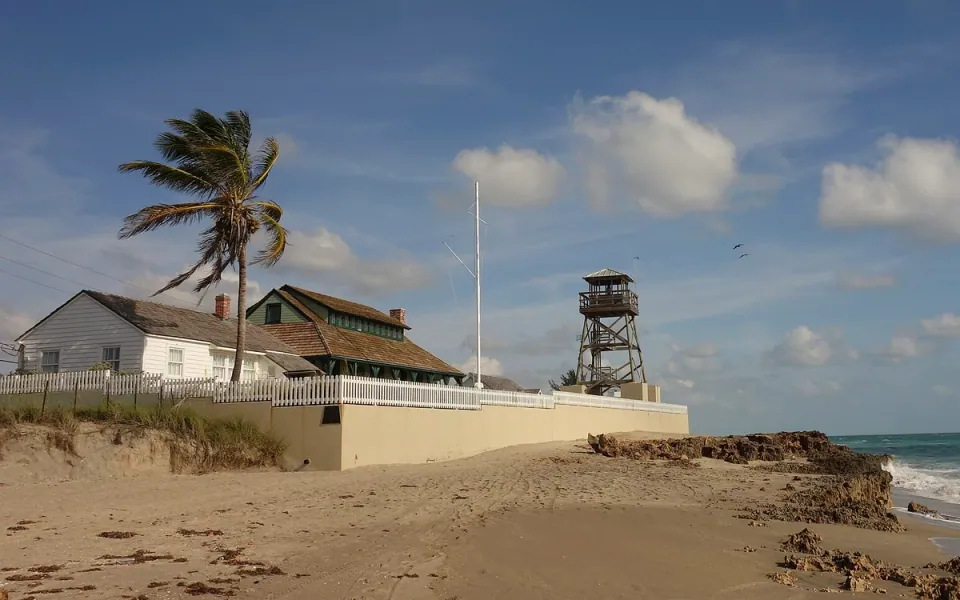 02
House of Refuge Museum
Goes with: Trapper Nelson, sailfish and the Elliott Museum
Open the place page →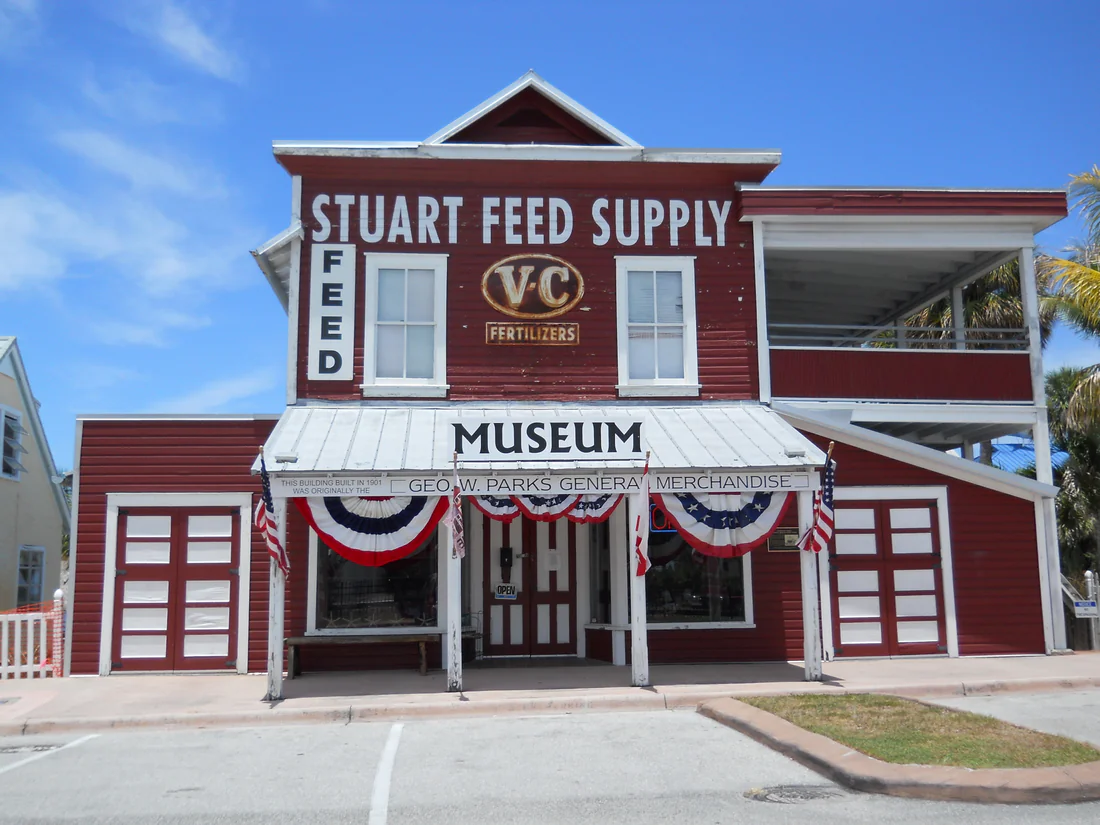 03
Stuart Heritage Museum
Goes with: The railroad and the town of Stuart, 1890s to 1914
Open the place page →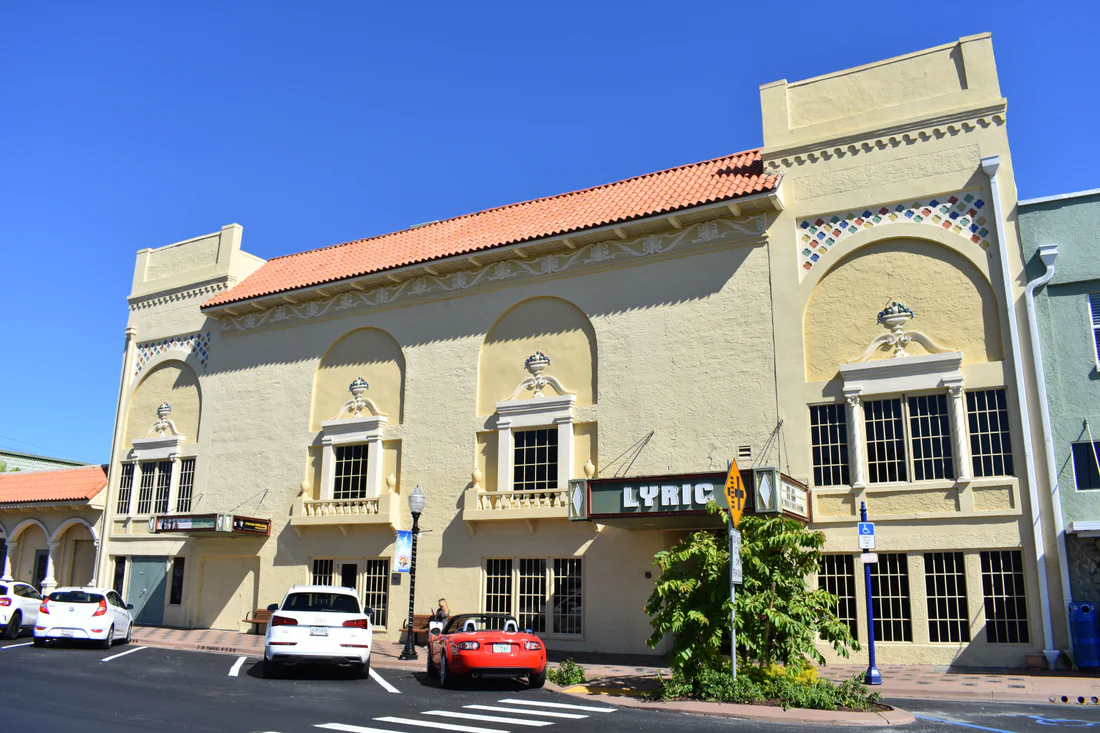 04
 05
 06
Hobe Sound National Wildlife Refuge
Goes with: Trapper Nelson, sailfish and the Elliott Museum
Open the place page → 07
Mount Elizabeth Mound
Goes with: The first peoples: a shell mound and the Ais
Mount Elizabeth Mound historical marker (Florida Department of State) →Questions people ask
When was Martin County created?
The Florida Legislature created Martin County during its 1925 session.
Chapter 6 →Who was Martin County named for?
The county took its name from John W. Martin, Florida's governor from 1925 to 1929.
Chapter 6 →What is the county seat of Martin County?
Stuart became the county seat, first for five years on a temporary basis and then for good.
Chapter 6 →What is the oldest building in Martin County?
The Historical Society of Martin County calls the House of Refuge, built in 1876 on Hutchinson Island, the county's oldest building.
Chapter 3 →What was Camp Murphy?
Camp Murphy opened in 1942 as an Army post for teaching radar, on land that became Jonathan Dickinson State Park.
Chapter 9 →Where this comes from.
Last updated October 18, 2026.
- Florida Department of State: Mount Elizabeth Mound historical marker ↗ Read October 18, 2026
- Trail of Florida's Indian Heritage: House of Refuge Museum ↗ Read October 18, 2026
- Florida Department of State: Jonathan Dickinson Shipwreck historical marker ↗ Read October 18, 2026
- Florida State Parks: Jonathan Dickinson State Park brochure ↗ Read October 18, 2026
- Trail of Florida's Indian Heritage: Seminole Inn ↗ Read October 18, 2026
- Historical Society of Martin County: House of Refuge ↗ Read October 18, 2026
- Museum of Florida History: Gilbert's Bar House of Refuge ↗ Read October 18, 2026
- Discover Martin (Martin County tourism): House of Refuge ↗ Read October 18, 2026
- Historical Society of Martin County: Pineapple Capital of the World ↗ Read October 18, 2026
- Martin County: Captain Sewall's House ↗ Read October 18, 2026
- Florida Memory (State Archives of Florida): History of Martin County, Florida (WPA survey, 1936) ↗ Read October 18, 2026
- WQCS: Stuart Turns 100 ↗ Read October 18, 2026
- Florida Department of State: Jupiter Indiantown Road historical marker ↗ Read October 18, 2026
- TCPalm (on AOL): Will the Stuart Heritage Museum stay on the downtown waterfront? ↗ Read October 18, 2026
- National Park Service: National Register of Historic Places Registration Form, Old Martin County Court House ↗ Read October 18, 2026
- Florida Memory (State Archives of Florida): An Act Providing for the Creation of Martin County ↗ Read October 18, 2026
- Martin County: About Martin County ↗ Read October 18, 2026
- University of South Florida, Florida Center for Instructional Technology: Martin County maps ↗ Read October 18, 2026
- Martin County: Stuart Welcome Arch ↗ Read October 18, 2026
- Florida Department of State: Stuart Welcome Arch historical marker ↗ Read October 18, 2026
- Florida Department of State: The Golden Gate Building historical marker ↗ Read October 18, 2026
- The Lyric Theatre: Name That Place ↗ Read October 18, 2026
- WQCS: Historic Seminole Inn of Indiantown sold for restoration ↗ Read October 18, 2026
- Martin County: Old Martin County Courthouse ↗ Read October 18, 2026
- Florida Department of State: Betty Mae Tiger Jumper historical marker ↗ Read October 18, 2026
- Florida Department of State: 1934 Salerno Colored School historical marker ↗ Read October 18, 2026
- Florida Department of State: Camp Murphy Site historical marker ↗ Read October 18, 2026
- Florida State Parks: Jonathan Dickinson State Park History ↗ Read October 18, 2026
- Florida Department of State: Trapper Nelson Interpretive Site historical marker ↗ Read October 18, 2026
- Historical Society of Martin County: Elliott Museum ↗ Read October 18, 2026
- U.S. Fish and Wildlife Service: Nathaniel P. Reed Hobe Sound National Wildlife Refuge, About Us ↗ Read October 18, 2026
- U.S. Fish and Wildlife Service: Nathaniel P. Reed Hobe Sound National Wildlife Refuge brochure (2019) ↗ Read October 18, 2026
- The Florida Senate: House Bill 1175 (2019) staff analysis, Village of Indiantown ↗ Read October 18, 2026
- Village of Indiantown: Discover Us ↗ Read October 18, 2026
- Martin County: Annual Report ↗ Read October 18, 2026
- Discover Martin (Martin County tourism): 2026, A Year of Milestones and Memories in Martin County ↗ Read October 18, 2026
- Stuart/Martin County Chamber of Commerce: District 2 newsletter, January 2025 (Commissioner Stacey Hetherington) ↗ Read October 18, 2026
- CBS12 News: Historic House of Refuge restoration nearly complete on Hutchinson Island ↗ Read October 18, 2026