Glades County was formed from part of DeSoto County on April 23, 1921, and The Florida Handbook says its name comes from the Florida Everglades. Its county seat is Moore Haven, which a National Register form calls the only city ever incorporated in the county. The county lies just west of Lake Okeechobee, and Moore Haven has held its Chalo Nitka Festival and Rodeo since the 1940s. Its history goes back at least 2,500 years at Fisheating Creek, where the mounds, ponds and circular ditches of the Fort Center site are more than 2,000 years old.
This page tells the story in order, from the Belle Glade people at Fisheating Creek to Brighton's veterans, the county's 100th year and Chalo Nitka in 2026, then lists places in the county where you can still see it. The sources for each part are named at the end of that part, and all of them are listed at the bottom of the page.
The Belle Glade people at Fisheating Creek
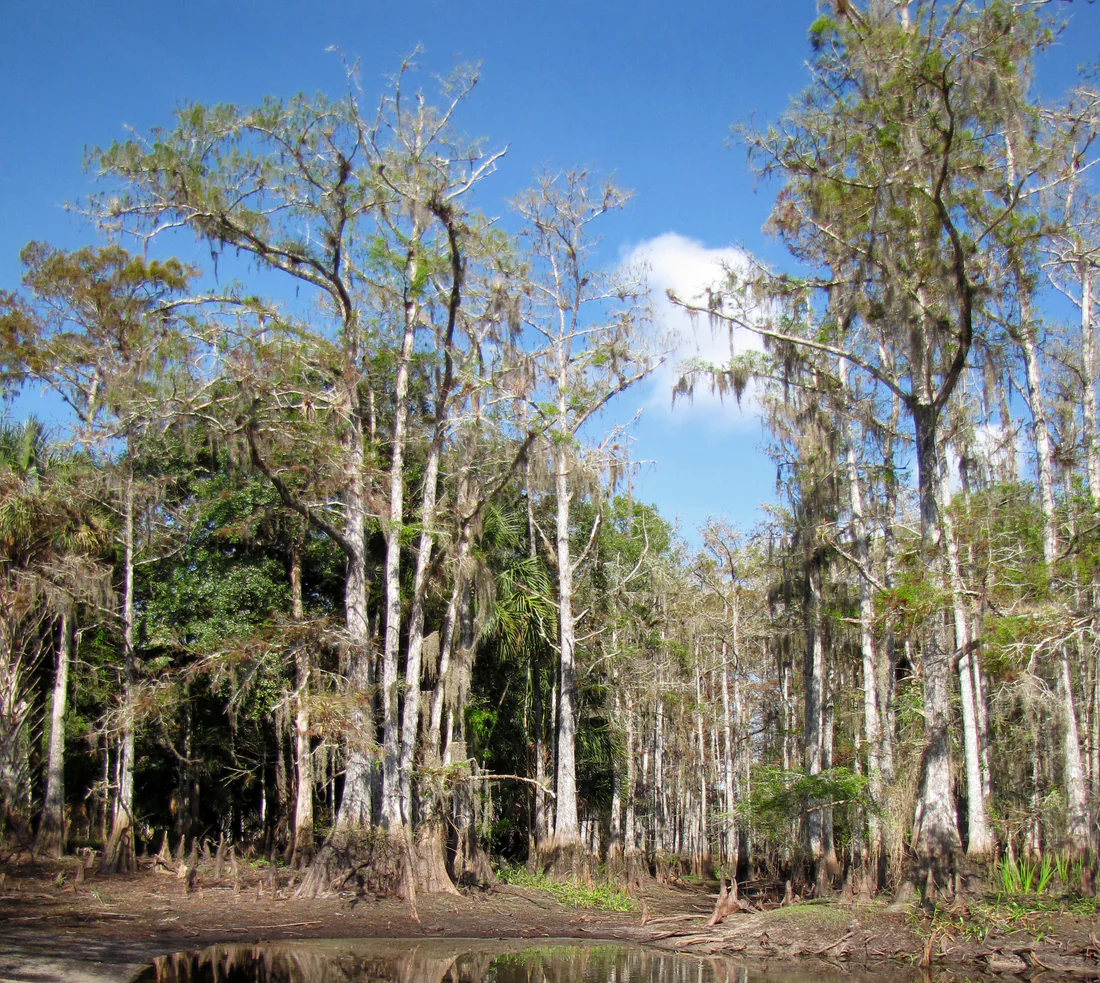
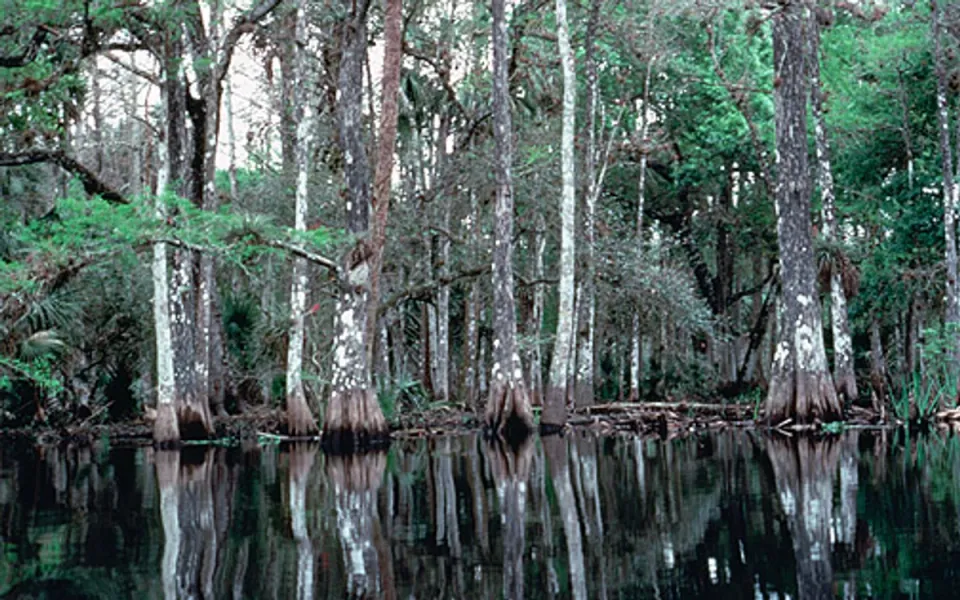
The Florida Fish and Wildlife Conservation Commission (FWC) says humans have lived beside Fisheating Creek for 2,500 years or more. The Belle Glade people used part of the area for ceremonies. Their home was a huge, wet landscape. Over nearly 2,000 years, they built many kinds of earthworks, from round ditches to wide fields of sand ridges in geometric shapes.
The FWC says the mounds, ponds and ring-shaped ditches at the Fort Center site date back more than 2,000 years. Bundled human remains were found there, with what was left of a carved wooden platform. One well-kept carving shows an otter racing along with a fish held in its mouth.
The Belle Glade people brought in sea shells and shark teeth to make tools, and they made a pottery that archaeologists call Belle Glade Plain. Archaeologists say a relationship between the Belle Glade people and the Calusa had begun by at least A.D. 500. By A.D. 1000, Belle Glade pottery had become the main kind used across the Calusa heartland. Today the creek is part of the FWC's Fisheating Creek Wildlife Management Area, on the west side of Lake Okeechobee.
Sources: Florida Fish and Wildlife Conservation Commission: Fisheating Creek - History; Florida Museum of Natural History, Randell Research Center: The Belle Glade Monumental Landscape (Nathan Lawres, March 1, 2018); Florida Fish and Wildlife Conservation Commission: Connect to nature and history at Fisheating Creek Wildlife Management Area (April 29, 2021); Florida Fish and Wildlife Conservation Commission: Fisheating Creek Wildlife Management Area
Next: Chapter 2, The Ortona mounds and canals →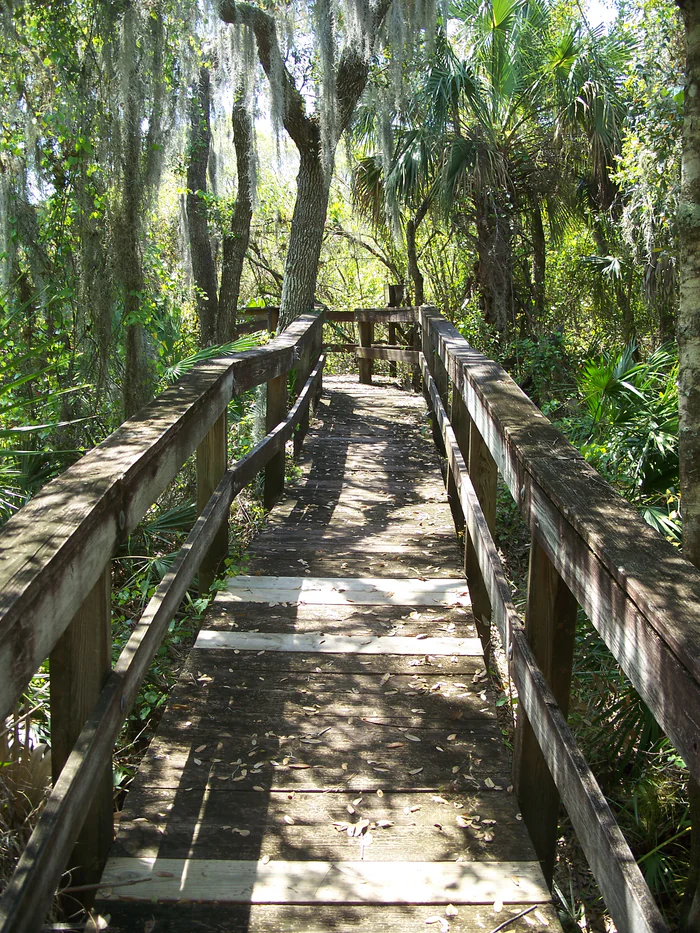
The Ortona mounds and canals
At Ortona, people long ago raised mounds and dug canals by hand, and they can still be seen today. WGCU's 2024 series on the site dates its start to A.D. 300 in one report and to A.D. 400 in another. Archaeologists think Ortona was a major center of trade, communication and settlement for Native Americans, probably the Calusa. A Florida State Parks guide to the county says the Calusa built canals here, near Turkey Creek.
The canals stretch seven miles, with a width of 20 feet and a depth of 3 to 4 feet. WGCU says they are among the oldest and longest canals ever built by Native people in North America. The tallest mound rises 22 feet above sea level, the high point of Glades County. The mounds and canals are on the grounds of Ortona Indian Mound Park.
Sources: WGCU News: Forgotten Park Episode 2: Cane Grinding Traditions (Tara Calligan, April 2, 2024); WGCU News: Forgotten Park Episode 1: Forgotten Grounds (Tara Calligan, April 1, 2024); WGCU News: "Forgotten Park" Series unearths Ortona Indian Mound Park's history (Tara Calligan, April 10, 2024); Florida State Parks: Glades County Real Florida Guide
Next: Chapter 3, Fort Center and the Second Seminole War →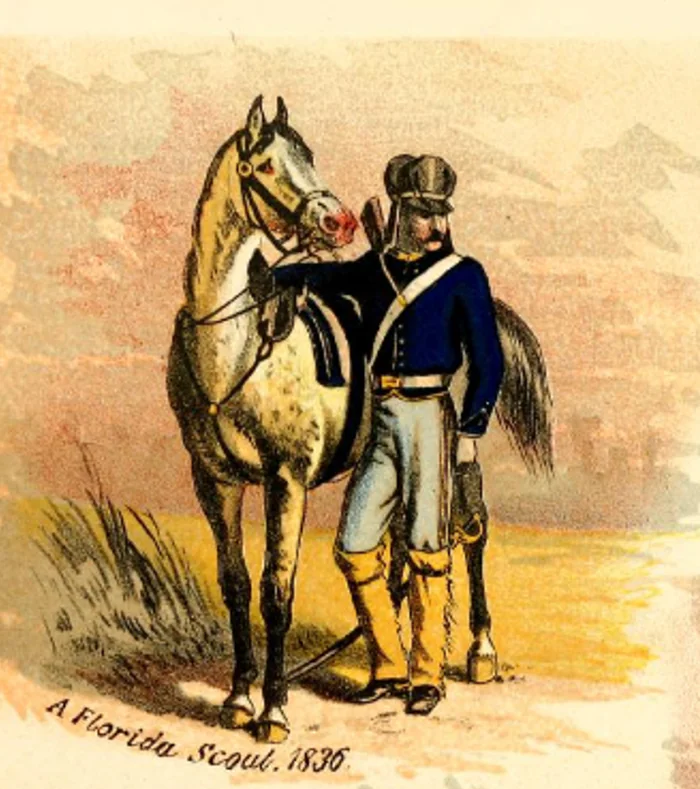
Fort Center and the Second Seminole War
Later, during the Second Seminole War, the U.S. Army had an outpost on the creek called Fort Center. Florida State Parks dates that war from 1835 to 1842. The war's Battle of Okeechobee was fought on Christmas Day, 1837.
Sources: Florida Fish and Wildlife Conservation Commission: Fisheating Creek - History; Florida State Parks: Battle of Okeechobee
Next: Chapter 4, Draining the Everglades and the Lone Cypress →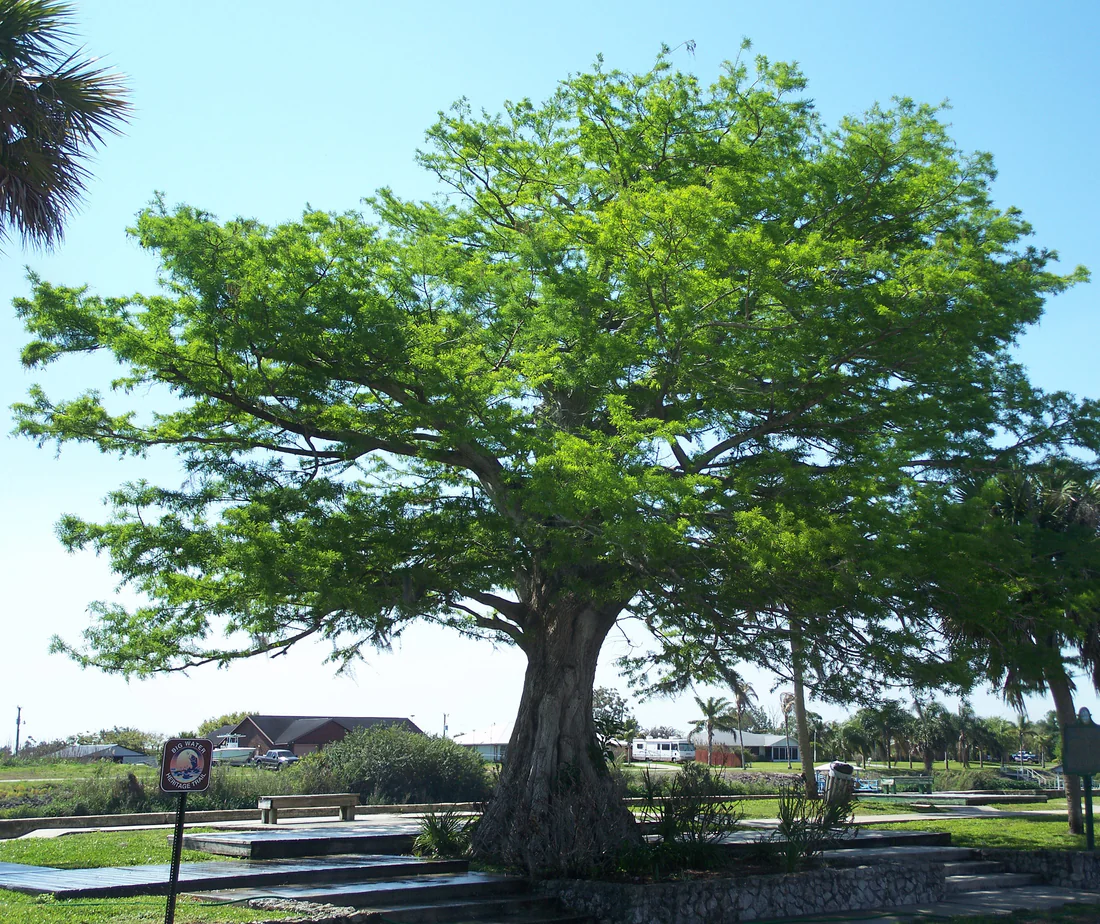
Draining the Everglades and the Lone Cypress
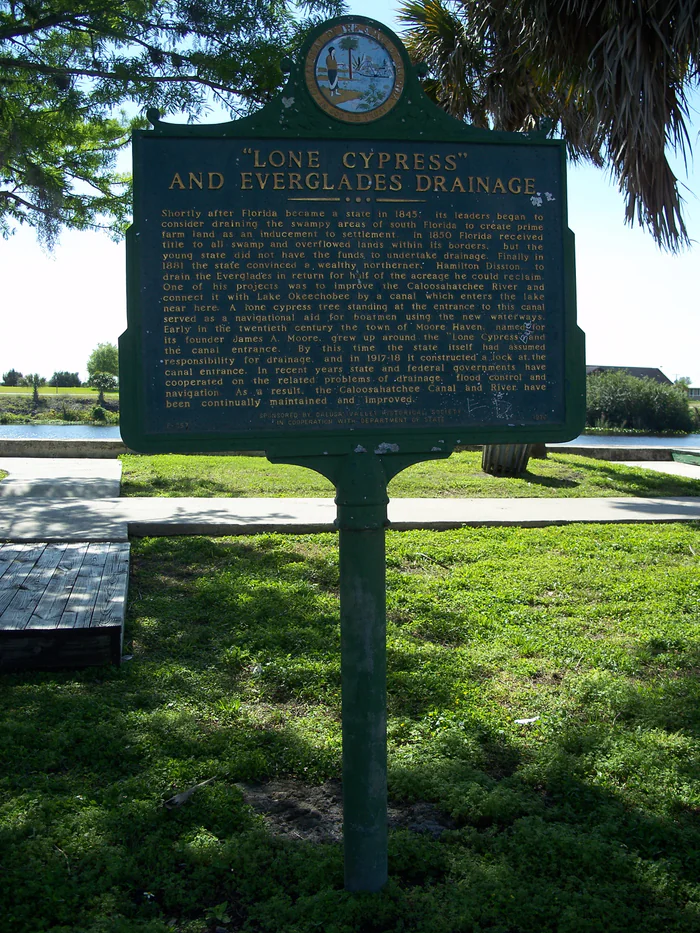
Florida won statehood in 1845, and soon its leaders weighed draining the swampy country. In 1850, Florida was given title to every acre of swamp and overflowed land inside its borders. In 1881, the state persuaded Hamilton Disston, a wealthy man from the North, to drain the Everglades in exchange for half the land he could reclaim.
One of his projects joined the Caloosahatchee River to Lake Okeechobee by a canal that meets the lake at what is now Moore Haven. The canal lowered Lake Okeechobee and drained about two million acres of wetlands, the National Register form for Moore Haven's homes says. A lone cypress tree at the mouth of the canal guided boatmen on the new waterways. The Florida State Parks guide says the tree, also called the Sentinel Cypress, stands where Avenue J meets the Caloosahatchee River and has helped sailors on Lake Okeechobee find their way for more than 100 years.
Sources: Florida Department of State: Historical Marker, "Lone Cypress" and Everglades Drainage; National Park Service: Moore Haven Residential Historic District, National Register of Historic Places registration form (Florida Bureau of Historic Preservation, 1998); Florida State Parks: Glades County Real Florida Guide
Next: Chapter 5, 1915 to 1918: James A. Moore builds Moore Haven →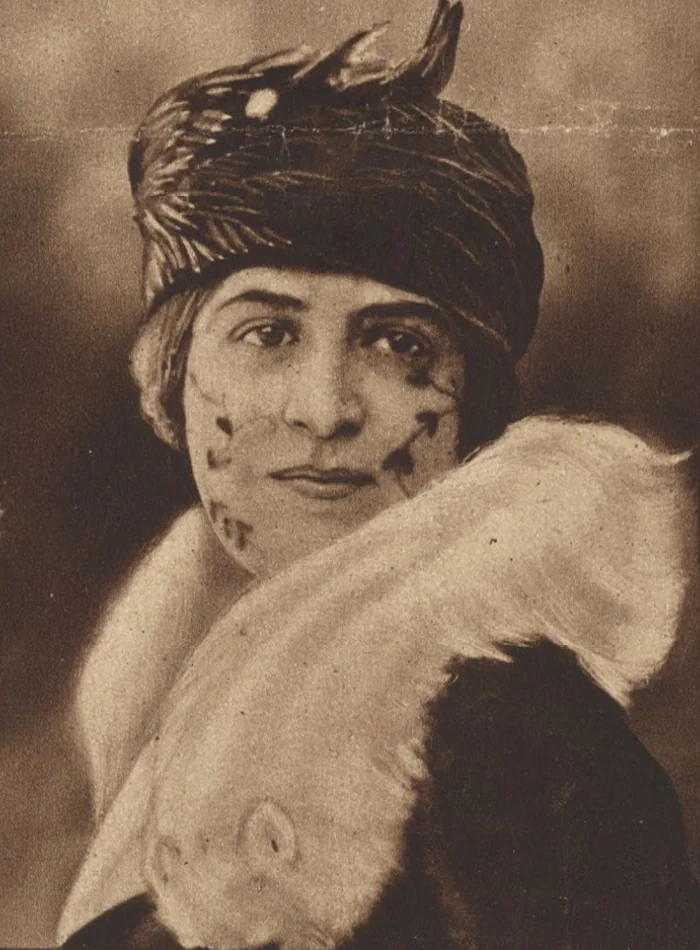
1915 to 1918: James A. Moore builds Moore Haven
In 1915, James A. Moore of Seattle, who invested in real estate, paid $550,000 for land called the Henderson Tract. A state marker says the town took the name of its founder and built up around the Lone Cypress at the canal's mouth. In May 1916, Moore had surveyor Thomas E. Frederick draw up the town plat. Hundreds of people soon bought land from Moore, and the new town drew 397 men and three women.
Moore Haven became a city in 1917. At the first city election, on July 17, 1917, Marian Horwitz was voted in as mayor. The National Register form calls her the first woman mayor in Florida and in the southern United States. Her husband had died in December 1916, and in September 1917 she married his business partner, John O'Brien.
Through her influence, the Atlantic Coast Line Railroad laid track from Palmdale, and the first train reached Moore Haven on April 28, 1918. In 1917 and 1918, the state also built a lock where the canal meets the lake. Today the Moore Haven Riverwalk follows part of the seawall that was built for those first locks in 1918.
Sources: National Park Service: Moore Haven Residential Historic District, National Register of Historic Places registration form (Florida Bureau of Historic Preservation, 1998); Florida Department of State: Historical Marker, "Lone Cypress" and Everglades Drainage; Glades County Tourism Development Council: Moore Haven
Next: Chapter 6, 1921: Glades County is created →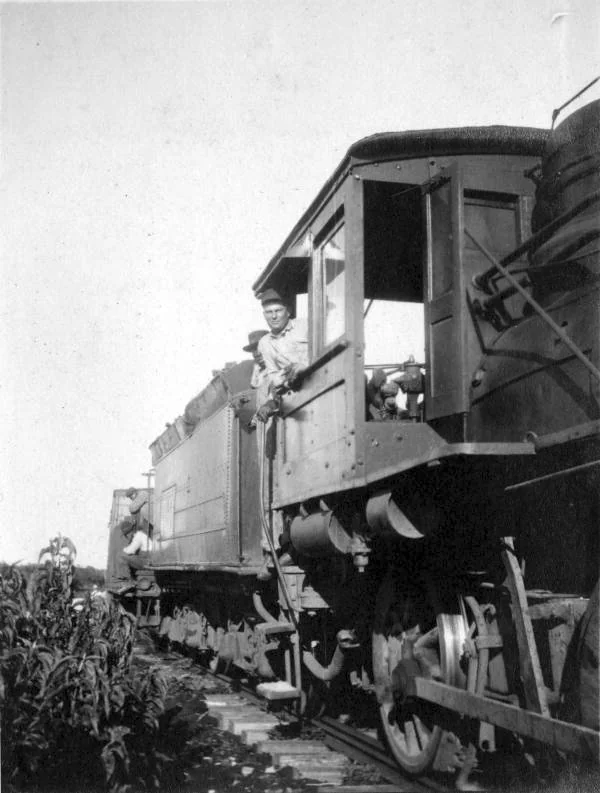
1921: Glades County is created
In the Legislature's 18th Regular Session, a bill was put forward to split DeSoto County into five counties: Glades, Hardee, Highlands, Charlotte and DeSoto. Governor Cary Hardee, then in his first year in office, signed it into law on April 23, 1921, and Glades became the state's 58th county. The law named Moore Haven the temporary county seat, and the town is still the county seat.
According to The Florida Handbook, the name comes from the Florida Everglades. A history of the county by Ralph Hammond for the Historical Records Survey says only a small part of it lies in the Everglades proper. Hammond placed the county directly west of Lake Okeechobee.
He listed boat building, the making of fertilizer from muck and two sawmills among its leading industries. Four large fish houses sent crews of fishermen out on Lake Okeechobee, and the National Register form says Moore Haven became the hub of a catfish business fed by the lake. Farmers grew vegetables for market, sugar cane and citrus, and Hammond wrote that cattle raising had mattered in the area for years.
Sources: The Florida Senate: SR 2072 (2021), Glades County centennial resolution, filed text; Florida Memory, State Archives of Florida: History of Glades County, Florida (Ralph Hammond, Historical Records Survey); National Park Service: Moore Haven Residential Historic District, National Register of Historic Places registration form (Florida Bureau of Historic Preservation, 1998)
Next: Chapter 7, 1926: A new courthouse and a deadly flood →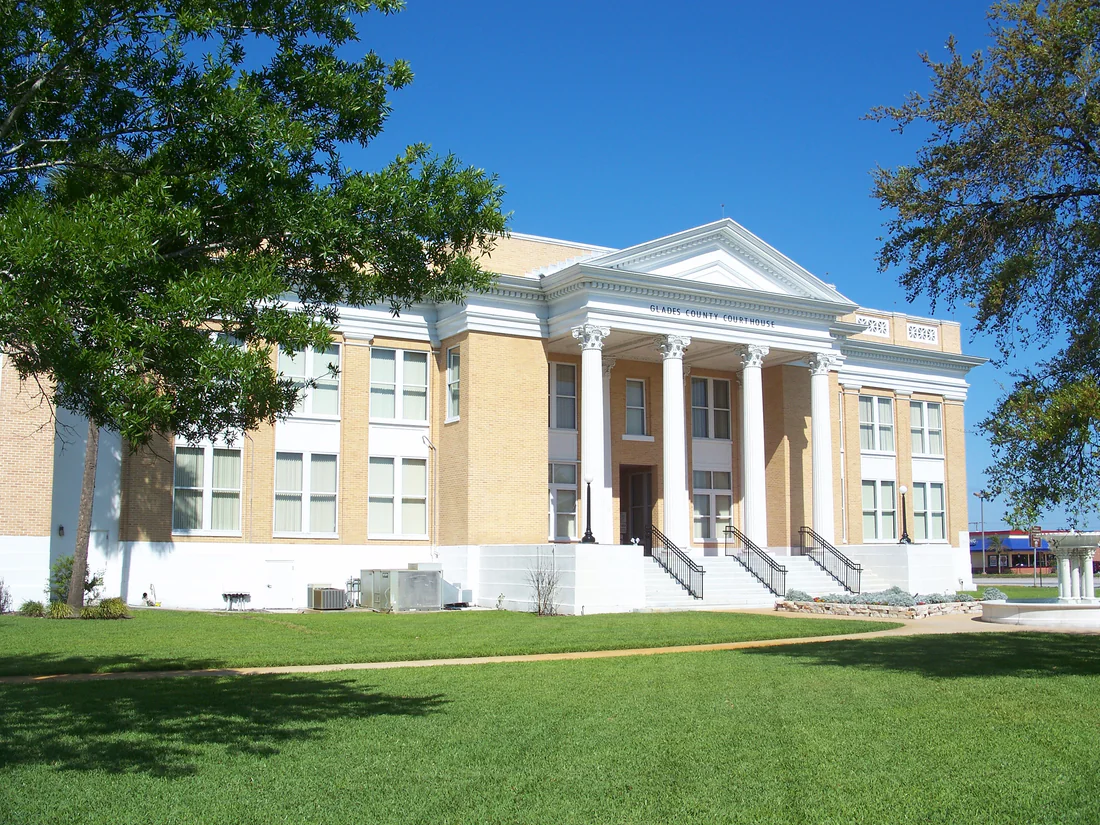
1926: A new courthouse and a deadly flood
The Glades County Courthouse in Moore Haven, a brick building with a three-story portico in the Classical Revival style, was built in 1926. Both the Florida State Parks guide and the county tourism council say it is listed in the National Register of Historic Places. On Sunday, September 18, 1926, a hurricane struck Moore Haven.
Lake Okeechobee rose until a weakened muck dike meant to shield the town gave way in several places. Ten feet of water covered Moore Haven, and the National Register form says the storm killed 300 of its people. A University of Rhode Island history of the storm says several hundred people drowned there.
Sebring was the first city to come to Moore Haven's aid, the Highlands News-Sun reported. Some victims of the 1926 hurricane were buried at Pinecrest Cemetery in Sebring, and Florida Gulf Coast University graduate students later researched those burials. A state marker says the Ortona Cemetery also holds victims of the 1926 hurricane, which it says devastated Glades County. The National Register form says Moore Haven's buildings, people and businesses never fully came back.
Sources: Florida State Parks: Glades County Real Florida Guide; Glades County Tourism Development Council: Moore Haven; National Park Service: Moore Haven Residential Historic District, National Register of Historic Places registration form (Florida Bureau of Historic Preservation, 1998); University of Rhode Island, Hurricanes: Science and Society: 1926 Great Miami Hurricane; Highlands News-Sun: Cemetery research aims to learn about 1926 storm victims; Florida Department of State: Historical Marker, Hurricane of 1928
Next: Chapter 8, 1928: The Okeechobee Hurricane and the dike →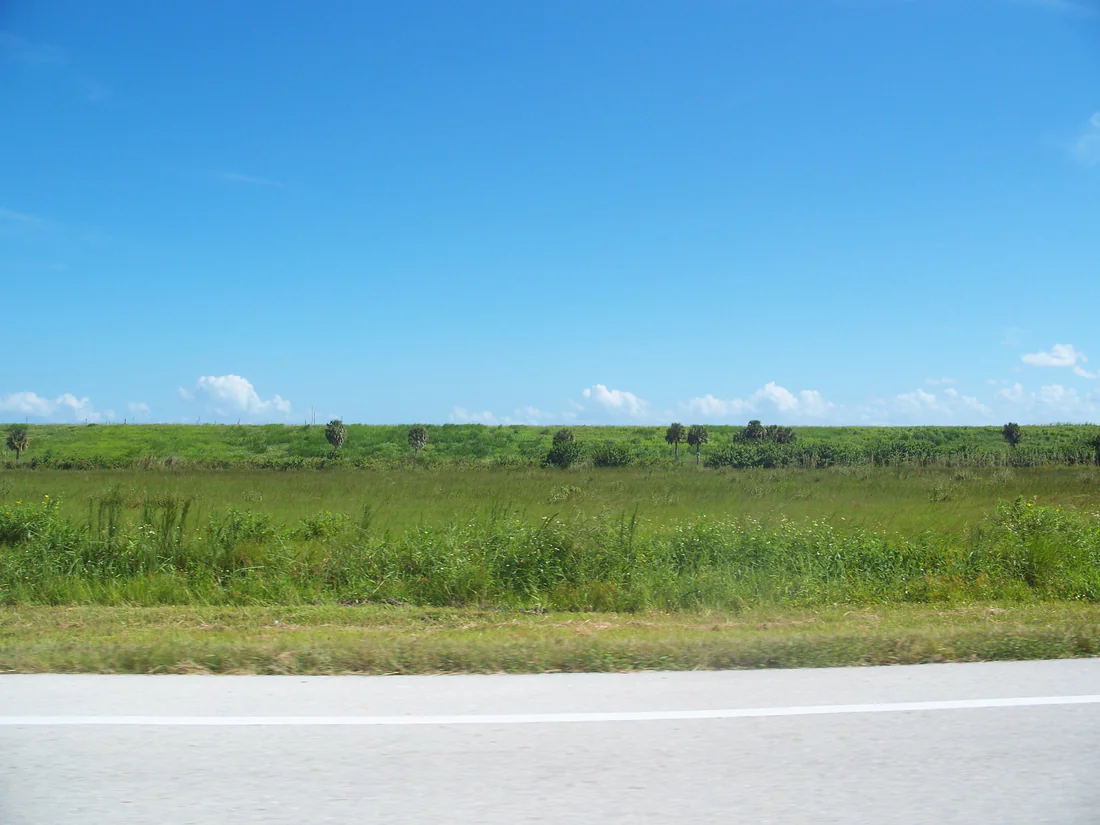
1928: The Okeechobee Hurricane and the dike
Two years later, the Okeechobee Hurricane struck land on September 16, 1928, and a state marker calls it the deadliest hurricane ever to strike Florida. An estimated 2,500 people in South Florida died. Many of the deaths, most of them among migrant farm workers, came when the dike was overwhelmed and a storm surge of 15 to 20 feet flooded the settled south side of the lake. The floodwaters swept victims and survivors up to ten miles from the shore, from Moore Haven to Pahokee.
Several hundred of the 1928 dead lie in unmarked graves in the Ortona Cemetery. In West Palm Beach, several hundred African American victims were laid in one mass grave in the city's pauper cemetery. Zora Neale Hurston drew on the disaster in Their Eyes Were Watching God, her 1937 novel, writing about how the dead were found and buried.
A 1961 Army Corps of Engineers marker in Clewiston says the Herbert Hoover Dike was started in 1932 and completed in 1938. It credits President Herbert Hoover with personally backing the early federal work on the lake's levees. The Moore Haven Lock and Dam, where the lake meets the Caloosahatchee River, was built in 1935, the county tourism council says. By an act of Congress on July 14, 1960, the levees were named the Herbert Hoover Dike.
Sources: Florida Department of State: Historical Marker, Hurricane of 1928; Historical Marker Database: Herbert Hoover Dike (U.S. Army Corps of Engineers marker, 1961); Glades County Tourism Development Council: Moore Haven
Next: Chapter 9, 1938 to 1954: The Brighton Reservation and the war years →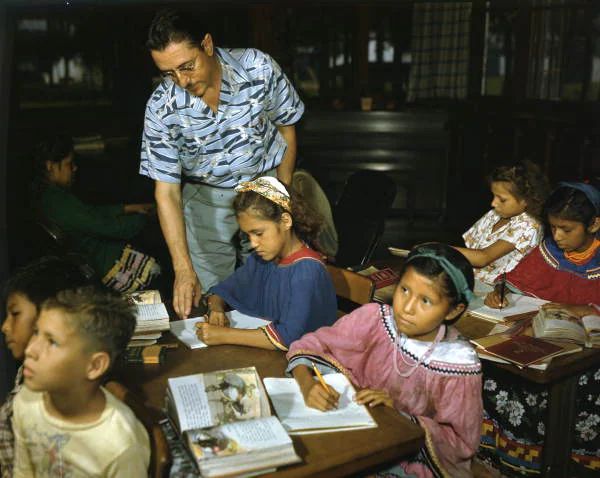
1938 to 1954: The Brighton Reservation and the war years
The Seminole reservation at Brighton, in northern Glades County, dates from around 1938, the county tourism council says. The people of Brighton started their modern economy by raising cattle that were shipped in from Dust Bowl communities in Oklahoma during the Depression. The Brighton Indian Day School opened on January 9, 1938. William Boehmer was hired as its teacher and his wife, Edith, as its housekeeper, and the couple ran the school for the next 16 years. It closed in 1954.
Billy Bowlegs III, whom the county tourism council calls a great Seminole chief, is buried in the Ortona Cemetery. A 2008 marker near Moore Haven, put up with the Seminole Tribe, honored him as a noble citizen and said he faithfully represented his people.
During World War II, German prisoners of war were held at the site of Uncle Joe's Fishing Camp, south of Moore Haven, the county tourism council says. The spot is also called Liberty Point, after the Liberty Bonds that were sold to buy the land.
Sources: Glades County Tourism Development Council: Brighton; Ah-Tah-Thi-Ki Seminole Indian Museum: The Boehmer exhibit; Glades County Tourism Development Council: Ortona; Historical Marker Database: Billie Bowlegs (III) (marker erected 2008); Glades County Tourism Development Council: Moore Haven
Next: Chapter 10, 1948 to 1998: Chalo Nitka, cane grinding and historic districts →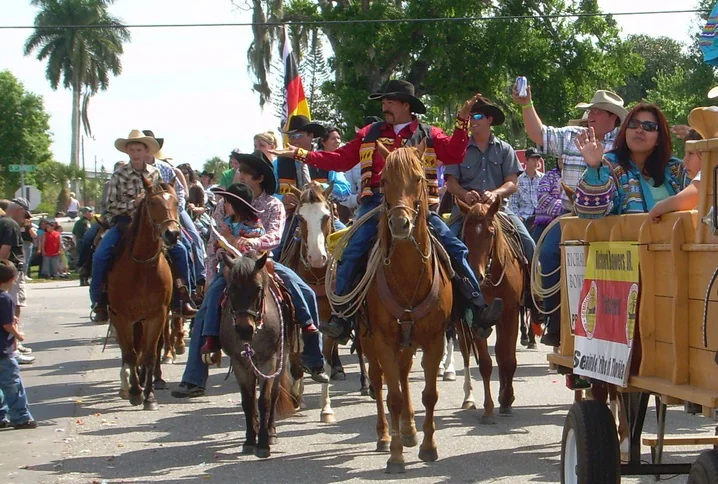
1948 to 1998: Chalo Nitka, cane grinding and historic districts
The Chalo Nitka Festival and Rodeo started in 1948 to mark the paving of what was then Moore Haven's Main Street, Florida Memory says. WINK News also gives 1948 as the first year, while the county tourism council says the festival was established in 1949. Florida Memory says the name is Seminole for "Big Bass," and WINK News says the words come from the Miccosukee language.
In Ortona, a fish fry held to raise money for the community's first fire department grew into the Cane Grinding Festival. It has been held on the first Saturday of February every year since 1979. The festival recalls the way Florida settlers raised sugarcane and processed it in the late 1800s. In 1987, Larry Luckey, the county property appraiser, won a state grant to create a permanent home for the festival on the site of Ortona's old dump. Ortona Indian Mound Park, which bears Luckey's name, had its official opening in 1989.
National Park Service files for the Moore Haven Downtown Historic District, which takes in Lone Cypress Park, are dated October 12, 1995. The files for the Moore Haven Residential Historic District are dated June 26, 1998, and its nomination ties the district to the town's main years of growth, 1915 to 1926. The Florida State Parks guide calls Gatorama one of the few roadside attractions left from the 1950s and 1960s, when many such stops sprang up.
Sources: Florida Memory, State Archives of Florida: Six L's Packing Company float in the Chalo Nitka Festival and Rodeo parade (Bjorn Lusth, 1993); WINK News: Moore Haven's Chalo Nitka Festival celebrates Glades County's rich heritage (Lauren Halpern, March 6, 2026); Glades County Tourism Development Council: Moore Haven; WGCU News: Forgotten Park Episode 2: Cane Grinding Traditions (Tara Calligan, April 2, 2024); WGCU News: "Forgotten Park" Series unearths Ortona Indian Mound Park's history (Tara Calligan, April 10, 2024); WGCU News: Forgotten Park Episode 1: Forgotten Grounds (Tara Calligan, April 1, 2024); National Park Service, NPGallery: Moore Haven Downtown Historic District; National Park Service, NPGallery: Moore Haven Residential Historic District; National Park Service: Moore Haven Residential Historic District, National Register of Historic Places registration form (Florida Bureau of Historic Preservation, 1998); Florida State Parks: Glades County Real Florida Guide
Next: Chapter 11, Since 2000: Brighton's veterans, the county's 100th year and Chalo Nitka in 2026 →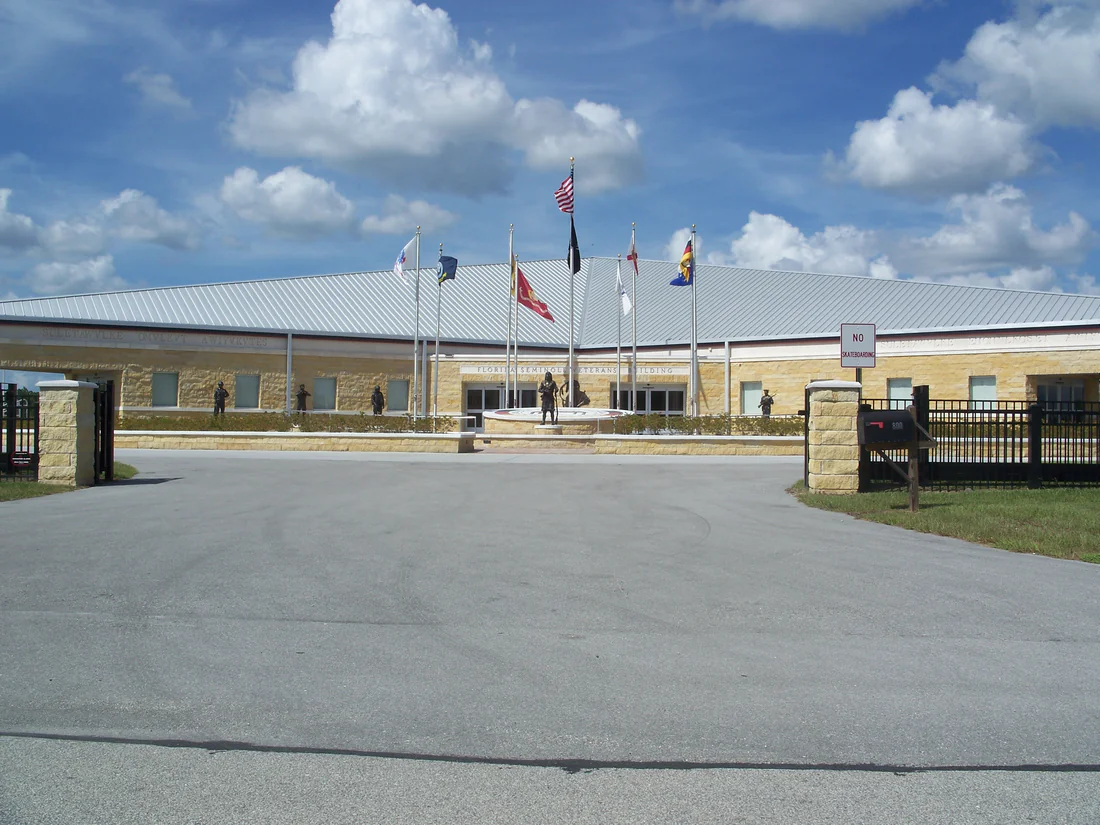
Since 2000: Brighton's veterans, the county's 100th year and Chalo Nitka in 2026
The Seminole veterans building at Brighton opened in 2009, and its star shape stands for the five branches of the U.S. armed forces. In 2024, the Florida Division of Arts and Culture started the Major John Leroy Haynes Florida Veterans' History Program to gather oral and visual histories from Florida veterans. Its first step was a visit to the Brighton Reservation's Seminole Veterans Building.
In 2021, Senator Albritton filed a resolution in the Florida Senate to honor 100 years since Glades County was created. In April 2021, the FWC invited the public to an interpretive history trail at Fort Center, which starts at a trailhead off County Road 78. In April 2024, WGCU News published Forgotten Park, a series by Tara Calligan about Ortona Indian Mound Park's past and the community's work to preserve it.
In August 2025, WINK News covered Gatorama's hatching festival, where visitors could help alligators hatch out of their eggs. WINK said Gatorama's owners, Allen and Patty Register, had held the festival for 24 years. In March 2026, WINK News reported on the Chalo Nitka Festival in Moore Haven, a weekend of rodeo events, livestock shows and carnival rides. Rodeo roper Stetson Stokes told WINK he had been showing a steer there for eight years.
Sources: Glades County Tourism Development Council: Brighton; Florida Department of State: In 2024, Florida Remains a Top Destination for Business and International Partnerships (December 30, 2024); The Florida Senate: SR 2072 (2021), Glades County centennial resolution, filed text; Florida Fish and Wildlife Conservation Commission: Connect to nature and history at Fisheating Creek Wildlife Management Area (April 29, 2021); WGCU News: Forgotten Park Episode 1: Forgotten Grounds (Tara Calligan, April 1, 2024); WGCU News: "Forgotten Park" Series unearths Ortona Indian Mound Park's history (Tara Calligan, April 10, 2024); WINK News: Experience hands-on alligator hatching at Glades County's Gatorama event (Bianca Smith, August 12, 2025); WINK News: Moore Haven's Chalo Nitka Festival celebrates Glades County's rich heritage (Lauren Halpern, March 6, 2026)
Next: the whole story, in dates →The whole story, in dates
People are living beside Fisheating Creek.
Mounds, ponds and circular ditches are built at the Fort Center site.
The Ortona site's history begins, by WGCU's two dates.
Belle Glade pottery is the main kind across the Calusa heartland.
The Second Seminole War, when the Army has an outpost at Fort Center.
The Battle of Okeechobee is fought.
Florida becomes a state, and its leaders weigh draining the swamps.
Florida is given title to its swamp and overflowed lands.
Hamilton Disston agrees to drain the Everglades for half the land he reclaims.
James A. Moore of Seattle buys the Henderson Tract.
Surveyor Thomas E. Frederick draws up the plat of Moore Haven.
Moore Haven becomes a city.
Marian Horwitz is elected mayor at the first city election.
The state builds a lock at the canal entrance.
The first train reaches Moore Haven.
Governor Cary Hardee signs the law that creates Glades County.
The Glades County Courthouse is built in Moore Haven.
A hurricane strikes Moore Haven and covers it with ten feet of water.
The Okeechobee Hurricane comes ashore.
The Herbert Hoover Dike is built, a 1961 marker says.
The Moore Haven Lock and Dam is built.
Zora Neale Hurston's novel Their Eyes Were Watching God draws on the storm.
The Brighton Reservation is established.
The Brighton Indian Day School opens.
The Chalo Nitka Festival and Rodeo begins, by Florida Memory's date.
The Brighton Indian Day School closes.
Congress names the levees the Herbert Hoover Dike.
The Cane Grinding Festival begins its run on the first Saturday of February.
Larry Luckey wins a state grant for a park at Ortona.
Ortona Indian Mound Park has its official opening.
National Park Service files for the Moore Haven Downtown Historic District are dated.
The Seminole veterans building opens at Brighton.
A Florida Senate resolution is filed to mark the county's 100th year.
The FWC invites visitors to the Fort Center history trail.
WGCU publishes its Forgotten Park series on Ortona Indian Mound Park.
The state's veterans history program visits the Seminole Veterans Building at Brighton.
WINK News covers Gatorama's alligator hatching festival.
WINK News reports on the Chalo Nitka Festival in Moore Haven.
Where you can still see it
 01
Fisheating Creek Wildlife Management Area
Goes with: The Belle Glade people at Fisheating Creek
Open the place page →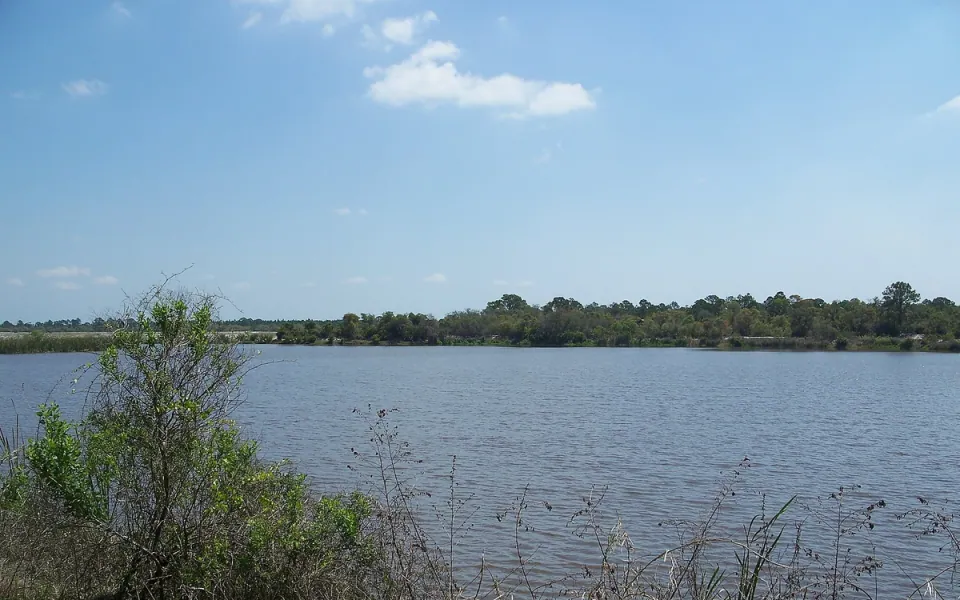 02
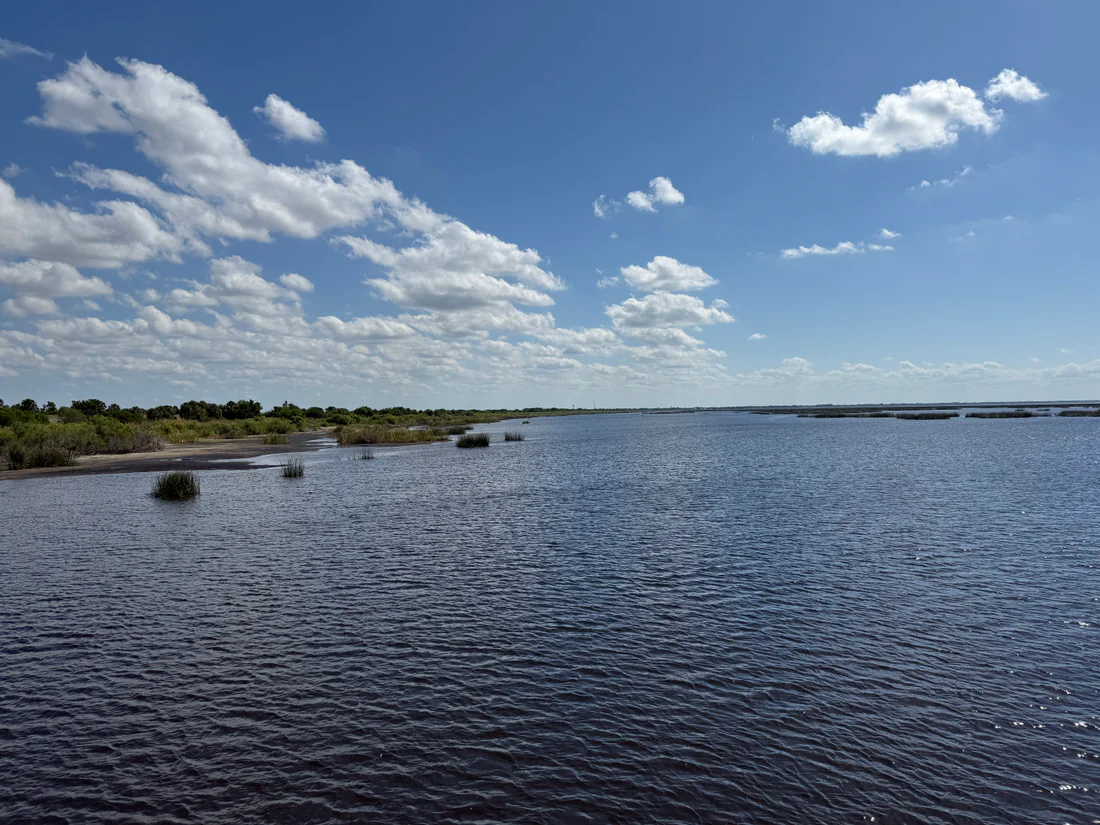 03
 04
"Lone Cypress" and Everglades Drainage historical marker
Goes with: Draining the Everglades and the Lone Cypress
The Lone Cypress and Everglades Drainage marker →Questions people ask
When was Glades County created?
Governor Cary Hardee signed the law creating Glades County on April 23, 1921, and it became the state's 58th county.
Chapter 6 →What was Glades County named for?
According to The Florida Handbook, the county's name comes from the Florida Everglades.
Chapter 6 →What is the county seat of Glades County?
The 1921 law named Moore Haven the temporary county seat, and the town is still the county seat.
Chapter 6 →Who was Moore Haven named for?
A state marker says Moore Haven was named for its founder, James A. Moore.
Chapter 5 →When did the 1926 hurricane hit Moore Haven?
A hurricane struck Moore Haven on Sunday, September 18, 1926, and ten feet of water covered the town.
Chapter 7 →Where this comes from.
Last updated October 20, 2026.
- Florida Fish and Wildlife Conservation Commission: Fisheating Creek - History ↗ Read October 19, 2026
- Florida Fish and Wildlife Conservation Commission: Fisheating Creek Wildlife Management Area ↗ Read October 19, 2026
- Florida Fish and Wildlife Conservation Commission: Connect to nature and history at Fisheating Creek Wildlife Management Area (April 29, 2021) ↗ Read October 19, 2026
- Florida Museum of Natural History, Randell Research Center: The Belle Glade Monumental Landscape (Nathan Lawres, March 1, 2018) ↗ Read October 19, 2026
- WGCU News: "Forgotten Park" Series unearths Ortona Indian Mound Park's history (Tara Calligan, April 10, 2024) ↗ Read October 19, 2026
- WGCU News: Forgotten Park Episode 1: Forgotten Grounds (Tara Calligan, April 1, 2024) ↗ Read October 19, 2026
- WGCU News: Forgotten Park Episode 2: Cane Grinding Traditions (Tara Calligan, April 2, 2024) ↗ Read October 19, 2026
- Florida State Parks: Glades County Real Florida Guide ↗ Read October 19, 2026
- Florida State Parks: Battle of Okeechobee ↗ Read October 19, 2026
- Florida Department of State: Historical Marker, "Lone Cypress" and Everglades Drainage ↗ Read October 19, 2026
- Florida Department of State: Historical Marker, Hurricane of 1928 ↗ Read October 19, 2026
- National Park Service: Moore Haven Residential Historic District, National Register of Historic Places registration form (Florida Bureau of Historic Preservation, 1998) ↗ Read October 19, 2026
- National Park Service, NPGallery: Moore Haven Downtown Historic District ↗ Read October 19, 2026
- National Park Service, NPGallery: Moore Haven Residential Historic District ↗ Read October 19, 2026
- The Florida Senate: SR 2072 (2021), Glades County centennial resolution, filed text ↗ Read October 19, 2026
- Florida Memory, State Archives of Florida: History of Glades County, Florida (Ralph Hammond, Historical Records Survey) ↗ Read October 19, 2026
- University of Rhode Island, Hurricanes: Science and Society: 1926 Great Miami Hurricane ↗ Read October 19, 2026
- Highlands News-Sun: Cemetery research aims to learn about 1926 storm victims ↗ Read October 19, 2026
- Historical Marker Database: Herbert Hoover Dike (U.S. Army Corps of Engineers marker, 1961) ↗ Read October 19, 2026
- Glades County Tourism Development Council: Moore Haven ↗ Read October 19, 2026
- Glades County Tourism Development Council: Brighton ↗ Read October 19, 2026
- Glades County Tourism Development Council: Ortona ↗ Read October 19, 2026
- Ah-Tah-Thi-Ki Seminole Indian Museum: The Boehmer exhibit ↗ Read October 19, 2026
- Historical Marker Database: Billie Bowlegs (III) (marker erected 2008) ↗ Read October 19, 2026
- Florida Memory, State Archives of Florida: Six L's Packing Company float in the Chalo Nitka Festival and Rodeo parade (Bjorn Lusth, 1993) ↗ Read October 19, 2026
- WINK News: Moore Haven's Chalo Nitka Festival celebrates Glades County's rich heritage (Lauren Halpern, March 6, 2026) ↗ Read October 19, 2026
- WINK News: Experience hands-on alligator hatching at Glades County's Gatorama event (Bianca Smith, August 12, 2025) ↗ Read October 19, 2026
- Florida Department of State: In 2024, Florida Remains a Top Destination for Business and International Partnerships (December 30, 2024) ↗ Read October 19, 2026