On July 3, 1823, the Legislative Council of the Territory of Florida created Monroe County and named it in honor of President James Monroe. Its county seat is Key West, in the Florida Keys, a chain of roughly 1,700 islands. Henry Flagler's Over-Sea Railroad reached Key West in 1912, and the Overseas Highway, laid on the old railroad bed, opened in 1938. Native people lived in the island chain for more than 1,000 years, and probably far longer, before the last of them were gone by about 1760.
This page tells the story in order, from the Calusa, Tequesta and Matecumbe peoples to Dry Tortugas National Park, the Henrietta Marie honored and new milestones, then lists places in the county where you can still see it. The sources for each part are named at the end of that part, and all of them are listed at the bottom of the page.
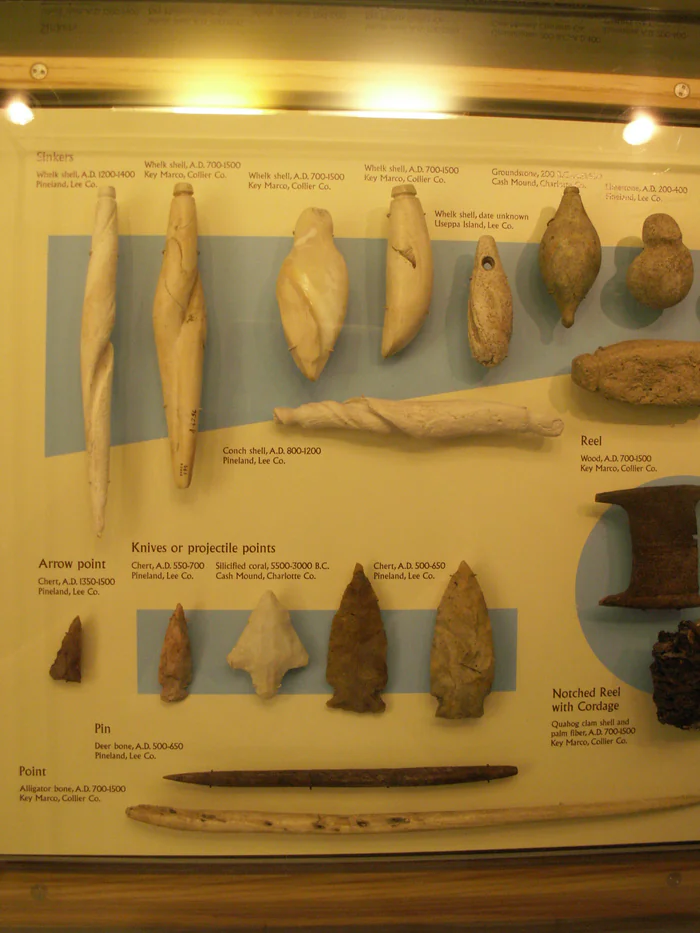
The first people: Calusa, Tequesta and Matecumbe
People lived in the Florida Keys for more than 1,000 years, and probably far longer. The Calusa held Florida's west coast, from Marco Island north to Port Charlotte. The Tequesta lived on the east coast, by the rivers around Miami and on Key Biscayne. The people of the Keys themselves are remembered as the Matecumbe. These peoples used clam and scallop shells as weights for their fishing nets and whelk shells as picks.
A Spaniard, Hernando D'Escalante Fontaneda, wrote one of the early accounts of the Keys' native people. He lived through a hurricane and a shipwreck before the Calusa captured him. He spent 17 years with them, traveling across South Florida and the Keys. He died in 1575, the same year his memoir was published.
By about 1760, no native people were left in South Florida or the Keys. The last 90 or so Calusa people are said to have gone to Cuba with the Spanish. Where the others went is not known.
Sources: Florida Keys Weekly: Keys History: Who First Called the Florida Keys Home?; Florida Keys Weekly: Keys History: Captured Spaniard Shares a Calusa Story
Next: Chapter 2, Spanish names and shipwrecks, 1513 to 1733 →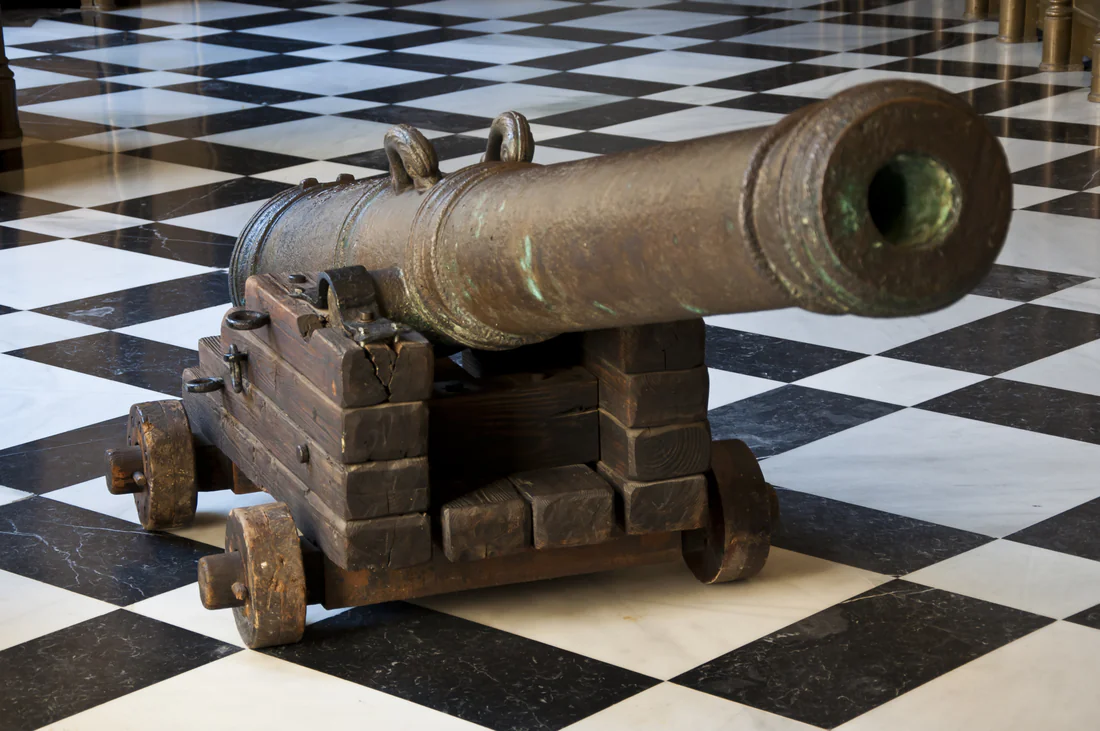
Spanish names and shipwrecks, 1513 to 1733
In 1513 Ponce de León, sailing for Spain, gave the Dry Tortugas their first name, Las Tortugas, or the Turtles. Mariners' charts soon called them the Dry Tortugas, to show there was no fresh water there. In September 1622 a deadly hurricane struck several Spanish ships near Key West. It broke the Nuestra Señora de Atocha apart on the reef and scattered its silver, gold and emeralds.
In 1700 the Henrietta Marie, a British slave ship heading home to Britain, sank on New Ground Reef, at the meeting of the Atlantic and the Gulf of Mexico. On that voyage it had taken 200 enslaved West Africans to Jamaica.
On July 13, 1733, a Spanish fleet of three galleons and 18 merchant vessels sailed from Havana for Spain. Two days later the winds shifted, and 19 of the ships ran aground along the Keys. One of them, the San Pedro, carried Mexican silver and crates of Chinese porcelain. Its wreck was found in 1960 off Indian Key, in Hawk Channel. In 1988 it became Florida's second underwater archaeological preserve.
Sources: National Park Service: Dry Tortugas National Park Map and Guide; Florida Keys Weekly: Mel Fisher Days Commemorates 1622 Sinking of Atocha & Key West Treasure Hunters; WLRN Public Media (Associated Press): Keys underwater memorial to wrecked slave ship draws pilgrims seeking to connect with their roots; Florida State Parks: History of the San Pedro; Florida State Parks: San Pedro Underwater Archaeological Preserve State Park
Next: Chapter 3, Key West turns American, and Monroe County begins, 1815 to 1823 →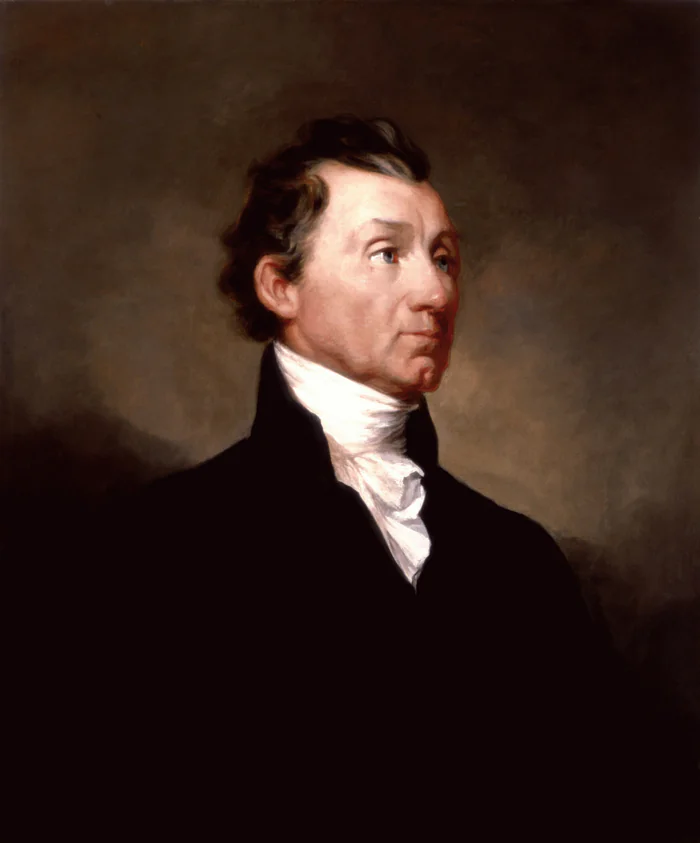
Key West turns American, and Monroe County begins, 1815 to 1823
On August 26, 1815, Florida's Spanish governor, Juan de Estrada, granted the island of Cayo Hueso to Juan Pablo Salas. There is no reliable record of how Key West got its name. One account traces it to Cayo Hueso, which means bone island. Salas sold the island to John W. Simonton of Mobile for $2,000.
On February 7, 1822, Lieutenant M. C. Perry of the Navy schooner Shark got orders to take possession of the island for the United States. On March 25, 1822, the few people living there watched the United States flag go up. Perry named it Thompson's Island, for Navy Secretary Smith Thompson. That year the Navy set up a small depot on the island to drive out pirates.
On July 3, 1823, the Legislative Council of the Territory of Florida created Monroe County. It was the sixth county in the territory, named in honor of President James Monroe. Governor William Duval signed the act, and Key West was made the county seat. At first the county reached north to the south shore of Lake Okeechobee and west to Charlotte Harbor.
Sources: University of South Florida, Exploring Florida: Key West: General History and Sketches (from Jefferson B. Browne, 1912); Florida Memory: Historical Sketch of Monroe County (WPA); Florida State Parks: Fort Zachary Taylor Historic State Park History; Florida Keys Weekly: Keys History: Old Monroe County Spanned Well Beyond the Island Chain; Key West Citizen (Florida Keys Free Press): Malcom shares 203-year history of Monroe County
Next: Chapter 4, Wreckers, Indian Key and the Key West Lighthouse →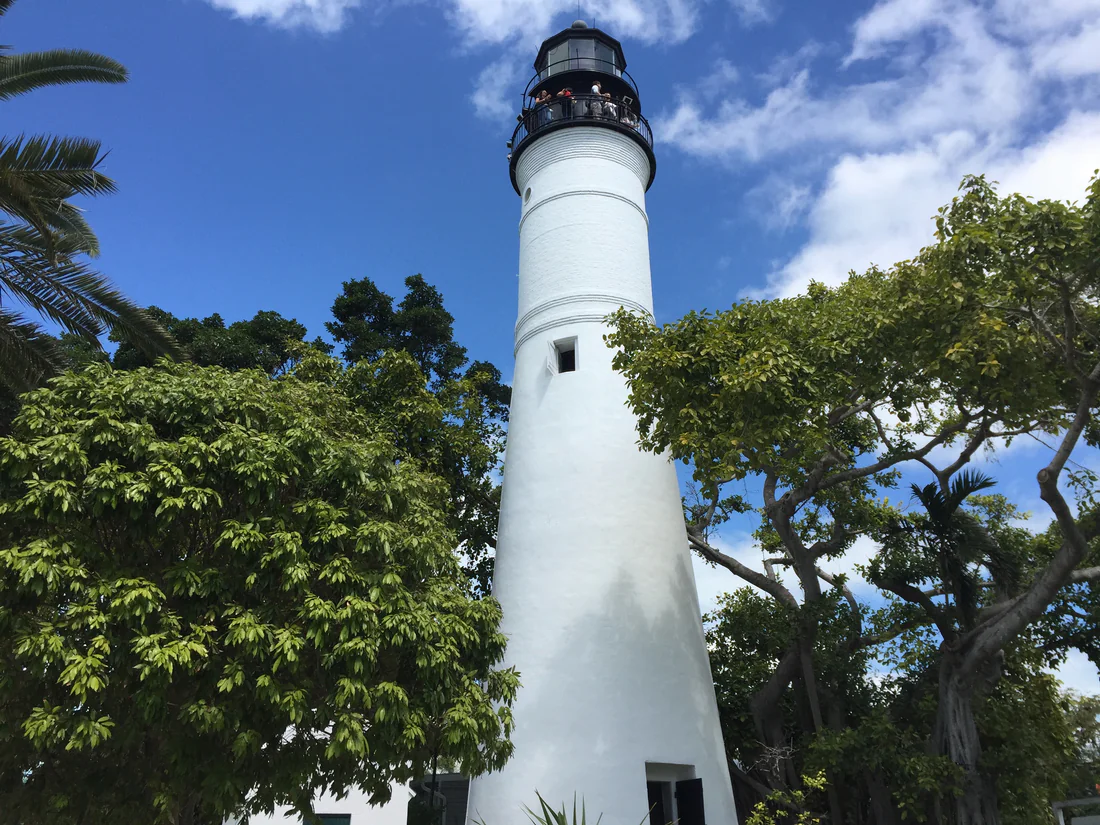
Wreckers, Indian Key and the Key West Lighthouse
Wrecking, the business of saving cargo from wrecked ships, was the trade that first made Key West prosper. In 1823 the territory passed a Salvage Act, the country's first try at bringing order to a trade many saw as lawless. By 1860 Key West was the richest city per person in the United States.
In the 1830s, people from the Bahamas began settling in the Lower Keys. Jacob Housman bought Indian Key in 1831, hoping to run his own wrecking business from it. Dade County was created on February 4, 1836, and Indian Key became its first county seat. In 1840 Seminole warriors attacked the village, and every building but one was destroyed. Dr. Henry Perrine, who had settled there with his family in 1838, was killed, but many people escaped, Housman among them.
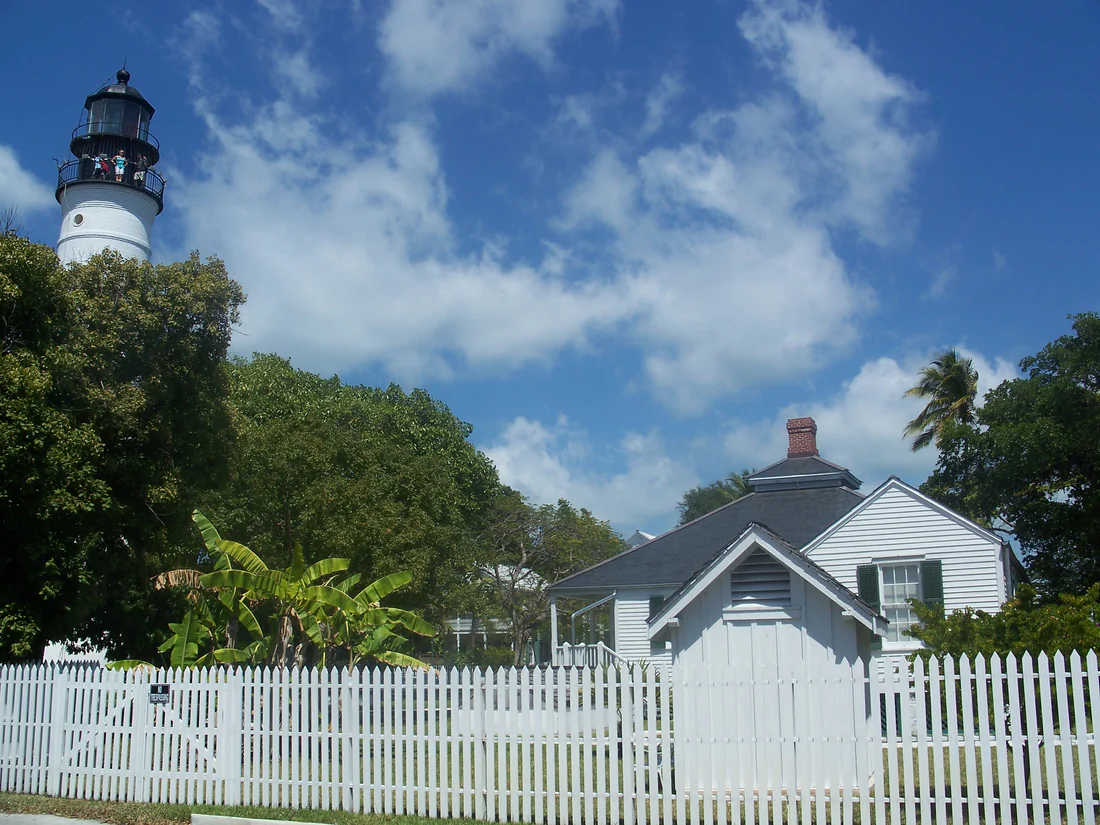
The Key West Lighthouse was first lit in 1825, when it stood 65 feet tall. On October 11, 1846, a great hurricane struck Key West and wrecked both the Key West and Sand Key lighthouses. A new tower was built farther inland and lit in 1848, with a woman as keeper. The Coast Guard retired the light in 1969, and the Key West Art & Historical Society now runs it as a museum.
Sources: Florida Keys Weekly: Keys History: Salvage Act of 1823 Brings Order to Lawless Industry Seen in the Keys; Florida State Parks: Indian Key Historic State Park; Key West Citizen (Florida Keys Free Press): Malcom shares 203-year history of Monroe County; Florida State Parks: Indian Key Historic State Park History; Florida Keys Weekly: Keys History: Old Monroe County Spanned Well Beyond the Island Chain; Florida Keys Weekly: Keys History: Mile Marker 0; Florida Keys Weekly: Keys History: The Great Hurricane of 1846; Key West Art & Historical Society: Life of the Keepers; Florida Keys Weekly: Historic Lighthouse 'Highlights' Key West
Next: Chapter 5, Fort Taylor, Fort Jefferson and the Civil War →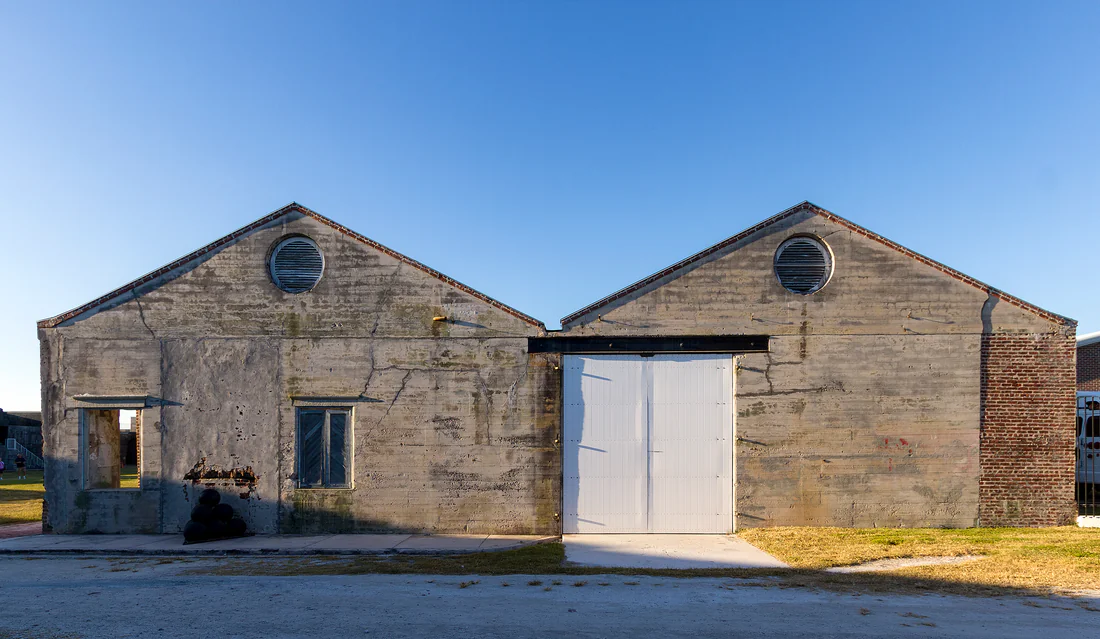
Fort Taylor, Fort Jefferson and the Civil War
The U.S. Army started work on Fort Taylor in 1845 and named it for President Zachary Taylor. Early in the Civil War, Union soldiers took over the fort, and Key West stayed in Union hands. Key West became the headquarters of the Union blockade in the Gulf, which captured 199 ships.
Work on Fort Jefferson began on Garden Key in the Dry Tortugas in 1846. Builders laid more than 16 million bricks over 30 years, but the fort was never finished. During the Civil War it served as a prison where the Union held captured deserters. Four men convicted of a part in the 1865 assassination of President Abraham Lincoln were held there too. One prisoner was Dr. Samuel Mudd, who had treated John Wilkes Booth.
Fort Taylor took 21 years to build and was finished in 1866. The sinking of the USS Maine in 1898 drew the nation's attention to Key West, and Fort Taylor was a stronghold in the Spanish-American War. In 1968 weapons and ammunition from the Civil War era were found buried in Fort Zachary Taylor's arsenal.
Sources: Florida State Parks: Fort Zachary Taylor Historic State Park History; Truman Little White House: Military History of Key West; National Park Service: Dry Tortugas National Park Map and Guide; Key West Citizen (Florida Keys Free Press): Malcom shares 203-year history of Monroe County; Florida State Parks: History of Fort Zachary Taylor
Next: Chapter 6, Sponges, pineapples and cigars, 1849 to 1890 →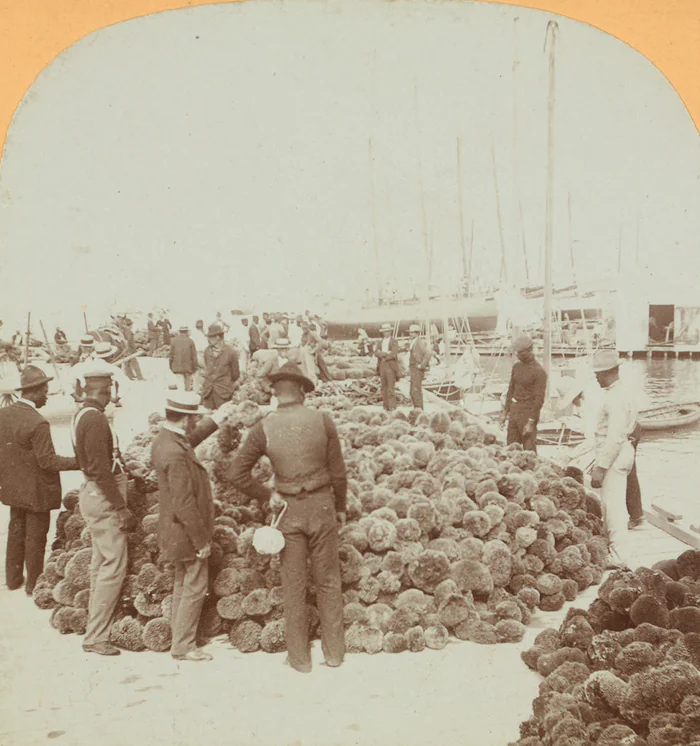
Sponges, pineapples and cigars, 1849 to 1890
In 1849 a sample of local sponges was shipped to buyers in New York. They were judged as good as sponges from the Mediterranean, and the local sponge trade began. Spongers used poles up to 50 feet long to scoop sponges off the sea floor. Captain Ben Baker, a wrecker, is considered the first to grow pineapples as a crop in the Keys. His 1870 crop was said to have earned him $7,000.
Cigar making grew large in 1868, when Cubans came to Key West after a rebellion broke out at home. Key West had 80 cigar factories by 1884, most of them staffed by Cubans who had fled unrest at home.
The fire of 1886 burned two of the first large factories. A committee from Tampa persuaded Vicente Martinez Ybor to move his factory there, and other factories went too. Key West's cigar output reached its peak in 1890, at more than 100 million cigars.
Sources: Florida Keys Weekly: Keys History: Wrecking, Sponging & Cigar Rolling Were Thriving Industries on the Islands; University of South Florida, Exploring Florida: Key West: Cigar Manufacturing (from Jefferson B. Browne, 1912)
Next: Chapter 7, The Africans of 1860 and Black Key West →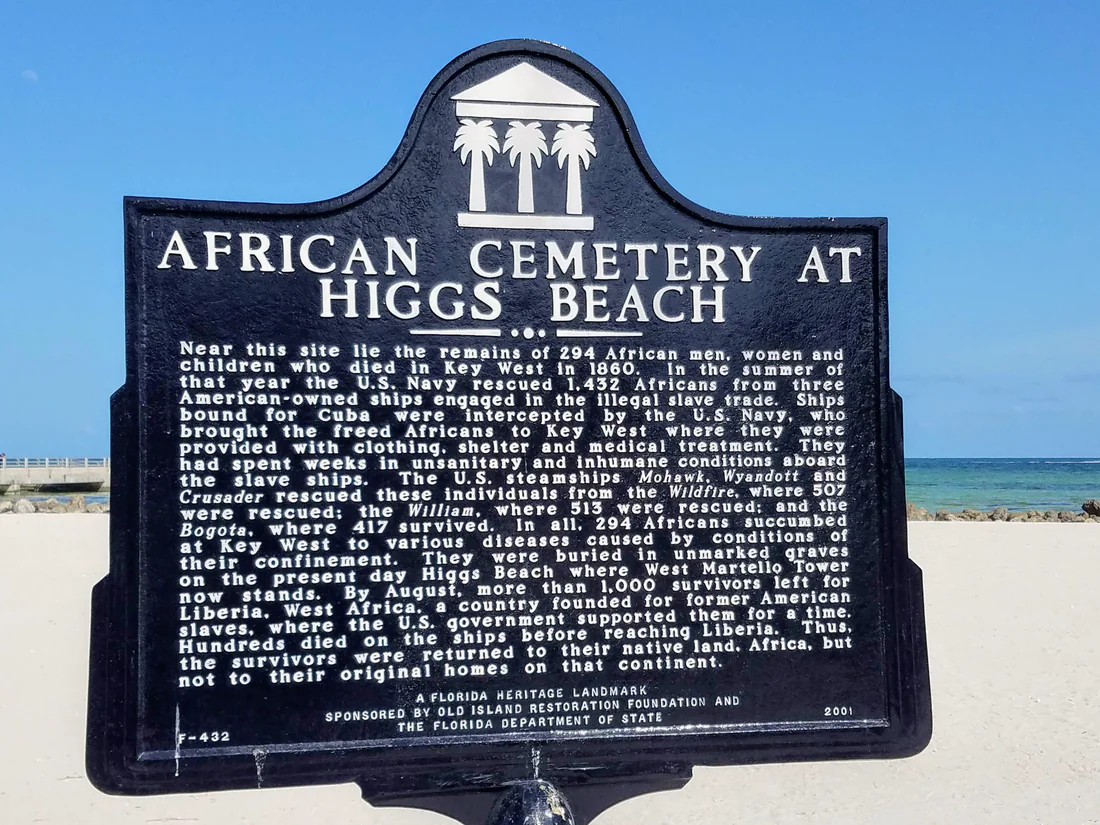
The Africans of 1860 and Black Key West
In the spring of 1860 the U.S. Navy stopped three slave ships, the Wildfire, the William and the Bogota. The 1,432 Africans freed from the ships were landed at Key West, the closest American port. Sources put the number who died on the island at 295 or 297, and the dead were laid in shallow graves in the sand on the south shore. The survivors were sent on to Liberia, on the coast of West Africa.
The Douglass School for Black children on the island opened in 1870 in Bahama Village. James D. English served on the Monroe County Commission from 1868 to 1877 and joined the school board in the late 1870s, the first Black man in either post. In 1882 his son Nelson English was named postmaster, the youngest and the first Black man to run the Key West post office. Nelson's son James Nelson English, who earned a mathematics doctorate at the University of Chicago, ran the Douglass School as principal from 1914 to 1922. On February 16, 1934, a Key West park was dedicated as Nelson English Park.
For a time, Black residents were barred from swimming at Smathers Beach and Higgs Beach. The Colored Beach was where the Southernmost Point buoy stands now. Monroe County's schools were integrated while Clayton Lopez, later a Key West city commissioner, was in middle school.
Sources: Mel Fisher Maritime Museum: African Cemetery 1860; WLRN Public Media (Associated Press): Keys underwater memorial to wrecked slave ship draws pilgrims seeking to connect with their roots; Florida Keys Weekly: Black History Month: The English Family Left Its Mark in Key West; Florida Keys Weekly: Clayton Lopez recalls segregation in Key West
Next: Chapter 8, Flagler's Over-Sea Railroad and the 1935 hurricane, 1908 to 1938 →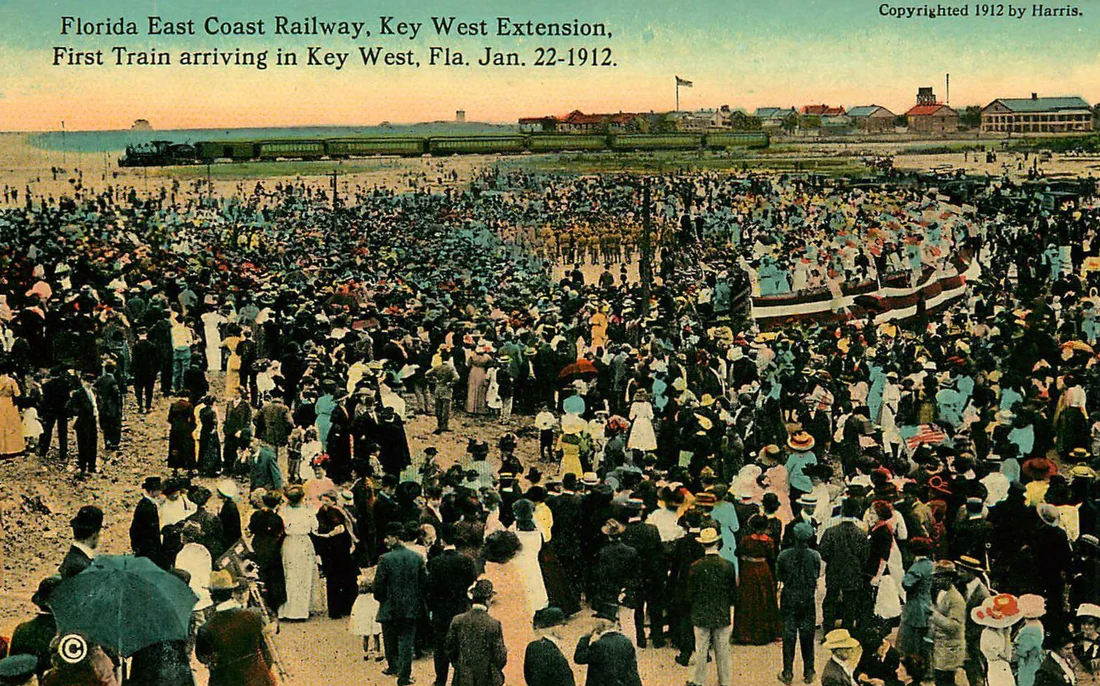
Flagler's Over-Sea Railroad and the 1935 hurricane, 1908 to 1938
Henry Flagler, a partner in Standard Oil, owned the Florida East Coast Railway, which included the Over-Sea Railroad. Skeptics called it Flagler's Folly. From 1908 to 1912, hundreds of the men building the railroad lived on Pigeon Key. On January 22, 1912, Flagler rode into Key West on the first train to arrive. He lived to see the line finished in 1912 and died the next year.
The Labor Day Hurricane of 1935 left more than 400 dead, among them hundreds of veterans of World War I working on part of the Overseas Highway. Damage from the storm ended the railroad. Rather than abandon the Bahia Honda Bridge, the state of Florida bought it from the railroad. The Overseas Highway was laid on the old railroad bed and opened in 1938.
Sources: KVIA (CNN): From railroad to overwater highway: Driving the spectacular route through the Florida Keys; Florida State Parks: Bahia Honda State Park History
Next: Chapter 9, Edison, Hemingway, the aquarium and Truman, 1918 to 1974 →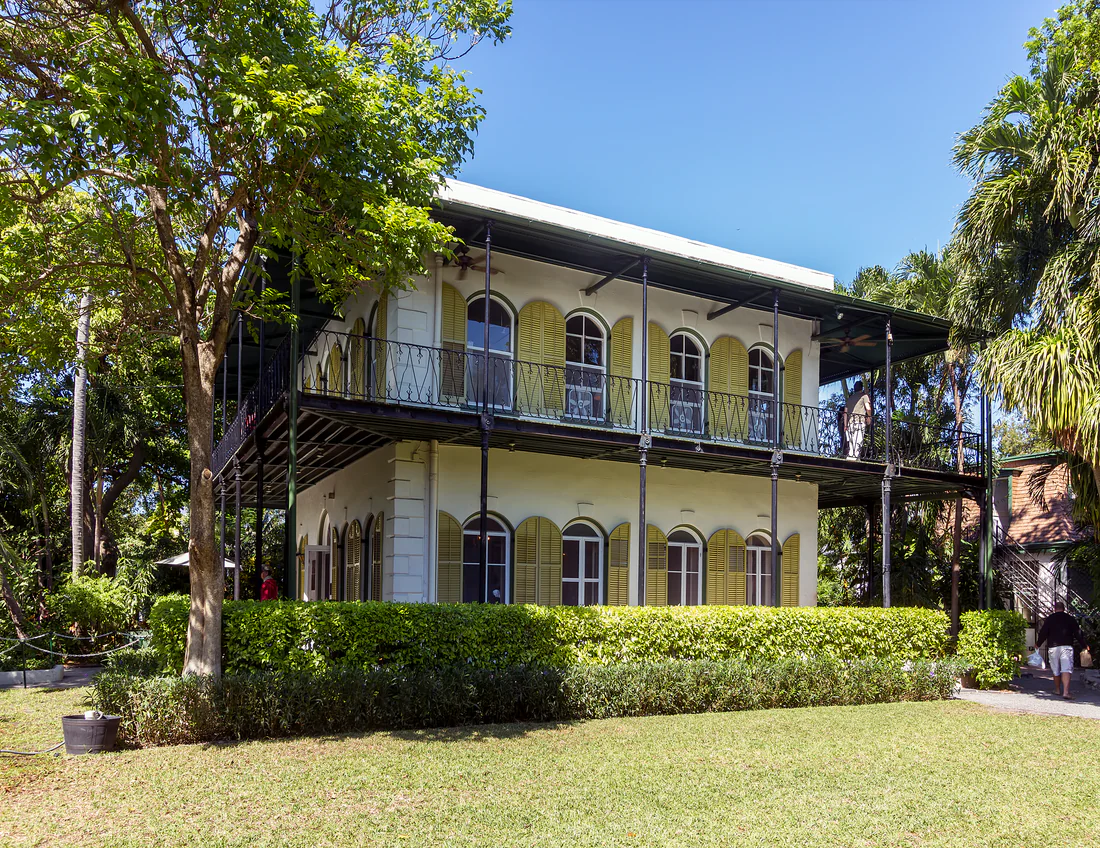
Edison, Hemingway, the aquarium and Truman, 1918 to 1974
In 1918 the inventor Thomas Edison spent six months in a Key West house built for Navy officers, working on 41 weapons for the war effort. Ernest Hemingway reached Key West in April 1928. In 1931 the uncle of his wife Pauline bought them a house on Whitehead Street, now the Hemingway Home. At the house he wrote books that included Death in the Afternoon and Green Hills of Africa. The couple separated in 1940, and Hemingway moved to Cuba.
By 1934 the city had no money, and eight in ten people living there were on welfare. The governor put the whole city under the federal relief program known as FERA, and its workers built the Key West Aquarium on Whitehead Street. The aquarium opened on February 17, 1935, and Keys Weekly calls it Key West's first tourist attraction.
President Harry S. Truman first stayed in the old Navy house in November 1946, and it became known as the Little White House. He came back for 11 working vacations in all, spending 175 days there by March 1952. Key West was an important part of the Navy's anti-submarine warfare from 1946 to 1974. In 1974 the Navy closed the Naval Station, because the larger new nuclear submarines were unable to use the harbor.
Sources: Truman Little White House: Key West History; Truman Little White House: Key West Museum History; The Hemingway Home & Museum: His Life; National Park Service: National Register nomination, Ernest Hemingway House; Florida Keys Weekly: Key West Aquarium Turns 90, 1st Tourist Attraction Rises from Great Depression; Truman Little White House: A Brief History of the Little White House; Truman Little White House: Military History of Key West
Next: Chapter 10, Key deer, an undersea park, the Conch Republic and sunken treasure, 1957 to 1985 →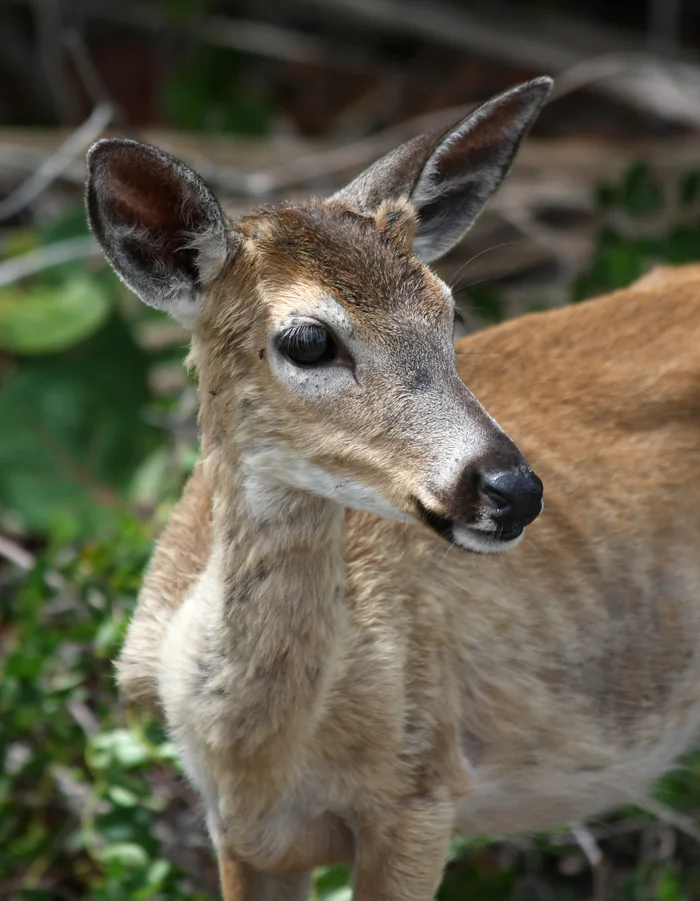
Key deer, an undersea park, the Conch Republic and sunken treasure, 1957 to 1985
In 1957 the National Key Deer Refuge was created to protect the Key deer. President Eisenhower set aside the area as the Key Largo Coral Reef Preserve in the spring of 1960. At the dedication on December 10, 1960, Governor Collins named it John Pennekamp Coral Reef State Park, which the state calls the nation's first undersea park. The name honors John D. Pennekamp, an assistant editor at the Miami Herald who had long backed the reef preserve in print. Bahia Honda, run by the county in the 1950s, joined the state park system in 1961.
The U.S. Border Patrol had set up a roadblock at the top of the Keys to fight the drug trade. On April 23, 1982, Mayor Dennis Wardlow of Key West answered by declaring that the Keys had left the Union as the Conch Republic. Wardlow declared war against the United States, surrendered right away and demanded that the federal government pay war reparations. The blockade soon ended.
In 1972 treasure hunter Mel Fisher found the wreck of the Henrietta Marie. On July 20, 1985, after a 16-year search, his team found the mother lode of the Atocha. Artifacts from the Henrietta Marie, among them more than 80 sets of iron shackles, take up a full floor at Key West's Mel Fisher Maritime Museum.
Sources: U.S. Fish and Wildlife Service: National Key Deer Refuge, About Us; Florida State Parks: John Pennekamp Coral Reef State Park History; Florida State Parks: Bahia Honda State Park History; Florida Keys Weekly: Key West's Conch Republic Revels in History & Humor; Florida Keys Weekly: In Pictures: Conch Republic Conquers Coast Guard in Great Sea Battle; WLRN Public Media (Associated Press): Keys underwater memorial to wrecked slave ship draws pilgrims seeking to connect with their roots; Florida Keys Weekly: Mel Fisher Days Commemorates 1622 Sinking of Atocha & Key West Treasure Hunters; Key West Citizen: Silver treasure recovered from 1622 shipwreck
Next: Chapter 11, Since 1990: Dry Tortugas National Park, the Henrietta Marie honored and new milestones →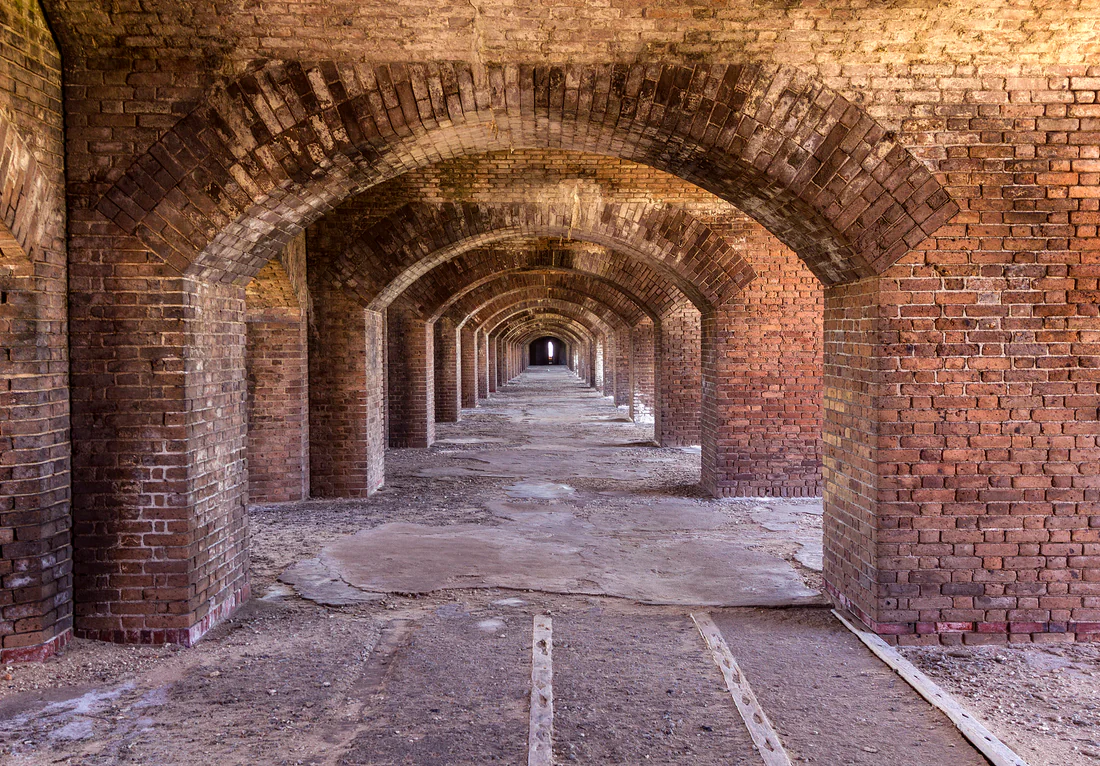
Since 1990: Dry Tortugas National Park, the Henrietta Marie honored and new milestones
Fort Jefferson, a national monument since 1935, became Dry Tortugas National Park in 1992. That same year the National Association of Black Scuba Divers placed a marker on the reef where the Henrietta Marie sank. The marker lies 20 feet down, and its words honor the courage, pain and suffering of enslaved Africans. A 2002 survey led by the Mel Fisher Maritime Heritage Society found rows of closely spaced graves at the 1860 African burial ground on Higgs Beach. A memorial was installed there in 2007.
In 2022 a 2.2-mile stretch of Old Seven, the former railroad bridge, reopened to walkers and cyclists. In February 2025 the Key West Aquarium, which Keys Weekly calls the island's first tourist attraction, marked its 90th anniversary. On March 6, 2025, Bahama Village held a ribbon-cutting for its new Frederick Douglass Community Center. The Conch Republic marked its 43rd anniversary from April 18 to 27, 2025, ending with the yearly Great Sea Battle in Key West Harbor. The Coast Guard ended up surrendering to the island republic.
In early May 2026 a group of Black divers visited the reef where the Henrietta Marie sank. On May 9, 2026, they met at the 1860 burial ground on Higgs Beach and held a libation ceremony.
Sources: National Park Service: Dry Tortugas National Park Map and Guide; WLRN Public Media (Associated Press): Keys underwater memorial to wrecked slave ship draws pilgrims seeking to connect with their roots; Mel Fisher Maritime Museum: African Cemetery 1860; KVIA (CNN): From railroad to overwater highway: Driving the spectacular route through the Florida Keys; Florida Keys Weekly: How'd We Get Here? Rewinding the Top 2025 Headlines in Key West; Florida Keys Weekly: Bahama Village Hails New Addition to the Neighborhood; Florida Keys Weekly: In Pictures: Conch Republic Conquers Coast Guard in Great Sea Battle
Next: the whole story, in dates →The whole story, in dates
Ponce de León names the Dry Tortugas Las Tortugas.
A hurricane wrecks the Atocha on the reef near Key West.
The British slave ship Henrietta Marie sinks on New Ground Reef.
A Spanish fleet sails from Havana, and 19 of its ships later run aground in the Keys.
The last of the native peoples of South Florida and the Keys are gone.
Spain's governor grants Cayo Hueso to Juan Pablo Salas.
The United States flag is raised over Key West.
Monroe County is created, with Key West as county seat.
The Key West Lighthouse is first lit.
Dade County is created, with Indian Key as its first seat.
The Army starts building Fort Taylor.
A great hurricane wrecks the Key West and Sand Key lighthouses.
A new Key West lighthouse is lit, with a woman as keeper.
A sample of Keys sponges is shipped to New York.
The Navy stops three slave ships, and 1,432 Africans are landed at Key West.
Fort Taylor is finished after 21 years of work.
Cubans arrive after a rebellion at home, and cigar making grows.
The Douglass School opens in Bahama Village.
Nelson English becomes Key West's first Black postmaster.
The sinking of the USS Maine draws national attention to Key West.
Henry Flagler rides into Key West on the first train.
Thomas Edison spends six months working in Key West.
The Hemingways get their house on Whitehead Street.
The Key West Aquarium opens.
A hurricane kills more than 400 people and ends the railroad.
The Overseas Highway opens on the old railroad bed.
President Truman first stays at what becomes the Little White House.
The National Key Deer Refuge is created.
John Pennekamp Coral Reef State Park is dedicated.
Mayor Dennis Wardlow declares the Conch Republic.
Mel Fisher's team finds the Atocha's mother lode.
Fort Jefferson becomes Dry Tortugas National Park, and a marker is placed at the Henrietta Marie wreck.
A 2.2-mile stretch of Old Seven reopens to walkers and cyclists.
The Key West Aquarium marks its 90th anniversary.
Bahama Village cuts the ribbon on the new Frederick Douglass Community Center.
The Conch Republic marks its 43rd anniversary.
Black divers hold a libation ceremony at the 1860 burial ground on Higgs Beach.
Where you can still see it
 01
Key West Lighthouse & Keeper's Quarters
Goes with: Wreckers, Indian Key and the Key West Lighthouse
Open the place page →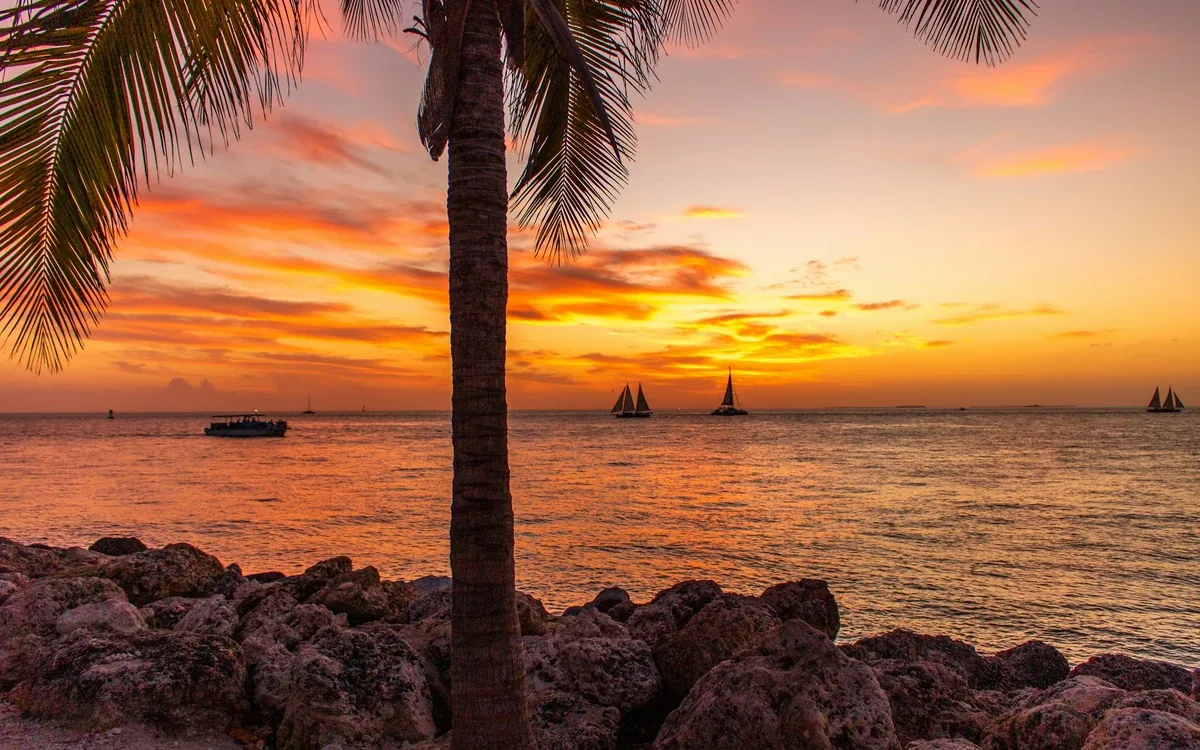 02
Fort Zachary Taylor Historic State Park
Goes with: Fort Taylor, Fort Jefferson and the Civil War
Open the place page →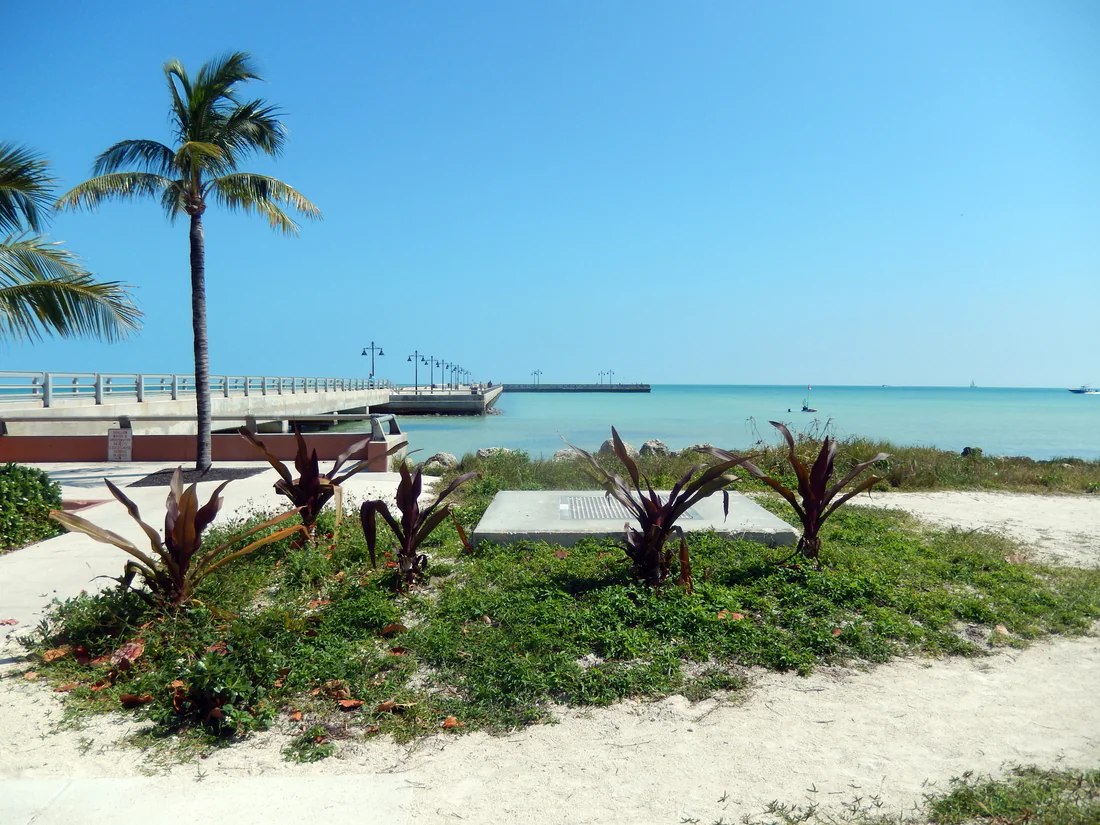 03
 04
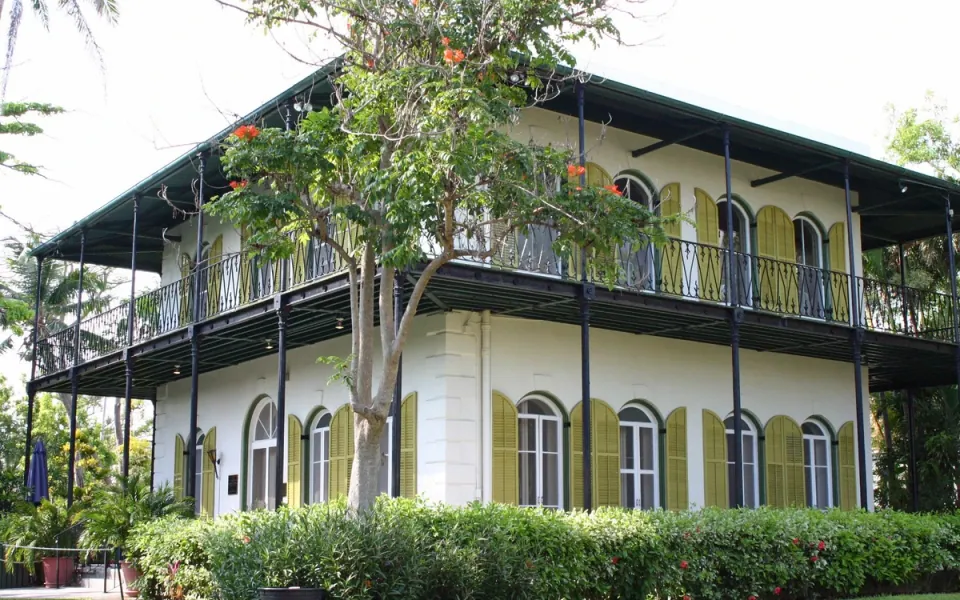
Ernest Hemingway Home and Museum
Goes with: Edison, Hemingway, the aquarium and Truman, 1918 to 1974
Open the place page →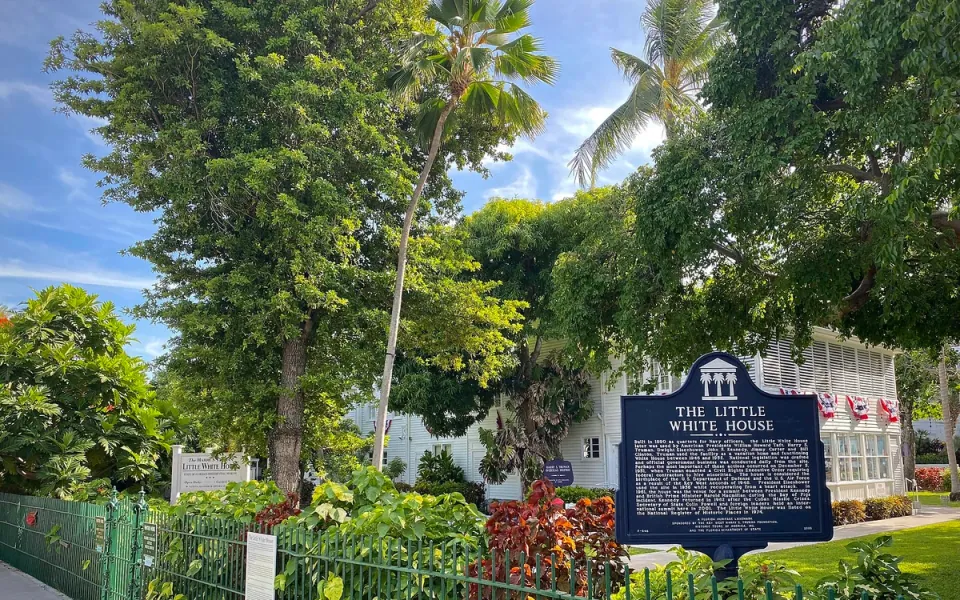 05
Harry S. Truman Little White House
Goes with: Edison, Hemingway, the aquarium and Truman, 1918 to 1974
Open the place page →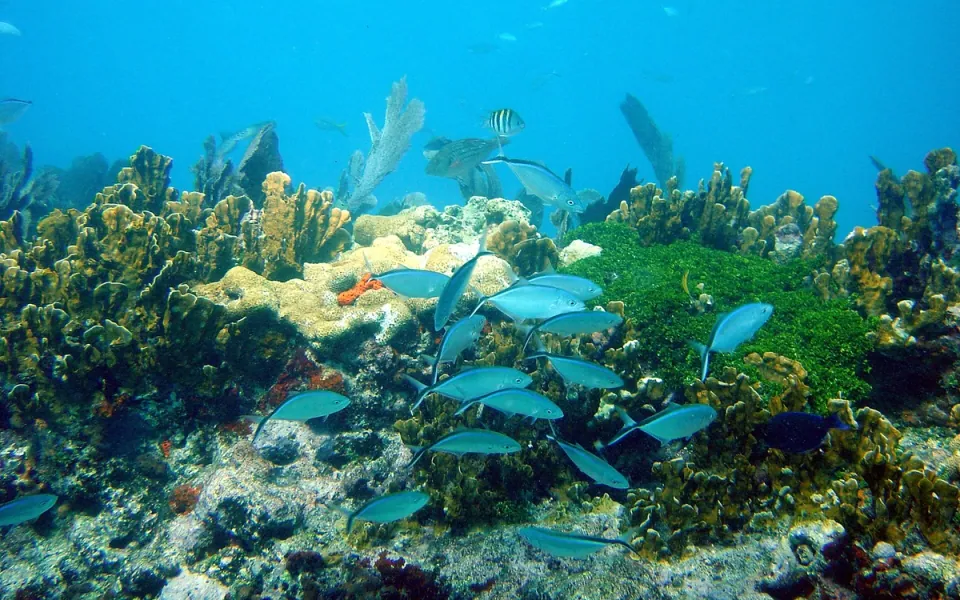 06
John Pennekamp Coral Reef State Park
Goes with: Key deer, an undersea park, the Conch Republic and sunken treasure, 1957 to 1985
Open the place page →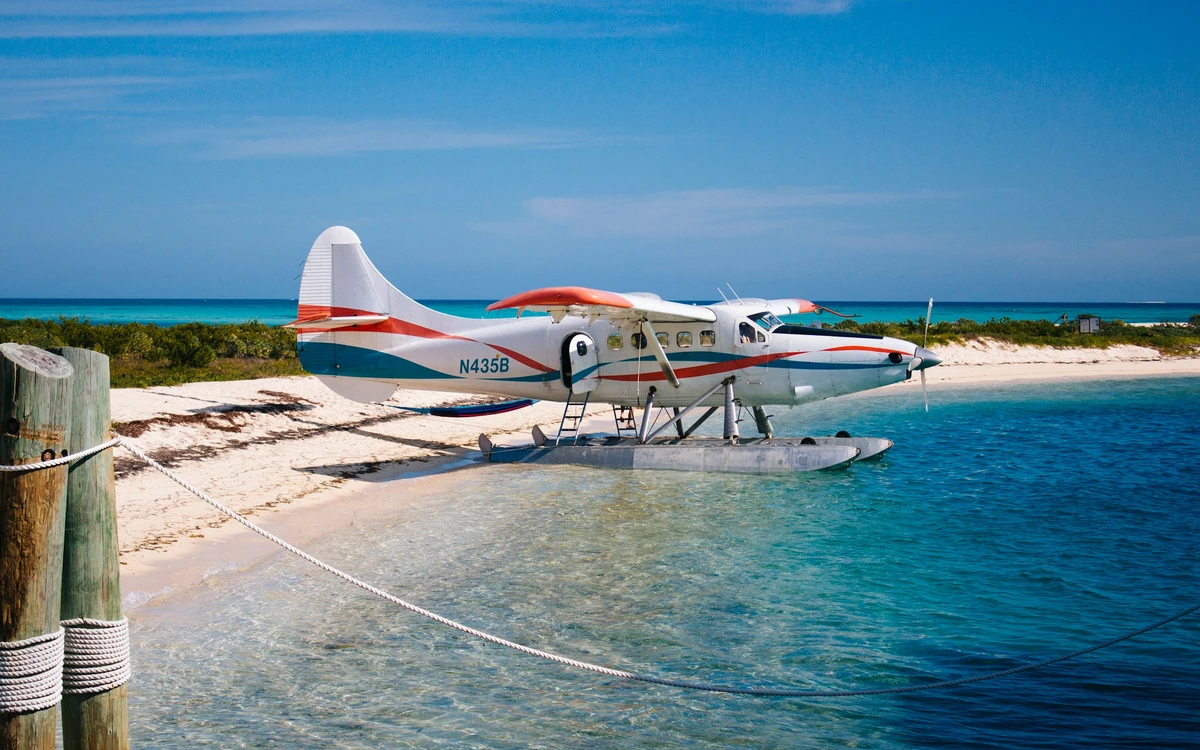 07
Dry Tortugas National Park
Goes with: Since 1990: Dry Tortugas National Park, the Henrietta Marie honored and new milestones
Open the place page →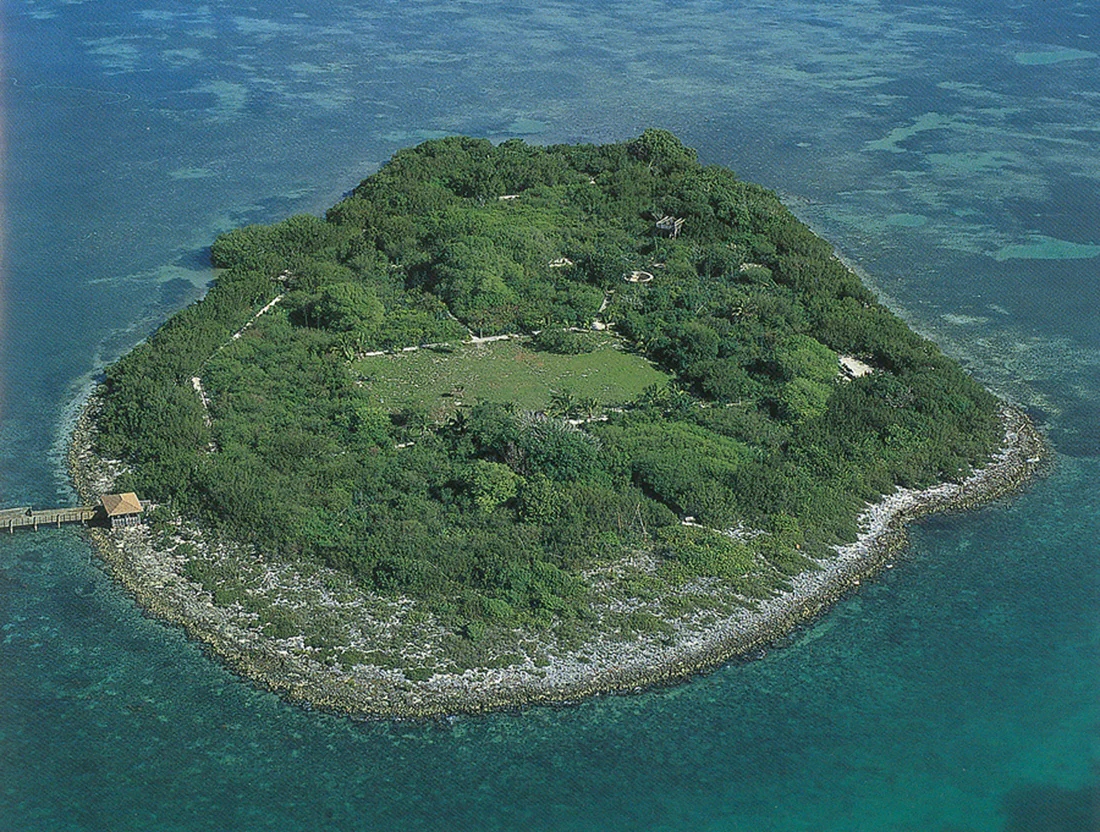 08
Indian Key Historic State Park
Goes with: Wreckers, Indian Key and the Key West Lighthouse
Indian Key Historic State Park (Florida State Parks) →Questions people ask
When was Monroe County created?
Monroe County was created on July 3, 1823, by the Legislative Council of the Territory of Florida.
Chapter 3 →What is the county seat of Monroe County?
Key West was made the county seat when the county was created in 1823.
Chapter 3 →When did the railroad reach Key West?
Henry Flagler rode into Key West on the first train on January 22, 1912.
Chapter 8 →What was the Conch Republic?
On April 23, 1982, after a Border Patrol roadblock at the top of the Keys, Mayor Dennis Wardlow declared that the Keys had left the Union as the Conch Republic.
Chapter 10 →Where this comes from.
Last updated October 18, 2026.
- Florida Memory: Historical Sketch of Monroe County (WPA) ↗ Read October 18, 2026
- Florida Keys Weekly: Keys History: Old Monroe County Spanned Well Beyond the Island Chain ↗ Read October 18, 2026
- Key West Citizen (Florida Keys Free Press): Malcom shares 203-year history of Monroe County ↗ Read October 18, 2026
- Florida Keys Weekly: Keys History: Who First Called the Florida Keys Home? ↗ Read October 18, 2026
- Florida Keys Weekly: Keys History: Captured Spaniard Shares a Calusa Story ↗ Read October 18, 2026
- National Park Service: Dry Tortugas National Park Map and Guide ↗ Read October 18, 2026
- Florida Keys Weekly: Mel Fisher Days Commemorates 1622 Sinking of Atocha & Key West Treasure Hunters ↗ Read October 18, 2026
- Key West Citizen: Silver treasure recovered from 1622 shipwreck ↗ Read October 18, 2026
- WLRN Public Media (Associated Press): Keys underwater memorial to wrecked slave ship draws pilgrims seeking to connect with their roots ↗ Read October 18, 2026
- Florida State Parks: History of the San Pedro ↗ Read October 18, 2026
- Florida State Parks: San Pedro Underwater Archaeological Preserve State Park ↗ Read October 18, 2026
- University of South Florida, Exploring Florida: Key West: General History and Sketches (from Jefferson B. Browne, 1912) ↗ Read October 18, 2026
- Florida State Parks: Fort Zachary Taylor Historic State Park History ↗ Read October 18, 2026
- Florida State Parks: History of Fort Zachary Taylor ↗ Read October 18, 2026
- Florida Keys Weekly: Keys History: Salvage Act of 1823 Brings Order to Lawless Industry Seen in the Keys ↗ Read October 18, 2026
- Florida State Parks: Indian Key Historic State Park History ↗ Read October 18, 2026
- Florida State Parks: Indian Key Historic State Park ↗ Read October 18, 2026
- Florida Keys Weekly: Keys History: Mile Marker 0 ↗ Read October 18, 2026
- Florida Keys Weekly: Keys History: The Great Hurricane of 1846 ↗ Read October 18, 2026
- Key West Art & Historical Society: Life of the Keepers ↗ Read October 18, 2026
- Florida Keys Weekly: Historic Lighthouse 'Highlights' Key West ↗ Read October 18, 2026
- Truman Little White House: Key West History ↗ Read October 18, 2026
- Truman Little White House: Military History of Key West ↗ Read October 18, 2026
- Truman Little White House: Key West Museum History ↗ Read October 18, 2026
- Truman Little White House: A Brief History of the Little White House ↗ Read October 18, 2026
- Florida Keys Weekly: Keys History: Wrecking, Sponging & Cigar Rolling Were Thriving Industries on the Islands ↗ Read October 18, 2026
- University of South Florida, Exploring Florida: Key West: Cigar Manufacturing (from Jefferson B. Browne, 1912) ↗ Read October 18, 2026
- Mel Fisher Maritime Museum: African Cemetery 1860 ↗ Read October 18, 2026
- Florida Keys Weekly: Black History Month: The English Family Left Its Mark in Key West ↗ Read October 18, 2026
- Florida Keys Weekly: Clayton Lopez recalls segregation in Key West ↗ Read October 18, 2026
- Florida State Parks: Bahia Honda State Park History ↗ Read October 18, 2026
- KVIA (CNN): From railroad to overwater highway: Driving the spectacular route through the Florida Keys ↗ Read October 18, 2026
- The Hemingway Home & Museum: His Life ↗ Read October 18, 2026
- National Park Service: National Register nomination, Ernest Hemingway House ↗ Read October 18, 2026
- Florida Keys Weekly: Key West Aquarium Turns 90, 1st Tourist Attraction Rises from Great Depression ↗ Read October 18, 2026
- U.S. Fish and Wildlife Service: National Key Deer Refuge, About Us ↗ Read October 18, 2026
- Florida State Parks: John Pennekamp Coral Reef State Park History ↗ Read October 18, 2026
- Florida Keys Weekly: Key West's Conch Republic Revels in History & Humor ↗ Read October 18, 2026
- Florida Keys Weekly: In Pictures: Conch Republic Conquers Coast Guard in Great Sea Battle ↗ Read October 18, 2026
- Florida Keys Weekly: How'd We Get Here? Rewinding the Top 2025 Headlines in Key West ↗ Read October 18, 2026
- Florida Keys Weekly: Bahama Village Hails New Addition to the Neighborhood ↗ Read October 18, 2026