Florida has no personal income tax, so wages, pensions and Social Security are not taxed by the state, and there is no inheritance or gift tax. Home prices vary more by county than by anything else: in the three months to June 2026 the typical home sold for under $200,000 in three rural counties and for more than $600,000 in Collier, Walton and Monroe, the Keys. Homeowners insurance is priced mostly on hurricane wind and can be a large part of the monthly payment, so price a policy on the address before you buy, and add flood insurance, which a standard policy does not cover. Sales tax is 6 percent, plus a county surtax in 65 of the 67 counties. Property taxes are set locally, and a home's taxable value resets to market value when it sells, so budget from the county's estimate, not the seller's bill.
Where to go from here.
 01
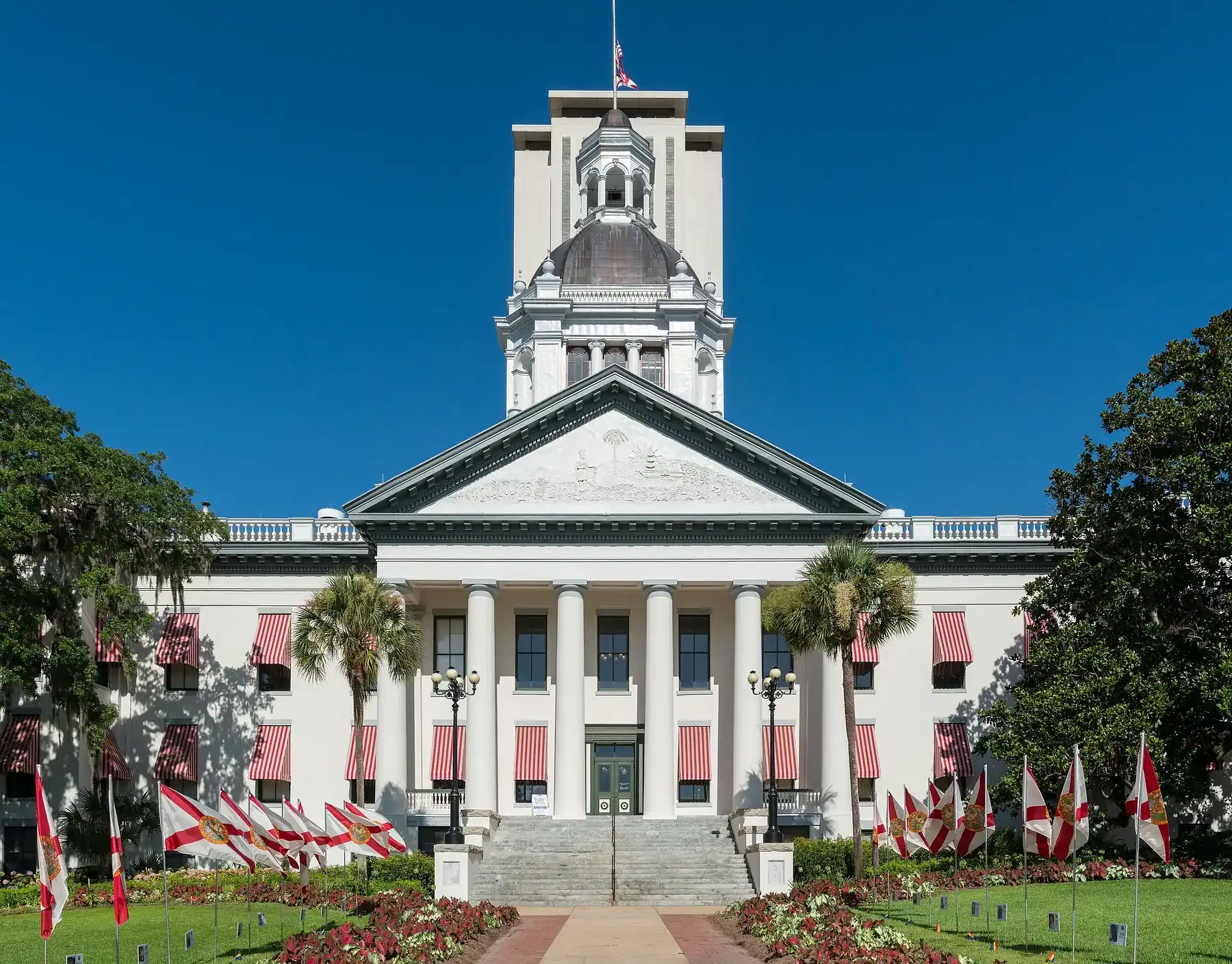
01Does Florida have a state income tax?
No. Florida does not tax personal income, so wages, pensions, withdrawals from an IRA or a 401(k), and Social Security are all free of state income tax, and there is no inheritance tax or gift tax either.
Read the answer →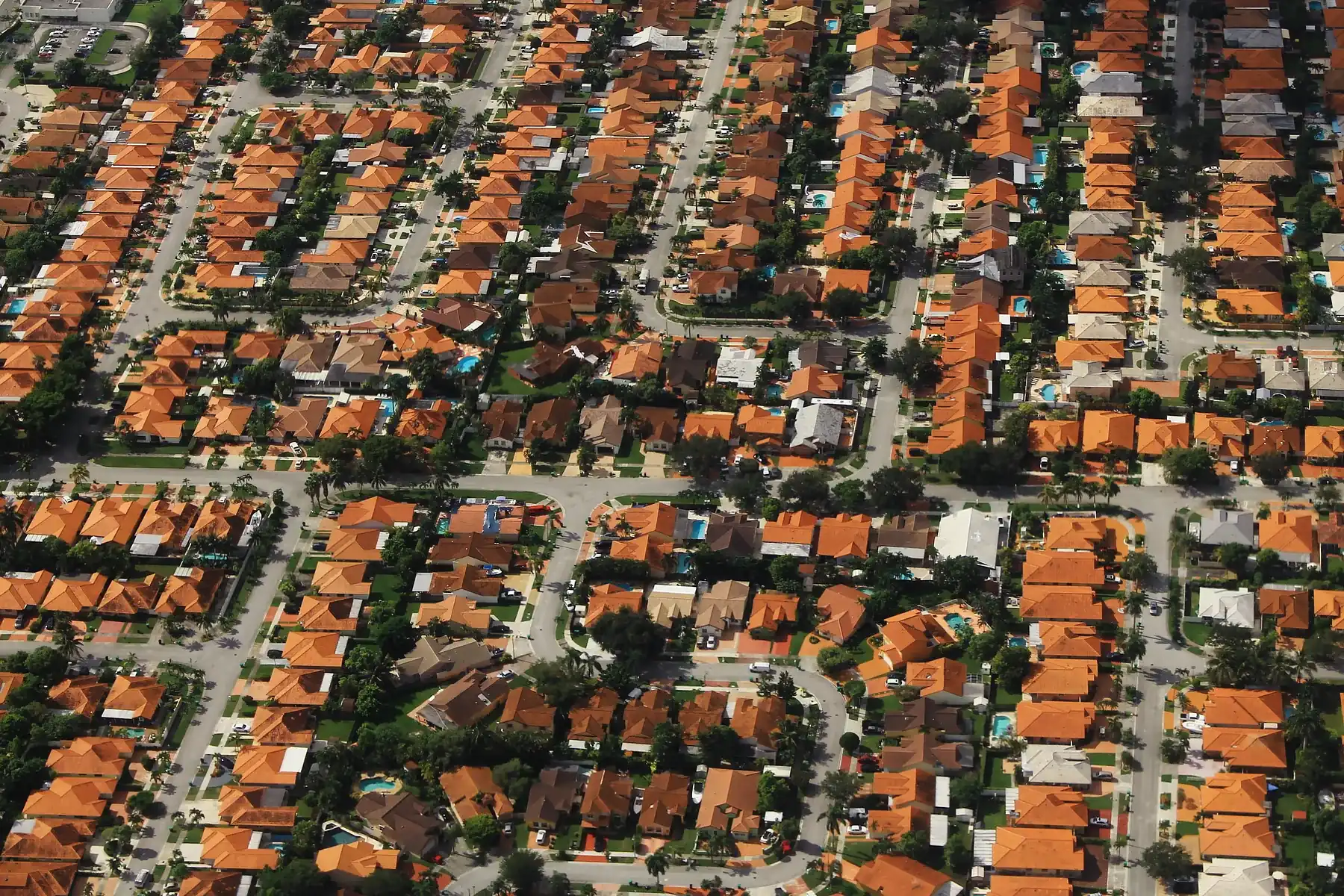 02
02How much do houses cost in Florida?
It depends more on the county than on the state. In the three months to June 2026 the typical home sold for anywhere from under $160,000 in Madison County to more than $1.1 million in Monroe County, the Keys.
Read the answer →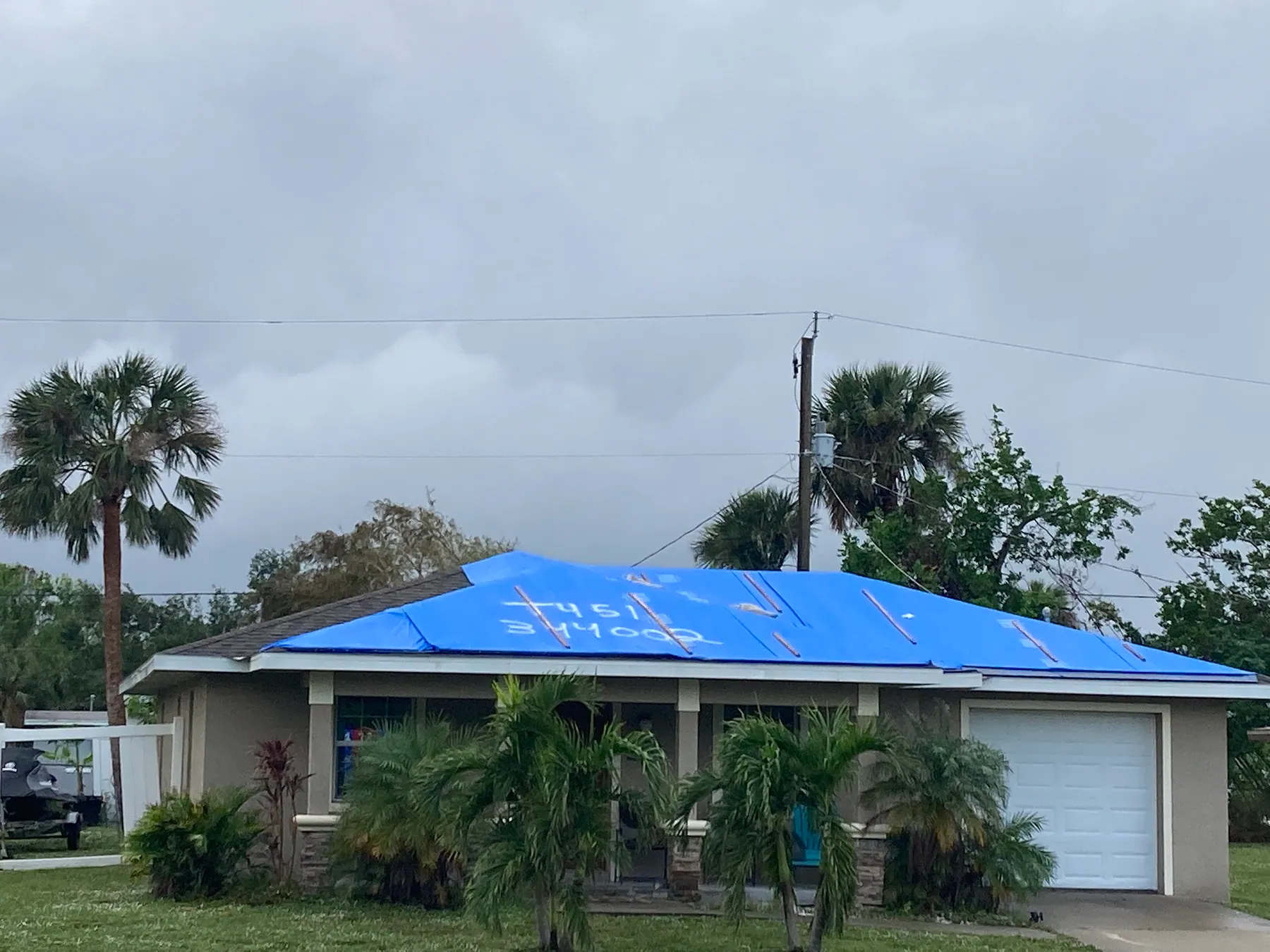 03
03Why is home insurance so expensive in Florida, and how can I lower it?
Hurricane wind is the main cost in a Florida home policy, and the price is set by the address, the age and shape of the roof and how the house is built, so it can differ a great deal between two homes on the same street.
Read the answer →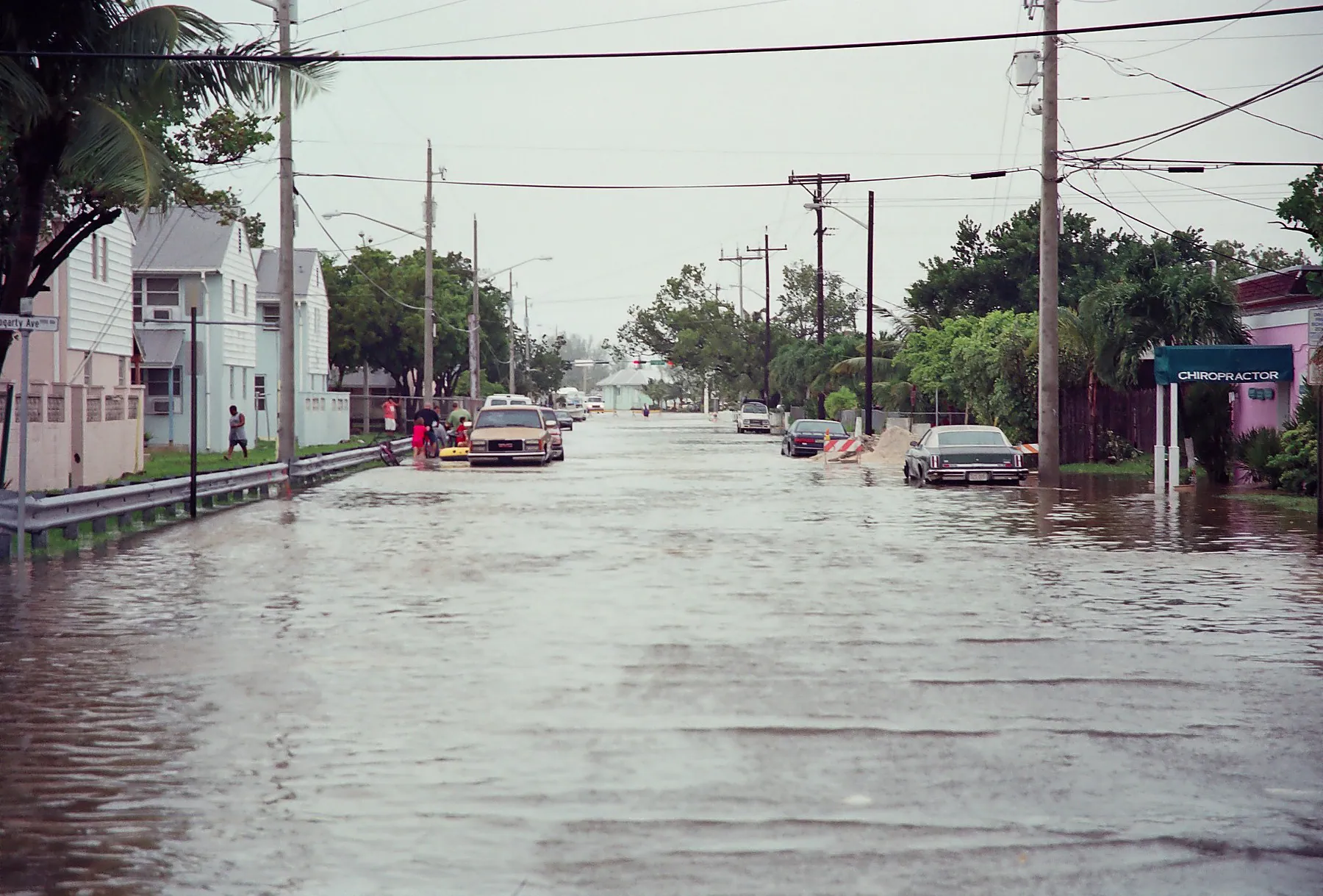 04
04Do I need flood insurance in Florida?
A standard homeowners policy does not cover flooding. Flood is a separate policy, from the National Flood Insurance Program or a private insurer, and an NFIP policy usually takes 30 days to start, so it cannot be bought the day a storm is named.
Read the answer → 05
05How much are property taxes in Florida?
There is no single Florida rate. Your bill is the home's assessed value, minus any exemptions, times the millage rates set each year by the county, the city if you live in one, the school board and any special districts, so two houses of the same price in neighboring towns can pay different amounts.
Read the answer →More questions like this.
Only for medical use, with a Florida card. Recreational marijuana is not legal.
You need a Florida doctor's certification first, then the state's card. A qualified physician examines you, in person the first time, and if you have a qualifying condition enters a certification in the state's Medical Marijuana Use Registry; later visits may be by telehealth.
Original Medicare comes with you: you can see any doctor or hospital that takes Medicare, anywhere in the U.S., so there is nothing to move.