 01
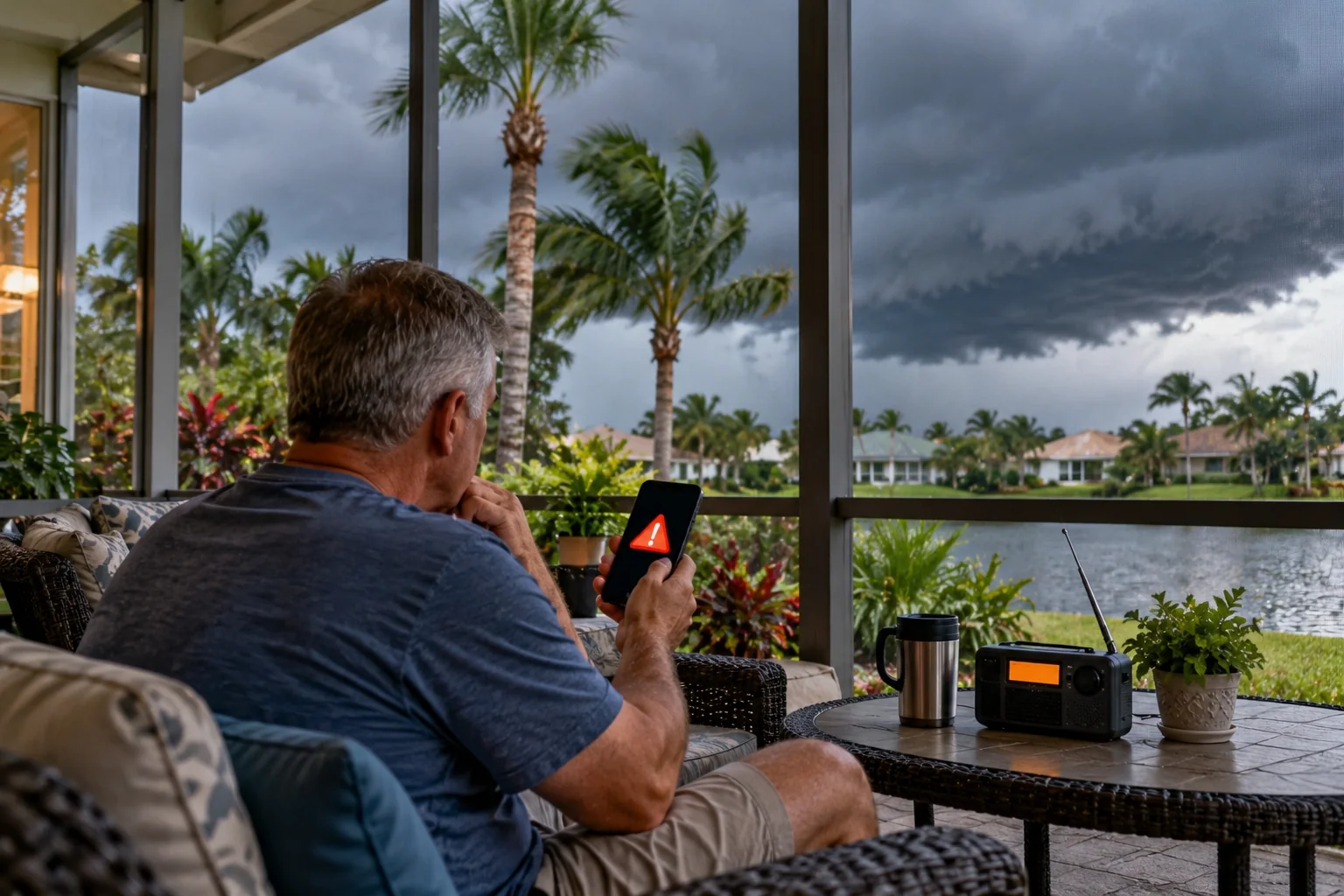
How do I get emergency alerts in Florida?
Wireless Emergency Alerts come to cell phones free, with no sign-up, from authorized national, state and local authorities.
Read the answer →Ask 1stFlorida
Each Florida county's emergency management agency writes its emergency plan and coordinates emergency programs, and AlertFlorida shows how to get alerts.
Section 252.38 of the Florida Statutes says each county must establish and maintain an emergency management agency and write a county emergency management plan that is coordinated with the state's plan. The county commission, or the county's chief administrative officer, appoints the director. The law sets training and experience requirements for the job, including 4 years of emergency management experience with supervisory duties.
Under the same law, when an emergency affects only one county, the county asks for state help by declaring a state of local emergency. The declaration lasts 7 days and can be extended 7 days at a time. A county may also set up an emergency operations center, spend money and sign contracts for emergency management, and assign its own staff and equipment to the work.
The Florida Division of Emergency Management is the state agency, in Tallahassee, that sponsors AlertFlorida, a statewide emergency notification program. On the AlertFlorida page, apps.floridadisaster.org/alertflorida, you enter your county or city, and it shows how to receive emergency alerts and other public safety notices where you live. The division's website, floridadisaster.org, also lists all 67 county emergency management offices with a link to each one's website. The division's phone number is 850-815-4000.
The division also advises people who need electricity for medical equipment, need a ride to evacuate because of a medical condition, or need help getting medication during a disaster to sign up for the Special Needs Registry at snr.flhealthresponse.com.
01Wireless Emergency Alerts come to cell phones free, with no sign-up, from authorized national, state and local authorities.
Read the answer →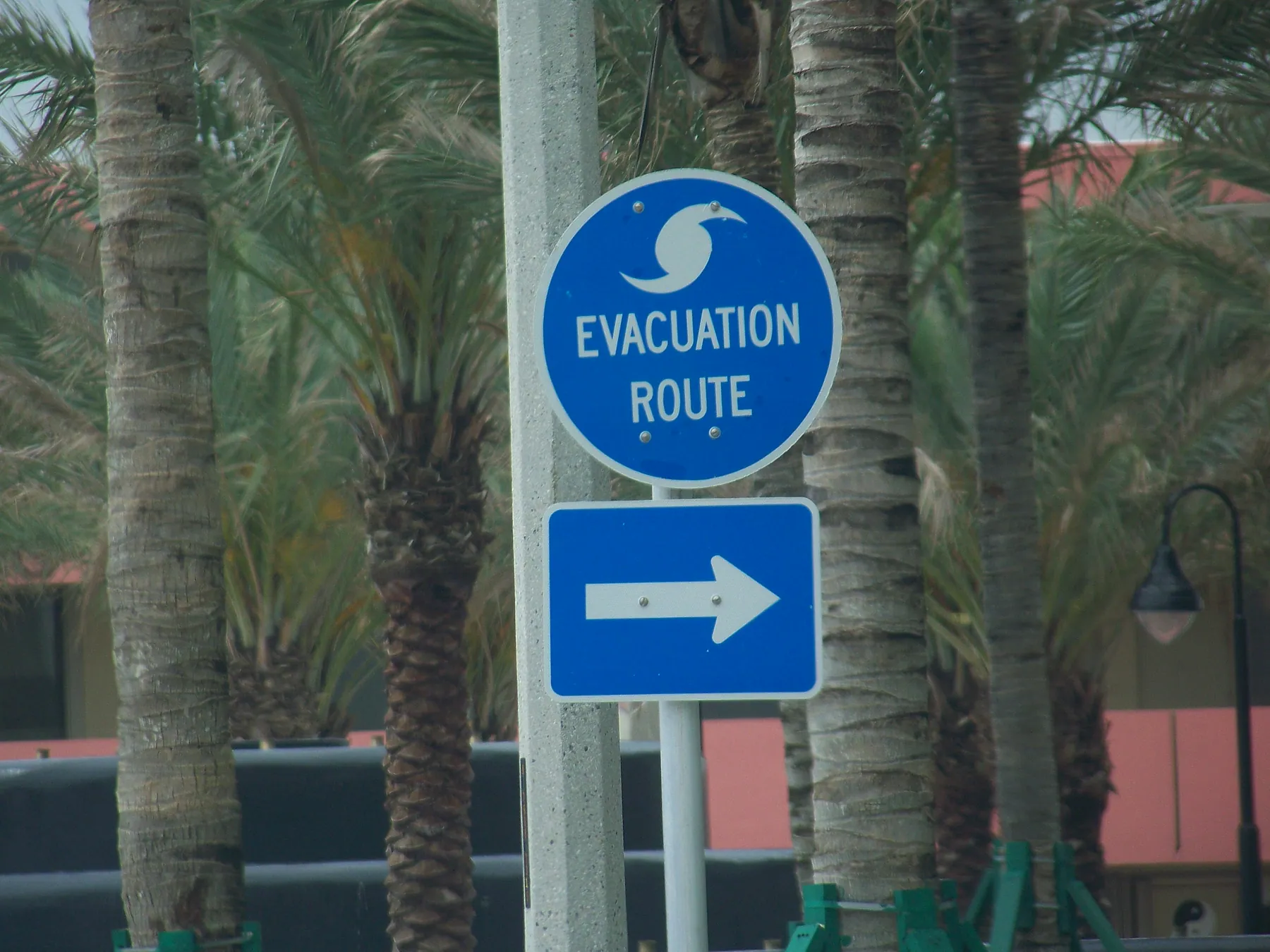 02
Look it up by address on the Florida Division of Emergency Management's Know Your Zone map.
Read the answer →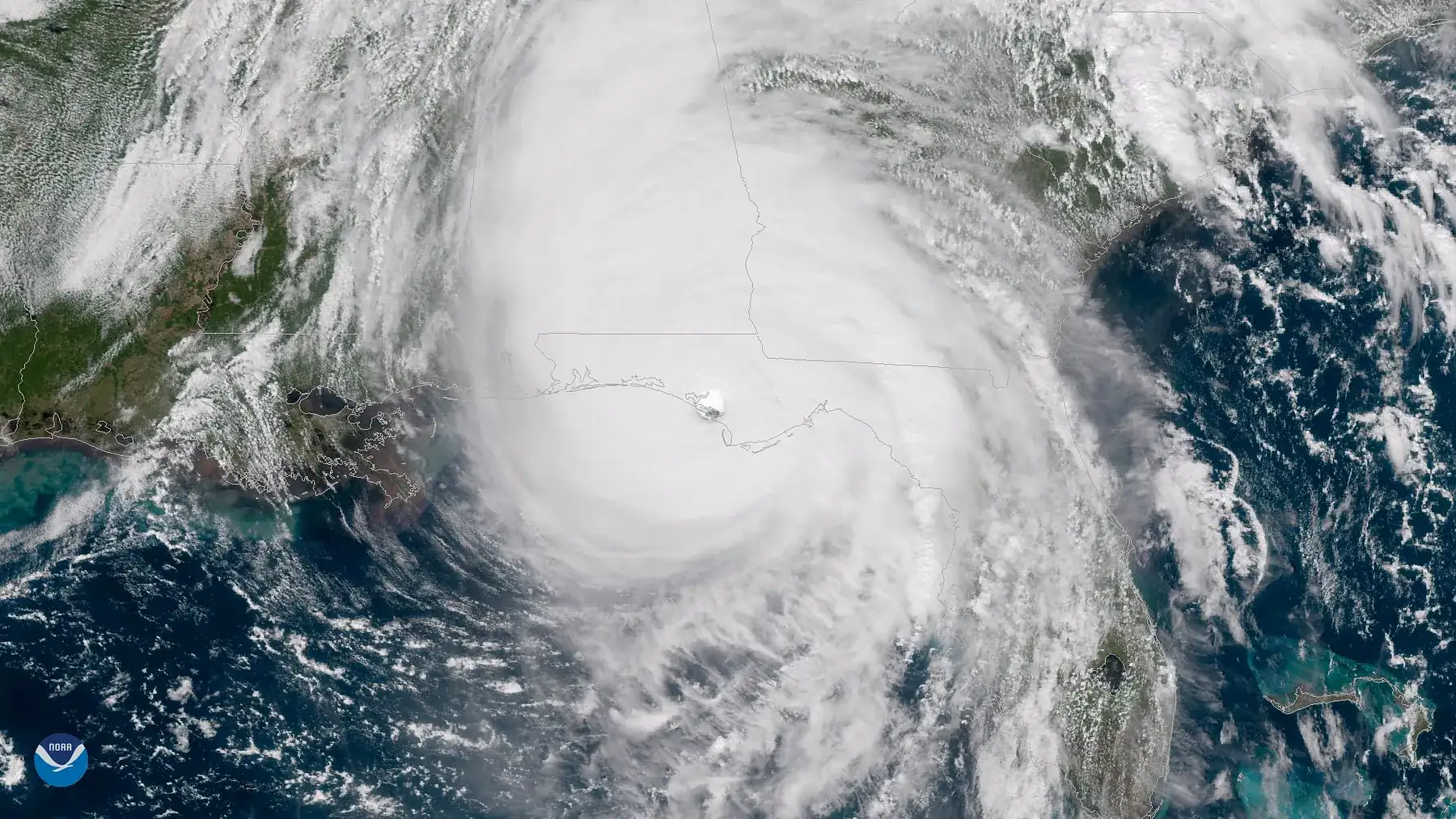 03
Atlantic hurricane season runs from June 1 to November 30. The National Hurricane Center puts its peak on September 10, with most of the activity from mid-August to mid-October.
Read the answer →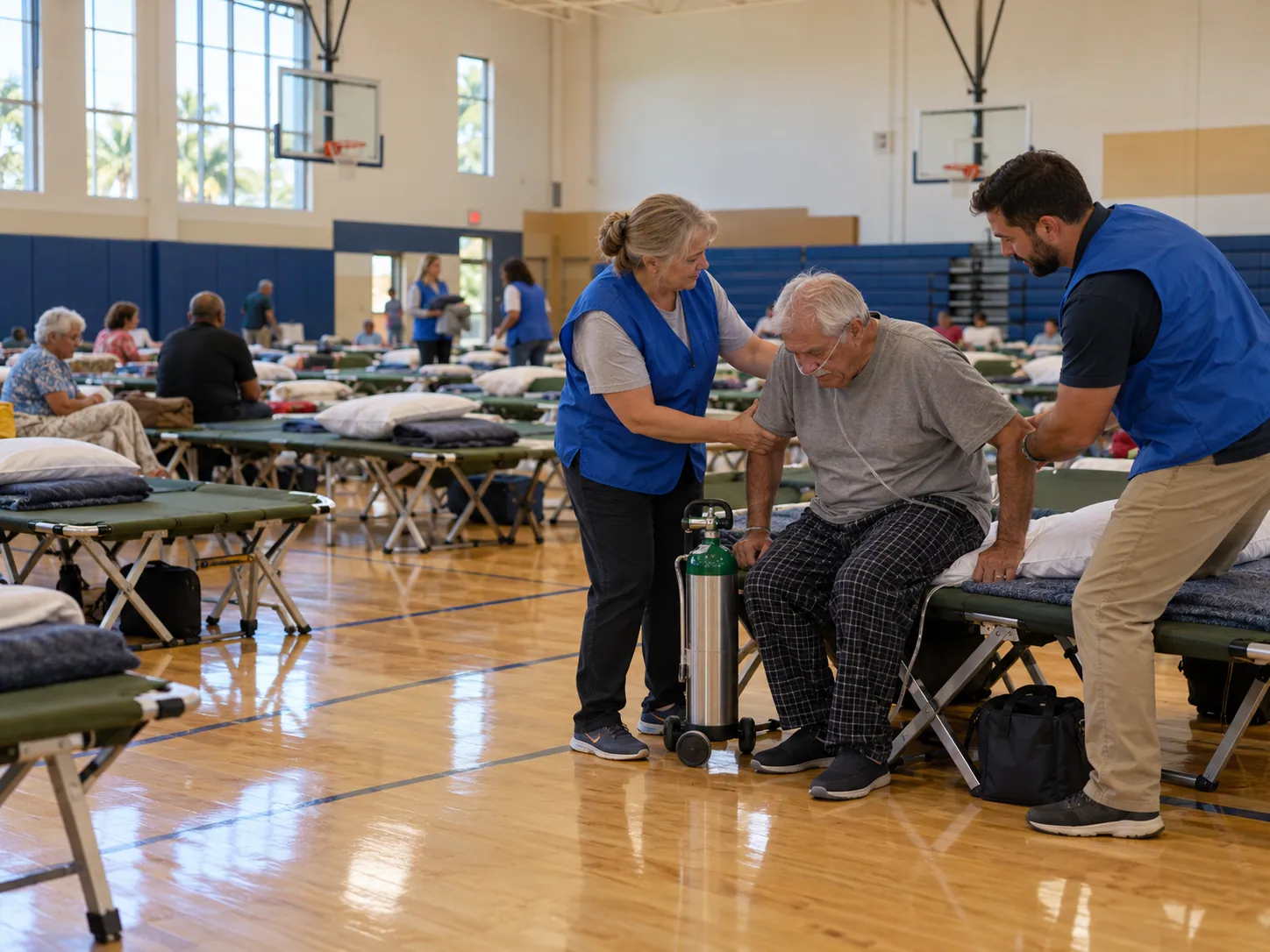 04
Register ahead with your county's emergency management office, or with the state's Special Needs Registry at snr.flhealthresponse.com or 888-353-8387.
Read the answer →Florida's year divides by rain more than by temperature. The wet season runs from about the middle of May to the middle of October.
Atlantic hurricane season runs from June 1 to November 30. The National Hurricane Center puts its peak on September 10, with most of the activity from mid-August to mid-October.
In the north, yes. The Panhandle and the Big Bend have a real winter: the National Weather Service puts the average first freeze at Tallahassee on November 25, and on the coast at Apalachicola on December 13.
Have a different question? Ask 1stFlorida →