Keep indoor humidity below 60 percent, and below 50 percent if you can, with the air conditioner or a dehumidifier. Vent showers and cooking outside. Dry spills, wet carpet and wet building materials within 24 hours. Fix any leak before cleaning up mold.
The department does not recommend testing. Mold indoors can usually be seen or smelled, and there are no health-based standards for judging test results.
A homeowner can usually clean an area under about 10 square feet with detergent and water or a mold cleaner, wearing gloves and goggles. Bleach is not needed in most cases, and must never be mixed with ammonia or acids. Do not use ozone generators. Drywall, carpet padding and insulation that cannot be cleaned may need to be removed and replaced.
Allergy is the most likely health problem from mold. Babies, children, older adults and people with asthma, allergies or weak immune systems can be affected sooner and more severely. The department says to see a doctor if you feel mold is affecting your health.
In Florida law, mold assessment and remediation cover more than 10 square feet of mold. The Florida Department of Business and Professional Regulation licenses the people who do that work. Check a license at myfloridalicense.com or call the department at 850-487-1395, weekdays 8 a.m. to 5 p.m. Eastern time. With an exception for certain contractors, an assessor may not do the removal on a building it assessed in the last 12 months. A homeowner working on his or her own home is exempt.
For mold and health questions, call the Department of Health's Radon and Indoor Air Program at 1-800-543-8279.
 01
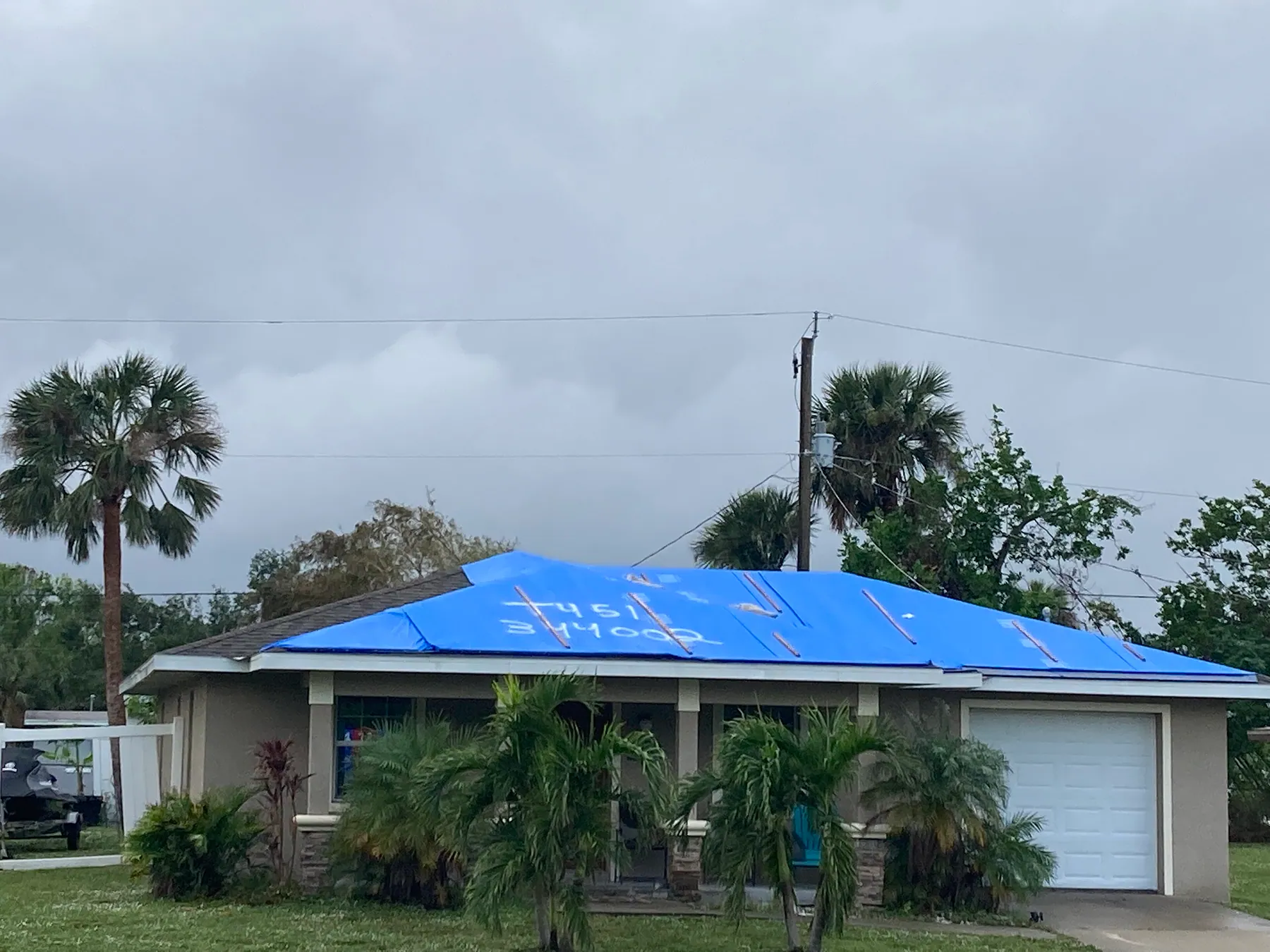
Why is home insurance so expensive in Florida, and how can I lower it?
Hurricane wind is the main cost in a Florida home policy, and the price is set by the address, the age and shape of the roof and how the house is built, so it can differ a great deal between two homes on the same street.
Read the answer →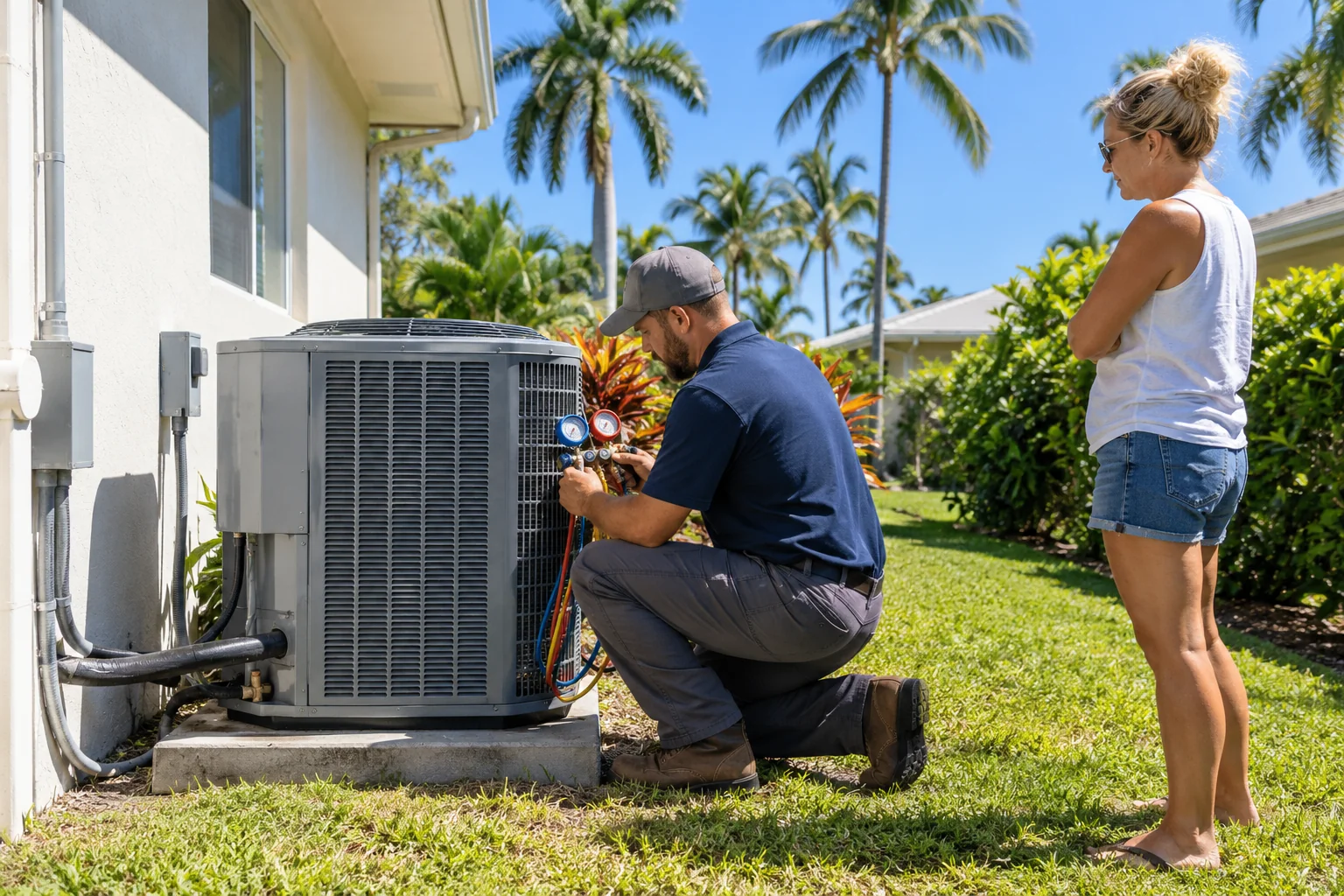 02
How do I choose an air conditioner in Florida?
Have it sized by a load calculation, not by the size of the house.
Read the answer →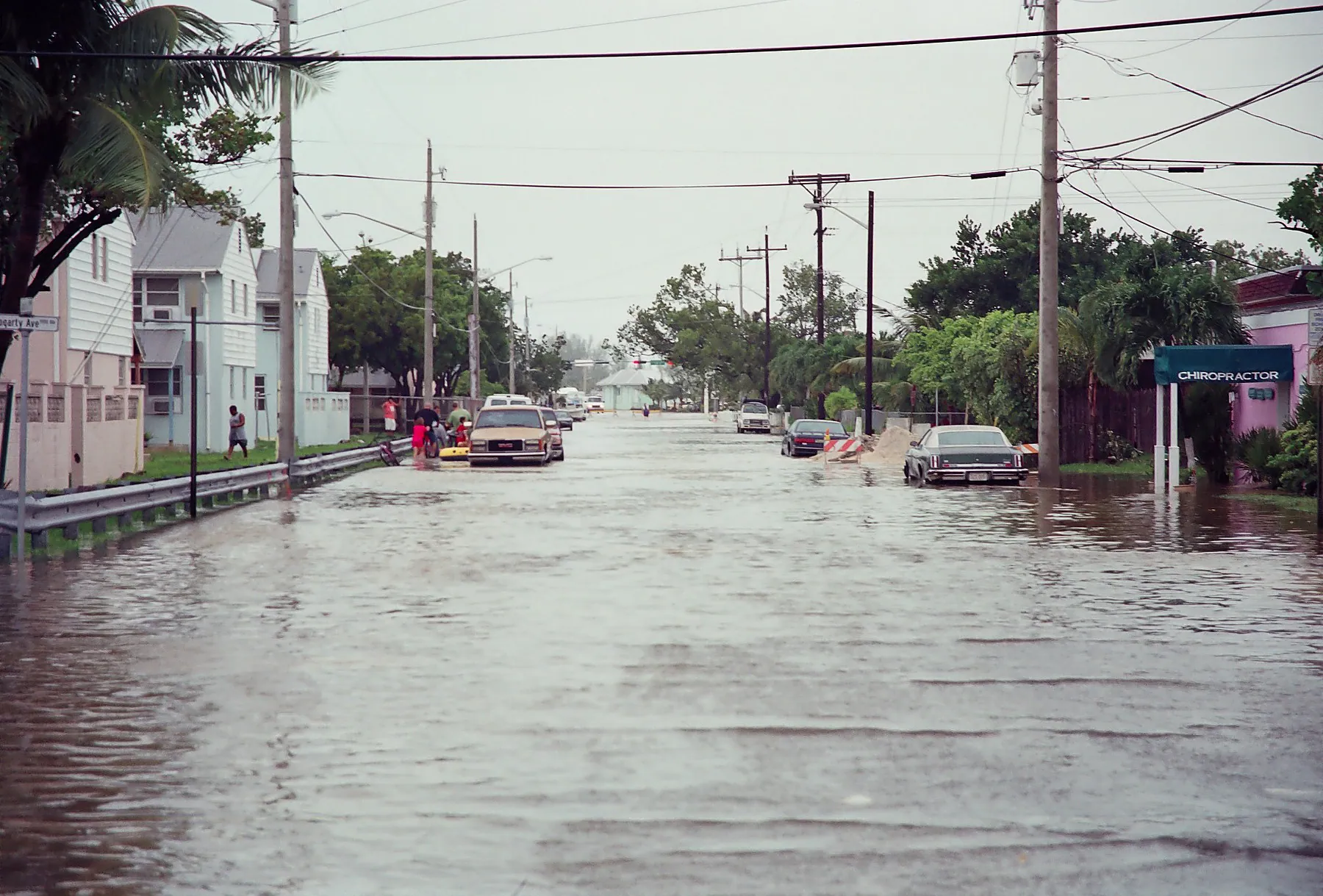 03
Do I need flood insurance in Florida?
A standard homeowners policy does not cover flooding. Flood is a separate policy, from the National Flood Insurance Program or a private insurer, and an NFIP policy usually takes 30 days to start, so it cannot be bought the day a storm is named.
Read the answer →