The protection is in Article X, Section 4 of the Florida Constitution. Chapter 222 of the Florida Statutes, which sets out how a homestead is claimed, describes it as the provisions of the constitution and laws exempting property as a homestead from forced sale under any process of law.
As section 222.01 of the Florida Statutes lists them from the constitution, the protection does not apply to liens and judgments for
- taxes and assessments on the property
- obligations taken on to buy the property
- labor, services or materials furnished to repair or improve it
- other labor performed on the property
The constitution also limits how much land is protected. For a homestead outside the limits of a town or city, state law refers to a limit of 160 acres.
State law adds to this. Section 222.25 of the Florida Statutes protects a debtor's interest in one motor vehicle up to $5,000. Section 222.01 lets an owner record a signed statement in the circuit court describing the property claimed as homestead. Section 222.20 says Florida residents cannot use the federal bankruptcy exemptions; Florida's own exemptions apply instead.
Whether a particular debt can be collected against a particular home depends on the facts of the case. Ask a Florida lawyer before relying on this protection.
Where to go from here.
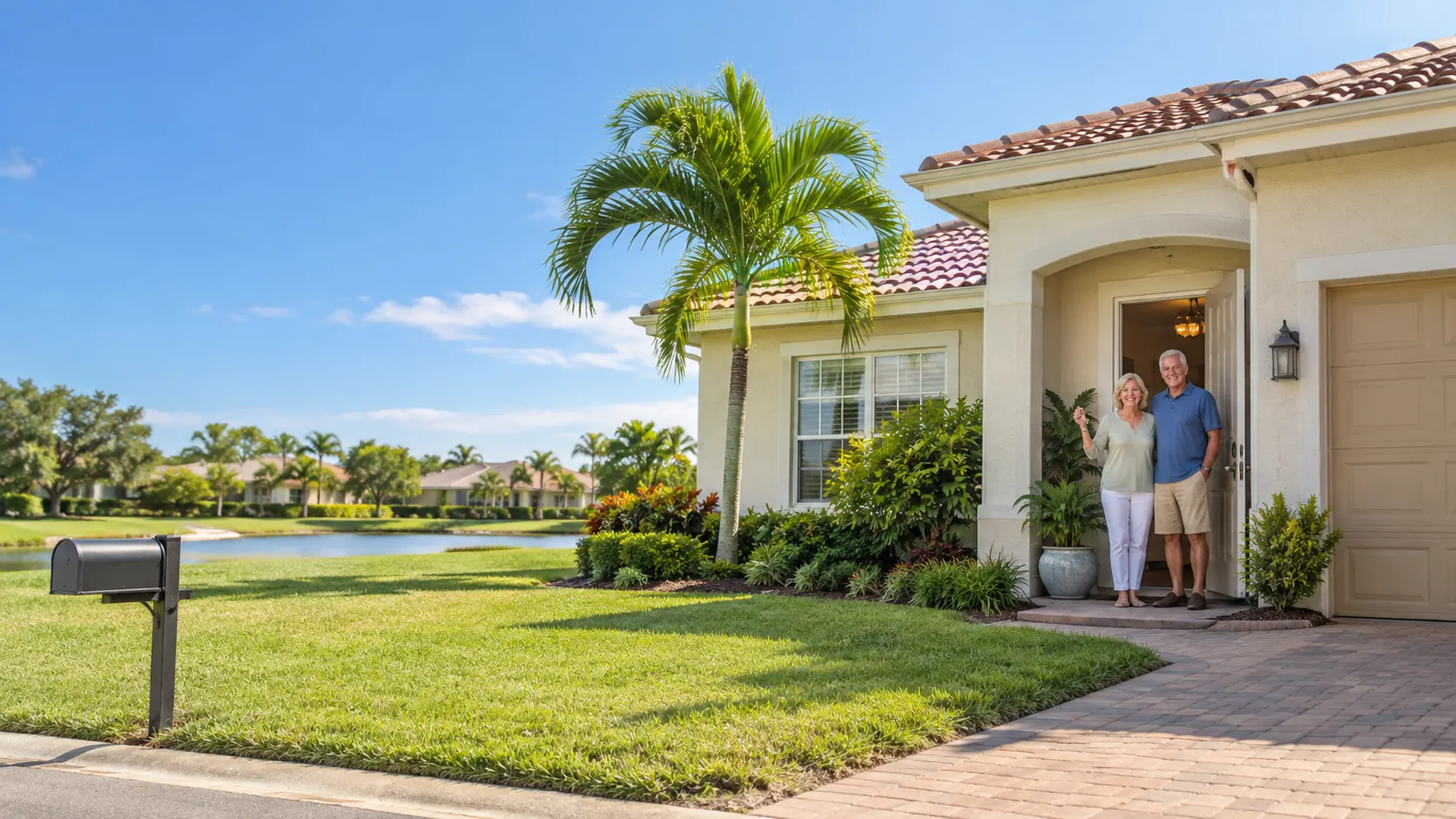 01
How does Florida's homestead exemption work?
If you own your home and it is your permanent residence on January 1, you can file for the homestead exemption with the county property appraiser by March 1, and it lowers that year's tax bill.
Read the answer →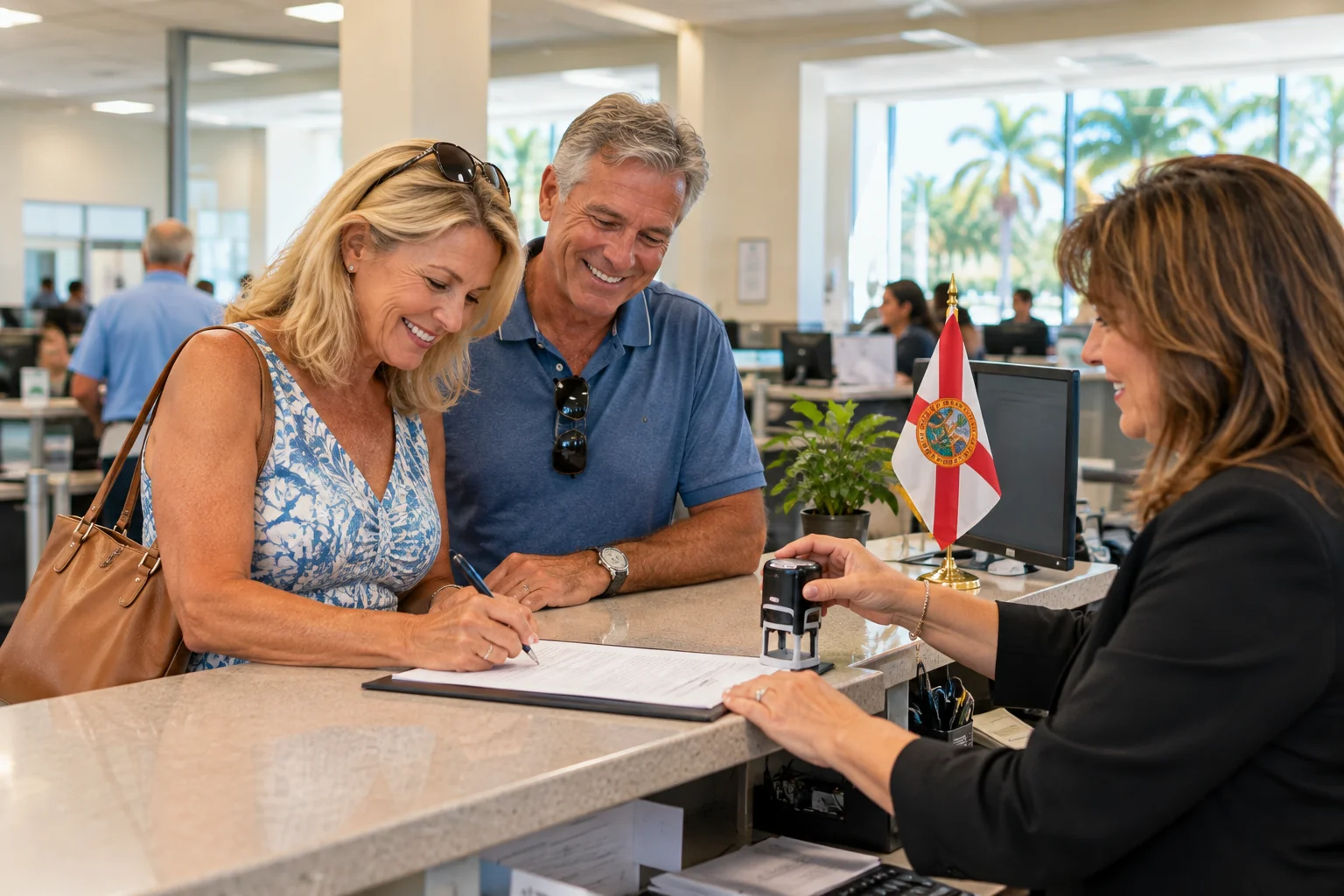 02
How do I make Florida my legal home?
Florida law lets anyone who lives here show it in writing with a Declaration of Domicile, a sworn statement filed with the clerk of the circuit court in the county where you live (section 222.17 of the Florida Statutes).
Read the answer →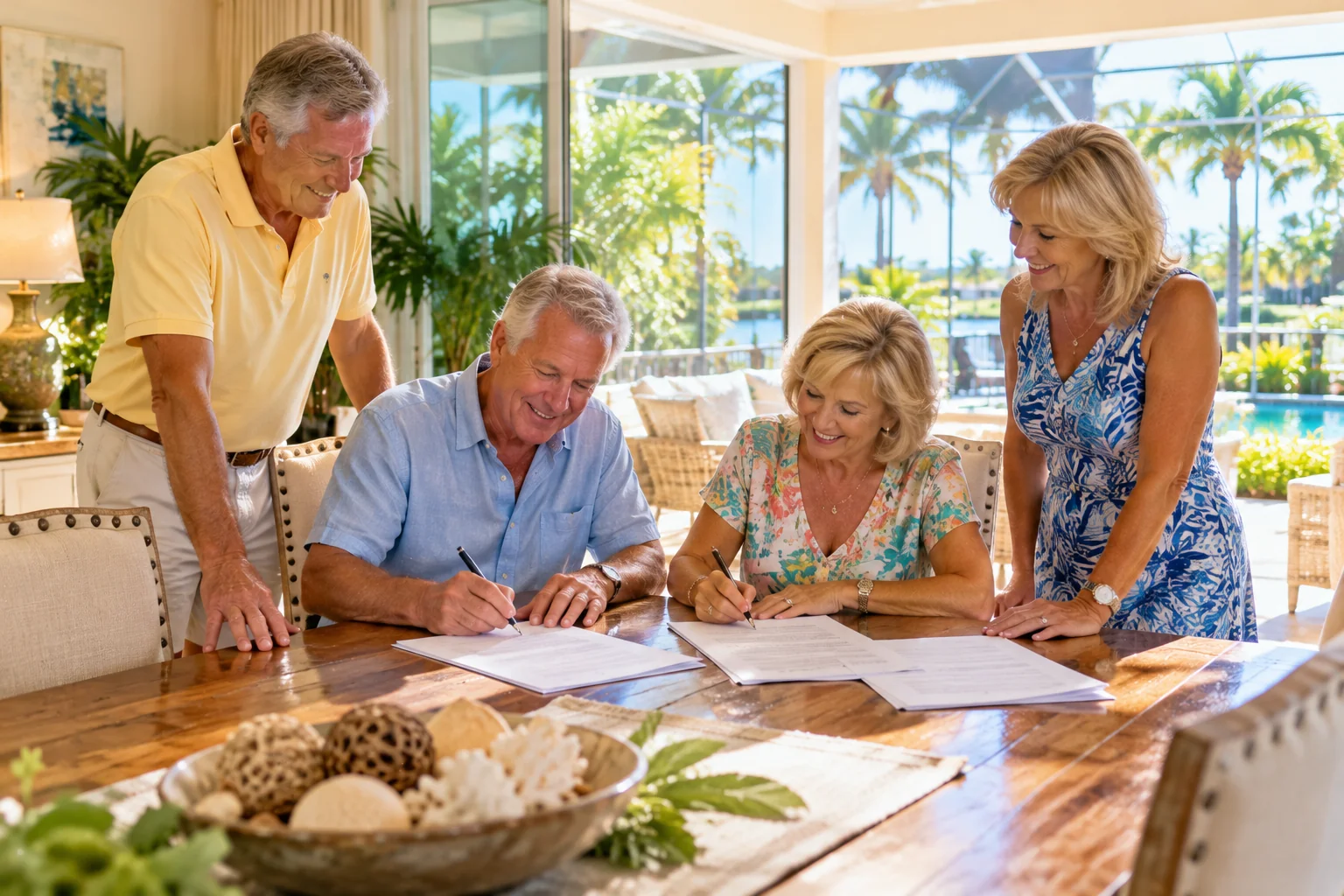 03
Do I need a new will when I move to Florida?
Not necessarily. A will signed in another state, other than a handwritten or spoken one, is valid in Florida if it was valid where it was signed.
Read the answer →More questions like this.
A Florida county property appraiser sets the value of every property in the county as of January 1 each year and handles exemptions such as homestead.
A Florida county tax collector mails property tax bills, collects the payments and sends the money to the county, cities, schools and other taxing bodies.
In Florida, you get a building permit from the local building department that covers the property's address, and you must have it before the work starts.