FLORIDA PLACE TO EXPLORE
Ben Hill Griffin Stadium has stood on the University of Florida campus since 1930 and seats 88,548 people, which makes it the largest stadium in the state. It is home to Florida Gators football. The name everybody uses is The Swamp, and that came from coach Steve Spurrier in the early 1990s: a swamp is where gators live, he said, and his team felt comfortable there while he hoped opponents would feel tentative.
WILDLIFE & CONSERVATION
The zoo was founded in 1970 and sits on about ten acres of the college's main campus in northwest Gainesville. It holds more than 200 animals from over 70 species, covering mammals, birds, reptiles, amphibians and insects, with lar gibbons, red ruffed lemurs, ocelots and bald eagles among them alongside a good deal of native Florida wildlife.
MUSEUM & CULTURE
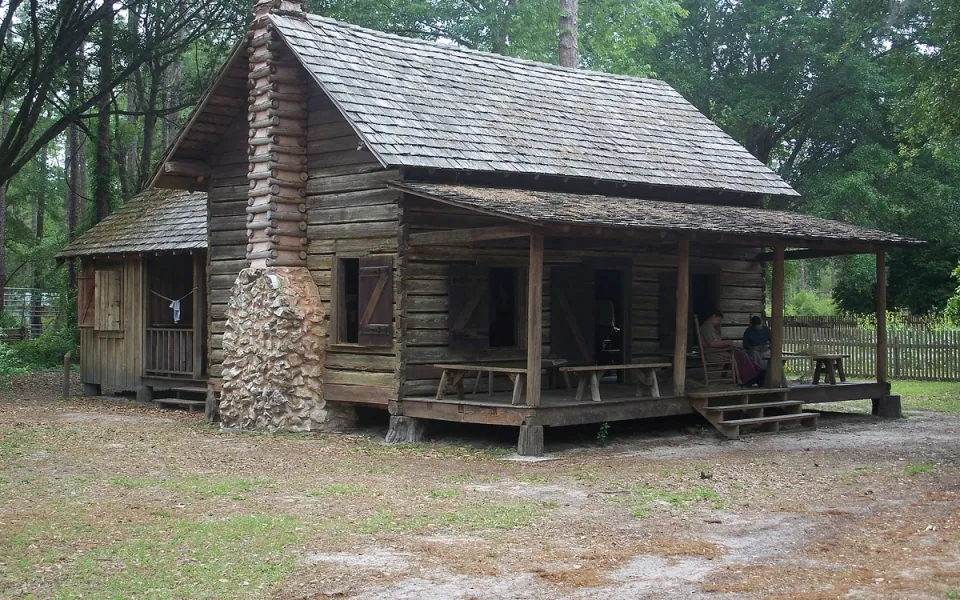
The Matheson exists to keep and explain the history of Gainesville, Alachua County and the country around them. It opened in 1994 and now takes up several buildings on one site. The museum itself is in the former American Legion Hall at 513 East University Avenue.
WATER & COAST
Sweetwater Wetlands Park is more than 125 acres of wetlands and ponds on the edge of Gainesville, and it was built to do a job rather than to be looked at. Water passes through it and is cleaned before it reaches the wetlands of Paynes Prairie and the Floridan Aquifer below, which the city describes as working like nature's kidney.
PARKS & OUTDOORS
San Felasco is a mature hardwood forest, which is unusual enough in this part of Florida to be the reason the place was protected. Eighteen distinct natural communities have been recorded inside the preserve. The ground is not flat: limestone breaks the surface and the land rises and falls, and that variation is what supports the range of hardwoods growing here, among them trees recorded as champions of their species.
FLORIDA PLACE TO EXPLORE
These are working buildings, not an exhibit. When Johnson Hall burned down in 1987 the bats living in it moved into the stadium bleachers, where the smell and the staining made them a problem, so the university built them somewhere else to live at a safe distance from people.