A wind mitigation inspection records the features that help a house stand up to a hurricane: the roof covering and the shape of the roof, how the roof deck is nailed down, the clips or straps that tie the roof to the walls, a self-adhering underlayment under the roof covering, and impact-resistant windows, doors and garage doors. The inspector fills in the state's Uniform Mitigation Verification Inspection Form, and you send it to your insurer, which uses it to set the discounts or credits on the windstorm part of the premium; insurers are required by law to offer them. The form is good for up to five years, unless the house is changed or the form is found to be wrong, and a new version of it has been required for every inspection since April 1, 2026. A 4-point inspection covers four things only, the roof, the electrical system, the plumbing and the heating and air conditioning, with the age, type and condition of each. Citizens Property Insurance requires one for homes more than 20 years old. If your home is a site-built, owner-occupied single-family home with a homestead exemption, you can apply to My Safe Florida Home for a free wind mitigation inspection. When the Legislature funds it, the program also gives grants of $2 for every $1 the owner spends, up to $10,000, for homes built before 2008 and insured for $700,000 or less.
Where to go from here.
 01
Why is home insurance so expensive in Florida, and how can I lower it?
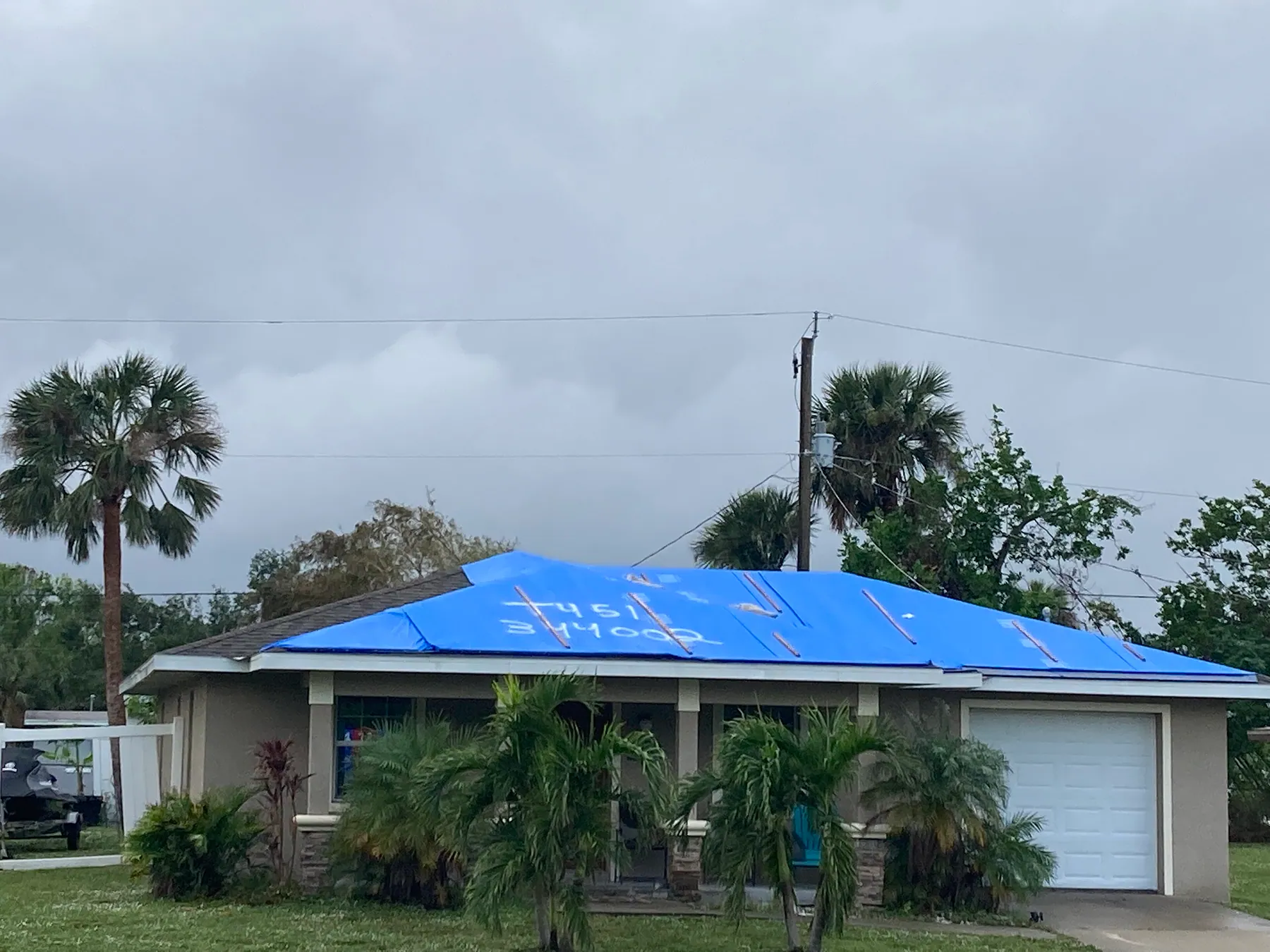
Hurricane wind is the main cost in a Florida home policy, and the price is set by the address, the age and shape of the roof and how the house is built, so it can differ a great deal between two homes on the same street.
Read the answer →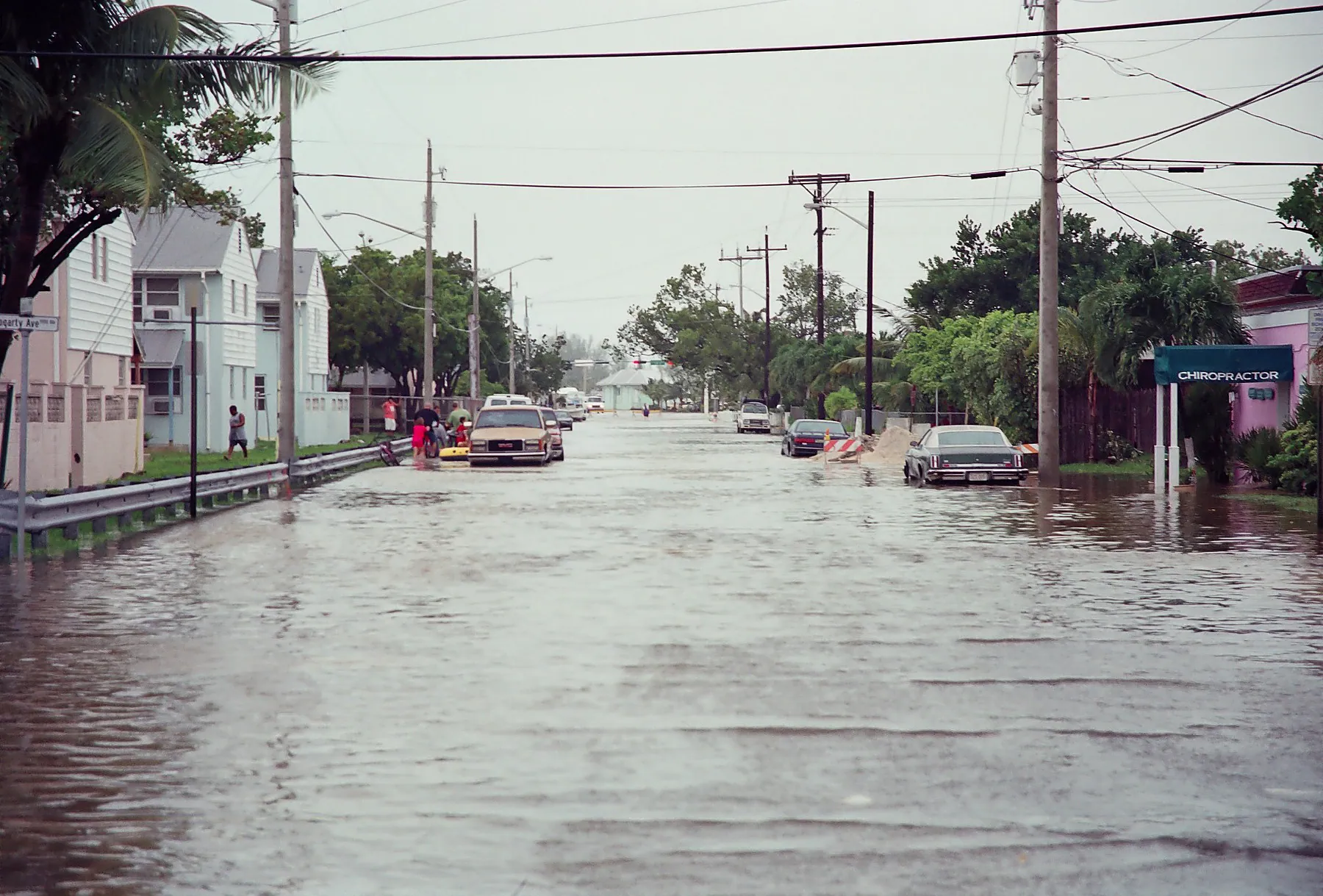 02
Do I need flood insurance in Florida?
A standard homeowners policy does not cover flooding. Flood is a separate policy, from the National Flood Insurance Program or a private insurer, and an NFIP policy usually takes 30 days to start, so it cannot be bought the day a storm is named.
Read the answer →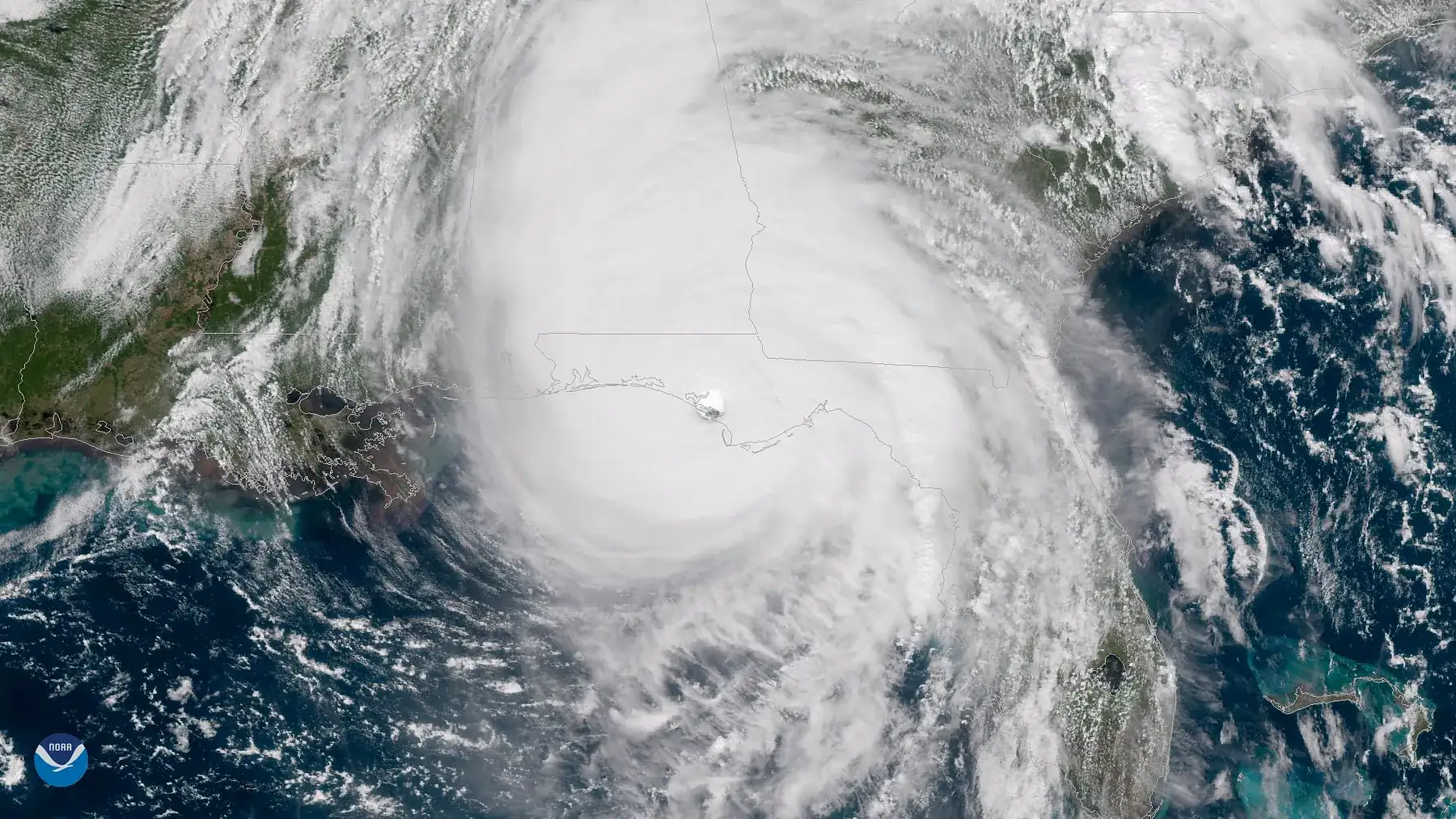 03
When is hurricane season in Florida, and how do I get ready?
Atlantic hurricane season runs from June 1 to November 30. The National Hurricane Center puts its peak on September 10, with most of the activity from mid-August to mid-October.
Read the answer →Where this comes from.
- Florida Department of Financial Services, mitigation ↗ Read October 21, 2026
- Florida Department of Financial Services, mitigation notices, inspections and forms ↗ Read October 21, 2026
- Florida Office of Insurance Regulation, wind mitigation resources ↗ Read October 21, 2026
- My Safe Florida Home, frequently asked questions ↗ Read October 21, 2026
- Citizens Property Insurance Corporation, inspections ↗ Read October 21, 2026
More questions like this.
Florida's landlord and tenant law is the state's, and since 2023 it overrides local rules on deposits, application fees, lease terms and notices.
Sinkholes are a common part of Florida's landscape. The whole state sits on limestone and similar rock that water slowly dissolves, leaving holes underground, and a sinkhole forms when the ground above falls into one.
What a lender measures against your monthly income is what you would pay each month, not the price of the house: the new house payment with its taxes and insurance, plus any car loan, card or other debt.