 01
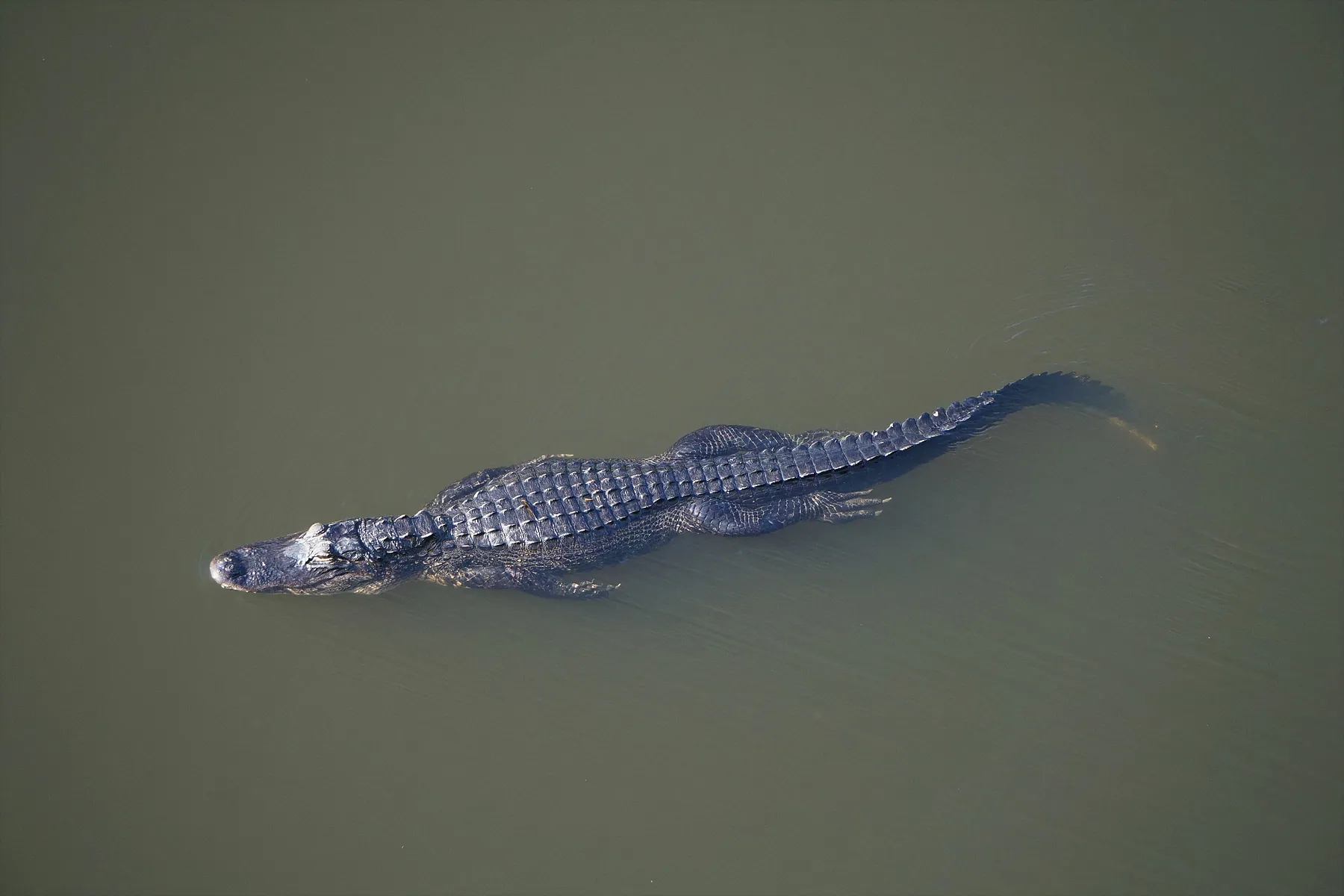
01Where can you see alligators and Florida wildlife?
Alligators are in fresh and brackish water in all 67 counties, so the question is where you can watch them safely from dry land.
Read the answer →Ask 1stFlorida
About fifty native kinds, and only six of them are venomous: the eastern coral snake, the southern copperhead, the cottonmouth, the eastern diamondback rattlesnake, the timber rattlesnake and the dusky pygmy rattlesnake.
The rest are harmless, and most of them earn their keep by eating rats and mice. The Florida Fish and Wildlife Conservation Commission's advice when you meet one is to stand back and watch it; snakes would rather avoid people and usually move off on their own. If someone is bitten, go straight to the nearest emergency room and call the Florida poison control centers at 1-800-222-1222. Do not use a tourniquet or ice, and do not cut the bite or try to suck out the venom. Take off rings and tight clothing near the bite and keep the bitten arm or leg below the heart.
01Alligators are in fresh and brackish water in all 67 counties, so the question is where you can watch them safely from dry land.
Read the answer →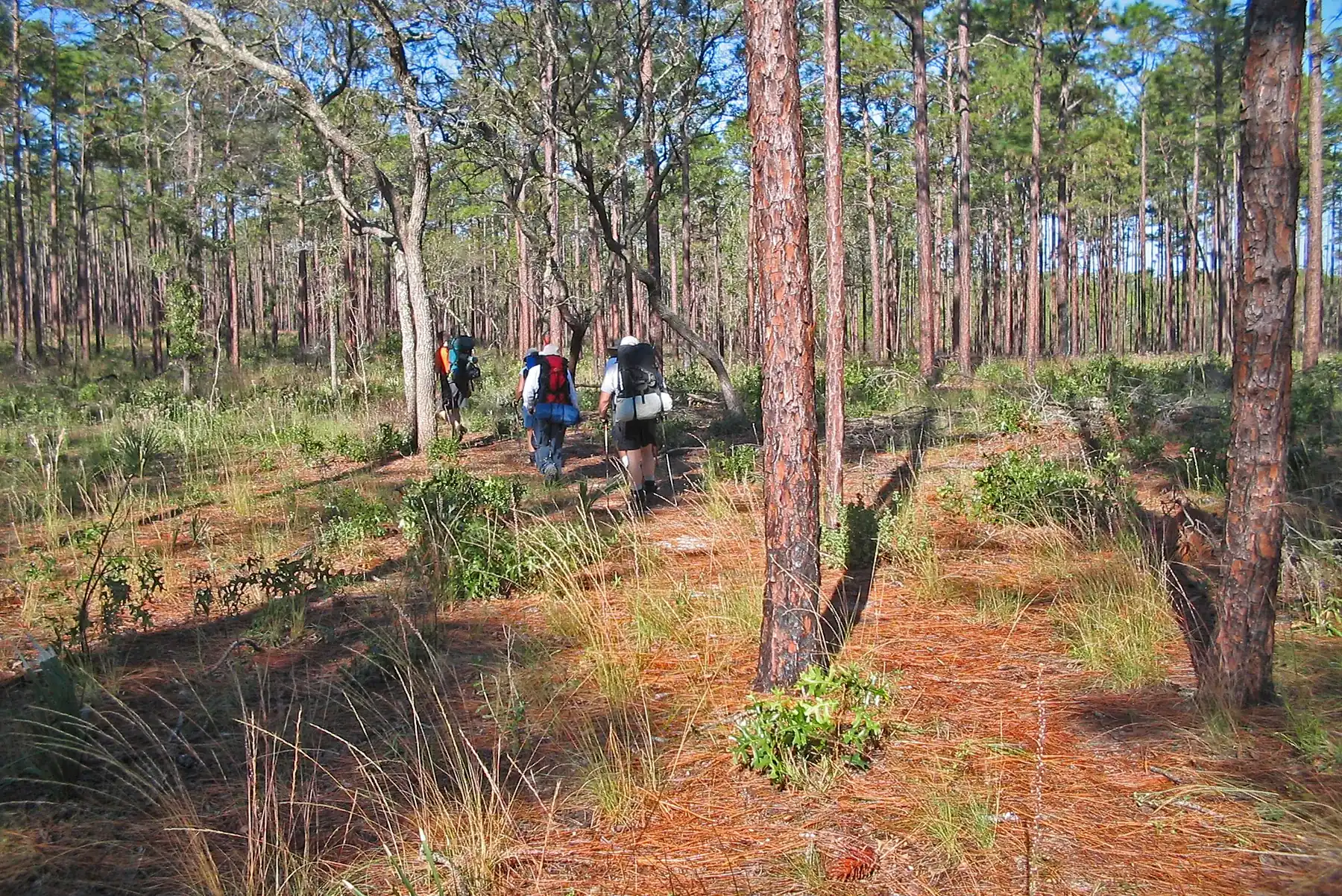 02
02The long one is the Florida National Scenic Trail, about 1,500 miles from Big Cypress National Preserve in the south to Gulf Islands National Seashore at the western end of the Panhandle.
Read the answer →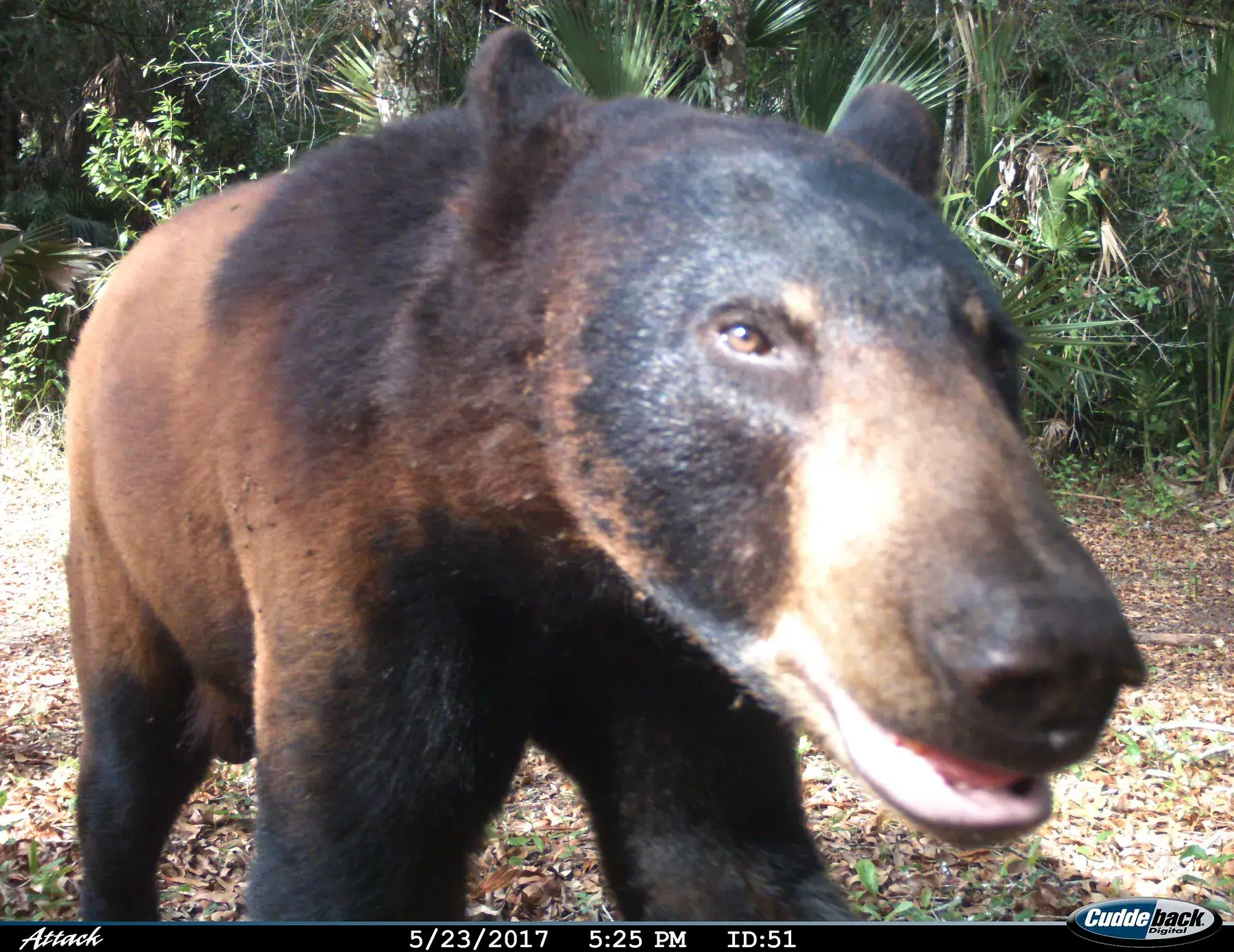 03
03Yes. The Florida black bear is the only bear in the state, and the Florida Fish and Wildlife Conservation Commission estimates there are about 4,050 of them.
Read the answer →Any beach on the Gulf coast faces west, so the sun goes down into the water the length of that shore.
The whole Atlantic coast, from Amelia Island down to Key Biscayne. The ones worth setting an alarm for are the undeveloped stretches, where nothing stands between the dune and the horizon.
Florida has more standing lighthouses than any other state and about a dozen let you climb them.
Have a different question? Ask 1stFlorida →