What Florida offers. The Florida Department of Revenue says Florida does not impose a personal income tax. A home you own and make your permanent residence by January 1 may qualify for a homestead exemption worth as much as $51,411 off its assessed value in 2026. The first $25,000 applies to all property taxes, and the second part, $26,411 in 2026, applies to taxes other than school taxes. You apply with your county property appraiser by March 1.
The Census Bureau estimates Florida had 23,462,518 residents on July 1, 2025, up 8.9 percent since April 1, 2020. The Florida Legislature's Office of Economic and Demographic Research says all of that growth comes from more people moving in than moving out.
What to plan for. Hurricane season runs from June 1 to November 30, with most activity between mid-August and mid-October, according to the National Hurricane Center. The Florida Department of Financial Services says insurers must offer hurricane deductibles of $500, 2 percent, 5 percent or 10 percent of the dwelling limits ($500 need not be offered on a home insured for $250,000 or more), and that deductible applies to all covered hurricane losses in a calendar year. Its insurance helpline, 1-877-693-5236, helps with policies sold in Florida, weekdays 8 a.m. to 5 p.m. Eastern.
Hurricane coverage does not include flooding. The Federal Emergency Management Agency (FEMA) says homeowners and renters policies do not typically cover flood damage, and most flood policies take 30 days to start. The National Flood Insurance Program referral line is 800-427-4661.
For housing, the Census Bureau's latest five-year figures put the median Florida home value at $359,000, median monthly owner costs with a mortgage at $1,959 and median gross rent at $1,669.
 01
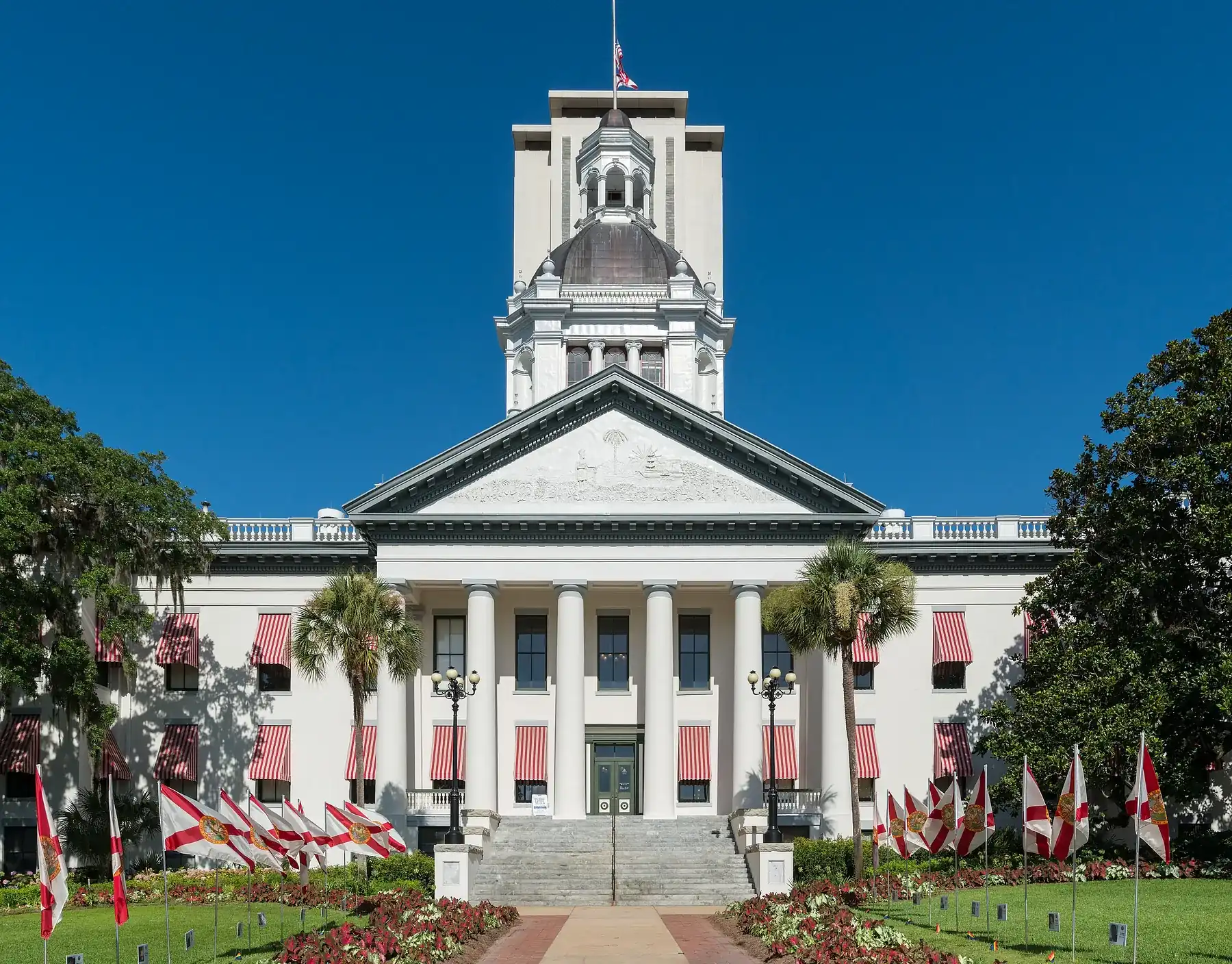
Does Florida have a state income tax?
No. Florida does not tax personal income, so wages, pensions, withdrawals from an IRA or a 401(k), and Social Security are all free of state income tax, and there is no inheritance tax or gift tax either.
Read the answer → 02
How does Florida's homestead exemption work?
If you own your home and it is your permanent residence on January 1, you can file for the homestead exemption with the county property appraiser by March 1, and it lowers that year's tax bill.
Read the answer →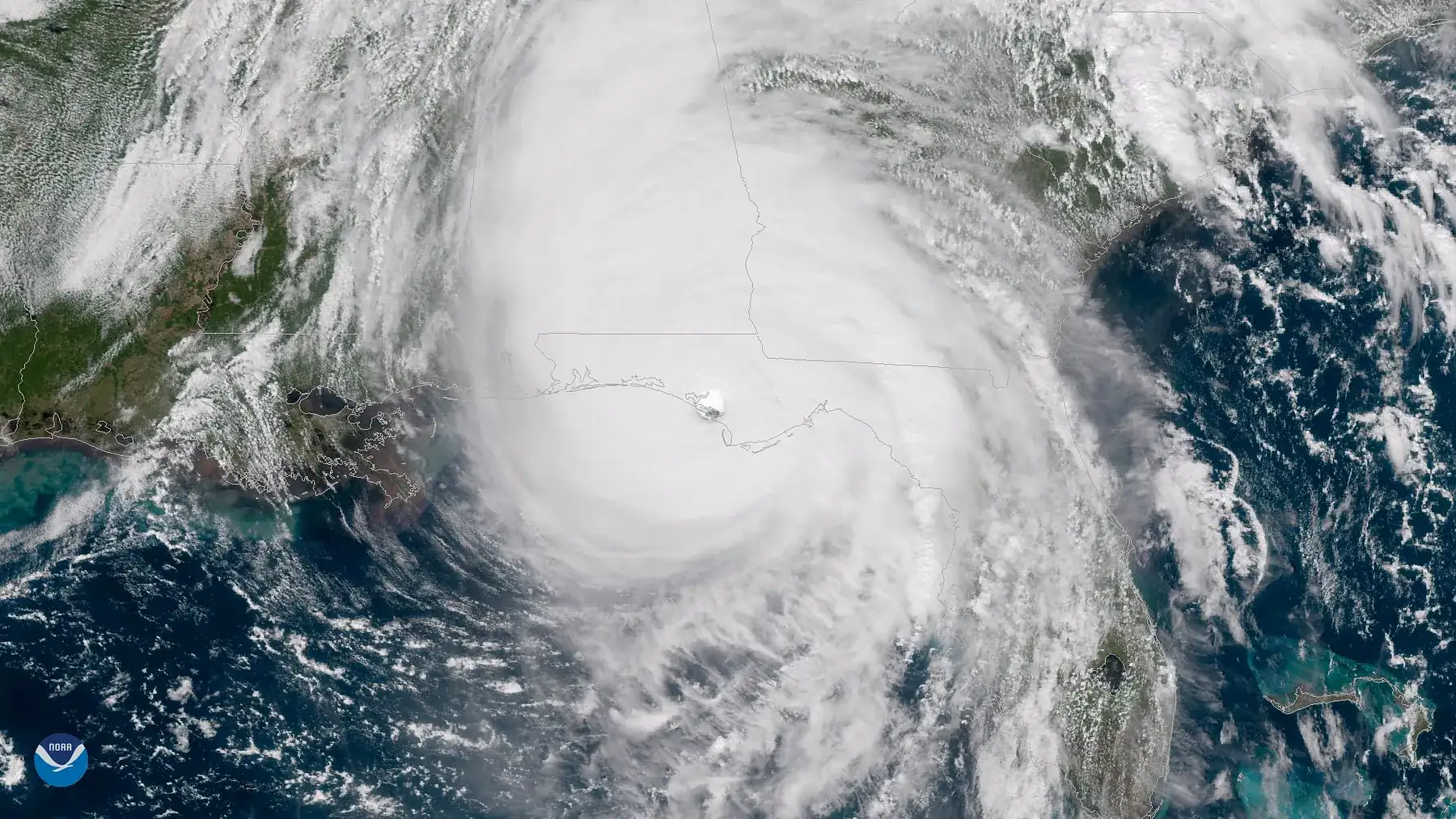 03
When is hurricane season in Florida, and how do I get ready?
Atlantic hurricane season runs from June 1 to November 30. The National Hurricane Center puts its peak on September 10, with most of the activity from mid-August to mid-October.
Read the answer →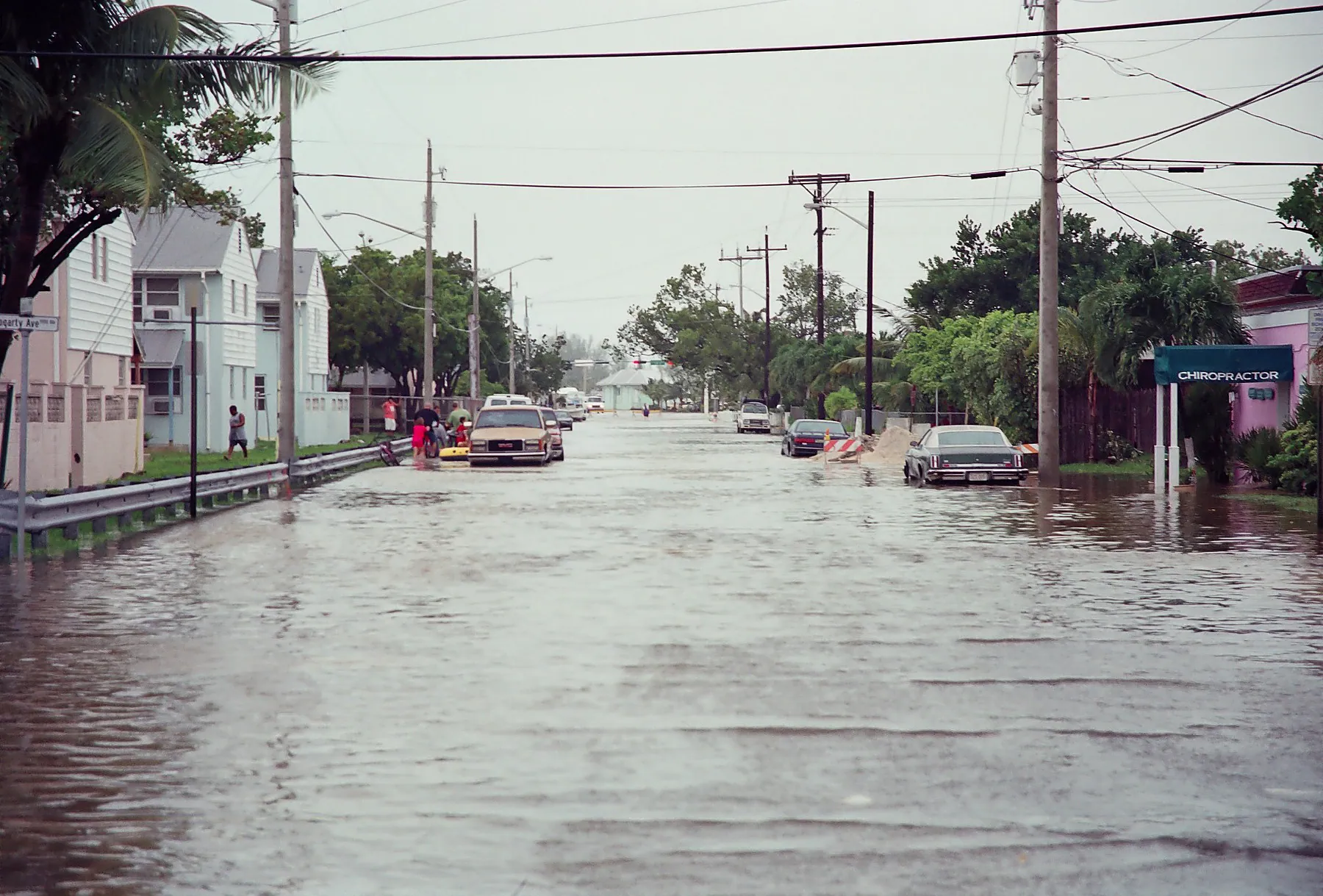 04
Do I need flood insurance in Florida?
A standard homeowners policy does not cover flooding. Flood is a separate policy, from the National Flood Insurance Program or a private insurer, and an NFIP policy usually takes 30 days to start, so it cannot be bought the day a storm is named.
Read the answer →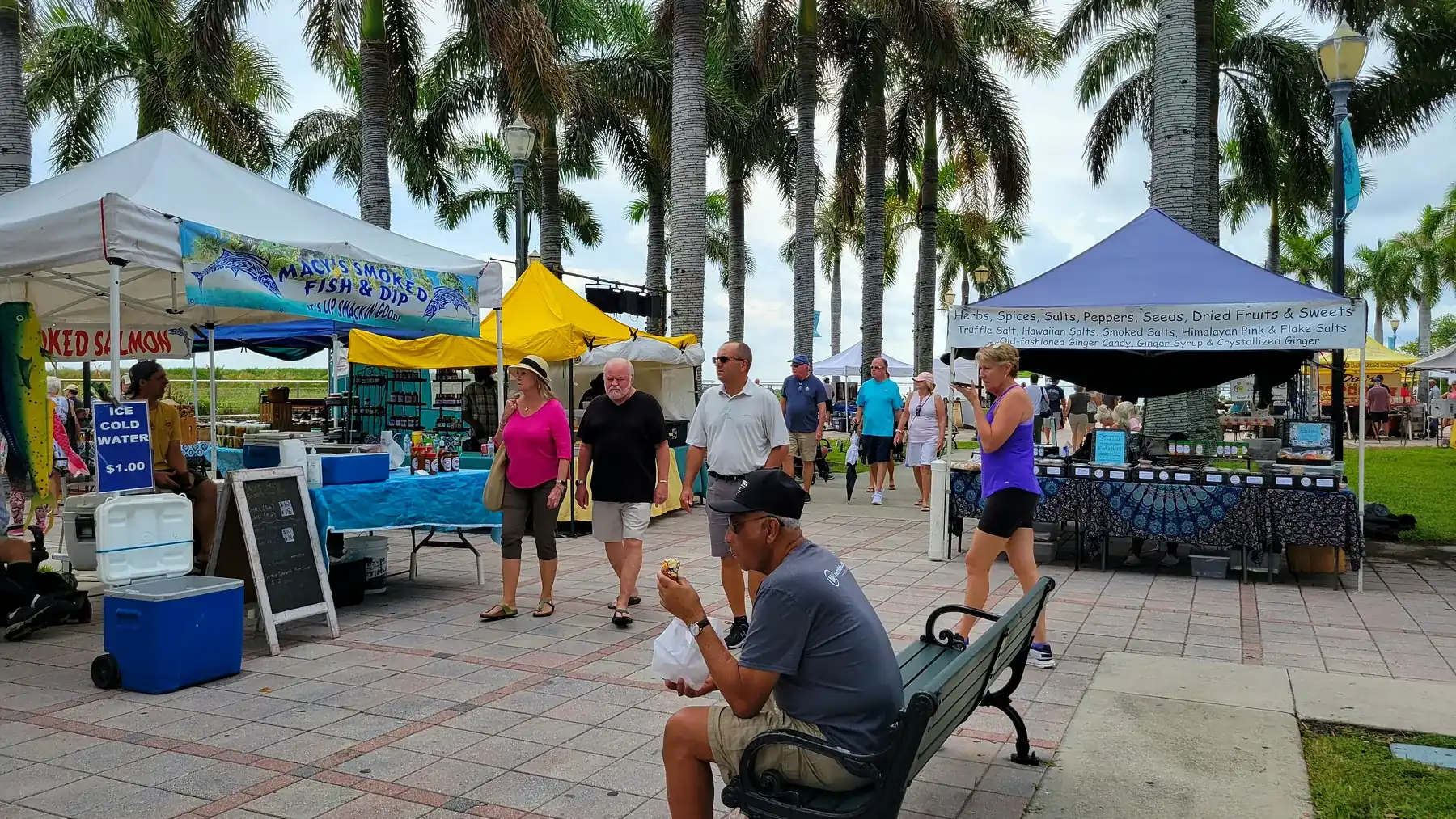 05
What does it cost to live in Florida?
The savings are in taxes; the costs are in housing and insurance.
Read the answer →